Blog

  • How Are Landfills More Efficient Than Recycling Waste?

    How Are Landfills More Efficient Than Recycling Waste?

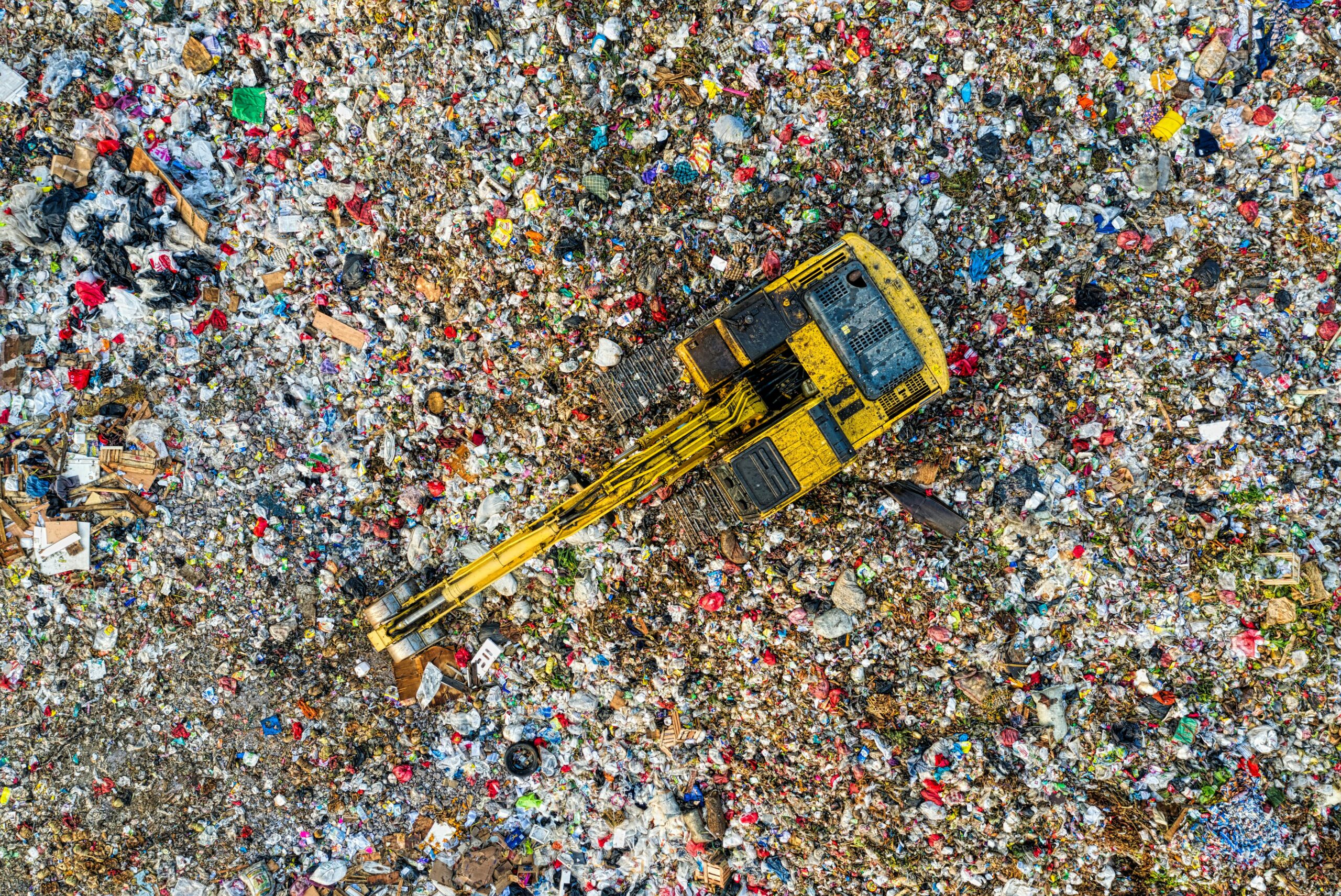
    In the ongoing debate between landfilling and recycling waste, each has its proponents and critics. While recycling is often touted for its environmental benefits, there are scenarios where landfills could be considered more efficient. This comprehensive guide explores how landfills can sometimes be more effective than recycling in managing waste, focusing on aspects such as cost, simplicity, energy recovery, and the ability to handle non-recyclable materials.

    Introduction to Waste Management Efficiency

    The efficiency of waste management strategies is crucial in our global effort to minimize environmental impact and promote sustainability. The key question, “How are landfills more efficient than recycling waste?” brings to light the complexities of our modern waste management systems. This article delves into the nuances that make landfills an efficient option under certain conditions.

    Cost-Effectiveness and Simplicity of Landfills

    Landfills offer a straightforward approach to waste management. Unlike the intricate processes required in recycling, landfill operations generally involve simpler, less expensive techniques. Here’s a breakdown of why landfills can be more cost-effective:

    • Initial Investment: Landfills require less capital for machinery and technology compared to recycling facilities.
    • Operational Costs: The ongoing expenses of running a landfill are often lower, as they require less specialized labor and less intensive technology.
    • Simplicity in Operation: The process of landfilling is less complex, involving primarily the collection and burial of waste, which reduces the potential for operational inefficiencies.

    Table 1: Comparative Cost Analysis of Landfill vs. Recycling

    Cost ComponentLandfillRecycling
    Initial SetupLowerHigher
    Operational ExpensesGenerally lowerGenerally higher
    Labor RequirementsLess specializedMore specialized
    Technology NeedsBasicAdvanced

    Managing Non-recyclable Waste

    Not all waste can be recycled. Some materials are inherently non-recyclable due to their composition or contamination levels. Landfills serve as a critical endpoint for such wastes, ensuring environmental safety. This section outlines the types of non-recyclable materials and how landfills manage them efficiently.

    Energy Recovery from Landfills

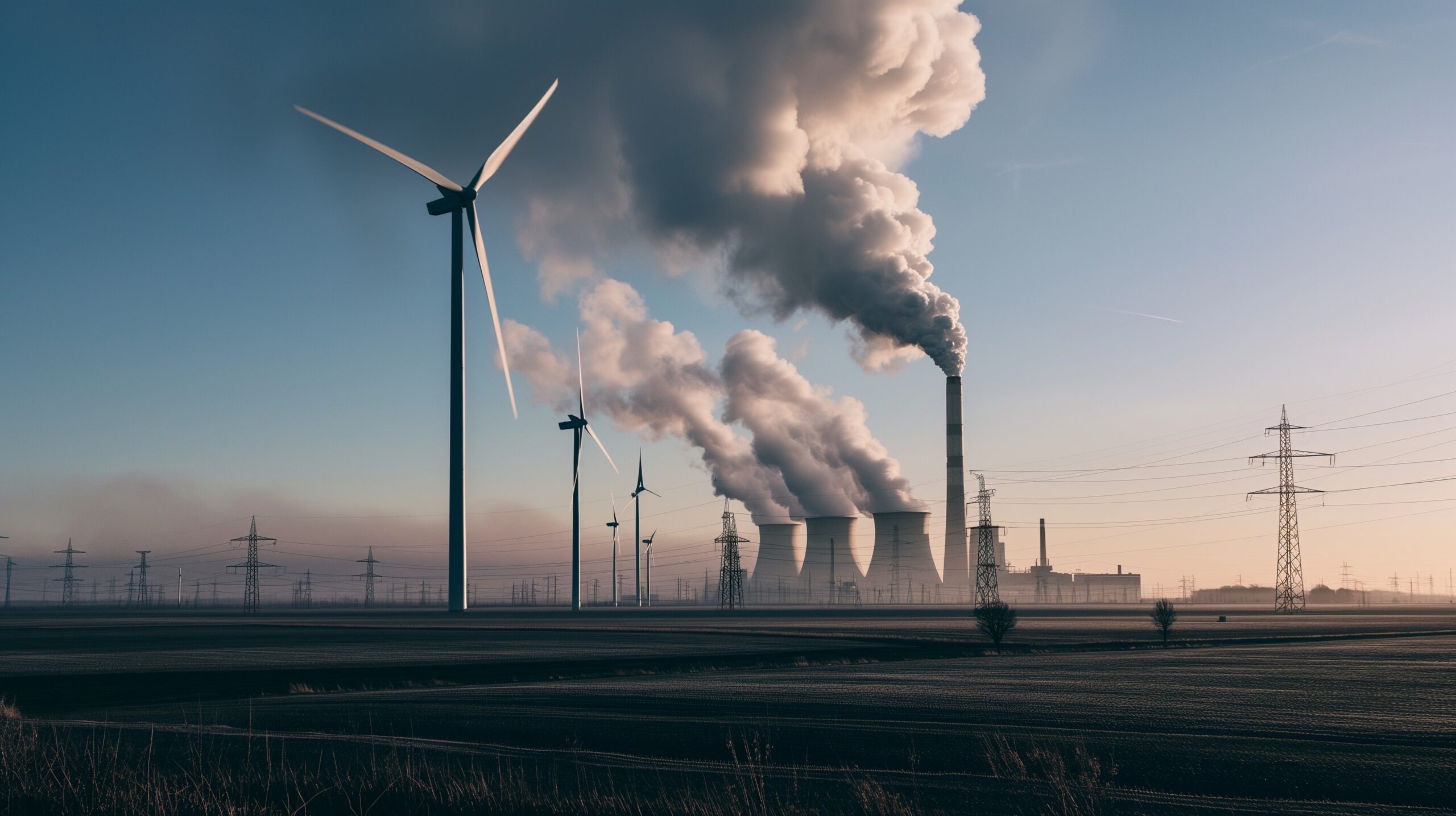
    One of the notable efficiencies of modern landfills is their capability to recover energy. Methane capture technologies allow landfills to convert organic waste decomposition into valuable energy, typically in the form of electricity. This process not only mitigates greenhouse gas emissions but also contributes to the energy grid, offsetting the environmental footprint of the landfill itself.

    Figure 1: Methane Capture and Energy Production Process

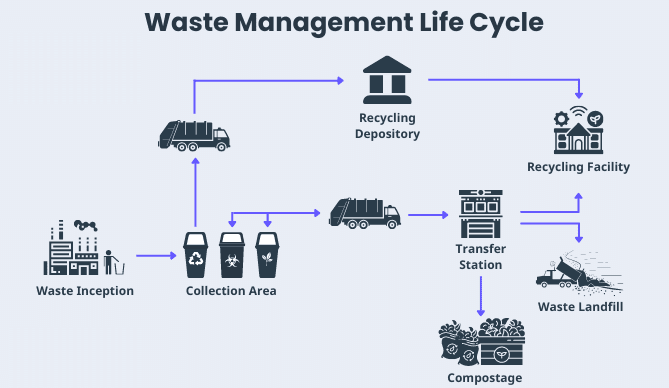
    (A diagram here would illustrate how methane is captured in landfills and converted into energy, highlighting the closed-loop system that reduces the overall carbon footprint.)

    The Environmental Impact of Landfill vs. Recycling

    While recycling is beneficial for the environment, it is not without its drawbacks. This section compares the environmental impacts of both strategies, including the resource intensity of recycling processes and the potential for lower immediate impacts from landfills, especially in regions where recycling technologies and systems are not yet optimized.

    Land Reclamation: A Sustainable Endgame?

    Post-closure, landfills offer opportunities for land reclamation. This process involves transforming closed landfill sites into usable land, providing community benefits such as new parks, commercial developments, or even residential areas. The transformation from waste disposal to beneficial reuse represents a significant efficiency in land utilization.

    Table 2: Examples of Land Reclamation Projects

    Landfill SiteReclaimed UseLocation
    Fresh Kills LandfillPublic ParkNew York, USA
    Hiriya LandfillRecreational ParkTel Aviv, Israel

    Conclusion

    Understanding how landfills can be more efficient than recycling waste requires a nuanced view of environmental management. While recycling holds significant benefits for sustainable resource usage, landfills offer specific efficiencies that are vital in comprehensive waste management strategies. Through cost-effectiveness, simplicity, energy recovery, and land reclamation, landfills play an indispensable role in our ongoing efforts to manage waste efficiently and responsibly.

  • How Much Waste Is Not Recycled Each Year?

    How Much Waste Is Not Recycled Each Year?

    Introduction

    Every year, the world generates billions of tonnes of waste, but only a small percentage of it is recycled effectively. This growing crisis is not only an environmental challenge but also an economic one, as valuable resources are being lost due to inefficient waste management systems. Understanding “how much waste is not recycled each year” sheds light on the need for better policies, innovative technologies, and public awareness.

    Key Global Waste Statistics

    Waste TypeAnnual Generation (Million Tonnes)Recycling RateMain Issues
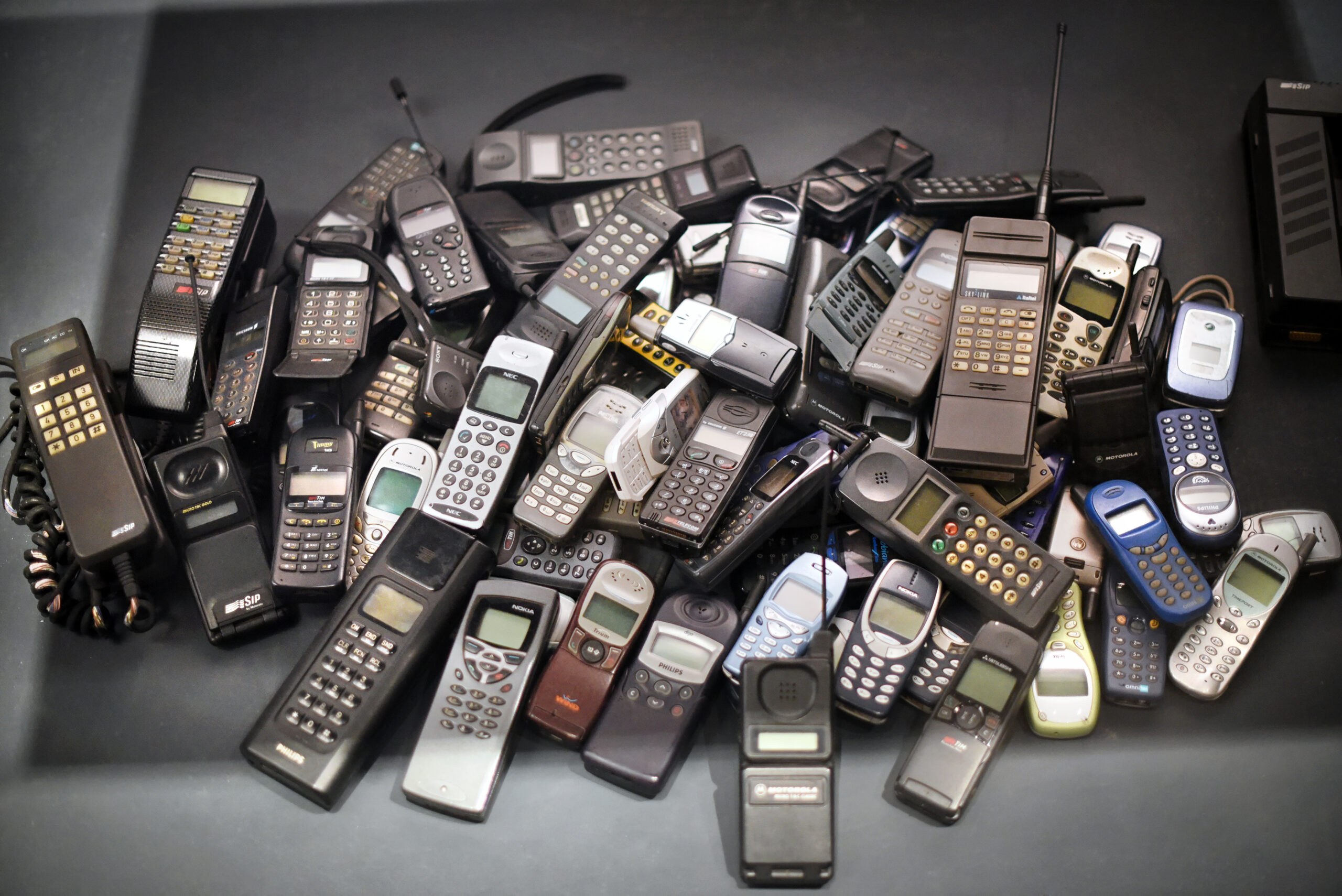
    Electronic Waste (E-Waste)~5015-20%Toxic chemicals, informal disposal
    Plastic Waste~31815%Ocean pollution, microplastics
    Municipal Solid Waste (MSW)~1,990<20%Landfilling, incineration

    These figures highlight the massive scale of the problem and underline the urgent need for action. Let’s explore these categories in more detail.

    How Much E-Waste Is Not Recycled Each Year?

    Scale of E-Waste Generation

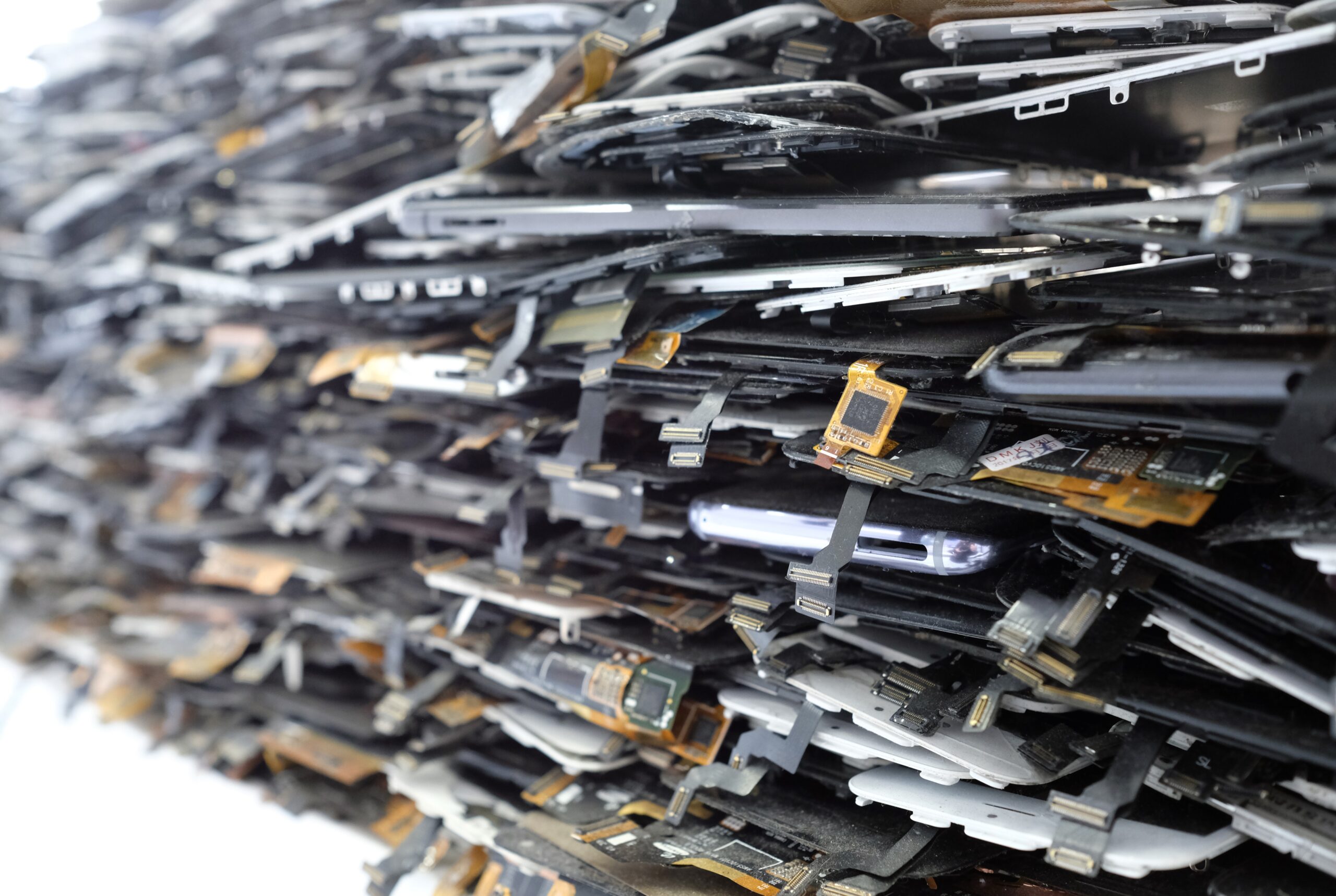
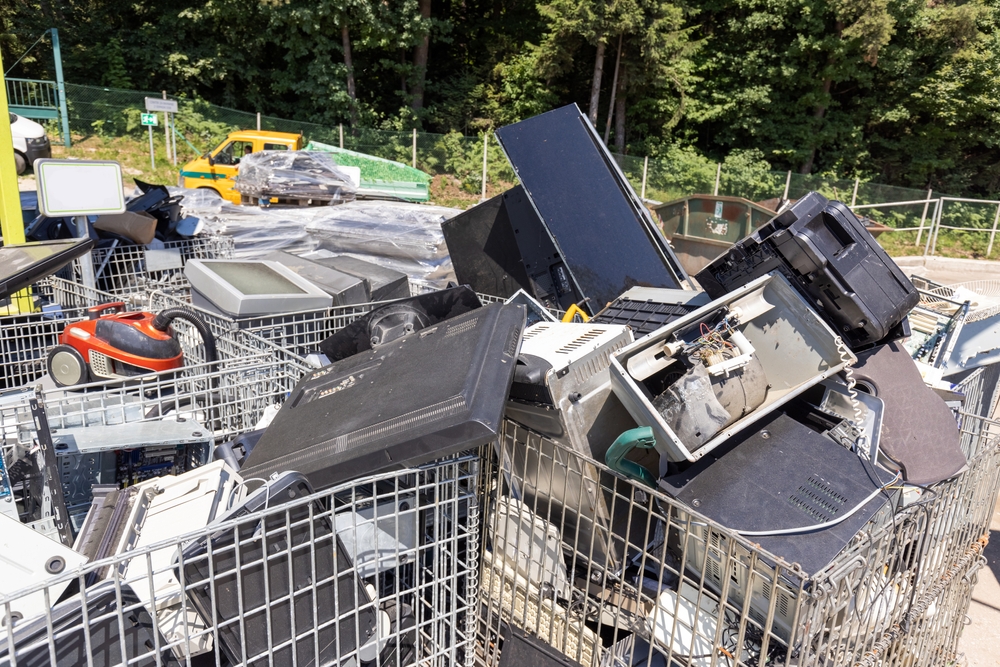
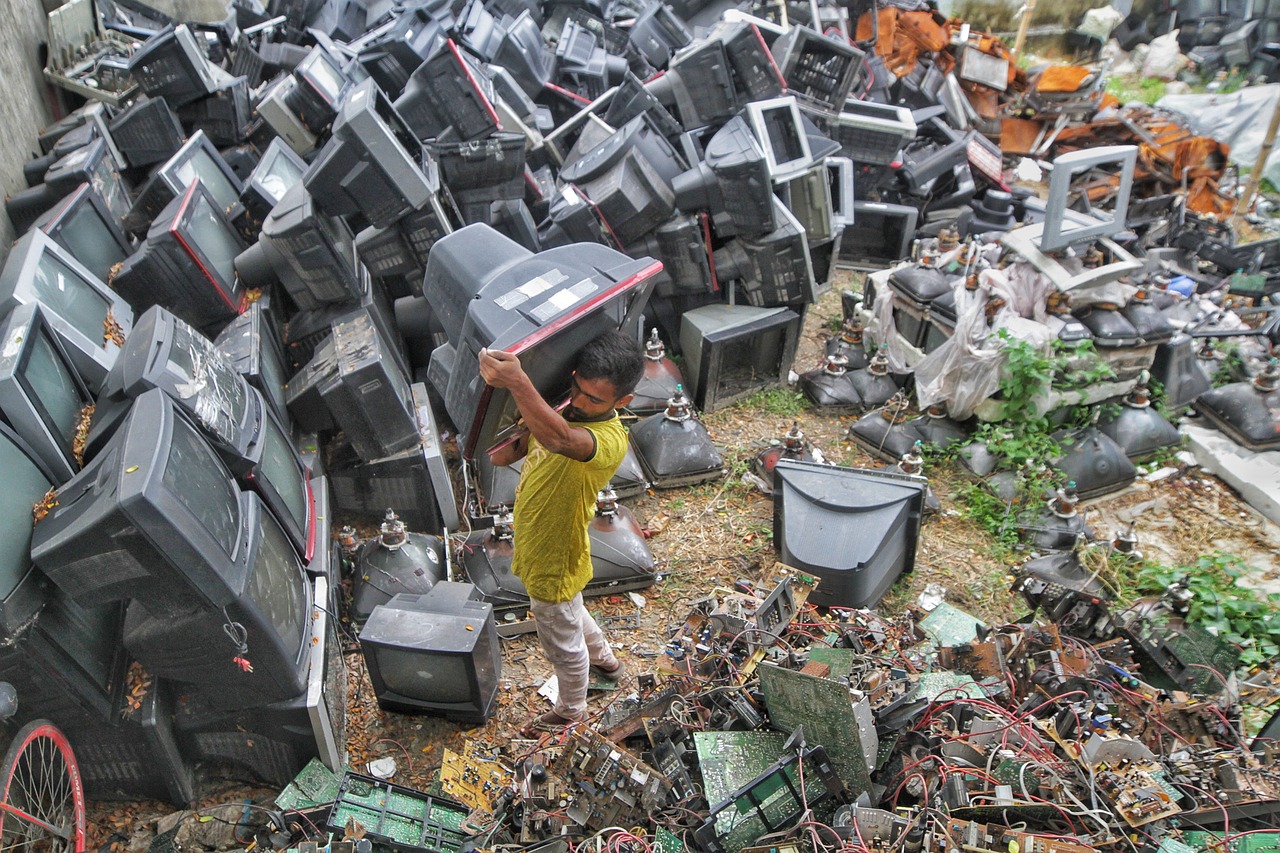
    Electronic waste (e-waste) is the fastest-growing waste category globally. In 2021, the annual generation of e-waste reached 52.2 million tonnes, with projections showing a continuous upward trend.

    Recycling Rates

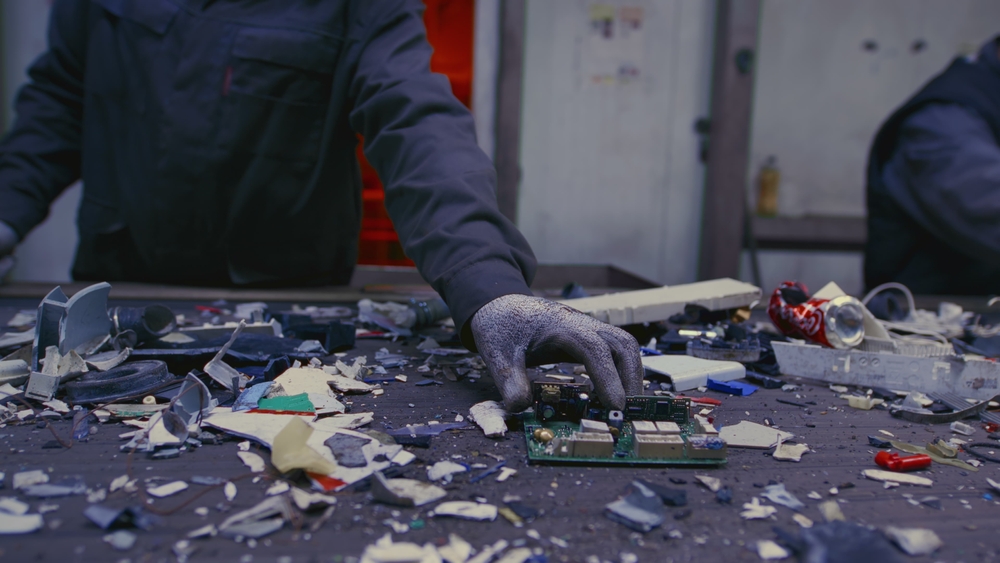
    Despite containing valuable materials like gold, silver, and copper, only 15-20% of e-waste is recycled. The rest ends up in landfills or is improperly processed in informal sectors, especially in developing countries.

    Environmental and Health Impacts

    E-waste contains hazardous substances such as lead, mercury, and cadmium, which can:

    • Contaminate soil and water.
    • Release toxic fumes when burned.
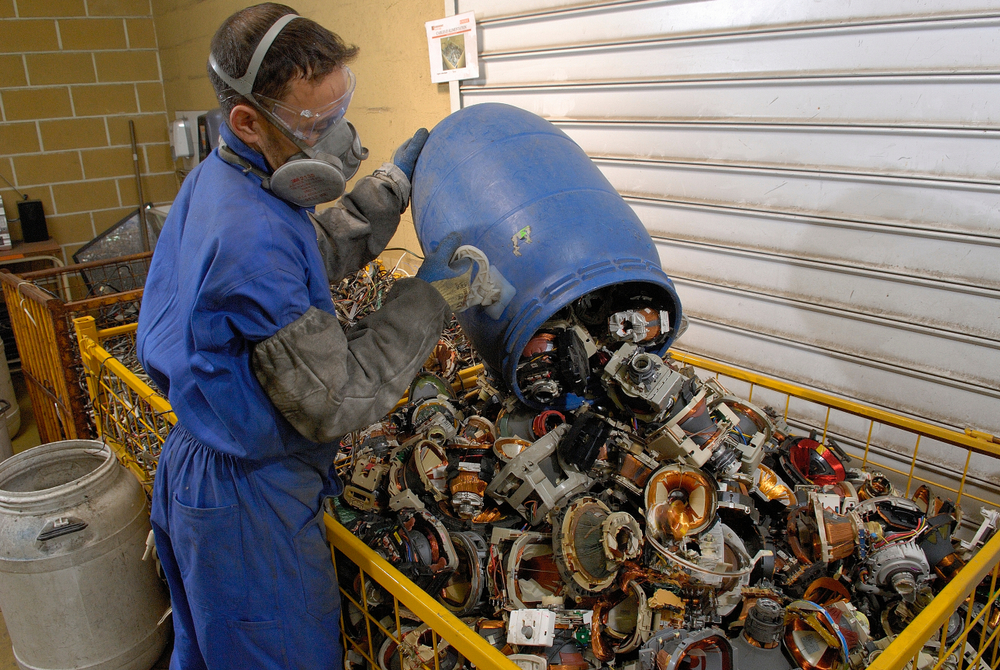
    • Pose severe health risks to workers in informal recycling sectors.

    Solutions for E-Waste Management

    • Technology: Microfactories that break down e-waste into reusable components (Sahajwalla & Gaikwad, 2018).
    • Policies: Extended producer responsibility (EPR) to ensure manufacturers are accountable for recycling.

    How Much Plastic Waste Is Not Recycled Each Year?

    Global Plastic Waste Overview

    Plastic production exceeds 318 million tonnes annually, contributing to 218 million tonnes of plastic waste. Alarmingly, only 15% of this is recycled.

    Breakdown of Plastic Waste Management:

    CategoryPercentage
    Recycled15%
    Mismanaged (leaks into the environment)40%
    Landfilled/Incinerated45%

    Impact on Oceans

    Approximately 10 million tonnes of plastic waste enter oceans every year. This pollution causes:

    • Harm to marine life due to ingestion and entanglement.
    • Formation of microplastics, which enter the food chain.

    Regional Recycling Variances

    In Europe:

    • 30% of plastic waste is recycled.
    • 31% is sent to landfills.
    • 39% is incinerated (Drzyzga & Prieto, 2018).

    Solutions for Plastic Waste

    • Innovative Recycling: Advanced mechanical and chemical recycling technologies.
    • Legislation: Bans on single-use plastics and mandates for recyclable packaging.
    • Community Action: Public campaigns to reduce plastic consumption and improve sorting at the source.

    Municipal Solid Waste (MSW): How Much Is Not Recycled?

    Global Generation and Recycling Rates

    Municipal Solid Waste (MSW) includes household and commercial waste. The global generation of MSW has increased from 635 million tonnes in 1965 to 1.99 billion tonnes in 2015, with projections reaching 3.5 billion tonnes by 2050 (Chen et al., 2020).

    Disposal Methods

    MethodPercentage
    Landfilling48%
    Recycling<20%
    Incineration~32%

    Developing Countries

    In low- and middle-income nations, recycling rates are as low as 5-40%. Key challenges include:

    • Insufficient infrastructure.
    • Lack of waste segregation at the source.
    • Open dumping and burning.

    Sector-Specific Waste: The Bigger Picture

    Agricultural Waste

    • Generation: India alone produces 320 million tonnes annually.
    • Issues: Inefficient recycling methods lead to underutilization (Pappu et al., 2007).

    Construction and Demolition Waste

    • A significant portion is recyclable (e.g., bricks, concrete, and metals).
    • Poor logistical systems result in large amounts being sent to landfills.

    Economic and Environmental Consequences of Non-Recycled Waste

    Economic Costs

    • Resource Loss: E-waste alone contains materials worth $50-60 billion annually (Gabriel, 2020).
    • Missed Opportunities: Recycling plastic can reduce dependency on virgin materials, saving energy and reducing costs.

    Environmental Damage

    • Landfill Methane Emissions: Landfills contribute significantly to methane emissions, a greenhouse gas with 25 times the warming potential of CO2 (Renner, 2016).
    • Ocean Pollution: Mismanaged plastic and toxic e-waste harm marine ecosystems and enter the human food chain as microplastics.

    Solutions to Increase Recycling Rates

    Policy Interventions

    1. Extended Producer Responsibility (EPR): Holding manufacturers accountable for the recycling of their products.
    2. Landfill Taxes: Discouraging waste dumping by making landfills more expensive.
    3. Plastic Bans: Restricting the use of single-use plastics globally.

    Technological Advances

    1. Microfactories: Small-scale facilities that recycle waste into valuable materials.
    2. Pyrolysis: Breaking down plastics into reusable oils and fuels.
    3. Advanced Sorting Systems: AI-driven technologies to improve waste segregation.

    Community Action

    1. Education Campaigns: Raising awareness about the importance of recycling.
    2. Waste Segregation at Source: Encouraging households to sort recyclables.
    3. Incentive Programs: Rewarding individuals and businesses for recycling efforts.

    Conclusion

    Each year, billions of tonnes of waste go unrecycled, including electronic waste, plastic waste, and municipal solid waste. The consequences are dire—ranging from environmental damage to economic losses. To combat this crisis, we need a coordinated global effort involving governments, industries, and individuals. By adopting innovative technologies, enforcing strict policies, and fostering a culture of recycling, we can reduce the amount of waste that is not recycled each year and move closer to a sustainable future.

  • How to Recycle 3D Printer Waste: The Complete Guide

    How to Recycle 3D Printer Waste: The Complete Guide

    Every year, thousands of tons of 3D printing waste end up in landfills. As 3D printing becomes more accessible, this waste problem grows. Failed prints, support materials, and empty filament spools contribute to environmental harm. But what if you could turn this waste into something useful? This article will show you practical ways to recycle 3D printer waste, helping you save money while protecting our planet. Learn how to give your printing scraps a second life.

    Table of Contents

    • Understanding 3D Printer Waste
    • Types of 3D Printing Waste
    • Environmental Impact of 3D Printer Waste
    • Recycling Different Types of 3D Printer Waste
    • DIY 3D Printer Waste Recycling Methods
    • Commercial Solutions for Recycling 3D Printer Waste
    • Creative Upcycling Projects
    • Building a Sustainable 3D Printing Practice
    • The Future of 3D Printer Waste Recycling
    • FAQs About Recycling 3D Printer Waste

    Understanding 3D Printer Waste

    3D printing has revolutionized prototyping and manufacturing, but it comes with an environmental cost. When we talk about how to recycle 3D printer waste, we first need to understand what we’re dealing with.

    3D printer waste includes:

    • Failed prints
    • Support materials
    • Empty filament spools
    • Printer parts
    • Packaging materials

    The average hobbyist 3D printer user generates between 3-10 pounds of plastic waste annually. For industrial users, this number jumps to hundreds or even thousands of pounds.

    Types of 3D Printing Waste

    To properly recycle 3D printer waste, you need to know the materials you’re working with. Different plastics require different recycling approaches.

    Common 3D Printing Materials and Their Recyclability

    MaterialRecyclabilityBiodegradabilityCommon Uses
    PLAHighYes (industrial composting)Household items, prototypes
    ABSMediumNoFunctional parts, automotive components
    PETGHighNoFood containers, medical supplies
    TPULowNoFlexible parts, phone cases
    NylonMediumNoMechanical parts, gears
    ResinVery lowNoDetailed models, dental applications

    PLA Waste

    PLA (Polylactic Acid) is popular among hobbyists because it’s plant-based and technically biodegradable. However, PLA only breaks down under industrial composting conditions with high heat and specific microbes. In a landfill, it can persist for decades.

    When considering how to recycle 3D printer waste made from PLA:

    • It can be melted down and reformed
    • It’s compatible with most DIY recycling systems
    • It maintains decent quality through several recycling cycles

    ABS Waste

    ABS (Acrylonitrile Butadiene Styrene) is durable but petroleum-based. Recycling ABS presents challenges:

    • It emits potentially harmful fumes when melted
    • It requires higher temperatures to process
    • Quality degrades faster with each recycling cycle

    Resin Waste

    UV-cured resins used in SLA and DLP printers are the most problematic to recycle:

    • Cured resin is a thermoset plastic that can’t be melted and reformed
    • Uncured resin is toxic to aquatic life and must be disposed of as hazardous waste
    • Few commercial recycling options exist

    Environmental Impact of 3D Printer Waste

    Before diving into how to recycle 3D printer waste, let’s understand why it matters.

    3D printing waste contributes to environmental problems in several ways:

    • Plastic pollution in oceans and waterways
    • Microplastic generation as items break down
    • Release of toxic chemicals during improper disposal
    • Resource depletion from single-use applications

    A single failed PLA print might take 80+ years to decompose in a landfill. Multiplied across millions of users worldwide, the impact is significant.

    Recycling Different Types of 3D Printer Waste

    Now let’s explore specific strategies for how to recycle 3D printer waste based on material type.

    How to Recycle 3D Printer Filament Scraps

    Small filament pieces and failed prints offer several recycling options:

    1. Filament Recycling Machines
      • Shred waste into small pieces
      • Melt down at the appropriate temperature
      • Extrude new filament with a consistent diameter
    2. Collection Programs
      • Some manufacturers offer mail-back programs
      • Community collection points in maker spaces
      • Specialized recycling services for 3D printing waste
    3. Material Sorting
      • Label containers for different plastics
      • Keep materials separated for better recycling results
      • Avoid mixing incompatible materials

    How to Recycle 3D Printer Empty Spools

    Empty filament spools create significant waste, but they can be recycled too:

    1. Return Programs
      • Companies like Prusament and Polymaker offer spool return programs
      • Some provide discounts on future purchases for returned spools
    2. Material-Based Recycling
      • Cardboard spools can go in paper recycling
      • Plastic spools often have recycling codes (look for the number inside the triangle)
      • Some spools use bioplastics that are compostable
    3. Reuse Options
      • Cable management
      • Garden organizers
      • Craft projects

    How to Recycle 3D Printer Resin Waste

    Resin presents unique challenges:

    1. Uncured Resin
      • Must be fully cured before disposal
      • Use UV light or sunlight to harden completely
      • Contact local hazardous waste facilities for disposal options
    2. Cured Resin
      • Cannot be melted down for reuse
      • Some specialized services grind cured resin for use as filler material
      • Research is ongoing for chemical recycling methods

    How to Recycle 3D Printer Parts and Electronics

    Printers themselves eventually become waste:

    1. Electronic Components
      • Contain valuable metals that can be recovered
      • Many cities have e-waste collection events
      • Some manufacturers offer take-back programs
    2. Metal Parts
      • Separate aluminum, steel, and other metals
      • Local scrap metal recyclers often accept these materials
      • Some components can be reused in new printer builds

    DIY 3D Printer Waste Recycling Methods

    Learning how to recycle 3D printer waste at home can save money and reduce environmental impact.

    Building a DIY Filament Recycler

    Several open-source projects help you create your own recycling system:

    1. Filastruder
      • A commercial kit that can be assembled at home
      • Extrudes new filament from plastic pellets or ground waste
      • Requires additional winder to spool the new filament
    2. Precious Plastic Machines
      • Open-source designs for plastic recycling equipment
      • Includes shredders, extruders, and injection molding machines
      • Community-focused approach with shared knowledge
    3. DIY Filament Winders
      • Controls tension and spacing of newly created filament
      • Can be built using Arduino components
      • Designs available on platforms like Thingiverse

    Step-by-Step Guide to Recycling PLA at Home

    If you want to learn how to recycle 3D printer waste made from PLA:

    1. Collection and Sorting
      • Gather failed prints and scraps
      • Ensure all material is PLA (avoid mixing with other plastics)
      • Remove any non-PLA parts like metal inserts
    2. Cleaning
      • Wash items to remove dust and contaminants
      • Dry thoroughly to prevent moisture issues
    3. Shredding
      • Cut larger pieces into smaller chunks
      • Use a dedicated plastic shredder or heavy-duty blender
      • Aim for consistent piece size (about 5mm)
    4. Drying
      • Heat shredded plastic to remove moisture (65-70°C/150-160°F for 4-6 hours)
      • Use a food dehydrator or low-temperature oven
    5. Extrusion
      • Feed dried shreds into extruder
      • Maintain consistent temperature (around 180-190°C for PLA)
      • Control extrusion speed for consistent diameter
    6. Winding
      • Guide new filament onto empty spool
      • Maintain consistent tension
      • Monitor diameter with calipers
    7. Testing
      • Check diameter consistency
      • Test small prints before large projects
      • Adjust extrusion settings as needed

    Quality Considerations for Recycled Filament

    When figuring out how to recycle 3D printer waste into new filament, be aware of quality changes:

    • Expect color mixing unless thoroughly sorted
    • Mechanical properties may degrade by 5-15% per recycling cycle
    • Potential for increased brittleness
    • May require higher printing temperatures
    • Increased risk of clogs in nozzles

    Commercial Solutions for Recycling 3D Printer Waste

    If DIY recycling seems overwhelming, commercial options exist for those learning how to recycle 3D printer waste.

    Filament Recycling Services

    Several companies now specialize in recycling 3D printing waste:

    1. Filabot
      • Accepts mail-in waste plastic
      • Produces recycled filament for purchase
      • Offers commercial-grade recycling equipment
    2. TerraCycle
      • Partners with some 3D printer manufacturers
      • Specialized zero-waste boxes for 3D printing materials
      • Processes hard-to-recycle plastics
    3. 3devo
      • Industrial filament makers that can process recycled materials
      • Filament quality testing equipment
      • Educational resources on plastic recycling

    Filament Made from Recycled Materials

    Some companies produce filament from recycled sources:

    1. Refil
      • Makes filament from recycled car dashboards and PET bottles
      • Consistent quality control
      • Reduced carbon footprint compared to virgin plastic
    2. Filamentive
      • Uses post-consumer and post-industrial plastic waste
      • Focuses on sustainability throughout supply chain
      • Cardboard spools for reduced waste
    3. Recreus
      • Specializes in recycled flexible filaments
      • Closed-loop manufacturing process
      • Takes back used spools

    Commercial-Scale Recycling Equipment

    For makers and small businesses with higher volume needs:

    1. Desktop Extruders
      • Process 1-5 kg of material per hour
      • Price range: $1,000-$5,000
      • Suitable for small businesses and maker spaces
    2. Industrial Systems
      • Complete recycling lines (shredders, dryers, extruders)
      • Process 10-50 kg per hour
      • Price range: $10,000-$100,000

    Creative Upcycling Projects

    Learning how to recycle 3D printer waste doesn’t always mean making new filament. Upcycling offers creative alternatives.

    Art Projects Using Failed Prints

    1. Mosaic Creations
      • Break or cut failed prints into pieces
      • Arrange into artistic patterns
      • Secure on backing board with adhesive
    2. Jewelry Making
      • Sand and polish small failed prints
      • Add findings and hardware
      • Create unique wearable art
    3. Sculpture Assembly
      • Combine failed prints into larger art pieces
      • Use heat welding or adhesives to join pieces
      • Paint or finish for cohesive appearance

    Functional Items from Waste Materials

    1. Garden Tools
      • Plant markers from failed prints
      • Drip irrigation components
      • Custom planter additions
    2. Household Organizers
      • Cable management solutions
      • Drawer dividers
      • Wall hooks from heat-reformed parts
    3. Educational Models
      • Use failed prints for school demonstrations
      • Create displays showing the recycling process
      • Make visual aids for environmental education

    Spool Reuse Projects

    Empty spools offer excellent reuse potential:

    1. Storage Solutions
      • Thread and ribbon organizers
      • Cable management
      • Tool holders
    2. Furniture and Decor
      • Combined into tables or stools
      • Lamp bases
      • Wall-mounted shelving systems
    3. Garden Applications
      • Plant supports
      • Hose organizers
      • Bird feeder components

    Building a Sustainable 3D Printing Practice

    Beyond learning how to recycle 3D printer waste, adopting sustainable practices reduces waste from the start.

    Minimizing Failed Prints

    1. Printer Maintenance
      • Regular calibration
      • Keeping firmware updated
      • Proper bed leveling
    2. Design Optimization
      • Testing with small prototypes first
      • Using simulation software to check for issues
      • Designing with minimal support requirements
    3. Slicing Settings
      • Optimizing for material efficiency
      • Appropriate infill percentages
      • Finding the right temperature for each filament

    Choosing Eco-Friendly Materials

    1. Biodegradable Options
      • PLA from sustainable sources
      • PHA (Polyhydroxyalkanoate)
      • Algae-based filaments
    2. Recycled Content Filaments
      • Filament made from post-consumer plastic
      • Reclaimed industrial waste materials
      • Ocean plastic filaments
    3. Alternative Materials
      • Wood-filled composites
      • Hemp-based filaments
      • Chalk and stone composites

    Extending Filament Life

    1. Proper Storage
      • Vacuum-sealed bags with desiccant
      • Airtight containers
      • Climate-controlled environment
    2. Maintenance
      • Regular nozzle cleaning
      • Filament dust filters
      • Proper handling to avoid contamination
    3. Efficient Usage
      • Print multiple parts in single jobs
      • Optimize part orientation
      • Use appropriate infill settings

    The Future of 3D Printer Waste Recycling

    The field of how to recycle 3D printer waste continues to evolve.

    Emerging Technologies

    1. Chemical Recycling
      • Breaking plastics down to molecular level
      • Producing virgin-quality materials
      • Handling mixed plastic waste effectively
    2. Automated Sorting Systems
      • AI-powered recognition of plastic types
      • Robotic sorting for efficient processing
      • Increased purity of recycled materials
    3. Biodegradation Enhancement
      • Additives to improve composting of PLA
      • Engineered microbes to break down plastics
      • Controlled decomposition systems

    Industry Initiatives

    1. Manufacturer Take-Back Programs
      • More companies offering mail-back recycling
      • Deposit systems for filament spools
      • Credits for returning waste materials
    2. Material Standardization
      • Better labeling for recycling compatibility
      • Standardized spool designs
      • Unified recycling codes for 3D printing materials
    3. Circular Economy Models
      • Closed-loop manufacturing systems
      • Local recycling networks
      • Collaborative waste reduction programs

    Research Directions

    1. Material Science Advancements
      • Self-healing polymers
      • Infinitely recyclable thermoplastics
      • Smart materials with improved recycling properties
    2. Energy Efficiency
      • Lower temperature recycling processes
      • Solar-powered recycling equipment
      • Heat recovery systems
    3. Quality Improvement
      • Methods to maintain mechanical properties through recycling
      • Additives to restore degraded materials
      • Better testing protocols for recycled filament

    FAQs About Recycling 3D Printer Waste

    Common Questions on How to Recycle 3D Printer Waste

    Q: Can I mix different colored PLA when recycling?
    A: Yes, but the resulting filament will be a blend of the colors, usually creating a muddy brown or gray tone. For better color control, sort by color before recycling.

    Q: How many times can I recycle the same filament?
    A: Most plastics can be recycled 3-7 times before properties degrade too much. PLA tends to maintain quality better than ABS through multiple recycling cycles.

    Q: What should I do with uncured resin?
    A: Never pour it down the drain. Cure it completely with UV light, then dispose of it according to local regulations for solid waste. Some manufacturers offer hardening additives specifically for disposal.

    Q: Are there any 3D printing materials that cannot be recycled?
    A: Thermoset resins used in SLA/DLP printing are extremely difficult to recycle once cured. Composite filaments with carbon fiber or metal particles present challenges for home recycling.

    Q: How do I start recycling if I don’t have specialized equipment?
    A: Begin by collecting and sorting waste by material type. Connect with local maker spaces that might have recycling equipment or join online groups focused on plastic recycling to find resources in your area.

    Troubleshooting Recycled Filament Issues

    Q: Why is my recycled filament diameter inconsistent?
    A: This usually relates to inconsistent extrusion speed or tension during winding. Using a filament diameter sensor and automated winder can help maintain consistency.

    Q: Why does my recycled filament keep breaking?
    A: Excessive dryness or contamination can cause brittleness. Make sure your plastic is clean before processing and consider adding a small percentage (10-15%) of virgin material to improve strength.

    Q: How can I improve the quality of my recycled filament?
    A: Ensure thorough cleaning, proper drying, consistent shred size, and careful temperature control during extrusion. Adding a small percentage of virgin material often helps maintain quality.

    Regulatory Considerations

    Q: Are there any legal restrictions on recycling plastic at home?
    A: Regulations vary by location. Some areas have restrictions on operating machinery that melts plastic due to potential fume concerns. Check local zoning and environmental regulations before setting up recycling equipment.

    Q: How should I dispose of 3D printing waste that I cannot recycle?
    A: Follow local waste management guidelines. PLA can sometimes go in composting if your facility accepts it. ABS and other plastics typically go in regular waste unless special recycling programs exist in your area.

    Conclusion: The Impact of Recycling 3D Printer Waste

    Learning how to recycle 3D printer waste is more than just a cost-saving measure—it’s a step toward sustainability in digital manufacturing. By implementing the methods covered in this guide, you can:

    • Reduce your environmental footprint
    • Save money on materials
    • Support the circular economy
    • Inspire others in the 3D printing community

    Each recycled spool and repurposed print helps build a more sustainable future for 3D printing technology. Whether you choose DIY methods, commercial services, or creative upcycling, every effort contributes to reducing plastic waste.

    Start small with simple sorting and collection, then gradually expand your recycling capabilities as you become more comfortable with the process. The 3D printing community continues to innovate in this area, with new methods and technologies emerging regularly.

    By taking action to recycle your 3D printer waste, you’re helping ensure that this revolutionary technology can continue to grow without compromising our planet’s health.

  • Do Laptop Chargers Need to Be Recycled as E-Waste?

    Every year, millions of laptop chargers end up in landfills. Most people don’t realize these small devices contain toxic materials. The problem? They’re often thrown away instead of recycled. The solution? Proper e-waste recycling protects the environment and recovers valuable materials. By the end of this guide, you’ll know exactly how and why to recycle laptop chargers—and what happens if you don’t.

    1. Why Do Laptop Chargers Need to Be Recycled as E-Waste?

    Laptop chargers contain hazardous and reusable materials:

    • Toxic components: Lead, mercury, and cadmium pollute soil and water.
    • Valuable metals: Copper, gold, and aluminum can be recovered.
    • Plastic waste: Non-biodegradable casings take centuries to decompose.

    Environmental impact:

    • 53 million metric tons of e-waste were generated globally in 2023 (Source: Global E-Waste Monitor).
    • Only 17% of e-waste, including chargers, is properly recycled.

    Table: Harmful Materials in Laptop Chargers

    MaterialEnvironmental RiskRecycling Benefit
    LeadToxic to humansReusable in batteries
    CopperMining pollutionHigh scrap value
    PVC PlasticNon-degradableCan be repurposed

    2. How to Recycle Laptop Chargers Correctly

    Step 1: Find an E-Waste Recycler

    • Use certified facilities (look for R2 or e-Stewards certification).
    • Retailers like Best Buy and Staples offer free drop-off.

    Step 2: Prepare Your Charger

    • Unplug and wipe personal data (smart chargers may store info).
    • Bundle cables to prevent damage.

    Step 3: Avoid Common Mistakes

    • Don’t throw chargers in regular recycling bins (they cause fires).
    • Never burn e-waste—toxic fumes result.

    List: Where to Recycle Laptop Chargers

    • Local e-waste collection events
    • Manufacturer take-back programs (e.g., Dell, Apple)
    • Nonprofits like Call2Recycle

    3. What Happens If You Don’t Recycle Laptop Chargers?

    • Landfill pollution: Heavy metals leak into groundwater.
    • Health risks: Workers in developing countries face exposure when burning e-waste.
    • Wasted resources: $57 billion in recoverable metals are dumped yearly.

    Chart: Laptop Charger Recycling Rates by Country

    CountryRecycling Rate
    Germany49%
    USA25%
    India5%

    4. FAQs About Recycling Laptop Chargers as E-Waste

    Q: Can I recycle broken chargers?
    A: Yes—even damaged ones contain recyclable materials.

    Q: Are wireless chargers also e-waste?
    A: Yes, recycle them the same way.

    Q: How long do laptop chargers last?
    A: Typically 2–5 years. Recycle when faulty.

    5. Take Action Now

    • Recycle: Use Earth911’s tool to find local centers.
    • Repair: Fix minor issues to extend charger life.
    • Spread awareness: Share this guide to reduce e-waste.

    Final Thought:
    Recycling one laptop charger may seem small, but multiplied by millions, it saves lives and resources. Start today.

  • Can I Throw Yard Waste in the Trash? Understanding the Rules, Alternatives, and Environmental Impact

    Can I Throw Yard Waste in the Trash? Understanding the Rules, Alternatives, and Environmental Impact

    Yard waste is an inevitable byproduct of maintaining a beautiful and functional outdoor space. Whether you’re mowing the lawn, trimming trees, or pulling weeds, the question of how to dispose of yard waste often arises. One common query is: Can I throw yard waste in the trash? The answer is not as straightforward as it might seem. While it may be tempting to toss grass clippings, leaves, and branches into the trash bin, doing so can have significant environmental, legal, and practical implications. This article explores the rules surrounding yard waste disposal, the environmental impact of throwing it in the trash, and sustainable alternatives for managing yard waste.

    What Constitutes Yard Waste?

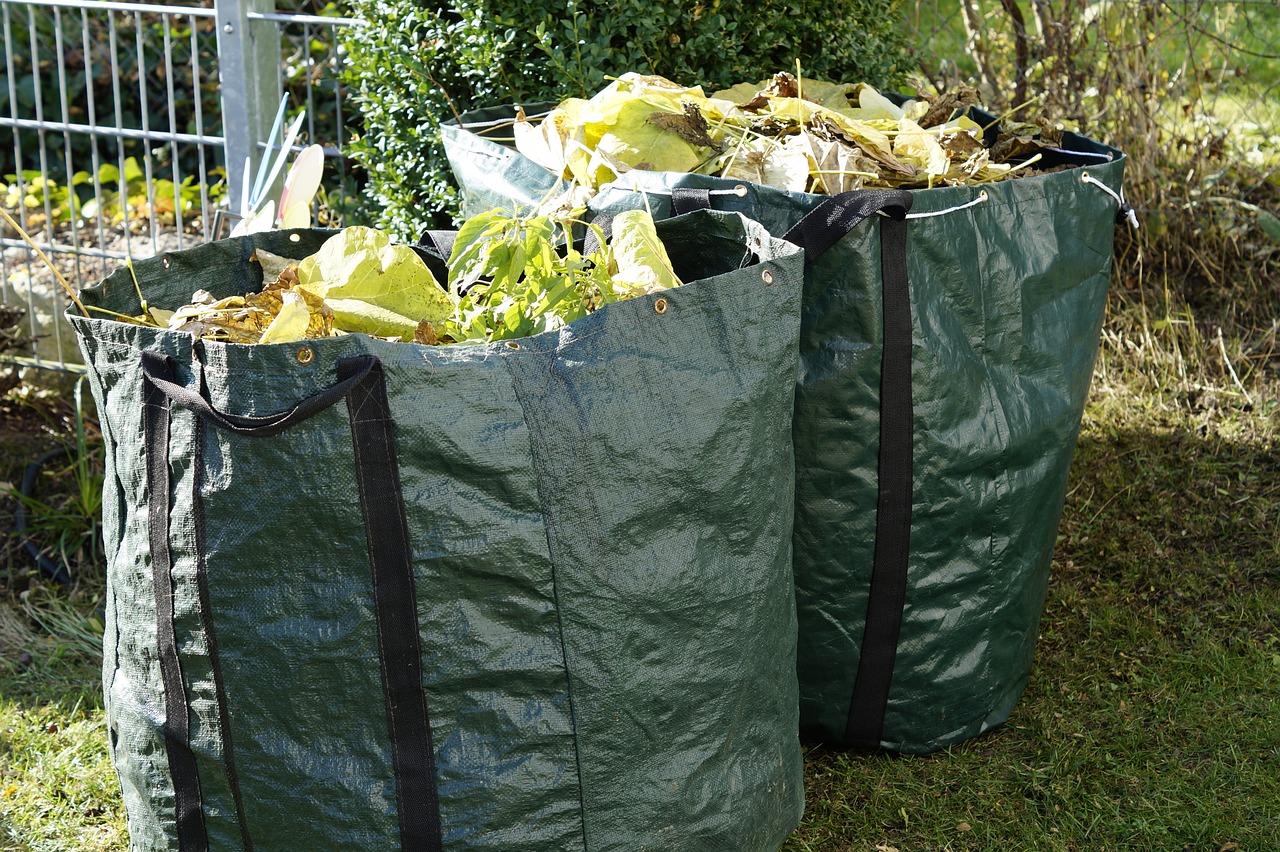
    Yard waste, also known as green waste, includes organic materials generated from lawn and garden maintenance. Common types of yard waste include:

    1. Grass Clippings: The cut grass left behind after mowing the lawn.
    2. Leaves: Fallen leaves from trees and shrubs.
    3. Branches and Twigs: Pruned or fallen tree limbs and small woody debris.
    4. Weeds: Unwanted plants removed from gardens or lawns.
    5. Garden Debris: Dead plants, flowers, and vegetable matter.
    6. Brush: Larger woody materials, such as tree trunks and thick branches.

    Yard waste is biodegradable, meaning it can decompose naturally over time. However, its disposal requires careful consideration to minimize environmental harm and comply with local regulations.

    Can You Throw Yard Waste in the Trash?

    The legality and practicality of throwing yard waste in the trash depend on where you live. Many municipalities have specific rules governing yard waste disposal, and these rules can vary widely. Below are some key factors to consider:

    1. Local Regulations

    In many areas, throwing yard waste in the trash is prohibited or restricted. Local governments often enforce these rules to promote recycling, reduce landfill usage, and minimize environmental impact. For example:

    • Some cities require residents to separate yard waste from regular trash.
    • Others mandate the use of designated yard waste collection services or drop-off locations.

    2. Landfill Restrictions

    Landfills are designed to handle non-biodegradable waste, not organic materials like yard waste. When yard waste decomposes in landfills, it produces methane, a potent greenhouse gas that contributes to climate change. To mitigate this, many landfills ban or limit the disposal of yard waste.

    3. Waste Management Policies

    Some waste management companies have policies against mixing yard waste with regular trash. Violating these policies can result in fines or the refusal to collect your trash.

    Before throwing yard waste in the trash, it is essential to check your local regulations and waste management guidelines. Ignoring these rules can lead to penalties and harm the environment.

    Environmental Impact of Throwing Yard Waste in the Trash

    Throwing yard waste in the trash may seem convenient, but it has several negative environmental consequences:

    1. Methane Emissions

    When yard waste decomposes in landfills, it does so anaerobically (without oxygen), producing methane. Methane is a greenhouse gas that is 25 times more effective at trapping heat in the atmosphere than carbon dioxide. This contributes significantly to global warming.

    2. Landfill Overload

    Landfills are already overflowing with non-biodegradable waste. Adding yard waste exacerbates the problem, reducing the lifespan of landfills and increasing the need for new ones.

    3. Wasted Resources

    Yard waste is a valuable resource that can be composted or mulched to enrich soil and support plant growth. Throwing it in the trash wastes this potential and deprives the environment of its benefits.

    4. Chemical Leaching

    When yard waste is mixed with other types of trash, it can come into contact with hazardous materials, such as batteries or cleaning products. This can lead to chemical leaching, contaminating soil and water sources.

    Sustainable Alternatives to Throwing Yard Waste in the Trash

    Fortunately, there are several eco-friendly alternatives to throwing yard waste in the trash. These methods not only reduce environmental harm but also provide practical benefits for your garden and community.

    1. Composting

    Composting is the process of breaking down organic materials into nutrient-rich soil. Yard waste is an excellent candidate for composting. Here’s how to get started:

    • Choose a Compost Bin: Select a compost bin or designate a composting area in your yard.
    • Layer Materials: Alternate layers of green waste (e.g., grass clippings) and brown waste (e.g., dried leaves) to balance nitrogen and carbon.
    • Maintain Moisture and Aeration: Keep the compost pile moist and turn it regularly to speed up decomposition.
    • Use the Compost: Once the compost is ready, use it to enrich your garden soil.

    Composting reduces the volume of yard waste, improves soil health, and reduces the need for chemical fertilizers.

    2. Mulching

    Mulching involves spreading shredded yard waste, such as leaves and branches, over the soil surface. Benefits of mulching include:

    • Weed Suppression: Mulch prevents weeds from growing by blocking sunlight.
    • Moisture Retention: Mulch helps retain soil moisture, reducing the need for frequent watering.
    • Soil Enrichment: As mulch decomposes, it adds nutrients to the soil.

    You can create mulch using a mulching mower or a wood chipper.

    3. Grasscycling

    Grasscycling is the practice of leaving grass clippings on the lawn after mowing. The clippings decompose quickly, returning nutrients to the soil and reducing the need for fertilizer.

    4. Yard Waste Collection Services

    Many municipalities offer curbside yard waste collection services. The collected waste is typically composted or mulched at a facility. Check with your local waste management authority to see if this service is available in your area.

    5. Drop-Off Locations

    Some communities have designated drop-off locations for yard waste. These facilities often process the waste into compost or mulch, which residents can use or purchase.

    6. Community Composting Programs

    Community composting programs allow residents to contribute yard waste to a shared composting facility. These programs are particularly beneficial for urban areas where individual composting may not be feasible.

    7. Creative Reuse

    Yard waste can be repurposed in creative ways. For example:

    • Brush Piles: Create brush piles to provide habitat for wildlife.
    • Natural Decor: Use branches and twigs to create natural garden decorations or borders.

    Tips for Managing Yard Waste

    Managing yard waste effectively requires planning and effort. Here are some tips to help you get started:

    1. Know the Rules: Familiarize yourself with local regulations regarding yard waste disposal.
    2. Invest in Tools: Equip yourself with tools like compost bins, mulching mowers, and wood chippers to make yard waste management easier.
    3. Reduce Waste: Minimize yard waste by practicing sustainable gardening techniques, such as planting low-maintenance plants and using native species.
    4. Educate Yourself: Learn about composting, mulching, and other yard waste management techniques to make informed decisions.
    5. Engage the Community: Participate in or advocate for community composting programs and yard waste collection services.

    Case Studies: Successful Yard Waste Management Programs

    1. San Francisco, California

    San Francisco has implemented a comprehensive composting program that includes yard waste. Residents are required to separate yard waste from regular trash, and the collected waste is processed into compost used in local parks and gardens.

    2. Toronto, Canada

    Toronto offers curbside yard waste collection and operates several drop-off locations. The city also provides residents with free compost made from collected yard waste.

    3. Portland, Oregon

    Portland encourages residents to compost yard waste at home and offers discounts on compost bins. The city also hosts workshops on sustainable yard waste management.

    The Role of Policy and Public Awareness

    Effective yard waste management requires a combination of policy measures and public awareness. Key steps include:

    1. Implementing Regulations: Governments should enforce regulations that promote sustainable yard waste disposal.
    2. Providing Incentives: Offer incentives, such as tax breaks or subsidies, to encourage residents to compost or mulch.
    3. Educating the Public: Raise awareness about the environmental impact of yard waste and the benefits of sustainable disposal methods.
    4. Investing in Infrastructure: Develop infrastructure, such as composting facilities and yard waste collection services, to support sustainable practices.

    Conclusion

    While it may be tempting to throw yard waste in the trash, doing so is often illegal, environmentally harmful, and wasteful. Yard waste is a valuable resource that can be composted, mulched, or repurposed to benefit your garden and the environment. By understanding local regulations, adopting sustainable practices, and exploring alternatives, you can manage yard waste responsibly and contribute to a healthier planet. The next time you find yourself with a pile of grass clippings or fallen leaves, remember that there are better options than the trash bin. Together, we can turn yard waste into a resource and take a step toward a more sustainable future.

  • How Are Most Industrial Wastes Disposed Of?

    How Are Most Industrial Wastes Disposed Of?

    Industrial waste disposal is a complex and multifaceted issue that requires a variety of methods to manage the diverse types of waste generated by industrial activities. Understanding how most industrial wastes are disposed of is crucial for environmental sustainability, public health, and compliance with regulatory standards.

    Introduction to Industrial Waste Disposal

    Industrial waste encompasses a wide range of materials generated from diverse manufacturing and industrial activities. These include chemical waste, heavy metal waste, radioactive waste, plastic and polymer waste, textile waste, mining waste, and agricultural and agro-industrial waste. Each type of waste has its own unique challenges and requirements for disposal.

    Common Methods of Industrial Waste Disposal

    Landfilling

    How Landfilling Works

    Landfilling is one of the most common methods of disposing of industrial waste. Industrial waste that cannot be recycled, reused, or treated is buried in specially designed areas known as landfills. These landfills are engineered to minimize environmental harm but still pose significant drawbacks.

    Advantages and Disadvantages

    • Advantages: Landfilling is relatively simple and inexpensive compared to other methods.
    • Disadvantages: Landfills can take up a lot of space, release harmful chemicals into the air and water, and are not a sustainable long-term solution due to the limited availability of land and potential long-term environmental impacts1.

    Incineration

    How Incineration Works

    Incineration involves burning waste at high temperatures to reduce its volume and eliminate harmful substances. This method can produce energy from the heat generated but also releases pollutants into the air, including greenhouse gases like CO2 and NOx.

    Advantages and Disadvantages

    • Advantages: Incineration can reduce the volume of waste and generate energy.
    • Disadvantages: It releases pollutants into the air and is often considered a less preferred method due to its environmental impact. Filters can be used to treat the exhaust gases, but careful monitoring is necessary to avoid air pollution1.

    Recycling

    How Recycling Works

    Recycling is a crucial method for managing industrial waste, particularly for materials like glass, paper, plastic, and metal. Many industrial waste materials can be recycled and used to make new products, helping to conserve natural resources and reduce the amount of waste sent to landfills.

    Benefits of Recycling

    • Conservation of Resources: Recycling helps conserve natural resources by reusing materials.
    • Reduction in Landfill Waste: Recycling reduces the amount of waste sent to landfills.
    • Energy Savings: Recycling often requires less energy than producing new materials from raw resources1.

    Composting

    How Composting Works

    Composting is the process of turning organic waste into fertilizer. This method is effective for organic waste such as food waste, leaves, newspaper, and small pieces of cardboard. Composting reduces the volume of waste and produces nutrients for soil, making it a sustainable option for certain types of industrial waste.

    Benefits of Composting

    • Volume Reduction: Composting reduces the volume of organic waste.
    • Soil Nutrients: Composting produces natural fertilizers that enrich soil.
    • Sustainability: Composting is particularly useful for agricultural and agro-industrial waste1.

    Other Methods of Industrial Waste Disposal

    Waste Segregation

    Importance of Segregation

    Segregating different types of waste is essential for effective waste management. This involves separating hazardous, non-hazardous, recyclable, and compostable waste to ensure that each type is handled appropriately. Segregation helps in optimizing recycling, composting, and other waste management processes.

    Examples of Segregation

    • Hazardous Waste: Chemicals, heavy metals, and radioactive materials.
    • Non-Hazardous Waste: General industrial waste that does not pose immediate environmental or health risks.
    • Recyclable Waste: Materials like glass, paper, plastic, and metal.
    • Compostable Waste: Organic materials like food waste and leaves1.

    Waste-to-Energy

    How Waste-to-Energy Works

    Waste-to-energy techniques convert waste materials into various forms of energy, such as electricity or heat. This method can be more environmentally friendly than traditional landfilling or incineration, as it utilizes waste to produce energy and reduces the volume of waste sent to landfills.

    Benefits of Waste-to-Energy

    • Energy Production: Waste is converted into useful energy.
    • Volume Reduction: Reduces the amount of waste sent to landfills.
    • Environmental Benefits: More environmentally friendly than landfilling or incineration1.

    Plasma Gasification

    How Plasma Gasification Works

    Plasma gasification is a technique that converts waste into syngas, which can be processed into fuels or chemicals. This method is efficient in managing non-organic waste and can help achieve a zero-waste environment. However, it requires careful monitoring to avoid air pollution.

    Benefits of Plasma Gasification

    • Zero-Waste Environment: Can help achieve a zero-waste environment.
    • Fuel and Chemical Production: Syngas can be processed into fuels or chemicals.
    • Efficiency: Efficient in managing non-organic waste1.

    Chemical Neutralization and Treatment

    How Chemical Neutralization Works

    For hazardous industrial waste, chemical neutralization and physical treatment methods are used. Physical treatments include filtering, settling, and drying, while chemical treatments involve neutralization, oxidation, and adsorption. These treatments help in making the waste less harmful before disposal.

    Importance of Chemical Neutralization

    • Hazard Reduction: Makes hazardous waste less harmful.
    • Compliance: Ensures compliance with environmental regulations.
    • Public Health: Protects public health by reducing the risk of exposure to hazardous substances1.

    Strategies for Reducing Industrial Waste

    Waste Reduction and Minimization

    How to Reduce Waste

    Reducing waste at the source is a key strategy in industrial waste management. This involves optimizing production processes to generate less waste, using higher-quality materials that produce fewer by-products, and implementing quality checks to minimize errors and scrap.

    Benefits of Waste Reduction

    • Efficiency: Makes the entire waste management process more efficient.
    • Environmental Benefits: Reduces the amount of waste generated.
    • Cost Savings: Can lead to cost savings by reducing the amount of waste that needs to be disposed of1.

    Reusing Waste

    How to Reuse Waste

    Reusing waste involves finding ways to avoid disposing of waste by incorporating it back into the production process or using it for other purposes. This can include reusing packaging materials, energy production, or other industrial applications.

    Benefits of Reusing Waste

    • Environmental Benefits: Reduces the need for new raw materials.
    • Cost Savings: Can save costs by reusing materials.
    • Sustainability: Promotes sustainable practices1.

    Types of Industrial Waste

    Chemical Waste

    • Examples: Solvents, acids, bases, pesticides, and chemical residues.
    • Risks: Often hazardous and pose serious risks to the environment and human health1.

    Heavy Metal Waste

    • Examples: Lead, mercury, cadmium, chromium, and nickel.
    • Risks: Can persist in the environment and accumulate in organisms1.

    Radioactive Waste

    • Examples: Nuclear power plant byproducts, radiopharmaceuticals, and industrial radiography waste.
    • Risks: Contain radioactive isotopes and require careful handling1.

    Plastic and Polymer Waste

    • Examples: Discarded packaging materials and industrial plastic scraps.
    • Risks: Non-biodegradable and contribute to pollution1.

    Textile Waste

    • Examples: Discarded fabrics, fibers, or materials from textile manufacturing.
    • Risks: Often contain dyes and chemicals1.

    Mining Waste

    • Examples: Tailings, slag, and residues from mining operations.
    • Risks: May contain heavy metals and toxins1.

    Agricultural and Agro-Industrial Waste

    • Examples: Pesticide containers, agrochemical residues, and food processing byproducts.
    • Risks: Can contain harmful chemicals1.

    Proper Waste Management System

    A proper waste management system is essential for reducing the negative impact of waste on the environment and human health. Here are the key components of such a system:

    Reduce Waste at the Source

    Optimize production processes to generate less waste, use higher-quality materials that produce fewer by-products, and implement quality checks to minimize errors and scrap.

    Reprocess or Reuse Waste Materials

    Find ways to reuse waste materials in the production process or for other purposes.

    Treat Waste

    Use physical or chemical methods to treat waste, such as filtering, settling, drying, neutralization, oxidation, and adsorption.

    Dispose of Waste in Final Disposal Sites

    Ensure that waste is disposed of in sites that comply with environmental regulations.

    Use Alternative Methods

    Utilize methods such as landfilling, incineration, biodegradation, and composting as necessary.

    Conclusion

    Effective industrial waste management is critical for environmental sustainability, public health, and compliance with regulatory standards. By understanding the various methods of industrial waste disposal, including landfilling, incineration, recycling, composting, waste segregation, waste-to-energy, plasma gasification, and chemical neutralization, industries can adopt the most appropriate strategies for their specific types and quantities of waste.

    Key Takeaways

    • Diverse Methods: Various methods are available for disposing of industrial waste, each with its own advantages and disadvantages.
    • Waste Segregation: Segregating waste is essential for effective waste management.
    • Sustainability: Methods like recycling, composting, and waste-to-energy promote sustainability.
    • Regulatory Compliance: Ensuring compliance with environmental regulations is crucial.
    • Public Health: Proper waste management protects public health by reducing exposure to hazardous substances.

    By implementing these strategies and continuously improving waste management practices, industries can contribute to a cleaner, healthier environment and a more sustainable future.

    Table: Comparison of Industrial Waste Disposal Methods

    MethodAdvantagesDisadvantages
    LandfillingSimple and inexpensiveTakes up space, releases harmful chemicals, not sustainable
    IncinerationReduces waste volume, generates energyReleases pollutants, including greenhouse gases
    RecyclingConserves resources, reduces landfill wasteRequires infrastructure and public participation
    CompostingReduces organic waste volume, produces soil nutrientsLimited to organic waste
    Waste SegregationOptimizes recycling and other waste management processesRequires careful handling and separation
    Waste-to-EnergyGenerates energy, reduces waste volumeCan be expensive, requires advanced technology
    Plasma GasificationAchieves zero-waste environment, produces fuels or chemicalsRequires careful monitoring to avoid air pollution
    Chemical NeutralizationMakes hazardous waste less harmfulRequires specialized treatment and handling
  • How Much Waste Does the Construction Industry Produce?

    How Much Waste Does the Construction Industry Produce?

    The construction industry plays a crucial role in the global economy, but it is also one of the largest contributors to waste generation. Understanding how much waste the construction industry produces is vital for developing effective strategies to mitigate its environmental impact. This article delves into the volume, composition, and implications of construction waste, as well as innovative solutions for waste reduction.

    Overview of Waste Generation in the Construction Industry

    Total Waste Volume

    The construction and demolition (C&D) sector generates a staggering amount of waste globally. Key statistics include:

    • 35-40% of the world’s total solid waste comes from C&D activities.
    • Approximately 2.2 billion tons of construction waste are produced each year worldwide.
    • In the United States alone, around 600 million tons of construction waste are generated annually, which is more than twice the amount of municipal solid waste.

    Waste Composition

    Understanding how much waste the construction industry produces also involves examining what types of materials contribute to this waste. The breakdown typically includes:

    • Concrete: 40-50%
    • Wood: 20-30%
    • Metals: 10-15%
    • Bricks and ceramics: 5-10%
    • Plastics: 3-5%
    • Other materials (glass, insulation, drywall): 5-10%

    This composition highlights that concrete and wood are the most significant contributors to construction waste.

    Global Perspective on Construction Waste

    Regional Variations

    The volume of construction waste varies significantly across different regions:

    • European Union: Generates about 850-900 million tons of C&D waste annually, accounting for approximately 25-30% of all waste produced in the region.
    • United States: Produces more waste per capita compared to many other countries due to extensive construction and renovation activities.
    • Developing Countries: Rapid urban development is leading to increasing volumes of construction waste, often without adequate management systems in place.

    Environmental Impact

    A major concern regarding how much waste the construction industry produces is its environmental impact. Key points include:

    • A significant portion of construction waste ends up in landfills, with estimates suggesting that around 70-75% historically has been disposed of this way.
    • Only about 20-30% of construction waste is currently recycled or reused, depending on regional regulations and infrastructure.

    Economic Implications of Construction Waste

    Cost Factors

    The economic implications of construction waste are substantial:

    • Waste disposal costs can account for 2-5% of a project’s total budget.
    • Recycling materials can reduce project costs by 15-20%, while reusing materials can save up to 30% in raw material expenses.

    Carbon Footprint

    Construction waste contributes significantly to greenhouse gas emissions. The disposal and breakdown of materials in landfills release methane, a potent greenhouse gas. Reducing waste generation can play a critical role in lowering the carbon footprint associated with construction activities.

    Strategies for Waste Reduction

    As awareness grows regarding how much waste the construction industry produces, many countries and companies are implementing strategies to minimize this impact. Some effective approaches include:

    Sustainable Building Practices

    Adopting sustainable building practices can significantly reduce construction waste. These practices often involve:

    • Using environmentally friendly materials
    • Implementing energy-efficient designs
    • Prioritizing local sourcing to minimize transportation-related emissions

    Recycling and Reusing Materials

    Efforts to recycle and reuse materials are gaining traction. Leading countries in recycling rates include:

    CountryRecycling Rate
    NetherlandsUp to 95%
    GermanyAround 85%
    JapanApproximately 80%
    United StatesAbout 40-45%

    These countries exemplify how effective recycling programs can substantially reduce overall waste.

    Technological Innovations

    Innovative technologies are emerging as powerful tools for managing construction waste. Some notable advancements include:

    • Advanced sorting technologies: These systems enhance the efficiency of separating recyclable materials from general waste.
    • AI-powered waste management systems: Artificial intelligence helps optimize resource allocation and reduce surplus materials.
    • Blockchain technology: This can track material lifecycles, ensuring better accountability and transparency in recycling efforts.

    Challenges in Waste Reduction

    Despite efforts to reduce how much waste the construction industry produces, several challenges remain:

    Lack of Standardized Protocols

    There is often a lack of standardized protocols for managing construction waste, leading to inconsistent practices across projects and regions.

    Limited Recycling Infrastructure

    In many areas, recycling infrastructure is insufficient to handle the volume of construction waste generated. This limitation hinders effective recycling efforts.

    Initial Costs

    While sustainable practices can save money in the long run, they often require higher initial investments that deter some companies from adopting them.

    Future Projections for Construction Waste

    Looking ahead, projections indicate that global construction waste could reach between 2.6 billion tons and 2.8 billion tons by 2030 if current trends continue. This underscores the urgent need for increased emphasis on sustainable practices and government regulations aimed at promoting waste reduction.

    Sustainable Development Goals (SDGs)

    The United Nations Sustainable Development Goals (SDGs) advocate for reduced waste generation and increased material efficiency within industries, including construction. Key goals relevant to this discussion include:

    1. Responsible consumption and production
    2. Sustainable cities and communities
    3. Climate action

    Recommendations for Reducing Construction Waste

    To effectively address how much waste the construction industry produces, several recommendations can be implemented:

    Implement Detailed Waste Management Plans

    Construction companies should develop comprehensive plans that outline strategies for minimizing waste throughout all project phases.

    Invest in Employee Training

    Training employees on best practices for reducing and managing waste can lead to significant improvements in overall project efficiency.

    Use Digital Technologies for Material Estimation

    Leveraging digital tools can improve accuracy in material estimation, reducing over-ordering and subsequent excess material disposal.

    Prioritize Modular and Prefabricated Construction

    Adopting modular building techniques minimizes on-site waste by allowing components to be manufactured off-site under controlled conditions.

    Develop Strong Recycling Systems

    Investing in robust recycling infrastructure will facilitate better recovery rates for materials that would otherwise end up in landfills.

    Conclusion: The Path Forward

    In conclusion, understanding how much waste the construction industry produces is essential for addressing its environmental impact. With approximately 35-40% of global solid waste stemming from C&D activities, it is imperative that stakeholders prioritize sustainable practices, innovative technologies, and effective recycling strategies. By embracing these changes, the construction industry can significantly reduce its contribution to global waste generation while promoting a more sustainable future for all.

  • Innovative Solutions to Textile Waste Management

    Innovative Solutions to Textile Waste Management

    Introduction: The Global Textile Waste Crisis

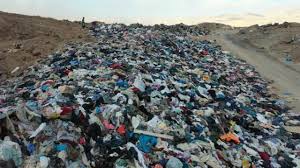
    The textile industry is facing a significant waste crisis, with staggering statistics highlighting the scale of the problem. Every second, one garbage truck of textiles is either burned or dumped in landfills globally. The fashion industry generates approximately 92 million tons of textile waste annually, a figure projected to rise to 134 million tons by 2030. This alarming volume not only contributes to environmental degradation but also represents a loss of $500 billion in potential economic value each year.

    The Economic and Environmental Implications

    The rapid growth of global textile production—doubling between 2000 and 2014—has led to a linear consumption model that is unsustainable. Currently, less than 1% of materials are recycled into new clothing, highlighting the inefficiencies in our current waste management practices. The projected economic opportunity within a circular economy for textiles could reach $4.5 trillion by 2030.

    Understanding Textile Waste

    Sources of Textile Waste

    1. Fast Fashion
      • Characterized by rapid production cycles and low-cost, trend-driven clothing.
      • The average consumer now buys 60% more clothing than 15 years ago, with garments worn only seven times on average before disposal.
    2. Industrial Production Waste
      • Manufacturing processes generate significant waste, with 15-25% fabric waste during pattern cutting alone.
    3. Consumer Behavior Patterns
      • Impulse purchasing and limited repair skills contribute to increased textile waste.

    Environmental Impact Analysis

    • Carbon Footprint: Textile production generates 1.2 billion tons of CO2 annually, making it more carbon-intensive than international flights and maritime shipping combined.
    • Water Pollution: The dyeing process is the second-largest water polluter globally, with the production of a single cotton t-shirt requiring up to 2,700 liters of water.
    • Landfill Challenges: Textiles can take over 200 years to decompose, contributing significantly to landfill mass and soil contamination.

    Emerging Recycling Technologies

    Innovative solutions are vital for addressing textile waste management effectively. Here are some key technologies:

    Mechanical Recycling

    • Involves a fiber-to-fiber recycling process but faces challenges such as material degradation.

    Chemical Recycling

    • Breaks down fibers at the molecular level to create virgin-quality materials from recycled textiles.

    Biological Recycling

    • Utilizes microorganisms for decomposition of biodegradable textiles, representing a promising avenue for sustainable waste management.

    Innovative Business Models

    To combat textile waste, businesses are adopting innovative models:

    • Clothing Rental Platforms: These reduce individual consumption and extend garment lifecycles.
    • Resale and Recommerce Platforms: Online marketplaces are transforming the second-hand clothing market.
    • Repair and Upcycling Services: These initiatives encourage consumers to repair rather than dispose of garments, fostering creativity in textile reuse.

    Sustainable Design Strategies

    Sustainable design is crucial for reducing textile waste:

    • Circular Design Principles: Focus on longevity and recyclability in garment design.
    • Zero-Waste Pattern Cutting: Innovative cutting techniques minimize fabric waste during production.

    Technological Innovations

    Advancements in technology play a pivotal role in enhancing textile waste management:

    • Artificial Intelligence in Textile Sorting: Machine learning aids in accurately identifying materials for recycling.
    • Blockchain for Textile Traceability: Enhances supply chain transparency and tracks garment lifecycles effectively.

    Consumer Engagement and Education

    Raising awareness among consumers is essential for changing behavior towards textile waste:

    • Awareness Campaigns: Educating consumers on the impact of textile waste promotes sustainable consumption habits.
    • Repair Workshops and Clothing Swap Events: These initiatives foster community engagement and promote sustainable fashion literacy.

    Policy and Industry Initiatives

    Effective policy frameworks are critical for driving change in textile waste management:

    • Global Regulations: Implementing Extended Producer Responsibility (EPR) can significantly increase recycling rates.
    • Corporate Sustainability Commitments: Major brands are setting circular fashion goals that align with sustainability targets.

    Future Outlook

    The future of textile waste management looks promising with emerging technologies set to transform the market:

    • Innovations in recycling processes will likely lead to increased material recovery rates.
    • A shift towards a circular economy could redefine consumer relationships with fashion, emphasizing sustainability over disposability.

    Conclusion

    Innovative solutions to textile waste management are not just necessary; they are imperative for creating a sustainable future in fashion. By embracing technological advancements, sustainable business models, and engaging consumers through education, we can significantly reduce the environmental impact of the textile industry.

    As individuals and businesses, we must take action now—supporting sustainable practices and advocating for policies that promote a circular economy will pave the way for a greener future in textiles.

    Potential Appendices

    Case Studies

    Examples of successful implementations of innovative solutions in textile waste management can provide valuable insights into best practices.

    Technological Glossary

    A glossary detailing terms related to recycling technologies can enhance understanding among stakeholders.

    Resource Guide for Sustainable Fashion

    A comprehensive guide featuring organizations committed to sustainable practices can help consumers make informed decisions about their clothing purchases.

    By focusing on these innovative solutions to textile waste management, we can work towards a more sustainable fashion industry that respects both our planet and its resources.

  • Silent Threats: Pathogenic Risks in Medical Electronic Waste Streams

    Silent Threats: Pathogenic Risks in Medical Electronic Waste Streams

    Medical electronic waste, commonly referred to as “med-e-waste,” is an overlooked yet critical intersection between advanced healthcare technologies and environmental health risks. These waste streams include discarded diagnostic equipment, imaging devices, monitoring systems, and other electronic medical instruments. While these devices revolutionize patient care, their disposal presents silent but significant threats: pathogenic risks, environmental contamination, and public health challenges.

    This article delves into the pathogenic risks associated with medical electronic waste streams, exploring biological contamination, chemical hazards, and the broader implications of improper waste management.

    What is Medical Electronic Waste?

    Medical electronic waste consists of any discarded electronic devices used in medical settings, including but not limited to:

    • Diagnostic machines like MRI scanners and CT scanners
    • Monitoring devices, such as ECG machines
    • Therapeutic equipment like defibrillators and infusion pumps
    • Other specialized instruments, including endoscopes and surgical robots

    Such equipment is often contaminated with biological materials, heavy metals, and hazardous chemicals, making it uniquely challenging to dispose of safely.

    Biological Contamination in Med-E-Waste

    Pathogen Persistence on Electronic Surfaces

    Medical devices frequently come into contact with bodily fluids, tissues, and microorganisms. Even with decontamination protocols, pathogens can persist in micro-crevices and on complex surfaces. Key findings include:

    • Bacteria like Staphylococcus aureus can survive for weeks on device surfaces.
    • Viruses, including Hepatitis B, remain infectious for days.
    • Antibiotic-resistant strains exhibit extended survival rates due to their adaptive mechanisms.

    High-Risk Scenarios

    Imagine an improperly sterilized ultrasound machine discarded without proper decontamination. The pathogens on its surface may find their way into the environment, potentially spreading infectious diseases.

    Survival Mechanisms of Pathogens:

    • Microbial Biofilms: Many pathogens form biofilms, a protective matrix that makes them resistant to cleaning agents.
    • Surface Adhesion: Pathogens use proteins and other adhesion mechanisms to bind tightly to electronic surfaces.
    PathogenSurvival Time on DevicesNotable Risks
    S. aureusUp to 7 weeksHospital-acquired infections
    Hepatitis BUp to 7 daysBloodborne transmission
    MRSASeveral weeksAntibiotic resistance spread

    Chemical and Biological Hazards in Medical E-Waste

    Medical electronics contain a complex mix of materials, including:

    1. Heavy Metals:
      • Lead, mercury, and cadmium are common components in circuit boards and batteries. These can leach into the environment, poisoning soil and water supplies.
    2. Chemical Residues:
      • Cleaning agents and antimicrobial coatings used on medical devices often linger, potentially combining with biological materials to create toxic byproducts.
    3. Biological Residues:
      • Remnants of biological fluids and tissues harbor pathogens, amplifying the risks of disease spread.

    Waste Management Challenges for Med-E-Waste

    Current Disposal Practices

    Proper disposal of medical electronic waste requires specialized handling. However, many facilities—especially in developing countries—lack adequate infrastructure. Key steps in ideal waste management include:

    1. Comprehensive Decontamination:
      • Advanced sterilization methods like plasma disinfection or UV-C irradiation can neutralize pathogens.
    2. Material Separation:
      • Identifying and segregating recyclable metals and non-recyclable hazardous materials.
    3. Regulated Recycling Protocols:
      • Adherence to stringent waste processing guidelines to minimize environmental and biological risks.

    Global Disparities

    Inadequate disposal practices in low-resource settings often lead to informal e-waste recycling, where workers are exposed to unsterilized devices, heavy metals, and other toxic components.

    RegionChallengesHealth Impacts
    High-incomeHigh costs of specialized disposal methodsMinimal
    Low-incomeLack of infrastructure; informal recyclingHigh rates of exposure to pathogens and toxins

    Public Health Implications of Pathogenic Risks

    The public health ramifications of improperly managed medical e-waste are multifaceted:

    1. Exposure Risks:
      • Waste workers handling contaminated devices face direct risks of infection.
      • Communities near disposal sites may be exposed to leached chemicals and pathogens.
    2. Environmental Contamination:
      • Leachates from heavy metals and chemical residues pollute water sources and agricultural land.
    3. Antimicrobial Resistance:
      • Prolonged exposure to low doses of antibiotics and pathogens fosters the emergence of drug-resistant bacterial strains.

    Emerging Solutions to Address Med-E-Waste Risks

    Advanced Technologies

    1. Sterilization Innovations:
      • Plasma-based sterilizers and nano-coating technologies can improve decontamination efficiency.
    2. Smart Device Design:
      • Modular medical devices allow for easier disassembly and thorough cleaning before disposal.
      • Use of inherently antimicrobial materials in device manufacturing.
    3. AI-Driven Waste Management:
      • Machine learning models can optimize waste sorting and identify high-risk items requiring specialized handling.

    Policy and Global Collaboration

    International standardization is vital for ensuring safe medical e-waste disposal. Examples of initiatives include:

    • Basel Convention: International treaty controlling hazardous waste movements.
    • Extended Producer Responsibility (EPR): Mandates manufacturers to take responsibility for their devices’ end-of-life management.
    PolicyDescriptionBenefits
    Basel TreatyRestricts hazardous waste export to developing nationsReduces global health disparities
    EPREncourages sustainable device designMinimizes waste at the source

    Recommendations for Future Research

    Further studies are essential to comprehensively address med-e-waste risks. Key research areas include:

    1. Microbial Survival Studies:
      • Investigating pathogen persistence on various electronic materials.
    2. Environmental Impact Assessments:
      • Understanding the long-term effects of leachates on ecosystems.
    3. Waste Management Innovations:
      • Developing cost-effective, scalable solutions for low-resource settings.

    Conclusion

    Medical electronic waste poses a “silent threat” to public health and the environment, combining biological, chemical, and environmental risks. Addressing these challenges requires a collaborative, multidisciplinary approach integrating microbiology, waste management technology, and global policy efforts.

    By prioritizing sustainable practices and innovative solutions, we can mitigate the pathogenic risks lurking within medical electronic waste streams—ensuring a safer future for both humans and the planet.

  • Can You Recycle Radioactive Waste? A Comprehensive Guide

    Can You Recycle Radioactive Waste? A Comprehensive Guide

    Managing radioactive waste is one of the most challenging aspects of nuclear energy and industrial applications. Recycling radioactive waste, while feasible for some materials, involves complex processes, advanced technology, and strict regulatory oversight. This article explores the question: “Can you recycle radioactive waste?” by examining different types of waste, recycling methods, barriers, and future possibilities.

    What Is Radioactive Waste?

    Radioactive waste is a byproduct of nuclear reactors, medical treatments, research facilities, and industrial processes. It contains radioactive materials that emit radiation as they decay. This waste is classified into three main categories:

    TypeDescriptionExamplesRecycling Feasibility
    Low-Level Waste (LLW)Items contaminated with low radioactivity, like protective clothing, tools, and filters.Contaminated metals from facilitiesFeasible with strict regulations.
    Intermediate-Level Waste (ILW)Contains higher levels of radioactivity, including reactor components and chemical sludge.Reactor parts, resinsComplex, requires advanced shielding.
    High-Level Waste (HLW)Highly radioactive spent fuel from nuclear reactors and other fission products.Spent fuel rods, plutoniumLimited; involves reprocessing.

    Can You Recycle Radioactive Waste?

    The answer depends on the type and level of radioactivity. Below, we explore the possibilities for recycling radioactive waste.

    Recycling Low-Level Waste

    Low-level waste (LLW) offers significant recycling opportunities:

    1. Recycling Contaminated Metals:
      • Metals from decommissioned nuclear facilities can be melted and reused for industrial purposes under strict regulatory controls.
      • This reduces waste volumes and lowers costs (Menon, 1999).
    2. Concrete Recycling:
      • Concrete waste from dismantled facilities can be processed into recycled cement to solidify other radioactive waste, minimizing environmental hazards (Jeon et al., 2024).

    Recycling High-Level Waste

    High-level waste (HLW), such as spent nuclear fuel, presents the greatest challenges but also significant opportunities:

    1. Reprocessing Spent Fuel:
      • What It Involves:
        • Separates reusable uranium and plutonium from spent fuel, allowing them to be fabricated into new nuclear fuel.
      • Benefits:
        • Reduces HLW volumes.
        • Extends the energy potential of nuclear materials.
      • Challenges:
        • High costs and technical demands.
        • Proliferation risks, as reprocessing produces weapons-grade materials (Murray, 2001).
    2. Nuclear Transmutation:
      • What It Is:
        • Converts long-lived radioactive isotopes into shorter-lived or stable isotopes using nuclear reactions.
      • Benefits:
        • Reduces long-term hazards.
      • Challenges:

    Barriers to Recycling Radioactive Waste

    Recycling radioactive waste is not without its challenges. Here are the major barriers:

    1. Technical Challenges

    • Recycling processes require advanced technologies to separate usable isotopes from hazardous ones.
    • High radiation levels degrade materials over time, making handling and reprocessing difficult (Weber, 1991).

    2. Economic Constraints

    • Recycling is often more expensive than direct disposal due to:

    3. Regulatory Hurdles

    • Lack of consistent international standards restricts recycling and reuse.
    • Public perception of safety concerns further complicates adoption (Menon, 1999).

    4. Proliferation Risks

    • Reprocessing spent fuel can produce weapons-grade plutonium, raising nuclear proliferation concerns (Smith, 1960).

    Alternatives to Recycling Radioactive Waste

    When recycling is not feasible, waste is managed through:

    MethodDescriptionApplications
    Geological DisposalEncasing waste in glass or cement and storing it deep underground.Suitable for HLW requiring long-term isolation.
    Interim StorageTemporary storage systems to allow HLW to cool and reduce radiation intensity.Provides flexibility while waiting for final disposal.

    The Future of Radioactive Waste Recycling

    Innovation and policy advancements could revolutionize radioactive waste recycling:

    1. Advancements in Nuclear Transmutation

    • Research continues into cost-effective methods for isotope conversion to reduce long-term hazards.

    2. Improved Recycling Technologies

    • Enhanced separation techniques for isotopes and materials are being developed.

    3. Global Cooperation

    • Consistent international regulations could pave the way for broader adoption of recycling practices.

    Conclusion

    So, can you recycle radioactive waste? The answer is both yes and no. Low-level waste and certain components of high-level waste can be recycled under strict conditions, but the processes are complex and costly. With ongoing research, advancements in technology, and robust policy frameworks, the potential for recycling radioactive waste is growing, promising a more sustainable future.

  • Can You Recycle Shredded Paper Waste Management

    Can You Recycle Shredded Paper Waste Management

    Introduction

    Despite widespread recycling programs, millions of tons of shredded paper end up in landfills annually due to confusion about proper disposal methods. The shocking reality is that most people unknowingly contribute to environmental waste by incorrectly handling their document destruction. Traditional recycling systems struggle with shredded paper fragments, creating a significant gap in waste management practices. However, innovative solutions and proper techniques can transform your shredded paper waste into valuable recycled materials. Understanding the correct approach to shredded paper recycling not only reduces your environmental footprint but also supports circular economy principles while ensuring your sensitive documents remain secure.

    Understanding Shredded Paper Waste Management Fundamentals

    What Makes Shredded Paper Different from Regular Paper Recycling?

    The fundamental challenge with shredded paper waste management lies in the physical properties of the material after destruction. When documents pass through industrial shredders, the paper fibers become significantly shorter, creating unique obstacles for traditional recycling processes.

    Fiber Length Degradation Standard paper recycling relies on long paper fibers that can be rewoven into new paper products. Shredded paper contains fibers that are typically 1/8 to 1/4 the length of intact paper fibers. This reduction severely limits the structural integrity of recycled products made from shredded materials.

    Contamination Concerns Shredded paper often contains various contaminants that complicate the recycling process:

    • Plastic window envelopes
    • Staples and metal fasteners
    • Adhesive materials from labels and tape
    • Ink and toner particles
    • Credit card fragments
    • CD/DVD pieces

    The Environmental Impact of Improper Shredded Paper Disposal

    When shredded paper waste management practices fail, the environmental consequences extend far beyond simple landfill accumulation.

    Landfill Decomposition Issues Shredded paper in landfills creates several environmental problems:

    • Accelerated methane production due to increased surface area
    • Leachate contamination from ink and chemical residues
    • Extended decomposition periods in anaerobic conditions
    • Attraction of pests and vermin

    Resource Waste Statistics

    Impact CategoryAnnual LossEnvironmental Cost
    Timber Resources2.3 million treesDeforestation pressure
    Water Consumption45 billion gallonsAquifer depletion
    Energy Usage8.2 billion kWhCarbon emissions
    Landfill Space890,000 cubic yardsSoil contamination

    Can You Recycle Shredded Paper Waste Management Through Traditional Programs?

    Municipal Recycling Program Limitations

    Most municipal recycling programs face significant challenges when processing shredded paper waste management requests. The primary obstacles include:

    Sorting Machinery Complications Traditional recycling facilities use optical sorting systems and air classification equipment designed for intact paper sheets. Shredded paper fragments often bypass these systems or contaminate other recyclable materials.

    Economic Viability Concerns The processing costs for shredded paper typically exceed the market value of the resulting recycled materials. This economic disparity forces many facilities to reject shredded paper entirely.

    Alternative Recycling Solutions for Shredded Paper

    Despite traditional program limitations, several innovative approaches can handle shredded paper waste management effectively.

    Specialized Recycling Facilities Certain facilities specifically cater to shredded paper processing:

    1. Document Destruction CompaniesMany professional shredding services include recycling in their packages
    2. Paper Mills with Specialized EquipmentSome facilities have invested in technology to handle short-fiber materials
    3. Composting FacilitiesOrganic composting operations can process shredded paper as brown matter

    Community-Based Programs Local initiatives often provide solutions where municipal programs fall short:

    • School composting projects
    • Community garden partnerships
    • Agricultural composting cooperatives
    • Zero-waste community centers

    Professional Shredded Paper Waste Management Services

    Document Destruction and Recycling Partnerships

    Professional document destruction services have evolved to address both security and environmental concerns in shredded paper waste management.

    Certified Secure Destruction Process Professional services typically follow a comprehensive process:

    1. Secure CollectionDocuments are collected in locked containers
    2. Chain of CustodyDetailed tracking ensures security throughout the process
    3. Witnessed DestructionClients can observe the shredding process
    4. Certificate of DestructionLegal documentation proves complete destruction
    5. Recycling ProcessingShredded materials are processed for recycling

    Cost-Benefit Analysis of Professional Services

    Service TierCost Per PoundSecurity LevelRecycling Rate
    Basic Shredding$0.50-$0.75Standard85%
    Secure Destruction$0.75-$1.25High Security90%
    Certified Destruction$1.25-$2.00Maximum Security95%

    Choosing the Right Professional Service

    Selecting an appropriate professional service for shredded paper waste management requires careful evaluation of several factors.

    Certification Requirements Look for services with proper certifications:

    • NAID (National Association for Information Destruction) certification
    • ISO 27001 information security management certification
    • Environmental management system certifications
    • Local business licensing and bonding

    Service Evaluation Criteria

    • Response TimeHow quickly can they process your materials?
    • CapacityCan they handle your volume requirements?
    • Geographic CoverageDo they service your location?
    • Environmental CommitmentWhat percentage of materials do they actually recycle?
    • Pricing StructureAre costs transparent and competitive?

    DIY Solutions for Can You Recycle Shredded Paper Waste Management

    Home Composting Applications

    One of the most effective DIY approaches to shredded paper waste management involves incorporating shredded materials into home composting systems.

    Optimal Composting Ratios Successful composting requires balanced carbon-to-nitrogen ratios:

    • Shredded paper (carbon source)60-70%
    • Organic kitchen waste (nitrogen source)30-40%
    • Proper moisture levels40-60%
    • Regular aeration through turning

    Composting Timeline and Process

    WeekActivityExpected Changes
    1-2Initial decompositionPaper begins softening
    3-4Microbial activity peaksTemperature rises to 140-160°F
    5-8Active breakdownPaper fibers fragment further
    9-12Maturation phaseMaterial becomes soil-like
    13-16Finished compostReady for garden application

    Creative Reuse Applications

    Before considering disposal, explore creative reuse options for shredded paper waste management that extend the material’s useful life.

    Packaging and Shipping Applications Shredded paper serves as excellent eco-friendly packaging material:

    • Protection for fragile items during shipping
    • Void fill for boxes and containers
    • Cushioning material for storage
    • Gift basket filler for presentations

    Garden and Landscaping Uses Shredded paper provides multiple benefits in outdoor applications:

    • Mulch for garden beds (when mixed with organic materials)
    • Pathway material for informal walkways
    • Erosion control on slopes
    • Seedling pot material when mixed with organic binders

    Craft and Educational Projects Transform shredded paper into valuable materials:

    • Papier-mâché projects for art and education
    • Fire starter preparation for fireplaces and camping
    • Animal bedding for small pets (non-glossy paper only)
    • Homemade paper production through reconstitution

    Industrial Solutions for Large-Scale Shredded Paper Waste Management

    Corporate Waste Management Strategies

    Large organizations face unique challenges in shredded paper waste management due to volume, security requirements, and regulatory compliance needs.

    Volume Assessment and Planning Effective corporate programs begin with comprehensive waste auditing:

    • Daily shredding volume measurements
    • Peak period identification
    • Storage capacity requirements
    • Transportation logistics planning

    Implementation Framework

    1. Policy DevelopmentEstablish clear guidelines for document retention and destruction
    2. Staff TrainingEducate employees on proper sorting and handling procedures
    3. Vendor SelectionChoose certified destruction and recycling partners
    4. Monitoring SystemsTrack volumes, costs, and environmental impact
    5. Compliance DocumentationMaintain records for regulatory requirements

    Technology Integration in Waste Management

    Modern technology offers sophisticated solutions for optimizing shredded paper waste management in industrial settings.

    Smart Collection Systems Advanced collection systems provide real-time monitoring:

    • IoT sensors in collection containers
    • Automated scheduling for pickup services
    • Digital chain-of-custody tracking
    • Integration with facility management systems

    Data Analytics Applications Comprehensive data analysis enables continuous improvement:

    • Pattern recognition for optimizing collection schedules
    • Cost analysis and vendor performance evaluation
    • Environmental impact measurement and reporting
    • Predictive maintenance for shredding equipment

    Environmental Benefits of Proper Shredded Paper Waste Management

    Resource Conservation Impact

    Implementing effective shredded paper waste management practices delivers measurable environmental benefits across multiple resource categories.

    Forest Resource Preservation Every ton of recycled shredded paper contributes to forest conservation:

    • Saves approximately 17 trees from harvesting
    • Reduces pressure on old-growth forest ecosystems
    • Maintains biodiversity in forested regions
    • Supports carbon sequestration in living trees

    Water and Energy Conservation

    ResourceSavings Per TonAnnual Impact
    Water Usage7,000 gallons280 million gallons
    Energy Consumption4,100 kWh164 million kWh
    Petroleum Products60 gallons2.4 million gallons
    Landfill Diversion3.3 cubic yards132,000 cubic yards

    Carbon Footprint Reduction

    Proper shredded paper waste management significantly impacts greenhouse gas emissions through multiple pathways.

    Emission Reduction Mechanisms

    • Manufacturing EnergyRecycled paper requires 60% less energy than virgin paper production
    • TransportationLocal processing reduces shipping-related emissions
    • Methane PreventionDiverting paper from landfills eliminates methane generation
    • Carbon StorageComposted paper materials sequester carbon in soil

    Quantified Environmental Impact For every 1,000 pounds of shredded paper properly recycled:

    • CO2 reduction1,800 pounds equivalent
    • Methane prevention400 pounds equivalent
    • Total greenhouse gas impact2,200 pounds CO2 equivalent

    Regulatory Compliance in Shredded Paper Waste Management

    Legal Requirements and Standards

    Organizations must navigate complex regulatory landscapes when implementing shredded paper waste management programs.

    Federal Regulations Key federal requirements include:

    • FACTA (Fair and Accurate Credit Transactions Act)Requires proper disposal of consumer information
    • HIPAA (Health Insurance Portability and Accountability Act)Mandates secure destruction of health information
    • GLB (Gramm-Leach-Bliley Act)Governs financial information disposal
    • SOX (Sarbanes-Oxley Act)Requires retention and destruction of financial records

    State and Local Requirements Many jurisdictions impose additional requirements:

    • Waste diversion mandates
    • Recycling content requirements
    • Reporting obligations
    • Vendor certification standards

    Documentation and Audit Trail Requirements

    Maintaining proper documentation is crucial for regulatory compliance in shredded paper waste management.

    Essential Documentation Components

    1. Destruction CertificatesLegal proof of proper document destruction
    2. Chain of Custody RecordsTracking from collection to final disposal
    3. Vendor CertificationsProof of service provider qualifications
    4. Volume TrackingQuantities processed and recycling rates achieved
    5. Incident ReportsDocumentation of any security breaches or process failures

    Audit Preparation Strategies

    • Centralized document storage systems
    • Regular internal compliance reviews
    • Staff training documentation
    • Vendor performance monitoring
    • Continuous improvement documentation

    Cost Analysis and ROI of Shredded Paper Waste Management

    Total Cost of Ownership Evaluation

    Understanding the complete financial picture of shredded paper waste management enables organizations to make informed decisions about program implementation.

    Direct Cost Components

    • Equipment purchase or lease costs
    • Professional service fees
    • Transportation and logistics
    • Storage and handling supplies
    • Staff time allocation

    Hidden Cost Factors Often overlooked expenses can significantly impact total program costs:

    • Regulatory compliance administration
    • Security breach risk mitigation
    • Opportunity costs of staff time
    • Storage space allocation
    • Equipment maintenance and replacement

    Return on Investment Calculations

    Cost Savings Analysis

    Savings CategoryAnnual ValueSource
    Waste Disposal Fees$2,400Landfill diversion
    Raw Material Costs$1,800Recycled content credits
    Tax Incentives$1,200Environmental compliance
    Risk Mitigation$3,600Data breach prevention
    Total Annual Savings$9,000Per 10 tons processed

    Payback Period Calculation For a typical mid-sized organization:

    • Initial investment$15,000
    • Annual savings$9,000
    • Payback period1.7 years
    • 5-year ROI200%

    Future Trends in Shredded Paper Waste Management

    Technological Innovation Impact

    Emerging technologies are revolutionizing approaches to shredded paper waste management, creating new opportunities for efficiency and environmental benefit.

    Advanced Processing Technologies

    • Enzyme-Based BreakdownBiological processes that break down paper fibers more completely
    • Nanotechnology ApplicationsEnhanced separation and purification techniques
    • AI-Powered SortingMachine learning systems for improved contamination removal
    • Blockchain TrackingImmutable records for chain of custody and compliance

    Digital Transformation Trends

    • Paperless Office InitiativesReducing overall paper consumption and waste generation
    • Digital Document DestructionSecure deletion technologies for electronic files
    • Remote Monitoring SystemsIoT-enabled waste stream tracking and optimization
    • Predictive AnalyticsData-driven optimization of collection and processing schedules

    Regulatory Evolution and Market Forces

    The regulatory landscape for shredded paper waste management continues to evolve, driven by environmental concerns and technological capabilities.

    Emerging Regulatory Trends

    • Extended producer responsibility legislation
    • Mandatory recycling content requirements
    • Carbon footprint reporting obligations
    • Circular economy policy initiatives

    Market Development Opportunities

    • Growing demand for recycled paper products
    • Premium pricing for certified sustainable materials
    • Corporate sustainability reporting requirements
    • Consumer preference for environmentally responsible businesses

    Best Practices and Implementation Guidelines

    Developing an Effective Program

    Successful shredded paper waste management requires systematic planning and implementation across multiple organizational levels.

    Program Development Steps

    1. Assessment PhaseEvaluate current practices, volumes, and requirements
    2. Goal SettingEstablish clear objectives for security, cost, and environmental impact
    3. Stakeholder EngagementInvolve all relevant departments and personnel
    4. Vendor EvaluationResearch and select appropriate service providers
    5. ImplementationRoll out program with proper training and support
    6. MonitoringTrack performance against established metrics
    7. Continuous ImprovementRegular review and optimization of processes

    Key Performance Indicators

    MetricTargetMeasurement Method
    Recycling Rate>90%Weight tracking
    Cost per Pound<$1.00Financial analysis
    Security IncidentsZeroIncident reporting
    Employee Compliance>95%Audit results
    Environmental ImpactCarbon neutralLifecycle assessment

    Common Pitfalls and Solutions

    Learning from common mistakes can significantly improve program effectiveness and reduce implementation challenges.

    Frequent Implementation Challenges

    • Insufficient Staff TrainingLeads to contamination and security breaches
    • Inadequate Capacity PlanningResults in overflow and emergency disposal costs
    • Poor Vendor SelectionCauses service quality and compliance issues
    • Lack of Performance MonitoringPrevents identification of improvement opportunities
    • Regulatory MisunderstandingCreates compliance risks and potential penalties

    Proven Solution Strategies

    • Comprehensive training programs with regular refresher sessions
    • Capacity modeling based on historical data and growth projections
    • Multi-vendor evaluation with site visits and reference checks
    • Automated monitoring systems with regular reporting
    • Legal consultation and regular compliance audits

    Conclusion

    Effective shredded paper waste management represents a critical intersection of environmental responsibility, regulatory compliance, and operational efficiency. Throughout this comprehensive exploration, we’ve demonstrated that the question “can you recycle shredded paper waste management” has a definitively positive answer when approached with proper knowledge and techniques.

    The path forward requires organizations and individuals to move beyond traditional thinking about paper recycling. While municipal programs may have limitations, numerous alternatives exist through professional services, composting applications, creative reuse, and specialized recycling facilities. The key lies in understanding these options and selecting the approach that best aligns with specific security requirements, volume needs, and environmental goals.

    The financial case for proper shredded paper waste management is compelling, with return on investment typically achieved within two years. Environmental benefits extend far beyond simple waste diversion, encompassing forest preservation, energy conservation, water savings, and significant greenhouse gas reduction. These benefits compound over time, creating lasting positive impact for communities and ecosystems.

    As technology continues to advance and regulatory requirements evolve, organizations that establish robust shredded paper waste management programs today will be well-positioned for future success. The integration of digital monitoring, advanced processing technologies, and data-driven optimization will only enhance the effectiveness and value of these programs.

    The responsibility for effective shredded paper waste management extends to every organization and individual who handles sensitive documents. By implementing the strategies and best practices outlined in this guide, we can collectively transform what was once considered waste into valuable resources, contributing to a more sustainable and secure future for all.

    Success in shredded paper waste management ultimately depends on commitment to continuous improvement, stakeholder engagement, and alignment with broader sustainability objectives. The tools and knowledge exist today to make this transformation possible—the only remaining question is when, not if, organizations will embrace these opportunities for positive change.

  • Waste Disposal: A Comprehensive Guide to Effective Waste Management

    Waste Disposal: A Comprehensive Guide to Effective Waste Management

    Waste disposal is a cornerstone of environmental sustainability, encompassing the processes of collecting, transporting, treating, and properly discarding waste materials. This guide explores the various methods of waste disposal, the types of waste that require management, and their impact on health and the environment. By optimizing strategies for waste disposal, we can mitigate pollution, conserve resources, and contribute to a sustainable future.

    What is Waste Disposal?

    Waste disposal refers to the systematic processes involved in handling waste materials, ensuring their safe removal or recycling to minimize environmental harm. The process involves several stages:

    1. Collection and Sorting: Gathering waste from various sources and categorizing it by type (e.g., organic, recyclable, hazardous).
    2. Transportation: Moving waste to treatment or disposal sites.
    3. Treatment: Processing waste to reduce its hazardous nature or volume, such as incineration or composting.
    4. Final Disposal: Placing treated or untreated waste in designated areas like landfills or recycling centers.

    Types of Waste

    Effective waste disposal requires understanding the categories of waste to apply the right disposal methods:

    Type of WasteExamplesSpecial Handling
    Solid WasteHousehold garbage, construction debris, plasticsSorting for recycling or landfill disposal.
    Liquid WasteSewage, industrial wastewaterRequires treatment before release or disposal.
    Hazardous WasteBatteries, medical waste, pesticidesNeeds specialized facilities for safe disposal.
    E-WasteOld electronics like phones, computersRecycling to recover valuable materials.

    Importance of Waste Disposal

    Proper waste disposal is vital for:

    1. Environmental Protection: Prevents pollution of air, water, and soil.
    2. Public Health: Reduces exposure to harmful toxins and pathogens.
    3. Sustainability: Encourages recycling and resource recovery to reduce dependency on raw materials.
    4. Regulatory Compliance: Meets local and global environmental standards to avoid penalties.

    Methods of Waste Disposal

    1. Landfill Disposal

    Landfills are the most common method of waste disposal. Here, waste is buried under layers of soil. Modern landfills use protective liners and leachate systems to prevent contamination.

    AdvantagesDisadvantages
    Low-cost and scalableRisks groundwater contamination.
    Can be repurposed for recreational useOccupies large land areas.

    2. Incineration

    Incineration involves burning waste at high temperatures to convert it into ash and gases. Advanced incinerators can generate energy during the process.

    AdvantagesDisadvantages
    Reduces waste volume significantlyReleases harmful emissions if uncontrolled.
    Can produce energy for power generationRequires high operational costs.

    3. Recycling

    Recycling converts waste materials like paper, glass, and plastics into new products. It reduces the demand for raw materials and conserves energy.

    Steps in RecyclingDescription
    Collection and SortingWaste is sorted into recyclable categories.
    Cleaning and ProcessingMaterials are cleaned and prepared for reuse.
    Manufacturing New ProductsRecycled materials are used to create new items.

    4. Composting

    Composting involves decomposing organic materials like food scraps and garden waste to create nutrient-rich compost.

    Benefits
    Reduces landfill waste.
    Improves soil fertility.
    Low-cost and eco-friendly.

    5. Biogas Generation

    Biogas generation utilizes anaerobic digestion to convert organic waste into renewable energy (biogas) and nutrient-rich slurry for fertilizers.

    Environmental Impact
    Reduces greenhouse gas emissions.
    Generates clean, renewable energy.

    6. Plasma Gasification

    This innovative method uses high-temperature plasma to vaporize waste, producing syngas (synthetic gas) and slag for construction purposes.

    AdvantagesChallenges
    Reduces reliance on landfills.High energy consumption.
    Produces valuable by-products.Expensive technology to implement.

    Challenges in Waste Disposal

    Despite advancements, waste disposal faces several challenges:

    1. Overburdened Landfills: Rapid urbanization has resulted in overflowing landfills.
    2. Recycling Inefficiencies: Contamination of recyclable materials reduces recycling rates.
    3. E-Waste Management: Complexities in recycling components like lithium batteries.
    4. Environmental Risks: Mismanaged hazardous waste leads to soil and water pollution.

    Waste Disposal Statistics

    Method% of Total Waste Managed Globally
    Landfill55%
    Recycling25%
    Incineration15%
    Composting/Biogas5%

    Sustainable Waste Disposal Practices

    Tips for Reducing Waste

    • Buy Smart: Opt for reusable or recyclable products.
    • Compost at Home: Set up a compost bin for food scraps.
    • Donate: Give away items you no longer need instead of discarding them.

    Circular Economy

    A circular economy focuses on reducing waste by designing products for durability, reusability, and recyclability.

    Future Trends in Waste Disposal

    1. AI in Waste Sorting: Automated systems using AI to improve recycling efficiency.
    2. Advanced Recycling Technologies: Chemical recycling for complex plastics.
    3. Community-Based Solutions: Localized waste-to-energy plants.

    Conclusion

    Effective waste disposal is essential for maintaining a clean, healthy, and sustainable environment. By understanding various waste disposal methods, reducing waste generation, and adopting recycling practices, individuals and businesses can contribute significantly to environmental conservation. Proper waste management not only protects our planet but also promotes resource efficiency and long-term sustainability.

  • Where Does Garbage Disposal Waste Go?

    Where Does Garbage Disposal Waste Go?

    Garbage disposals have become a staple in many households, providing a convenient way to manage food scraps. But have you ever wondered, where does garbage disposal waste go? This question leads us to an intricate journey from your kitchen sink to wastewater treatment plants, landfills, or even energy facilities. In this article, we’ll explore how garbage disposals work, the processes food waste undergoes, and the environmental implications.

    How Garbage Disposals Work

    Grinding Mechanism

    Garbage disposals are installed beneath the kitchen sink and use a motorized grinding mechanism to break down food waste. Here’s how the process works:

    • Grinding Process: When the disposal is activated, a spinning plate pushes food waste against a stationary shredder ring, breaking it into small particles.
    • Water Flush: The ground particles are then flushed through holes in the grinding chamber wall, into the home’s plumbing system.

    Plumbing and Discharge

    Once ground, food waste is carried by water into the plumbing system. From there, it travels:

    • Through Pipes: Food waste flows along with wastewater into the municipal sewer system or septic tank.
    • To Treatment Facilities: In most urban areas, this wastewater is directed to treatment plants for further processing.

    The Journey of Garbage Disposal Waste

    Wastewater Treatment Process

    Most food waste from garbage disposals ends up in wastewater treatment plants. Here’s what happens next:

    1. Collection and Transport: Food waste, mixed with wastewater, is transported to treatment plants through sewer systems.
    2. Primary Treatment: At the facility, solids are separated from liquids. Food particles settle at the bottom of primary treatment tanks.
    3. Secondary Treatment: The organic matter is treated using microorganisms to break down contaminants.

    Anaerobic Digestion

    Approximately 10% of wastewater treatment plants use anaerobic digesters. This process involves:

    • Decomposition Without Oxygen: Organic matter, including food waste, is broken down anaerobically.
    • Biogas Production: The digestion process generates methane-rich biogas, which can be captured and used as a renewable energy source.
    • Byproduct Utilization: The remaining material, called biosolids, can be repurposed as fertilizer.

    Landfill and Incineration

    Not all treated waste is reused. In some cases:

    • Landfilling: Residual sludge from treatment plants is sent to landfills. While cost-effective, this contributes to methane emissions due to anaerobic decomposition.
    • Incineration: Waste is burned to reduce volume, with the ash requiring careful disposal.

    Where Does Garbage Disposal Waste Go: Final Destinations

    Comparison of Waste Destinations

    DestinationProcessEnvironmental Impact
    Wastewater TreatmentOrganic matter treatmentLow to moderate impact
    Anaerobic DigestionBiogas productionEnvironmentally beneficial
    LandfillBurial of treated sludgeHigh methane emissions
    IncinerationCombustionReduced waste, high emissions

    Environmental Considerations

    Using garbage disposals has both benefits and drawbacks:

    Benefits

    • Reduced Landfill Waste: Garbage disposals help divert food scraps from municipal solid waste streams.
    • Cleaner Plumbing: They prevent large food scraps from clogging pipes.
    • Energy Potential: Waste processed via anaerobic digestion can produce biogas for renewable energy.

    Challenges

    • Treatment Strains: High organic loads can increase the operational costs and complexity of wastewater treatment.
    • Emissions Concerns: Landfills and incineration contribute to greenhouse gases and pollutants.

    Innovative Solutions for Food Waste

    To address the environmental concerns of garbage disposals, innovative solutions are emerging:

    Composting Systems

    Some households and facilities use composting disposals that separate food waste from wastewater streams, converting scraps into compost.

    Enhanced Anaerobic Digestion

    Upgraded anaerobic digesters are capable of handling larger volumes of organic waste while maximizing biogas production.

    Educational Initiatives

    Promoting awareness about food waste reduction can minimize the need for garbage disposals altogether.

    Tips for Using Garbage Disposals Responsibly

    To minimize environmental impact, consider these tips:

    1. Limit Non-Food Items: Only grind biodegradable food waste.
    2. Run Cold Water: Ensure efficient flushing and prevent grease buildup.
    3. Compost Where Possible: Divert suitable scraps, like vegetable peels, to compost bins.

    Conclusion

    So, where does garbage disposal waste go? From grinding in your kitchen to wastewater treatment plants, anaerobic digesters, landfills, or incinerators, the journey of food waste is multifaceted. While garbage disposals offer convenience, they also pose environmental challenges. By adopting sustainable practices and innovative technologies, we can better manage this waste stream and mitigate its impact on the environment.

  • Are Waste Disposal Units Worth It? A Comprehensive Guide

    Are Waste Disposal Units Worth It? A Comprehensive Guide

    Waste disposal units, also known as garbage disposals, have become a common kitchen appliance in modern households. They promise convenience, reduced waste accumulation, and environmental benefits, but they also come with costs and considerations. This article explores whether waste disposal units are worth the investment by evaluating their advantages, drawbacks, and overall impact.

    What Are Waste Disposal Units?

    Waste disposal units are devices installed under kitchen sinks to grind food waste into small particles that can be flushed down the drain. They are particularly useful for households looking to minimize the organic waste that goes to landfills. However, they require an upfront investment, ongoing maintenance, and adherence to local regulations.

    The Cost-Benefit Analysis: Are Waste Disposal Units Worth It?

    Initial Costs

    1. Unit Prices:
      • Basic Models: $100–$300
      • Premium Models: $400–$800 (quieter operation, advanced features)
    2. Installation Costs:
      • Professional installation: $150–$500
      • Additional plumbing or electrical work (if needed): $100–$300
    ExpenseCost Range
    Unit Price$100–$800
    Professional Installation$150–$500
    Additional Modifications$100–$300

    Operational Benefits

    • Convenience: Instantly processes food waste, reducing the need for garbage collection.
    • Hygiene: Minimizes kitchen odors and deters pests.
    • Waste Volume Reduction: Reduces the number of garbage bags required.

    Environmental Impact: Balancing Benefits and Drawbacks

    Positive Contributions

    • Reduced Landfill Waste: Diverts organic material, cutting down methane emissions.
    • Energy Recovery: Modern water treatment facilities can repurpose organic waste into biogas or fertilizer.

    Drawbacks

    • Increased Resource Consumption:
      • Electricity: 3–4 kWh per year
      • Water: 700–1,000 gallons annually per household
    • Impact on Water Treatment Plants: Increases load on municipal wastewater systems.
    AspectImpact
    Electricity Consumption3–4 kWh per year
    Water Usage700–1,000 gallons annually
    Methane ReductionPositive
    Biogas/Fertilizer ProductionPositive

    Maintenance and Longevity

    Waste disposal units are relatively low-maintenance appliances but require proper care to maximize their lifespan, typically 8–12 years.

    Routine Maintenance Practices

    1. Cleaning: Use ice and citrus peels to clean blades and eliminate odors.
    2. Water Flow: Always run cold water during and after use to clear debris.
    3. Avoiding Troublesome Items: Do not dispose of grease, fibrous vegetables, coffee grounds, or bones.

    Common Issues

    • Clogs: Resulting from improper use.
    • Jamming: Occurs with large or tough food scraps.

    Factors to Consider Before Installing

    1. Plumbing Compatibility

    • Homes with older or incompatible plumbing may require upgrades.
    • Septic systems need specialized units.

    2. Local Regulations

    • Some municipalities restrict or prohibit the use of waste disposal units.

    3. Electrical Needs

    • A dedicated circuit is often necessary, which may require additional electrical work.

    Long-Term Cost-Benefit Analysis

    For households generating substantial food waste, the initial investment may be recouped over time through convenience and savings on garbage bags and waste management fees.

    FactorConsideration
    Initial InvestmentInstallation and unit costs
    Operational CostsWater and electricity usage
    Maintenance CostsSupplies and occasional repairs
    Potential SavingsReduced waste management fees, fewer garbage bags
    Time SavingsLess frequent garbage disposal trips

    Advantages of Waste Disposal Units

    1. Convenience

    • Immediate disposal of food scraps reduces the frequency of garbage disposal trips.

    2. Hygiene

    • Eliminates odors and prevents pest infestations caused by decomposing food.

    3. Environmental Contributions

    • Diverts organic waste from landfills, aiding in methane reduction.

    Disadvantages of Waste Disposal Units

    1. High Initial Costs

    • Installation costs can deter some households.

    2. Increased Utility Usage

    • Higher water and electricity consumption may offset some environmental benefits.

    3. Maintenance Requirements

    • Requires regular cleaning and proper usage to avoid malfunctions.

    Choosing the Right Waste Disposal Unit

    Key Features to Look For:

    1. Grinding Power: Higher horsepower for tougher waste.
    2. Noise Reduction: Essential for open-concept homes.
    3. Warranty: Longer warranties offer peace of mind.
    4. Energy Efficiency: Modern units with lower resource consumption.
    FeatureImportance
    HorsepowerHandles tougher waste
    Noise ReductionReduces operational noise
    WarrantyCovers repairs/replacement
    Energy EfficiencyMinimizes utility impact

    Future Considerations

    As waste management technology advances, the integration of smart features like app control or enhanced energy efficiency could make waste disposal units even more appealing. Additionally, policy shifts toward sustainable waste practices may influence their adoption.

    Final Verdict: Are Waste Disposal Units Worth It?

    The decision largely depends on your household’s specific needs and circumstances:

    • Ideal For:
      • Households with significant food waste.
      • Homes with modern plumbing and compatible municipal regulations.
      • Environmentally conscious users leveraging advanced water treatment systems.
    • Not Ideal For:
      • Homes with minimal food waste.
      • Older homes requiring extensive plumbing updates.
      • Regions with strict regulations or limited water treatment capacity.

    Conclusion

    Waste disposal units offer a blend of convenience, hygiene, and environmental benefits, but they come with notable costs and considerations. Assess your household’s waste generation, plumbing system, and local regulations before investing in a unit. With proper maintenance, these units can provide a worthwhile long-term solution for managing food waste.

  • How to Reduce Waste Disposal?

    How to Reduce Waste Disposal?

    Reducing waste disposal is a critical step toward protecting the environment, conserving natural resources, and promoting a sustainable future. Waste reduction not only minimizes pollution but also conserves energy, reduces landfill burden, and improves public health. This comprehensive guide outlines effective strategies, tips, and benefits of reducing waste disposal for individuals and communities alike.

    Introduction

    Waste disposal remains one of the most pressing environmental challenges today. Increasing landfills, marine pollution, and greenhouse gas emissions are direct consequences of poor waste management. Understanding how to reduce waste disposal is crucial for fostering environmental conservation and building a sustainable society. This guide provides actionable steps to help individuals and communities manage waste more effectively.

    The Importance of Reducing Waste Disposal

    Waste reduction is about more than minimizing trash; it directly impacts:

    AspectImpact
    EnvironmentPrevents pollution, conserves biodiversity, and reduces greenhouse gases.
    EconomyCuts costs associated with waste disposal and creates recycling jobs.
    HealthDecreases risks of diseases linked to waste accumulation.
    ResourcesConserves finite materials like water, timber, and fossil fuels.

    Strategies to Reduce Waste Disposal

    1. Reduce: Minimize Waste at the Source

    Reducing waste begins with conscious consumer choices to prevent unnecessary waste production.

    Ways to Reduce Waste:

    • Buy Only What You Need: Plan purchases to avoid over-buying, especially perishable goods.
    • Minimize Packaging: Select products with minimal or biodegradable packaging.
    • Digital Alternatives: Replace physical receipts, tickets, or newspapers with digital versions.
    • Avoid Single-Use Items: Choose reusable products like cloth bags and metal utensils over disposables.

    Example: Buying bulk groceries minimizes packaging waste significantly.

    2. Reuse: Extend the Life of Items

    Reusing helps reduce waste by giving products a second life rather than discarding them prematurely.

    Ways to Reuse:

    • Reusable Bags and Bottles: Invest in durable bags, bottles, and containers.
    • Repurpose Items: Transform old jars into storage containers or turn worn-out clothes into cleaning rags.
    • Repair Before Replacing: Fix broken furniture, electronics, or clothes instead of buying new ones.
    • Donate or Sell: Unused items can be donated to charity or sold online.
    ItemReuse Idea
    Glass JarsStorage for pantry items or crafts.
    Old T-ShirtsCleaning rags or tote bags.
    Wooden PalletsCreate garden furniture.

    3. Recycle: Recover Resources Efficiently

    Recycling converts waste into new materials, conserving raw resources and reducing energy consumption.

    Steps to Recycle Effectively:

    1. Sort Waste Correctly: Separate recyclable materials like paper, plastics, metals, and glass.
    2. Check Local Recycling Guidelines: Know what materials your community program accepts.
    3. Recycle E-Waste: Take old electronics to specialized facilities.
    4. Compost Organic Materials: Transform kitchen scraps and yard waste into compost.

    Fun Fact: Recycling one ton of paper saves 17 trees, 7,000 gallons of water, and enough energy to power an average home for six months.

    4. Refuse: Say No to Wasteful Products

    Refusing unnecessary items is a proactive approach to waste reduction.

    How to Refuse Waste:

    • Avoid Single-Use Plastics: Say no to disposable straws, cutlery, or plastic bags.
    • Reject Excessive Packaging: Choose items with eco-friendly packaging.
    • Decline Freebies: Avoid promotional merchandise that often becomes waste.

    Example: Refusing plastic straws in favor of metal or bamboo alternatives.

    5. Compost (Rot): Turn Organic Waste into Fertilizer

    Composting reduces landfill contributions and creates nutrient-rich soil for gardening.

    Steps for Effective Composting:

    • Set Up a Compost Bin: Use a bin for fruit peels, vegetable scraps, coffee grounds, and yard waste.
    • Understand What to Compost: Compost organic items but avoid meat, dairy, and oily foods.
    • Use Compost in Gardening: Enrich your garden soil with the final compost product.

    Composting Tip: Maintain a balance of “greens” (wet, nitrogen-rich materials) and “browns” (dry, carbon-rich materials) for optimal decomposition.

    Materials to CompostMaterials to Avoid
    Vegetable ScrapsMeat and Dairy Products
    Coffee GroundsOily Foods
    Grass ClippingsSynthetic Materials

    Benefits of Reducing Waste Disposal

    Understanding the advantages of waste reduction underscores its importance:

    1. Environmental Benefits:

    • Conserves natural resources.
    • Reduces pollution in air, water, and soil.
    • Mitigates climate change by cutting methane emissions from landfills.

    2. Economic Benefits:

    • Saves money on waste disposal fees.
    • Promotes industries in recycling and composting, creating jobs.
    • Reduces reliance on raw materials, lowering production costs.

    3. Public Health Benefits:

    • Improves sanitation and living conditions.
    • Reduces risks of diseases linked to improper waste management.

    Practical Tools and Solutions for Waste Reduction

    Apps and Platforms:

    • Too Good To Go: Connects consumers with surplus food from restaurants.
    • Recycle Coach: Provides local recycling guidelines.

    Technological Innovations:

    • Smart Bins: Use sensors to sort waste into recyclable categories.
    • Waste-to-Energy Plants: Convert waste into usable energy.

    How Communities Can Contribute

    Education and Advocacy:

    • Organize workshops on sustainable practices.
    • Promote waste segregation through community programs.

    Infrastructure Support:

    • Establish recycling centers and composting facilities.
    • Implement local policies for single-use plastic bans.

    Circular Economy Initiatives:

    • Encourage repair shops and swap markets.
    • Support businesses that upcycle waste into new products.

    Conclusion

    Reducing waste disposal is not only essential for preserving the environment but also offers economic and health benefits. By adopting strategies such as reducing, reusing, recycling, refusing, and composting, individuals and communities can significantly minimize waste. Start today—every small action contributes to a cleaner, greener, and more sustainable planet.

  • Is a Bluetooth Speaker E-Waste Recycling? 

    Is a Bluetooth Speaker E-Waste Recycling? 

    Introduction

    In today’s tech-driven world, Bluetooth speakers are everywhere—but what happens when they stop working? Many end up in landfills, contributing to the growing e-waste crisis. With over 50 million tons of e-waste generated yearly, improper disposal harms the environment and wastes valuable resources. The good news? Bluetooth speaker e-waste recycling offers a sustainable solution. This guide explores how to recycle your old speakers, why it matters, and the benefits of responsible disposal. By the end, you’ll know exactly how to turn e-waste into eco-friendly opportunities.


    Table of Contents

    1. What is E-Waste?
    2. Is a Bluetooth Speaker Considered E-Waste?
    3. Why Bluetooth Speaker E-Waste Recycling Matters
    4. How to Recycle Bluetooth Speakers Properly
    5. The Environmental Impact of Improper Disposal
    6. Innovations in Bluetooth Speaker Recycling
    7. FAQs on Bluetooth Speaker E-Waste Recycling
    8. Conclusion: Turning E-Waste into a Sustainable Future

    1. What is E-Waste?

    E-waste, or electronic waste, refers to discarded electrical or electronic devices. This includes:

    • Smartphones
    • Laptops
    • TVs
    • Bluetooth speakers

    Key Facts About E-Waste

    StatisticData
    Global e-waste generated annually53.6 million metric tons
    E-waste recycling rateOnly 17.4%
    Toxic materials in e-wasteLead, mercury, cadmium

    Since electronics contain hazardous materials, proper e-waste recycling is crucial.


    2. Is a Bluetooth Speaker Considered E-Waste?

    Yes! A Bluetooth speaker is e-waste once it’s no longer functional or wanted. It contains:

    • Circuit boards (with metals like copper & gold)
    • Batteries (often lithium-ion, which can be hazardous)
    • Plastic casings (non-biodegradable)

    When Should You Recycle Your Bluetooth Speaker?

    ✔ No longer holds a charge
    ✔ Broken beyond repair
    ✔ Outdated technology
    ✔ Upgraded to a new model

    Instead of tossing it in the trash, Bluetooth speaker e-waste recycling ensures safe material recovery.


    3. Why Bluetooth Speaker E-Waste Recycling Matters

    Environmental Benefits

    • Reduces landfill waste (electronics take centuries to decompose)
    • Prevents toxic leaks (batteries can contaminate soil & water)
    • Conserves resources (recycling metals reduces mining demand)

    Economic Benefits

    • Recovered materials (gold, silver, copper) can be reused.
    • Creates jobs in the recycling industry.

    Legal Reasons

    Many regions require e-waste recycling by law. For example:

    • EU’s WEEE Directive
    • U.S. State E-Waste Laws (California, New York)

    Ignoring Bluetooth speaker e-waste recycling risks fines and environmental harm.


    4. How to Recycle Bluetooth Speakers Properly

    Step-by-Step Guide

    1. Check for Reusability – Can it be repaired or donated?
    2. Remove Batteries – Lithium-ion batteries need separate recycling.
    3. Find a Certified E-Waste Recycler – Use directories like:
    4. Drop Off or Mail-In – Many retailers (Best Buy, Staples) accept e-waste.
    5. Verify Responsible Recycling – Ensure the facility doesn’t export waste illegally.

    Alternative Options

    • Manufacturer Take-Back Programs (Bose, JBL, Sony)
    • Local E-Waste Drives (Check municipal websites)

    5. The Environmental Impact of Improper Disposal

    When Bluetooth speakers end up in landfills:
    🔥 Toxic chemicals leak into groundwater.
    🌍 Plastic waste pollutes oceans for centuries.
    💀 Battery fires risk waste facility workers.

    E-Waste Pollution in Numbers

    IssueImpact
    Lead contaminationDamages nervous systems
    Mercury exposureHarms aquatic life
    Plastic waste80% of ocean plastic comes from land

    Recycling just one Bluetooth speaker can prevent these dangers.


    6. Innovations in Bluetooth Speaker Recycling

    Emerging Technologies

    • Automated Sorting Robots – Separate metals & plastics efficiently.
    • Bioleaching – Uses bacteria to extract precious metals.
    • Modular Design – Brands like Fairphone make repairable electronics.

    Sustainable Brands Leading the Way

    BrandInitiative
    BoseFree recycling program
    JBLEco-friendly packaging
    SonyGreen Management 2025 plan

    Supporting these brands encourages more Bluetooth speaker e-waste recycling efforts.


    7. FAQs on Bluetooth Speaker E-Waste Recycling

    Q: Can I throw Bluetooth speakers in the regular trash?

    A: No! They contain hazardous materials—always recycle.

    Q: Are Bluetooth speaker batteries recyclable?

    A: Yes, but they must be removed and recycled separately.

    Q: How much gold is in a Bluetooth speaker?

    A: Small amounts (in circuit boards), but recycling recovers valuable metals.

    Q: Where can I recycle my old Bluetooth speaker for free?

    A: Check manufacturer programs or local e-waste events.


    8. Conclusion: Turning E-Waste into a Sustainable Future

    Bluetooth speaker e-waste recycling isn’t just an option—it’s a necessity. By responsibly disposing of old electronics, we:
    ✅ Protect the environment
    ✅ Conserve precious resources
    ✅ Support a circular economy

    Your action matters. Next time you upgrade, recycle your old speaker—because every small step counts toward a greener planet.

  • How to Use Waste Disposal: A Complete Guide for Responsible Waste Management

    How to Use Waste Disposal: A Complete Guide for Responsible Waste Management

    Proper waste disposal is critical for maintaining a clean environment, conserving resources, and safeguarding public health. This comprehensive guide will explore how to use waste disposal effectively, including segregation, handling, and reduction strategies. By following these best practices, you can significantly reduce environmental impact while supporting sustainable development.

    Understanding Waste Disposal

    Waste disposal involves collecting, segregating, and processing waste materials to ensure they are handled safely and efficiently. Using waste disposal systems correctly is the foundation of an effective waste management strategy.

    Why Proper Waste Disposal Matters

    1. Environmental Protection: Proper waste disposal prevents pollution and conserves natural resources by recycling and reusing materials.
    2. Public Health: It reduces the spread of diseases caused by improper handling of waste.
    3. Compliance and Safety: Adhering to local regulations ensures safety for communities and businesses.

    How to Use Waste Disposal Systems

    Waste Classification and Segregation

    The first step in effective waste disposal is segregation. Organize waste into the following categories:

    Recyclable Materials

    • Paper: Newspapers, magazines, cardboard, and office paper should be kept clean and dry.
    • Plastics: Sort by type using recycling codes (1-7).
    • Glass: Separate glass bottles and jars by color and rinse thoroughly.
    • Metals: Clean aluminum cans and steel containers before recycling.

    Organic Waste

    • Kitchen Scraps: Compost fruit peels, vegetable scraps, eggshells, and coffee grounds.
    • Yard Waste: Collect leaves, grass clippings, and branches for composting or municipal collection.

    General Waste

    Non-recyclable items, such as certain packaging materials, should be disposed of in designated bins.

    Adherence to Collection Schedules

    1. Familiarize yourself with your local waste collection schedule.
    2. Place bins at designated locations on time to avoid missed pickups.
    3. Use separate bins for different types of waste (e.g., green for organics, blue for recyclables).

    Handling Hazardous Waste

    Chemical Waste

    • Store chemicals like paints, solvents, and pesticides in original containers.
    • Avoid mixing chemicals to prevent dangerous reactions.
    • Participate in local hazardous waste collection events for proper disposal.

    Electronic Waste (E-Waste)

    • Dispose of computers, phones, and batteries through specialized recycling facilities.
    • Many retailers and manufacturers offer take-back programs for electronics.

    Medical Waste

    • Dispose of sharps in designated containers.
    • Participate in pharmacy take-back programs for unused medications.

    Waste Reduction and Reuse Strategies

    Reducing waste before it reaches disposal systems can save resources and energy.

    Source Reduction

    • Opt for products with minimal packaging.
    • Use durable, reusable items instead of single-use alternatives.
    • Repair and maintain items to extend their lifespan.

    Reuse and Repurposing

    • Donate gently used items to charitable organizations.
    • Get creative with repurposing items, such as turning glass jars into storage containers.

    Composting

    • Build a composting system for organic kitchen and garden waste.
    • Use the compost as a natural fertilizer for your plants.

    Legal and Compliance Requirements

    Regulatory Compliance

    • Familiarize yourself with local waste management laws.
    • Follow designated guidelines for handling hazardous and electronic waste.

    Record Keeping

    • Maintain documentation of waste collection schedules and special disposal events.
    • Track hazardous waste disposal activities for compliance with regulations.
    Waste TypeAppropriate Disposal MethodNotes
    Recyclable MaterialsRecycling bins or centersClean and sort materials.
    Organic WasteComposting or municipal organic waste binsIdeal for food scraps and yard waste.
    Hazardous WasteHazardous waste collection facilitiesStore in original containers.
    E-WasteElectronics recycling programsAvoid regular waste streams.
    Medical WasteSpecialized medical disposal servicesUse designated sharps containers.

    Conclusion

    Learning how to use waste disposal systems effectively is a critical step toward creating a sustainable and clean environment. Start by segregating waste, adhering to collection schedules, and handling hazardous materials with care. By implementing waste reduction and reuse strategies, you can minimize your environmental footprint while contributing to a greener planet.

  • What is Safe Disposal of Waste?

    What is Safe Disposal of Waste?

    Safe disposal of waste refers to the systematic and environmentally sound management of waste materials to prevent harm to human health and the environment. Proper waste disposal plays a pivotal role in public health, environmental conservation, and resource sustainability. This comprehensive guide explores the principles, methods, and benefits of safe waste disposal, providing actionable insights for individuals, organizations, and governments.

    Why is Safe Disposal of Waste Important?

    Effective waste disposal is essential for several reasons:

    • Protects Public Health: Reduces risks associated with exposure to hazardous substances and prevents the spread of diseases.
    • Preserves the Environment: Minimizes pollution of air, water, and soil.
    • Conserves Resources: Encourages recycling and reuse, reducing the depletion of natural resources.
    • Supports Economic Sustainability: Promotes resource efficiency and reduces waste management costs.

    Principles of Safe Waste Disposal

    1. Waste Hierarchy (3Rs)

    The waste hierarchy guides waste management strategies:

    • Reduce: Minimize waste generation by adopting efficient consumption habits.
    • Reuse: Extend the lifecycle of products by finding new uses for items.
    • Recycle: Convert waste materials into new products to reduce the demand for raw materials.

    2. Polluter Pays Principle

    The entities generating waste bear the responsibility for its proper disposal, including associated costs.

    3. Precautionary Principle

    Preventive measures must be taken to avoid environmental harm, even if some risk factors are not fully understood.

    Methods of Safe Disposal of Waste

    1. Waste Segregation

    Definition: Separating waste into categories such as recyclable, organic, and hazardous.

    CategoryExamplesTreatment Method
    RecyclablePaper, plastics, metalsRecycling
    OrganicFood scraps, garden wasteComposting
    HazardousBatteries, chemicals, e-wasteSpecialized disposal

    Benefits:

    • Facilitates appropriate treatment.
    • Reduces contamination of recyclable materials.

    2. Recycling and Reuse

    Recycling involves processing materials like paper, glass, and metals into new products. Reuse focuses on repurposing items to extend their utility.

    Advantages:

    • Conserves natural resources.
    • Reduces landfill waste.
    • Cuts down on energy usage in production processes.

    3. Composting

    Process: Organic waste decomposes under controlled conditions to produce nutrient-rich compost.

    Applications:

    • Natural fertilizer in agriculture and gardening.

    Environmental Impact:

    • Reduces methane emissions from landfills.
    • Enhances soil quality.

    4. Incineration

    Definition: High-temperature combustion reduces waste volume by up to 90%.

    Benefits:

    • Generates energy (Waste-to-Energy or WTE).
    • Minimizes landfill dependency.

    Challenges:

    • Requires advanced emissions control systems.

    5. Landfilling

    Modern Landfills: Equipped with liners, leachate collection systems, and methane gas recovery to mitigate environmental impact.

    FeaturePurpose
    LinersPrevent soil contamination
    Leachate SystemsManage toxic liquid runoff
    Methane CaptureReduce greenhouse gas emissions

    6. Hazardous Waste Management

    Specialized Techniques:

    • Chemical Treatment: Neutralizes toxic components.
    • Secure Landfilling: Isolates hazardous waste from the environment.
    • Incineration: Safely burns hazardous materials.

    7. E-Waste Disposal

    Challenges:

    • Contains toxic substances like lead and mercury.
    • Recycling requires advanced technology to extract valuable materials.

    Solutions:

    • Specialized e-waste recycling programs.
    • Regulatory compliance for proper handling and disposal.

    8. Medical Waste Disposal

    Techniques:

    • Autoclaving: Sterilizes waste with high-pressure steam.
    • Incineration: Burns contaminated materials.
    • Secure Landfilling: Safely isolates biohazardous waste.

    9. Waste-to-Energy (WTE)

    Concept: Converts non-recyclable waste into energy forms like electricity or heat.

    Benefits:

    • Reduces landfill volume.
    • Provides renewable energy sources.

    Considerations:

    • Requires stringent emission controls to prevent pollution.

    Environmental and Health Impacts of Improper Waste Disposal

    Environmental Consequences

    • Water Contamination: Leachate from improperly managed waste pollutes water sources.
    • Air Pollution: Incineration without controls releases harmful gases.
    • Soil Degradation: Hazardous waste affects soil fertility.

    Health Risks

    • Toxic Exposure: Improper handling of hazardous and medical waste poses risks to human health.
    • Disease Spread: Accumulated waste creates breeding grounds for pests and pathogens.

    Wildlife Harm

    • Animals ingest harmful materials, causing injury or death.

    Technologies Enhancing Waste Management

    TechnologyFunction
    Smart BinsUse sensors to monitor waste levels
    AI SortingAutomates sorting in recycling facilities
    Biogas SystemsConverts organic waste into energy

    Regulatory Frameworks for Waste Disposal

    International Guidelines

    • Basel Convention: Controls hazardous waste movement across borders.
    • Stockholm Convention: Focuses on managing persistent organic pollutants.

    National Regulations

    Countries establish laws tailored to their environmental and economic contexts to ensure safe waste disposal.

    How Communities Can Contribute

    Public Education:

    • Awareness campaigns about proper waste segregation and recycling.

    Community Initiatives:

    • Local recycling programs.
    • Composting drives.

    Consumer Responsibility:

    • Choose products with minimal packaging.
    • Support businesses with sustainable waste practices.

    Conclusion

    Safe disposal of waste is a critical aspect of sustainable development. By adopting proper waste management practices—including waste segregation, recycling, composting, and adhering to regulations—we can mitigate health risks, reduce environmental pollution, and conserve resources. Governments, industries, and communities must collaborate to build an efficient and eco-friendly waste management system that benefits future generations.

  • E-waste from Home Appliances in Bangladesh

    E-waste from Home Appliances in Bangladesh

    Introduction

    Bangladesh faces a mounting crisis of electronic waste (e-waste), driven by the rapid adoption and disposal of home appliances. The country’s insufficient infrastructure for managing e-waste exacerbates environmental degradation and public health risks. However, with strategic interventions, including improved recycling systems and public awareness campaigns, Bangladesh could transform this challenge into an opportunity. By understanding the scale, impact, and potential solutions for e-waste management, readers can grasp the urgency of the issue and the benefits of taking action.

    Understanding E-Waste

    E-waste, or electronic waste, refers to discarded electronic devices and appliances that are no longer in use. Common examples include refrigerators, air conditioners, washing machines, televisions, and microwave ovens. With the rapid pace of technological advancement, these items are often replaced faster than ever, contributing to the growing e-waste problem.

    The Global E-Waste Challenge

    Globally, e-waste has become one of the fastest-growing waste streams. According to the Global E-waste Monitor 2020, over 53 million metric tons of e-waste were generated worldwide in 2019, with only 17.4% being formally recycled. This situation poses significant environmental and health challenges.

    E-Waste in Bangladesh

    In Bangladesh, the rise in disposable income and urbanization has led to increased ownership of home appliances. Consequently, the country generates approximately 400,000 tons of e-waste annually, according to a report by the Bangladesh Department of Environment (DoE). Without proper disposal mechanisms, much of this waste ends up in informal recycling operations or is discarded in open landfills.

    The Impact of E-Waste

    Environmental Consequences

    E-waste contains hazardous substances such as lead, mercury, cadmium, and brominated flame retardants. When improperly disposed of, these materials can leach into soil and water, contaminating ecosystems and agricultural lands. For instance, studies conducted in Dhaka and Chittagong have shown elevated levels of heavy metals in soil near informal e-waste recycling sites.

    Public Health Risks

    The informal recycling of e-waste often involves unsafe practices such as open burning and acid baths to extract valuable materials like copper and gold. These methods release toxic fumes and residues, leading to respiratory problems, skin conditions, and long-term diseases such as cancer for workers and nearby residents. Children, who often assist in these operations, are particularly vulnerable.

    Economic Costs

    The economic impact of e-waste mismanagement is twofold. First, the healthcare costs associated with treating diseases caused by e-waste exposure place a financial burden on families and the national healthcare system. Second, the failure to recover valuable materials from e-waste results in lost economic opportunities. For example, it is estimated that a ton of discarded smartphones can yield more gold than a ton of mined ore.

    Challenges in E-Waste Management

    Informal Sector Dominance

    In Bangladesh, the informal sector handles over 90% of e-waste recycling. These unregulated operations lack the technology and expertise to safely process electronic waste, leading to significant environmental and health risks.

    Lack of Awareness

    Many consumers are unaware of the environmental and health consequences of improper e-waste disposal. This lack of awareness often results in old appliances being discarded with general household waste or sold to informal recyclers.

    Policy and Regulatory Gaps

    While Bangladesh has introduced the E-Waste Management Rules 2021, implementation remains weak. Challenges include inadequate enforcement mechanisms, limited funding, and a lack of coordination between government agencies and stakeholders.

    Infrastructure Deficiencies

    Bangladesh lacks the infrastructure needed for formal e-waste collection and recycling. Existing facilities are insufficient to handle the growing volume of waste, and logistical challenges further complicate the transportation and processing of e-waste.

    Potential Solutions

    Strengthening Regulations

    Enhancing the enforcement of e-waste management policies is critical. The government could impose stricter penalties on informal recycling operations and incentivize compliance among businesses and consumers. Establishing extended producer responsibility (EPR) schemes, where manufacturers are held accountable for the lifecycle of their products, could also drive better waste management practices.

    Building Formal Recycling Infrastructure

    Investing in formal e-waste recycling facilities equipped with modern technologies is essential. These facilities can ensure the safe extraction of valuable materials while minimizing environmental and health risks. Partnering with private enterprises and international organizations could help mobilize the necessary resources.

    Raising Public Awareness

    Educational campaigns can play a pivotal role in changing consumer behavior. By informing the public about the dangers of improper e-waste disposal and the benefits of recycling, the government and non-governmental organizations (NGOs) can encourage more responsible practices.

    Supporting the Informal Sector’s Transition

    Rather than shutting down informal recyclers, efforts could be made to integrate them into the formal sector. Providing training, resources, and legal incentives could help these workers adopt safer and more sustainable recycling methods.

    Promoting Innovation

    Encouraging innovation in e-waste management technologies and practices could yield long-term benefits. For instance, researchers and startups could explore new methods for efficiently extracting valuable materials or designing appliances that are easier to recycle.

    Case Studies and Success Stories

    India’s E-Waste Management Initiatives

    India has implemented extended producer responsibility (EPR) regulations that require manufacturers to take back and recycle their products. Additionally, the country has invested in formal e-waste recycling facilities and launched public awareness campaigns. These efforts have resulted in increased recycling rates and reduced environmental impact.

    Rwanda’s Green Growth Strategy

    Rwanda has emerged as a leader in e-waste management in Africa. The country has established a state-of-the-art e-waste recycling facility and created jobs in the sector. By prioritizing sustainability, Rwanda has turned e-waste into an economic opportunity.

    Lessons for Bangladesh

    Bangladesh can draw inspiration from these examples by tailoring similar strategies to its unique context. For instance, the adoption of EPR regulations and the establishment of formal recycling facilities could significantly improve e-waste management in the country.

    The Role of Stakeholders

    Government

    The government must take the lead in formulating and enforcing policies, investing in infrastructure, and facilitating partnerships with private enterprises and NGOs.

    Businesses

    Manufacturers and retailers have a responsibility to design eco-friendly products, implement take-back programs, and support recycling initiatives.

    NGOs and Civil Society

    NGOs can play a crucial role in raising awareness, advocating for policy changes, and providing support to affected communities. Civil society organizations can also monitor the implementation of e-waste management policies and hold stakeholders accountable.

    Consumers

    Ultimately, consumers must adopt more responsible behaviors, such as donating or recycling old appliances and purchasing products from environmentally conscious brands.

    The Way Forward

    Bangladesh’s e-waste crisis is a multifaceted challenge that requires coordinated efforts from all stakeholders. By addressing policy gaps, investing in infrastructure, and promoting public awareness, the country can mitigate the environmental and health impacts of e-waste. Additionally, embracing innovation and learning from international success stories could pave the way for a sustainable and economically beneficial e-waste management system.

    Conclusion

    E-waste from home appliances poses a significant threat to Bangladesh’s environment and public health. However, with concerted efforts, the country can turn this challenge into an opportunity for sustainable growth. By understanding the scale, impact, and potential solutions to this issue, stakeholders can take informed actions to create a cleaner and healthier future for all.

  • Where to Dispose of Hazardous Waste: A Comprehensive Guide

    Where to Dispose of Hazardous Waste: A Comprehensive Guide

    Disposing of hazardous waste is a critical responsibility that ensures the protection of public health and the environment. Whether you’re dealing with household chemicals, automotive products, or industrial waste, understanding proper disposal methods is essential. This article provides an in-depth look at where to dispose of hazardous waste, safe handling practices, and key resources for effective waste management.

    What Is Hazardous Waste?

    Hazardous waste refers to materials that can harm human health or the environment if not managed properly. Common hazardous waste categories include:

    Household Hazardous Waste

    • Cleaning Supplies: Products like bleach, oven cleaners, and drain uncloggers.
    • Paints and Solvents: Oil-based paints, thinners, and varnishes.
    • Batteries: Lead-acid batteries and rechargeable types like lithium-ion.
    • Electronics: Discarded phones, computers, and appliances containing harmful metals.

    Industrial Hazardous Waste

    • Chemical Waste: Acids, bases, and other industrial solvents.
    • Biomedical Waste: Needles, sharps, and materials contaminated with infectious agents.
    • Construction Materials: Asbestos and certain adhesives or sealants.

    How to Identify Hazardous Waste

    Look for labeling with words such as “Toxic,” “Flammable,” “Corrosive,” or “Reactive.” Additionally, check for hazard symbols indicating potential risks.

    Why Proper Disposal Matters

    Improper disposal of hazardous waste can lead to:

    • Environmental Pollution: Leaching chemicals into soil and water sources.
    • Health Risks: Exposure to toxic substances causing respiratory, neurological, or skin problems.
    • Legal Consequences: Fines and penalties for non-compliance with waste disposal regulations.

    Where to Dispose of Hazardous Waste

    1. Local Collection Centers

    Many municipalities operate dedicated hazardous waste collection centers. Residents can drop off materials for free or at a nominal fee.

    City/RegionCollection CentersNotes
    Orange County, CA4 Household Hazardous Waste Collection CentersOpen daily, accept a variety of items.
    Seattle, WA2 Collection FacilitiesAccepts batteries, paints, and electronics.
    Minnesota (Statewide)County-operated year-round or seasonal collection sitesContact local offices for details.

    Pro Tip: Check your municipality’s website for specific guidelines and operating hours.

    2. Retail Take-Back Programs

    Retailers often accept hazardous items for recycling or disposal. Examples include:

    • Batteries and Electronics: Many electronics stores offer recycling bins for old devices.
    • Paint: Stores like Sherwin-Williams and Home Depot accept unused or leftover paint.

    Tip: Call ahead to confirm which items are accepted and any associated fees.

    3. Mobile Collection Services

    Mobile hazardous waste units provide collection at various locations on scheduled dates.

    • Example: King County, WA operates a “Wastemobile” traveling to different neighborhoods.

    4. Specialized Facilities

    For businesses and industrial waste, specialized facilities offer tailored solutions:

    • Industrial Waste Management Services: Companies like AOTC provide programs for safe disposal.
    • Recycling Facilities: Handle specific waste types such as fluorescent bulbs or e-waste.
    Facility NameSpecializationLocation
    Clean Earth Inc.Soil, waste-to-energy solutionsNationwide
    Veolia EnvironmentalIndustrial hazardous wasteInternational

    5. Community Hazardous Waste Events

    Municipalities or environmental organizations often host one-day events to collect hazardous materials from residents.

    How to Prepare Hazardous Waste for Disposal

    1. Label Clearly: Ensure all containers are labeled with the waste type and hazard level.
    2. Seal Properly: Use secure, non-leaking containers to avoid spills.
    3. Keep Items Separate: Do not mix incompatible materials like acids and flammables.
    4. Transport Safely: Place containers in an upright position in your vehicle.

    Hazardous Waste Disposal Techniques

    MethodDescriptionExamples of Waste Treated
    Landfill DisposalSpecially designed landfills with protective liners.Solid hazardous waste.
    IncinerationHigh-temperature burning reducing waste to ash.Medical and chemical wastes.
    Chemical NeutralizationReduces toxicity through chemical reactions.Acids, bases, and reactive substances.
    Biological TreatmentMicroorganisms break down organic hazardous waste.Pesticides, organic solvents.

    Key Regulations and Compliance

    Proper hazardous waste disposal is governed by national and local regulations. Examples include:

    • Resource Conservation and Recovery Act (RCRA) in the United States.
    • EU Waste Framework Directive in Europe.

    Non-compliance can result in significant fines or legal actions.

    How to Find Hazardous Waste Disposal Resources in Your Area

    1. Local Government Websites: Many counties and cities provide detailed disposal instructions.
    2. Environmental Agencies: EPA in the U.S. offers tools to locate nearby disposal facilities.
    3. Hotlines: Contact services like the Household Hazardous Waste Line for immediate assistance.
    ResourceContact
    Household Hazard Line(206) 296-4692 (King County, WA)
    Earth911 Locator Toolwww.earth911.com

    Tips for Reducing Hazardous Waste

    1. Purchase Wisely: Buy only what you need to avoid excess hazardous products.
    2. Choose Eco-Friendly Alternatives: Opt for non-toxic, biodegradable cleaning supplies.
    3. Recycle: Whenever possible, recycle items like batteries and electronics.

    The Environmental Impact of Hazardous Waste Mismanagement

    ImpactDescriptionExamples
    Water ContaminationChemicals leaching into water supplies.Heavy metals from batteries.
    Air PollutionEmissions from burning hazardous waste.Incineration without proper controls.
    Soil DegradationPersistent toxins reducing soil fertility.Pesticides and oil spills.

    Proper disposal mitigates these risks, preserving ecosystems and public health.

    Conclusion

    Disposing of hazardous waste responsibly is not only a legal obligation but a moral imperative to protect our environment and health. By utilizing local collection centers, take-back programs, specialized facilities, and safe disposal techniques, individuals and organizations can play an active role in sustainable waste management. Always consult your local guidelines and stay informed about the best practices for handling hazardous materials in your area.

  • What Is Digitalization in Waste Management?

    What Is Digitalization in Waste Management?

    Digitalization in waste management is the use of technologies like IoT, AI, blockchain, and data analytics to improve waste collection, recycling, and disposal. It helps reduce costs, boost efficiency, and lower environmental impact. While these tools can greatly enhance sustainability, their success depends on proper implementation and infrastructure. Done right, digitalization transforms waste systems into smarter, more sustainable operations.

    The Role of Digitalization in Modern Waste Management

    Waste management is a critical component of sustainable development, ensuring efficient resource use and environmental protection. Digitalization enhances traditional waste management practices by introducing smart technologies that optimize operations, reduce costs, and improve recycling rates.

    Applications of Digitalization in Waste Management

    1. Smart Waste Collection Systems

    Digitalization improves the efficiency of waste collection through the use of IoT sensors, real-time data, and automated routing.

    IoT-Enabled Bins

    • Smart bins are equipped with sensors that monitor fill levels and alert collection teams when bins are full.
    • Reduces unnecessary trips to empty partially filled bins.

    Route Optimization

    • GPS and data analytics optimize collection routes to minimize fuel consumption and time.
    • Example: Cities like Amsterdam and Singapore use smart waste collection systems to reduce operational costs.

    2. Waste Tracking and Monitoring

    Digitalization enables real-time tracking of waste from its source to final disposal or recycling.

    Blockchain for Transparency

    • Blockchain creates a secure ledger to track waste movement.
    • Ensures compliance with regulations and prevents illegal dumping.

    RFID Tags

    • RFID (Radio-Frequency Identification) tags are used to monitor specific waste items, like hazardous materials.

    3. Artificial Intelligence in Waste Sorting

    AI-powered systems enhance waste sorting accuracy, improving recycling efficiency.

    Computer Vision for Sorting

    • AI uses image recognition to classify materials like plastics, metals, and glass.

    Robotic Sorting

    • Robots equipped with AI can sort and segregate waste at recycling facilities.
    • Example: ZenRobotics uses AI-powered robots to sort construction and demolition waste.

    4. Data Analytics for Predictive Waste Management

    Big data analytics helps predict waste generation patterns, allowing better planning and resource allocation.

    Applications:

    • Identifying peak waste generation times.
    • Planning for increased recycling during seasonal events like festivals.

    5. Digital Recycling Platforms

    Online platforms connect waste producers with recyclers and buyers of recycled materials.

    Examples:

    • Platforms like ScrapMonster and RecycleInMe facilitate trade in recyclable materials.

    Benefits:

    • Reduces waste going to landfills.
    • Encourages a circular economy.

    Benefits of Digitalization in Waste Management

    BenefitDescription
    EfficiencyReduces manual effort and optimizes waste collection routes.
    Cost SavingsMinimizes operational costs through automation and analytics.
    Environmental ProtectionEnhances recycling rates, reducing landfill waste.
    TransparencyBlockchain ensures compliance and prevents illegal dumping.
    Customer SatisfactionSmart systems improve waste management services.

    Real-World Examples of Digitalization in Waste Management

    1. Barcelona’s Smart Waste System
    • The city uses IoT-enabled bins and smart routing systems to improve waste collection efficiency.
    1. South Korea’s RFID-Based Food Waste Management
    • RFID tags track food waste, charging households based on the amount of waste generated.
    1. AI Sorting in Finland
    • ZenRobotics’ AI-powered robots sort industrial waste, increasing recycling rates.

    Challenges in Implementing Digitalization in Waste Management

    ChallengeDescription
    High Initial CostsDigital technologies require significant investment.
    Data Privacy ConcernsIoT and blockchain systems handle sensitive data that must be secured.
    Technical ComplexityRequires skilled personnel for installation and maintenance.
    Resistance to ChangeTraditional waste management companies may be slow to adopt new tech.

    Key Technologies Driving Digitalization in Waste Management

    1. Internet of Things (IoT)

    IoT sensors monitor waste bins, optimize collection, and reduce operational costs.

    2. Artificial Intelligence (AI)

    AI powers robotic sorting systems and predictive analytics for waste management.

    3. Blockchain

    Ensures transparency and compliance in waste tracking systems.

    4. Big Data Analytics

    Analyzes waste generation trends for better planning and decision-making.

    5. Cloud Computing

    Enables centralized data storage and accessibility across stakeholders.

    A Chart Highlighting Key Benefits of Digitalization

    AspectTraditional SystemDigitalized System
    Waste CollectionManual routingIoT-enabled, optimized routes
    Recycling EfficiencyLowAI-powered sorting for higher recovery
    TransparencyLimitedBlockchain-based tracking
    Environmental ImpactHigh pollutionReduced landfill waste, better recycling

    The Future of Digitalization in Waste Management

    As urbanization increases, the demand for efficient waste management will continue to grow. Digitalization offers scalable solutions to manage waste sustainably, aligning with global sustainability goals. The adoption of smart technologies will drive innovation, enabling a shift towards a circular economy where resources are reused rather than discarded.

    Conclusion

    What is digitalization in waste management? It is the integration of digital technologies to optimize waste collection, processing, recycling, and disposal. By leveraging IoT, AI, blockchain, and data analytics, digitalization is transforming the waste management industry, making it more efficient, transparent, and sustainable. As we move toward a greener future, adopting these technologies will be crucial for building resilient waste management systems worldwide.

  • What Does Waste Pro Recycle? Full Guide to Their Recycling Services

    What Does Waste Pro Recycle? Full Guide to Their Recycling Services

    Introduction

    Recycling is an essential practice for environmental conservation, and Waste Pro, a leading waste management company, plays a significant role in this effort. If you’re wondering what does Waste Pro recycle, this article will provide a comprehensive breakdown of their recycling services, accepted materials, and how you can maximize your recycling efforts.

    Understanding Waste Pro’s Recycling Services

    Waste Pro offers residential, commercial, and industrial recycling services across multiple states in the U.S. Their goal is to reduce landfill waste by promoting sustainable waste disposal solutions.

    Types of Materials Waste Pro Recycles

    Waste Pro accepts a variety of recyclable materials, including:

    • Paper & Cardboard
    • Plastics (#1 & #2)
    • Glass (Clear, Green, and Brown Bottles & Jars)
    • Metals (Aluminum & Steel Cans)
    • Electronics (Select Locations)
    • Organic Waste (Composting in Some Areas)

    What Does Waste Pro Recycle: A Detailed Breakdown

    1. Paper and Cardboard Recycling

    Paper products make up a significant portion of recyclable materials. Waste Pro collects and processes:

    • Newspapers & Magazines
    • Office Paper & Junk Mail
    • Corrugated Cardboard Boxes
    • Cereal & Food Boxes (Without Wax Coating)

    Benefits of Paper Recycling:

    • Saves trees and reduces deforestation.
    • Reduces water and energy consumption.
    • Decreases landfill waste.

    2. Plastic Recycling (#1 & #2 Plastics)

    Waste Pro primarily recycles:

    • PETE (#1) Plastics – Found in water bottles, soda bottles, and some food containers.
    • HDPE (#2) Plastics – Common in detergent bottles, milk jugs, and shampoo bottles.

    Why Recycle Plastics?

    • Helps reduce plastic pollution in oceans and landfills.
    • Conserves petroleum resources.
    • Reduces energy consumption in plastic production.

    3. Glass Recycling

    Accepted glass items include:

    • Clear, Green, and Brown Bottles & Jars (Clean and Rinsed)

    Glass Recycling Facts:

    • Glass is 100% recyclable and can be reused indefinitely.
    • Reduces raw material use in new glass production.
    • Saves energy and decreases emissions from manufacturing.

    4. Metal Recycling (Aluminum & Steel Cans)

    Waste Pro accepts:

    • Soda & Beer Cans
    • Food Cans (Rinsed)
    • Scrap Metal (Select Locations)

    Environmental Impact of Metal Recycling:

    • Reduces mining and conserves natural resources.
    • Saves up to 95% of the energy needed to produce new aluminum.

    5. Electronics Recycling (E-Waste)

    Some Waste Pro locations provide e-waste recycling services, which include:

    • Computers & Laptops
    • Mobile Phones & Tablets
    • TVs & Monitors

    Why Recycle E-Waste?

    • Prevents hazardous materials from polluting the environment.
    • Recovers valuable metals like gold, silver, and copper.
    • Reduces electronic waste in landfills.

    How to Properly Recycle with Waste Pro

    To ensure your recyclables are processed correctly:

    1. Check Your Local Waste Pro Guidelines – Rules may vary by location.
    2. Rinse Containers – Remove food residues from plastic, glass, and metal.
    3. Avoid Contaminants – No plastic bags, Styrofoam, or greasy paper products.
    4. Separate Non-Accepted Items – Keep hazardous waste out of recycling bins.

    What Items Does Waste Pro Not Recycle?

    While Waste Pro recycles many materials, some items are not accepted:

    • Plastic Bags
    • Styrofoam Products
    • Food Waste (Except in Composting Programs)
    • Hazardous Waste (Paint, Batteries, Chemicals)
    • Mixed Plastics (#3-7)

    Recycling Statistics & Impact

    MaterialEnergy Saved by RecyclingLandfill Reduction
    Paper60% less energy use4 cubic yards per ton
    Plastic66% less energy use1,000 years to decompose if not recycled
    Glass30% less energy use100% recyclable
    Metal95% less energy useReduces mining impact

    Future of Recycling with Waste Pro

    Waste Pro continues to innovate and expand its recycling programs. Future initiatives include:

    • Increasing curbside recycling accessibility.
    • Expanding e-waste and organic waste recycling programs.
    • Partnering with local communities for sustainability efforts.

    Conclusion

    Understanding what Waste Pro recycles can help you make informed decisions about waste disposal. By following their recycling guidelines, you contribute to a healthier environment and a more sustainable future.

  • Impact of E-Waste on Informal Workers in Bangladesh

    Impact of E-Waste on Informal Workers in Bangladesh

    Introduction

    The rapid advancement of technology has led to an exponential increase in electronic waste (e-waste) globally. While this presents a significant environmental challenge, it also has profound socio-economic implications, particularly for informal workers in developing countries like Bangladesh. This article delves into the impact of e-waste on informal workers in Bangladesh, exploring the health risks, economic opportunities, and environmental consequences associated with this growing issue.

    Understanding E-Waste: A Global Perspective

    What is E-Waste?

    E-waste refers to discarded electronic devices such as computers, smartphones, televisions, and household appliances. These items often contain hazardous materials like lead, mercury, and cadmium, which can pose serious health and environmental risks if not properly managed.

    Global E-Waste Statistics

    • 50 million metric tons of e-waste are generated annually worldwide.
    • Only 20% of global e-waste is formally recycled.
    • Developing countries, including Bangladesh, receive a significant portion of the world’s e-waste.

    The E-Waste Scenario in Bangladesh

    E-Waste Generation in Bangladesh

    Bangladesh is experiencing a surge in e-waste due to the increasing use of electronic devices. The country generates approximately 400,000 metric tons of e-waste annually, with a significant portion being managed by informal workers.

    Informal E-Waste Recycling Sector

    The informal sector plays a crucial role in e-waste management in Bangladesh. Thousands of informal workers, including women and children, are involved in collecting, dismantling, and recycling e-waste. While this provides a source of income, it also exposes them to severe health and environmental hazards.

    Impact of E-Waste on Informal Workers in Bangladesh

    Health Risks

    Exposure to Hazardous Materials

    Informal workers often handle e-waste without protective gear, leading to direct exposure to toxic substances. Common health issues include:

    • Respiratory problems from inhaling toxic fumes.
    • Skin diseases due to contact with hazardous chemicals.
    • Neurological damage from exposure to lead and mercury.

    Long-Term Health Consequences

    Chronic exposure to e-waste can result in severe long-term health problems, including:

    • Cancer
    • Reproductive issues
    • Developmental disorders in children

    Economic Impact

    Income Generation

    For many informal workers, e-waste recycling is a primary source of income. The sector provides employment opportunities for those who might otherwise be unemployed.

    Economic Vulnerability

    Despite the income generated, informal e-waste workers often face economic vulnerability due to:

    • Low wages
    • Lack of job security
    • Exploitation by middlemen

    Environmental Consequences

    Soil and Water Contamination

    Improper disposal and recycling of e-waste lead to the contamination of soil and water sources. Toxic substances leach into the ground, affecting agriculture and drinking water.

    Air Pollution

    Burning e-waste to extract valuable metals releases harmful pollutants into the air, contributing to air pollution and respiratory diseases.

    Case Studies: Real-Life Impact of E-Waste on Informal Workers in Bangladesh

    Case Study 1: The Life of a Scrap Collector

    Abdul, a 35-year-old scrap collector in Dhaka, spends his days collecting e-waste from various sources. Despite the health risks, Abdul continues this work to support his family. His story highlights the dire circumstances faced by many informal workers.

    Case Study 2: Women in E-Waste Recycling

    Ayesha, a 28-year-old mother of two, works in an informal e-waste recycling yard. She dismantles electronic devices to extract valuable metals, exposing herself and her children to toxic substances. Ayesha’s story underscores the gender dimensions of e-waste impact.

    Government and Policy Response

    Existing Regulations

    Bangladesh has some regulations in place to manage e-waste, including the Bangladesh Environment Conservation Act and the Hazardous Waste Management Rules. However, enforcement remains weak, and the informal sector often operates outside the regulatory framework.

    Proposed Reforms

    To address the impact of e-waste on informal workers in Bangladesh, several reforms are needed:

    • Strengthening enforcement of existing regulations.
    • Providing training and protective gear to informal workers.
    • Promoting formal recycling facilities.

    Role of International Organizations

    Support from NGOs

    Several NGOs are working to mitigate the impact of e-waste on informal workers in Bangladesh. Organizations like BRAC and Environment and Social Development Organization (ESDO) are involved in awareness campaigns and capacity-building initiatives.

    Global Initiatives

    International organizations, including the United Nations and the World Health Organization (WHO), are also addressing the global e-waste crisis. Programs like the Basel Convention aim to reduce the transboundary movement of hazardous waste.

    Technological Solutions

    Innovative Recycling Technologies

    Advancements in recycling technologies offer potential solutions to the e-waste problem. Methods such as biometallurgy and hydrometallurgy can safely extract valuable metals from e-waste, reducing the need for informal recycling.

    E-Waste Management Apps

    Mobile applications like e-Waste Connect are emerging to facilitate proper e-waste disposal and recycling. These apps connect consumers with formal recycling facilities, reducing the reliance on informal workers.

    Public Awareness and Education

    Importance of Awareness

    Raising public awareness about the impact of e-waste on informal workers in Bangladesh is crucial. Educating consumers about proper e-waste disposal can reduce the volume of e-waste entering the informal sector.

    Educational Campaigns

    Schools, universities, and community organizations can play a vital role in spreading awareness. Campaigns focusing on the health and environmental risks of e-waste can drive behavioral change.

    Economic Opportunities in Formal E-Waste Recycling

    Job Creation

    Formal e-waste recycling facilities can create safer and more stable employment opportunities for informal workers. These facilities can offer better wages, job security, and access to protective gear.

    Economic Growth

    Investing in formal e-waste recycling can contribute to economic growth by creating new industries and reducing healthcare costs associated with e-waste exposure.

    Challenges and Barriers

    Lack of Infrastructure

    One of the primary challenges in addressing the impact of e-waste on informal workers in Bangladesh is the lack of infrastructure for formal recycling. Building and maintaining recycling facilities require significant investment.

    Resistance from Informal Sector

    Informal workers may resist transitioning to formal recycling due to fear of losing their livelihoods. Addressing this resistance requires inclusive policies and support mechanisms.

    Future Outlook

    Sustainable E-Waste Management

    The future of e-waste management in Bangladesh lies in sustainable practices. This includes:

    • Promoting circular economy principles.
    • Investing in green technologies.
    • Strengthening regulatory frameworks.

    Role of Stakeholders

    All stakeholders, including the government, private sector, NGOs, and consumers, must collaborate to address the impact of e-waste on informal workers in Bangladesh. A multi-faceted approach is essential for creating a sustainable and equitable e-waste management system.

    Conclusion

    The impact of e-waste on informal workers in Bangladesh is a complex issue with significant health, economic, and environmental implications. While informal workers play a crucial role in e-waste management, they often do so at great personal risk. Addressing this issue requires a comprehensive approach that includes regulatory reforms, technological innovations, public awareness, and economic opportunities. By working together, we can mitigate the adverse effects of e-waste and create a safer, more sustainable future for all.

    Tables and Charts

    Table 1: Common Health Risks Associated with E-Waste Exposure

    Health RiskCauseSymptoms
    Respiratory ProblemsInhaling toxic fumesCoughing, shortness of breath
    Skin DiseasesContact with hazardous chemicalsRashes, burns
    Neurological DamageExposure to lead and mercuryMemory loss, developmental delays

    E-Waste Generation in Bangladesh (2010-2020)

    Year | E-Waste Generated (Metric Tons)

    2010 | 200,000

    2015 | 300,000

    2020 | 400,000

    Percentage of E-Waste Recycled Formally vs. Informally

    Formal Recycling: 20%

    Informal Recycling: 80%

    References

    1. Bangladesh Environment Conservation Act.
    2. Hazardous Waste Management Rules.
    3. Basel Convention on the Control of Transboundary Movements of Hazardous Wastes and Their Disposal.
    4. World Health Organization (WHO) reports on e-waste.
    5. Environment and Social Development Organization (ESDO) publications.

    By addressing the impact of e-waste on informal workers in Bangladesh, we can pave the way for a healthier, more sustainable future. It is imperative that all stakeholders work together to create effective solutions that protect both people and the planet.

  • The E-Waste Recycling Process for Valuable Metals: A Step-by-Step Guide to Sustainable Resource Recovery

    The E-Waste Recycling Process for Valuable Metals: A Step-by-Step Guide to Sustainable Resource Recovery

    In an era dominated by rapid technological advancements, electronic waste (e-waste) has become one of the fastest-growing waste streams globally. The e-waste recycling process for valuable metals offers a lifeline, transforming discarded devices into a treasure trove of gold, silver, copper, palladium, and rare earth elements. This guide explores the intricate steps, innovations, and challenges behind recovering these metals while prioritizing environmental sustainability.

     Why the E-Waste Recycling Process for Valuable Metals Matters

    The world generates over 53 million metric tons of e-waste annually, yet only 17% is recycled formally. By optimizing the e-waste recycling process for valuable metals, we can:

    • Reduce reliance on environmentally destructive mining.
    • Recover 40–50x more gold from e-waste than from mined ore.
    • Mitigate toxic pollution from landfills (e.g., lead, mercury).
    • Support circular economies by reintegrating metals into supply chains.

     Step 1 – Collection & Transportation in the E-Waste Recycling Process

    The e-waste recycling process for valuable metals begins with efficient collection systems:

    Sources of E-Waste

    • Consumer Electronics: Smartphones, laptops, tablets.
    • Industrial Equipment: Servers, medical devices, machinery.
    • Household Appliances: Refrigerators, microwaves, TVs.

    Logistics & Compliance

    • Take-Back Programs: Brands like Apple and Dell incentivize returns.
    • Regulatory Frameworks: Basel Convention restricts cross-border dumping.
    • Data Destruction: Shredding or degaussing hard drives to protect privacy.

     Step 2 – Sorting & Categorization

    Advanced sorting ensures maximum metal recovery:

    Manual vs. Automated Sorting

    MethodProsCons
    Manual SortingHigh precision for small batchesLabor-intensive, slow
    AI & Sensor-BasedScalable, identifies material typesHigh upfront costs

    Hazardous Material Identification

    • CRT Monitors: Contain leaded glass.
    • Batteries: Lithium-ion or nickel-cadmium.
    • Circuit Boards: Brominated flame retardants.

     Step 3 – Dismantling for Metal Recovery

    Critical for isolating high-value components:

    • Manual Disassembly: Skilled workers extract PCBs, connectors, and chips.
    • Mechanical Shredders: Break devices into fragments for downstream processing.

    Key Components Targeted:

    1. Printed Circuit Boards (PCBs): Gold-plated pins, copper traces.
    2. Hard Drives: Aluminum, rare earth magnets.
    3. Cables: Copper wiring.

     Step 4 – Mechanical Processing in the E-Waste Recycling Process

    Shredded materials undergo separation:

    Separation Techniques

    1. Magnetic Separation: Removes iron/steel (ferrous metals).
    2. Eddy Current Separators: Recovers aluminum, copper (non-ferrous).
    3. Density-Based Sorting: Hydrocyclones separate plastics from metals.

    Table 1: Metal Recovery Rates from E-Waste

    MetalRecovery Rate (%)Common Sources
    Gold95PCBs, CPUs
    Copper98Wiring, motors
    Palladium90Catalytic converters
    Rare Earths60Magnets, batteries

     Step 5 – Metal Extraction Methods

    Four primary techniques dominate the e-waste recycling process for valuable metals:

    Pyrometallurgy

    • Process: Smelting at 1,200°C+ to separate metals from slag.
    • Output: Copper anodes, precious metal alloys.
    • Drawbacks: High energy use, CO₂ emissions.

    Hydrometallurgy

    • Chemicals Used: Aqua regia (gold), sulfuric acid (copper).
    • Innovations: Non-toxic solvents (e.g., thiosulfate for gold).

    Bioleaching

    • Microbes: Acidithiobacillus oxidizes metals for extraction.
    • Eco-Friendly: Low energy, but slow (weeks vs. hours).

    Electrometallurgy

    • Applications: Electroplating silver, refining copper.

     Step 6 – Purification & Refining

    To achieve industrial-grade purity:

    • Electrorefining: Produces 99.99% pure copper.
    • Distillation: Isolates zinc and mercury.
    • Ion Exchange: Captures rare earth elements.

     Step 7 – Reintegration into the Supply Chain

    Recovered metals power industries:

    • Electronics: Gold in new smartphones.
    • Automotive: Palladium in catalytic converters.
    • Renewables: Neodymium in wind turbines.

     Environmental & Safety Considerations

    The e-waste recycling process for valuable metals must address:

    • Toxic Byproducts: Lead, cadmium, and dioxins.
    • Emissions Control: Scrubbers filter furnace gases.
    • Certifications: R2 and e-Stewards ensure ethical practices.

     Innovations Revolutionizing the E-Waste Recycling Process

    1. Urban Mining: Prioritizing e-waste over ore mining.
    2. AI-Driven Sorting: XRF analyzers detect metal compositions.
    3. Modular Refineries: BlueOak’s decentralized systems.

     Challenges in the E-Waste Recycling Process for Valuable Metals

    • Economic Hurdles: Virgin metals often cheaper.
    • Technical Complexity: Miniaturized devices hinder disassembly.
    • Regulatory Fragmentation: Inconsistent global policies.

     Leading Companies in the E-Waste Recycling Process

    1. Umicore: Pyrometallurgical giants refining 18+ metals.
    2. EnviroLeach: Green hydrometallurgy for gold recovery.
    3. Redwood Materials: Focus on EV battery recycling.

     The Future of the E-Waste Recycling Process

    • Rare Earth Recovery: Dysprosium from hard drives.
    • Blockchain Tracking: Ensuring ethical supply chains.
    • Consumer Awareness: Driving higher recycling rates.

    Conclusion
    The e-waste recycling process for valuable metals is a cornerstone of sustainable development, turning waste into wealth while safeguarding ecosystems. By advancing technologies, enforcing regulations, and fostering consumer participation, we can unlock the full potential of this green industrial revolution.

  • Can Toxic Waste Be Recycled? Exploring the Possibilities, Challenges, and Innovations

    Can Toxic Waste Be Recycled? Exploring the Possibilities, Challenges, and Innovations

    Toxic waste, often referred to as hazardous waste, is a byproduct of industrial, chemical, and manufacturing processes that poses significant risks to human health and the environment. It includes materials such as heavy metals, solvents, pesticides, radioactive substances, and chemical byproducts. The improper disposal of toxic waste has led to severe environmental degradation, including soil contamination, water pollution, and air quality deterioration. As the global population grows and industrial activities expand, the generation of toxic waste continues to rise, prompting the urgent need for sustainable solutions. One such solution is recycling toxic waste. But can toxic waste truly be recycled? This article explores the possibilities, challenges, and innovations in recycling toxic waste.

    Understanding Toxic Waste

    Before delving into recycling, it is essential to understand what constitutes toxic waste. Toxic waste is any material that is harmful to humans, animals, or the environment due to its chemical or biological properties. It is typically categorized into:

    1. Chemical Waste: Includes solvents, acids, and heavy metals like mercury, lead, and cadmium.
    2. Biological Waste: Includes medical waste, such as used needles and contaminated materials.
    3. Radioactive Waste: Generated from nuclear power plants, medical facilities, and research institutions.
    4. Industrial Waste: Byproducts from manufacturing processes, such as sludge, ash, and chemical residues.

    The hazardous nature of these materials makes their disposal challenging. Traditional methods, such as landfilling and incineration, often lead to secondary pollution, making recycling an attractive alternative.

    The Concept of Recycling Toxic Waste

    Recycling toxic waste involves converting hazardous materials into reusable products or safely extracting valuable components. The process aims to reduce the volume of waste, minimize environmental impact, and recover resources. While recycling is commonly associated with materials like paper, plastic, and glass, applying it to toxic waste requires specialized techniques and technologies.

    Can Toxic Waste Be Recycled?

    The short answer is yes, but with significant caveats. Recycling toxic waste is not as straightforward as recycling non-hazardous materials. It requires advanced technologies, stringent safety protocols, and regulatory oversight. Below are some examples of how toxic waste can be recycled:

    1. Recycling Heavy Metals

    Heavy metals like lead, mercury, and cadmium are commonly found in electronic waste (e-waste), batteries, and industrial sludge. These metals can be extracted and reused in manufacturing processes. For instance:

    • Lead-Acid Batteries: Lead from used car batteries is routinely recycled to produce new batteries.
    • Mercury: Recovered from fluorescent lamps and thermometers, mercury can be purified and reused in industrial applications.

    2. Chemical Waste Recycling

    Chemical waste, such as solvents and acids, can often be treated and reused. For example:

    • Solvent Recovery: Distillation techniques can purify used solvents, allowing them to be reused in industrial processes.
    • Acid Regeneration: Spent acids from metal finishing and chemical manufacturing can be neutralized and converted into useful byproducts.

    3. Radioactive Waste Recycling

    While recycling radioactive waste is highly complex, some progress has been made. For example:

    • Reprocessing Spent Nuclear Fuel: Uranium and plutonium from spent nuclear fuel can be extracted and reused in nuclear reactors.
    • Decontamination of Materials: Metals contaminated with low-level radioactivity can be decontaminated and recycled.

    4. Industrial Waste Recycling

    Industrial waste, such as fly ash from coal-fired power plants, can be repurposed. Fly ash is used in the production of cement and concrete, reducing the need for virgin materials.

    Challenges in Recycling Toxic Waste

    Despite the potential benefits, recycling toxic waste is fraught with challenges:

    1. Technological Limitations

    Recycling toxic waste often requires specialized equipment and processes, which can be expensive and energy-intensive. For example, extracting heavy metals from e-waste involves complex chemical treatments and high temperatures.

    2. Health and Safety Risks

    Handling toxic waste poses significant health risks to workers and communities. Exposure to hazardous materials can lead to acute and chronic health conditions, necessitating stringent safety measures.

    3. Environmental Concerns

    Improper recycling can lead to secondary pollution. For instance, incomplete extraction of heavy metals can result in contaminated byproducts that are difficult to dispose of safely.

    4. Regulatory Hurdles

    Recycling toxic waste is subject to strict regulations to prevent environmental and health risks. Compliance with these regulations can be time-consuming and costly for businesses.

    5. Economic Viability

    The cost of recycling toxic waste often exceeds the value of the recovered materials, making it economically unfeasible without government subsidies or incentives.

    Innovations in Toxic Waste Recycling

    Despite the challenges, advancements in technology and innovative approaches are making toxic waste recycling more viable. Some notable innovations include:

    1. Bioremediation

    Bioremediation uses microorganisms to break down hazardous substances into less toxic or non-toxic compounds. For example, certain bacteria can metabolize heavy metals and organic pollutants, making them easier to extract or neutralize.

    2. Plasma Gasification

    Plasma gasification is a high-temperature process that converts toxic waste into syngas (a mixture of hydrogen and carbon monoxide) and inert slag. The syngas can be used as a fuel, while the slag can be used in construction materials.

    3. Supercritical Water Oxidation

    This process uses water at high temperatures and pressures to oxidize organic hazardous waste, converting it into water, carbon dioxide, and inert salts. It is particularly effective for treating chemical and biological waste.

    4. Nanotechnology

    Nanomaterials are being developed to selectively capture and remove heavy metals and other contaminants from waste streams. These materials offer high efficiency and specificity, reducing the environmental impact of recycling processes.

    5. Circular Economy Models

    The circular economy approach emphasizes designing products and processes to minimize waste and maximize resource recovery. For example, manufacturers are increasingly adopting closed-loop systems where toxic byproducts are reintegrated into production cycles.

    Case Studies: Successful Toxic Waste Recycling Initiatives

    1. E-Waste Recycling in Japan

    Japan has implemented a comprehensive e-waste recycling program that recovers valuable metals like gold, silver, and copper from discarded electronics. The program has significantly reduced the environmental impact of e-waste while creating economic opportunities.

    2. Fly Ash Utilization in India

    India has pioneered the use of fly ash from coal power plants in the construction industry. By incorporating fly ash into cement and bricks, the country has reduced landfill waste and carbon emissions.

    3. Nuclear Waste Reprocessing in France

    France operates one of the world’s most advanced nuclear waste reprocessing facilities, where spent nuclear fuel is treated to recover reusable uranium and plutonium. This has reduced the volume of high-level radioactive waste requiring long-term storage.

    The Role of Policy and Public Awareness

    Effective recycling of toxic waste requires a collaborative effort involving governments, industries, and the public. Key measures include:

    1. Strict Regulations

    Governments must enforce stringent regulations to ensure the safe handling and recycling of toxic waste. This includes setting standards for waste treatment, monitoring compliance, and penalizing violations.

    2. Incentives for Recycling

    Financial incentives, such as tax breaks and subsidies, can encourage businesses to invest in recycling technologies and infrastructure.

    3. Public Education

    Raising awareness about the importance of toxic waste recycling can drive consumer behavior and support for sustainable practices.

    4. International Cooperation

    Toxic waste is a global issue that requires cross-border collaboration. International agreements and partnerships can facilitate the sharing of knowledge, technology, and resources.

    Conclusion

    Recycling toxic waste is not only possible but also essential for achieving a sustainable future. While significant challenges remain, advancements in technology and innovative approaches are paving the way for more effective and efficient recycling methods. By addressing the technical, economic, and regulatory hurdles, we can transform toxic waste from a environmental liability into a valuable resource. However, success will require a concerted effort from governments, industries, and individuals alike. As we continue to grapple with the growing problem of toxic waste, recycling offers a promising path toward a cleaner, healthier planet.

  • Blockchain for E-Waste Tracking: Revolutionizing Sustainable Waste Management

    Blockchain for E-Waste Tracking: Revolutionizing Sustainable Waste Management

    The mounting problem of electronic waste (e-waste) demands innovative solutions, and blockchain technology has emerged as a powerful tool to address these challenges. With its decentralized, transparent, and secure system, blockchain for e-waste tracking ensures accountability and efficiency throughout the lifecycle of electronic products. This article explores how blockchain transforms e-waste management, highlighting its key features, benefits, implementation challenges, and future prospects.

    What is Blockchain for E-Waste Tracking?

    Blockchain for e-waste tracking refers to using blockchain technology to monitor the entire lifecycle of electronic products—from manufacturing to disposal. By creating a tamper-proof, decentralized ledger, blockchain enables stakeholders, including manufacturers, recyclers, and consumers, to contribute to a more transparent and sustainable e-waste management system.

    Key Features of Blockchain in E-Waste Management

    1. Traceability and Accountability

    Blockchain technology ensures that each electronic device is tagged with a unique digital identity. This identity is recorded on an immutable ledger, capturing every transaction and movement throughout its lifecycle.

    • Example: Tracking devices from manufacturers to recyclers ensures compliance with recycling protocols, reducing illegal dumping.

    2. Smart Contracts

    Smart contracts automate predefined actions when certain conditions are met. In e-waste management, they:

    • Enable payment processing for recyclers after verifying proper disposal.
    • Enforce compliance with environmental regulations.
    • Streamline stakeholder interactions without intermediaries.

    3. Enhanced Data Security

    Blockchain’s encryption and distributed nature safeguard sensitive data. This is crucial for ensuring personal data on discarded electronics is completely erased before recycling, mitigating risks of data breaches.

    4. Real-Time Monitoring via IoT Integration

    By integrating blockchain with IoT devices, stakeholders can achieve real-time tracking and monitoring of e-waste. IoT sensors installed in recycling bins or collection facilities can:

    • Notify authorities when bins are full.
    • Monitor the movement of e-waste during transport to recycling centers.

    5. Incentivizing Proper Disposal

    Blockchain-based systems can issue digital tokens or rewards to consumers for recycling e-waste responsibly. These incentives encourage widespread participation in sustainable practices.

    Benefits of Blockchain for E-Waste Tracking

    1. Reduction in Illegal Dumping

    Transparent and tamper-proof records prevent fraudulent disposal practices, ensuring compliance with legal guidelines .

    2. Improved Recycling Efforts

    Blockchain data helps identify inefficiencies in recycling processes, enabling better strategies for optimizing material recovery.

    3. Support for a Circular Economy

    By promoting recycling and reuse, blockchain encourages the transition to a circular economy, minimizing waste generation and conserving resources .

    4. Increased Transparency

    Every stakeholder, from manufacturers to consumers, can verify the journey of electronic products, fostering trust and accountability.

    5. Cost Optimization

    Automated systems reduce administrative overheads, streamlining compliance and documentation processes.

    Comparison: Traditional E-Waste Management vs Blockchain-Based Systems

    FeatureTraditional SystemBlockchain-Based System
    TraceabilityLimitedEnd-to-end tracking
    Data SecurityProne to breachesHighly secure
    Incentives for RecyclingMinimalTokenized rewards
    TransparencyLowHigh
    Automation (e.g., Payments)ManualSmart contracts

    Real-World Applications of Blockchain in E-Waste Management

    1. Recycling Programs with Incentives

    Companies like Dell and HP have piloted blockchain systems to offer rewards for returned electronics.

    2. Government Initiatives

    Governments in countries like Japan and South Korea are testing blockchain to enforce compliance with recycling laws.

    3. Corporate Accountability

    Tech giants are leveraging blockchain to monitor the supply chain for ethically sourced materials and e-waste recycling.

    Challenges in Implementing Blockchain for E-Waste Tracking

    1. High Initial Costs

    Deploying IoT devices and blockchain networks requires substantial investment, which may deter smaller stakeholders.

    2. Stakeholder Coordination

    Ensuring seamless collaboration across manufacturers, recyclers, and government agencies can be complex.

    3. Technical Barriers

    Limited technical expertise in blockchain technology among stakeholders can hinder adoption.

    4. Regulatory Hurdles

    Variations in global e-waste regulations make standardization challenging.

    Future Trends in Blockchain for E-Waste Management

    1. Integration with AI and IoT

    Combining blockchain with AI algorithms can enhance predictive analytics for e-waste trends, while IoT devices further optimize real-time tracking.

    2. Global Standards for Blockchain Implementation

    Establishing unified standards will streamline international efforts in e-waste management.

    3. Tokenized Recycling Economies

    Expanding token-based reward systems can encourage greater community participation.

    4. Public-Private Partnerships

    Collaborations between governments and private sectors can drive large-scale blockchain adoption.

    Conclusion

    Blockchain for e-waste tracking offers transformative potential in addressing one of the most pressing environmental challenges of our time. By enhancing traceability, promoting transparency, and incentivizing responsible practices, blockchain facilitates a sustainable e-waste management ecosystem. As the technology matures, overcoming implementation hurdles and fostering stakeholder collaboration will be pivotal to realizing its full potential.

    Visualizing Blockchain for E-Waste Tracking

    Chart: Blockchain’s Impact on E-Waste Management

    MetricBefore BlockchainAfter Blockchain Implementation
    Illegal Dumping IncidentsHighLow
    Recycling Rates (%)25%60%
    Data Breach RisksHighMinimal
    Stakeholder TransparencyLimitedComprehensive

    Diagram: Blockchain Workflow for E-Waste Lifecycle

    1. Manufacturing → Device tagged with unique blockchain ID.
    2. Usage → Ownership data securely recorded.
    3. Disposal → Blockchain verifies proper recycling or disposal.
    4. Recycling → Recovered materials logged on blockchain for reuse.
  • AI in E-Waste Recycling: Transforming Waste into Wealth

    AI in E-Waste Recycling: Transforming Waste into Wealth

    Introduction

    Electronic waste (e-waste) represents one of the fastest-growing waste streams worldwide, with millions of tons generated annually. It comprises discarded devices like phones, computers, and televisions, often containing valuable materials like gold and hazardous components such as lead. Managing e-waste sustainably is a pressing challenge. Enter Artificial Intelligence (AI), a transformative force revolutionizing how e-waste is sorted, processed, and recycled. This article explores the pivotal role of AI in e-waste recycling, including its benefits, challenges, and future directions.

    What is E-Waste Recycling?

    E-waste recycling is the process of recovering usable materials and safely disposing of hazardous substances from discarded electronic products. Traditional methods often rely on labor-intensive processes and struggle with the complexity of modern electronics. AI technologies address these gaps, enhancing efficiency, precision, and scalability.

    The Role of AI in E-Waste Recycling

    1. Automated Sorting Systems

    Sorting is the cornerstone of e-waste recycling, but the diverse composition of electronic devices makes it challenging. AI streamlines this process through:

    • Computer Vision and Machine Learning: AI-powered image recognition systems classify components by identifying their material composition. For example, AI-driven robots can separate metals, plastics, and glass from e-waste.
    • Sensor Integration: X-ray fluorescence (XRF) and infrared sensors powered by AI detect valuable materials like gold and hazardous ones like mercury for accurate sorting.

    Case Study

    A study by Rodríguez-Sánchez et al. (2025) demonstrated AI-enabled robotic arms improving sorting efficiency by 45% (Rodríguez-Sánchez et al., 2025).

    2. AI-Driven Recycling Process Optimization

    AI algorithms improve recycling processes through:

    • Predictive Analytics: AI predicts the composition of waste streams and suggests optimal recycling methods, reducing energy use and costs.
    • Automation in Recovery: Robotic arms guided by AI dismantle devices to retrieve high-value components like copper and gold efficiently.

    Real-World Application

    A project by Goyal et al. (2024) demonstrated a 60% increase in material recovery efficiency by combining AI with plasma gasification techniques (Goyal et al., 2024).

    3. AI-Powered Consumer Engagement

    Engaging consumers in proper e-waste disposal is critical for recycling success. AI fosters engagement through:

    • Interactive Recycling Kiosks: AI-driven kiosks educate consumers on e-waste management, offering incentives like vouchers for proper disposal.
    • Behavioral Insights: AI analyzes user behavior to design targeted awareness campaigns, improving participation rates.

    Example

    A study by Theerthaana et al. (2025) showed a 30% increase in consumer participation using AI-enabled kiosks (Theerthaana et al., 2025).

    4. Blockchain Integration for Transparency

    Blockchain and AI work together to ensure accountability in e-waste recycling:

    • Secure Tracking: AI assigns unique blockchain identifiers to e-waste items, tracking them from disposal to recycling.
    • Data Integrity: Blockchain safeguards data while AI identifies inefficiencies in waste logistics.

    Industry Insight

    Ping et al. (2024) explored the use of blockchain-backed AI systems for tracking e-waste, enhancing transparency (Ping et al., 2024).

    5. AI in Product Design for Sustainability

    AI contributes to designing electronics that are easier to recycle:

    • Lifecycle Analysis: AI simulates a product’s end-of-life scenario, suggesting designs that maximize recyclability.
    • Material Selection: Advanced algorithms recommend eco-friendly materials to manufacturers, reducing environmental harm.

    6. IoT and AI Integration for Smart Waste Management

    The Internet of Things (IoT) combined with AI creates smarter e-waste management systems:

    • Smart Bins: IoT-enabled bins use AI to monitor waste levels and schedule timely pickups.
    • Dynamic Routing: AI optimizes collection routes, saving fuel and reducing emissions.

    Research Insight

    Ramya et al. (2024) implemented IoT-backed systems for efficient e-waste disposal, achieving significant cost savings (Ramya et al., 2024).

    7. Robotics in E-Waste Recycling

    Robots powered by AI enhance recycling precision and safety:

    • Dismantling Hazardous Devices: AI-driven robots handle devices containing toxic materials, ensuring worker safety.
    • Efficient Material Recovery: AI directs robotic systems to separate valuable components without damage.

    Benefits of AI in E-Waste Recycling

    BenefitDescription
    Increased EfficiencyAI reduces processing time by automating tasks like sorting and disassembly.
    Enhanced PrecisionAI systems ensure accurate separation of valuable and hazardous materials.
    Cost-EffectivenessOptimized processes lower energy and operational costs.
    Environmental ProtectionAI minimizes waste sent to landfills and ensures safe handling of toxins.

    Challenges and Limitations

    While promising, AI integration in e-waste recycling faces hurdles:

    • High Initial Costs: Setting up AI-driven infrastructure requires significant investment.
    • Data Dependency: AI’s accuracy relies on the availability of high-quality datasets.
    • Regulatory Variations: Different regions have varying e-waste management regulations, complicating AI deployment.

    Future of AI in E-Waste Recycling

    The future holds exciting possibilities for AI in this domain:

    1. Advanced Algorithms: Continuous improvements in AI will increase accuracy in sorting and recovery.
    2. Global Standards: Developing universal frameworks for AI in recycling can promote global adoption.
    3. Collaboration: Partnerships between governments, industries, and research institutions will accelerate AI-driven innovations.

    Conclusion

    AI in e-waste recycling is not just a technological upgrade but a necessity for addressing the growing e-waste crisis. From automated sorting systems to blockchain transparency and consumer engagement, AI transforms every facet of recycling. As AI technologies evolve, their integration promises a sustainable future where resources are recovered efficiently and environmental impact is minimized.

  • How Much Do Waste Management Workers Make? 

    How Much Do Waste Management Workers Make? 

    The waste management industry plays a crucial role in maintaining public health and environmental sustainability. However, the earnings and working conditions of waste management workers vary significantly across different regions of the world. This article delves into the salaries of waste management workers in Bangladesh, South Asia, and Europe, highlighting key differences, factors affecting wages, and emerging trends in the sector.

    Overview of Waste Management Worker Salaries

    Understanding how much waste management workers make is essential for recognizing the value of their contributions to society. Below is a comparative analysis of salaries across different regions.

    Salary Breakdown by Region

    RegionMonthly Salary Range (Local Currency)Monthly Salary Range (USD)
    Bangladesh5,000 – 10,000 BDT$45 – $90
    India8,000 – 15,000 INR$96 – $180
    Pakistan6,000 – 12,000 PKR$20 – $40
    Nepal7,000 – 10,000 NPR$53 – $76
    UK£1,500 – £2,083$22,500 – $31,250
    Germany€2,083 – €2,917$27,000 – $38,000
    France€1,667 – €2,500$22,000 – $33,000
    Nordic Countries€2,917 – €3,750$38,000 – $49,000

    How Much Do Waste Management Workers Make in Bangladesh and South Asia?

    In Bangladesh and across South Asia, waste management workers typically earn some of the lowest wages in the labor market.

    Bangladesh Context

    • Average Monthly Earnings: Waste management workers earn between 5,000 to 10,000 Bangladeshi Taka (approximately $45-$90 USD).
    • Daily Wage Workers: Many workers are paid daily at rates ranging from 200 to 300 Taka (roughly $2-$3 per day).
    • Employment Status: Most are informal workers with minimal job security and no benefits.

    Regional Variations in South Asia

    • India: Workers earn approximately 8,000 to 15,000 INR per month ($96-$180 USD), with better conditions in urban areas.
    • Pakistan: Monthly earnings range from 6,000 to 12,000 PKR ($20-$40 USD), with similar challenges as Bangladesh.
    • Nepal: Waste workers typically earn between 7,000 to 10,000 NPR ($53-$76 USD), with some government initiatives improving working conditions.

    Working Conditions for Waste Management Workers

    Health and Safety Challenges

    Workers in this field often face significant health risks due to:

    • High exposure to hazardous materials
    • Minimal protective equipment
    • Lack of standardized safety protocols
    • High risk of diseases from direct contact with waste

    Social Stigma

    Many waste management workers come from marginalized communities and face low social status. Their children often encounter significant barriers due to their parents’ profession.

    How Much Do Waste Management Workers Make in Europe?

    In contrast to South Asia, waste management workers in Europe enjoy significantly higher wages and better working conditions.

    Salary Breakdown by Country

    • United Kingdom: Annual salaries range from £18,000 to £25,000 ($22,500-$31,250 USD), with benefits such as health insurance and paid vacation.
    • Germany: Workers earn between €25,000 and €35,000 ($27,000-$38,000 USD) annually. The sector is highly regulated with strict safety standards.
    • France: Salaries range from €20,000 to €30,000 ($22,000-$33,000 USD), supported by a robust social security system.
    • Nordic Countries (Sweden & Denmark): These countries offer the highest wages at €35,000 to €45,000 ($38,000-$49,000 USD) annually. Workers benefit from advanced technologies and excellent worker protections.

    Key Differences Between Regions

    The disparities between wages and working conditions in developed versus developing regions are stark:

    FactorDeveloped CountriesDeveloping Countries
    WagesHigher salariesLow wages
    Job ProtectionStrong legal protectionsMinimal protections
    Working ConditionsSafer environmentsHazardous conditions
    Social PerceptionRespected professionalsLow social status

    Factors Affecting Wages for Waste Management Workers

    Several factors contribute to the wage differences within the waste management sector:

    • Urban vs. Rural Location: Urban areas generally offer higher wages due to better infrastructure.
    • Public vs. Private Sector Employment: Public sector jobs often provide better pay and benefits compared to private sector roles.
    • Skill Level and Specialization: Specialized roles command higher salaries than entry-level positions.
    • Local Economic Conditions: Economic stability directly influences wage levels.
    • Government Regulations: Strong labor laws can enhance worker protections and salary standards.

    Emerging Trends in Waste Management

    The waste management sector is evolving due to technological advancements and changing societal attitudes toward environmental sustainability.

    Technology Integration

    • Increasing automation is expected to reduce manual labor demands while creating higher-skilled job opportunities.
    • Smart waste collection systems are being implemented to enhance efficiency.

    Economic and Social Implications

    • There is a gradual formalization of the waste management sector in developing countries.
    • Recognition of workers’ rights is increasing alongside technological interventions that improve working conditions.

    Recommendations for Improvement

    To enhance the livelihoods of waste management workers globally:

    • Implement comprehensive worker protection laws.
    • Ensure access to mandatory safety equipment.
    • Conduct regular health check-ups for workers.
    • Develop skill enhancement programs tailored for the sector.
    • Provide social security benefits to improve overall welfare.

    Conclusion

    In summary, how much do waste management workers make? The answer varies widely based on geographic location and economic context. While European workers benefit from higher wages and better working conditions due to advanced technologies and strong legal protections, South Asian workers face significant challenges related to low pay and precarious employment situations. Addressing these disparities requires continued focus on worker rights and technological advancements within the industry.

    By fostering an environment that values the contributions of waste management workers through improved wages and working conditions globally, we can ensure a more sustainable future for this essential sector.

  • Is Waste Management Unionized? A Comprehensive Overview

    Is Waste Management Unionized? A Comprehensive Overview

    Waste management is an essential service that plays a critical role in maintaining public health and environmental sustainability. However, the question of whether waste management is unionized varies significantly across different sectors and regions. This article explores the intricacies of unionization within the waste management industry, examining its historical context, current landscape, challenges, benefits, and future trends.

    Understanding Unionization in Waste Management

    Unionization refers to the process by which workers organize themselves into a union to collectively negotiate for better working conditions, wages, and benefits. In the waste management sector, union representation can differ between public and private sectors, influenced by various factors such as local labor laws, economic conditions, and company policies.

    Public Sector Waste Management

    In many municipalities and local government settings, waste management workers are often unionized. Key characteristics include:

    • Union Types: Workers typically belong to local government employee unions or public sector labor unions.
    • Negotiated Benefits: These unions advocate for fair wages, safe working conditions, healthcare benefits, job security protections, and workplace safety standards.

    Private Sector Waste Management

    The private sector presents a more complex landscape regarding unionization:

    • Company Size: Large companies like Waste Management Inc. and Republic Services may have some unionized workers, especially in urban areas. In contrast, smaller private waste management firms tend to have less union representation.
    • Regional Variations: Union membership rates vary significantly by region and local labor markets.

    Key Factors Influencing Unionization

    Several elements impact the level of union representation in waste management:

    • Local Economic Conditions: Economic stability can influence workers’ willingness to join unions.
    • State Labor Laws: Right-to-work laws and other regulations can either facilitate or hinder union formation.
    • Urban vs. Rural Work Environments: Urban areas generally have higher rates of unionization compared to rural regions.
    • Workforce Demographics: Age, education level, and job roles can affect union membership dynamics.

    Historical Context of Unionization in Waste Management

    The journey toward unionization in waste management is rooted in labor rights movements of the early 20th century. Historically, this profession has faced numerous challenges:

    • Physically Demanding Work: Workers often endure strenuous physical labor with limited protections.
    • Low Wages: Initial wage structures were often inadequate for the work performed.
    • Lack of Workplace Protections: Historically, there were minimal regulations governing worker safety in this field.

    Labor Organizing Milestones

    Key developments in the history of waste management unionization include:

    • 1930s-1940s: Formation of local labor groups focused on basic worker rights.
    • 1960s-1970s: Emergence of more structured union representation in urban centers.
    • 1980s-1990s: Increased professionalization of waste management unions.

    Current Unionization Landscape

    Public Sector Representation

    Municipal waste management services typically exhibit stronger union representation:

    • City sanitation departments
    • County waste collection services
    • Public recycling and disposal facilities

    Common unions in these sectors include the American Federation of State, County and Municipal Employees (AFSCME) and various Teamsters locals.

    Private Sector Representation

    The private sector’s unionization scenario is more varied:

    • Large national companies like Waste Management Inc. have varying levels of union membership depending on the region.
    • Smaller regional companies often show minimal union presence.

    Challenges for Unionization

    Waste management workers face unique challenges when organizing:

    • Physically Demanding Work: The nature of the job can deter workers from joining unions due to fear of job loss or retaliation.
    • Irregular Work Hours: Many workers face unpredictable schedules that complicate participation in union activities.
    • Potential Safety Risks: The hazardous nature of waste handling can make collective bargaining more critical but also more challenging.

    Benefits of Unionization for Workers

    Union membership offers several significant advantages for waste management employees:

    • Standardized Wage Scales: Unionized workers typically earn higher wages compared to their non-union counterparts. For example:
      • Average annual salary for unionized workers: $52,300 – $58,500
      • Average annual salary for non-unionized workers: $41,200 – $47,600
    • This represents a wage differential of approximately 26% to 32% higher for those in unions.
    • Comprehensive Healthcare Coverage: Approximately 92% of unionized workers receive comprehensive healthcare benefits compared to only 65% among non-unionized workers.
    • Job Security Provisions: Unions provide mechanisms for grievance resolution and job security enhancements.

    Challenges Facing Waste Management Union Organizing

    Despite the benefits associated with union membership, several barriers hinder effective organizing efforts in the waste management sector:

    • High Turnover Rates: The industry experiences turnover rates ranging from 35% to 40% annually, complicating efforts to maintain stable union membership.
    • Resistance from Management: Some companies actively resist unionization efforts through various means.
    • Legal Restrictions: In right-to-work states, legal frameworks may limit the power and influence of unions.

    Future Trends in Waste Management Unionization

    The landscape of waste management is evolving due to several emerging trends:

    Technological Integration

    As technology continues to reshape the industry—through automation and data analytics—there may be new opportunities for union representation focused on technological skill development.

    Environmental Sustainability

    With a growing emphasis on green practices in waste management, unions may expand their focus to include environmental sustainability roles that require specialized training and knowledge.

    Predictions for Union Growth

    Experts predict a gradual increase in overall union representation within the industry as awareness about worker rights continues to grow. This could lead to:

    • More sophisticated collective bargaining approaches.
    • Enhanced professional development opportunities for members.

    Conclusion

    In summary, whether waste management is unionized depends significantly on various factors including sector (public vs. private), regional dynamics, economic conditions, and historical context. While public sector employees generally enjoy stronger representation than their private sector counterparts, ongoing challenges remain that affect organizing efforts.

    As the industry evolves with technological advancements and a focus on sustainability, the future may hold new opportunities for increased union representation among waste management workers. Understanding these dynamics is crucial not only for current employees but also for policymakers aiming to improve working conditions within this vital sector

  • Can You Recycle Waste Toner Cartridges? A Complete Guide

    Can You Recycle Waste Toner Cartridges? A Complete Guide

    Introduction

    With millions of toner cartridges discarded each year, recycling them is crucial for environmental sustainability. Many people ask, “Can you recycle waste toner cartridges?” The answer is yes! Recycling toner cartridges helps conserve resources, reduces landfill waste, and even provides economic benefits.

    In this guide, we will explore the importance, process, benefits, challenges, and best practices for recycling waste toner cartridges. We will also look at innovations and global impacts of toner cartridge recycling.

    Why Should You Recycle Waste Toner Cartridges?

    1. Environmental Benefits

    Toner cartridges contain plastic, metal, and residual toner, all of which can be harmful to the environment when not disposed of properly.

    • Prevents toxic waste from reaching landfills
    • Reduces the release of microplastics into the environment
    • Lowers carbon emissions by reusing materials

    2. Resource Conservation

    Manufacturing new cartridges consumes oil, metals, and energy. Recycling helps in:

    • Saving 3.5 pounds of carbon dioxide emissions per recycled cartridge
    • Reducing the need for virgin plastic and metal
    • Lowering overall energy consumption

    3. Economic Benefits

    • Many manufacturers offer discounts or cashback on returning used cartridges
    • Recycling supports green jobs in refurbishing and material recovery industries

    4. Legal Compliance

    Many countries regulate the disposal of electronic waste (e-waste). Recycling toner cartridges ensures compliance with environmental laws.

    How Are Waste Toner Cartridges Recycled?

    1. Collection

    • Manufacturer Take-Back Programs: HP, Canon, Brother, and Epson provide recycling options.
    • Retailer Drop-Off Points: Stores like Staples, Office Depot, and Best Buy accept used cartridges.
    • Local Recycling Centers: Many waste management programs accept toner cartridges.

    2. Sorting and Inspection

    • Cartridges are categorized by brand and type.
    • Usable cartridges are refurbished; damaged ones are recycled for material recovery.

    3. Disassembly

    • Components are separated into plastic, metal, and residual toner.
    • Each part is cleaned and prepared for reuse.

    4. Material Recovery

    • Plastic is melted and molded into new products.
    • Metal parts are sent to metal recycling plants.
    • Residual toner is repurposed for industrial applications (e.g., asphalt production).

    5. Refurbishing (Optional)

    • Some cartridges are refilled with fresh toner and sold as remanufactured cartridges.
    • These offer a more eco-friendly and cost-effective alternative to new cartridges.

    Challenges in Recycling Waste Toner Cartridges

    ChallengeDescription
    Residual TonerFine toner particles require careful handling to avoid contamination.
    Complex DesignMany cartridges have intricate components, making disassembly labor-intensive.
    Lack of AwarenessMany people don’t know that toner cartridges can be recycled.
    Recycling CostsSome programs require logistics and labor costs that limit access to convenient recycling facilities.

    Best Practices for Recycling Waste Toner Cartridges

    1. Utilize Manufacturer Take-Back Programs

    Major printer brands offer free recycling programs, often providing prepaid shipping labels.

    2. Choose Retailer Recycling Programs

    Stores like Staples and Office Depot accept used cartridges and even provide store credits.

    3. Contact Local Recycling Centers

    Check with local waste management services to find drop-off locations.

    4. Properly Prepare Cartridges for Recycling

    • Seal the cartridge in a plastic bag to prevent toner spills.
    • Use the original box or a padded envelope when shipping.

    5. Consider Remanufactured or Refillable Cartridges

    • Refillable cartridges can be used multiple times, reducing waste.
    • Remanufactured cartridges are an affordable and eco-friendly alternative.

    6. Educate and Implement Workplace Recycling Programs

    Encourage businesses to adopt office-wide recycling initiatives to make toner cartridge recycling a standard practice.

    Innovations in Toner Cartridge Recycling

    1. Closed-Loop Recycling

    • Companies like HP use materials from old cartridges to create new ones.
    • This process reduces raw material demand and lowers environmental impact.

    2. Residual Toner Repurposing

    • Used toner is repurposed in industrial applications, including:
      • Asphalt production
      • Steel manufacturing

    3. 3D Printing Filaments

    • Recycled plastic from toner cartridges is transformed into 3D printing filament.

    Global Impact of Recycling Waste Toner Cartridges

    StatisticImpact
    375 millionToner cartridges discarded annually worldwide.
    1 billionHP cartridges recycled since 1991.
    3.5 lbsCO2 saved per recycled cartridge.
    2.5 lbsPlastic and metal diverted from landfills per cartridge.

    Conclusion

    Can you recycle waste toner cartridges? Absolutely! By participating in recycling programs, choosing remanufactured cartridges, and educating others, individuals and businesses can make a significant environmental impact. With continuous innovations in closed-loop recycling and material repurposing, the future of toner cartridge recycling looks promising.

    Recycling toner cartridges is not just an option—it’s a responsibility. Start today by finding a recycling program near you!

    Frequently Asked Questions (FAQs)

    1. Can I throw away toner cartridges in the trash?

    No, toner cartridges contain plastics and chemicals that should not end up in landfills. Always recycle them through an authorized program.

    2. How do I find a toner cartridge recycling program near me?

    Check with printer manufacturers, office supply stores, or local recycling centers for collection points.

    3. Are remanufactured toner cartridges reliable?

    Yes! Many remanufactured cartridges undergo strict quality control and offer comparable print quality at a lower cost.

    4. How does recycling toner cartridges benefit the environment?

    Recycling prevents waste, reduces carbon emissions, and conserves valuable resources like oil and metal.

    By taking small steps like recycling toner cartridges, you contribute to a more sustainable future. Start today and make a difference!

  • How Much Waste Does the Pharmaceutical Industry Produce: The Hidden Environmental Crisis

    How Much Waste Does the Pharmaceutical Industry Produce: The Hidden Environmental Crisis

    Introduction

    The pharmaceutical industry saves millions of lives annually, yet it harbors a troubling secret that threatens our planet’s future. How much waste does the pharmaceutical industry produce? The answer reveals a staggering environmental crisis hiding behind life-saving medications. From toxic chemical byproducts to massive packaging waste, pharmaceutical companies generate billions of pounds of hazardous materials yearly—enough to fill thousands of Olympic swimming pools. This comprehensive analysis exposes the true scale of pharmaceutical waste, explores innovative solutions transforming the industry, and reveals how understanding this crisis can help you make informed decisions about medications while supporting environmental sustainability.

    Understanding How Much Waste Does the Pharmaceutical Industry Produce

    The Scope of Pharmaceutical Waste Generation

    The pharmaceutical industry stands as one of the most waste-intensive sectors globally, generating an estimated 22 billion pounds of waste annually across manufacturing, packaging, and disposal processes. This figure encompasses multiple waste categories, each presenting unique environmental challenges.

    Manufacturing Waste Statistics

    Pharmaceutical manufacturing processes create substantial waste through:

    • Chemical synthesis waste: 15-20 pounds of waste per pound of active pharmaceutical ingredient (API)
    • Solvent waste: 200-300 million gallons annually in the United States alone
    • Failed batch disposal: 5-10% of all production batches requiring complete disposal
    • Equipment cleaning waste: Millions of gallons of contaminated cleaning solutions

    Packaging and Distribution Waste

    The industry’s packaging requirements contribute significantly to overall waste:

    Packaging ComponentAnnual Waste Volume (US)Environmental Impact
    Plastic bottles4.2 billion unitsOcean pollution, microplastics
    Cardboard packaging800,000 tonsDeforestation pressure
    Aluminum foil250,000 tonsMining environmental costs
    Glass vials1.5 billion unitsLandfill accumulation

    Types of Pharmaceutical Waste and Their Environmental Impact

    Active Pharmaceutical Ingredients (API) Waste

    API waste represents the most concerning category due to its biological activity and persistence in the environment. Studies reveal that over 631 different pharmaceutical compounds have been detected in global water systems, with concentrations reaching alarming levels.

    Key API Waste Sources:

    • Expired medications flushed down drains
    • Manufacturing discharge into water systems
    • Hospital and healthcare facility disposal
    • Consumer improper disposal practices

    Chemical Manufacturing Byproducts

    The synthesis of pharmaceutical compounds generates numerous toxic byproducts:

    1. Organic solvents: Methanol, acetone, and dichloromethane residues
    2. Heavy metals: Lead, mercury, and cadmium from catalytic processes
    3. Acidic waste: Strong acids used in purification processes
    4. Alkaline waste: Basic solutions from neutralization reactions

    Packaging Material Waste

    Pharmaceutical packaging waste creates long-lasting environmental problems:

    • Single-use plastics: Non-biodegradable materials persisting for centuries
    • Composite materials: Multi-layer packaging difficult to recycle
    • Contaminated packaging: Materials requiring special disposal methods
    • Protective packaging: Excessive packaging for stability and safety

    The Global Scale: How Much Waste Does the Pharmaceutical Industry Produce Worldwide

    Regional Waste Production Analysis

    North American Pharmaceutical Waste

    The United States and Canada collectively generate approximately 35% of global pharmaceutical waste, reflecting their large domestic markets and manufacturing capabilities.

    US Pharmaceutical Waste Breakdown:

    • Manufacturing waste: 12 billion pounds annually
    • Consumer disposal: 3.2 billion pounds annually
    • Healthcare facility waste: 2.8 billion pounds annually
    • Research and development waste: 1.5 billion pounds annually

    European Pharmaceutical Waste Production

    Europe produces an estimated 28% of global pharmaceutical waste, with strict regulations driving some reduction efforts:

    CountryAnnual Waste (Million lbs)Primary Sources
    Germany2,400Manufacturing, exports
    Switzerland1,800R&D, manufacturing
    United Kingdom1,600Domestic consumption
    France1,400Mixed production
    Italy1,200Generic manufacturing

    Asian Pharmaceutical Waste Trends

    Asia’s growing pharmaceutical sector contributes 25% of global waste, with rapid expansion creating new environmental challenges:

    • China: 4.5 billion pounds annually, primarily from manufacturing
    • India: 3.2 billion pounds annually, generic drug production
    • Japan: 1.8 billion pounds annually, advanced pharmaceutical research

    Waste Generation by Pharmaceutical Sector

    Research and Development Waste

    R&D activities generate substantial waste through:

    • Failed compound synthesis: 80-90% of experimental compounds discarded
    • Animal testing waste: Biological materials and contaminated equipment
    • Laboratory consumables: Single-use plastics and glassware
    • Chemical libraries: Expired compound collections

    Manufacturing Scale Waste Production

    Large-scale pharmaceutical manufacturing amplifies waste production:

    Waste Multiplier Effects:

    1. Economy of scale limitations: Larger batches create proportionally more waste
    2. Quality control requirements: Extensive testing generates additional waste
    3. Regulatory compliance: Documentation and sample retention requirements
    4. Equipment maintenance: Regular cleaning and replacement cycles

    Environmental Consequences of Pharmaceutical Industry Waste Production

    Water System Contamination

    Surface Water Pollution

    Pharmaceutical waste significantly impacts surface water quality worldwide:

    • Antibiotic resistance: Contributing to the global health crisis
    • Aquatic ecosystem disruption: Affecting fish reproduction and behavior
    • Drinking water contamination: Requiring advanced treatment technologies
    • Bioaccumulation: Compounds concentrating in food chains

    Groundwater Infiltration

    Long-term pharmaceutical waste disposal creates persistent groundwater contamination:

    Pharmaceutical ClassDetection FrequencyMaximum Concentration
    Antibiotics78% of tested wells45 μg/L
    Hormones62% of tested wells23 μg/L
    Analgesics85% of tested wells67 μg/L
    Antidepressants41% of tested wells12 μg/L

    Soil and Terrestrial Impact

    Landfill Accumulation

    Pharmaceutical waste in landfills creates long-term environmental problems:

    • Leachate contamination: Pharmaceutical compounds entering soil systems
    • Microbial ecosystem disruption: Antibiotics affecting soil bacteria
    • Plant uptake: Crops absorbing pharmaceutical residues
    • Wildlife exposure: Animals consuming contaminated vegetation

    Air Quality Effects

    Pharmaceutical waste incineration and manufacturing emissions affect air quality:

    1. Volatile organic compounds (VOCs): Released during manufacturing
    2. Particulate matter: From incineration processes
    3. Greenhouse gases: Contributing to climate change
    4. Toxic air pollutants: Heavy metals and persistent organic compounds

    Industry Response: How Much Waste Does the Pharmaceutical Industry Produce vs. Reduction Efforts

    Green Chemistry Initiatives

    Sustainable Synthesis Methods

    Progressive pharmaceutical companies implement green chemistry principles:

    Green Chemistry Achievements:

    • Atom economy improvements: Reducing waste at the molecular level
    • Biocatalysis adoption: Using enzymes to replace harsh chemicals
    • Solvent-free reactions: Eliminating volatile organic compounds
    • Renewable feedstocks: Using bio-based starting materials

    Process Optimization Technologies

    Advanced technologies reduce pharmaceutical waste generation:

    TechnologyWaste ReductionImplementation Cost
    Continuous manufacturing40-60% reductionHigh initial investment
    AI-driven optimization25-35% reductionModerate investment
    Advanced separation30-45% reductionHigh technical complexity
    Microreactor systems50-70% reductionEmerging technology

    Circular Economy Implementation

    Waste-to-Value Strategies

    Innovative approaches transform pharmaceutical waste into valuable resources:

    • Solvent recovery systems: Reclaiming and purifying used solvents
    • API recycling: Recovering active ingredients from failed batches
    • Packaging upcycling: Converting waste materials into new products
    • Energy recovery: Using waste as fuel for manufacturing processes

    Collaboration and Partnerships

    Industry partnerships drive waste reduction innovation:

    1. Cross-industry collaboration: Sharing waste streams between companies
    2. Academic partnerships: Research institutions developing new technologies
    3. Government initiatives: Policy support for waste reduction programs
    4. NGO cooperation: Environmental organizations providing guidance

    Regulatory Framework and How Much Waste Does the Pharmaceutical Industry Produce

    International Waste Regulations

    United States Regulatory Environment

    US regulations governing pharmaceutical waste include:

    • Resource Conservation and Recovery Act (RCRA): Hazardous waste classification
    • Clean Water Act: Discharge limitations and treatment requirements
    • Clean Air Act: Emission standards for manufacturing facilities
    • FDA regulations: Good Manufacturing Practices including waste management

    European Union Waste Directives

    EU pharmaceutical waste regulations emphasize prevention and treatment:

    Key EU Directives:

    • Waste Framework Directive: Waste hierarchy and extended producer responsibility
    • Industrial Emissions Directive: Best available techniques for waste reduction
    • Water Framework Directive: Surface and groundwater protection
    • REACH Regulation: Chemical safety throughout lifecycle

    Compliance Costs and Challenges

    Financial Impact of Waste Management

    Pharmaceutical companies face substantial costs for proper waste management:

    Waste Management ActivityAverage Annual Cost (Large Company)
    Hazardous waste disposal$15-25 million
    Water treatment systems$8-12 million
    Air emission controls$5-10 million
    Regulatory compliance$3-7 million

    Enforcement and Penalties

    Non-compliance with waste regulations results in significant penalties:

    • Criminal prosecutions: Individual and corporate liability
    • Civil penalties: Fines ranging from thousands to millions of dollars
    • Remediation costs: Environmental cleanup expenses
    • Reputation damage: Public relations and market impacts

    Future Trends: Reducing How Much Waste Does the Pharmaceutical Industry Produce

    Emerging Technologies

    Artificial Intelligence and Machine Learning

    AI applications in pharmaceutical waste reduction include:

    • Predictive modeling: Anticipating waste generation patterns
    • Process optimization: Real-time adjustment of manufacturing parameters
    • Quality prediction: Reducing failed batch rates
    • Supply chain optimization: Minimizing packaging and transportation waste

    Advanced Manufacturing Technologies

    Next-generation manufacturing approaches promise significant waste reductions:

    1. 3D printing of pharmaceuticals: On-demand production reducing inventory waste
    2. Modular manufacturing: Flexible systems adapting to demand
    3. Digital twins: Virtual modeling optimizing real-world processes
    4. Blockchain tracking: Improving supply chain efficiency

    Policy and Market Drivers

    Extended Producer Responsibility

    Growing implementation of EPR programs shifts waste management responsibility:

    • Take-back programs: Manufacturers collecting expired medications
    • Packaging optimization: Incentivizing minimal packaging designs
    • Lifecycle assessments: Comprehensive environmental impact evaluation
    • Stakeholder engagement: Multi-party collaboration on waste reduction

    Consumer Awareness and Demand

    Increasing consumer environmental consciousness drives industry change:

    Consumer-Driven Changes:

    • Sustainable packaging preferences: Biodegradable and recyclable materials
    • Generic drug acceptance: Reducing packaging diversity
    • Digital health records: Minimizing prescription waste
    • Proper disposal education: Reducing environmental contamination

    Practical Solutions: Addressing How Much Waste Does the Pharmaceutical Industry Produce

    Individual Action Steps

    Proper Medication Disposal

    Consumers can significantly reduce pharmaceutical waste through proper disposal:

    Safe Disposal Methods:

    1. Drug take-back programs: Community collection events
    2. Pharmacy drop-off boxes: Permanent collection sites
    3. Mail-back programs: Prepaid disposal envelopes
    4. FDA-approved flush list: Limited medications safe for toilet disposal

    Medication Management

    Effective medication management reduces waste generation:

    • Prescription optimization: Working with healthcare providers to minimize waste
    • Adherence improvement: Taking medications as prescribed
    • Storage optimization: Proper storage extending medication life
    • Generic alternatives: Choosing environmentally preferable options

    Healthcare System Improvements

    Hospital and Clinic Waste Reduction

    Healthcare facilities can implement waste reduction strategies:

    StrategyWaste Reduction PotentialImplementation Complexity
    Automated dispensing20-30% reductionModerate
    Unit dose packaging15-25% reductionLow
    Inventory management25-35% reductionModerate
    Staff education10-20% reductionLow

    Prescription Optimization Technologies

    Technology solutions help optimize prescribing practices:

    • Electronic health records: Integrated medication management
    • Clinical decision support: Dosing and duration optimization
    • Predictive analytics: Identifying potential non-adherence
    • Patient engagement tools: Improving medication compliance

    Economic Analysis: The Cost of How Much Waste Does the Pharmaceutical Industry Produce

    Direct Economic Costs

    Waste Management Expenses

    The pharmaceutical industry spends billions annually on waste management:

    Annual Waste Management Costs (Global):

    • Hazardous waste disposal: $12-15 billion
    • Wastewater treatment: $8-10 billion
    • Air emission control: $4-6 billion
    • Regulatory compliance: $3-5 billion
    • Remediation and cleanup: $2-4 billion

    Lost Product Value

    Pharmaceutical waste represents substantial economic losses:

    • Failed batch disposal: $2-3 billion in lost product value
    • Expired inventory: $1.5-2 billion in unsold medications
    • Recall costs: $500 million-1 billion in product withdrawals
    • R&D waste: $5-7 billion in failed development costs

    Hidden Economic Impacts

    Environmental Externalities

    The true cost of pharmaceutical waste extends beyond direct expenses:

    1. Healthcare costs: Treating antibiotic resistance and contamination effects
    2. Water treatment infrastructure: Municipal treatment system upgrades
    3. Agricultural impacts: Crop contamination and yield losses
    4. Ecosystem services: Loss of natural environmental functions

    Innovation Investment Returns

    Waste reduction investments often provide positive returns:

    Investment AreaTypical ROI TimelineExpected Returns
    Green chemistry3-5 years200-400%
    Process optimization2-3 years300-500%
    Waste recovery systems4-6 years150-300%
    Digital technologies1-2 years400-600%

    Case Studies: Companies Reducing How Much Waste Does the Pharmaceutical Industry Produce

    Industry Leaders in Waste Reduction

    Novartis Environmental Excellence

    Novartis has implemented comprehensive waste reduction strategies:

    Novartis Achievements:

    • 50% reduction in manufacturing waste since 2010
    • Carbon neutrality achieved across global operations
    • Zero waste to landfill at 15 manufacturing sites
    • $100 million investment in green technology initiatives

    Pfizer’s Green Chemistry Program

    Pfizer’s sustainable chemistry initiatives demonstrate industry leadership:

    • Solvent recycling: 85% recovery rate across manufacturing sites
    • API efficiency: 40% improvement in atom economy
    • Water reduction: 30% decrease in water usage per unit produced
    • Renewable energy: 100% renewable electricity at key facilities

    Small Company Innovations

    Biotechnology Startup Solutions

    Smaller companies often pioneer innovative waste reduction approaches:

    1. Zymergen: AI-driven optimization reducing R&D waste by 60%
    2. Ginkgo Bioworks: Automated biology platform minimizing failed experiments
    3. Amyris: Synthetic biology eliminating traditional chemical synthesis waste
    4. Twist Bioscience: DNA synthesis technology reducing material consumption

    Collaborative Innovation Networks

    Industry collaborations accelerate waste reduction innovation:

    • Green Chemistry & Commerce Council: Cross-industry best practice sharing
    • Pharmaceutical Supply Chain Initiative: Sustainable packaging development
    • IMI CHEM21: European public-private partnership for sustainable manufacturing
    • ACS Green Chemistry Institute: Technical guidance and education

    Conclusion

    The question “how much waste does the pharmaceutical industry produce” reveals a complex environmental challenge requiring immediate attention and innovative solutions. With annual waste generation exceeding 22 billion pounds globally, the pharmaceutical industry faces unprecedented pressure to transform its environmental practices while maintaining life-saving drug production.

    The path forward demands collaborative action across multiple stakeholders. Pharmaceutical companies must embrace green chemistry principles, invest in advanced manufacturing technologies, and implement circular economy strategies. Regulatory bodies need to balance environmental protection with healthcare access, creating frameworks that incentivize innovation while ensuring compliance. Healthcare providers and consumers play crucial roles through proper disposal practices and medication management.

    Emerging technologies offer promising solutions, from AI-driven process optimization to sustainable synthesis methods. The economic analysis demonstrates that waste reduction investments often provide positive returns while supporting environmental sustainability. Success stories from industry leaders prove that significant waste reduction is achievable without compromising product quality or patient safety.

    The pharmaceutical industry stands at a critical juncture where environmental responsibility and healthcare missions must align. By understanding the true scale of pharmaceutical waste production and implementing comprehensive reduction strategies, the industry can continue saving lives while protecting the planet for future generations. The time for action is now—every pound of waste prevented today contributes to a more sustainable and healthier tomorrow.

    Key Takeaways:

    • Pharmaceutical waste exceeds 22 billion pounds annually worldwide
    • Multiple waste streams require different management approaches
    • Green chemistry and advanced technologies offer viable solutions
    • Economic incentives align with environmental benefits
    • Collaborative action across all stakeholders is essential for success

    The transformation of pharmaceutical waste management represents both an environmental imperative and a business opportunity, promising a future where life-saving medications and planetary health coexist harmoniously.

  • How Can We Reduce E-Waste in Our Daily Lives?

    How Can We Reduce E-Waste in Our Daily Lives?

    E-waste, or electronic waste, is one of the fastest-growing environmental challenges today, with an estimated 53.6 million metric tons generated globally in 2020, according to the Global E-waste Monitor. With the rapid advancement of technology, the lifespan of gadgets has decreased, resulting in discarded electronics piling up at alarming rates. From smartphones and laptops to old TVs and kitchen appliances, e-waste contributes significantly to environmental degradation if not handled responsibly.

    So, how can we reduce e-waste in our daily lives? In this comprehensive guide, we’ll explore practical strategies to minimize e-waste, promote sustainability, and protect our planet for future generations.

    Why Is Reducing E-Waste Important?

    The Environmental Impact of E-Waste

    E-waste contains toxic substances like lead, mercury, and cadmium that can seep into the soil and water, causing severe environmental damage. According to a report by the United Nations, these substances can lead to contamination of drinking water and harm aquatic ecosystems, posing significant risks to human health and biodiversity. Recycling electronics improperly or disposing of them in landfills exacerbates these issues, leading to contamination and health hazards.

    Resource Conservation

    Electronics are made with valuable materials like gold, silver, and rare earth metals. For instance, according to the Global E-waste Monitor, approximately 7% of the world’s gold is contained in e-waste, making proper recycling essential for resource recovery. Reducing e-waste helps conserve these finite resources and decreases the need for environmentally destructive mining activities.

    How Can We Reduce E-Waste in Our Daily Lives?

    Reducing e-waste begins with adopting thoughtful habits and making informed choices. Below are actionable steps to implement in your daily life:

    1. Extend the Life of Your Electronics

    Regular Maintenance

    Routine maintenance ensures that your devices last longer. Here are some tips:

    • Clean Regularly: Dust off laptops, phones, and other devices to prevent overheating. For example, a user reported that their laptop’s fan performance significantly improved after a thorough cleaning.
    • Update Software: Keep your operating systems and applications up-to-date to maintain performance. A friend’s outdated phone regained speed after installing a critical update.
    • Protect Devices: Use cases, screen protectors, and surge protectors to avoid physical and electrical damage. For instance, investing in a sturdy phone case saved a user’s device from a potentially damaging fall.
    • Clean Regularly: Dust off laptops, phones, and other devices to prevent overheating.
    • Update Software: Keep your operating systems and applications up-to-date to maintain performance.
    • Protect Devices: Use cases, screen protectors, and surge protectors to avoid physical and electrical damage.

    Repair Instead of Replace

    When your gadgets malfunction, consider repairs before replacing them. Many small issues, like broken screens or faulty batteries, can be fixed affordably.

    IssueRepair Cost (Approx.)Replacement Cost
    Cracked smartphone screen$50-$200$500+
    Laptop battery$30-$100$800+
    Charging port$30-$80$500+

    2. Make Thoughtful Purchases

    Buy Quality Over Quantity

    Invest in high-quality, durable electronics that can stand the test of time. Cheap gadgets may seem economical, but they often break down quickly, contributing to e-waste.

    Choose Energy-Efficient Devices

    Look for ENERGY STAR-certified products or devices designed with sustainability in mind. These products consume less energy and often last longer.

    Consider Refurbished Electronics

    Refurbished devices are cost-effective and environmentally friendly. They undergo rigorous testing to ensure functionality and quality, making them a sustainable alternative to new gadgets.

    3. Reuse and Repurpose Electronics

    Donate or Sell

    Working devices you no longer need can benefit others. Donate them to charities, schools, or individuals in need. Alternatively, sell them on platforms like eBay or Craigslist.

    Repurpose Old Gadgets

    Get creative with older electronics:

    • Turn an old smartphone into a dedicated music player or GPS device.
    • Use an outdated laptop as a media server.
    • Convert an unused tablet into a digital photo frame.

    4. Recycle Electronics Responsibly

    Recycling is crucial for reducing e-waste, but it must be done correctly.

    Locate Certified Recyclers

    Find certified e-waste recyclers who adhere to environmental standards. For example, organizations like e-Stewards and R2 maintain directories of certified recyclers to help you locate nearby options. Certifications like e-Stewards and R2 ensure proper recycling practices.

    Manufacturer Take-Back Programs

    Many companies, including Apple, Dell, and Samsung, offer programs to recycle old devices. Some even provide store credits or discounts in exchange.

    Retailer Recycling Initiatives

    Stores like Best Buy and Staples accept e-waste for recycling. Check their policies to see which items are eligible.

    Recycling OptionWhat They AcceptIncentives
    Apple Trade-InPhones, laptops, tabletsStore credit
    Best BuyTVs, computers, small gadgetsFree recycling
    Dell ReconnectAll electronicsFree recycling

    5. Minimize Consumption

    Delay Upgrades

    Avoid upgrading to the latest gadget unless it’s necessary. Consider whether the new features justify the environmental cost of producing and discarding old devices.

    Borrow or Rent Electronics

    For gadgets you use infrequently, consider renting instead of buying. For instance, rent a camera for a trip rather than purchasing one.

    6. Educate Yourself and Others

    Learn About E-Waste

    Understand the impact of e-waste on the environment and human health. Sharing this knowledge can inspire others to adopt sustainable practices.

    Spread Awareness

    Encourage friends, family, and colleagues to recycle responsibly, repair devices, and make informed purchases. Communities can organize e-waste drives to facilitate proper disposal.

    7. Support Sustainable Brands

    Choose Environmentally Responsible Companies

    Support brands that prioritize sustainability, such as:

    • Patagonia, which uses recycled materials in its products and offers repair services.
    • Fairphone, a company designing modular phones that are easy to repair and upgrade.
    • Dell, which incorporates recycled plastics in its computers and has robust recycling programs. To explore more sustainable brands, you can refer to resources like the “Good On You” directory or corporate sustainability reports.
    • Designing repairable and upgradable devices.
    • Using recycled materials in production.
    • Offering trade-in and recycling programs.

    Advocate for Circular Economy Practices

    The circular economy focuses on designing products for reuse and recyclability. By supporting companies that adopt these principles, you contribute to reducing e-waste.

    Practical Tips to Reduce E-Waste at Home

    ActionImpact
    Use shared printers at librariesReduces redundant device purchases
    Avoid disposable batteriesSwitch to rechargeable alternatives
    Unsubscribe from tech newslettersDecrease impulse gadget purchases
    Digitalize files and photosMinimize the need for storage devices

    Visualizing the Problem: E-Waste Facts

    Global E-Waste Generation (2010-2030 Projection)

    A chart illustrating the steady rise in e-waste generation globally highlights the urgent need for action, based on data sourced from the Global E-waste Monitor.

    YearE-Waste Generated (Million Tons)
    201033
    202053.6
    203074.7 (projected)

    Conclusion

    Reducing e-waste in our daily lives is not just an individual responsibility but a collective effort. By extending the lifespan of our gadgets, making thoughtful purchases, recycling responsibly, and spreading awareness, we can significantly decrease the environmental impact of electronic waste.

    By implementing these strategies, we answer the critical question: how can we reduce e-waste in our daily lives? The solutions are within reach, and with consistent effort, we can create a more sustainable future for our planet.

  • Which Technology is Used in E-Waste Management?

    Which Technology is Used in E-Waste Management?

    E-waste management involves the effective handling, recycling, and disposal of discarded electronic and electrical devices. As global electronic waste grows exponentially, advanced technologies have become critical for processing this waste sustainably. In this article, we explore the various technologies employed in e-waste management, their applications, and benefits.

    Why Is E-Waste Management Important?

    The accumulation of electronic waste poses serious environmental and health risks. Toxic elements such as lead, mercury, and cadmium in e-waste can contaminate soil and water if improperly disposed of. Additionally, electronic waste contains valuable materials like gold, silver, and copper, which can be recovered and reused.

    Technologies Used in E-Waste Management

    1. Mechanical Separation Technologies

    Mechanical methods physically separate e-waste components, preparing them for further recycling processes.

    Shredders and Crushers

    • Break e-waste into smaller pieces for easier processing.
    • Example: Circuit boards shredded for subsequent metal recovery.

    Magnetic Separators

    • Extract ferrous metals (iron and steel) using magnets.
    • These metals can be recycled into new products.

    Eddy Current Separators

    • Use magnetic fields to separate non-ferrous metals like aluminum and copper.

    Density Separation

    • Separates materials based on density using air or water currents.
    • Example: Plastics float while metals sink in water-based separation.

    2. Hydrometallurgical Processing

    How It Works:

    • Chemical solutions, such as acids, dissolve metals from e-waste components.
    • Commonly used for gold, silver, copper, and rare earth metal recovery.

    Benefits:

    • High efficiency in extracting valuable materials.
    • Scalable for different e-waste types.

    Challenges:

    • Generates hazardous byproducts if not managed properly.

    3. Pyrometallurgical Processing

    This high-temperature method melts e-waste to recover metals.

    Applications:

    • Used for valuable metals like copper, gold, and platinum.

    Advantages:

    • High metal recovery rates.
    • Suitable for processing large volumes of waste.

    Disadvantages:

    • Energy-intensive process.
    • Releases toxic fumes if emissions are not controlled.

    4. Bioleaching

    An eco-friendly alternative, bioleaching uses microorganisms to extract metals.

    How It Works:

    • Microorganisms produce acids to dissolve metals from waste.

    Examples of Microorganisms:

    • Acidithiobacillus ferrooxidans: Extracts copper and gold.
    • Aspergillus niger: Recovers nickel and cobalt.

    Benefits:

    • Environmentally sustainable.
    • Reduces the need for harsh chemicals.

    Limitations:

    • Slower than chemical methods.

    5. Cryogenic Processing

    E-waste is cooled to extremely low temperatures to make components brittle.

    Process:

    • Brittle materials are shattered and separated into plastics, metals, and other substances.

    Benefits:

    • Minimal chemical use.
    • Effective for recycling complex materials like circuit boards.

    Challenges:

    • Requires significant energy for cooling.

    6. Artificial Intelligence (AI) and Robotics

    AI and robotics are revolutionizing e-waste management by enhancing efficiency.

    AI-Driven Sorting

    • AI systems use sensors and machine learning to identify and sort materials.

    Robotic Disassembly

    • Robots disassemble devices, extracting components like batteries and processors.
    • Example: Apple’s “Daisy” robot dismantles iPhones for rare earth recovery.

    Advantages:

    • Precise and efficient sorting.
    • Reduces human exposure to hazardous materials.

    7. Plasma Arc Recycling

    This innovative method uses a plasma torch to process e-waste.

    How It Works:

    • The plasma torch generates temperatures exceeding 10,000°C, breaking down waste into basic elements.

    Applications:

    • Metal recovery and reusable slag production.
    • Safe processing of toxic substances.

    Benefits:

    • High recovery rates.
    • Environmentally friendly as it eliminates hazardous waste.

    8. Electrochemical Processes

    Electrochemical cells recover metals through electrolysis.

    Applications:

    • Refining precious metals like gold and silver.

    Advantages:

    • Produces high-purity metals.
    • Cost-effective for certain types of e-waste.

    9. IoT and Blockchain Technology

    IoT Sensors

    • Monitor e-waste collection bins to optimize logistics.

    Blockchain

    • Tracks the journey of e-waste from generation to recycling, ensuring transparency.

    10. Thermal Desorption

    Heat vaporizes toxic substances, such as mercury, from e-waste.

    Benefits:

    • Reduces environmental contamination.
    • Ensures safe disposal of hazardous elements.

    11. Chemical Recycling

    Process:

    • Breaks down non-metallic materials into chemical building blocks.

    Applications:

    • Produces new plastics or polymers from e-waste.

    Benefits:

    • Reduces reliance on virgin raw materials.
    • Minimizes landfill waste.

    12. 3D Printing with Recycled Materials

    Plastics from e-waste are processed into filaments for 3D printing.

    Applications:

    • Creating new products from recycled materials.

    Benefits:

    • Supports the circular economy by reusing materials.

    Comparison of Technologies

    TechnologyKey ApplicationsAdvantagesChallenges
    Mechanical SeparationSorting metals and plasticsCost-effective, scalableRequires pre-shredding
    HydrometallurgicalPrecious metal recoveryHigh efficiencyHazardous waste generation
    PyrometallurgicalHigh-value metal recoveryLarge-scale capacityHigh energy consumption
    BioleachingEco-friendly metal extractionSustainableTime-intensive
    AI and RoboticsSorting and disassemblyHigh precisionHigh initial investment
    Plasma Arc RecyclingMaterial recoveryZero hazardous wasteEnergy-intensive

    Benefits of Using Technology in E-Waste Management

    1. Efficient Recovery: Extract valuable resources like gold, silver, and copper.
    2. Environmental Protection: Reduce pollution by safely handling toxic materials.
    3. Energy Conservation: Recycling uses less energy compared to mining raw materials.
    4. Circular Economy: Reuse materials to minimize waste.
    5. Regulatory Compliance: Meet environmental standards for e-waste handling.

    Conclusion

    Which technology is used in e-waste management? The answer lies in a combination of mechanical, chemical, biological, and digital innovations. These technologies not only enhance material recovery but also minimize environmental impact, making e-waste management sustainable and efficient. Adopting these advanced methods is crucial to addressing the growing challenge of electronic waste.

  • Where Is the Appropriate Place to Store Waste and Recyclables? Your Ultimate Guide

    Where Is the Appropriate Place to Store Waste and Recyclables? Your Ultimate Guide

    Every year, 292 million tons of municipal solid waste are generated in the U.S., but only 32% is recycled. Missteps in waste storage contaminate 25% of recyclables, squandering resources and costing households up to $1,500 annually. This guide answers the pressing question: Where is the appropriate place to store waste and recyclables? Discover actionable strategies to minimize environmental impact, maximize savings, and comply with safety regulations—starting today.

     Why Proper Waste and Recyclable Storage Is Non-Negotiable

    Improper storage isn’t just messy—it’s hazardous. Consider these consequences:

    • Health risks: Rotting food attracts pests like rodents and cockroaches, which spread 35+ diseases.
    • Environmental harm: Leached chemicals from electronics or plastics poison soil and waterways.
    • Financial penalties: Businesses face fines up to $10,000 for violating OSHA waste guidelines.

    Proper storage isn’t optional; it’s essential for safety and sustainability.

     Where Is the Appropriate Place to Store Waste and Recyclables Indoors?

    Indoor storage demands precision to balance convenience and hygiene.

    LocationBest ForContainer TypePro Tip
    Under the sinkFood scraps, small recyclablesAirtight 5-gallon binUse compostable liners to curb odors
    Laundry roomPaper, cardboardVertical chute with lidFlatten boxes to save space
    GarageGlass, plastic, bulk itemsHeavy-duty wheeled binsLabel sides for easy identification
    PantryBatteries, e-wasteFireproof lockboxCheck local drop-off sites monthly

    Case Study: A Boston café reduced cross-contamination by 80% using color-coded bins (green for compost, blue for recycling).

     Where Is the Appropriate Place to Store Waste and Recyclables Outdoors?

    Outdoor storage requires strategic planning to withstand weather and pests.

    Checklist for Ideal Outdoor Storage:

    1. Distance: Keep bins 10+ feet from buildings to deter rodents.
    2. Shade: Prevent plastic degradation by placing containers under awnings or trees.
    3. Elevation: Use pallets or concrete slabs to avoid flood damage.
    4. Security: Install locking lids to thwart raccoons and stray animals.

    Example: A Phoenix apartment complex cut pest complaints by 95% by mounting motion-activated lights near bins.

     7 Costly Mistakes (and How to Fix Them)

    Avoid these pitfalls to optimize waste management:

    1. Overfilled Bins
      • Risk: Spills block drainage systems.
      • Fix: Empty bins at 75% capacity.
    2. Mixing Recyclables
      • Risk: Contamination leads to landfill dumping.
      • Fix: Label bins with icons (♻️ glass, ♻️ plastic).
    3. Ignoring Local Guidelines
      • Risk: Fines for incorrect curb placement.
      • Fix: Bookmark your municipality’s waste portal.
    4. Skipping Liners
      • Risk: Sticky residue breeds bacteria.
      • Fix: Use ASTM D6400-certified compostable bags.
    5. Poor Ventilation
      • Risk: Methane buildup in organic waste.
      • Fix: Drill ½-inch holes in compost bin lids.
    6. Neglecting Cleaning
      • Risk: Odors permeate living spaces.
      • Fix: Scrub bins monthly with vinegar and baking soda.
    7. Unsecured Hazardous Waste
      • Risk: Chemical fires or leaks.
      • Fix: Store paint, batteries, and oil in UL-listed containers.

     Industry-Specific Solutions: Where Businesses Should Store Waste

    Tailored strategies enhance compliance and efficiency:

     Restaurants

    • Grease Traps: Place 50+ feet from kitchens to meet FDA codes.
    • Organic Waste: Store in chilled bins to slow decomposition.

     Hospitals

    • Biohazard Waste: Use red, tamper-proof containers in secure rooms.
    • Pharmaceuticals: Equip disposal units with RFID tracking.

     Retail Stores

    • Recycling Stations: Position near exits—68% of shoppers participate if bins are visible.
    • E-Waste Kiosks: Partner with retailers like Best Buy for free recycling.

    Result: A Chicago grocery chain saved $12,000/year by donating expired produce to local farms instead of trashing it.

     FAQs: Your Waste Storage Questions, Answered

    Q: Can I store lithium-ion batteries in plastic bins?
    A: No. Use metal containers to prevent fire risks.

    Q: How do I stop outdoor bins from smelling?
    A: Sprinkle baking soda weekly and rinse with a hose.

    Q: Are there apps to track pickup schedules?
    A: Yes! Try RecycleCoach or Waste Wizard for reminders.

     Take Action: Optimize Your Waste Storage in 3 Steps

    1. Audit: Map current storage zones using your phone’s camera.
    2. Upgrade: Invest in OSHA-compliant bins for hazardous materials.
    3. Educate: Host a workshop using EPA’s Tools for Communities toolkit.

    Final Tip: Share your progress on social media—77% of people adopt eco-friendly habits after seeing peers succeed.

  • Does Waste Management Recycle 5 Plastic? Understanding the Challenges and Solutions

    Does Waste Management Recycle 5 Plastic? Understanding the Challenges and Solutions

    Plastic pollution is a pressing environmental issue, with millions of tons of plastic waste generated annually. Among the various types of plastics, #5 plastic, or polypropylene (PP), is commonly used in everyday items like yogurt containers, bottle caps, and straws. While technically recyclable, the actual recycling rates for #5 plastic remain low due to various challenges. This article explores the complexities of recycling #5 plastic and offers insights into potential solutions.greenandgrumpy.com

    What is #5 Plastic?

    #5 plastic, known as polypropylene (PP), is a thermoplastic polymer widely used for its durability, heat resistance, and versatility. Common applications include:EnviroLiteracy

    • Food containers (e.g., yogurt tubs, margarine containers)
    • Bottle caps and lids
    • Straws and cutlery
    • Medical equipment
    • Automotive parts

    Despite its widespread use, recycling #5 plastic poses significant challenges.greenandgrumpy.com

    Challenges in Recycling #5 Plastic

    1. Limited Recycling Infrastructure

    Not all recycling facilities are equipped to process #5 plastic. The specialized equipment required for sorting and processing PP is not universally available, leading to inconsistent recycling capabilities across regions .

    2. Contamination Issues

    Food residues and other contaminants can hinder the recycling process. Contaminated plastics are often rejected by recycling facilities, resulting in more waste ending up in landfills 

    3. Low Market Demand

    The market for recycled polypropylene (rPP) is relatively small compared to other plastics like PET (#1) and HDPE (#2). This low demand makes recycling #5 plastic less economically viable 

    4. Consumer Confusion

    The presence of the recycling symbol with the number ‘5’ can be misleading. Many consumers assume that all plastics with this symbol are recyclable, leading to “wish-cycling,” where non-recyclable items are placed in recycling bins, contaminating the recycling stream .EnviroLiteracy

    Potential Solutions

    1. Advancements in Recycling Technology

    Emerging technologies, such as chemical recycling, offer the potential to process contaminated or mixed plastics more efficiently. These methods can break down plastics into their basic components, allowing for the creation of new, high-quality materials .EnviroLiteracy

    2. Extended Producer Responsibility (EPR)

    Implementing EPR policies can hold manufacturers accountable for the end-of-life management of their products. This approach incentivizes companies to design products that are easier to recycle and to invest in recycling infrastructure .

    3. Consumer Education

    Educating consumers about proper recycling practices and the limitations of current recycling systems can reduce contamination and improve recycling rates. Clear labeling and public awareness campaigns are essential components of this effort.

    4. Development of Reuse Models

    Shifting towards reuse models, where products are designed for multiple uses rather than single-use, can significantly reduce plastic waste. Such models have the potential to decrease packaging production and emissions by up to 90% and 80%, respectively .Reuters

    Conclusion

    While #5 plastic is technically recyclable, various challenges hinder its effective recycling. Addressing these issues requires a multifaceted approach, including technological innovation, policy changes, and consumer education. By understanding the complexities of #5 plastic recycling, we can work towards more sustainable waste management practices.

  • Can You Recycle Styrofoam Waste Management

    Can You Recycle Styrofoam Waste Management

    Styrofoam, also known as expanded polystyrene (EPS), is a lightweight, foam-like plastic commonly used in packaging, insulation, and disposable food containers. While it is a convenient material, Styrofoam poses significant challenges for waste management due to its bulky nature and environmental impact. This article explores whether Styrofoam can be recycled, how the recycling process works, and practical tips for managing Styrofoam waste responsibly.

    What is Styrofoam?

    Styrofoam is a trademarked form of expanded polystyrene foam. It is composed of about 90-98% air, making it very lightweight but bulky. This structure gives it excellent insulation and shock-absorbing properties, which is why it is widely used for packaging electronics, appliances, and food containers. However, its lightweight and bulky nature also make it difficult to handle in waste management systems76.

    Can You Recycle Styrofoam?

    The short answer is: yes, Styrofoam can be recycled, but not through regular curbside recycling programs in most places. The material is technically recyclable, but its low density means it takes up a lot of space, making it inefficient and costly to collect and process in standard recycling facilities67.

    Why is Styrofoam Recycling Difficult?

    • Bulkiness and Low Density: Since Styrofoam is mostly air, it occupies a large volume relative to its weight. This means it quickly fills up recycling bins and trucks, reducing the efficiency of collection systems67.
    • Contamination: Styrofoam used for food containers often has food residue, which can contaminate recycling streams if not properly cleaned5.
    • Lack of Facilities: Many local recycling programs do not accept Styrofoam because specialized equipment is needed to process it, and not all communities have access to these facilities15.

    How is Styrofoam Recycled?

    When Styrofoam is recycled, it undergoes a specialized process:

    1. Collection and Sorting: Styrofoam is collected separately from other recyclables. It must be clean and free of contaminants like food waste, tape, or labels57.
    2. Shredding: The Styrofoam is shredded into smaller pieces to reduce its volume47.
    3. Densification: The shredded material is then compressed or melted to form dense blocks or ingots, reducing volume by up to 90:1. This makes storage and transportation more efficient47.
    4. Reprocessing: The compressed Styrofoam blocks are then ground into pellets that can be used to manufacture new products such as picture frames, insulation boards, hangers, and other household items97.

    This process requires specialized machinery like foam densifiers and compactors, which are not commonly available at standard recycling centers79.

    Where Can You Recycle Styrofoam?

    Because of the challenges involved, recycling Styrofoam often requires finding specialized recycling centers or drop-off locations:

    • Specialized Recycling Facilities: Some companies and recycling centers specialize in processing Styrofoam. You can search online or contact your local waste management authority to find these facilities near you17.
    • Retail and Shipping Stores: Certain shipping stores accept Styrofoam packing peanuts for reuse or recycling6.
    • Community Recycling Events: Some communities organize special collection days for materials like Styrofoam, providing residents with an opportunity to recycle it properly5.
    • Mail-Back Programs: A few companies offer mail-back recycling programs where you can send your Styrofoam waste for recycling2.

    Before recycling, always check with your local recycling program to confirm whether they accept Styrofoam and what preparation steps are required5.

    What to Do If You Can’t Recycle Styrofoam?

    If recycling options are not available, consider these alternatives:

    • Reuse: Styrofoam containers and packaging can be reused for storage, crafts, or as packing material for shipping15.
    • Reduce Usage: Avoid purchasing products with Styrofoam packaging when possible and opt for alternatives like paper or biodegradable materials.
    • Proper Disposal: If you must dispose of Styrofoam, make sure it is clean and dry before placing it in the trash to minimize contamination and environmental harm6.

    Environmental Impact of Styrofoam Waste

    Styrofoam is not biodegradable and can persist in the environment for hundreds of years. When discarded improperly, it can break into small pieces that pollute waterways, harm wildlife, and contribute to landfill overcrowding59. Recycling Styrofoam helps reduce these impacts by diverting waste from landfills and turning it into useful products.

    Summary Table: Styrofoam Recycling Overview

    AspectDetails
    MaterialExpanded Polystyrene (EPS), 90-98% air
    Common UsesPackaging, insulation, food containers
    Can it be recycled?Yes, but not in most curbside programs
    Recycling ChallengesBulky, low density, contamination, lack of facilities
    Recycling ProcessCollection → Shredding → Densification → Pelletizing → New products
    Where to RecycleSpecialized centers, shipping stores, community events, mail-back programs
    Alternatives if no recyclingReuse, reduce usage, proper disposal
    Environmental ConcernNon-biodegradable, pollutes land and water, harms wildlife

    Final Thoughts

    Recycling Styrofoam is possible and important for reducing environmental harm, but it requires awareness and effort from both individuals and communities. By cleaning and sorting Styrofoam waste and seeking out specialized recycling options, you can help keep this material out of landfills and support a circular economy. When recycling isn’t an option, reusing Styrofoam or reducing its use are practical ways to minimize its impact.

    Taking these steps ensures that Styrofoam waste is managed responsibly, protecting the environment and conserving resources for future generations.


    For more detailed guidance on recycling Styrofoam and finding local recycling centers, you can visit resources like ACTenviro, BEWI, and INTCO Recycling, which provide comprehensive information and solutions for Styrofoam waste management147.

  • The Complete Guide to Tissue Paper Recycling and Waste Management: What Every Household Should Know

    The Complete Guide to Tissue Paper Recycling and Waste Management: What Every Household Should Know

    Picture this: you’ve just unwrapped a beautiful gift, and you’re left with a pile of colorful tissue paper. What do you do with it? Toss it in the trash? Try to recycle it? Maybe attempt to reuse it for another occasion? If you’ve ever stood puzzled over your recycling bin with crumpled tissue paper in hand, you’re not alone. The truth about tissue paper recycling is more complex than most people realize, and understanding it can make a real difference for our environment.

    Tissue paper might seem like a simple product, but its journey through our waste management systems tells a fascinating story about sustainability, consumer choices, and environmental responsibility. Whether it’s the delicate wrapping around your holiday presents or the protective padding in your online shopping deliveries, tissue paper plays a bigger role in our daily waste stream than we might think.

    Understanding Tissue Paper: More Than Meets the Eye

    Before diving into recycling specifics, let’s understand what tissue paper actually is. Unlike regular paper, tissue paper is incredibly thin and delicate, made from short wood fibers that have been processed to create that characteristic lightweight, almost translucent quality we’re familiar with. This manufacturing process is what makes tissue paper both useful and challenging when it comes to disposal.

    The paper industry produces millions of tons of tissue paper annually, from the plain white versions used for gift wrapping to the vibrant colored varieties that make our presents look festive. The American Forest & Paper Association announced that 65-69% of paper available for recovery in the United States was recycled in 2023, but tissue paper presents unique challenges that set it apart from regular paper recycling.

    Most tissue paper starts its life as virgin wood pulp, though increasingly, manufacturers are incorporating recycled materials into their production processes. The paper goes through bleaching, coloring, and treatment processes that can affect its end-of-life disposal options. Understanding these manufacturing steps helps explain why tissue paper recycling isn’t as straightforward as recycling newspapers or cardboard boxes.

    The Recycling Reality: Can Tissue Paper Actually Be Recycled?

    Here’s where things get interesting and sometimes confusing. Decorative tissue paper is recyclable by paper mills, but you should check your local guidelines before placing it in your recycling bin. However, the reality is more nuanced than this simple statement suggests.

    The recyclability of tissue paper depends on several factors. Plain, undecorated tissue paper made from basic materials can often be recycled through industrial paper mills. These facilities have the equipment and processes necessary to handle the delicate fibers and turn them into new products. However, your curbside recycling program might be a different story entirely.

    Many municipal recycling programs struggle with tissue paper for practical reasons. The lightweight material can jam sorting machinery, blow around processing facilities, and contaminate other recyclable materials. Only a few places take it, making disposal hard. This means that even though tissue paper can technically be recycled, your local program might not accept it.

    The type of tissue paper also matters significantly. Plain tissue paper has the best chance of being recyclable, while decorated versions face additional challenges. Metallic tissue paper, versions with glitter, foil elements, or heavy inks often cannot be recycled because these additives interfere with the recycling process. The manufacturing treatment that gives some tissue papers their shine or special effects makes them unsuitable for standard paper recycling streams.

    When Tissue Paper Can’t Be Recycled: Identifying the Problem Types

    Not all tissue paper is created equal when it comes to recycling. Understanding which types to avoid putting in your recycling bin can prevent contamination and help your local program run more efficiently.

    Metallic and Foil Tissue Paper: That shimmery, metallic tissue paper that catches the light so beautifully? Unfortunately, it’s not recyclable through standard paper recycling processes. The metallic coating or foil elements don’t break down properly in the pulping process and can damage recycling equipment.

    Glitter-Enhanced Tissue Paper: Tissue paper decorated with glitter creates problems similar to metallic versions. The glitter particles don’t dissolve during recycling and can contaminate entire batches of recycled paper. Even small amounts of glitter can make large quantities of otherwise recyclable material unusable.

    Heavily Dyed or Printed Tissue Paper: While some colored tissue paper can be recycled, heavily dyed versions or those with extensive printing may not be suitable. The inks and dyes can interfere with the recycling process and affect the quality of the resulting recycled paper products.

    Tissue Paper with Adhesives: Some tissue paper comes with adhesive strips or backing, particularly those designed for specific packaging applications. These additives make recycling impossible and can contaminate other materials in the recycling stream.

    Composting: The Often-Better Alternative

    When recycling isn’t an option, composting emerges as an excellent alternative for tissue paper disposal. Most tissues are biodegradable, as their typical raw component is wood fibers or recycled material, which will eventually break down. This makes composting a natural choice for tissue paper waste management.

    Composting tissue paper works best when you follow some basic guidelines. Plain tissue paper without metallic elements, heavy inks, or synthetic additives breaks down beautifully in compost systems. For tissue papers identified as compostable, create a small designated compost pile in your backyard and ensure your compost mixture balances higher-nitrogen “green” materials with higher-carbon “brown” materials.

    The composting process for tissue paper is relatively straightforward. The thin fibers break down quickly when exposed to moisture, heat, and the microorganisms present in healthy compost. Unlike thicker papers that might take months to decompose, tissue paper can break down in a matter of weeks under proper composting conditions.

    However, be cautious about composting colored tissue paper, especially deeply saturated colors. While many modern paper dyes are relatively safe, some older or cheaper dyes might contain chemicals that you don’t want in your compost, especially if you plan to use the finished compost on edible plants. When in doubt, stick to composting plain or lightly colored tissue paper.

    Home composting systems, whether they’re traditional backyard compost piles, tumbler composters, or even indoor worm composting bins, can handle appropriate tissue paper easily. The key is maintaining the right balance of materials and ensuring proper moisture levels. Tissue paper adds valuable carbon to your compost mix, helping balance out nitrogen-rich materials like food scraps and grass clippings.

    Creative Reuse: Getting More Life from Tissue Paper

    Before considering disposal at all, the most environmentally friendly approach is to reuse tissue paper whenever possible. The best way to reduce waste is to reuse tissue paper as often as you can. With a little creativity and care, tissue paper can serve multiple purposes before reaching the end of its useful life.

    Reusing tissue paper for gift wrapping is the most obvious application, but it requires some strategy. Carefully unwrapping gifts and smoothing out the tissue paper for storage can provide wrapping material for future occasions. While the paper might show some wear, it often retains enough structural integrity for additional uses, especially for less formal gift-giving situations.

    Arts and crafts projects offer another excellent avenue for tissue paper reuse. The material’s delicate texture and translucent quality make it perfect for various creative applications. Children’s art projects, scrapbooking, collage work, and even home decoration projects can give tissue paper a second life. The lightweight nature of tissue paper makes it ideal for creating layered effects in artwork or for adding texture to craft projects.

    Practical household uses for tissue paper might surprise you. It can serve as drawer liner, providing a soft surface for delicate items while adding a pleasant visual element to storage areas. Tissue paper also works well for protecting fragile items during storage or moving, though it’s not as protective as bubble wrap or newspaper for heavy items.

    For gardeners, tissue paper can serve as a biodegradable seed starting medium or as a temporary protective cover for young plants. The material breaks down naturally over time while providing initial protection, making it a sustainable choice for certain gardening applications.

    The Environmental Impact: Why Your Choices Matter

    Understanding the environmental implications of tissue paper disposal helps put these options in perspective. The paper industry’s environmental footprint includes deforestation, water usage, chemical processing, and energy consumption. While the waste paper recycling market was valued at USD 125.1 billion in 2023 and is projected to expand at a compound annual growth rate of 4.98% from 2024 to 2032, tissue paper presents unique challenges within this larger recycling economy.

    When tissue paper ends up in landfills, it contributes to waste volume and may not decompose efficiently due to the anaerobic conditions found in most landfills. While tissue paper is biodegradable under proper conditions, landfills don’t always provide the oxygen and moisture needed for efficient decomposition.

    The manufacturing process for tissue paper also carries environmental costs. Manufacturers can use recycled materials instead of virgin wood pulp to reduce deforestation, and other environmentally friendly sources of pulp, such as bamboo and sugarcane fibers, can also be used as a replacement for wood pulp. However, the current market still relies heavily on virgin materials for tissue paper production.

    Water usage in tissue paper manufacturing is particularly significant. The process requires substantial amounts of water for pulping, bleaching, and cleaning. While many manufacturers are implementing water conservation and treatment programs, the industry’s water footprint remains considerable.

    Energy consumption during production adds another environmental consideration. From harvesting raw materials to processing and transportation, tissue paper production requires significant energy inputs. Choosing recycled content tissue paper or alternative materials can help reduce this impact.

    Local Guidelines: Navigating Your Community’s Rules

    One of the most frustrating aspects of tissue paper disposal is the variation in local recycling programs. What’s accepted in one community might be rejected in another, making it essential to understand your specific local guidelines.

    Checking with your local waste management authority should be your first step. Many communities provide detailed lists of acceptable and unacceptable materials for their recycling programs. Some progressive programs have developed specific protocols for handling tissue paper, while others explicitly exclude it from curbside collection.

    Call your local recycling center directly if you’re unsure about their policies. Staff members can provide specific guidance about tissue paper disposal and might be able to suggest alternative disposal methods if recycling isn’t available. Some facilities accept tissue paper during certain seasons or under specific conditions that aren’t well-publicized.

    Consider regional variations when traveling or moving. Recycling programs vary significantly between states, counties, and municipalities. What worked in your previous community might not apply to your new location, making it important to research local options whenever you relocate.

    Some communities offer special collection events for materials that aren’t accepted in regular recycling programs. These events might include tissue paper collection, especially during post-holiday periods when tissue paper waste volumes peak.

    Sustainable Alternatives: Making Better Choices

    The most effective approach to tissue paper waste management might be avoiding the problem altogether by choosing more sustainable alternatives. Eco-friendly tissue paper is made with 100% recycled content and as much post-consumer waste as possible, made without foil, glitter, or other synthetic additions, and printed with water or soy-based inks.

    When purchasing tissue paper, look for products made from recycled materials. These products reduce demand for virgin wood pulp and often have better end-of-life disposal options. Recycled content tissue paper typically works just as well for wrapping and decorating while carrying a smaller environmental footprint.

    Consider alternative wrapping materials that serve similar functions but offer better sustainability profiles. Fabric wrapping, newspaper, brown paper bags, and even reusable gift bags can replace tissue paper in many applications. These alternatives might require more initial investment or creativity, but they often provide better long-term value and environmental benefits.

    For businesses and frequent gift-givers, investing in reusable wrapping materials can make economic and environmental sense. High-quality fabric wraps, decorative boxes, and other reusable options can serve for years while eliminating ongoing tissue paper waste.

    Some innovative companies are developing tissue paper alternatives from unusual materials. Options made from agricultural waste, bamboo, or other rapidly renewable resources offer the familiar functionality of traditional tissue paper while providing better disposal options.

    Best Practices Guide

    Disposal MethodBest ForAvoidEnvironmental Impact
    Curbside RecyclingPlain tissue paper (check local rules)Metallic, glitter, heavily dyed papersModerate (when accepted)
    Industrial RecyclingMost tissue papersContaminated or synthetic-enhanced papersLow impact
    Home CompostingPlain and lightly colored papersMetallic, synthetic, or heavily treated papersVery low impact
    ReuseAll tissue paper in good conditionTorn or contaminated papersLowest impact
    LandfillLast resort onlyUse as primary optionHighest impact

    Special Considerations for Businesses

    Businesses that use significant amounts of tissue paper face unique waste management challenges and opportunities. Retail stores, gift shops, and e-commerce businesses often generate substantial tissue paper waste that requires systematic management approaches.

    Volume purchasing of sustainable tissue paper options can provide cost savings while supporting environmental goals. Many suppliers offer bulk recycled content tissue paper at competitive prices, especially for businesses willing to commit to regular orders. These arrangements can also provide consistency in product quality and availability.

    Implementing reuse programs within business operations can significantly reduce tissue paper waste. Training staff to carefully handle and store used tissue paper for reuse can extend the material’s life while reducing purchasing costs. Some businesses have developed creative reuse programs that turn tissue paper waste into value-added services or products.

    Consider offering customers incentives for bringing their own wrapping materials or accepting minimal packaging. Some forward-thinking retailers have found that customers appreciate sustainable packaging options and may even prefer businesses that demonstrate environmental responsibility.

    The Future of Tissue Paper Waste Management

    Looking ahead, several trends are likely to influence how we handle tissue paper waste. Manufacturers can reduce their environmental impact by using renewable energy, reducing water usage, and minimizing waste during production, and investing in research and development for better recycling methods.

    Technological advances in recycling processing may make tissue paper recycling more feasible for municipal programs. New sorting technologies and processing methods could overcome some of the current technical challenges that prevent many programs from accepting tissue paper.

    Consumer awareness and demand for sustainable products continue to drive innovation in tissue paper manufacturing. More companies are developing products specifically designed for easy disposal, whether through recycling, composting, or biodegradation.

    Regulatory changes may also influence tissue paper waste management. Some jurisdictions are considering extended producer responsibility programs that would make manufacturers responsible for the end-of-life management of their products, potentially leading to better-designed tissue paper products.

    Making It Work: Practical Implementation

    Successfully managing tissue paper waste requires developing habits and systems that work with your lifestyle and local infrastructure. Start by assessing your tissue paper usage patterns. Do you use large amounts during holiday seasons? Are you constantly dealing with tissue paper from online purchases? Understanding your usage helps determine the best management approach.

    Create designated storage areas for tissue paper you plan to reuse. A simple system for storing flattened tissue paper can make reuse more practical and appealing. Consider dedicating a drawer, box, or closet space specifically for wrapping materials, including tissue paper suitable for reuse.

    Develop relationships with local waste management resources. Knowing which facilities in your area accept tissue paper, offer composting programs, or provide special collection services can make proper disposal much easier when needed.

    Educate family members and household occupants about proper tissue paper disposal. Consistent application of disposal guidelines requires everyone in the household to understand and follow the same practices. This is particularly important for distinguishing between recyclable and non-recyclable tissue paper types.

    Conclusion: Every Choice Counts

    Managing tissue paper waste effectively requires understanding the options available and choosing the most appropriate method for each situation. While the complexity of tissue paper recycling can be frustrating, the good news is that multiple disposal options exist, and each has its place in a comprehensive waste management strategy.

    The key is matching your disposal method to both the type of tissue paper you’re dealing with and the resources available in your community. Plain tissue paper might be recyclable in some areas, compostable almost everywhere, and reusable with proper care. Decorated tissue paper might require composting or landfill disposal but can often be reused multiple times before disposal becomes necessary.

    Remember that the most sustainable approach combines multiple strategies. Reuse tissue paper when possible, compost appropriate types when reuse is no longer feasible, recycle when your local program accepts it, and choose more sustainable products when making new purchases. As consumers, we can all reduce our environmental impact by opting for tissue paper made from recycled materials and lowering our dependency on the material by using less tissue paper at home.

    The environmental impact of our tissue paper choices might seem small individually, but collectively, millions of households making informed decisions can drive significant positive change. Whether you’re carefully unwrapping holiday presents, unpacking online purchases, or preparing gifts for others, each tissue paper disposal decision is an opportunity to support environmental sustainability.

    By understanding your options, checking local guidelines, and implementing practical reuse strategies, you can ensure that your tissue paper waste management aligns with your environmental values while meeting your practical needs. The goal isn’t perfection but rather making informed choices that collectively contribute to better waste management and environmental stewardship.

    In our interconnected world, even small actions like properly disposing of tissue paper contribute to larger patterns of environmental responsibility. As recycling technologies improve, sustainable manufacturing increases, and consumer awareness grows, the future of tissue paper waste management looks increasingly bright. Your informed choices today help drive that positive future while demonstrating that environmental responsibility can be both practical and achievable in everyday life.

  • How is Food Waste Recycled

    How is Food Waste Recycled

    Food waste is a growing global crisis, silently straining our landfills, fueling climate change, and squandering valuable resources. Each year, millions of tons of food are discarded, yet few realize how this waste can be transformed from an environmental burden into a powerful resource. Curious about how is food waste recycled? Discover the innovative processes that turn yesterday’s scraps into tomorrow’s energy and fertilizer—and learn how you can be part of the solution.

    How Is Food Waste Recycled? The Complete Guide

    Understanding the Food Waste Problem

    Food waste is the single largest category of material in municipal landfills, accounting for millions of tons annually and creating significant environmental, economic, and social challenges46. When food decomposes in landfills, it releases methane—a greenhouse gas 25 times more potent than carbon dioxide—contributing to climate change138. At the same time, the nutrients and energy locked in wasted food are lost, rather than being recaptured for beneficial use.

    Key Facts About Food Waste

    StatisticValue
    Global food wasted annuallyOver 1.3 billion tons
    U.S. food waste (2019)66 million tons6
    U.K. food waste (annual)~9.5 million tons
    Methane potency vs. CO₂25x more damaging1

    Why Recycling Food Waste Matters

    Recycling food waste is essential for:

    • Reducing greenhouse gas emissions
    • Creating renewable energy
    • Producing organic fertilizers
    • Conserving resources and supporting the circular economy38

    By learning how is food waste recycled, individuals and businesses can help close the loop on waste and build a more sustainable future.

    How Is Food Waste Recycled? Methods and Processes

    1. Collection and Separation

    The journey of food waste recycling begins at the source—homes, restaurants, supermarkets, and food processors. Effective recycling requires separating food waste from general trash, using dedicated bins or collection services247.

    Best Practices for Food Waste Collection:

    • Use separate, clearly labeled bins for food scraps.
    • Avoid contaminating food waste with plastics, glass, or metals.
    • Store food waste in cool, sealed containers to minimize odors.

    2. Main Food Waste Recycling Methods

    There are several proven methods for recycling food waste, each with unique benefits and applications279:

    A. Anaerobic Digestion

    What Is It?
    Anaerobic digestion is a process where microorganisms break down food waste in the absence of oxygen, producing biogas (methane and carbon dioxide) and a nutrient-rich digestate123789.

    How It Works:

    • Food waste is placed in sealed tanks called anaerobic digesters.
    • Microbes consume the organic matter, releasing biogas.
    • Biogas is captured and used to generate electricity, heat, or transport fuel.
    • The remaining digestate is processed into bio-fertilizer for agriculture.

    Benefits:

    • Generates renewable energy
    • Reduces methane emissions from landfills
    • Produces valuable fertilizer1238

    B. Composting

    What Is It?
    Composting is the aerobic (oxygen-driven) decomposition of organic waste, turning food scraps into nutrient-rich compost for soil improvement2479.

    How It Works:

    • Food waste is mixed with yard waste and placed in compost piles or bins.
    • Microorganisms break down the material, generating heat and transforming it into humus.
    • Finished compost is used to enrich soil, support plant growth, and reduce the need for chemical fertilizers.

    Types of Composting:

    • Home composting (small-scale, backyard bins)
    • Community composting (shared local facilities)
    • In-vessel composting (industrial, controlled environment)7

    Benefits:

    • Enriches soil and supports sustainable agriculture
    • Reduces landfill waste and greenhouse gases
    • Can be done on any scale, from homes to cities2479

    C. Animal Feed

    Some food waste, especially from food processing, can be safely converted into animal feed, reducing the need for conventional feed and diverting waste from landfills69.

    D. Food Waste-to-Energy (Incineration with Energy Recovery)

    Food waste can also be incinerated in controlled facilities to generate electricity and heat, though this is less common than anaerobic digestion or composting69.


    3. The Food Waste Recycling Process: Step-by-Step

    StepDescription
    1. CollectionFood waste is separated and gathered from homes, businesses, and institutions247.
    2. TransportCollected waste is taken to recycling facilities (composting sites or anaerobic digesters)27.
    3. Pre-treatmentNon-organic contaminants are removed; waste may be shredded or pulped for processing9.
    4. RecyclingWaste is processed via composting, anaerobic digestion, or other methods1279.
    5. Product RecoveryOutputs (biogas, compost, digestate) are harvested and prepared for use1237.
    6. ApplicationBiogas is used for energy; compost and digestate are applied to farmland or gardens1238.

    How Is Food Waste Recycled? Comparing Methods

    MethodScaleOutputMain BenefitsBest For
    Anaerobic DigestionIndustrialBiogas, digestateEnergy, fertilizer, GHG reductionCities, large businesses
    CompostingHome to industrialCompostSoil health, waste reductionHomes, farms, communities
    Animal FeedIndustrialLivestock feedResource efficiencyFood processors, farms
    Incineration (with energy recovery)IndustrialElectricity, heatWaste volume reduction, energyAreas lacking AD/composting

    The Environmental Impact: Why Recycling Food Waste Is Critical

    Reducing Greenhouse Gas Emissions

    When food waste is recycled instead of landfilled, methane emissions are drastically reduced. Anaerobic digestion not only prevents methane from escaping but captures it for energy use138.

    Creating Renewable Energy

    Biogas from anaerobic digestion can power homes, businesses, and vehicles, reducing dependence on fossil fuels138.

    Enriching Soil and Supporting Agriculture

    Compost and digestate return essential nutrients to the soil, improving crop yields and reducing the need for chemical fertilizers237.

    Supporting a Circular Economy

    Food waste recycling transforms a linear “take-make-dispose” system into a circular one, where waste becomes a resource38.

    How Is Food Waste Recycled? Global Trends and Innovations

    Food Waste Recycling in the U.S. and U.K.

    • The U.S. generated 66 million tons of food waste in 2019, with increasing focus on recycling through composting and anaerobic digestion6.
    • The U.K. has implemented widespread food waste collection, with much of it processed via anaerobic digestion and in-vessel composting178.

    Innovative Technologies

    • In-vessel composting: Accelerates composting with controlled temperature and aeration, suitable for mixed food waste including meat and dairy7.
    • Monitoring technology: Tracks food waste generation and recycling rates, helping organizations optimize waste management4.
    • Food waste-to-energy plants: Convert large volumes of waste into electricity and heat, supporting local grids18.

    How Is Food Waste Recycled? Challenges and Solutions

    Barriers to Effective Food Waste Recycling

    • Contamination with non-organic materials
    • Lack of public awareness or participation
    • Insufficient infrastructure in some regions
    • Regulatory hurdles for animal feed or energy recovery9

    Solutions and Best Practices

    • Education campaigns to promote source separation
    • Investment in collection and recycling infrastructure
    • Policy incentives for businesses and households
    • Partnerships between municipalities, businesses, and farms

    How You Can Recycle Food Waste at Home

    Simple Steps for Households

    1. Use a kitchen caddy or food waste bin for scraps.
    2. Separate food waste from packaging and non-organics.
    3. Participate in local food waste collection or start a compost pile.
    4. Avoid food waste by planning meals and using leftovers creatively24.

    Composting at Home: What Can Go In?

    CompostableNot Compostable
    Fruit/vegetable peelsMeat, fish (unless in-vessel)
    Coffee grounds/tea bagsPlastics, glass, metal
    EggshellsDairy (unless in-vessel)
    Bread, grainsOils, fats

    How Is Food Waste Recycled? Impact and Future Outlook

    Benefits of Food Waste Recycling

    • Environmental: Less landfill waste, lower emissions, healthier soils1238.
    • Economic: Reduced disposal costs, new revenue from energy/fertilizer, job creation8.
    • Social: Supports food security (via animal feed/donation), builds community resilience369.

    The Future of Food Waste Recycling

    With growing awareness and technological advances, food waste recycling is poised for rapid expansion. New policies, improved infrastructure, and public engagement will be key to closing the loop on food waste in the years ahead56.

    How Is Food Waste Recycled? Frequently Asked Questions

    Q: What happens to recycled food waste?
    A: It is processed via anaerobic digestion (to make biogas and fertilizer), composting (to make soil amendments), or sometimes converted to animal feed or energy12789.

    Q: Can all food waste be recycled?
    A: Most food waste can be recycled, but some items (like oils, large bones, or heavily packaged foods) may require special handling79.

    Q: Is food waste recycling available everywhere?
    A: Availability varies by region, but many cities and towns now offer food waste collection and recycling services278.

    How Is Food Waste Recycled? Key Takeaways

    • Food waste recycling transforms a major environmental problem into a valuable resource.
    • Main methods include anaerobic digestion, composting, animal feed, and energy recovery.
    • Recycling food waste reduces greenhouse gases, creates renewable energy, and supports sustainable agriculture.
    • Individuals and businesses can make a difference by separating food waste and participating in local recycling programs.

    Conclusion: Your Role in the Food Waste Solution

    Understanding how is food waste recycled empowers you to take meaningful action—at home, at work, and in your community. By embracing food waste recycling, you help protect the environment, conserve resources, and build a more sustainable future for all.

  • How is Green Waste Recycled

    How is Green Waste Recycled

    Every year, millions of tons of green waste end up in landfills, silently fueling environmental issues like greenhouse gas emissions and resource depletion. But what if this so-called “waste” could be transformed into something valuable? Understanding how is green waste recycled reveals not only a solution to a growing problem, but also a pathway toward healthier soil, cleaner air, and a more sustainable future. Read on to discover the science, methods, and benefits of green waste recycling—and how you can be part of the change.

    How Is Green Waste Recycled? The Complete Guide

    What Is Green Waste?

    Green waste refers to biodegradable, organic materials generated from gardens, parks, and kitchens. Common examples include:

    • Grass clippings
    • Leaves
    • Branches and twigs
    • Weeds and flowers
    • Fruit and vegetable scraps
    • Coffee grounds and tea bags6

    Unlike general waste, green waste is rich in nitrogen and moisture, making it ideal for recycling into useful products like compost and mulch.

    Why Does Green Waste Recycling Matter?

    Environmental Impact

    • Reduces landfill pressure: In 2018, 98 million tons of green waste went to landfills, making up about a quarter of all municipal waste4.
    • Cuts greenhouse gas emissions: Decomposing organic matter in landfills releases methane, a potent greenhouse gas. Recycling green waste curbs these emissions4.
    • Enriches soil: Compost and mulch from green waste improve soil fertility and structure, supporting healthier plant growth and carbon sequestration4.

    Economic and Community Benefits

    • Lowers disposal costs for municipalities and businesses15.
    • Generates revenue from compost and mulch sales15.
    • Creates green jobs in recycling and environmental management5.

    How Is Green Waste Recycled? Step-by-Step Process

    1. Collection of Green Waste

    Green waste is collected through various methods:

    • Curbside pickup (provided by most local councils)
    • Drop-off at recycling centers
    • Private collection services67

    Table: Common Green Waste Collection Methods

    MethodDescriptionTypical Users
    Curbside PickupBins provided by councils; regular collectionHouseholds, communities
    Drop-off CentersResidents deliver waste to centersIndividuals, small businesses
    Private CollectionFirms collect waste for a feeBusinesses, large properties

    2. Sorting and Decontamination

    Collected green waste is transported to recycling facilities where contaminants (plastic, metal, stones) are removed. Only organic, compostable material proceeds to the next stage6.

    3. Shredding and Preparation

    The green waste is shredded to increase surface area, which speeds up decomposition. This step is crucial for efficient composting or mulching6.

    4. Composting and Decomposition

    Windrow Composting

    • Shredded green waste is arranged in long piles called windrows.
    • The piles are regularly turned to provide oxygen and maintain even decomposition.
    • Temperatures are raised (up to 60°C) to accelerate microbial activity and kill pathogens6.

    Aerobic vs. Anaerobic Digestion

    • Aerobic composting uses oxygen to break down waste, producing nutrient-rich compost.
    • Anaerobic digestion occurs without oxygen, generating biogas (methane) and digestate, which can be used as fertilizer2.

    Composting Timeline

    • The process typically takes 8–16 weeks, depending on the method and desired end product6.

    5. Screening and Curing

    After initial decomposition, the material is screened to remove large or non-compostable pieces. The compost is then “cured” for several weeks to stabilize nutrients and eliminate any remaining pathogens6.

    6. End Uses of Recycled Green Waste

    Recycled green waste is transformed into valuable products:

    • Compost: Used in agriculture, landscaping, and gardening to improve soil quality146.
    • Mulch: Applied to soil surfaces to retain moisture and suppress weeds46.
    • Biofuels: Some facilities process green waste into renewable energy sources6.
    • Animal Feed: In some cases, suitable green waste is used as livestock feed, though regulations apply2.

    How Is Green Waste Recycled? Comparing Methods

    MethodProcessProsCons
    CompostingAerobic decompositionProduces high-quality compostTakes time, requires space
    Anaerobic DigestionOxygen-free decompositionGenerates biogas, fertilizerNeeds specialized equipment
    MulchingShredded waste as mulchImmediate soil benefitsNot all waste suitable
    Animal FeedDirect feeding to animalsReduces landfill use, feeds livestockStrict regulations, potential health risks

    Environmental Benefits of Green Waste Recycling

    1. Reducing Landfill Waste

    Recycling green waste diverts significant volumes from landfills, conserving space and reducing the need for new landfill sites145.

    2. Lowering Greenhouse Gas Emissions

    Organic waste in landfills breaks down anaerobically, emitting methane. By recycling green waste, these emissions are minimized, directly benefiting the climate145.

    3. Soil Enrichment and Carbon Sequestration

    Compost and mulch enrich soil with nutrients, improve structure, and support microbial life. Healthier soils sequester more carbon, helping offset emissions45.

    4. Conserving Natural Resources

    Recycling green waste reduces demand for virgin timber, peat, and synthetic fertilizers, protecting ecosystems and biodiversity45.

    Economic and Social Benefits

    • Cost Savings: Municipalities and businesses save on landfill fees and waste transport15.
    • Revenue Generation: Sale of compost and mulch creates new income streams15.
    • Job Creation: Recycling facilities, collection services, and educational programs generate employment5.
    • Community Health: Cleaner neighborhoods with less waste accumulation reduce risks of pests and pollution5.

    How Is Green Waste Recycled? Technological Innovations

    Modern green waste recycling leverages advanced technologies:

    • Automated Sorting: Improves efficiency and reduces contamination5.
    • Composting Reactors: Accelerate decomposition for large-scale operations2.
    • Anaerobic Digesters: Capture methane for use as renewable energy2.
    • Data-Driven Collection: Optimizes routes and schedules, reducing fuel use and emissions5.

    How Can You Participate in Green Waste Recycling?

    For Households

    • Use council-provided green waste bins for garden and kitchen scraps6.
    • Start a home compost pile or bin for small-scale recycling2.
    • Avoid contaminating green waste bins with plastics, metals, or hazardous materials6.

    For Businesses

    • Partner with green waste recycling firms for regular collection6.
    • Implement on-site composting for landscaping and food waste5.
    • Educate staff about proper waste segregation and recycling practices5.

    For Communities

    • Support local recycling programs and facilities15.
    • Organize community composting projects and educational workshops5.
    • Advocate for policies that promote green waste recycling and resource conservation15.

    Frequently Asked Questions: How Is Green Waste Recycled?

    Q: What can go in the green waste bin?
    A: Most garden waste (grass, leaves, branches), fruit and vegetable scraps, coffee grounds, and tea bags. Avoid plastics, metals, and cooked foods6.

    Q: How long does green waste recycling take?
    A: Industrial composting takes 8–16 weeks; home composting may take longer depending on conditions6.

    Q: What happens to green waste after collection?
    A: It’s sorted, shredded, composted or mulched, and then used in agriculture, landscaping, or energy production6.

    The Future of Green Waste Recycling

    With growing awareness and technological advancements, green waste recycling is poised to play a pivotal role in sustainable waste management. Innovations in collection, processing, and product development promise even greater environmental and economic benefits in the years ahead5.

    Conclusion: Why You Should Care About How Green Waste Is Recycled

    Understanding how is green waste recycled empowers individuals, businesses, and communities to take meaningful action for the environment. By diverting organic waste from landfills, reducing greenhouse gas emissions, enriching soil, and supporting a circular economy, green waste recycling transforms a problem into an opportunity. Get involved today—your efforts contribute to a cleaner, greener, and more sustainable world for generations to come.

    Key Takeaways

    • Green waste recycling is essential for reducing landfill use, cutting emissions, and enriching soil145.
    • The process involves collection, sorting, shredding, composting, and product distribution6.
    • Everyone can participate—at home, at work, and in the community—to make a real difference56.
  • What Percentage of Household Waste Can Be Recycled?

    What Percentage of Household Waste Can Be Recycled?

    Most people think they’re doing their part by tossing recyclables into the right bin. But the reality behind what gets recycled—and what doesn’t—might surprise you.

    Only a fraction of household waste is truly recyclable. The rest? It ends up in landfills, incinerators, or the environment.

    This article breaks down what percentage of household waste can be recycled, why the number matters, and how you can improve your personal recycling impact.

    Why Understanding Household Waste Recycling Matters

    • Global waste generation is increasing every year
    • Recycling rates vary by country and material
    • Misconceptions lead to improper recycling

    Knowing what can and cannot be recycled helps reduce contamination, saves money, and protects the environment.

    What Percentage of Household Waste Can Be Recycled?

    Studies show that up to 75% of household waste is recyclable, but only about 32% is actually recycled in the U.S.

    Breakdown by Material Type

    MaterialRecyclable (%)Actually Recycled (%)
    Paper9066
    Cardboard10089
    Plastic (all types)508–9
    Glass10031
    Metals (aluminum, steel)10067
    Food Waste100 (compostable)<5

    The Gap Between Recyclable and Recycled

    1. Contamination Ruins Good Batches

    • Food-soiled packaging
    • Mixed materials (e.g., plastic-coated paper)
    • Non-recyclables tossed into the recycling bin

    2. Lack of Infrastructure

    • Some regions don’t have the technology or facilities to process certain materials
    • Rural areas may lack curbside programs entirely

    3. Market Demand for Recyclables

    • If there’s no buyer for recycled materials, they go to waste
    • Quality matters—poorly sorted or contaminated items are rejected

    How Is Household Waste Categorized?

    Waste TypeExamplesRecyclable?
    OrganicFood scraps, yard wasteYes (if composted)
    PaperNewspapers, mail, office paperYes
    PlasticsBottles, tubs, containersSome types only
    MetalsCans, foilYes
    GlassBottles, jarsYes (if clean)
    Hazardous WasteBatteries, chemicals, paintSpecial handling
    E-wastePhones, computers, TVsSpecial recycling
    Mixed WasteToys, composite packagingOften no

    What Percentage of Household Waste Can Be Recycled Globally?

    Country Comparisons

    CountryRecycling Rate (%)Notes
    Germany66Leading global recycler
    South Korea59Strong composting and food waste systems
    Austria58Efficient sorting and infrastructure
    UK44Struggles with plastic
    US32Low plastic and food waste recycling

    Visual Chart: Global Recycling Rates

    ![Global Recycling Rates Chart]

    Why Are So Many Recyclables Not Recycled?

    1. Confusing Labels

    • Misleading recycling symbols
    • Lack of standard labeling for plastic types

    2. Mixed Packaging Materials

    • Coffee cups: paper lined with plastic
    • Snack bags: aluminum and plastic fused

    3. Lack of Consumer Awareness

    • Many people “wishcycle” (putting the wrong items in the recycling bin)
    • Items like plastic bags, straws, or Styrofoam are often mistakenly included

    Steps to Improve Your Household Recycling Rate

    Sort Properly

    • Rinse containers
    • Remove caps and lids
    • Flatten cardboard

    Know What’s Accepted Locally

    • Check your city’s recycling guidelines
    • Some cities accept items others don’t (e.g., #5 plastics)

    Reduce First

    • Buy in bulk to cut packaging
    • Choose reusable over disposable

    Compost Organic Waste

    • Start a backyard compost bin
    • Use a local drop-off service if available

    Buy Recycled Products

    • Create demand for recycled materials
    • Look for 100% post-consumer content labels

    What Types of Household Waste Are Often Overlooked?

    E-Waste

    • Only 17% of global e-waste is recycled
    • Recyclable metals include gold, silver, and copper

    Textiles

    • 85% of clothing ends up in landfills
    • Most fabrics can be reused or recycled

    Batteries and Lightbulbs

    • Require special collection
    • Never toss in household bins

    Better Systems: What Works and What Doesn’t

    Effective Systems

    • Deposit-return schemes for bottles and cans
    • Pay-as-you-throw (PAYT) programs
    • Clear, standardized labeling

    Ineffective Systems

    • Single-stream recycling without public education
    • Lack of investment in recycling infrastructure
    • Exporting waste to other countries

    Key Takeaways: What Percentage of Household Waste Can Be Recycled?

    • Around 75% of household waste is technically recyclable
    • Only about 32% is actually recycled in practice
    • Common barriers include contamination, infrastructure gaps, and poor sorting
  • How Is Recycling Waste Inefficient?

    How Is Recycling Waste Inefficient?

    Recycling is often seen as a solution to our waste problem. But what if it’s not as effective as we think?

    Many recycling systems fail to deliver on their promise. They cost more, waste resources, and produce low-quality materials. Still, we’re told to recycle more.

    This article explains how recycling waste is inefficient, why it matters, and what can be done. You’ll learn what’s broken, what works, and how to make smarter waste decisions.

    Why We Need to Rethink Recycling

    • Recycling rates have stagnated in many countries.
    • Contamination ruins entire batches of recyclables.
    • High costs and energy use make some recycling pointless.

    The Problem at a Glance

    IssueImpact
    Mixed waste streamsLower quality recycled materials
    Transportation emissionsHigher carbon footprint
    Sorting and cleaningLabor- and energy-intensive
    Limited recycling marketsMaterials pile up or get landfilled
    DowncyclingMaterials lose value after recycling

    What Makes Recycling Waste Inefficient?

    1. Contamination Is a Major Barrier

    Food residue, grease, or mixing plastics with metals can ruin recyclables. Contaminated items often end up in landfills or incinerators.

    2. Low-Quality Output

    Recycled products often can’t match the strength or purity of virgin materials.

    Examples:

    • Recycled paper fibers shorten over time.
    • Recycled plastics degrade with each cycle.

    3. Energy-Intensive Processes

    Recycling aluminum saves energy, but other materials don’t.

    MaterialEnergy Saved by Recycling vs. New Production
    AluminumUp to 95%
    Plastic (PET)30-50%
    Glass10-15%
    Mixed plasticsNegligible

    4. Transportation Adds Emissions

    Waste often travels long distances before being processed. Trucks, ships, and planes increase the carbon footprint.

    5. Not All Materials Are Recyclable

    Some items can’t be recycled due to:

    • Chemical composition
    • Mixed materials (like juice boxes)
    • Lack of local facilities

    The Cost Side: Is It Worth It?

    Recycling vs. Landfilling

    ProcessAverage Cost per Ton
    Recycling$50–$150
    Landfilling$30–$50
    Incineration$70–$200

    Many municipalities operate recycling programs at a loss. They rely on subsidies and public funding.

    China’s Ban Made Things Worse

    In 2018, China stopped importing most recyclables. This created a global waste backlog.

    Countries like the US and UK struggled to process the materials themselves. Stockpiles grew, and some waste was illegally dumped or burned.

    Hidden Inefficiencies in Recycling Waste

    The Myth of Curbside Convenience

    Curbside recycling feels easy. But behind the scenes:

    • Machines break down often
    • Workers manually sort dangerous materials
    • Only a fraction of collected items are reused

    Wishcycling Makes It Worse

    Putting non-recyclables in the bin “just in case” leads to contamination.

    Common wishcycled items:

    • Plastic bags
    • Styrofoam
    • Greasy pizza boxes
    • Tanglers like hoses and cords

    Downcycling vs. True Recycling

    Not all recycling is equal.

    Downcycling means turning a product into something less useful.

    Examples:

    • High-quality paper becomes tissue paper
    • PET bottles become carpet fibers

    Eventually, these end products still end up in the trash.

    How Is Recycling Waste Inefficient Compared to Other Methods?

    Comparing Waste Management Options

    MethodEnvironmental ImpactEnergy UseLong-Term Value
    Source reductionLowLowHigh
    ReuseLowLowHigh
    RecyclingMediumMediumLow-Medium
    IncinerationHighHighLow
    LandfillingMedium-HighLowNone

    Better Alternatives Exist

    • Reduce single-use plastics
    • Reuse containers, clothing, and electronics
    • Compost food and yard waste
    • Design products for disassembly and reuse

    Global Recycling Stats

    CountryRecycling Rate (%)Main Materials Recycled
    Germany66Paper, plastic, metal, glass
    South Korea59Food waste, plastic, paper
    US32Paper, metals, some plastics
    Japan20 (plastic only)PET bottles

    Even top-performing countries struggle with certain types of waste.

    Where Do Recyclables End Up?

    • Only 9% of plastic ever produced has been recycled.
    • Over 75% of glass bottles still end up in landfills in some regions.
    • E-waste is rarely recycled properly due to its complexity.

    Why You Still Need to Recycle (Wisely)

    Recycling has flaws. But that doesn’t mean we should stop.

    What matters:

    • Recycle right (clean, sorted materials)
    • Support local recycling infrastructure
    • Avoid unnecessary packaging

    Ask yourself:

    • Can I reuse this first?
    • Is there a package-free option?
    • Does my recycling center accept this material?

    Solutions to Make Recycling More Efficient

    Smarter Design

    • Use fewer mixed materials
    • Label products clearly
    • Make disassembly easier

    Better Education

    • Clear guidelines on what to recycle
    • Avoid greenwashing and false claims

    Localized Systems

    • Process waste close to where it’s made
    • Create domestic recycling markets

    Invest in Technology

    • AI and robotics for better sorting
    • Chemical recycling for tough plastics

    Key Takeaways: How Is Recycling Waste Inefficient?

    • Many recyclables are never actually recycled
    • The system is costly, energy-heavy, and prone to failure
    • Better options include reducing and reusing
    • You can make a difference by being selective and informed
  • How Do I Get a Recycling Bin from Waste Management: Your Complete Step-by-Step Guide

    How Do I Get a Recycling Bin from Waste Management: Your Complete Step-by-Step Guide

    Millions of Americans want to recycle but lack proper containers. Over 40% of households don’t have designated recycling bins, creating barriers to environmental responsibility.

    The solution is simpler than you think. Waste Management provides free recycling bins to eligible customers through straightforward request processes.

    This guide reveals exactly how to get your recycling bin, what you can recycle, and how to maximize your environmental impact. You’ll save money, reduce waste, and contribute to a cleaner planet.

    Understanding Waste Management Recycling Services

    Waste Management leads America’s recycling industry. The company serves over 21 million residential customers across 40 states. Their recycling programs divert millions of tons of waste from landfills annually.

    Types of Recycling Bins Available

    Waste Management offers several bin options:

    • 64-gallon wheeled carts – Standard size for most households
    • 96-gallon wheeled carts – Large families or high-volume recyclers
    • 32-gallon bins – Compact spaces or low-volume users
    • Curbside bags – Temporary or seasonal use

    Each bin features:

    • Wheels for easy transport
    • Tight-fitting lids
    • Weather-resistant materials
    • Clear recycling symbols

    Service Areas and Eligibility

    Waste Management operates in these regions:

    StateMajor Cities ServedBin AvailabilityCaliforniaLos Angeles, San Francisco, San DiegoStandard programTexasHouston, Dallas, AustinFull serviceFloridaMiami, Tampa, OrlandoLimited areasIllinoisChicago suburbsPartnership programNew YorkRochester, BuffaloRegional service

    Your eligibility depends on:

    • Location within service area
    • Current waste management subscription
    • Local municipality agreements
    • Housing type (single-family vs. multi-unit)

    How Do I Get a Recycling Bin from Waste Management: Direct Request Methods

    Online Request Process

    The fastest way to get your recycling bin:

    1. Visit waste management website
      • Go to wm.com
      • Click “Start Service” or “Customer Service”
      • Select your location
    2. Create account or log in
      • Use your service address
      • Provide account number if existing customer
      • Enter contact information
    3. Select recycling service
      • Choose “Add Recycling”
      • Pick bin size
      • Review pricing
    4. Schedule delivery
      • Select delivery date
      • Confirm address details
      • Submit request

    Processing time: 3-7 business days Cost: Often free with waste service

    Phone Request Method

    Call Waste Management directly:

    Customer Service: 1-800-WM-RECYCLE (1-800-967-3295)

    Phone hours:

    • Monday-Friday: 7 AM – 7 PM
    • Saturday: 8 AM – 5 PM
    • Sunday: Closed

    When calling:

    • Have account number ready
    • Know your service address
    • Ask about current promotions
    • Confirm delivery details

    In-Person Requests

    Visit local Waste Management offices:

    Benefits of in-person visits:

    • Immediate answers to questions
    • See bin options firsthand
    • Discuss special circumstances
    • Get promotional materials

    Bring these items:

    • Photo ID
    • Proof of address
    • Current waste management bill
    • Questions about recycling guidelines

    Cost Breakdown: How Much Does a Recycling Bin Cost?

    Free Bin Programs

    Many customers qualify for free recycling bins:

    Qualifying situations:

    • New waste management customers
    • Existing customers adding service
    • Municipal partnership programs
    • Environmental promotion periods

    Typical requirements:

    • Active waste collection service
    • Single-family residence
    • First-time recycling customer
    • Commitment to regular use

    Paid Options

    When bins aren’t free:

    Bin SizePurchase PriceMonthly FeeSetup Cost32-gallon$45-65$8-12$15-2564-gallon$65-85$12-18$15-2596-gallon$85-105$18-25$15-25

    Additional costs:

    • Delivery fee: $15-30
    • Replacement fee: $25-50
    • Damage deposit: $50-100

    Cost-Saving Strategies

    Reduce your recycling bin costs:

    • Bundle services – Add recycling to existing waste pickup
    • Annual payment – Get discounts for yearly billing
    • Referral programs – Earn credits for new customers
    • Municipal programs – Check for city-sponsored deals
    • Seasonal promotions – Time requests with Earth Day campaigns

    Alternative Ways to Get Recycling Bins

    Municipal Programs

    Many cities provide recycling bins independently:

    How to find local programs:

    • Contact city hall
    • Check municipal websites
    • Visit public works departments
    • Ask at community centers

    Common municipal options:

    • Free curbside bins
    • Drop-off containers
    • Bulk recycling events
    • Educational materials

    Retail Purchases

    Buy recycling bins from stores:

    Where to shop:

    • Home improvement stores
    • Online retailers
    • Office supply chains
    • Environmental specialty shops

    Price ranges:

    • Basic bins: $15-35
    • Wheeled carts: $45-85
    • Multi-compartment: $65-125
    • Commercial grade: $85-150

    Community Initiatives

    Join neighborhood recycling programs:

    Group purchasing:

    • Split delivery costs
    • Negotiate bulk discounts
    • Share maintenance responsibilities
    • Create accountability systems

    HOA programs:

    • Homeowner association contracts
    • Shared collection services
    • Community recycling centers
    • Educational workshops

    What Can You Recycle in Your Waste Management Bin?

    Accepted Materials

    Standard recycling list:

    Paper products:

    • Newspapers and magazines
    • Office paper and mail
    • Cardboard boxes (flattened)
    • Phone books and catalogs
    • Paper bags and wrapping

    Plastic containers:

    • Bottles (#1 and #2)
    • Food containers (cleaned)
    • Detergent jugs
    • Yogurt cups
    • Plastic bags (separate collection)

    Glass items:

    • Food jars and bottles
    • Beverage containers
    • Clear, brown, and green glass
    • Remove caps and lids

    Metal materials:

    • Aluminum cans
    • Steel food cans
    • Tin containers
    • Small metal items
    • Clean foil products

    Items to Avoid

    Never put these in recycling bins:

    Contaminating materials:

    • Food waste or liquids
    • Dirty containers
    • Hazardous chemicals
    • Medical waste
    • Electronics

    Non-recyclable items:

    • Plastic bags in bin (use store collection)
    • Broken glass or mirrors
    • Light bulbs
    • Ceramics or pottery
    • Styrofoam packaging

    Preparation Guidelines

    Maximize recycling effectiveness:

    1. Clean containers
      • Rinse food residue
      • Remove labels when possible
      • Empty completely
      • Air dry before binning
    2. Sort materials
      • Follow local guidelines
      • Keep paper dry
      • Separate by type if required
      • Bundle cardboard
    3. Size considerations
      • Break down boxes
      • Fit items through bin opening
      • Don’t overfill containers
      • Secure loose materials

    Setting Up Your Recycling Routine

    Collection Schedule

    Most Waste Management recycling follows these patterns:

    Weekly collection:

    • Same day as regular trash
    • Morning pickup preferred
    • Weather-dependent scheduling
    • Holiday adjustments apply

    Bi-weekly collection:

    • Every other week service
    • Alternating with yard waste
    • Lower cost option
    • Requires storage planning

    Placement Guidelines

    Proper bin placement ensures collection:

    Curbside requirements:

    • 3 feet from other containers
    • Wheels facing house
    • Lid opening toward street
    • Clear access path

    Timing specifications:

    • Out by 6 AM collection day
    • Night before placement acceptable
    • Retrieve same day
    • Avoid extended street time

    Maintenance Tips

    Keep your bin functional:

    Regular cleaning:

    • Hose down monthly
    • Use mild detergent
    • Check for cracks or damage
    • Replace worn wheels

    Weather protection:

    • Secure lid in wind
    • Clear snow and ice
    • Drain water buildup
    • Store during severe weather

    Troubleshooting Common Issues

    Bin Not Delivered

    When your recycling bin doesn’t arrive:

    First steps:

    • Check delivery status online
    • Verify correct address
    • Confirm order details
    • Wait full delivery window

    Contact procedures:

    1. Call customer service
    2. Reference order number
    3. Request tracking information
    4. Schedule redelivery

    Collection Problems

    Missing pickup solutions:

    Same-day fixes:

    • Call before 2 PM
    • Report missed collection
    • Request next-day service
    • Document with photos

    Ongoing issues:

    • Review placement guidelines
    • Check collection calendar
    • Discuss with neighbors
    • Consider service upgrade

    Bin Damage or Theft

    Replace damaged or stolen bins:

    Reporting process:

    • File police report for theft
    • Contact Waste Management
    • Document damage with photos
    • Request replacement service

    Prevention strategies:

    • Secure bins after collection
    • Mark with address numbers
    • Chain to fence or post
    • Consider motion-sensor lights

    Environmental Impact of Recycling

    Waste Reduction Statistics

    Your recycling makes a difference:

    Annual household impact:

    • Diverts 1,500 pounds from landfills
    • Saves 7,000 gallons of water
    • Reduces 2,400 pounds CO2 emissions
    • Conserves 17 trees worth of paper

    National recycling benefits:

    • 32% waste diversion rate
    • 86 million tons recycled annually
    • $117 billion economic impact
    • 757,000 jobs supported

    Resource Conservation

    Recycling preserves natural resources:

    MaterialEnergy SavedResource SavedPollution ReducedAluminum95%Bauxite oreAir emissionsPaper60%TreesWater pollutionPlastic70%PetroleumLandfill spaceGlass30%Sand/limestoneManufacturing waste

    Climate Benefits

    Recycling fights climate change:

    Carbon footprint reduction:

    • Manufacturing emissions decreased
    • Transportation impact lowered
    • Landfill methane prevented
    • Energy consumption reduced

    Long-term effects:

    • Ecosystem preservation
    • Air quality improvement
    • Water conservation
    • Renewable resource development

    Maximizing Your Recycling Program

    Education and Awareness

    Stay informed about recycling:

    Information sources:

    • Waste Management website
    • Local environmental groups
    • Municipal recycling guides
    • Community workshops

    Update frequency:

    • Check guidelines annually
    • Monitor program changes
    • Learn new recycling options
    • Share knowledge with neighbors

    Advanced Recycling Options

    Beyond basic bin collection:

    Special materials:

    • Electronics recycling events
    • Hazardous waste collection
    • Textile recycling programs
    • Battery disposal services

    Commercial recycling:

    • Business recycling programs
    • Construction waste diversion
    • Organic waste composting
    • Industrial material recovery

    Community Engagement

    Expand recycling impact:

    Neighborhood initiatives:

    • Organize recycling drives
    • Share bin costs
    • Educate local families
    • Partner with schools

    Advocacy opportunities:

    • Support recycling legislation
    • Attend city council meetings
    • Join environmental groups
    • Promote sustainable practices

    Frequently Asked Questions

    Service Questions

    Q: How long does bin delivery take? A: Standard delivery occurs within 3-7 business days after order confirmation.

    Q: Can I get multiple bins? A: Yes, additional bins available for larger households or high-volume recyclers.

    Q: What if I move? A: Transfer service to new address or return bin to avoid charges.

    Cost Questions

    Q: Are there hidden fees? A: Review service agreement for delivery, damage, or replacement charges.

    Q: Can I cancel recycling service? A: Yes, with proper notice period (usually 30 days).

    Q: Do prices increase annually? A: Many contracts include rate adjustment clauses based on market conditions.

    Technical Questions

    Q: What size bin do I need? A: Consider household size, recycling volume, and storage space.

    Q: Can I recycle during holidays? A: Collection schedules may shift during major holidays.

    Q: What about contaminated loads? A: Severely contaminated bins may be rejected and require cleaning.

    Conclusion

    Getting a recycling bin from Waste Management starts with a simple online request or phone call. Free bins are available for most customers, with delivery in under a week.

    Your recycling efforts create lasting environmental benefits. Every household that recycles diverts 1,500 pounds of waste annually while conserving natural resources.

    Start your recycling journey today. Contact Waste Management, request your bin, and join millions of Americans reducing their environmental footprint. The planet depends on actions you take right now.

    The process is straightforward. The impact is enormous. Your recycling bin awaits.

  • How Much Waste in Landfills Could Be Recycled? The Shocking Truth

    How Much Waste in Landfills Could Be Recycled? The Shocking Truth

    Did you know that up to 75% of landfill waste could be recycled or composted? Yet, millions of tons of reusable materials end up buried every year, polluting our planet and wasting valuable resources. The problem isn’t a lack of technology—it’s awareness, infrastructure, and habits. But by understanding how much waste in landfills could be recycled, we can take action to reduce trash, conserve resources, and build a sustainable future.

    In this article, we’ll uncover:
    The staggering percentage of recyclable waste in landfills
    Which materials are most commonly wasted
    The economic and environmental cost of landfill waste
    Actionable steps to boost recycling rates

    Let’s dive in and turn waste into worth!

    How Much Waste in Landfills Could Be Recycled? The Alarming Statistics

    Landfills are overflowing, yet a massive portion of their contents should never have been buried. According to the EPA, about 146 million tons of municipal solid waste (MSW) were landfilled in 2018—but over 50% of it was recyclable or compostable.

    Breakdown of Recyclable Waste in Landfills

    MaterialPercentage in LandfillsRecyclable?
    Paper & Cardboard23%Yes
    Food Waste22%Compostable
    Plastics19%Yes (most)
    Metals9%Yes
    Glass5%Yes
    Textiles6%Partially

    Source: EPA 2018 Waste Report

    This means at least 75 million tons of waste could have been recycled annually—enough to fill 60,000 Olympic-sized swimming pools!

    Why Is So Much Recyclable Waste Still Going to Landfills?

    Despite recycling programs, much usable material ends up buried. Here’s why:

    1. Contamination in Recycling Streams

    • Food residue on containers makes them unrecyclable.
    • Non-recyclable plastics (like styrofoam) mix with good recyclables, ruining entire batches.

    2. Lack of Convenient Recycling Programs

    • Many areas lack curbside recycling or composting.
    • Some cities don’t accept certain materials (e.g., glass, certain plastics).

    3. Consumer Confusion

    • “Wishcycling” (tossing non-recyclables in the bin) causes contamination.
    • Misleading labels (e.g., “biodegradable” plastics that don’t break down in landfills).

    4. Economic Factors

    • Low oil prices make virgin plastic cheaper than recycled.
    • Some countries export waste instead of processing it locally.

    The Environmental & Economic Cost of Wasted Recycling Opportunities

    When we don’t recycle, we pay a steep price:

    🌍 Environmental Impact

    • More greenhouse gases: Decomposing organics in landfills produce methane, 25x worse than CO₂.
    • Resource depletion: Mining metals and cutting trees when recycled materials exist.
    • Ocean pollution: Plastics from landfills often end up in waterways.

    💰 Economic Losses

    • $11.4 billion worth of recyclable metals are landfilled yearly.
    • Recycling creates 10x more jobs than landfilling.
    • Taxpayers spend $10 billion+ annually managing landfills.

    How to Reduce Landfill Waste & Boost Recycling Rates

    The good news? We can fix this. Here’s how:

    ♻️ Individual Actions

    Sort waste correctly (know your local recycling rules).
    Compost food scraps (reduces landfill methane).
    Avoid single-use plastics (opt for reusable containers).

    🏭 Policy & Industry Changes

    Extended Producer Responsibility (EPR): Make brands responsible for packaging waste.
    Better recycling infrastructure: Invest in sorting facilities.
    Standardized labeling: Clear “recyclable” or “compostable” tags.

    📊 The Future of Waste: Zero-Waste Cities

    Cities like San Francisco (80% diversion rate) and Kamikatsu, Japan (90% recycled) prove zero-waste is possible with:

    • Mandatory composting
    • Pay-as-you-throw trash programs
    • Bans on non-recyclable plastics

    Final Thoughts: How Much Waste in Landfills Could Be Recycled?

    The answer is clear: Most of it. With better habits, policies, and technology, we could slash landfill waste by 75% or more. Every recycled bottle, composted banana peel, and repaired gadget helps.

    Will you be part of the solution? Start today by:

    • Auditing your trash (what can you recycle or compost?)
    • Advocating for better recycling programs in your community.
    • Supporting brands that use recycled materials.

    Together, we can turn waste into a resource—not a crisis.

    📌 Key Takeaways:
    ~75% of landfill waste is recyclable or compostable.
    Contamination, confusion, and lack of access hinder recycling.
    Recycling cuts pollution, saves money, and creates jobs.
    Small changes + systemic shifts = massive impact.

    What’s one thing you’ll recycle today? Let’s make every piece count! ♻️

  • How Much of the World’s Plastic Waste Is Recycled? The Shocking Truth

    How Much of the World’s Plastic Waste Is Recycled? The Shocking Truth

    Plastic pollution is drowning our planet. Every year, millions of tons of plastic waste flood landfills and oceans, harming wildlife and ecosystems. But how much of the world’s plastic waste is recycled? The answer may shock you. Despite global efforts, only a tiny fraction gets a second life—the rest pollutes our environment indefinitely.

    In this article, we’ll uncover the harsh reality of plastic recycling, explore why current systems fail, and reveal what can be done to improve. By the end, you’ll understand the scale of the crisis—and how you can be part of the solution.

    How Much of the World’s Plastic Waste Is Recycled? (Key Stats)

    Before diving deeper, let’s look at the hard numbers:

    StatisticValue
    Global plastic waste generated annually400 million tons
    Plastic waste recycled globallyOnly 9%
    Plastic waste incinerated12%
    Plastic waste in landfills & environment79%

    (Source: OECD Global Plastic Outlook, 2022)

    These figures reveal a grim reality: 91% of plastic waste is NOT recycled. Instead, it ends up in landfills, oceans, or burned—releasing toxic chemicals.

    Why Is So Little Plastic Recycled?

    Understanding why recycling rates are so low requires examining key barriers:

    1. Complexity of Plastic Types

    Not all plastics are equal. The most common types include:

    • PET (Polyethylene Terephthalate) – Used in bottles (recyclable)
    • HDPE (High-Density Polyethylene) – Milk jugs, detergent bottles (recyclable)
    • PVC (Polyvinyl Chloride) – Pipes, packaging (rarely recycled)
    • LDPE (Low-Density Polyethylene) – Plastic bags (difficult to recycle)
    • PP (Polypropylene) – Food containers (sometimes recycled)
    • PS (Polystyrene) – Styrofoam (almost never recycled)

    Problem: Mixed plastics require separate processing, and many facilities can’t handle them.

    2. Contamination Issues

    • Food residue, labels, and non-recyclable materials make plastic unusable.
    • Only clean, sorted plastic can be recycled efficiently.

    3. Economic Challenges

    • Virgin plastic is cheaper to produce than recycled plastic.
    • Many countries lack proper recycling infrastructure.

    4. Exporting Waste to Developing Nations

    • Wealthy nations often ship plastic waste to poorer countries (e.g., Malaysia, Indonesia).
    • Much of it ends up dumped or burned illegally.

    Which Countries Recycle the Most Plastic?

    While global recycling rates are dismal, some nations perform better:

    CountryPlastic Recycling Rate
    Germany56%
    South Korea54%
    Slovenia53%
    Austria50%
    Netherlands49%
    United States5%
    Global Average9%

    Key Takeaway: Europe leads in recycling, while the U.S. lags far behind.

    What Happens to Unrecycled Plastic?

    Since only 9% of plastic is recycled, where does the rest go?

    1. Landfills (50%) – Plastic takes 400+ years to decompose, leaching chemicals.
    2. Incineration (12%) – Burning plastic releases toxic fumes (dioxins).
    3. Oceans (22%)11 million tons enter oceans yearly, killing marine life.
    4. Illegal Dumping (16%) – Often dumped in developing nations.

    Can We Improve Plastic Recycling Rates?

    Yes—but it requires systemic change:

    1. Better Recycling Infrastructure

    • Invest in advanced sorting facilities.
    • Standardize recycling labels globally.

    2. Reduce Single-Use Plastics

    • Ban unnecessary plastics (straws, cutlery).
    • Promote reusable alternatives.

    3. Hold Corporations Accountable

    • 72% of plastic waste comes from packaging (Coca-Cola, Pepsi, Nestlé).
    • Push for extended producer responsibility (EPR) laws.

    4. Consumer Action

    • Recycle correctly (check local guidelines).
    • Support brands using post-consumer recycled (PCR) plastic.

    Final Thoughts: The Future of Plastic Recycling

    The question “How much of the world’s plastic waste is recycled?” has a sobering answer: only 9%. The rest pollutes our planet indefinitely.

    But change is possible. With better policies, corporate accountability, and individual action, we can shift toward a circular economy—where plastic is reused, not wasted.

    What You Can Do Today:
    ✔ Reduce single-use plastics.
    ✔ Recycle properly.
    ✔ Demand corporate & government action.

    The plastic crisis won’t fix itself—we must act now.

  • How to Recycle Yard Waste: A Comprehensive Guide

    How to Recycle Yard Waste: A Comprehensive Guide

    We’ve all been there. It’s a beautiful Sunday afternoon, you’ve spent hours working in your yard, and now you’re staring at a massive pile of grass clippings, leaves, branches, and who knows what else. The garbage can is already full, and trash day isn’t until Friday. What on earth are you supposed to do with all this stuff?

    If you’re nodding along, you’re in the right place. Let’s talk about recycling yard waste—not in some complicated, technical way, but in plain language that actually makes sense for everyday life.

    Understanding Yard Waste: What Are We Dealing With?

    Before we dive into solutions, let’s quickly go over what counts as yard waste:

    • Grass clippings from mowing your lawn
    • Leaves that fall in autumn (or whenever, depending on where you live)
    • Branches and twigs from pruning trees and shrubs
    • Plant trimmings from your garden
    • Weeds you’ve pulled up
    • Tree stumps and larger wood pieces

    Here’s the thing about yard waste—it’s actually valuable stuff. While it might look like garbage to you, it’s full of nutrients that can be put to good use. When yard waste ends up in landfills, it’s not just taking up space; it’s also creating methane as it decomposes without oxygen, which contributes to climate change.

    So what can we do with it instead? Let’s look at some practical solutions that won’t eat up your entire weekend.

    Option 1: Composting—Easier Than You Think

    I know what you’re thinking: “Composting sounds like something only hardcore gardeners do.” But trust me, it’s much simpler than it seems.

    Getting Started with Composting

    You don’t need some fancy setup to compost. At its most basic, composting is just creating a pile of organic matter and letting nature do its thing.

    Find a spot in your yard that’s:

    • Somewhat out of the way
    • Gets some sun (helps speed up the process)
    • Not directly against your house (in case it attracts critters)

    You can start with a simple pile, use a basic wire bin, or invest in a compost tumbler if you want to get fancy. The choice is yours based on how much space you have and how much effort you want to put in.

    What Goes In Your Compost Pile

    The basic rule is to mix “greens” (nitrogen-rich materials) and “browns” (carbon-rich materials):

    Greens include:

    • Fresh grass clippings
    • Green leaves
    • Kitchen scraps like fruit and vegetable peels
    • Coffee grounds

    Browns include:

    • Dry leaves
    • Small twigs and branches
    • Cardboard (torn up)
    • Newspaper (shredded)

    Aim for roughly a 3:1 ratio of browns to greens. Don’t worry about being exact—composting is pretty forgiving.

    The Lazy Person’s Guide to Composting Success

    Here’s how to make composting work with minimal effort:

    1. Toss in your yard waste, mixing greens and browns.
    2. Add a little water if it’s really dry.
    3. Turn the pile with a pitchfork every week or two to add oxygen.
    4. Wait.

    That’s seriously it. Nature will do the rest. In a few months (faster in summer, slower in winter), you’ll have rich, dark compost that your garden will love.

    Pro tip: Keep a small container in your kitchen for fruit and vegetable scraps. Empty it into your compost pile every few days, and you’ll reduce your kitchen waste while feeding your compost pile.

    Option 2: Mulching—The Lazy Gardener’s Best Friend

    If composting feels like too much work, mulching might be your jam. Mulching basically means chopping up your yard waste and spreading it right back on your garden or lawn.

    Mulching Your Lawn

    Most modern lawn mowers have a mulching setting. Instead of collecting grass clippings, the mower chops them into tiny pieces and deposits them back onto your lawn. These clippings break down quickly and return nutrients to the soil.

    Is your lawn healthier? Yes. Did you have to bag up grass clippings? No. Win-win.

    Mulching Your Garden Beds

    Fallen leaves and small twigs can be run over with your lawn mower (with the bag attached) to create instant mulch. Spread this around your plants to:

    • Suppress weeds
    • Retain moisture
    • Slowly add nutrients to the soil
    • Protect plant roots from temperature extremes

    A 2-3 inch layer of mulch around your plants (but not touching the stems) is ideal. As it breaks down over time, you can add more.

    Option 3: Municipal Yard Waste Programs—Let Someone Else Deal With It

    Not everyone has the space or desire to compost or mulch. That’s totally fine. Many cities and towns have yard waste recycling programs that make disposal easy.

    Curbside Collection

    Check if your area offers curbside pickup for yard waste. This might be:

    • A regular service during growing seasons
    • A seasonal service (like fall leaf collection)
    • On-demand pickup you can schedule

    Most programs have specific requirements about how you should package your yard waste:

    • Paper yard waste bags (often available at hardware stores)
    • Reusable containers clearly marked for yard waste
    • Bundles of branches tied with twine (usually with size limits)

    Pro tip: Never use plastic bags for yard waste. Many facilities can’t process plastic, and your yard waste might end up in the landfill anyway.

    Drop-Off Facilities

    If curbside collection isn’t available, your community might have a drop-off location for yard waste. These facilities often turn community yard waste into compost that’s either sold or given back to residents.

    What Happens to Municipal Yard Waste?

    Most municipalities compost yard waste on a large scale. The finished compost may be:

    • Used in public parks and gardens
    • Offered back to residents (sometimes for free)
    • Sold to landscaping companies or garden centers

    It’s worth calling your local solid waste department or checking their website to learn about programs in your area. You might be surprised by what’s available.

    Option 4: Grasscycling—The Simplest Solution of All

    Grasscycling is a fancy term for something super simple: leaving grass clippings on your lawn after mowing.

    How to Grasscycle Successfully

    1. Mow when your grass is dry
    2. Keep your mower blades sharp
    3. Remove only the top third of the grass blade when mowing
    4. Use a mulching mower if possible (though any mower will work)

    The short clippings will quickly disappear between grass blades, returning nutrients to your soil. This can reduce your lawn’s fertilizer needs by up to 25%.

    Grasscycling is basically free fertilizer—and one less thing to deal with after mowing.

    Option 5: Creative Uses for Specific Types of Yard Waste

    Different types of yard waste can be repurposed in creative ways around your home.

    Branches and Twigs

    • Create a brush pile in a corner of your yard as habitat for wildlife
    • Use larger branches as garden borders
    • Let smaller twigs dry and use them as kindling for your fire pit
    • Create natural trellises for climbing plants
    • Chip them for mulch (if you have access to a chipper)

    Leaves

    • Shred them and use as mulch
    • Create leaf mold (simply pile leaves in a corner and let them decompose for 1-2 years)
    • Store dry leaves to add to your compost pile as a “brown” material
    • Use them as winter insulation around sensitive plants

    Tree Stumps

    • Repurpose as natural outdoor seating
    • Create a rustic planter by hollowing out the center
    • Use as a base for a bird bath
    • Make a garden sculpture

    Grass Clippings

    • Add to compost
    • Use as mulch in vegetable gardens
    • Create “green manure” by spreading a thin layer in garden beds

    Managing Yard Waste Throughout the Seasons

    Your yard waste changes with the seasons, and so should your approach.

    Spring

    Spring pruning generates a lot of twigs and branches. This is a great time to:

    • Start or refresh your compost pile after winter
    • Create brush piles for wildlife
    • Set up yard waste containers for the coming season

    Summer

    Summer is all about grass clippings and garden trimmings:

    • Practice grasscycling
    • Add excess clippings to compost
    • Use trimmings as mulch around plants to conserve water

    Fall

    Fall brings leaves—possibly lots of them:

    • Mulch leaves directly into your lawn
    • Collect and shred for mulch or compost
    • Create leaf mold piles
    • Store some dry leaves for adding to your compost pile throughout the year

    Winter

    In many areas, yard waste slows down in winter, making it a good time to:

    • Plan your yard waste strategy for the coming year
    • Turn and maintain your compost pile (it will still work, just more slowly)
    • Use brush for winter protection of sensitive plants

    When to Consider Professional Help

    Sometimes the yard waste situation gets beyond what you can handle yourself. Consider professional help when:

    • You’re removing entire trees
    • You have large volumes of yard waste from a major cleanup
    • You’re dealing with diseased plants that shouldn’t go in compost
    • You lack the physical ability to manage heavy yard waste

    Many landscaping companies offer yard waste removal services. Some even have chippers that can turn your branches into mulch right on the spot.

    Dealing with Problem Plants

    Not all yard waste should be composted or mulched. Be careful with:

    Invasive Species

    Many invasive plants can regrow from small fragments or seeds. Plants like ivy, kudzu, or Japanese knotweed should not be composted at home.

    Instead:

    • Check if your municipal yard waste program accepts them
    • Bag them securely and dispose according to local guidelines
    • Let them dry completely in the sun before disposal

    Diseased Plants

    Plants with fungal diseases or serious pest infestations should not go in your home compost pile. The temperature likely won’t get high enough to kill pathogens.

    For these plants:

    • Check if your municipal program accepts them (commercial facilities reach higher temperatures)
    • Bag and dispose of them with regular trash if necessary
    • Burn them if local regulations permit (check first!)

    Yard Waste Recycling: Your Questions Answered

    “My HOA has strict rules about yard appearance. Can I still compost?”

    Absolutely! Modern compost bins are designed to be discreet and contain odors. Many are quite attractive or can be screened with plants. If your HOA still objects, consider a tumbler-style composter that looks more like garden equipment than a waste pile.

    “I live in an apartment with just a small balcony garden. How can I recycle my plant trimmings?”

    Look into worm composting (vermicomposting) with a compact bin designed for indoor use. These systems are small, odorless when maintained properly, and create rich compost for your container plants.

    “Is it okay to pile leaves in the back corner of my yard and just let them decompose?”

    Yes! This is actually a traditional method called leaf mold composting. The leaves will break down over 1-2 years, creating a fantastic soil amendment rich in fungi. It’s one of the lowest-effort recycling methods available.

    “How do I know when my compost is ready to use?”

    Finished compost is dark brown, crumbly, and smells earthy—like good soil. You shouldn’t be able to identify the original materials. If you can still see bits of leaves or twigs, it needs more time.

    Making Yard Waste Recycling Part of Your Routine

    The key to successful yard waste recycling is making it convenient enough that you’ll actually do it. Here are some tips:

    1. Set up your system before you need it. Don’t wait until you have a huge pile of yard waste.
    2. Keep necessary supplies on hand: yard waste bags, a compost container, or designated bins.
    3. Position your compost bin or yard waste container in a location that’s easy to access when you’re working in the yard.
    4. Involve the whole family so everyone knows where yard waste should go.
    5. Start small and expand your efforts as you get comfortable with the process.

    The Bigger Picture: Why Your Efforts Matter

    When you recycle your yard waste instead of sending it to the landfill, you’re making a bigger difference than you might realize:

    • You’re reducing methane emissions from landfills
    • You’re returning nutrients to the soil instead of depleting it
    • You’re saving money on fertilizers and soil amendments
    • You’re completing the natural cycle of growth and decomposition

    Plus, there’s something deeply satisfying about watching last season’s leaves turn into next season’s garden growth. It connects us to natural cycles in a way that’s becoming increasingly rare in our modern world.

    Wrapping Up: Your Next Steps

    Recycling yard waste doesn’t have to be complicated or time-consuming. Whether you choose to compost, mulch, grasscycle, or use municipal services, the important thing is to keep these valuable materials out of the landfill.

    Start with whichever method seems easiest for your situation. You can always expand your efforts later as you get more comfortable with the process.

    Remember, the “perfect” yard waste recycling system is the one you’ll actually use consistently. Keep it simple, make it convenient, and you’ll be amazed at how quickly it becomes second nature.

    Your yard—and the planet—will thank you.

  • What a Waste: Trash, Recycling and Protecting Our Planet

    What a Waste: Trash, Recycling and Protecting Our Planet

    Every day, billions of people generate waste without considering where it goes. Our planet faces a growing trash crisis that threatens ecosystems, wildlife, and human health. The average person produces about 4.5 pounds of waste daily, with most ending up in landfills or polluting oceans. By understanding waste management and adopting smarter recycling practices, you can significantly reduce your environmental footprint and contribute to a healthier planet for future generations.

    The Global Waste Crisis: Understanding the Problem

    The world generates over 2 billion tons of municipal solid waste annually. This number is expected to increase by 70% by 2050 unless we take action. This waste crisis stems from:

    • Overconsumption of goods
    • Single-use packaging
    • Fast fashion industry
    • Planned obsolescence of products
    • Inadequate waste management infrastructure

    Waste Generation by Region

    Different regions contribute varying amounts to the global waste problem:

    RegionDaily Waste Per PersonAnnual Waste Production
    North America4.5 pounds258 million tons
    Europe3.3 pounds225 million tons
    East Asia/Pacific1.8 pounds468 million tons
    Sub-Saharan Africa1.1 pounds174 million tons
    South Asia1.2 pounds334 million tons

    Environmental Impact of Improper Waste Disposal

    When trash isn’t properly managed, serious environmental consequences follow:

    • Landfills release methane, a greenhouse gas 28 times more potent than CO2
    • Plastic waste suffocates marine life and enters food chains
    • Toxic leachate from landfills contaminates soil and groundwater
    • Waste incineration releases harmful air pollutants
    • Natural habitats get destroyed to make room for new landfills

    The Recycling Solution: Turning Trash Into Resources

    Recycling transforms waste into valuable resources, reducing the need for virgin materials and cutting environmental impact. The process converts used materials into new products through collection, sorting, processing, and manufacturing.

    Common Recyclable Materials

    • Paper and cardboard
    • Glass bottles and jars
    • Metal cans and containers
    • Plastic bottles and containers
    • Electronic waste
    • Organic waste (compostable)

    The Recycling Process Explained

    1. Collection from homes, businesses, and public spaces
    2. Sorting at recycling facilities (manual and automated)
    3. Processing into raw materials
    4. Manufacturing into new products
    5. Distribution back to consumers

    Recycling Success Stories

    Several countries lead the way in waste management:

    • Germany recycles 67% of municipal waste
    • South Korea transformed from open dumps to 86% resource recovery
    • Sweden recycles so effectively that it imports waste from other countries
    • Japan separates waste into 45 categories in some municipalities

    Why Recycling Isn’t Enough: The Need for Reduction

    While recycling helps, reducing waste at the source delivers greater environmental benefits. The waste hierarchy prioritizes actions from most to least effective:

    1. Refuse (avoid unnecessary items)
    2. Reduce (consume less)
    3. Reuse (find multiple uses for items)
    4. Recycle (process into new products)
    5. Rot (compost organics)
    6. Recover (extract energy)
    7. Dispose (last resort)

    The Plastic Problem

    Plastic waste deserves special attention:

    • Only 9% of all plastic waste ever produced has been recycled
    • 91% ends up in landfills, incinerators, or the environment
    • Plastics take 400-1000 years to decompose
    • 8 million tons enter oceans annually

    The Zero Waste Movement

    Zero waste aims to eliminate trash sent to landfills, incinerators, or oceans by redesigning product lifecycles. This philosophy advocates for a circular economy where all resources are reused.

    Practical Ways to Reduce Your Waste Footprint

    At Home

    • Use reusable bags, bottles, and containers
    • Buy in bulk with minimal packaging
    • Start composting food scraps
    • Choose products with minimal or recyclable packaging
    • Fix items instead of replacing them
    • Donate unwanted items instead of trashing them

    While Shopping

    • Make shopping lists to avoid impulse purchases
    • Choose products with minimal packaging
    • Buy second-hand when possible
    • Support companies with sustainable practices
    • Ask yourself if you really need an item before buying

    At Work

    • Go paperless when possible
    • Use reusable cups and utensils
    • Set up recycling stations
    • Start an office compost bin
    • Encourage sustainable practices

    Composting: Nature’s Recycling System

    Composting converts organic waste into nutrient-rich soil conditioner, keeping valuable resources out of landfills and reducing methane emissions.

    What Can Be Composted

    • Fruit and vegetable scraps
    • Coffee grounds and filters
    • Eggshells
    • Yard trimmings
    • Newspaper and cardboard
    • Wood chips

    Composting Methods

    • Backyard composting bins
    • Vermicomposting (using worms)
    • Bokashi (fermentation-based)
    • Community composting programs
    • Municipal green waste collection

    The Economics of Waste: Costs and Benefits

    The Cost of Waste Mismanagement

    • $55 billion spent annually on cleaning up litter in the US
    • $13 billion in damage to marine ecosystems from plastic
    • Healthcare costs from pollution-related illnesses
    • Lost tourism revenue from polluted areas

    Economic Benefits of Better Waste Management

    • Job creation in recycling and reuse sectors
    • Reduced municipal spending on waste management
    • Energy savings from recycled materials
    • Recovery of valuable resources
    • New business opportunities in the circular economy

    Innovative Solutions for Waste Reduction

    Technology Tackling Trash

    • Smart bins that sort waste automatically
    • Apps that connect food surplus with people in need
    • Biodegradable alternatives to plastic
    • Waste-to-energy plants
    • Recycling robots using AI to improve sorting

    Innovative Organizations Making a Difference

    • TerraCycle recycles hard-to-recycle materials
    • The Ocean Cleanup develops technology to remove plastic from oceans
    • Loop delivers products in reusable packaging
    • Precious Plastic helps people start small recycling businesses

    The Role of Policy in Waste Management

    Effective policies can drive systemic change:

    • Extended Producer Responsibility makes manufacturers responsible for product disposal
    • Plastic bag bans reduce single-use plastic consumption
    • Container deposit laws increase recycling rates
    • Landfill taxes discourage waste disposal
    • Incentives for recycling and composting

    Successful Policy Examples

    • Germany’s packaging ordinance led to 67% recycling rate
    • South Korea’s volume-based waste fee system reduced waste by 17%
    • California’s bottle bill recovered 18.5 billion containers in one year

    Teaching the Next Generation

    Education plays a vital role in creating lasting change:

    • Include waste reduction in school curricula
    • Organize cleanup events in communities
    • Create waste-free school lunch programs
    • Start school gardens and composting projects
    • Host recycling competitions between classrooms

    Corporate Responsibility for Waste

    Businesses must take ownership of their waste footprint:

    • Redesign products for recyclability
    • Use sustainable packaging
    • Take back products at end-of-life
    • Set waste reduction targets
    • Report on waste metrics

    Companies Leading the Way

    • Patagonia repairs clothing to extend life
    • IKEA aims for zero waste operations
    • Unilever committed to 100% recyclable packaging
    • Apple uses recycled materials in products

    Personal Action Plan: Be Part of the Solution

    Start your waste reduction journey with these steps:

    1. Conduct a waste audit to understand what you throw away
    2. Identify your biggest sources of waste
    3. Choose 2-3 habits to change first
    4. Set up systems for recycling and composting
    5. Gradually add more waste-reducing practices
    6. Track your progress and celebrate successes

    Small Changes That Make a Big Difference

    • Carry a reusable water bottle
    • Bring your own shopping bags
    • Say no to plastic straws
    • Use cloth napkins instead of paper
    • Buy loose produce without packaging
    • Pack waste-free lunches

    The Future of Waste Management

    The waste management landscape continues to evolve:

    • Circular economy systems replacing linear consumption
    • Advanced sorting technologies improving recycling efficiency
    • Biodegradable materials replacing conventional plastics
    • Waste-to-energy technologies becoming more efficient
    • Smart waste management using IoT and AI

    Conclusion: Our Collective Responsibility

    Addressing the waste crisis requires effort from individuals, businesses, and governments. Every action matters in the fight against waste. By making conscious choices about consumption and disposal, you can help protect our planet for future generations. The journey toward zero waste starts with awareness and continues with consistent action. Remember that small changes, when adopted by many, create significant positive impact.

    FAQs About Waste and Recycling

    Q: Does recycling really make a difference? A: Yes, recycling conserves resources, saves energy, reduces pollution, and cuts greenhouse gas emissions. For example, recycling aluminum saves 95% of the energy needed to produce new aluminum.

    Q: What happens if I put the wrong item in my recycling bin? A: Incorrect items can contaminate entire batches of recyclables, potentially causing them to be sent to landfill. Check local guidelines for accepted materials.

    Q: Is biodegradable plastic better than regular plastic? A: While biodegradable plastics break down faster than conventional plastics, many require industrial composting facilities. Reusable alternatives are generally better choices.

    Q: How can I reduce food waste? A: Plan meals, store food properly, understand date labels, use leftovers creatively, and compost scraps that can’t be eaten.

    Q: What should I do with electronic waste? A: Never throw electronics in regular trash. Find local e-waste recycling programs, manufacturer take-back programs, or donate working electronics.

  • How Much Gold Is in a VCR? The Hidden Treasure in Old Electronics

    How Much Gold Is in a VCR? The Hidden Treasure in Old Electronics

    Introduction

    In an era of streaming and digital media, VCRs gather dust in attics and thrift stores. But what if these forgotten relics hold hidden value? How much gold is in a VCR? Surprisingly, these outdated devices contain small but recoverable amounts of gold—used for corrosion-resistant connectors and circuit boards. While a single VCR won’t make you rich, understanding its gold content reveals a bigger truth: e-waste is a modern-day goldmine.

    In this guide, we’ll break down:
    Exactly how much gold is in a VCR (with real-world data)
    Where the gold is located (key components to target)
    Is it worth extracting? (cost vs. profit analysis)
    How professionals recover gold from e-waste

    By the end, you’ll know whether your old VCR is trash—or treasure.


    How Much Gold Is in a VCR? (The Hard Numbers)

    Most people assume gold is only found in jewelry or bank vaults. But electronics, including VCRs, use gold for its superior conductivity and resistance to corrosion.

    Average Gold Content per VCR

    VCR TypeEstimated Gold Content
    Standard 1980s-90s VCR0.02 – 0.1 grams (20–100 mg)
    High-End/Professional VCR0.1 – 0.2 grams (100–200 mg)
    Bulk Processing (Per Ton of VCRs)5–20 grams

    Key Findings:

    • A typical VCR contains enough gold to be worth 
    • 1–
    • 1–7 at current prices.
    • Older models (pre-2000) often have more gold due to thicker plating.
    • You’d need 50–100 VCRs to extract 1 gram of gold (worth ~$70).

    Where Is the Gold in a VCR? (Key Components)

    Gold doesn’t just sit inside a VCR in raw form—it’s strategically placed in critical components. Here’s where to look:

    1. Printed Circuit Boards (PCBs)

    • Gold-plated traces & contacts (used for signal integrity).
    • IC chips & edge connectors (thin gold plating prevents oxidation).
    • Estimated gold per PCB: 10–50 mg.

    2. Connectors & Ports

    • Audio/Video (RCA) jacks (gold-plated for better signal transfer).
    • Internal ribbon cable connectors (microscopic gold layering).
    • Estimated gold per connector: 1–5 mg each.

    3. Head Drum Assembly (Critical for Tape Playback)

    • Some high-end VCRs use gold-plated bearings or sensors.
    • Estimated gold in drum assembly: 5–20 mg.

    Is It Worth Extracting Gold from a VCR? (Cost vs. Profit)

    The Reality of Gold Recovery

      FactorDetails
    Gold Value per VCR1–1–7 (if 0.02–0.1g at $70/gram)
    Refining Cost (DIY)10–10–50 per device (chemicals, safety gear)
    Bulk Processing ProfitRecyclers make money at scale (tons of e-waste)

    Verdict:

    • For individuals? Not worth it (costs exceed returns).
    • For recyclers? Profitable in large quantities.

    How Do Professionals Extract Gold from VCRs?

    Step-by-Step Gold Recovery Process

    1. Disassembly – Remove PCBs and gold-bearing parts.
    2. Chemical Stripping – Use aqua regia (nitric + hydrochloric acid) to dissolve gold.
    3. Precipitation – Add a precipitant (e.g., sodium metabisulfite) to extract pure gold.
    4. Melting – Smelt gold powder into bars or nuggets.

    Warning:

    • This process involves toxic chemicals and should only be done in controlled environments.
    • Most hobbyists lose money due to inefficiency.

    Conclusion: Should You Bother with VCR Gold?

    So, how much gold is in a VCR? While a single unit won’t make you rich, bulk e-waste recycling can be lucrative. For most people, selling old VCRs to recyclers is smarter than DIY extraction.

    Final Takeaways:
    Average VCR has 0.02–0.1g gold (~1–1–7 value).
    Gold is found in PCBs, connectors, and head assemblies.
    Extraction is only profitable at large scale.

    What’s Next?
    If you’re sitting on a pile of old electronics, consider selling them to certified e-waste recyclers instead of tossing them. You’ll help the environment—and maybe earn a little cash.

  • Can Styrofoam Be Recycled? Waste Management Solutions

    Can Styrofoam Be Recycled? Waste Management Solutions

    Introduction

    Every year, Americans throw away billions of foam cups and containers. This white, lightweight material takes up space in landfills and can last for centuries. Many people wonder: can styrofoam be recycled through waste management systems? The answer isn’t simple. While technically recyclable, most styrofoam ends up in landfills due to collection and processing challenges. This guide explores styrofoam recycling options, explains why it’s difficult, and offers practical solutions for eco-conscious consumers looking to reduce their environmental impact.

    What Is Styrofoam? Understanding The Material

    The Difference Between Styrofoam And EPS

    Many people call all foam products “styrofoam,” but this isn’t accurate. True Styrofoam is a trademark owned by Dow Chemical Company for blue insulation boards used in construction.

    What most people call styrofoam is actually expanded polystyrene foam (EPS). This white, lightweight material is made from polystyrene beads expanded with steam. It’s the stuff used for:

    • Coffee cups
    • Food containers
    • Packaging materials
    • Coolers
    • Protective packaging for electronics

    For this article, we’ll use “styrofoam” (lowercase) as most people do when referring to EPS products.

    How Styrofoam Is Made

    The production process for styrofoam involves:

    1. Creating tiny polystyrene beads filled with pentane gas
    2. Heating these beads with steam
    3. Expanding the beads to 40-80 times their original size
    4. Molding the expanded beads into desired shapes
    5. Cooling and setting the foam

    This process creates a material that’s 95-98% air, making it extremely lightweight yet effective for insulation and protection.

    Can Styrofoam Be Recycled Through Waste Management?

    The Technical Truth About Styrofoam Recycling

    Yes, styrofoam can be recycled—technically speaking. The material has recycling code #6 (polystyrene). When properly collected and processed, it can be turned into:

    • Picture frames
    • Crown molding
    • Office supplies
    • Insulation
    • Other plastic products

    But there’s a big gap between what’s possible and what happens in practice.

    Why Most Waste Management Programs Don’t Accept Styrofoam

    Despite being technically recyclable, most curbside programs reject styrofoam for several reasons:

    • High volume-to-weight ratio: Styrofoam takes up massive space while weighing very little, making transportation costly.
    • Food contamination: Food residue makes recycling difficult and expensive.
    • Special equipment needed: Standard recycling machinery can’t process foam efficiently.
    • Limited market demand: There’s little economic incentive for recyclers to process styrofoam.
    • Transportation costs: Moving bulky styrofoam to specialized facilities is expensive.

    This chart shows the acceptance rate of various materials in typical municipal recycling programs:

    MaterialAcceptance Rate in Curbside Programs
    Aluminum95%
    Paper90%
    Plastic #1 & #280%
    Glass75%
    Plastic #535%
    Styrofoam (EPS)<10%

    Where Does Styrofoam End Up?

    When not recycled, styrofoam follows these paths:

    1. Landfills: Most foam ends up here, taking up to 500+ years to break down.
    2. Incineration: Some waste management facilities burn styrofoam, releasing potentially harmful chemicals.
    3. Environmental pollution: Lightweight foam easily blows away, ending up in waterways and natural areas.
    4. Ocean waste: Breaks down into microplastics that harm marine life.

    The Environmental Impact of Styrofoam Waste

    Landfill Problems

    Styrofoam creates significant problems in landfills:

    • Takes up 30% of landfill space by volume
    • Persists for centuries without breaking down
    • Leaches chemicals as it slowly degrades
    • Contains styrene, a possible human carcinogen

    Wildlife and Ecosystem Threats

    When styrofoam enters the environment:

    • Animals mistake small pieces for food
    • Marine creatures ingest microplastics
    • Birds use foam pieces in nest building
    • Chemical components enter the food chain

    Carbon Footprint Concerns

    The styrofoam lifecycle generates environmental costs:

    • Production requires petroleum, a non-renewable resource
    • Manufacturing releases greenhouse gases
    • Transportation of bulky products increases carbon emissions
    • Limited recycling means more virgin material production

    Specialized Styrofoam Recycling Options

    Drop-Off Locations for Styrofoam

    Some areas offer specific collection points for clean styrofoam:

    • Waste management transfer stations
    • Private recycling companies
    • Some retail stores (particularly for packaging foam)
    • Mail-back programs for large quantities

    To find local options:

    1. Check Earth911’s recycling directory
    2. Contact your local solid waste department
    3. Look for foam recycling councils in your region
    4. Ask electronics or appliance retailers about packaging recycling

    Commercial Styrofoam Recycling Programs

    Businesses that handle large volumes of styrofoam have more options:

    • Densifiers that compress foam for economical transport
    • Backhauling programs through suppliers
    • Industry-specific collection networks
    • Waste-to-energy solutions

    Innovative Styrofoam Recycling Technologies

    New approaches are making styrofoam recycling more viable:

    1. Thermal densification: Melts foam to reduce volume by 90%
    2. Chemical recycling: Breaks down polystyrene into original components
    3. Dissolution techniques: Uses solvents to reduce volume while preserving material quality
    4. Biological solutions: Research into microorganisms that can digest polystyrene

    How Waste Management Companies Handle Styrofoam

    Current Practices in Waste Management

    Most waste management companies approach styrofoam in these ways:

    • Exclude it from standard recycling streams
    • Collect it separately through special programs
    • Partner with manufacturers for closed-loop systems
    • Send it to landfills when other options aren’t available

    Progressive Waste Management Companies Leading Change

    Some forward-thinking waste management operations are:

    • Installing foam densifiers at recycling facilities
    • Creating public education campaigns about foam disposal
    • Working with local businesses to establish collection points
    • Partnering with manufacturers who can use recycled polystyrene

    The Economics of Styrofoam Recycling

    The financial reality of styrofoam recycling includes:

    • High collection and transportation costs
    • Expensive specialized equipment
    • Fluctuating markets for recycled material
    • Limited profitability without subsidies

    This is why economic incentives often work against recycling this material.

    DIY Styrofoam Waste Management Solutions

    Creative Reuse Ideas for Styrofoam

    Before discarding styrofoam, consider these reuse options:

    • Garden drainage at the bottom of planters
    • Art projects and crafts
    • Package cushioning for shipping
    • Insulation for small projects
    • Ground into beads for bean bag filling

    Home Reduction Methods

    To minimize foam in your waste stream:

    1. Choose alternative products and packaging
    2. Request no styrofoam when ordering online
    3. Bring reusable containers for restaurant leftovers
    4. Support businesses that use eco-friendly packaging
    5. Store and reuse foam packaging multiple times

    How to Properly Dispose of Styrofoam

    When you must discard styrofoam:

    • Clean it thoroughly
    • Remove labels, tape and other materials
    • Break it into smaller pieces to save space
    • Place in regular trash (unless local recycling exists)
    • Never burn styrofoam at home (releases toxic chemicals)

    Alternatives to Styrofoam Products

    Eco-Friendly Food Containers

    Instead of styrofoam food containers, look for:

    • Molded fiber products (from recycled paper)
    • Plant-based compostable containers
    • Recyclable aluminum containers
    • Reusable glass or silicone containers
    • Paper-based packages with compostable linings

    Sustainable Packaging Materials

    Businesses are increasingly using these styrofoam alternatives:

    1. Mushroom packaging (mycelium-based)
    2. Cornstarch packing peanuts
    3. Recycled cardboard supports
    4. Air pillows made from recycled materials
    5. Wool or cotton insulation for temperature control

    Cost Comparison: Styrofoam vs. Alternatives

    While styrofoam often appears cheaper initially, the full cost picture includes:

    MaterialUnit CostEnvironmental CostEnd-of-Life Options
    Styrofoam$0.01-0.05HighLimited recycling, centuries in landfill
    Molded pulp$0.05-0.10MediumRecyclable, biodegradable
    PLA bioplastic$0.08-0.15Medium-lowCompostable in industrial facilities
    Mushroom packaging$0.10-0.20Very lowHome compostable
    Recycled cardboard$0.03-0.08LowWidely recyclable

    Corporate Responsibility and Styrofoam Waste Management

    Companies Phasing Out Styrofoam

    Many major companies have moved away from styrofoam:

    • McDonald’s replaced foam cups with paper alternatives
    • Dell switched to mushroom packaging for computer parts
    • IKEA uses molded paper pulp instead of foam
    • Dunkin’ Donuts eliminated foam cups in 2020
    • Amazon has reduced styrofoam use in distribution centers

    Extended Producer Responsibility Programs

    Some manufacturers take responsibility for their packaging:

    1. Take-back programs for electronics packaging
    2. Financial contributions to recycling infrastructure
    3. Packaging redesign to eliminate foam
    4. Partnerships with waste management companies
    5. Customer education initiatives

    Industry Innovations in Recyclable Alternatives

    Forward-thinking manufacturers are creating:

    • Mono-material designs that simplify recycling
    • Bioplastic foams that break down more readily
    • Water-soluble protective packaging
    • Reusable shipping container systems
    • Biodegradable protective materials

    Policy and Legislation Affecting Styrofoam Recycling

    Styrofoam Bans and Restrictions

    Government action on styrofoam is growing:

    • Over 200 U.S. cities and counties have some form of styrofoam restrictions
    • States like Maine, Maryland, and New York have enacted partial bans
    • International bans exist in countries like India, Taiwan, and Canada
    • Many bans focus on food service applications first
    • Some include exemptions for medical or certain packaging uses

    Financial Incentives for Recycling Infrastructure

    Governments support improved recycling through:

    • Grants for recycling equipment purchases
    • Tax incentives for recycling businesses
    • Subsidies for transportation of materials
    • Research funding for new technologies
    • Public-private partnership initiatives

    The Future of Styrofoam Regulation

    The regulatory landscape is shifting toward:

    1. More comprehensive bans on single-use foam
    2. Extended producer responsibility requirements
    3. Recycled content mandates for manufacturers
    4. Disposal surcharges on non-recyclable materials
    5. Standardized labeling about recyclability

    The Global Perspective on Styrofoam Waste Management

    International Best Practices

    Countries leading in styrofoam management include:

    • South Korea: Achieved 75% recycling rate for EPS through collection systems
    • Japan: Uses volume-based waste fees to discourage styrofoam disposal
    • Germany: Extended producer responsibility laws cover foam packaging
    • Denmark: Tax system on packaging based on environmental impact
    • Taiwan: Comprehensive ban on single-use foam products

    Developing Nations and Styrofoam Challenges

    Lower-income countries face unique difficulties:

    • Limited waste infrastructure
    • Focus on more immediate environmental threats
    • Informal waste collection economies
    • Lack of enforcement capacity
    • Economic pressure from foam manufacturers

    Cross-Border Solutions and Agreements

    International cooperation includes:

    1. Technology transfer programs
    2. UN initiatives on plastic pollution
    3. Regional agreements on waste trade
    4. Global standards for labeling and materials
    5. Investment in recycling capacity worldwide

    Frequently Asked Questions About Styrofoam Recycling

    Can You Put Styrofoam in Regular Recycling Bins?

    In most cases, no. Standard curbside recycling programs typically exclude styrofoam. Always check local guidelines, but assume styrofoam isn’t accepted unless specifically stated.

    How Can I Tell if Styrofoam Is Recyclable?

    Look for these indicators:

    • Recycling symbol with number 6 or PS marking
    • Local waste management guidelines listing EPS
    • Clean, white foam (colored foam is rarely recyclable)
    • No food residue or contamination
    • Packaging foam is more likely recyclable than food containers

    Does Clean Styrofoam Recycle Better?

    Yes. Food residue is a major barrier to recycling. If you have access to styrofoam recycling:

    • Rinse containers thoroughly
    • Remove stickers, labels and tape
    • Keep it dry and clean
    • Separate by type (packaging vs food containers)
    • Follow local preparation guidelines

    What Happens to Recycled Styrofoam?

    When properly recycled, styrofoam undergoes:

    1. Collection and sorting
    2. Cleaning and contaminant removal
    3. Densification or compression
    4. Melting and extrusion into pellets
    5. Manufacturing into new products like picture frames, rulers, and insulation

    The Future of Styrofoam Waste Management

    Emerging Technologies in Recycling

    Watch for these promising developments:

    • Biological breakdown using mealworms and bacteria
    • Advanced chemical recycling processes
    • Portable, small-scale densifiers for community use
    • Machine learning for better sorting technology
    • Energy recovery systems specific to polystyrene

    Predictions for Styrofoam Use and Disposal

    The road ahead likely includes:

    1. Continued reduction in food service applications
    2. More specialized collection systems for packaging foam
    3. Gradual phase-out in consumer products
    4. Higher recycling rates through improved technology
    5. Greater consumer awareness driving market changes

    How Consumers Can Drive Change

    Individual actions that make a difference:

    • Choose alternative products when available
    • Support businesses using sustainable packaging
    • Participate in foam recycling programs
    • Voice preferences to manufacturers and retailers
    • Advocate for better waste management policies

    Conclusion

    Can styrofoam be recycled through waste management systems? Yes—but with significant limitations. The challenges of collection, transportation, and processing make styrofoam one of the least recycled plastics despite being technically recyclable.

    The most effective approaches combine:

    • Reducing use where alternatives exist
    • Reusing foam when possible
    • Supporting specialized recycling programs
    • Advocating for better systems and policies

    Waste management of styrofoam requires a multi-faceted approach from consumers, businesses, and governments. By understanding the challenges and opportunities, we can make better decisions about this problematic material and work toward more sustainable solutions.

    As waste management systems evolve and new technologies emerge, the future may hold better answers for styrofoam recycling. Until then, informed choices and proper disposal remain our best tools for minimizing the environmental impact of this persistent material.

    Resources for Styrofoam Recycling

    • Earth911 – Recycling location finder
    • Foam Recycling Coalition – Industry resources
    • EPA Guidelines – Federal recommendations
    • Home Depot – Accepts clean packaging foam at some locations
    • Local waste management departments – Community-specific programs

    Remember: the best solution to styrofoam waste is avoiding it whenever possible. When you can’t avoid it, being informed about proper disposal options in your area is the next best step.

  • Does Waste Management Recycle Pill Bottles? Complete Guide to Pharmaceutical Container Recycling

    Does Waste Management Recycle Pill Bottles? Complete Guide to Pharmaceutical Container Recycling

    Introduction: The Prescription Bottle Predicament

    In the United States alone, over 4 billion prescriptions are filled annually, generating billions of empty prescription bottles. These small plastic containers represent a significant environmental challenge, with most ending up in landfills despite being potentially recyclable. While many conscientious consumers diligently sort their household recyclables, confusion persists around whether companies like Waste Management—America’s largest waste disposal and recycling service provider—actually recycle pill bottles. This comprehensive guide will address this critical knowledge gap, providing you with clear answers and actionable alternatives to ensure your pharmaceutical containers don’t contribute to our planet’s plastic crisis.

    Table of Contents

    1. Does Waste Management Recycle Pill Bottles?
    2. Understanding Prescription Bottle Materials
    3. Challenges in Pill Bottle Recycling
    4. Waste Management’s Recycling Policies
    5. How to Prepare Pill Bottles for Recycling
    6. Alternative Recycling Programs
    7. Creative Reuse Options for Pill Bottles
    8. Environmental Impact of Pharmaceutical Waste
    9. The Future of Pharmaceutical Packaging
    10. FAQs About Pill Bottle Recycling

    Does Waste Management Recycle Pill Bottles?

    The short answer is: it depends on your local Waste Management facility. Waste Management, as a company, does have the capability to recycle many types of plastic, including those commonly used in pill bottles. However, their acceptance policies vary significantly by location due to regional recycling infrastructure, market demands for recycled plastics, and local regulations.

    Most prescription bottles are made from #5 plastic (polypropylene), which Waste Management can technically recycle. However, several factors complicate the process:

    Key Factors Affecting Pill Bottle Recycling at Waste Management

    FactorImpact on Recycling
    Local MRF CapabilitiesNot all Material Recovery Facilities have the equipment to sort small items like pill bottles
    Size ConstraintsMany pill bottles fall through sorting equipment due to their small size
    Contamination ConcernsMedical residue can contaminate recycling batches
    Local Market ConditionsEconomic viability of recycling specific plastics varies by region
    Municipal ContractsSpecific agreements between cities and Waste Management affect accepted materials

    To determine with certainty whether your local Waste Management facility accepts pill bottles, it’s recommended to:

    1. Check the Waste Management website and use their “Recycle Right” search tool
    2. Call your local Waste Management customer service
    3. Review your municipal recycling guidelines, which often detail agreements with Waste Management

    Understanding Prescription Bottle Materials

    Before diving deeper into recycling options, it’s essential to understand what pill bottles are made of, as this directly impacts their recyclability through Waste Management and other programs.

    Common Materials Used in Pharmaceutical Containers

    1. Polypropylene (#5 PP)

    • Most common material for prescription bottles
    • Recognizable by the #5 recycling symbol on the bottom
    • Relatively valuable in recycling streams when collected properly
    • Heat and chemical resistant, which is why it’s preferred for medications

    2. High-Density Polyethylene (#2 HDPE)

    • Used for some larger medication bottles and non-prescription containers
    • More widely recycled than #5 plastic
    • Often accepted in most curbside programs, including Waste Management

    3. Polyethylene Terephthalate (#1 PET)

    • Sometimes used for over-the-counter medication bottles
    • One of the most commonly recycled plastics
    • Generally accepted by Waste Management in most regions

    4. Amber or Colored Plastics

    • Many prescription bottles use amber coloring to protect medications from light
    • Colored plastics may have lower recycling value
    • Some facilities may separate these from clear plastic streams

    Material Identification Chart

    Recycling SymbolPlastic TypeCommonly Used ForWaste Management Acceptance
    #1 PETPolyethylene TerephthalateSome OTC medicine bottlesWidely accepted
    #2 HDPEHigh-Density PolyethyleneLarger medication containersWidely accepted
    #5 PPPolypropyleneMost prescription bottlesVaries by location
    #6 PSPolystyreneSome medicine packagingLimited acceptance
    No symbolMixed/Composite PlasticsSpecialized pharmaceutical packagingRarely accepted

    Understanding the specific type of plastic your pill bottles are made from can help you make informed decisions about recycling options when Waste Management might not be available.

    Challenges in Pill Bottle Recycling

    Even when Waste Management technically accepts the type of plastic used in pill bottles, several challenges can prevent these items from being effectively recycled.

    Size Limitations

    One of the biggest challenges in recycling pill bottles through mainstream recycling programs like Waste Management is their size. Most prescription bottles are relatively small, which presents several problems:

    • They can fall through sorting screens at Material Recovery Facilities (MRFs)
    • They may be mistakenly sorted with paper or other materials
    • The cost of recovering such small items may exceed their recycling value

    Contamination Issues

    Pharmaceutical containers may contain:

    • Medication residue
    • Patient information labels with adhesives
    • Moisture-absorbing packets
    • Specialized safety caps with non-recyclable components

    All these factors can potentially contaminate recycling streams, making pill bottles less desirable in mixed recycling programs.

    Economic Factors

    Recycling is ultimately a business, and economic factors heavily influence what materials get recycled:

    • Low oil prices can make virgin plastic production cheaper than recycling
    • Small volumes of specialized plastics may be uneconomical to process
    • The cost of sorting and cleaning small items like pill bottles may exceed their material value

    Regional Variations

    Perhaps most importantly for consumers trying to recycle through Waste Management, recycling capabilities vary dramatically across regions:

    • Urban areas typically have more advanced recycling infrastructure
    • Rural Waste Management facilities may have more limited capabilities
    • Some regions have specialized programs for hard-to-recycle items
    • Local regulations can mandate different recycling requirements

    These challenges explain why Waste Management’s policies on pill bottle recycling are inconsistent nationwide and why alternatives may be necessary.

    Waste Management’s Recycling Policies

    Waste Management is North America’s largest environmental solutions provider, serving more than 21 million municipal, commercial, and industrial customers. Understanding their approach to recycling helps clarify why pill bottle recycling varies by location.

    Waste Management’s General Plastics Recycling Approach

    Waste Management has invested significantly in recycling infrastructure over the years, with capabilities that include:

    • Single-stream recycling processing
    • Advanced optical sorting technologies
    • Materials marketing and recycled commodity sales
    • Partnerships with manufacturers who use recycled content

    However, their capabilities and focus areas are shaped by:

    1. Market Realities: They prioritize materials with consistent end markets
    2. Operational Efficiency: They focus on items that can be efficiently sorted and processed
    3. Contamination Reduction: They emphasize clean recycling streams
    4. Regional Infrastructure: Different facilities have different capabilities

    Specific Policies on Pharmaceutical Containers

    When it comes specifically to pill bottles, Waste Management’s policies typically fall into one of these categories:

    1. Acceptance Based on Material Type

    Some Waste Management facilities focus primarily on the resin type, accepting all #5 plastics regardless of form, which would include most prescription bottles.

    2. Size-Based Restrictions

    Other facilities explicitly exclude items smaller than a certain size (often 2-3 inches in diameter) due to sorting limitations, which would exclude many pill bottles.

    3. Industry-Specific Exclusions

    Some Waste Management contracts and facilities specifically exclude pharmaceutical containers due to contamination concerns, regardless of their material composition.

    4. Case-by-Case Evaluation

    In many regions, Waste Management works with local municipalities to determine specific acceptance criteria based on local processing capabilities and markets.

    Recent Policy Changes

    Waste Management, like many recyclers, has adjusted policies in recent years in response to:

    • China’s National Sword policy restricting recycling imports
    • Increased focus on recycling stream cleanliness
    • Technological advances in sorting equipment
    • Growing consumer interest in pharmaceutical container recycling

    These changes mean that even if Waste Management didn’t recycle pill bottles in your area previously, their policies may have evolved—another reason to check current guidelines before disposal.

    How to Prepare Pill Bottles for Recycling

    If your local Waste Management facility does accept pill bottles for recycling, proper preparation is essential to ensure they actually get recycled rather than contaminating the recycling stream or being diverted to landfill.

    Step-by-Step Preparation Process

    Follow these steps to maximize the chances of your pill bottles being successfully recycled by Waste Management:

    1. Empty the Bottle Completely
      • Remove all pills or medications (dispose of medications properly according to FDA guidelines)
      • Tap the bottle to ensure no pills remain stuck inside
    2. Remove and Dispose of Non-Recyclable Components
      • Separate cotton fillers
      • Remove any foil seals
      • Take out desiccant packets
      • Remove any moisture-absorbing materials
    3. Clean the Container
      • Rinse thoroughly with warm water
      • Ensure no medication residue remains
      • Allow to dry completely
    4. Handle Patient Information Labels
      • Remove patient information labels if possible
      • If labels cannot be removed, consider blacking out personal information
      • Be aware that adhesives from labels can complicate recycling
    5. Check the Plastic Type
      • Look for the recycling symbol on the bottom
      • Confirm this plastic type is accepted by your local Waste Management facility
    6. Address Size Concerns
      • If very small, consider collecting multiple bottles in a larger clear container
      • Some recyclers recommend placing small items inside a paper bag labeled “recyclable plastics”
    7. Check Caps Separately
      • Some facilities require caps to be removed
      • Others want caps attached to prevent them from falling through sorting equipment
      • Follow your local guidelines

    Common Preparation Mistakes to Avoid

    MistakeWhy It’s ProblematicBetter Alternative
    Not removing medicationCan contaminate water systems and recycling streamProperly dispose of medications at take-back events or mix with coffee grounds and place in trash
    Leaving labels intactPersonal information risk and adhesive contaminationRemove labels where possible or black out information
    Not cleaning thoroughlyResidue can contaminate entire batchesClean with soap and water if necessary
    Mixing with regular recycling when too smallSmall items often fall through sorting machineryCollect multiple bottles or use specialized recycling programs
    Assuming all plastic bottles are treated equallyDifferent plastics have different processing requirementsCheck the specific recycling number and local guidelines

    By taking these preparation steps, you significantly increase the likelihood that Waste Management will successfully recycle your pill bottles rather than diverting them to landfill due to contamination or sorting issues.

    Alternative Recycling Programs

    When Waste Management doesn’t accept pill bottles in your area, several alternative programs specifically target these hard-to-recycle items.

    Specialized Pharmaceutical Recycling Programs

    1. TerraCycle’s Zero Waste Box

    • Dedicated pill bottle recycling solution
    • Fee-based service (boxes start around $43)
    • Accepts virtually all types of pill bottles
    • Provides prepaid shipping labels
    • Transforms collected plastic into new products

    2. Matthew 25: Ministries

    • Accepts clean, label-free prescription bottles
    • Repurposes bottles for developing nations
    • Focuses on humanitarian reuse rather than recycling
    • Requires shipping to their Ohio headquarters
    • Accepts prescription and over-the-counter bottles

    3. Pharmacy Take-Back Programs

    • Some pharmacies like CVS and Walgreens have specialized recycling
    • Often combined with medication take-back programs
    • Varies widely by location and pharmacy chain
    • May have specific requirements for accepted containers

    4. G.R.A.S.P. (Giving Recycling A Special Purpose)

    • Non-profit organization collecting pill bottles
    • Distributes to medical missions and clinics in developing countries
    • Accepts standard amber prescription bottles
    • Requires thorough cleaning and label removal

    Local Community Options

    Beyond national programs, many communities have developed local solutions:

    • Municipal Hazardous Waste Facilities: Some cities have specialized recycling for pharmaceutical containers separate from regular curbside pickup
    • Community Health Centers: May collect containers for reuse in community healthcare initiatives
    • Veterinary Clinics: Sometimes accept clean pill bottles for medication dispensing
    • Schools and Art Programs: May use containers for supply storage and art projects
    • Local Environmental Organizations: Often organize collection drives for hard-to-recycle items

    Mail-In Recycling Programs

    For those without local options, mail-in programs provide alternatives:

    ProgramCostWhat They AcceptEnd Result
    TerraCycle$43+ per boxAll pill bottlesRecycled into new plastic products
    Matthew 25: MinistriesShipping cost onlyClean prescription bottlesReused in developing countries
    G.R.A.S.P.Shipping cost onlyStandard amber bottlesReused in medical missions
    GreenSneakers RXVariableVarious medical containersRecycled into new materials
    Preserve Gimme 5Shipping cost only#5 plastics including pill bottlesRecycled into new consumer products

    Recycling Program Comparison Chart

    When deciding between alternative recycling programs, consider these factors:

    Program FeatureWaste ManagementTerraCycleMatthew 25Pharmacy Programs
    CostIncluded in recycling service$43+ per boxShipping onlyUsually free
    ConvenienceCurbside pickupMail-inMail-inDrop-off required
    Preparation RequiredThorough cleaningBasic cleaningComplete label removalVaries by pharmacy
    Environmental ImpactConventional recyclingInnovative recyclingReuse (lower impact)Varies
    Acceptance RateVaries by locationNearly 100%SelectiveVaries by program
    End UseNew plastic productsNew consumer goodsHumanitarian aidVaries by program

    These alternative programs ensure that even when Waste Management doesn’t recycle pill bottles in your area, you still have options to keep these plastic containers out of landfills.

    Creative Reuse Options for Pill Bottles

    Before considering recycling through Waste Management or alternative programs, reusing pill bottles extends their useful life and reduces overall environmental impact. Here are practical and creative ways to repurpose these containers:

    Household Organization

    1. Small Parts Storage
      • Store buttons, pins, paperclips, thumbtacks
      • Organize sewing supplies like needles and thread
      • Keep small craft supplies contained
      • Store small electronic components like memory cards
    2. Travel Containers
      • Pack small amounts of lotions or creams
      • Store jewelry while traveling
      • Carry small amounts of laundry detergent
      • Create mini first-aid kits for purses or cars
    3. Kitchen Applications
      • Store spices, especially for camping or picnics
      • Pack salad dressing for lunch
      • Store seeds for gardening
      • Organize small baking supplies like sprinkles

    Creative and Hobby Uses

    1. Craft Projects
      • Mini terrariums for small plants
      • Holiday ornaments (painted or decorated)
      • Seed starters for gardens
      • Waterproof geocache containers
    2. Educational Uses
      • Science experiment containers
      • Sort and store small learning manipulatives
      • Create discovery bottles for children
      • Store homemade slime or putty
    3. Outdoor Uses
      • Waterproof match containers for camping
      • Fishing tackle organization
      • Portable bug collection containers
      • Seed storage for gardeners

    Practical Everyday Solutions

    Original ProblemPill Bottle Solution
    Loose change scatteredSmall change holder for car or desk
    Earbuds tangledCord storage container
    Bobby pins lostHair accessory organization
    Emergency supplies scatteredMini survival kit container
    Quarter shortage for laundry/parkingDedicated quarter holder
    Wet toothbrush while travelingTravel toothbrush case
    Battery identification/storageBattery organizer by type
    Small items lost in purse/backpackOrganized mini-containers

    Community Donation Options

    When personal reuse isn’t needed, consider these donation possibilities:

    1. Schools and Teachers
      • Art teachers can use them for paint storage
      • Science classrooms need containers for specimens
      • Elementary teachers use them for classroom management
    2. Animal Shelters and Veterinarians
      • Used to dispense animal medications
      • Store small pet supplies
      • Organize animal treatments
    3. Community Gardens
      • Seed storage and organization
      • Seedling protection
      • Pest trap containers
    4. Local Theaters
      • Store small costume items like buttons
      • Organize makeup supplies
      • Keep small prop items contained

    By reusing pill bottles creatively, you extend their useful life before recycling becomes necessary, creating a more sustainable approach than immediately attempting to recycle through Waste Management or alternative programs.

    Environmental Impact of Pharmaceutical Waste

    Understanding the environmental consequences of improper pill bottle disposal helps emphasize why finding appropriate recycling or reuse options—whether through Waste Management or alternatives—is so important.

    The Scale of the Problem

    The pharmaceutical industry generates enormous amounts of plastic waste:

    • 4+ billion prescriptions filled annually in the US alone
    • Over 194 million prescriptions dispensed monthly
    • Each prescription typically comes in a plastic container
    • Most bottles weigh between 5-15 grams
    • Resulting in approximately 20-60 million pounds of plastic annually just from prescription bottles

    Landfill Consequences

    When pill bottles aren’t recycled by Waste Management or other programs, they typically end up in landfills where:

    1. Decomposition Time: Plastic pill bottles can take 450+ years to break down
    2. Microplastic Generation: As they slowly degrade, they create microplastics
    3. Leachate Concerns: Pharmaceutical residues may leach into groundwater
    4. Space Consumption: They contribute to rapidly filling landfills
    5. Resource Loss: Valuable and recyclable plastics are permanently lost

    Water System Impacts

    Improper disposal affects water systems:

    • Medication residue in bottles can enter water supplies
    • Plastic fragments contribute to waterway pollution
    • Marine life can mistake small plastic pieces for food
    • Treatment systems aren’t designed to remove all pharmaceutical compounds

    Carbon Footprint Considerations

    The environmental impact extends beyond waste:

    ScenarioCarbon Impact
    Virgin plastic production for new bottlesHighest carbon footprint
    Landfilling used bottlesModerate carbon footprint
    Recycling through Waste ManagementLower carbon footprint
    Reusing bottlesLowest carbon footprint

    Environmental Benefit Analysis

    Recycling/Reuse ActionEnvironmental Benefit
    Recycling 100 pill bottles through Waste Management~1-3 pounds of plastic diverted from landfills
    Reusing 100 pill bottles~1-3 pounds of plastic + manufacturing energy saved
    Participating in specialized recycling programsSupports development of recycling infrastructure
    Community education about proper disposalMultiplier effect through awareness

    These environmental considerations demonstrate why finding proper recycling channels—whether through Waste Management or specialized programs—is worth the effort despite the small size of individual pill bottles.

    The Future of Pharmaceutical Packaging

    As environmental concerns grow, both Waste Management and the pharmaceutical industry are evolving their approaches to pill bottle recycling and sustainable packaging.

    Emerging Sustainable Packaging Trends

    The pharmaceutical industry is exploring alternatives that may eventually reduce reliance on traditional plastic pill bottles:

    1. Bioplastic Containers
      • Made from plant-based materials like corn or sugarcane
      • Biodegradable under industrial composting conditions
      • Reducing fossil fuel dependence
      • Some already appearing in over-the-counter medications
    2. Compostable Packaging
      • Designed to break down completely in commercial composting facilities
      • Emerging as an option for some supplements and non-prescription products
      • May eventually expand to prescription medications with proper safety protocols
    3. Refillable Systems
      • Pharmacy-based refill stations
      • Durable, reusable containers that patients bring back
      • Being piloted in several European countries
      • Reduces single-use container waste
    4. Material Innovations
      • Light-blocking additives in recyclable materials
      • Child-resistant features in more easily recycled plastics
      • Mono-material designs that eliminate mixed materials
      • Labels and adhesives designed for recycling compatibility

    Waste Management’s Evolving Capabilities

    Waste Management and other recyclers are adapting their infrastructure:

    • Advanced Optical Sorting: Newer technology can better identify and sort small plastic items
    • Artificial Intelligence: AI-powered sorting is improving material recovery rates
    • Specialized Collection Programs: Some facilities are developing pharmaceutical waste streams
    • Industry Partnerships: Collaborations with pharmaceutical companies to improve packaging recyclability
    • Consumer Education: Increased focus on proper preparation of materials

    Policy and Regulatory Changes

    Several policy developments may impact pill bottle recycling:

    1. Extended Producer Responsibility (EPR)
      • Shifts recycling costs to manufacturers
      • Creates incentives for more recyclable packaging
      • Growing movement in multiple states
    2. Recycled Content Requirements
      • Mandates for minimum recycled content in packaging
      • Creates stronger markets for recovered plastics
      • California, Maine, and Oregon have implemented versions of these policies
    3. Standardized Labeling
      • Clearer recycling instructions on packaging
      • Industry-wide standards for pharmaceutical containers
      • How2Recycle and similar programs gaining traction
    4. Take-Back Regulations
      • Requirements for pharmacies to accept empty containers
      • Already implemented in some European countries
      • Being considered in several US states

    Future Outlook for Pill Bottle Recycling

    Looking ahead, experts predict:

    • Increased Acceptance: More Waste Management facilities will likely accept pill bottles as sorting technology improves
    • Design Changes: Pharmaceutical packaging will evolve to be more recyclable by default
    • Closed-Loop Systems: Recycled pill bottles becoming new pharmaceutical containers
    • Consumer Awareness: Growing demand for sustainable packaging options
    • Material Standardization: Movement toward fewer plastic types for easier recycling

    These developments suggest that while recycling pill bottles through Waste Management may be challenging in some regions today, the situation is likely to improve as both the waste management and pharmaceutical industries adapt to sustainability pressures.

    FAQs About Pill Bottle Recycling

    Here are answers to common questions about recycling pill bottles through Waste Management and alternative channels:

    General Recycling Questions

    Q: Does Waste Management recycle pill bottles nationally? A: No, Waste Management’s acceptance of pill bottles varies by location. Some facilities accept them, while others exclude them due to size, material composition, or contamination concerns. Check your local guidelines.

    Q: What plastics are most pill bottles made from? A: Most prescription bottles are made from #5 plastic (polypropylene), while some over-the-counter containers use #1 PET or #2 HDPE plastics.

    Q: Do I need to remove the labels before recycling through Waste Management? A: While removing labels is ideal, many modern Waste Management facilities can process containers with labels. However, removing personal information is recommended for privacy reasons.

    Q: Can the caps be recycled along with the bottles? A: Policies vary by location. Some Waste Management facilities prefer caps to be attached to prevent them from falling through sorting equipment, while others request they be separated. Check local guidelines.

    Q: Are amber-colored pill bottles less recyclable than clear ones? A: Colored plastics may have slightly lower recycling value, but most Waste Management facilities that accept #5 plastic will take amber prescription bottles. The color rarely prevents recycling altogether.

    Preparation Questions

    Q: How clean do pill bottles need to be for Waste Management recycling? A: Bottles should be completely empty of medication and rinsed clean. Any medication residue can contaminate recycling streams and potentially harm water systems.

    Q: What should I do with the medications before recycling the bottles? A: Never flush medications. Use DEA-approved take-back programs, community collection events, or mix with undesirable substances (coffee grounds, cat litter) and place in sealed containers in the trash.

    Q: Can I recycle bottles that contained controlled substances? A: Yes, once properly emptied and cleaned. However, the medication itself should be disposed of according to DEA guidelines, not placed in recycling.

    Q: Do childproof caps need special handling? A: Some childproof caps contain metal springs that ideally should be removed before recycling. However, many modern Materials Recovery Facilities can separate these components.

    Alternative Options

    Q: What if Waste Management doesn’t accept pill bottles in my area? A: Consider specialized programs like TerraCycle, Matthew 25: Ministries, local pharmacy take-back programs, or creative reuse options.

    Q: Are there any national pharmacy chains that recycle pill bottles? A: Some CVS and Walgreens locations offer medication take-back programs that may include container recycling. Programs vary by location, so check with your local pharmacy.

    Q: Can pill bottles be recycled in curbside programs other than Waste Management? A: Some municipal recycling programs accept pill bottles. Check your local program’s guidelines or contact your waste hauler directly.

    Q: Are there mail-in programs for pill bottle recycling? A: Yes, TerraCycle offers a Zero Waste Box specifically for pill bottles, and organizations like Matthew 25: Ministries accept clean bottles by mail for humanitarian reuse.

    Environmental Impact Questions

    Q: How many pill bottles end up in landfills annually? A: Estimates suggest billions of pill bottles are disposed of annually in the US alone, with the majority ending up in landfills rather than being recycled through Waste Management or other programs.

    Q: How long does it take for a pill bottle to decompose in a landfill? A: Plastic pill bottles can take 450+ years to break down in landfill conditions, during which time they may fragment into microplastics.

    Q: Is reusing pill bottles better than recycling them through Waste Management? A: From an environmental hierarchy perspective, yes. Reuse requires no additional processing energy, while recycling, though much better than landfilling, does require energy for collection, transportation, and reprocessing.

    Q: What’s the environmental benefit of recycling pill bottles? A: Recycling pill bottles conserves petroleum resources, reduces landfill waste, decreases greenhouse gas emissions associated with new plastic production, and prevents potential water contamination.

    These FAQs should help clarify the often confusing landscape of pill bottle recycling through Waste Management and beyond, empowering you to make environmentally responsible choices with your pharmaceutical containers.

    Conclusion

    The question “Does Waste Management recycle pill bottles?” doesn’t have a simple yes or no answer—it depends on your location, the specific material of your bottles, and your local Waste Management facility’s capabilities. This variability can be frustrating for environmentally conscious consumers looking for straightforward recycling solutions.

    However, understanding the complexity behind pill bottle recycling empowers you to make better disposal decisions:

    1. Check Local Guidelines: Always verify your specific Waste Management facility’s policies before assuming pill bottles are accepted or rejected.
    2. Prepare Properly: If your local facility does accept pill bottles, thorough cleaning and proper preparation dramatically increase the likelihood of successful recycling.
    3. Consider Alternatives: When Waste Management isn’t an option, specialized recycling programs, creative reuse, or community donation opportunities provide environmentally preferable alternatives to landfill disposal.
    4. Stay Informed: As recycling technology advances and public pressure increases, Waste Management and other recyclers continue to expand their capabilities—what wasn’t recyclable yesterday may be recyclable tomorrow.

    By taking a proactive approach to prescription bottle disposal, you contribute to reducing plastic waste, conserving resources, and moving toward a more circular economy. Even these small plastic items, when properly managed, represent an opportunity to make environmentally responsible choices in your daily life.

    The next time you finish a prescription, remember that the plastic bottle in your hand represents a choice—and with the information in this guide, you’re now equipped to make the most environmentally sound decision for your specific situation, whether that involves Waste Management recycling, specialized programs, or creative reuse.

  • How Is Waste Oil Recycled: The Complete Guide to Sustainable Oil Management

    How Is Waste Oil Recycled: The Complete Guide to Sustainable Oil Management

    Introduction: The Hidden Crisis of Waste Oil

    Every year, millions of gallons of used oil are improperly discarded, threatening our environment with toxic contamination. Just one gallon of waste oil can contaminate up to one million gallons of fresh water. Despite this alarming statistic, many remain unaware of proper disposal methods or the remarkable potential of waste oil recycling. This comprehensive guide will reveal how waste oil recycling works, why it matters, and how you can participate in this crucial environmental practice—ultimately saving resources while protecting our planet for generations to come.


    Table of Contents

    1. Understanding Waste Oil: Types and Environmental Impact
    2. The Waste Oil Recycling Process Explained
    3. Benefits of Waste Oil Recycling
    4. How is Waste Oil Collected for Recycling?
    5. Industrial Waste Oil Recycling Methods
    6. Products Made from Recycled Waste Oil
    7. Regulations and Compliance in Waste Oil Management
    8. Small-Scale vs. Large-Scale Waste Oil Recycling
    9. Economic Aspects of Waste Oil Recycling
    10. Future Trends in Waste Oil Recycling Technology
    11. How to Participate in Waste Oil Recycling
    12. Challenges in Waste Oil Recycling
    13. Case Studies: Successful Waste Oil Recycling Programs
    14. Frequently Asked Questions About Waste Oil Recycling
    15. Conclusion: The Circular Future of Oil

    Understanding Waste Oil: Types and Environmental Impact

    What Constitutes Waste Oil?

    Waste oil encompasses various used oil products that have completed their primary purpose and require proper disposal. Understanding the different types of waste oil is crucial for implementing effective recycling strategies.

    Types of Waste Oil:

    TypeDescriptionCommon SourcesContaminants
    Motor OilUsed engine lubricantsVehicles, machineryMetals, fuel, dirt
    Hydraulic OilPressure transfer fluidsIndustrial equipmentMetals, water
    Transmission FluidAutomotive transmission lubricantVehiclesMetals, varnish
    Gear OilHeavy lubricants for gearsIndustrial machinery, vehiclesMetal particles, debris
    Metalworking OilsCoolants and lubricantsManufacturing processesMetal shavings, chemicals
    Transformer OilInsulating and cooling oilsElectrical equipmentPCBs (in older oils)
    Cooking OilUsed vegetable/animal oilsRestaurants, food processingFood particles, water

    Environmental Impact of Improper Waste Oil Disposal

    When waste oil is improperly discarded, it creates far-reaching environmental consequences that affect ecosystems, water resources, and air quality.

    1. Water Contamination
      • One gallon of waste oil can contaminate up to one million gallons of freshwater
      • Creates toxic films on water surfaces that prevent oxygen transfer
      • Harms aquatic plants and animals by disrupting ecosystems
      • Penetrates soil to contaminate groundwater supplies
    2. Soil Degradation
      • Renders soil infertile by altering its chemical composition
      • Creates persistent contamination that’s difficult to remediate
      • Disrupts soil microbial communities essential for plant growth
      • Can enter the food chain through plants grown in contaminated soil
    3. Air Pollution
      • Improper burning of waste oil releases hazardous air pollutants
      • Emits heavy metals like lead, arsenic, and cadmium
      • Produces greenhouse gases contributing to climate change
      • Releases particulate matter harmful to respiratory health
    4. Toxic Component Spread
      • Concentrated heavy metals from engines spread into the environment
      • Persistent organic pollutants resist natural degradation
      • Chemical additives leach into surrounding environments
      • Bioaccumulation of toxins in wildlife and potentially humans

    The severity of these environmental impacts underscores the critical importance of proper waste oil management and recycling. By implementing effective waste oil recycling programs, we can significantly reduce these harmful effects while recapturing valuable resources.


    The Waste Oil Recycling Process Explained

    How Is Waste Oil Recycled: The Core Process

    The journey of waste oil from pollutant to reusable resource involves several sophisticated technical processes. Understanding how waste oil is recycled provides insight into this remarkable transformation.

    Step 1: Collection and Transportation

    The recycling process begins with the systematic collection of waste oil from various sources:

    • Service stations and automotive repair shops
    • Industrial facilities and manufacturing plants
    • Municipal collection centers
    • Commercial kitchens and restaurants (for cooking oils)
    • Marine vessels and ports

    Specialized vehicles transport the collected waste oil to processing facilities using leak-proof containers and following strict safety protocols to prevent spills during transit.

    Step 2: Preliminary Testing and Sorting

    Upon arrival at recycling facilities, waste oil undergoes initial assessment:

    • Laboratory analysis determines contaminant levels
    • Oil is categorized based on type and quality
    • Separate storage tanks contain different oil classifications
    • Initial determination of appropriate recycling methods

    Step 3: Water and Sediment Removal

    The first physical treatment removes basic contaminants:

    • Settling tanks allow heavier materials to separate through gravity
    • Centrifugation accelerates the separation process
    • Water is removed through heating and evaporation
    • Coarse filtration captures larger particulates

    Step 4: Demineralization and Chemical Treatment

    More advanced purification processes remove dissolved contaminants:

    • Chemical treatments neutralize acids
    • Demineralization processes remove metals and salts
    • Additives extract specific contaminants
    • Precipitation separates unwanted compounds

    Step 5: Fine Filtration

    Specialized filtration systems remove remaining microscopic contaminants:

    • Multi-stage filtration progressively removes smaller particles
    • Membrane technologies capture microscopic contaminants
    • Activated carbon filtration removes organic impurities
    • Fine mesh screens trap any remaining solids

    Step 6: Vacuum Distillation

    For higher-grade recycling outcomes, thermal processes separate oil components:

    • Heating oil under controlled conditions separates different hydrocarbon fractions
    • Vacuum conditions lower boiling points to prevent oil degradation
    • Condensers capture vaporized oil components
    • Different fractions are collected separately based on boiling points

    Step 7: Hydrogenation (For Re-refining)

    When producing lubricating base oils, additional chemical processes may occur:

    • Hydrogen treatment removes remaining impurities
    • Molecule restructuring improves oil stability
    • Sulfur and nitrogen compounds are removed
    • Oil properties are restored to virgin-like quality

    Step 8: Blending and Finishing

    The final steps prepare recycled oil for its next use:

    • Additives enhance performance characteristics
    • Quality testing ensures specification compliance
    • Blending creates specific formulations for end uses
    • Packaging for distribution to end users

    Re-refining vs. Other Recycling Methods

    There are several approaches to waste oil recycling, with re-refining representing the highest-value recovery method:

    Re-refining Process:

    • Transforms waste oil back to base lubricating oil
    • Removes contaminants through multiple sophisticated processes
    • Produces oil quality comparable to virgin base oils
    • Represents the most complete “cradle-to-cradle” approach

    Reprocessing for Fuel:

    • Less intensive processing than re-refining
    • Removes water and particulates
    • Creates industrial fuel oil
    • Lower environmental benefit than re-refining

    Direct Burning:

    • Minimal processing (basic filtering)
    • Used in specialized industrial burners
    • Lower value recovery
    • More emissions concerns

    The re-refining approach exemplifies the concept of circular economy, where waste oil isn’t just disposed of or downgraded but becomes equal to virgin resources through advanced recycling techniques.


    Benefits of Waste Oil Recycling

    The systematic recycling of waste oil generates numerous interconnected benefits spanning environmental protection, resource conservation, economic advantages, and public health improvements.

    Environmental Benefits

    Pollution Prevention:

    • Prevents water contamination of lakes, rivers, and groundwater
    • Reduces soil contamination that can persist for decades
    • Minimizes toxic leachate in landfills
    • Decreases harmful air emissions from improper disposal

    Resource Conservation:

    • Preserves finite petroleum resources
    • Requires up to 70% less energy than refining virgin crude oil
    • Reduces dependence on imported oil
    • Minimizes environmental impact of new oil extraction

    Climate Impact Reduction:

    • Lower carbon footprint compared to virgin oil production
    • Reduced greenhouse gas emissions
    • Decreased energy consumption in oil production
    • Smaller ecological footprint overall

    Economic Benefits

    Cost Savings:

    • Recycled oil production costs less than virgin oil production
    • Reduced waste disposal costs for businesses
    • Lower environmental remediation expenses
    • Decreased dependence on volatile oil markets

    Job Creation:

    • Development of collection infrastructure creates employment
    • Processing facilities provide skilled technical positions
    • Transportation and logistics employment opportunities
    • Research and development of improved recycling technologies

    New Market Opportunities:

    • Creates markets for recycled oil products
    • Develops specialized equipment for the recycling industry
    • Generates consulting and compliance service opportunities
    • Supports innovation in circular economy business models

    Regulatory Compliance and Social Responsibility

    Legal Adherence:

    • Helps businesses meet waste management regulations
    • Avoids costly fines and penalties for improper disposal
    • Simplifies environmental compliance reporting
    • Provides documented waste stream management

    Corporate Social Responsibility:

    • Demonstrates environmental stewardship
    • Appeals to environmentally conscious consumers
    • Supports sustainability goals and certifications
    • Enhances brand reputation and community relations

    Energy Recovery

    Energy Self-Sufficiency:

    • Recycled oil can fuel industrial processes
    • Creates closed-loop energy systems in manufacturing
    • Reduces external energy requirements
    • Provides emergency backup fuel sources

    Quantifiable Energy Savings:

    • One gallon of re-refined oil requires only one-third the energy of refining crude oil
    • Processing techniques continue to improve efficiency
    • Energy recovery from processing byproducts
    • Reduced transportation energy from local recycling

    The comprehensive benefits of waste oil recycling extend beyond simple waste management, creating a virtuous cycle of resource conservation, pollution prevention, and economic opportunity—all while advancing sustainable industrial practices and circular economy principles.


    How is Waste Oil Collected for Recycling?

    Efficient collection systems form the critical first step in the waste oil recycling process. Without robust collection infrastructure, even the most advanced recycling technologies would lack adequate input materials.

    Collection Infrastructure

    Commercial Collection Networks:

    • Regular pickup services for businesses generating waste oil
    • Scheduled routes optimizing collection efficiency
    • Specialized collection vehicles with spill containment features
    • Volume-based collection programs scaled to business needs

    Municipal Collection Points:

    • Designated drop-off locations for residents
    • Household hazardous waste facilities accepting waste oil
    • Special collection events in underserved areas
    • Integration with other recycling programs

    Retail Collection Centers:

    • Auto parts stores offering oil return programs
    • Service centers collecting oil during maintenance
    • Oil change facilities with built-in collection systems
    • Incentive programs encouraging return of used oil

    Industrial On-Site Collection:

    • Large-scale storage tanks at industrial facilities
    • Automated pumping systems for collection
    • Customized collection infrastructure for specialized industries
    • Bulk collection reducing transportation requirements

    Collection Methods and Technologies

    Storage Container Solutions:

    • Spill-proof collection containers
    • Double-walled tanks preventing leakage
    • Standardized containers facilitating transport
    • Color-coded systems preventing cross-contamination

    Transportation Technologies:

    • Vacuum trucks for efficient collection
    • Sealed transport systems preventing spillage
    • GPS-optimized routing reducing fuel consumption
    • RFID tracking of container movement and content

    Digital Infrastructure:

    • Online scheduling systems for collection services
    • Mobile apps locating nearest collection points
    • QR-code tracking of waste oil chain of custody
    • Digital documentation for regulatory compliance

    Collection Challenges and Solutions

    Geographical Challenges:

    • Remote area collection limitations
    • Urban congestion affecting collection efficiency
    • Regional climate considerations for storage
    • Transportation distance economics

    Solutions:

    • Hub-and-spoke collection models
    • Mobile collection units serving remote areas
    • Collection event schedules aligned with seasonal needs
    • Regional processing facilities reducing transport distances

    Small-Generator Challenges:

    • Low volume generators lacking economic incentives
    • Limited storage capacity for small businesses
    • Irregular generation patterns complicating collection
    • Knowledge gaps about proper handling

    Solutions:

    • Pooled collection programs for small generators
    • Simplified collection protocols for occasional users
    • Educational campaigns about collection availability
    • Community collection partnerships

    Public Awareness Challenges:

    • Limited knowledge about collection options
    • Misconceptions about waste oil handling
    • Confusion about acceptable oil types
    • Convenience barriers to participation

    Solutions:

    • Targeted educational campaigns
    • Clear signage and instructions at collection points
    • Integration with existing recycling education
    • Incentive programs encouraging participation

    Effective collection systems balance accessibility, efficiency, and economic viability while ensuring environmental protection throughout the handling process. As collection rates improve, the overall impact and efficiency of waste oil recycling systems increase proportionally.


    Industrial Waste Oil Recycling Methods

    The industrial recycling of waste oil employs various technical approaches, each suited to different types of waste oil and desired end products. These methods represent the technological core of how waste oil is recycled at scale.

    Physical Treatment Methods

    Settling and Sedimentation:

    • Gravitational separation of water and solids
    • Large settling tanks with residence time optimization
    • Multiple-stage settling increasing separation efficiency
    • Sludge removal systems for separated solids

    Filtration Technologies:

    • Multi-stage filtration progressively removing finer particles
    • Filter press systems for high-volume processing
    • Depth filtration capturing particles throughout media
    • Self-cleaning filter systems reducing maintenance

    Centrifugation:

    • High-speed separation accelerating natural separation
    • Disc-stack centrifuges for continuous processing
    • Three-phase centrifugation separating oil, water, and solids
    • Advanced bearings and controls maximizing efficiency

    Membrane Separation:

    • Ultrafiltration removing microscopic contaminants
    • Ceramic membranes resisting harsh operating conditions
    • Cross-flow systems minimizing membrane fouling
    • Selective permeability targeting specific contaminants

    Chemical Treatment Methods

    Acid/Clay Treatment:

    • Traditional method using sulfuric acid and clay
    • Acid treatment precipitating contaminants
    • Clay absorption removing impurities and color bodies
    • Neutralization steps managing acid residue

    Solvent Extraction:

    • Selective solvents separating oil from contaminants
    • Counter-current extraction maximizing efficiency
    • Solvent recovery systems for economic operation
    • Multiple extraction stages increasing purity

    Chemical Demineralization:

    • Chemical additives precipitating dissolved metals
    • Ion exchange systems removing ionic contaminants
    • Chelating agents binding metal contaminants
    • pH adjustment optimizing chemical reactions

    Hydrotreating:

    • Hydrogen interaction with oil under pressure and heat
    • Catalyst beds facilitating chemical reactions
    • Sulfur and nitrogen compound removal
    • Molecular structure improvement for stability

    Thermal Methods

    Vacuum Distillation:

    • Low-pressure distillation preventing oil degradation
    • Fractional distillation separating different hydrocarbon components
    • Wiped film evaporators for efficient separation
    • Controlled temperature profiles optimizing separation

    Thermal Desorption:

    • Heating oil to drive off volatile contaminants
    • Vapor recovery systems capturing volatile components
    • Reduced pressure operation lowering energy requirements
    • Thermal control preventing oil degradation

    Pyrolysis:

    • Thermal decomposition in oxygen-free environment
    • Conversion of complex hydrocarbons to simpler forms
    • Gas recovery systems capturing valuable byproducts
    • Specialized for difficult-to-process oil types

    Integrated Treatment Approaches

    Modern industrial facilities typically combine multiple treatment methods in sequence to achieve optimal results:

    Typical Re-refining Process Flow:

    1. Pre-treatment: Dewatering and sediment removal
    2. Vacuum Distillation: Separation of oil fractions
    3. Hydrotreating: Chemical purification and stabilization
    4. Fractionation: Final separation into product streams
    5. Blending: Addition of additives for specific applications

    Process Integration Innovations:

    • Heat recovery systems increasing energy efficiency
    • Continuous monitoring optimizing process parameters
    • Automated control systems ensuring consistent quality
    • Modular designs allowing process customization

    The selection of recycling methods depends on multiple factors including waste oil quality, desired end products, economic considerations, and local regulatory requirements. The most advanced facilities combine these methods to achieve maximum oil recovery with minimum environmental impact.

    Products Made from Recycled Waste Oil

    The versatility of recycled waste oil enables its transformation into numerous valuable products, demonstrating the remarkable potential of effective recycling processes.

    Re-refined Base Lubricating Oils

    The highest-value application for recycled waste oil is transformation back into base lubricating oils:

    Group II Base Oils:

    • Equivalent to virgin petroleum base oils
    • 80-90% yield from high-quality waste oil
    • Used in motor oils, hydraulic fluids, and industrial lubricants
    • Meets same specifications as virgin base oils

    Specialty Lubricant Bases:

    • Transformer oils with high dielectric properties
    • Metal working fluids for industrial applications
    • Food-grade lubricant bases (from suitable feedstocks)
    • High-temperature lubricant bases

    Quality Characteristics:

    • Viscosity stability comparable to virgin oils
    • Excellent oxidation resistance
    • Reduced impurities compared to lower-grade recycling
    • Enhanced performance with modern additives

    Industrial Fuel Products

    A significant portion of recycled waste oil becomes fuel for various industrial applications:

    Industrial Heating Oil:

    • Direct replacement for virgin heating oil
    • Used in industrial boilers and furnaces
    • Lower cost alternative to virgin fuel oils
    • Standardized specifications ensuring performance

    Marine Fuels:

    • Blending component for marine diesel oils
    • Used in large ship engines
    • Meets international maritime fuel standards
    • Reduced sulfur content through processing

    Cement Kiln Fuel:

    • High-energy fuel for cement production
    • Controlled combustion in high-temperature kilns
    • Mineral content becomes incorporated into cement
    • Reduced fossil fuel requirements for cement industry

    Asphalt Production Fuel:

    • Energy source for asphalt mixing plants
    • Thermal process heat generation
    • Compatible with asphalt production processes
    • Closed-loop usage in road construction industry

    Specialized Industrial Products

    Beyond lubricants and fuels, recycled waste oil finds application in various specialized products:

    Rust Prevention Compounds:

    • Protective coatings for metal storage
    • Specialized corrosion inhibitors
    • Long-term protection formulations
    • Industrial equipment preservation products

    Industrial Process Oils:

    • Mold release agents
    • Hydraulic fracturing fluids components
    • Chain oils and conveyor lubricants
    • Dust suppression products

    Bitumen and Asphalt Products:

    • Pavement sealants and coatings
    • Roofing material components
    • Waterproofing compounds
    • Industrial floor coverings

    Recovered Byproducts

    The recycling process also generates valuable secondary materials:

    Reclaimed Additives:

    • Certain performance-enhancing chemicals recovered
    • Metal-based additives reclaimed for reuse
    • Sulfur compounds recovered for industrial use
    • Specialty chemicals extracted during processing

    Recovered Metals:

    • Concentrated metals from engine wear
    • Zinc, lead, and copper recovery
    • Integration with metal recycling streams
    • Reduction of mining requirement for these metals

    Process Byproducts:

    • Light ends used as process fuel
    • Recovered water treated and reused
    • Asphaltenes used in roofing and paving materials
    • Filter media recycled through specialized processes

    The diversity of products derived from recycled waste oil demonstrates the circular economy principle in action—transforming what was once considered waste into valuable resources that displace virgin materials while reducing environmental impacts throughout their lifecycle.


    Regulations and Compliance in Waste Oil Management

    The regulatory framework governing waste oil management provides the legal structure for proper handling, transportation, and recycling of this potentially hazardous material.

    International Regulatory Frameworks

    Basel Convention:

    • Controls transboundary movements of hazardous wastes
    • Classifies certain waste oils as hazardous materials
    • Establishes notification requirements for international transport
    • Promotes environmentally sound management globally

    OECD Guidelines:

    • Harmonized waste classification systems
    • Technical guidelines for waste oil management
    • Environmental performance standards
    • Transboundary movement procedures for member countries

    International Maritime Organization (IMO) Regulations:

    • MARPOL Annex I regulations on oil waste from ships
    • Port reception facility requirements for waste oil
    • Discharge restrictions in marine environments
    • Documentation requirements for oil waste handling

    United States Regulations

    Resource Conservation and Recovery Act (RCRA):

    • Defines used oil management standards
    • Distinguishes between used oil and hazardous waste
    • Establishes generator, transporter, and processor requirements
    • Provides rebuttable presumption for used oil recycling

    EPA Used Oil Management Standards (40 CFR Part 279):

    • Specific technical requirements for used oil handlers
    • Storage standards including secondary containment
    • Record-keeping and reporting obligations
    • Specifies analytical testing requirements

    Department of Transportation Regulations:

    • Hazardous materials transportation requirements
    • Packaging specifications for waste oil transport
    • Shipping documentation requirements
    • Training requirements for transporters

    Clean Water Act Provisions:

    • Spill Prevention, Control, and Countermeasure (SPCC) plans
    • Discharge prohibitions into water bodies
    • National Pollutant Discharge Elimination System permits
    • Water quality standards affecting waste oil management

    European Union Regulations

    Waste Framework Directive (2008/98/EC):

    • Waste hierarchy prioritizing recycling over disposal
    • Extended producer responsibility concepts
    • Waste oil separate collection requirements
    • Recovery and recycling targets

    Waste Oil Directive (87/101/EEC) as amended:

    • Prioritizes regeneration (re-refining) of waste oils
    • Collection system requirements for member states
    • Prohibitions on improper disposal
    • Technical requirements for processing facilities

    Registration, Evaluation, Authorization and Restriction of Chemicals (REACH):

    • Chemical safety assessments for recycled oil products
    • Registration requirements for recycled substances
    • Information requirements in supply chain
    • Restrictions on hazardous components

    Compliance Management for Waste Oil Handlers

    Documentation Requirements:

    • Waste tracking manifests and chain of custody records
    • Analytical testing documentation and certificates
    • Permit compliance records
    • Training certification for personnel

    Facility Requirements:

    • Financial assurance mechanisms
    • Emergency response plans
    • Secondary containment specifications
    • Closure plans for processing facilities

    Reporting Obligations:

    • Periodic reporting to regulatory agencies
    • Immediate reporting of spills and releases
    • Annual waste generation and management reports
    • Permit-required compliance reporting

    Permitting Processes:

    • Storage permits for collection centers
    • Processing permits for recycling facilities
    • Air emissions permits for thermal processes
    • Wastewater discharge permits for water treatment

    The regulatory landscape for waste oil management continues to evolve, generally trending toward stricter environmental protection, increased recycling requirements, and enhanced tracking and documentation throughout the waste oil lifecycle. Compliance with these regulations represents both a legal obligation and an opportunity for best practices implementation in waste oil recycling.

    Small-Scale vs. Large-Scale Waste Oil Recycling

    Waste oil recycling operates across various scales, from individual do-it-yourself approaches to massive industrial facilities processing millions of gallons annually. Each scale presents different challenges, technologies, and economic considerations.

    Small-Scale Recycling Approaches

    DIY Oil Filtration:

    • Simple mechanical filtration systems
    • Small-scale heating to remove water
    • Sedimentation in small batches
    • Limited to basic contaminant removal

    Small Business Recycling:

    • On-site filtration systems for internal reuse
    • Small distillation units for solvent recovery
    • Cooperative collection programs between businesses
    • Specialized equipment for specific oil types

    Community-Based Programs:

    • Local collection cooperatives
    • Small processing facilities serving regional needs
    • Focus on specific oil types (e.g., cooking oil biodiesel)
    • Educational components promoting participation

    Technical Limitations:

    • Limited ability to remove dissolved contaminants
    • Basic quality control capabilities
    • Restricted end-product applications
    • Lower recovery efficiency than industrial processes

    Large-Scale Industrial Recycling

    High-Volume Processing Facilities:

    • Continuous processing systems vs. batch operations
    • Automated control systems optimizing performance
    • Integrated multi-stage treatment trains
    • Specialized equipment for each process stage

    Advanced Technology Implementation:

    • Proprietary processing technologies
    • Multi-million dollar capital investments
    • Research and development capabilities
    • Process optimization through data analytics

    Quality Control Infrastructure:

    • On-site laboratories for continuous testing
    • Statistical process control systems
    • Certified quality management systems
    • Product certification capabilities

    Comprehensive Resource Recovery:

    • Water reclamation and reuse systems
    • Energy recovery from process byproducts
    • Metal recovery from removed contaminants
    • Multiple product streams from single feedstock

    Comparative Analysis

    AspectSmall-ScaleLarge-Scale
    Capital Investment$10K-$500K$5M-$100M+
    Processing Capacity5K-50K gallons/year5M-50M+ gallons/year
    Product QualityVariable, limited applicationsConsistent, wide applications
    Energy EfficiencyGenerally lowerHigher through optimization
    Recovery Rate50-70% typically70-90% possible
    Economic ViabilityOften requires subsidiesCommercially sustainable
    Geographic ReachLocal service areaRegional or national
    Technological SophisticationBasic to intermediateAdvanced to cutting-edge

    Hybrid Models and Integration

    Hub and Spoke Systems:

    • Small collection points feeding central processing
    • Preliminary processing at collection points
    • Bulk transport to centralized advanced processing
    • Optimized logistics reducing transportation impacts

    Mobile Processing Units:

    • Transportable recycling equipment
    • Serving remote or underserved areas
    • Periodic processing at collection points
    • Reduces transportation requirements for raw waste oil

    Cooperative Processing:

    • Shared facilities between multiple small generators
    • Pooled resources for better technology access
    • Collective marketing of recycled products
    • Shared compliance and permitting responsibilities

    Both small and large-scale approaches play important roles in comprehensive waste oil recycling systems. Small-scale operations often provide collection services and preliminary processing in areas that might otherwise lack access to recycling, while large-scale facilities deliver the advanced technologies needed for highest-quality product recovery. Integrated systems combining elements of both scales typically provide the most effective overall waste oil management solutions.

    Economic Aspects of Waste Oil Recycling

    The economics of waste oil recycling encompasses multiple financial considerations that determine the commercial viability and sustainability of recycling operations.

    Cost Structure Analysis

    Collection Costs:

    • Transportation and logistics expenses (30-40% of total costs)
    • Labor costs for collection personnel
    • Equipment maintenance for collection vehicles
    • Collection container investments
    • Administrative costs for route planning and scheduling

    Processing Costs:

    • Capital equipment depreciation (major cost component)
    • Energy consumption for thermal processes
    • Chemical inputs for treatment processes
    • Maintenance and repair of processing equipment
    • Labor costs for facility operation

    Compliance Costs:

    • Permitting and licensing fees
    • Environmental testing and monitoring
    • Regulatory reporting requirements
    • Insurance premiums for environmental liability
    • Professional services for compliance management

    Indirect Costs:

    • Administrative overhead
    • Sales and marketing expenses
    • Research and development investments
    • Financing costs for capital equipment
    • Land acquisition or leasing expenses

    Revenue Streams

    Product Sales:

    • Re-refined base oils (premium pricing)
    • Industrial fuel oils (commodity pricing)
    • Specialty products (niche market pricing)
    • Recovered metals and additives (supplementary revenue)

    Service Fees:

    • Collection service charges to generators
    • Disposal fees for contaminated oils
    • Processing fees for third-party collectors
    • Analytical testing services

    Incentive Programs:

    • Government subsidies for recycling operations
    • Tax incentives for environmental technologies
    • Credits for greenhouse gas reduction
    • Grants for processing technology development

    Economic Drivers and Challenges

    Market Factors Affecting Viability:

    • Virgin oil price fluctuations affecting competitive position
    • Energy price impacts on processing costs
    • Transportation cost variations affecting collection economics
    • Market demand for recycled products

    Scale Economics:

    • Processing volume thresholds for economic viability
    • Fixed costs amortization over processing volume
    • Capacity utilization impact on unit economics
    • Capital intensity requiring minimum scale

    Regional Economic Variations:

    • Labor cost differences between regions
    • Energy price variations affecting processing costs
    • Transportation distance economics in different geographies
    • Regulatory cost differences between jurisdictions

    Economic Models and Trends

    Vertical Integration:

    • Combined collection and processing operations
    • Integration with virgin oil production
    • Product distribution ownership
    • Complete supply chain control

    Specialized Niche Focus:

    • High-value product specialization
    • Regional service concentration
    • Industry-specific collection programs
    • Specialty oil type focus

    Technology Investment Returns:

    • Process efficiency improvements reducing costs
    • Quality enhancements increasing product value
    • Automation reducing labor requirements
    • Energy efficiency investments lowering operating costs

    Emerging Financial Models:

    • Public-private partnerships for infrastructure
    • Extended producer responsibility funding
    • Third-party investment in circular economy
    • Carbon credit monetization

    The economic viability of waste oil recycling continues to improve through technological advancement, scale efficiencies, and increasing regulatory pressure on alternative disposal methods. While market fluctuations create challenges, the long-term economic trends favor sustainable recycling operations as both regulatory requirements and market demand for sustainable products increase.

    Future Trends in Waste Oil Recycling Technology

    The waste oil recycling industry continues to evolve through technological innovation, responding to environmental challenges and economic opportunities with increasingly sophisticated approaches.

    Advanced Processing Technologies

    Supercritical Fluid Extraction:

    • Using supercritical CO₂ as environmentally friendly solvent
    • Precise separation of contaminants without thermal degradation
    • Lower energy requirements than conventional distillation
    • Elimination of potentially hazardous solvents

    Enzymatic Processing:

    • Biological catalysts targeting specific contaminants
    • Low-temperature operation reducing energy requirements
    • Highly selective removal of problematic compounds
    • Environmentally compatible processing agents

    Membrane Technology Advancements:

    • Ceramic nanofiltration for molecular separation
    • Graphene-based membranes with precise selectivity
    • Self-cleaning membrane systems reducing maintenance
    • Multi-stage membrane cascades for progressive purification

    Catalytic Hydroprocessing Innovations:

    • Novel catalyst formulations increasing selectivity
    • Lower pressure and temperature operating conditions
    • Extended catalyst lifespan reducing replacement frequency
    • Improved heteroatom removal capabilities

    Digitalization and Automation

    Internet of Things (IoT) Integration:

    • Real-time monitoring of collection containers
    • Automated collection scheduling based on fill levels
    • Predictive maintenance reducing equipment downtime
    • Remote operation of processing parameters

    Artificial Intelligence Applications:

    • Process optimization through machine learning
    • Predictive quality control based on input characteristics
    • Automated blend optimization for consistent output
    • Collection route optimization reducing fuel consumption

    Blockchain for Transparency:

    • Cradle-to-cradle tracking of waste oil
    • Verifiable chain of custody documentation
    • Smart contracts automating compliance reporting
    • Certified recycled content verification

    Digital Twins:

    • Virtual representations of physical recycling systems
    • Simulation-based process optimization
    • Scenario testing for operational improvements
    • Training platforms for operator development

    Sustainability Enhancements

    Carbon Footprint Reduction:

    • Electric collection vehicle transition
    • Renewable energy powering processing facilities
    • Heat recovery systems maximizing energy efficiency
    • Carbon capture technology integration

    Water Conservation:

    • Closed-loop water recycling within facilities
    • Advanced wastewater treatment for zero discharge
    • Rainwater harvesting for process water needs
    • Reduced water intensity through process optimization

    Zero Waste Processing:

    • Complete utilization of all waste streams
    • Beneficial use applications for processing residuals
    • By-product synergies with other industries
    • Design for recovery in equipment manufacturing

    Integration with Broader Circular Economy

    Bio-based Oil Integration:

    • Co-processing of waste mineral and bio-based oils
    • Hybrid products combining recycled and renewable content
    • Bio-derived additives enhancing performance
    • Carbon-negative processing pathways

    Cross-Industry Material Flows:

    • Integration with plastic recycling streams
    • Synergistic processing with other waste streams
    • Industrial symbiosis with manufacturing sectors
    • Collaborative waste exchange platforms

    Urban Mining Concept:

    • Metal recovery from waste oil as resource stream
    • Critical material reclamation from used oils
    • Integration with electronic waste processing
    • Strategic material recovery from industrial lubricants

    The future of waste oil recycling technology points toward more efficient, environmentally benign processes that maximize resource recovery while minimizing environmental impacts. These advances will likely transform waste oil from an environmental liability into a valuable resource within the circular economy framework, supporting broader sustainability goals while maintaining economic viability.

  • How Can We Recycle Organic Waste

    How Can We Recycle Organic Waste

    Did you know that nearly one-third of the world’s food supply goes to waste annually? Each time organic waste decomposes in landfills, it releases methane—a greenhouse gas 25 times more potent than carbon dioxide. The organic waste crisis is silently undermining our environmental health, but effective recycling solutions exist that can transform this problem into valuable resources. By understanding how we can recycle organic waste, you’ll not only reduce your environmental footprint but also create sustainable benefits for your garden, community, and planet.

    Table of Contents

    • Understanding Organic Waste
    • The Environmental Impact of Organic Waste
    • How Can We Recycle Organic Waste at Home?
    • Community-Scale Organic Waste Recycling Solutions
    • Industrial Organic Waste Recycling Technologies
    • Global Best Practices in Organic Waste Recycling
    • Economic Benefits of Recycling Organic Waste
    • Challenges and Solutions in Organic Waste Recycling
    • Future Innovations in Organic Waste Management
    • How to Start Your Organic Waste Recycling Journey
    • FAQs About Recycling Organic Waste

    Understanding Organic Waste

    What Qualifies as Organic Waste?

    Organic waste encompasses any biodegradable material that comes from plants or animals. Unlike conventional waste, organic materials can decompose naturally through biological processes. Understanding the composition of organic waste is the first step toward effective recycling.

    Common types of organic waste include:

    • Food waste: Fruit and vegetable scraps, coffee grounds, eggshells, bread, dairy products, meat scraps
    • Yard waste: Grass clippings, leaves, branches, plant trimmings
    • Paper products: Non-coated paper, cardboard, paper towels, napkins
    • Agricultural waste: Crop residues, manure, harvest leftovers
    • Industrial organic waste: Food processing byproducts, brewery spent grains, wood processing waste

    Research indicates that food waste alone constitutes 22% of municipal solid waste in landfills, making it the single largest component. When examining how we can recycle organic waste effectively, identifying what materials qualify is essential for implementing the right recycling approach.

    The Composition of Organic Waste

    Understanding the chemical and biological composition of organic waste helps explain why recycling these materials is both challenging and beneficial. Organic waste typically contains:

    ComponentTypical PercentageRecycling Value
    Water50-80%Affects decomposition rate
    Carbon30-50% of dry matterEnergy source for microorganisms
    Nitrogen3-5% of dry matterEssential for microbial growth
    Phosphorus0.5-1% of dry matterValuable plant nutrient
    Potassium1-3% of dry matterImportant fertilizer component
    Trace minerals<1% of dry matterMicronutrients for plants

    This nutrient-rich composition is precisely why learning how we can recycle organic waste is so important—these valuable components can be returned to soil rather than wasted in landfills.

    The Environmental Impact of Organic Waste

    Landfill Problems and Methane Emissions

    When organic waste ends up in landfills, it undergoes anaerobic decomposition (breaking down without oxygen), producing significant amounts of methane gas. This process creates several environmental challenges:

    • Methane is 25-28 times more potent as a greenhouse gas than carbon dioxide over a 100-year period
    • Landfills account for approximately 15-18% of human-caused methane emissions globally
    • Organic waste in landfills can take decades to fully decompose
    • Decomposing organic waste produces leachate that can contaminate groundwater

    The Environmental Protection Agency (EPA) estimates that diverting organic waste from landfills could reduce methane emissions by over 70% from waste management activities. Understanding how we can recycle organic waste is therefore crucial to mitigating climate change.

    Soil Depletion and the Nutrient Cycle

    Modern agricultural practices often extract nutrients from soil without adequate replenishment. This broken nutrient cycle leads to:

    1. Depleted soil organic matter
    2. Reduced water retention capacity
    3. Decreased soil biodiversity
    4. Increased dependency on synthetic fertilizers
    5. Lower crop resilience to climate stresses

    Recycling organic waste returns essential nutrients to the soil, rebuilding its structure and fertility. A study published in the Journal of Environmental Management demonstrated that compost application increased soil organic carbon by 42% over five years compared to synthetic fertilizer treatments.

    Water Pollution from Organic Waste

    Improper disposal of organic waste can lead to serious water pollution issues:

    • Decomposing organic matter consumes oxygen in water bodies, creating “dead zones”
    • Nutrient runoff causes eutrophication and harmful algal blooms
    • Organic waste can harbor pathogens that contaminate water supplies

    Recycling organic waste through proper composting and digestion processes eliminates these pollution pathways by containing and controlling the decomposition process.

    How Can We Recycle Organic Waste at Home?

    Home Composting Basics

    Composting is perhaps the most accessible answer to “how can we recycle organic waste” at the household level. This natural process converts organic materials into humus—a stable, nutrient-rich soil amendment.

    Setting Up Your Compost System

    Creating an effective home composting system requires understanding a few key principles:

    1. Location: Choose a level, well-drained area with partial shade and convenient access
    2. Container options:
      • Open pile (simplest but slowest)
      • Wire bin (good airflow but visible)
      • Tumbler (faster processing, contained)
      • Worm bin (compact, indoor-friendly)
    3. The composting recipe:
      • Brown materials (carbon-rich): Dry leaves, paper, cardboard, wood chips
      • Green materials (nitrogen-rich): Food scraps, fresh yard waste, coffee grounds
      • Ideal ratio: 3 parts brown to 1 part green materials
    4. Moisture and aeration:
      • Maintain moisture like a wrung-out sponge (40-60% moisture)
      • Turn pile regularly to incorporate oxygen
      • Keep particles varied in size for optimal air circulation
    5. Monitoring and harvesting:
      • Check internal temperature (135-160°F indicates active decomposition)
      • Compost is ready when original materials are unrecognizable and it smells earthy
      • Typically takes 3-12 months depending on conditions and maintenance

    What Can and Cannot Be Composted

    Understanding what materials are suitable for home composting helps ensure successful recycling:

    Compostable materials:

    • Fruit and vegetable scraps
    • Coffee grounds and filters
    • Tea bags (paper only)
    • Eggshells (crushed)
    • Yard trimmings
    • Houseplants
    • Shredded newspaper
    • Cardboard
    • Paper towels (non-contaminated)
    • Nutshells
    • Hair and fur
    • Fireplace ashes (small amounts)

    Materials to avoid:

    • Meat and fish scraps
    • Dairy products
    • Oils and fats
    • Pet waste
    • Diseased plants
    • Pressure-treated wood
    • Coal or charcoal ash
    • Walnuts (contain juglone, toxic to some plants)
    • Glossy or coated paper
    • Stickers on fruits and vegetables

    For those wondering how we can recycle organic waste that isn’t suitable for traditional composting, other methods like bokashi fermentation or black soldier fly composting may offer solutions.

    Vermicomposting: Worm Composting Systems

    Vermicomposting represents an efficient method of recycling organic waste, particularly in urban settings with limited space. This process uses specific species of worms to break down food scraps and paper products.

    Setting Up a Vermicomposting Bin

    Creating your own worm bin is straightforward:

    1. Container: Use a plastic bin with a lid (10-20 gallons for an average household)
    2. Bedding: Shredded newspaper, cardboard, or coconut coir moistened to 70-80% humidity
    3. Worms: Red wigglers (Eisenia fetida) or European nightcrawlers (Eisenia hortensis)—approximately 1 pound of worms per square foot of surface area
    4. Location: Place in a temperature-controlled area (55-75°F), away from direct sunlight

    Managing Your Worm Bin

    Proper maintenance ensures a healthy worm population and efficient composting:

    • Feed worms about half their weight in food scraps weekly
    • Bury food under bedding to avoid fruit flies and odors
    • Keep moisture level similar to a wrung-out sponge
    • Harvest castings every 3-6 months by moving materials to one side and adding fresh bedding to the other

    Research from Cornell University shows that worm castings contain 5 times more nitrogen, 7 times more phosphorus, and 11 times more potassium than typical soil, making vermicompost an exceptional plant fertilizer.

    Bokashi Fermentation

    Bokashi is a Japanese term meaning “fermented organic matter.” This anaerobic fermentation method provides an answer to how we can recycle organic waste that traditional composting systems cannot handle.

    How Bokashi Works

    Unlike aerobic composting, bokashi uses:

    1. Effective microorganisms (EM): A mixture of beneficial bacteria and yeasts
    2. Anaerobic environment: Food waste is fermented in an airtight container
    3. Bokashi bran: Rice bran, wheat bran, or sawdust inoculated with EM
    4. Acidic environment: Creates conditions where pathogens cannot survive

    Setting Up a Bokashi System

    Creating a bokashi system requires:

    1. An airtight container with a spigot to drain liquid
    2. Bokashi bran (purchased or homemade)
    3. A process of layering food waste with bokashi bran
    4. Regular draining of bokashi “tea” (diluted 1:100 as plant fertilizer)
    5. Fermentation period of 2-4 weeks
    6. Burial of fermented waste in soil for final decomposition (2-4 weeks)

    Bokashi can process meats, dairy, and cooked foods that regular composting cannot, making it complementary to other organic waste recycling methods.

    Specialized Composting Methods

    Hot Composting

    Hot composting accelerates decomposition by maintaining internal temperatures between 135-160°F, which:

    • Kills weed seeds and pathogens
    • Speeds up decomposition (finished compost in 1-3 months)
    • Requires careful management of carbon-to-nitrogen ratios
    • Needs regular turning and moisture monitoring

    To achieve hot composting:

    1. Collect sufficient materials to create a pile at least 3’×3’×3′
    2. Layer green and brown materials with correct C
      ratio (25-30:1)
    3. Monitor internal temperature with a compost thermometer
    4. Turn pile when temperature peaks and begins to fall
    5. Maintain 40-60% moisture content

    Leaf Mold Composting

    Leaf mold composting specifically targets autumn leaves:

    1. Collect fallen leaves in a wire bin or plastic bags with drainage holes
    2. Moisten leaves thoroughly
    3. Allow to decompose for 6-24 months with occasional turning
    4. Use finished leaf mold as a soil conditioner or seedling medium

    Leaf mold holds up to 500% of its weight in water, making it an exceptional soil amendment for water retention.

    Trench Composting

    Trench composting involves direct burial of organic waste:

    1. Dig a trench 12-18 inches deep
    2. Add organic waste materials
    3. Cover with excavated soil
    4. Plant above the trench in the following season

    This method is particularly useful for preparing garden beds for future planting and keeps organic waste completely out of sight during decomposition.

    Community-Scale Organic Waste Recycling Solutions

    Community Composting Programs

    Community composting bridges the gap between individual efforts and large-scale municipal programs. These initiatives demonstrate how we can recycle organic waste through local cooperation.

    Models of Community Composting

    Community composting takes several forms:

    1. Centralized drop-off sites:
      • Community gardens with compost bins
      • Urban farms accepting food scraps
      • Neighborhood collection points
    2. Community-managed systems:
      • Volunteer-operated processing sites
      • Cooperative ownership models
      • Educational demonstration sites
    3. Small-scale collection services:
      • Bicycle-powered collection services
      • Subscription-based weekly pickup
      • Worker-owned cooperatives

    Success Stories and Case Studies

    The Urban Farming Institute in Boston manages a network of community composting sites that process over 25 tons of food scraps annually while providing education and training. Their program has created seven part-time jobs and produces compost for 16 urban farms.

    In Seattle, Washington, the Tilth Alliance runs the “Community Composting” program where neighborhood volunteers manage hub sites that process food scraps from surrounding residences. This program diverts approximately 50,000 pounds of organic waste annually while building community connections.

    Municipal Organic Waste Collection Programs

    Many municipalities have implemented city-wide organic waste recycling programs to achieve sustainability goals.

    Curbside Collection Systems

    Successful municipal programs typically include:

    1. Collection infrastructure:
      • Designated bins for organic waste
      • Weekly or bi-weekly pickup schedules
      • Specialized collection vehicles
    2. Education and outreach:
      • Clear guidelines on acceptable materials
      • Contamination reduction strategies
      • Community awareness campaigns
    3. Processing facilities:
      • Municipal composting operations
      • Anaerobic digestion plants
      • Public-private partnerships for processing

    Policy Frameworks Supporting Organic Waste Recycling

    Progressive policies can dramatically increase organic waste recycling rates:

    • Landfill bans: Massachusetts, Connecticut, Vermont, and California have implemented commercial organic waste landfill bans
    • Pay-as-you-throw (PAYT): Variable rate pricing for trash disposal incentivizes waste reduction and recycling
    • Mandatory participation: San Francisco requires all residents and businesses to separate organic waste
    • Extended producer responsibility: Some regions require food producers and retailers to manage food waste

    San Francisco’s mandatory composting ordinance helped the city achieve an 80% waste diversion rate, with over 650 tons of organic waste collected daily for composting.

    Neighborhood-Scale Digesters and Processing

    Intermediate-scale technologies are emerging to process organic waste at the neighborhood level.

    Community Biodigesters

    Community-scale anaerobic digesters:

    1. Process food waste from 500-1,000 households
    2. Generate biogas for local energy needs
    3. Produce liquid fertilizer as a byproduct
    4. Operate with community oversight

    In Portland, Oregon, the Columbia Biogas project processes 194,000 tons of food waste annually, generating enough electricity for 5,000 homes while creating high-quality fertilizer for local farms.

    Cooperative Processing Models

    Cooperative models for organic waste recycling include:

    1. Multi-stakeholder cooperatives involving residents, businesses, and farmers
    2. Shared equipment and processing facilities
    3. Collective marketing of finished compost products
    4. Distribution of economic benefits throughout the community

    The Compost Cooperative in Greenfield, Massachusetts operates as a worker-owned cooperative providing food waste collection services while creating employment opportunities for formerly incarcerated individuals.

    Industrial Organic Waste Recycling Technologies

    Large-Scale Composting Operations

    Industrial composting facilities demonstrate how we can recycle organic waste at scale, processing hundreds or thousands of tons daily.

    Windrow Composting

    Windrow composting involves:

    1. Creating long piles (typically 4-8 feet high and 14-16 feet wide)
    2. Regular turning with specialized equipment
    3. Temperature and moisture monitoring systems
    4. Processing times of 3-6 months
    5. Screening and refining of finished product

    Large operations may process 100,000+ tons annually, requiring significant land area but minimal technology.

    Aerated Static Pile Systems

    Aerated static pile composting uses:

    1. Forced aeration through perforated pipes
    2. Computer-controlled aeration based on temperature feedback
    3. Biofilters to manage odors
    4. Processing times of 1-3 months
    5. Less land area than windrow systems

    These systems offer better odor control and faster processing than traditional windrows.

    In-Vessel Composting Systems

    In-vessel composting takes place in:

    1. Enclosed drums, silos, concrete-lined trenches, or other containers
    2. Controlled environments with mechanical mixing
    3. Computerized monitoring and aeration systems
    4. Processing times of 2-4 weeks for active composting
    5. Additional curing time of 1-2 months

    These systems are ideal for urban areas with limited space and strict odor control requirements.

    Anaerobic Digestion

    Anaerobic digestion (AD) represents a sophisticated approach to how we can recycle organic waste while generating renewable energy.

    The Science Behind AD

    Anaerobic digestion occurs in oxygen-free environments where microorganisms break down organic materials in four phases:

    1. Hydrolysis: Complex organic molecules are broken down into simpler compounds
    2. Acidogenesis: Simple compounds are converted to volatile fatty acids
    3. Acetogenesis: Acids are converted to acetic acid, CO₂, and hydrogen
    4. Methanogenesis: Methane-producing bacteria convert these products into biogas

    The resulting biogas typically contains:

    • 50-70% methane (CH₄)
    • 30-50% carbon dioxide (CO₂)
    • Trace amounts of hydrogen sulfide and other gases

    Types of AD Systems

    Several AD system designs are commercially viable:

    1. Wet systems (low-solids, <15% solids):
      • Continuous stirred tank reactors (CSTR)
      • Plug flow digesters
      • Suitable for pumpable waste streams
    2. Dry systems (high-solids, >15% solids):
      • Batch systems
      • Continuous vertical plug flow
      • Suitable for stackable materials like food waste mixed with yard waste
    3. Temperature regimes:
      • Mesophilic (95-105°F)
      • Thermophilic (125-135°F)

    Products and Applications

    Anaerobic digestion produces:

    1. Biogas:
      • Electricity generation via combined heat and power (CHP) systems
      • Upgraded to renewable natural gas (RNG) for pipeline injection
      • Compressed for vehicle fuel (bio-CNG)
    2. Digestate:
      • Liquid fraction used as fertilizer
      • Solid fraction composted or applied directly to fields
      • Contains most of the nutrients from the original feedstock

    Waste-to-Energy Technologies

    Beyond composting and anaerobic digestion, several technologies demonstrate how we can recycle organic waste into energy or valuable products.

    Thermal Conversion Technologies

    1. Gasification:
      • Partial oxidation at high temperatures (1400-2800°F)
      • Produces syngas (CO, H₂, CH₄)
      • Syngas can generate electricity or be converted to liquid fuels
      • Operates with limited oxygen
    2. Pyrolysis:
      • Thermal decomposition in the absence of oxygen
      • Temperatures of 800-1400°F
      • Produces bio-oil, syngas, and biochar
      • Biochar serves as a valuable soil amendment with carbon sequestration benefits
    3. Hydrothermal carbonization:
      • Wet waste processing at 350-550°F under pressure
      • Produces hydrochar with high carbon content
      • Requires minimal pre-drying of feedstock
      • Particularly suitable for wet organic wastes

    Biochemical Conversion Processes

    1. Fermentation:
      • Conversion of sugars to ethanol or other chemicals
      • Requires pretreatment for lignocellulosic materials
      • Can produce biofuels or platform chemicals
    2. Enzymatic conversion:
      • Uses specialized enzymes to break down complex carbohydrates
      • Can target specific components in organic waste
      • Often used as a pretreatment step
    3. Microbial fuel cells:
      • Direct conversion of organic matter to electricity
      • Uses electrochemically active bacteria
      • Currently at demonstration scale for wastewater treatment

    Global Best Practices in Organic Waste Recycling

    Case Studies from Leading Countries

    South Korea’s Food Waste Revolution

    South Korea transformed its approach to organic waste:

    1. Banned food waste from landfills in 2005
    2. Implemented RFID-equipped bins that charge residents based on waste weight
    3. Achieved 95% food waste recycling rate (up from 2% in 1995)
    4. Converted waste to animal feed, compost, and biogas
    5. Reduced food waste generation by 300 kg per household annually

    Germany’s Biowaste Management

    Germany’s comprehensive approach includes:

    1. Mandatory source separation since 2015
    2. 10.8 million tons of biowaste collected annually
    3. Network of 1,000+ composting and anaerobic digestion facilities
    4. Production of 4 million tons of quality-assured compost yearly
    5. Certification system for compost products (RAL quality mark)

    San Francisco’s Zero Waste Initiative

    San Francisco demonstrates urban organic waste recycling:

    1. Mandatory recycling and composting ordinance since 2009
    2. Three-bin collection system (landfill, recycling, compost)
    3. Processing capacity for 700 tons of organic waste daily
    4. Compost used by regional vineyards and farms
    5. 80% overall waste diversion rate achieved

    Policy Frameworks That Work

    Effective policies supporting organic waste recycling typically include:

    1. Hierarchical waste management:
      • Prioritizing prevention, then reuse, recycling, recovery, and disposal as a last resort
      • Setting specific targets for organic waste diversion
    2. Financial instruments:
      • Landfill taxes
      • Pay-as-you-throw systems
      • Subsidies for composting infrastructure
      • Tax incentives for businesses implementing organic waste recycling
    3. Regulatory approaches:
      • Landfill bans for organic waste
      • Mandatory source separation requirements
      • Quality standards for compost and digestate
      • Renewable energy incentives for biogas production
    4. Educational initiatives:
      • Public awareness campaigns
      • School programs
      • Professional training for waste management personnel
      • Community demonstrations and workshops

    Corporate Leadership in Organic Waste Management

    Many corporations are answering the question of how we can recycle organic waste through innovative programs:

    1. Food retailers:
      • Walmart’s “Project Gigaton” aims to reduce supply chain emissions, including food waste
      • Kroger’s Zero Hunger | Zero Waste initiative targets zero food waste by 2025
      • Tesco partners with food banks and converts unsold produce to animal feed
    2. Food manufacturers:
      • General Mills achieved 96% organic waste diversion rate globally
      • Unilever implemented zero waste to landfill at 600+ sites worldwide
      • Campbell Soup Company recycles food waste into animal feed and energy
    3. Hospitality industry:
      • Hilton Hotels reduced food waste by 62% through portion control and donation programs
      • Hyatt Hotels partnered with biodigester companies for on-site processing
      • MGM Resorts diverts food waste to pig farms and composting facilities

    Economic Benefits of Recycling Organic Waste

    Job Creation and Economic Opportunities

    Organic waste recycling creates significant employment:

    1. Direct jobs:
      • Collection and transportation
      • Processing facility operations
      • Equipment manufacturing and maintenance
      • Quality control and laboratory testing
    2. Indirect employment:
      • Compost application services
      • Biogas equipment installation
      • Consulting and engineering services
      • Research and development
    3. Induced economic activity:
      • Retail sales of compost products
      • Increased agricultural productivity
      • Reduced fertilizer imports
      • Local economic multiplier effects

    According to the Institute for Local Self-Reliance, composting operations create 4 times more jobs than landfilling per ton of material processed. A study by the Recycling Works Massachusetts program found that for every 10,000 tons of organic waste recycled, 1.5-3 full-time equivalent jobs are created.

    Cost Savings for Municipalities and Businesses

    Effective organic waste recycling programs can generate significant savings:

    1. Avoided landfill costs:
      • Tipping fees ($25-100+ per ton depending on region)
      • Transportation costs to distant landfills
      • Future liability for landfill remediation
    2. Reduced waste management infrastructure:
      • Extended landfill life
      • Fewer transfer stations needed
      • Lower leachate treatment costs
    3. Operational efficiencies:
      • Optimized collection routes
      • Right-sized waste containers
      • Reduced waste handling equipment
    4. Revenue generation:
      • Sale of finished compost
      • Renewable energy credits
      • Carbon offset credits
      • Tipping fees at processing facilities

    The Massachusetts Department of Environmental Protection estimates that businesses save $131 per ton of food waste diverted from landfills to composting or anaerobic digestion when considering avoided disposal costs and the value of finished products.

    Product Development and Market Opportunities

    Recycling organic waste creates markets for various products:

    1. Compost and soil amendments:
      • Bulk agricultural compost
      • Retail garden products
      • Specialized blends for specific crops
      • Erosion control products
    2. Energy products:
      • Renewable electricity
      • Pipeline-quality renewable natural gas
      • Compressed natural gas vehicle fuel
      • Combined heat and power
    3. Specialized derivatives:
      • Liquid fertilizers
      • Compost tea for disease suppression
      • Biochar for carbon sequestration
      • Organic acid production (lactic acid, citric acid)
    4. Service industries:
      • Food waste auditing services
      • Contamination reduction consulting
      • Equipment leasing programs
      • Monitoring and verification services

    The US compost market was valued at $5.6 billion in 2020 and is projected to grow at a compound annual growth rate of 8.5% through 2027, according to Grand View Research.

    Challenges and Solutions in Organic Waste Recycling

    Contamination Issues

    Contamination represents a significant challenge in organic waste recycling:

    Common Contaminants

    1. Physical contaminants:
      • Plastics (bags, packaging, utensils)
      • Glass fragments
      • Metal items
      • Synthetic textiles
    2. Chemical contaminants:
      • Pesticide residues
      • Petroleum products
      • Heavy metals
      • Persistent organic pollutants

    Contamination Reduction Strategies

    1. Education and outreach:
      • Clear visual guides
      • Multilingual instructions
      • Feedback on contamination levels
      • School programs
    2. Collection system design:
      • Color-coded bins
      • Smaller openings to prevent trash bags
      • Visual inspections before collection
      • RFID tracking to identify contamination sources
    3. Processing technologies:
      • Screening systems (trommel screens, star screens)
      • Density separation
      • Optical sorting
      • Manual sorting lines
    4. Policy approaches:
      • Rejected collection for contaminated bins
      • Incremental fees for contaminated loads
      • Product bans (non-compostable plastic bags)
      • Certification programs for compostable products

    Toronto’s Green Bin program reduced contamination from 18% to 5% by implementing clear guidelines, targeted education campaigns, and a gradual enforcement approach.

    Infrastructure Development Challenges

    Building adequate processing infrastructure presents several challenges:

    1. Financial barriers:
      • High capital costs for facilities
      • Uncertain return on investment
      • Limited access to financing
      • Competition with subsidized disposal options
    2. Siting challenges:
      • NIMBY opposition
      • Land use restrictions
      • Transportation access requirements
      • Buffer zone needs
    3. Regulatory hurdles:
      • Complex permitting processes
      • Varying standards across jurisdictions
      • Air and water quality compliance
      • End-product certification requirements
    4. Technical limitations:
      • Seasonal variations in feedstock
      • Odor management difficulties
      • Process optimization complexities
      • Integration with existing waste systems

    Innovative Financing Models

    1. Public-private partnerships:
      • Design-build-operate contracts
      • Risk-sharing arrangements
      • Performance-based incentives
      • Long-term service agreements
    2. Community investment models:
      • Cooperative ownership structures
      • Community bonds
      • Crowdfunding for smaller facilities
      • Impact investment funds
    3. Integrated revenue approaches:
      • Tipping fee + product sales
      • Energy production + fertilizer sales
      • Carbon credits + avoided disposal costs
      • Multiple service offerings (collection + processing)

    Public Education and Behavior Change

    Effective organic waste recycling requires public participation and behavior change:

    Barriers to Participation

    1. Knowledge gaps:
      • Confusion about acceptable materials
      • Unclear benefits of participation
      • Limited understanding of the impact of organic waste
      • Uncertainty about proper sorting techniques
    2. Convenience factors:
      • Space constraints for multiple bins
      • Collection frequency concerns
      • Perceived hygiene issues
      • Additional time required for sorting
    3. Motivational challenges:
      • Lack of immediate personal benefit
      • Low visibility of environmental impacts
      • Absence of social norms supporting participation
      • Competing priorities and habits

    Successful Education Strategies

    1. Multi-channel communication:
      • Digital campaigns
      • Print materials
      • In-person demonstrations
      • Videos and visual guides
    2. Target audience customization:
      • Materials for different housing types
      • Age-appropriate education for schools
      • Business-specific training
      • Multilingual and culturally appropriate content
    3. Feedback mechanisms:
      • Program participation statistics
      • Contamination rates
      • Success stories and impact metrics
      • Community competitions
    4. Convenience improvements:
      • Kitchen caddies and compostable bags
      • Collection schedule reminders
      • Drop-off options for apartment dwellers
      • Recognition and reward programs

    Milan, Italy increased food waste collection from 28% to 95% through an intensive education campaign, distribution of vented kitchen containers and compostable bags, and frequent collection service.

    Future Innovations in Organic Waste Management

    Emerging Technologies

    Several promising technologies are changing how we can recycle organic waste:

    1. Insect farming:
      • Black soldier fly larvae can process organic waste in days
      • Larvae can be harvested as high-protein animal feed
      • Residue serves as valuable fertilizer
      • Systems can be scaled from home to industrial level
    2. Precision fermentation:
      • Engineered microorganisms convert food waste into specific products
      • Production of specialty chemicals, proteins, and materials
      • Higher value than traditional composting or digestion
      • Reduced processing footprint
    3. Smart monitoring systems:
      • IoT sensors for bin fullness and composition
      • Predictive collection routing
      • Real-time contamination detection
      • Automated process control in composting facilities
    4. Advanced preprocessing:
      • Depackaging technologies for packaged food waste
      • Hydro-mechanical separation systems
      • Pulping and dewatering for transport efficiency
      • Enzymatic pretreatment for improved digestion

    Integration with Smart City Concepts

    Future organic waste recycling will be integrated into broader smart city systems:

    1. Data-driven waste management:
      • Real-time monitoring of waste streams
      • Predictive analytics for collection optimization
      • Integration with smart grid for biogas utilization
      • Block-chain tracking of organic waste flows
    2. Decentralized processing networks:
      • Neighborhood-scale systems
      • On-site treatment at large generators
      • Distributed energy production
      • Localized compost utilization
    3. Circular economy integration:
      • Direct connections between waste generators and users
      • Urban farming networks utilizing compost
      • District heating from biogas plants
      • Nutrient recovery for local fertilizer production
    4. Multi-functional infrastructure:
      • Combined waste and energy facilities
      • Integrated water-waste-energy systems
      • Co-location of food production and waste processing
      • Educational and recreational components at processing sites
  • Why Do We Need to Recycle E-Waste: A Complete Guide

    Why Do We Need to Recycle E-Waste: A Complete Guide

    In our rapidly evolving digital world, electronic waste has become the fastest-growing solid waste stream globally, with over 59 million tons discarded annually. The need to recycle e-waste has never been more critical as discarded electronics leach toxic chemicals into our environment while valuable materials worth billions remain unrecovered. This comprehensive guide explores why e-waste recycling is imperative for environmental protection, resource conservation, and economic opportunity. By understanding the multifaceted reasons why we need to recycle e-waste, you’ll discover actionable steps to contribute to a more sustainable future while potentially benefiting from this often-overlooked resource.

    Why Do We Need to Recycle E-Waste: Understanding the Global Crisis

    Defining E-Waste in Today’s Digital Economy

    Electronic waste, or e-waste, encompasses all discarded electronic and electrical devices with batteries or plugs that have reached their end-of-life stage. This includes everything from smartphones, laptops, and tablets to refrigerators, washing machines, and medical equipment. As our technological dependence grows, so does the variety of items that eventually enter the e-waste stream.

    The digital revolution has dramatically accelerated the production and consumption of electronic devices. With shorter product lifecycles and rapid technological advancements, the “use and discard” culture has intensified. The average smartphone user replaces their device every 2-3 years, while computers typically get upgraded every 3-5 years, creating a continuous cycle of electronic turnover.

    Common categories of e-waste include:

    • Information and communication technology equipment (computers, smartphones)
    • Large household appliances (refrigerators, washing machines)
    • Small household appliances (toasters, electric kettles)
    • Consumer electronics (TVs, audio equipment)
    • Lighting equipment (fluorescent lamps, LED bulbs)
    • Electrical tools (drills, saws, sewing machines)
    • Medical devices (diagnostic equipment, treatment devices)
    • Monitoring instruments (thermostats, smoke detectors)

    The Alarming Growth of Global E-Waste

    The statistics surrounding e-waste generation paint a concerning picture of our digital consumption habits. According to the UN’s Global E-waste Monitor, global e-waste generation reached 59 million metric tons in 2022, and is projected to exceed 74 million metric tons by 2030. This makes e-waste the world’s fastest-growing domestic waste stream, growing at nearly 3% annually.

    To put this in perspective, the weight of e-waste produced annually is equivalent to:

    • Approximately 5,300 Eiffel Towers
    • More than 300 cruise ships
    • The entire commercial aircraft fleet worldwide

    Table: Global E-Waste Generation by Region (2022)

    RegionE-Waste Generated (Million Metric Tons)Per Capita (kg/inhabitant)
    Asia24.95.6
    Americas13.113.3
    Europe12.316.2
    Africa2.92.5
    Oceania0.716.1

    Even more concerning is the recycling rate. Globally, only 17.4% of e-waste is documented as properly collected and recycled. The remaining 82.6% is undocumented, likely ending up in landfills, incinerated, or handled by informal sector workers under hazardous conditions, particularly in developing nations.

    The Hidden Costs of Discarded Electronics

    When we examine why we need to recycle e-waste, the hidden costs of improper disposal become apparent. Beyond the visible piles of discarded devices lies a complex network of environmental, health, and economic consequences.

    Environmental Degradation: Improper e-waste disposal leads to soil contamination, water pollution, and air quality degradation. Electronic components contain toxic substances like lead, mercury, cadmium, and flame retardants that can leach into groundwater and soil when disposed of in landfills.

    Resource Wastage: E-waste contains valuable materials that could be recovered and reused. A single mobile phone can contain more than 60 different elements, including precious metals like gold, silver, copper, and rare earth elements. When discarded, these finite resources are lost from the production cycle.

    Economic Losses: The value of raw materials in global e-waste is estimated at approximately $62.5 billion annually—more than the GDP of many countries. This represents a significant economic opportunity that is literally being thrown away.

    Energy Inefficiency: Manufacturing new electronic products from virgin materials requires significantly more energy than recycling existing materials. For example, recycling aluminum uses 95% less energy than producing it from raw materials.

    Climate Impact: The extraction of raw materials for electronics and the manufacturing process contribute substantially to greenhouse gas emissions. By not recycling e-waste, we perpetuate a carbon-intensive production cycle.

    Understanding these hidden costs provides compelling reasons why we need to recycle e-waste rather than simply discarding it. The question isn’t whether we can afford to recycle our electronic waste—it’s whether we can afford not to.

    Environmental Imperatives: Why Do We Need to Recycle E-Waste?

    The environmental case for e-waste recycling is perhaps the most compelling reason why we need to address this growing crisis. Our planet faces unprecedented challenges from electronic waste, ranging from toxic pollution to resource depletion and climate impacts.

    Toxic Components and Their Environmental Impact

    Electronic devices contain a complex mixture of materials, including numerous toxic substances that pose significant environmental hazards when improperly disposed of. Understanding these toxins helps emphasize why we need to recycle e-waste through proper channels.

    Hazardous Materials Commonly Found in E-Waste:

    Toxic ComponentCommon SourcesEnvironmental Impact
    LeadCRT monitors, batteries, circuit boardsSoil contamination, water pollution, plant toxicity
    MercuryFlat-screen displays, switches, batteriesBioaccumulation in food chains, water contamination
    CadmiumRechargeable batteries, semiconductor chipsSoil degradation, highly toxic to aquatic life
    Brominated Flame RetardantsPlastic casings, circuit boardsPersistent organic pollutants, bioaccumulate in organisms
    BerylliumComputer motherboards, power supply unitsAir pollution when incinerated, soil contamination
    Hexavalent ChromiumMetal housings, hard drivesGroundwater contamination, harmful to soil microorganisms
    Polychlorinated Biphenyls (PCBs)Older capacitors and transformersPersistent environmental toxins, bioaccumulation

    When e-waste is dumped in landfills or processed improperly, these toxins can leach into soil and groundwater systems. Research has shown that landfill sites with high concentrations of e-waste exhibit soil contamination levels of heavy metals up to 100 times higher than uncontaminated areas.

    Water bodies near informal e-waste processing sites often show alarming levels of contamination. For instance, studies of rivers near e-waste recycling areas in developing countries have found lead concentrations exceeding safe drinking water standards by 2,400 times.

    Even more concerning is the persistence of these pollutants. Many toxic components in e-waste have environmental half-lives measured in decades or centuries, meaning their impact extends far beyond our generation.

    Resource Depletion and Conservation

    Another critical answer to why we need to recycle e-waste lies in resource conservation. Electronics manufacturing is extraordinarily resource-intensive, depleting finite materials at an unsustainable rate.

    Precious and Rare Materials in E-Waste:

    • Gold: A single ton of circuit boards contains 40-800 times the concentration of gold found in gold ore
    • Silver: Used in contacts and switches, with approximately 7% of global silver production going into electronics
    • Copper: A typical mobile phone contains about 13% copper by weight
    • Palladium: Used in capacitors and circuit boards
    • Rare Earth Elements: Critical for displays, magnets, and batteries

    The extraction of these materials carries significant environmental consequences. For example:

    • Mining one ton of rare earth elements produces approximately 2,000 tons of toxic waste
    • Gold mining is among the most destructive forms of resource extraction, often involving deforestation, mercury pollution, and massive water consumption
    • The water footprint for producing a single smartphone is estimated at 12,760 liters

    By recycling e-waste, we create a circular material flow that reduces the need for virgin material extraction. For every million cell phones recycled, we can recover approximately:

    • 35,000 pounds of copper
    • 772 pounds of silver
    • 75 pounds of gold
    • 33 pounds of palladium

    This conservation aspect clearly demonstrates why we need to recycle e-waste as part of a sustainable resource management strategy.

    Carbon Footprint Reduction Through E-Waste Recycling

    Climate change considerations provide another compelling reason why we need to recycle e-waste. The electronics lifecycle—from raw material extraction to manufacturing, distribution, and disposal—generates significant greenhouse gas emissions.

    Carbon Impact Comparison: Recycling vs. Virgin Production

    MaterialCO₂ Savings When Recycled vs. Virgin Production
    Aluminum95% reduction
    Steel70% reduction
    Copper85% reduction
    Plastics70% reduction

    Manufacturing a single desktop computer and monitor requires approximately 530 pounds of fossil fuels, 48 pounds of chemicals, and 1.5 tons of water. By recycling and reusing these materials, we can dramatically reduce the carbon footprint of our digital lifestyle.

    E-waste recycling offers multiple climate benefits:

    1. Reduced Mining Impact: Mining operations for electronic materials are energy-intensive and often powered by fossil fuels.
    2. Manufacturing Energy Savings: Using recycled materials in production typically requires significantly less energy than processing virgin materials.
    3. Landfill Methane Reduction: When e-waste decomposes in landfills, it can release methane, a greenhouse gas 25 times more potent than carbon dioxide.
    4. Extended Product Lifecycles: Refurbishment and parts recovery extend product lifespans, delaying the need for new manufacturing.

    The EPA estimates that recycling one million laptops saves energy equivalent to the electricity used by 3,657 U.S. homes in a year. On a global scale, increasing the e-waste recycling rate from the current 17.4% to 50% could prevent millions of tons of CO₂ equivalent emissions annually.

    This climate perspective provides yet another clear answer to why we need to recycle e-waste: it represents one of the most accessible ways to reduce the carbon footprint of our increasingly digital society.

    Health and Social Reasons for E-Waste Recycling

    While environmental concerns are paramount, understanding why we need to recycle e-waste must also include the significant health and social dimensions of this global challenge. E-waste mismanagement has profound implications for human wellbeing and social equity worldwide.

    Health Hazards Associated with Improper E-Waste Disposal

    Improperly handled e-waste presents serious health risks to those directly exposed, as well as to communities near processing or disposal sites. These health impacts provide compelling evidence for why we need to recycle e-waste through formal, safe channels.

    Primary Health Risks from E-Waste Exposure:

    Toxic SubstanceSource in E-WasteHealth Effects
    LeadCRT glass, solder, batteriesNeurological damage, developmental issues in children, kidney damage
    MercurySwitches, flat-screen backlightsCentral nervous system damage, cognitive impairment
    CadmiumBatteries, circuit boardsKidney damage, bone disease, increased cancer risk
    Brominated flame retardantsPlastic casingsEndocrine disruption, neurodevelopmental issues
    DioxinsProduced during improper burningReproductive problems, developmental issues, cancer
    Polychlorinated biphenyls (PCBs)Capacitors, transformersSkin conditions, liver damage, cancer risk
    BerylliumConnectorsChronic beryllium disease, lung cancer
    Hexavalent chromiumAnti-corrosion coatingsAsthma, DNA damage, lung cancer

    The health impact is particularly severe in informal recycling settings where workers, often including children, manually dismantle electronics without proper protection. Common harmful practices include:

    • Open burning of cables to recover copper, releasing dioxins and furans
    • Acid baths to extract gold and other precious metals, creating toxic fumes and acidic waste
    • Manual dismantling without protective equipment, leading to cuts, chemical exposure, and inhalation of toxic dust
    • Improper crushing and shredding releasing particulate matter containing heavy metals

    Studies conducted in areas with high informal e-waste recycling activity have documented significant health impacts, including:

    • Elevated blood lead levels in children, with associated reductions in IQ and cognitive function
    • Increased rates of spontaneous abortions and stillbirths
    • Abnormal thyroid function and other endocrine disruptions
    • Damage to DNA and increased oxidative stress markers
    • Higher rates of respiratory and skin diseases

    A study in Guiyu, China—once a global e-waste recycling hub—found that children had blood lead levels 50% higher than in neighboring areas, with associated developmental delays and cognitive impairments.

    Social Justice and E-Waste Exportation

    The social justice dimension provides another critical reason why we need to recycle e-waste responsibly. The global flow of e-waste often follows a path of least resistance, moving from wealthy nations to countries with less stringent environmental regulations.

    Despite international agreements like the Basel Convention that aim to prevent the movement of hazardous waste across international boundaries, significant quantities of e-waste continue to be exported from developed to developing nations under the guise of “second-hand goods” or through illegal channels.

    Global E-Waste Export Patterns:

    • An estimated 7-20% of e-waste generated in developed countries is exported to developing nations
    • Major e-waste import destinations include Ghana, Nigeria, Pakistan, Thailand, and Vietnam
    • Some receiving countries have developed massive informal recycling sectors employing thousands of workers, including children
    • Workers in these informal sectors often earn below minimum wage while being exposed to hazardous conditions

    This international e-waste trade creates a form of environmental injustice, where:

    1. Wealthy nations externalize the true environmental and health costs of their consumption
    2. Vulnerable populations bear disproportionate health burdens
    3. Recipient countries lack the infrastructure to safely process imported e-waste
    4. The economic benefits of valuable material recovery are often outweighed by long-term health and environmental costs

    Understanding these social justice implications reinforces why we need to recycle e-waste domestically through formal channels that ensure worker safety and environmental protection.

    Community Benefits of Local E-Waste Recycling Programs

    On the positive side, properly managed e-waste recycling creates significant community benefits that provide yet another reason why we need to recycle e-waste:

    Economic Opportunities:

    • Job creation in collection, sorting, dismantling, and processing
    • Development of repair and refurbishment businesses
    • Local retention of value from recovered materials
    • Opportunity for skill development in technical fields

    Digital Access Enhancement:

    • Refurbished electronics can be distributed to underserved communities
    • Bridging the “digital divide” by providing affordable technology
    • Educational opportunities through access to computing devices
    • Support for community organizations and schools

    Community Engagement:

    • E-waste collection events build community awareness
    • Educational programs about sustainability and responsible consumption
    • Partnerships between businesses, schools, and local government
    • Sense of collective action addressing environmental challenges

    Case studies demonstrate these benefits. For example, a community-based e-waste recycling initiative in Philadelphia created 50 jobs while diverting 1.5 million pounds of electronics from landfills annually. Participants received technical training, with many moving on to careers in electronics repair and IT.

    Similarly, programs like Chicago’s “Digital Equity Challenge” have paired e-waste collection with refurbishment efforts that provide computers to households lacking digital access. In 2022, this program distributed over 5,000 refurbished computers to low-income families while diverting substantial waste from landfills.

    These social and health perspectives highlight why we need to recycle e-waste through formal, safe channels. Proper e-waste management is not just an environmental imperative but also a matter of public health protection and social equity—creating communities where technology benefits everyone without imposing undue burdens on vulnerable populations.

    Economic Benefits: Why Recycling E-Waste Makes Financial Sense

    When exploring why we need to recycle e-waste, the economic dimension provides compelling arguments that appeal to businesses, governments, and individuals alike. Far from being just an environmental obligation, e-waste recycling represents significant economic opportunity and financial benefit.

    Valuable Materials Recovery and Urban Mining

    The concept of “urban mining”—extracting valuable materials from discarded electronics—stands as one of the most convincing economic reasons why we need to recycle e-waste. Electronic devices contain a treasure trove of valuable materials in concentrations often exceeding those found in natural ores.

    Value Comparison: E-Waste vs. Traditional Mining

    MaterialConcentration in Natural OreConcentration in E-WasteValue per Ton
    Gold5 grams/ton in high-grade ore250-350 grams/ton in circuit boards$15,000-22,000
    Silver500 grams/ton in rich deposits1,000-5,000 grams/ton in certain components$800-4,000
    Copper0.5-1% in copper ore10-20% in circuit boards$900-1,800
    Palladium3-7 grams/ton in ore80-100 grams/ton in circuit boards$5,600-7,000
    Rare Earth Elements0.05-0.5% in ore0.1-1% in magnets and displaysVariable

    The total value of raw materials in global e-waste is estimated at $62.5 billion annually—exceeding the GDP of over 120 countries. Currently, only a fraction of this value is recovered, representing a massive economic opportunity.

    Consider a single metric ton of discarded mobile phones (approximately 6,000 devices) potentially contains:

    • 130 kg of copper (worth ~$1,200)
    • 3.5 kg of silver (worth ~$2,800)
    • 340 grams of gold (worth ~$21,000)
    • 140 grams of palladium (worth ~$9,800)

    This gives a theoretical value of nearly $35,000 per ton—far higher than any natural metal ore. While real-world recovery rates are lower than these theoretical maximums, the economic potential remains substantial.

    Beyond precious metals, e-waste contains significant quantities of:

    • Aluminum (5-20% by weight in many devices)
    • Steel (up to 50% in larger appliances)
    • Copper (10-20% in wiring and circuit boards)
    • Various engineered plastics with recycling value

    Recovery of these materials reduces dependency on volatile global commodity markets and creates resilience in supply chains—a growing concern as manufacturing demand increases while ore quality decreases globally.

    Job Creation in the E-Waste Recycling Sector

    Employment generation provides another persuasive answer to why we need to recycle e-waste. The e-waste recycling industry creates more jobs per ton of material processed than traditional waste management approaches like landfilling or incineration.

    Jobs Created per 10,000 Tons of Material Processed:

    • Landfilling: 1-2 jobs
    • Incineration: 3-4 jobs
    • Traditional recycling: 15-30 jobs
    • E-waste recycling: 30-40 jobs
    • Refurbishment and reuse: 50-100 jobs

    The e-waste recycling sector creates diverse employment opportunities across several skill levels:

    Collection and Logistics:

    • Drivers and transportation workers
    • Collection site operators
    • Logistics coordinators
    • Inventory management specialists

    Processing and Recovery:

    • Dismantling technicians
    • Sorting specialists
    • Machine operators
    • Chemical process technicians
    • Quality control inspectors

    Refurbishment and Reuse:

    • Computer and electronics repair technicians
    • Software technicians
    • Testing specialists
    • Refurbishment technicians
    • Sales and customer service representatives

    Management and Administration:

    • Environmental compliance officers
    • Safety managers
    • Business administrators
    • Marketing and communications professionals
    • Research and development specialists

    Studies indicate that formal e-waste recycling creates more jobs and better working conditions than informal recycling. A report by the International Labour Organization found that transitioning from informal to formal e-waste recycling could increase employment by 30% while significantly improving wages, safety, and working conditions.

    In the United States alone, the electronics recycling industry employs over 45,000 people and generates approximately $5 billion in economic activity annually. As e-waste volumes continue to grow, this sector presents significant employment growth potential.

    Cost Savings for Businesses and Municipalities

    Financial savings represent another compelling reason why we need to recycle e-waste, particularly for organizations generating large volumes of electronic discards.

    Direct Cost Savings:

    1. Reduced Disposal Costs: Many regions now impose landfill bans or special handling fees for electronic waste. Recycling can avoid these costs.
    2. Value Recovery: Companies can receive payment for bulk e-waste with high precious metal content, turning a disposal cost into potential revenue.
    3. Tax Benefits: Many jurisdictions offer tax incentives for donating functional but obsolete equipment to qualified organizations.
    4. Avoided Compliance Violations: Proper e-waste recycling helps organizations avoid fines associated with improper disposal, which can range from thousands to millions of dollars.

    Example: Corporate Cost Analysis

    For a mid-sized company replacing 500 computers:

    Disposal MethodCost/Benefit
    Landfill disposal-$10,000 (fees and transportation)
    Standard recycling-$2,500 (processing fees)
    Certified e-waste recycling+$3,750 (materials value minus processing)
    Refurbishment and resale+$15,000 (resale value minus processing)

    Indirect Economic Benefits:

    Beyond direct costs, proper e-waste management offers significant indirect economic benefits:

    1. Data Security Cost Avoidance: Proper data destruction through certified e-waste recyclers helps prevent data breaches, which cost companies an average of $4.35 million per incident in 2022.
    2. Brand Value Protection: Companies with responsible e-waste policies enhance their environmental reputation, potentially increasing customer loyalty and market share.
    3. Regulatory Compliance Efficiency: Established e-waste recycling programs streamline compliance with evolving regulations, reducing legal and administrative costs.
    4. Insurance Premium Reductions: Some insurers offer reduced premiums for businesses with certified environmental management systems that include proper e-waste handling.

    For municipalities, the economic case for e-waste recycling includes:

    • Reduced landfill operating costs and extended landfill lifespans
    • Avoided environmental remediation costs associated with landfill contamination
    • Potential revenue sharing from material recovery
    • Local economic development through recycling sector growth
    • Reduced illegal dumping cleanup costs

    A comprehensive cost-benefit analysis by the Minnesota Pollution Control Agency found that every dollar invested in e-waste recycling infrastructure returns approximately $2.50 in economic benefits when accounting for all direct and indirect factors.

    These economic advantages—material value recovery, job creation, and cost savings—provide powerful financial incentives that complement the environmental and social reasons why we need to recycle e-waste. The economic case demonstrates that proper e-waste management isn’t just environmentally responsible—it’s financially smart.

    The Current State of E-Waste Recycling

    Understanding the current landscape of e-waste management provides important context for why we need to recycle e-waste more effectively. Despite growing awareness, the global e-waste recycling system faces significant challenges alongside promising developments.

    Global E-Waste Recycling Rates and Challenges

    The gap between e-waste generation and proper recycling remains substantial, highlighting the urgency of addressing why we need to recycle e-waste more comprehensively.

    Current Global E-Waste Statistics:

    • 59 million metric tons of e-waste generated annually (2022)
    • Only 17.4% documented as properly collected and recycled
    • 82.6% undocumented, likely improperly disposed of
    • Annual growth rate of 3-4%, making e-waste the fastest-growing waste stream

    This recycling gap varies significantly by region and device category, as illustrated in the following chart:

    Chart: E-Waste Recycling Rates by Region and Device Category

    RegionOverall Recycling RateSmall Equipment RateICT Equipment RateLarge Equipment Rate
    Europe42.5%27.8%55.4%64.2%
    Americas9.4%5.7%17.2%12.8%
    Asia11.7%7.6%19.1%18.3%
    Africa0.9%0.3%1.7%1.2%
    Oceania8.8%5.1%14.2%12.5%

    Several key challenges account for these low recycling rates:

    Collection Infrastructure Gaps: Many regions lack convenient collection systems for consumers to properly dispose of electronic devices. The inconvenience of proper disposal leads many to choose easier but improper disposal methods.

    Economic Barriers: The costs of proper recycling sometimes exceed the immediate economic benefits, particularly for low-value items or in areas without extended producer responsibility systems.

    Technological Challenges: Modern electronics contain increasingly complex material combinations that can be difficult to separate and process. For example, smartphones can contain over 60 different elements tightly integrated into a compact device.

    Regulatory Inconsistencies: The patchwork of regulations across different jurisdictions creates compliance challenges for manufacturers and recyclers operating across borders.

    Awareness Gaps: Many consumers remain unaware of why we need to recycle e-waste or how to do so properly. Studies indicate that 30-40% of U.S. consumers store unused electronics at home rather than recycling them.

    Informal Sector Competition: In many developing regions, informal recycling sectors offer convenient collection but environmentally harmful processing methods that undercut formal recyclers.

    These challenges highlight the need for systemic improvements in how we manage e-waste globally.

    Leading Countries in E-Waste Management

    Some nations have developed advanced approaches that demonstrate effective systems for addressing why we need to recycle e-waste. These models offer valuable insights for global improvement.

    Switzerland: The Gold Standard

    Switzerland boasts the world’s highest formal e-waste collection rate at 74%, achieved through:

    • Advanced Producer Responsibility (APR) system requiring manufacturers and importers to finance collection and recycling
    • Mandatory consumer recycling fee included in product price (Advance Recycling Fee or ARF)
    • Dense network of over 600 collection points ensuring convenient access
    • Strong consumer awareness campaigns
    • Strict processing standards for recyclers

    The Swiss system processes over 16 kg of e-waste per capita annually, recovering approximately 75% of materials from collected devices.

    South Korea: Technology-Driven Approach

    South Korea has pioneered technology-focused e-waste management with:

    • Online tracking system monitoring e-waste from collection to final processing
    • Mandatory recycling targets for manufacturers based on sales volume
    • Innovative artificial intelligence sorting systems at major recycling facilities
    • Urban mining initiatives targeting high-value component recovery
    • Integration of e-waste processing with broader circular economy policies

    South Korea’s system recovers an estimated $2.5 billion in material value annually from e-waste streams.

    Sweden: Social Integration Model

    Sweden integrates e-waste recycling with social objectives through:

    • Collaboration between municipalities, producers, retailers, and social enterprises
    • Repair cafés and secondhand shops extending product lifespans
    • Job training programs for disadvantaged populations in electronics repair
    • Public education focusing on consumption reduction
    • Tax incentives for repair services

    This approach has helped Sweden achieve an 80% recovery rate for materials in collected e-waste while creating significant social benefits.

  • Why Your E-Waste Recycling Provider Should Have R2 Certification

    Why Your E-Waste Recycling Provider Should Have R2 Certification

    In today’s digital landscape, electronic waste has become a mounting crisis. Outdated devices pile up in offices and homes as technology rapidly evolves. The improper handling of these materials threatens both environmental health and data security. R2 certification represents the gold standard for e-waste processing, offering businesses confidence that their discarded electronics won’t harm the planet or compromise sensitive information. Discovering why certified recycling partners matter could transform your environmental impact while protecting your organization from costly data breaches.

    What Is R2 Certification and Why Does It Matter?

    The Responsible Recycling (R2) certification stands as the premier standard for electronics recycling. Created by Sustainable Electronics Recycling International (SERI), this certification ensures e-waste recycling providers follow strict protocols for environmental safety, data security, and worker protection.

    The Evolution of R2 Certification

    R2 certification has evolved since its introduction in 2008. The current version, R2v3, represents the most rigorous requirements yet:

    • Enhanced focus on data security processes
    • Stricter downstream vendor management
    • Tougher facility requirements
    • Greater emphasis on reuse and refurbishment
    • More comprehensive environmental management

    This certification isn’t just a fancy logo—it’s verification that your recycling partner meets or exceeds industry best practices and regulatory requirements.

    Key Components of R2 Certification

    R2 certification covers several critical areas:

    • Environmental responsibility: Proper handling of hazardous materials
    • Data security: Certified data destruction methods
    • Worker safety: Strict workplace safety protocols
    • Legal compliance: Adherence to all applicable regulations
    • Downstream management: Tracking materials throughout the recycling chain

    The Growing E-Waste Crisis

    Electronic waste represents the fastest-growing waste stream globally. Consider these alarming statistics:

    YearGlobal E-Waste Generated (million metric tons)
    201953.6
    202057.4
    202163.3
    202268.5
    202374.7
    202482.1 (projected)

    Only about 17.4% of this e-waste gets properly recycled. The rest ends up in landfills, incinerators, or shipped to developing nations where unsafe recycling practices harm both people and the environment.

    Environmental Impact of Improper E-Waste Disposal

    Improperly handled e-waste releases harmful substances into soil, water, and air:

    • Lead damages nervous systems and affects brain development in children
    • Mercury contaminates water systems and bioaccumulates in wildlife
    • Cadmium causes kidney damage and bone disease
    • Brominated flame retardants disrupt hormone systems
    • Chromium triggers asthmatic bronchitis and DNA damage

    When electronics break down in landfills, these toxins leach into groundwater and soil, creating long-term environmental damage.

    The Business Risk of Improper E-Waste Management

    Beyond environmental concerns, improper e-waste disposal creates significant business risks:

    • Data breaches: Unsecured disposal can expose sensitive data
    • Regulatory fines: Violations of disposal regulations carry heavy penalties
    • Reputation damage: Poor environmental practices can harm brand image
    • Lost resource value: Valuable materials go unrecovered
    • Missed sustainability goals: Hampering corporate environmental objectives

    Top 10 Reasons Why Your E-Waste Recycler Should Have R2 Certification

    1. Guaranteed Data Security Protocols

    R2 certified recyclers must implement rigorous data destruction methods:

    • Physical destruction of storage media
    • Certified data wiping using DoD or NIST standards
    • Documented chain of custody
    • Secure transport methods
    • Trained staff handling sensitive materials

    This comprehensive approach protects your organization from the catastrophic consequences of data breaches. The average cost of a data breach reached $4.45 million in 2023, according to IBM’s Cost of a Data Breach Report.

    Non-R2 recyclers might skip crucial steps in the data destruction process or fail to provide verification documentation, leaving your company vulnerable to data exposure.

    2. Environmental Compliance and Responsibility

    R2 certification requires recyclers to:

    • Prevent toxic materials from entering landfills
    • Properly handle hazardous substances
    • Minimize emissions and waste
    • Track materials throughout the recycling process
    • Document environmental compliance

    With environmental regulations tightening worldwide, working with R2 certified partners ensures your e-waste disposal meets current standards and anticipates future requirements.

    3. Ethical Downstream Management

    One of the most significant aspects of R2 certification is tracking where materials end up after initial processing.

    R2 certified recyclers must:

    • Vet all downstream vendors
    • Ensure proper handling throughout the recycling chain
    • Prevent illegal exports of hazardous materials
    • Document the final destination of all materials
    • Verify environmentally sound practices at every step

    This matters because many non-certified recyclers ship e-waste to developing countries where workers, including children, dismantle devices without proper safety equipment, exposing themselves to toxic substances while recovering valuable metals.

    4. Resource Recovery Maximization

    E-waste contains valuable resources that R2 certified recyclers are trained to recover efficiently:

    • Gold: One metric ton of circuit boards contains 40-800 times the gold of one metric ton of ore
    • Silver: Present in contacts and switches
    • Copper: Found in wiring and printed circuit boards
    • Rare earth elements: Critical for many technological applications

    An R2 certified provider uses advanced techniques to extract these materials, supporting the circular economy and reducing the need for environmentally damaging mining operations.

    5. Legal Protection for Your Business

    Using non-certified recyclers exposes your business to legal risks:

    • Liability for environmental damage
    • Responsibility for improper disposal
    • Potential violations of data protection laws
    • Export regulation infractions

    R2 certified partners provide documentation proving your e-waste was handled legally and responsibly, creating an audit trail that protects your organization from these liabilities.

    6. Worker Health and Safety Standards

    R2 certification requires implementation of strict workplace safety protocols:

    • Proper handling of hazardous materials
    • Appropriate personal protective equipment
    • Regular safety training
    • Ergonomic workstations
    • Air quality monitoring

    By choosing an R2 certified recycler, you ensure the people processing your e-waste aren’t exposed to dangerous conditions or toxic substances.

    7. Enhanced Corporate Social Responsibility Profile

    Partnering with R2 certified recyclers strengthens your company’s sustainability credentials:

    • Demonstrates commitment to responsible business practices
    • Supports documented environmental goals
    • Aligns with ESG (Environmental, Social, Governance) objectives
    • Provides verifiable metrics for sustainability reporting
    • Builds customer and investor confidence

    According to a recent McKinsey study, companies with strong ESG profiles outperform their competitors financially in the long term.

    8. Risk Management and Liability Reduction

    E-waste recycling carries inherent risks that R2 certification helps mitigate:

    • Environmental contamination
    • Worker injuries
    • Data breaches
    • Regulatory violations
    • Brand reputation damage

    Certified recyclers maintain insurance coverage and follow standardized procedures designed to minimize these risks, protecting both their operations and your business.

    9. Transparent Reporting and Documentation

    R2 certification mandates comprehensive record-keeping:

    • Material tracking throughout the recycling process
    • Data destruction certificates
    • Environmental compliance documentation
    • Worker training records
    • Downstream vendor audits

    This documentation provides peace of mind and concrete evidence of proper handling for your stakeholders, auditors, and regulatory compliance officers.

    10. Support for the Circular Economy

    R2 certified recyclers prioritize the waste hierarchy:

    1. Reuse (highest priority)
    2. Refurbishment
    3. Material recovery
    4. Responsible disposal (lowest priority)

    This approach extends product lifespans, recovers valuable materials, and minimizes waste, supporting the transition to a more sustainable economic model.

    How R2 Certification Differs from Other Standards

    Several e-waste recycling standards exist, but R2 stands out for its comprehensive approach:

    StandardFocus AreasGeographic ScopeRigor
    R2Data security, environmental safety, worker protection, downstream managementGlobalHigh
    e-StewardsSimilar to R2 with emphasis on preventing exportsGlobalHigh
    WEEELABEXFocus on European WEEE Directive complianceEuropeMedium
    NAIDSpecialized in data destruction onlyNorth America primarilyMedium for data security, does not address other aspects

    While some recyclers may have multiple certifications, R2 provides the most comprehensive coverage of all aspects of responsible e-waste management.

    The R2 Certification Process: What Recyclers Must Do

    Understanding the certification process helps you appreciate why R2 certified partners deserve your business.

    Rigorous Audit Requirements

    To achieve R2 certification, recyclers must:

    1. Develop comprehensive documented processes
    2. Implement required management systems
    3. Train all staff on proper procedures
    4. Pass an initial certification audit
    5. Undergo regular surveillance audits
    6. Complete recertification every three years

    The process typically takes 6-12 months and requires significant investment from the recycling company.

    Ongoing Compliance Measures

    Once certified, recyclers must maintain:

    • Regular internal audits
    • Comprehensive staff training programs
    • Continuous improvement processes
    • Current documentation of all procedures
    • Compliance with evolving R2 standards

    This ongoing commitment ensures consistency and quality in their operations.

    How to Verify Your Recycler’s R2 Certification Status

    Before partnering with an e-waste recycler claiming R2 certification:

    1. Ask for their R2 certificate number
    2. Verify their status on the SERI website (sustainableelectronics.org)
    3. Check the certification scope to ensure it covers your needs
    4. Confirm the certification is current and not expired
    5. Request their most recent audit results

    Some recyclers display the R2 logo without maintaining actual certification. Always verify their status independently.

    The Business Case for Choosing R2 Certified Recyclers

    Cost-Benefit Analysis

    While R2 certified recyclers might charge more than non-certified alternatives, consider the full financial picture:

    • Reduced liability risk saves on potential legal costs
    • Documentation prevents regulatory fines
    • Proper data destruction prevents costly breaches
    • Resource recovery may provide rebates
    • Enhanced reputation supports customer acquisition

    The slight premium for certified recycling services represents insurance against much larger potential costs.

    Return on Investment Considerations

    Investing in proper e-waste recycling through certified partners pays off through:

    • Protection against data breach costs (averaging $4.45 million per incident)
    • Avoidance of regulatory fines (which can reach millions of dollars)
    • Recovery value from properly processed materials
    • Brand value protection
    • Contribution to sustainability goals

    Common Challenges When Implementing R2 Certified Recycling Programs

    Finding the Right Partner

    Not all certified recyclers offer the same services. Consider:

    • Geographic coverage
    • Processing capacity
    • Specialized services (like on-site shredding)
    • Industry experience
    • Additional certifications

    Internal Process Alignment

    To maximize the benefits of working with an R2 certified partner:

    1. Create clear internal e-waste collection procedures
    2. Train staff on proper handling protocols
    3. Maintain inventory of disposed equipment
    4. Establish regular pickup schedules
    5. Develop chain of custody documentation

    Cost Management Strategies

    To optimize your e-waste recycling budget while maintaining R2 standards:

    • Consolidate pickups to reduce transportation costs
    • Explore asset recovery programs for newer equipment
    • Consider bulk pricing arrangements
    • Investigate manufacturer take-back programs for eligible items
    • Track the value of recovered materials

    Industries with Special E-Waste Concerns

    Healthcare

    Healthcare organizations face unique challenges with e-waste:

    • Medical devices containing patient data
    • Specialized equipment with hazardous components
    • Strict regulatory requirements (HIPAA)
    • Need for certified data destruction

    R2 certified recyclers with healthcare experience understand these complexities and provide appropriate solutions.

    Financial Services

    Banks and financial institutions require:

    • Enhanced data security measures
    • Document destruction capabilities
    • Compliance with financial regulations
    • Complete chain of custody documentation

    The data security focus of R2 certification makes certified recyclers ideal partners for financial services companies.

    Government and Defense

    Government agencies deal with:

    • Classified information
    • Specialized equipment
    • Strict procurement regulations
    • Public accountability requirements

    R2 certified recyclers with government clearances can navigate these requirements effectively.

    Case Studies: R2 Certification Success Stories

    Manufacturing Company Reduces Liability Risk

    A mid-sized manufacturing company switched to an R2 certified recycler after discovering their previous vendor was exporting e-waste illegally. The new partnership provided:

    • Complete documentation of all recycled materials
    • Certification of data destruction
    • Regular environmental compliance reports
    • 30% increase in recovered material value
    • Protection from potential legal action

    Healthcare Network Improves Data Security

    A regional healthcare system implemented an R2 certified recycling program and:

    • Eliminated data security incidents from disposed equipment
    • Simplified HIPAA compliance reporting
    • Reduced recycling costs through more efficient processes
    • Improved sustainability metrics
    • Enhanced patient trust through proper data handling

    Tech Company Enhances Sustainability Profile

    A growing technology firm leveraged their R2 certified recycling program to:

    • Support zero-waste-to-landfill goals
    • Provide verified metrics for sustainability reporting
    • Attract environmentally conscious customers
    • Recover valuable materials from legacy equipment
    • Build employee engagement around environmental initiatives

    The Future of E-Waste Recycling and R2 Certification

    Evolving Standards

    R2 certification continues to develop:

    • R2v3 implementation is ongoing
    • Increased focus on circular economy principles
    • Enhanced data security requirements
    • Greater emphasis on reuse and refurbishment
    • More rigorous facility standards

    Emerging Technologies in E-Waste Processing

    Technological advances are improving recycling capabilities:

    • Automated sorting systems
    • Advanced shredding technology
    • Enhanced material recovery processes
    • Better tracking and documentation systems
    • Improved data destruction verification

    Regulatory Trends Affecting E-Waste Management

    Regulations are tightening worldwide:

    • Extended Producer Responsibility laws
    • Stricter export controls
    • Enhanced data protection requirements
    • Ban on landfilling electronic equipment
    • Mandatory recycling targets

    R2 certified recyclers stay ahead of these trends, ensuring your company remains compliant with evolving requirements.

    How to Transition to an R2 Certified Recycling Partner

    Assessing Your Current E-Waste Program

    Before making changes:

    1. Audit your current disposal practices
    2. Review existing vendor contracts
    3. Identify data security vulnerabilities
    4. Calculate current recycling costs
    5. Evaluate compliance gaps

    Selecting the Right R2 Certified Partner

    When choosing a certified recycler:

    • Verify certification status
    • Check service area coverage
    • Review processing capabilities
    • Assess security protocols
    • Examine downstream vendor management
    • Request customer references

    Implementation Steps

    To ensure a smooth transition:

    1. Develop clear internal procedures
    2. Train staff on new protocols
    3. Schedule initial collection
    4. Establish reporting requirements
    5. Set regular review meetings
    6. Monitor performance metrics

    Conclusion

    Choosing an R2 certified e-waste recycling provider represents more than just checking a compliance box—it’s a strategic business decision with far-reaching implications. From protecting sensitive data to minimizing environmental impact, the benefits extend across your organization and beyond.

    As electronic waste continues to grow at unprecedented rates, responsible management becomes increasingly crucial. R2 certification provides assurance that your discarded devices won’t contribute to environmental damage, data breaches, or legal complications.

    By partnering with an R2 certified recycler, you demonstrate commitment to best practices, protect your business from various risks, and contribute to a more sustainable future. The small premium paid for certified services yields significant returns through enhanced security, reduced liability, and improved sustainability credentials.

    When selecting your next e-waste recycling partner, make R2 certification a non-negotiable requirement. Your business, your customers, and our planet will benefit from this responsible choice.

    FAQs About R2 Certified E-Waste Recycling

    Q: How can I verify if a recycler truly has R2 certification?
    A: Visit the SERI website (sustainableelectronics.org) and search their directory of certified recyclers or ask for the recycler’s certification number and verify it directly.

    Q: Does R2 certification guarantee my data will be completely destroyed?
    A: R2 certification requires rigorous data destruction protocols, but you should still verify the specific methods used by your recycling partner and request certificates of destruction for each batch of equipment.

    Q: Is R2 certification required by law?
    A: While not universally mandated by law, many government contracts and corporate policies require R2 certification. Additionally, using certified recyclers helps ensure compliance with various environmental and data security regulations.

    Q: How much more expensive are R2 certified recyclers?
    A: Costs vary, but certified recyclers typically charge 10-30% more than non-certified alternatives. However, this premium should be weighed against the reduced risk and enhanced compliance value they provide.

    Q: Can R2 certified recyclers handle all types of electronic waste?
    A: Most R2 certified recyclers handle common electronic equipment, but always verify they can process your specific items, especially unusual or specialized equipment.

    Q: How often should we audit our R2 certified recycling partner?
    A: Annual reviews of performance are recommended, along with periodic site visits to verify their processes match their documentation.

    Q: What documentation should we expect from an R2 certified recycler?
    A: At minimum: certificates of data destruction, material processing reports, environmental compliance documentation, and downstream vendor verification.

    Q: Can small businesses benefit from R2 certified recycling?
    A: Absolutely. Small businesses may have even more to gain from the liability protection and data security assurances that certified recyclers provide.

    Q: How does R2 certification address international e-waste issues?
    A: R2 certification includes strict requirements for tracking materials throughout the recycling chain, preventing the export of hazardous e-waste to countries without proper processing capabilities.

    Q: What’s the difference between R2 and e-Stewards certification?
    A: Both are rigorous standards, but they have different emphases. R2 takes a more business-friendly approach while maintaining strict environmental standards, while e-Stewards places greater emphasis on preventing exports. Many top recyclers maintain both certifications.

  • The Second-Hand Electronics Market in Bangladesh: Growth, Challenges and Opportunities

    The Second-Hand Electronics Market in Bangladesh: Growth, Challenges and Opportunities

    Introduction

    In a nation striving for digital inclusion despite economic constraints, Bangladesh’s second-hand electronics market serves as a crucial bridge to technology access. This thriving ecosystem connects millions of budget-conscious consumers with affordable devices while simultaneously addressing mounting e-waste concerns. However, consumer trust issues, quality inconsistencies, and regulatory gaps threaten sustainable growth. This comprehensive analysis explores how this resilient market is evolving from informal transactions to an increasingly organized sector, revealing strategic opportunities for entrepreneurs, policymakers, and consumers navigating Bangladesh’s unique path toward digital democratization.

    Table of Contents

    1. The Rise of Second-Hand Electronics in Bangladesh
    2. Market Structure and Key Players
    3. Popular Second-Hand Electronics Categories
    4. Pricing Dynamics and Value Assessment
    5. Consumer Behavior and Preferences
    6. Supply Chain and Sourcing
    7. Challenges Facing the Market
    8. Regulatory Framework and Policies
    9. Environmental Impact and E-Waste Management
    10. The Digital Transformation of Second-Hand Sales
    11. Case Studies: Success Stories in the Market
    12. Future Outlook and Growth Potential
    13. Recommendations for Stakeholders
    14. Conclusion

    The Rise of Second-Hand Electronics in Bangladesh

    The second-hand electronics market in Bangladesh has experienced remarkable growth over the past decade, emerging as a vital component of the country’s broader technology ecosystem. What began as scattered informal transactions in places like Dhaka’s Elephant Road and Mirpur has evolved into a sophisticated network of specialized marketplaces, online platforms, and dedicated businesses.

    Several key factors have driven this expansion:

    • Economic practicality: With a GDP per capita of approximately $2,500, many Bangladeshis cannot afford new electronic devices. Second-hand products typically cost 40-60% less than new equivalents.
    • Rising digital literacy: Bangladesh’s digital transformation initiatives have created heightened demand for electronic devices across socioeconomic groups.
    • Environmental awareness: Growing consciousness about e-waste and sustainable consumption has legitimized the refurbished electronics market.
    • Entrepreneurial opportunities: The sector has created thousands of jobs through repair shops, refurbishment centers, and reselling businesses.

    According to recent market research, the second-hand electronics market in Bangladesh was valued at approximately BDT 15,000 crore (approximately $1.75 billion) in 2024, with a compound annual growth rate (CAGR) of 12.5% projected through 2030. This growth outpaces many other retail segments in the country, highlighting the sector’s increasing importance in Bangladesh’s economic landscape.

    The market’s evolution mirrors broader global trends toward circular economy models, where products are kept in use for longer periods through reuse, repair, and refurbishment. However, Bangladesh’s second-hand electronics market has distinctive characteristics shaped by local economic conditions, consumer preferences, and infrastructure limitations.

    Market Structure and Key Players

    Physical Marketplaces

    The second-hand electronics market in Bangladesh operates through a multi-tiered distribution system with several key physical hubs:

    1. Elephant Road (Dhaka): The epicenter of Bangladesh’s electronics trade, featuring hundreds of shops selling both new and used devices. The BCS Computer City and Multiplan Center are particularly renowned for second-hand laptops, smartphones, and computer components.
    2. Bashundhara City Shopping Complex: Houses numerous shops specializing in refurbished smartphones and tablets, particularly targeting middle-class consumers.
    3. Jamuna Future Park: Features dedicated zones for electronics resellers who focus on higher-end refurbished products with warranty options.
    4. Eastern Plaza and Motalib Plaza: Known for second-hand camera equipment, audio devices, and specialized electronic components.
    5. Regional hubs: Major cities like Chittagong, Khulna, and Sylhet have developed their own second-hand electronics clusters, often centered around university areas where student demand is high.

    Online Platforms

    The digital transformation of Bangladesh’s second-hand electronics market has accelerated rapidly, with several platforms dominating the space:

    1. Bikroy.com: Bangladesh’s largest classified site facilitates thousands of second-hand electronics transactions daily, with a dedicated electronics section and verification features.
    2. Facebook Marketplace and Groups: Numerous groups with hundreds of thousands of members serve specific niches (laptops, gaming equipment, smartphones). Groups like “Used Laptop Buy Sell BD” have over 500,000 members.
    3. Daraz Refurbished: The Alibaba-owned marketplace has launched a dedicated section for certified refurbished electronics with standardized quality grading.
    4. Pickaboo Renewed: Offers factory-refurbished electronics with warranties, focusing on premium devices at mid-range prices.

    Business Models

    The second-hand electronics market in Bangladesh features diverse business models:

    Business TypeDescriptionTypical MarginMarket ShareIndividual ResellersBuy and sell without formal operations5-15%35%Small ShopsPhysical locations with limited inventory15-25%30%Specialized RefurbishersProfessional grading and repairs25-40%20%Corporate Refurbishment CentersFormalized operations with warranties30-45%10%Online-Only BusinessesDigital platforms without physical presence20-35%5%

    Most established businesses focus on either:

    • Volume-based selling of lower-cost items
    • Higher-margin premium refurbishment of expensive devices

    The market remains highly fragmented, with the top 10 organized players controlling less than 25% of the total market share, creating significant opportunities for consolidation and professionalization.

    Popular Second-Hand Electronics Categories

    The second-hand electronics market in Bangladesh encompasses a wide range of products, with certain categories dominating consumer interest based on affordability, utility, and longevity.

    Smartphones

    Representing approximately 45% of all second-hand electronics transactions in Bangladesh, smartphones are the market’s cornerstone. Key trends include:

    • Mid-range models (2-3 years old): Samsung Galaxy A-series, Xiaomi Redmi Note series, and older flagship models are particularly popular.
    • Premium refurbished iPhones: Despite their higher prices, refurbished iPhones (particularly iPhone X through 12 models) command a premium and sell quickly due to their status value.
    • Price brackets: The most active segment is between BDT 5,000-15,000 ($60-$175), where consumers find significant value compared to new devices.

    Many specialized shops in areas like Dhaka’s IDB Bhaban focus exclusively on refurbished smartphones, offering grading systems (A/B/C quality) and basic warranties.

    Laptops and Computers

    Accounting for approximately 30% of market value, second-hand computers serve students, small businesses, and home users:

    • Ex-corporate machines: Refurbished ThinkPads, Dell Latitude, and HP ProBook series from corporate refreshment cycles dominate this segment.
    • Gaming laptops: Older ASUS ROG, MSI, and Acer Predator models maintain strong demand in specialized markets.
    • Components: Individual parts like motherboards, graphics cards, and RAM modules have their own vibrant ecosystem.

    Educational institutions and small businesses often purchase in bulk from suppliers who import used computers from Singapore, Malaysia, and the UAE.

    Other Significant Categories

    • Televisions and Monitors (8%): Smart TVs and computer monitors, particularly when sold with minimal cosmetic damage.
    • Camera Equipment (5%): DSLR and mirrorless cameras, often purchased by photography students and semi-professionals.
    • Audio Equipment (4%): Headphones, speakers, and sound systems, with international brands fetching premium prices.
    • Gaming Consoles (3%): PlayStation and Xbox systems, typically arriving 2-3 years after their release in primary markets.
    • Home Appliances (3%): Refrigerators, washing machines, and air conditioners, primarily through direct consumer-to-consumer transactions.
    • Miscellaneous Electronics (2%): Includes tablets, e-readers, smartwatches, and specialized equipment.

    The following chart illustrates the market share by product category:

    Smartphones: 45%
    Laptops/Computers: 30%
    TVs/Monitors: 8%
    Camera Equipment: 5%
    Audio Equipment: 4%
    Gaming Consoles: 3%
    Home Appliances: 3%
    Miscellaneous: 2%

    Seasonal variations significantly impact these distributions, with laptop sales spiking before academic semesters and smartphone sales increasing during festival seasons and after new flagship releases trigger upgrade cycles.

    Pricing Dynamics and Value Assessment

    Understanding pricing mechanisms in Bangladesh’s second-hand electronics market reveals complex factors beyond simple depreciation curves. Both sellers and buyers engage in sophisticated value assessment processes.

    Pricing Determinants

    Multiple factors influence how second-hand electronics are priced in Bangladesh:

    1. Original price and brand perception: Premium brands like Apple, Sony, and high-end Samsung products retain value better, depreciating at approximately 15-20% annually versus 25-35% for mid-range brands.
    2. Physical condition: Grading systems typically include:
      • Grade A: Near-perfect condition (70-80% of original price)
      • Grade B: Minor cosmetic issues (50-65% of original price)
      • Grade C: Visible wear, full functionality (35-45% of original price)
      • Grade D: Functional with significant wear (20-30% of original price)
    3. Technical specifications relevance: Specifications that remain adequate for current software (RAM, processor speed) help maintain value, while outdated technologies depreciate rapidly.
    4. Market saturation: When newer models are released, previous generations experience price drops of 15-25% within weeks.
    5. Warranty status: Products with remaining official warranty can command 15-30% higher prices than identical unwarranted items.

    Typical Depreciation Patterns

    Second-hand electronics in Bangladesh follow relatively predictable depreciation curves:

    Product CategoryFirst YearSecond YearThird YearFourth YearFifth YearPremium Smartphones-25%-20%-15%-15%-10%Mid-range Smartphones-40%-25%-15%-10%-5%Business Laptops-30%-20%-15%-10%-10%Consumer Laptops-45%-25%-15%-10%-5%Televisions-35%-20%-15%-15%-10%DSLR Cameras-25%-15%-15%-10%-10%

    These depreciation rates create specific “sweet spots” for value-conscious buyers. For example, 2-3 year old business laptops often represent the optimal balance between performance and price.

    Price Negotiation Dynamics

    The second-hand electronics market in Bangladesh maintains strong negotiation traditions:

    • Starting prices: Sellers typically list items at 15-25% above their minimum acceptable price.
    • Bargaining expectations: Buyers commonly achieve 10-15% discounts from asking prices.
    • Bundle dynamics: Purchasing multiple items typically yields 5-10% additional discounts.
    • Testing privileges: The ability to thoroughly test devices before purchase is standard and factors into price negotiations.

    Digital platforms have begun standardizing pricing somewhat, but person-to-person transactions still feature significant price flexibility depending on negotiation skills, time constraints, and seller circumstances.

    Consumer Behavior and Preferences

    Understanding consumer behavior is essential for stakeholders in Bangladesh’s second-hand electronics market. Distinct purchasing patterns and decision-making processes characterize different market segments.

    Consumer Segments

    The market serves diverse customer segments with varying motivations:

    1. Budget-conscious mainstream buyers: The largest segment (approximately 60% of the market), primarily seeking functional devices at substantial discounts. These consumers typically prioritize basic functionality over aesthetics or brand prestige.
    2. Aspiration-driven upgraders: Comprising about 20% of buyers, this segment pursues premium brands or higher specifications than they could afford new. They often target slightly older flagship models rather than new mid-range devices.
    3. Tech enthusiasts and early adopters: Representing 10% of the market, these consumers frequently rotate through devices, selling their “old” equipment (often just 6-12 months old) to finance new purchases.
    4. Business and educational institutions: Making up roughly 5% of transactions but a larger portion of volume, these customers make bulk purchases of standardized equipment, particularly laptops and desktop computers.
    5. Specialty users: About 5% of the market consists of photographers, gamers, music producers, and other niche users seeking specific high-performance used equipment for specialized applications.

    Purchase Decision Factors

    Recent consumer surveys reveal the primary factors influencing purchase decisions in Bangladesh’s second-hand electronics market:

    1. Price-to-performance ratio: 87% of buyers cite this as their primary consideration.
    2. Reliability perceptions: 72% research seller reputation extensively before purchase.
    3. Warranty or guarantee availability: 68% preferentially select items with some form of warranty.
    4. Physical condition: 63% prioritize cosmetic condition, even when functionality is identical.
    5. Brand preference: 58% limit their search to specific trusted brands.
    6. Testing opportunity: 52% will only purchase from venues allowing thorough testing.

    Consumer Pain Points

    Understanding consumer hesitations reveals opportunities for market improvement:

    • Quality uncertainty: 78% of potential buyers report anxiety about hidden defects.
    • Authenticity concerns: 65% worry about counterfeit or refurbished products misrepresented as simply “used.”
    • Service limitations: 59% cite concerns about repair availability for used devices.
    • Outdated technology: 47% fear purchasing equipment that will become obsolete too quickly.
    • Transaction security: 43% express concerns about payment security, particularly in online transactions.

    Emerging Consumer Trends

    Several evolving trends are reshaping consumer behavior in this market:

    1. Increased reliance on digital verification: Buyers increasingly request video demonstrations and digital proof of functionality before in-person meetings.
    2. Warranty expectations: Growing demand for formal warranties has prompted many sellers to offer 30-90 day guarantees, transforming informal transactions into more structured arrangements.
    3. Specification awareness: Consumers demonstrate increasing technical literacy, focusing on specific components (processor generation, RAM type, battery health) rather than just brand and general appearance.
    4. Environmental consciousness: A growing segment (particularly among younger, educated consumers) cites environmental concerns as a motivation for purchasing second-hand electronics.
    5. Financing options: Installment payment arrangements are becoming more common for higher-priced second-hand electronics, particularly in more formal retail settings.

    Understanding these behavioral patterns enables market participants to better address consumer needs and differentiate their offerings in this competitive landscape.

    Supply Chain and Sourcing

    The supply chain for second-hand electronics in Bangladesh features complex domestic and international sourcing networks that feed into various distribution channels.

    Domestic Sources

    Locally sourced second-hand electronics come primarily from:

    1. Individual upgrades: Consumers selling their personal devices to upgrade to newer models contribute approximately 45% of domestically sourced items.
    2. Business refreshment cycles: Companies replacing employee equipment generate significant supply, particularly for laptops and desktop computers (25% of domestic supply).
    3. Distress sales: Financial necessity drives some sales, particularly of higher-value electronics like laptops and premium smartphones (15% of domestic supply).
    4. Estate liquidations: Household clearances after major life events contribute a smaller but consistent stream of diverse electronics (10% of domestic supply).
    5. Educational institution upgrades: Schools, colleges, and universities periodically refresh computer labs, providing batches of identical equipment (5% of domestic supply).

    International Sourcing

    Foreign-sourced second-hand electronics enter Bangladesh through several channels:

    1. UAE corridor: Dubai serves as a major hub for used electronics flowing into Bangladesh, particularly smartphones and laptops. These items typically originate from Europe and are processed in UAE free zones before shipment to Bangladesh.
    2. Singapore and Malaysia: Business-grade laptops and servers often come through these markets, many originally from corporate refreshment cycles in developed Asian economies.
    3. China refurbishment centers: Specialized facilities in southern China process, repair, and grade electronics before export to Bangladesh through various intermediaries.
    4. UK and European channels: Higher-end photography equipment, audio gear, and specialty electronics often originate from these markets.
    5. North American sources: Gaming consoles, high-performance computing components, and premium smartphones are frequently sourced through complex supply chains originating in the US and Canada.

    International sourcing faces several challenges, including:

    • Import duties: Official channels require payment of substantial import duties (ranging from 15-45% depending on product category).
    • Gray market considerations: A significant portion of imports move through informal channels to avoid these duties.
    • Quality standardization: Lack of universal grading standards creates significant quality variations between shipments.

    Distribution Networks

    Once sourced, second-hand electronics move through tiered distribution networks:

    1. Primary wholesalers: Large-volume importers and collectors who sell in bulk to businesses.
    2. Secondary distributors: Mid-sized operators who break bulk purchases into smaller lots for retail dealers.
    3. Specialist refurbishers: Technical operations that purchase lower-grade stock, repair/refurbish, and resell with value added.
    4. Retail dealers: Physical shops and substantial online sellers who market directly to end consumers.
    5. Individual resellers: Small-scale operators who buy and sell in limited quantities, often specializing in specific product categories.

    The Second-Hand Electronics Market in Bangladesh: Growth, Challenges and Opportunities

    Introduction

    In a nation striving for digital inclusion despite economic constraints, Bangladesh’s second-hand electronics market serves as a crucial bridge to technology access. This thriving ecosystem connects millions of budget-conscious consumers with affordable devices while simultaneously addressing mounting e-waste concerns. However, consumer trust issues, quality inconsistencies, and regulatory gaps threaten sustainable growth. This comprehensive analysis explores how this resilient market is evolving from informal transactions to an increasingly organized sector, revealing strategic opportunities for entrepreneurs, policymakers, and consumers navigating Bangladesh’s unique path toward digital democratization.

    Table of Contents

    1. The Rise of Second-Hand Electronics in Bangladesh
    2. Market Structure and Key Players
    3. Popular Second-Hand Electronics Categories
    4. Pricing Dynamics and Value Assessment
    5. Consumer Behavior and Preferences
    6. Supply Chain and Sourcing
    7. Challenges Facing the Market
    8. Regulatory Framework and Policies
    9. Environmental Impact and E-Waste Management
    10. The Digital Transformation of Second-Hand Sales
    11. Case Studies: Success Stories in the Market
    12. Future Outlook and Growth Potential
    13. Recommendations for Stakeholders
    14. Conclusion

    The Rise of Second-Hand Electronics in Bangladesh

    The second-hand electronics market in Bangladesh has experienced remarkable growth over the past decade, emerging as a vital component of the country’s broader technology ecosystem. What began as scattered informal transactions in places like Dhaka’s Elephant Road and Mirpur has evolved into a sophisticated network of specialized marketplaces, online platforms, and dedicated businesses.

    Several key factors have driven this expansion:

    • Economic practicality: With a GDP per capita of approximately $2,500, many Bangladeshis cannot afford new electronic devices. Second-hand products typically cost 40-60% less than new equivalents.
    • Rising digital literacy: Bangladesh’s digital transformation initiatives have created heightened demand for electronic devices across socioeconomic groups.
    • Environmental awareness: Growing consciousness about e-waste and sustainable consumption has legitimized the refurbished electronics market.
    • Entrepreneurial opportunities: The sector has created thousands of jobs through repair shops, refurbishment centers, and reselling businesses.

    According to recent market research, the second-hand electronics market in Bangladesh was valued at approximately BDT 15,000 crore (approximately $1.75 billion) in 2024, with a compound annual growth rate (CAGR) of 12.5% projected through 2030. This growth outpaces many other retail segments in the country, highlighting the sector’s increasing importance in Bangladesh’s economic landscape.

    The market’s evolution mirrors broader global trends toward circular economy models, where products are kept in use for longer periods through reuse, repair, and refurbishment. However, Bangladesh’s second-hand electronics market has distinctive characteristics shaped by local economic conditions, consumer preferences, and infrastructure limitations.

    Market Structure and Key Players

    Physical Marketplaces

    The second-hand electronics market in Bangladesh operates through a multi-tiered distribution system with several key physical hubs:

    1. Elephant Road (Dhaka): The epicenter of Bangladesh’s electronics trade, featuring hundreds of shops selling both new and used devices. The BCS Computer City and Multiplan Center are particularly renowned for second-hand laptops, smartphones, and computer components.
    2. Bashundhara City Shopping Complex: Houses numerous shops specializing in refurbished smartphones and tablets, particularly targeting middle-class consumers.
    3. Jamuna Future Park: Features dedicated zones for electronics resellers who focus on higher-end refurbished products with warranty options.
    4. Eastern Plaza and Motalib Plaza: Known for second-hand camera equipment, audio devices, and specialized electronic components.
    5. Regional hubs: Major cities like Chittagong, Khulna, and Sylhet have developed their own second-hand electronics clusters, often centered around university areas where student demand is high.

    Online Platforms

    The digital transformation of Bangladesh’s second-hand electronics market has accelerated rapidly, with several platforms dominating the space:

    1. Bikroy.com: Bangladesh’s largest classified site facilitates thousands of second-hand electronics transactions daily, with a dedicated electronics section and verification features.
    2. Facebook Marketplace and Groups: Numerous groups with hundreds of thousands of members serve specific niches (laptops, gaming equipment, smartphones). Groups like “Used Laptop Buy Sell BD” have over 500,000 members.
    3. Daraz Refurbished: The Alibaba-owned marketplace has launched a dedicated section for certified refurbished electronics with standardized quality grading.
    4. Pickaboo Renewed: Offers factory-refurbished electronics with warranties, focusing on premium devices at mid-range prices.

    Business Models

    The second-hand electronics market in Bangladesh features diverse business models:

    Business TypeDescriptionTypical MarginMarket ShareIndividual ResellersBuy and sell without formal operations5-15%35%Small ShopsPhysical locations with limited inventory15-25%30%Specialized RefurbishersProfessional grading and repairs25-40%20%Corporate Refurbishment CentersFormalized operations with warranties30-45%10%Online-Only BusinessesDigital platforms without physical presence20-35%5%

    Most established businesses focus on either:

    • Volume-based selling of lower-cost items
    • Higher-margin premium refurbishment of expensive devices

    The market remains highly fragmented, with the top 10 organized players controlling less than 25% of the total market share, creating significant opportunities for consolidation and professionalization.

    Popular Second-Hand Electronics Categories

    The second-hand electronics market in Bangladesh encompasses a wide range of products, with certain categories dominating consumer interest based on affordability, utility, and longevity.

    Smartphones

    Representing approximately 45% of all second-hand electronics transactions in Bangladesh, smartphones are the market’s cornerstone. Key trends include:

    • Mid-range models (2-3 years old): Samsung Galaxy A-series, Xiaomi Redmi Note series, and older flagship models are particularly popular.
    • Premium refurbished iPhones: Despite their higher prices, refurbished iPhones (particularly iPhone X through 12 models) command a premium and sell quickly due to their status value.
    • Price brackets: The most active segment is between BDT 5,000-15,000 ($60-$175), where consumers find significant value compared to new devices.

    Many specialized shops in areas like Dhaka’s IDB Bhaban focus exclusively on refurbished smartphones, offering grading systems (A/B/C quality) and basic warranties.

    Laptops and Computers

    Accounting for approximately 30% of market value, second-hand computers serve students, small businesses, and home users:

    • Ex-corporate machines: Refurbished ThinkPads, Dell Latitude, and HP ProBook series from corporate refreshment cycles dominate this segment.
    • Gaming laptops: Older ASUS ROG, MSI, and Acer Predator models maintain strong demand in specialized markets.
    • Components: Individual parts like motherboards, graphics cards, and RAM modules have their own vibrant ecosystem.

    Educational institutions and small businesses often purchase in bulk from suppliers who import used computers from Singapore, Malaysia, and the UAE.

    Other Significant Categories

    • Televisions and Monitors (8%): Smart TVs and computer monitors, particularly when sold with minimal cosmetic damage.
    • Camera Equipment (5%): DSLR and mirrorless cameras, often purchased by photography students and semi-professionals.
    • Audio Equipment (4%): Headphones, speakers, and sound systems, with international brands fetching premium prices.
    • Gaming Consoles (3%): PlayStation and Xbox systems, typically arriving 2-3 years after their release in primary markets.
    • Home Appliances (3%): Refrigerators, washing machines, and air conditioners, primarily through direct consumer-to-consumer transactions.
    • Miscellaneous Electronics (2%): Includes tablets, e-readers, smartwatches, and specialized equipment.

    The following chart illustrates the market share by product category:

    Smartphones: 45%
    Laptops/Computers: 30%
    TVs/Monitors: 8%
    Camera Equipment: 5%
    Audio Equipment: 4%
    Gaming Consoles: 3%
    Home Appliances: 3%
    Miscellaneous: 2%

    Seasonal variations significantly impact these distributions, with laptop sales spiking before academic semesters and smartphone sales increasing during festival seasons and after new flagship releases trigger upgrade cycles.

    Pricing Dynamics and Value Assessment

    Understanding pricing mechanisms in Bangladesh’s second-hand electronics market reveals complex factors beyond simple depreciation curves. Both sellers and buyers engage in sophisticated value assessment processes.

    Pricing Determinants

    Multiple factors influence how second-hand electronics are priced in Bangladesh:

    1. Original price and brand perception: Premium brands like Apple, Sony, and high-end Samsung products retain value better, depreciating at approximately 15-20% annually versus 25-35% for mid-range brands.
    2. Physical condition: Grading systems typically include:
      • Grade A: Near-perfect condition (70-80% of original price)
      • Grade B: Minor cosmetic issues (50-65% of original price)
      • Grade C: Visible wear, full functionality (35-45% of original price)
      • Grade D: Functional with significant wear (20-30% of original price)
    3. Technical specifications relevance: Specifications that remain adequate for current software (RAM, processor speed) help maintain value, while outdated technologies depreciate rapidly.
    4. Market saturation: When newer models are released, previous generations experience price drops of 15-25% within weeks.
    5. Warranty status: Products with remaining official warranty can command 15-30% higher prices than identical unwarranted items.

    Typical Depreciation Patterns

    Second-hand electronics in Bangladesh follow relatively predictable depreciation curves:

    Product CategoryFirst YearSecond YearThird YearFourth YearFifth YearPremium Smartphones-25%-20%-15%-15%-10%Mid-range Smartphones-40%-25%-15%-10%-5%Business Laptops-30%-20%-15%-10%-10%Consumer Laptops-45%-25%-15%-10%-5%Televisions-35%-20%-15%-15%-10%DSLR Cameras-25%-15%-15%-10%-10%

    These depreciation rates create specific “sweet spots” for value-conscious buyers. For example, 2-3 year old business laptops often represent the optimal balance between performance and price.

    Price Negotiation Dynamics

    The second-hand electronics market in Bangladesh maintains strong negotiation traditions:

    • Starting prices: Sellers typically list items at 15-25% above their minimum acceptable price.
    • Bargaining expectations: Buyers commonly achieve 10-15% discounts from asking prices.
    • Bundle dynamics: Purchasing multiple items typically yields 5-10% additional discounts.
    • Testing privileges: The ability to thoroughly test devices before purchase is standard and factors into price negotiations.

    Digital platforms have begun standardizing pricing somewhat, but person-to-person transactions still feature significant price flexibility depending on negotiation skills, time constraints, and seller circumstances.

    Consumer Behavior and Preferences

    Understanding consumer behavior is essential for stakeholders in Bangladesh’s second-hand electronics market. Distinct purchasing patterns and decision-making processes characterize different market segments.

    Consumer Segments

    The market serves diverse customer segments with varying motivations:

    1. Budget-conscious mainstream buyers: The largest segment (approximately 60% of the market), primarily seeking functional devices at substantial discounts. These consumers typically prioritize basic functionality over aesthetics or brand prestige.
    2. Aspiration-driven upgraders: Comprising about 20% of buyers, this segment pursues premium brands or higher specifications than they could afford new. They often target slightly older flagship models rather than new mid-range devices.
    3. Tech enthusiasts and early adopters: Representing 10% of the market, these consumers frequently rotate through devices, selling their “old” equipment (often just 6-12 months old) to finance new purchases.
    4. Business and educational institutions: Making up roughly 5% of transactions but a larger portion of volume, these customers make bulk purchases of standardized equipment, particularly laptops and desktop computers.
    5. Specialty users: About 5% of the market consists of photographers, gamers, music producers, and other niche users seeking specific high-performance used equipment for specialized applications.

    Purchase Decision Factors

    Recent consumer surveys reveal the primary factors influencing purchase decisions in Bangladesh’s second-hand electronics market:

    1. Price-to-performance ratio: 87% of buyers cite this as their primary consideration.
    2. Reliability perceptions: 72% research seller reputation extensively before purchase.
    3. Warranty or guarantee availability: 68% preferentially select items with some form of warranty.
    4. Physical condition: 63% prioritize cosmetic condition, even when functionality is identical.
    5. Brand preference: 58% limit their search to specific trusted brands.
    6. Testing opportunity: 52% will only purchase from venues allowing thorough testing.

    Consumer Pain Points

    Understanding consumer hesitations reveals opportunities for market improvement:

    • Quality uncertainty: 78% of potential buyers report anxiety about hidden defects.
    • Authenticity concerns: 65% worry about counterfeit or refurbished products misrepresented as simply “used.”
    • Service limitations: 59% cite concerns about repair availability for used devices.
    • Outdated technology: 47% fear purchasing equipment that will become obsolete too quickly.
    • Transaction security: 43% express concerns about payment security, particularly in online transactions.

    Emerging Consumer Trends

    Several evolving trends are reshaping consumer behavior in this market:

    1. Increased reliance on digital verification: Buyers increasingly request video demonstrations and digital proof of functionality before in-person meetings.
    2. Warranty expectations: Growing demand for formal warranties has prompted many sellers to offer 30-90 day guarantees, transforming informal transactions into more structured arrangements.
    3. Specification awareness: Consumers demonstrate increasing technical literacy, focusing on specific components (processor generation, RAM type, battery health) rather than just brand and general appearance.
    4. Environmental consciousness: A growing segment (particularly among younger, educated consumers) cites environmental concerns as a motivation for purchasing second-hand electronics.
    5. Financing options: Installment payment arrangements are becoming more common for higher-priced second-hand electronics, particularly in more formal retail settings.

    Understanding these behavioral patterns enables market participants to better address consumer needs and differentiate their offerings in this competitive landscape.

    Supply Chain and Sourcing

    The supply chain for second-hand electronics in Bangladesh features complex domestic and international sourcing networks that feed into various distribution channels.

    Domestic Sources

    Locally sourced second-hand electronics come primarily from:

    1. Individual upgrades: Consumers selling their personal devices to upgrade to newer models contribute approximately 45% of domestically sourced items.
    2. Business refreshment cycles: Companies replacing employee equipment generate significant supply, particularly for laptops and desktop computers (25% of domestic supply).
    3. Distress sales: Financial necessity drives some sales, particularly of higher-value electronics like laptops and premium smartphones (15% of domestic supply).
    4. Estate liquidations: Household clearances after major life events contribute a smaller but consistent stream of diverse electronics (10% of domestic supply).
    5. Educational institution upgrades: Schools, colleges, and universities periodically refresh computer labs, providing batches of identical equipment (5% of domestic supply).

    International Sourcing

    Foreign-sourced second-hand electronics enter Bangladesh through several channels:

    1. UAE corridor: Dubai serves as a major hub for used electronics flowing into Bangladesh, particularly smartphones and laptops. These items typically originate from Europe and are processed in UAE free zones before shipment to Bangladesh.
    2. Singapore and Malaysia: Business-grade laptops and servers often come through these markets, many originally from corporate refreshment cycles in developed Asian economies.
    3. China refurbishment centers: Specialized facilities in southern China process, repair, and grade electronics before export to Bangladesh through various intermediaries.
    4. UK and European channels: Higher-end photography equipment, audio gear, and specialty electronics often originate from these markets.
    5. North American sources: Gaming consoles, high-performance computing components, and premium smartphones are frequently sourced through complex supply chains originating in the US and Canada.

    International sourcing faces several challenges, including:

    • Import duties: Official channels require payment of substantial import duties (ranging from 15-45% depending on product category).
    • Gray market considerations: A significant portion of imports move through informal channels to avoid these duties.
    • Quality standardization: Lack of universal grading standards creates significant quality variations between shipments.

    Distribution Networks

    Once sourced, second-hand electronics move through tiered distribution networks:

    1. Primary wholesalers: Large-volume importers and collectors who sell in bulk to businesses.
    2. Secondary distributors: Mid-sized operators who break bulk purchases into smaller lots for retail dealers.
    3. Specialist refurbishers: Technical operations that purchase lower-grade stock, repair/refurbish, and resell with value added.
    4. Retail dealers: Physical shops and substantial online sellers who market directly to end consumers.
    5. Individual resellers: Small-scale operators who buy and sell in limited quantities, often specializing in specific product categories.

    The following diagram illustrates the typical flow of products through this supply chain:

    Sources (Domestic & International) → 
    Primary Wholesalers → 
    Secondary Distributors → 
    Specialist Refurbishers → 
    Retail Dealers → 
    End Consumers

    Many transactions bypass certain levels, with approximately 30% of products moving directly from primary sources to retail dealers, and around 15% going directly from individuals to end consumers through online platforms.

    Understanding these supply chain dynamics is essential for identifying inefficiencies and opportunities for formalization and quality improvement in the second-hand electronics market in Bangladesh.

    Challenges Facing the Market

    Despite its growth trajectory, Bangladesh’s second-hand electronics market faces significant obstacles that impact stakeholders throughout the ecosystem.

    Quality and Authenticity Issues

    The market struggles with pervasive quality control challenges:

    • Inconsistent grading standards: The absence of universally accepted quality classifications creates significant information asymmetry between sellers and buyers.
    • Counterfeit components: An estimated 15-25% of “refurbished” electronics contain unauthorized replacement parts that may compromise performance and longevity.
    • Battery degradation: Particularly in smartphones and laptops, battery health assessment remains inconsistent, creating post-purchase disappointment.
    • Inadequate testing protocols: Many sellers conduct only basic functionality checks rather than comprehensive diagnostics before resale.

    Regulatory Uncertainties

    The regulatory environment presents several complications:

    • Unclear import regulations: Inconsistent enforcement of duties on personal electronics creates confusion for legitimate importers of second-hand devices.
    • Warranty enforcement: Legal frameworks for warranty claims on second-hand goods remain underdeveloped, leaving consumers with limited recourse for defective purchases.
    • Tax compliance challenges: The predominantly cash-based nature of transactions creates difficulties for businesses attempting to formalize operations and comply with tax regulations.
    • Consumer protection gaps: Existing consumer protection laws are rarely applied to second-hand electronics transactions, leaving buyers vulnerable.

    Market Inefficiencies

    Structural inefficiencies affect market operations:

    • Information asymmetry: Sellers typically possess significantly more information about device condition than buyers, creating classic “lemons market” conditions that suppress prices for quality goods.
    • Financing limitations: Limited access to formal credit for inventory purchases forces many smaller dealers to operate with minimal stock levels, reducing selection for consumers.
    • Fragmented distribution: Multiple intermediaries between importers and end consumers increase costs without adding proportionate value.
    • Limited economies of scale: The predominantly small-business nature of the market prevents achievement of efficiencies available to larger operations.

    Technical and Infrastructure Challenges

    Practical obstacles hamper market development:

    • Repair skill shortages: As devices become increasingly complex, the technical skills required for quality refurbishment have not kept pace, creating repair bottlenecks.
    • Diagnostic equipment access: Advanced testing tools remain prohibitively expensive for smaller operators, limiting their ability to properly assess device condition.
    • Spare parts availability: Authorized components for many brands remain difficult to source, forcing the use of third-party alternatives of varying quality.
    • Digital payment limitations: Despite growth in mobile financial services, many transactions remain cash-based due to transaction fees and trust factors, limiting the growth of online sales.

    Environmental Concerns

    Ecological challenges create increasing friction:

    • E-waste management: Improper disposal of unrepairable electronics contributes to Bangladesh’s growing e-waste problem.
    • Hazardous materials handling: Many repair operations lack proper protocols for handling potentially toxic components like batteries.
    • Short lifecycle designs: Newer device designs prioritizing thinness over repairability reduce the viable second-hand lifecycle of many products.

    Addressing these challenges requires coordinated efforts from industry associations, regulatory bodies, consumer groups, and individual businesses to establish standards, strengthen consumer protections, and improve operational efficiency while minimizing environmental impact.

    Regulatory Framework and Policies

    The regulatory environment governing Bangladesh’s second-hand electronics market remains in a developmental stage, characterized by both formal statutes and informal practices that shape market behavior.

    Existing Regulatory Mechanisms

    Several overlapping regulatory frameworks affect the sector:

    1. Import Regulations: The Bangladesh Customs Act and supplementary notifications govern the import of used electronics. Key provisions include:
      • Prohibition on importing used electronics more than five years old
      • Import duties ranging from 15% to 45% depending on product category
      • Required certification of functionality for commercial imports
    2. Consumer Protection Framework: The Consumer Rights Protection Act of 2009 theoretically covers second-hand electronics sales, but specific provisions for used goods remain limited. The Act mandates:
      • Accurate representation of product condition
      • Prohibition of fraudulent sales practices
      • Basic guarantee of functionality as represented
    3. E-Waste Management Rules: Introduced in 2021, these rules assign responsibility for electronic waste but implementation remains in early stages, with limited enforcement in the second-hand sector.
    4. Business Licensing Requirements: Formal businesses operating in the sector require:
      • Trade licenses from municipal authorities
      • Tax registration certificates
      • Membership in relevant trade associations for certain wholesale operations

    Enforcement Realities

    Despite these formal regulations, enforcement presents significant challenges:

    • Limited inspection capacity: Regulatory bodies lack sufficient personnel and technical expertise to monitor the thousands of small businesses operating in this space.
    • Jurisdictional overlap: Multiple agencies claim oversight of different aspects of the trade, creating confusion about enforcement responsibility.
    • Informal sector dominance: A substantial portion of market activity occurs through individual sellers and small unregistered businesses operating outside formal regulatory frameworks.
    • Documentary compliance gaps: Even registered businesses often maintain incomplete records, complicating enforcement efforts.

    Self-Regulation Initiatives

    In response to limited formal oversight, several self-regulatory mechanisms have emerged:

    1. Trade Association Standards: Organizations like the Bangladesh Computer Samity (BCS) have established voluntary codes of conduct for member businesses dealing in second-hand electronics.
    2. Market-Based Reputation Systems: In physical marketplaces like Elephant Road, informal reputation networks influence business practices more effectively than official regulations.
    3. Online Platform Policies: Major platforms like Bikroy.com have implemented verification procedures, dispute resolution processes, and listing requirements that effectively create a parallel regulatory framework.
    4. Warranty Programs: Some larger dealers have established standardized warranty programs that function as de facto regulatory mechanisms by setting consumer expectations.

    Policy Gaps and Reform Needs

    Stakeholders have identified several priority areas for regulatory development:

    • Standardized Grading System: The market lacks officially recognized condition grading standards, creating inconsistency in product descriptions.
    • Mandatory Disclosure Requirements: No specific regulations dictate what information sellers must provide about second-hand electronics’ history and condition.
    • Extended Producer Responsibility: Current regulations inadequately address manufacturer obligations regarding the full lifecycle of electronic products.
    • Digital Transaction Frameworks: The regulatory environment for online sales of second-hand electronics remains underdeveloped compared to physical retail.
    • Repair Right Provisions: Bangladesh lacks legislation establishing consumer rights to repair electronic devices or access repair documentation.

    Efforts to address these regulatory gaps have begun through collaborative initiatives between industry associations, consumer advocacy groups, and government agencies, but comprehensive reform remains a work in progress.

    Environmental Impact and E-Waste Management

    The environmental dimensions of Bangladesh’s second-hand electronics market are increasingly significant as the country confronts growing e-waste challenges while simultaneously recognizing the sustainability benefits of extended product lifecycles.

    The Dual Environmental Impact

    The second-hand electronics market produces both positive and negative environmental effects:

    Positive Contributions:

    • Extended product lifecycles: Each year of additional use for electronic devices reduces manufacturing demand for new products.
    • Resource conservation: Reusing devices conserves the rare earth elements, metals, and other materials required for new production.
    • Carbon footprint reduction: Studies suggest that extending a smartphone’s life by one year can reduce its lifetime carbon footprint by 20-30%.

    Environmental Challenges:

    • Improper disposal: Devices that reach end-of-life in the second-hand market often enter informal waste streams.
    • Hazardous materials: Improper handling during repair and disposal releases toxic substances including lead, mercury, cadmium, and flame retardants.
    • Energy efficiency gaps: Older electronics typically consume more energy than newer, more efficient models.

    E-Waste Management Infrastructure

    Bangladesh’s formal e-waste management capacity remains limited relative to the volume generated:

    • Current formal e-waste processing capacity: Approximately 3,000 tonnes annually
    • Estimated annual e-waste generation: 400,000+ tonnes (growing at 20% annually)
    • Collection rate through formal channels: Less than 5%

    The infrastructure gap has led to the development of a parallel informal recycling sector characterized by:

    • Labor-intensive manual disassembly
    • Open burning of materials to recover metals
    • Acid baths for precious metal extraction
    • Significant health risks to workers
    • Environmental contamination in processing areas

    Government and Private Sector Initiatives

    Several initiatives are attempting to address these challenges:

    1. E-Waste Management Rules (2021): Establish the legal framework for responsible e-waste handling, including:
      • Extended Producer Responsibility (EPR) requirements
      • Licensing system for e-waste processors
      • Collection targets for manufacturers and importers
    2. Bangladesh Computer Samity Green Initiative: Industry-led program encouraging member businesses to:
      • Establish collection points for end-of-life electronics
      • Provide discounts on new purchases for returned devices
      • Partner with formal recycling facilities
    3. Department of Environment Pilot Programs: Government-sponsored collection events in major urban centers, with plans for expansion to permanent collection infrastructure.
    4. Corporate Take-Back Programs: Several major electronics brands have established limited take-back programs, primarily in Dhaka and Chittagong.
    5. NGO-Led Awareness Campaigns: Organizations like Environment and Social Development Organization (ESDO) conduct public education on proper e-waste disposal.

    Circular Economy Opportunities

    The second-hand electronics market represents a potentially crucial component of a broader circular economy approach, with several promising developments:

    • Component harvesting networks: Specialized businesses that systematically recover usable parts from beyond-repair devices.
    • Manufacturer-certified refurbishment: Several international brands have begun offering certified refurbished products through authorized channels in Bangladesh.
    • Repair skill development programs: NGO and private sector initiatives training technicians in advanced repair techniques to extend device lifespans.
    • Design for repairability advocacy: Growing pressure from consumer and environmental groups for manufacturers to design products with easier repair access.

    For the second-hand electronics market in Bangladesh to fully realize its environmental potential, integration between the commercial aspects of device reuse and formal end-of-life management systems remains essential. Current disconnection between these elements represents both a challenge and an opportunity for market development.

    The Digital Transformation of Second-Hand Sales

    The second-hand electronics market in Bangladesh is experiencing rapid digitalization, fundamentally transforming transaction mechanisms, market reach, and business models.

    Online Platforms and Their Impact

    Digital marketplaces have revolutionized how used electronics change hands:

    1. General Classified Platforms:
      • Bikroy.com dominates with 3+ million monthly visitors and a dedicated electronics section
      • Cellbazar maintains significant market share particularly in mobile device transactions
      • Click.com focuses on urban professionals with curated listings
    2. Specialized Electronics Marketplaces:
      • TechCloud.bd specializes exclusively in certified refurbished laptops and smartphones
      • GadgetExchange offers peer-reviewed seller ratings and standardized condition descriptions
      • ReTech Bangladesh provides inspection services before facilitating peer-to-peer transactions
    3. Social Media Marketplaces:
      • Facebook hosts over 200 groups dedicated to second-hand electronics trading
      • Facebook Marketplace’s structured listing format has standardized transaction procedures
      • Instagram-based “digital storefronts” target younger consumers with lifestyle marketing approaches

    These platforms have expanded market reach dramatically:

    Transaction TypePre-Digital EraCurrent Digital IntegrationGeographic ReachPrimarily localNationwide with shipping optionsBuyer OptionsLimited by physical visitsHundreds of comparable listingsPrice DiscoveryLimited comparison abilityTransparent market pricingTransaction SpeedDays to completeSame-day in many casesSelection RangeLimited by local stockAccess to national inventory

    Digital Trust Mechanisms

    Online platforms have developed various trust-building features to overcome buyer hesitation:

    • Verified seller programs: Identity verification and performance tracking for regular sellers
    • Escrow payment systems: Funds held until buyer confirms satisfaction
    • Standardized condition reporting: Structured disclosure formats for device history and condition
    • Return policies: Formalized return windows (typically 24-72 hours) for functional issues
    • Review systems: Detailed seller reputation metrics and buyer feedback
    • Video verification: Pre-purchase video demonstrations of functionality
    • In-platform dispute resolution: Structured processes for resolving transaction disagreements

    Data-Driven Market Intelligence

    Digitalization has generated unprecedented market transparency:

    • Price trend tracking: Historical pricing data allows buyers and sellers to identify optimal timing
    • Demand forecasting: Sellers can anticipate seasonal demand fluctuations
    • Inventory optimization: Businesses can stock products based on actual search and transaction data
    • Consumer preference insights: Search patterns reveal feature priorities across different buyer segments

    Challenges in Digital Transformation

    Despite rapid progress, several obstacles remain:

    1. Digital divide concerns: Approximately 40% of Bangladesh’s population lacks regular internet access, creating uneven access to digital marketplace benefits.
    2. Payment friction: Cash-on-delivery remains prevalent due to limited digital payment adoption and transaction fee concerns.
    3. Verification limitations: Remote assessment of electronic condition remains inherently limited compared to in-person inspection.
    4. Logistics challenges: Last-mile delivery infrastructure outside major urban centers increases transaction costs and risks.
    5. Technical skill barriers: Less tech-savvy sellers struggle to effectively list and market their devices on digital platforms.

    Emerging Digital Models

    Several innovative approaches are gaining traction:

    1. Digital-physical hybrid models: Online platforms establishing physical inspection centers where buyers can examine items before completing digital transactions.
    2. Subscription access: Services offering access to rotating inventory of electronics through subscription payments rather than ownership.
    3. AI-powered assessment tools: Applications that help users diagnose device condition through automated testing procedures.
    4. Augmented reality inspection: Advanced platforms implementing AR tools allowing remote detailed examination of devices.
    5. Blockchain certification: Experimental systems tracking device ownership history and repair records through distributed ledger technology.

    The digital transformation of Bangladesh’s second-hand electronics market represents both its greatest recent advancement and its most promising growth opportunity, with platform innovation driving increased formalization and trust in previously informal transactions.

    Case Studies: Success Stories in the Market

    Examining successful enterprises in Bangladesh’s second-hand electronics market reveals diverse business models and strategic approaches that have achieved sustainable growth in this challenging sector.

    Case Study 1: TechReboot Bangladesh

    Business Model: Specialized refurbishment center focusing exclusively on premium-tier smartphones.

    Key Success Factors:

    • Established standardized 27-point inspection process for all incoming devices
    • Provides 6-month warranties on all sales, setting a new market standard
    • Invested in advanced diagnostic equipment unavailable to smaller competitors
    • Maintains transparent grading system with detailed documentation
    • Developed proprietary battery health assessment protocol

    Results:

    • Grew from single location to network of four outlets across Dhaka
    • Processes approximately 1,200 devices monthly
    • Commands 15-20% price premium over comparable unrefurbished devices
    • Maintains 4.8/5 customer satisfaction rating across 5,000+ verified reviews
    • Achieved 40% repeat customer rate

    Lessons: TechReboot demonstrates how specialization and investment in technical capabilities can create premium positioning in an otherwise price-sensitive market. Their warranty program created a powerful differentiation factor that justified higher margins

  • How to Dispose of E-Waste Responsibly in Bangladesh

    How to Dispose of E-Waste Responsibly in Bangladesh

    Introduction

    Bangladesh faces a growing electronic waste crisis. Every year, the country generates over 400,000 tons of e-waste, with minimal proper disposal systems in place. This toxic waste contains hazardous materials like lead, mercury, and cadmium that poison soil, water, and air when improperly handled. Most Bangladeshis lack awareness about responsible e-waste disposal methods and the environmental damage caused by improper practices. This guide provides practical solutions for properly disposing of your electronic waste in Bangladesh, helping you protect both public health and the environment.

    What is E-Waste?

    E-waste refers to discarded electronic devices and equipment that have reached the end of their useful life. This includes:

    • Computers and laptops
    • Mobile phones and tablets
    • Televisions and monitors
    • Refrigerators and air conditioners
    • Washing machines
    • Printers and scanners
    • Batteries and power supplies
    • Electronic toys and gaming consoles
    • Medical equipment
    • Digital cameras

    These products contain valuable materials that can be recovered and recycled, but they also harbor hazardous substances that require special handling.

    The E-Waste Challenge in Bangladesh

    Bangladesh generates massive amounts of electronic waste annually. Consider these facts:

    • The country produces approximately 400,000 tons of e-waste each year
    • This figure grows at a rate of 20% annually
    • Only about 3% receives formal recycling treatment
    • The informal sector handles roughly 97% of e-waste
    • Dhaka city alone generates about 15,000 tons of e-waste annually

    Current State of E-Waste Management

    The management of electronic waste in Bangladesh presents significant challenges:

    Limited Infrastructure

    Bangladesh lacks adequate infrastructure for proper e-waste collection and processing. Few formal collection points exist, and most regions have no organized systems for e-waste disposal.

    Informal Recycling Sector

    Most e-waste handling occurs in the informal sector, where workers:

    • Lack proper training
    • Work without protective equipment
    • Use primitive extraction techniques
    • Are exposed to toxic materials daily
    • Earn minimal wages under hazardous conditions

    Regulatory Challenges

    The country faces several regulatory challenges:

    • Incomplete implementation of existing e-waste management rules
    • Limited enforcement capacity
    • Inadequate monitoring systems
    • Lack of incentives for formal recycling
    • Insufficient public awareness campaigns

    Environmental Impact

    Improper e-waste disposal in Bangladesh has severe environmental consequences:

    • Toxic chemicals leach into soil and groundwater
    • Heavy metals contaminate agricultural land
    • Open burning releases harmful dioxins and furans
    • Urban areas suffer from increasing pollution
    • Landfills become saturated with non-biodegradable waste

    Health Risks of Improper E-Waste Disposal

    Improper handling of electronic waste poses serious health risks to communities across Bangladesh:

    Direct Exposure Risks

    Workers in informal recycling face immediate health hazards:

    • Respiratory problems from inhaling toxic fumes
    • Skin disorders from chemical exposure
    • Neurological damage from heavy metals
    • Increased cancer risk
    • Reproductive health issues

    Community Health Impact

    The wider community suffers from:

    • Contaminated drinking water
    • Polluted air from burning e-waste
    • Toxic food grown in contaminated soil
    • Bioaccumulation of chemicals in the food chain
    • Long-term health effects from chronic exposure

    Vulnerable Populations

    Certain groups face heightened risk:

    • Children working in informal recycling
    • Pregnant women exposed to toxins
    • Residents near informal recycling hubs
    • Low-income communities where e-waste processing concentrates
    • People with pre-existing respiratory conditions

    Legal Framework for E-Waste Management in Bangladesh

    Current Regulations

    Bangladesh has developed several regulations addressing e-waste:

    • Hazardous Waste (E-Waste) Management Rules, 2021: Establishes framework for e-waste management
    • Bangladesh Environment Conservation Act (1995): Provides legal basis for environmental protection
    • National 3R Strategy for Waste Management (2010): Promotes reduce, reuse, recycle principles
    • Import Policy Order: Restricts import of used electronics
    • Draft National E-Waste Management Policy: Currently under development

    Implementation Challenges

    Despite these regulations, implementation faces hurdles:

    • Limited enforcement capacity
    • Lack of technical expertise
    • Insufficient financial resources
    • Overlapping institutional responsibilities
    • Inadequate monitoring mechanisms

    International Agreements

    Bangladesh participates in international frameworks:

    • Basel Convention on Hazardous Waste
    • Rotterdam Convention
    • Stockholm Convention on Persistent Organic Pollutants
    • Minamata Convention on Mercury

    Responsible E-Waste Disposal Methods in Bangladesh

    Formal Collection Centers

    Several organizations have established formal collection points:

    • Department of Environment (DoE) collection centers
    • Bangladesh Computer Samity (BCS) drop-off locations
    • Telecom operators take-back programs
    • Electronics retailers collection programs
    • NGO-operated collection initiatives

    Notable Collection Centers in Major Cities

    CityOrganizationLocationContactDhakaE-Waste Recycling HubMirpur-1001712-345678DhakaGreen Tech RecyclersMohakhali DOHS01812-456789ChattogramSustainable ElectronicsGEC Circle01612-567890KhulnaEco Recyclers BDBoyra Main Road01912-678901RajshahiGreen Future InitiativeNew Market Area01512-789012SylhetE-Cycle SolutionsZindabazar01812-890123

    Manufacturer Take-Back Programs

    Some manufacturers operating in Bangladesh offer take-back services:

    • Samsung: Collection points at service centers
    • Walton: Accepts old products when purchasing new ones
    • Singer: Trade-in programs for appliances
    • HP: Business e-waste collection service
    • Dell: Limited recycling partnerships

    Mobile Phone Recycling

    For mobile devices specifically:

    • Grameenphone: Green initiatives for old phone collection
    • Robi Axiata: Accepts devices at customer service centers
    • Banglalink: Periodic recycling campaigns
    • Mobile phone retailers: Some offer trade-in discounts
    • Repair shops: May accept old devices for parts

    Community Collection Drives

    Periodic collection events occur in various communities:

    • University campus collection days
    • Corporate social responsibility initiatives
    • Municipality-sponsored collection events
    • NGO-led awareness and collection campaigns
    • Religious institution collection programs

    Step-by-Step Guide to Dispose of Your E-Waste

    1. Assess Your Electronic Items

    Before disposal:

    • Determine if the device is truly at end-of-life
    • Consider repair options first
    • Check if it can be donated if still functional
    • Remove all personal data from devices
    • Separate batteries from equipment when possible

    2. Data Sanitization

    Protect your information:

    • Back up important data
    • Use secure data wiping software
    • Remove SIM cards and memory cards
    • Reset to factory settings
    • Physically destroy hard drives containing sensitive information

    3. Find Collection Points

    Locate proper disposal options:

    • Check manufacturer websites for take-back programs
    • Contact electronics retailers about collection services
    • Search for formal recycling centers nearby
    • Inquire with local environmental NGOs
    • Ask your workplace about corporate recycling programs

    4. Transportation Safety

    When transporting e-waste:

    • Package items to prevent breakage
    • Keep batteries separate
    • Avoid exposure to rain or extreme heat
    • Handle CRT monitors with special care
    • Use sturdy containers for transport

    5. Documentation

    For businesses or large quantities:

    • Request disposal certificates
    • Keep records of what was disposed
    • Ask about the downstream processing
    • Verify the recycler’s credentials
    • Maintain compliance documentation

    DIY Solutions for E-Waste Management

    Repair and Extend Lifespan

    Before disposing:

    • Visit local repair shops
    • Learn basic maintenance skills
    • Replace individual components when possible
    • Update software to extend usefulness
    • Clean devices regularly to prevent overheating

    Repurpose Old Electronics

    Creative reuse ideas:

    • Convert old smartphones into security cameras
    • Use outdated tablets as digital photo frames
    • Repurpose computer parts for DIY projects
    • Transform old keyboards into wall art
    • Use hard drive components for mechanical projects

    Responsible Storage

    If immediate disposal isn’t possible:

    • Store in dry, temperature-controlled environment
    • Keep away from direct sunlight
    • Avoid stacking heavy items
    • Wrap items to prevent dust accumulation
    • Label clearly for future disposal

    E-Waste Recycling Process

    Understanding what happens to your e-waste after disposal:

    Collection

    The journey begins with:

    • Drop-off at collection centers
    • Pick-up services from homes or businesses
    • Aggregation at central collection points
    • Sorting by type and condition
    • Initial assessment of recyclability

    Dismantling

    The deconstruction process:

    • Manual disassembly of major components
    • Removal of hazardous elements
    • Separation of different materials
    • Classification of recoverable items
    • Safe extraction of valuable parts

    Material Recovery

    Extracting valuable resources:

    • Precious metals recovery (gold, silver, platinum)
    • Base metals separation (copper, aluminum)
    • Plastic sorting by type
    • Glass processing
    • Circuit board treatment

    Hazardous Waste Treatment

    Managing dangerous components:

    • Battery recycling processes
    • Mercury recovery from fluorescent lamps
    • Lead containment from CRT monitors
    • Proper handling of cooling agents from refrigerators
    • Treatment of flame retardants from plastics

    E-Waste Recycling Initiatives in Bangladesh

    Government Initiatives

    National efforts to address e-waste:

    • Department of Environment awareness campaigns
    • Municipal waste separation programs
    • Technology hubs for e-waste innovation
    • Public-private partnerships
    • Training programs for formal recyclers

    Private Sector Solutions

    Business-led recycling efforts:

    • Computer Source Ltd: IT equipment recycling
    • E-waste Recyclers Bangladesh: Comprehensive electronic waste processing
    • Fair Recycling BD: Focus on fair labor practices
    • Green Anyver Recycling: Specializes in mobile phone recycling
    • BTRC-approved recycling companies

    NGO Programs

    Non-profit initiatives:

    • Environment and Social Development Organization (ESDO): Awareness and advocacy
    • Bangladesh Environmental Lawyers Association (BELA): Legal support
    • Waste Concern: Technical assistance
    • Practical Action Bangladesh: Community-based solutions
    • BRAC: Integrated waste management approaches

    International Cooperation

    Global partnerships:

    • UN Environment Programme projects
    • World Bank funded initiatives
    • Basel Convention Regional Centre support
    • International Labour Organization workplace safety programs
    • Asia Pacific E-waste Management Forum participation

    Benefits of Responsible E-Waste Disposal

    Environmental Benefits

    Proper disposal helps:

    • Reduce toxic pollution in soil and water
    • Decrease air pollution from open burning
    • Conserve natural resources through material recovery
    • Minimize landfill usage
    • Protect biodiversity

    Economic Benefits

    Responsible practices create value:

    • Job creation in the formal recycling sector
    • Resource recovery valued at millions annually
    • Reduced healthcare costs from pollution-related illnesses
    • Development of green businesses
    • Potential for export of recovered materials

    Social Benefits

    Communities gain through:

    • Improved public health outcomes
    • Better working conditions for waste workers
    • Enhanced environmental justice
    • Increased awareness of sustainability
    • Stronger regulatory compliance

    Challenges in E-Waste Management in Bangladesh

    Infrastructure Gaps

    Key infrastructure limitations:

    • Insufficient collection networks
    • Limited processing facilities
    • Inadequate transportation systems
    • Lack of hazardous waste treatment plants
    • Poor waste segregation mechanisms

    Economic Barriers

    Financial challenges include:

    • High initial investment costs for formal recycling
    • Limited financing options
    • Competition from informal sector
    • Inadequate economic incentives
    • Uncertain market for recovered materials

    Awareness Issues

    Knowledge gaps persist:

    • Limited public understanding of e-waste hazards
    • Low awareness of disposal options
    • Misconceptions about electronic device lifespan
    • Minimal education on data security concerns
    • Limited media coverage of the issue

    Future of E-Waste Management in Bangladesh

    Emerging Technologies

    Promising technological developments:

    • Automated dismantling systems
    • Advanced material recovery techniques
    • Blockchain for tracking e-waste
    • Mobile apps for collection coordination
    • IoT-enabled waste bins

    Policy Developments

    Expected regulatory advancements:

    • Extended Producer Responsibility (EPR) implementation
    • Stricter enforcement of existing regulations
    • Green procurement policies
    • Financial incentives for proper disposal
    • Ban on informal recycling practices

    Circular Economy Approaches

    Sustainable system changes:

    • Design for disassembly and recycling
    • Product-as-service business models
    • Repair cafes and community workshops
    • Remanufacturing initiatives
    • Closed-loop supply chains

    Corporate Responsibility in E-Waste Management

    Producer Obligations

    Electronics manufacturers should:

    • Design products for easier recycling
    • Reduce hazardous materials in production
    • Establish take-back systems
    • Provide information on proper disposal
    • Finance recycling infrastructure

    Retailer Responsibilities

    Stores selling electronics can:

    • Offer collection points for old devices
    • Provide customer education
    • Implement trade-in programs
    • Partner with certified recyclers
    • Train staff on e-waste issues

    Business User Best Practices

    Organizations should:

    • Develop formal IT asset disposal policies
    • Contract with certified e-waste processors
    • Track electronic equipment through its lifecycle
    • Train employees on proper disposal
    • Consider leasing rather than purchasing equipment

    Educational Initiatives for E-Waste Awareness

    School Programs

    Educational approaches include:

    • E-waste curriculum integration
    • School collection drives
    • Student-led awareness campaigns
    • Science projects on electronic recycling
    • Field trips to recycling facilities

    Community Workshops

    Local learning opportunities:

    • Repair cafes teaching maintenance skills
    • Disassembly demonstrations
    • Information sessions on disposal options
    • DIY repurposing workshops
    • Community cleanup events

    Digital Campaigns

    Online awareness efforts:

    • Social media awareness campaigns
    • Educational videos on proper disposal
    • Mobile apps for locating collection points
    • Online forums for knowledge sharing
    • Virtual tours of recycling facilities

    Case Studies: Successful E-Waste Management in Bangladesh

    Case Study 1: Dhaka City Corporation Initiative

    The capital’s approach:

    • Established 10 collection points across the city
    • Partnered with formal recyclers
    • Created awareness through billboards and radio
    • Reduced informal recycling by 15%
    • Recovered 500 tons of materials in first year

    Case Study 2: University Campus Program

    Educational institution model:

    • North South University implemented comprehensive program
    • Student volunteers manage collection
    • Engineering department developed processing innovations
    • Recovered materials fund scholarship program
    • Model replicated at five other universities

    Case Study 3: Corporate Collaboration

    Business partnership example:

    • Telecom companies formed joint recycling initiative
    • Shared collection infrastructure
    • Combined public awareness campaigns
    • Achieved economies of scale in processing
    • Increased mobile phone recycling rates by 30%

    Comparative Analysis with Global Best Practices

    E-Waste Management in Developed Countries

    Lessons from advanced systems:

    • EU WEEE Directive implementation
    • Japanese producer responsibility model
    • South Korean deposit-refund system
    • Swiss advance recycling fee approach
    • Norwegian circular economy framework

    Adaptable Models for Bangladesh

    Transferable approaches:

    • Indian informal sector integration strategies
    • Costa Rican public-private partnerships
    • Rwandan incentive structures
    • Colombian urban mining initiatives
    • Malaysian awareness campaigns

    Innovation Opportunities

    Potential breakthroughs:

    • Mobile collection services for rural areas
    • Microenterprise development for repair and refurbishment
    • Localized processing technologies
    • Community ownership models
    • Digital platforms connecting stakeholders

    Tips for Consumers to Reduce E-Waste

    Purchasing Decisions

    Smart buying choices:

    • Research product durability before purchase
    • Choose items with longer warranties
    • Buy products designed for repair
    • Select electronics with recyclable components
    • Consider second-hand or refurbished options

    Maintenance Practices

    Extend device lifespan:

    • Keep devices clean and free from dust
    • Update software regularly
    • Use protective cases and screen protectors
    • Follow manufacturer maintenance guidelines
    • Address small problems before they worsen

    Responsible Consumption

    Mindful usage habits:

    • Question necessity before each electronics purchase
    • Share rarely used devices with family or community
    • Rent specialty equipment instead of buying
    • Prioritize quality over lowest price
    • Support brands with take-back programs

    Frequently Asked Questions About E-Waste Disposal in Bangladesh

    Is it illegal to throw electronics in regular trash in Bangladesh?

    While specific penalties vary by municipality, the Hazardous Waste Management Rules 2021 prohibit disposing of electronic waste with regular municipal waste. Violations can result in fines and other penalties.

    What personal data should I remove before disposing of my devices?

    Remove all personal files, emails, photos, contacts, browsing history, saved passwords, and account logins. For smartphones, perform a factory reset after backing up your data. For computers, use secure disk wiping software after data backup.

    Can I get paid for my old electronics?

    Some recyclers offer payment for devices containing valuable materials. Phones, computers, and other items with gold, silver, or copper components may qualify. However, payment amounts are typically modest and depend on device type and condition.

    What happens to my e-waste after I drop it off?

    Formal recyclers dismantle devices, separating hazardous components for safe treatment. Valuable materials like metals and certain plastics are recovered for reuse. Remaining materials are processed according to environmental regulations.

    How can I verify if a recycler is legitimate?

    Look for recyclers approved by the Department of Environment or those affiliated with recognized industry associations. Ask about their downstream processing methods, request documentation, and check if they have environmental certifications.

    Conclusion

    Responsible e-waste disposal in Bangladesh requires collective action from individuals, businesses, and government. By following the guidelines in this article, you can significantly reduce the environmental and health impacts of electronic waste. Remember that each device properly recycled means fewer toxic materials in the environment, more resources recovered, and better health outcomes for communities. Start your responsible disposal journey today by identifying your nearest collection point and preparing your end-of-life electronics for proper recycling.

    Resources and Contact Information

    Government Resources

    NGOs Working on E-Waste

    Academic Resources

    • Bangladesh University of Engineering and Technology (BUET)
    • Jahangirnagar University Environmental Science Department
    • Department of Environment Science, Independent University Bangladesh
    • Institute of Water and Environment, Dhaka University
    • Bangladesh Agricultural University Environmental Science Program

    Take action today for a cleaner, healthier Bangladesh by disposing of your e-waste responsibly!

  • What Are the Environmental Benefits of Reusing and Recycling E-waste

    What Are the Environmental Benefits of Reusing and Recycling E-waste

    The digital revolution has transformed our lives, but created a growing crisis: electronic waste. Each year, millions of tons of discarded devices fill landfills worldwide, leaking harmful substances into soil and water. This mounting e-waste challenge threatens ecosystems and public health. Yet solutions exist through reusing and recycling these materials. Proper e-waste management not only prevents pollution but creates economic opportunities and conserves valuable resources. Read on to discover how proper e-waste handling delivers significant environmental wins and what steps you can take to make a difference.

    The Growing E-Waste Crisis

    Electronic waste represents the fastest-growing waste stream globally. The numbers paint a stark picture of our consumption patterns and disposal habits.

    Current E-Waste Statistics

    • Global e-waste generation reached 59 million metric tons in 2023
    • Only 17.4% of e-waste is formally documented as properly recycled
    • The average American household has 24 electronic products
    • Each person generates approximately 16 kg of e-waste annually
    • E-waste is growing at 3-4% per year, outpacing general waste growth

    The rapid turnover of technology drives this problem. Manufacturers design products with limited lifespans and frequent upgrade cycles that encourage consumers to replace functioning devices regularly.

    Common Types of E-Waste

    E-waste encompasses a wide range of products:

    CategoryExamplesTypical LifespanRecycling Challenge LevelLarge household appliancesRefrigerators, washing machines10-15 yearsMediumSmall household appliancesToasters, coffee makers3-8 yearsLowIT equipmentComputers, printers3-5 yearsHighConsumer electronicsTVs, audio equipment5-10 yearsMediumMobile devicesPhones, tablets2-4 yearsHighLighting equipmentFluorescent lamps, LEDs1-10 yearsMediumMedical devicesMonitoring equipment5-10 yearsVery High

    Hazardous Materials in E-Waste

    E-waste contains numerous toxic substances that pose environmental and health risks:

    • Lead: Found in circuit boards and older CRT screens, can damage nervous systems
    • Mercury: Present in flat-screen displays and switches, causes neurological damage
    • Cadmium: Used in rechargeable batteries, linked to kidney damage
    • Brominated flame retardants: Found in plastic casings, disrupt hormonal systems
    • Polychlorinated biphenyls (PCBs): In older capacitors, can cause cancer
    • Hexavalent chromium: Used as corrosion protection, highly toxic and carcinogenic
    • Beryllium: Found in connectors, causes lung disease

    When improperly disposed, these substances leach into soil and water systems, creating long-term environmental damage and health hazards.

    Environmental Benefits of Reusing E-Waste

    Before considering recycling, extending device lifespans through reuse offers significant environmental advantages.

    Resource Conservation Through Extended Product Life

    Reusing electronic products delivers immediate resource benefits:

    • Manufacturing a single computer and monitor requires:
      • 530 pounds of fossil fuels
      • 48 pounds of chemicals
      • 1.5 tons of water
    • Extending a laptop’s life by just one year reduces its carbon footprint by 25%
    • Refurbishing 100,000 computers saves:
      • Energy equivalent to powering 1,100 homes for a year
      • Metals equivalent to mining 62,000 tons of ore

    Reduced Manufacturing Impact

    Every reused device means one less new product manufactured. This matters because electronics production carries heavy environmental costs:

    • Semiconductor manufacturing uses highly purified water, chemicals, and energy
    • A smartphone typically travels through multiple countries during production
    • Modern chips require over 300 manufacturing steps and dozens of specialized chemicals
    • One smartphone represents approximately 35 kg of CO2 emissions during production

    Economic and Social Benefits of E-Waste Reuse

    Beyond environmental gains, reusing electronics creates economic opportunities:

    • Lower-cost access to technology for underserved communities
    • Job creation in refurbishment and repair sectors
    • Development of repair skills and technical knowledge
    • Support for local repair businesses and entrepreneurs

    Refurbishment operations typically employ 13 times more workers than landfill management for the same amount of material.

    Environmental Benefits of Recycling E-Waste

    When reuse isn’t possible, proper recycling captures valuable materials while preventing pollution.

    Recovery of Precious and Rare Earth Metals

    Electronics contain small amounts of valuable materials that can be recovered:

    • One ton of circuit boards contains 40-800 times the gold concentration of one ton of ore
    • Smartphones contain about 60 different elements, including many rare metals
    • Urban mining (recovering metals from e-waste) can be more efficient than traditional mining

    The resource potential is substantial:

    MaterialAmount in 1 Million SmartphonesMarket Value (Approx.)Gold34 kg$1.8 millionSilver350 kg$200,000Copper15,000 kg$75,000Palladium12 kg$600,000Rare earth elements350 kg$200,000

    Reduction in Mining Impact

    Recycling e-waste reduces the need for virgin material extraction, which comes with severe environmental costs:

    • Metal mining generates more toxic waste than any other industry
    • Gold mining creates approximately 20 tons of waste for each gold ring
    • Mining causes deforestation, habitat destruction, and biodiversity loss
    • Extractive industries often pollute local water sources

    For example, recycling one million cell phones recovers enough gold to prevent 150 acres of land from being mined.

    Energy Savings from Material Recovery

    Recycling materials requires significantly less energy than extracting virgin materials:

    • Recycling aluminum saves 95% of the energy needed for primary production
    • Recycling copper uses 85% less energy than mining new copper
    • Recycling steel saves 74% of the energy needed for virgin steel
    • Recycling plastic from electronics saves 80% of the energy compared to new plastic

    These energy savings translate directly to reduced carbon emissions and climate impact.

    Landfill Waste Reduction

    E-waste recycling diverts significant volume from landfills:

    • Electronics account for 2-5% of municipal solid waste by weight
    • E-waste takes up to 1,000 years to decompose in landfills
    • Many landfills in developing nations lack proper liners to prevent leaching

    When e-waste is properly processed, up to 95% of a device’s materials can be recovered for reuse.

    The Carbon Footprint Connection

    Both reusing and recycling e-waste significantly reduce carbon emissions compared to the traditional make-use-dispose model.

    Emissions Savings from Recycling and Reuse

    Proper e-waste management delivers climate benefits:

    • Recycling one million laptops saves energy equivalent to powering 3,500 homes for a year
    • Reusing 100,000 computers prevents CO2 emissions equal to taking 7,300 cars off the road
    • Recycling aluminum from electronics uses 95% less energy than making it from raw materials

    Contribution to Climate Change Mitigation

    The climate impact of the electronics industry is significant:

    • ICT sector accounts for 3-4% of global greenhouse gas emissions
    • Electronics manufacturing represents about half of this footprint
    • By 2040, communications technology could use 20% of global electricity

    E-waste management forms a critical part of climate action by addressing this growing source of emissions.

    Water and Land Protection

    Proper e-waste handling prevents widespread environmental contamination.

    Prevention of Toxic Leaching

    When e-waste ends up in landfills or improper recycling operations:

    • Lead from circuit boards can leach into groundwater
    • Mercury from displays can evaporate into the air
    • Flame retardants can bioaccumulate in wildlife
    • Acid baths used in crude recycling contaminate local water sources

    One study found soil near informal e-waste recycling sites contained lead levels 200 times higher than clean soil.

    Ecosystem Preservation

    Proper e-waste management protects natural habitats:

    • Prevents heavy metal accumulation in food chains
    • Reduces demand for mining in biodiversity hotspots
    • Protects water quality in streams and rivers
    • Maintains soil health in agricultural areas

    Each ton of e-waste properly managed potentially prevents the contamination of 1 million gallons of water.

    Circular Economy Benefits

    E-waste management represents a practical application of circular economy principles.

    Closing the Materials Loop

    The linear “take-make-dispose” model wastes valuable resources. E-waste recycling helps close the loop:

    • Recovered materials return to production cycles
    • Reduced dependence on virgin resource extraction
    • Lower overall material and energy consumption
    • Creation of new business models focused on resource efficiency

    Design for Disassembly and Recycling

    Proper e-waste management encourages better product design:

    • Modular construction for easier repair
    • Reduction in hazardous material use
    • Standardization of components
    • Labeling of materials for easier identification

    Companies seeing the value in recovered materials have incentives to design products for easier end-of-life processing.

    Challenges in E-Waste Management

    Despite the clear benefits, significant obstacles remain to optimal e-waste handling.

    Collection and Transportation Issues

    Gathering dispersed electronics presents logistical challenges:

    • Consumer awareness about proper disposal remains low
    • Collection infrastructure varies widely between regions
    • Transportation costs can be high for bulky items
    • Formal collection systems often compete with informal recyclers

    Technical Recycling Challenges

    Modern electronics present complex recycling problems:

    • Increasing miniaturization makes separation more difficult
    • Mixed materials reduce recovery efficiency
    • Adhesives and soldering complicate disassembly
    • New material combinations require new recycling techniques

    For example, modern smartphones contain more than 60 different elements, making complete material recovery technically challenging.

    Economic and Regulatory Barriers

    Market and policy factors affect e-waste management:

    • Fluctuating commodity prices impact recycling economics
    • High labor costs in developed nations encourage export
    • Inconsistent regulations create compliance complexity
    • Extended Producer Responsibility implementation varies widely

    Best Practices for E-Waste Management

    Maximizing the environmental benefits of e-waste management requires a comprehensive approach.

    Consumer-Level Actions

    Individual choices make a difference:

    • Extend device lifespan through proper maintenance
    • Consider repair before replacement
    • Donate or sell working electronics
    • Use certified e-waste recyclers
    • Request take-back programs when purchasing
    • Buy refurbished or remanufactured when possible
    • Look for eco-labels and energy efficiency ratings

    Business and Organizational Approaches

    Companies can lead through better practices:

    • Implement IT asset management programs
    • Choose durable products with upgrade options
    • Establish vendor take-back requirements
    • Create incentives for equipment returns
    • Train staff on proper disposal procedures
    • Partner with certified recyclers
    • Measure and report on e-waste reduction

    Policy and Regulatory Frameworks

    Effective governance supports sustainable e-waste management:

    • Extended Producer Responsibility (EPR) programs
    • Landfill bans for electronic devices
    • Recycling targets and reporting requirements
    • Standards for recycling operations
    • Design requirements for easier recycling
    • Tax incentives for proper disposal
    • Consumer education programs

    Innovative Solutions in E-Waste Management

    New approaches continue to improve how we handle electronic waste.

    Technological Advances in Recycling

    Innovation is enhancing recovery rates:

    • Automated disassembly systems using AI and robotics
    • Advanced material identification through spectroscopy
    • Hydrometallurgical processes for precious metal recovery
    • Biological leaching using bacteria for metal extraction
    • Thermal treatment methods for specific component types

    These technologies can increase precious metal recovery rates by up to 40% compared to conventional methods.

    Business Model Innovation

    New commercial approaches support sustainability:

    • Device-as-a-service instead of ownership
    • Buy-back and trade-in programs
    • Repair cafés and community repair events
    • Manufacturer refurbishment programs
    • Material marketplaces for recovered resources

    For example, some manufacturers now offer leasing models where they retain ownership and responsibility for devices throughout their lifecycle.

    Consumer Awareness and Education

    Informed users make better choices:

    • Clear labeling of recyclable components
    • Digital platforms tracking e-waste flows
    • Gamification of proper disposal
    • School programs on electronics lifecycle
    • Community collection events with educational components

    Case Studies: Successful E-Waste Programs

    Examining successful initiatives provides valuable insights for scalable solutions.

    National Programs

    Several countries have developed effective approaches:

    • Sweden: Recovers 85% of electronics through its WEEE system
    • South Korea: Achieved 70% recycling rate through manufacturer responsibility
    • Switzerland: Pioneer in formal collection with advanced processing facilities
    • Japan: Home appliance recycling law creates closed-loop systems

    Corporate Initiatives

    Leading companies demonstrate the business case for proper e-waste management:

    • Apple’s robot “Daisy” can disassemble 200 iPhones per hour
    • Dell’s closed-loop recycling incorporates recovered plastic into new products
    • HP’s recycling program has processed over 875 million pounds of equipment
    • Best Buy offers free e-waste collection at all store locations

    Community-Based Solutions

    Local programs prove the power of grassroots action:

    • Bangalore, India: Waste picker cooperatives formalized to handle e-waste
    • San Francisco: Community repair events extend device lifespans
    • Ghana: Technical training programs transforming informal recycling
    • Melbourne: Resource recovery hubs combining education and collection

    The Future of E-Waste Management

    Looking ahead, several trends will shape how we handle electronic waste.

    Emerging Technologies and Materials

    Innovation will change both products and processing:

    • Biodegradable electronics components
    • Self-repairing materials and systems
    • Standardized modular designs for easier upgrading
    • QR-coded components for automated sorting
    • Advanced recycling for composite materials

    Policy Trends and International Cooperation

    Governance frameworks continue to evolve:

    • Harmonization of e-waste regulations across borders
    • Blockchain-based tracking of material flows
    • Advanced producer responsibility systems
    • Global standards for recycling processes
    • Bans on e-waste exports to developing nations

    Consumer Behavior and Market Evolution

    Changing attitudes create new opportunities:

    • Growing right-to-repair movement
    • Increased preference for sustainable electronics
    • Rise of sharing and service-based models
    • Greater transparency in supply chains
    • Consumer scoring systems for product repairability

    Conclusion: Maximizing the Environmental Benefits of E-Waste Management

    The environmental benefits of reusing and recycling e-waste extend far beyond simple waste reduction. Proper management of electronic discards delivers multiple environmental wins:

    • Conservation of finite natural resources
    • Reduction in mining impacts and habitat destruction
    • Energy savings and reduced carbon emissions
    • Prevention of toxic contamination in water and soil
    • Support for circular economy development
    • Protection of ecosystem and human health

    Each individual and organization can contribute by making informed choices about purchasing, using, and disposing of electronic devices. The technologies and systems needed for effective e-waste management exist today, but require wider adoption and continued improvement.

    As digital technology becomes increasingly embedded in all aspects of modern life, ensuring these tools don’t create environmental harm at their end-of-life becomes ever more crucial. By understanding and valuing the environmental benefits of reusing and recycling e-waste, we can transform a growing problem into an opportunity for sustainable resource management.

    The most sustainable device is the one that already exists. By extending use phases, enabling repairs, and ensuring proper recycling, we can maximize the value of the materials and energy already invested in our electronics while minimizing their environmental footprint.

    FAQs About E-Waste Recycling and Reuse

    What exactly qualifies as e-waste? E-waste includes any discarded electrical or electronic device, including computers, phones, TVs, appliances, and their components or peripherals.

    How can I tell if an electronics recycler is legitimate? Look for certifications like e-Stewards or R2 (Responsible Recycling), which verify that recyclers follow strict environmental and social standards.

    Can I throw small electronics in my regular recycling bin? No. Electronics require specialized recycling processes and should never go in regular recycling or trash.

    What personal data concerns should I have when recycling devices? Always wipe data from devices before recycling. For phones and computers, perform a factory reset and/or data wipe. For increased security, consider physical destruction of storage devices.

    Are there tax benefits to donating electronics? Many countries offer tax deductions for donating working electronics to qualified organizations. Keep receipts and documentation of donations for tax purposes.

    What happens to my device after I drop it at a recycling center? Typically, devices are sorted, disassembled (manually or mechanically), and separated into material categories. Components are then processed to recover valuable materials.

    How can I find e-waste collection points near me? Many municipalities offer e-waste collection events or permanent drop-off locations. Retailers like Best Buy and Staples also offer recycling services. Online search tools like Earth911 can help locate options in your area.

  • How to Order Recycling Bin from Waste Management: A Complete Guide

    How to Order Recycling Bin from Waste Management: A Complete Guide

    Recycling is an essential part of sustainable living, yet many households and businesses struggle with how to get started or improve their recycling efforts. One common hurdle is obtaining the right recycling bin that fits your needs. If you’re wondering how to order a recycling bin from Waste Management, you’re in the right place. This article will walk you through the entire process, explain the benefits, and provide practical tips to make your recycling journey easier and more effective.

    Introduction: The Recycling Bin Deficiency Problem

    Many communities and businesses face challenges in accessing proper recycling bins, which limits participation in recycling programs. Without the right containers, recyclable materials often end up in landfills, contributing to environmental degradation. Fortunately, ordering a recycling bin from Waste Management can solve this problem efficiently. This article explains how to order your recycling bin, the types available, and how this simple step can boost your recycling efforts and environmental impact.

    Why Knowing How to Order Recycling Bin from Waste Management Matters

    The Problem: Lack of Access to Proper Recycling Bins

    Without an appropriate recycling bin, sorting and storing recyclables at home or work becomes inconvenient. This often leads to contamination of recyclables or simply throwing them away with regular trash, undermining recycling goals.

    The Solution: Ordering the Right Recycling Bin

    Waste Management offers a straightforward process to order recycling bins tailored to your needs, whether for residential or commercial use. Understanding how to order ensures you get the right size and type of bin delivered promptly.

    The Benefit: Improved Recycling Efficiency and Environmental Impact

    Having the correct recycling bin encourages consistent recycling habits, reduces waste contamination, and supports community sustainability efforts. Plus, it can save money by reducing garbage disposal fees.

    How to Order Recycling Bin from Waste Management: Step-by-Step Guide

    1. Determine Your Recycling Needs

    Before placing an order, assess the volume and types of recyclables you generate:

    • Residential users: Typically need bins for plastics, glass, aluminum cans, cardboard, and paper.
    • Businesses: May require larger or multiple bins for different recyclable streams.

    2. Choose the Right Bin Size and Type

    Waste Management provides several container options:

    Bin SizeTypical UseCapacityNotes
    18-25 gallon binsSmall households or limited space18-25 gallonsSuitable for plastics, cans, glass
    32-96 gallon cartsAverage to large households32-96 gallonsLarger capacity for more recyclables
    Roll-off containersCommercial or construction use10-40 cubic yardsFor large volumes or special projects

    For example, households typically receive a 96-gallon recycling tote at no charge, while trash container sizes vary from 32 to 96 gallons based on need67.

    3. Locate Your Service Area and Eligibility

    Check if your address is serviced by Waste Management’s curbside recycling program. Some areas may have specific rules or limited availability for certain bin sizes or types18.

    4. Submit Your Recycling Bin Order

    • Online Forms: Many waste authorities, including Waste Management and local agencies, provide online order forms where you enter your contact details and address to request a bin18.
    • Phone Requests: Some services offer phone lines for ordering bins or requesting exchanges.
    • In-Person or Community Events: Occasionally, bins are distributed during community recycling events.

    5. Prepare for Delivery or Exchange

    • Ensure your current bin is empty and accessible.
    • Follow specific instructions regarding placement for pickup or exchange (e.g., curbside visibility between 7 am and 7 pm)2.
    • Note that bin exchanges or deliveries may take up to 14 business days depending on your locality2.

    Tips for Optimizing Your Recycling Bin Use

    Understand What Can Go in Your Recycling Bin

    • Plastics #1 and #2, aluminum cans, glass bottles, cardboard, and paper are commonly accepted.
    • Avoid contamination by keeping food waste, plastic bags, and non-recyclables out.

    Maintain Your Bin

    • Keep it clean and dry to prevent odors and pests.
    • Report damaged bins promptly for repair or replacement.

    Consider Renting vs. Buying Bins for Businesses

    For commercial entities, renting recycling bins can offer flexibility, cost savings, and maintenance-free service compared to purchasing bins outright3.

    Common Questions About Ordering Recycling Bins from Waste Management

    QuestionAnswer
    Is there a cost for residential recycling bins?Typically, recycling bins are provided at no charge for curbside service customers68.
    How long does it take to receive a recycling bin?Delivery or exchange usually occurs within 14 business days after the request2.
    Can I get a larger or smaller bin?Yes, bin size exchanges are possible and can be requested online or by phone2.
    What if I live in a multi-family complex?Recycling bins for multi-family complexes may be different and require coordination with property management1.

    Benefits of Proper Recycling Bin Ordering and Usage

    • Environmental Impact: Proper bins reduce landfill waste and improve recycling rates.
    • Cost Efficiency: More recycling means less garbage, potentially lowering disposal fees.
    • Community Health: Reduces pollution and promotes cleaner neighborhoods.
    • Convenience: Having the right bin size makes recycling easier and more consistent.

    Conclusion

    Knowing how to order a recycling bin from Waste Management is a crucial step toward enhancing your recycling efforts. By selecting the right bin size, submitting your order correctly, and using the bin properly, you contribute to a healthier environment and a more sustainable community. Whether you are a homeowner or a business, taking this step can simplify recycling and maximize its benefits.

    If you want to start recycling right today, visit your local Waste Management website or contact their customer service to order your recycling bin and join the movement toward a cleaner, greener future.

  • Is a Microwave E-Waste? The Complete Guide to Proper Disposal

    Is a Microwave E-Waste? The Complete Guide to Proper Disposal

    Microwaves transform from kitchen necessities to electronic waste faster than most people realize. When your trusty heating appliance stops working, many toss it in the trash without considering the environmental impact. Each year, millions of microwaves end up in landfills, leaching harmful chemicals into soil and groundwater. But is a microwave truly e-waste, and what should you do with it? This guide breaks down everything you need to know about microwave disposal, recycling options, and how to extend your appliance’s life to reduce waste.

    Understanding Microwave E-Waste: What You Need to Know

    What Qualifies as E-Waste?

    Electronic waste (e-waste) includes any discarded electrical or electronic device that has reached the end of its useful life. This encompasses a wide range of products:

    • Computers and laptops
    • Mobile phones
    • Televisions
    • Kitchen appliances
    • Office equipment
    • Entertainment devices

    Microwaves fall squarely into the e-waste category due to their electrical components, circuit boards, and potentially hazardous materials.

    Why Is a Microwave Considered E-Waste?

    A microwave contains numerous components that qualify it as e-waste:

    1. Circuit boards containing copper, gold, silver, and palladium
    2. Capacitors that may contain polychlorinated biphenyls (PCBs)
    3. LCD displays in modern models with mercury and other metals
    4. Plastic casing often treated with flame retardants
    5. Metal components including steel, aluminum, and copper
    6. Electrical cords containing copper wire and plastic insulation

    These materials require special handling during disposal to prevent environmental contamination.

    The Environmental Impact of Microwave E-Waste

    When a microwave ends up in a landfill, several environmental problems occur:

    • Leaching of hazardous materials into soil and groundwater
    • Release of greenhouse gases from degrading materials
    • Waste of valuable materials that could be recovered and reused
    • Consumption of limited landfill space

    A single microwave might seem insignificant, but with over 20 million sold annually in the U.S. alone, improper disposal creates substantial environmental harm.

    Composition of Microwaves: What Makes Them E-Waste

    Materials Found in a Typical Microwave

    Understanding what your microwave contains helps explain why it qualifies as e-waste:

    ComponentMaterialsEnvironmental Concern
    CasingPlastic, metalSlow to decompose, potential flame retardants
    MagnetronCopper, ceramic, magnetsContains beryllium oxide (toxic)
    Circuit BoardCopper, gold, silver, leadHeavy metals can leach into environment
    CapacitorsAluminum, plastic, electrolytesMay contain hazardous chemicals
    TransformerCopper, ironRecyclable but wasted in landfills
    Display PanelPlastic, LCD componentsMay contain mercury in some models
    Power CordCopper, rubber/plasticSlow decomposition of insulation

    Hazardous Materials in Microwave E-Waste

    Several components in microwaves contain substances that make proper disposal crucial:

    1. Beryllium oxide in the magnetron (carcinogenic when particles are inhaled)
    2. Lead in solder on circuit boards
    3. Mercury in switches and display backlights
    4. Cadmium in circuit boards and semiconductors
    5. Brominated flame retardants within plastic components

    These materials pose minimal risk during normal use but become problematic when microwaves break down in landfills.

    Is a Microwave Legally Classified as E-Waste?

    E-Waste Regulations Around the World

    Different regions have specific laws governing microwave disposal:

    United States

    • No federal mandate for e-waste recycling
    • 25 states have enacted their own e-waste laws
    • Most classify microwaves as e-waste requiring special handling
    • The EPA recommends recycling all electronic appliances

    European Union

    • Waste Electrical and Electronic Equipment (WEEE) Directive
    • Explicitly classifies microwaves as e-waste
    • Requires manufacturers to finance collection and recycling
    • Sets recovery and recycling targets

    Asia

    • Japan’s Home Appliance Recycling Law includes microwaves
    • China has growing regulations on e-waste management
    • Many developing nations still lack comprehensive e-waste policies

    How Classification Affects Disposal Options

    The legal classification of microwaves as e-waste impacts disposal methods:

    • Designated collection points must accept microwaves
    • Retailers may offer take-back programs when purchasing new models
    • Landfill bans in many jurisdictions prohibit microwave disposal with regular trash
    • Producer responsibility programs require manufacturers to handle recycling

    Always check local regulations before disposing of a microwave, as improper disposal may result in fines in some areas.

    Proper Disposal Methods for Microwave E-Waste

    Recycling Your Microwave

    When your microwave reaches the end of its life, recycling offers the most environmentally friendly disposal option:

    1. Local e-waste collection events – Many communities host periodic collection days
    2. Recycling centers – Facilities that accept electronic waste
    3. Retailer take-back programs – Some stores accept old appliances when purchasing new ones
    4. Manufacturer recycling programs – Check if your microwave’s maker offers recycling services
    5. Municipal waste facilities – Many have dedicated e-waste sections

    Before recycling, remove any batteries if present in newer models with backup power features.

    Step-by-Step Guide to Recycling a Microwave

    Follow these steps to ensure proper microwave recycling:

    1. Unplug and clean the microwave
    2. Remove the glass turntable and roller ring (these can often go in regular recycling)
    3. Check local options using Earth911’s recycling locator or your municipal website
    4. Transport safely without damaging the unit further
    5. Keep a receipt if you pay for recycling (may be tax-deductible in some areas)

    Alternative Disposal Options

    If recycling facilities aren’t readily available, consider these alternatives:

    • Donation if the microwave still works
    • Repair services to extend the life of the appliance
    • Manufacturer take-back programs when purchasing a replacement
    • Mail-in recycling programs (though shipping costs may apply)
    • Scrap metal dealers may accept microwaves for their metal content

    Can Microwaves Be Repurposed or Upcycled?

    Creative Ways to Reuse Microwave Parts

    Before sending your microwave for recycling, consider salvaging parts for creative projects:

    1. Magnetron magnets – Extremely powerful for workshop use
    2. Transformers – Useful for electronics hobbyists
    3. Glass turntable – Repurpose as a small serving tray
    4. Metal mesh from the door – Can be used for craft projects
    5. Outer casing – Potential storage container after proper cleaning

    Safety warning: Only attempt to salvage parts if you have proper knowledge of electrical safety. Microwaves contain capacitors that can hold a dangerous charge even when unplugged.

    DIY Project Ideas for Old Microwaves

    For those with technical skills, old microwaves can provide materials for interesting projects:

    • Spot welder using the transformer
    • Workshop heater repurposing heating elements
    • Electromagnetic experiments with the magnetron (without powering it)
    • Metal art using the steel case and components
    • Storage organizers from the outer shell

    Always prioritize safety when handling electronic components, especially those from high-voltage appliances like microwaves.

    The Economic Value of Microwave E-Waste

    Recoverable Materials and Their Worth

    A typical microwave contains several valuable materials that drive recycling efforts:

    MaterialLocation in MicrowaveApproximate ValueGlobal Demand
    CopperWiring, transformer, magnetronMedium-highIncreasing
    SteelOuter casing, internal frameMediumStable
    AluminumHeat shields, some componentsMediumIncreasing
    GoldCircuit board tracesVery highIncreasing
    SilverCircuit connectionsHighIncreasing
    Rare earth elementsMagnetronHighCritical shortage
    PlasticsCasing, buttons, internal partsLowStable

    The combined value of these materials makes microwave recycling economically viable when done at scale.

    The Growing E-Waste Recycling Industry

    The business of recycling microwave e-waste continues to expand:

    • The global e-waste recycling market is projected to reach $62.5 billion by 2028
    • Specialized facilities now process millions of appliances annually
    • Advanced techniques can recover up to 95% of materials from microwaves
    • New technologies improve efficiency and reduce processing costs
    • Job creation in the recycling sector provides economic benefits

    Environmental Impact of Microwave Disposal

    Landfill Consequences

    When a microwave ends up in a landfill instead of being properly recycled:

    1. Heavy metals leach into soil and groundwater over time
    2. Valuable materials are permanently lost from the resource cycle
    3. Landfill space is unnecessarily consumed
    4. Decomposition of components releases greenhouse gases
    5. Wildlife may be harmed by toxic components

    These environmental costs far outweigh the minor convenience of improper disposal.

    Benefits of Proper E-Waste Handling

    Recycling your microwave as e-waste provides significant environmental advantages:

    • Conservation of natural resources by reusing existing materials
    • Reduction in mining impacts for virgin materials
    • Energy savings compared to producing new raw materials
    • Decreased landfill usage
    • Prevention of toxic contamination
    • Lower greenhouse gas emissions associated with manufacturing

    One recycled microwave saves enough energy to power a laptop for more than 25 hours.

    Extending Your Microwave’s Lifespan

    Maintenance Tips to Postpone E-Waste Creation

    The most sustainable microwave is one you don’t need to replace. Extend your appliance’s life with these practices:

    1. Clean regularly – Remove food particles after each use
    2. Don’t run empty – Always have food or liquid inside when operating
    3. Close the door gently – Slamming can damage door sensors
    4. Use microwave-safe containers – Inappropriate materials can damage the unit
    5. Give adequate ventilation – Ensure air can circulate around the unit
    6. Check the door seal – Clean and inspect regularly for damage
    7. Avoid metal objects – These can cause arcing and damage

    Common Issues and DIY Fixes

    Before classifying your microwave as e-waste, try these simple repairs:

    ProblemPossible DIY Solution
    Microwave won’t turn onCheck plug, circuit breaker, door latch
    Turntable not rotatingClean roller guide, check drive coupling
    Uneven heatingClean interior, test with different food arrangement
    Strange noisesCheck turntable assembly, roller guide
    Burning smellClean thoroughly, check for damaged components
    Door not closing properlyAdjust or clean door latches
    SparkingRemove metal objects, check for damaged walls

    For more complex issues, consult a repair professional before deciding to dispose of the microwave.

    When to Replace vs. Repair a Microwave

    Evaluating Repair Costs Against Replacement

    Consider these factors when deciding if your microwave should become e-waste or be repaired:

    1. Age of the unit – Most microwaves last 7-10 years
    2. Cost of repair – Typically worthwhile if less than 50% of replacement cost
    3. Energy efficiency – Newer models may use significantly less power
    4. Availability of parts – Some manufacturers support repairs longer than others
    5. Warranty status – Free repairs may be available

    A simple formula: If (Age × Repair Cost) > (Replacement Cost × 0.5), replacement is often more economical.

    Environmental Considerations in the Decision

    Beyond economics, factor these environmental aspects into your decision:

    • Embodied energy – New production requires significant resources
    • Transportation impacts of new product delivery
    • Disposal challenges of the old unit
    • Energy efficiency improvements in newer models
    • Potential for repair using refurbished parts

    Sometimes, keeping an older model running through repairs creates less environmental impact than manufacturing a new unit.

    The Future of Microwave E-Waste Management

    Emerging Technologies in E-Waste Processing

    The field of microwave e-waste management continues to advance:

    1. Advanced material separation techniques using spectroscopic sorting
    2. Automated disassembly via robotics and AI systems
    3. Chemical recovery processes for rare earth elements
    4. Pyrolysis systems for clean plastic recovery
    5. Hydrometallurgical processes for efficient metal extraction

    These technologies promise to make microwave recycling more efficient and complete in the future.

    Policy Trends and Manufacturer Responsibility

    Several important shifts are occurring in how society manages microwave e-waste:

    • Extended Producer Responsibility (EPR) laws spreading globally
    • Design for disassembly becoming a regulatory focus
    • Material bans on hazardous substances
    • Circular economy initiatives promoting reuse of components
    • Consumer right-to-repair movements gaining traction

    These developments aim to reduce the e-waste problem before microwaves reach end-of-life.

    Frequently Asked Questions About Microwave E-Waste

    Can I throw a microwave in the regular trash?

    In most locations, discarding a microwave with regular household waste is either illegal or strongly discouraged due to the hazardous materials inside. Check local regulations, but generally, microwaves should be treated as e-waste requiring special handling.

    How much of a microwave can actually be recycled?

    With modern recycling technologies, up to 90-95% of a microwave’s materials can be recovered and reused. This includes almost all metals, much of the plastic, and many electronic components.

    Are there financial incentives for recycling microwaves?

    While you typically won’t receive direct payment for recycling a microwave, some locations offer:

    • Tax incentives for proper e-waste disposal
    • Rebates when purchasing new energy-efficient models
    • Reduced fees for bulk recycling
    • Utility company incentives in some regions

    Do manufacturers take back old microwaves?

    Many major appliance manufacturers now offer take-back programs for their products, including microwaves. Check your manufacturer’s website for details on their recycling programs, which may include:

    • Mail-back options
    • Drop-off at designated locations
    • Retailer partnerships
    • Trade-in discounts

    Conclusion: Making Responsible Choices About Microwave E-Waste

    The question “is a microwave e-waste?” has a clear answer: yes. These kitchen appliances contain valuable materials and potentially harmful components that require proper handling at end-of-life. By choosing to recycle your microwave through appropriate channels, you:

    • Recover valuable resources
    • Prevent environmental contamination
    • Support the growing circular economy
    • Comply with increasingly strict disposal regulations

    Each properly recycled microwave represents a small but meaningful step toward more sustainable consumption patterns. When your microwave eventually fails, remember that its materials can—and should—find new life through proper e-waste channels rather than ending up in a landfill.

    Take the time to locate appropriate recycling options in your area before disposing of your next microwave. The planet will thank you for this small effort with outsized environmental benefits.

  • ​Is a Shredder E-Waste? Understanding Its Role in Electronic Waste Management​

    ​Is a Shredder E-Waste? Understanding Its Role in Electronic Waste Management​

    Electronic waste, or e-waste, is the fastest-growing waste stream globally. With the rapid pace of technological advancement, devices become obsolete quickly, leading to a surge in discarded electronics. This poses significant environmental and health challenges. Shredders play a crucial role in managing e-waste by breaking down electronic devices, facilitating the recovery of valuable materials, and ensuring hazardous components are handled safely. Understanding the function of shredders in e-waste management can help you make informed decisions about electronic disposal and contribute to environmental sustainability.​WEIMA Maschinenbaublog.jrrecyclingsolutionsltd.com.bd

    What Is E-Waste?

    E-waste encompasses discarded electronic devices such as computers, smartphones, televisions, and household appliances. These items often contain hazardous materials like lead, mercury, and cadmium, which can harm the environment if not properly managed. Additionally, e-waste contains valuable resources like gold, silver, and copper that can be recovered through recycling.​Marshall Shredding+5blog.jrrecyclingsolutionsltd.com.bd+5WEIMA Maschinenbau+5WEIMA Maschinenbau+1Marshall Shredding+1

    The Role of Shredders in E-Waste Management

    Shredders are machines designed to reduce electronic devices into smaller pieces, making it easier to separate and recover valuable materials. The shredding process involves:​

    By efficiently processing e-waste, shredders help in:​Genox Technology+2blog.jrrecyclingsolutionsltd.com.bd+2WEIMA Maschinenbau+2

    Types of Shredders Used in E-Waste Recycling

    Different shredders are employed based on the type and volume of e-waste:​blog.jrrecyclingsolutionsltd.com.bd+3Intellishred+3azizu.com+3

    Single-Shaft Shredders

    Dual-Shaft Shredders

    Granulators

    Benefits of Using Shredders in E-Waste Recycling

    Implementing shredders in e-waste management offers several advantages:​

    • Efficiency: Accelerates the recycling process by quickly reducing device size.
    • Safety: Minimizes human contact with hazardous materials.
    • Cost-Effectiveness: Reduces transportation and storage costs due to decreased material volume.
    • Compliance: Helps meet environmental regulations and standards.​Recycling ViewWIRED

    Global Impact and Statistics

    The importance of shredders in e-waste management is underscored by global statistics:​

    • In 2019, approximately 53.6 million metric tons of e-waste were generated worldwide, with only 17.4% being recycled properly.
    • E-waste is projected to reach 74.7 million metric tons by 2030, emphasizing the need for efficient recycling methods.
    • Recycling one million laptops saves the energy equivalent of electricity used by 3,500 homes in a year.​WEIMA Maschinenbau

    Implementing E-Waste Shredding Practices

    To effectively manage e-waste through shredding:​

    1. Collection: Gather electronic devices from households, businesses, and institutions.
    2. Sorting: Categorize devices based on type and material composition.
    3. Shredding: Use appropriate shredders to break down devices.
    4. Separation: Employ techniques to sort materials for recycling.
    5. Disposal: Safely dispose of non-recyclable and hazardous components.​Intellishred+3WEIMA Maschinenbau+3Marshall Shredding+3Recycling View+3WIRED+3azizu.com+3Intellishred+6blog.jrrecyclingsolutionsltd.com.bd+6WIRED+6

    Conclusion

    Shredders are integral to the efficient and safe management of e-waste. By facilitating the recovery of valuable materials and ensuring hazardous substances are handled properly, shredders contribute significantly to environmental protection and resource conservation. Understanding their role empowers individuals and organizations to make responsible decisions regarding electronic waste disposal.

  • Can Metal Go in Waste Management Recycle Bin? Complete Guide to Metal Recycling

    Can Metal Go in Waste Management Recycle Bin? Complete Guide to Metal Recycling

    Introduction: The Metal Recycling Deficiency

    Metal recycling represents one of our most valuable sustainability opportunities, yet billions of pounds of recyclable metals end up in landfills annually. With only 34% of metal waste properly recycled in the United States, understanding what can and cannot go in your waste management recycle bin has never been more critical. This comprehensive guide will answer your questions about metal recycling, help you avoid common mistakes, and empower you to make environmentally responsible choices that benefit both your community and the planet.

    Understanding Metal Recycling Basics

    What Makes Metal Ideal for Recycling?

    Metal stands apart from many other materials in the recycling world for one remarkable reason: it can be recycled indefinitely without losing quality or strength. Unlike paper, which can only be recycled 5-7 times before fibers become too short, or plastic, which degrades with each recycling cycle, metals maintain their inherent properties no matter how many times they’re processed.

    This infinite recyclability makes metals extraordinarily valuable in waste management systems. When you place appropriate metal items in your waste management recycle bin, you’re contributing to a truly circular economy where materials can be used repeatedly.

    The Critical Role of Metal Recycling

    Metal recycling plays a pivotal role in:

    1. Conservation of natural resources: Every ton of steel recycled saves 2,500 pounds of iron ore, 1,400 pounds of coal, and 120 pounds of limestone.
    2. Energy savings: Recycling aluminum uses 95% less energy than producing it from raw materials.
    3. Reduction of greenhouse gas emissions: Metal recycling produces significantly fewer carbon emissions compared to virgin production.
    4. Landfill space preservation: Metals take centuries to decompose naturally.
    5. Economic benefits: The metal recycling industry creates jobs and stimulates economic growth.

    Types of Metals: What Can Go in Your Recycle Bin

    Understanding metal categories is essential to determining what can go in your waste management recycle bin. Metals fall into two primary categories:

    Ferrous Metals

    Ferrous metals contain iron and are magnetic. Common examples include:

    • Steel cans
    • Steel appliances
    • Cast iron products
    • Steel construction materials

    Non-Ferrous Metals

    Non-ferrous metals do not contain iron and are not magnetic. They include:

    • Aluminum cans and foil
    • Copper wiring and pipes
    • Brass fixtures
    • Zinc
    • Lead
    • Precious metals (gold, silver, platinum)

    The following table provides a quick reference guide for determining if specific metal items can go in your waste management recycle bin:

    Metal TypeCommon ExamplesAccepted in Most Curbside Bins?Notes
    AluminumBeverage cans, foil, traysClean before recycling
    SteelFood cans, aerosol cans (empty)Remove paper labels when possible
    TinCanned food containersOften mixed with steel
    CopperPipes, wiringTake to specialty recyclers
    BrassFixtures, decorative itemsTake to scrap yards
    LeadBatteries, weightsRequires special handling
    Mixed MetalsAppliances, electronicsRequires special processing

    Commonly Accepted Metals in Curbside Programs

    Aluminum: The Recycling Champion

    Aluminum is perhaps the most valuable material in your waste management recycle bin. Here’s why aluminum recycling is so critical:

    • Energy efficiency: Recycling aluminum saves 95% of the energy required to produce new aluminum from bauxite ore.
    • Rapid turnaround: An aluminum can can be recycled and back on store shelves in just 60 days.
    • Economic value: Aluminum has one of the highest scrap values among common recyclables.

    Common aluminum items accepted in most curbside recycling programs include:

    1. Beverage cans: Soda, beer, energy drinks, and other canned beverages
    2. Food cans: Some canned foods use aluminum packaging
    3. Clean aluminum foil: Balled up to at least 2 inches in diameter
    4. Aluminum trays and baking pans: Disposable cooking containers
    5. Pet food cans: If made from aluminum

    Steel and Tin Cans: Kitchen Recycling Staples

    Steel and tin cans are staples in household recycling and readily accepted in most waste management recycle bins. These items include:

    1. Food cans: Soup, vegetables, fruits, and other canned goods
    2. Pet food cans: Metal containers for dog and cat food
    3. Empty aerosol cans: Hairspray, cooking spray, air fresheners (must be completely empty)
    4. Steel bottle caps and lids: Though small, these are recyclable when collected together

    Preparing Common Metals for Your Recycle Bin

    To ensure these metals are properly processed:

    1. Rinse containers: Remove food residue to prevent contamination
    2. Remove paper labels when easily possible (though many facilities can handle labels)
    3. Leave small metal lids attached to their containers or place inside larger metal cans
    4. Crush cans if requested by your local program (check local guidelines)

    Metals That Require Special Handling

    Not all metals can go directly into your waste management recycle bin. Some require special handling due to their composition, size, or potential hazards.

    Scrap Metal and Large Metal Items

    Large metal items typically cannot go in standard curbside recycle bins, including:

    1. Appliances: Refrigerators, washing machines, dishwashers
    2. Metal furniture: Chairs, tables, bed frames
    3. Car parts: Mufflers, engines, body panels
    4. Construction materials: Pipes, wire, roofing materials
    5. Tools: Power tools, hand tools, garden equipment

    These items should be:

    • Taken to scrap metal dealers
    • Disposed of during special municipal collection events
    • Picked up by specialized haulers
    • Donated if in working condition

    Hazardous Metals and Components

    Some metal items contain hazardous materials and require specific handling:

    1. Batteries: Particularly lead-acid car batteries, lithium-ion, and nickel-cadmium batteries
    2. Electronics: Computers, TVs, smartphones, and other devices (e-waste)
    3. Items containing mercury: Thermostats, some light bulbs
    4. Paint cans with residual paint: Must be completely empty and dry
    5. Propane tanks: Even when empty, these present explosion risks

    These items should never go in your standard waste management recycle bin. Instead:

    • Take them to household hazardous waste collection sites
    • Participate in electronics recycling events
    • Return to retailers with take-back programs
    • Use manufacturer mail-back programs

    Preparing Metals for Recycling

    Proper preparation of metal items is crucial for successful recycling. Following these guidelines ensures your metals can go in the waste management recycle bin effectively:

    General Preparation Guidelines

    1. Empty completely: No food, liquid, or product residue
    2. Clean thoroughly: Rinse containers to remove contaminants
    3. Remove non-metal components when possible: Plastic caps, rubber gaskets
    4. Separate by type if required by your local program
    5. Don’t bag metals: Place loose in your recycling bin

    Special Considerations for Different Metal Items

    Aluminum Foil and Trays

    • Wipe or rinse clean
    • Remove food particles
    • Ball foil into at least 2-inch diameter spheres
    • Flatten trays when possible

    Steel Cans

    • Rinse thoroughly
    • Remove paper labels if easily done
    • Keep lids attached or place inside the can
    • No need to remove the bottom or flatten

    Aerosol Cans

    • Must be completely empty (no hissing sound when valve is pressed)
    • Remove plastic caps
    • Do not puncture or crush
    • Check local guidelines as some programs exclude aerosols

    Bottle Caps and Metal Lids

    • Collect small caps together in a larger metal can
    • Pinch the can closed to keep caps contained
    • Check local guidelines as handling varies by facility

    The Metal Recycling Process Explained

    Understanding what happens after metals go in your waste management recycle bin can help you make better recycling decisions.

    Collection and Transport

    1. Curbside pickup: Materials from household recycling bins are collected
    2. Transfer stations: Recyclables are consolidated for efficient transport
    3. Material Recovery Facilities (MRFs): Initial sorting happens here

    Sorting Process

    Modern recycling facilities use several methods to separate metals:

    1. Magnetic separation: Powerful magnets extract ferrous metals
    2. Eddy current separation: Creates a magnetic field that repels non-ferrous metals
    3. Optical sorting: Advanced sensors identify different metal types
    4. Manual sorting: Human workers remove contaminants and problematic items

    Processing Steps

    Once sorted, metals undergo several processing steps:

    1. Shredding: Metals are broken down into small pieces
    2. Cleaning: Contaminants are removed through washing processes
    3. Melting: Material is heated in furnaces to liquefaction
    4. Purification: Impurities are removed from the molten metal
    5. Solidification: Metal is formed into ingots, bars, or sheets
    6. Manufacturing: Processed metal becomes new products

    This cyclical process allows metals from your waste management recycle bin to become new products repeatedly without degradation in quality.

    Environmental Benefits of Metal Recycling

    The environmental impact of placing metals in your waste management recycle bin cannot be overstated.

    Resource Conservation

    Metal recycling preserves natural resources in significant ways:

    1. Reduces mining demands: Less excavation of raw materials
    2. Preserves ore reserves: Extends the lifespan of limited metal deposits
    3. Protects landscapes: Prevents habitat destruction from mining operations
    4. Reduces water usage: Mining and processing virgin metals requires vast amounts of water

    Energy Savings

    The energy savings from metal recycling are substantial:

    Metal TypeEnergy Savings from Recycling
    Aluminum95% energy reduction
    Steel60-74% energy reduction
    Copper85% energy reduction
    Lead60% energy reduction
    Zinc60% energy reduction

    Emissions Reduction

    When metals go in your waste management recycle bin instead of landfills, greenhouse gas emissions are significantly reduced:

    1. Lower carbon dioxide (CO₂): Recycling one ton of steel prevents 1.5 tons of CO₂ emissions
    2. Reduced methane: Proper metal recycling prevents landfill decomposition gases
    3. Fewer mining emissions: Eliminates pollution from extraction equipment
    4. Reduced transportation footprint: Processing recycled metals typically requires less transportation

    Landfill Diversion

    Metals in landfills:

    • Take centuries to break down naturally
    • Can leach contaminants into soil and groundwater
    • Occupy valuable landfill space
    • Represent wasted resources

    By ensuring the right metals go in your waste management recycle bin, you help extend landfill lifespans and prevent environmental contamination.

    Economic Impact of Metal Recycling

    The economic benefits of placing appropriate metals in your waste management recycle bin extend far beyond simple waste reduction.

    Job Creation

    The recycling industry is a significant employer:

    1. Collection and processing jobs: Drivers, sorters, equipment operators
    2. Manufacturing positions: Workers who create new products from recycled metals
    3. Support industries: Equipment manufacturers, logistics companies, compliance officers
    4. Local economic development: Community-based recycling programs create local jobs

    Market Value of Recycled Metals

    Recycled metals represent significant economic value:

    Metal TypeApproximate Scrap Value (per lb)*Market Drivers
    Aluminum$0.40-0.75Beverage industry, construction, transportation
    Steel$0.05-0.10Construction, automotive, appliances
    Copper$2.50-3.50Electronics, wiring, plumbing
    Brass$1.50-2.00Plumbing fixtures, musical instruments
    Stainless Steel$0.30-0.60Kitchen equipment, medical devices

    *Values fluctuate based on market conditions

    Cost Savings for Municipalities

    When residents correctly place metals in their waste management recycle bin:

    1. Reduced disposal costs: Less waste going to landfills means lower tipping fees
    2. Revenue generation: Sales of collected recyclables offset program costs
    3. Extended landfill life: Delays expensive development of new disposal facilities
    4. Reduced environmental remediation costs: Fewer contaminants in landfills mean lower long-term environmental management costs

    Common Mistakes in Metal Recycling

    Avoiding these common errors ensures your metals can properly go in the waste management recycle bin:

    Contamination Issues

    1. Food residue: Unwashed containers can contaminate entire batches
    2. Mixed materials: Items with inseparable plastic and metal components
    3. Hazardous contents: Partially full aerosol cans or containers with chemicals
    4. Oil and chemical contamination: Motor oil containers, paint cans

    Non-Recyclable Metal Items

    Some metal items should never go in your waste management recycle bin:

    1. Medical waste: Needles, syringes, medication containers
    2. Flammable containers: Lighter fluid cans, certain aerosols
    3. Pressurized containers: Full or partially full propane tanks
    4. Radioactive materials: Certain smoke detectors, older glow-in-the-dark items
    5. Ammunition and firearms components: Shell casings, gun parts

    Problematic Composite Items

    These items contain metal but shouldn’t go in your standard waste management recycle bin:

    1. Chip bags and snack wrappers: Metal-lined plastic is difficult to separate
    2. Blister packaging: Medication packaging with foil backing
    3. Juice pouches: Metal-lined drink containers
    4. Some coffee pods: Capsules with aluminum and plastic components
    5. Toothpaste tubes: Metal-plastic composite tubes

    Size Limitations

    Items that are too small often cannot be processed:

    1. Paper clips: Can fall through sorting equipment
    2. Staples: Too small to be captured
    3. Small jewelry: Tiny metal items get lost in processing
    4. Loose bottle caps: Unless contained in larger cans

    Local Waste Management Regulations

    Understanding local regulations is crucial when determining what metals can go in your waste management recycle bin.

    Regional Variations in Metal Recycling

    Metal recycling guidelines vary significantly between localities due to:

    1. Available processing technology: More advanced facilities can handle a wider range of metals
    2. Market conditions: Local buyers for different metal types
    3. Transportation infrastructure: Access to processing facilities
    4. Municipal contracts: Agreements with specific recyclers may limit acceptable materials
    5. State and local legislation: Some areas have more stringent requirements

    How to Find Your Local Guidelines

    To determine exactly what metals can go in your waste management recycle bin:

    1. Visit your municipal website: Most have dedicated recycling information pages
    2. Contact your waste hauler: Call the customer service number on your bill
    3. Use recycling apps: Many cities offer apps that provide specific guidance
    4. Check bin labeling: Many recycling containers include visual guides
    5. Search Earth911.com: Enter your zip code and material for local options

    Common Local Restrictions on Metals

    While guidelines vary, these restrictions are common across many programs:

    1. Scrap metal bans: Items like pipes, wiring, and construction metals
    2. Size and weight limitations: Very large metal items
    3. Cleanliness requirements: Varying standards for food residue
    4. Special handling requirements: For potentially hazardous containers

    Metal Recycling Beyond the Bin

    When certain metals can’t go in your waste management recycle bin, alternative recycling methods are available.

    Scrap Metal Dealers

    Scrap yards accept a wide range of metals not suitable for curbside recycling:

    1. Large appliances: Refrigerators, washers, dryers
    2. Metal furniture: Bed frames, file cabinets, shelving
    3. Construction waste: Wiring, pipes, ductwork
    4. Automotive parts: Mufflers, engines, catalytic converters

    Many scrap dealers pay by weight, making this an opportunity to earn money while recycling.

    Special Collection Events

    Many communities host periodic collection events for:

    1. E-waste: Electronics with valuable metal components
    2. Hazardous household waste: Items containing mercury or other toxic metals
    3. Appliance roundups: Collection of large metal items
    4. Metal-containing products: Batteries, light bulbs, thermostats

    Retailer Take-Back Programs

    Many retailers offer recycling services for:

    1. Batteries: Auto parts stores often accept car batteries
    2. Electronics: Many electronics retailers accept old devices
    3. Appliances: Some stores offer haul-away when delivering new items
    4. Specialized items: Paint stores may accept empty metal paint cans

    Mail-Back Recycling Programs

    For smaller metal items, mail-back programs exist for:

    1. Small electronics: Cell phones, tablets
    2. Batteries: Rechargeable battery recycling programs
    3. Mercury-containing items: Thermostats, certain types of light bulbs
    4. Small appliances: Some manufacturers offer mail-back options

    Future of Metal Recycling

    The landscape of what metals can go in your waste management recycle bin is evolving rapidly.

    Technological Advances

    Emerging technologies are expanding metal recycling capabilities:

    1. Advanced sorting systems: AI-powered optical sorters can identify more metal types
    2. Improved separation techniques: Better methods for handling composite materials
    3. Enhanced melting processes: More efficient furnaces reduce energy usage
    4. Automated recycling systems: Robotic sorters improve accuracy and efficiency
    5. Urban mining: Extracting metals from electronic waste more effectively

    Policy and Regulatory Trends

    Policy changes affecting metal recycling include:

    1. Extended Producer Responsibility (EPR): Manufacturers taking more responsibility for recycling
    2. Landfill bans: More regions prohibiting metal disposal in landfills
    3. Standardized labeling: Clearer consumer guidance on recyclability
    4. Recycled content requirements: Mandates for using recycled metals in new products
    5. International regulations: Changes in global markets for recycled materials

    Challenges and Opportunities

    The metal recycling industry faces several challenges:

    1. Composite materials: Increasing use of mixed materials that are difficult to separate
    2. Consumer confusion: Ongoing education needs about what can go in recycling bins
    3. Contamination: Persistent issues with non-recyclable items in the stream
    4. Market fluctuations: Variability in demand for recycled metals
    5. Infrastructure needs: Upgrading aging recycling facilities

    Despite these challenges, opportunities include:

    1. Growing consumer awareness: More interest in proper recycling
    2. Corporate sustainability initiatives: Business demand for recycled metals
    3. Innovative product design: More easily recyclable metal products
    4. Circular economy development: Closed-loop systems for metals
    5. Precious metal recovery: Better techniques for recovering valuable elements

    FAQs About Metal Recycling

    Common Questions About What Metals Can Go in Waste Management Recycle Bins

    Q: Can I recycle aluminum foil in my waste management recycle bin?
    A: Yes, clean aluminum foil can typically go in your recycle bin. Remove food residue, ball it up to at least 2 inches in diameter, and place it loose in your bin. Heavily soiled foil should be thrown away.

    Q: Are metal bottle caps recyclable?
    A: Yes, but due to their small size, they often need special handling. The best practice is to collect them inside a larger metal can and pinch the top closed before placing in your waste management recycle bin.

    Q: Can aerosol cans go in my recycling bin?
    A: Empty aerosol cans can go in most waste management recycle bins. Ensure they are completely empty (no hissing when the nozzle is pressed) and remove plastic caps. Never puncture aerosol cans.

    Q: What about metal items with plastic parts?
    A: It depends on the item and your local program. If the materials can be easily separated, do so. Otherwise, check local guidelines or consider taking the item to a specialty recycler.

    Q: Can I recycle metal hangers?
    A: Most curbside programs do not accept metal hangers in waste management recycle bins because they can tangle in sorting equipment. Consider donating them to dry cleaners or taking them to scrap metal recyclers.

    Q: Do I need to remove labels from metal cans?
    A: Most modern recycling processes can handle paper labels on cans, so removal is not typically necessary. However, removing them when easy to do so can improve recycling efficiency.

    Q: Can I recycle aluminum baking pans and trays?
    A: Yes, clean aluminum baking pans and trays can typically go in your waste management recycle bin. Rinse off food residue before recycling.

    Q: What about metal pots and pans?
    A: Many curbside programs do not accept pots and pans in waste management recycle bins because they often contain mixed metals or non-stick coatings. Check local guidelines or consider donating usable items and taking damaged ones to scrap yards.

    Q: Can metal paint cans be recycled?
    A: Metal paint cans can go in waste management recycle bins only if they are completely empty and dry with no residual paint. Otherwise, they require disposal as hazardous waste.

    Q: Are metal lids from glass jars recyclable?
    A: Yes, metal lids from glass jars can typically go in your waste management recycle bin. They should be separated from the glass jars as they are processed differently.

    Conclusion: Maximizing the Impact of Metal Recycling

    Understanding what metals can go in your waste management recycle bin is essential for effective recycling. By following these guidelines, you can:

    1. Reduce landfill waste: Keeping valuable metals out of landfills
    2. Conserve natural resources: Limiting the need for new mining
    3. Save energy: Recycling metals requires significantly less energy than virgin production
    4. Support the circular economy: Ensuring metals remain in productive use
    5. Reduce your environmental footprint: Lowering greenhouse gas emissions

    Remember that local regulations vary, so always check with your municipal waste management department for specific guidelines on what metals can go in your waste management recycle bin. By taking the time to recycle metals properly, you’re making a significant contribution to environmental sustainability and resource conservation.

    For items that cannot go in your standard recycling bin, explore alternative recycling options such as scrap yards, special collection events, or manufacturer take-back programs. With proper knowledge and effort, nearly all metal items can find their way back into the production cycle rather than ending up in landfills.

    Every metal can, foil container, and steel tin properly placed in your waste management recycle bin represents a step toward a more sustainable future.

  • Can Ricoh Waste Toner Bottles Be Recycled? Complete Guide to Sustainable Printer Maintenance

    Can Ricoh Waste Toner Bottles Be Recycled? Complete Guide to Sustainable Printer Maintenance

    Introduction: The Metal Recycling Deficiency

    Metal recycling represents one of our most valuable sustainability opportunities, yet billions of pounds of recyclable metals end up in landfills annually. With only 34% of metal waste properly recycled in the United States, understanding what can and cannot go in your waste management recycle bin has never been more critical. This comprehensive guide will answer your questions about metal recycling, help you avoid common mistakes, and empower you to make environmentally responsible choices that benefit both your community and the planet.

    Understanding Metal Recycling Basics

    What Makes Metal Ideal for Recycling?

    Metal stands apart from many other materials in the recycling world for one remarkable reason: it can be recycled indefinitely without losing quality or strength. Unlike paper, which can only be recycled 5-7 times before fibers become too short, or plastic, which degrades with each recycling cycle, metals maintain their inherent properties no matter how many times they’re processed.

    This infinite recyclability makes metals extraordinarily valuable in waste management systems. When you place appropriate metal items in your waste management recycle bin, you’re contributing to a truly circular economy where materials can be used repeatedly.

    The Critical Role of Metal Recycling

    Metal recycling plays a pivotal role in:

    1. Conservation of natural resources: Every ton of steel recycled saves 2,500 pounds of iron ore, 1,400 pounds of coal, and 120 pounds of limestone.
    2. Energy savings: Recycling aluminum uses 95% less energy than producing it from raw materials.
    3. Reduction of greenhouse gas emissions: Metal recycling produces significantly fewer carbon emissions compared to virgin production.
    4. Landfill space preservation: Metals take centuries to decompose naturally.
    5. Economic benefits: The metal recycling industry creates jobs and stimulates economic growth.

    Types of Metals: What Can Go in Your Recycle Bin

    Understanding metal categories is essential to determining what can go in your waste management recycle bin. Metals fall into two primary categories:

    Ferrous Metals

    Ferrous metals contain iron and are magnetic. Common examples include:

    • Steel cans
    • Steel appliances
    • Cast iron products
    • Steel construction materials

    Non-Ferrous Metals

    Non-ferrous metals do not contain iron and are not magnetic. They include:

    • Aluminum cans and foil
    • Copper wiring and pipes
    • Brass fixtures
    • Zinc
    • Lead
    • Precious metals (gold, silver, platinum)

    The following table provides a quick reference guide for determining if specific metal items can go in your waste management recycle bin:

    Metal TypeCommon ExamplesAccepted in Most Curbside Bins?Notes
    AluminumBeverage cans, foil, traysClean before recycling
    SteelFood cans, aerosol cans (empty)Remove paper labels when possible
    TinCanned food containersOften mixed with steel
    CopperPipes, wiringTake to specialty recyclers
    BrassFixtures, decorative itemsTake to scrap yards
    LeadBatteries, weightsRequires special handling
    Mixed MetalsAppliances, electronicsRequires special processing

    Commonly Accepted Metals in Curbside Programs

    Aluminum: The Recycling Champion

    Aluminum is perhaps the most valuable material in your waste management recycle bin. Here’s why aluminum recycling is so critical:

    • Energy efficiency: Recycling aluminum saves 95% of the energy required to produce new aluminum from bauxite ore.
    • Rapid turnaround: An aluminum can can be recycled and back on store shelves in just 60 days.
    • Economic value: Aluminum has one of the highest scrap values among common recyclables.

    Common aluminum items accepted in most curbside recycling programs include:

    1. Beverage cans: Soda, beer, energy drinks, and other canned beverages
    2. Food cans: Some canned foods use aluminum packaging
    3. Clean aluminum foil: Balled up to at least 2 inches in diameter
    4. Aluminum trays and baking pans: Disposable cooking containers
    5. Pet food cans: If made from aluminum

    Steel and Tin Cans: Kitchen Recycling Staples

    Steel and tin cans are staples in household recycling and readily accepted in most waste management recycle bins. These items include:

    1. Food cans: Soup, vegetables, fruits, and other canned goods
    2. Pet food cans: Metal containers for dog and cat food
    3. Empty aerosol cans: Hairspray, cooking spray, air fresheners (must be completely empty)
    4. Steel bottle caps and lids: Though small, these are recyclable when collected together

    Preparing Common Metals for Your Recycle Bin

    To ensure these metals are properly processed:

    1. Rinse containers: Remove food residue to prevent contamination
    2. Remove paper labels when easily possible (though many facilities can handle labels)
    3. Leave small metal lids attached to their containers or place inside larger metal cans
    4. Crush cans if requested by your local program (check local guidelines)

    Metals That Require Special Handling

    Not all metals can go directly into your waste management recycle bin. Some require special handling due to their composition, size, or potential hazards.

    Scrap Metal and Large Metal Items

    Large metal items typically cannot go in standard curbside recycle bins, including:

    1. Appliances: Refrigerators, washing machines, dishwashers
    2. Metal furniture: Chairs, tables, bed frames
    3. Car parts: Mufflers, engines, body panels
    4. Construction materials: Pipes, wire, roofing materials
    5. Tools: Power tools, hand tools, garden equipment

    These items should be:

    • Taken to scrap metal dealers
    • Disposed of during special municipal collection events
    • Picked up by specialized haulers
    • Donated if in working condition

    Hazardous Metals and Components

    Some metal items contain hazardous materials and require specific handling:

    1. Batteries: Particularly lead-acid car batteries, lithium-ion, and nickel-cadmium batteries
    2. Electronics: Computers, TVs, smartphones, and other devices (e-waste)
    3. Items containing mercury: Thermostats, some light bulbs
    4. Paint cans with residual paint: Must be completely empty and dry
    5. Propane tanks: Even when empty, these present explosion risks

    These items should never go in your standard waste management recycle bin. Instead:

    • Take them to household hazardous waste collection sites
    • Participate in electronics recycling events
    • Return to retailers with take-back programs
    • Use manufacturer mail-back programs

    Preparing Metals for Recycling

    Proper preparation of metal items is crucial for successful recycling. Following these guidelines ensures your metals can go in the waste management recycle bin effectively:

    General Preparation Guidelines

    1. Empty completely: No food, liquid, or product residue
    2. Clean thoroughly: Rinse containers to remove contaminants
    3. Remove non-metal components when possible: Plastic caps, rubber gaskets
    4. Separate by type if required by your local program
    5. Don’t bag metals: Place loose in your recycling bin

    Special Considerations for Different Metal Items

    Aluminum Foil and Trays

    • Wipe or rinse clean
    • Remove food particles
    • Ball foil into at least 2-inch diameter spheres
    • Flatten trays when possible

    Steel Cans

    • Rinse thoroughly
    • Remove paper labels if easily done
    • Keep lids attached or place inside the can
    • No need to remove the bottom or flatten

    Aerosol Cans

    • Must be completely empty (no hissing sound when valve is pressed)
    • Remove plastic caps
    • Do not puncture or crush
    • Check local guidelines as some programs exclude aerosols

    Bottle Caps and Metal Lids

    • Collect small caps together in a larger metal can
    • Pinch the can closed to keep caps contained
    • Check local guidelines as handling varies by facility

    The Metal Recycling Process Explained

    Understanding what happens after metals go in your waste management recycle bin can help you make better recycling decisions.

    Collection and Transport

    1. Curbside pickup: Materials from household recycling bins are collected
    2. Transfer stations: Recyclables are consolidated for efficient transport
    3. Material Recovery Facilities (MRFs): Initial sorting happens here

    Sorting Process

    Modern recycling facilities use several methods to separate metals:

    1. Magnetic separation: Powerful magnets extract ferrous metals
    2. Eddy current separation: Creates a magnetic field that repels non-ferrous metals
    3. Optical sorting: Advanced sensors identify different metal types
    4. Manual sorting: Human workers remove contaminants and problematic items

    Processing Steps

    Once sorted, metals undergo several processing steps:

    1. Shredding: Metals are broken down into small pieces
    2. Cleaning: Contaminants are removed through washing processes
    3. Melting: Material is heated in furnaces to liquefaction
    4. Purification: Impurities are removed from the molten metal
    5. Solidification: Metal is formed into ingots, bars, or sheets
    6. Manufacturing: Processed metal becomes new products

    This cyclical process allows metals from your waste management recycle bin to become new products repeatedly without degradation in quality.

    Environmental Benefits of Metal Recycling

    The environmental impact of placing metals in your waste management recycle bin cannot be overstated.

    Resource Conservation

    Metal recycling preserves natural resources in significant ways:

    1. Reduces mining demands: Less excavation of raw materials
    2. Preserves ore reserves: Extends the lifespan of limited metal deposits
    3. Protects landscapes: Prevents habitat destruction from mining operations
    4. Reduces water usage: Mining and processing virgin metals requires vast amounts of water

    Energy Savings

    The energy savings from metal recycling are substantial:

    Metal TypeEnergy Savings from Recycling
    Aluminum95% energy reduction
    Steel60-74% energy reduction
    Copper85% energy reduction
    Lead60% energy reduction
    Zinc60% energy reduction

    Emissions Reduction

    When metals go in your waste management recycle bin instead of landfills, greenhouse gas emissions are significantly reduced:

    1. Lower carbon dioxide (CO₂): Recycling one ton of steel prevents 1.5 tons of CO₂ emissions
    2. Reduced methane: Proper metal recycling prevents landfill decomposition gases
    3. Fewer mining emissions: Eliminates pollution from extraction equipment
    4. Reduced transportation footprint: Processing recycled metals typically requires less transportation

    Landfill Diversion

    Metals in landfills:

    • Take centuries to break down naturally
    • Can leach contaminants into soil and groundwater
    • Occupy valuable landfill space
    • Represent wasted resources

    By ensuring the right metals go in your waste management recycle bin, you help extend landfill lifespans and prevent environmental contamination.

    Economic Impact of Metal Recycling

    The economic benefits of placing appropriate metals in your waste management recycle bin extend far beyond simple waste reduction.

    Job Creation

    The recycling industry is a significant employer:

    1. Collection and processing jobs: Drivers, sorters, equipment operators
    2. Manufacturing positions: Workers who create new products from recycled metals
    3. Support industries: Equipment manufacturers, logistics companies, compliance officers
    4. Local economic development: Community-based recycling programs create local jobs

    Market Value of Recycled Metals

    Recycled metals represent significant economic value:

    Metal TypeApproximate Scrap Value (per lb)*Market Drivers
    Aluminum$0.40-0.75Beverage industry, construction, transportation
    Steel$0.05-0.10Construction, automotive, appliances
    Copper$2.50-3.50Electronics, wiring, plumbing
    Brass$1.50-2.00Plumbing fixtures, musical instruments
    Stainless Steel$0.30-0.60Kitchen equipment, medical devices

    *Values fluctuate based on market conditions

    Cost Savings for Municipalities

    When residents correctly place metals in their waste management recycle bin:

    1. Reduced disposal costs: Less waste going to landfills means lower tipping fees
    2. Revenue generation: Sales of collected recyclables offset program costs
    3. Extended landfill life: Delays expensive development of new disposal facilities
    4. Reduced environmental remediation costs: Fewer contaminants in landfills mean lower long-term environmental management costs

    Common Mistakes in Metal Recycling

    Avoiding these common errors ensures your metals can properly go in the waste management recycle bin:

    Contamination Issues

    1. Food residue: Unwashed containers can contaminate entire batches
    2. Mixed materials: Items with inseparable plastic and metal components
    3. Hazardous contents: Partially full aerosol cans or containers with chemicals
    4. Oil and chemical contamination: Motor oil containers, paint cans

    Non-Recyclable Metal Items

    Some metal items should never go in your waste management recycle bin:

    1. Medical waste: Needles, syringes, medication containers
    2. Flammable containers: Lighter fluid cans, certain aerosols
    3. Pressurized containers: Full or partially full propane tanks
    4. Radioactive materials: Certain smoke detectors, older glow-in-the-dark items
    5. Ammunition and firearms components: Shell casings, gun parts

    Problematic Composite Items

    These items contain metal but shouldn’t go in your standard waste management recycle bin:

    1. Chip bags and snack wrappers: Metal-lined plastic is difficult to separate
    2. Blister packaging: Medication packaging with foil backing
    3. Juice pouches: Metal-lined drink containers
    4. Some coffee pods: Capsules with aluminum and plastic components
    5. Toothpaste tubes: Metal-plastic composite tubes

    Size Limitations

    Items that are too small often cannot be processed:

    1. Paper clips: Can fall through sorting equipment
    2. Staples: Too small to be captured
    3. Small jewelry: Tiny metal items get lost in processing
    4. Loose bottle caps: Unless contained in larger cans

    Local Waste Management Regulations

    Understanding local regulations is crucial when determining what metals can go in your waste management recycle bin.

    Regional Variations in Metal Recycling

    Metal recycling guidelines vary significantly between localities due to:

    1. Available processing technology: More advanced facilities can handle a wider range of metals
    2. Market conditions: Local buyers for different metal types
    3. Transportation infrastructure: Access to processing facilities
    4. Municipal contracts: Agreements with specific recyclers may limit acceptable materials
    5. State and local legislation: Some areas have more stringent requirements

    How to Find Your Local Guidelines

    To determine exactly what metals can go in your waste management recycle bin:

    1. Visit your municipal website: Most have dedicated recycling information pages
    2. Contact your waste hauler: Call the customer service number on your bill
    3. Use recycling apps: Many cities offer apps that provide specific guidance
    4. Check bin labeling: Many recycling containers include visual guides
    5. Search Earth911.com: Enter your zip code and material for local options

    Common Local Restrictions on Metals

    While guidelines vary, these restrictions are common across many programs:

    1. Scrap metal bans: Items like pipes, wiring, and construction metals
    2. Size and weight limitations: Very large metal items
    3. Cleanliness requirements: Varying standards for food residue
    4. Special handling requirements: For potentially hazardous containers

    Metal Recycling Beyond the Bin

    When certain metals can’t go in your waste management recycle bin, alternative recycling methods are available.

    Scrap Metal Dealers

    Scrap yards accept a wide range of metals not suitable for curbside recycling:

    1. Large appliances: Refrigerators, washers, dryers
    2. Metal furniture: Bed frames, file cabinets, shelving
    3. Construction waste: Wiring, pipes, ductwork
    4. Automotive parts: Mufflers, engines, catalytic converters

    Many scrap dealers pay by weight, making this an opportunity to earn money while recycling.

    Special Collection Events

    Many communities host periodic collection events for:

    1. E-waste: Electronics with valuable metal components
    2. Hazardous household waste: Items containing mercury or other toxic metals
    3. Appliance roundups: Collection of large metal items
    4. Metal-containing products: Batteries, light bulbs, thermostats

    Retailer Take-Back Programs

    Many retailers offer recycling services for:

    1. Batteries: Auto parts stores often accept car batteries
    2. Electronics: Many electronics retailers accept old devices
    3. Appliances: Some stores offer haul-away when delivering new items
    4. Specialized items: Paint stores may accept empty metal paint cans

    Mail-Back Recycling Programs

    For smaller metal items, mail-back programs exist for:

    1. Small electronics: Cell phones, tablets
    2. Batteries: Rechargeable battery recycling programs
    3. Mercury-containing items: Thermostats, certain types of light bulbs
    4. Small appliances: Some manufacturers offer mail-back options

    Future of Metal Recycling

    The landscape of what metals can go in your waste management recycle bin is evolving rapidly.

    Technological Advances

    Emerging technologies are expanding metal recycling capabilities:

    1. Advanced sorting systems: AI-powered optical sorters can identify more metal types
    2. Improved separation techniques: Better methods for handling composite materials
    3. Enhanced melting processes: More efficient furnaces reduce energy usage
    4. Automated recycling systems: Robotic sorters improve accuracy and efficiency
    5. Urban mining: Extracting metals from electronic waste more effectively

    Policy and Regulatory Trends

    Policy changes affecting metal recycling include:

    1. Extended Producer Responsibility (EPR): Manufacturers taking more responsibility for recycling
    2. Landfill bans: More regions prohibiting metal disposal in landfills
    3. Standardized labeling: Clearer consumer guidance on recyclability
    4. Recycled content requirements: Mandates for using recycled metals in new products
    5. International regulations: Changes in global markets for recycled materials

    Challenges and Opportunities

    The metal recycling industry faces several challenges:

    1. Composite materials: Increasing use of mixed materials that are difficult to separate
    2. Consumer confusion: Ongoing education needs about what can go in recycling bins
    3. Contamination: Persistent issues with non-recyclable items in the stream
    4. Market fluctuations: Variability in demand for recycled metals
    5. Infrastructure needs: Upgrading aging recycling facilities

    Despite these challenges, opportunities include:

    1. Growing consumer awareness: More interest in proper recycling
    2. Corporate sustainability initiatives: Business demand for recycled metals
    3. Innovative product design: More easily recyclable metal products
    4. Circular economy development: Closed-loop systems for metals
    5. Precious metal recovery: Better techniques for recovering valuable elements

    FAQs About Metal Recycling

    Common Questions About What Metals Can Go in Waste Management Recycle Bins

    Q: Can I recycle aluminum foil in my waste management recycle bin?
    A: Yes, clean aluminum foil can typically go in your recycle bin. Remove food residue, ball it up to at least 2 inches in diameter, and place it loose in your bin. Heavily soiled foil should be thrown away.

    Q: Are metal bottle caps recyclable?
    A: Yes, but due to their small size, they often need special handling. The best practice is to collect them inside a larger metal can and pinch the top closed before placing in your waste management recycle bin.

    Q: Can aerosol cans go in my recycling bin?
    A: Empty aerosol cans can go in most waste management recycle bins. Ensure they are completely empty (no hissing when the nozzle is pressed) and remove plastic caps. Never puncture aerosol cans.

    Q: What about metal items with plastic parts?
    A: It depends on the item and your local program. If the materials can be easily separated, do so. Otherwise, check local guidelines or consider taking the item to a specialty recycler.

    Q: Can I recycle metal hangers?
    A: Most curbside programs do not accept metal hangers in waste management recycle bins because they can tangle in sorting equipment. Consider donating them to dry cleaners or taking them to scrap metal recyclers.

    Q: Do I need to remove labels from metal cans?
    A: Most modern recycling processes can handle paper labels on cans, so removal is not typically necessary. However, removing them when easy to do so can improve recycling efficiency.

    Q: Can I recycle aluminum baking pans and trays?
    A: Yes, clean aluminum baking pans and trays can typically go in your waste management recycle bin. Rinse off food residue before recycling.

    Q: What about metal pots and pans?
    A: Many curbside programs do not accept pots and pans in waste management recycle bins because they often contain mixed metals or non-stick coatings. Check local guidelines or consider donating usable items and taking damaged ones to scrap yards.

    Q: Can metal paint cans be recycled?
    A: Metal paint cans can go in waste management recycle bins only if they are completely empty and dry with no residual paint. Otherwise, they require disposal as hazardous waste.

    Q: Are metal lids from glass jars recyclable?
    A: Yes, metal lids from glass jars can typically go in your waste management recycle bin. They should be separated from the glass jars as they are processed differently.

    Conclusion: Maximizing the Impact of Metal Recycling

    Understanding what metals can go in your waste management recycle bin is essential for effective recycling. By following these guidelines, you can:

    1. Reduce landfill waste: Keeping valuable metals out of landfills
    2. Conserve natural resources: Limiting the need for new mining
    3. Save energy: Recycling metals requires significantly less energy than virgin production
    4. Support the circular economy: Ensuring metals remain in productive use
    5. Reduce your environmental footprint: Lowering greenhouse gas emissions

    Remember that local regulations vary, so always check with your municipal waste management department for specific guidelines on what metals can go in your waste management recycle bin. By taking the time to recycle metals properly, you’re making a significant contribution to environmental sustainability and resource conservation.

    For items that cannot go in your standard recycling bin, explore alternative recycling options such as scrap yards, special collection events, or manufacturer take-back programs. With proper knowledge and effort, nearly all metal items can find their way back into the production cycle rather than ending up in landfills.

    Every metal can, foil container, and steel tin properly placed in your waste management recycle bin represents a step toward a more sustainable future.

  • Giving E-Waste a Second Life: how to reuse recycle e waste in our life

    Giving E-Waste a Second Life: how to reuse recycle e waste in our life

    Understanding E-Waste

    Electronic waste, or e-waste, includes any discarded product with a battery or plug. Think of your old smartphones, laptops, tablets, TVs, digital cameras, and even kitchen appliances. When these items reach the end of their useful life – whether they’re broken beyond repair, outdated, or simply unwanted – they become e-waste.

    The volume of e-waste generated globally is staggering. According to the Global E-waste Monitor, we produce approximately 50 million tons of e-waste annually – equivalent to throwing away 1,000 laptops every second. Even more concerning is that only about 20% of this waste is formally recycled. The rest ends up in landfills or is handled informally, often in ways harmful to both human health and the environment.

    What makes e-waste different from other types of waste is its complex composition. Electronics contain valuable materials like gold, silver, copper, and rare earth elements that can be recovered and reused. However, they also contain hazardous substances such as lead, mercury, cadmium, and flame retardants that can leach into soil and water if not handled properly.

    Understanding what constitutes e-waste is the first step toward managing it responsibly. By recognizing the value and potential hazards in our discarded electronics, we can make more informed decisions about how to extend their life or ensure they’re recycled properly.

    The Environmental Impact

    The environmental footprint of electronics begins long before they become waste. Manufacturing a single smartphone requires extracting and processing raw materials, consuming water and energy, and often involves problematic mining practices. In fact, the production phase of electronics accounts for up to 80% of their total environmental impact.

    When these devices are discarded improperly, the environmental consequences multiply:

    • Toxicity: When e-waste ends up in landfills, toxic substances can leach into soil and groundwater. For example, a single laptop battery can contaminate 60,000 liters of water.
    • Resource depletion: Throwing away electronics means wasting finite resources like gold, silver, and rare earth elements. Recycling one million cell phones can recover about 35,000 pounds of copper, 772 pounds of silver, 75 pounds of gold, and 33 pounds of palladium.
    • Climate impact: When electronics decompose in landfills, they release greenhouse gases. Additionally, extracting virgin materials for new products requires significantly more energy than recycling existing materials.
    • Habitat destruction: Improper e-waste disposal can devastate ecosystems. In countries where informal e-waste processing occurs, waterways become contaminated, soil becomes infertile, and wildlife suffers.

    The good news is that extending the life of electronics through reuse and ensuring proper recycling can dramatically reduce these impacts. For instance, reusing a smartphone for just one additional year cuts its lifetime carbon impact by a third.

    MaterialAmount Recoverable from 1 Million SmartphonesValue (USD)
    Gold75 pounds~$1.5 million
    Silver772 pounds~$400,000
    Copper35,000 pounds~$105,000
    Palladium33 pounds~$650,000
    Plastic20,000 pounds~$12,000

    By keeping electronics in use longer and ensuring they’re properly recycled at end-of-life, we can significantly reduce their environmental footprint while recovering valuable resources.

    Before You Recycle: Data Protection

    Before passing on your old electronics for reuse or recycling, it’s crucial to protect your personal information. Many people overlook this step, but your devices contain sensitive data including photos, emails, banking details, and passwords.

    Here’s how to properly wipe your data from different devices:

    For smartphones and tablets:

    1. Back up any data you want to keep
    2. Sign out of all accounts and services
    3. Remove SIM cards and memory cards
    4. Perform a factory reset (found in your device settings)
    5. For extra security on Android devices, encrypt your phone before resetting

    For computers and laptops:

    1. Back up important files to an external drive or cloud service
    2. Sign out of all accounts
    3. For Windows: Use a data wiping tool like DBAN (Darik’s Boot and Nuke) or the built-in “Reset this PC” option with the “Remove everything” choice
    4. For Mac: Use the built-in Disk Utility to erase your drive, then reinstall the operating system
    5. For extra security, consider physically removing and keeping (or destroying) the hard drive

    For gaming consoles:

    1. Back up game saves you want to keep
    2. Deactivate your account as the primary account on the device
    3. Follow the manufacturer’s instructions for a factory reset

    Simply deleting files or doing a quick format doesn’t permanently erase data, as it can often be recovered with specialized software. A proper wipe overwrites the data multiple times to ensure it can’t be recovered.

    Some recycling programs and electronics retailers offer certified data destruction services. If you’re concerned about sensitive information, ask about their data handling practices or consider wiping devices yourself before handing them over.

    Remember: Protecting your data doesn’t just safeguard your privacy—it also prevents identity theft and unauthorized access to your accounts.

    Creative Ways to Reuse Electronics

    Before sending your old electronics to recycling facilities, consider giving them a second life. Reusing is even better than recycling, as it requires no additional processing and extends the useful life of products that required significant resources to manufacture.

    Repurpose your old smartphone:

    • Convert it into a dedicated smart home controller
    • Use it as a security camera with apps like Alfred Camera
    • Create a dedicated media player for music or podcasts
    • Turn it into a digital photo frame
    • Use it as a dedicated GPS device for your car
    • Create a baby monitor when paired with another device

    Give new life to old computers:

    • Install a lightweight operating system like Linux Mint or Lubuntu to breathe new life into aging machines
    • Convert an old laptop into a digital recipe book for your kitchen
    • Use it as a dedicated media server for your home network
    • Create a learning station for children with educational software
    • Turn it into a guest computer

    Repurpose other electronics:

    • Convert old routers into WiFi extenders
    • Use old tablets as dedicated e-readers or digital cookbooks
    • Turn non-working keyboards into wall art or jewelry holders
    • Repurpose DVD players as dedicated music players
    • Use old computer monitors as digital canvases for revolving art displays

    Pass it on:

    • Donate working electronics to schools, libraries, or nonprofits
    • Give old devices to family members with simpler computing needs
    • Participate in manufacturer trade-in programs
    • Sell devices on platforms like eBay, Facebook Marketplace, or Gazelle
    • Donate to organizations that refurbish electronics for those in need, such as the National Cristina Foundation

    Even devices that no longer function as intended can find new purpose. A cracked tablet with a functional display might make a perfect recipe viewer for the kitchen, while an old smartphone can become a dedicated music player even without cellular service.

    Remember that small actions multiplied across millions of users can have enormous impact. Each device kept in use is one less device manufactured and one less contributing to the e-waste stream.

    DIY Electronics Projects

    For the creatively inclined, old electronics offer a treasure trove of components and possibilities for DIY projects. These projects not only give new purpose to old gadgets but can also teach valuable skills and provide custom solutions to everyday problems.

    Projects with old smartphones:

    • Build a smart mirror with an old smartphone or tablet embedded behind a two-way mirror
    • Create a time-lapse camera for garden growth, construction projects, or sky watching
    • Make a bicycle computer with GPS tracking using mounting hardware and appropriate apps
    • Build a DIY home automation dashboard
    • Create a dedicated video doorbell with an old phone and video doorbell apps

    Projects with computer parts:

    • Extract LED lights from old monitors for custom lighting projects
    • Use old laptop cooling fans for DIY air circulation projects
    • Turn hard drive platters into striking coasters or wind chimes
    • Repurpose RAM sticks as keychains or jewelry
    • Use computer case fans to create a solar-powered attic fan

    Circuit board projects:

    • Create circuit board wall art or decorative items
    • Make jewelry from colorful circuit boards (after proper cleaning)
    • Design desk organizers or business card holders from computer parts
    • Build educational models showing how computers work

    More advanced projects:

    • Build a retro gaming console using a Raspberry Pi and parts from old electronics
    • Create a solar-powered charging station using salvaged battery cells
    • Design a weather station using sensors from old electronics
    • Build a custom music player using salvaged components

    When working with electronics, always prioritize safety. Be cautious with batteries, capacitors (which can hold charge even when unplugged), and any components that might contain hazardous materials. Use proper tools and protective gear like gloves and safety glasses when disassembling devices.

    Online communities like Instructables, Hackaday, and iFixit offer detailed tutorials for electronics projects ranging from simple to complex. YouTube also hosts countless DIY channels dedicated to electronics upcycling.

    Even if you’re not technically inclined, simple projects like turning a computer mouse into a paperweight or keyboard keys into refrigerator magnets can be fun ways to give new life to old electronics parts.

    Responsible Recycling Methods

    When electronics truly reach the end of their useful life and can’t be repurposed or repaired, responsible recycling becomes essential. Proper e-waste recycling ensures hazardous materials are handled safely while recovering valuable resources.

    Finding legitimate recyclers:

    • Look for certified e-waste recyclers with R2 (Responsible Recycling) or e-Stewards certification
    • These certifications ensure the recycler follows strict environmental and social standards
    • Avoid recyclers who ship waste overseas to countries with lax environmental regulations
    • Check if your local government has an approved list of e-waste recyclers

    Retail take-back programs:

    • Many major retailers like Best Buy, Staples, and Apple offer free recycling for certain electronics
    • Some offer trade-in credit or discounts on new purchases when you recycle old devices
    • Manufacturer take-back programs like Dell Reconnect and HP’s recycling program accept their branded products

    Government programs:

    • Many municipalities offer e-waste collection events or permanent drop-off locations
    • Some states have laws requiring manufacturers to provide free recycling for their products
    • Check your local government website for information on e-waste collection services

    What happens during responsible recycling:

    1. Collection and sorting of devices by type
    2. Manual disassembly to remove hazardous components like batteries
    3. Mechanical shredding and separation of materials
    4. Recovery of precious metals through chemical or thermal processes
    5. Processing of plastics for reuse
    6. Proper disposal of hazardous materials that cannot be recycled

    What to recycle:

    • Computers, laptops, and tablets
    • Smartphones and cell phones
    • Televisions and monitors
    • Printers and scanners
    • Gaming consoles
    • Audio equipment
    • Cords, cables, and chargers
    • Batteries (these often require special handling)

    Some items require special handling due to their hazardous components. For example, CRT (cathode ray tube) monitors contain lead and mercury, while lithium-ion batteries can pose fire risks if damaged. Always check with recyclers about their acceptance policies for specific items.

    Remember that responsible recycling may not always be free, particularly for larger items like TVs. Consider any recycling fees as part of the total cost of ownership when purchasing electronics.

    E-Waste Programs and Resources

    Numerous programs and resources exist to help consumers responsibly handle their e-waste. Taking advantage of these initiatives can make recycling more convenient and sometimes even rewarding.

    Manufacturer Programs:

    • Apple’s Trade In program offers credit toward new purchases when you recycle eligible devices
    • Samsung Recycling Direct provides drop-off locations throughout the U.S.
    • Microsoft offers mail-in recycling for its devices
    • Amazon’s Trade-In program accepts a variety of electronics for Amazon gift cards
    • Google’s recycling program for Pixel devices and other hardware

    Nonprofit Initiatives:

    • Call2Recycle operates battery and cell phone recycling drop-off locations across North America
    • The World Computer Exchange refurbishes computers for use in developing countries
    • The National Cristina Foundation connects donated technology to people in need
    • Close the Gap refurbishes computers for educational and social projects
    • Electronic Recyclers International partners with various organizations for responsible recycling

    Online Resources:

    • Earth911 provides a searchable database of recycling options for various materials
    • The Electronics TakeBack Coalition offers information on responsible recycling
    • iFixit provides free repair guides to extend the life of your devices
    • The Basel Action Network tracks e-waste to ensure proper handling
    • EPEAT helps identify environmentally preferable electronic products

    Government Resources:

    • The EPA’s Electronics Donation and Recycling page provides guidance and location finders
    • State environmental agencies often maintain lists of certified recyclers
    • Many local governments operate household hazardous waste facilities that accept electronics

    Special Event Recycling:

    • Many communities host periodic e-waste collection events
    • Some nonprofit organizations organize collection drives for specific purposes
    • Corporate sustainability programs sometimes include employee e-waste collection days
    • Schools and universities may host campus-wide collection events

    Before participating in any program, verify its legitimacy and environmental practices. Some collection services merely export e-waste to developing countries where it may be processed under dangerous conditions with few environmental protections.

    Many programs offer convenience features like free shipping labels for mail-in recycling or pickup services for larger items. Some even provide certificates of proper recycling and data destruction for businesses that need to document their compliance with data privacy regulations.

    Teaching Others: Spreading Awareness

    One of the most impactful ways to address e-waste is by educating others. Many people simply don’t know how to properly dispose of electronics or understand the environmental consequences of improper disposal. By sharing your knowledge, you can create a ripple effect that influences others.

    Start at home:

    • Create a designated e-waste collection spot in your home for small items like batteries and phones
    • Label it clearly and explain its purpose to family members
    • Develop a household policy for when to repair, reuse, or recycle electronics
    • Make research on repair options a habit before replacing devices

    Workplace initiatives:

    • Suggest an office e-waste collection program
    • Organize an electronics recycling day at your workplace
    • Propose sustainable purchasing policies that consider end-of-life management
    • Share information about proper e-waste disposal in company newsletters or bulletin boards

    Community education:

    • Offer to give a presentation at local schools or community centers
    • Write articles for local publications about e-waste management
    • Start a neighborhood collection drive for hard-to-recycle electronics
    • Create simple informational flyers to distribute at community events

    Digital advocacy:

    • Share information on social media about e-waste impacts and solutions
    • Review and recommend responsible electronics recyclers online
    • Participate in online communities focused on sustainable electronics
    • Create content that demonstrates creative reuse of old electronics

    Teaching the next generation:

    • Help children understand where electronics come from and where they go
    • Involve kids in simple electronics repair or upcycling projects
    • Support STEM education programs that incorporate electronic repair and sustainability
    • Encourage critical thinking about consumption and disposal of technology

    Education about e-waste should emphasize both the problems and solutions. While it’s important for people to understand the environmental impacts of improper disposal, equally important is empowering them with practical actions they can take.

    Remember that different audiences may respond to different messages. For some, the environmental benefits will resonate most strongly; for others, the economic value of recovering precious metals might be more compelling; and for others still, the privacy concerns around improper disposal may be the strongest motivator.

    By raising awareness about e-waste issues, you help create a culture of responsibility around our electronic devices from purchase to disposal.

    The Circular Economy of Electronics

    The traditional model of electronics consumption follows a linear path: extract raw materials, manufacture products, use them briefly, then discard them. This “take-make-waste” approach is fundamentally unsustainable given finite resources and growing environmental concerns. The circular economy offers a better alternative.

    Principles of the circular economy for electronics:

    • Design for durability, repairability, and eventual recycling
    • Keep products and materials in use through repair, refurbishment, and remanufacturing
    • Regenerate natural systems by avoiding toxic materials and ensuring clean recycling
    • Shift from ownership models to service models where appropriate

    Repair and right-to-repair:

    • Supporting repair extends product lifespans
    • The right-to-repair movement advocates for laws requiring manufacturers to make repair information, tools, and parts available
    • Independent repair shops and community repair cafés provide alternatives to manufacturer service
    • DIY repair resources like iFixit empower consumers to fix their own devices

    Refurbishment and remanufacturing:

    • Refurbished electronics undergo testing and repair to function like new
    • They provide affordable options for consumers while reducing e-waste
    • Remanufacturing involves more extensive rebuilding of products to original specifications
    • Many major manufacturers now offer certified refurbished products with warranties

    Materials recovery and recycling:

    • Advanced recycling techniques can recover up to 98% of materials from some electronics
    • Urban mining (extracting valuable materials from e-waste) can yield higher concentrations of precious metals than traditional mining
    • Recovered materials can be used in new products, creating a closed-loop system
    • Some manufacturers use recycled materials in new products to reduce their environmental footprint

    Product-as-a-service models:

    • Leasing rather than owning electronics shifts responsibility for end-of-life management to manufacturers
    • Examples include printer leasing programs and smartphone upgrade services
    • These models incentivize manufacturers to design for longevity and recyclability
    • They also ensure proper handling of devices at end-of-life

    Consumer roles in the circular economy:

    • Choosing products designed for longevity and repairability
    • Maintaining and repairing devices to extend their useful life
    • Participating in take-back and trade-in programs
    • Supporting companies with strong circular economy initiatives

    The transition to a circular economy for electronics requires changes from all stakeholders: manufacturers need to design with the entire lifecycle in mind, policymakers must create enabling conditions through legislation, and consumers need to make conscious choices about purchase, use, and disposal.

    By embracing circular economy principles, we can dramatically reduce the environmental impact of our electronic devices while creating economic opportunities in repair, refurbishment, and materials recovery.

    Looking Ahead: Sustainable Electronics

    As we work to better manage today’s e-waste through reuse and recycling, it’s equally important to look ahead at how electronics themselves are evolving to become more sustainable. The future of electronics is being shaped by innovations in materials, design, and business models that could dramatically reduce their environmental impact.

    Emerging sustainable materials:

    • Biodegradable electronics using organic materials like cellulose
    • Compostable circuit boards made from mushroom mycelium
    • Recyclable polymers replacing hard-to-recycle plastics
    • Paper-based electronics for low-power applications
    • Recaptured carbon in electronic components

    Design innovations:

    • Modular designs like Fairphone and Framework laptops that allow easy component replacement
    • Software that optimizes battery charging to extend battery life
    • Standardized connections and power systems to reduce cable waste
    • Easily disassembled products that facilitate repair and recycling
    • Digital product passports that track materials through the lifecycle

    Energy efficiency:

    • Continued improvements in energy efficiency reduce lifetime environmental impact
    • Energy harvesting technologies that capture ambient energy from light, movement, or heat
    • Lower power requirements extending battery life and reducing charging frequency
    • Advanced power management systems that minimize standby power consumption

    Extended producer responsibility:

    • Manufacturers taking full responsibility for products throughout their lifecycle
    • Take-back programs becoming more comprehensive and convenient
    • Incentives for consumers to return products for proper recycling
    • Integration of recycling considerations into initial product design

    Policy developments:

    • Strengthening right-to-repair legislation
    • Extended producer responsibility laws becoming more common globally
    • Restrictions on hazardous substances in electronics becoming stricter
    • Government procurement policies favoring sustainable electronics
    • Standardized sustainability metrics for electronics

    Consumer trends:

    • Growing demand for durable and repairable products
    • Increasing interest in ethically sourced electronics
    • Willingness to pay premium prices for sustainable options
    • Shift toward quality over quantity in technology purchases
    • Greater participation in the sharing economy for electronics

    The most promising developments combine technological innovation with changes in how we think about and use electronic devices. Rather than accepting short lifespans and rapid obsolescence as inevitable, forward-thinking companies and consumers are demonstrating that electronics can be both cutting-edge and sustainable.

    While truly sustainable electronics may still be on the horizon, many of the necessary building blocks are already emerging. By supporting companies pioneering these approaches and advocating for policies that encourage sustainability, we can accelerate the transition to electronics that enhance our lives without compromising our planet’s future.


    Conclusion

    E-waste management is not just an environmental necessity but an opportunity to recover valuable resources, support communities, and build a more sustainable relationship with technology. By extending the life of our devices through repair and creative reuse, ensuring proper recycling when they truly reach end-of-life, and making informed choices about new purchases, we can dramatically reduce our electronic footprint.

    Remember that each small action multiplied across millions of consumers can create significant positive impact. Whether you’re repurposing an old smartphone as a home security camera, attending a community repair café to fix a broken laptop, or simply researching the most environmentally responsible way to recycle batteries in your area, you’re contributing to solving one of our era’s most pressing waste challenges.

    As we look to the future, the goal isn’t just better management of e-waste but reducing its generation through more thoughtful design, consumption, and use of electronics. By embracing the principles of the circular economy and supporting innovations in sustainable electronics, we can enjoy the benefits of technology while preserving our planet for future generations.

  • How Much of E-Waste Is Recycled? A Deep Dive into Global and Regional E-Waste Management

    How Much of E-Waste Is Recycled? A Deep Dive into Global and Regional E-Waste Management

    Introduction

    Electronic waste (e-waste) is one of the fastest-growing waste streams in the world. With rapid technological advancements and increasing consumption of electronic devices, the amount of discarded electronics is rising at an alarming rate. But how much of e-waste is recycled? The global statistics paint a concerning picture, as a substantial portion of e-waste remains unmanaged, leading to severe environmental and health hazards. This article explores the current state of e-waste recycling worldwide, with a particular focus on Bangladesh, and discusses solutions for improving recycling rates.

    How Much of E-Waste Is Recycled Globally?

    Current E-Waste Generation and Recycling Rates

    According to global reports, approximately 62 million metric tons (Mt) of e-waste were generated in 2022. However, only 22.3% of this was formally collected and recycled. This leaves an overwhelming majority of e-waste unaccounted for, often ending up in landfills, incinerators, or informal recycling sectors.

    Global E-Waste Recycling Statistics

    YearGlobal E-Waste Generated (Mt)Percentage Recycled
    201644.720%
    201953.621%
    202262.022.3%

    The data shows a slow increase in e-waste recycling rates, but the overall amount of unrecycled waste continues to grow.

    Why Is E-Waste Recycling So Low?

    Several factors contribute to the low recycling rate of e-waste:

    • Lack of Infrastructure: Many countries, especially developing ones, lack the proper facilities to process e-waste efficiently.
    • Informal Sector Dominance: In many regions, e-waste is handled by informal workers who extract valuable materials but dispose of hazardous components improperly.
    • Consumer Awareness: Many individuals and businesses do not know how or where to recycle their old electronics.
    • Weak Regulations: Insufficient policies and enforcement mechanisms lead to improper disposal and limited recycling efforts.

    Regional Focus: How Much of E-Waste Is Recycled in Bangladesh?

    E-Waste Generation in Bangladesh

    Bangladesh has witnessed a dramatic rise in e-waste production. Currently, the country generates around 3 million metric tons of e-waste annually, and projections suggest this could reach 4.62 million metric tons by 2035. One of the major contributors to e-waste in Bangladesh is the shipbreaking industry, which alone accounts for over 2.7 million metric tons per year.

    E-Waste Growth Projections for Bangladesh

    YearEstimated E-Waste Generated (Mt)
    20233.0
    20253.5
    20304.0
    20354.62

    Challenges in E-Waste Recycling in Bangladesh

    Despite high levels of e-waste generation, formal recycling remains limited. For example, the telecom industry in Bangladesh formally collects and recycles only 3,000 tons of e-waste per year, a tiny fraction of the overall waste. This highlights the dominance of informal recycling methods that often lead to environmental degradation and health hazards.

    Major Issues with E-Waste Recycling in Bangladesh:

    1. Informal Recycling Sector – Small-scale recyclers handle e-waste improperly, leading to toxic emissions.
    2. Lack of Proper Disposal Facilities – Few authorized e-waste processing plants exist in the country.
    3. Absence of Public Awareness – Many people discard e-waste without understanding its impact.
    4. Weak Government Policies – No comprehensive legislation mandates e-waste recycling.

    Potential Solutions to Improve E-Waste Recycling

    To improve e-waste recycling rates in Bangladesh, the following measures should be considered:

    • Develop Formal Recycling Facilities – Investing in authorized e-waste processing centers.
    • Strengthen Regulations – Implementing strict e-waste management laws.
    • Public Awareness Campaigns – Educating individuals and businesses about proper disposal methods.
    • Extended Producer Responsibility (EPR) – Requiring manufacturers to take responsibility for end-of-life product disposal.

    Environmental and Economic Impact of E-Waste Recycling

    Benefits of Recycling E-Waste

    Recycling e-waste can have both environmental and economic benefits:

    • Resource Recovery – Valuable metals like gold, silver, and copper can be extracted and reused.
    • Reduction in Pollution – Proper recycling prevents toxic substances from contaminating the environment.
    • Job Creation – Establishing recycling plants creates employment opportunities.

    The Cost of Not Recycling E-Waste

    If e-waste is not properly recycled, the consequences can be severe:

    • Soil and Water Contamination – Toxic chemicals from discarded electronics seep into the ground.
    • Health Hazards – Informal recyclers are exposed to hazardous substances, leading to respiratory and neurological issues.
    • Resource Wastage – Precious metals are lost when e-waste is dumped instead of recycled.

    How Governments and Businesses Can Improve E-Waste Recycling

    Government Initiatives

    • Implement stricter e-waste regulations and enforce recycling policies.
    • Provide subsidies for e-waste recycling facilities.
    • Develop nationwide e-waste collection programs.

    Role of Businesses and Consumers

    • Tech Companies: Adopt eco-friendly product designs that are easier to recycle.
    • Consumers: Participate in e-waste take-back programs and choose certified recyclers.
    • Retailers: Offer trade-in programs to encourage responsible disposal of old electronics.

    Conclusion: A Path Forward for E-Waste Recycling

    The question “how much of e-waste is recycled?” reveals a concerning global reality. While only 22.3% of e-waste is currently recycled worldwide, there is an urgent need for improved recycling infrastructure, stricter policies, and greater consumer awareness. In Bangladesh, where e-waste generation is rapidly increasing, immediate action is necessary to prevent environmental degradation and capitalize on the economic potential of e-waste recycling.

    By implementing formal recycling programs, strengthening regulations, and increasing public awareness, we can significantly boost recycling rates and create a more sustainable future.

  • How Does Waste Management Recycle?

    How Does Waste Management Recycle?

    Waste management plays a crucial role in environmental conservation by implementing recycling strategies that minimize waste, conserve resources, and reduce pollution. But how does waste management recycle effectively? This guide explores the structured process of recycling, covering collection, sorting, processing, and repurposing waste materials into new products.

    Introduction to Waste Management Recycling

    Recycling is an integral part of sustainable waste management. It involves converting waste materials into reusable products to prevent excessive landfill use and environmental pollution. Waste management companies handle large-scale recycling efforts through specialized facilities and innovative techniques.

    What is Waste Recycling?

    Waste recycling is the process of converting waste materials into new, reusable products. The goal is to reduce waste generation, conserve natural resources, and promote sustainability.

    Importance of Recycling

    Why is recycling essential? Here are some key benefits:

    • Environmental Protection – Reduces landfill waste and pollution.
    • Resource Conservation – Saves natural resources like water, trees, and minerals.
    • Energy Efficiency – Manufacturing recycled products consumes less energy.
    • Economic Growth – Creates jobs in the recycling industry.
    BenefitImpact
    Reduces PollutionMinimizes air, water, and land pollution
    Saves EnergyLess energy-intensive than raw material extraction
    Conserves ResourcesPreserves forests, water, and minerals
    Economic BenefitsGenerates employment and revenue

    How Does Waste Management Recycle?

    Recycling involves several critical steps to ensure waste is efficiently processed and repurposed. Let’s break it down step by step:

    1. Collection of Recyclables

    The first stage of recycling is collecting waste materials through various channels:

    • Curbside Pickup – Households and businesses separate recyclables into bins for scheduled collection.
    • Drop-off Centers – Public facilities allow individuals to drop off recyclable items.
    • Deposit/Refund Programs – Refund incentives encourage the return of bottles and cans.

    2. Sorting and Processing

    After collection, waste materials are transported to Material Recovery Facilities (MRFs), where they are sorted using advanced methods:

    • Manual Sorting – Workers separate items by hand, removing contaminants.
    • Mechanical Sorting – Automated systems use weight, shape, and optical sensors to classify materials.
    • Magnetic Separation – Extracts metals like aluminum and steel using magnets.
    • Air Classification – Lighter materials (e.g., paper, plastic) are separated from heavier ones.

    Fact: Did you know that over 75% of waste is recyclable, but only 30% is actually recycled?

    3. Cleaning and Preparation

    Recyclables must be cleaned before processing:

    • Plastic is shredded, washed, and melted into pellets.
    • Glass is crushed into cullet and melted to create new glass products.
    • Paper is pulped, de-inked, and reformed into new paper.
    • Metals are melted and refined for manufacturing new metal products.

    4. Manufacturing New Products

    Processed materials are then used to create new products:

    • Recycled Plastic → Clothing, packaging, and new containers.
    • Recycled Aluminum → Beverage cans, car parts, and electronics.
    • Recycled Glass → Bottles, construction materials, and decorative items.
    • Recycled Paper → Newspapers, office supplies, and notebooks.

    5. Selling Recycled Products

    Once processed, recycled goods are sold in the market, completing the recycling loop. Consumer participation in purchasing recycled products ensures sustainability.

    Challenges in Waste Recycling

    Despite its advantages, recycling faces obstacles:

    ChallengeImpact
    ContaminationReduces efficiency and quality of recycled materials.
    High Processing CostsSome materials are expensive to recycle.
    Market DemandLow demand for certain recycled products hinders profitability.

    Recycling Statistics and Trends

    • Global Recycling Rate: 19% of waste is recycled globally.
    • Plastic Waste: 91% of plastic isn’t recycled, ending up in landfills and oceans.
    • E-Waste: Electronic waste is growing at a rate of 2 million tons per year.

    Chart: Global Recycling Rates by Material Type

    Material       Recycling Rate (%)

    Paper                 68%

    Aluminum              50%

    Glass                 35%

    Plastics              9%

    E-Waste               20%

    Future of Waste Management Recycling

    Emerging trends indicate the future of recycling will be driven by:

    • AI & Robotics – Automated waste sorting for improved efficiency.
    • Advanced Biodegradable Materials – Innovations in eco-friendly packaging.
    • Circular Economy Initiatives – Promoting sustainable product life cycles.

    Conclusion

    Understanding how waste management recycles waste highlights the importance of proper waste disposal, sorting, and consumer participation in sustainability efforts. By reducing landfill dependency, saving natural resources, and embracing new recycling technologies, we can contribute to a healthier planet.

    Would you like additional insights on specific recycling methods or waste reduction tips? Let’s keep the discussion going! 

  • The Surge of E-Waste in Bangladesh: Managing 30 Million Discarded Mobile Phones Annually

    The Surge of E-Waste in Bangladesh: Managing 30 Million Discarded Mobile Phones Annually

    Introduction

    The rapid proliferation of electronic devices has revolutionized modern life, offering unprecedented convenience and connectivity. However, this technological boom has also led to a significant environmental challenge: electronic waste, or e-waste. In Bangladesh, the issue is particularly pressing, with approximately 30 million mobile phones discarded annually, contributing substantially to the nation’s e-waste burden. This article delves into the surge of e-waste in Bangladesh, focusing on the environmental and health implications of discarded mobile phones, and explores strategies for effective management.​

    Understanding E-Waste and Its Components

    E-waste encompasses discarded electrical and electronic devices, including computers, televisions, refrigerators, and mobile phones. These items contain various materials, some of which are hazardous to both human health and the environment. Key components of e-waste include:​jnu.ac.bd+1DOE Portal+1

    • Metals: Such as lead, mercury, cadmium, and arsenic, which are toxic and can leach into soil and water sources.​
    • Plastics: Often containing flame retardants that can release harmful chemicals when burned.​
    • Glass and Ceramics: Including components like cathode ray tubes that contain leaded glass.​
    • Printed Circuit Boards (PCBs): Containing precious metals like gold and silver, but also hazardous substances like brominated flame retardants.​jnu.ac.bd

    The Magnitude of E-Waste in Bangladesh

    Bangladesh generates approximately 3 million metric tons of e-waste annually, a figure projected to rise to 4.62 million metric tons by 2035 . A significant portion of this waste originates from the shipbreaking industry, contributing over 2.7 million metric tons each year . The remaining e-waste comes from discarded consumer electronics, including mobile phones, televisions, and computers.​DOE Portal+2jrrecyclingsolutionsltd.com.bd+2pmc.ncbi.nlm.nih.gov+2lightcastlepartners.com+1DOE Portal+1

    Mobile Phones: A Growing Concern

    With the widespread adoption of mobile technology, Bangladesh sees approximately 30 million mobile phones discarded annually. Over the past 21 years, mobile phones have contributed approximately 10,504 metric tons of toxic e-waste in the country . This surge is attributed to rapid technological advancements and consumer trends favoring frequent device upgrades.​

    Environmental and Health Impacts

    The improper disposal and recycling of e-waste, particularly mobile phones, pose significant environmental and health risks.​

    Environmental Impacts

    • Soil and Water Contamination: Toxic metals from e-waste can leach into the soil and groundwater, leading to long-term environmental degradation.​
    • Air Pollution: Open burning of e-waste releases harmful dioxins and furans into the atmosphere, contributing to air pollution.​

    Health Impacts

    • Occupational Hazards: Workers in informal recycling sectors are exposed to hazardous substances without adequate protection, leading to respiratory issues, skin disorders, and other health problems.​
    • Community Health Risks: Communities near e-waste recycling sites face increased risks of cancer, neurological disorders, and developmental issues in children due to environmental contamination.​

    A study revealed that more than 15% of child workers involved in e-waste recycling in Bangladesh die due to exposure to toxic substances, and over 83% suffer from long-term illnesses .​

    Current E-Waste Management Practices

    E-waste management in Bangladesh is predominantly handled by the informal sector, which accounts for up to 97% of e-waste recycling activities . This sector employs low-paid workers who often lack awareness of safety measures, leading to unsafe processing methods such as:​thefinancialexpress.com.bd

    • Manual Dismantling: Using rudimentary tools without protective gear.​
    • Open Burning: To extract valuable metals, releasing toxic fumes.​thefinancialexpress.com.bd+2DOE Portal+2ipen-china.org+2
    • Acid Bath Leaching: Using hazardous chemicals to recover metals, resulting in chemical exposure and environmental contamination.​DOE Portal

    These practices not only endanger workers but also contribute to environmental pollution, affecting broader communities.​

    Regulatory Framework and Challenges

    In response to the growing e-waste problem, the Bangladeshi government introduced the Hazardous Waste (E-Waste) Management Rules in 2021 . These regulations aim to:​

    • Define Responsibilities: Assign duties to producers, dealers, refurbishers, collection centers, consumers, dismantlers, and recyclers.​jnu.ac.bd
    • Establish Procedures: Set guidelines for authorization, storage, transportation, and disposal of e-waste.​jnu.ac.bd
    • Promote Safe Practices: Encourage environmentally sound recycling and disposal methods.​

    However, enforcement remains a significant challenge due to:​

    • Lack of Infrastructure: Insufficient formal recycling facilities to handle the volume of e-waste.​
    • Informal Sector Dominance: The prevalence of informal recycling makes regulation difficult.​
    • Public Awareness: Limited understanding among consumers and workers about the hazards of improper e-waste handling.​

    Strategies for Effective E-Waste Management

    Addressing the e-waste crisis in Bangladesh requires a multifaceted approach involving various stakeholders.​

    1. Strengthening Regulatory Enforcement

    • Capacity Building: Enhance the capabilities of regulatory bodies to monitor and enforce e-waste management laws.​
    • Formalizing the Informal Sector: Integrate informal recyclers into the formal system through training and certification programs.

    2. Developing Recycling Infrastructure

    • Establish Formal Facilities: Invest in environmentally sound recycling plants equipped with appropriate technologies.
    • Public-Private Partnerships: Encourage collaborations between the government and private enterprises to improve recycling efficiency.
    • Incentives for Investment: Provide financial incentives to businesses that develop eco-friendly e-waste processing solutions.

    3. Promoting Public Awareness and Education

    • Consumer Awareness Campaigns: Educate the public about the dangers of improper e-waste disposal and the benefits of recycling.
    • School Programs: Introduce e-waste education in school curriculums to instill responsible electronic consumption and disposal habits from an early age.
    • Media Engagement: Utilize TV, social media, and print media to spread awareness about responsible e-waste management.

    4. Implementing Extended Producer Responsibility (EPR)

    • Manufacturers’ Accountability: Require electronics manufacturers to take responsibility for the collection and recycling of their products.
    • Product Design for Sustainability: Encourage companies to design products that are easier to recycle and contain fewer hazardous materials.
    • Deposit-Refund Systems: Implement policies where consumers pay a refundable deposit when purchasing electronics, which is returned upon proper disposal.

    5. Leveraging Technological Innovations

    • AI and Automation: Utilize artificial intelligence and automated systems to improve sorting and processing of e-waste.
    • Eco-Friendly Material Recovery: Develop new methods for extracting valuable materials with minimal environmental impact.
    • Blockchain for E-Waste Tracking: Use blockchain technology to track the lifecycle of electronic products and ensure accountability.

    6. Encouraging Safe Informal Sector Practices

    • Skill Development Programs: Train informal workers in safe recycling techniques to reduce health risks.
    • Financial Support for Transition: Provide financial assistance to informal recyclers to help them shift to safer, regulated work environments.
    • Legalization and Regulation: Recognize informal recyclers and integrate them into the formal sector through licensing and compliance requirements.

    The Economic Potential of E-Waste Recycling

    Despite its environmental risks, e-waste presents a significant economic opportunity if managed properly. Valuable materials such as gold, silver, and copper can be recovered from discarded electronics, contributing to a circular economy.

    Economic Benefits of E-Waste Recycling in Bangladesh

    MaterialApproximate Value per Metric TonPotential Revenue from 30 Million Phones
    Gold$60,000$1.5 billion
    Silver$800$20 million
    Copper$7,000$175 million

    By investing in a structured recycling industry, Bangladesh could create thousands of jobs, generate revenue, and reduce reliance on imported raw materials.

    International Best Practices in E-Waste Management

    Several countries have successfully implemented effective e-waste management systems that Bangladesh can learn from:

    • Switzerland: Operates a highly successful EPR program where manufacturers collect and recycle their own products.
    • Netherlands: Enforces strict regulations and offers incentives for consumers to return electronic waste to designated collection points.
    • Japan: Uses advanced robotic systems to dismantle e-waste efficiently, recovering valuable metals with minimal human exposure to toxins.

    Conclusion

    The surge of e-waste in Bangladesh, particularly from the disposal of 30 million mobile phones annually, is a growing environmental and health concern. While challenges persist, there is immense potential to turn this crisis into an opportunity through stringent regulations, improved recycling infrastructure, public awareness campaigns, and leveraging technology.

    Bangladesh must take a proactive approach by integrating both formal and informal recycling sectors, strengthening regulatory frameworks, and incentivizing responsible disposal practices. By doing so, the country can mitigate the adverse effects of e-waste while harnessing its economic benefits.

    For more information on how to recycle e-waste in Bangladesh, visit this guide.

  • E-Waste Recycling: Unlocking Bangladesh’s $500 Million Economic Opportunity

    E-Waste Recycling: Unlocking Bangladesh’s $500 Million Economic Opportunity

    Introduction

    Bangladesh stands at a critical juncture where the burgeoning issue of electronic waste (e-waste) intersects with a significant economic prospect. Proper management and recycling of e-waste not only mitigate environmental and health hazards but also present a substantial economic opportunity estimated at $500 million annually (hawkerbd.com). This article delves into the current e-waste scenario in Bangladesh, the economic potential of formal recycling, challenges to address, and strategies to harness this opportunity.

    Current E-Waste Scenario in Bangladesh

    Volume of E-Waste

    In 2022, Bangladesh generated approximately 367 million kilograms (367,000 metric tons) of e-waste, with an annual growth rate of 3.4% (hawkerbd.com). Projections indicate that by 2035, this figure could escalate to 4.62 million metric tons, underscoring the urgency for effective management strategies (doe.portal.gov.bd).

    Primary Contributors

    The major sources of e-waste in Bangladesh include:

    • Ship-Breaking Industry: Contributes approximately 2.5 million metric tons annually (env.go.jp).
    • Consumer Electronics: Items such as televisions, computers, and mobile phones significantly add to the e-waste stream (env.go.jp).

    Recycling Practices

    Currently, less than 0.5% of e-waste is recycled through formal channels. The majority is handled by informal sectors or improperly discarded, posing environmental and health risks (hawkerbd.com).

    For a comprehensive guide on how to recycle e-waste properly in Bangladesh, you can visit this article, which provides insights into responsible recycling practices and methods.

    Economic Potential of Formal E-Waste Recycling

    Revenue Generation

    Experts estimate that compliant e-waste recycling could unlock a $500 million annual economic opportunity for Bangladesh (hawkerbd.com). This potential stems from the recovery of valuable materials such as gold, silver, copper, and rare earth elements found in electronic devices.

    Job Creation

    Developing a formal recycling industry could lead to substantial job creation, contributing to sustainable economic growth (textilefocus.com). Employment opportunities would span collection, sorting, dismantling, processing, and refurbishing activities.

    Challenges to Address

    Infrastructure Development

    Bangladesh’s recycling infrastructure is currently underdeveloped, with limited facilities and outdated technologies, necessitating significant investment (textilefocus.com).

    Regulatory Enforcement

    While e-waste management regulations exist, enforcement is often weak. Strengthening these regulations and implementing strict penalties for non-compliance are crucial (textilefocus.com).

    Public Awareness

    There is a lack of awareness among the public regarding the importance of proper e-waste disposal and recycling practices. Educational campaigns are needed to promote responsible behavior (textilefocus.com).

    Strategies to Harness the Economic Opportunity

    Investment in Infrastructure

    Developing state-of-the-art recycling facilities equipped with modern technologies is essential. Public-private partnerships and foreign investments can play a pivotal role in this development.

    Strengthening Regulatory Frameworks

    Implementing and enforcing comprehensive e-waste management policies can regulate recycling practices, ensuring environmental and public health protection (doe.portal.gov.bd).

    Enhancing Public Awareness

    Educational campaigns can inform the public about the importance of proper e-waste disposal and the potential benefits of recycling, encouraging responsible consumer behavior (textilefocus.com).

    Conclusion

    By investing in infrastructure, enforcing regulations, and raising public awareness, Bangladesh can transform its e-waste challenge into a $500 million annual economic opportunity, fostering environmental sustainability and economic growth.

    Sources

  • What Happens if E-Waste is Not Recycled: A Comprehensive Guide

    What Happens if E-Waste is Not Recycled: A Comprehensive Guide

    From smartphones and laptops to household appliances, we rely on these gadgets for communication, entertainment, and productivity. However, the rapid pace of technological advancement has led to a growing problem: electronic waste, or e-waste. The question of “what happens if e-waste is not recycled” is more critical than ever, as the environmental, health, and economic consequences of improper e-waste disposal are becoming increasingly severe.

    This article delves into the importance of e-waste recycling, the consequences of neglecting it, and actionable steps to mitigate the problem. By the end, you’ll understand why recycling e-waste is not just an option but a necessity.

    What is E-Waste?

    E-waste refers to discarded electronic devices and equipment that have reached the end of their useful life. This includes items like:

    • Smartphones and tablets
    • Computers and laptops
    • Televisions and monitors
    • Printers and scanners
    • Household appliances (e.g., refrigerators, microwaves)
    • Batteries and chargers

    These devices often contain hazardous materials like lead, mercury, cadmium, and brominated flame retardants, which can pose significant risks if not disposed of properly.

    The Growing Problem of E-Waste

    The global production of e-waste is skyrocketing. According to the Global E-Waste Monitor, approximately 53.6 million metric tons of e-waste was generated worldwide in 2019, and this number is expected to reach 74.7 million metric tons by 2030. Unfortunately, only 17.4% of this e-waste is formally collected and recycled, leaving the majority to end up in landfills or be improperly disposed of.

    What Happens if E-Waste is Not Recycled?

    The consequences of not recycling e-waste are far-reaching and affect the environment, human health, and the economy. Let’s explore these impacts in detail.

    1. Environmental Impact

    When e-waste is not recycled, it often ends up in landfills or is incinerated, both of which have devastating effects on the environment.

    • Toxic Chemicals Leach into Soil and Water
      E-waste contains hazardous substances like lead, mercury, and cadmium. When these materials break down in landfills, they seep into the soil and contaminate groundwater, affecting ecosystems and drinking water supplies.
    • Air Pollution from Incineration
      Burning e-waste releases toxic fumes into the atmosphere, contributing to air pollution and climate change. For example, burning PVC plastics in e-waste produces dioxins, which are highly toxic and can travel long distances.
    • Loss of Valuable Resources
      Electronics contain precious metals like gold, silver, and copper. When e-waste is not recycled, these resources are wasted, leading to increased mining activities that further harm the environment.

    2. Health Risks

    The improper disposal of e-waste poses significant health risks to humans, particularly those living near landfills or working in informal recycling sectors.

    • Exposure to Toxic Substances
      Workers who dismantle e-waste without proper protective equipment are exposed to harmful chemicals, leading to respiratory problems, skin disorders, and even cancer.
    • Impact on Children
      Children are particularly vulnerable to the effects of e-waste toxins, which can impair brain development and cause long-term health issues.
    • Contaminated Food and Water
      When e-waste toxins enter the food chain through contaminated soil and water, they can affect entire communities, leading to widespread health problems.

    3. Economic Consequences

    Failing to recycle e-waste also has economic implications.

    • Loss of Revenue
      Precious metals and rare earth elements in e-waste have significant economic value. Not recycling these materials means losing out on potential revenue.
    • Increased Cleanup Costs
      Governments and communities bear the cost of cleaning up contaminated sites and addressing health issues caused by e-waste pollution.
    • Strain on Natural Resources
      Mining for new materials to replace those lost in e-waste is expensive and environmentally damaging, putting additional strain on natural resources.

    Key Statistics on E-Waste

    To better understand the scale of the problem, here are some eye-opening statistics:

    StatisticValue
    Global e-waste generated in 201953.6 million metric tons
    Expected e-waste by 203074.7 million metric tons
    Percentage of e-waste recycled17.4%
    Value of raw materials in e-waste$57 billion
    E-waste generated per person globally7.3 kg

    How E-Waste Recycling Works

    E-waste recycling involves several steps to ensure that materials are recovered safely and efficiently:

    1. Collection: E-waste is collected from households, businesses, and collection centers.
    2. Sorting: Items are sorted by type and material.
    3. Dismantling: Devices are manually or mechanically dismantled to separate components.
    4. Shredding: Materials are shredded into smaller pieces for easier processing.
    5. Separation: Metals, plastics, and other materials are separated using techniques like magnetic separation.
    6. Recovery: Valuable materials like gold, silver, and copper are extracted and reused.
    7. Disposal: Non-recyclable materials are disposed of safely.

    Benefits of Recycling E-Waste

    Recycling e-waste offers numerous benefits:

    • Environmental Protection: Reduces pollution and conserves natural resources.
    • Health Safety: Minimizes exposure to toxic substances.
    • Economic Gains: Recovers valuable materials and creates jobs.
    • Energy Savings: Recycling uses less energy than mining and refining new materials.

    Challenges in E-Waste Recycling

    Despite its benefits, e-waste recycling faces several challenges:

    • Lack of Awareness: Many people are unaware of how to properly dispose of e-waste.
    • Informal Recycling: In some regions, e-waste is processed informally, leading to health and environmental risks.
    • High Costs: Setting up and maintaining recycling facilities can be expensive.
    • Complexity of Devices: Modern electronics are often difficult to dismantle and recycle.

    What Can You Do to Help?

    Everyone has a role to play in addressing the e-waste crisis. Here are some actionable steps:

    1. Recycle Responsibly: Use certified e-waste recycling programs.
    2. Donate or Sell: If your device is still functional, consider donating or selling it.
    3. Buy Responsibly: Choose durable, repairable electronics from eco-friendly brands.
    4. Educate Others: Spread awareness about the importance of e-waste recycling.
    5. Support Legislation: Advocate for stronger e-waste recycling laws and policies.

    Conclusion

    The question of “what happens if e-waste is not recycled” is not just an environmental concern but a global crisis that affects us all. From toxic pollution and health risks to economic losses, the consequences of neglecting e-waste recycling are dire. However, by taking collective action—recycling responsibly, supporting sustainable practices, and raising awareness—we can mitigate these impacts and create a healthier, more sustainable future.

    The time to act is now. Let’s work together to ensure that our electronic devices don’t become a burden for future generations.

  • The Role of Women in E-Waste Recycling in Bangladesh: Challenges, Contributions, and Opportunities

    The Role of Women in E-Waste Recycling in Bangladesh: Challenges, Contributions, and Opportunities

    E-waste, or electronic waste, is a growing global concern, and Bangladesh is no exception. With the rapid adoption of electronic devices like mobile phones, computers, and household appliances, the country faces a mounting e-waste crisis. While the informal sector plays a major role in managing this waste, the role of women in e-waste recycling in Bangladesh is often underrecognized. Women are actively involved in various stages of e-waste recycling, from collection to processing, yet they face significant challenges, including health risks, social stigma, and economic insecurity.

    This article delves into the multifaceted role of women in e-waste recycling in Bangladesh, exploring their contributions, the challenges they face, and the opportunities for improvement. By shedding light on this critical issue, we aim to highlight the importance of gender-sensitive policies and sustainable practices in the e-waste recycling sector.

    1. Introduction to E-Waste in Bangladesh

    Bangladesh generates approximately 2.7 million metric tons of e-waste annually, a figure that is expected to rise with increasing urbanization and technological adoption. The country lacks a formal e-waste management system, leading to a heavy reliance on the informal sector for recycling. This sector employs thousands of workers, many of whom are women from low-income communities.

    The role of women in e-waste recycling in Bangladesh is crucial, yet it remains largely invisible. Women are involved in every stage of the recycling process, from collecting discarded electronics to dismantling devices and extracting valuable materials. However, their work is often informal, hazardous, and undervalued.

    2. The Role of Women in E-Waste Recycling in Bangladesh

    2.1 Collection and Sorting

    Women play a vital role in the collection and sorting of e-waste. They gather discarded electronics from households, markets, and waste dumps, often working as independent collectors or in small groups.

    • Key Activities:
      • Purchasing e-waste from scrap dealers or directly from consumers.
      • Sorting e-waste into categories such as metals, plastics, and hazardous materials.

    2.2 Dismantling and Processing

    Once collected, women manually dismantle devices to extract valuable components like copper wires, circuit boards, and batteries. In some cases, they engage in rudimentary processing, such as burning cables to extract copper or using acid baths to recover precious metals like gold and silver.

    • Key Activities:
      • Dismantling electronic devices.
      • Extracting reusable materials through hazardous methods.

    2.3 Economic Contributions

    E-waste recycling provides a critical source of income for many women, particularly in urban and peri-urban areas where job opportunities are limited.

    • Economic Impact:
      • For some, this work is a primary source of livelihood.
      • For others, it supplements household income, contributing to education, healthcare, and nutrition.

    3. Health and Safety Risks for Women in E-Waste Recycling

    3.1 Exposure to Toxic Substances

    E-waste contains harmful chemicals like lead, mercury, cadmium, and brominated flame retardants. Prolonged exposure to these substances can cause severe health issues, including respiratory problems, skin diseases, reproductive issues, and even cancer.

    3.2 Unsafe Working Conditions

    Women often work in poorly ventilated spaces without protective gear, such as gloves, masks, or goggles. Dangerous practices like open burning of e-waste release toxic fumes, further exacerbating health risks.

    3.3 Impact on Children

    Many women bring their children to work sites due to a lack of childcare options, exposing them to the same health risks. This intergenerational exposure highlights the urgent need for safer working conditions.

    4. Social and Cultural Challenges

    4.1 Gender Norms and Stigma

    Women in e-waste recycling often face social stigma, as the work is considered low-status and undesirable. Cultural norms and gender roles may limit their access to education, training, and alternative employment opportunities.

    4.2 Limited Access to Education and Resources

    Many women in this sector lack access to education and resources, which restricts their ability to advocate for better working conditions or explore alternative livelihoods.

    5. Environmental Impact of Women’s Involvement in E-Waste Recycling

    While women’s involvement in e-waste recycling contributes to environmental sustainability by promoting the reuse and recycling of materials, the informal nature of their work often leads to improper disposal of hazardous waste. This causes soil, water, and air pollution, undermining the environmental benefits of recycling.

    6. Policy and Institutional Framework

    6.1 Lack of Formalization

    The informal nature of e-waste recycling means that workers, including women, are not protected by labor laws or social safety nets. There is no standardized system for waste collection, sorting, or disposal.

    6.2 Need for Gender-Sensitive Policies

    Existing policies and initiatives often overlook the specific needs and challenges of women in the sector. Gender-sensitive approaches are needed to address issues like health, safety, and economic empowerment.

    7. Opportunities for Improvement

    7.1 Formalization of the Sector

    Establishing a formal e-waste management system can provide better working conditions, fair wages, and legal protections for women.

    7.2 Training and Education

    Providing training on safe e-waste handling and recycling techniques can reduce health risks and improve efficiency. Education programs can also empower women with skills for alternative livelihoods.

    7.3 Women-Led Initiatives

    Supporting women-led cooperatives and enterprises in the recycling sector can enhance their economic empowerment and leadership opportunities.

    8. Role of NGOs and International Organizations

    NGOs and international organizations play a crucial role in supporting women in e-waste recycling. For example:

    • BRAC and Waste Concern have implemented projects to improve waste management practices and empower women.
    • Organizations like the International Labour Organization (ILO) and UN Women advocate for gender equality and decent work in the informal sector.

    9. Case Studies and Success Stories

    In some areas, women-led cooperatives have successfully organized e-waste recycling activities, improving working conditions and increasing income. For instance, initiatives in Dhaka have trained women in safe recycling practices and provided them with tools and equipment.

    10. Conclusion

    The role of women in e-waste recycling in Bangladesh is both significant and multifaceted. Women contribute to the economy and environmental sustainability, yet their work is often informal, hazardous, and undervalued. Addressing these challenges through formalization, education, and gender-sensitive policies can unlock the full potential of women in this sector, improving their livelihoods and creating a more sustainable future for all.

    By recognizing and supporting the contributions of women in e-waste recycling, Bangladesh can take a significant step toward achieving sustainable development and gender equality.

    Key Takeaways

    • Women play a crucial role in e-waste recycling in Bangladesh, contributing to both the economy and environmental sustainability.
    • They face significant challenges, including health risks, social stigma, and economic insecurity.
    • Formalization of the sector, training, and gender-sensitive policies are essential for improving their working conditions and livelihoods.
  • Can Shredded Paper Be Recycled? Waste Management Explained

    Can Shredded Paper Be Recycled? Waste Management Explained

    Introduction

    Shredded paper is a common byproduct of offices, homes, and industries, but many people are unsure about its recyclability. While paper is one of the most recyclable materials, the process becomes complicated when it is shredded. This article explores “Can shredded paper be recycled? Waste management solutions”, its challenges, and the best practices to handle shredded paper responsibly.


    Understanding Shredded Paper Recycling

    What Happens to Shredded Paper in Recycling?

    Shredded paper presents unique challenges in recycling due to its size, weight, and fiber length reduction. Most recycling facilities use automated sorting systems, which may struggle to process tiny paper shreds effectively.

    Is Shredded Paper Accepted in Curbside Recycling?

    Most curbside recycling programs do not accept shredded paper because it can:

    • Clog machinery in sorting facilities
    • Reduce fiber quality, making it less valuable for producing new paper
    • Become airborne, causing waste management inefficiencies

    Some municipalities allow shredded paper if it is contained in a paper bag or a designated bin, but this varies by location.


    Best Practices for Recycling Shredded Paper

    If your local curbside recycling does not accept shredded paper, consider these options:

    1. Check Local Recycling Guidelines

    • Visit your municipality’s waste management website
    • Look for drop-off locations that accept shredded paper

    2. Contain It Properly

    • Use a paper bag or envelope to hold the shredded paper
    • Label it as “Shredded Paper”

    3. Take It to a Specialized Facility

    • Many paper mills or document destruction companies accept shredded paper
    • Office supply stores like Staples offer shredding and recycling services

    4. Composting as an Alternative

    • Shredded paper (especially uncoated, non-glossy) is an excellent carbon source for composting
    • Mix it with food scraps or garden waste to maintain balance

    Shredded Paper Recycling vs. Regular Paper Recycling

    FeatureShredded PaperRegular Paper
    Fiber LengthShortenedLonger
    Recycling Facility AcceptanceLimitedWidely Accepted
    Risk of Airborne WasteHighLow
    CompostabilityHighLow

    Industries Producing the Most Shredded Paper Waste

    Certain sectors generate significant shredded paper waste, including:

    • Corporate offices (financial, legal, and government institutions)
    • Healthcare (patient records, insurance documents)
    • Education (student records, exams)
    • Home users (personal finance, junk mail disposal)

    Alternatives to Shredding Paper

    To reduce reliance on shredding, consider:

    • Digital storage solutions: Shift to electronic documents
    • Redacting sensitive information: Use black markers instead of shredding entire documents
    • Using cross-cut shredders: These create larger strips that might be more manageable for recyclers

    How Shredded Paper is Reused

    While some recycling programs reject shredded paper, it can be reused for:

    1. Packaging Material

    • Shredded paper is an excellent eco-friendly alternative to bubble wrap
    • It protects fragile items during shipping

    2. Pet Bedding

    • Safe for hamsters, guinea pigs, and rabbits
    • Avoid glossy paper and colored inks, which may contain toxins

    3. Composting

    • Adds carbon to compost heaps
    • Best mixed with food scraps and garden waste

    4. Craft and DIY Projects

    • Used in paper mache, artwork, and handmade paper projects

    Global Waste Management Policies on Shredded Paper

    United States

    • Most curbside recycling programs do not accept shredded paper
    • Specialized drop-off locations are available

    United Kingdom

    • Some councils accept it in paper bags
    • Many recommend composting instead

    Australia

    • Many programs accept shredded paper if bagged properly
    • Composting is highly encouraged

    European Union

    • Varies by country, but many facilities prefer intact paper

    Challenges of Recycling Shredded Paper

    Despite its recyclability, shredded paper poses challenges such as:

    • Contamination: Mixing with plastic, food residue, or other materials
    • Lower Fiber Quality: Limits its reuse in high-quality paper products
    • Collection and Sorting Issues: Easily scattered and difficult to transport efficiently

    Solutions to Improve Shredded Paper Recycling

    • Investing in specialized recycling equipment to handle small paper pieces
    • Encouraging businesses to reduce paper shredding through digital documentation
    • Community awareness programs to educate about best disposal methods

    Conclusion

    So, can shredded paper be recycled? Waste management solutions depend on local policies, proper disposal methods, and alternatives like composting and reuse. While shredded paper is recyclable in some cases, challenges in processing often lead municipalities to restrict it. By following best practices and exploring alternative uses, we can reduce waste and make a positive environmental impact.

    Key Takeaways:

    • Check local recycling rules before disposing of shredded paper
    • Bag shredded paper before putting it in recycling (if accepted)
    • Consider composting, reuse, or specialized recycling facilities
    • Reduce paper waste by shifting to digital solutions
  • Can Green Waste Go in Recycling? A Complete Guide to Proper Disposal

    Can Green Waste Go in Recycling? A Complete Guide to Proper Disposal

    Introduction

    One of the most common questions regarding waste management is, “Can green waste go in recycling?” Many homeowners and businesses are unsure about the best way to dispose of organic waste, leading to contamination in recycling bins. In this guide, we will explore the proper disposal of green waste, what can and cannot be recycled, and the environmental impact of green waste management.

    What is Green Waste?

    Green waste refers to biodegradable organic waste that comes from gardens, yards, and landscaping activities. It includes:

    • Grass clippings
    • Leaves
    • Branches and twigs
    • Flowers
    • Weeds
    • Fruit and vegetable scraps
    • Tree trimmings

    Common Misconceptions About Green Waste and Recycling

    Many people assume that because green waste is natural, it can be included in standard recycling bins. However, this is not the case. Most municipal recycling programs do not accept green waste in traditional recycling bins. Instead, green waste should be composted or collected separately.

    Why Green Waste Should Not Go in Standard Recycling Bins

    1. Contamination of Recyclable Materials

    Placing green waste in the recycling bin can contaminate paper, plastic, and metal, making them harder to process.

    2. Processing Challenges

    Recycling facilities are designed to handle materials like plastic, glass, and paper. Organic waste requires a different breakdown process.

    3. Environmental Impact

    When green waste is sent to landfills instead of being composted, it produces methane—a potent greenhouse gas that contributes to climate change.

    Proper Disposal Methods for Green Waste

    1. Composting

    One of the best ways to handle green waste is by composting. Composting not only reduces landfill waste but also enriches the soil.

    Benefits of Composting Green Waste

    • Reduces landfill waste
    • Lowers methane emissions
    • Improves soil quality
    • Supports plant growth

    How to Start Composting

    1. Choose a compost bin or designate a composting area.
    2. Layer green waste with brown waste (e.g., dry leaves, cardboard).
    3. Keep the pile moist and aerated.
    4. Turn the pile regularly to speed up decomposition.
    5. After a few months, use the compost in gardens or landscaping.

    2. Green Waste Collection Programs

    Many municipalities offer curbside green waste collection. These programs ensure that organic waste is processed properly at commercial composting facilities.

    CityGreen Waste Collection Service Available?Processing Method
    New YorkYesComposting facility
    Los AngelesYesMulching & composting
    ChicagoLimitedYard waste drop-off
    HoustonNoLandfill disposal

    3. Mulching

    Mulching involves shredding leaves, twigs, and grass clippings into small pieces and using them to enrich soil. This practice helps retain moisture, suppress weeds, and improve soil fertility.

    Can Green Waste Be Recycled in Any Way?

    While green waste cannot go into standard recycling bins, some materials can be repurposed:

    Recyclable Green Waste Items

    MaterialRecycling Option
    Tree branchesMulching
    LeavesComposting
    Grass clippingsFertilizer
    Wood chipsLandscaping

    How to Reduce Green Waste

    Reducing green waste helps lower disposal costs and supports sustainability. Here are some strategies:

    1. Grasscycling

    Leaving grass clippings on the lawn allows nutrients to return to the soil, reducing the need for fertilizers.

    2. Smart Landscaping

    Planting native and drought-resistant plants reduces the amount of green waste produced from trimming and pruning.

    3. Reusing and Upcycling Green Waste

    • Use fallen leaves as mulch.
    • Repurpose branches for garden edging.
    • Create natural paths with wood chips.

    The Environmental Impact of Proper Green Waste Management

    Disposing of green waste correctly has significant environmental benefits, such as:

    ImpactTraditional Disposal (Landfill)Sustainable Disposal (Composting/Mulching)
    Methane EmissionsHighLow
    Soil EnrichmentNoneHigh
    Waste ReductionLowHigh

    Graph: Methane Emissions from Green Waste Disposal Methods

    [Insert graph showing methane emissions from landfill disposal vs. composting]

    Frequently Asked Questions

    1. Can green waste go in recycling bins with other materials?

    No, green waste should be composted or placed in designated yard waste bins.

    2. What happens if I put green waste in the wrong bin?

    It can contaminate recyclable materials and may end up in landfills, contributing to methane emissions.

    3. Can food waste go with green waste?

    Some municipal composting programs accept food waste, but it depends on local regulations.

    Conclusion

    So, can green waste go in recycling? The answer is no, but there are several sustainable alternatives, such as composting, mulching, and municipal green waste collection programs. By managing green waste properly, we can reduce landfill waste, lower greenhouse gas emissions, and create nutrient-rich compost for gardens and farms.

  • Can You Recycle Xerox Waste Toner Containers? A Comprehensive Guide

    Can You Recycle Xerox Waste Toner Containers? A Comprehensive Guide

    In today’s environmentally conscious world, businesses and individuals alike are seeking ways to minimize their ecological footprint. One significant area of concern is the disposal of printer consumables, particularly Xerox waste toner containers. The question, “Can you recycle Xerox waste toner containers?” is not just relevant—it’s crucial for sustainable practices. This comprehensive guide delves into the intricacies of recycling Xerox toner containers, providing you with the knowledge and steps necessary to participate effectively in Xerox’s recycling programs.

    Understanding the Environmental Impact of Toner Cartridges

    Before we dive into the specifics of recycling Xerox waste toner containers, it’s essential to understand the broader environmental implications of improper disposal. Toner cartridges, including those from Xerox printers, pose several ecological challenges:

    • Landfill Overload: Millions of toner cartridges end up in landfills each year. These cartridges can take up to 1,000 years to decompose, contributing to the growing problem of landfill saturation2.
    • Resource Depletion: The manufacturing of toner cartridges requires significant resources, including oil, plastics, and metals. For instance, producing a single toner cartridge can require approximately three liters of oil2.
    • Carbon Emissions: The production and transportation of new toner cartridges result in substantial carbon emissions. Manufacturing one mono toner cartridge can release about 4.8 kg of carbon dioxide2.
    • Hazardous Materials: Toner cartridges contain materials that can be harmful to the environment if not properly managed. These materials can leach into the soil and water, causing pollution and health hazards.

    Given these environmental concerns, recycling Xerox waste toner containers is a vital step towards sustainability.

    Xerox’s Commitment to Recycling: The Xerox Supplies Recycling Program

    Xerox has long been committed to reducing the environmental impact of its products through various recycling initiatives. The Xerox Supplies Recycling Program is a cornerstone of this commitment, designed to divert printer supplies from landfills and promote the reuse and recycling of materials24.

    Key Objectives of the Xerox Supplies Recycling Program

    • Remanufacturing Cartridges: Extending the life cycle of toner cartridges by remanufacturing them for reuse.
    • Reusing Waste Toner: Recovering and reusing waste toner in the production of new cartridges, reducing the need for virgin materials4.
    • Recovering Plastics and Metals: Disassembling used cartridges to recover valuable plastics and metals for use in other products5.
    • Converting Waste into Energy: Utilizing waste materials that cannot be recycled through traditional methods to generate energy5.

    By participating in the Xerox Supplies Recycling Program, customers can contribute to a circular economy, where materials are kept in use for as long as possible, reducing waste and minimizing environmental impact.

    How Can You Recycle Xerox Waste Toner Containers? Step-by-Step Guide

    Xerox offers several convenient options for recycling waste toner containers, catering to different needs and volumes of returns. Here’s a detailed guide on how you can participate:

    1. Eco Box Program: Recycling in Bulk

    The Eco Box program is designed for customers who have a larger volume of toner cartridges to recycle. This program allows you to consolidate between 5 and 30 used supply items in a single box, making it an efficient option for businesses and organizations1.

    Steps to Use the Eco Box Program:

    1. Request an Eco Box: If you don’t have an Eco Box, you can request one for free through the Xerox website1.
    2. Prepare Your Items: Place the empty toner cartridges and other used supplies in their original boxes. Then, put the boxed items into a garbage bag, tie the bag securely, and place it in the Eco Box1.
    3. Seal the Box: Ensure the Eco Box is securely sealed to prevent any items from falling out during transit3.
    4. Create a Purolator Label: Log in to your Xerox account and navigate to the recycling section to create a Purolator label for your Eco Box. This label is essential for tracking and processing your return1.
    5. Affix the Label: Print the Purolator label on A4 paper using a laser printer. Fold the paper in half so the return address is visible and affix it securely to the Eco Box using tape2.
    6. Drop Off the Parcel: Take the sealed Eco Box with the affixed Purolator label to the nearest Purolator drop-off point. You can find the closest location on the Purolator website2.

    By following these steps, you can efficiently recycle multiple Xerox waste toner containers at once, contributing to Xerox’s sustainability goals.

    2. Single-Item Returns: Recycling Individual Cartridges

    For customers who have fewer than 5 items to return, the single-item return process is the ideal solution. This method is straightforward and utilizes the original packaging from your new Xerox supplies2.

    Steps to Use the Single-Item Return Process:

    1. Save the Original Box: When you replace a toner cartridge, save the box that the new cartridge came in. This box is specifically designed to protect the cartridge during shipping3.
    2. Package the Used Cartridge: Place the used toner cartridge in the bag from the new cartridge and seal the bag with tape. This helps to contain any residual toner and prevent leaks during transit6.
    3. Secure the Box: Package the used cartridge between the caps in the box of the new cartridge and seal the box securely with tape. Make sure the box is well-protected to avoid damage during shipping2.
    4. Combine Multiple Returns (If Applicable): If you are returning two or more items, tape the boxes together or use one large box to consolidate the shipment2.
    5. Print the Return Label: Visit the Xerox website and log in to your account to print the appropriate return label. Ensure you use a laser printer for optimal print quality2.
    6. Affix the Label: Fold the printed label in half so the return address is visible. Stick the label to the box with tape, ensuring it is securely attached and easy to read6.
    7. Drop Off the Parcel: Take the packaged cartridge to the nearest drop-off point for the designated carrier. This could be a local postal office or a designated drop-off location2.

    The single-item return process is a simple and effective way to recycle individual Xerox waste toner containers, ensuring that even small contributions make a significant impact.

    3. Green World Alliance Program: For Green Office Partner Customers

    If you are a Green Office Partner customer enrolled in the Xerox service program, you have access to the Green World Alliance cartridge return program. This program is designed to streamline the recycling process for Xerox’s partners, making it easier for them to manage their environmental responsibilities3.

    Key Features of the Green World Alliance Program:

    • Dedicated Support: Green Office Partner customers receive dedicated support and resources to help them manage their cartridge returns effectively.
    • Streamlined Process: The program offers a streamlined process for collecting, packaging, and returning used toner cartridges.
    • Environmental Reporting: Xerox provides environmental reporting to Green Office Partners, allowing them to track their recycling efforts and demonstrate their commitment to sustainability.

    To participate in the Green World Alliance program, contact your Green Office Partner representative for specific instructions and resources.

    Creating Your Own Eco Box: An Economical and Sustainable Option

    If you prefer not to order a new Eco Box, you can create your own using any sturdy cardboard box you have available. This is an economical and sustainable option that reduces the need for new packaging materials13.

    Steps to Create Your Own Eco Box:

    1. Choose a Sturdy Box: Select a cardboard box that is in good condition and large enough to hold the toner cartridges you plan to recycle. A paper towel box or a similar-sized container works well3.
    2. Prepare the Items: Place each used toner cartridge in its original box. If you don’t have the original boxes, wrap the cartridges in paper or plastic to protect them during transit1.
    3. Line the Box: Line the bottom of the cardboard box with packing material, such as newspaper or bubble wrap, to provide additional cushioning for the cartridges3.
    4. Pack the Items: Carefully pack the toner cartridges into the box, ensuring they are snug and secure. Fill any empty spaces with additional packing material to prevent the cartridges from shifting during shipping3.
    5. Seal the Box: Seal the cardboard box securely with packing tape. Make sure all seams are taped to prevent the box from opening during transit1.
    6. Attach the Return Label: Log in to your Xerox account and print the appropriate return label. Affix the label to the sealed box, ensuring the return address is clearly visible1.
    7. Drop Off the Parcel: Take the packaged toner cartridges to the nearest drop-off location for the designated carrier2.

    By creating your own Eco Box, you not only recycle your Xerox waste toner containers but also reduce the demand for new packaging materials, further contributing to environmental sustainability.

    The Importance of Using Genuine Xerox Supplies

    While discussing recycling Xerox waste toner containers, it’s important to highlight the benefits of using genuine Xerox supplies. Genuine Xerox toner cartridges are specifically designed to work seamlessly with Xerox printers, ensuring optimal performance, reliability, and print quality24.

    Benefits of Using Genuine Xerox Supplies:

    • Superior Print Quality: Genuine Xerox toner cartridges are formulated to deliver consistent, high-quality prints, ensuring your documents look professional and clear.
    • Printer Compatibility: Genuine Xerox supplies are designed to work perfectly with Xerox printers, minimizing the risk of compatibility issues and printer malfunctions2.
    • Reliable Performance: Genuine Xerox cartridges undergo rigorous testing to ensure reliable performance, reducing the likelihood of leaks, smudges, and other print defects4.
    • Environmental Responsibility: Xerox is committed to sustainability and offers comprehensive recycling programs for genuine Xerox supplies, making it easier for customers to reduce their environmental impact5.

    By using genuine Xerox supplies, you not only ensure the best possible performance from your Xerox printer but also support Xerox’s commitment to environmental sustainability through its recycling programs.

    Overcoming Common Recycling Challenges

    While Xerox’s recycling programs are designed to be user-friendly, you may encounter some challenges during the recycling process. Here are some tips to overcome these challenges and ensure a smooth recycling experience:

    • Missing Original Boxes: If you no longer have the original boxes for your used toner cartridges, you can wrap them securely in paper or plastic to protect them during transit3.
    • Label Printing Issues: If you are having trouble printing the return label from the Xerox website, make sure you are using a laser printer and that your printer settings are configured correctly2.
    • Finding a Drop-Off Location: If you are unsure where to drop off your packaged toner cartridges, visit the website of the designated carrier (such as Purolator) to find the nearest drop-off location2.
    • Bulk Returns: If you have a large volume of toner cartridges to recycle, consider using the Eco Box program or contacting Xerox directly to discuss alternative recycling options1.

    By addressing these common challenges, you can ensure a hassle-free recycling experience and maximize your contribution to environmental sustainability.

    Xerox Recycling Statistics: Making a Measurable Impact

    To further illustrate the importance of recycling Xerox waste toner containers, let’s examine some key statistics related to Xerox’s recycling efforts:

    StatisticValue
    Cartridges Returned in 20164.2 million
    Waste Diverted from Landfills in 20164,800 metric tons
    Global Waste Prevention in 201637,000 metric tons
    Waste Diverted by Green World Alliance in 20222.7 thousand metric tons

    These statistics demonstrate the significant impact that Xerox’s recycling programs have on reducing waste and promoting environmental sustainability. By participating in these programs, you can contribute to these measurable results and help Xerox achieve its environmental goals.

    How Recycling Xerox Toner Containers Supports a Circular Economy

    Recycling Xerox waste toner containers is a key component of a circular economy, a system that aims to minimize waste and maximize the use of resources. In a circular economy, products are designed to be durable, reusable, and recyclable, reducing the need for virgin materials and minimizing environmental impact.

    Key Principles of a Circular Economy:

    • Design for Durability and Reusability: Products are designed to last longer and be easily repaired or refurbished, extending their life cycle13.
    • Material Recovery and Recycling: Materials are recovered from end-of-life products and recycled into new products, reducing the need for virgin materials and minimizing waste2.
    • Waste Reduction: Efforts are made to reduce waste at every stage of the product life cycle, from design and manufacturing to use and disposal4.
    • Closed-Loop Systems: Systems are created to ensure that materials are continuously circulated within the economy, minimizing waste and maximizing resource utilization5.

    By recycling Xerox waste toner containers, you support these principles and contribute to the development of a more sustainable and circular economy.

    Additional Tips for Sustainable Printing Practices

    In addition to recycling Xerox waste toner containers, there are several other steps you can take to promote sustainable printing practices:

    • Print Only When Necessary: Before printing a document, ask yourself if it is truly necessary. Consider whether you can review the document on your computer or share it electronically13.
    • Print Double-Sided: Whenever possible, print documents on both sides of the paper to reduce paper consumption. Many printers have a built-in duplex printing feature2.
    • Use Eco-Friendly Paper: Choose paper that is made from recycled content or that is certified by a sustainable forestry organization. This reduces the demand for virgin paper and supports responsible forestry practices4.
    • Adjust Printer Settings: Adjust your printer settings to reduce toner consumption. For example, you can choose to print in draft mode or use a lighter font5.
    • Proper Storage: Store unused toner cartridges in a cool, dry place to prevent them from drying out or deteriorating. This will extend their shelf life and ensure optimal performance6.

    By incorporating these sustainable printing practices into your daily routine, you can further reduce your environmental impact and promote a more sustainable future.

    Conclusion: Embracing Sustainable Recycling Practices

    The answer to “Can you recycle Xerox waste toner containers?” is a resounding yes. Xerox provides multiple accessible and effective programs designed to facilitate the recycling of their toner containers. By actively participating in programs like the Eco Box, Single-Item Returns, and the Green World Alliance, you play a crucial role in reducing landfill waste, conserving valuable resources, and minimizing carbon emissions.

    Moreover, adopting sustainable printing practices and opting for genuine Xerox supplies not only ensures superior print quality and printer performance but also reinforces your commitment to environmental stewardship.

  • Is Medical Waste Recyclable? A Comprehensive Guide to Sustainable Medical Waste Management

    Is Medical Waste Recyclable? A Comprehensive Guide to Sustainable Medical Waste Management

    In the healthcare industry, the proper disposal of medical waste is a critical concern. With millions of tons of medical waste generated globally each year, the question arises: Is medical waste recyclable? The answer is both yes and no. While some types of medical waste can be safely recycled, others require specialized treatment and disposal methods to prevent harm to human health and the environment.

    This in-depth guide will explore the recyclability of medical waste, the types of waste that can be recycled, the challenges involved, and the best practices for sustainable medical waste management. By the end of this article, you’ll have a clear understanding of how healthcare facilities can reduce their environmental footprint while maintaining safety and compliance.


    What is Medical Waste?

    Medical waste, also known as healthcare waste, refers to any waste generated during healthcare activities, such as diagnosis, treatment, or immunization of humans or animals. It includes a wide range of materials, from used syringes and bandages to expired medications and chemical solvents.

    Medical waste is categorized into several types, each requiring specific handling and disposal methods. Understanding these categories is essential to determine is medical waste recyclable.


    Types of Medical Waste

    Here’s a breakdown of the main types of medical waste and their recyclability:

    Type of Medical WasteRecyclable?Description
    Non-Hazardous WasteYesGeneral waste like paper, packaging, and food waste that is not contaminated.
    Infectious WasteNoWaste contaminated with blood, bodily fluids, or pathogens (e.g., used gloves).
    Sharps WastePartiallyNeedles, syringes, and scalpels; some materials like metal can be recycled.
    Chemical WastePartiallySolvents, disinfectants, and heavy metals; some chemicals can be reprocessed.
    Pharmaceutical WastePartiallyExpired or unused medications; some can be incinerated for energy recovery.
    Radioactive WasteNoWaste from cancer treatments or medical imaging; requires specialized disposal.
    Pathological WasteNoHuman tissues, organs, or body parts; must be incinerated or buried.

    Is Medical Waste Recyclable?

    The recyclability of medical waste depends on its type, level of contamination, and local regulations. Let’s explore which types of medical waste can be recycled and how:

    1. Non-Hazardous Waste

    Non-hazardous medical waste, such as paper, cardboard, and plastic packaging, is fully recyclable. These materials are not contaminated and can be processed through standard recycling programs.

    Examples:

    • Empty medicine bottles (after proper cleaning)
    • Cardboard boxes used for medical supplies
    • Office paper and packaging materials

    2. Sharps Waste

    Sharps waste, such as needles and syringes, is partially recyclable. While the needles themselves cannot be recycled due to contamination risks, the metal and plastic components can be recovered and repurposed.

    Recycling Process:

    • Autoclaving: Sterilizes sharps waste to eliminate pathogens.
    • Shredding: Breaks down the waste into smaller pieces.
    • Separation: Metal and plastic components are separated for recycling.

    3. Chemical Waste

    Some chemical waste, such as solvents and disinfectants, can be recycled through chemical reprocessing. This involves purifying and reusing the chemicals in industrial applications.

    Examples:

    • Ethanol and isopropanol can be distilled and reused.
    • Silver from X-ray film can be recovered and recycled.

    4. Pharmaceutical Waste

    Expired or unused medications are typically incinerated, but the energy generated during incineration can be harnessed for power generation. This is a form of energy recovery rather than traditional recycling.

    Examples:

    • Antibiotics and painkillers can be incinerated in controlled facilities.
    • Some pharmaceutical packaging can be recycled after proper cleaning.

    Challenges in Recycling Medical Waste

    While recycling medical waste offers numerous benefits, it also presents several challenges:

    1. Contamination Risks

    Medical waste is often contaminated with pathogens, chemicals, or radioactive materials, making it unsafe for standard recycling processes.

    2. Regulatory Compliance

    Healthcare facilities must comply with strict regulations governing the handling, transportation, and disposal of medical waste. These regulations vary by country and region.

    3. High Costs

    Recycling medical waste can be expensive due to the need for specialized equipment, trained personnel, and compliance with safety standards.

    4. Lack of Awareness

    Many healthcare facilities are unaware of the recycling options available for medical waste or lack the infrastructure to implement recycling programs.


    Benefits of Recycling Medical Waste

    Despite the challenges, recycling medical waste offers significant benefits:

    1. Environmental Protection

    Recycling reduces the amount of medical waste sent to landfills or incinerators, minimizing pollution and conserving natural resources.

    2. Cost Savings

    Recycling can reduce disposal costs and generate revenue through the sale of recovered materials.

    3. Energy Recovery

    Incineration of non-recyclable medical waste can generate energy, reducing reliance on fossil fuels.

    4. Improved Public Health

    Proper recycling and disposal of medical waste prevent the spread of infections and protect healthcare workers and the public.


    Best Practices for Recycling Medical Waste

    Healthcare facilities can adopt the following best practices to ensure safe and effective recycling of medical waste:

    1. Segregation at Source

    Separate recyclable waste from non-recyclable waste at the point of generation. Use color-coded bins to facilitate proper disposal.

    2. Partner with Certified Recyclers

    Work with certified waste management companies that specialize in medical waste recycling. Look for certifications like ISO 14001 or R2 (Responsible Recycling).

    3. Educate Staff

    Train healthcare workers on the importance of waste segregation and proper disposal methods.

    4. Use Sustainable Packaging

    Opt for recyclable or biodegradable packaging materials to reduce waste generation.

    5. Monitor and Evaluate

    Regularly review waste management practices to identify areas for improvement and ensure compliance with regulations.


    The Future of Medical Waste Recycling

    Advancements in technology are making it easier to recycle medical waste. For example:

    • Autoclaving and Microwave Treatment: These methods sterilize waste, making it safer for recycling.
    • Chemical Recycling: New technologies allow for the recovery of valuable materials from chemical waste.
    • Blockchain for Waste Tracking: Blockchain technology can improve transparency and traceability in medical waste management.

    Conclusion: Is Medical Waste Recyclable?

    The answer to is medical waste recyclable depends on the type of waste and the available recycling infrastructure. While not all medical waste can be recycled, significant progress has been made in recycling non-hazardous materials, sharps, and certain chemicals.

    By adopting sustainable waste management practices, healthcare facilities can reduce their environmental impact, save costs, and contribute to a healthier planet. The key lies in proper segregation, education, and collaboration with certified recyclers.

  • Is Non-Profit Organizations Need E-Waste Recycling? A Comprehensive Guide

    Is Non-Profit Organizations Need E-Waste Recycling? A Comprehensive Guide

    In today’s digital age, electronic devices have become indispensable for non-profit organizations. From computers and printers to smartphones and tablets, these tools help non-profits operate efficiently and achieve their missions. However, with the constant upgrade of technology, electronic waste (e-waste) has become a growing concern. This raises the question: Is non-profit organizations need e-waste recycling? The answer is a resounding yes.

    In this in-depth guide, we’ll explore why e-waste recycling is essential for non-profits, how it benefits them, and the steps they can take to implement effective e-waste management practices.

    Why Is Non-Profit Organizations Need E-Waste Recycling?

    Non-profit organizations, like any other entity, generate significant amounts of e-waste. From outdated computers to broken printers, these discarded electronics can have serious environmental, legal, and ethical implications if not handled properly. Here’s why non-profits need to prioritize e-waste recycling:

    1. Environmental Responsibility

    Non-profits often champion social and environmental causes, making it crucial for them to practice what they preach. E-waste contains hazardous materials like lead, mercury, and cadmium, which can leach into soil and water, causing environmental damage. By recycling e-waste, non-profits can reduce their environmental footprint and align their operations with their mission of sustainability.

    2. Legal Compliance

    Many countries and regions have strict regulations governing the disposal of e-waste. For example, in the United States, the Resource Conservation and Recovery Act (RCRA) regulates the disposal of hazardous waste, including certain electronics. Non-profits must comply with these laws to avoid fines, legal issues, and reputational damage.

    3. Data Security

    Non-profits often handle sensitive information, such as donor details, client records, and financial data. Improper disposal of electronic devices can lead to data breaches, putting this information at risk. E-waste recycling ensures that data is securely destroyed, protecting the organization and its stakeholders.

    4. Cost Savings

    Recycling e-waste can also be financially beneficial for non-profits. Many recycling programs offer buy-back or trade-in options, helping organizations offset the cost of upgrading their equipment. Additionally, donating or recycling electronics may qualify non-profits for tax deductions in some countries.

    5. Reputation and Donor Trust

    Donors and supporters are increasingly prioritizing sustainability. By demonstrating a commitment to e-waste recycling, non-profits can enhance their reputation, build trust, and attract more support.

    6. Resource Recovery

    E-waste contains valuable materials like gold, silver, and copper, which can be recovered and reused. Recycling these materials reduces the need for mining, conserves natural resources, and supports a circular economy.

    How Non-Profit Organizations Can Recycle E-Waste

    Implementing an effective e-waste recycling program doesn’t have to be complicated. Here are some practical steps non-profits can take:

    1. Partner with Certified Recyclers

    Working with certified e-waste recycling companies ensures that electronics are disposed of responsibly. Look for certifications like R2 (Responsible Recycling) or e-Stewards, which guarantee environmentally sound practices.

    2. Donate Usable Equipment

    Functional electronics that are no longer needed can be donated to schools, community centers, or other non-profits. This not only extends the life of the devices but also supports underserved communities.

    3. Host E-Waste Drives

    Organizing community e-waste collection events is a great way to responsibly recycle electronics while raising awareness about the importance of e-waste management.

    4. Use Manufacturer Take-Back Programs

    Many electronics manufacturers, such as Apple, Dell, and HP, offer take-back programs for old devices. These programs ensure that electronics are recycled or refurbished responsibly.

    5. Educate Staff and Volunteers

    Training staff and volunteers on the importance of e-waste recycling and proper disposal methods can help ensure compliance and foster a culture of sustainability.

    Challenges Non-Profits Face in E-Waste Recycling

    While e-waste recycling offers numerous benefits, non-profits may encounter some challenges:

    1. Cost

    Recycling e-waste can be expensive, especially for smaller non-profits with limited budgets. However, the long-term benefits often outweigh the initial costs.

    2. Awareness

    Many non-profits are unaware of the importance of e-waste recycling or the available options. Education and outreach are key to addressing this issue.

    3. Logistics

    Managing the collection, transportation, and disposal of e-waste can be challenging without proper resources. Partnering with certified recyclers can help streamline the process.

    The Environmental Impact of E-Waste

    To understand why e-waste recycling is so important, let’s take a closer look at its environmental impact:

    E-Waste ComponentEnvironmental Impact
    LeadContaminates soil and water, harmful to human health
    MercuryToxic to the nervous system, accumulates in the food chain
    CadmiumCauses kidney damage and respiratory issues
    PlasticsNon-biodegradable, contributes to landfill waste

    By recycling e-waste, non-profits can help mitigate these environmental hazards.

    Benefits of E-Waste Recycling for Non-Profits

    Here’s a quick overview of the key benefits:

    • Environmental Protection: Reduces pollution and conserves natural resources.
    • Legal Compliance: Ensures adherence to e-waste disposal regulations.
    • Data Security: Protects sensitive information from breaches.
    • Cost Savings: Offers financial incentives through trade-ins and tax deductions.
    • Reputation Boost: Enhances donor trust and organizational credibility.

    Conclusion: Is Non-Profit Organizations Need E-Waste Recycling?

    The answer is clear: Yes, non-profit organizations need e-waste recycling. By adopting sustainable e-waste management practices, non-profits can fulfill their environmental, legal, and ethical responsibilities. Not only does this protect the planet, but it also strengthens their mission, enhances their reputation, and builds trust with donors and supporters.

    Whether it’s partnering with certified recyclers, donating usable equipment, or hosting e-waste drives, there are numerous ways for non-profits to make a positive impact. The challenges may exist, but the benefits far outweigh them.

    By prioritizing e-waste recycling, non-profit organizations can lead by example and contribute to a greener, more sustainable future.

  • How Much Electronic Waste Is Disposed of and Recycled Properly? Unveiling the E-Waste Crisis

    How Much Electronic Waste Is Disposed of and Recycled Properly? Unveiling the E-Waste Crisis

    In our increasingly digital world, electronic waste (e-waste) has become one of the fastest-growing and most pressing environmental challenges. From smartphones and laptops to household appliances, our dependence on electronic devices has led to a surge in discarded gadgets, creating mountains of e-waste around the globe. But how much of electronic waste is disposed of and recycled properly? The answer is alarming, revealing a significant gap between the amount of e-waste generated and the capacity to manage it sustainably.

    This comprehensive article delves into the critical issue of e-waste disposal and recycling, exploring the current landscape, key statistics, regional disparities, and the urgent need for improved e-waste management practices. Whether you’re an environmental advocate, a policymaker, or simply a concerned citizen, this guide provides in-depth insights into the e-waste crisis and the steps we can take to address it.

    1. Introduction: The Growing E-Waste Problem

    Electronic waste, or e-waste, refers to discarded electrical or electronic devices. These can include anything from household appliances to IT equipment like computers, mobile phones, and televisions. The rapid pace of technological advancement, coupled with shorter product lifecycles, has led to an unprecedented increase in e-waste generation worldwide.

    The problem is not just the volume of e-waste but also its hazardous composition. Many electronic devices contain toxic materials such as lead, mercury, cadmium, and brominated flame retardants, which can pose significant risks to human health and the environment if not managed properly.

    2. Understanding E-Waste: Definition, Sources, and Composition

    Before diving into the statistics, it’s essential to understand what e-waste is and where it comes from. E-waste encompasses a wide range of discarded electronic products, including:

    • Consumer Electronics: Televisions, DVD players, stereos, and gaming consoles.
    • IT Equipment: Computers, laptops, tablets, printers, and mobile phones.
    • Household Appliances: Refrigerators, washing machines, microwaves, and vacuum cleaners.
    • Lighting Equipment: Fluorescent lamps and LED bulbs.
    • Medical Devices: Diagnostic and therapeutic equipment.

    The composition of e-waste is complex, consisting of both valuable and hazardous materials. These include:

    • Metals: Iron, aluminum, copper, gold, silver, and platinum.
    • Plastics: Various types of plastics used in casings and components.
    • Glass: Used in screens and monitors.
    • Hazardous Substances: Lead, mercury, cadmium, beryllium, and brominated flame retardants.

    3. Global E-Waste Statistics: A Numbers Game

    To grasp the magnitude of the e-waste challenge, let’s examine some key global statistics:

    • Total E-Waste Generation: In 2022, the world generated a record 62 million tonnes of e-waste247. This is equivalent to the weight of about 1.55 million 40-tonne trucks, enough to form a bumper-to-bumper line encircling the equator4.
    • Annual Increase: The annual generation of e-waste is rising by 2.6 million tonnes annually24.
    • Projected Growth: E-waste generation is projected to reach 82 million tonnes by 2030, a further 33% increase from the 2022 figure24.
    • Value of Materials: The e-waste generated in 2019 contained an estimated $57 billion worth of raw materials1.

    These numbers paint a stark picture of the growing e-waste crisis and the urgent need for sustainable solutions.

    4. How Much Electronic Waste Is Disposed of Improperly?

    Despite the growing awareness of the e-waste problem, a significant portion of electronic waste is still disposed of improperly. This includes:

    • Landfilling: Discarding e-waste in landfills, where hazardous substances can leach into the soil and groundwater, contaminating the environment1.
    • Incineration: Burning e-waste, which releases toxic pollutants into the air, contributing to air pollution and respiratory problems1.
    • Informal Recycling: Dismantling e-waste in unregulated facilities, often in developing countries, without proper safety equipment or environmental controls1.

    It is estimated that approximately 77.7% of e-waste is not properly collected and recycled, either ending up as residual waste or being handled in countries that lack sufficient management infrastructure2.

    5. How Much Electronic Waste Is Recycled Properly?

    In contrast to the alarming rates of improper disposal, the amount of e-waste that is recycled properly is significantly lower. In 2022, only 22.3% of the world’s e-waste was documented as formally collected and recycled247. This means that less than a quarter of the e-waste generated is being managed in an environmentally sound manner, leaving a vast amount of valuable resources untapped and posing significant environmental and health risks4.

    6. Regional Analysis: E-Waste Recycling Rates Around the World

    E-waste recycling rates vary significantly across different regions of the world. Here’s a breakdown of the regional disparities:

    • Europe: Europe has the highest collection and recycling rate, with 42.5% of e-waste being formally recycled6. This is attributed to stringent regulations, well-established collection systems, and high levels of public awareness.
    • Asia: Asia has a lower recycling rate, with only 11.7% of e-waste being formally recycled1. This is due to a combination of factors, including rapid economic growth, increasing consumption of electronics, and inadequate e-waste management infrastructure.
    • Africa: Africa has the lowest recycling rate, with just 0.9% of e-waste being formally recycled1. This is primarily due to limited resources, lack of infrastructure, and the influx of e-waste from other regions.

    7. Top E-Waste Producing Countries: A Global Ranking

    While e-waste is a global issue, some countries contribute more significantly than others. Here are the top e-waste producing countries in the world:

    1. China: 10,129 Kt, with a 16% recycling rate13
    2. USA: 6,918 Kt, with a 15% recycling rate13
    3. India: 3,230 Kt, with only a 1% recycling rate13
    4. Japan: 2,569 Kt, with a 22% recycling rate1
    5. Brazil: 2,143 Kt, with a 0% recycling rate1
    6. Russia: 1,631 Kt, with a 6% recycling rate1
    7. Indonesia: 1,618 Kt, recycling rate not available1
    8. Germany: 1,607 Kt, with a 52% recycling rate13
    9. UK: 1,598 Kt, with a 57% recycling rate13
    10. France: 1,362 Kt, with a 56% recycling rate13

    These figures highlight the significant contribution of developed and developing nations to the global e-waste problem.

    8. Leading Countries in E-Waste Recycling: Setting the Standard

    While some countries struggle with e-waste management, others have demonstrated that it’s possible to reduce e-waste effectively. Here are some of the leading countries in e-waste recycling:

    1. Estonia: 76% recycling rate13
    2. Norway: 72% recycling rate13
    3. Iceland: 71% recycling rate13
    4. Sweden: 70% recycling rate13
    5. Austria: 69% recycling rate13
    6. Switzerland: 63% recycling rate13
    7. Finland: 61% recycling rate1
    8. Poland: 60% recycling rate1
    9. Ireland: 59% recycling rate1
    10. UK: 57% recycling rate13

    These countries have prioritized recycling programs, implemented effective policies, and invested in infrastructure to improve e-waste management.

    9. The Environmental and Health Impacts of Improper E-Waste Disposal

    Improper e-waste disposal poses significant risks to human health and the environment. Some of the key impacts include:

    • Soil and Water Contamination: Hazardous substances in e-waste, such as lead and mercury, can leach into the soil and groundwater, contaminating drinking water sources and agricultural land1.
    • Air Pollution: Burning e-waste releases toxic pollutants into the air, contributing to respiratory problems and other health issues1.
    • Occupational Hazards: Informal e-waste recycling exposes workers to hazardous substances, leading to a range of health problems, including respiratory illnesses, neurological disorders, and cancer1.
    • Environmental Degradation: Improper e-waste disposal can damage ecosystems, harm wildlife, and contribute to climate change1.

    10. The Economic Value of E-Waste Recycling

    While e-waste poses significant environmental and health challenges, it also represents a valuable source of raw materials. E-waste contains precious metals such as gold, silver, copper, and platinum, which can be recovered and reused in new products.

    The economic value of e-waste recycling is substantial. It was estimated that the e-waste generated in 2019 contained around $57 billion worth of raw materials1. By recycling e-waste, we can recover these valuable resources, reduce the need for mining and extraction, and create new economic opportunities.

    11. Challenges and Barriers to Effective E-Waste Recycling

    Despite the clear benefits of e-waste recycling, several challenges and barriers hinder its effectiveness. These include:

    • Lack of Awareness: Many consumers are unaware of the proper ways to dispose of e-waste and the importance of recycling.
    • Inconvenient Collection Systems: Limited access to convenient e-waste collection facilities can discourage recycling.
    • High Recycling Costs: The cost of e-waste recycling can be higher than the cost of landfill disposal, making it less attractive to businesses and municipalities.
    • Complex Composition: The complex composition of e-waste makes it difficult and expensive to recycle.
    • Data Security Concerns: Concerns about data security can prevent people from recycling electronic devices that may contain sensitive information2.

    12. Technological Innovations in E-Waste Recycling

    Technological innovations are playing an increasingly important role in improving the efficiency and effectiveness of e-waste recycling. Some of the key innovations include:

    • Automated Dismantling Systems: Robotic systems that can quickly and safely dismantle electronic devices, separating valuable components from hazardous materials.
    • Advanced Sorting Technologies: Optical sensors and other technologies that can accurately sort different types of e-waste materials, improving the quality of recycled products.
    • Hydrometallurgical Processes: Chemical processes that can recover precious metals from e-waste with high efficiency and minimal environmental impact.
    • Plasma Gasification: A technology that can convert e-waste into a syngas, which can be used to generate electricity or produce other valuable products.

    13. Policy and Regulatory Frameworks for E-Waste Management

    Effective policies and regulations are essential for promoting e-waste recycling and reducing improper disposal. Some of the key policy instruments include:

    • E-Waste Legislation: Laws that mandate the proper collection, treatment, and disposal of e-waste.
    • Recycling Targets: Setting specific goals for e-waste recycling rates.
    • Landfill Bans: Prohibiting the disposal of e-waste in landfills.
    • Import/Export Controls: Regulating the import and export of e-waste to prevent illegal dumping in developing countries.

    14. Extended Producer Responsibility (EPR): A Key Solution

    Extended Producer Responsibility (EPR) is a policy approach that holds producers responsible for the end-of-life management of their products. EPR can be a highly effective tool for promoting e-waste recycling, as it incentivizes producers to design products that are easier to recycle and to support e-waste collection and treatment programs.

    15. Individual and Community Actions: What You Can Do

    While governments and businesses have a critical role to play in addressing the e-waste crisis, individuals and communities can also make a significant difference. Here are some actions you can take:

    • Reduce Consumption: Avoid unnecessary purchases of electronic devices and extend the lifespan of your existing devices.
    • Proper Disposal: Dispose of e-waste properly by taking it to designated collection centers or recycling facilities.
    • Data Security: Erase personal data from electronic devices before recycling them.
    • Support EPR Programs: Purchase products from companies that participate in EPR programs.
    • Advocate for Change: Support policies and initiatives that promote e-waste recycling and responsible disposal.
    • Spread Awareness: Educate your friends, family, and colleagues about the e-waste problem and the importance of recycling.

    16. The Future of E-Waste Management: Trends and Predictions

    The future of e-waste management is likely to be shaped by several key trends and predictions:

    • Increased E-Waste Generation: E-waste generation is expected to continue to grow in the coming years, driven by increasing consumption of electronics and shorter product lifecycles.
    • Greater Focus on Recycling: There will be a greater emphasis on e-waste recycling, driven by environmental concerns, resource scarcity, and economic opportunities.
    • Technological Advancements: Technological innovations will continue to improve the efficiency and effectiveness of e-waste recycling.
    • Stronger Regulations: Governments around the world will implement stronger regulations to promote e-waste recycling and prevent illegal dumping.
    • Circular Economy Principles: E-waste management will increasingly be aligned with circular economy principles, with a focus on reducing waste, reusing materials, and extending product lifecycles.

    17. Conclusion: Bridging the Gap in E-Waste Recycling

    In conclusion, the question of how much of electronic waste is disposed of and recycled properly reveals a significant gap between e-waste generation and sustainable management practices. While e-waste represents a growing environmental and health challenge, it also presents an opportunity to recover valuable resources and create a more circular economy.

  • How Does Recycling Help to Reduce Air Pollution? A Comprehensive Guide

    How Does Recycling Help to Reduce Air Pollution? A Comprehensive Guide

    In an era defined by increasing environmental awareness and pressing concerns about climate change, understanding the multifaceted benefits of recycling is more crucial than ever. Air pollution, a pervasive threat to public health and ecological balance, demands comprehensive and sustainable solutions. Recycling emerges as a powerful tool in mitigating air pollution, offering a range of advantages that extend from conserving natural resources to reducing energy consumption and minimizing waste.

    This article delves into the intricate ways recycling helps to reduce air pollution. We will explore the direct and indirect impacts of recycling on air quality, supported by scientific evidence and real-world examples. Whether you are an environmental advocate, a policymaker, or simply someone keen to make a difference, this guide provides in-depth insights into how recycling contributes to cleaner, healthier air for all.

    Introduction: The Urgency of Addressing Air Pollution

    Air pollution is a global crisis, affecting both developed and developing nations. The sources of air pollution are diverse, ranging from industrial emissions and vehicle exhaust to agricultural activities and household practices. The consequences of air pollution are dire, leading to respiratory diseases, cardiovascular problems, and even premature death4. Moreover, air pollution contributes to environmental degradation, including acid rain, ozone depletion, and climate change.

    The urgency of addressing air pollution is underscored by the increasing frequency of extreme weather events, the degradation of ecosystems, and the growing burden on healthcare systems. Sustainable solutions are needed now more than ever.

     Understanding Air Pollution: Sources and Impacts

    To fully appreciate how recycling helps to reduce air pollution, it’s essential to understand the primary sources and far-reaching impacts of this environmental hazard. Air pollution is primarily caused by the release of harmful substances into the atmosphere, which can be categorized into several main sources:

    • Industrial Emissions: Factories and manufacturing plants release pollutants such as sulfur dioxide (SO2), nitrogen oxides (NOx), particulate matter (PM), and volatile organic compounds (VOCs). These emissions result from burning fossil fuels and various industrial processes.
    • Vehicle Exhaust: Cars, trucks, and other vehicles emit significant amounts of NOx, PM, carbon monoxide (CO), and hydrocarbons, particularly in urban areas with heavy traffic.
    • Agricultural Activities: Farming practices such as fertilizer use and livestock management release ammonia (NH3) and other gases that contribute to air pollution.
    • Residential Heating: Burning wood, coal, and other fuels for heating in homes can release substantial amounts of PM and CO, especially during colder months.
    • Natural Sources: Natural events like wildfires, volcanic eruptions, and dust storms also contribute to air pollution, although their impact is often temporary.

    The impacts of air pollution are extensive and affect human health, the environment, and the economy:

    • Human Health: Air pollution is linked to numerous respiratory illnesses, including asthma, bronchitis, and lung cancer. It also increases the risk of heart disease, stroke, and other cardiovascular problems. Vulnerable populations such as children, the elderly, and individuals with pre-existing conditions are particularly at risk.
    • Environmental Damage: Air pollutants can damage ecosystems by causing acid rain, which harms forests and aquatic life. They also contribute to the formation of ground-level ozone, a major component of smog that damages vegetation and reduces crop yields.
    • Climate Change: Many air pollutants are also greenhouse gases that contribute to climate change. Methane, black carbon, and tropospheric ozone are among the short-lived climate pollutants that exacerbate global warming.
    • Economic Costs: The economic costs of air pollution are substantial, including increased healthcare expenditures, reduced productivity, and damage to infrastructure and agriculture.

     The Core Principle: What is Recycling?

    At its core, recycling is the process of converting waste materials into new materials and objects8. This involves collecting, sorting, processing, and manufacturing waste into new products. Recycling aims to reduce the consumption of raw materials, decrease energy usage, and lower greenhouse gas emissions.

    The Recycling Loop:

    1. Collection: Gathering waste materials from households, businesses, and industries.
    2. Sorting: Separating different types of recyclable materials, such as paper, plastic, glass, and metal.
    3. Processing: Cleaning and processing the sorted materials to prepare them for manufacturing.
    4. Manufacturing: Transforming the processed materials into new products.
    5. Consumption: Purchasing and using products made from recycled materials, closing the loop.

    The efficiency and effectiveness of recycling programs depend on several factors, including public participation, infrastructure, and technology. When implemented correctly, recycling can significantly reduce environmental impacts and promote sustainable resource management.

    4. How Does Recycling Help to Reduce Air Pollution?

    4.1. Decreasing Landfill Waste

    Landfills are a significant source of air pollution. Organic waste decomposes in landfills, producing methane, a potent greenhouse gas that contributes to climate change. Methane traps heat in the atmosphere far more effectively than carbon dioxide. Landfills also emit other harmful gases, such as hydrogen sulfide, which can cause respiratory problems and other health issues.

    How Recycling Helps:

    • Diverts Waste from Landfills: Recycling reduces the amount of waste sent to landfills, decreasing methane emissions and improving local air quality1.
    • Composting: Organic waste like food scraps and yard waste can be composted instead of being sent to landfills. Composting reduces methane emissions and results in a valuable product that improves soil health1.
    • Waste Reduction Strategies: Effective recycling programs encourage waste reduction at the source, minimizing the overall amount of waste generated.
    BenefitDescription
    Reduced Methane EmissionsDiverting organic waste from landfills significantly decreases the production of methane, a potent greenhouse gas.
    Improved Air QualityLowering landfill waste reduces the emission of harmful gases, such as hydrogen sulfide, contributing to cleaner air.
    Enhanced Soil HealthComposting organic waste produces nutrient-rich soil amendments, improving soil quality and reducing the need for chemical fertilizers.
    Lower Waste Management CostsReducing landfill volume can decrease the costs associated with waste collection, transportation, and disposal.

    4.2. Lowering Energy Consumption

    Manufacturing new products from raw materials requires a significant amount of energy. This energy is often derived from burning fossil fuels, which release greenhouse gases and air pollutants into the atmosphere. Recycling materials typically requires less energy than producing new products from raw materials.

    How Recycling Helps:

    • Reduced Energy Demand: Recycling aluminum, for example, requires only about 5% of the energy needed to produce aluminum from bauxite ore12.
    • Fewer Fossil Fuels Burned: Lower energy consumption translates to fewer fossil fuels being burned, reducing emissions of harmful pollutants.
    • Energy Conservation: Recycling conserves energy and minimizes greenhouse gas emissions, contributing to the fight against global warming1.

    Energy Savings from Recycling Different Materials:

    MaterialEnergy Saved by Recycling
    Aluminum95%
    Glass30%
    Paper60%
    Steel74%

    4.3. Diminishing Airborne Pollutants

    Extracting and processing raw materials result in significant air pollution. Mining, logging, and other resource extraction activities release particulate matter and harmful gases into the atmosphere. Manufacturing processes also generate pollutants, including volatile organic compounds (VOCs) and heavy metals.

    How Recycling Helps:

    • Reduced Emissions: Using recycled materials instead of virgin resources diminishes the harmful emissions associated with extraction and manufacturing processes1.
    • Conserves Trees: Recycling paper reduces the demand for tree cutting, which is vital for maintaining the planet’s carbon balance. Trees absorb CO2, and when they are cut down for paper production, that stored carbon is released into the atmosphere1.
    • Decreased Manufacturing Pollution: Recycling steel, for instance, can lead to a substantial reduction in air pollution compared to producing new steel from raw materials.

    4.4. Preserving Ecosystems

    Ecosystems are sensitive to changes. Mining, logging, and other activities to extract raw materials can lead to habitat destruction, soil erosion, and pollution of waterways1. When we recycle, we reduce the demand for these raw materials, reducing the need to harm these delicate systems. For example, recycling metals means less mining for ore, and recycling paper means fewer trees are cut down.

    How Recycling Helps:

    • Reduced Demand for Raw Materials: Recycling lowers the need for mining, logging, and other environmentally damaging activities1.
    • Habitat Protection: Conserving natural habitats prevents soil erosion and water contamination, factors that also impact air quality indirectly.
    • Maintaining Natural Balance: Wetlands, forests, and oceans act as natural filters for the air and water, and disrupting them can lead to more pollution1.

    5. The Ripple Effect: Broader Environmental Benefits of Recycling

    Beyond reducing air pollution, recycling offers a wide array of environmental benefits. These broader impacts contribute to a more sustainable and resilient planet.

    • Conserving Natural Resources: Recycling reduces the need to extract and process virgin materials, conserving finite natural resources such as minerals, forests, and water.
    • Reducing Water Pollution: Manufacturing processes often discharge pollutants into waterways. Recycling decreases the demand for these processes, helping to protect water quality.
    • Protecting Biodiversity: By reducing habitat destruction and resource extraction, recycling helps to preserve biodiversity and protect endangered species.
    • Minimizing Waste: Recycling diverts waste from landfills and incinerators, reducing the environmental impacts associated with waste disposal.
    • Promoting Sustainable Consumption: Recycling encourages individuals and businesses to adopt more sustainable consumption patterns, reducing overall environmental footprints.

    6. Recycling in Practice: Case Studies and Success Stories

    Several communities and countries have implemented successful recycling programs that demonstrate the tangible benefits of recycling. These case studies offer valuable insights and lessons for others seeking to improve their recycling efforts.

    • Germany: Germany has one of the highest recycling rates in the world, largely due to its comprehensive waste management system. The “Green Dot” program holds producers responsible for the end-of-life management of their packaging, incentivizing waste reduction and recycling.
    • San Francisco, USA: San Francisco has set ambitious goals for zero waste and has implemented a variety of initiatives to achieve this, including mandatory recycling and composting programs. The city has significantly reduced its landfill waste and increased its recycling rate.
    • Curitiba, Brazil: Curitiba has a long-standing commitment to environmental sustainability, including a robust recycling program that engages low-income communities. The city’s “Green Exchange” program allows residents to exchange recyclable materials for food or bus tickets, promoting both recycling and social inclusion.

    7. Challenges and Barriers to Effective Recycling

    Despite its many benefits, recycling faces several challenges and barriers that can limit its effectiveness.

    • Contamination: Contamination occurs when non-recyclable materials are mixed with recyclable items, reducing the quality of the recycled materials and increasing processing costs.
    • Lack of Infrastructure: Inadequate recycling infrastructure, such as collection facilities and processing plants, can hinder recycling efforts, particularly in rural areas and developing countries.
    • Market Demand: The demand for recycled materials can fluctuate, affecting the economic viability of recycling programs. If there is no market for recycled materials, they may end up in landfills.
    • Public Awareness and Participation: Lack of public awareness and participation can limit the amount of waste that is recycled. Many people are unaware of what can be recycled or are unwilling to take the time to sort their waste properly.
    • Economic Factors: The cost of recycling can sometimes be higher than the cost of landfill disposal, making it less attractive to businesses and municipalities.

    8. Technological Innovations in Recycling

    Technological innovations are playing an increasingly important role in improving the efficiency and effectiveness of recycling.

    • Automated Sorting: Advanced sorting technologies, such as optical scanners and robotic systems, can quickly and accurately separate different types of recyclable materials, reducing contamination and labor costs.
    • Chemical Recycling: Chemical recycling processes can break down plastics into their original chemical components, allowing them to be reused to create new plastics. This technology can help to recycle plastics that are difficult to recycle through traditional mechanical methods.
    • Waste-to-Energy Technologies: Waste-to-energy technologies, such as incineration with energy recovery, can convert non-recyclable waste into electricity or heat, reducing landfill waste and generating renewable energy.
    • Mobile Apps and Digital Platforms: Mobile apps and digital platforms can provide information on what can be recycled, where to recycle it, and how to recycle it properly, increasing public awareness and participation.

    9. Policy and Regulatory Frameworks Supporting Recycling

    Effective policies and regulations are essential for promoting recycling and reducing air pollution.

    • Extended Producer Responsibility (EPR): EPR policies hold producers responsible for the end-of-life management of their products, incentivizing them to design products that are easier to recycle and to support recycling programs2.
    • Mandatory Recycling Laws: Mandatory recycling laws require individuals and businesses to recycle certain materials, increasing recycling rates and reducing landfill waste.
    • Landfill Taxes: Landfill taxes increase the cost of landfill disposal, making recycling more economically attractive.
    • Recycling Targets: Recycling targets set specific goals for recycling rates, encouraging governments and businesses to invest in recycling infrastructure and programs.
    • Incentives and Subsidies: Incentives and subsidies can help to support recycling industries and encourage the use of recycled materials.

    10. Individual and Community Actions: How You Can Make a Difference

    Recycling is a collective effort that requires the participation of individuals, communities, businesses, and governments. Here are some actions you can take to make a difference:

    • Recycle Properly: Learn what can be recycled in your community and sort your waste accordingly.
    • Reduce Waste: Reduce your overall waste by buying products with less packaging, reusing items whenever possible, and avoiding single-use plastics.
    • Compost: Compost food scraps and yard waste to reduce landfill waste and create nutrient-rich soil amendments.
    • Support Recycling Programs: Support local recycling programs by participating in community events, volunteering your time, and advocating for policies that promote recycling.
    • Buy Recycled Products: Purchase products made from recycled materials to support the demand for recycled materials and close the recycling loop.
    • Educate Others: Educate your friends, family, and colleagues about the benefits of recycling and encourage them to participate.

    11. The Future of Recycling: Trends and Predictions

    The future of recycling is likely to be shaped by several key trends and predictions:

    • Increased Automation: Automation will continue to play an increasingly important role in recycling, improving the efficiency and accuracy of sorting and processing.
    • Advanced Recycling Technologies: Advanced recycling technologies, such as chemical recycling, will become more widespread, enabling the recycling of plastics and other materials that are difficult to recycle through traditional methods.
    • Circular Economy: The concept of the circular economy, which aims to minimize waste and maximize resource utilization, will gain traction, driving innovation and investment in recycling and reuse.
    • Greater Producer Responsibility: EPR policies will become more common, holding producers accountable for the environmental impacts of their products and incentivizing them to design products that are easier to recycle.
    • Enhanced Data and Analytics: Data and analytics will be used to optimize recycling programs, improve waste management, and track progress toward recycling targets.

    12. Conclusion: Recycling as a Cornerstone of Air Pollution Reduction

    In conclusion, recycling is a critical strategy for reducing air pollution and promoting environmental sustainability13. By decreasing landfill waste, lowering energy consumption, diminishing airborne pollutants, and preserving ecosystems, recycling offers a wide range of benefits that contribute to cleaner, healthier air for all.

    While recycling faces several challenges and barriers, technological innovations, supportive policies, and collective action can help to overcome these obstacles and unlock the full potential of recycling. By embracing recycling as a cornerstone of our efforts to combat air pollution, we can create a more sustainable and resilient future for ourselves and future generations.

    Key Takeaways:

    • Recycling reduces air pollution by diverting waste from landfills and lowering methane emissions.
    • Recycling conserves energy and minimizes greenhouse gas emissions, contributing to the fight against global warming.
    • Recycling diminishes airborne pollutants associated with resource extraction and manufacturing processes.
    • Recycling helps to preserve ecosystems by reducing the demand for raw materials and protecting natural habitats.
    • Effective recycling requires the participation of individuals, communities, businesses, and governments.

    By understanding how does recycling help to reduce air pollution and taking action to support recycling, we can all play a part in creating a cleaner, healthier, and more sustainable world.

  • Is Recycling Considered Zero Waste? Exploring the Relationship Between Two Sustainability Strategies

    Is Recycling Considered Zero Waste? Exploring the Relationship Between Two Sustainability Strategies

    The question “Is recycling considered zero waste?” lies at the heart of modern sustainability discussions. While recycling plays a critical role in waste management, zero waste represents a broader, systemic approach to resource conservation. This article examines how these two concepts intersect, diverge, and collaborate in creating a circular economy.

    Understanding Zero Waste and Recycling

    Defining Key Terms

    • Recycling: The process of converting waste materials into reusable objects or raw materials16.
    • Zero Waste: A philosophy prioritizing waste prevention, reuse, and closed-loop systems to eliminate landfill reliance47.

    The Zero Waste Hierarchy

    Zero waste strategies follow this prioritized framework:

    1. Refuse unnecessary items
    2. Reduce consumption
    3. Reuse products
    4. Repair damaged goods
    5. Recycle materials
    6. Rot (compost organics)69

    Recycling ranks fifth in this hierarchy, emphasizing its role as a last resort rather than a primary solution1.

    Is Recycling Considered Zero Waste? Breaking Down the Relationship

    When Recycling Aligns with Zero Waste

    ScenarioZero Waste Compatibility
    Composting food scrapsHigh ✅
    Closed-loop glass recyclingModerate ✅
    Downcycling plasticLow ❌

    Recycling qualifies as zero waste only when:

    • Materials retain value through infinite reuse (e.g., aluminum, glass)
    • Processes use renewable energy
    • No toxic byproducts are created69

    Critical Limitations

    • Energy Costs: Recycling plastics requires 88% more energy than producing new plastic6.
    • Material Degradation: Most plastics lose quality after 2-3 recycling cycles4.
    • Contamination Rates: 25% of recycled materials end up landfilled due to improper sorting9.

    The Role of Recycling in a Zero Waste System

    Essential but Insufficient

    While recycling prevents 700 million tons of CO₂ emissions annually7, zero waste advocates argue it addresses symptoms rather than root causes:

    Zero Waste FocusRecycling Focus
    Product redesignEnd-of-life management
    Systemic changeWaste stream mitigation
    Corporate accountabilityConsumer responsibility
    Circular material flowsLinear system patch

    Sources:167

    5 Steps to Transition from Recycling to Zero Waste

    1. Conduct a Waste Audit
      • Identify top 5 landfill contributors
      • Track contamination rates in recycling streams29
    2. Implement Reusable Systems
      • Switch to refillable containers
      • Install water-bottle filling stations
    3. Redesign Procurement
      • Choose products with:
        • Minimal packaging
        • Take-back programs
        • Certified compostability16
    4. Advocate for Policy Changes
      • Support extended producer responsibility (EPR) laws
      • Push for standardized recycling labels48
    5. Educate Stakeholders
      • Host zero waste workshops
      • Create sorting guides with visual aids97

    Common Myths Debunked

    Myth 1: “Recycling Equals Zero Waste”

    Reality: Only 9% of global plastic gets recycled, while zero waste aims for 90%+ diversion67.

    Myth 2: “All Recyclables Get Recycled”

    Reality: Contamination renders 25-50% of recyclables unusable94.

    Myth 3: “Zero Waste Is Too Extreme”

    Reality: A 10% waste reduction creates 30% higher resource savings than perfect recycling16.

    Future Trends Shaping Waste Management

    1. Chemical Recycling Advancements
      • Breaking plastics into original polymers
      • Potential for infinite reuse cycles6
    2. Digital Product Passports
      • QR codes detailing material composition
      • Streamlined sorting/disassembly8
    3. Mandatory Reporting
      • SEC climate rules requiring waste disclosures
      • ISO 14090 zero waste certification78

    Key Takeaways

    • Recycling qualifies as zero waste only in closed-loop, energy-efficient systems
    • True zero waste requires redesigning production and consumption patterns
    • Combining upstream prevention with improved recycling yields 73% higher emissions reductions than either approach alone16

    While recycling remains essential, achieving zero waste demands moving beyond end-of-pipe solutions to create systems where waste becomes obsolete. Every organization and individual can contribute through conscious consumption, reuse innovation, and advocacy for circular economy policies. For personalized zero waste strategies, contact our sustainability consultants or explore our zero waste assessment toolkit.

  • What Are Some of the Barriers to E-Waste Recycling: Understanding the Challenges

    What Are Some of the Barriers to E-Waste Recycling: Understanding the Challenges

    E-waste recycling is a critical process that involves managing and disposing of electronic waste in an environmentally friendly manner. However, despite its importance, e-waste recycling faces numerous challenges that hinder its effectiveness. In this article, we will delve into what are some of the barriers to e-waste recycling, exploring these obstacles in depth and discussing potential solutions.

    Introduction to E-Waste Recycling

    E-waste refers to discarded electronic devices such as computers, smartphones, televisions, and refrigerators. The rapid technological advancements and frequent upgrades in consumer electronics have led to a significant increase in e-waste generation worldwide. Proper management of e-waste is essential due to the presence of hazardous materials like lead, mercury, and cadmium within these devices.

    Importance of E-Waste Recycling

    Recycling e-waste not only helps reduce environmental pollution but also conserves natural resources by recovering valuable metals such as gold and copper from discarded electronics. However, several barriers impede effective e-waste recycling practices.

    What Are Some of the Barriers to E-Waste Recycling?

    Understanding what are some of the barriers to e-waste recycling is crucial for developing strategies that can overcome these challenges.

    1. Lack of Awareness

    • Problem: Many individuals are unaware that electronic devices can be recycled or do not know how to recycle them properly.
    • Impact: This lack of awareness leads to most electronic waste being disposed of with regular trash.
    • Solution: Educational campaigns can help raise awareness about proper disposal methods.

    2. Cost

    • Problem: The cost associated with setting up specialized facilities for e-waste recycling is high.
    • Impact: Many organizations find it economically unfeasible due to these costs.
    • Solution: Governments can offer incentives or subsidies for companies involved in e-waste recycling.

    3. Limited Infrastructure

    AspectDescriptionImpact
    FacilitiesSpecialized facilities required for safe handling are often lacking.Difficulty in accessing proper disposal sites
    EquipmentRequires specialized equipment for dismantling hazardous components.High setup costs

    This lack limits access points where consumers can dispose off their used electronics safely.

    4. Hazardous Materials

    Some electronic devices contain toxic substances like lead and mercury which require careful handling during disposal:

    Handling Hazardous Materials Safely

    To manage hazardous materials effectively:

    1. Use protective gear when handling toxic components.
    2. Ensure all safety protocols are followed during dismantling processes.
    3. Dispose off hazardous waste according official guidelines set by local authorities.

    Physical Barriers

    In addition to systemic issues like infrastructure gaps or regulatory inconsistencies:

    Limited Access Points

    Consumers often face difficulties finding nearby drop-off locations where they can recycle their old gadgets securely:

    Overcoming Accessibility Issues:

    1. Increase public awareness about available drop-off points through local media campaigns.

    2. Collaborate with retailers who could serve as collection centers.
    By addressing accessibility issues more people would participate actively.

    Behavioral Issues

    Behavioral factors also play a significant role:1. Time constraints: People may feel too busy or forgetful about taking time out specifically just go recycle their gadgets.

    2. Hoarding behavior: Some individuals keep old electronics at home either out fear losing data stored on them (data security concerns) or simply because they don’t see value yet keeping unused items around house.

    Data Security Concerns

    Many consumers hesitate when it comes down deciding whether send off older model phones/computers fearing sensitive personal info might get compromised during process:

    Ensuring Data Security During Recycling:

    Implement robust data erasure methods before sending any device away ensuring complete privacy protection throughout entire cycle.

    Attitude/Perception Barriers

    Public perception towards environmental conservation varies widely across different regions affecting participation rates significantly:

    Changing Public Perception Through Education:

    Educational programs highlighting benefits both individual & societal levels could help shift attitudes positively over time.

    Solutions Overcoming Barriers To E-WASTE RECYCLING

    To effectively address these challenges several strategies need implementation:

    Government Initiatives

    • Implement standardized regulations globally facilitating smoother operations across borders;
    • Offer financial incentives encouraging businesses invest heavily into setting up efficient systems capable handle large volumes safely without compromising quality standards set forth internationally;

    Corporate Responsibility

    Manufacturers should design products easier disassemble allowing easier recovery valuable components reducing overall environmental impact significantly over long term periods;Right-to-repair laws promote sustainability by extending product lifecycles thus reducing amount generated annually.

    Public Awareness Campaigns

    Organize community events workshops educating masses importance responsible consumption patterns alongside providing accessible channels facilitate easy participation everyone regardless geographical location socioeconomic status etceteraBy understanding what are some barriers faced while trying tackle growing problem surrounding ewastes we take first steps toward creating better future generations come Let’s summarize key points discussed so far regarding what are some barriers faced while tackling growing problems related ewastes:

    • Lack standardized policies complicates efforts establish uniform practices worldwide;
    • High costs associated setting specialized facilities deter many organizations participating actively;
    • Limited access points hinder public participation significantly impacting overall efficiency rates achieved currently;

    However there hope overcoming each challenge discussed above through collaborative efforts governments corporations individuals working together create sustainable ecosystems capable support needs future generations without compromising present day requirements whatsoever! In conclusion addressing what are some barriers faced while tackling growing problems related ewastes requires comprehensive approach involving multiple stakeholders working collaboratively toward common goal achieving zero waste societies eventually leading healthier planet earth our children inherit tomorrow! If you found this article informative please share your thoughts below let’s continue conversation there! Thank you reading! Stay tuned more updates soon!

  • Is DC Gear Motor Recyclable? A Comprehensive Guide

    Is DC Gear Motor Recyclable? A Comprehensive Guide

    DC gear motors are essential components in various industries, providing precise speed and torque control. As awareness of environmental issues grows, it’s crucial to understand the recyclability of these motors. This comprehensive guide explores whether DC gear motors are recyclable, the materials they contain, the recycling process, and the benefits of recycling.

    What is a DC Gear Motor?

    A DC gear motor combines a DC motor with a gearbox. The gearbox reduces the motor’s output speed while increasing its torque. This combination is ideal for applications requiring high torque at low speeds, such as robotics, automation, and electric vehicles.

    Key Components of a DC Gear Motor

    Understanding the components of a DC gear motor is essential to assessing its recyclability:

    • DC Motor: Converts electrical energy into mechanical energy.
    • Gears: Reduce speed and increase torque.
    • Shaft: Transmits rotational motion.
    • Windings: Copper coils that create the magnetic field.
    • Bearings: Reduce friction between moving parts.
    • Armature: The rotating part of the motor.
    • Stator: The stationary part of the motor.
    • Commutator: Reverses the current direction in the armature.
    • Terminals: Connect the motor to the power source.
    • Case: Encloses and protects the motor components.

    Is a DC Gear Motor Recyclable?

    Yes, DC gear motors are recyclable. Electric motors, in general, are recyclable, and DC gear motors are no exception1. They contain valuable materials such as copper, aluminum, and steel, which can be recovered and reused.

    Materials in DC Gear Motors

    DC gear motors consist of various materials, most of which are recyclable:

    • Copper: Found in the windings, copper is a valuable and highly recyclable metal.
    • Aluminum: Used in the motor casing and other components, aluminum is lightweight and recyclable.
    • Steel: Provides structural support and is highly recyclable.
    • Plastic: Used in some components, plastic can be recycled depending on the type.
    • Wire: Connects the motor components and is typically made of copper.

    Environmental Benefits

    Recycling DC gear motors offers several environmental benefits1:

    • Reduces Landfill Waste: Prevents motors from ending up in landfills, where they can take up space and release harmful chemicals.
    • Conserves Natural Resources: Recovers valuable materials like copper, aluminum, and steel, reducing the need to mine new resources.
    • Saves Energy: Recycling metals requires less energy than mining and processing new materials.
    • Reduces Pollution: Recycling reduces pollution associated with mining, manufacturing, and waste disposal.

    Economic Benefits

    Recycling DC gear motors also provides economic advantages1:

    • Cost Savings: Recycling can lower company costs by reducing waste disposal fees and potentially generating revenue from the sale of recyclable materials.
    • Job Creation: The recycling industry creates jobs in collection, disassembly, processing, and manufacturing.

    The DC Gear Motor Recycling Process

    The DC gear motor recycling process involves several steps to recover valuable materials1:

    1. Collection: Gathering old or damaged DC gear motors from various sources, including recycling programs, scrap yards, and manufacturers1.
    2. Disassembly: Breaking down the motors into their individual components, either manually or with machinery1.
    3. Sorting: Separating the materials into different categories, such as copper, aluminum, steel, and plastic1.
    4. Processing: Preparing the materials for recycling, which may involve shredding, crushing, or melting1.
    5. Recycling: Melting and refining the metals to create new products1.

    Step-by-Step Guide to Recycling DC Gear Motors

    1. Collect the Motors: Gather as many DC gear motors as possible to make the recycling process more efficient1.
    2. Disassemble the Motors: Use tools such as screwdrivers, pliers, and hammers to take the motors apart13.
    3. Separate the Components: Sort the materials into different categories, such as copper, aluminum, steel, and plastic13.
    4. Prepare the Materials: Clean the materials to remove any contaminants1.
    5. Recycle the Materials: Take the materials to a recycling center or scrap yard1.

    How You Can Recycle Electric Motors

    If you have old electric motors lying around, it’s easy to get them recycled1:

    Check with Local Recycling Centers

    Many local recycling centers accept electric motors. Call ahead to see if they take them and if there are any special rules for dropping them off1.

    Use a Scrap Yard

    Scrap yards are always looking for valuable materials like copper and steel. You can take your old motors to a scrap yard, and they may even pay you for the materials1.

    Contact an E-Waste Recycler

    Some e-waste recycling companies specialize in recycling electronics and their components. Many of these companies offer drop-off services or even pick-up for large items1.

    Partner with Manufacturers

    Some manufacturers offer recycling programs for their products. If your motor came from a specific brand, check if they have a take-back program1.

    Maximizing DC Gear Motor Recyclability

    Several strategies can maximize the recyclability of DC gear motors:

    • Design for Disassembly: Designing motors that are easy to disassemble can facilitate the recycling process.
    • Material Selection: Choosing recyclable materials can increase the overall recyclability of the motor.
    • Standardization: Standardizing components can make it easier to reuse or recycle them.
    • Education: Educating consumers and businesses about the importance of recycling can increase participation rates.

    Potential Challenges

    Despite the benefits of recycling DC gear motors, some challenges exist:

    • Complexity: DC gear motors can be complex devices with many different materials, making disassembly and sorting difficult.
    • Contamination: Motors may contain hazardous materials such as lead or mercury, which can contaminate the recycling process.
    • Lack of Infrastructure: Some areas may lack the infrastructure needed to recycle electric motors effectively.

    Overcoming the Challenges

    To overcome these challenges, several strategies can be implemented:

    • Investment in Technology: Investing in advanced recycling technologies can automate the disassembly and sorting process, making it more efficient.
    • Proper Handling: Implementing proper handling procedures can prevent contamination and ensure the safe recycling of hazardous materials.
    • Infrastructure Development: Developing recycling infrastructure in underserved areas can increase access to recycling services.

    Real-World Examples

    Several companies and organizations are successfully recycling DC gear motors:

    • Sims Metal: Collects electric motors from various sources and uses advanced technologies to separate and recycle the materials1.
    • Interco Trading: Buys damaged electric motors as scraps and takes them to recycling centers for processing2.

    Case Study: Sims Metal

    Sims Metal’s recycling process for electric motors includes:

    • Collection: Collecting electric motors from individuals, businesses, manufacturers, and other industries1.
    • Sorting: Sorting the motors by type and size to optimize the separation process1.
    • Disassembly: Breaking down the motors into individual components using automated shredding processes1.
    • Material Separation: Using technologies such as magnetic separation and eddy currents to separate ferrous and non-ferrous metals1.
    • Melting and Refining: Sending the separated metals to smelting facilities for reuse in new products1.

    Future Trends

    The future of DC gear motor recycling looks promising, with several trends emerging:

    • Increased Automation: Automation will play a more significant role in the recycling process, making it more efficient and cost-effective.
    • Advanced Materials: New materials with improved recyclability will be developed.
    • Extended Producer Responsibility: Extended producer responsibility (EPR) programs will hold manufacturers accountable for the end-of-life management of their products.

    Is DC Gear Motor Recyclable?: Comprehensive Guide

    AspectDescription
    DefinitionA combination of a DC motor and a gearbox, providing high torque at low speeds.
    RecyclabilityYes, DC gear motors are recyclable due to their valuable metal components.
    MaterialsCopper, aluminum, steel, plastic, and wire.
    Environmental BenefitsReduces landfill waste, conserves resources, saves energy, and reduces pollution.
    Economic BenefitsCost savings, job creation, and potential revenue from selling recyclable materials.
    Recycling ProcessCollection, disassembly, sorting, processing, and recycling.
    Maximizing RecyclabilityDesign for disassembly, material selection, standardization, and education.
    ChallengesComplexity, contamination, and lack of infrastructure.
    Overcoming ChallengesInvestment in technology, proper handling, and infrastructure development.
    Real-World ExamplesSims Metal and Interco Trading.
    Future TrendsIncreased automation, advanced materials, and extended producer responsibility.

    Actionable Steps for Recycling DC Gear Motors

    1. Identify and Collect: Locate and gather used DC gear motors from various sources.
    2. Assess Condition: Determine if the motors are suitable for recycling or if any parts can be repurposed.
    3. Disassemble Safely: Use appropriate tools and safety measures to disassemble the motors.
    4. Sort Materials: Separate components by material type (copper, aluminum, steel, plastic).
    5. Clean Components: Remove any contaminants or debris from the materials.
    6. Find Recycling Centers: Locate local recycling centers or scrap yards that accept these materials.
    7. Transport Materials: Safely transport the sorted materials to the recycling facility.
    8. Ensure Proper Recycling: Confirm that the facility follows environmentally sound recycling practices.
    9. Document Process: Keep records of the recycling process for compliance and tracking.
    10. Promote Recycling: Encourage others to recycle electric motors and related components.

    Engaging with the Community

    • Educational Programs: Develop workshops and seminars to educate the community about the benefits and processes of recycling electric motors.
    • Partnerships: Collaborate with local schools, businesses, and community organizations to promote recycling initiatives.
    • Incentive Programs: Offer rewards or discounts for recycling electric motors to encourage participation.
    • Awareness Campaigns: Create informational materials and campaigns to raise awareness about the importance of recycling.

    Conclusion: Embrace DC Gear Motor Recycling

    DC gear motors are recyclable, and recycling them offers numerous environmental and economic benefits. By understanding the materials in DC gear motors, the recycling process, and the challenges involved, we can work together to increase recycling rates and create a more sustainable future. Embracing DC gear motor recycling is a crucial step towards conserving resources, reducing pollution, and promoting a circular economy.

  • Is CCTV Camera Recyclable? A Comprehensive Guide to Eco-Friendly Disposal

    Is CCTV Camera Recyclable? A Comprehensive Guide to Eco-Friendly Disposal

    In an increasingly security-conscious world, CCTV cameras have become ubiquitous in public spaces, commercial establishments, and residential properties. As technology advances and older systems are upgraded, the question of what to do with the discarded equipment becomes increasingly important. Is CCTV camera recyclable? The answer is a resounding yes. However, the process involves several crucial steps to ensure environmental responsibility and data security. This in-depth guide explores the recyclability of CCTV cameras, the benefits of doing so, and how to properly dispose of these devices to minimize environmental impact.

    What is a CCTV Camera?

    A Closed-Circuit Television (CCTV) camera is a video surveillance device used to transmit a signal to a specific, limited set of monitors. Unlike broadcast television, CCTV systems are used for security and surveillance purposes. These cameras capture images and videos, which are then recorded and monitored for various applications, including:

    • Security Monitoring: Preventing and detecting crime.
    • Traffic Management: Monitoring traffic flow and identifying violations.
    • Industrial Processes: Supervising and controlling manufacturing processes.
    • Retail Surveillance: Preventing theft and monitoring customer behavior.
    • Residential Security: Protecting homes and properties.

    Why Is It Important to Recycle CCTV Cameras?

    Recycling CCTV cameras is essential for several reasons, encompassing environmental, economic, and security considerations.

    Environmental Benefits

    • Reducing E-Waste: Electronic waste (e-waste) is one of the fastest-growing waste streams globally. Recycling CCTV cameras diverts them from landfills, reducing the volume of waste and its associated environmental impact13.
    • Conserving Natural Resources: CCTV cameras contain valuable materials like copper, aluminum, glass, and plastics. Recycling these components reduces the need to mine and process new raw materials, conserving natural resources and energy2.
    • Preventing Pollution: Improper disposal of e-waste can lead to soil and water contamination. Recycling CCTV cameras ensures that hazardous materials like lead, mercury, and cadmium are properly managed, preventing environmental pollution37.

    Economic Benefits

    • Resource Recovery: Recycling CCTV cameras allows for the recovery of valuable materials that can be reused in manufacturing, reducing the cost of producing new products23.
    • Supporting the Recycling Industry: Recycling creates jobs in collection, disassembly, processing, and manufacturing, boosting the local and national economy.
    • Cost Savings: For businesses and organizations, recycling can lower waste disposal fees and potentially generate revenue from selling recyclable materials.

    Data Security Benefits

    • Protecting Sensitive Information: CCTV cameras often store sensitive data, including video footage and personal information. Proper recycling ensures that this data is securely destroyed, preventing data breaches and protecting privacy146.
    • Complying with Regulations: Many regions have regulations such as GDPR (General Data Protection Regulation) that mandate secure data destruction. Recycling CCTV equipment through certified facilities ensures compliance with these regulations4.

    Is CCTV Camera Recyclable? Understanding the Components

    To understand the recyclability of CCTV cameras, it’s essential to know their primary components:

    • Camera Body: Typically made of plastic or metal (aluminum, steel).
    • Lens: Made of glass and sometimes plastic.
    • Circuit Boards: Containing various electronic components, including semiconductors, resistors, and capacitors.
    • Cables and Connectors: Made of copper and plastic.
    • Hard Drives/Storage Devices: Used to store recorded video footage.

    Most of these components are recyclable, but they require proper handling and processing to recover the materials effectively.

    The CCTV Camera Recycling Process: A Step-by-Step Guide

    The recycling process for CCTV cameras involves several key steps:

    1. Collection and Transportation

    • Collection Points: CCTV cameras are collected from various sources, including businesses, residential properties, and recycling programs3.
    • Transportation: The collected cameras are transported to specialized recycling facilities equipped to handle e-waste3.

    2. Data Removal

    • Data Sanitization: Before any physical recycling occurs, it is crucial to ensure that all data stored on the camera’s hard drive or storage device is completely erased or destroyed126.
    • Methods of Data Destruction:
      • Degaussing: Using a magnetic device to erase data from hard drives25.
      • Physical Destruction: Shredding or physically destroying the hard drive to prevent data recovery6.
      • Data Wiping Software: Using specialized software to overwrite the data on the storage device2.

    3. Disassembly and Sorting

    • Manual Disassembly: The CCTV camera is manually disassembled to separate the different components, such as the camera body, lens, circuit boards, and cables13.
    • Material Sorting: The separated materials are sorted into different categories based on their composition (plastic, glass, metal, etc.)123.

    4. Material Processing

    • Shredding and Crushing: Some components are shredded or crushed to reduce their size and facilitate further processing13.
    • Magnetic Separation: Magnets are used to separate ferrous metals (steel, iron) from non-ferrous metals (aluminum, copper)3.
    • Water Separation: Water-based processes are used to separate different materials based on density25.

    5. Recycling and Repurposing

    • Metal Recycling: Metals like copper, aluminum, and steel are melted down and refined for reuse in new products23.
    • Plastic Recycling: Plastics are processed and recycled into new plastic products3.
    • Glass Recycling: Glass is recycled into new glass products3.
    • Component Reuse: Some components that are still in good working condition may be refurbished and reused in other devices25.

    Where Can You Recycle CCTV Cameras?

    Several options are available for recycling CCTV cameras:

    • Electronic Recycling Centers: These facilities specialize in recycling electronic devices and have the infrastructure to handle CCTV cameras properly15.
    • Manufacturer Take-Back Programs: Some manufacturers offer take-back programs, allowing customers to return old equipment for recycling2.
    • Waste Electrical and Electronic Equipment (WEEE) Services: WEEE-authorized services are equipped to safely dispose of and recycle electronic equipment, including CCTV cameras46.
    • Local Recycling Programs: Check with local municipalities and waste management services for e-waste recycling programs in your area1.

    CCTV Equipment Recycling: Challenges and Solutions

    While CCTV camera recycling offers numerous benefits, there are also challenges to consider:

    • Complex Components: CCTV cameras contain a variety of materials, making the recycling process complex and labor-intensive3.
    • Hazardous Materials: Some older cameras may contain hazardous materials that require special handling37.
    • Data Security: Ensuring complete data destruction is crucial to prevent data breaches146.

    Solutions to Overcome These Challenges

    • Specialized Recycling Facilities: Using recycling facilities that specialize in e-waste and have the expertise to handle complex electronic devices1.
    • Certified Data Destruction Services: Partnering with certified data destruction services to ensure secure and compliant data erasure4.
    • Technological Advancements: Implementing advanced technologies such as automated sorting and robotic disassembly to improve efficiency and reduce labor costs.

    The Role of Technology in Enhancing CCTV Camera Recycling

    Technology plays a crucial role in improving the efficiency and effectiveness of CCTV camera recycling:

    • Automated Sorting Systems: Advanced sorting systems use sensors and machine learning algorithms to identify and separate different materials automatically6.
    • Robotic Disassembly: Robots can be used to disassemble CCTV cameras quickly and accurately, reducing the need for manual labor.
    • Data Analytics: Data analytics can optimize the recycling process by tracking material flows and identifying areas for improvement.

    Best Practices for CCTV Equipment Recycling

    To ensure that CCTV equipment is recycled responsibly, consider these best practices:

    • Use Certified Recyclers: Choose recycling facilities that are certified by reputable organizations and follow environmentally sound practices4.
    • Remove Data Storage Devices: Remove hard drives, SD cards, and other storage devices before recycling7.
    • Erase Data Securely: Use data wiping software or physical destruction methods to ensure complete data erasure13.
    • Proper Packaging: Package the equipment securely for transportation to prevent damage and potential data breaches4.
    • Compliance with Regulations: Ensure compliance with all applicable regulations regarding e-waste disposal and data protection46.

    CCTV Camera Recycling and GDPR Compliance

    The General Data Protection Regulation (GDPR) imposes strict requirements for the handling of personal data. When recycling CCTV cameras, it is essential to comply with GDPR to avoid legal and reputational risks46.

    Key GDPR Requirements for CCTV Recycling

    • Data Minimization: Only collect and store data that is necessary for the specified purpose.
    • Storage Limitation: Retain data only for as long as necessary.
    • Integrity and Confidentiality: Protect data against unauthorized access, loss, or destruction.
    • Accountability: Implement appropriate technical and organizational measures to ensure compliance.

    Steps to Ensure GDPR Compliance

    1. Conduct a Data Audit: Identify all CCTV cameras and related equipment that store personal data6.
    2. Implement a Data Retention Policy: Define how long data will be stored and when it will be securely deleted6.
    3. Securely Erase Data: Use certified data destruction methods to erase all personal data before recycling the equipment4.
    4. Document the Process: Keep records of all data destruction activities to demonstrate compliance with GDPR4.
    5. Use GDPR-Accredited Facilities: Partner with recycling facilities that are GDPR-accredited and have a proven track record of secure data handling4.

    The Future of CCTV Camera Recycling

    The future of CCTV camera recycling looks promising, with ongoing advancements in technology and increasing awareness of environmental issues:

    • Extended Producer Responsibility (EPR): EPR programs hold manufacturers responsible for the end-of-life management of their products, incentivizing them to design products that are easier to recycle.
    • Circular Economy Initiatives: The shift towards a circular economy promotes the reuse and recycling of materials, reducing waste and conserving resources.
    • Smart Recycling Technologies: The development of smart recycling technologies will further automate and optimize the recycling process, making it more efficient and cost-effective.

    Is CCTV Camera Recyclable?: A Detailed Overview

    AspectDescription
    DefinitionCCTV cameras are video surveillance devices used for security and monitoring purposes.
    RecyclabilityYes, CCTV cameras are recyclable and contain valuable materials such as copper, aluminum, and glass.
    Environmental BenefitsReduces e-waste, conserves natural resources, prevents pollution by properly managing hazardous materials.
    Economic BenefitsResource recovery, supporting the recycling industry, cost savings from reduced waste disposal fees.
    Data Security BenefitsProtects sensitive information by securely destroying data stored on the cameras, complies with data protection regulations like GDPR.
    Key ComponentsCamera body (plastic/metal), lens (glass/plastic), circuit boards, cables/connectors (copper/plastic), hard drives/storage devices.
    Recycling Process StepsCollection and transportation, data removal, disassembly and sorting, material processing, recycling and repurposing.
    Where to RecycleElectronic recycling centers, manufacturer take-back programs, WEEE services, local recycling programs.
    ChallengesComplex components, hazardous materials, data security concerns.
    SolutionsSpecialized recycling facilities, certified data destruction services, technological advancements (automated sorting, robotic disassembly).
    Technology’s RoleAutomated sorting systems, robotic disassembly, data analytics to optimize recycling processes.
    Best PracticesUse certified recyclers, remove data storage devices, erase data securely, proper packaging, compliance with regulations.
    GDPR ComplianceData minimization, storage limitation, integrity/confidentiality, accountability, secure data erasure, documented processes, use GDPR-accredited facilities.
    Future TrendsExtended Producer Responsibility (EPR), circular economy initiatives, smart recycling technologies.

    Conclusion: Embrace Responsible CCTV Equipment Recycling

    Is CCTV camera recyclable? Absolutely. Recycling CCTV cameras is not only environmentally responsible but also economically and socially beneficial. By understanding the recycling process, choosing certified facilities, and adhering to best practices, individuals and organizations can ensure that their old CCTV equipment is recycled safely and effectively. Embracing responsible CCTV equipment recycling is a crucial step towards creating a more sustainable, secure, and data-protected future.

  • How to Recycle Solar Power Systems: A Complete Guide

    How to Recycle Solar Power Systems: A Complete Guide

    Introduction

    As the adoption of renewable energy increases, the question of how to recycle solar power systems is becoming more important. Solar energy is a sustainable solution, but solar panels, batteries, inverters, and wiring eventually reach the end of their lifespan. Proper recycling ensures that valuable materials are recovered, electronic waste is reduced, and environmental impact is minimized.

    In this comprehensive guide, we will explore how to recycle solar power systems, including the methods, challenges, best practices, and future trends. If you’re a homeowner, business, or solar installer, understanding this process will help contribute to a more sustainable planet.

    Understanding Solar Power System Components

    Before diving into how to recycle solar power systems, it is essential to understand the components that make up a solar system:

    ComponentPrimary MaterialsAverage Lifespan
    Solar PanelsGlass, silicon, aluminum, copper, plastic, silver25-30 years
    InvertersElectronic components, metals, plastics10-15 years
    BatteriesLead-acid, lithium-ion, nickel-cadmium5-15 years
    Wiring & RacksCopper, aluminum, plastic insulation25+ years

    Each of these components requires different recycling processes, which we will discuss in detail.

    How to Recycle Solar Power Systems: Step-by-Step

    Step 1: Solar Panel Recycling

    Mechanical Recycling

    • Panels are dismantled, and aluminum frames are separated.
    • The glass is removed and cleaned for reuse.
    • Copper wiring and other metals are extracted.
    • Remaining materials are shredded for further processing.

    Thermal Recycling

    • High temperatures are used to remove plastic layers.
    • Silicon and valuable metals like silver are recovered.

    Chemical Recycling

    • Acid treatments dissolve silicon cells and extract precious materials.
    • High-purity silicon can be reused for new solar panels.

    Solar Panel Recycling Rate (Recovery Percentages)

    Glass: 90-95%

    Aluminum: 100%

    Silicon: 85-90%

    Copper: 95%

    Silver: 75%

    Step 2: Recycling Inverters

    • Inverters contain electronic waste (e-waste) and should be processed at specialized e-waste recycling centers.
    • Circuit boards are crushed to recover gold, silver, and copper.

    Step 3: Battery Recycling

    Battery TypeRecyclabilityCommon Recycling Method
    Lead-Acid99%Smelting and lead recovery
    Lithium-Ion70-80%Mechanical & chemical extraction
    Nickel-Cadmium90%Special hazardous waste processing

    Best Practices for Battery Recycling:

    1. Take batteries to an authorized recycling facility.
    2. Never dispose of solar batteries in landfills.
    3. Check with manufacturers for take-back programs.

    Step 4: Recycling Wiring and Mounting Systems

    • Copper wiring is stripped and sold for scrap metal recovery.
    • Aluminum racking can be melted down and reused in new products.
    • Plastic insulation is typically downcycled into lower-grade materials.

    Where to Recycle Solar Power Systems?

    Several organizations and facilities worldwide specialize in solar system recycling. Here are some options:

    Recycling Programs by Region

    RegionRecycling OrganizationServices
    USAWe Recycle SolarFull solar panel disposal
    EuropePV CycleManufacturer take-back programs
    AustraliaReclaim PVEnd-of-life panel recovery
    ChinaGovernment InitiativesIndustrial solar recycling

    Tips for Finding a Recycling Center:

    • Search for “solar panel recycling near me”.
    • Contact your solar panel manufacturer.
    • Check with local e-waste recycling centers.

    Challenges in Solar System Recycling

    Despite its benefits, solar power system recycling faces obstacles:

    1. High Costs

    • Recycling is expensive compared to dumping in landfills.
    • New methods are required to make recycling cost-effective.

    2. Lack of Awareness

    • Many homeowners and businesses are unaware of recycling programs.
    • Public education campaigns are needed.

    3. Limited Recycling Infrastructure

    • Some countries lack specialized facilities.
    • Expansion of recycling centers is necessary.

    4. Presence of Hazardous Materials

    • Some old panels contain lead or cadmium, requiring careful handling.

    Future of Solar Panel Recycling

    The future of how to recycle solar power systems looks promising:

    1. Advancements in Recycling Technology

    • Robotic disassembly for efficient material recovery.
    • Improved chemical processes to extract silicon and metals.

    2. Government Regulations

    • The EU Waste Electrical and Electronic Equipment (WEEE) Directive mandates solar panel recycling.
    • More countries are implementing producer responsibility laws.

    3. Circular Economy Approach

    • Refurbishing used solar panels for secondary markets.
    • Repurposing old panels for off-grid applications in developing regions.

    Conclusion

    Recycling solar power systems is crucial to maintaining the sustainability of renewable energy. With the rise of solar installations, proper disposal and material recovery can help reduce waste and support a circular economy.

    If you own a solar power system, consider recycling options through manufacturer programs, e-waste facilities, and specialized solar recyclers. Together, we can make solar energy truly environmentally friendly!

  • How to Recycle Batteries: The Complete Guide for Safe and Eco-Friendly Disposal

    How to Recycle Batteries: The Complete Guide for Safe and Eco-Friendly Disposal

    Introduction

    Battery recycling is crucial for environmental protection, resource conservation, and preventing toxic waste from polluting our surroundings. With billions of batteries discarded annually, knowing how to recycle batteries properly ensures hazardous materials do not harm wildlife, water sources, or human health. In this guide, we will explore how to recycle batteries of all types, including household, rechargeable, and electric vehicle (EV) batteries.

    We will also cover legal requirements, collection points, and new advancements in battery recycling technology.

    Why Is Battery Recycling Important?

    Batteries contain toxic metals such as lead, mercury, cadmium, and lithium, which can leak into soil and water when improperly disposed of. Recycling batteries helps:

    • Prevent pollution by keeping hazardous materials out of the environment.
    • Conserve resources by recovering valuable metals such as cobalt, nickel, and lithium.
    • Reduce energy consumption needed to manufacture new batteries.
    • Improve safety by preventing fires caused by improperly discarded batteries.

    Types of Batteries and How to Recycle Them

    Different types of batteries require different recycling methods. Below is a breakdown of the most common types and how to dispose of them responsibly.

    1. Alkaline and Zinc-Carbon Batteries

    • Common Uses: AA, AAA, C, D, and 9V batteries found in remote controls, clocks, and flashlights.
    • Recycling Options:
      • Many areas allow these batteries to be disposed of in household trash, but recycling is preferred.
      • Retailers like Best Buy, Home Depot, and Staples offer collection bins.
      • Some cities have hazardous waste collection programs that accept alkaline batteries.
    • Safety Tips:
      • Store in a cool, dry place before disposal.
      • Do not mix with rechargeable or lithium batteries.

    2. Rechargeable Batteries (NiMH, NiCd, Li-ion)

    • Common Uses: Cameras, power tools, laptops, and cordless phones.
    • Recycling Options:
      • Call2Recycle (www.call2recycle.org) provides drop-off locations.
      • Many electronics retailers accept rechargeable batteries for free recycling.
    • Safety Tips:
      • Tape the terminals to prevent short circuits.
      • Never dispose of in household waste bins.

    3. Lithium-Ion (Li-ion) Batteries

    • Common Uses: Smartphones, tablets, laptops, power banks, electric vehicles.
    • Recycling Options:
      • Drop off at specialized electronics or battery recycling centers.
      • Apple, Samsung, and Dell offer mail-in take-back programs.
    • Safety Tips:
      • Store in a fireproof container if damaged or swollen.
      • Never puncture, crush, or expose to extreme heat.

    4. Lead-Acid Batteries (Car Batteries, UPS Batteries)

    • Common Uses: Cars, motorcycles, solar power storage.
    • Recycling Options:
      • Auto repair shops, dealerships, and battery retailers accept old lead-acid batteries.
      • Some programs offer cash incentives for battery returns.
    • Safety Tips:
      • Keep the battery upright to prevent leaks.
      • Never dispose of in household trash due to high toxicity.

    5. Button-Cell (Coin) Batteries

    • Common Uses: Watches, hearing aids, medical devices.
    • Recycling Options:
      • Many jewelry and electronics stores accept them.
      • Local hazardous waste facilities provide safe disposal options.
    • Safety Tips:
      • Store safely out of children’s reach.
      • Check for mercury-free options before disposal.

    6. Electric Vehicle (EV) Batteries

    • Common Uses: Electric cars, hybrid vehicles, e-bikes.
    • Recycling Options:
      • Automakers like Tesla, Nissan, and BMW have take-back programs.
      • Many batteries are repurposed for energy storage systems.
    • Safety Tips:
      • Never attempt to dismantle an EV battery.
      • Contact your vehicle manufacturer for proper disposal.

    Where to Recycle Batteries

    Finding a nearby battery recycling center is easy with the following resources:

    OrganizationServices ProvidedWebsite
    Call2RecycleDrop-off locations for rechargeable batterieswww.call2recycle.org
    Earth911Nationwide recycling databasewww.earth911.com
    AutoZoneAccepts lead-acid car batterieswww.autozone.com
    Best BuyCollects rechargeable and lithium-ion batterieswww.bestbuy.com

    Battery Recycling Safety Tips

    • Do not store batteries in direct sunlight – they can overheat and leak.
    • Use electrical tape on battery terminals to prevent short circuits.
    • Keep damaged or swollen batteries in a fireproof container before disposal.
    • Do not throw batteries in fire – they can explode.

    The Future of Battery Recycling

    With the increase in electric vehicles (EVs) and renewable energy storage, new innovations in battery recycling are emerging:

    • Advanced separation techniques allow better recovery of lithium, nickel, and cobalt.
    • Battery repurposing programs extend the life of EV batteries for solar storage.
    • Solid-state batteries promise a safer, more environmentally friendly alternative.

    Conclusion

    Knowing how to recycle batteries correctly is essential for reducing environmental harm and conserving resources. Whether it’s alkaline, lithium-ion, or car batteries, each type requires specific disposal methods. By using dedicated recycling programs, we can minimize waste, prevent pollution, and contribute to a more sustainable future.

    For local recycling options, visit Call2Recycle or your city’s waste management website. Together, we can ensure a cleaner, safer planet by recycling batteries the right way!

  • Which Country is the Largest Producer of E-Waste? A Comprehensive Guide

    Which Country is the Largest Producer of E-Waste? A Comprehensive Guide

    In today’s digital age, electronic devices have become an integral part of our lives. From smartphones and laptops to refrigerators and televisions, we rely on electronics for almost everything. However, this dependence comes with a significant downside: the generation of electronic waste (e-waste). But which country is the largest producer of e-waste? In this in-depth article, we’ll explore the global e-waste crisis, identify the top e-waste-producing countries, and discuss the environmental and health impacts of this growing problem. We’ll also provide actionable solutions to address the issue.

    What is E-Waste?

    E-waste, or electronic waste, refers to discarded electrical or electronic devices. This includes:

    • Consumer electronics: Smartphones, laptops, tablets, and televisions.
    • Household appliances: Refrigerators, washing machines, and microwaves.
    • IT equipment: Servers, printers, and monitors.
    • Industrial electronics: Medical devices and machinery.

    E-waste contains both valuable materials (like gold, silver, and copper) and hazardous substances (like lead, mercury, and cadmium). Proper recycling is essential to recover valuable resources and prevent environmental contamination.

    Which Country is the Largest Producer of E-Waste?

    When it comes to total e-waste production, China is the largest producer of e-waste in the world. In 2019 alone, China generated over 10 million metric tons of e-waste, accounting for nearly 20% of the global total. This is largely due to its massive population, rapid industrialization, and status as the world’s largest manufacturer of electronics.

    However, when we look at e-waste production per capita, smaller, wealthier countries like Norway, the United States, and Switzerland top the list. These countries have high levels of electronic consumption and frequent device upgrades, leading to significant e-waste generation relative to their population size.

    Global E-Waste Statistics

    According to the Global E-Waste Monitor 2020, the world generated 53.6 million metric tons (Mt) of e-waste in 2019. This number is expected to grow to 74.7 Mt by 2030, making e-waste one of the fastest-growing waste streams globally.

    Here are some key statistics:

    • Only 17.4% of global e-waste was properly recycled in 2019.
    • The value of raw materials in e-waste is estimated at $57 billion, but most of it is lost due to improper recycling.
    • Asia generates the most e-waste (24.9 Mt), followed by the Americas (13.1 Mt) and Europe (12 Mt).

    Top 10 Countries by Total E-Waste Production

    Here’s a breakdown of the top 10 countries by total e-waste production:

    RankCountryE-Waste Generated (Metric Tons)
    1China10,129,000
    2United States6,918,000
    3India3,230,000
    4Japan2,570,000
    5Germany1,810,000
    6Brazil1,660,000
    7Russia1,460,000
    8France1,370,000
    9United Kingdom1,330,000
    10Italy1,200,000

    Top Countries by Per Capita E-Waste Production

    When it comes to e-waste generation per person, the rankings change significantly. Here are the top countries by per capita e-waste production:

    RankCountryE-Waste per Capita (kg)
    1Norway28.5
    2Switzerland26.3
    3United Kingdom24.9
    4Denmark24.8
    5Australia23.6
    6Netherlands22.9
    7United States21.0
    8Japan20.4
    9France20.1
    10Belgium19.4

    Why is E-Waste a Growing Problem?

    Several factors contribute to the rapid growth of e-waste:

    1. Rapid Technological Advancements: Newer, faster, and more efficient devices are constantly being released, encouraging consumers to upgrade frequently.
    2. Shorter Product Lifecycles: Many electronics are designed with planned obsolescence, meaning they become outdated or unusable within a few years.
    3. Increased Consumer Demand: Rising incomes and access to technology have led to higher consumption of electronic devices worldwide.
    4. Lack of Recycling Infrastructure: Many countries lack the facilities and systems needed to properly recycle e-waste.

    Environmental and Health Impacts of E-Waste

    Improper disposal of e-waste has severe consequences for both the environment and human health:

    Environmental Impacts

    • Soil Contamination: Toxic chemicals like lead and cadmium can leach into the soil, affecting plant growth and entering the food chain.
    • Water Pollution: Hazardous substances can seep into groundwater, contaminating drinking water sources.
    • Air Pollution: Burning e-waste releases toxic fumes, contributing to air pollution and climate change.

    Health Impacts

    • Exposure to Toxins: Workers in informal recycling sectors are often exposed to harmful substances without proper protection, leading to respiratory issues, skin disorders, and even cancer.
    • Child Labor: In some developing countries, children are involved in e-waste recycling, putting them at greater risk of health problems.

    Global Efforts to Tackle E-Waste

    Several initiatives and policies are being implemented to address the e-waste crisis:

    1. Extended Producer Responsibility (EPR):
      • Many countries require manufacturers to take responsibility for the entire lifecycle of their products, including end-of-life disposal.
    2. The Basel Convention:
      • This international treaty regulates the transboundary movement of hazardous waste, including e-waste, to prevent dumping in developing countries.
    3. The WEEE Directive:
      • The European Union’s Waste Electrical and Electronic Equipment Directive sets strict recycling targets for member countries.
    4. Public Awareness Campaigns:
      • Governments and organizations are working to educate consumers about the importance of recycling e-waste.

    How Can We Reduce E-Waste?

    Here are some actionable steps to reduce e-waste:

    1. Recycle Responsibly: Use certified e-waste recycling facilities to ensure proper disposal.
    2. Repair and Reuse: Consider repairing or upgrading your devices instead of replacing them.
    3. Buy Sustainable Products: Choose electronics from companies that prioritize sustainability and offer take-back programs.
    4. Support Legislation: Advocate for stronger e-waste regulations and policies in your country.

    Conclusion

    So, which country is the largest producer of e-waste? In terms of total volume, China takes the lead, while Norway tops the list for per capita e-waste generation. The global e-waste crisis is a pressing issue that requires immediate action from governments, manufacturers, and consumers alike. By adopting sustainable practices and supporting global efforts, we can reduce e-waste and protect our planet for future generations.

    Key Takeaways

    • China is the largest producer of e-waste globally, generating over 10 million metric tons annually.
    • Wealthier countries like Norway and the United States lead in per capita e-waste production.
    • E-waste poses significant environmental and health risks, but proper recycling and sustainable practices can mitigate these impacts.
  • How Does France Recycle Nuclear Waste? A Comprehensive Guide

    How Does France Recycle Nuclear Waste? A Comprehensive Guide

    France is a global leader in nuclear energy, generating approximately 70% of its electricity from nuclear power. With such a heavy reliance on nuclear energy, the country has developed one of the most advanced and efficient systems for managing and recycling nuclear waste. If you’ve ever wondered, “How does France recycle nuclear waste?”, this article will provide an in-depth exploration of the processes, technologies, and policies that make France a pioneer in this field.

    Introduction to Nuclear Waste Recycling in France

    Nuclear waste recycling is a critical component of France’s energy strategy. By recycling spent nuclear fuel, France minimizes waste, maximizes resource efficiency, and reduces environmental impact. This article will delve into the following key aspects:

    • The classification of nuclear waste in France.
    • The closed nuclear fuel cycle and its benefits.
    • The role of facilities like La Hague and Melox.
    • Long-term storage solutions, including the CIGEO project.
    • Regulatory frameworks and public engagement.

    Let’s explore how France recycles nuclear waste in detail.

    1. Understanding Nuclear Waste: Classification and Challenges

    Before diving into the recycling process, it’s essential to understand the different types of nuclear waste and the challenges they pose.

    Types of Nuclear Waste in France

    France categorizes nuclear waste based on its radioactivity level and lifespan:

    CategoryDescriptionExamples
    High-Level Waste (HLW)Highly radioactive, long-lived waste from spent nuclear fuel.Spent fuel, vitrified waste.
    Intermediate-Level Waste (ILW)Moderately radioactive, requires shielding and containment.Reactor components, chemical sludge.
    Low-Level Waste (LLW)Lightly contaminated materials with short-lived radioactivity.Protective clothing, tools.
    Very Low-Level Waste (VLLW)Materials with trace amounts of radioactivity.Rubble, soil from decommissioned sites.

    Challenges of Nuclear Waste Management

    • Longevity: Some radioactive materials remain hazardous for thousands of years.
    • Volume: While high-level waste is small in volume, it accounts for the majority of radioactivity.
    • Safety: Ensuring safe handling, transportation, and storage is critical.

    2. How Does France Recycle Nuclear Waste? The Closed Fuel Cycle

    France’s approach to nuclear waste recycling is centered around the closed fuel cycle, which focuses on recovering usable materials from spent nuclear fuel.

    Key Steps in the Closed Fuel Cycle

    1. Spent Fuel Storage:
      • After removal from reactors, spent fuel is stored in cooling pools for several years to reduce heat and radioactivity.
      • It is then transported to reprocessing facilities.
    2. Reprocessing at La Hague:
      • The La Hague plant, operated by Orano, is the cornerstone of France’s recycling efforts.
      • The plant uses the PUREX (Plutonium Uranium Reduction Extraction) process to separate reusable materials:
        • Uranium: Recovered uranium (96% of spent fuel) can be re-enriched and reused.
        • Plutonium: Extracted plutonium is used to produce MOX fuel.
        • Fission Products and Minor Actinides: These are vitrified for long-term storage.
    3. MOX Fuel Production:
      • The Melox plant produces MOX fuel, a blend of plutonium and uranium.
      • MOX fuel is used in reactors like those at Civaux and Golfech, reducing the need for fresh uranium.
    4. Waste Conditioning:
      • High-level waste is vitrified (encased in glass) and stored in stainless steel containers.
      • Intermediate-level waste is cemented or bituminized for stabilization.

    3. Long-Term Storage Solutions: The CIGEO Project

    One of the most critical aspects of nuclear waste management is ensuring safe, long-term storage. France is developing the CIGEO (Centre Industriel de Stockage Géologique) project to address this need.

    Key Features of CIGEO

    • Location: Bure, northeastern France, in a stable clay formation 500 meters underground.
    • Design: Waste will be placed in steel containers and surrounded by clay barriers to prevent leakage.
    • Capacity: Designed to store high-level and intermediate-level waste for hundreds of thousands of years.
    • Timeline: Expected to be operational by the 2030s.

    Benefits of CIGEO

    • Safety: The deep geological repository isolates radioactive materials from the biosphere.
    • Sustainability: Provides a permanent solution for nuclear waste management.
    • Transparency: Extensive public consultations and environmental assessments ensure accountability.

    4. Regulatory Framework and Public Engagement

    France’s nuclear waste management system is supported by a robust regulatory framework and a commitment to public engagement.

    Key Regulatory Bodies

    • French Nuclear Safety Authority (ASN): Oversees nuclear safety and waste management.
    • National Agency for Radioactive Waste Management (ANDRA): Manages waste disposal and storage.

    Public Engagement

    • France emphasizes transparency and public involvement in decision-making processes.
    • Public consultations, hearings, and environmental impact assessments are conducted to address concerns and build trust.

    5. Environmental and Economic Benefits of Nuclear Waste Recycling

    France’s nuclear waste recycling system offers numerous benefits:

    Environmental Benefits

    • Waste Reduction: Recycling reduces the volume of high-level waste.
    • Resource Efficiency: Recovering uranium and plutonium minimizes the need for fresh uranium mining.
    • Lower Carbon Footprint: Nuclear energy is a low-carbon energy source, and recycling enhances its sustainability.

    Economic Benefits

    • Energy Security: Recycling extends the lifespan of nuclear resources, ensuring a stable energy supply.
    • Cost Savings: While initial investments are high, recycling reduces long-term waste management costs.

    6. Challenges and Criticisms

    Despite its successes, France’s nuclear waste management system faces challenges:

    • Public Opposition: Some communities oppose projects like CIGEO due to safety concerns.
    • High Costs: Building and maintaining facilities like La Hague and CIGEO require significant investment.
    • International Concerns: Neighboring countries have raised concerns about the transportation of nuclear waste.

    7. International Collaboration and Future Innovations

    France collaborates with other countries and organizations to improve nuclear waste management technologies:

    • Partitioning and Transmutation: Research is underway to reduce the radioactivity and volume of nuclear waste.
    • Knowledge Sharing: France shares expertise with countries like Japan, the UK, and the US.

    Conclusion: How Does France Recycle Nuclear Waste?

    France’s approach to nuclear waste recycling is a model of efficiency, innovation, and sustainability. By employing a closed fuel cycle, investing in advanced facilities like La Hague and CIGEO, and prioritizing safety and transparency, France has established itself as a global leader in nuclear waste management.

    Understanding how France recycles nuclear waste provides valuable insights into the future of sustainable energy and waste management. As the world continues to seek solutions for managing nuclear waste, France’s experience offers a roadmap for balancing energy needs with environmental responsibility.

    FAQs About How France Recycles Nuclear Waste

    1. What is the closed fuel cycle?
      The closed fuel cycle is a process that recycles spent nuclear fuel to recover usable materials like uranium and plutonium, reducing waste and maximizing resource efficiency.
    2. What is MOX fuel?
      MOX (Mixed Oxide Fuel) is a blend of plutonium and uranium used in nuclear reactors to reduce the need for fresh uranium.
    3. What is the CIGEO project?
      CIGEO is a deep geological repository in France designed to store high-level and intermediate-level nuclear waste safely for hundreds of thousands of years.
    4. How does France ensure the safety of nuclear waste recycling?
      France has a robust regulatory framework, advanced technologies, and a commitment to public engagement to ensure the safety of nuclear waste recycling.
  • How to Recycle E-Waste at Home: A Complete Guide

    How to Recycle E-Waste at Home: A Complete Guide

    Introduction

    Electronic waste, commonly known as e-waste, is one of the fastest-growing waste streams in the world. With rapid technological advancements, many electronic devices become obsolete quickly, leading to massive amounts of waste. Unfortunately, improper disposal of e-waste can release toxic materials into the environment.

    Recycling e-waste at home is not only beneficial for the planet but also helps conserve valuable materials like gold, copper, and rare earth elements. This guide will provide you with detailed, step-by-step instructions on how to recycle e-waste at home effectively and responsibly.

    What is E-Waste?

    Definition of E-Waste

    E-waste refers to discarded electrical or electronic devices that are no longer in use. These items can include broken, outdated, or unused electronics.

    Common Types of E-Waste

    CategoryExamples
    Household ElectronicsTVs, radios, gaming consoles, DVD players
    Computers & AccessoriesLaptops, desktops, monitors, keyboards, mice
    Mobile DevicesSmartphones, tablets, smartwatches
    Office EquipmentPrinters, scanners, fax machines
    Kitchen AppliancesMicrowaves, coffee makers, blenders
    Batteries & BulbsRechargeable batteries, light bulbs

    Why is Recycling E-Waste Important?

    1. Reduces Environmental Pollution

    E-waste contains harmful substances like mercury, lead, and cadmium that can leach into the soil and water if disposed of improperly.

    2. Conserves Natural Resources

    Recycling recovers valuable materials such as gold, silver, and copper, reducing the need for mining and conserving natural resources.

    3. Reduces Landfill Waste

    Electronic waste contributes significantly to landfill overcrowding. Proper recycling reduces landfill space usage.

    4. Saves Energy

    Recycling requires significantly less energy compared to extracting raw materials from the earth.

    How to Recycle E-Waste at Home

    Step 1: Identify Your E-Waste

    Before you start recycling, sort through your electronic items and determine which ones you need to dispose of. Ask yourself:

    • Is the device still functional?
    • Can it be repaired or upgraded?
    • Can someone else use it?

    Step 2: Explore Manufacturer Take-Back Programs

    Many electronics manufacturers and retailers offer recycling and trade-in programs. Here are some options:

    CompanyRecycling/Trade-in Program
    AppleApple Trade-In program for devices and accessories
    DellDell Reconnect program for recycling computers
    Best BuyAccepts old TVs, phones, batteries, and more
    HPInk cartridge return and recycling program
    SamsungE-waste drop-off points for old Samsung devices

    Step 3: Donate or Sell Usable Electronics

    If your electronic device is still functional, consider donating it to organizations such as:

    • Schools and libraries
    • Nonprofits like Goodwill or Salvation Army
    • Community centers

    Alternatively, you can sell it on platforms such as eBay, Craigslist, or Facebook Marketplace.

    Step 4: Upcycle or Repurpose Old Electronics

    Many electronic items can be repurposed for other uses. Some creative ideas include:

    • Convert an old smartphone into a home security camera.
    • Turn an outdated laptop into a dedicated media center.
    • Use an old tablet as a digital photo frame.

    Step 5: Dispose of Batteries and Small E-Waste Properly

    Different components of e-waste, such as batteries, need special disposal:

    Battery Recycling Methods

    Battery TypeRecycling Option
    Lithium-ion (phones, laptops)Call2Recycle drop-off locations
    Alkaline batteriesLocal recycling programs
    Car batteriesAuto shops like AutoZone recycle them

    Printer Cartridge Recycling

    • Return used cartridges to HP, Canon, or Epson.
    • Drop off empty cartridges at Staples or Office Depot.

    Step 6: Find a Certified E-Waste Recycling Center

    Locate a certified recycler near you using:

    • Earth911 Recycling Locator
    • Call2Recycle
    • e-Stewards

    Data Wiping: Ensure Your Privacy Before Recycling

    Before donating or recycling your electronic devices, it’s essential to wipe your personal data securely.

    How to Securely Erase Data

    For Smartphones/Tablets:

    1. Back up your data.
    2. Perform a factory reset.
    3. Remove your SIM and SD cards.

    For Computers/Laptops:

    1. Use data wiping software like DBAN or CCleaner.
    2. Remove hard drives if necessary.
    3. Restore the device to factory settings.

    Reducing Future E-Waste

    To minimize future e-waste, adopt sustainable habits such as:

    1. Buy Long-Lasting Electronics

    Choose devices with durable designs and upgradable components.

    2. Repair Instead of Replacing

    Before buying new devices, try fixing minor issues first.

    3. Purchase from Eco-Friendly Brands

    Support brands that prioritize sustainability, like Fairphone and Dell.

    4. Recycle Regularly

    Make a habit of recycling old gadgets instead of letting them pile up at home.

    E-Waste Recycling Trends: A Statistical Overview

    To understand the growing need for e-waste recycling, let’s examine key statistics:

    E-Waste Generation Worldwide (2023 Estimate)

    • Over 53.6 million metric tons of e-waste was generated worldwide in 2023.
    • Only 17.4% of this e-waste was properly recycled.
    • The number is expected to increase by 21% by 2030.

    E-Waste Recycling Benefits

    Recycling ImpactEnvironmental Benefit
    1 ton of recycled e-wasteSaves 1.5 tons of CO2 emissions
    1 million recycled laptopsSaves energy equal to powering 3,500 homes for a year
    Recycling 1 million cellphonesRecovers 35,000 lbs of copper & 770 lbs of silver

    Conclusion

    Recycling e-waste at home is an easy yet impactful step towards a sustainable future. By properly disposing of old electronics, donating, repurposing, and recycling components, you help reduce environmental damage and conserve natural resources.

  • Are Bulbs E-Waste? Understanding Their Classification and Proper Disposal

    Are Bulbs E-Waste? Understanding Their Classification and Proper Disposal

    Introduction

    In an age where electronic waste (e-waste) is a growing environmental concern, understanding whether light bulbs fall under this category is crucial. Many types of bulbs contain electronic components or hazardous materials, making their disposal a regulated issue. This article explores different types of bulbs, their classification as e-waste, environmental impacts, and best disposal practices.

    What is E-Waste?

    E-waste refers to discarded electrical or electronic devices. This includes items that contain hazardous substances, electronic components, or materials that require specialized recycling processes. With advancements in lighting technology, many bulbs now contain components that qualify them as e-waste.

    Are Bulbs E-Waste? A Breakdown by Type

    1. Incandescent and Halogen Bulbs

    • Classification: Not considered e-waste
    • Composition: Glass, tungsten filament, aluminum base
    • Disposal: Can be disposed of in regular household waste; some areas recommend recycling the glass and metal components

    Why? These bulbs do not contain hazardous materials or electronic circuitry, making them safe for landfill disposal. However, recycling programs may accept them for material recovery.

    2. Compact Fluorescent Lamps (CFLs) & Fluorescent Tubes

    • Classification: E-waste
    • Composition: Glass tubing, mercury, phosphor, electronic ballast
    • Disposal: Requires special recycling due to mercury content

    Why? Mercury is a hazardous substance that can contaminate soil and water if released. Proper disposal is required through designated e-waste recycling programs to prevent environmental damage.

    3. LED Bulbs (Light-Emitting Diodes)

    • Classification: E-waste
    • Composition: Electronic circuitry, semiconductors, metals (lead, arsenic), plastic
    • Disposal: Must be recycled at e-waste facilities

    Why? LEDs contain electronic components and toxic metals, classifying them as e-waste. While they do not contain mercury like CFLs, their disposal still requires caution to prevent heavy metal contamination.

    Bulb TypeClassified as E-Waste?Hazardous MaterialsProper Disposal Methods
    IncandescentNoNoneHousehold trash or recycling centers
    HalogenNoNoneHousehold trash or recycling centers
    CFLsYesMercuryE-waste recycling programs
    Fluorescent TubesYesMercuryE-waste recycling programs
    LEDsYesLead, ArsenicE-waste recycling facilities

    Environmental Impact of Improper Bulb Disposal

    1. Mercury Contamination (CFLs & Fluorescent Tubes)

    • Even small amounts of mercury can contaminate soil and water, harming ecosystems and human health.
    • Mercury exposure can lead to neurological damage and developmental issues.

    2. Heavy Metal Pollution (LEDs)

    • LED bulbs contain metals such as lead and arsenic, which can leach into groundwater if dumped in landfills.
    • Lead exposure is linked to cognitive impairment and organ damage.

    3. Waste Generation & Energy Loss

    • Incandescent bulbs are inefficient, consuming more energy and contributing to higher carbon emissions.
    • Recycling helps recover valuable materials like glass, aluminum, and rare metals from LEDs.

    How to Properly Dispose of Different Types of Bulbs

    Incandescent & Halogen Bulbs

    • Wrap in paper and dispose of in household waste.
    • Some areas allow recycling of the glass and metal parts.

    CFLs & Fluorescent Tubes

    • Take them to designated recycling centers or retail drop-off locations (e.g., hardware stores).
    • If broken, handle with care to avoid mercury exposure (use gloves, ventilate area).

    LED Bulbs

    • Recycle through e-waste collection programs.
    • Some manufacturers offer take-back programs for old LEDs.

    Benefits of Proper Bulb Recycling

    1. Reduces Toxic Waste – Prevents mercury and heavy metals from contaminating the environment.
    2. Material Recovery – Allows for the reuse of glass, metal, and electronic components.
    3. Energy Efficiency – Recycling consumes less energy than manufacturing new bulbs from raw materials.
    4. Regulatory Compliance – Helps businesses and consumers adhere to environmental laws regarding hazardous waste disposal.

    Conclusion: Are Bulbs E-Waste?

    • CFLs & Fluorescent Tubes: Yes, due to mercury content.
    • LED Bulbs: Yes, because of electronic components and toxic metals.
    • Incandescent & Halogen Bulbs: No, but should be recycled where possible.

    Proper disposal and recycling of bulbs reduce environmental harm and promote sustainable waste management. Always check local regulations for the best disposal options in your area.

    Want to Find a Recycling Center Near You?

    Many municipalities and retailers (like hardware stores) offer collection programs for CFLs and LEDs. Use online resources or local government websites to find e-waste recycling centers in your area.

  • How to Recycle Waste from Construction

    How to Recycle Waste from Construction

    Introduction

    Construction and demolition (C&D) activities generate a significant amount of waste globally. This waste, if not managed properly, can contribute to environmental degradation, resource depletion, and economic inefficiencies. Recycling construction waste is one of the most effective ways to mitigate these issues. This article provides a comprehensive guide on “how to recycle waste from construction,” focusing on methods, benefits, challenges, and innovative practices.

    What Is Construction and Demolition Waste?

    C&D waste consists of materials generated during the construction, renovation, demolition, or deconstruction of buildings, roads, and bridges. These materials often include concrete, asphalt, wood, metal, glass, and plastic. Proper recycling practices can transform this waste into valuable resources.

    Common Types of Construction Waste and Recyclability

    MaterialExamplesRecyclability
    ConcreteFoundations, wallsHigh
    MetalsSteel, aluminum, copperHigh
    WoodFrames, palletsModerate
    PlasticsPipes, insulationLow
    GlassWindows, doorsModerate
    AsphaltRoad surfacesHigh
    BricksMasonry structuresHigh

    How to Recycle Waste from Construction: Step-by-Step Guide

    Recycling construction waste involves systematic processes that ensure the maximum recovery of reusable materials. Below is a detailed guide on how to recycle waste from construction effectively:

    1. Segregation and Sorting

    • Description: The first step is to sort materials at the source. This includes separating concrete, wood, metal, plastic, and other materials into designated bins.
    • Benefits:
      • Increases the efficiency of recycling.
      • Reduces contamination, preserving the quality of materials.
    • Tools and Technologies:
      • Manual sorting by workers.
      • Advanced AI-powered sorting systems for better precision.

    2. Processing Concrete Waste

    • Method:
      • Concrete waste is crushed into smaller aggregates using industrial crushers.
      • These aggregates can be reused in construction projects, such as road sub-bases and new concrete production.
    • Benefits:
      • Reduces the need for virgin aggregates.
      • Lowers the carbon footprint of new projects.

    3. Recycling Metals

    • Process:
      • Scrap metals like steel, aluminum, and copper are collected and sent to recycling plants.
      • Metals are melted and recast into new products.
    • Applications:
      • Steel is reused for structural components, while aluminum and copper are used in wiring and other applications.

    4. Wood Recycling and Reuse

    • Methods:
      • Salvaged wood is cleaned and repurposed for new construction projects.
      • Alternatively, it is chipped into mulch or processed into bioenergy.
    • Challenges:
      • Treated wood may contain chemicals that limit its recyclability.

    5. Recycling Asphalt

    • Method:
      • Asphalt from roads is milled, crushed, and mixed with fresh asphalt for reuse.
    • Applications:
      • Recycled asphalt is used in road resurfacing and paving projects.

    6. Plastic and Glass Recycling

    • Plastics:
      • Plastics are sorted, cleaned, and melted into pellets for manufacturing new products.
    • Glass:
      • Crushed glass is reused in new windows, containers, or as aggregate in concrete.

    Benefits of Recycling Construction Waste

    Recycling waste from construction offers numerous advantages, including environmental, economic, and social benefits.

    Environmental Benefits

    1. Reduction in Landfill Use:
      • Diverts significant amounts of waste from landfills, preserving valuable land.
    2. Conservation of Natural Resources:
      • Reuse of materials reduces the need for mining and deforestation.
    3. Lower Greenhouse Gas Emissions:
      • Recycling processes emit fewer emissions compared to producing new materials.

    Economic Benefits

    1. Cost Savings:
      • Recycled materials reduce the cost of purchasing new construction materials.
    2. Revenue Generation:
      • Selling recyclable materials like metals and concrete can generate additional income.
    3. Circular Economy:
      • Encourages sustainable practices, creating new market opportunities.

    Social Benefits

    1. Job Creation:
      • Recycling facilities create employment opportunities.
    2. Improved Community Health:
      • Reduces air and water pollution, improving overall community well-being.

    Challenges in Recycling Construction Waste

    Despite its advantages, recycling construction waste faces several obstacles.

    ChallengeDescriptionPotential Solutions
    Lack of InfrastructureMany regions lack adequate recycling facilities.Investment in new recycling plants.
    High CostsRecycling can be more expensive than landfilling.Financial incentives for recycling companies.
    Material ContaminationMixed or contaminated materials lower recyclability.Promote on-site segregation of materials.
    Regulatory BarriersWeak regulations hinder widespread recycling adoption.Stricter laws and recycling mandates.

    Innovative Technologies for Recycling Construction Waste

    1. AI-Driven Sorting Systems

    • Advanced sorting technologies use artificial intelligence to identify and separate different materials with high precision.
    • Reduces contamination and improves recycling rates.

    2. Microfactories

    • Small-scale facilities that process waste into usable products like tiles, bricks, and furniture.
    • Effective for regions with limited recycling infrastructure.

    3. Pyrolysis

    • Converts non-recyclable plastics into fuels and raw materials through thermal decomposition.
    • Helps reduce the plastic waste burden in construction.

    Practical Tips on How to Recycle Waste from Construction

    1. Develop a Waste Management Plan:
      • Outline recycling goals and methods before starting a project.
      • Allocate resources for waste sorting and transportation.
    2. Educate Workers and Contractors:
      • Train employees on proper segregation and recycling practices.
      • Encourage collaboration between contractors and recycling facilities.
    3. Adopt Circular Economy Principles:
      • Use recycled materials in construction projects.
      • Design buildings with materials that can be easily dismantled and reused.
    4. Collaborate with Local Recycling Facilities:
      • Partner with certified facilities to ensure proper recycling of collected materials.

    Future Trends in Recycling Construction Waste

    Growing Emphasis on Green Building Certifications

    • Certifications like LEED (Leadership in Energy and Environmental Design) encourage the use of recycled materials in construction.

    Expansion of Urban Mining

    • Urban mining focuses on extracting valuable materials from existing buildings and infrastructure.
    • Promotes the reuse of metals, concrete, and other high-value materials.

    Integration of Smart Technologies

    • IoT-enabled devices track and optimize waste management processes in real time.
    • Reduces waste and increases efficiency.

    Conclusion

    Recycling construction waste is not only an environmental necessity but also an economic opportunity. By adopting effective strategies and leveraging innovative technologies, the construction industry can significantly reduce its waste footprint and contribute to global sustainability goals. Governments, industries, and individuals must collaborate to promote recycling and make it an integral part of every construction project.

  • Is Wrapping Paper Recyclable? A Deep Dive into Waste Management Solutions

    Is Wrapping Paper Recyclable? A Deep Dive into Waste Management Solutions

    When the holiday season ends or a birthday party wraps up, piles of discarded wrapping paper often clutter our spaces. Many people wonder, is wrapping paper recyclable waste management a practical solution? This article unpacks the complexities of recycling wrapping paper and explores strategies to improve its waste management.

    What Makes Wrapping Paper Challenging to Recycle?

    Wrapping paper comes in a variety of materials, from plain, simple paper to elaborately decorated sheets with glitter, metallic coatings, and plastic layers. These elements often determine whether wrapping paper is recyclable or not.

    Composition Matters

    • Pure Paper Wrapping: Fully recyclable as long as it does not contain contaminants.
    • Plastic Laminated Paper: Difficult to separate and often not recyclable.
    • Glitter and Metallic Coatings: These materials contaminate recycling streams and render the paper non-recyclable.

    According to research, around 15-20% of wrapping paper is non-recyclable due to such materials (Rahman et al., 2014).

    Sorting and Segregation Challenges

    Efficient waste management relies on advanced sorting systems to separate recyclable paper from non-recyclable types. Technologies like infrared and optical sensors are key in improving segregation efficiency (Pivnenko et al., 2016).

    Material TypeRecyclable?Notes
    Plain PaperYesFree of glitter and adhesives.
    Plastic Laminated PaperNoDifficult to separate plastic from paper.
    Glitter-Coated PaperNoGlitter contaminates recycling streams.
    Metallic-Coated PaperNoOften mixed with non-paper elements.
    Paper with Tape or LabelsSometimesNeeds to be removed before recycling.

    Environmental Impact of Recycling Wrapping Paper

    Recycling wrapping paper offers significant environmental benefits. However, it also comes with challenges that must be addressed to maximize its potential.

    Greenhouse Gas Emissions Reduction

    Recycling paper reduces greenhouse gas emissions by minimizing landfill use and avoiding methane release from decomposition. For example, recycling wrapping paper in Naples, Italy, saved approximately 11.4 million kg CO2 equivalent annually (De Feo et al., 2021).

    Energy Savings

    Recycling one ton of paper saves:

    • 4,000 kWh of energy, enough to power an average home for six months.
    • 7,000 gallons of water, compared to producing paper from virgin materials (Love, 1978).

    Pollution Reduction

    Recycling reduces:

    • Air pollution by 74%.
    • Water pollution by 35%.

    Public Participation: The Role of Consumers

    Awareness Campaigns

    Education campaigns play a vital role in encouraging households to recycle wrapping paper correctly. Studies reveal that when people understand how to sort their waste, recycling rates increase by 25-50% (Knickmeyer, 2020).

    How to Recycle Wrapping Paper at Home

    1. Conduct the Scrunch Test: Crumple the paper in your hand. If it stays crumpled, it’s likely recyclable.
    2. Remove Non-Paper Elements: Take off any tape, bows, or ribbons before recycling.
    3. Check Local Guidelines: Some municipalities have specific rules about recycling wrapping paper.

    Wrapping Paper Alternatives

    • Use kraft paper, which is recyclable and biodegradable.
    • Opt for fabric wraps or reusable gift bags.
    • Choose plain, dye-free paper.

    Technological Advances in Recycling

    Sorting Innovations

    Advanced sorting systems are critical in improving wrapping paper recyclability. Technologies include:

    • Infrared Sensors: Detect and separate materials based on composition.
    • Optical Scanners: Identify non-paper contaminants.

    Blockchain for Waste Management

    Blockchain technology can incentivize proper disposal and recycling by tracking and rewarding participation in recycling programs (Gupta & Mukherjee, 2022).

    Policy Recommendations

    For Policymakers

    • Mandate Clear Labeling: Require manufacturers to indicate whether their wrapping paper is recyclable.
    • Ban Non-Recyclable Materials: Prohibit glitter, metallics, and plastic coatings on wrapping paper.

    For Waste Management Authorities

    • Expand Recycling Programs: Offer kerbside collection for recyclable wrapping paper.
    • Improve Sorting Facilities: Invest in modern sorting technologies to enhance recycling rates.

    Key Statistics

    MetricValue
    Global Paper Recycling Rate55%
    Europe’s Paper Recycling Rate72%
    Proportion of Non-Recyclable Wrapping Paper15-20%
    Energy Saved by Recycling 1 Ton of Paper4,000 kWh
    Greenhouse Gas Reduction in Naples11.4 million kg CO2

    Conclusion

    Is wrapping paper recyclable waste management a feasible goal? The answer lies in the materials, technologies, and public awareness efforts. While many types of wrapping paper are recyclable, certain materials—like glitter or plastic coatings—pose challenges. By adopting better recycling practices, innovative technologies, and supportive policies, we can minimize the environmental impact of wrapping paper waste and contribute to a sustainable future.

  • Where to Recycle Hazardous Waste: A Comprehensive Guide

    Where to Recycle Hazardous Waste: A Comprehensive Guide

    Recycling hazardous waste is a critical step in safeguarding the environment, conserving resources, and protecting public health. As the production and consumption of hazardous materials grow, finding efficient and safe recycling methods becomes ever more crucial. This guide explores everything you need to know about where to recycle hazardous waste, the processes involved, and why it matters.

    What is Hazardous Waste?

    Hazardous waste includes substances that pose a threat to human health or the environment due to their toxicity, flammability, corrosivity, or reactivity. Common examples include:

    1. Household Hazardous Waste (HHW): Batteries, paint, cleaning chemicals, pesticides, and e-waste.
    2. Industrial Hazardous Waste: Solvents, heavy metals, and by-products from chemical or petroleum industries.
    3. Construction and Demolition Waste: Asbestos, treated wood, and lead-based paints.

    Understanding where to recycle hazardous waste ensures these materials are managed properly, reducing environmental and health risks.

    Importance of Recycling Hazardous Waste

    Recycling hazardous waste offers significant environmental and economic benefits:

    • Environmental Protection: Prevents soil, water, and air contamination.
    • Resource Conservation: Recovers valuable materials like metals and solvents.
    • Economic Benefits: Reduces disposal costs and supports the recycling industry.
    • Compliance: Adheres to local and national environmental regulations.

    Where to Recycle Hazardous Waste

    1. Municipal Recycling Centers

    Most cities provide designated recycling centers for hazardous waste. These facilities are equipped to handle items such as:

    • Used motor oil
    • Batteries (alkaline, lithium-ion, lead-acid)
    • Electronics (e-waste)

    Example:

    Stanislaus County, California, offers weekly HHW drop-off programs to manage hazardous waste effectively (Spencer, 1989).

    2. Specialized Recycling Facilities

    Facilities that specialize in hazardous waste recycling focus on recovering materials and neutralizing toxic substances. Examples include:

    • E-Waste Recycling Centers: Extract metals like gold and copper from electronics.
    • Battery Recycling Facilities: Process lithium-ion, lead-acid, and other batteries.
    • Solvent Recovery Plants: Reclaim industrial solvents for reuse.

    Case Study:

    Heritage Environmental Services recycles industrial hazardous waste, focusing on resource recovery (Mattheis, 1987).

    3. Retailer Take-Back Programs

    Many retailers offer take-back programs for hazardous items like:

    • Fluorescent Bulbs: Home Depot and Lowe’s often accept these.
    • Electronics: Best Buy and Staples have e-waste recycling programs.
    • Batteries: Some retailers partner with recycling initiatives to handle battery disposal.

    4. Community Collection Events

    Local governments organize hazardous waste collection events where residents can drop off materials for safe disposal or recycling. These events are particularly useful for items like paint, solvents, and pesticides (Durso-Hughes & Lewis, 1982).

    Methods of Recycling Hazardous Waste

    Material Recovery

    • Metals Recovery: Extract metals such as lead, copper, or gold from e-waste.
    • Solvent Recovery: Recycle industrial solvents for future use.

    Energy Recovery

    • Incinerate hazardous organic waste to recover energy in the form of heat or steam.

    Neutralization and Reuse

    Statistics on Hazardous Waste Recycling

    CategoryStatisticsSource
    Hazardous Waste Generation (U.S.)35.8 million tons (2021)Statista
    Hazardous Waste Recycled (U.S.)1.5 million tons (2017)EPA
    Global E-Waste Generation53.6 million metric tons (2019)Wikipedia
    E-Waste Recycling Rate (Global)<20% (2021)Wikipedia
    U.S. Hazardous Waste Management Industry Revenue$8.9 billion (2022)Statista

    Challenges in Recycling Hazardous Waste

    1. Complex Waste Streams: Mixed hazardous and non-hazardous waste complicates recycling.
    2. High Costs: Specialized facilities and transportation increase costs.
    3. Public Awareness: Many people are unaware of proper disposal methods.
    4. Regulatory Barriers: Stringent regulations can discourage recycling initiatives.

    Conclusion

    Recycling hazardous waste is not only a regulatory requirement but also a social responsibility. With options like municipal recycling centers, specialized facilities, retailer programs, and community events, there are accessible ways for everyone to contribute. By understanding where to recycle hazardous waste and utilizing the available resources, we can protect our environment, conserve valuable materials, and ensure a safer future.

  • Workshops on E-Waste Recycling in Bangladesh

    Workshops on E-Waste Recycling in Bangladesh

    As the world becomes increasingly reliant on electronic devices, the issue of e-waste has become a significant concern. In Bangladesh, workshops on e-waste recycling play a critical role in educating individuals and organizations about responsible disposal and recycling practices. These workshops aim to create awareness, foster community participation, and build sustainable systems to manage e-waste effectively. This article provides an in-depth look at the significance, activities, and outcomes of e-waste recycling workshops in Bangladesh, with a focus on their impact on environmental sustainability.

    What is E-Waste?

    E-waste refers to discarded electronic devices such as mobile phones, computers, televisions, and other digital gadgets that are no longer functional or have become obsolete. These items often contain hazardous materials like lead, mercury, and cadmium, which pose significant environmental and health risks if not disposed of properly.

    The Growing E-Waste Problem in Bangladesh

    • Statistics: According to the Department of Environment (DoE), Bangladesh generates approximately 400,000 tons of e-waste annually, with Dhaka alone contributing over 40% of the total.
    • Challenges: Lack of formal recycling systems, low awareness levels, and inadequate government policies exacerbate the problem.
    • Impact: Improper disposal leads to soil and water contamination, affecting human health and biodiversity.

    The Role of Workshops in E-Waste Recycling

    Purpose of E-Waste Recycling Workshops

    1. Awareness Building: Educate communities about the dangers of improper e-waste disposal.
    2. Skill Development: Train individuals on safe recycling techniques and how to repurpose e-waste.
    3. Policy Advocacy: Encourage stakeholders to formulate and implement effective e-waste management policies.

    Key Stakeholders

    • Government Agencies: Department of Environment (DoE), Ministry of Environment and Forests.
    • Non-Governmental Organizations (NGOs): Waste Concern, WEEE Society Bangladesh.
    • Private Sector: JR Recycling Solutions Ltd, Array Consortium Ltd.
    • Academic Institutions: Bangladesh University of Engineering and Technology (BUET).

    Highlights of Workshops on E-Waste Recycling in Bangladesh

    1. Waste Concern’s Recycling Training Centre

    • Location: Katchpur, Dhaka.
    • Focus Areas:
      • Organic waste recycling.
      • Rainwater harvesting.
      • Solar power generation.
      • Eco-sanitation.
    • Unique Features:
      • Aerobic compost plant with a capacity of 7 tons/day.
      • Educational programs for students and professionals.

    2. Array Consortium Ltd’s Initiatives

    • Activities:
      • Workshops at universities like BUET.
      • Social media campaigns.
      • Web-based seminars targeting professionals.
    • Impact:
      • Improved awareness among youth.
      • Collaborative efforts with academic institutions to tackle e-waste.

    3. JR Recycling Solutions Ltd’s Campaigns

    • Campaign Strategies:
      • Set up e-waste collection booths at private universities.
      • Distributed crests to encourage participation.
      • Created videos highlighting the importance of e-waste recycling.
    • Outcomes:
      • Increased volunteer participation.
      • Enhanced community engagement.

    4. Department of Environment Workshops

    • Objective: Formulate actionable policies for e-waste management.
    • Methodology:
      • Interactive discussions with stakeholders.
      • Development of a roadmap for sustainable practices.

    Success Stories

    Case Study: E-Waste Collection Booths

    UniversityCollected E-Waste (kg)Number of Participants
    Bangladesh University250300
    North South University180250
    BRAC University320400

    • Highlights:
      • Generated significant awareness among students.
      • Encouraged the habit of responsible disposal.

    Student Feedback

    Feedback AspectPositive Responses (%)
    Awareness of E-Waste Issues85%
    Importance of Recycling90%
    Willingness to Participate Again95%

    The Impact of Workshops

    Environmental Benefits

    1. Reduction in Landfill Waste: Workshops encourage recycling, reducing the amount of e-waste in landfills.
    2. Resource Conservation: Promote the recovery of valuable materials like gold, silver, and copper from e-waste.
    3. Pollution Mitigation: Decrease the release of toxic substances into the environment.

    Economic Benefits

    • Creation of jobs in the recycling sector.
    • Development of new business opportunities in e-waste management.
    • Reduction in the cost of raw material extraction through material recovery.

    Social Benefits

    • Increased awareness among citizens.
    • Improved health outcomes due to reduced pollution.
    • Empowerment of communities through skill development.

    Recommendations for Scaling Up

    1. Expand Reach:
      • Target rural areas where awareness levels are low.
      • Partner with local government bodies to organize workshops.
    2. Leverage Technology:
      • Use mobile apps for e-waste collection scheduling.
      • Develop online training modules for recycling techniques.
    3. Policy Implementation:
      • Introduce mandatory recycling policies for corporations.
      • Provide subsidies for recycling businesses.
    4. Collaboration:
      • Engage with international organizations to adopt best practices.
      • Foster public-private partnerships to fund large-scale initiatives.

    Conclusion

    Workshops on e-waste recycling in Bangladesh are vital in addressing the growing e-waste crisis. By educating individuals, fostering community participation, and advocating for policy changes, these initiatives pave the way for a more sustainable future. With continued efforts and broader collaboration, Bangladesh can become a model for effective e-waste management in the developing world.

  • How to Educate Children About E-Waste

    How to Educate Children About E-Waste

    In today’s digital era, the rise of electronic devices has contributed to a significant increase in electronic waste (e-waste). Teaching children about e-waste is a crucial step toward fostering a sustainable future and addressing the growing environmental concerns associated with improper disposal. This comprehensive guide will explore effective strategies, educational tools, and actionable activities that can help children understand the importance of managing e-waste responsibly.


    Understanding E-Waste: A Starting Point

    What Is E-Waste?

    E-waste refers to discarded electronic devices and components, including:

    • Mobile phones
    • Computers and laptops
    • Televisions
    • Batteries and chargers
    • Household appliances like refrigerators and microwaves

    E-waste contains valuable metals like gold and copper, as well as hazardous materials such as lead and mercury, which can harm the environment and human health if improperly managed.

    Why Is It Important to Educate Children About E-Waste?

    Children are the future custodians of the planet. Educating them about e-waste:

    • Builds environmental awareness from an early age.
    • Encourages responsible consumption and recycling habits.
    • Mitigates the long-term environmental and health impacts of improper e-waste disposal.

    How to Educate Children About E-Waste: Key Strategies

    1. Integrate E-Waste Education Into School Curricula

    Embedding e-waste education in school curricula ensures consistent learning opportunities.

    Curriculum Recommendations

    Grade LevelTopics to CoverLearning Activities
    Primary (Grades 1-5)Basics of recycling, importance of e-waste managementColoring worksheets, storytelling sessions
    Middle (Grades 6-8)Environmental impact, toxic materials in e-wasteScience experiments, interactive videos
    High SchoolAdvanced recycling processes, global e-waste policiesResearch projects, debates, field trips

    Teaching Tip: Use age-appropriate language and relatable examples to make the concepts easy to understand.


    2. Leverage Interactive Tools and E-Learning Platforms

    Interactive tools make learning about e-waste engaging and memorable.

    Tools and Platforms

    • Educational Apps: Apps like GreenKids and JouleBug teach sustainability through games.
    • Augmented Reality (AR): AR apps allow children to visualize the journey of e-waste and its impact on the environment.
    • Interactive Simulations: Platforms that simulate e-waste recycling processes.

    Example Activity: Virtual E-Waste Recycling

    Students can use virtual reality headsets to participate in a simulated e-waste recycling plant, learning how different components are separated and processed.


    3. Organize Hands-On Activities and Workshops

    Recycling Drives

    Host e-waste collection drives in schools and communities, encouraging children to bring unused electronics for recycling.

    DIY Projects

    Transform old electronics into creative art or functional items. For example, students can create a pencil holder from an old CPU casing.

    Environmental Clean-Up Days

    Organize clean-up events that focus on collecting e-waste litter in the community. This instills a sense of responsibility and teamwork.


    4. Highlight the Health and Environmental Impacts of E-Waste

    Children are more likely to adopt responsible habits when they understand the consequences of e-waste mismanagement.

    Key Facts to Share

    • Health Risks: Toxic substances like lead and cadmium in e-waste can impair cognitive development and cause chronic illnesses (Zeng et al., 2020).
    • Environmental Hazards: Improper disposal pollutes soil, water, and air, affecting ecosystems and biodiversity.

    Visual Aids

    Use infographics or charts to explain:

    • The components of e-waste.
    • The lifecycle of electronics.
    • The global distribution of e-waste.

    5. Involve Families and Communities

    Parental Engagement

    Parents play a critical role in reinforcing what children learn about e-waste. Encourage parents to:

    • Model responsible e-waste disposal.
    • Participate in school-organized recycling events.
    • Discuss the importance of reducing electronic consumption at home.

    Community Programs

    Collaborate with local governments and NGOs to organize e-waste awareness campaigns. These initiatives can include workshops, exhibitions, and competitions.


    6. Promote Creative Problem-Solving

    Encourage children to think critically and propose solutions to the e-waste problem.

    Example Projects

    • Designing posters or digital campaigns advocating for e-waste recycling.
    • Creating prototypes of eco-friendly electronic devices.
    • Proposing local policies to improve e-waste management.

    7. Celebrate Success and Progress

    Acknowledging children’s efforts motivates them to continue sustainable practices.

    Ideas for Recognition

    • Certificates for participation in e-waste drives.
    • Showcasing student projects during school events.
    • Publishing success stories in local media or school newsletters.

    The Benefits of Educating Children About E-Waste

    BenefitsImpact
    Environmental ImpactReduces pollution and conserves resources by increasing recycling rates.
    Health BenefitsDecreases exposure to toxic substances through proper disposal practices.
    Economic AdvantagesEncourages the recovery of valuable materials, reducing the cost of manufacturing.
    Social ImpactEmpowers children to become environmental advocates, influencing their peers and families.

    Chart: The Lifecycle of E-Waste

    1. Production > 2. Consumption > 3. Disposal > 4. Recycling/Reuse > 5. Environmental Impact Reduction


    Conclusion: The Path to a Sustainable Future

    Educating children about e-waste is not just an environmental responsibility; it is an investment in a sustainable future. By integrating e-waste education into curricula, leveraging technology, and fostering community involvement, we can equip the next generation with the knowledge and skills needed to tackle this global challenge. Let us inspire children to be stewards of the planet and champions of sustainable living.

  • How to Recycle Hazardous Waste: A Complete Guide

    How to Recycle Hazardous Waste: A Complete Guide

    Recycling hazardous waste is a critical process that transforms dangerous substances into reusable materials, reducing environmental risks and enhancing sustainability. This guide delves into how hazardous waste is recycled, highlighting best practices, challenges, and innovative solutions.

    Why Recycling Hazardous Waste Matters

    Hazardous waste refers to materials that pose substantial risks to human health and the environment. These include industrial by-products, chemicals, heavy metals, e-waste, and medical waste. Improper disposal of hazardous waste can lead to air, water, and soil contamination, with long-lasting consequences. Recycling these materials offers the following benefits:

    • Environmental Protection: Reduces pollution and minimizes the risks associated with improper waste disposal.
    • Resource Recovery: Allows the extraction of valuable components, such as metals and energy, from waste streams.
    • Cost Savings: Reduces disposal expenses and regulatory compliance costs.
    • Regulatory Compliance: Helps businesses meet environmental laws and standards, avoiding penalties.

    How to Recycle Hazardous Waste: Methods and Techniques

    The recycling of hazardous waste involves several specialized methods, depending on the type and composition of the waste. Below are the most effective techniques:

    1. Energy Recovery

    Energy recovery involves converting organic hazardous wastes into usable energy. This process reduces waste volume and generates heat or electricity. Key methods include:

    • Incineration: Combustible hazardous waste, such as solvents and oils, is burned in high-temperature incinerators to produce energy. These incinerators are designed to minimize harmful emissions (Noll et al., 1986).
    • Waste-to-Energy Plants: These facilities use advanced technologies to recover energy from hazardous materials while controlling by-products like ash and gases.

    2. Material Recovery

    This method focuses on extracting valuable materials from hazardous waste for reuse in manufacturing and industrial processes. Examples include:

    • Metal Recovery: Sludges containing metals like lead, zinc, and copper are processed to extract and recycle these elements (Gan et al., 2018).
    • Chemical Reprocessing: Hazardous chemicals such as acids and solvents are purified and reused in industrial operations.

    3. E-Waste Recycling

    Electronic waste (e-waste) recycling involves the recovery of metals and safe disposal of toxic components. Key steps include:

    • Precious Metal Extraction: Recovering valuable metals like gold, silver, and palladium from circuit boards.
    • Toxic Substance Management: Properly disposing of hazardous materials such as mercury, cadmium, and lead (Dimitrakakis et al., 2009).

    4. Industrial Applications

    Recycling hazardous waste into industrial processes can enhance efficiency and sustainability. For example, iron-bearing residues can be reused in sintering processes to produce steel, reducing emissions and hazardous element release (Gan et al., 2018).

    5. Waste Exchange Programs

    In waste exchange programs, one industry’s waste becomes another’s raw material. This approach minimizes waste while promoting resource efficiency (Noll et al., 1986).

    Challenges in Recycling Hazardous Waste

    Despite its benefits, recycling hazardous waste poses significant challenges:

    1. Secondary Pollution

    Improper recycling methods can release harmful substances into the environment, such as heavy metals during e-waste recycling (Bi, 2004).

    2. Economic Barriers

    Advanced recycling technologies can be costly, making it challenging for companies to adopt them, especially for low-value waste materials (Anderson & Frentrup, 1984).

    3. Complex Waste Composition

    Hazardous waste often contains mixtures of substances, complicating separation and recovery (Gupta & Babu, 1999).

    Strategies to Improve Hazardous Waste Recycling

    To address these challenges, the following strategies can enhance recycling efforts:

    1. Regulatory and Financial Incentives

    Governments can provide subsidies, tax breaks, and stricter enforcement of recycling regulations to encourage businesses to adopt sustainable practices (Durso-Hughes & Lewis, 1982).

    2. Centralized Recycling Facilities

    Building centralized networks for hazardous waste collection and processing ensures efficient handling and minimizes risks (Bi, 2004).

    3. Technological Innovations

    Investing in advanced technologies, such as plasma arc recycling, solvent extraction, and high-efficiency filtration systems, improves recovery rates and reduces environmental impacts (Gan et al., 2018).

    4. Public Awareness

    Educating industries and communities about hazardous waste recycling can lead to more responsible behaviors and higher recycling rates (Zolnikov et al., 2018).

    How to Recycle Hazardous Waste: A Summary Table

    MethodDescriptionKey BenefitsChallenges
    Energy RecoveryConverts waste into energy via incineration or plantsReduces volume, generates energyPotential emissions
    Material RecoveryExtracts valuable components from wasteRecovers metals and chemicalsCostly for low-value materials
    E-Waste RecyclingProcesses electronic wasteRecovers metals, reduces toxic pollutantsRequires careful management
    Industrial ApplicationsReuses hazardous waste in industrial processesReduces emissions, enhances sustainabilityComplex preparation
    Waste Exchange ProgramsShares waste as raw material across industriesPromotes circular economyCoordination challenges

    Future Trends in Hazardous Waste Recycling

    As technology advances and environmental concerns grow, the following trends are shaping the future of hazardous waste recycling:

    • Circular Economy Models: Moving toward a zero-waste approach where materials are continuously reused.
    • AI-Driven Sorting Systems: Using artificial intelligence to identify and sort hazardous materials efficiently.
    • Enhanced Regulations: Governments worldwide are enacting stricter rules to promote responsible recycling.
    • Green Chemistry: Developing processes that minimize the creation of hazardous substances during manufacturing.

    Conclusion

    Recycling hazardous waste is essential for protecting human health, preserving the environment, and recovering valuable resources. By adopting energy recovery, material recycling, and waste exchange programs, we can reduce the environmental impact of hazardous materials. Overcoming challenges like secondary pollution and economic barriers requires strong regulatory frameworks, innovative technologies, and public awareness.

  • How to Recycle Waste Paper: A Comprehensive Guide

    How to Recycle Waste Paper: A Comprehensive Guide

    Recycling waste paper is an essential process for conserving natural resources, reducing environmental impact, and creating valuable products. This in-depth guide will explore the methods, benefits, and innovations in recycling waste paper. We’ll also discuss practical steps and applications to help individuals and businesses adopt sustainable practices.

    What Is Waste Paper Recycling?

    Waste paper recycling is the process of converting used or discarded paper products into new materials or products. This process involves collecting, sorting, and processing paper waste to create a wide range of recycled goods, reducing the need for raw materials like wood pulp.

    Why Is Recycling Waste Paper Important?

    Recycling waste paper is vital for several reasons:

    • Conservation of Natural Resources: Recycling 1 ton of paper saves approximately 17 trees and 60,000 gallons of water (Duraisamy & Rajeswari, 2012).
    • Energy Efficiency: The process requires 225 kilowatt-hours of energy per ton, significantly less than producing paper from virgin materials.
    • Reduction in Landfill Waste: Recycling reduces the amount of waste sent to landfills, conserving space and reducing methane emissions.
    • Economic Opportunities: Recycled paper can be turned into consumer goods, packaging, and industrial materials.

    The Process of Recycling Waste Paper

    Step 1: Collection and Sorting

    The first step involves collecting waste paper from homes, offices, and industries. Sorting is crucial to separate paper types like newspapers, cardboard, and office paper.

    • Tools Used: Mechanical and optical sorting systems equipped with infrared and color sensors (Rahman et al., 2014).
    • Goal: To ensure high-quality recycled products by removing contaminants like staples, glue, and ink.

    Step 2: Shredding and Pulping

    The sorted paper is shredded into smaller pieces and mixed with water and chemicals to create pulp.

    • Chemical Additives: Enzymes, de-inking agents, and bleaching chemicals.
    • Applications: Pulp is used to make new paper products such as tissues, newsprint, and cardboard.

    Step 3: De-inking and Cleaning

    Ink, dirt, and adhesives are removed using flotation and dispersion methods.

    • Flotation Technique: Chemicals separate ink particles from fibers (Handke & Grossmann, 2012).
    • Goal: To produce cleaner, higher-quality recycled paper.

    Step 4: Drying and Rolling

    The cleaned pulp is dried and rolled into sheets for further processing. These sheets become raw materials for various paper products.

    Step 5: Final Applications

    Recycled paper is converted into items like:

    Innovative Methods for Recycling Waste Paper

    Cellulose Nanocrystals (CNCs)

    • Innovation: Extracting CNCs from waste paper to reinforce polyurethane elastomers.
    • Benefits: Enhanced thermal and mechanical properties for industrial applications (Lei et al., 2019).
    • Use Case: Durable materials for outdoor and load-bearing applications.

    Biodegradable Packaging

    • Process: Waste paper is dissolved in sulfuric acid to produce transparent cellulose films.
    • Applications: Food packaging with antimicrobial properties.
    • Example: Rapid conversion methods that reduce UV transmittance (Oliva et al., 2020).

    Practical Applications of Recycled Paper

    ApplicationDescriptionExample Products
    Consumer GoodsPaperboards, tissues, and greeting cardsFile covers, notebooks
    Industrial MaterialsDurable composites made from CNCsPolyurethane elastomers
    ConstructionLightweight, shock-absorbing bricksBricks from paper mill waste (Raut et al., 2012)
    PackagingBiodegradable filmsAntimicrobial food wrappers

    Environmental and Economic Benefits

    Environmental Impact

    • Reduces deforestation.
    • Lowers greenhouse gas emissions.
    • Saves water and energy.

    Economic Benefits

    • Creates jobs in the recycling industry.
    • Reduces manufacturing costs by using recycled raw materials.

    How You Can Contribute

    At Home

    • Sort your waste paper into recyclable and non-recyclable categories.
    • Use designated recycling bins.
    • Reuse paper for crafts or notepads.

    In Offices

    • Implement a paper recycling program.
    • Use digital alternatives to reduce paper waste.

    For Businesses

    • Invest in waste paper recycling technologies.
    • Partner with recycling facilities to manage waste efficiently.

    Future of Waste Paper Recycling

    Advancements in Technology

    • AI Sorting Systems: Improved precision in separating paper grades.
    • Green Chemicals: Eco-friendly solutions for de-inking and bleaching.

    Research and Development

    • Exploring alternative uses, such as generating bioenergy and creating advanced composites.

    Conclusion

    Recycling waste paper is a vital step towards sustainability. By adopting innovative methods, individuals and industries can conserve resources, reduce environmental harm, and create valuable products. Whether at home or in business, your efforts in recycling waste paper contribute to a greener future.

  • Can Nuclear Waste Be Recycled? An In-Depth Guide

    Nuclear energy is a powerful and reliable source of electricity, but it generates a significant challenge: the management of spent nuclear fuel. This raises a critical question: can nuclear waste be recycled? Recycling nuclear waste, often referred to as reprocessing, involves extracting reusable materials like uranium and plutonium from spent nuclear fuel. This comprehensive guide explores the processes, benefits, challenges, and future prospects of nuclear waste recycling, providing clarity on this essential topic.

    What Is Nuclear Waste Recycling?

    Nuclear waste recycling, or reprocessing, is the practice of recovering valuable materials from spent nuclear fuel for reuse in reactors. After nuclear fuel has been used in a reactor, it contains a mix of fission products, uranium, plutonium, and other radioactive isotopes. Instead of being treated as waste, these materials can be separated, processed, and reused to produce new fuel.

    Key Processes in Nuclear Waste Recycling

    1. Reprocessing
      • The most common method is the PUREX (Plutonium Uranium Redox Extraction) process. This involves dissolving spent fuel in nitric acid to separate uranium and plutonium from waste byproducts.
      • Advanced techniques like UREX+ aim to isolate other actinides, potentially improving safety and reducing waste.
    2. Fabrication of MOX Fuel
      • Separated plutonium can be combined with depleted uranium to create MOX (Mixed Oxide) fuel. This fuel is suitable for certain reactors and helps utilize plutonium as a resource instead of treating it as waste.
    3. Advanced Reactor Fuels
      • Fast breeder reactors and next-generation designs can use a broader range of isotopes, further enhancing the potential of recycled nuclear materials.

    Benefits of Recycling Nuclear Waste

    1. Resource Efficiency

    Recycling allows for the extraction of uranium and plutonium, extending the life of uranium reserves and reducing the need for new mining operations.

    2. Reduction in Waste Volume

    By removing reusable materials, the volume and long-term toxicity of high-level radioactive waste are significantly reduced.

    3. Energy Security

    Reprocessed fuel can provide a domestic source of nuclear fuel, reducing reliance on imported uranium and bolstering energy independence.

    4. Lower Environmental Impact

    Recycling minimizes the need for mining and milling, which are energy-intensive processes that can cause environmental degradation.

    Challenges of Nuclear Waste Recycling

    While the potential benefits of recycling nuclear waste are significant, there are considerable challenges that must be addressed.

    1. Economic Viability

    The cost of nuclear waste reprocessing is high compared to direct disposal methods, making it less attractive without subsidies or policy incentives.

    ProcessEstimated Cost (per kg of spent fuel)
    Direct Disposal$200-$400
    Reprocessing + MOX Fuel$1,000-$2,000

    2. Nuclear Proliferation Risks

    Reprocessing separates plutonium, which can be used in nuclear weapons. Strict international safeguards are necessary to prevent misuse.

    3. Environmental and Health Risks

    Reprocessing involves chemical processes that generate hazardous waste and emissions, requiring careful management to prevent contamination.

    4. Public Perception

    The complexity and risks associated with reprocessing often face opposition from the public, influenced by safety concerns and environmental advocacy.

    Global Adoption of Nuclear Waste Recycling

    The approach to nuclear waste recycling varies widely across the globe, reflecting differences in policies, technologies, and societal attitudes.

    Countries Leading in Reprocessing

    CountryReprocessing FacilitiesKey Features
    FranceLa HagueRecycles ~1,700 tons/year; advanced MOX fuel production.
    RussiaRT-1 PlantFocuses on breeder reactors for closed fuel cycles.
    JapanRokkasho PlantStill under development; aims for self-sufficiency.

    Countries Avoiding Reprocessing

    • United States: Primarily opts for direct disposal due to cost and proliferation concerns.
    • Canada: Focuses on natural uranium reactors, minimizing the need for reprocessing.

    Future Prospects of Nuclear Waste Recycling

    1. Advanced Technologies

    Fast Breeder Reactors

    • Capable of using almost all the energy content in uranium.
    • Reduce the production of long-lived radioactive waste.

    Pyroprocessing

    • A dry reprocessing method using molten salts, potentially safer and more environmentally friendly than PUREX.

    2. Policy and Regulation

    • International Agreements: Treaties like the Non-Proliferation Treaty (NPT) regulate the use of reprocessed materials.
    • National Strategies: Countries may adopt policies encouraging reprocessing to enhance energy security and reduce waste.

    3. Public and Political Support

    The future of recycling nuclear waste will depend on public opinion, political will, and collaboration between governments, industries, and research institutions.

    Comparison: Recycling vs. Direct Disposal

    AspectRecyclingDirect Disposal
    CostHigh initial and operational costsLower cost for direct geological disposal
    Waste VolumeReduced, with lower long-term toxicityHigher volume requiring extensive storage
    Energy RecoveryHigher, as materials are reusedLimited to the initial reactor use
    Proliferation RiskRequires strict safeguardsMinimal, as spent fuel is not reprocessed

    Frequently Asked Questions

    1. Can nuclear waste be fully recycled?

    Not completely. While uranium and plutonium can be recovered and reused, some fission products and minor actinides remain as waste.

    2. What is MOX fuel?

    MOX fuel is a type of nuclear fuel made by mixing plutonium with depleted uranium, used in certain types of reactors.

    3. Why doesn’t every country recycle nuclear waste?

    High costs, proliferation risks, and lack of infrastructure are major barriers for many nations.

    Conclusion

    So, can nuclear waste be recycled? The answer is yes, but the process is complex, expensive, and fraught with challenges. While recycling offers significant benefits like resource efficiency, waste reduction, and energy security, addressing economic, environmental, and proliferation concerns is crucial for its widespread adoption. The future of nuclear waste recycling lies in advanced technologies, robust policies, and international cooperation.

  • How Does the US Recycle Waste After China’s Ban?

    How Does the US Recycle Waste After China’s Ban?

    Introduction

    The global waste management system underwent a seismic shift when China, once the largest importer of recyclable materials, enacted its “National Sword” policy in 2018. This policy banned the import of 24 types of waste, including plastics and paper, leaving countries like the United States grappling with the challenge of managing their recyclables domestically. The question, “How does the US recycle waste after China’s ban?” is pivotal to understanding the country’s evolving recycling strategies, challenges, and opportunities.

    This article explores the impact of China’s ban on US recycling, the steps taken to adapt, and what the future holds for sustainable waste management in America.

    The Impact of China’s Recycling Ban

    Why Was China’s Ban Implemented?

    China’s decision to ban waste imports stemmed from environmental and health concerns. The imported recyclables often contained high levels of contamination, leading to pollution and inefficiencies in processing. The “National Sword” policy aimed to:

    • Protect China’s environment.
    • Encourage domestic recycling efforts.
    • Halt the inflow of poorly sorted or contaminated waste.

    Effects on US Waste Management

    Before the ban, the US exported about 30% of its recyclables to China. Key materials included:

    • Plastics: Nearly 776,000 tons annually.
    • Paper: Over 13 million tons annually.

    The immediate effects of the ban included:

    • Piles of recyclables accumulating in facilities.
    • Increased reliance on landfills and incineration.
    • Financial strain on local recycling programs.

    How Does the US Recycle Waste After China’s Ban?

    Domestic Recycling Infrastructure

    The US has taken significant steps to expand its domestic recycling capabilities to process waste locally.

    Investment in Recycling Facilities

    State and federal governments, alongside private companies, have invested in:

    • Advanced sorting technology.
    • New processing plants for plastics and paper.

    For example, several states, including California and Oregon, have introduced grants and subsidies to support recycling infrastructure development.

    Improved Sorting Techniques

    Recycling contamination was a major issue pre-ban. The US has focused on improving sorting processes through:

    • AI-based systems: These technologies help identify and separate recyclables more efficiently.
    • Public awareness campaigns: Encouraging consumers to rinse containers and avoid mixing non-recyclables with recyclables.

    Local Processing

    States like Michigan and Pennsylvania have developed their own recycling hubs, reducing the reliance on international markets.

    New Export Destinations

    After the Chinese ban, the US began exporting recyclables to alternative markets, such as:

    • Southeast Asia: Countries like Malaysia, Vietnam, and Thailand.
    • India and Turkey: Emerging markets for waste imports.

    However, many of these countries have also started imposing stricter regulations due to the challenges of managing imported waste.

    Circular Economy Initiatives

    The shift to a circular economy focuses on:

    • Reducing waste at the source: Encouraging businesses to minimize packaging and use sustainable materials.
    • Product redesign: Creating items that are easier to recycle.
    • Extended Producer Responsibility (EPR): Holding manufacturers accountable for the end-of-life management of their products.

    Legislative Actions

    Federal and state governments have implemented several policies to enhance recycling practices, including:

    • Plastic bag bans: Enacted in states like California and New York.
    • Recycling mandates: Encouraging the use of post-consumer recycled materials in production.
    • Grants for innovation: Funding research on sustainable waste management technologies.

    Challenges in Post-Ban Recycling

    Financial Strain

    Recycling is more expensive than landfilling due to:

    • High operational costs of advanced facilities.
    • Fluctuating market prices for recyclables.

    Limited Infrastructure

    While progress has been made, the US still lacks sufficient facilities to process all recyclables domestically.

    Contamination

    Consumer habits continue to contribute to contamination in recycling streams, reducing the efficiency of processing facilities.

    Export Market Volatility

    Alternative export markets have imposed their own restrictions, creating uncertainty in the global recycling trade.

    Data Analysis: Recycling Trends Post-China Ban

    Recycling Rates Before and After the Ban

    YearTotal Recycling Rate (%)Plastics Recycling Rate (%)Paper Recycling Rate (%)
    2017 (Pre-Ban)35966
    2018 (Post-Ban)32764
    2022 (Current)34868

    Innovations Driving the Future of Recycling

    Advanced Technologies

    Technological advancements are key to addressing recycling challenges:

    • Chemical recycling: Breaks down plastics into their chemical components for reuse.
    • Robotic sorting systems: Increase accuracy and efficiency.
    • Pyrolysis: Converts mixed plastic waste into fuel or raw materials.

    Collaborative Efforts

    Partnerships between government, businesses, and nonprofits are fostering innovation. For instance:

    • The Recycling Partnership: Works to improve curbside recycling programs.
    • Closed Loop Partners: Invests in circular economy solutions.

    The Path Forward

    To answer “How does the US recycle waste after China’s ban?”, it’s clear that the country has made strides but faces ongoing challenges. Moving forward, the US must:

    • Expand domestic processing capabilities.
    • Strengthen policies to encourage sustainable practices.
    • Foster innovation to make recycling more efficient and cost-effective.

    By prioritizing these goals, the US can build a more resilient and sustainable waste management system.

    FAQs

    What is the National Sword policy?

    The National Sword policy is China’s 2018 regulation banning the import of certain waste materials, including plastics and paper, to improve environmental quality.

    Why did China stop accepting recyclables?

    China’s decision was driven by high contamination levels in imported recyclables, which caused environmental and processing issues.

    How can consumers help improve recycling?

    Consumers can:

    • Reduce contamination by cleaning recyclables.
    • Avoid mixing non-recyclables with recyclables.
    • Support local recycling initiatives.
  • Why Should We Care About E-Waste?

    Why Should We Care About E-Waste?

    E-waste, or electronic waste, is one of the fastest-growing waste streams in the world. It consists of discarded electronic devices like smartphones, laptops, televisions, and household appliances. With technological advancements and shorter product lifespans, the volume of e-waste is skyrocketing. But why should we care about e-waste? Understanding the environmental, economic, and social impacts of e-waste highlights why this issue demands urgent attention. This comprehensive article explores the importance of addressing e-waste and actionable solutions to mitigate its effects.

    What Is E-Waste?

    E-waste refers to discarded electrical and electronic equipment that is no longer functional or wanted. Examples include:

    • Consumer Electronics: Smartphones, tablets, TVs, and gaming consoles.
    • Household Appliances: Refrigerators, washing machines, microwaves, and air conditioners.
    • Industrial Equipment: Servers, medical devices, and other specialized equipment.

    E-waste often contains valuable materials like gold, silver, copper, and rare earth elements. However, it also harbors hazardous substances such as lead, mercury, and cadmium, which can harm the environment and human health if improperly managed.

    Why Should We Care About E-Waste?

    1. Environmental Impacts of E-Waste

    a. Toxic Materials

    E-waste contains hazardous substances like lead, mercury, and cadmium. When improperly disposed of in landfills, these substances can:

    • Contaminate Soil: Toxic chemicals seep into the soil, affecting agriculture and ecosystems.
    • Pollute Water Sources: Rainwater dissolves hazardous substances, leading to groundwater and surface water contamination.
    • Release Toxic Gases: Burning e-waste emits harmful gases like dioxins, contributing to air pollution.

    b. Carbon Footprint

    The manufacturing of electronic devices is energy-intensive, contributing significantly to carbon emissions. Recycling e-waste helps conserve energy and reduces greenhouse gas emissions.

    c. Ecosystem Damage

    Improper disposal disrupts ecosystems, affecting plant and animal life. For instance, heavy metals in water bodies can poison aquatic species and harm biodiversity.

    2. Resource Depletion

    a. Scarcity of Raw Materials

    E-waste contains valuable materials like:

    MaterialUse CaseImpact of Mining
    GoldCircuit boardsHabitat destruction
    CopperWiring and connectorsSoil erosion
    Rare Earth MetalsMagnets and screensEnergy-intensive to mine

    Recycling recovers these materials, reducing the need for mining and conserving finite resources.

    b. Energy Savings

    Recycling e-waste consumes less energy compared to extracting and refining raw materials. For example:

    • Recycling 1 ton of laptops saves energy equivalent to the electricity used by 3,500 homes in a year.

    3. Health Risks of E-Waste

    a. Toxic Exposure

    Workers in informal recycling sectors, particularly in developing countries, often handle e-waste without protective measures. This exposes them to:

    • Respiratory illnesses from inhaling toxic fumes.
    • Neurological damage caused by heavy metals.
    • Long-term diseases such as cancer.

    b. Community Impact

    Improperly disposed e-waste contaminates local water supplies, impacting entire communities. Lead exposure, for instance, can cause brain damage in children.

    4. Economic Benefits of E-Waste Recycling

    a. Value of Recovered Materials

    E-waste is often called “urban mines” because it contains valuable materials. For example:

    MaterialValue Recovered per TonSource Example
    Gold$20,000Smartphones
    Silver$6,000Laptops
    Copper$7,000Circuit boards

    b. Job Creation

    Recycling facilities create employment opportunities in:

    • Collection and transportation.
    • Repair and refurbishment.
    • Material recovery and recycling.

    c. Cost Savings

    Using recycled materials in manufacturing reduces production costs compared to sourcing raw materials.

    5. Ethical and Social Responsibility

    a. E-Waste Export

    Developed countries often export e-waste to developing nations, violating international agreements like the Basel Convention. This shifts the burden of hazardous waste management to vulnerable communities.

    b. Fair Trade of Resources

    By recycling e-waste responsibly, we ensure that the extraction and use of materials do not disproportionately harm specific regions.

    Solutions to E-Waste: What Can We Do?

    1. Individual Actions

    a. Reduce

    • Avoid frequent upgrades by purchasing durable electronics.
    • Opt for repairable devices with modular designs.

    b. Reuse

    • Donate functioning electronics to charities or sell them secondhand.
    • Repurpose older devices for alternative uses.

    c. Recycle

    • Use certified e-waste recycling facilities.
    • Participate in manufacturer take-back programs.

    2. Corporate Responsibility

    a. Eco-Friendly Design

    • Design products with longer lifespans and modular components.
    • Use recycled materials in manufacturing.

    b. Take-Back Programs

    • Offer consumers convenient options to return old devices for recycling.
    • Partner with certified recycling facilities to process e-waste safely.

    3. Policy Measures

    a. Stronger Regulations

    Governments must enforce strict e-waste disposal and recycling laws to ensure compliance.

    b. Incentives for Recycling

    Provide tax benefits or subsidies for companies investing in e-waste recycling infrastructure.

    c. Awareness Campaigns

    Educate the public about the dangers of improper e-waste disposal and the benefits of recycling.

    The Future of E-Waste Management

    E-Waste Growth Projections

    YearGlobal E-Waste (Metric Tons)
    202157.4 million
    2030 (Projected)74.7 million

    Technological Innovations

    • AI in Recycling: Artificial intelligence can sort and separate materials more efficiently.
    • Blockchain: Ensures transparency in tracking e-waste disposal and recycling.

    Circular Economy

    Transitioning to a circular economy emphasizes reusing materials, reducing waste, and designing sustainable products.

    Why Should We Care About E-Waste? – The Final Word

    E-waste is more than just discarded gadgets; it is a pressing global challenge that affects the environment, human health, and the economy. By understanding its impacts and embracing sustainable practices, we can mitigate these issues and build a more equitable and sustainable future. Caring about e-waste is not just an environmental responsibility but a necessity for the well-being of our planet and future generations.

  • Which City in Bangladesh is a Hub for Electronic Manufacturing Contributing to E-Waste?

    Which City in Bangladesh is a Hub for Electronic Manufacturing Contributing to E-Waste?

    Bangladesh, with its rapidly growing economy and urbanization, has become a key player in South Asia’s electronics manufacturing industry. Among its cities, Dhaka stands out as the hub for electronic manufacturing, contributing significantly to the nation’s electronic waste (e-waste) crisis. This article explores why Dhaka has emerged as the center of this industry, how it contributes to e-waste, and the potential environmental and health challenges that arise from this growth.

    Why Dhaka is the Hub for Electronic Manufacturing in Bangladesh

    1. Economic Growth and Urbanization

    As the capital and largest city of Bangladesh, Dhaka is the economic powerhouse of the country. Its booming urban population, estimated at over 22 million people, drives the demand for consumer electronics. Additionally, the city’s infrastructure, access to skilled labor, and proximity to international trade routes make it the preferred location for electronic manufacturers.

    2. Presence of Leading Manufacturers

    Dhaka is home to many domestic and international electronics companies producing goods such as televisions, refrigerators, air conditioners, and smartphones. Companies like Walton and Singer have established major production facilities in and around the city, fueling its reputation as an electronics manufacturing hub.

    3. Government Initiatives

    The Bangladeshi government has introduced policies to encourage domestic manufacturing and reduce import dependence. These incentives include tax breaks and subsidies for companies operating in the electronics sector, many of which are based in Dhaka.

    How Dhaka Contributes to E-Waste in Bangladesh

    Dhaka’s role as an electronics hub has led to an exponential increase in e-waste generation. Below, we break down the key factors contributing to this phenomenon.

    1. High Consumption of Electronics

    Dhaka’s affluent urban population frequently upgrades their electronic devices, creating a significant volume of discarded electronics. These items often include mobile phones, computers, and home appliances.

    2. Manufacturing Waste

    The production processes in Dhaka’s electronics factories generate waste, including defective units, circuit boards, and packaging materials. Without proper disposal mechanisms, much of this waste adds to the city’s growing e-waste problem.

    3. Informal Recycling Practices

    Most e-waste recycling in Dhaka is handled by the informal sector. Workers often use unsafe methods such as open burning or acid baths to extract valuable materials, which not only reduces recycling efficiency but also creates hazardous byproducts.


    E-Waste Statistics in Dhaka and Bangladesh

    To understand the scale of the problem, consider the following statistics:

    CategoryStatisticSource
    Annual E-Waste2.81 million tonnesThe Financial Express
    Contribution by DhakaLargest share in the countryProthom Alo
    Key E-Waste SourcesRefrigerators (40%), TVs (30%)The Financial Express
    Growth Rate20% annual increaseThe Financial Express
    Informal Sector50,000 children involved in recyclingProthom Alo

    Environmental Impacts of E-Waste in Dhaka

    1. Soil and Water Pollution

    Toxic components such as lead, mercury, and cadmium from e-waste often leach into the soil and groundwater. This contamination affects agricultural productivity and water quality, endangering the health of local communities.

    2. Air Pollution

    Burning e-waste to recover metals releases harmful chemicals into the atmosphere, contributing to air pollution. These emissions include dioxins and furans, which are known carcinogens.

    3. Urban Waste Management Crisis

    E-waste adds to Dhaka’s already overwhelmed waste management system. Landfills, originally intended for household waste, are now overflowing with electronic components, exacerbating the city’s waste disposal challenges.

    Health Risks Associated with E-Waste in Dhaka

    1. Exposure to Hazardous Substances

    Workers in informal recycling sectors, including children, are exposed to toxic chemicals such as arsenic, beryllium, and brominated flame retardants. Prolonged exposure can lead to respiratory diseases, neurological damage, and cancers.

    2. Impact on Vulnerable Populations

    Children involved in e-waste processing are at higher risk due to their developing bodies. Studies indicate that these children suffer from impaired cognitive development and chronic illnesses.

    3. Broader Public Health Concerns

    Improper disposal of e-waste releases pollutants that can spread through air and water, affecting not just workers but also the general population in Dhaka and beyond.

    Efforts to Address E-Waste in Dhaka

    1. Government Policies

    The E-Waste Management Rules 2021 were introduced to regulate e-waste collection, recycling, and disposal. However, enforcement remains weak due to resistance from industry stakeholders and lack of infrastructure.

    2. Private Sector Initiatives

    Several companies have begun setting up take-back programs and partnering with formal recycling firms to manage their e-waste. For example:

    • Walton has introduced an e-waste recycling program targeting discarded appliances.
    • Grameenphone has launched awareness campaigns on responsible e-waste disposal.

    3. Role of NGOs and International Agencies

    Organizations such as the United Nations Development Programme (UNDP) are working with local stakeholders to promote sustainable e-waste management practices in Dhaka.

    Recommendations for Sustainable E-Waste Management in Dhaka

    1. Strengthen Regulatory Frameworks

    • Enforce existing laws with penalties for non-compliance.
    • Introduce Extended Producer Responsibility (EPR) to make manufacturers accountable for e-waste recycling.

    2. Develop Formal Recycling Infrastructure

    • Establish government-funded recycling plants.
    • Provide incentives for private investment in e-waste recycling facilities.

    3. Promote Public Awareness

    • Educate consumers about the environmental and health risks of e-waste.
    • Encourage responsible disposal through campaigns and incentives.

    4. Integrate Informal Workers

    • Offer training programs to informal recyclers.
    • Provide safety equipment and formal employment opportunities.

    Conclusion: A Shared Responsibility

    Dhaka’s status as a hub for electronic manufacturing has brought economic benefits but also significant environmental and health challenges due to rising e-waste. Addressing this issue requires a collaborative effort from the government, private sector, and public to implement sustainable solutions. By investing in proper recycling infrastructure, enforcing regulations, and raising awareness, Dhaka can mitigate the adverse impacts of e-waste and set an example for other cities facing similar challenges.

    For more insights on environmental issues and sustainable development, stay tuned to our platform.

  • What Are the Challenges of E-Waste Disposal in Manufacturing?

    What Are the Challenges of E-Waste Disposal in Manufacturing?

    The modern world thrives on electronic devices, making e-waste one of the fastest-growing waste streams globally. Manufacturing industries play a significant role in generating this waste, creating a pressing need to address its disposal. This article delves into the challenges of e-waste disposal in manufacturing, exploring the environmental, technical, regulatory, and socio-economic dimensions of this issue.

    Understanding E-Waste in Manufacturing

    E-waste, or electronic waste, refers to discarded electrical or electronic devices and their components. In manufacturing, e-waste often arises from:

    • Obsolete machinery
    • Scrap from production processes
    • Defective or unsellable products

    Composition of E-Waste

    E-waste comprises valuable materials like gold, copper, and platinum but also hazardous substances such as lead, mercury, and cadmium. This dual nature creates both opportunities for resource recovery and risks for environmental damage.

    ComponentValuable MaterialsHazardous Materials
    Circuit BoardsGold, CopperLead, Mercury
    BatteriesLithium, NickelCadmium
    ScreensRare Earth MetalsArsenic, Mercury

    Why Is E-Waste Disposal a Challenge for Manufacturers?

    1. Presence of Hazardous Materials

    E-waste contains toxic elements that can leach into soil and water, causing long-term environmental harm. Materials such as arsenic, cadmium, and brominated flame retardants pose significant risks if not properly managed (Avis, 2022).

    2. Complexity of Recycling

    Manufactured electronics are made of intricate assemblies of metals, plastics, and chemicals. Separating and recovering valuable components requires advanced technology and skilled labor, which are often unavailable in many regions (Tansel, 2017).

    3. Rapid Technological Obsolescence

    The quick pace of technological advancement results in shorter product life cycles. Devices are replaced frequently, increasing the volume of e-waste (Ghulam & Abushammala, 2023).

    Environmental Impacts of Poor E-Waste Disposal

    When e-waste is improperly disposed of, it significantly affects ecosystems and human health. Below are some of the key environmental impacts:

    Soil and Water Contamination

    Toxic substances in e-waste leach into the soil and water, contaminating agricultural lands and drinking water supplies (Robinson, 2009).

    Air Pollution

    Open burning of plastics and components releases harmful gases such as dioxins and furans, contributing to respiratory issues and environmental degradation.

    Challenges of E-Waste Disposal in Manufacturing: Technical and Economic Dimensions

    1. High Costs of Recycling

    Advanced recycling facilities require significant investment, making them inaccessible to many manufacturers in developing countries.

    2. Lack of Recycling Infrastructure

    Globally, the availability of e-waste recycling infrastructure is uneven. Developing countries often lack the facilities needed for safe and efficient recycling (Nnorom & Osibanjo, 2008).

    3. Challenges in Material Recovery

    Recovering valuable metals like gold and platinum from e-waste requires advanced separation technologies, which are often costly and resource-intensive.

    Regulatory and Policy Challenges

    Ineffective Implementation of EPR

    Extended Producer Responsibility (EPR) policies, which hold manufacturers accountable for their products’ end-of-life, are often poorly enforced. This leads to a lack of manufacturer involvement in recycling efforts (Arya & Kumar, 2020).

    Global E-Waste Movement

    Developed nations frequently export e-waste to developing countries, where it is often processed informally, exposing workers and the environment to significant risks (Herat & Agamuthu, 2012).

    RegionE-Waste Export VolumeProcessing Method
    Developed NationsHighAdvanced facilities
    Developing NationsMedium to HighInformal, hazardous

    Social and Health Challenges in E-Waste Disposal

    Worker Exposure to Toxins

    In informal recycling sectors, workers often handle e-waste without protective gear, exposing them to heavy metals and toxic chemicals. Chronic exposure can lead to respiratory issues, neurological disorders, and cancer (Kiddee et al., 2013).

    Community Impact

    Communities near informal recycling sites suffer from polluted air, water, and soil, affecting overall health and quality of life.


    Sustainable Solutions to E-Waste Disposal Challenges

    To overcome the challenges of e-waste disposal in manufacturing, a multi-pronged approach is essential:

    1. Circular Economy Model

    Adopting a circular economy focuses on designing products for longer lifespans, easier repair, and efficient recycling.

    2. Investment in Advanced Technologies

    Technologies like robotic disassembly and chemical-free metal recovery can enhance recycling efficiency and safety.

    3. Strengthening Regulations

    Governments must enforce stricter regulations on e-waste exports and mandate compliance with EPR policies.

    4. Awareness Campaigns

    Educating manufacturers and consumers about the importance of proper e-waste disposal can drive behavioral changes.

    Conclusion

    The challenges of e-waste disposal in manufacturing are vast, spanning environmental, technical, and socio-economic aspects. Addressing these issues requires collaboration between governments, industries, and communities to implement sustainable solutions. By adopting innovative technologies, enforcing regulations, and raising awareness, the global e-waste crisis can be effectively mitigated, paving the way for a sustainable future.

  • How Can Manufacturing Companies Implement E-Waste Recycling Programs?

    How Can Manufacturing Companies Implement E-Waste Recycling Programs?

    Introduction

    The global rise in electronic waste (e-waste) poses a significant challenge for environmental sustainability. Manufacturing companies, as primary producers of electronics, are pivotal in addressing this issue. By implementing robust e-waste recycling programs, they can reduce environmental impact, conserve valuable resources, and enhance their corporate social responsibility. This article explores the strategies, technologies, and policies that manufacturing companies can adopt to effectively manage and recycle e-waste.

    What is E-Waste?

    E-waste refers to discarded electrical and electronic equipment, including computers, mobile phones, televisions, and household appliances. These items often contain hazardous materials such as lead, mercury, and cadmium, alongside valuable components like gold, silver, and rare earth metals. Proper recycling is crucial to mitigate health risks and environmental damage while recovering valuable materials.

    Why Should Manufacturing Companies Implement E-Waste Recycling Programs?

    1. Environmental Benefits

    • Prevents hazardous substances from contaminating soil and water.
    • Reduces greenhouse gas emissions associated with producing new materials.

    2. Economic Advantages

    • Recovers valuable raw materials, reducing the need for mining.
    • Creates new jobs in the recycling and resource recovery sectors.

    3. Regulatory Compliance

    • Helps companies adhere to environmental laws and regulations, such as the WEEE Directive in Europe and the National Solid Waste Policy in Brazil.

    4. Corporate Social Responsibility (CSR)

    • Demonstrates commitment to sustainability, enhancing brand image and customer trust.

    How Can Manufacturing Companies Implement E-Waste Recycling Programs?

    1. Integration of Reverse Logistics

    Reverse logistics involves managing the return of end-of-life products to the manufacturer for recycling or repurposing.

    Steps in Reverse Logistics:

    • Collection: Set up take-back programs and collection centers for used electronics.
    • Sorting and Testing: Assess products to determine which components can be reused or recycled.
    • Processing: Extract valuable materials and safely dispose of hazardous substances.

    Benefits:

    • Reduces waste sent to landfills.
    • Creates a closed-loop supply chain, promoting sustainability.

    Case Study:

    A study on reverse supply chains demonstrated significant cost reduction and resource recovery for manufacturers implementing this approach (Singh et al., 2022).

    2. Public-Private Collaboration

    Importance of Partnerships:

    • Collaboration with governments and NGOs can enhance collection efforts.
    • Integrating informal recycling sectors, especially in developing countries, improves efficiency.

    Example:

    In India, integrating informal recyclers into formal systems has improved recycling outcomes while addressing financial and logistical challenges (Shirodkar & Terkar, 2017).

    3. Incentive Mechanisms for Consumers

    Implementation Strategies:

    • Offer financial incentives like discounts on new purchases for returning old electronics.
    • Implement deposit-refund schemes to encourage participation.

    Evidence of Effectiveness:

    Incentive programs significantly boost consumer participation in recycling initiatives (Jafari et al., 2017).

    4. Leveraging Advanced Recycling Technologies

    Role of Technology:

    • Collaborative robots (cobots) assist in dismantling electronics, reducing costs and hazards.
    • AI-driven sorting systems improve material recovery efficiency.

    Research Insights:

    Combining human expertise with robotics optimizes recycling outcomes (Mozos & Rentería, 2017).

    Example of Technological Impact:

    TechnologyBenefits
    RoboticsEnhanced precision
    AI SortingHigher efficiency
    Automated DismantlingReduced labor costs

    5. Formalizing Recycling Processes

    Why Formalization is Necessary:

    • Ensures safety and environmental compliance.
    • Reduces reliance on hazardous informal recycling methods.

    Case Example:

    Formal recycling facilities significantly mitigate health risks and improve recycling efficiency (Ceballos & Dong, 2016).

    6. Global and Regional Recycling Networks

    The Best-of-2-Worlds (Bo2W) Philosophy:

    • Combines local dismantling with global processing for hazardous components.
    • Creates eco-efficient systems tailored to regional needs.

    Example:

    Pilot projects in India and China demonstrate the success of Bo2W frameworks (Wang et al., 2012).

    Advantages:

    • Eco-efficient recycling.
    • Cost-effective processing.

    7. Educating Consumers

    Importance of Awareness Campaigns:

    • Promotes proper disposal methods.
    • Encourages participation in recycling programs.

    Example:

    Programs in Brazil emphasize consumer education under the National Solid Waste Policy (Azevedo et al., 2017).

    Methods:

    Campaign TypeGoal
    Social MediaWide-reaching awareness
    School ProgramsEducating future generations

    8. Legislative Support

    Role of Government:

    • Enforce regulations mandating e-waste recycling.
    • Provide subsidies to incentivize formal recycling.

    Examples:

    • Extended Producer Responsibility (EPR) policies in China and Thailand (Kojima et al., 2009).

    Benefits of E-Waste Recycling Programs

    AspectBenefit
    Environmental ImpactReduced pollution from hazardous substances.
    Economic GainsRecovery of valuable raw materials.
    Health and SafetyMinimized exposure to toxic chemicals.
    Social ResponsibilityEnhanced brand image and consumer trust.

    Conclusion

    Manufacturing companies have a unique opportunity to lead the way in e-waste recycling. By integrating reverse logistics, fostering public-private collaborations, offering incentives, adopting advanced technologies, formalizing recycling processes, and leveraging global networks, they can significantly contribute to sustainability. Education and legislative support further ensure long-term success. Together, these strategies pave the way for a cleaner, greener future.

  • What Are the Best Practices for Managing E-Waste in Manufacturing?

    What Are the Best Practices for Managing E-Waste in Manufacturing?

    Electronic waste (e-waste) is a growing concern worldwide, driven by the rapid evolution of technology, shorter product lifecycles, and increased consumption of electronic devices. For manufacturers, addressing this challenge is not only an environmental responsibility but also an opportunity to enhance efficiency and sustainability. This article delves into the best practices for managing e-waste in manufacturing, supported by research, and explores strategies to reduce environmental impact while boosting operational outcomes.

    Understanding E-Waste and Its Implications

    E-waste refers to discarded electrical or electronic devices, including consumer appliances, computers, and industrial equipment. Managing e-waste effectively is crucial due to its dual nature: it contains valuable recoverable materials and toxic components that can harm the environment and human health if improperly handled.

    Key Facts About E-Waste

    • Global Volume: Over 50 million metric tons of e-waste are generated annually, and this figure is projected to grow (Ádám et al., 2021).
    • Hazardous Components: E-waste often contains hazardous substances like lead, mercury, and cadmium.
    • Economic Potential: Many electronic products contain valuable metals such as gold, silver, and copper, offering economic incentives for recycling.

    Why Is Managing E-Waste in Manufacturing Essential?

    Manufacturers play a pivotal role in mitigating the environmental impacts of e-waste. Proactive e-waste management helps:

    1. Reduce Environmental Pollution: Prevents harmful substances from contaminating soil, water, and air.
    2. Recover Valuable Materials: Recovers precious metals and reduces reliance on virgin resources.
    3. Enhance Corporate Sustainability: Aligns with global sustainability goals and improves brand reputation.
    4. Comply with Regulations: Meets national and international regulatory requirements, such as the Basel Ban Amendment.

    Best Practices for Managing E-Waste in Manufacturing

    1. Establish Regulatory Compliance Frameworks

    Key Actions:

    • Implement national and international e-waste management regulations.
    • Develop an inventory system to track end-of-life electronic products (Rautela et al., 2021).

    Benefits:

    Compliance AspectImpact
    Inventory SystemsStreamlines e-waste tracking.
    Basel Ban AmendmentRestricts hazardous waste export.

    2. Adopt Extended Producer Responsibility (EPR)

    EPR policies require manufacturers to manage their products’ entire lifecycle, from design to disposal.

    Best Practices for EPR:

    • Design products for recyclability.
    • Provide take-back programs for used products.
    • Partner with certified e-waste recycling facilities.

    Case Study: Switzerland’s EPR Success

    Switzerland’s EPR model integrates financing, logistics, and compliance mechanisms, resulting in high recycling rates and reduced e-waste export (Khetriwal et al., 2009).

    3. Focus on Eco-Design

    Eco-design involves creating products that are easier to recycle and less harmful to the environment.

    Strategies:

    • Use modular components to facilitate repair and recycling.
    • Replace toxic materials with environmentally friendly alternatives.

    Benefits:

    AspectOutcome
    Modular DesignSimplifies repair and upgrades.
    Non-Toxic MaterialsReduces hazardous waste.

    4. Enhance Recycling Infrastructure

    Key Elements:

    • Develop state-of-the-art facilities for collection, sorting, dismantling, and recycling.
    • Employ safe methods for material recovery to minimize emissions (Kiddee et al., 2013).

    Infrastructure Components:

    StageAction
    CollectionEstablish convenient drop-off points.
    Sorting and DismantlingSeparate valuable and hazardous parts.
    RecyclingRecover metals and dispose of toxins.

    5. Integrate Informal and Formal Sectors

    In many countries, informal recyclers handle a significant share of e-waste. Integrating them into formal systems improves efficiency and safety (Leena et al., 2022).

    Approach:

    • Provide training and certification for informal workers.
    • Collaborate with local governments and NGOs.

    6. Promote Public Awareness and Engagement

    Educating consumers about e-waste impacts encourages participation in recycling programs.

    Methods:

    • Launch awareness campaigns.
    • Incentivize consumers to return used products.

    Example:

    A successful campaign in India increased recycling participation by 40% through financial rewards for returning e-waste.

    7. Utilize Global Collaboration Models

    “Best-of-2-Worlds” Philosophy:

    This model combines local pre-processing with advanced international recycling facilities, balancing cost and environmental concerns (Wang et al., 2012).

    International Agreements:

    • Compliance with Basel Convention rules prevents the illegal transfer of hazardous e-waste.

    8. Implement Technological Innovations

    Innovations:

    • AI and Robotics: Enhance sorting accuracy.
    • Blockchain: Tracks e-waste through the recycling chain.
    • Advanced Recovery Methods: Extract metals more efficiently.

    9. Transition to Circular Economy Practices

    A circular economy prioritizes reuse, refurbishment, and recycling, reducing waste generation.

    Key Principles:

    PracticeDescription
    ReuseExtend product lifecycles.
    RefurbishmentRepair and upgrade devices.
    RecyclingRecover valuable materials.

    Example:

    A circular economy model in Japan reduced e-waste by 30% within five years.

    Conclusion

    Managing e-waste in manufacturing requires a combination of regulatory compliance, innovative design, advanced infrastructure, and global collaboration. By adopting these best practices, manufacturers can reduce environmental impacts, recover valuable resources, and enhance sustainability. Embracing e-waste management is not just an obligation but an opportunity to lead the transition toward a greener future.

    For further insights into e-waste management, explore the latest research and case studies in this evolving field.

  • How Can Manufacturers Reduce E-Waste? Your Go-To Guide

    How Can Manufacturers Reduce E-Waste? Your Go-To Guide

    Hello there! If you’re curious about how the big guns—yes, I mean our tech manufacturers—can become superheroes in the fight against electronic waste, you’re in the right place. So, strap in, and let’s demystify this tech tangle together!

    1. A Design for a Greener Tomorrow 

    Crafting with Care

    Imagine designing a gadget like you’d tailor a suit. It needs to fit perfectly, but also be easy to alter when needed. That’s what Design for Environment (DfE) is all about. It’s all about making products with an eco-friendly exit strategy in mind. This means using less of the bad stuff (like toxic materials) and more of the good stuff (like recycled materials). Plus, designing things to be easily fixed or upgraded is like putting zippers instead of stitches—way easier to adjust!

    Why It Rocks

    This approach not only keeps our gadgets out of trash bins longer but also makes them easier to recycle when it’s time to say goodbye. And who doesn’t want a planet with less junk?

    2. Taking Responsibility: It’s a Manufacturer’s Duty! 

    Extended Producer Responsibility

    This fancy term is a bit of a tongue-twister, but it’s pretty straightforward. It means that the folks who make our electronics need to think about their entire life cycle—from the cradle to the grave. They need to take back old products and recycle them properly. It’s like saying, “You made it, you take care of it!”

    Perks of Being Responsible

    By taking charge of the recycling process, manufacturers make sure that our old gadgets are disposed of the right way, not just dumped somewhere to cause harm. It’s a win-win for everyone, including our lovely Earth!

    3. Choose Materials Wisely: It’s What’s Inside That Counts 

    Going Green with Materials

    Just like choosing a healthy salad over a greasy burger, manufacturers can pick materials that are better for our planet. This means saying a big “no” to harmful chemicals and a warm “welcome” to recycled materials that give old resources new life.

    The Impact

    Using greener materials helps reduce the pollution that comes from making new gadgets and makes recycling them safer. It’s like helping your future self by eating well today!

    4. Building Blocks of Gadgets: Make ‘Em Modular 

    What’s Modular Design?

    Think of modular design like building with LEGO blocks. If one piece breaks, you don’t throw the whole toy away! You just replace the broken block. Gadgets made this way let you swap out just the part that’s worn out or outdated.

    Modular Magic

    This not only saves you money but also keeps your gadgets up and running longer. It’s a clever way to reduce waste and keep the tech you love in tip-top shape.

    5. Repair, Don’t Despair: Fixing Is the New Buying 

    Making Repairs Easy

    Manufacturers can help us fix things instead of tossing them. By offering repair services or making parts available, they give gadgets a second (or third!) life.

    Why Repairs Rock

    Fixing stuff can be fun, like solving a puzzle. Plus, it saves you cash and keeps your favorite devices out of the landfill. Everyone loves a good gadget comeback story!

    6. Borrow, Don’t Buy: Products as a Service 

    What’s Product as a Service? :

     This is like renting your favorite movie instead of buying the DVD. You get to use the latest gadgets without owning them. The company takes care of all the maintenance and upgrades.

    Why It’s Awesome :

     This way, you always have the best and brightest tech without the clutter or hassle of old, unused gadgets lying around. It’s smart, slick, and super sustainable.

    7. Teaching Old Dogs New Tricks: Education Is Key 

    Spreading the Word

    A little knowledge goes a long way. Teaching people about the right way to handle old electronics can make a huge difference.

    Learn and Lead :

     By learning how to recycle and take care of our gadgets, we’re leading the charge toward a cleaner, greener planet. Be a planet warrior and spread the word!

    Wrapping Up

    Reducing e-waste might sound like a techy, complicated affair, but it’s really about making smart choices and taking care of what we own. Manufacturers have the power to lead the change, and with these savvy strategies, they can help us all do better for our world. So next time you pick up a gadget, think about all the amazing ways it can be greener. Together, we can make a huge impact—one device at a time!

  • How Do Manufacturing Companies Generate E-Waste? A Comprehensive Guide

    How Do Manufacturing Companies Generate E-Waste? A Comprehensive Guide

    Understanding how manufacturing companies contribute to electronic waste (e-waste) is crucial in our increasingly tech-driven world. This in-depth guide explains the processes that lead to e-waste creation, and suggests practical ways to mitigate its impact. Let’s break it down, piece by piece, and see how we can turn today’s trash into tomorrow’s treasure.

    Introduction to E-Waste

    Hey there! Ever wondered what happens to your old phone or laptop when you toss it out for the latest model? Well, it might end up as part of the ever-growing pile of e-waste that poses a big challenge for our planet. Manufacturing companies, the very entities that create these gadgets, play a big role in this saga. But it’s not just about pointing fingers; it’s about understanding the cycle, from creation to disposal, and figuring out how to make it better.

    The Origins of E-Waste in Manufacturing

    A. Production Processes: Where It All Begins

    Key Fact: During the production of electronic goods like smartphones and laptops, not everything goes according to plan. Here’s what gets left behind:

    • Component Scraps: Tiny parts like chips and circuits often don’t meet the cut due to defects.
    • Overproduction: Sometimes, factories make more parts than needed. Oops! These extras often get tossed aside, becoming e-waste before ever hitting the market.

    Visual Aid: A pie chart showing the percentage of waste materials from electronics production—silicon wafers take the cake!

    B. When Tech Gets Old: Equipment Obsolescence

    Did You Know? Manufacturing tools and machines get outdated pretty fast thanks to new tech. When a new robot that can do the job faster comes along, the old one becomes yesterday’s news (and today’s e-waste).

    Table: ‘Life Expectancy of Common Manufacturing Tools’

    • CNC Machines: 5-7 years
    • Assembly Robots: 7-10 years
    • Industrial Printers: 3-5 years

    Understanding the Lifecycle of Manufacturing Equipment

    Manufacturers often have to keep up with the latest technology to stay competitive, leading to frequent updates and replacements. This cycle generates a significant amount of e-waste as old equipment is discarded.

    The Role of R&D in E-Waste Production

    Fun Fact: Innovation isn’t always clean and green. The research and development (R&D) phase can be quite messy. Each new gadget starts as multiple prototypes, and not all of them make it to production. Those that don’t make the cut? You guessed it—e-waste.

    Supply Chain and Its E-Waste Footprint

    Ever ordered something online only to receive it damaged? The same happens in the electronics world. Damaged goods during transport and excess packaging contribute significantly to e-waste.

    A Little More Detail:

    • Damaged Goods: Components that get damaged in transit are often discarded because they can’t be used.
    • Packaging Problems: All that plastic and padding that keeps your gadgets safe? It often ends up in the trash (and then in a landfill).

    Navigating the Disposal and Recycling Maze

    Disposing of electronic waste isn’t as simple as tossing it in the bin. Many components of e-waste contain harmful chemicals that can be dangerous if not handled properly. Plus, a lot of e-waste ends up being shipped off to less-developed countries, which is not cool.

    Graph: ‘E-Waste Disposal Routes’

    • Recycled: 20%
    • Landfilled: 50%
    • Exported: 30%

    Strategies to Combat E-Waste

    A. Design for Disassembly

    Imagine if everything was made like a LEGO set, easy to take apart and reuse. Some companies are working towards this, making it easier to recycle components at the end of a product’s life.

    B. Extended Producer Responsibility (EPR)

    This is a fancy way of saying that manufacturers should be responsible for the entire lifespan of their products—including what happens to them at the end. It’s about taking care of the mess you make!

    Bringing It All Together: What Can You Do?

    Here’s where you come in! As consumers, we have a lot of power. Choosing to buy from responsible companies, recycling our old gadgets, and even holding on to our devices a little longer can make a big difference.

    Conclusion

    We’ve taken a deep dive into how manufacturing companies generate e-waste and what we can all do to help. Remember, every gadget has a life story that doesn’t have to end at the landfill. By understanding and addressing the roots of e-waste, we can help write a greener chapter for our planet.

    References

    1. Environmental Protection Agency (EPA) – Reports on e-waste trends and statistics.
    2. United Nations Environmental Programme (UNEP) – Guidelines on e-waste management.
    3. Journal of Industrial Ecology – Studies on lifecycle assessment of electronic products.
  • What is the Concern in E-Waste Management?

    What is the Concern in E-Waste Management?

    E-waste, or electronic waste, refers to discarded electronic and electrical devices such as computers, mobile phones, televisions, and household appliances. The rapid technological advancements and growing consumption of electronics have led to an unprecedented increase in e-waste generation worldwide. But what is the concern in e-waste management? This article explores the environmental, health, and regulatory challenges, and highlights strategies to address them effectively.


    The Growing Problem of E-Waste

    E-waste generation is a significant global issue. According to the Global E-Waste Monitor 2020, approximately 53.6 million metric tons (MT) of e-waste were generated worldwide in 2019, a figure projected to reach 75 million MT by 2030. This growth is fueled by:

    1. Shortened Lifecycles of Electronics: Devices are often discarded prematurely due to technological advancements and planned obsolescence.
    2. Increased Access to Technology: Rising incomes and consumer demand, especially in developing countries, contribute to higher e-waste production.

    What is the Concern in E-Waste Management?

    E-waste management raises numerous concerns spanning environmental, health, and socio-economic dimensions. Below are the key areas of concern:

    1. Environmental Impact

    a) Toxic Components in E-Waste

    E-waste contains hazardous materials, including:

    MaterialExamplesImpact
    LeadCRT monitors, batteriesSoil and water contamination.
    MercuryFluorescent lamps, switchesBioaccumulation in aquatic life.
    CadmiumRechargeable batteriesPersistent soil pollution.
    Brominated Flame Retardants (BFRs)Plastics in casingsToxic emissions during incineration.

    When improperly handled, these materials leach into the soil and water, causing long-term environmental damage.

    b) Greenhouse Gas Emissions

    Improper recycling processes, such as open burning, release toxic fumes and greenhouse gases like carbon dioxide (CO2) and methane (CH4), contributing to climate change.

    2. Health Risks

    Improper e-waste disposal exposes workers and communities to significant health risks:

    • Direct Exposure: Workers in informal recycling sectors handle e-waste without proper protective equipment, leading to exposure to toxic substances.
    • Chronic Illnesses: Exposure to heavy metals such as lead and mercury can cause long-term neurological and developmental disorders.
    • Air and Water Pollution: Toxic fumes and contaminated water sources affect nearby populations, leading to respiratory issues and waterborne diseases.

    3. Economic and Social Concerns

    a) Informal Recycling Sector

    In developing countries, a large portion of e-waste recycling occurs in informal sectors, characterized by:

    • Poor working conditions.
    • Lack of technology to extract valuable materials efficiently.
    • Exploitation of marginalized groups, including children.

    b) Resource Wastage

    E-waste contains valuable resources such as gold, silver, and copper. Inefficient recycling leads to the loss of these critical raw materials.

    c) Regulatory Challenges

    Enforcing e-waste management regulations is difficult due to:

    • Lack of standardized policies.
    • Weak enforcement in developing countries.
    • Illegal cross-border movement of e-waste.

    Current E-Waste Management Practices

    E-waste management involves collection, sorting, recycling, and disposal. However, existing practices are often inadequate:

    1. Informal Recycling: Predominant in developing countries, where unregulated dismantling and burning of e-waste occur.
    2. Landfilling: A common practice that poses significant environmental risks due to leaching of toxic substances.
    3. Exporting E-Waste: Developed countries often ship e-waste to developing nations, creating a disproportionate environmental burden.

    Recycling Rates by Region (2020)

    RegionRecycling Rate
    Europe42%
    Asia11.7%
    Americas9.4%
    Africa0.9%
    Oceania8.8%

    (Source: Global E-Waste Monitor 2020)


    Innovative Solutions to E-Waste Management Concerns

    To address the concerns in e-waste management, innovative and sustainable solutions are required:

    1. Extended Producer Responsibility (EPR)

    EPR shifts the responsibility for e-waste management to manufacturers. Key aspects include:

    • Take-Back Programs: Manufacturers collect and recycle their products.
    • Design for Recycling: Products are designed to facilitate easy disassembly and recycling.

    2. Improved Recycling Technologies

    Advanced recycling technologies can recover valuable materials efficiently and reduce environmental harm. For example:

    • Pyrometallurgical Processes: Extract metals using high temperatures.
    • Hydrometallurgical Processes: Use chemical solutions for metal recovery.

    3. Public Awareness and Education

    Educating consumers about proper e-waste disposal and recycling can:

    • Reduce improper dumping.
    • Encourage participation in recycling programs.

    4. International Collaboration

    Global partnerships can:

    • Standardize regulations and waste codes.
    • Combat illegal e-waste trafficking.
    • Share best practices and technologies.

    Case Studies: Effective E-Waste Management

    1. Sweden: A Recycling Leader

    Sweden recycles approximately 99% of its household waste, including e-waste. Key initiatives include:

    • Nationwide collection points.
    • Tax incentives for repairing electronics.
    • Public awareness campaigns.

    2. Japan: Home Appliance Recycling Law

    Japan’s law mandates manufacturers to recycle specific appliances, achieving:

    • High recycling rates for televisions, air conditioners, and refrigerators.
    • Significant resource recovery.

    Conclusion

    So, what is the concern in e-waste management? It lies in the environmental, health, and socio-economic challenges posed by improper handling and disposal of e-waste. Addressing these issues requires a multi-faceted approach, including stricter regulations, technological advancements, and global collaboration. By prioritizing sustainable e-waste management, we can protect the environment, safeguard human health, and recover valuable resources for a circular economy.

  • What is the Waste Code for E-Waste?

    What is the Waste Code for E-Waste?

    Electronic waste, commonly referred to as e-waste, represents a growing environmental and regulatory challenge. This type of waste encompasses discarded electrical and electronic devices like computers, televisions, smartphones, and household appliances. Proper classification and management of e-waste are critical to mitigating its hazardous impacts while promoting recycling. One essential aspect of e-waste management is understanding and applying the appropriate waste codes. So, what is the waste code for e-waste? This comprehensive guide will explore various e-waste codes used worldwide and explain their importance.

    The Importance of Waste Codes for E-Waste

    Waste codes are crucial identifiers that facilitate the proper classification, handling, recycling, and disposal of waste materials. In the context of e-waste, these codes:

    1. Distinguish hazardous from non-hazardous e-waste.
    2. Help regulatory authorities track waste movement.
    3. Ensure compliance with environmental laws and international agreements.
    4. Promote sustainable recycling and resource recovery practices.

    Why Does E-Waste Need Special Attention?

    E-waste often contains both valuable resources, such as metals and plastics, and hazardous substances like mercury, lead, and cadmium. Proper coding ensures that hazardous components are handled safely while valuable materials are recovered efficiently.

    Waste Code for E-Waste: Regional and International Classifications

    Let’s delve into how different regions and organizations classify e-waste using specific waste codes.

    1. Basel Convention Codes

    The Basel Convention, an international treaty regulating the transboundary movement of hazardous waste, provides key codes for e-waste:

    • A1180: This code applies to hazardous electronic waste, including items containing mercury, leaded glass from cathode-ray tubes (CRTs), and polychlorinated biphenyls (PCBs).
    • B1110: This code is for non-hazardous electronic waste that does not pose significant environmental risks. Examples include certain clean scrap metals and non-contaminated circuit boards.

    2. European Waste Catalogue (EWC) Codes

    In the European Union, the European Waste Catalogue (EWC) is widely used. E-waste is classified under different chapters, primarily Chapter 16 (wastes not otherwise specified) and Chapter 20 (municipal wastes):

    CodeDescription
    16 02 13Hazardous components removed from discarded equipment.
    16 02 14Discarded equipment other than those containing hazardous components.
    20 01 35Electrical and electronic equipment containing hazardous substances.
    20 01 36Non-hazardous electrical and electronic equipment.

    These codes distinguish between hazardous and non-hazardous e-waste to streamline recycling and disposal processes.

    3. United States: RCRA Codes

    The Resource Conservation and Recovery Act (RCRA) in the United States governs hazardous waste management. Key codes for e-waste include:

    • D009: Wastes containing mercury, such as fluorescent lamps and certain switches.
    • D011: Wastes containing arsenic.

    These codes ensure that hazardous e-waste is handled according to stringent environmental standards.

    4. India: E-Waste (Management) Rules, 2016

    India’s e-waste rules do not assign numerical codes but classify e-waste into categories such as:

    1. Information Technology Equipment (e.g., computers, mobile phones).
    2. Consumer Electrical and Electronics (e.g., televisions, refrigerators).

    Producers and recyclers are required to adhere to Extended Producer Responsibility (EPR) guidelines.

    5. Australia: National Waste Policy

    Australia’s classification system aligns with international standards but focuses on specific product types, such as:

    • Mobile phones and accessories.
    • Televisions and computer monitors.
    • Large household appliances.

    Global E-Waste Waste Code Comparison Table

    Here’s a side-by-side comparison of e-waste codes from different systems:

    Region/SystemHazardous E-Waste CodeNon-Hazardous E-Waste Code
    Basel ConventionA1180B1110
    European Union20 01 3516 02 14
    United States (RCRA)D009, D011Not explicitly coded
    IndiaNo numerical codesCategorized based on product type
    AustraliaProduct-specific codesProduct-specific codes

    Challenges in E-Waste Classification

    Despite the importance of waste codes, there are challenges:

    1. Lack of Standardization: Different countries use varying systems, making global coordination difficult.
    2. Underreporting: Many informal sectors handle e-waste without proper classification.
    3. Complexity of Components: Modern electronics often combine hazardous and non-hazardous materials, complicating classification.

    E-Waste Composition and Common Components

    To better understand why coding matters, let’s examine the composition of e-waste:

    ComponentExamplesHazardous?
    MetalsGold, silver, copperNo
    PlasticsCasings, insulationNo
    Hazardous SubstancesLead, cadmium, mercuryYes
    Critical Raw MaterialsCobalt, rare earth elementsNo

    The presence of hazardous substances necessitates specialized waste codes to prevent environmental contamination.

    E-Waste Generation and Recycling Trends

    Recycling Rates (2020)

    • Europe: 42%
    • Asia: 11.7%
    • Americas: 9.4%
    • Africa: 0.9%
    • Oceania: 8.8%

    (Source: Global E-Waste Monitor 2020)

    Best Practices for Managing E-Waste

    To improve e-waste management:

    1. Adopt International Standards: Align national waste codes with systems like the Basel Convention.
    2. Enhance Recycling Infrastructure: Build facilities to process both hazardous and non-hazardous e-waste.
    3. Public Awareness Campaigns: Educate consumers about proper disposal and recycling.
    4. Strengthen Policies: Implement Extended Producer Responsibility (EPR) to make manufacturers accountable.

    Conclusion

    Understanding the waste code for e-waste is fundamental to addressing the environmental and health challenges posed by discarded electronics. From the Basel Convention’s A1180 and B1110 codes to the European Union’s EWC classifications, these systems guide the safe handling, recycling, and disposal of e-waste. By adopting best practices and harmonizing global standards, we can ensure a more sustainable approach to e-waste management.

  • Disposing of Plastic Containers: A Comprehensive Guide to Sustainable Solutions

    Disposing of Plastic Containers: A Comprehensive Guide to Sustainable Solutions

    Plastic containers are an integral part of our daily lives, used for storing food, beverages, and other consumer goods. However, the challenge of disposing of plastic containers responsibly is an environmental concern that demands attention. Improper disposal leads to pollution, wildlife endangerment, and significant contributions to climate change. In this article, we will explore the most effective, eco-friendly ways to dispose of plastic containers, along with innovations and strategies to reduce their environmental footprint.

    Why Proper Disposal of Plastic Containers Matters

    Disposing of plastic containers improperly results in several environmental and health issues:

    • Marine Pollution: Plastic containers often end up in oceans, harming marine life that ingests or becomes entangled in the waste.
    • Greenhouse Gas Emissions: Decomposing or burning plastic releases harmful gases, exacerbating climate change.
    • Landfill Overflow: Plastic waste occupies valuable landfill space and takes hundreds of years to decompose.
    • Toxicity and Microplastics: Breakdown of plastic into microplastics poses a threat to ecosystems and human health.

    Understanding these consequences underscores the importance of responsible waste management practices for plastic containers.

    Methods for Disposing of Plastic Containers

    Here are the most effective methods for disposing of plastic containers, with an emphasis on sustainability and reducing environmental harm:

    1. Recycling

    Recycling is one of the most accessible and effective methods for managing plastic waste. Many types of plastic containers, such as PET bottles and HDPE jugs, are recyclable. Follow these steps for effective recycling:

    • Clean the Containers: Rinse out food residue to prevent contamination.
    • Separate by Type: Sort plastics based on the recycling codes labeled on the containers.
    • Drop Off at Recycling Centers: Ensure your local recycling facility accepts the specific type of plastic.

    Benefits of Recycling:

    • Reduces landfill waste.
    • Conserves natural resources.
    • Saves energy compared to manufacturing new plastics.

    2. Reusing Plastic Containers

    Reusing is a cost-effective and environmentally friendly option. Here are some creative ways to reuse plastic containers:

    Container TypeReuse Ideas
    PET BottlesDIY planters, bird feeders, storage jars
    Food Storage TubsOrganizing small items, freezer storage
    HDPE Milk JugsWatering cans, funnels

    3. Upcycling

    Upcycling transforms plastic waste into higher-value items. For example:

    • Construction Materials: PET bottle flakes are used to create non-load-bearing concrete blocks (Waroonkun et al., 2017).
    • Urban Trash Containers: Recycled plastic lumber is used to manufacture durable trash containers (Ledur et al., 2013).

    4. Innovative Disposal Technologies

    Pyrolysis

    This thermochemical process converts plastic waste into useful hydrocarbons like fuels. Studies show pyrolysis is effective for single-use containers, producing clean energy without hazardous by-products (Joo et al., 2021).

    Biodegradable Alternatives

    Innovations such as biodegradable containers made from agricultural by-products (e.g., rice husks) offer a sustainable replacement for single-use plastics (Hoang & Tran, 2023).

    Global Trends and Challenges in Disposing of Plastic Containers

    Challenges

    1. Low Recycling Rates: Recycling systems struggle with contamination and insufficient infrastructure.
    2. Regulatory Gaps: Policies vary globally, leading to inconsistent waste management practices.
    3. Public Awareness: Lack of understanding about proper disposal methods leads to higher levels of waste mismanagement.

    Global Trends

    • Extended Producer Responsibility (EPR): Policies holding manufacturers accountable for the life cycle of their products.
    • Deposit-Refund Systems: Incentivize consumers to return used containers for recycling.
    • Community-Based Recycling Initiatives: Engage local populations in sustainable waste management.

    Comparative Analysis: Recycling vs. Landfilling vs. Incineration

    Environmental Impacts

    Disposal MethodProsCons
    RecyclingConserves resources, reduces wasteRequires clean separation of materials
    LandfillingCost-effective in the short termLong decomposition time, pollution risk
    IncinerationReduces waste volume, generates energyReleases toxic emissions

    Recycling emerges as the most sustainable option when combined with innovative technologies like pyrolysis.

    Life Cycle Assessment (LCA) of Plastic Container Disposal

    Key Findings

    1. Recycling mixed with incineration has the lowest environmental impact (Garbounis et al., 2022).
    2. Landfilling results in the highest environmental footprint due to methane emissions and space consumption.

    Environmental Impacts of Disposal Methods

    Recycling -0.5                         

    Incineration-1.2                         

    Landfilling-2.8                         

    Practical Tips for Reducing Plastic Container Waste

    1. Opt for Biodegradable Alternatives: Choose products packaged in eco-friendly materials.
    2. Buy in Bulk: Reduce packaging waste by purchasing in larger quantities.
    3. Participate in Recycling Programs: Support community-based initiatives.
    4. Educate Others: Spread awareness about proper disposal practices.

    Conclusion

    Disposing of plastic containers responsibly is essential for protecting the environment and mitigating climate change. By leveraging recycling, reusing, upcycling, and innovative technologies, we can significantly reduce the environmental impact of plastic waste. Governments, industries, and individuals all play a role in fostering sustainable waste management practices. Together, we can transition from a throwaway society to a sustainable future.

    For more information, consult research and initiatives on plastic container disposal methods and innovations.

  • E-Waste Statistics in Bangladesh 2024: Current Trends and Future Prospects

    E-Waste Statistics in Bangladesh 2024: Current Trends and Future Prospects

    Introduction

    Electronic waste (e-waste) management has become a pressing issue worldwide, particularly in developing nations like Bangladesh. The rapid growth in the use of electronic devices has resulted in an exponential increase in e-waste generation. In 2024, Bangladesh faces significant challenges in managing this waste stream, with projections suggesting an annual generation of 1.2 million tonnes of e-waste, reflecting an annual growth rate of 20%. This article delves into the current e-waste landscape in Bangladesh, highlighting key statistics, sources, challenges, and potential solutions.

    Current E-Waste Statistics in Bangladesh 2024

    1. Annual E-Waste Generation
      • Bangladesh currently generates approximately 3 million tonnes of e-waste annually.
      • By 2035, this figure is projected to rise to 4.62 million tonnes, driven by increased electronic consumption and technological obsolescence.
    1. Sources of E-Waste
      • The primary sources of e-waste in Bangladesh include:Refrigerators: Accounting for about 
    1. Per Capita E-Waste Generation
      • The per capita e-waste generation in Bangladesh stands at 1.2 kg per year, which is lower than neighboring countries like India (2.4 kg) and Malaysia (3 kg).

    The Environmental and Health Impacts of E-Waste

    1. Toxic Components in E-Waste
      • E-waste contains hazardous materials such as:Lead, Mercury, and Cadmium: These substances are harmful to human health and can cause severe respiratory, neurological, and skin disorders.
    1. Environmental Degradation
      • Improper disposal methods, such as open burning and landfilling, lead to:Soil Contamination: Toxic leachate from e-waste affects agricultural productivity and groundwater quality.
    1. Public Health Risks
      • Workers in the informal recycling sector are exposed to harmful chemicals without protective measures, resulting in chronic health conditions.
      • Communities living near landfills face increased risks of diseases due to contaminated air and water.

    Challenges in E-Waste Management in Bangladesh

    1. Dominance of the Informal Sector
      • Around 97% of e-waste in Bangladesh is handled by informal recyclers who lack the infrastructure and knowledge for safe processing.
      • Unsafe recycling practices release toxic materials, exacerbating health and environmental risks.
    1. Limited Recycling Infrastructure
      • Only 3% of e-waste is recycled through formal channels.
      • The lack of modern recycling facilities and trained personnel hinders effective e-waste management.
    1. Regulatory and Policy Gaps
      • Despite the introduction of the Hazardous Waste (E-Waste) Management Rules, 2021, enforcement remains weak.
      • Lack of coordination between stakeholders and insufficient funding impede the effectiveness of these regulations.
    1. Public Awareness Deficiency
      • Most consumers are unaware of proper e-waste disposal practices and the risks of informal recycling.
      • Limited public engagement in recycling initiatives further exacerbates the problem.

    Economic Opportunities in E-Waste Management

    1. Potential Market Value
      • Compliant e-waste recycling could generate an estimated $500 million annually by extracting valuable materials like gold, silver, and copper from discarded electronics.
    1. Job Creation
      • Establishing a formal recycling sector can create thousands of jobs in collection, sorting, and processing while also improving worker safety.
    1. Resource Recovery
      • Recycling e-waste can recover precious metals and rare earth elements, reducing reliance on raw material mining and contributing to a circular economy.

    Solutions to Improve E-Waste Management in Bangladesh

    1. Strengthening Regulatory Frameworks
      • Implementing and enforcing the Extended Producer Responsibility (EPR) policy can ensure manufacturers take responsibility for the end-of-life management of their products.
      • Strict penalties for non-compliance can deter informal processing.
    1. Investment in Infrastructure
      • Building state-of-the-art recycling facilities equipped with environmentally friendly technology is crucial for handling e-waste safely and efficiently.
      • Developing dedicated e-waste collection centers across urban and rural areas can facilitate better management.
    1. Public Awareness Campaigns
      • Launching nationwide education programs can inform citizens about the importance of recycling and the dangers of improper disposal.
      • Collaborating with schools, community organizations, and media outlets can amplify outreach efforts.
    1. Integration of Informal Workers
      • Training and integrating informal sector workers into formal recycling systems can improve safety standards and enhance resource recovery rates.
    1. International Partnerships
      • Learning from successful e-waste management practices in countries like Germany and Japan can help Bangladesh adopt proven strategies.
      • Partnerships with international organizations can provide technical expertise and funding support.

    [Suggestion: Expand on potential solutions with more detailed strategies or examples from other countries to enhance depth.]

    E-Waste Statistics in Bangladesh: A Comparative Overview

    MetricBangladesh (2024)IndiaMalaysia
    Annual E-Waste Generation3 million tonnes10 million tonnes1.1 million tonnes
    Per Capita Generation1.2 kg/year2.4 kg/year3 kg/year
    Recycling Rate3%10%15%

    Conclusion

    As Bangladesh continues to experience rapid urbanization and technological advancement, the challenge of e-waste management becomes increasingly critical. Addressing this issue requires a multifaceted approach, including stringent enforcement of existing regulations, investment in recycling infrastructure, and comprehensive public awareness campaigns. By adopting sustainable practices and integrating informal sector workers into formal systems, Bangladesh can turn the e-waste crisis into an opportunity for economic growth and environmental conservation. By integrating these suggestions into your content while maintaining its original structure, you can enhance its depth, clarity, accuracy, transparency, and overall reader value significantly!

  • Digital Transformation and Its Impact on E-Waste

    Digital Transformation and Its Impact on E-Waste

    Introduction

    Hey there! Let’s talk about something that’s reshaping the world as we know it—digital transformation. It’s like a turbocharger for industries, making things faster, smarter, and better. But there’s a catch: all this tech wizardry comes with a hidden downside—electronic waste (e-waste). In this piece, we’ll dig deep into the good, the bad, and the solutions for managing e-waste in this digital age. Buckle up; it’s going to be an enlightening ride!

    What is Digital Transformation?

    Imagine you’re upgrading your life to version 2.0—faster gadgets, smarter systems, and a seamless connection between everything. That’s digital transformation! It’s all about using cutting-edge technologies to revolutionize how businesses and people operate. Here are the stars of this show:

    • Cloud Computing: Think of it as your unlimited online storage locker.
    • Artificial Intelligence (AI): Your new decision-making buddy.
    • Internet of Things (IoT): Smart devices chatting with each other like besties.
    • Big Data Analytics: Sherlock Holmes for massive data sets.
    • Mobile Technology: Freedom to work, shop, and play anytime, anywhere.

    Sure, it’s a game-changer, but the growing hunger for these technologies has an unfortunate side effect: more devices, more e-waste.

    Understanding E-Waste

    E-waste is like that drawer full of old gadgets you don’t use anymore—only on a global scale. It includes discarded phones, laptops, and appliances, many of which contain nasty stuff like lead and mercury. If not handled right, they can seriously mess up our planet.

    Global E-Waste Trends

    YearGlobal E-Waste (Million Metric Tons)Recycling Rate (%)
    201441.815.5
    201953.617.4
    2030 (Projected)74.7Unknown

    Source: Global E-Waste Monitor 2020

    Fun fact: Only about 17% of e-waste gets recycled. The rest? It’s piling up like an endless mountain of techno-trash.

    How Digital Transformation Drives E-Waste

    1. Increased Device Usage

    Digital transformation has turned our world into a gadget wonderland. From offices to living rooms, here’s what’s happening:

    • Workplace Technology: Desks are loaded with laptops, monitors, and IoT gizmos.
    • Consumer Electronics: Can’t resist upgrading to the latest smartphone? Same here.

    2. Shortened Product Lifecycles

    Tech moves faster than a speeding bullet, leaving old devices in the dust:

    • Hardware Dependency: New apps demand newer, shinier hardware.
    • Planned Obsolescence: Some gadgets seem designed to call it quits just after the warranty expires.

    3. Data Centers and Cloud Computing

    Behind every Google search and Netflix binge lies a data center churning away. These digital powerhouses generate tons of e-waste:

    • Server Upgrades: Out with the old, in with the new.
    • Network Equipment: Routers and switches don’t last forever.

    4. Proliferation of IoT Devices

    IoT devices are like digital butterflies—beautiful but short-lived:

    • Complex Structures: They’re a recycling nightmare.
    • High Turnover Rates: Technology moves fast, and IoT gadgets can’t keep up.

    Environmental and Health Impacts of E-Waste

    Environmental Consequences

    1. Soil and Water Contamination: Toxic chemicals can seep into rivers and fields.
    2. Air Pollution: Burning e-waste is as bad as it sounds—think black smoke and poisonous fumes.
    3. Resource Depletion: Tons of gold, silver, and rare earth metals are just thrown away.

    Health Hazards

    1. Worker Exposure: Informal recycling yards expose people to dangerous toxins.
    2. Respiratory Problems: Smoke from burning plastics is a recipe for lung trouble.
    3. Chronic Illnesses: Prolonged exposure to heavy metals can wreak havoc on health.

    Solutions to Address E-Waste Challenges

    1. Implementing Circular Economy Models

    Picture a world where old gadgets come back to life. That’s the magic of the circular economy:

    • Product Refurbishment: Fix it, don’t ditch it.
    • Eco-Friendly Design: Build gadgets that can be easily recycled.

    2. Advancing Recycling Technologies

    From AI to advanced machinery, technology can save the day:

    • AI in Recycling: Robots that sort e-waste better than any human could.
    • Material Recovery: Innovations to reclaim valuable metals efficiently.

    3. Consumer Education and Awareness

    Let’s get the word out!

    • Responsible Disposal: Teach people where and how to recycle.
    • Incentive Programs: Make it worth their while to hand in old devices.

    4. Regulatory Frameworks

    Governments can step in to make a big difference:

    • Extended Producer Responsibility (EPR): Hold manufacturers accountable.
    • Global Collaboration: Unite nations to tackle the issue together.

    Case Studies in E-Waste Management

    Corporate Initiatives

    • Apple’s Daisy Robot: Think of it as a high-tech recycling superhero.
    • Dell’s Recycling Programs: Turning yesterday’s trash into tomorrow’s tech.

    Government Efforts

    • EU WEEE Directive: Rules that make e-waste recycling mandatory.
    • India’s E-Waste Rules: Policies with teeth to enforce compliance.

    The Role of Technology in Sustainable E-Waste Management

    Blockchain for Transparency

    • Device Tracking: Follow gadgets from cradle to grave.
    • Regulation Compliance: Ensure everyone plays by the rules.

    IoT for Monitoring

    • Real-Time Data: Sensors that keep tabs on e-waste flows.

    AI for Optimization

    • Predictive Analytics: Spot trends to improve recycling systems.

    Conclusion

    Digital transformation is like a double-edged sword—amazing innovation on one side, and a mountain of e-waste on the other. But all hope isn’t lost! By embracing sustainable practices, smarter designs, and innovative technologies, we can turn this challenge into an opportunity. Remember, it takes all of us—governments, companies, and everyday people like you and me—to ensure that tech progress doesn’t come at the planet’s expense.

    Let’s build a future where digital dreams and green goals go hand in hand. Sound like a plan? Let’s do this!

  • Global Leaders in E-Waste Recycling: Pioneering Sustainable Solutions

    Global Leaders in E-Waste Recycling: Pioneering Sustainable Solutions

    E-waste recycling is a critical sector that addresses the growing challenges of electronic waste, which is expected to surpass 74 million metric tons annually by 2030. With this alarming trajectory, global leaders in e-waste recycling have emerged to innovate solutions that recover valuable resources, reduce environmental impact, and promote sustainability. This article explores the top players, their contributions, challenges in the field, and global initiatives shaping the industry.

    E-waste refers to discarded electronic devices, including smartphones, laptops, televisions, and home appliances. These devices often contain valuable metals like gold and copper, as well as hazardous materials like lead and mercury. Recycling e-waste helps recover precious resources and prevents environmental contamination.

    Why E-Waste Recycling Matters

    • Environmental Protection: Prevents toxic waste from polluting soil and water.
    • Resource Recovery: Extracts valuable metals, reducing the need for mining.
    • Economic Benefits: Creates jobs and promotes a circular economy.

    Global Leaders in E-Waste Recycling

    Several companies lead the way in e-waste recycling, leveraging advanced technologies and sustainable practices.

    Sims Lifecycle Services

    Sims Lifecycle Services (SLS) is a global powerhouse in e-waste recycling, operating over 50 locations across five continents. Key contributions include:

    • Processing 475,000 tons of e-waste annually.
    • Offering comprehensive services like IT asset disposition, data destruction, and electronics recycling.
    • Commitment to zero-waste practices, reducing the environmental impact of electronic disposal.

    Tetronics

    Tetronics is renowned for its plasma arc technology, a cutting-edge process that recovers precious metals from e-waste. Highlights of Tetronics’ contributions:

    • Efficient recovery of metals like gold, silver, and platinum.
    • Minimization of hazardous waste generation.
    • Over 50 years of expertise in sustainable metal recovery.

    Umicore

    Umicore focuses on sustainable materials technology and specializes in:

    • Recovering precious and rare metals.
    • Operating advanced facilities worldwide that emphasize low-emission recycling.
    • Promoting a circular economy through efficient resource management.

    Rönnskär Smelter (Boliden Group)

    The Rönnskär smelter, part of the Boliden Group in Sweden, is a major recycler of electronic components.

    • Annual capacity: 120,000 tons of e-waste.
    • Focus on recovering metals from circuit boards and other electronic materials.
    • Collaborates with municipalities and electronics manufacturers to improve e-waste collection.

    Veolia Environnement S.A.

    Veolia is a global leader in resource management and e-waste recycling:

    • Employs advanced technologies for safe recycling of electronic waste.
    • Operates facilities that comply with strict environmental standards.
    • Offers integrated recycling solutions for businesses and municipalities.

    Market Dynamics and Challenges

    Market Size and Regional Insights

    The global e-waste recycling market is experiencing significant growth:

    • Projected Market Size: Expected to grow from $1.65 billion in 2023 to $1.81 billion in 2024.
    • Regional Leadership: Asia-Pacific is the largest and fastest-growing market due to increased electronics consumption and improved recycling infrastructure.

    Challenges in E-Waste Recycling

    Despite advancements, the industry faces several hurdles:

    1. Low Recycling Rates: Only 17% of global e-waste is recycled, leaving room for significant improvement.
    2. Environmental Risks: Improper disposal can release toxic substances like lead, cadmium, and mercury.
    3. Consumer Awareness: Many individuals are unaware of proper disposal methods, hindering collection efforts.

    Global Initiatives in E-Waste Recycling

    International organizations and conferences are actively addressing e-waste challenges:

    • International Electronics Recycling Congress (IERC): Brings together experts to discuss innovative recycling strategies and market trends.
    • UN Global E-Waste Monitor: Provides data on e-waste generation and recycling, helping policymakers improve sustainability efforts.
    • Basel Convention: Regulates the transboundary movement of hazardous waste, ensuring responsible recycling practices.

    Future Trends in E-Waste Recycling

    The future of e-waste recycling is promising, driven by innovation and sustainability goals:

    • Automation and AI: Advanced sorting technologies improve the efficiency of recycling processes.
    • Urban Mining: Increased focus on extracting metals from electronic waste as a primary resource.
    • Circular Economy: Companies aim to design products that are easier to recycle and repair.
    • Consumer Incentives: Governments and corporations offer incentives for recycling old electronics.

    Chart: Emerging Technologies in E-Waste Recycling

    TechnologyBenefitsExamples of Use
    Plasma Arc TechnologyEfficient recovery of precious metalsUsed by Tetronics
    AI Sorting SystemsAccurate material separationUsed in automated facilities
    Chemical RecyclingEnhanced extraction of rare earthsUnder research in key labs

    Conclusion

    As the global volume of electronic waste rises, companies like Sims Lifecycle Services, Tetronics, Umicore, Boliden Group, and Veolia lead the charge in addressing this critical challenge. Their innovative technologies and sustainable practices demonstrate the potential of e-waste recycling to recover valuable resources, protect the environment, and promote economic growth. However, overcoming challenges like low recycling rates and consumer awareness will require collaborative efforts among industries, governments, and individuals.

  • Lessons from China’s e-waste recycling industry

    Lessons from China’s e-waste recycling industry

    Introduction: Why China’s E-Waste Recycling Industry Matters

    Imagine a mountain, not of rocks or snow, but discarded smartphones, laptops, and TVs—an avalanche of technology that grows every day. Welcome to the world of e-waste. China, the world’s largest generator and recycler of e-waste, is at the epicenter of this growing problem and its solution. With an astonishing amount of e-waste generated annually, China’s recycling industry is not just a domestic effort but a global case study in tackling this modern-day challenge. Other nations, both developed and developing, can glean invaluable lessons from China’s journey—a mix of policy innovation, technological leaps, and social transformation.

    The E-Waste Landscape in China

    Scale of the Problem

    Let’s put it in numbers. China generates millions of tons of e-waste every year—a staggering amount equivalent to filling hundreds of Olympic swimming pools. This colossal output stems from households upgrading gadgets at breakneck speed, industries churning out obsolete machinery, and a booming tech sector that’s both a blessing and a curse. From shiny new smartphones to outdated motherboards, the influx never stops.

    Government Initiatives

    Recognizing the magnitude of the problem, China has rolled out ambitious policies like the Circular Economy Promotion Law and Extended Producer Responsibility (EPR). These laws compel manufacturers to take responsibility for the entire lifecycle of their products, from cradle to grave—or, in this case, cradle to recycling facility.

    Global Context

    China’s dominance in e-waste recycling doesn’t just impact its borders. With strict regulations on importing e-waste from other countries, China has reshaped international recycling markets. Its practices influence how other nations manage their own electronic refuse.

    Key Components of China’s Recycling System

    Formal Sector Dominance

    China’s recycling system has evolved from small, backyard operations to cutting-edge, large-scale facilities. These facilities utilize advanced technologies like artificial intelligence (AI) and automation to sort and recover materials efficiently. Picture robots dissecting a computer with the precision of a surgeon—it’s not just sci-fi anymore.

    Integration of the Informal Sector

    Traditionally, e-waste recycling in China was dominated by informal workers—individuals scavenging and dismantling electronics under hazardous conditions. Today, efforts are underway to integrate these workers into the formal system. While not without challenges, offering incentives and training programs is transforming lives and improving safety standards.

    Policy Support

    Policies are the backbone of any system, and China’s recycling industry is no exception. From financial subsidies for recyclers to stringent regulations on e-waste handling, the government has laid a robust foundation for sustainable practices.

    Economic and Environmental Impact

    Economic Benefits

    Who says trash can’t be treasure? China’s e-waste industry generates significant economic benefits. By recovering valuable materials like gold, copper, and rare earth metals, the sector not only creates jobs but also generates substantial revenue. It’s a win-win: turning yesterday’s junk into today’s riches.

    Environmental Gains

    On the environmental front, the gains are equally impressive. Proper recycling reduces the risk of hazardous waste contaminating soil and water. It also conserves resources, curbing the need for mining and reducing pollution. Think of it as giving Mother Earth a much-needed breather.

    Innovations and Technology in China’s Recycling Industry

    Technological Leadership

    China isn’t just a player in the recycling game; it’s setting the pace. Advanced sorting technologies, like optical sorters and eddy currents, make material recovery a breeze. For example, some facilities can recover over 95% of valuable metals from a single device—talk about efficiency!

    AI and Automation

    AI and robotics play a starring role in modern recycling plants. Machines equipped with AI can identify and sort materials faster than any human. Robots, meanwhile, dismantle devices with surgical precision, minimizing waste and maximizing recovery.

    Blockchain for Traceability

    To ensure transparency in the e-waste supply chain, blockchain technology is being explored. By tracking every step, from collection to recycling, this innovation enhances accountability and combats illegal dumping.

    Lessons from China’s Approach

    Policy Framework

    One of China’s greatest strengths lies in its policy framework. The emphasis on Extended Producer Responsibility and financial incentives demonstrates how to balance enforcement with encouragement. Other nations can adopt similar approaches to hold manufacturers accountable while fostering a culture of recycling.

    Formal-Informal Collaboration

    Integrating informal workers is a masterstroke that tackles both social and economic challenges. Training programs and microfinance initiatives can help other countries replicate this model, ensuring no one gets left behind in the shift to formal systems.

    Technology Adoption

    Investing in technology is non-negotiable. Whether it’s AI-powered sorting or blockchain for traceability, embracing innovation is the key to a sustainable future. “Work smarter, not harder” should be the mantra for the recycling industry.

    Challenges Faced by China

    Scalability Issues

    Managing e-waste in a country as vast as China is no small feat. Rural areas often lack access to proper recycling facilities, creating a gap that needs addressing.

    Compliance and Enforcement

    Despite robust policies, ensuring compliance across diverse regions remains a challenge. Some informal operations still operate under the radar, posing risks to both people and the planet.

    Environmental Concerns

    Even with progress, unregulated handling of e-waste persists in some areas, leading to pollution and health hazards. Striking a balance between growth and regulation is an ongoing battle.

    Comparative Analysis: China vs. Other Nations

    Developed Nations

    China shares similarities with countries like Japan and those in the European Union, particularly in its emphasis on policy and technology. However, China’s scale and integration of the informal sector set it apart.

    Developing Nations

    For developing countries like India, Brazil, and Nigeria, China’s model offers a roadmap. From integrating informal workers to adopting scalable technologies, there’s much to learn.

    Recommendations for Adopting China’s Practices

    For Governments

    Governments should prioritize implementing EPR systems, coupled with financial incentives. Clear regulations and robust monitoring mechanisms are essential to ensure compliance.

    For Industries

    Industries must invest in state-of-the-art recycling technologies and collaborate with governments to create sustainable supply chains. After all, corporate responsibility doesn’t end at the point of sale.

    For Informal Workers

    Integrating informal workers into formal systems is crucial. Training programs, financial support, and social safety nets can make this transition smoother and more equitable.

    Conclusion: The Global Relevance of China’s Model

    China’s e-waste recycling industry is a testament to what’s possible when innovation meets determination. By embracing policies, technology, and social integration, China has charted a course that other nations can follow. The mountain of e-waste is not insurmountable; with global cooperation and a willingness to learn, we can all contribute to a cleaner, greener future. As the saying goes, “one person’s trash is another person’s treasure”—and in this case, it’s treasure for the entire planet.

  • E-Waste Recycling Models in India vs. Bangladesh: A Tale of Two Approaches

    E-Waste Recycling Models in India vs. Bangladesh: A Tale of Two Approaches

    Introduction: The Trashy Truth of E-Waste

    Imagine your old smartphone feeling betrayed when you upgrade to the latest model. It ends up sulking in a landfill, alongside countless discarded gadgets. Now multiply that by millions, and you’ll glimpse the e-waste epidemic gripping countries like India and Bangladesh.

    While both nations are battling this avalanche of electronic trash, their approaches to recycling are as different as chalk and cheese. Let’s dive into this fascinating story of innovation, struggle, and the pursuit of a cleaner future.

    E-Waste Landscape: The Unwanted Gadget Club

    India: The E-Waste Giant
    In India, the problem isn’t just big—it’s humongous. With its booming tech industry and a population hooked on gadgets, India generates over 3.2 million metric tons of e-waste annually. That’s like stacking up smartphones to build a mini-Everest! The culprits? Outdated computers, mobile phones, and a host of other electronics.

    Bangladesh: Small Yet Growing
    Bangladesh is a smaller player but catching up fast. With increasing digital adoption, the country is generating around 0.5 million metric tons of e-waste yearly. For a nation still grappling with basic waste management, e-waste feels like the cherry on an already overstuffed garbage pie.

    The Recycling Infrastructure: A Tale of Two Systems

    India: A Mixed Bag of Progress
    India’s recycling landscape is a curious cocktail of formal systems and a massive informal sector. On paper, the government’s E-Waste (Management) Rules, 2016 look like a knight in shining armor, mandating producers to take responsibility for their products’ end-of-life. In reality, the informal sector—think tiny shops with workers dismantling gadgets using rudimentary tools—handles about 90% of the load.

    But there’s hope. Companies are stepping in to build formal recycling units, and startups are turning e-waste into treasure. Ever heard of recycling gold from old circuit boards? It’s like alchemy for the digital age.

    Bangladesh: Fighting the Good Fight
    Bangladesh’s recycling infrastructure is still in its infancy. Most recycling is handled by the informal sector, where workers—often children—sort through hazardous waste with bare hands. While the government has begun drafting policies, implementation remains a distant dream.

    Economic Models: Turning Trash Into Cash

    India: A Circular Economy in the Making
    India is embracing the circular economy concept—reducing waste by reusing resources. Extended Producer Responsibility (EPR) is gaining traction, compelling companies to collect and recycle their products. Startups like Attero Recycling and Ecoreco are leading the charge, proving that sustainability isn’t just good for the planet—it’s good for business.

    Bangladesh: Informal Yet Impactful
    In Bangladesh, the informal sector reigns supreme. Workers extract valuable materials like copper and aluminum using manual methods. While it’s a livelihood for many, the absence of safety standards is a glaring issue. With proper investment, this sector could become a goldmine—literally.

    Environmental Impact: When Gadgets Bite Back

    India: A Double-Edged Sword
    India’s formal recycling initiatives are reducing toxic emissions, but the informal sector remains a ticking time bomb. Improper disposal methods, like burning wires to extract metals, release harmful toxins into the air, soil, and water. It’s like trying to clean your house by sweeping dirt under the rug.

    Bangladesh: A Looming Crisis
    Bangladesh faces an uphill battle. The lack of infrastructure means most e-waste ends up in landfills or rivers, leaching toxic chemicals into the environment. Imagine a cocktail of mercury and lead—except it’s poisoning water supplies instead of parties.

    Challenges: The Roadblocks to Redemption

    India: Bridging the Gap

    • Regulatory Gaps: Laws exist but enforcement is shaky.
    • Informal Sector Inclusion: Transitioning workers to the formal sector without robbing them of livelihoods is a delicate dance.

    Bangladesh: Building From Scratch

    • Awareness Deficit: Most people don’t know what e-waste is, let alone how to recycle it.
    • Infrastructure Woes: Without facilities, even the best policies are like a ship without a sail.

    Technological Innovations: The Bright Side of Recycling

    India: Leading the Charge
    India’s tech-savvy approach includes AI-powered sorting and advanced recycling plants. Companies are even exploring blockchain to track e-waste—a geeky but effective solution.

    Bangladesh: Small Steps, Big Impact
    Bangladesh may not have cutting-edge tech yet, but grassroots innovations are emerging. For example, local entrepreneurs are repurposing old electronics into usable products, proving that necessity truly is the mother of invention.

    Comparative Analysis: Head-to-Head in Recycling

    AspectIndiaBangladesh
    LegislationRobust but unevenly enforcedDrafting stage
    Recycling SectorFormal + InformalPredominantly informal
    Economic ModelsEmerging circular economyReliant on informal trade
    Environmental ImpactMitigated by formal efforts; informal sector problematicSevere due to lack of infrastructure
    TechnologyAdvanced recycling facilities, AIGrassroots innovations

    Recommendations: Pathways to Progress

    Policy Interventions

    • India: Strengthen law enforcement and incentivize formal recycling.
    • Bangladesh: Accelerate policy implementation and provide subsidies for formal recycling units.

    Public Awareness Campaigns

    • Use relatable campaigns to educate citizens. Think Bollywood stars or social media influencers talking about e-waste—because who doesn’t love a good celebrity endorsement?

    International Collaboration

    • Both countries could learn from global leaders like Sweden and Japan. Imagine a recycling exchange program—because why should study-abroad programs have all the fun?

    Anecdotes & Stories: Humanizing the Issue

    Let’s meet Ramesh, a recycler in Mumbai, who started with a small workshop dismantling old gadgets. Today, he runs a formal recycling unit employing 50 people. Or Fatima in Dhaka, who uses discarded computer parts to create educational kits for underprivileged children. These stories remind us that change begins at the grassroots.

     Conclusion: The Way Forward

    India and Bangladesh are on two sides of the e-waste spectrum—one grappling with scale, the other with nascence. Yet, both share a common goal: turning e-waste from a menace into a resource. With the right mix of policy, innovation, and human spirit, the future looks promising. After all, even trash deserves a second chance.

  • E-Waste from Telecom Industries in Bangladesh: An Emerging Environmental Concern

    E-Waste from Telecom Industries in Bangladesh: An Emerging Environmental Concern

    Introduction

    E-waste, or electronic waste, has become a pressing environmental issue in Bangladesh, particularly within the telecommunications sector. The widespread adoption of mobile phones and electronic gadgets has significantly increased e-waste generation, leading to severe environmental and health concerns. This article explores the scale of the problem, challenges in managing e-waste, regulatory measures, and potential solutions for sustainable e-waste management in Bangladesh.

    The Rising Tide of E-Waste from Telecom Industries in Bangladesh

    Volume and Composition of E-Waste

    The rapid digitization and adoption of electronic devices in Bangladesh have led to a significant rise in e-waste.

    • Annual Generation: Bangladesh generates approximately 400,000 metric tons of e-waste annually, with projections suggesting that it could exceed 1 million tons by 2035.
    • Telecom Contributions: The telecommunications sector accounts for a significant portion of this waste, driven by the ever-increasing use of mobile phones, computers, and networking equipment.
    • Device Breakdown: Mobile phones alone contribute approximately 1,125 tons annually to the e-waste stream.

    Environmental and Health Implications

    The mismanagement of e-waste results in the release of hazardous materials, including lead, mercury, and cadmium, which pose severe risks to both human health and the environment.

    Current E-Waste Management Practices in Bangladesh

    Informal Sector Dominance

    A staggering 97% of e-waste recycling is managed by the informal sector, often without proper safety measures or environmental standards. Workers, including children, are exposed to harmful substances, increasing the risk of chronic illnesses.

    Low Recycling Rates

    Despite the volume of e-waste generated, only about 20-30% is recycled effectively, with the majority ending up in landfills or mixed municipal waste.

    Informal Recycling’s Economic Impact

    The informal sector generates Tk 1,200 crore annually but operates without regulation, resulting in economic inefficiencies and environmental hazards.

    Regulatory Framework for E-Waste in Bangladesh

    Key Regulations

    The Bangladesh Telecommunication Regulatory Commission (BTRC) and Hazardous Waste (E-Waste) Management Rules under the Environmental Protection Act (2021) aim to address e-waste challenges. These regulations include:

    • Mandating manufacturers and importers to manage e-waste through licensed entities.
    • Requiring regular reporting and proper waste management plans.
    • Categorizing e-waste into five groups, including household electronics, IT equipment, and telecom devices.

    Challenges in Implementation

    Despite the existence of regulations, enforcement remains weak due to:

    • Informal Sector Prevalence: Lack of integration with formal recycling systems.
    • Limited Awareness: Consumers and informal recyclers lack knowledge about proper disposal methods.
    • Insufficient Infrastructure: Recycling facilities face difficulty obtaining sufficient e-waste for processing.

    Challenges Facing E-Waste Management in Bangladesh

    Lack of Consumer Awareness

    Many consumers in Bangladesh are unaware of proper e-waste disposal practices, leading to significant quantities being discarded improperly.

    Infrastructure and Logistics Barriers

    The country lacks the necessary collection centers and recycling facilities to handle the growing volume of e-waste effectively.

    Economic and Social Impacts

    The informal sector employs around 50,000 child laborers, exposing them to hazardous substances. This poses ethical and public health concerns.

    Opportunities in E-Waste Management: A Sustainable Path Forward

    Economic Potential

    The e-waste recycling market in Bangladesh holds significant economic promise, valued at approximately $143 million annually. By formalizing this sector, Bangladesh could create jobs and improve environmental outcomes.

    Public-Private Partnerships

    Collaboration between government, private enterprises, and international organizations can help establish efficient collection and recycling systems.

    Role of Technology

    Adopting modern recycling technologies and promoting eco-designs in electronics can minimize waste and facilitate easier recycling.

    Case Studies: Success Stories in E-Waste Management

    India

    Bangladesh can learn from India’s Extended Producer Responsibility (EPR) model, which mandates manufacturers to manage the lifecycle of their products.

    South Korea

    South Korea’s e-waste recycling rewards system incentivizes consumers to return old devices, ensuring higher collection rates.

    Strategies to Address E-Waste Challenges in Bangladesh

    Strengthening Regulatory Enforcement

    Improved enforcement of existing laws and incentivizing compliance among manufacturers and importers are critical.

    Expanding Formal Recycling Infrastructure

    Investing in state-of-the-art recycling plants and establishing collection points in urban and rural areas can significantly boost recycling rates.

    Raising Public Awareness

    Nationwide campaigns to educate citizens on the hazards of improper e-waste disposal and the benefits of recycling can encourage better practices.

    Tables and Charts

    E-Waste Growth Projections (Table 1)

    YearEstimated E-Waste (Metric Tons)
    2023400,000
    2030800,000
    20351,000,000

    Hazardous Substances in E-Waste (Table 2)

    MaterialHealth RisksCommon Sources
    LeadNervous system damageCRT Monitors, Batteries
    MercuryKidney and brain damageFlat-panel Displays
    CadmiumLung and kidney problemsBatteries, Circuit Boards

    E-Waste Management Flow (Chart)

    A flowchart showing the movement of e-waste from consumersinformal sectorrecycling facilities/landfills.

    Conclusion

    E-waste from telecom industries in Bangladesh is a growing environmental challenge requiring immediate attention. While regulatory frameworks and economic opportunities exist, effective implementation and public awareness are crucial to addressing this crisis. Collaborative efforts between the government, private sector, and citizens can transform e-waste into an economic resource while protecting public health and the environment.

  • E-Waste in the IT Sector of Bangladesh: A Growing Concern

    E-Waste in the IT Sector of Bangladesh: A Growing Concern

    E-waste, or electronic waste, is one of the fastest-growing environmental challenges globally, and Bangladesh is no exception. The IT sector in the country contributes significantly to this issue, fueled by rapid technological advancements, increased digitalization, and inadequate waste management systems. This article delves into the current state of e-waste in Bangladesh’s IT sector, its implications, and the steps needed to address this pressing concern effectively.

    Understanding E-Waste in the IT Sector

    E-waste refers to discarded electronic devices, including computers, mobile phones, servers, and other IT equipment. The IT sector in Bangladesh is experiencing unprecedented growth, resulting in increased production and consumption of electronic devices. However, this also means a growing volume of e-waste, which contains hazardous materials like lead, mercury, cadmium, and flame retardants, posing severe environmental and health risks.

    Key Sources of E-Waste in Bangladesh’s IT Sector

    • Personal Computers and Laptops: Due to obsolescence and frequent upgrades.
    • Mobile Devices: With shorter lifespans and rapid technological changes.
    • Servers and Networking Equipment: From corporate IT infrastructure.
    • Peripherals: Such as printers, keyboards, and storage devices.

    Current Situation of E-Waste in Bangladesh

    E-Waste Generation Statistics

    Bangladesh generates approximately 3 million metric tons (MMT) of e-waste annually, with projections indicating a rise to 4.62 MMT by 2035. The IT sector contributes significantly to this figure due to increased adoption of technology across industries.

    Composition and Environmental Hazards

    • Hazardous Components: IT devices often contain toxic substances like mercury, lead, and chromium that can leach into the soil and water if not disposed of properly.
    • Environmental Impact: Improper disposal leads to soil contamination, water pollution, and airborne toxic emissions during informal recycling processes.

    Regional E-Waste Hotspots

    Major cities like Dhaka and Chittagong are the primary e-waste generation hubs due to their concentration of IT activities and dense populations.

    E-Waste Management Practices in Bangladesh

    Informal Sector Dominance

    • Statistics: Around 97% of e-waste is handled by the informal sector, comprising collectors, repair shops, and unregulated recyclers.
    • Risks: Workers in this sector are exposed to hazardous materials without adequate safety measures, leading to severe health issues.

    Formal Recycling Rates

    • Despite the growing volume, only about 3% of e-waste is formally recycled, highlighting the need for robust infrastructure.
    • Economic Potential: Efficient recycling could generate an estimated $500 million annually, benefiting the economy and creating sustainable jobs.

    Regulatory Framework for E-Waste Management

    The Bangladeshi government has introduced measures to address the e-waste crisis:

    Hazardous Waste (E-Waste) Management Rules 2021

    • Requirements: Mandates registered manufacturers and recyclers to develop and submit comprehensive waste management plans.
    • Goals: Promotes environmentally sound practices, including proper collection, recycling, and disposal.

    Challenges in Enforcement

    • Limited enforcement due to the dominance of the informal sector.
    • Lack of monitoring mechanisms to ensure compliance with regulations.

    Challenges in E-Waste Management

    Key Issues

    1. Informal Practices: Unsafe recycling methods dominate, leading to environmental degradation and health risks.
    2. Public Awareness: A lack of awareness among consumers about proper disposal methods.
    3. Infrastructure Gaps: Inadequate facilities for e-waste collection and processing.
    4. Counterfeit Parts: The prevalence of low-quality spare parts hampers the repair industry, contributing to increased waste.

    Future Directions for E-Waste Management

    Addressing e-waste in the IT sector requires a multi-faceted approach involving government, industry, and civil society.

    Strengthening Regulations

    • Enforce existing laws and introduce new policies to formalize the informal sector.
    • Incentivize businesses to adopt eco-friendly manufacturing and disposal practices.

    Public Awareness Campaigns

    • Launch nationwide campaigns to educate consumers about the environmental and health impacts of improper e-waste disposal.
    • Encourage the use of designated collection centers.

    Investment in Infrastructure

    • Build state-of-the-art recycling facilities.
    • Develop logistics for efficient e-waste collection and transportation.

    Promoting Circular Economy

    • Encourage businesses to design products for longevity and recyclability.
    • Facilitate programs for device refurbishment and resale.

    Impact Analysis: Potential Benefits of Effective E-Waste Management

    MetricCurrent StatePotential Impact
    Formal Recycling Rate3%Increase to 25% by 2030
    Economic Opportunity$500 million (untapped)Unlock full economic potential
    Environmental Hazard ReductionHigh pollution levelsSignificant reduction in contamination

    Conclusion

    The issue of e-waste in the IT sector of Bangladesh is both a challenge and an opportunity. While the rapid growth of the IT industry has led to increased e-waste generation, it also presents an avenue for sustainable economic growth through effective waste management. By strengthening regulations, raising public awareness, and investing in recycling infrastructure, Bangladesh can transform its e-waste challenge into a model of sustainable development.

    Tackling this issue is not only essential for environmental preservation but also crucial for safeguarding public health and building a greener future.

  • How to Deal with Solid Waste Disposal Reduced Water Usage

    How to Deal with Solid Waste Disposal Reduced Water Usage

    Managing solid waste disposal while minimizing water usage is a critical challenge in sustainable environmental practices. Innovative strategies and technologies, coupled with effective policy measures, play a vital role in achieving this goal. This in-depth article explores practical approaches and insights on how to deal with solid waste disposal while reducing water usage.

    Introduction

    Solid waste disposal presents a growing environmental challenge, especially with increasing urbanization and industrial activities. Excessive water use in waste processing exacerbates the issue, leading to higher resource consumption and pollution. Adopting integrated strategies can significantly mitigate these effects. This article answers the critical question: how to deal with solid waste disposal reduced water usage?

    Importance of Managing Solid Waste Disposal and Reducing Water Usage

    Addressing solid waste disposal while reducing water usage is essential for:

    AspectImpact
    Environmental ProtectionPrevents water pollution, conserves natural resources, and reduces emissions.
    Economic BenefitsLowers operational costs in waste treatment and water conservation.
    Health ImprovementsReduces risks of waterborne diseases linked to waste contamination.

    Key Strategies and Technologies

    1. Solidification of Waste

    Solidification transforms waste into stable solids, minimizing water usage and contamination risks.

    Process:

    • Combine waste with cement-based or absorbent materials.
    • Immobilize hazardous elements, reducing leachate production.

    Benefits:

    • Prevents groundwater contamination.
    • Reduces water interaction in waste stabilization.

    Case Study:

    Using cement mixtures to stabilize arsenic-laden industrial waste has shown effective containment and reduced environmental risks (Sullivan et al., 2010).

    2. Biodrying Technology

    Biodrying leverages microbial processes to evaporate water from waste, improving its manageability.

    Stages:

    1. Hydrolytic: Microbial heat generation evaporates water.
    2. Aerobic: Aeration enhances drying and organic stabilization.

    Results:

    • Achieves up to 78.5% water reduction.
    • Produces lightweight, easier-to-process waste (Zhang et al., 2008).

    3. Enhanced Leachate Management

    Leachate management involves controlled waste flushing to remove pollutants with minimal water use.

    Techniques:

    • Compact waste for optimized settlement.
    • Recirculate leachate in a closed system.

    Outcomes:

    4. Reuse and Recycling Policies

    Policy-driven incentives encourage reduced waste generation and water-efficient recycling practices.

    Examples:

    • Disposal taxes and reuse subsidies.
    • Incentives for water-efficient recycling.

    Impact:

    • Promotes waste reduction at the source.
    • Enhances resource efficiency (Dinan, 1993).

    5. Zero Wastewater Discharge Techniques

    Advanced systems recycle nearly all water content from waste processing.

    Process:

    1. Anaerobic and aerobic treatment for organic matter.
    2. Filtration and reverse osmosis for dissolved solids.
    3. Evaporation of concentrated water to leave dry solid residues.

    Advantages:

    • Minimizes water wastage.
    • Reduces environmental impact (Wu, 2008).

    6. Household-Level Solutions

    Individual contributions can significantly reduce waste and water usage.

    Methods:

    • Vermiculture: Compost organic waste using earthworms.
    • Food Waste Units: Grind food waste for sewer treatment with water-efficient systems.

    Benefits:

    Benefits of Reduced Water Usage in Waste Disposal

    1. Environmental Benefits:

    • Reduces water pollution and greenhouse gas emissions.
    • Conserves water resources.

    2. Economic Benefits:

    • Lowers operational costs for waste treatment.
    • Encourages investment in innovative technologies.

    3. Public Health Benefits:

    • Prevents waterborne diseases.
    • Improves sanitation in communities.

    Community and Policy-Level Interventions

    Community Actions:

    • Educate residents on waste segregation and water-efficient disposal.
    • Organize local composting and recycling initiatives.

    Policy Measures:

    • Enforce strict landfill leachate management regulations.
    • Provide financial incentives for water-efficient technologies.
    • Support research on sustainable waste disposal methods.

    Conclusion

    Dealing with solid waste disposal while reducing water usage is achievable through integrated strategies like solidification, biodrying, enhanced leachate management, and zero-wastewater discharge technologies. Combining these methods with household-level initiatives and robust policy frameworks can create a sustainable future for waste management.

  • What Are Some Barriers to E-Waste Recycling?

    What Are Some Barriers to E-Waste Recycling?

    Electronic waste, or e-waste, is one of the fastest-growing waste streams globally. It includes discarded electronic devices such as smartphones, laptops, TVs, and household appliances. Recycling e-waste is essential to recover valuable materials, reduce environmental harm, and conserve natural resources. However, several barriers hinder effective e-waste recycling. Understanding these challenges is crucial for developing strategies to enhance recycling efforts and address environmental concerns.

    The Importance of E-Waste Recycling

    E-waste recycling helps recover precious metals like gold, silver, and copper, reducing the need for mining. It also minimizes environmental damage caused by toxic substances like lead, mercury, and cadmium found in electronics. Despite its benefits, global recycling rates remain alarmingly low, with only 22.3% of e-waste documented as recycled in 2022, according to the Global E-waste Monitor.

    Common Barriers to E-Waste Recycling

    1. Lack of Awareness

    Many consumers are unaware of what e-waste is or the importance of recycling it. Lack of education and information often leads to improper disposal, such as throwing electronics into regular trash bins. This ignorance contributes to:

    • Environmental pollution.
    • Health hazards from toxic substances released in landfills.

    Solutions:

    • Implementing public awareness campaigns.
    • Including e-waste topics in educational curricula.

    2. High Costs

    The financial burden of recycling e-waste is significant. Establishing and maintaining specialized recycling facilities is expensive due to the need for advanced technology and skilled labor.

    Cost FactorImpact
    Equipment CostsHigh initial investment deters facility establishment.
    TransportationCollection and delivery of e-waste add to expenses.
    Labor CostsSkilled workers for handling hazardous materials are costly.

    Solutions:

    • Government subsidies for recycling facilities.
    • Incentive programs for consumers and businesses.

    3. Insufficient Infrastructure

    Many regions lack adequate infrastructure for e-waste collection and recycling, especially in developing countries. This results in:

    • Limited access to recycling centers.
    • Increased illegal dumping and informal recycling practices.

    Case Study: In countries like India, informal recycling sectors dominate, exposing workers to toxic materials without proper safety measures.

    Solutions:

    • Establishing accessible e-waste collection points.
    • Partnering with private sectors to develop recycling facilities.

    4. Hazardous Materials

    Electronic devices contain hazardous substances like:

    • Lead (in solder and CRTs).
    • Mercury (in LCD screens and lamps).
    • Cadmium (in batteries and circuit boards).

    Recycling these materials requires stringent safety protocols and specialized equipment, making the process complex and costly.

    Solutions:

    • Investing in advanced recycling technologies.
    • Training personnel to handle hazardous materials safely.

    5. Data Security Concerns

    Fear of data breaches is a significant deterrent for individuals recycling electronic devices. Consumers worry that their personal information stored on old devices might be accessed or misused during the recycling process.

    Solutions:

    • Providing secure data-wiping services.
    • Educating consumers about data protection measures before recycling.

    6. Behavioral Attitudes

    Consumer attitudes and behaviors significantly impact recycling rates. Common issues include:

    • Hoarding old electronics due to sentimental value or potential reuse.
    • Perceiving recycling as inconvenient or unnecessary.

    Solutions:

    • Incentivizing consumers with trade-in programs.
    • Making recycling processes more accessible and user-friendly.

    7. Design Challenges

    Modern electronics are often designed without considering end-of-life recycling. Issues include:

    • Non-repairable components.
    • Use of mixed materials that are hard to separate.

    Solutions:

    • Advocating for “Right to Repair” legislation.
    • Encouraging manufacturers to adopt eco-friendly designs.

    Overcoming Barriers: A Multifaceted Approach

    1. Policy and Regulation

    Governments play a crucial role in addressing barriers to e-waste recycling through:

    • Legislation: Mandating proper disposal and recycling of e-waste.
    • Incentives: Offering tax breaks or subsidies for recycling facilities and manufacturers.

    2. Stakeholder Collaboration

    Effective e-waste management requires cooperation between:

    StakeholderRole
    GovernmentsPolicy-making and enforcement.
    ManufacturersDesigning recyclable products.
    ConsumersProper disposal of electronics.
    Recycling CompaniesEfficient processing and material recovery.

    3. Technological Advancements

    Developing innovative recycling technologies can address challenges related to cost and hazardous materials. Examples include:

    • Robotic Disassembly: Automating the separation of components.
    • Chemical Recycling: Breaking down mixed materials into reusable substances.

    4. Education and Awareness Campaigns

    Raising public awareness is essential to:

    • Highlight the environmental and economic benefits of recycling.
    • Encourage responsible disposal of electronic devices.

    Conclusion

    Barriers to e-waste recycling, including lack of awareness, high costs, insufficient infrastructure, hazardous materials, data security concerns, and behavioral attitudes, are significant challenges. Addressing these issues requires a multifaceted approach involving policy changes, stakeholder collaboration, technological innovation, and public education.

    By overcoming these obstacles, we can improve recycling rates, recover valuable materials, and minimize the environmental and health impacts of e-waste. Collective efforts from governments, industries, and individuals are essential to achieve a sustainable future.

  • Where to Dispose of Human Waste Bags: A Comprehensive Guide

    Where to Dispose of Human Waste Bags: A Comprehensive Guide

    Disposing of human waste bags is a critical concern for public health and environmental safety. Whether you’re an outdoor enthusiast, a camper, or someone in need of emergency sanitation solutions, understanding where to dispose of human waste bags is essential. This guide will explore various disposal methods, local regulations, and best practices to ensure safe and responsible waste management.

    Understanding Human Waste Bags

    Human waste bags are specially designed to collect and contain human waste in a sanitary manner. They are commonly used in situations such as:

    • Camping or hiking trips
    • Emergency situations or disaster relief
    • Long road trips without restroom access
    • Outdoor events or temporary setups without facilities

    These bags come in different types, including biodegradable, compostable, and non-biodegradable options. Choosing the right type is crucial for effective disposal.

    Types of Human Waste Bags

    TypeDescriptionDisposal Method
    Biodegradable BagsDecompose naturally and are eco-friendly.Regular trash collection if permitted.
    Compostable BagsBreak down into organic matter suitable for composting.Only in certified composting facilities.
    Non-Biodegradable BagsRegular plastic bags that should not be used for human waste disposal.Must be disposed of in designated waste bins.

    General Guidelines for Disposal

    Before disposing of human waste bags, follow these general guidelines:

    • Use Waste Bags Designed for Disposal: Ensure the bags are certified biodegradable or compostable, depending on the disposal method.
    • Check Local Regulations: Laws on waste disposal vary by location. Confirm with local authorities or waste management services.
    • Avoid Dumping in Open Spaces: Never dispose of waste bags in open land, water bodies, or unregulated areas.

    Disposal Options

    Residential Trash Collection

    If local regulations permit, human waste bags can be disposed of with regular household trash. Here’s how:

    • Seal the Bags Properly: Ensure the bag is tightly sealed to prevent leaks and odors. Double-bagging is a good practice.
    • Trash Bin Placement: Place the bag in your general waste bin designated for non-recyclable materials.
    • Confirm with Waste Services: Some municipalities may have restrictions on human waste in household trash.

    Public Facilities

    For outdoor enthusiasts or travelers, public facilities often have designated waste disposal options:

    • Campgrounds and Parks: Many provide designated bins or dump stations for waste disposal. Always confirm rules at the site before using these facilities.
    • Portable Toilet Dump Stations: Found in many recreational areas, RV parks, and campsites. Suitable for larger quantities of waste or waste stored in specialized bags.

    Composting (If Applicable)

    Some human waste bags are compostable and can be safely composted if guidelines are followed:

    • Hot Composting Required: Pathogens in human waste require high temperatures to break down safely.
    • Use Approved Facilities: Only dispose of compostable bags in certified composting facilities if they accept human waste.
    • Do Not Use for Edible Crops: Compost made from human waste should only be used for non-edible plants to avoid contamination.

    Specialized Sanitation Services

    For larger quantities or specific requirements:

    • Hire Professional Services: Portable toilet rental companies often offer waste bag disposal services.
    • Contact Local Sanitation Services: They can provide guidance on proper disposal methods or direct you to specialized facilities.

    Special Considerations for Outdoor Activities

    When engaging in outdoor activities, it’s vital to follow specific disposal guidelines:

    • Wilderness and Backcountry Rules: Always adhere to Leave No Trace principles.
    • Use Portable Toilets or Pack-Out Systems: In sensitive areas, utilize portable toilets or pack-out systems like “WAG Bags” (Waste Alleviation and Gelling Bags).
    • Dispose of Bags at Designated Locations After Your Trip: Find a proper disposal site once you return to civilization.

    Legal and Health Considerations

    Improper disposal of human waste can lead to serious consequences:

    • Health Risks: Improper disposal can spread diseases such as cholera, typhoid, and hepatitis.
    • Environmental Harm: Waste can contaminate soil and water sources, threatening ecosystems.
    • Legal Penalties: Illegal dumping may result in fines or other consequences.

    Resources for Help

    If you need assistance with disposal options, consider reaching out to the following resources:

    • Municipal Waste Departments: Call your local waste management office for instructions on disposing of human waste in your area.
    • Outdoor Retailers: Brands like REI often provide disposal guidelines and products.
    • Environmental Agencies: Websites like the EPA (Environmental Protection Agency) offer detailed resources on waste disposal practices.

    Conclusion

    Knowing where to dispose of human waste bags is crucial for maintaining public health and protecting our environment. By following local regulations and utilizing appropriate disposal methods, you can ensure that your actions contribute positively to your community and the natural world. Always prioritize responsible practices when dealing with human waste to minimize health risks and environmental impact.For specific information tailored to your location or additional questions about proper disposal techniques, don’t hesitate to reach out to local authorities or environmental agencies.

  • Where Can I Dispose of Yard Waste? A Comprehensive Guide

    Where Can I Dispose of Yard Waste? A Comprehensive Guide

    Disposing of yard waste properly is essential for maintaining a clean environment and adhering to local regulations. Yard waste includes organic materials generated from landscaping and gardening activities, such as grass clippings, leaves, branches, and other debris. This article will provide an in-depth guide on where you can dispose of yard waste, covering various methods, local resources, and best practices.

    Understanding Yard Waste

    Before discussing disposal options, it is important to understand what constitutes yard waste. Common types of yard waste include:

    • Grass Clippings: Generated during lawn mowing.
    • Leaves: Fallen leaves from trees and shrubs.
    • Branches and Tree Limbs: Resulting from pruning or storm damage.
    • Garden Debris: Includes weeds, dead plants, and trimmings.
    • Wood Chips: Produced from chipping branches or trees.
    • Holiday Waste: Such as natural Christmas trees.

    What Is Not Considered Yard Waste?

    Certain materials should not be included in yard waste disposal:

    • Soil, rocks, or gravel
    • Treated wood or lumber
    • Plastic, metal, or synthetic materials

    Why Proper Disposal Matters

    Improper disposal of yard waste can lead to several environmental issues:

    • Clogging storm drains and waterways
    • Contributing to methane emissions in landfills
    • Spreading invasive plant species

    By disposing of yard waste responsibly, you can help reduce environmental impact and promote recycling efforts in your community.

    Where Can I Dispose of Yard Waste?

    Here are several methods and locations for disposing of yard waste effectively:

    1. Local Yard Waste Collection Programs

    Most municipalities offer curbside yard waste collection services. Here’s how to participate:

    • Designated Days: Many cities have specific days for yard waste collection.
    • Preparation Guidelines:
      • Use biodegradable bags or designated bins provided by the city.
      • Cut branches into manageable lengths (usually 3–4 feet).
      • Avoid mixing yard waste with household garbage.
    Material AcceptedNotes
    Grass ClippingsMust be placed in bags or bins
    LeavesShould be collected separately
    Small BranchesCut to specified lengths
    Garden DebrisFree of contaminants like plastic

    2. Yard Waste Drop-Off Sites

    If curbside collection isn’t available in your area, many municipalities operate drop-off centers for yard waste. Here’s how it works:

    • Check Local Resources: Visit your city or county’s official website to find drop-off locations.
    • Sorting Requirements: Some facilities may require you to separate different types of waste (e.g., leaves in one bin, branches in another).
    AdvantagesConsiderations
    Convenient for large quantitiesSome locations may charge fees or require permits
    Supports recycling effortsAccepted items may vary by location

    3. Composting Facilities

    Composting facilities accept organic yard waste and turn it into nutrient-rich compost. Here’s how to use these facilities:

    • Find a Facility: Check local government websites for composting sites in your area.
    • Preparation: Ensure your yard waste is clean and free from contaminants (no plastic or treated wood).

    4. Home Composting

    Home composting is a sustainable way to dispose of yard waste while creating valuable compost for your garden. Here’s how to get started:

    What to Compost

    • Grass clippings
    • Leaves (chopped for faster decomposition)
    • Weeds (without seeds)
    • Small branches (shredded)

    Steps to Start Composting

    1. Create a compost pile or bin in a shaded area of your yard.
    2. Alternate layers of green (wet) materials with brown (dry) materials.
    3. Keep the pile moist but not soggy.
    4. Turn the pile every 1–2 weeks for aeration.
    Benefits of Home CompostingImpact on Environment
    Reduces landfill wasteDecreases methane emissions
    Provides free fertilizerPromotes soil health
    Saves money on soil amendmentsEncourages sustainable practices

    5. Green Waste Recycling Services

    Some private companies specialize in green waste recycling. These services typically involve:

    • Collecting your yard waste directly from your property.
    • Processing it into mulch, compost, or biomass fuel.

    6. Seasonal Yard Waste Collection Events

    Many communities organize seasonal events for efficient disposal of yard waste, particularly during spring and fall. Examples include:

    • Leaf collection events in autumn
    • Christmas tree recycling after the holiday season

    To participate, check local announcements for event dates and guidelines.

    7. Renting a Yard Waste Dumpster

    For large-scale landscaping projects or storm cleanup, renting a dumpster can be a practical solution. Here’s how it works:

    What You Can Dispose Of

    • Tree limbs and stumps
    • Bush trimmings
    • Grass and leaves

    Steps to Rent a Dumpster

    1. Contact a local waste management company to rent a dumpster.
    2. Select the appropriate size based on your needs.
    3. Schedule delivery and pickup.

    8. Burning Yard Waste (Where Permitted)

    In some rural areas, burning yard waste may be an option; however, this method should be approached with caution due to environmental concerns.

    Guidelines for Safe Burning

    1. Check local regulations to ensure burning is allowed.
    2. Obtain a burn permit if required.
    3. Burn only dry organic material (e.g., leaves and branches).
    4. Burn in a safe area away from structures and flammable materials.
    Precautions When Burning
    Avoid burning during dry or windy conditions
    Never burn treated wood or plastic

    9. Creative Reuse of Yard Waste

    Instead of disposing of all yard waste, consider repurposing it creatively:

    • Mulch: Use shredded leaves and grass clippings as mulch for garden beds.
    • Wood Chips: Turn branches into wood chips for pathways or garden beds.
    • Firewood: Cut larger branches into logs for firewood (ensure they are dry).

    10. Local Regulations and Resources

    It’s crucial to stay informed about local regulations regarding yard waste disposal:

    1. Municipal Websites: Provide guidelines on services available for yard waste disposal.
    2. Waste Management Companies: Offer private collection or recycling services tailored to your needs.
    3. Community Gardens: Often accept compostable yard waste from residents.

    Frequently Asked Questions

    Where Can I Find Yard Waste Drop-Off Sites?

    Visit your city or county’s official website or contact local waste management companies for information on drop-off locations.

    Can I Include Yard Waste in Regular Trash?

    In most areas, mixing yard waste with regular trash is prohibited due to environmental concerns. Always check local regulations before disposal.

    What Should I Do With Invasive Plants?

    Do not compost invasive plants; instead, bag them separately and follow local guidelines for safe disposal.

    Is It Safe to Dispose of Yard Waste in Forests or Empty Lots?

    No, dumping yard waste in unauthorized areas can harm ecosystems and may result in fines from local authorities.

    Conclusion

    Knowing where you can dispose of yard waste responsibly is crucial for maintaining a clean environment and supporting community recycling efforts. By utilizing local services such as curbside collection programs, drop-off sites, composting facilities, and seasonal events, you can ensure that your yard waste is handled properly.

    For those looking to minimize their ecological footprint further, home composting offers an excellent alternative that benefits both your garden and the environment. Always stay informed about local regulations regarding disposal methods to avoid fines and contribute positively to your community’s sustainability efforts.

    If you need help finding specific services in your area or additional details on composting options, feel free to reach out!

  • How to Dispose of Biohazard Waste: A Comprehensive Guide

    How to Dispose of Biohazard Waste: A Comprehensive Guide

    Disposing of biohazard waste is a critical process that ensures public safety, protects the environment, and complies with legal regulations. Biohazard waste, also known as infectious waste, includes materials that pose a risk due to the presence of pathogens or other harmful substances. This article will provide an in-depth overview of how to dispose of biohazard waste effectively, covering everything from types of biohazard waste to best practices for disposal.

    Understanding Biohazard Waste

    Biohazard waste refers to any material that can potentially transmit infectious diseases. Common sources include:

    • Healthcare Facilities: Hospitals, clinics, and laboratories generate significant amounts of biohazard waste.
    • Research Institutions: Laboratories conducting experiments with infectious agents produce hazardous materials.
    • Households: Individuals using medical supplies at home, such as insulin needles or other sharps.

    Types of Biohazard Waste

    Biohazard waste can be categorized into several types:

    TypeDescription
    SharpsNeedles, scalpels, broken glass that can puncture skin.
    Infectious MaterialsBlood, body fluids, tissues, and microbial cultures.
    Pathological WasteHuman or animal tissues and organs.
    Contaminated PPEGloves, masks, gowns used in healthcare settings.
    Contaminated EquipmentMedical tools exposed to infectious agents.

    Steps for Proper Disposal of Biohazard Waste

    To ensure safe and compliant disposal of biohazard waste, follow these essential steps:

    1. Segregate the Waste

    Proper segregation is crucial for minimizing risks associated with biohazard waste. Here’s how to do it:

    • Use Designated Containers: Employ color-coded containers to differentiate types of waste:
      • Red Bags: For general biohazard waste (e.g., gloves, gauze).
      • Yellow Bags/Containers: For pathological waste (e.g., tissues).
      • Puncture-Resistant Sharps Containers: Specifically designed for needles and blades.
      • Leak-Proof Containers: For liquid biohazards like blood.

    2. Use Appropriate Containers

    Selecting the right containers is vital for safe handling:

    • Sharps Containers: Ensure they are puncture-resistant and clearly labeled.
    • Liquid Waste Containers: Must be leak-proof and securely sealed.
    • Solid Waste Bags: Use heavy-duty bags labeled with the biohazard symbol.

    3. Label the Waste

    Clearly labeling containers helps prevent mishandling:

    • Use the universal biohazard symbol on all containers.
    • Include information about the contents when necessary.

    4. Treat the Waste

    Before final disposal, biohazard waste must be treated to neutralize infectious agents. Common treatment methods include:

    a. Autoclaving

    • Description: Steam sterilization at high temperature and pressure.
    • Benefits: Effective for most medical and laboratory waste; eco-friendly.

    b. Incineration

    • Description: High-temperature burning to destroy pathogens.
    • Benefits: Suitable for pathological and pharmaceutical waste; reduces volume significantly.

    c. Chemical Treatment

    • Description: Using disinfectants (e.g., bleach) for decontamination.
    • Benefits: Effective for liquid biohazards; often used in labs.

    d. Microwave Treatment

    • Description: Uses microwaves to destroy pathogens in certain solid wastes.
    • Benefits: An alternative method for specific types of waste.

    5. Dispose Through Licensed Services

    Contracting a licensed medical waste disposal company is essential:

    • Ensure the company complies with local and national regulations.
    • Verify their methods for treating and disposing of biohazard waste.

    6. Keep Records

    Maintaining documentation is crucial for compliance:

    Record TypeDetails to Include
    Quantity of Waste GeneratedTotal amount disposed each time
    Date of DisposalWhen the waste was collected
    Certification from Disposal ServiceProof that disposal was handled by a licensed company

    Legal and Regulatory Compliance

    Disposing of biohazard waste involves adhering to strict regulations set by local, state, and federal authorities:

    Key Guidelines in the U.S.

    1. OSHA (Occupational Safety and Health Administration):
      • Ensures workplace safety for employees handling biohazard materials.
    2. EPA (Environmental Protection Agency):
      • Regulates medical waste treatment and disposal under the Resource Conservation and Recovery Act (RCRA).
    3. CDC (Centers for Disease Control and Prevention):
      • Provides recommendations for managing infectious waste effectively.
    4. DOT (Department of Transportation):
      • Guidelines for transporting hazardous materials safely.
    5. State Regulations:
      • Additional requirements may vary by state and municipality.

    Best Practices for Safe Disposal

    To ensure safe handling and disposal of biohazard waste, consider these best practices:

    1. Training Personnel:
      • Ensure all staff handling biohazardous materials are trained in safety protocols.
    2. Use Personal Protective Equipment (PPE):
      • Always wear gloves, masks, gowns, and other protective gear when handling biohazard waste.
    3. Avoid Overfilling Containers:
      • Prevent leaks or injuries by not exceeding container capacity.
    4. Emergency Procedures:
      • Have a plan in place for spills or accidental exposures to hazardous materials.
    5. Hygiene Practices:
      • Wash hands thoroughly after handling any type of biohazardous material.

    Environmental Considerations

    Improper disposal of biohazard waste can lead to severe environmental consequences:

    1. Contamination of water sources.
    2. Soil pollution affecting ecosystems.
    3. Risk of spreading infections to humans and animals.

    To reduce environmental impact:

    • Opt for eco-friendly treatment methods like autoclaving instead of incineration when possible.
    • Minimize biohazardous waste generation by using reusable instruments whenever feasible.

    Home Disposal Options

    For individuals generating small amounts of biohazard waste at home (e.g., diabetic patients using sharps):

    1. Sharps Disposal:
      • Use FDA-approved sharps containers.
      • Drop them off at designated collection points or participate in mail-back programs offered by healthcare providers.
    2. Small Biohazard Items:
      • Consult local healthcare facilities or pharmacies about safe disposal options.
      • Never dispose of biohazardous items in regular household trash.

    Conclusion

    Disposing of biohazard waste safely is essential for protecting public health and safeguarding the environment. By following proper segregation, treatment, and disposal protocols, individuals and organizations can ensure compliance with regulations while minimizing risks associated with hazardous materials.

    If you’re unsure about local guidelines or need assistance with disposal methods, consult with a licensed medical waste disposal service or regulatory body in your area. By taking these steps seriously, we contribute to a safer community and a healthier planet. This comprehensive guide on how to dispose of biohazard waste emphasizes the importance of responsible practices while providing actionable steps tailored for various settings—from healthcare facilities to individual households—ensuring clarity and engagement throughout the article while optimizing it for search engines through strategic keyword usage and structured formatting.

  • How to Reduce Waste in Garment Factory: A Comprehensive Guide

    How to Reduce Waste in Garment Factory: A Comprehensive Guide

    The garment industry is notorious for its significant waste generation, which poses serious environmental challenges. As global awareness of sustainability increases, garment factories must adopt effective strategies to reduce waste. This article explores how to reduce waste in garment factory settings, focusing on various waste types, innovative practices, and actionable strategies that can lead to a more sustainable future.

    Understanding Waste in Garment Factories

    Before implementing waste reduction strategies, it is essential to understand the types of waste generated in garment factories. The primary categories of waste include:

    1. Fabric Waste

    • Definition: Fabric waste consists of off-cuts, scraps, and leftover materials from cutting processes.
    • Sources: Inefficient cutting techniques and poor planning often lead to excess fabric waste.

    2. Chemical Waste

    • Definition: This includes excess dyes, chemicals, and water used in dyeing and finishing processes.
    • Impact: Improper disposal can lead to environmental pollution.

    3. Packaging Waste

    • Definition: Excessive use of plastic, paper, and other materials for packaging garments.
    • Consequences: Contributes significantly to landfill waste.

    4. Energy Waste

    • Definition: Inefficient use of electricity and fuel during production processes.
    • Effects: Increases operational costs and carbon footprint.

    5. Time Waste

    • Definition: Delays caused by poor workflow, defective production, or improper planning.
    • Result: Reduces overall productivity and increases costs.

    Strategies for Reducing Fabric Waste

    Fabric waste is one of the largest contributors to overall waste in garment factories. Here are several strategies to minimize this type of waste:

    1. Optimize Cutting Processes

    • Computer-Aided Design (CAD): Implement CAD systems to maximize fabric utilization by digitally mapping patterns.
    • Nesting Techniques: Use smart nesting techniques to arrange patterns efficiently on fabric.
    • Training: Provide training for staff on efficient cutting methods to minimize errors.

    2. Reuse and Recycle Fabric Scraps

    • Repurposing Scraps: Collect and repurpose fabric scraps for smaller items like accessories or home textiles.
    • Collaboration with Recyclers: Partner with textile recycling companies to process unusable scraps into new materials.

    3. Design for Zero-Waste Patterns

    • Zero-Waste Design Principles: Incorporate design principles that leave little or no leftover fabric.
    • Modular Designs: Create modular designs that allow excess fabric to be reused in other products.

    Minimizing Chemical and Water Waste

    Dyeing, printing, and finishing processes are major sources of chemical and water waste. Here are effective methods for reduction:

    1. Implement Cleaner Production Techniques

    • Low-Impact Dyes: Use dyes that require less water and chemicals.
    • Digital Printing: Switch to digital printing methods that reduce excess ink and water usage.

    2. Invest in Water Recycling Systems

    • Water Treatment Systems: Install systems that treat and recycle water used in production processes.
    • Advanced Technologies: Utilize technologies like reverse osmosis for wastewater treatment.

    3. Monitor and Optimize Chemical Usage

    • Training Workers: Educate workers on using only the required amount of chemicals.
    • Automated Mixing Systems: Implement automated systems to ensure precise chemical mixing.

    Reducing Packaging Waste

    Packaging waste can be significantly minimized through various strategies:

    1. Switch to Sustainable Packaging Materials

    • Biodegradable Options: Use biodegradable or recyclable materials such as kraft paper or recycled plastic.
    • Minimalistic Designs: Avoid excessive packaging by adopting minimalist designs.

    2. Establish Take-Back Programs

    • Partnerships with Retailers: Collaborate with retailers or logistics providers to collect used packaging for recycling or reuse.

    3. Promote Bulk Packaging

    • Bulk Shipping Practices: Instead of individually packing items, utilize bulk packaging methods to reduce material use.

    Optimizing Production Processes

    Efficient production minimizes defects and material waste:

    1. Lean Manufacturing Principles

    • Streamlined Workflows: Implement lean manufacturing principles to reduce overproduction and eliminate waste.
    • Value Stream Mapping: Use tools like value stream mapping to identify bottlenecks in the production process.

    2. Quality Control Measures

    • Rigorous Quality Checks: Invest in quality control at every stage of production to minimize defective items.
    • Training Programs for Workers: Provide training to improve craftsmanship and reduce errors.

    3. On-Demand Production

    • Demand-Based Manufacturing: Produce garments based on actual demand rather than forecasts to avoid overproduction.

    Improving Energy Efficiency

    Reducing energy waste is critical for both cost savings and environmental sustainability:

    1. Upgrade Machinery

    • Energy-Efficient Models: Replace old machines with energy-efficient models that consume less power.

    2. Use Renewable Energy Sources

    • Solar Panels and Wind Turbines: Install renewable energy systems to power operations sustainably.

    3. Optimize Lighting and HVAC Systems

    • LED Lighting Solutions: Use LED lights that consume less energy compared to traditional bulbs.

    Engaging Employees in Waste Reduction

    Employees play a crucial role in implementing sustainable practices within garment factories:

    1. Training and Awareness Programs

    • Educate workers on best practices for reducing waste through regular workshops.

    2. Incentivize Waste Reduction Efforts

    • Introduce reward programs for teams that successfully implement innovative ideas for reducing waste.

    Monitoring and Measuring Waste

    Tracking waste is essential for identifying areas needing improvement:

    1. Conduct Regular Waste Audits

    • Regularly audit waste composition and sources to understand where reductions can be made.

    2. Set Clear Reduction Targets

    • Establish measurable goals for waste reduction and hold teams accountable for achieving them.

    Exploring Circular Economy Models

    Adopting circular economy principles can drastically reduce waste by keeping materials in use longer:

    1. Repair and Reuse Programs

    • Offer repair services for garments to extend their lifespan instead of discarding them.

    2. Recycling Initiatives

    • Collaborate with organizations specializing in textile recycling to recycle post-production waste into new textiles.

    Case Studies of Successful Initiatives

    Examining successful initiatives can provide valuable insights into effective practices:

    CompanyInitiative DescriptionImpact
    H&MClothing collection programRecycles old clothes into new products
    Levi’sWater<Less initiativeReduced water usage by up to 96%
    PatagoniaRepair programsEncourages customers to mend rather than replace garments

    Conclusion

    Reducing waste in garment factories is both a challenge and an opportunity that requires a multifaceted approach involving technology, innovation, employee engagement, and collaboration among stakeholders. By adopting sustainable practices such as optimizing cutting processes, implementing cleaner production techniques, engaging employees, and exploring circular economy models, the garment industry can significantly minimize its environmental impact while improving profitability.

    As consumers increasingly demand sustainable products, garment factories must prioritize waste reduction strategies not only for compliance but also as a pathway toward long-term success in a competitive market. By focusing on how to reduce waste in garment factory settings, the industry can contribute positively toward a more sustainable future while meeting consumer expectations effectively.

  • The Accelerating Cycle: Technology Turnover and Sustainability in Medical Electronics

    The Accelerating Cycle: Technology Turnover and Sustainability in Medical Electronics

    The medical electronics industry is undergoing a significant transformation driven by rapid technological advancements. This phenomenon, termed technology turnover, refers to the continuous cycle of innovation, adoption, obsolescence, and replacement of medical devices. While this cycle enhances healthcare delivery through improved diagnostics and treatment options, it also raises critical sustainability concerns. This article delves into the implications of technology turnover in medical electronics, focusing on sustainability challenges, strategies for improvement, and real-world examples of best practices.

    Understanding Technology Turnover in Medical Electronics

    What is Technology Turnover?

    Technology turnover in medical electronics involves the swift replacement of older devices with newer models due to various factors:

    • Advancements in Medical Technology: Innovations such as artificial intelligence (AI), robotics, and miniaturization lead to devices with enhanced features.
    • Regulatory Requirements: Compliance with stringent safety and efficacy standards necessitates regular updates and replacements of medical devices.
    • Consumer Expectations: Patients and healthcare providers increasingly demand faster, more accurate, and less invasive solutions.
    • Market Competition: Manufacturers strive for competitive advantages by continually innovating their product lines.

    Drivers of Technology Turnover

    The medical electronics sector is characterized by several key drivers that accelerate technology turnover:

    1. Technological Advancements: Continuous improvements in technology lead to the development of more efficient devices.
    2. Regulatory Compliance: Updates in healthcare regulations often render older models obsolete.
    3. Consumer Demand: There is an increasing expectation for advanced features and improved patient outcomes.
    4. Competitive Landscape: Companies are compelled to innovate to maintain market share.

    Impact on Sustainability

    Growing E-Waste Generation

    The rapid turnover of medical devices contributes significantly to the growing volume of electronic waste (e-waste). According to the World Health Organization (WHO), medical e-waste constitutes a substantial portion of global e-waste. Obsolete devices often contain hazardous materials such as mercury, lead, and cadmium, posing environmental risks if not disposed of properly.

    Resource Depletion

    Medical electronics rely heavily on critical raw materials like rare earth elements (REEs), gold, silver, and palladium. High turnover rates exacerbate the depletion of these finite resources, creating challenges for future innovations.

    Carbon Footprint

    Frequent manufacturing and transportation of new devices lead to increased carbon emissions. The healthcare sector’s efforts to reduce its environmental impact are undermined by these practices.

    Inequity in Resource Distribution

    The rapid adoption of new technologies often results in older devices being exported to developing countries. While this can help bridge healthcare gaps, it also transfers the burden of managing obsolete equipment to regions with limited infrastructure.

    Sustainability Challenges in Medical Electronics

    Despite the benefits associated with technology turnover, several challenges hinder sustainability efforts in the medical electronics industry:

    Lack of Circular Economy Practices

    The industry has limited systems for device refurbishment, reuse, or recycling. Linear consumption patterns lead to significant wastage of valuable materials.

    Compliance and Data Security

    Many medical devices store sensitive patient data. Ensuring secure data erasure before recycling poses a significant challenge.

    High Cost of Recycling

    Medical electronics are complex products composed of mixed materials that require advanced technologies for proper recycling. Many regions lack the infrastructure or expertise needed for sustainable processing.

    Regulatory Gaps

    Fragmented policies on e-waste management often fail to address the unique challenges posed by medical electronics, leading to gaps in enforcement and accountability.

    Strategies for Sustainable Technology Turnover

    To address these challenges effectively, stakeholders must adopt comprehensive strategies that promote sustainability within the medical electronics sector.

    Promote Circular Economy Practices

    • Device Refurbishment and Reuse: Manufacturers and healthcare facilities can extend the life of medical devices by refurbishing them for use in under-resourced regions.
    • Recycling and Material Recovery: Developing specialized recycling facilities can help extract valuable metals while neutralizing hazardous materials.

    Implement Extended Producer Responsibility (EPR)

    Mandating that manufacturers take responsibility for the end-of-life management of their devices can incentivize sustainable design practices and closed-loop production models.

    Foster Sustainable Innovation

    Investing in research and development (R&D) for eco-friendly medical devices—focusing on biodegradable components and energy efficiency—can significantly reduce environmental impact.

    Strengthen Regulatory Frameworks

    Harmonizing global e-waste policies to include medical electronics as a distinct category will enhance compliance and enforcement mechanisms.

    Raise Awareness and Training

    Educating healthcare providers about sustainable procurement practices and proper disposal methods is essential for fostering responsible behavior within the industry.

    Case Studies in Sustainable Practices

    Examining successful initiatives within the industry can provide valuable insights into best practices for sustainable technology turnover.

    Philips Healthcare

    Philips has adopted a circular economy approach through its “Diamond Select” program, which refurbishes pre-owned imaging equipment that meets stringent quality standards. This initiative not only extends the lifespan of devices but also reduces e-waste generation.

    Siemens Healthineers

    Siemens focuses on modular design in their devices, making them easier to upgrade, repair, and recycle. The company also invests in energy-efficient manufacturing processes to minimize its carbon footprint.

    WHO’s Green Healthcare Initiatives

    The WHO collaborates with governments to develop guidelines for sustainable medical waste management. Their initiatives include training programs aimed at ensuring safe handling of medical e-waste in low-income countries.

    The Path Forward

    The accelerating cycle of technology turnover in medical electronics presents both significant sustainability challenges and opportunities for transformative change. By embracing a circular economy approach, strengthening regulatory frameworks, and fostering innovation, stakeholders can balance the demand for cutting-edge technology with environmental responsibility.

    Key Recommendations:

    • For Manufacturers: Design products that prioritize durability, upgradeability, and recyclability.
    • For Policymakers: Develop comprehensive e-waste regulations tailored to address the unique needs of medical devices.
    • For Healthcare Providers: Adopt sustainable procurement practices while partnering with certified recycling programs.
    • For Global Organizations: Facilitate collaboration between nations to standardize practices and bridge regulatory gaps.

    Conclusion

    The accelerating cycle of technology turnover in medical electronics is a double-edged sword. While it drives innovations that save lives and improve healthcare outcomes, it also poses significant sustainability challenges. By adopting circular economy principles, investing in sustainable innovations, and strengthening global cooperation efforts, the medical electronics industry can create a balance between technological progress and environmental responsibility. Embracing these strategies will not only ensure environmental preservation but also support equitable access to healthcare advancements worldwide. This article has explored various facets surrounding “The Accelerating Cycle: Technology Turnover and Sustainability in Medical Electronics.” By addressing both challenges and solutions within this dynamic field, we can work towards a more sustainable future that benefits both healthcare providers and patients alike.

  • Governance of Medical E-Waste: International Frameworks and Policy Landscapes

    Governance of Medical E-Waste: International Frameworks and Policy Landscapes

    The governance of medical e-waste is an increasingly critical issue as the healthcare sector continues to expand its reliance on electronic devices. Medical e-waste encompasses discarded electronic medical equipment, including diagnostic tools, imaging systems, and life-support devices. Many of these devices contain hazardous materials such as lead, mercury, cadmium, and brominated flame retardants, making their proper disposal essential for environmental protection and public health. This article explores the international frameworks and policy landscapes governing medical e-waste management, highlighting key challenges and recommendations for improvement.

    Understanding Medical E-Waste

    Medical e-waste refers to electronic devices used in healthcare that are no longer in use or are obsolete. These devices can pose significant risks if not disposed of properly due to the hazardous materials they contain. The improper management of medical e-waste can lead to environmental contamination and health hazards for communities.

    Common Types of Medical E-Waste

    • Diagnostic imaging equipment (e.g., X-ray machines, MRI scanners)
    • Monitoring equipment (e.g., heart monitors, infusion pumps)
    • Life-support devices (e.g., ventilators)
    • Laboratory instruments (e.g., analyzers)
    • Telemedicine devices

    International Frameworks for Medical E-Waste Management

    The governance of medical e-waste is supported by several international frameworks aimed at regulating hazardous waste management. Below are the key agreements that shape the global response to medical e-waste.

    Basel Convention on the Control of Transboundary Movements of Hazardous Wastes and Their Disposal

    Adopted in 1989, the Basel Convention is a cornerstone in managing hazardous waste, including medical e-waste. Its primary objectives include:

    • Reducing the movement of hazardous waste across borders.
    • Ensuring that exporting countries obtain prior informed consent from importing countries before transferring hazardous waste.
    • Promoting environmentally sound waste management practices.

    The Basel Ban Amendment, enacted in 2019, specifically prohibits the export of hazardous waste from OECD to non-OECD countries for disposal or recycling, further strengthening protections against illegal dumping.

    Stockholm Convention on Persistent Organic Pollutants (POPs)

    The Stockholm Convention aims to eliminate or restrict the production and use of persistent organic pollutants, which are often found in electronic waste. Key provisions include:

    • Phasing out hazardous chemicals used in medical devices.
    • Promoting research into safer alternatives for electronic components.

    Minamata Convention on Mercury

    Targeting mercury use globally, the Minamata Convention is particularly relevant for medical devices like thermometers and sphygmomanometers. It encourages:

    • The reduction and eventual elimination of mercury in healthcare settings.
    • The adoption of mercury-free technologies.

    World Health Organization (WHO) Guidelines

    The WHO provides essential guidance on healthcare waste management, including e-waste. Their guidelines emphasize:

    • Safe handling and disposal practices to protect healthcare workers and communities.
    • Capacity building in developing countries to improve medical e-waste management.

    Regional Policy Landscapes

    Different regions have developed specific policies to address the challenges posed by medical e-waste. Below are notable examples from major regions.

    European Union (EU)

    The EU has implemented comprehensive policies governing medical e-waste:

    Waste Electrical and Electronic Equipment (WEEE) Directive

    This directive establishes collection, recycling, and recovery targets for electronic waste, including medical devices. Key features include:

    • Mandatory recycling responsibilities for healthcare facilities.
    • Targets for reducing landfill disposal.

    Restriction of Hazardous Substances (RoHS) Directive

    The RoHS directive limits the use of hazardous substances in electronic devices, including medical equipment. This promotes:

    • The production of eco-friendly devices.
    • Reduction in toxic e-waste generation.

    Extended Producer Responsibility (EPR)

    EPR programs hold manufacturers accountable for the end-of-life management of their products. This encourages:

    • Sustainable product design.
    • Innovation in recycling technologies.

    United States

    In the U.S., medical e-waste governance is less centralized, relying on a mix of federal and state-level regulations:

    Resource Conservation and Recovery Act (RCRA)

    This act governs hazardous waste disposal and ensures safe treatment practices for e-waste.

    Voluntary Certification Programs

    Programs like R2 (Responsible Recycling) and e-Stewards promote environmentally responsible recycling practices among e-waste recyclers.

    Asia-Pacific Region

    Countries in this region have also established policies addressing medical e-waste:

    • Japan: Implements strict recycling laws under the Home Appliance Recycling Law.
    • China: The Circular Economy Promotion Law emphasizes resource efficiency and recycling infrastructure.
    • India: The E-Waste (Management) Rules, 2016 require producers to establish take-back mechanisms for used medical devices.

    Key Challenges in Governing Medical E-Waste

    Despite existing frameworks and policies, several challenges hinder effective governance of medical e-waste:

    Insufficient Global Harmonization

    Disparities in regulations across countries create loopholes that enable illegal trade and dumping of medical e-waste.

    Illegal Export and Dumping

    Developed nations often export medical e-waste to developing countries under the guise of donations. These countries frequently lack adequate infrastructure for safe handling, leading to severe environmental pollution.

    Complex Composition of Medical Devices

    Medical devices often contain a mix of materials—hazardous chemicals, plastics, and precious metals—making recycling both technically challenging and costly.

    Data Privacy Concerns

    Modern medical devices store sensitive patient data, raising privacy risks if not properly erased before disposal.

    Limited Awareness and Compliance

    Many healthcare providers lack awareness regarding proper disposal practices, resulting in non-compliance with existing regulations.

    Recommendations for Effective Governance

    To enhance the governance of medical e-waste globally, several strategies can be implemented:

    Strengthen International Collaboration

    Fostering partnerships between countries can help standardize practices in medical e-waste management.

    Expand Producer Responsibility

    Making Extended Producer Responsibility (EPR) programs mandatory can incentivize manufacturers to design sustainable products that minimize hazardous materials.

    Develop Recycling Infrastructure

    Investing in state-of-the-art recycling facilities—especially in developing countries—will improve material recovery processes and ensure safe disposal methods.

    Enhance Monitoring and Enforcement

    Increasing surveillance on e-waste trade will help curb illegal exports. Strict penalties should be imposed on non-compliance with regulations.

    Raise Awareness and Build Capacity

    Training healthcare workers and stakeholders about proper e-waste management practices will enhance compliance with regulations while educating them on environmental health risks associated with improper disposal.

    Promote Innovation in Medical Devices

    Supporting research into sustainable materials will encourage designs that facilitate repair, reuse, and recycling.

    Conclusion

    The governance of medical e-waste is a complex challenge that requires coordinated efforts from international organizations, governments, manufacturers, and healthcare providers. While frameworks like the Basel, Stockholm, and Minamata Conventions provide a solid foundation for managing this issue, significant gaps remain in implementation and enforcement. Addressing these challenges through robust policies, enhanced infrastructure, public awareness initiatives, and international collaboration will be crucial for ensuring safe and sustainable management of medical e-waste globally.

  • Effects of Industrial Waste: Understanding the Impact on Our Environment and Health

    Effects of Industrial Waste: Understanding the Impact on Our Environment and Health

    Industrial waste is a byproduct of manufacturing processes and encompasses a wide range of materials, including chemicals, metals, plastics, and gases. The effects of industrial waste are profound and multifaceted, impacting not only the environment but also human health and economic stability. This article delves into the various effects of industrial waste, exploring its environmental, health, economic, social, and global implications.

    The Environmental Effects of Industrial Waste

    Industrial waste has significant environmental repercussions that can alter ecosystems and degrade natural resources.

    Soil Contamination

    One of the most immediate effects of industrial waste is soil contamination. Harmful substances such as heavy metals (lead, cadmium, mercury) and persistent organic pollutants (POPs) can seep into the ground.

    • Reduced Soil Fertility: Toxic elements disrupt soil chemistry, leading to decreased fertility.
    • Crop Contamination: Plants absorb these toxins, which can enter the food chain, posing risks to human health.

    For example, arsenic contamination in rice fields has been documented in various regions across Asia.

    Water Pollution

    The discharge of untreated industrial wastewater into rivers, lakes, and oceans leads to severe water pollution.

    • Aquatic Life Endangerment: Chemicals like ammonia and nitrates contribute to algal blooms that deplete oxygen levels in water bodies.
    • Groundwater Pollution: Industrial waste can leach into groundwater sources, rendering them unsafe for consumption.

    A notable example is chromium contamination near tannery industries, which poses a global challenge.

    Air Pollution

    Airborne pollutants from industrial activities contribute to significant air quality issues.

    • Smog Formation: Pollutants such as sulfur dioxide (SO2) react with sunlight to form smog.
    • Acid Rain: SO2 and nitrogen oxides (NOx) combine with atmospheric moisture to create acid rain that harms ecosystems.

    Coal-fired power plants are among the primary contributors to acid rain.

    Loss of Biodiversity

    Industrial activities often lead to habitat destruction and pollution that threaten biodiversity.

    • Disruption of Food Chains: Toxic substances can bioaccumulate in organisms and magnify through the food chain.

    For instance, mercury poisoning in fish has adversely affected bird species that depend on fish as a food source.

    Climate Change

    Industries are major contributors to greenhouse gas emissions, exacerbating climate change.

    • Melting Ice Caps and Rising Sea Levels: Industrial emissions have intensified global warming, leading to environmental changes that threaten coastal ecosystems.

    The Health Effects of Industrial Waste

    The effects of industrial waste extend beyond environmental damage; they pose serious health risks to humans.

    Respiratory Issues

    Airborne pollutants from industrial emissions can cause chronic respiratory diseases:

    • Asthma and Bronchitis: Exposure to fine particulate matter (PM2.5) increases the risk of respiratory illnesses.
    • Lung Cancer: Long-term exposure to carcinogenic substances raises cancer risks among populations near industrial sites.

    Waterborne Diseases

    Contaminated water sources from industrial effluents can lead to severe health issues:

    • Cholera and Dysentery: Polluted water can harbor pathogens causing widespread disease outbreaks.
    • Chemical Poisoning: Heavy metals like lead can result in neurological disorders, particularly in children.

    Toxic Exposure

    Long-term exposure to industrial toxins can lead to various health problems:

    • Organ Damage: Chemicals such as mercury impair kidney and liver function.
    • Reproductive Disorders: Persistent organic pollutants disrupt hormonal systems, leading to infertility or birth defects.

    Increased Cancer Risks

    Certain industrial wastes contain carcinogenic compounds linked to elevated cancer rates. For example:

    • Benzene exposure has been associated with increased leukemia cases among workers in chemical plants.

    The Economic Effects of Industrial Waste

    The economic implications of industrial waste are substantial and multifaceted.

    Cleanup Costs

    Cleaning polluted environments incurs significant financial burdens on governments and taxpayers.

    For instance, the cleanup efforts following the Love Canal disaster in New York cost millions of dollars.

    Economic Displacement

    Pollution can render land unsuitable for agriculture or tourism:

    • This results in loss of income for local communities and may lead to depopulation as living conditions decline.

    Healthcare Burdens

    Treating illnesses caused by industrial pollution strains healthcare systems:

    • This is particularly evident in developing countries where medical infrastructure is limited.

    The Social Effects of Industrial Waste

    Industrial waste disproportionately affects marginalized communities due to their proximity to industrial zones.

    Impact on Vulnerable Communities

    Low-income areas often bear the brunt of pollution:

    • Residents face higher exposure levels due to inadequate resources for mitigation.

    This leads to increased health disparities among vulnerable populations.

    Displacement and Social Conflicts

    Industrial accidents or pollution disasters can force communities to relocate:

    • This creates long-term social challenges and disrupts cultural ties within affected populations.

    The Bhopal gas tragedy in India serves as a stark example of such displacement resulting from industrial negligence.

    Global Effects of Industrial Waste

    The implications of industrial waste extend beyond local environments; they have global repercussions as well.

    Ocean Acidification

    Excess CO2 emissions from industries are absorbed by oceans:

    • This reduces pH levels and threatens marine species such as corals and shellfish critical for marine biodiversity.

    Ozone Depletion

    Certain industrial chemicals contribute to ozone layer depletion:

    • This increases UV radiation exposure, posing risks to human health and ecosystems alike.

    Case Studies of Industrial Waste Disasters

    Examining historical incidents provides insight into the severe consequences of improper waste management:

    1. Minamata Disease (Japan):
      • Cause: Mercury poisoning from industrial waste dumped into Minamata Bay.
      • Effects: Thousands suffered neurological damage; many died due to severe cases.
    2. Bhopal Gas Tragedy (India):
      • Cause: Leak of methyl isocyanate gas from a pesticide plant.
      • Effects: Over 500,000 people exposed; thousands died or suffered long-term health issues.
    3. Flint Water Crisis (USA):
      • Cause: Industrial pollution combined with corroded pipes contaminated drinking water with lead.
      • Effects: Widespread lead poisoning among residents, particularly affecting children’s health.

    Mitigation Strategies for Industrial Waste Effects

    Addressing the effects of industrial waste requires collective action from industries, governments, and communities.

    Waste Management Practices

    Industries should adopt sustainable practices such as:

    • Implementing the 3Rs (Reduce, Reuse, Recycle).

    Advanced treatment technologies like bioremediation can also help mitigate impacts.

    Stricter Regulations

    Governments must enforce stringent regulations on waste disposal:

    • Regular environmental impact assessments should be mandated alongside penalties for non-compliance.

    Corporate Responsibility

    Industries need to invest in cleaner production technologies:

    • Adhering to international environmental standards like ISO 14001 is crucial for sustainable operations.

    Public Awareness and Education

    Educating communities about the risks associated with industrial waste fosters advocacy for accountability:

    • Awareness campaigns can empower citizens to demand better practices from corporations.

    Conclusion

    The effects of industrial waste are far-reaching and complex, impacting our environment, health, economy, and social structures. To mitigate these effects effectively requires a concerted effort involving sustainable practices from industries, robust regulations from governments, and active participation from communities. By working together towards a cleaner future, we can protect our planet for generations to come.

  • How to Dispose of Industrial Waste: A Comprehensive Guide

    How to Dispose of Industrial Waste: A Comprehensive Guide

    Proper disposal of industrial waste is crucial for protecting the environment, ensuring public health, and complying with legal regulations. This article provides an in-depth look at how to dispose of industrial waste, covering various disposal methods, best practices, and the importance of adhering to regulations.

    Understanding Industrial Waste

    Industrial waste refers to the byproducts generated during manufacturing processes. It can include a wide range of materials such as chemicals, metals, plastics, and organic matter. The disposal methods vary significantly depending on the type of waste, its chemical properties, and its potential impact on human health and the environment.

    Types of Industrial Waste

    • Hazardous Waste: Contains toxic or harmful substances (e.g., heavy metals, solvents).
    • Non-Hazardous Waste: Non-toxic materials that can be recycled or disposed of safely (e.g., packaging materials).
    • Recyclable Waste: Materials that can be processed and reused (e.g., plastics, metals).

    How to Dispose of Industrial Waste: Key Methods

    1. Segregation and Classification

    Segregation is the first step in effective waste management. Proper classification allows industries to determine the most suitable disposal method.

    Why Segregate?

    • Safety: Reduces risks associated with handling hazardous materials.
    • Efficiency: Streamlines recycling processes and minimizes contamination.

    Implementation Steps:

    • Use labeled bins for different types of waste.
    • Train employees on proper waste segregation techniques.

    2. Recycling and Reuse

    Recycling is one of the most sustainable practices for managing industrial waste. It helps conserve resources and reduces landfill use.

    Benefits of Recycling:

    • Decreases raw material extraction.
    • Lowers energy consumption.
    • Reduces greenhouse gas emissions.

    Common Recycling Methods:

    • Material Recovery Facilities (MRFs): Facilities that sort and process recyclable materials from mixed waste.
    • Closed-Loop Recycling: Reusing materials within the same industry (e.g., reprocessing solvents).
    Recycling MethodDescriptionBenefits
    Material RecoverySorting recyclables from mixed wasteIncreases recycling rates
    Closed-Loop RecyclingReusing materials within the same processReduces costs and resource use

    3. Landfilling for Non-Hazardous Waste

    For non-hazardous waste that cannot be recycled, engineered landfills are a common disposal method.

    Features of Engineered Landfills:

    • Leachate Collection Systems: Prevents toxic liquids from contaminating groundwater.
    • Gas Collection Systems: Captures methane produced during decomposition for energy recovery.

    Challenges and Solutions:

    • Challenge: Limited space for landfills can lead to environmental concerns.
    • Solution: Implement advanced designs with monitoring systems to ensure safety.

    4. Incineration for Hazardous Waste

    Incineration is a thermal treatment method used for hazardous waste, including medical and chemical wastes.

    Advantages of Incineration:

    • Reduces waste volume by up to 90%.
    • Destroys pathogens and hazardous chemicals.

    Key Technologies Used:

    TechnologyDescriptionApplications
    Rotary KilnsHigh-temperature combustionMedical and hazardous waste
    Fluidized Bed CombustorsEfficient burning of mixed waste streamsGeneral industrial waste

    5. Chemical and Biological Treatment

    Certain types of industrial waste require specialized treatment methods to neutralize or detoxify harmful substances.

    Chemical Treatment:

    Used for hazardous wastes requiring neutralization (e.g., acids). Common processes include:

    • pH adjustment
    • Oxidation
    • Reduction

    Biological Treatment:

    Utilizes microorganisms to break down organic material. Effective methods include:

    • Composting
    • Anaerobic digestion

    6. Innovative Waste-to-Energy Solutions

    Emerging technologies are transforming how industrial waste is managed by converting it into energy.

    Examples of Innovative Technologies:

    • Anaerobic Digestion: Converts organic waste into biogas for heating or electricity.
    • Plasma Arc Technology: Uses high temperatures to convert waste into syngas and slag.
    TechnologyProcessBenefits
    Anaerobic DigestionConverts organic matter into biogasRenewable energy source
    Plasma Arc TechnologyHigh-temperature conversionReduces landfill dependency

    7. Compliance with Regulations

    Adhering to local, national, and international regulations is essential in industrial waste management.

    Key Regulations Include:

    • EPA Standards (USA): The Resource Conservation and Recovery Act (RCRA) governs hazardous and non-hazardous waste management.
    • Basel Convention (Global): Regulates the movement of hazardous wastes across borders.

    Importance of Compliance:

    • Ensures safe disposal practices.
    • Protects public health and the environment.

    Best Practices for Industrial Waste Management

    To effectively manage industrial waste, industries should adopt several best practices:

    1. Cleaner Production Techniques

    Implementing cleaner production methods can significantly reduce waste generation at the source.

    2. On-Site Waste Management Systems

    Building in-house facilities for recycling, treatment, and energy recovery can enhance efficiency and reduce costs.

    3. Collaborate with Certified Disposal Services

    Partnering with licensed providers ensures professional handling of industrial waste in compliance with regulations.

    4. Community Awareness and Training

    Regular training sessions for employees about safe handling and disposal practices foster a culture of environmental responsibility within organizations.

    Environmental and Health Risks of Poor Disposal

    Improper disposal of industrial waste poses significant risks:

    1. Soil Contamination

    Toxic substances can leach into soil, affecting agriculture and local ecosystems.

    2. Water Pollution

    Industrial effluents can contaminate drinking water sources, leading to serious health issues such as cholera or heavy metal poisoning.

    3. Air Pollution

    Emissions from burning or poorly managed wastes can lead to respiratory problems in nearby communities.

    4. Economic Impact

    The costs associated with cleaning up contaminated sites can be substantial, placing a financial burden on governments and taxpayers alike.

    Conclusion

    Understanding how to dispose of industrial waste effectively is critical for minimizing environmental impact, protecting public health, and ensuring compliance with regulations. By employing a combination of segregation, recycling, safe landfill use, incineration, chemical treatments, innovative technologies, and adherence to regulatory frameworks, industries can significantly reduce their ecological footprint while contributing positively to sustainable development.

    By fostering awareness among employees and communities about the importance of responsible waste management practices, we can work towards a cleaner future that prioritizes both environmental integrity and human health.

  • Global Best Practices in Medical E-Waste Recycling

    Global Best Practices in Medical E-Waste Recycling

    Medical electronic waste (med-e-waste) represents a unique and hazardous subset of electronic waste. It includes diagnostic imaging machines, patient monitoring systems, laboratory instruments, and other electronic devices used in healthcare. Recycling this waste presents a dual challenge: protecting human health from contamination risks and safeguarding the environment from harmful pollutants.

    This article explores global best practices in medical e-waste recycling, offering a comprehensive framework that integrates advanced technologies, strict regulations, and sustainable practices to tackle this complex issue.

    What is Medical E-Waste Recycling?

    Medical e-waste recycling involves the safe and efficient recovery of valuable materials from discarded medical electronics while ensuring proper handling of biological and chemical contaminants. The goals include:

    • Preventing health risks caused by biological and chemical residues.
    • Reducing environmental damage from hazardous substances.
    • Recovering valuable components like metals and rare earth elements.
    • Ensuring compliance with data protection regulations for sensitive medical information.

    Importance of Recycling Medical E-Waste

    Environmental Benefits

    • Prevents heavy metals like lead, mercury, and cadmium from leaching into soil and water systems.
    • Reduces greenhouse gas emissions by recovering and reusing materials instead of mining new resources.

    Health Benefits

    • Protects waste workers and surrounding communities from exposure to infectious agents and hazardous chemicals.
    • Minimizes risks of antimicrobial resistance spread due to improper disposal.

    Economic Benefits

    • Facilitates the recovery of precious metals like gold and platinum.
    • Encourages job creation in the recycling and waste management sectors.

    Global Best Practices Framework

    1. Comprehensive Classification and Segregation

    The foundation of effective recycling is proper classification and segregation of medical e-waste. This step involves identifying:

    • Biological contamination risks: Separating devices exposed to bodily fluids or tissues.
    • Hazardous materials: Identifying components containing lead, mercury, or other toxic substances.
    • Recyclable components: Sorting parts like circuit boards, plastics, and metals for material recovery.
    • Data security risks: Isolating devices containing sensitive patient information.

    Segregation Process Flowchart:

    Waste CategoryExamplesRequired Action
    Biological contaminationEndoscopes, infusion pumpsDecontamination first
    Hazardous materialsCRT monitors, batteriesSpecialized disposal
    Valuable componentsCircuit boards, sensorsMaterial recovery
    Data-sensitive devicesHard drives, imaging systemsSecure data destruction

    2. Stringent Decontamination Protocols

    Decontamination ensures the safe handling of devices exposed to infectious agents. Techniques include:

    • Chemical sterilization: Using biocides to eliminate pathogens.
    • High-temperature autoclaving: Effective for destroying resistant microbes.
    • Plasma-based sterilization: An advanced, eco-friendly method.

    Decontamination not only protects recycling workers but also prevents the spread of diseases through waste.


    3. Advanced Material Recovery Techniques

    Modern recycling methods prioritize maximizing material recovery with minimal waste.

    Key Techniques:

    1. Precision Dismantling:
      • Disassembling devices manually to preserve valuable components.
    2. Metallurgical Processes:
      • Extracting precious metals (e.g., gold, silver, and platinum) using smelting or chemical methods.
    3. Chemical Separation:
      • Recovering rare earth elements from electronic components.
    4. Closed-Loop Recycling:
      • Reintroducing recovered materials into the production cycle.

    Material Recovery Efficiency Table:

    ComponentRecovery Potential (%)Example Recovery Use
    Gold~95%Electronics manufacturing
    Rare earth metals~85%Producing magnets and catalysts
    Plastic casings~60%Recycled plastic products

    4. Data Security and Patient Privacy

    Medical e-waste often contains sensitive patient information, requiring robust data protection protocols. Best practices include:

    • Certified data erasure software: Ensures complete removal of sensitive data.
    • Physical destruction: Shredding or degaussing hard drives for added security.
    • Chain of custody documentation: Tracks devices from collection to final disposal.

    5. Environmental and Regulatory Compliance

    Compliance with local, regional, and international regulations ensures safe recycling.

    Key Guidelines:

    • Basel Convention: Controls the movement of hazardous wastes across borders.
    • WHO Recommendations: Focuses on healthcare waste management.
    • National Laws: Countries like Germany and Japan enforce stringent e-waste recycling standards.

    Compliance Checklist:

    RegulationObjectiveCompliance Measure
    Basel ConventionPrevent hazardous waste exportProper documentation
    WHO GuidelinesEnsure public health safetyUse of certified facilities
    EU WEEE DirectiveIncrease recycling ratesTarget-specific recycling goals

    Global Leaders in Medical E-Waste Recycling

    1. Japan

    • Technological Innovations: Automated systems for material separation.
    • Regulations: Strict enforcement of e-waste laws under the Home Appliance Recycling Law.

    2. Germany

    • Comprehensive Infrastructure: Well-established collection and recycling networks.
    • Circular Economy Models: Focus on material recovery and reuse.

    3. United States

    • Public-Private Partnerships: Collaboration between healthcare institutions and recyclers.
    • Certification Systems: E-Stewards and R2 standards for e-waste recycling.

    Recycling Performance Comparison:

    CountryRecycling Rate (%)Key Strengths
    Japan90Automated systems, strict laws
    Germany85Infrastructure, circular economy
    US75Collaboration, certifications

    Challenges in Medical E-Waste Recycling

    1. Device Complexity: Increasingly sophisticated medical devices require advanced recycling techniques.
    2. Global Disparities: Developing countries lack infrastructure for safe recycling.
    3. High Costs: Advanced recycling methods are expensive.

    Future Directions

    Innovations on the Horizon:

    • AI-Driven Sorting: Improves segregation accuracy.
    • Blockchain for Traceability: Tracks devices through the recycling process.
    • Eco-Friendly Processes: Research into green chemical recovery methods.

    Recommendations:

    1. Policy Harmonization: Standardizing regulations across countries.
    2. Capacity Building: Investing in recycling infrastructure in developing nations.
    3. Public Awareness Campaigns: Encouraging proper disposal practices among healthcare providers.

    Conclusion

    Adopting global best practices in medical e-waste recycling is crucial for managing this growing challenge. By integrating advanced technologies, adhering to stringent regulations, and fostering collaboration across borders, we can create sustainable solutions to safeguard human health and the environment.

  • What Are 3 Types of Industrial Waste? An In-Depth Exploration

    What Are 3 Types of Industrial Waste? An In-Depth Exploration

    Industrial waste refers to the byproducts generated from manufacturing and industrial processes. Proper understanding and management of industrial waste are crucial for reducing environmental impact and ensuring public health. In this comprehensive article, we’ll explore the three primary types of industrial waste—solid, liquid, and chemical—along with their sources, examples, environmental impacts, and best management practices.

    Introduction to Industrial Waste

    Industrial waste arises from the production of goods and services in industries such as manufacturing, construction, and chemical production. The types of waste can vary widely, but they are generally classified into three main categories: solid, liquid, and chemical. Proper waste management is critical for minimizing pollution and promoting sustainable industrial practices.


    Solid Waste

    Definition and Sources

    Solid industrial waste consists of non-liquid materials that are discarded during industrial processes. These wastes are produced by industries such as construction, manufacturing, mining, and agriculture.

    Common Examples of Solid Waste

    1. Scrap Metal: Generated from metal fabrication, automotive, and electronics industries.
    2. Packaging Materials: Includes cardboard, plastic, and styrofoam used in product packaging.
    3. Wood and Lumber Scraps: Off-cuts and sawdust from construction or lumber mills.
    4. Construction Debris: Concrete, bricks, and glass from demolition and construction sites.
    Type of Solid WasteExamplesSources
    Scrap MetalSteel, aluminumAutomotive, manufacturing
    Packaging MaterialsCardboard, plasticShipping, retail
    Wood WasteSawdust, wood chipsLumber mills
    Construction DebrisConcrete, bricksConstruction sites

    Environmental Impact

    Improper disposal of solid waste can lead to:

    • Land Pollution: Accumulation in landfills contributes to soil contamination.
    • Habitat Destruction: Disposing waste in natural habitats disrupts ecosystems.
    • Non-Biodegradability: Many solid wastes, like plastics, persist in the environment for decades.

    Management and Recycling Methods

    Industries employ several strategies to manage solid waste:

    • Recycling Programs: Metal, plastic, and paper recycling help reduce landfill use.
    • Waste-to-Energy Systems: Incinerating non-recyclable waste to produce energy.
    • Composting: Organic waste like wood scraps can be composted to create soil amendments.

    Liquid Waste

    Definition and Sources

    Liquid industrial waste includes all liquid byproducts produced during industrial processes. It is particularly hazardous because of its potential to contaminate water sources.

    Types of Liquid Waste

    1. Industrial Wastewater: Contains contaminants like heavy metals and chemicals.
    2. Spent Solvents: Used for cleaning machinery or degreasing materials.
    3. Waste Oils and Lubricants: Discarded oils from machines and engines.
    Type of Liquid WasteExamplesSources
    Industrial WastewaterHeavy metals, organic pollutantsManufacturing plants
    Spent SolventsCleaning agents, degreasersChemical and automotive sectors
    Waste OilsLubricants, hydraulic fluidsMachinery maintenance

    Environmental Impact

    Untreated liquid waste can cause:

    • Water Pollution: Contaminated effluents can harm aquatic ecosystems.
    • Soil Contamination: Leaks or spills can degrade soil quality.
    • Health Risks: Polluted water can cause illnesses through the food chain.

    Treatment and Disposal Methods

    1. Effluent Treatment Plants (ETPs): Used to treat wastewater before discharge.
    2. Oil-Water Separators: Separate oil from water to prevent water contamination.
    3. Chemical Neutralization: Treatment of acidic or basic liquid waste to neutralize its pH.

    Chemical Waste

    Definition and Sources

    Chemical waste consists of hazardous substances produced primarily in chemical manufacturing and pharmaceutical industries. These materials are often toxic, corrosive, or reactive.

    Examples of Chemical Waste

    1. Heavy Metals: Lead, mercury, and cadmium from electronics manufacturing.
    2. Acids and Bases: Sulfuric acid and sodium hydroxide from chemical reactions.
    3. Pesticides and Herbicides: Residual chemicals from agricultural production.
    Type of Chemical WasteExamplesSources
    Heavy MetalsLead, mercuryElectronics manufacturing
    Acids and BasesSulfuric acid, sodium hydroxideChemical plants
    PesticidesHerbicides, insecticidesAgriculture

    Environmental Impact

    Improper disposal of chemical waste poses significant risks:

    • Soil and Water Contamination: Toxic substances can seep into groundwater.
    • Air Pollution: Volatile chemicals can release harmful fumes.
    • Human Health Risks: Long-term exposure can cause cancer, respiratory issues, and other health problems.

    Regulations and Safety Measures

    • Regulatory Compliance: In the U.S., the Resource Conservation and Recovery Act (RCRA) governs hazardous waste management.
    • Hazardous Waste Disposal Facilities: Specialized facilities handle the disposal of chemical waste.
    • Personal Protective Equipment (PPE): Workers handling chemical waste must wear protective gear to prevent exposure.

    Conclusion

    Understanding the three types of industrial waste—solid, liquid, and chemical—is vital for effective waste management and environmental protection. Each type poses unique challenges but can be managed through proper recycling, treatment, and regulatory compliance. As industries strive for sustainability, innovative waste reduction and recycling techniques continue to emerge, minimizing the environmental footprint of industrial processes.

  • How Much Waste Does the Textile Industry Produce?

    How Much Waste Does the Textile Industry Produce?

    The textile industry is one of the largest contributors to global waste, generating an estimated 92 million tonnes of textile waste annually. This staggering figure is projected to rise to 134 million tonnes by 2030, driven by increasing production rates and the fast fashion model that encourages rapid consumption and disposal of clothing. Understanding how much waste the textile industry produces is crucial for addressing environmental concerns and implementing sustainable practices.

    Overview of Textile Waste

    Textile waste encompasses various types of waste generated throughout the lifecycle of textiles, from production to disposal. It can be broadly categorized into two main types: pre-consumer waste and post-consumer waste.

    Types of Textile Waste

    1. Pre-consumer Waste

    Pre-consumer waste refers to materials discarded during the manufacturing process before products reach consumers. This includes:

    • Production Waste: Scraps and remnants from fabric cutting can account for 10-25% of the total fabric used in garment production. In some cases, waste levels can reach as high as 20-47% due to inefficient cutting techniques.
    • Defective Products: Items that do not meet quality standards are often discarded before they reach retail outlets.
    • Deadstock: Unsold inventory that remains in warehouses contributes significantly to pre-consumer waste.

    Pre-consumer waste is generally cleaner than post-consumer waste, as it has not been worn or used. However, it still requires processing to remove hardware (like buttons and zippers) before recycling.

    2. Post-consumer Waste

    Post-consumer waste consists of textiles discarded by consumers after use. This includes:

    • Worn-out Clothing: Garments that are no longer usable due to wear and tear.
    • Household Textiles: Items like towels, bed linens, and curtains that are disposed of once they reach the end of their useful life.

    In North America alone, about 10 million tonnes of clothing textile waste end up in landfills each year. Post-consumer waste poses significant challenges for recycling because it often lacks clear information about its material composition due to faded labels and mixed materials.

    3. Mixed Waste

    Mixed waste encompasses a combination of different types of textiles, making recycling efforts more complex. It can include both pre- and post-consumer waste that has been mixed together, complicating sorting and recycling processes.

    Table: Breakdown of Textile Waste Types

    Type of WasteDescriptionEstimated Percentage
    Pre-consumer WasteScraps, defective products, deadstock10-25% (up to 47% in extreme cases)
    Post-consumer WasteDiscarded clothing and household textiles10 million tonnes in North America
    Mixed WasteCombination of pre- and post-consumer textilesVaries

    Environmental Impact of Textile Waste

    The environmental implications of textile waste are profound and multifaceted:

    1. Water Usage

    The production of textiles is highly water-intensive. For instance, producing a single cotton t-shirt requires approximately 2,700 liters of water—enough to sustain a person’s drinking needs for nearly 900 days. This excessive water consumption contributes to water scarcity in many regions around the world.

    2. Pollution

    The dyeing and finishing processes used in textile production significantly contribute to water pollution. Untreated wastewater often contains hazardous chemicals that can harm aquatic ecosystems and human health. The release of toxic substances such as heavy metals and dyes into waterways poses serious environmental risks.

    3. Carbon Footprint

    The carbon footprint associated with the textile industry is substantial. The production of synthetic fibers, such as polyester, is linked to high fossil fuel consumption. A polyester shirt has a carbon footprint nearly double that of a cotton shirt, exacerbating climate change concerns.

    Chart: Environmental Impact Comparison

    Environmental FactorCotton T-shirtPolyester T-shirt
    Water Required2,700 liters1,000 liters
    Carbon FootprintLowerHigher
    Pollution PotentialModerateHigh

    Opportunities for Improvement

    Despite the challenges posed by textile waste, there are numerous opportunities for improvement within the industry:

    1. Recycling Initiatives

    Currently, only about 12% of textile materials are recycled globally. Enhancing recycling efforts through improved technologies and processes could significantly mitigate waste and create new economic opportunities.

    2. Sustainable Practices

    Many brands are adopting circular economy principles that emphasize reduction, reuse, and recycling in their manufacturing processes. This shift aims to minimize waste and promote sustainability within the industry. Key strategies include:

    • Using recycled materials in new products.
    • Designing garments for longevity and ease of repair.
    • Implementing take-back programs for used clothing.

    3. Consumer Awareness

    Educating consumers about the environmental impact of fast fashion is crucial for reducing post-consumer waste. Encouraging responsible consumption through initiatives such as clothing swaps, donation drives, and upcycling projects can extend the life cycle of textiles.

    List: Sustainable Practices in the Textile Industry

    • Implementing take-back schemes for end-of-life garments.
    • Utilizing eco-friendly dyes and materials.
    • Reducing water usage through innovative manufacturing techniques.
    • Promoting second-hand shopping and clothing exchanges.
    • Supporting local artisans and sustainable brands.

    Conclusion

    In conclusion, understanding how much waste does the textile industry produce reveals a pressing environmental challenge that requires immediate attention. With an estimated 92 million tonnes generated annually—projected to rise significantly—the need for sustainable practices has never been more critical.

    By focusing on improving recycling initiatives, adopting sustainable manufacturing practices, and raising consumer awareness about the impacts of fast fashion, there is potential for substantial reductions in textile waste and its associated environmental impacts.

    As we move towards a more sustainable future, it is essential for all stakeholders—manufacturers, consumers, policymakers—to collaborate in creating an eco-friendly textile industry that prioritizes sustainability over short-term gains. Through collective action and commitment to change, we can significantly reduce the textile industry’s footprint on our planet while promoting a more responsible approach to fashion consumption. This article not only provides an in-depth analysis of how much waste the textile industry produces but also emphasizes actionable steps towards sustainability in this vital sector.

  • How Does Industrial Waste Affect Humans?

    How Does Industrial Waste Affect Humans?

    Industrial waste is a significant byproduct of various industrial activities, including manufacturing, mining, and energy production. As industries expand and evolve, the amount of waste generated continues to grow, leading to various environmental and health challenges. Understanding how industrial waste affects humans is crucial for addressing these issues and implementing effective solutions. This article delves into the types of industrial waste, its impacts on human health, and strategies for mitigation.

    Understanding Industrial Waste

    What is Industrial Waste?

    Industrial waste refers to the unwanted or residual materials generated from industrial processes. It can be categorized into several types:

    • Hazardous Waste: Contains toxic substances that pose serious health risks. This includes chemicals, heavy metals, and other dangerous materials.
    • Non-hazardous Waste: Generally does not pose immediate risks but can still impact the environment negatively.
    • Solid Waste: Includes materials like scrap metal, plastics, and paper.
    • Liquid Waste: Often includes wastewater containing harmful chemicals.

    The Scale of Industrial Waste Production

    Globally, industries generate billions of tons of waste each year. For instance, in the United States alone, approximately 7.6 billion tons of industrial waste are produced annually. This staggering amount highlights the urgent need for effective waste management strategies to minimize its impact on human health and the environment.

    How Does Industrial Waste Affect Humans?

    1. Water Pollution

    One of the most significant effects of industrial waste is water pollution. Untreated wastewater from factories often contains harmful chemicals and heavy metals that can contaminate drinking water sources and aquatic ecosystems.

    Health Risks from Water Pollution

    • Contaminated Water Supply: Polluted water can lead to serious health issues for communities relying on these water sources. Common contaminants include pathogens, organic compounds, and heavy metals like lead and mercury.
    • Waterborne Diseases: Exposure to contaminated water can result in various health problems, including:
      • Cholera: Caused by bacteria found in contaminated water.
      • Typhoid Fever: Another waterborne disease linked to poor sanitation.
      • Hepatitis: Viral infections that can arise from exposure to contaminated water.

    Long-term Health Issues

    Chronic exposure to heavy metals can lead to kidney damage, neurological disorders, and increased cancer risk.

    2. Air Pollution

    Industrial activities frequently release harmful emissions into the atmosphere, contributing significantly to air pollution.

    Toxic Emissions

    Factories may emit volatile organic compounds (VOCs), sulfur dioxide (SO₂), nitrogen oxides (NOₓ), and particulate matter (PM). These pollutants can lead to serious respiratory conditions.

    Health Effects from Air Pollution

    Prolonged exposure to polluted air is linked to:

    • Respiratory Diseases: Conditions like asthma, chronic bronchitis, and chronic obstructive pulmonary disease (COPD).
    • Cardiovascular Issues: Increased risk of heart attacks and strokes.
    • Cancer Risks: Certain air pollutants are classified as carcinogenic.

    3. Soil Contamination

    Improper disposal of industrial waste can lead to soil contamination, which has direct implications for agriculture and human health.

    Chemical Leaching

    Hazardous substances can leach into the soil from landfills or improperly managed waste sites. This contamination can affect crops grown in these soils.

    Food Safety Risks

    Consuming contaminated produce can lead to serious health issues for humans. Heavy metals and other toxins may accumulate in plant tissues, entering the food chain.

    Table: Common Health Effects Linked to Industrial Waste

    Health EffectDescription
    Waterborne DiseasesInfections caused by pathogens in contaminated water
    Respiratory DiseasesChronic conditions due to inhalation of pollutants
    Skin DisordersIrritations or infections from contact with polluted water
    Long-term Health IssuesKidney damage, neurological disorders due to heavy metals
    Cancer RisksIncreased risk from exposure to carcinogenic substances

    4. Impact on Ecosystems

    The effects of industrial waste extend beyond human health; they also disrupt local ecosystems:

    • Aquatic Life: Chemicals discharged into water bodies can kill fish and other aquatic organisms, disrupting food chains and leading to biodiversity loss.
    • Soil Degradation: Contaminated soils hinder plant growth and reduce agricultural productivity.

    5. Noise Pollution

    Industries often generate excessive noise that can have psychological and physical effects on nearby communities:

    • Hearing Loss: Prolonged exposure to high noise levels can lead to permanent hearing damage.
    • Mental Health Issues: Noise pollution is linked to increased stress levels, anxiety, and sleep disturbances.

    Health Hazards Associated with Industrial Waste

    Research has identified several health hazards associated with living near industrial waste sites:

    • Birth Defects: Exposure to hazardous substances during pregnancy may increase the risk of congenital disabilities.
    • Immune Function Disorders: Certain chemicals can weaken the immune system, making individuals more susceptible to infections.
    • Kidney and Liver Dysfunction: Toxic substances can impair organ function over time.

    Table: Summary of Health Hazards Linked to Industrial Waste

    Health HazardDescription
    Birth DefectsIncreased risk due to exposure during pregnancy
    Cancer RisksLinked to prolonged exposure to toxic substances
    Immune Function DisordersWeakened immune response
    Kidney DysfunctionImpaired kidney function due to toxins
    Respiratory DiseasesChronic conditions caused by inhaling pollutants

    Mitigating the Impact of Industrial Waste

    To reduce the adverse effects of industrial waste on human health and the environment, several strategies can be implemented:

    1. Improved Waste Management Practices

    Industries must adopt better waste management practices that include:

    • Proper treatment of wastewater before discharge.
    • Recycling and repurposing materials whenever possible.
    • Implementing zero-waste policies that prioritize resource recovery.

    2. Regulatory Frameworks

    Governments should enforce stricter regulations on industrial waste disposal:

    • Establishing limits on emissions and discharges.
    • Regular monitoring of industrial sites for compliance with environmental standards.

    3. Public Awareness Campaigns

    Educating communities about the risks associated with industrial waste is essential:

    • Promoting awareness about safe practices for handling hazardous materials.
    • Encouraging community involvement in monitoring local industries.

    4. Sustainable Industrial Practices

    Industries should focus on sustainability by:

    • Utilizing cleaner production technologies that minimize waste generation.
    • Reducing reliance on non-renewable resources through innovative practices.
    • Investing in research for alternative materials that produce less waste.

    Conclusion

    The impact of industrial waste on human health is profound and multifaceted. From water and air pollution to soil contamination and ecosystem disruption, the consequences are far-reaching. As industries continue to grow, it is imperative that effective strategies are implemented to manage industrial waste responsibly.

    By focusing on improved waste management practices, enforcing regulatory frameworks, raising public awareness about the impacts of industrial activities, and adopting sustainable practices, we can mitigate the harmful effects of industrial waste on human health while promoting a healthier environment for future generations.

    Understanding how does industrial waste affect humans is not just an environmental issue; it is a public health imperative that requires immediate attention from all stakeholders involved. Through collective action and commitment to sustainable practices, we can protect both human health and our planet’s ecosystems from the detrimental effects of industrial waste.

  • How Does Industrial Waste Cause Water Pollution?

    How Does Industrial Waste Cause Water Pollution?

    Industrial waste is one of the leading contributors to water pollution globally. The discharge of untreated or inadequately treated industrial effluents into water bodies poses significant environmental and health risks. This article explores how industrial waste causes water pollution, examining various types of pollutants, their sources, and their impacts on ecosystems and human health.

    Understanding Industrial Waste

    Industrial waste refers to the byproducts generated during manufacturing processes. This waste can be solid, liquid, or gaseous and often contains hazardous substances that can contaminate water sources. The types of industrial waste include:

    • Chemical Contaminants: Heavy metals (lead, mercury, chromium), organic compounds, and acids.
    • Organic Waste: Byproducts from food processing, textiles, and paper mills.
    • Thermal Pollution: Heated water released from cooling processes.
    • Suspended Solids: Particulate matter from mining and construction.
    • Oil and Grease: Waste from petroleum refineries and manufacturing plants.

    Major Sources of Industrial Water Pollution

    1. Manufacturing Industries:
      • Chemical plants release synthetic compounds and heavy metals.
      • Textile industries discharge dyes and bleaching agents.
      • Food processing plants contribute organic waste and cleaning chemicals.
    2. Mining Operations:
      • Acid mine drainage contaminates surface and groundwater.
      • Heavy metals leach from mine tailings.
    3. Power Generation:
      • Nuclear plants discharge heated water affecting aquatic ecosystems.
      • Coal plants release ash containing toxic elements.

    How Does Industrial Waste Cause Water Pollution?

    1. Chemical Contamination

    Industries often release toxic chemicals directly into nearby water bodies. These chemicals include:

    • Heavy Metals: Such as lead, mercury, and cadmium, which can persist in the environment for long periods, making water unsafe for consumption and harmful to aquatic life12.
    • Organic Compounds: Many industrial solvents are carcinogenic and can bioaccumulate in the food chain, posing health risks to humans and wildlife15.

    2. Thermal Pollution

    Industrial processes frequently use water for cooling purposes. When this heated water is discharged back into rivers or lakes, it raises the temperature of the water body. This thermal pollution can lead to:

    • Reduced oxygen levels in the water, which disrupts aquatic ecosystems23.
    • Altered breeding cycles for temperature-sensitive species1.

    3. Organic Waste

    Food processing plants, paper mills, and textile industries generate organic waste that contains proteins, carbohydrates, and fats. The decomposition of this waste leads to:

    • Oxygen depletion in water bodies due to increased biological oxygen demand (BOD).
    • Mass die-offs of fish and other aquatic organisms in low-oxygen environments23.

    4. Suspended Solids

    Mining, construction, and manufacturing activities often release particulate matter into waterways, leading to:

    • Increased turbidity that blocks sunlight necessary for aquatic plant photosynthesis.
    • Clogging of fish gills and smothering of bottom-dwelling organisms14.

    5. Oil and Grease Pollution

    Petroleum refineries and manufacturing plants frequently discharge oily waste into water bodies. The impacts include:

    • Formation of a film on water surfaces that prevents oxygen absorption.
    • Direct harm to aquatic life through coating and ingestion13.

    Effects on Environment and Health

    The consequences of industrial waste causing water pollution are severe:

    Environmental Impacts

    • Destruction of Aquatic Ecosystems: Industrial pollutants can lead to biodiversity loss as sensitive species are unable to survive in contaminated waters2.
    • Contamination of Drinking Water Sources: Polluted waterways can seep into groundwater supplies, compromising drinking water quality4.
    • Bioaccumulation of Toxins: Toxins accumulate in the food chain, affecting not only aquatic life but also terrestrial animals that rely on these organisms for food5.

    Human Health Risks

    The health implications associated with industrial water pollution include:

    • Increased risk of cancer from exposure to carcinogenic compounds.
    • Neurological disorders linked to heavy metal exposure.
    • Gastrointestinal diseases from consuming contaminated fish or crops irrigated with polluted water4.

    Prevention and Control Measures

    Addressing the issue of industrial waste causing water pollution requires a multi-faceted approach:

    Technical Solutions

    1. Advanced Wastewater Treatment Systems: Implementing technologies that effectively remove contaminants before discharge.
    2. Zero-Liquid Discharge Systems: Recycling all wastewater generated by industrial processes2.
    3. Monitoring Systems: Establishing early warning systems to detect pollution levels in real time.

    Regulatory Approaches

    1. Strict Discharge Standards: Enforcing regulations that limit the types and quantities of pollutants industries can release into waterways5.
    2. Regular Monitoring and Inspections: Ensuring compliance with environmental standards through frequent checks.

    Management Strategies

    1. Cleaner Production Methods: Encouraging industries to adopt practices that minimize waste generation.
    2. Employee Training: Raising awareness about the importance of pollution prevention among workers.

    Future Challenges and Solutions

    As industries evolve, new challenges emerge regarding industrial waste management:

    Emerging Issues

    • The introduction of new chemicals that may not be adequately regulated.
    • Microplastic pollution resulting from manufacturing processes.
    • Climate change impacts on water systems affecting pollutant behavior.

    Sustainable Solutions

    1. Green Chemistry Development: Fostering innovation in chemical production that minimizes environmental impact.
    2. Circular Economy Approaches: Promoting recycling and reuse within industrial processes to reduce waste generation34.

    Conclusion

    Understanding how industrial waste causes water pollution is crucial for developing effective strategies to mitigate its impact on our environment and health. By implementing advanced treatment technologies, enforcing strict regulations, and promoting sustainable practices, we can protect our vital water resources from the detrimental effects of industrial pollution. This comprehensive examination highlights the critical need for awareness and action regarding industrial waste management practices to safeguard our ecosystems and public health effectively.

  • Which Industry Produces the Most Waste? An In-Depth Analysis of Fashion Industry Waste

    Which Industry Produces the Most Waste? An In-Depth Analysis of Fashion Industry Waste

    The fashion industry is notorious for its environmental impact, particularly in terms of waste generation. As one of the largest contributors to global waste, it produces an astonishing amount of textile waste throughout its supply chain. This article will explore the various facets of waste produced by the fashion industry, examining both pre-consumer and post-consumer waste, water usage, and the industry’s overall environmental footprint.

    Understanding Fashion Waste

    Fashion waste encompasses all discarded clothing, textiles, and accessories resulting from the production and consumption of fashion products. This includes both textile waste from manufacturing processes and clothing waste from consumers.

    Key Statistics on Fashion Waste

    • 92 million tons of textile waste are generated annually by the fashion industry.
    • Approximately 85% of textiles end up in landfills or are incinerated.
    • Only about 12-15% of textiles are recycled globally.
    • The average consumer now purchases 60% more clothing than in 2000 but keeps each garment for half as long.

    These statistics highlight the urgent need to address the issue of waste within the fashion industry.

    Types of Waste in the Fashion Industry

    Pre-Consumer Waste

    Pre-consumer waste refers to materials discarded before they reach consumers. This includes:

    • Fabric scraps from cutting patterns during garment production.
    • Unsold inventory, which often gets destroyed or incinerated.
    • Damaged materials that cannot be used in production.

    Post-Consumer Waste

    Post-consumer waste includes items discarded by consumers after use. This comprises:

    • Discarded clothing, which often ends up in landfills.
    • Worn-out garments that are no longer usable.
    • Out-of-style items, which consumers choose to dispose of rather than donate.

    Comparative Overview of Pre-Consumer vs Post-Consumer Waste

    Type of WasteDescriptionImpact on Environment
    Pre-Consumer WasteFabric scraps, unsold inventory, damaged materialsContributes to landfill overflow and pollution from incineration
    Post-Consumer WasteDiscarded clothing, worn-out garments, out-of-style itemsSignificant landfill contributions; harmful chemicals leach into soil

    Environmental Impact of Fashion Waste

    The environmental consequences of fashion industry waste are profound. The industry is responsible for significant pollution and resource depletion:

    Water Usage

    The fashion industry is a major consumer of water:

    • It takes about 2,700 liters of water to produce one cotton t-shirt.
    • The industry consumes approximately 93 billion cubic meters of water annually.
    • Up to 20% of global wastewater originates from fabric dyeing and treatment processes.

    Pollution from Production Processes

    The manufacturing processes in the fashion industry contribute to severe pollution:

    • Textile dyeing is responsible for about 20% of global water pollution.
    • Approximately 15% of fabric used in garment manufacturing becomes cutting room floor waste.
    • Around 500,000 tons of microfibers are released into oceans each year from washing synthetic clothes.

    Fast Fashion: A Major Contributor to Waste

    The rise of fast fashion has exacerbated the problem of textile waste. Fast fashion brands produce clothing at an alarming rate, leading to increased consumption and disposal.

    Key Impacts of Fast Fashion

    1. The average garment is worn only seven times before disposal.
    2. Consumers throw away about 37 kg (81 pounds) of clothing per person annually in the U.S., contributing significantly to landfill waste.
    3. Many luxury brands destroy unsold items to maintain exclusivity, further adding to waste.

    Fast Fashion Statistics Overview

    StatisticImpact
    92 million tons of textile waste annuallySignificant contribution to landfill overflow
    500,000 tons of microfibers releasedMajor source of ocean pollution
    37 kg clothing discarded per AmericanHigh landfill contributions

    Solutions Being Implemented

    To combat the growing issue of fashion waste, various solutions are being explored:

    Circular Fashion Initiatives

    Circular fashion focuses on designing garments for longevity and recyclability. Key components include:

    • Using recycled materials in new garments.
    • Implementing take-back programs for old clothing.
    • Developing chemical recycling technologies.

    Sustainable Production Practices

    Sustainable practices aim to reduce waste during production:

    • Adoption of water-less dyeing technologies.
    • Zero-waste pattern cutting techniques.
    • Use of organic and sustainable materials.

    Consumer Education and Behavior Change

    Educating consumers on sustainable practices can lead to reduced waste:

    • Providing care and repair information for garments.
    • Encouraging proper disposal guidelines for unwanted clothing.
    • Promoting awareness about the environmental impact of fast fashion.

    Future Challenges and Industry Transformation

    Despite ongoing efforts, several challenges remain in reducing fashion industry waste:

    Infrastructure Needs

    Improving recycling facilities and sorting technologies is essential for effective waste management. Additionally, sustainable water treatment systems must be developed to mitigate pollution.

    Industry Transformation Requirements

    The fashion industry must undergo significant changes to become more sustainable:

    1. Increased transparency in supply chains.
    2. Investment in sustainable technologies and practices.
    3. Development of new business models that prioritize sustainability over profit.

    Consumer Behavior Shifts

    Changing consumer behavior is crucial for reducing fashion waste:

    • Moving away from fast fashion mentality towards sustainable consumption patterns.
    • Building habits around repairing and maintaining clothing instead of discarding them.

    Conclusion: Which Industry Produces the Most Waste?

    The fashion industry stands out as a leading contributor to global waste generation, producing an estimated 92 million tons annually. With its extensive supply chain—from raw material production to consumer disposal—the industry’s impact on environmental degradation is profound. Addressing this issue requires a collective effort from manufacturers, retailers, consumers, and policymakers alike.

    By embracing sustainable practices, promoting circular fashion initiatives, and educating consumers about their choices, we can begin to mitigate the environmental impact associated with this critical industry. Ultimately, understanding which industry produces the most waste is not just about identifying problems; it’s about fostering solutions that lead us toward a more sustainable future.

  • How Much Waste Does the Fast Fashion Industry Produce?

    How Much Waste Does the Fast Fashion Industry Produce?

    The fast fashion industry has revolutionized clothing consumption, offering trendy apparel at affordable prices. However, this convenience comes at a significant environmental cost. Understanding how much waste the fast fashion industry produces is crucial for recognizing the urgent need for sustainable practices. This article delves into the staggering statistics, environmental impacts, and potential solutions to mitigate waste in the fast fashion sector.

    The Scale of Textile Waste

    Volume and Growth of Textile Waste

    The fast fashion industry generates immense amounts of textile waste. Globally, it produces approximately 92 million tons of textile waste annually, a figure projected to rise to 134 million tons by 2030. To illustrate the magnitude:

    • A fully loaded garbage truck of clothes is dumped into landfills every second.
    • The average individual discards about 81.5 pounds (37 kilograms) of clothing each year.
    • In the United States alone, around 11.3 million tons of textile waste end up in landfills annually.

    Clothing Disposal Rates

    Consumer behavior plays a significant role in this waste generation:

    • Over the past 15 years, consumers have increased clothing purchases by 60%, yet they keep each garment for only half as long.
    • Approximately 85% of all textiles are either incinerated or sent to landfills, with less than 1% being recycled into new clothing.

    Environmental Impact of Fast Fashion Waste

    Water Pollution and Consumption

    The production of fast fashion items is not only wasteful but also water-intensive:

    • Producing a single pair of jeans requires about 2,000 gallons of water.
    • Cotton production is particularly notorious, with one t-shirt needing approximately 2,700 liters of water.
    • Textile dyeing is the second-largest polluter of clean water globally, accounting for about 20% of industrial water pollution.

    Microplastic Pollution

    Fast fashion’s reliance on synthetic materials leads to severe microplastic pollution:

    • Every load of laundry can release up to 700,000 microplastic fibers into waterways.
    • These microplastics contribute significantly to ocean pollution, with an estimated 35% originating from synthetic textiles.

    Carbon Footprint

    The carbon emissions from the fashion industry are staggering:

    • The fashion sector is responsible for about 10% of global carbon emissions, surpassing emissions from international flights and maritime shipping combined.
    • The production processes for synthetic fabrics like polyester contribute significantly to this carbon footprint.

    Global Waste Distribution

    Exporting Textile Waste

    Many developed countries export their textile waste to developing nations:

    • Countries such as Ghana, Kenya, and Chile receive vast quantities of discarded clothing.
    • Alarmingly, only 10-20% of donated clothes are reused; the rest becomes waste, creating significant environmental challenges in these regions.

    Economic Implications

    The economic impact of fast fashion waste is profound:

    • The global value of lost clothing waste is estimated at around $460 billion annually.
    • Many governments and communities bear the costs associated with environmental damage and waste management.

    Social and Labor Impacts

    The consequences extend beyond environmental issues:

    • Low-wage workers in production countries often face poor working conditions and exposure to toxic chemicals.
    • Waste dumps in developing nations pose health hazards for local communities.

    Potential Solutions to Fast Fashion Waste

    Addressing the waste generated by the fast fashion industry requires a multifaceted approach involving consumers, businesses, and policymakers. Here are some potential solutions:

    Circular Fashion Models

    To reduce waste effectively:

    • Design clothes for longevity and recyclability.
    • Develop advanced textile recycling technologies that can repurpose materials efficiently.
    • Create closed-loop production systems that minimize waste generation.

    Consumer Strategies

    Consumers can play a pivotal role by adopting sustainable practices:

    • Buy less and choose quality over quantity.
    • Support sustainable and ethical brands that prioritize eco-friendly practices.
    • Embrace secondhand and vintage clothing options to extend garment life.
    • Learn skills for clothing repair and upcycling to reduce disposal rates.

    Technological Innovations

    Investing in technology can lead to more sustainable practices:

    • Develop biodegradable synthetic fabrics that break down more easily in landfills.
    • Implement efficient water and energy recycling methods within textile production processes.
    • Utilize AI and machine learning for sustainable design practices that minimize waste.

    Policy and Regulation

    Governments can help mitigate fast fashion’s impact through legislation:

    • Implement extended producer responsibility laws that hold brands accountable for their products’ lifecycle.
    • Create incentives for businesses adopting sustainable practices in their operations.
    • Support research initiatives focused on developing sustainable textiles.

    Consumer Education

    Raising awareness about the impacts of fast fashion is crucial:

    • Promote understanding of how much waste the fast fashion industry produces and its environmental consequences.
    • Encourage transparent supply chains so consumers can make informed decisions about their purchases.

    Conclusion

    The fast fashion industry’s contribution to global waste is alarming, with millions of tons discarded every year. Understanding how much waste the fast fashion industry produces sheds light on the urgent need for change. By adopting sustainable practices at all levels—from consumers to corporations—we can work towards reducing this significant environmental burden.

    As we move forward, it is essential to embrace innovative solutions, support responsible brands, and educate ourselves about the impacts of our consumption habits. Only through collective action can we hope to mitigate the detrimental effects of fast fashion on our planet.

  • How Much Waste Does the Beauty Industry Produce?

    How Much Waste Does the Beauty Industry Produce?

    The beauty and co-smetics industry, while often celebrated for its role in enhancing personal appearance and boosting confidence, has a significant environmental downside. The staggering amount of waste generated by this industry raises critical questions about sustainability and environmental responsibility. This article delves deep into the various facets of waste produced by the beauty industry, focusing on packaging waste, plastic breakdown, environmental impact, emerging solutions, and future projections.

    Understanding the Scale of Waste in the Beauty Industry

    Packaging Waste: A Major Contributor

    The beauty industry produces an estimated 120 billion units of packaging annually, with a significant portion being non-recyclable. This figure highlights the industry’s reliance on single-use plastics and complex packaging designs that complicate recycling efforts.

    Annual Global Cosmetic Packaging Waste

    • Total Units Produced: Approximately 120-150 billion
    • Recyclability: Over 70% of beauty product packaging is non-recyclable
    • Common Materials:
      • Hard plastics (polypropylene, polyethylene)
      • Mixed-material containers
      • Aluminum tubes
      • Glass bottles
      • Complex composite packaging

    Waste Categories

    1. Primary Packaging: Direct product containers (e.g., tubes, jars)
    2. Secondary Packaging: Boxes and outer wrappings
    3. Tertiary Packaging: Shipping and transport materials

    Plastic Breakdown: The Environmental Burden

    Cosmetic packaging contributes approximately 15-20% to the global plastic waste problem. Makeup containers, skincare bottles, and product tubes significantly add to this burden.

    Plastic Waste Statistics

    • The beauty industry generates around 8 million metric tons of plastic waste annually.
    • Most plastic packaging takes between 450 to 1,000 years to decompose.
    • Microplastics from cosmetic products contaminate oceans and waterways, affecting marine ecosystems.

    Environmental Impact

    The environmental consequences of waste generated by the beauty industry are profound:

    Plastic Pollution

    • An estimated 114 billion pieces of single-use packaging are discarded each year without being recycled.
    • Approximately 95% of cosmetic packaging is thrown away after a single use.
    • Microplastics from packaging and product formulations enter ecosystems, causing harm to marine life.

    Carbon Footprint

    • Producing one ton of plastic packaging generates about 3-4 tons of CO2.
    • Transportation and distribution further contribute to greenhouse gas emissions.

    Chemical Waste

    Many beauty products contain harmful chemicals that can contaminate water systems. Ingredients like microbeads and certain preservatives pose risks to aquatic environments.

    Waste by Product Category

    Different categories within the beauty industry contribute to waste in varying degrees:

    Product CategoryWaste Characteristics
    SkincareHigh complexity in packaging; frequent reformulations lead to increased waste.
    MakeupHigh turnover; small intricate packaging is difficult to recycle.
    Hair CareLarge plastic bottles often made from mixed materials; high water content increases transportation emissions.

    Emerging Solutions in the Beauty Industry

    As awareness about sustainability grows among consumers and brands alike, several innovative solutions are emerging:

    Sustainable Packaging Innovations

    • Adoption of biodegradable materials.
    • Introduction of refillable and reusable container systems.
    • Minimalist packaging designs that reduce material use.

    Corporate Initiatives

    Many major brands are committing to sustainability goals:

    • Unilever and L’Oréal aim for 100% recyclable or compostable plastic packaging by 2025.
    • Investment in circular economy models that promote recycling and reuse.

    Consumer Trends

    Consumer demand for sustainable products is increasing:

    • About 63% of surveyed consumers prioritize “clean beauty” in their purchasing decisions.
    • A significant portion is willing to pay more for eco-friendly options.

    Challenges Facing Sustainable Practices

    Despite these positive developments, several challenges hinder progress toward sustainability in the beauty industry:

    1. High Costs: Sustainable materials often come with higher production costs.
    2. Complex Recycling Requirements: Many consumers lack knowledge about proper recycling practices for complex materials.
    3. Consumer Convenience vs. Environmental Responsibility: There is often a trade-off between ease of use and sustainable choices.
    4. Lack of Standardized Recycling Infrastructure: Variability in recycling capabilities across regions complicates efforts.

    Regional Variations in Waste Management

    Different regions exhibit varying approaches to waste management within the beauty industry:

    European Union

    Stricter regulations on packaging waste encourage brands to adopt sustainable practices.

    United States

    Increasing consumer-driven initiatives push companies toward more sustainable options.

    Asia-Pacific

    Rapid growth in the beauty market coincides with an emerging consciousness about sustainability among consumers.

    Future Projections for Waste Reduction

    Looking ahead, several trends are expected to shape the future of waste management in the beauty industry:

    1. Significant reductions in non-recyclable packaging as technology advances.
    2. Increased government regulations aimed at reducing plastic use.
    3. Continued growth in consumer demand for sustainable products leading to more eco-friendly innovations.

    Conclusion

    The question of “how much waste does the beauty industry produce” reveals a complex landscape filled with challenges but also opportunities for transformation. With approximately 120 billion units of packaging discarded annually and only a small fraction being recycled, it is clear that substantial changes are necessary for the industry to reduce its environmental footprint.

    As consumers become more aware of their purchasing power, brands must respond by prioritizing sustainable practices that not only enhance their marketability but also contribute positively to the planet’s health. The journey toward sustainability may be fraught with challenges, but it is imperative for the future of both the beauty industry and the environment at large.

  • How Does Industrial Waste Affect the Environment?

    How Does Industrial Waste Affect the Environment?

    Industrial waste is a significant environmental concern that impacts various aspects of our ecosystem, human health, and the economy. Understanding the far-reaching effects of industrial waste is crucial for developing strategies to mitigate its detrimental consequences. In this article, we will delve into the details of how industrial waste affects the environment, exploring the key areas of impact and potential solutions.

    Environmental Contamination: A Broad Impact

    Air Pollution

    Industrial activities, such as the burning of coal and fossil fuels, and the release of chemical solvents, contribute significantly to air pollution. Gases like carbon dioxide, sulfur dioxide, nitrogen oxides, and particulate matter are emitted, leading to smog, acid rain, and respiratory problems for humans and wildlife.

    Key Pollutants and Their Effects

    • Carbon Dioxide (CO2): Contributes to global warming and climate change.
    • Sulfur Dioxide (SO2): Causes acid rain and respiratory issues.
    • Nitrogen Oxides (NOx): Contributes to smog and ground-level ozone formation.
    • Particulate Matter (PM): Leads to respiratory problems and other health issues.

    Industries like brick kilns, cement plants, steel mills, and agro-based industries such as paper, pulp, and textile factories are major contributors to air pollution.

    Water Pollution

    Industrial wastewater, often containing harmful chemicals, heavy metals, and nutrients like nitrates and phosphates, severely impacts water quality. This pollution affects aquatic life, disrupts freshwater and marine ecosystems, and poses risks to human health through contaminated drinking water sources.

    Effects of Water Pollution

    • Eutrophication: Excessive algae growth depletes oxygen levels, harming aquatic life and disrupting normal ecosystem functioning.
    • Harm to Aquatic Life: Chemicals and heavy metals can be toxic to fish and other aquatic organisms.
    • Human Health Risks: Contaminated water can lead to various health issues, including gastrointestinal diseases and cancer.

    Soil Degradation

    Improper disposal of industrial waste can lead to soil contamination. Heavy metals, chemicals, and other pollutants can leach into the soil, reducing agricultural productivity and harming plant and animal life.

    Soil Contamination Sources

    • Landfills: Can leach harmful chemicals into the soil and groundwater.
    • Industrial Spills: Accidental releases of chemicals can contaminate large areas of soil.
    • Agricultural Runoff: Fertilizers and pesticides used in industrial agriculture can pollute soil and water.

    Types of Industrial Waste

    Persistent and Non-Persistent Waste

    Industrial waste can be categorized into persistent and non-persistent waste.

    Persistent Waste

    • Definition: Materials that do not break down easily.
    • Examples: Heavy metals and certain chemicals that accumulate and magnify through food chains.
    • Impact: Long-term harm to wildlife and humans due to bioaccumulation.

    Non-Persistent Waste

    • Definition: Materials that break down relatively quickly.
    • Examples: Organic waste from food processing industries.
    • Impact: Generally does not pose long-term risks to the environment.

    Mining Waste

    Mining activities generate significant amounts of waste, including overburden, tailings, and slag.

    Components of Mining Waste

    Type of WasteDescription
    OverburdenSoil and rock removed to access mineral deposits
    TailingsResidues from ore processing
    SlagByproducts of metal smelting

    Environmental Risks

    • Heavy Metals: Can contaminate water and soil.
    • Chemicals: Can leach into groundwater and harm aquatic life.

    Manufacturing Waste

    Manufacturing processes produce a substantial amount of waste that does not add value to the final product.

    Sources of Manufacturing Waste

    • Leftover Materials: Excess materials generated during production.
    • Raw Material Extraction: Depletes natural resources, leading to deforestation, habitat destruction, and water pollution.

    Health Risks Associated with Industrial Waste

    Exposure to industrial waste can lead to various health issues for workers and nearby communities.

    Immediate Health Effects

    • Respiratory Problems: Particulate matter and gases can cause respiratory issues.
    • Skin Diseases: Chemical exposure can lead to skin irritations and diseases.
    • Eye, Throat, Nose, and Lung Diseases: Harmful gases and chemicals can cause these conditions.

    Long-Term Health Effects

    • Cancer: Exposure to carcinogenic chemicals can increase cancer risk.
    • Vector-Borne Diseases: Pollution can spread diseases like malaria, dengue fever, and leptospirosis through vectors like mosquitoes and rodents.

    Climate Change and Resource Depletion

    Energy Consumption and Greenhouse Gas Emissions

    Industrial activities require substantial amounts of energy, primarily sourced from fossil fuels, which leads to increased greenhouse gas emissions and exacerbates climate change.

    Greenhouse Gases Emitted

    • Carbon Dioxide (CO2): Major contributor to global warming.
    • Methane (CH4): Potent greenhouse gas released during manufacturing processes.
    • Nitrous Oxide (N2O): Released during industrial processes, contributing to climate change.

    Resource Depletion

    The extraction of raw materials for industrial activities depletes natural resources, leading to unsustainable practices.

    Impacts of Resource Depletion

    • Deforestation: Loss of forests due to wood and mineral extraction.
    • Habitat Destruction: Disruption of natural habitats affects biodiversity.
    • Water Pollution: Extraction processes can contaminate water sources.

    Economic and Social Impacts

    Impact on Industries

    Industrial waste can affect fisheries, agriculture, and other industries that depend on clean water and healthy ecosystems.

    Affected Industries

    • Fisheries: Water pollution impacts fish populations and the fishing industry.
    • Agriculture: Soil contamination reduces agricultural productivity.
    • Tourism: Environmental degradation can reduce tourist activities.

    Economic Burden

    The costs associated with treating and managing industrial waste can be significant, placing a burden on both industries and governments.

    Economic Costs

    • Treatment and Disposal: High costs for proper waste management.
    • Regulatory Compliance: Costs associated with adhering to environmental regulations.
    • Healthcare: Costs related to treating health issues caused by industrial waste.

    Impact on Ecosystems

    Freshwater and Marine Ecosystems

    Untreated industrial wastewater can severely impact freshwater and marine ecosystems.

    Effects on Aquatic Life

    • Eutrophication: Excessive algae growth depletes oxygen levels.
    • Habitat Destruction: Chemicals and heavy metals can destroy habitats.

    Biodiversity and Wildlife

    Industrial pollution destroys natural habitats and contributes to wildlife extinction.

    Impact on Biodiversity

    • Forest Ecology: Toxic substances affect forest biochemistry and ecology.
    • Aquatic Biology: Pollution impacts fish and other aquatic organisms.
    • Ecological Equilibrium: Disruption of the balance in ecosystems.

    Management and Solutions

    Proper Disposal and Treatment

    Proper disposal and treatment of industrial waste are essential to mitigate its environmental and health impacts.

    Steps for Proper Disposal

    1. Containment: Preventing waste from spreading into the environment.
    2. Treatment: Using effluent treatment plants (ETPs) to clean wastewater.
    3. Reclamation: Recycling and reusing waste materials.

    Regulatory Compliance

    • Monitoring Pollution Sources: Regular monitoring to ensure compliance.
    • Approving Initiatives: Encouraging sustainable practices.
    • Environmental Laws: Enforcing laws to prevent untreated waste release.

    Technological Solutions

    Advancements in waste treatment technologies can help reduce the impact of industrial waste.

    Innovative Solutions

    • Wastewater Treatment Methods: Advanced technologies for cleaning industrial wastewater.
    • Recycling Programs: Initiatives to recycle non-hazardous waste.
    • Sustainable Manufacturing: Developing processes that minimize waste generation.

    Table: Comparison of Waste Management Strategies

    StrategyDescriptionBenefits
    Proper DisposalContainment, treatment, and reclamation of wasteReduces environmental and health impacts
    Regulatory ComplianceMonitoring, approving initiatives, and enforcing environmental lawsEnsures industries adhere to environmental standards
    Technological SolutionsAdvanced wastewater treatment, recycling programs, sustainable manufacturingMinimizes waste generation and improves treatment efficiency

    Conclusion

    Industrial waste has profound and far-reaching impacts on the environment, human health, and the economy. Understanding these impacts is crucial for developing effective strategies to mitigate them. By implementing proper waste disposal and treatment, enforcing regulatory measures, and investing in technological solutions, we can significantly reduce the adverse effects of industrial waste.

    Key Takeaways

    • Environmental Contamination: Industrial waste contaminates air, water, and soil.
    • Health Risks: Exposure to industrial waste leads to various health issues.
    • Climate Change: Industrial activities contribute to greenhouse gas emissions.
    • Resource Depletion: Extraction of raw materials depletes natural resources.
    • Economic and Social Impacts: Affects industries, places economic burden, and impacts social well-being.

    Addressing the question of how does industrial waste affect the environment requires a comprehensive approach that includes understanding the types of waste, their impacts, and the solutions available. By working together to manage industrial waste effectively, we can protect our environment, improve public health, and ensure a sustainable future.

  • How Does Industrial Waste Cause Water Pollution?

    How Does Industrial Waste Cause Water Pollution?

    Industrial waste is one of the leading contributors to water pollution globally. The discharge of untreated or inadequately treated industrial effluents into water bodies poses significant environmental and health risks. This article explores how industrial waste causes water pollution, examining various types of pollutants, their sources, and their impacts on ecosystems and human health.

    Understanding Industrial Waste

    Industrial waste refers to the byproducts generated during manufacturing processes. This waste can be solid, liquid, or gaseous and often contains hazardous substances that can contaminate water sources. The types of industrial waste include:

    • Chemical Contaminants: Heavy metals (lead, mercury, chromium), organic compounds, and acids.
    • Organic Waste: Byproducts from food processing, textiles, and paper mills.
    • Thermal Pollution: Heated water released from cooling processes.
    • Suspended Solids: Particulate matter from mining and construction.
    • Oil and Grease: Waste from petroleum refineries and manufacturing plants.

    Major Sources of Industrial Water Pollution

    1. Manufacturing Industries:
      • Chemical plants release synthetic compounds and heavy metals.
      • Textile industries discharge dyes and bleaching agents.
      • Food processing plants contribute organic waste and cleaning chemicals.
    2. Mining Operations:
      • Acid mine drainage contaminates surface and groundwater.
      • Heavy metals leach from mine tailings.
    3. Power Generation:
      • Nuclear plants discharge heated water affecting aquatic ecosystems.
      • Coal plants release ash containing toxic elements.

    How Does Industrial Waste Cause Water Pollution?

    1. Chemical Contamination

    Industries often release toxic chemicals directly into nearby water bodies. These chemicals include:

    • Heavy Metals: Such as lead, mercury, and cadmium, which can persist in the environment for long periods, making water unsafe for consumption and harmful to aquatic life12.
    • Organic Compounds: Many industrial solvents are carcinogenic and can bioaccumulate in the food chain, posing health risks to humans and wildlife15.

    2. Thermal Pollution

    Industrial processes frequently use water for cooling purposes. When this heated water is discharged back into rivers or lakes, it raises the temperature of the water body. This thermal pollution can lead to:

    • Reduced oxygen levels in the water, which disrupts aquatic ecosystems23.
    • Altered breeding cycles for temperature-sensitive species1.

    3. Organic Waste

    Food processing plants, paper mills, and textile industries generate organic waste that contains proteins, carbohydrates, and fats. The decomposition of this waste leads to:

    • Oxygen depletion in water bodies due to increased biological oxygen demand (BOD).
    • Mass die-offs of fish and other aquatic organisms in low-oxygen environments23.

    4. Suspended Solids

    Mining, construction, and manufacturing activities often release particulate matter into waterways, leading to:

    • Increased turbidity that blocks sunlight necessary for aquatic plant photosynthesis.
    • Clogging of fish gills and smothering of bottom-dwelling organisms14.

    5. Oil and Grease Pollution

    Petroleum refineries and manufacturing plants frequently discharge oily waste into water bodies. The impacts include:

    • Formation of a film on water surfaces that prevents oxygen absorption.
    • Direct harm to aquatic life through coating and ingestion13.

    Effects on Environment and Health

    The consequences of industrial waste causing water pollution are severe:

    Environmental Impacts

    • Destruction of Aquatic Ecosystems: Industrial pollutants can lead to biodiversity loss as sensitive species are unable to survive in contaminated waters2.
    • Contamination of Drinking Water Sources: Polluted waterways can seep into groundwater supplies, compromising drinking water quality4.
    • Bioaccumulation of Toxins: Toxins accumulate in the food chain, affecting not only aquatic life but also terrestrial animals that rely on these organisms for food5.

    Human Health Risks

    The health implications associated with industrial water pollution include:

    • Increased risk of cancer from exposure to carcinogenic compounds.
    • Neurological disorders linked to heavy metal exposure.
    • Gastrointestinal diseases from consuming contaminated fish or crops irrigated with polluted water4.

    Prevention and Control Measures

    Addressing the issue of industrial waste causing water pollution requires a multi-faceted approach:

    Technical Solutions

    1. Advanced Wastewater Treatment Systems: Implementing technologies that effectively remove contaminants before discharge.
    2. Zero-Liquid Discharge Systems: Recycling all wastewater generated by industrial processes2.
    3. Monitoring Systems: Establishing early warning systems to detect pollution levels in real time.

    Regulatory Approaches

    1. Strict Discharge Standards: Enforcing regulations that limit the types and quantities of pollutants industries can release into waterways5.
    2. Regular Monitoring and Inspections: Ensuring compliance with environmental standards through frequent checks.

    Management Strategies

    1. Cleaner Production Methods: Encouraging industries to adopt practices that minimize waste generation.
    2. Employee Training: Raising awareness about the importance of pollution prevention among workers.

    Future Challenges and Solutions

    As industries evolve, new challenges emerge regarding industrial waste management:

    Emerging Issues

    • The introduction of new chemicals that may not be adequately regulated.
    • Microplastic pollution resulting from manufacturing processes.
    • Climate change impacts on water systems affecting pollutant behavior.

    Sustainable Solutions

    1. Green Chemistry Development: Fostering innovation in chemical production that minimizes environmental impact.
    2. Circular Economy Approaches: Promoting recycling and reuse within industrial processes to reduce waste generation34.

    Conclusion

    Understanding how industrial waste causes water pollution is crucial for developing effective strategies to mitigate its impact on our environment and health. By implementing advanced treatment technologies, enforcing strict regulations, and promoting sustainable practices, we can protect our vital water resources from the detrimental effects of industrial pollution. This comprehensive examination highlights the critical need for awareness and action regarding industrial waste management practices to safeguard our ecosystems and public health effectively.

  • Which Industry Produces the Most Waste? An In-Depth Analysis of Fashion Industry Waste

    The fashion industry is notorious for its environmental impact, particularly in terms of waste generation. As one of the largest contributors to global waste, it produces an astonishing amount of textile waste throughout its supply chain. This article will explore the various facets of waste produced by the fashion industry, examining both pre-consumer and post-consumer waste, water usage, and the industry’s overall environmental footprint.

    Understanding Fashion Waste

    Fashion waste encompasses all discarded clothing, textiles, and accessories resulting from the production and consumption of fashion products. This includes both textile waste from manufacturing processes and clothing waste from consumers.

    Key Statistics on Fashion Waste

    • 92 million tons of textile waste are generated annually by the fashion industry.
    • Approximately 85% of textiles end up in landfills or are incinerated.
    • Only about 12-15% of textiles are recycled globally.
    • The average consumer now purchases 60% more clothing than in 2000 but keeps each garment for half as long.

    These statistics highlight the urgent need to address the issue of waste within the fashion industry.

    Types of Waste in the Fashion Industry

    Pre-Consumer Waste

    Pre-consumer waste refers to materials discarded before they reach consumers. This includes:

    • Fabric scraps from cutting patterns during garment production.
    • Unsold inventory, which often gets destroyed or incinerated.
    • Damaged materials that cannot be used in production.

    Post-Consumer Waste

    Post-consumer waste includes items discarded by consumers after use. This comprises:

    • Discarded clothing, which often ends up in landfills.
    • Worn-out garments that are no longer usable.
    • Out-of-style items, which consumers choose to dispose of rather than donate.

    Comparative Overview of Pre-Consumer vs Post-Consumer Waste

    Type of WasteDescriptionImpact on Environment
    Pre-Consumer WasteFabric scraps, unsold inventory, damaged materialsContributes to landfill overflow and pollution from incineration
    Post-Consumer WasteDiscarded clothing, worn-out garments, out-of-style itemsSignificant landfill contributions; harmful chemicals leach into soil

    Environmental Impact of Fashion Waste

    The environmental consequences of fashion industry waste are profound. The industry is responsible for significant pollution and resource depletion:

    Water Usage

    The fashion industry is a major consumer of water:

    • It takes about 2,700 liters of water to produce one cotton t-shirt.
    • The industry consumes approximately 93 billion cubic meters of water annually.
    • Up to 20% of global wastewater originates from fabric dyeing and treatment processes.

    Pollution from Production Processes

    The manufacturing processes in the fashion industry contribute to severe pollution:

    • Textile dyeing is responsible for about 20% of global water pollution.
    • Approximately 15% of fabric used in garment manufacturing becomes cutting room floor waste.
    • Around 500,000 tons of microfibers are released into oceans each year from washing synthetic clothes.

    Fast Fashion: A Major Contributor to Waste

    The rise of fast fashion has exacerbated the problem of textile waste. Fast fashion brands produce clothing at an alarming rate, leading to increased consumption and disposal.

    Key Impacts of Fast Fashion

    1. The average garment is worn only seven times before disposal.
    2. Consumers throw away about 37 kg (81 pounds) of clothing per person annually in the U.S., contributing significantly to landfill waste.
    3. Many luxury brands destroy unsold items to maintain exclusivity, further adding to waste.

    Fast Fashion Statistics Overview

    StatisticImpact
    92 million tons of textile waste annuallySignificant contribution to landfill overflow
    500,000 tons of microfibers releasedMajor source of ocean pollution
    37 kg clothing discarded per AmericanHigh landfill contributions

    Solutions Being Implemented

    To combat the growing issue of fashion waste, various solutions are being explored:

    Circular Fashion Initiatives

    Circular fashion focuses on designing garments for longevity and recyclability. Key components include:

    • Using recycled materials in new garments.
    • Implementing take-back programs for old clothing.
    • Developing chemical recycling technologies.

    Sustainable Production Practices

    Sustainable practices aim to reduce waste during production:

    • Adoption of water-less dyeing technologies.
    • Zero-waste pattern cutting techniques.
    • Use of organic and sustainable materials.

    Consumer Education and Behavior Change

    Educating consumers on sustainable practices can lead to reduced waste:

    • Providing care and repair information for garments.
    • Encouraging proper disposal guidelines for unwanted clothing.
    • Promoting awareness about the environmental impact of fast fashion.

    Future Challenges and Industry Transformation

    Despite ongoing efforts, several challenges remain in reducing fashion industry waste:

    Infrastructure Needs

    Improving recycling facilities and sorting technologies is essential for effective waste management. Additionally, sustainable water treatment systems must be developed to mitigate pollution.

    Industry Transformation Requirements

    The fashion industry must undergo significant changes to become more sustainable:

    1. Increased transparency in supply chains.
    2. Investment in sustainable technologies and practices.
    3. Development of new business models that prioritize sustainability over profit.

    Consumer Behavior Shifts

    Changing consumer behavior is crucial for reducing fashion waste:

    • Moving away from fast fashion mentality towards sustainable consumption patterns.
    • Building habits around repairing and maintaining clothing instead of discarding them.

    Conclusion: Which Industry Produces the Most Waste?

    The fashion industry stands out as a leading contributor to global waste generation, producing an estimated 92 million tons annually. With its extensive supply chain—from raw material production to consumer disposal—the industry’s impact on environmental degradation is profound. Addressing this issue requires a collective effort from manufacturers, retailers, consumers, and policymakers alike.

    By embracing sustainable practices, promoting circular fashion initiatives, and educating consumers about their choices, we can begin to mitigate the environmental impact associated with this critical industry. Ultimately, understanding which industry produces the most waste is not just about identifying problems; it’s about fostering solutions that lead us toward a more sustainable future.

  • Towards the effective e-waste management in bangladesh a review

    Towards the effective e-waste management in bangladesh a review

    E-waste, or electronic waste, is one of the fastest-growing waste streams globally, and Bangladesh is no exception. As the country rapidly embraces digital technology, the challenges associated with e-waste management are becoming increasingly pressing. This article aims to provide a comprehensive review of the current state of e-waste management in Bangladesh, focusing on its generation, infrastructure, regulatory framework, economic implications, environmental and health impacts, stakeholder involvement, improvement strategies, international cooperation, and recommendations for effective e-waste management.

    Current E-Waste Landscape

    Generation Statistics and Trends

    In 2023, Bangladesh is estimated to generate approximately 3 million metric tons (MMT) of e-waste annually, with a per capita generation of about 2.4 kg per year. Urban areas contribute significantly to this total, accounting for 68% of the e-waste generated. Several factors are driving this increase:

    • Rising Middle Class: The middle class in Bangladesh is growing at an annual rate of 15%, leading to increased consumption of electronic devices.
    • Increasing Internet Penetration: With 70% internet penetration in urban areas, more people are acquiring electronic gadgets.
    • Declining Electronics Prices: The affordability of electronics has led to more purchases.
    • Shorter Device Lifecycles: Rapid technological advancements result in shorter lifespans for devices.

    Source Distribution

    The sources of e-waste in Bangladesh can be categorized as follows:

    Source CategoryPercentage Contribution
    Consumer Electronics45%
    Household Appliances30%
    Industrial and Commercial25%
    • Consumer Electronics: Includes smartphones (32%), computers and laptops (28%), tablets and accessories (15%), and other personal devices (25%).
    • Household Appliances: Major contributors are refrigerators and air conditioners (40%), television sets (25%), washing machines (20%), and small appliances (15%).
    • Industrial and Commercial: Office equipment (35%), industrial machinery (45%), and medical equipment (20%).

    Infrastructure Analysis

    Current Processing Capacity

    Bangladesh has a limited number of formal recycling facilities:

    • Dhaka: 2 facilities with a combined capacity of 50,000 tons/year.
    • Chittagong: 1 facility with a capacity of 25,000 tons/year.

    Additionally, there are 15 registered collection points and 8 government-approved storage facilities.

    Technology Gap Assessment

    The current processing technologies in use include:

    • Manual Dismantling: Accounts for 80% of processing.
    • Semi-Automated Sorting: Represents 15%.
    • Advanced Recycling Technologies: Only about 5%.

    To enhance e-waste management, Bangladesh requires:

    • Automated sorting systems
    • Precious metal recovery units
    • Certified destruction facilities
    • Environmental monitoring equipment

    Regulatory Framework

    Existing Legislation

    Bangladesh has established several laws regarding e-waste management:

    1. Environmental Conservation Act 1995
      • Section 12: Waste management provisions
      • Section 15: Hazardous waste handling
    2. Hazardous Waste Management Rules 2011
    3. Draft E-Waste Management Rules 2023

    These regulations aim to manage hazardous substances found in e-waste effectively.

    Implementation Challenges

    Despite having a regulatory framework, several challenges hinder effective implementation:

    • Limited enforcement capacity
    • Inadequate monitoring systems
    • Resource constraints
    • Jurisdictional overlap among agencies

    Economic Implications

    Market Value Analysis

    The potential market value of recoverable materials from e-waste is estimated at around $150 million annually, including significant quantities of precious metals:

    • Gold: approximately 280 kg
    • Silver: approximately 2,900 kg
    • Copper: approximately 1,900 tons

    Employment Impact

    The informal sector employs over 50,000 workers, while the formal sector accounts for about 2,000 jobs. There is potential for creating an additional 15,000 jobs through formalization efforts.

    Environmental and Health Assessment

    Environmental Impact Metrics

    E-waste poses severe environmental risks:

    • Soil Contamination: Heavy metals such as lead (2,500 mg/kg), mercury (15 mg/kg), and cadmium (100 mg/kg) exceed acceptable levels by significant margins.
    • Water Pollution: Groundwater contamination in recycling areas and surface water degradation near informal processing sites are prevalent concerns.

    Health Impact Studies

    Health issues among workers in the informal sector include:

    • Respiratory problems affecting 65%
    • Skin conditions affecting 45%

    Moreover, heavy metal poisoning cases exceed 200 annually, with surrounding communities experiencing elevated blood lead levels and increased cancer rates.

    Stakeholder Analysis

    Primary Stakeholders

    1. Government Agencies:
      • Ministry of Environment
      • Department of Environment
      • Local government bodies
      • Waste management authorities
    2. Private Sector:
      • Electronics importers
      • Retailers
      • Recycling companies
      • Waste management firms
    3. Civil Society:
      • Environmental NGOs
      • Community organizations
      • Research institutions
      • International development partners

    Improvement Strategies

    Short-term Actions (1-2 years)

    1. Establish a registration system for recyclers.
    2. Implement basic safety training programs for workers.
    3. Expand the network of collection points.
    4. Launch public awareness campaigns on e-waste disposal.

    Medium-term Goals (2-5 years)

    1. Modernize recycling facilities.
    2. Develop a worker certification program.
    3. Implement Extended Producer Responsibility (EPR) policies.
    4. Establish regional processing centers.

    Long-term Objectives (5-10 years)

    1. Integrate circular economy principles into e-waste management.
    2. Adopt a zero-landfill policy for e-waste.
    3. Fully formalize the recycling sector.
    4. Invest in advanced recovery technologies.

    International Cooperation

    Current Partnerships

    Bangladesh has engaged in various international cooperation efforts:

    1. Basel Convention compliance programs
    2. UNEP technical assistance initiatives
    3. Bilateral agreements with:
      • Japan (technology transfer)
      • South Korea (capacity building)
      • European Union (policy development)

    Future Opportunities

    Future opportunities include developing regional processing hubs, technology transfer programs, research collaborations, and training exchanges to enhance local capabilities.

    Recommendations for Implementation

    Policy Framework

    A comprehensive policy framework should include:

    1. Clear responsibilities and authorities for stakeholders.
    2. Enforcement mechanisms to ensure compliance.
    3. Economic incentives to encourage proper e-waste disposal.

    Technical Solutions

    Investments should focus on:

    1. Modern recycling facilities equipped with advanced technology.
    2. Robust collection infrastructure.
    3. Efficient monitoring systems to track e-waste flows.

    Capacity Development

    Capacity development initiatives must involve:

    1. Training programs for workers in safe recycling practices.
    2. Technical certification courses for recyclers.
    3. Research support to innovate local solutions.

    Success Indicators

    Quantitative Metrics

    Success can be measured through:

    1. Improvement in collection rates.
    2. Increased processing capacity at recycling facilities.
    3. Enhanced environmental compliance rates.
    4. Monitoring worker health statistics over time.

    Qualitative Measures

    Qualitative success indicators include:

    1. Stakeholder satisfaction levels with the e-waste management process.
    2. Public awareness levels regarding proper disposal methods.
    3. Participation rates from industry players in formal recycling initiatives.
    4. Recognition from international bodies for effective practices.

    Conclusion

    Towards effective e-waste management in Bangladesh requires a comprehensive approach involving multiple stakeholders across sectors—government agencies, private companies, civil society organizations, and international partners must collaborate effectively to address these challenges head-on.

    By focusing on strong policy implementation, infrastructure development, stakeholder engagement, and international support while continuously monitoring progress and adapting strategies as necessary, Bangladesh can turn its e-waste challenge into an opportunity for sustainable development that benefits both the environment and public health.

    The path forward involves significant investment but promises substantial returns—environmentally sustainable practices can lead to cleaner air and water while fostering economic growth through job creation in the green economy sector.

    In summary, it is imperative that all involved parties commit to transforming the current landscape into one where effective e-waste management not only mitigates health risks but also promotes a circular economy that benefits future generations in Bangladesh and beyond.

  • Is It Illegal to Throw Away Electronics? Learn the Shocking Truth About E-Waste Laws and Solutions!

    Is It Illegal to Throw Away Electronics? Learn the Shocking Truth About E-Waste Laws and Solutions!

    In our rapidly evolving digital world, electronic devices have become an integral part of our daily lives. However, as technology advances, we’re left with an important question: is it illegal to throw away electronics? This comprehensive guide will explore the legalities, environmental impact, and best practices for disposing of electronic waste (e-waste).

    The Legal Landscape: Is It Illegal to Throw Away Electronics?

    The short answer is: it depends on where you live. However, an increasing number of states are implementing strict regulations to prevent electronic devices from ending up in landfills.

    State-by-State E-Waste Legislation

    As of 2023, 25 U.S. states have enacted laws mandating statewide e-waste recycling programs. Let’s look at some key states with specific legislation:

    California: Pioneering E-Waste Regulation

    California’s Electronic Waste Recycling Act of 2003 makes it illegal to throw away electronics in landfills. Key points include:

    • Consumers pay a fee when purchasing new electronic devices
    • This fee funds e-waste collection and recycling programs
    • Violations can result in significant fines

    New York: Comprehensive E-Waste Management

    New York’s Electronic Equipment Recycling and Reuse Act, effective since 2015, also makes it illegal to dispose of electronics in regular trash. Important aspects include:

    • Manufacturers must establish year-round acceptance programs
    • These programs must collect and recycle covered electronic equipment
    • Non-compliance can lead to substantial fines

    Illinois: Expanding the Scope of E-Waste

    The Consumer Electronics Recycling Act (CERA) in Illinois prohibits disposing of over 13 types of electronic devices in landfills. Key features:

    • Manufacturers must collect and recycle e-waste proportionate to their sales volume
    • First-time violators face a fine of $254
    • The law aims to increase recycling rates and reduce environmental impact

    Other States with E-Waste Regulations

    Several other states have implemented laws that make it illegal to throw away electronics, including:

    • Connecticut
    • Indiana
    • New Hampshire
    • Vermont

    These states often require manufacturers to fund recycling programs and impose fines for non-compliance.

    Why Is It Important to Recycle Electronics?

    Understanding the importance of e-waste recycling is crucial to answering the question, “Is it illegal to throw away electronics?” Let’s explore the key reasons:

    Environmental Impact

    Electronic devices contain various toxic substances that can harm the environment when improperly disposed of:

    Toxic SubstanceEnvironmental Impact
    LeadSoil and water contamination, neurological damage
    MercuryAccumulation in the food chain, neurological issues
    ArsenicPotential carcinogen, various health problems
    CadmiumKidney damage and other health issues

    Resource Conservation

    Recycling electronics helps conserve natural resources by recovering valuable materials:

    • Metals: Copper, gold, silver, and other precious metals
    • Plastics: Various types used in electronic components
    • Glass: From monitors and display devices

    The E-Waste Recycling Process

    To fully understand why it’s often illegal to throw away electronics, let’s examine the recycling process:

    1. Collection: E-waste is gathered from households, businesses, and recycling centers
    2. Sorting and Dismantling: Items are sorted, and usable components are carefully dismantled
    3. Material Recovery: Valuable materials are extracted and processed for reuse
    4. Hazardous Waste Disposal: Any remaining hazardous materials are safely disposed of following environmental regulations

    Data Security: A Critical Aspect of E-Waste Disposal

    When considering whether it’s illegal to throw away electronics, it’s essential to address data security concerns:

    Best Practices for Secure Data Destruction

    1. Data Wiping: Overwrite all stored data with new, encrypted information
    2. Physical Destruction: Shred, crush, or incinerate devices to prevent data recovery

    Data Security Risks in E-Waste Disposal

    Improper disposal can lead to serious risks:

    • Identity Theft
    • Financial Fraud
    • Corporate Espionage

    Regulatory Compliance

    Non-compliance with data protection regulations can result in:

    • Severe financial penalties
    • Reputational damage

    Ethical Reasons for Recycling Electronics

    Beyond the legal question of “Is it illegal to throw away electronics?”, there are compelling ethical reasons to recycle:

    1. Environmental Protection: Prevent the release of toxic substances
    2. Resource Conservation: Reduce the need for raw material extraction
    3. Sustainable Technology: Support the circular economy in the tech industry

    How to Recycle Electronics Responsibly

    Now that we understand why it’s often illegal to throw away electronics, let’s explore responsible recycling methods:

    Finding a Trusted Recycling Partner

    Partner with reputable e-waste recycling facilities that adhere to strict environmental and data security standards. For example, Great Lakes Electronics Corporation offers:

    • Environmentally friendly recycling services
    • Secure data destruction
    • Material recovery
    • Nationwide pickup services

    Drop-Off and Pickup Services

    Many recycling facilities offer convenient options:

    • Drop-Off Locations: Designated bins and collection events
    • Pickup Services: Scheduled collection for businesses and individuals

    Conclusion: Is It Illegal to Throw Away Electronics?

    In conclusion, the answer to “Is it illegal to throw away electronics?” is increasingly becoming “yes” in many jurisdictions. Even where it’s not explicitly illegal, the environmental, data security, and ethical considerations make recycling the responsible choice.

    By choosing to recycle your electronics responsibly, you’re:

    • Complying with local laws and regulations
    • Protecting the environment
    • Conserving valuable resources
    • Safeguarding sensitive data
    • Contributing to a more sustainable future

    FAQs: Is It Illegal to Throw Away Electronics?

    1. What types of electronics are typically banned from landfills?
      • Computers, monitors, printers, televisions, cell phones, and other devices containing hazardous materials
    2. How can I find out if it’s illegal to throw away electronics in my area?
      • Check with your local waste management authority or visit your state’s environmental agency website
    3. What should I do with my old electronics if I can’t throw them away?
      • Recycle them through certified e-waste recyclers, donate working devices, or trade them in for upgrades
    4. Are there any penalties for illegally disposing of electronics?
      • Yes, penalties can range from fines to more severe consequences, depending on your location and the scale of the violation
    5. How can businesses ensure compliance with e-waste disposal regulations?
      • Partner with certified e-waste recyclers, implement proper data destruction procedures, and stay informed about local regulations
  • Roseville Warren Electronics Recycling: A Comprehensive Guide to Eco-Friendly E-Waste Management

    Roseville Warren Electronics Recycling: A Comprehensive Guide to Eco-Friendly E-Waste Management

    In the heart of Michigan, the cities of Roseville and Warren are at the forefront of environmental stewardship, particularly when it comes to electronics recycling. The growing concern of electronic waste (e-waste) has led to the establishment of robust recycling facilities that ensure the safe and responsible disposal of obsolete electronic devices. This article delves into the world of Roseville Warren electronics recycling, highlighting the benefits, processes, and key players in this critical field.

    The Importance of Electronics Recycling

    Electronic waste is one of the fastest-growing waste streams globally, driven by the rapid obsolescence of electronic devices. According to the EPA, only a fraction of e-waste is recycled, with the majority ending up in landfills or incinerators, posing significant environmental and health risks5.

    Environmental Benefits

    • Conservation of Resources: Recycling electronics allows for the recovery of valuable materials such as copper, gold, and silver, reducing the need for primary extraction and conserving natural resources.
    • Reduction of Hazardous Waste: E-waste contains hazardous toxins like lead, mercury, and cadmium. Proper recycling prevents these toxins from contaminating soil and groundwater.
    • Energy Savings: Recycling electronics requires significantly less energy than producing new devices from raw materials.

    Data Security

    One of the critical aspects of Roseville Warren electronics recycling is data security. Electronic devices often contain sensitive information that must be securely destroyed to prevent data theft.

    • Data Sanitization: Facilities like Great Lakes Electronics offer comprehensive data sanitization processes that irreversibly remove data from devices, ensuring confidentiality and security23.
    • Certificates of Data Destruction: Many recycling centers provide certificates of data destruction upon request, giving businesses and individuals peace of mind.

    Services Offered by Roseville Warren Electronics Recycling Facilities

    Types of Electronics Accepted

    Roseville Warren electronics recycling facilities accept a wide range of electronic devices, including:

    • Computers: Laptops, desktops, and accessories
    • Printed Circuit Boards (PCBs)
    • Telephone Equipment
    • Hard Drives
    • Networking Equipment
    • Servers
    • Cell Phones
    • VCRs
    • Communications Systems
    • And More234

    Recycling Process

    The recycling process involves several steps to ensure that electronics are disposed of in an environmentally friendly manner:

    1. Collection: Electronics are collected from drop-off locations or through pickup services.
    2. Sorting: Devices are sorted based on their components and materials.
    3. Disassembly: Devices are disassembled to extract valuable components.
    4. Material Recovery: Materials such as metals, plastics, and glass are recovered and sent to manufacturers for reuse.
    5. Data Destruction: Sensitive data is securely destroyed through data sanitization processes.

    Logistics and Pickup Services

    Facilities like Great Lakes Electronics operate their own fleet of trucks and have established relationships with independent carriers to provide nationwide pickup services. This ensures that businesses and individuals can easily recycle their electronics, regardless of the quantity234.

    Key Players in Roseville Warren Electronics Recycling

    Great Lakes Electronics

    Located at 27450 Groesbeck Hwy, Roseville, MI, Great Lakes Electronics is a leading Roseville Warren electronics recycling facility. Here are some key features of their services:

    • ISO 45001 & R2 Certified: Operates under the highest environmental standards.
    • Full-Service Recycling: Offers recycling services for a wide range of electronics.
    • Data Security: Provides comprehensive data sanitization and destruction services.
    • Logistics: Operates a fleet of trucks and offers nationwide pickup services124.

    How to Recycle Your Electronics in Roseville and Warren

    Drop-Off Process

    The drop-off process at Roseville Warren electronics recycling facilities is designed to be hassle-free:

    • Drop-Off Days: Typically Fridays from 10am – 3pm, but special requests can be accommodated with advance notice.
    • Online Form: Use a QR code to fill out an online form with your contact details and the items you are dropping off.
    • Designated Bins: Place your electronics in the designated bins23.

    Pickup Services

    For larger quantities or for businesses, pickup services are available:

    • Nationwide Service: Great Lakes Electronics provides pickup services across the country.
    • Fully Insured Team: Removal specialists with all the necessary tools to palletize, remove, and transport equipment4.

    Benefits of Using Roseville Warren Electronics Recycling Facilities

    Environmental Stewardship

    • Zero-Landfill Policy: Facilities like Great Lakes Electronics are committed to a zero-landfill policy, ensuring that all electronics are recycled responsibly34.
    • Resource Conservation: Recycling helps conserve natural resources by reusing materials from old devices.

    Cost-Effective

    • Fair Prices: Many facilities offer fair prices for the recycling services, making it a cost-effective solution for businesses and individuals14.

    Data Security

    • Secure Data Destruction: Ensures that sensitive data is securely destroyed, reducing the risk of data theft23.

    Customer Testimonials

    Customers have praised the services offered by Roseville Warren electronics recycling facilities:

    • Friendly and Helpful Staff: Customers have noted the friendly and helpful nature of the staff at Great Lakes Electronics12.
    • Efficient Drop-Off Process: The drop-off process has been described as quick and hassle-free12.
    • Fair Prices: Customers have appreciated the fair prices offered for the recycling services14.

    Conclusion

    Roseville Warren electronics recycling is a vital service that not only helps protect the environment but also ensures the secure disposal of sensitive data. Facilities like Great Lakes Electronics are at the forefront of this effort, offering comprehensive recycling services that are both environmentally friendly and cost-effective. By choosing to recycle your electronics through these facilities, you are contributing to a healthier environment and setting a positive example for responsible e-waste management.

    Frequently Asked Questions

    What types of electronics are accepted for recycling?

    • Computers, printed circuit boards, telephone equipment, hard drives, networking equipment, servers, cell phones, VCRs, communications systems, and more.

    How do I drop off my electronics for recycling?

    • Drop-offs are typically accepted on Fridays from 10am – 3pm. You can fill out an online form using a QR code and place your electronics in designated bins.

    Do the facilities offer pickup services?

    • Yes, facilities like Great Lakes Electronics offer nationwide pickup services for businesses and individuals.

    How is data security handled during the recycling process?

    • Data is securely destroyed through comprehensive data sanitization processes, and certificates of data destruction can be issued upon request.
  • What is Industrial Waste? Types, Impacts, and Sustainable Management Strategies

    What is Industrial Waste? Types, Impacts, and Sustainable Management Strategies

    Introduction

    Defining Industrial Waste
    Industrial waste refers to by-products generated during industrial processes such as manufacturing, construction, and other large-scale business activities. These wastes come in various forms—solid, liquid, or gaseous—and are categorized as hazardous or non-hazardous based on their composition and potential impact.

    Examples of Industries Generating Waste

    • Manufacturing: Produces scrap metals, plastic residues, chemical by-products, and packaging materials.
    • Construction: Generates construction debris, excess wood, and leftover materials from site work.
    • Electronics: Creates e-waste, including discarded circuit boards, batteries, and obsolete devices.

    Importance of Managing Industrial Waste
    Effective management of industrial waste ensures environmental protection, compliance with regulations, and public health safety. It also fosters sustainability by encouraging recycling and resource optimization, reducing the strain on natural ecosystems.

    Types of Industrial Waste

    Hazardous Waste

    • Examples: Chemical residues, toxic by-products, radioactive materials, and contaminated solvents.
    • Impacts: Health risks, such as respiratory issues or poisoning, and environmental damage through soil and water contamination.

    Non-Hazardous Waste

    • Examples: Scrap metals, cardboard, and packaging materials.
    • Recyclability: Non-hazardous waste often holds value as a resource for recycling, reducing the need for raw materials.

    E-Waste (Electronic Waste)

    • Specifics: Includes discarded electronic items like computers, smartphones, and TVs.
    • Challenges: Recovering valuable metals (e.g., gold, silver, copper) requires specialized recycling methods, while improper disposal may release harmful toxins like lead or mercury.

    Liquid Waste

    • Examples: Industrial wastewater, cleaning solutions, and used oil.
    • Concerns: Requires treatment to remove pollutants before discharge to avoid harming aquatic life or contaminating water supplies.

    Solid Waste

    • Examples: Plastics, textiles, ceramics, and discarded machinery.
    • Management: A significant portion of solid waste can be recycled, composted, or converted into energy through incineration.

    Sources of Industrial Waste

    • Mining and Extraction: Generates tailings, slag, and overburden waste from resource extraction processes.
    • Manufacturing and Production: Includes by-products like plastics, chemical sludge, and defective materials.
    • Agriculture and Food Processing: Produces organic residues, wastewater, and discarded packaging.
    • Energy Production: Creates coal ash, fly ash, and other residues from burning fossil fuels.

    Environmental Impacts

    Soil Contamination
    Improper disposal of industrial waste introduces toxins into the soil, reducing fertility and harming vegetation.

    Air and Water Pollution
    Release of harmful emissions and untreated wastewater contributes to smog, acid rain, and contamination of freshwater sources.

    Impacts on Biodiversity
    Industrial waste disrupts ecosystems by destroying habitats and threatening species survival through toxic exposure.

    Waste Management Practices

    Reduction at Source

    • Process Optimization: Improving manufacturing processes to minimize waste production.
    • Sustainable Materials: Switching to biodegradable or recyclable materials reduces waste volume.

    Recycling and Reuse

    • Examples: Transforming scrap metals into new industrial components or using recycled plastics for packaging.

    Treatment Methods

    • Chemical Methods: Neutralizing harmful substances in liquid or hazardous waste.
    • Biological Methods: Leveraging bacteria and other microbes to break down organic matter.
    • Thermal Methods: Using high-temperature incineration to reduce waste volume and generate energy.

    Safe Disposal

    • Landfilling: Securely managing non-recyclable waste to minimize environmental impact.
    • Incineration: Effective for hazardous waste but requires advanced filtration to control emissions.

    Legislative Compliance
    Businesses must adhere to laws like the Resource Conservation and Recovery Act (RCRA) in the U.S. or the EU Waste Framework Directive to ensure sustainable waste management.

    Industrial Waste and Circular Economy

    Resource Recovery
    Turning waste into valuable resources, such as extracting rare metals from e-waste or creating biofuels from organic waste.

    Circular Economy Initiatives
    Examples include closed-loop manufacturing systems, where materials are reused indefinitely, and waste-to-energy plants that convert waste into electricity or heat.

    Key Challenges in Industrial Waste Management

    • Cost Implications: Advanced waste treatment facilities require significant investment.
    • Technological Limitations: Many regions lack the infrastructure to process complex waste types, such as e-waste or hazardous materials.
    • Compliance and Monitoring: Strict environmental standards demand rigorous monitoring, which can be resource-intensive for businesses.

    Case Studies and Examples

    Successful Industrial Waste Management Practices

    • Example: Toyota achieved zero landfill waste in many of its plants by reusing scrap materials and implementing innovative recycling strategies.

    Comparative Analysis of Waste Policies
    Germany, known for its strict recycling laws, recycles over 65% of its waste, far surpassing countries with fewer regulations, like the U.S., which recycles about 32%.

    Future Trends

    Innovations in Recycling
    Technologies like advanced material sorting and chemical recycling can drastically improve efficiency.

    Role of AI and IoT
    Smart sensors and AI-driven platforms provide real-time waste monitoring, predictive analytics, and automated sorting, optimizing industrial waste management processes.

    FAQs

    What are the main types of industrial waste?

    Hazardous, non-hazardous, e-waste, liquid waste, and solid waste.

    How is hazardous industrial waste treated?


    Through chemical neutralization, biological degradation, or thermal incineration.

    Why is industrial waste management crucial?


    To protect the environment, safeguard public health, and promote sustainability.

    Importance of Awareness
    Understanding the significance of waste reduction is vital for businesses and individuals.

    Steps Businesses Can Take

    • Implement waste reduction practices in daily operations.
    • Invest in advanced recycling technologies.
    • Partner with certified recycling companies for better resource recovery.

    By prioritizing industrial waste management, businesses contribute to a sustainable future while ensuring compliance with environmental laws and fostering community trust.

  • How to Dispose of a Laptop: A Complete Guide to Responsible Disposal

    How to Dispose of a Laptop: A Complete Guide to Responsible Disposal

    Disposing of an old laptop responsibly is essential for safeguarding your data and minimizing environmental impact. This guide will provide comprehensive information on how to dispose of a laptop securely and sustainably.

    Why Proper Laptop Disposal is Important

    Improper disposal of laptops can lead to serious environmental hazards. Laptops contain toxic substances like lead, mercury, and cadmium that can leach into soil and water if not disposed of correctly. Additionally, failing to securely erase your data can put personal and sensitive information at risk.

    How to Prepare Your Laptop for Disposal

    1. Back Up Your Data

    Before disposing of your laptop, back up any important files. Options include:

    • External Storage: Transfer files to an external hard drive or USB flash drive.
    • Cloud Storage Services: Use platforms like Google Drive, Dropbox, or OneDrive for secure cloud backups.

    2. Wipe Your Hard Drive

    Merely deleting files or formatting the hard drive doesn’t fully erase data. Use specialized software like:

    • DBAN (Darik’s Boot and Nuke): A free tool for complete data wiping.
    • Mac Users: Use the built-in Disk Utility for secure erasure.
    • Windows Factory Reset: Go to Settings > Update & Security > Recovery > Reset this PC and select “Remove Everything.”

    3. Remove External Devices and Accessories

    Detach peripherals like USB drives, chargers, or other connected devices. These items should be reused, recycled, or stored safely.

    4. Physically Destroy the Hard Drive (Optional)

    For maximum security, physically destroy the hard drive by:

    • Drilling Holes: Use a drill to render the drive inoperable.
    • Hammering: Smash the drive to ensure data is irretrievable.

    Options for Disposing of Your Laptop

    1. Recycling Services

    Certified e-waste recycling services ensure laptops are recycled responsibly, avoiding environmental damage. Key options include:

    • Retailer Recycling Programs: Best Buy, Staples, and Office Depot accept old laptops for free recycling.
    • Manufacturer Recycling: Brands like Dell, HP, and Lenovo offer mail-in recycling programs.

    Table: Top Recycling Services

    ProviderDetailsWebsite
    Best BuyFree in-store recyclingBest Buy Recycling
    Dell ReconnectFree recycling through GoodwillDell Reconnect
    Apple RecyclingTrade-in credit for old devicesApple Recycling

    2. Manufacturer Take-Back Programs

    Many manufacturers offer take-back programs. For instance:

    • Apple Trade-In: Receive credit for old laptops toward new purchases.
    • HP Planet Partners: Offers recycling services for laptops and peripherals.

    3. Donate Functional Laptops

    Functional laptops can benefit communities in need. Donate to:

    • Nonprofits: Organizations like Computers with Causes refurbish laptops for underserved populations.
    • Schools and Libraries: Check with local institutions for donation opportunities.

    4. Trade-In Programs

    Retailers and manufacturers offer trade-in programs where you can exchange your laptop for store credit or discounts on new purchases.

    Chart: Trade-In Value of Laptops by Brand

    BrandConditionTrade-In Value
    AppleGoodUp to $600
    HPGoodUp to $400
    DellGoodUp to $350

    Understanding the Recycling Process

    Recycling a laptop typically involves these steps:

    1. Data Destruction: Certified recyclers securely erase all data.
    2. Component Separation: Metals, plastics, and glass are separated for reuse.
    3. Material Recovery: Precious metals like gold and silver are recovered from electronic components.

    Environmental Benefits of Recycling Laptops

    Recycling laptops conserves natural resources and reduces environmental harm:

    • Energy Conservation: Recycling one million laptops saves enough energy to power 3,500 homes for a year (EPA).
    • Pollution Reduction: Proper recycling prevents hazardous materials from contaminating the environment.
    • Material Reuse: Valuable materials like aluminum, steel, and copper are reused, reducing the need for mining.

    Local Regulations and Resources

    Different regions have specific laws regarding electronic waste. To comply:

    • Check Local Guidelines: Contact your city’s waste management authority.
    • Use Online Directories: Websites like Earth911 help locate nearby recycling centers.
    • Participate in E-Waste Events: Many communities host events to collect and recycle electronics safely.

    Best Practices for Safe Laptop Disposal

    Dos

    • Use certified e-waste recyclers.
    • Wipe your hard drive completely.
    • Donate only to verified organizations.

    Don’ts

    • Don’t throw laptops in regular trash bins.
    • Avoid using non-certified recyclers to ensure proper disposal.
    • Don’t leave personal data on the device.

    FAQ: Common Questions About Laptop Disposal

    1. Can I throw my laptop in the trash?

    No, laptops contain hazardous materials that require special disposal to prevent environmental harm.

    2. How do I find a recycling center near me?

    Use resources like Earth911 or check with local waste management authorities.

    3. What if my laptop is still working?

    Consider donating or trading in your laptop if it’s still functional.

    Conclusion

    Properly disposing of a laptop involves securing your data, responsibly recycling the device, and adhering to local regulations. Whether you choose to recycle, donate, or trade in your old laptop, taking these steps ensures a safer environment and responsible use of resources.

    By following this guide, you’ll protect your data, support sustainable practices, and contribute to a greener future.

  • Moving Towards a Greener Bangladesh with E-Waste Recycling

    Moving Towards a Greener Bangladesh with E-Waste Recycling

    In recent years, Bangladesh has been grappling with a growing environmental challenge: the surge in electronic waste, or e-waste. As the country progresses technologically, the need for effective e-waste management becomes increasingly critical. This article explores how Bangladesh is moving towards a greener world through e-waste recycling initiatives, the challenges faced, and the potential for a sustainable future.

    The E-Waste Landscape in Bangladesh

    Current State of E-Waste Generation

    Bangladesh’s rapid technological advancement has led to a significant increase in e-waste production. Let’s look at the current statistics:

    YearE-Waste Generated (Million Metric Tons)
    20232.81
    2035 (Projected)4.62

    This staggering growth in e-waste presents both environmental challenges and economic opportunities for the country.

    Composition of E-Waste

    E-waste in Bangladesh primarily consists of:

    1. Mobile phones
    2. Computers and laptops
    3. Televisions
    4. Household appliances
    5. Office equipment

    The Informal Sector’s Dominance

    A crucial aspect of e-waste management in Bangladesh is the prevalence of the informal sector:

    • 80-90% of e-waste is processed informally
    • Lack of regulation and oversight
    • Unsafe practices posing health and environmental risks

    Benefits of E-Waste Recycling in Bangladesh

    Environmental Protection

    Moving towards a greener world by e-waste recycling in Bangladesh offers several environmental benefits:

    1. Pollution Prevention: Proper recycling prevents hazardous materials from contaminating soil and water sources.
    2. Resource Conservation: Recycling recovers valuable materials, reducing the need for mining and resource extraction.

    Economic Opportunities

    The e-waste recycling industry in Bangladesh has significant economic potential:

    • Job Creation: A formal recycling sector can generate numerous employment opportunities.
    • Revenue Generation: The annual business potential from e-waste recycling is estimated at $220 million.

    Promoting Sustainable Development

    E-waste recycling aligns with the principles of a circular economy, supporting sustainable development by:

    • Extending product lifecycles
    • Minimizing waste generation
    • Encouraging the reuse and refurbishment of electronic products

    Challenges in E-Waste Management

    Regulatory Gaps

    Despite the introduction of the E-Waste Management Rules in 2021, Bangladesh faces several challenges:

    1. Weak enforcement due to limited resources
    2. Insufficient infrastructure for proper e-waste handling
    3. Lack of coordination among stakeholders

    Integration of the Informal Sector

    The dominance of the informal sector poses significant challenges:

    • Health risks to workers due to lack of protective equipment
    • Inefficient processing methods leading to environmental pollution
    • Difficulty in implementing quality control measures

    Public Awareness

    A major hurdle in moving towards a greener world through e-waste recycling in Bangladesh is the lack of public awareness:

    • Many consumers are unaware of proper disposal methods
    • Limited understanding of the environmental impact of e-waste

    Pathways Towards Improvement

    Infrastructure Development

    To effectively manage e-waste, Bangladesh needs to invest in infrastructure:

    1. Formal Recycling Facilities: Establish modern plants with safe processing technologies
    2. Public Collection Systems: Develop efficient systems for responsible disposal

    Public Awareness Campaigns

    Increasing awareness about e-waste recycling is crucial:

    • Launch educational initiatives targeting households and businesses
    • Engage communities in recycling efforts to foster a culture of sustainability

    Stakeholder Collaboration

    Engaging various stakeholders can enhance e-waste management efforts:

    • Government agencies
    • Private companies
    • NGOs
    • International organizations

    Implementation of Extended Producer Responsibility (EPR)

    Implementing EPR can drive significant improvements:

    • Manufacturers take responsibility for product lifecycle, including disposal
    • Incentivizes the development of easily recyclable products
    • Reduces overall waste generation

    The Future of E-Waste Recycling in Bangladesh

    Technological Advancements

    As Bangladesh moves towards a greener world through e-waste recycling, technological advancements will play a crucial role:

    1. Advanced Sorting Technologies: Implementing AI and machine learning for efficient waste sorting
    2. Improved Recovery Processes: Developing new techniques for extracting valuable materials
    3. Green Design: Encouraging manufacturers to create products with recycling in mind

    Policy Development

    To support the growth of e-waste recycling, Bangladesh needs to focus on policy development:

    • Strengthen existing regulations
    • Introduce incentives for formal recycling businesses
    • Develop guidelines for safe e-waste handling and processing

    International Cooperation

    Collaboration with other countries can accelerate progress:

    • Knowledge sharing on best practices
    • Technology transfer for advanced recycling methods
    • Joint research initiatives on sustainable e-waste management

    Economic Impact of E-Waste Recycling

    Job Creation Potential

    The development of a formal e-waste recycling sector in Bangladesh has significant job creation potential:

    SectorEstimated Jobs Created
    Collection and Transportation5,000 – 7,000
    Processing and Recycling10,000 – 15,000
    Refurbishment and Resale3,000 – 5,000

    Resource Recovery Value

    Proper e-waste recycling can recover valuable materials:

    1. Precious metals (gold, silver, platinum)
    2. Base metals (copper, aluminum)
    3. Rare earth elements

    The recovery of these materials not only has economic value but also reduces the environmental impact of mining.

    Environmental Benefits of E-Waste Recycling

    Reduction in Greenhouse Gas Emissions

    Moving towards a greener world by e-waste recycling in Bangladesh can significantly reduce greenhouse gas emissions:

    • Recycling aluminum from e-waste uses 95% less energy than primary production
    • Recycling plastics from e-waste reduces oil consumption and CO2 emissions

    Conservation of Natural Resources

    Effective e-waste recycling contributes to resource conservation:

    1. Reduces the need for raw material extraction
    2. Preserves natural habitats that would otherwise be affected by mining
    3. Conserves water and energy resources used in primary production

    Health Implications of Proper E-Waste Management

    Reducing Exposure to Toxins

    Proper e-waste recycling can significantly reduce health risks associated with toxic materials:

    • Lead: Affects nervous system and cognitive development
    • Mercury: Damages brain and nervous system
    • Cadmium: Causes kidney damage and bone fragility

    By implementing safe recycling practices, Bangladesh can protect both workers and communities from these harmful substances.

    Conclusion: A Greener Future Through E-Waste Recycling

    As Bangladesh continues its journey towards a greener world through e-waste recycling, the path ahead is both challenging and promising. By addressing regulatory gaps, enhancing public awareness, investing in infrastructure, and fostering collaboration among stakeholders, the country can transform its e-waste challenge into an opportunity for sustainable growth.

    The benefits of moving towards a greener world by e-waste recycling in Bangladesh extend beyond environmental protection. It offers economic opportunities, promotes public health, and aligns with global sustainability goals. As the country embraces this green initiative, it sets an example for other developing nations facing similar e-waste challenges.

    The success of e-waste recycling in Bangladesh will depend on the collective efforts of government, industry, and citizens. By working together, Bangladesh can create a circular economy for electronics, minimizing waste and maximizing resource efficiency. This not only contributes to a greener world but also positions Bangladesh as a leader in sustainable development practices.

  • Building Partnerships for a Greener Future: German Embassy Counsellors and JR Solutions Collaborate on E-Waste Recycling

    Building Partnerships for a Greener Future: German Embassy Counsellors and JR Solutions Collaborate on E-Waste Recycling

    Introduction

    At JR Recycling Solutions Ltd, we believe in the power of partnerships. Recently, we had the pleasure of hosting two distinguished guests from the German Embassy: Sheikh Mahmudul Ahsan, the Advisor for Development Cooperation, and Florian Hollen, Head of German Development Cooperation. Their visit was not just a formality; it was an opportunity to showcase our commitment to e-waste recycling and environmental sustainability.

    E-waste is a growing concern worldwide. With rapid technological advancements, old electronics pile up faster than you can say “outdated smartphone.” But together, we can tackle this issue head-on. Let’s dive into what happened during their visit and explore how we can work together for a greener future.

    Who We Are: JR Recycling Solutions Ltd

    Founded in 2011, JR Recycling Solutions Ltd has become a leader in e-waste recycling in Bangladesh. Our mission is simple: to manage e-waste responsibly while recovering valuable materials and safely disposing of hazardous substances.

    Our Certifications

    We take pride in our certifications, including:

    • R2: 2013
    • ISO 9001:2015
    • ISO 14001:2015
    • ISO 27001:2013
    • ISO 45001:2018

    These certifications reflect our dedication to responsible e-waste management and environmental standards.

    Official Permissions

    To ensure our operations align with national regulations, we have obtained official permissions from various government authorities, including:

    • Bangladesh Telecommunication Regulatory Commission (BTRC)
    • Ministry of Science and Technology
    • National Security Intelligence
    • Police Department
    • Directorate General of Forces Intelligence
    • Ministry of Defence of Bangladesh

    These approvals underscore our commitment to compliance and safety in e-waste management.

    Our Memberships

    We are proud members of several esteemed organizations that support our mission:

    • Dhaka Chamber of Commerce & Industry (DCCI)
    • Lions International
    • Bangladesh Association of Software and Information Services (BASIS)
    • Bangladesh Computer Society (BCS)

    These memberships help us stay connected with industry trends and best practices.

    Our Services

    We offer a range of services to meet your e-waste needs:

    • E-Waste Recycling: We specialize in managing electronic waste.
    • Data Destruction: Your data security is our priority.
    • IT Asset Disposition: We help you dispose of outdated IT assets securely.
    • Green Truck Service: Our eco-friendly trucks are ready to collect e-waste from your location.

    The Visit: What Happened?

    Welcoming Our Guests

    When Sheikh Mahmudul Ahsan and Florian Hollen arrived, we were excited to show them around. They were eager to learn about our recycling process, and we were thrilled to share it with them!

    The Tour

    During the tour, we walked them through our facilities.

    • Collection: We explained how we gather e-waste from various sources, including businesses and households.
    • Dismantling: Our trained team carefully dismantles electronic devices to recover valuable materials.
    • Material Recovery: We showcased how we safely manage hazardous substances while recovering metals and plastics for reuse.

    Impressions from the Counsellors

    Both guests were impressed with our operations. They appreciated our commitment to environmental sustainability. It was rewarding to see their enthusiasm for our work!

    Challenges in the E-Waste Industry

    While we’re proud of what we do, the e-waste industry faces challenges.

    Common Issues

    1. Public Awareness: Many people are still unaware of how to dispose of their old electronics properly.
    2. Regulatory Hurdles: Navigating regulations can be tricky for businesses in this sector.
    3. Resource Limitations: Limited resources can hinder expansion efforts.

    Opportunities for Growth

    Despite these challenges, there are plenty of opportunities!

    • Education Campaigns: By raising awareness about e-waste disposal, we can encourage more people to recycle.
    • Collaborative Projects: Working with organizations like the German Embassy opens doors for innovative projects.

    Exploring Collaboration

    During their visit, we discussed potential areas for collaboration.

    Joint Initiatives

    Imagine what we could achieve together! Here are some ideas:

    • Community Workshops: Hosting workshops to educate the public about e-waste recycling.
    • Research Projects: Collaborating on studies that explore new recycling technologies.
    • Policy Advocacy: Working together to advocate for better regulations around e-waste management.

    Building Relationships

    Partnerships are all about relationships. We’re excited about the opportunity to work closely with the German Embassy. Together, we can amplify our impact on reducing e-waste!

    The Importance of E-Waste Recycling

    Why is e-waste recycling so crucial? Let’s break it down.

    Environmental Impact

    E-waste contains hazardous materials like lead and mercury. If not disposed of properly, these substances can harm our environment.

    Resource Recovery

    Recycling electronics allows us to recover valuable materials like gold and copper. This reduces the need for mining new resources, which is better for our planet.

    Economic Benefits

    A thriving recycling industry creates jobs and stimulates economic growth. It’s a win-win situation!

    Conclusion

    In conclusion, our visit from the German Embassy Counsellors was a significant step toward building partnerships for a greener future. We are grateful for their interest in our work at JR Recycling Solutions Ltd.

    Together, we can make a difference in reducing e-waste and promoting sustainability.

    Let’s turn this vision into reality! If you’re interested in learning more about e-waste recycling or want to partner with us, don’t hesitate to reach out.

  • Valuable Metals in Electronics: Unlocking the Wealth in E-Waste

    Valuable Metals in Electronics: Unlocking the Wealth in E-Waste

    The electronics that power our daily lives—smartphones, computers, and tablets—are packed with valuable metals that can be recycled and reused. These valuable metals in electronics are crucial for the functioning of devices and hold significant economic and environmental value when recovered. From gold and silver to palladium and copper, these metals are essential to the electronics industry. As e-waste continues to grow worldwide, understanding the worth of these materials and the importance of recycling is crucial.


    Introduction to Valuable Metals in Electronics

    Electronics contain a wide array of precious metals, many of which are essential for their performance. As our reliance on electronics increases, so does the generation of electronic waste (e-waste). This e-waste is rich in precious metals like gold, silver, palladium, and copper, which are used in everything from printed circuit boards to central processing units (CPUs).

    The recycling of valuable metals in electronics has both economic and environmental benefits. By recovering these metals, we reduce the need for mining virgin ore and prevent hazardous materials from ending up in landfills. But extracting these metals from electronics requires specialized processes that are becoming increasingly crucial as the volume of e-waste grows.


    Key Precious Metals Found in Electronics

    Electronics rely on a variety of precious metals for their conductivity, corrosion resistance, and durability. These metals are crucial to the functioning of circuit boards, connectors, and wiring in modern devices. Let’s explore the most common and valuable metals found in electronics.

    1. Gold

    Gold is one of the most valuable metals in electronics due to its high electrical conductivity and resistance to corrosion. It is often used in connectors, switches, and printed circuit boards (PCBs).

    • Applications: Found in CPUs, memory chips, motherboards, and various other electronic components.
    • Value: Gold is extremely valuable, especially when recovered in large quantities. It is used in high-end electronics due to its performance in electrical systems.
    SourceGold Content (per ton)
    Mobile Phones0.034g
    Computers0.05g
    CPUs0.25g

    2. Silver

    While silver is not as valuable as gold, it plays a critical role in electronics due to its high conductivity.

    • Applications: Used in circuit boards, cell phones, TVs, and some capacitors. Silver is also found in solder and electrical contacts.
    • Value: Silver is the second most commonly used precious metal in electronics.

    3. Palladium

    Palladium is often used as a substitute for gold in some applications due to its lower cost and similar conductive properties. It is commonly found in multi-layer ceramic capacitors and hard drives.

    • Applications: Capacitors, hard drives, and telecommunications equipment.
    • Value: Palladium is highly valued for its use in both electronics and automotive catalytic converters.

    4. Copper

    Though copper is not considered a precious metal, it is one of the most widely used materials in electronics due to its cost-effectiveness and excellent conductivity.

    • Applications: Wiring, PCBs, connectors, and heat sinks.
    • Value: Copper is abundant but highly recyclable and critical in large-scale electronics manufacturing.

    5. Platinum

    Platinum is less commonly found in consumer electronics but is used in specialized devices.

    • Applications: Found in hard drives, fiber-optic cables, and other high-tech components.
    • Value: Platinum is one of the most valuable metals, often used in medical devices and industrial processes.

    Why Are These Metals Valuable?

    The high value of metals like gold, silver, palladium, and copper in electronics comes from their unique properties:

    • Conductivity: Gold, silver, and copper are excellent conductors of electricity, making them ideal for use in circuit boards, wires, and connectors.
    • Corrosion Resistance: Gold and palladium are highly resistant to corrosion, ensuring the longevity and reliability of electronic components.
    • Durability: These metals withstand heat and wear over time, making them essential for computer hardware and other high-tech applications.

    Challenges in Extracting Metals from Electronics

    While the recovery of valuable metals from electronics is important, it is not without challenges. Extracting metals from e-waste can be labor-intensive and requires specialized equipment. Some of the key challenges include:

    • Complex Extraction Process: Electronic components are often small and densely packed, making it difficult to extract precious metals without advanced tools and techniques.
    • Toxicity: Electronics also contain hazardous materials like lead, mercury, and cadmium that must be handled carefully during the recycling process.
    • Low Recycling Rates: Despite the value in recycling electronics, the global recycling rate for e-waste remains low, with millions of devices ending up in landfills every year.

    The Role of Recycling in Metal Recovery

    Recycling electronics is essential for recovering valuable metals and reducing the environmental impact of e-waste. By recovering precious metals, we can reduce the need for mining and minimize the harm caused by improper disposal.

    Here is how recycling helps:

    Recycled ItemRecovered MetalEnvironmental Benefit
    1 Million Phones35,274 pounds of copperReduces the need for copper mining, lowering habitat destruction.
    Hard Drives33 pounds of palladiumPrevents hazardous materials from contaminating landfills.
    CPUs75 pounds of goldReduces environmental impact from extracting new materials.

    Steps to Recycle Electronics for Metal Extraction

    1. Collect and Sort Your Electronics

    Before recycling, it’s important to separate high-value items like CPUs, motherboards, and hard drives from less valuable components like plastic casings or monitors.

    2. Use Authorized Recyclers

    Look for certified recyclers, such as R2-certified or e-Steward certified facilities, to ensure responsible recycling practices. These recyclers use advanced techniques to safely extract valuable metals from electronic devices.

    3. Check Current Metal Prices

    To maximize profits, check current prices for precious metals. Market fluctuations can affect the value of electronic scrap, so it’s important to stay informed.

    4. Prepare the Scrap for Recycling

    Clean and remove unnecessary materials before taking your items to the recycler. For example, removing batteries and screens can make the process more efficient and increase the value of your e-scrap.


    Economic and Environmental Benefits of Recycling Electronics

    Recycling valuable metals in electronics has both economic and environmental advantages:

    1. Economic Benefits

    The global market for recovering precious metals from e-waste is expected to reach $23.5 billion by 2027. This growth is driven by the increasing demand for precious metals like gold, silver, and palladium in electronics manufacturing.

    2. Environmental Benefits

    Recycling helps reduce the need for mining new materials, which can be environmentally destructive. By recovering metals from e-waste, we conserve natural resources and minimize the environmental impact of landfills.


    Conclusion: The Future of Valuable Metals in Electronics

    As technology advances, the importance of valuable metals in electronics will only continue to grow. Whether you’re a consumer looking to recycle old devices or a business seeking to recover precious metals, understanding the value of these materials is crucial.

    By recycling responsibly and using certified facilities, we can recover these precious metals, protect the environment, and contribute to a sustainable future for the electronics industry.


    Sources:

  • Is There Gold in Televisions? The Hidden Treasure in Your Living Room

    Is There Gold in Televisions? The Hidden Treasure in Your Living Room

    In our modern world of advanced technology, it’s easy to overlook the valuable materials hidden within our everyday devices. One question that often arises is, “Is there gold in televisions?” The answer might surprise you. This comprehensive guide will delve deep into the presence of gold and other precious metals in televisions, exploring their locations, quantities, and the processes involved in their recovery.

    The Presence of Gold in Televisions: An Overview

    Is There Really Gold in Your TV?

    Yes, there is indeed gold in televisions! While it might not be visible to the naked eye, small amounts of this precious metal play a crucial role in the functionality of your TV. But before you start dismantling your home entertainment system, it’s important to understand the facts about gold in televisions.

    Why Is Gold Used in Televisions?

    Gold is used in televisions and other electronics due to its excellent conductivity and resistance to corrosion. These properties make it ideal for use in various components:

    • Circuit boards
    • Connectors
    • Wiring
    • Switches
    • Relay contacts

    Quantifying Gold Content in Televisions

    How Much Gold Is in a Television?

    The amount of gold in a television varies depending on the size and model of the TV. On average, a standard flat-screen television contains:

    TV SizeEstimated Gold Content
    Small0.2 ounces (5.7 grams)
    Large0.3 ounces (8.5 grams)

    It’s important to note that these are rough estimates, and the actual gold content can vary significantly between different TV models and manufacturers.

    Factors Affecting Gold Content in TVs

    Several factors influence the amount of gold present in a television:

    1. Size of the TV: Larger TVs generally contain more gold due to their more extensive circuit boards and components.
    2. Age of the TV: Older models often contain more gold than newer ones, as manufacturers have been working to reduce the use of precious metals in electronics.
    3. Type of TV: Different types of TVs (LCD, LED, OLED, etc.) may have varying amounts of gold based on their internal components.
    4. Manufacturer: Some manufacturers may use more gold in their designs than others.

    Locating Gold in Televisions

    Where Is the Gold Found in a TV?

    Gold in televisions is primarily located in the following areas:

    1. Circuit Boards: The long circuit boards that run along the top or bottom of the screen contain the majority of the gold. Larger TVs may have two of these boards.
    2. Connectors and Prongs: The connectors on the back of the TV often have gold plating.
    3. Internal Components: Some chips and other small components may have thin gold plating or gold bonding wires.

    The Process of Extracting Gold from Televisions

    Can You Extract Gold from Your TV at Home?

    While it is technically possible to extract gold from a television at home, it’s not recommended for several reasons:

    • Safety Concerns: The process involves handling hazardous chemicals and materials.
    • Environmental Impact: Improper disposal of electronic waste can harm the environment.
    • Legal Issues: In many areas, it’s illegal to process electronic waste without proper permits.
    • Low Yield: The amount of gold recovered may not justify the time, effort, and risks involved.

    Professional Gold Extraction from TVs

    Professional recycling companies use specialized equipment and processes to safely and efficiently extract gold from televisions and other electronics. These methods typically involve:

    1. Disassembly: Carefully taking apart the TV to separate different components.
    2. Sorting: Identifying and grouping components that contain gold and other valuable materials.
    3. Shredding: Breaking down the gold-containing parts into smaller pieces.
    4. Chemical Processing: Using solutions like aqua regia to dissolve the gold.
    5. Precipitation: Separating the gold from the solution.
    6. Refining: Further purifying the extracted gold.

    Environmental and Economic Considerations

    The Environmental Impact of Gold in TVs

    The presence of gold in televisions has both positive and negative environmental implications:

    Positive Impacts:

    • Encourages recycling of electronic waste
    • Reduces the need for new gold mining

    Negative Impacts:

    • Improper disposal can lead to environmental contamination
    • Extraction processes can produce hazardous waste

    The Economics of Gold Recovery from TVs

    Recovering gold from televisions is part of a larger industry known as urban mining. Here’s a breakdown of the economic factors involved:

    • Global Market: The electronic waste recycling market was valued at $45.7 billion in 2020 and is expected to reach $80.4 billion by 2028.
    • Cost of Extraction: Professional recycling companies invest in expensive equipment to make the process economically viable.
    • Fluctuating Gold Prices: The profitability of gold recovery from electronics is tied to the global gold market.

    The Future of Gold in Televisions

    Trends in Gold Usage in Electronics

    As technology advances, we’re seeing some interesting trends in the use of gold in televisions and other electronics:

    1. Miniaturization: Smaller components require less gold, potentially reducing overall gold content in future TVs.
    2. Alternative Materials: Researchers are exploring substitutes for gold that offer similar properties at lower costs.
    3. Improved Recycling Techniques: Advancements in recycling technology may make gold recovery more efficient and economical.

    The Role of Consumers in Electronic Recycling

    As a consumer, you play a crucial role in the lifecycle of gold in televisions:

    • Proper Disposal: Always recycle your old TVs through certified e-waste recycling programs.
    • Informed Purchases: Consider the environmental impact when buying new electronics.
    • Extend Device Lifespan: Maintaining your TV properly can reduce the frequency of replacements.

    Gold in Televisions: A Deeper Look

    The History of Gold in Electronics

    To better understand why there is gold in televisions, it’s helpful to look at the history of gold in electronics:

    1. Early Use: Gold has been used in electronics since the early days of the industry due to its excellent conductivity and resistance to corrosion.
    2. Space Race: The use of gold in electronics increased significantly during the Space Race, as it was crucial for creating reliable components in extreme conditions.
    3. Consumer Electronics Boom: As consumer electronics became more widespread, the use of gold in these devices, including televisions, became more common.

    The Science Behind Gold’s Use in TVs

    Gold’s unique properties make it ideal for use in televisions and other electronic devices:

    • Conductivity: Gold is an excellent conductor of electricity, allowing for efficient signal transmission.
    • Corrosion Resistance: Unlike many other metals, gold doesn’t tarnish or corrode, ensuring long-lasting connections.
    • Malleability: Gold can be easily shaped into thin wires or plating, perfect for delicate electronic components.

    Comparing Gold Content in Different Electronic Devices

    While we’ve focused on televisions, it’s interesting to compare the gold content in various electronic devices:

    Device TypeEstimated Gold Content
    Smartphone0.034 grams
    Laptop0.2 – 0.5 grams
    Desktop PC0.2 – 0.3 grams
    Television0.2 – 0.3 ounces

    As we can see, televisions generally contain more gold than smaller devices due to their larger size and more extensive circuitry.

    The Environmental Impact of Gold Mining vs. E-Waste Recycling

    Traditional Gold Mining

    Traditional gold mining has significant environmental impacts:

    • Deforestation
    • Soil erosion
    • Water pollution
    • Mercury contamination
    • Habitat destruction

    E-Waste Recycling for Gold Recovery

    While not without its challenges, e-waste recycling for gold recovery offers several environmental benefits compared to traditional mining:

    • Reduced need for new mining operations
    • Lower carbon footprint
    • Conservation of natural resources
    • Proper handling of hazardous materials

    The Circular Economy of Gold in Electronics

    The concept of a circular economy is particularly relevant when discussing gold in televisions:

    1. Production: Gold is used in the manufacturing of TVs and other electronics.
    2. Consumption: Consumers use these devices for several years.
    3. Disposal: When the devices reach the end of their life, they’re collected for recycling.
    4. Recycling: Gold and other materials are extracted from the e-waste.
    5. Reuse: The recovered gold is used in the production of new electronic devices.

    This cycle helps reduce waste and conserve resources, making the use of gold in televisions more sustainable.

    The Future of Gold in Televisions: Innovations and Alternatives

    Emerging Technologies

    As technology continues to evolve, new innovations may change how gold is used in televisions:

    1. Nanotechnology: Gold nanoparticles could be used to create more efficient and smaller electronic components.
    2. Flexible Electronics: Gold’s malleability makes it a potential candidate for use in flexible TV screens.
    3. Quantum Dot Technology: Gold nanoparticles may play a role in advancing quantum dot displays, potentially improving TV picture quality.

    Alternative Materials

    Researchers are exploring alternatives to gold that could provide similar benefits:

    • Silver: While more prone to corrosion, silver is an excellent conductor and is less expensive than gold.
    • Copper: Already widely used in electronics, advancements in copper technology could make it a more viable alternative to gold in some applications.
    • Graphene: This wonder material could potentially replace gold in some electronic components, offering excellent conductivity and strength.

    Conclusion: The Hidden Treasure in Your Living Room

    So, is there gold in televisions? The answer is a resounding yes, albeit in small quantities. While you shouldn’t view your TV as a personal gold mine, understanding the presence of valuable materials in our electronics can help us appreciate the importance of proper recycling and resource management.

    As technology continues to evolve, so too will the composition of our devices. By staying informed about the materials used in our electronics, we can make more environmentally conscious decisions and contribute to a more sustainable future.

    Remember, the real value of your television lies not in its gold content, but in the entertainment and information it provides. So, sit back, relax, and enjoy your TV – knowing that when its time finally comes, it might just contribute to the gold in someone else’s future device.

    Key Takeaways

    1. Yes, there is gold in televisions, typically ranging from 0.2 to 0.3 ounces per unit.
    2. Gold is used in TVs due to its excellent conductivity and resistance to corrosion.
    3. Professional recycling is the safest and most efficient way to recover gold from old TVs.
    4. The presence of gold in TVs highlights the importance of proper e-waste recycling.
    5. Future technologies may change how gold is used in televisions or introduce viable alternatives.

    By understanding the hidden value in our electronic devices, we can all play a part in creating a more sustainable and resource-efficient world. The next time you look at your television, remember – there’s more than meets the eye!

  • How to Get Gold from Old Cell Phones: A Comprehensive Guide

    How to Get Gold from Old Cell Phones: A Comprehensive Guide

    Gold extraction from old cell phones is a fascinating process known as urban mining. This guide will provide an in-depth look at how to get gold from old cell phones, covering everything from the gold content in devices to collection methods, disassembly, processing techniques, and environmental considerations.

    Understanding Gold Content in Cell Phones

    Old cell phones contain small amounts of gold, primarily found in their circuit boards and connectors.

    • Average Gold Content: An average smartphone contains about 0.034 grams of gold, which may seem minimal but can accumulate significantly when considering the millions of discarded phones each year.
    • Variability: The gold content can vary by model and age, with some high-end smartphones containing up to 0.1 grams or more.
    • Other Precious Metals: In addition to gold, cell phones also contain other valuable metals like silver, palladium, and copper, which can be extracted during the recycling process.

    The Collection Process: Gathering Old Phones

    To effectively extract gold from old cell phones, a substantial collection is necessary. Here are some methods for gathering old devices:

    • E-Waste Recycling Programs: Many municipalities and private companies run programs that encourage recycling of old electronics.
    • Buyback Programs: Retailers often offer buyback programs where consumers can trade in old devices for store credit or cash.
    • E-Waste Collection Events: Special events can be organized to collect old electronics from communities.
    • Partnerships: Collaborating with businesses and organizations can facilitate bulk collection efforts.

    Disassembly: Preparing for Gold Extraction

    The disassembly of old cell phones is crucial for separating components that contain gold.

    • Manual vs. Mechanical Disassembly: Phones can be taken apart either manually or through mechanical means.
    • Sorting Components: Components are categorized into batteries, screens, plastics, and circuit boards. Circuit boards are the primary focus for gold recovery.

    Processing Methods: Extracting Gold

    Once the circuit boards are collected, several processing methods can be used to extract gold:

    Chemical Leaching

    This method involves using acids or other chemicals to dissolve gold from circuit boards.

    • Process:
      • Circuit boards are shredded into small pieces.
      • A leaching solution (often cyanide or aqua regia) is applied to dissolve the gold.
      • The gold-containing solution is treated to precipitate pure gold.
    • Advantages: Highly efficient but involves hazardous chemicals.

    Electrolysis

    Electrolysis separates gold from other metals using an electric current.

    • Process:
      • Shredded circuit boards are placed in an electrolytic bath.
      • An electric current is applied, causing gold to separate and collect on the cathode.
    • Advantages: Less toxic than chemical leaching but may be less efficient.

    Smelting (Pyrometallurgy)

    This method involves melting components at high temperatures to extract precious metals.

    • Process:
      • Circuit boards are heated to over 1000°C in a furnace.
      • Metals melt and separate based on their different melting points.
    • Advantages: Can handle large volumes but is energy-intensive and may produce toxic fumes.

    Environmental and Safety Concerns

    The extraction of gold from old cell phones raises several environmental and safety concerns:

    • Hazardous Chemicals: Many processes involve toxic chemicals that can be harmful if not handled properly.
    • Pollution: Improper disposal of e-waste can lead to soil and water contamination.
    • Regulations: Many countries have strict regulations governing e-waste handling and precious metal recovery to mitigate these risks.

    Professional Recycling: The Best Approach

    Due to the complexity and potential hazards involved in gold recovery, it is generally recommended to leave this process to professional recycling companies. These facilities have the necessary equipment and safety measures to handle the extraction responsibly.

    Economic Viability: Is It Worth It?

    Extracting gold from old cell phones is generally only cost-effective at a large scale.

    • Yield: It is estimated that 1 ton of cell phones (about 10,000 devices) can yield around 340 grams of gold.
    • Market Prices: The profitability of the process depends on current gold prices, operational costs, and the efficiency of the extraction methods.

    Legal Considerations

    In many regions, there are laws governing e-waste disposal and precious metal recovery. Companies involved in this industry often require permits and licenses to operate legally.

    Future Developments in Gold Recovery

    Research is ongoing into more environmentally friendly extraction methods. Some innovative approaches include:

    • Biomining: Using bacteria to extract gold from electronic waste.
    • Sustainable Techniques: Developing methods that minimize the use of toxic chemicals and improve recovery rates.

    Conclusion: The Importance of Responsible Recycling

    While it is possible to extract gold from old cell phones, the process is complex and can pose environmental risks if not done correctly. The most responsible action for individuals is to ensure that old phones are properly recycled through certified e-waste recycling programs. This not only helps recover valuable materials but also contributes to a more sustainable future.

    Summary Table: Key Points on Gold Extraction from Cell Phones

    AspectDetails
    Gold ContentAverage of 0.034 grams per phone, varies by model
    Collection MethodsE-waste programs, buyback services, collection events
    DisassemblyManual or mechanical, focusing on circuit boards
    Processing MethodsChemical leaching, electrolysis, smelting
    Environmental ConcernsHazardous chemicals, pollution, regulatory compliance
    Economic ViabilityCost-effective at large scale, approximately 340 grams of gold per ton of phones
    Legal ConsiderationsPermits and licenses often required for e-waste handling

    By understanding the process of how to get gold from old cell phones, individuals and businesses can contribute to the circular economy and promote sustainable practices in electronic waste management.

  • Why Is Gold Used in Electronics? Unveiling the Precious Metal’s Crucial Role

    Why Is Gold Used in Electronics? Unveiling the Precious Metal’s Crucial Role

    Gold has long been prized for its beauty and value in jewelry and currency. But did you know that this precious metal plays a vital role in the devices we use every day? From smartphones to satellites, gold is an essential component in modern electronics. In this article, we’ll explore the fascinating reasons behind why gold is used in electronics and its impact on the technology we rely on.

    The Golden Properties: What Makes Gold Ideal for Electronics

    Before we delve into the specific applications of gold in electronics, let’s examine the unique properties that make it so valuable in this field:

    1. Unparalleled Electrical Conductivity

    Gold is renowned for its excellent electrical conductivity, which is crucial in the world of electronics. While copper and silver actually conduct electricity better than gold, gold’s other properties often make it the preferred choice for many applications.

    2. Remarkable Corrosion Resistance

    One of gold’s standout features is its resistance to corrosion and tarnishing. Unlike many other metals, gold doesn’t react with air or moisture, ensuring that electronic connections remain stable and functional over time.

    3. Exceptional Ductility and Malleability

    Gold is extremely ductile and malleable, meaning it can be easily drawn into thin wires or hammered into sheets without breaking. This property is invaluable when creating intricate electronic components and connections.

    4. Chemical Inertness

    Gold is chemically inert, which means it doesn’t react with other materials commonly used in electronics, such as silicon or copper. This property allows for stable connections between different materials, enhancing the overall reliability of electronic devices.

    Why Gold Outshines Other Metals in Electronics

    To better understand why gold is used in electronics instead of other metals, let’s compare its properties to some common alternatives:

    PropertyGoldCopperSilverAluminum
    Electrical ConductivityExcellentVery GoodExcellentGood
    Corrosion ResistanceExcellentPoorFairGood
    DuctilityExcellentGoodExcellentGood
    CostHighLowModerateLow
    Tarnish ResistanceExcellentPoorPoorGood

    As we can see, while gold may not be the best in every category, its combination of properties makes it uniquely suited for many electronic applications.

    Applications of Gold in Electronics: Where This Precious Metal Shines

    Now that we understand why gold is used in electronics, let’s explore some of the specific applications where it plays a crucial role:

    1. Connectors and Contacts

    Gold is extensively used for plating connectors and contacts in various devices, including:

    • Smartphones
    • Computers
    • Televisions
    • Automotive electronics

    Its corrosion resistance and excellent conductivity make it the preferred choice for ensuring reliable connections in these devices.

    2. Printed Circuit Boards (PCBs)

    Gold is used to create conductive traces on PCBs, facilitating the transmission of signals and power throughout electronic devices. The resistance to oxidation ensures that these connections remain functional over time.

    3. Wire Bonding in Semiconductor Packages

    In semiconductor packages, gold bonding wires are used to connect integrated circuits to their packages. This method has been the standard for decades due to gold’s reliability and performance.

    4. Hybrid Circuits

    Gold is used in hybrid circuits, which combine different types of components on a single substrate. Its properties help maintain the integrity and performance of these circuits.

    5. Critical Medical Devices

    In critical medical applications such as pacemakers and diagnostic equipment, gold’s biocompatibility and reliability are essential for ensuring device performance and patient safety.

    6. Aerospace and Defense Electronics

    Gold’s durability and resistance to corrosion make it ideal for use in aerospace applications, where reliability is paramount. It is used in various components of spacecraft and satellites.

    The Economic Impact of Gold in Electronics

    Despite its high cost, the unique properties of gold justify its use in electronics. Here are some key economic factors to consider:

    • The electronics sector accounted for about 5% of gold usage in the U.S. in 2023.
    • While alternatives like copper and silver may be cheaper, gold’s reliability and performance often make it the better choice for critical applications.
    • The demand for gold in electronics is expected to grow with the rise of new technologies such as wearable devices and advanced sensors.

    Challenges and Future Trends in Gold Usage for Electronics

    As technology evolves, so does the role of gold in electronics. Here are some challenges and trends to watch:

    Challenges:

    1. Cost pressures: The high price of gold has led manufacturers to explore alternatives and reduce gold usage where possible.
    2. Environmental concerns: The environmental impact of gold mining has prompted the industry to focus on recycling and sustainable practices.

    Future Trends:

    1. Urban mining: The concept of recovering precious metals from electronic waste is gaining traction.
    2. Thinner gold coatings: Manufacturers are developing techniques to use thinner gold coatings to minimize costs while maintaining performance.
    3. New technologies: Flexible electronics and advanced semiconductor packaging may influence gold’s role in future devices.

    Why Gold Will Continue to Play a Crucial Role in Electronics

    Despite the challenges, gold’s unique combination of properties ensures its continued importance in the electronics industry. Here’s why:

    1. Reliability: In critical applications where failure is not an option, gold’s stability and corrosion resistance make it irreplaceable.
    2. Miniaturization: As devices become smaller and more complex, gold’s ductility and malleability allow for the creation of intricate components.
    3. Performance: In high-frequency and low-voltage applications, gold’s conductivity and stability provide superior performance.
    4. Longevity: The durability of gold ensures that electronic devices can withstand the test of time and harsh environments.

    The Environmental Aspect: Recycling Gold from Electronics

    As the demand for gold in electronics continues to grow, so does the importance of recycling. Here’s why recycling gold from electronics is crucial:

    • Reduces the need for mining, which can have significant environmental impacts
    • Helps meet the rising demand for gold in the electronics industry
    • Contributes to the circular economy and sustainable practices

    The Gold Recycling Process

    1. Collection of electronic waste
    2. Sorting and dismantling of devices
    3. Extraction of gold-containing components
    4. Chemical or mechanical separation of gold
    5. Refining the recovered gold

    Conclusion: The Golden Future of Electronics

    In conclusion, the question “Why is gold used in electronics?” has a multifaceted answer. Its unique combination of electrical conductivity, corrosion resistance, ductility, and chemical inertness makes it an indispensable material in the electronics industry. From the devices we use daily to critical applications in medicine and aerospace, gold plays a vital role in ensuring the performance, reliability, and longevity of electronic components.

    As technology continues to advance, the demand for gold in electronics is likely to grow. However, this growth will be balanced by efforts to use gold more efficiently and sustainably. The future of gold in electronics will likely involve a combination of innovative applications, improved recycling techniques, and the development of new technologies that leverage gold’s unique properties.

    By understanding why gold is used in electronics, we gain a deeper appreciation for the complexity and ingenuity behind the devices that power our modern world. As we look to the future, it’s clear that gold will continue to play a crucial role in shaping the next generation of electronic innovations.

  • How Much Gold is in an Elgin Pocket Watch? A Detailed Guide

    How Much Gold is in an Elgin Pocket Watch? A Detailed Guide

    If you’re the proud owner of an Elgin pocket watch, you’re likely aware that it’s not just a timepiece—it’s a piece of history. But what might surprise you is the value of the gold within it. Understanding how much gold is in your Elgin pocket watch can not only increase your appreciation for it but also help you gauge its market value.

    In this article, we’ll dive deep into the world of Elgin gold pocket watches, offering you a step-by-step guide to identifying, calculating, and valuing the gold content in your watch. Whether you’re a collector, an investor, or someone who inherited a watch, this guide will provide you with all the information you need.

    What Makes Elgin Pocket Watches Special?

    Elgin pocket watches are revered for their craftsmanship and historical significance. Produced by the Elgin National Watch Company, one of America’s most esteemed watchmakers, these timepieces are prized by collectors for their intricate designs, durability, and the precious metals often used in their construction.

    But how do you determine how much gold is in an Elgin pocket watch? Let’s break it down.

    Types of Gold Used in Elgin Pocket Watches

    Before we dive into the calculations, it’s important to understand the different types of gold that might be used in your watch:

    1. Solid Gold

    Solid gold watches are made entirely from gold, excluding the movement and crystal. They are the most valuable type and typically come in 14k or 18k gold. The karat (k) refers to the purity of the gold, with 24k being pure gold. 14k gold means the watch is 58.3% gold, while 18k gold is 75% gold.

    2. Gold-Filled

    Gold-filled watches are made by bonding a layer of gold to a base metal, usually brass. This layer is significantly thicker than in gold-plated watches, making them more valuable. However, they contain less gold than solid gold watches.

    3. Gold-Plated

    Gold-plated watches have a very thin layer of gold applied over a base metal. The gold content in these watches is minimal, making them less valuable compared to solid gold or gold-filled watches.

    How to Identify the Gold Content in Your Elgin Pocket Watch

    Identifying the gold content in your Elgin watch is the first step in determining its value. Here’s a step-by-step guide:

    Step 1: Check for Markings

    The easiest way to determine the gold content is to look for hallmarks or stamps on the inside of the watch case. Common marks include:

    • 14k or 18k: Indicates solid gold.
    • GF: Stands for gold-filled.
    • HGE or GP: Indicates gold-plated.

    If you’re unsure about the markings, you might want to consult a watchmaker or take your watch to a professional for appraisal.

    Step 2: Use the Serial Number

    You can also use the serial number on your watch to find out more about its composition. Many online databases allow you to enter your watch’s serial number to retrieve details about its make and material.

    Step 3: Inspect the Case

    For older watches, the case material can also give clues about the gold content. Solid gold watches typically feel heavier and are more resistant to wear than gold-filled or gold-plated watches.

    Calculating the Gold Weight in an Elgin Pocket Watch

    Now that you’ve identified the type of gold in your watch, let’s calculate how much gold it actually contains.

    Step 1: Weigh the Watch

    Start by weighing your watch. Use a precise scale to measure its total weight in grams. Remember, this weight includes not only the gold but also the movement, crystal, and other components.

    Step 2: Estimate the Gold Weight

    If your watch is solid gold, you can estimate the gold content by calculating the proportion of gold based on the karat.

    For a 14k watch:

    • Multiply the total weight by 0.583 (since 14k gold is 58.3% pure).

    For an 18k watch:

    • Multiply the total weight by 0.75.

    For example, if your 14k Elgin pocket watch weighs 100 grams, the gold content would be 58.3 grams.

    Step 3: Account for Non-Gold Components

    To refine your estimate, subtract the weight of the non-gold components. The movement and crystal can weigh anywhere from 20 to 40 grams depending on the watch size and design.

    So, if your 100-gram 14k gold watch has a 30-gram movement, the gold content is approximately 58.3 – 30 = 28.3 grams.

    Determining the Value of the Gold in Your Elgin Watch

    Once you’ve calculated the gold content, you can estimate its market value.

    Step 1: Check the Current Gold Price

    The value of gold fluctuates daily. Check a reliable source like Kitco for the current price of gold per gram.

    Step 2: Calculate the Gold Value

    Multiply the number of grams of gold in your watch by the current price per gram.

    For example, if gold is priced at $60 per gram and your watch contains 28.3 grams of gold, the gold value is 28.3 x $60 = $1,698.

    Step 3: Consider Additional Value Factors

    Remember, the gold value is just one aspect of your watch’s worth. The overall value can be influenced by factors like the watch’s condition, rarity, and historical significance. Elgin watches with unique features or in excellent condition can command a premium price in the market.

    Selling Your Elgin Pocket Watch: What to Consider

    If you’re considering selling your Elgin gold pocket watch, there are a few things you should keep in mind:

    1. Get a Professional Appraisal

    A professional appraisal can give you an accurate estimate of your watch’s value, considering both the gold content and the collector’s value. Look for appraisers who specialize in vintage or antique watches.

    2. Choose the Right Selling Platform

    You can sell your watch through auction houses, online marketplaces, or directly to collectors. Each option has its pros and cons in terms of price and convenience.

    3. Understand the Market

    The market for antique watches can be volatile, so it’s important to understand the demand for Elgin watches. Watches from certain years or with specific features might be more sought after, which could significantly affect the selling price.

    Why Elgin Pocket Watches Are a Good Investment

    Investing in an Elgin gold pocket watch is not just about the intrinsic value of the gold. These watches represent a unique combination of craftsmanship, history, and enduring value.

    1. Historical Significance

    The Elgin National Watch Company was one of the leading watchmakers in the United States, producing high-quality timepieces that have stood the test of time. Owning a piece of this history adds to the watch’s sentimental and financial value.

    2. Durable and Timeless Design

    The craftsmanship in Elgin watches ensures that they remain functional and beautiful for generations. Their timeless design means they never go out of style, making them a solid investment for both sentimental and financial reasons.

    3. Increasing Market Value

    As vintage and antique watches become more popular among collectors, the value of well-preserved Elgin watches is likely to increase. The combination of their historical significance and gold content makes them a desirable asset.

    FAQ About Gold in Elgin Watches :

    Q: How do I know if my Elgin watch is real gold?

    A: Look for gold markings like 14k or 18k inside the case. You can also check the serial number or consult a professional appraiser.

    Q: How much is the gold in my Elgin watch worth?

    A: This depends on the weight of the gold and the current market price. Use our step-by-step guide above to estimate the value.

    Q: Should I sell my Elgin watch for gold value or as a collectible?

    A: If your watch is in good condition and has historical significance, it may be worth more as a collectible than just for its gold content. Consider getting a professional appraisal before deciding.

    Conclusion

    Understanding how much gold is in an Elgin pocket watch can give you insight into its intrinsic value, but there’s more to these watches than just their gold content. Their historical significance, craftsmanship, and collectible value make them a worthy investment for any watch enthusiast.

    When considering the value of an Elgin gold pocket watch, it’s important to also think about its potential impact as e-waste.

    Whether you’re looking to sell or simply want to appreciate the treasure you own, this guide should give you all the tools you need to determine the value of your Elgin gold pocket watch.

    So, take the time to explore your watch, appreciate its history, and if you decide to sell, make sure you get the best value for this unique piece of American history.

  • Join the E-Waste Hunt: Retrieve, Recycle, and Revive!

    Join the E-Waste Hunt: Retrieve, Recycle, and Revive!

    This year’s International E-Waste Day on October 14th is all about retrieving, recycling, and reviving those unused electronics lurking in your home. Did you know that even the smallest device can contain valuable materials that can be given a new life?

    Let’s hunt down those e-waste treasures! From old mobile phones and cables to game consoles and USB keys, every bit counts. By participating, you’re not just cleaning up your space but also reducing pollution, conserving resources, and saving energy.

    How can you get involved?

    – Individuals:

    Declutter your home: Find those forgotten gadgets and bring them to a designated e-waste collection point.

    Join the social media competition: Share a photo of your hoarded electronics drawer for a chance to win a European train ticket!

    – Businesses:

    Organize e-waste awareness campaigns: Educate your employees and community about the importance of responsible e-waste disposal.

    Participate in e-waste collection events: Set up collection points or organize clean-up drives.

    Together, we can make a difference! Let’s show the world that Bangladesh is committed to a sustainable future.

    Join the E-Waste Hunt on October 14th!

    Please visit https://weee-forum.org/iewd-about/ for more details.

  • How Much Gold is in 100 Phones? A Step-by-Step Guide to Gold Recovery

    How Much Gold is in 100 Phones? A Step-by-Step Guide to Gold Recovery

    In today’s tech-savvy world, smartphones have become indispensable. But did you know that these devices hold more than just sentimental value? Yes, your old mobile phones contain precious metals like gold! If you’re curious about how much gold is in 100 phones and how to extract it, this guide will walk you through the process.

    What Makes Gold So Valuable in Electronics?

    Gold is an essential component in many electronic devices, including smartphones, laptops, and computers. Its excellent conductivity and resistance to corrosion make it ideal for use in circuit boards and electrical connectors. Even though only small amounts of gold are used in each device, it adds up when you consider the sheer number of electronics produced globally.

    Why is Gold Used in Phones?

    Gold’s non-reactive nature means it won’t tarnish or corrode, which is vital for maintaining a reliable connection in your phone’s integrated circuits. This ensures that your smartphone continues to perform efficiently over time. Additionally, gold is an excellent conductor of electricity, making it perfect for the tiny connections required in motherboards and SIM cards.

    How Much Gold is in a Single Phone?

    The amount of gold in a single phone can vary based on the model and manufacturer. On average, a smartphone contains about 0.034 grams of gold. This might not seem like much, but when you consider 100 phones, the total gold content starts to look more significant.

    Gold Content in Different Phone Models

    Not all phones are created equal. High-end models like the iPhone or Samsung Galaxy typically contain more gold due to the higher quality of materials used. In contrast, budget phones might have slightly less gold. However, the difference isn’t substantial enough to impact the total gold recovery from 100 phones significantly.

    How Much Gold is in 100 Phones?

    If we take the average of 0.034 grams per  old cell phones and multiply it by 100, you end up with 3.4 grams of gold. But what does that mean in terms of value? As of the current market rates, 1 gram of gold is worth approximately $60. So, 3.4 grams of gold would be worth around $204.

    While this might not make you rich overnight, it’s worth considering the value of these metals, especially if you have a large number of old phones lying around.

    Step-by-Step Guide to Extracting Gold from Phones

    If you’re considering recovering gold from old mobile phones, here’s a step-by-step guide to help you through the process.

    1. Collect Old Phones

    Start by gathering 100 old phones. You can source these from your household, friends, or even buy them cheaply online. Make sure you have a variety of models, as this will give you a more accurate estimate of the total gold content.

    2. Disassemble the Phones

    Carefully disassemble each phone. Remove the motherboards, SIM cards, and any other gold-plated components. Be cautious, as some parts can be fragile. It’s a good idea to wear protective gear like gloves and goggles during this process.

    3. Chemical Extraction

    To extract the gold, you’ll need to use a chemical process. Aqua regia, a mixture of nitric acid and hydrochloric acid, is commonly used for this purpose. Here’s how you do it:

    • Place the gold-bearing components in a glass container.
    • Slowly add the aqua regia solution to dissolve the metals.
    • After a few hours, the solution will contain dissolved gold.
    • Filter the solution to remove any undissolved materials.

    Important: This step involves handling hazardous chemicals. Ensure you’re in a well-ventilated area and follow safety guidelines.

    4. Precipitation of Gold

    Once you have the gold in solution, you’ll need to precipitate it out:

    • Add a reducing agent like sodium metabisulfite to the solution.
    • The gold will start to precipitate out as a fine powder.
    • Filter the solution to collect the gold powder.

    5. Refining the Gold

    To obtain pure gold, you’ll need to refine it:

    • Melt the gold powder using a crucible and torch.
    • Pour the molten gold into a mold to form gold ingots.

    You now have pure gold extracted from old mobile phones!

    Environmental Impact of Gold Recovery

    Extracting gold from e-waste has significant environmental benefits. Recycling electronics prevents harmful materials like lead and mercury from ending up in landfills, where they can contaminate soil and water. Additionally, recycling reduces the need for mining, which is a highly destructive process.

    Ethical Considerations

    While the idea of extracting gold from old phones might be appealing, it’s important to consider the ethical implications. Much of the world’s e-waste ends up in developing countries, where it’s often processed in unsafe conditions. To ensure you’re recycling responsibly, work with certified e-waste recyclers who follow ethical practices.

    Comparing Gold in Phones to Other Electronics

    Smartphones aren’t the only devices that contain gold. Laptops, tablets, and even desktop computers have gold in their circuit boards. However, the amount of gold in these devices can vary significantly.

    Laptops and Desktops

    Laptops and desktops generally contain more gold than mobile phones due to their larger circuit boards and more complex components. However, extracting gold from these devices is also more labor-intensive and may require more specialized equipment.

    Tablets

    Tablets typically contain similar amounts of gold to smartphones, although the exact amount can vary based on the brand and model. Like phones, tablets are relatively easy to disassemble for gold recovery.

    Future Trends in Gold Recovery from E-Waste

    The field of e-waste recycling is constantly evolving. New technologies are being developed to make the extraction process more efficient and environmentally friendly. For example, researchers are exploring the use of biodegradable chemicals and biomining techniques to recover precious metals from e-waste.

    Sustainable Gold Recovery

    One of the most exciting developments in this field is the move towards more sustainable methods of gold recovery. By reducing the use of harmful chemicals and focusing on circular economy practices, the industry is working to minimize its environmental impact.

    FAQs: Gold Recovery from Mobile Phones

    Q: How much gold is in a single phone?

    A: On average, a single smartphone contains 0.034 grams of gold.

    Q: Is it worth extracting gold from old phones?

    A: It can be worth it if you have a large number of old phones and the right equipment. However, for most individuals, working with a certified e-waste recycler is a more practical option.

    Q: What are the environmental benefits of recycling gold from phones?

    A: Recycling prevents harmful materials from entering the environment and reduces the need for destructive mining practices.

    Conclusion: Why Gold Recovery from Phones is Worth Considering

    If you’re looking to get more out of your old electronics, recovering gold from mobile phones can be a rewarding venture. While the amount of gold in 100 phones might not make you a fortune, it’s a great way to contribute to environmental sustainability and even earn a little extra money.

    By following the steps outlined in this guide, you’ll be well on your way to understanding the process of gold recovery. Whether you choose to extract the gold yourself or work with a certified recycler, you’re taking an important step towards responsible e-waste management.

    So, the next time you think about throwing away that old phone, remember the gold hidden inside!

  • How Much Gold Is in an Old Nokia Phone? Unearthing Hidden Treasure

    How Much Gold Is in an Old Nokia Phone? Unearthing Hidden Treasure

    Introduction

    In today’s world of rapid technological advancements, mobile phones have become an integral part of our daily lives. While we often focus on the latest smartphones, it’s easy to forget about the older models that once dominated the market. One such classic brand is Nokia, known for its sturdy and reliable phones. But did you know that your old Nokia phone might contain a small amount of gold? This article explores exactly how much gold is in an old Nokia phone and why this matters in the broader context of e-waste recycling and sustainability.

    The Role of Gold in Mobile Phones

    Why Gold Is Used in Electronics

    Gold is a precious metal widely used in electronics, including mobile phones, for several reasons:

    • Conductivity: Gold is an excellent conductor of electricity, making it ideal for use in electronic circuits.
    • Corrosion Resistance: Unlike other metals, gold does not tarnish or corrode, ensuring that electronic components remain functional over long periods.
    • Durability: The durability of gold ensures that electronic devices can maintain their performance without degradation.

    Gold in Nokia Phones: A Brief History

    Nokia, a pioneer in mobile technology, manufactured millions of phones during the late 20th and early 21st centuries. These phones, like many other electronic devices, incorporated small amounts of gold in their construction, primarily in the connectors, integrated circuits, and circuit boards.

    How Much Gold Is in an Old Nokia Phone?

    Estimating the Gold Content

    The amount of gold in an old Nokia phone is relatively small, but when considering the vast number of phones produced, it adds up to a significant quantity. On average:

    • Gold Content: An old Nokia phone typically contains around 0.034 grams of gold. This is equivalent to 34 milligrams.

    Where Is the Gold Found in a Nokia Phone?

    The gold in a Nokia phone is primarily found in:

    1. Connectors: Used to ensure a reliable electrical connection between different parts of the phone.
    2. Circuit Boards: Contain various electronic components where gold is used for plating to enhance conductivity.
    3. Integrated Circuits (ICs): Small chips that perform various functions, often containing gold to ensure efficient signal transmission.

    Comparison with Other Metals

    MetalPurpose in PhonesQuantity (approx.)
    GoldConductivity, corrosion resistance0.034 grams
    SilverConductivity0.35 grams
    CopperConductivity, heat dissipation15 grams
    PalladiumCatalytic properties0.015 grams

    The Economics of Recycling Gold from Old Nokia Phones

    Value of Gold in a Single Nokia Phone

    The gold content in a single Nokia phone might not seem substantial. However, the value adds up when considering large-scale recycling operations:

    • Gold Value: The 0.034 grams of gold in an old Nokia phone is worth approximately $1.50 to $2.00 (depending on current gold prices).

    Large-Scale Recycling: A Hidden Treasure

    When millions of phones are recycled, the total amount of gold recovered becomes significant. For instance:

    • 1 Million Phones: Recycling 1 million old Nokia phones could yield approximately 34 kilograms of gold, worth about $2 million.

    This illustrates the potential for recovering valuable resources from e-waste.

    Environmental and Economic Benefits of E-Waste Recycling

    Environmental Impact

    Recycling gold from old phones is far more environmentally friendly than mining new gold. The process of extracting gold from the earth is energy-intensive and has significant environmental impacts, including:

    • Habitat Destruction: Mining can lead to the destruction of natural habitats.
    • Pollution: The use of toxic chemicals in gold extraction can lead to soil and water contamination.
    • Energy Consumption: Recycling gold from e-waste requires significantly less energy compared to traditional mining.

    Economic Advantages

    The economic benefits of recycling old Nokia phones and other electronic devices include:

    • Cost Savings: Recycling reduces the need for new mining operations, saving costs associated with extraction.
    • Job Creation: The recycling industry creates jobs in collection, processing, and refurbishing electronic devices.
    • Resource Conservation: Recycling conserves precious metals, making them available for future use.

    Case Study: Nokia’s Role in E-Waste Recycling

    Nokia has been a pioneer in promoting e-waste recycling. The company has established various programs and partnerships aimed at recovering valuable materials from old devices, including:

    • Take-Back Programs: Nokia’s take-back programs encourage users to return their old phones for recycling, ensuring that valuable materials like gold are recovered.
    • Recycling Partnerships: Collaborations with recycling companies and organizations to enhance the efficiency of e-waste processing and material recovery.

    How to Recycle Your Old Nokia Phone

    Steps to Recycle Your Phone

    1. Find a Recycling Program: Many mobile carriers, electronic retailers, and environmental organizations offer recycling programs.
    2. Remove Personal Data: Before recycling your phone, make sure to wipe all personal data.
    3. Drop Off Your Phone: Take your old Nokia phone to a designated recycling location.
    4. Receive Confirmation: Some programs may offer a certificate or confirmation that your phone has been responsibly recycled.

    What Happens to Your Phone During Recycling?

    • Collection: Phones are collected from various locations.
    • Sorting: Devices are sorted based on type, brand, and condition.
    • Dismantling: Phones are dismantled to separate different components, such as batteries, circuit boards, and screens.
    • Material Recovery: Precious metals like gold are extracted using specialized processes.

    List of Recycling Programs for Nokia Phones

    Recycling ProgramLocationSpecial Features
    Nokia Take-Back ProgramGlobalIncentives for recycling
    EcoATMUSAInstant cash for old phones
    MobileMusterAustraliaFree recycling service
    Call2RecycleNorth AmericaFocus on battery recycling

    Future Trends in E-Waste Recycling

    Increasing Efficiency in Gold Recovery

    Advancements in technology are making it easier to recover gold from old devices. Innovations include:

    • Chemical Recycling: New methods that use less toxic chemicals to extract gold more efficiently.
    • Automated Dismantling: Machines that can dismantle devices quickly and accurately, improving the efficiency of material recovery.
    • Blockchain for Tracking: Blockchain technology is being explored to track and verify the recycling process, ensuring transparency and accountability.

    The Circular Economy and E-Waste

    The concept of a circular economy, where products are designed to be reused, refurbished, and recycled, is gaining traction. In this model:

    • Design for Recycling: Products are designed with recycling in mind, using fewer materials and making it easier to recover valuable components.
    • Extended Producer Responsibility: Manufacturers take responsibility for the entire lifecycle of their products, including end-of-life disposal and recycling.

    Conclusion

    How much gold is in an old Nokia phone? While the amount of gold in a single device may seem small—about 0.034 grams—it represents a valuable resource when multiplied across millions of phones. The gold in old Nokia phones, along with other precious metals, makes e-waste recycling a critical component of sustainable resource management. By recycling old phones, we not only recover valuable materials but also reduce the environmental impact associated with mining and processing new metals.

    Key Takeaways

    • An old Nokia phone contains approximately 0.034 grams of gold.
    • Large-scale recycling can recover significant amounts of gold, with environmental and economic benefits.
    • E-waste recycling programs, like those run by Nokia, play a crucial role in recovering precious metals and reducing waste.
    • Future trends in e-waste recycling are focused on increasing efficiency, transparency, and adopting a circular economy approach.

    By understanding the value hidden in our old devices, we can make more informed decisions about recycling and contribute to a more sustainable future.

  • How Much Gold Is in a Mobile Phone?

    How Much Gold Is in a Mobile Phone?

    Introduction

    In today’s digital age, mobile phones have become indispensable tools for communication, entertainment, and productivity. Yet, many people are unaware of the valuable materials that make up these devices, particularly gold. This article delves into the amount of gold found in mobile phones, exploring its significance, extraction processes, and the broader implications for recycling and resource management. By the end of this article, you will understand the true value of the gold in your phone and why it matters for both the economy and the environment.

    Gold Usage in Mobile Phones

    Why Is Gold Used in Mobile Phones?

    Gold is a critical component in mobile phones due to its exceptional conductivity and resistance to corrosion. Unlike other metals, gold does not tarnish over time, ensuring that the phone’s electronic connections remain reliable and efficient. This makes gold indispensable in the tiny circuits that power modern smartphones.

    Key Properties of Gold in Electronics:

    • High Electrical Conductivity: Gold allows efficient signal transmission, crucial for maintaining the functionality of complex circuits.
    • Corrosion Resistance: Unlike other metals, gold does not oxidize, ensuring longevity and reliability in electronic components.
    • Malleability: Gold can be drawn into thin wires or sheets, making it ideal for delicate electronic components.

    How Much Gold Is in an Average Mobile Phone?

    On average, a mobile phone contains approximately 0.034 grams of gold, equivalent to about 34 milligrams. While this might seem like a small amount, the aggregate total across billions of mobile phones worldwide becomes significant. For example, if 100 million phones were recycled, it would yield over 3,400 kilograms of gold.

    Gold Content in Various Devices:

    Device TypeAverage Gold Content
    Mobile Phone0.034 grams
    Desktop Computer0.5 – 1 gram
    Tablet0.03 grams
    Laptop0.2 grams

    Table 1: Estimated gold content in various electronic devices.

    The Role of Gold in Mobile Phone Functionality

    Gold is primarily used in the circuit boards of mobile phones. It coats connectors, relays, and switches, providing seamless transmission of electrical signals. Even the tiniest components rely on gold for their functionality, underscoring the metal’s importance in ensuring that phones operate smoothly.

    Critical Components Using Gold:

    • Circuit Boards: Gold is used in the printed circuit boards (PCBs) to ensure reliable electrical connectivity.
    • SIM Card Contacts: The contacts that connect the SIM card to the phone’s circuitry are often gold-plated to ensure a secure connection.
    • Memory Chips: Gold is used in the bonding wires of memory chips, which are essential for data storage and processing.

    Gold Recovery from Mobile Phones

    Processes for Extracting Gold from Mobile Phones

    Extracting gold from mobile phones involves several methods, with the most common being chemical leaching, where gold is dissolved in a chemical solution. Other methods include electrochemical processes and smelting. Each method has its pros and cons in terms of efficiency, cost, and environmental impact.

    Common Gold Recovery Methods:

    • Chemical Leaching: This process involves using chemicals like cyanide or aqua regia to dissolve gold from crushed electronic components.
    • Electrochemical Recovery: This method uses an electric current to recover gold from the solution, often used in combination with chemical leaching.
    • Smelting: This involves melting down the components to separate gold from other metals. This method is less commonly used for small-scale electronics like mobile phones due to its energy intensity.

    Efficiency of Gold Recovery Methods

    Chemical leaching is one of the most efficient methods, recovering up to 95% of the gold in a mobile phone. However, this process can be environmentally hazardous due to the chemicals involved. More environmentally friendly methods, such as bioleaching, are being researched, though they are currently less efficient.

    Comparison of Gold Recovery Methods:

    MethodEfficiencyEnvironmental ImpactCost
    Chemical Leaching85-95%High (due to toxic waste)Moderate
    Electrochemical Recovery70-90%ModerateHigh
    Smelting50-70%Very High (energy-intensive)Very High
    Bioleaching60-80%Low (environmentally safe)Low (but slow)

    Table 2: Comparison of gold recovery methods based on efficiency, environmental impact, and cost.

    Environmental Impact of Gold Extraction

    The extraction of gold from mobile phones can have significant environmental consequences. Chemical leaching, for example, produces toxic waste that can harm ecosystems if not properly managed. However, the environmental benefits of recovering gold from e-waste, rather than mining new gold, are considerable. Recycling reduces the need for mining, which is energy-intensive and environmentally destructive.

    Environmental Benefits of Recycling:

    • Reduction in Mining: Recycling gold reduces the need for mining, which is often associated with deforestation and water pollution.
    • Energy Savings: Recycling gold from electronic waste requires significantly less energy compared to traditional mining processes.
    • Waste Reduction: Proper recycling of e-waste prevents harmful materials from entering landfills, reducing soil and water contamination.

    Economic and Environmental Implications

    Economic Value of Gold in Mobile Phones

    While the amount of gold in a single phone is small, the cumulative value across millions of devices is substantial. Recycling gold from mobile phones not only conserves resources but also generates significant economic value. For instance, the gold recovered from 1 million mobile phones can be worth over $400,000, depending on the current market price of gold.

    Economic Potential of Gold Recycling:

    • Value of Recovered Gold: With the current price of gold around $60 per gram, the gold recovered from 1 million mobile phones can be valued at approximately $400,000.
    • Cost Savings: Recycling gold from e-waste can be more cost-effective than mining, as it eliminates the need for new raw material extraction.

    Environmental Benefits of Recycling Gold from Electronics

    Recycling gold from electronics is environmentally beneficial as it reduces the need for new mining operations, which are often associated with deforestation, water pollution, and carbon emissions. Additionally, proper recycling helps to manage e-waste, preventing harmful materials from entering landfills and leaching into the environment.

    Key Environmental Benefits:

    • Conservation of Natural Resources: Recycling helps conserve finite natural resources by recovering valuable materials like gold from old devices.
    • Reduction in Carbon Footprint: Recycling gold reduces the overall carbon footprint associated with its extraction and refining.
    • Mitigation of Toxic Waste: Proper e-waste recycling prevents the release of toxic substances like lead and mercury into the environment.

    Challenges and Opportunities in Electronic Waste Management

    Managing e-waste presents both challenges and opportunities. The challenge lies in the efficient collection and processing of discarded electronics, especially in regions with limited recycling infrastructure. However, there is also an opportunity for businesses and governments to invest in better recycling technologies and policies, turning e-waste into a valuable resource while mitigating environmental harm.

    Challenges in E-Waste Management:

    • Collection: Efficient collection of e-waste is challenging, particularly in rural or underdeveloped areas where infrastructure is lacking.
    • Processing Costs: The cost of processing e-waste can be high, particularly when dealing with hazardous materials.
    • Regulatory Hurdles: Inconsistent regulations across regions can hinder the establishment of efficient recycling programs.

    Opportunities for Improvement:

    • Investment in Technology: Advancements in recycling technology can improve the efficiency and cost-effectiveness of e-waste processing.
    • Policy Development: Governments can play a crucial role by creating regulations that encourage recycling and penalize improper disposal of electronic waste.
    • Public Awareness Campaigns: Educating the public about the importance of recycling and the potential value of e-waste can lead to higher participation rates in recycling programs.

    FAQs

    Q: Is it worth extracting gold from old mobile phones?

    A: Yes, while the amount of gold in each phone is small, the cumulative effect of recycling millions of devices can be economically significant and environmentally beneficial.

    Q: What other precious metals are found in mobile phones?

    A: In addition to gold, mobile phones contain other valuable metals such as silver, palladium, and platinum, all of which are worth recovering during the recycling process.

    Q: How can I recycle my old mobile phone?

    A: Many electronic retailers and manufacturers offer take-back programs where you can drop off old phones for recycling. Additionally, specialized e-waste recycling centers can process these devices responsibly.

    Q: What are the benefits of recycling gold from e-waste?

    A: Recycling gold from e-waste helps conserve natural resources, reduces the need for environmentally destructive mining, and mitigates the release of toxic substances into the environment.

    Q: What are the environmental impacts of improper e-waste disposal?

    A: Improper disposal of e-waste can lead to the release of hazardous materials, including lead, mercury, and cadmium, into the environment, causing soil and water contamination.

    Conclusion

    The gold found in mobile phones, though minute in quantity, plays a critical role in the functionality of these devices. With billions of phones in use worldwide, the cumulative amount of gold is significant, presenting both economic opportunities and environmental challenges. By understanding and improving the processes for recovering gold from e-waste, we can contribute to a more sustainable and resource-efficient future. Investing in better recycling technologies and policies not only helps conserve precious resources but also addresses the pressing issue of electronic waste, making

  • Corporate E-waste Solutions in Bangladesh: Tackling the Growing Challenge

    Corporate E-waste Solutions in Bangladesh: Tackling the Growing Challenge

    Introduction

    In recent years, Bangladesh has faced an escalating crisis in electronic waste (e-waste) management, driven by the rapid increase in technology consumption. As the country continues to modernize, the need for effective corporate e-waste solutions in Bangladesh has become more pressing than ever. This article delves into the current landscape of e-waste management in Bangladesh, exploring the challenges, opportunities, and key players shaping this critical industry.

    The E-waste Situation in Bangladesh

    Current Statistics

    Bangladesh generates a staggering amount of e-waste annually, with recent estimates pointing to approximately 3 million metric tons. This figure is expected to rise dramatically as technology becomes further integrated into daily life. To put this into perspective:

    YearEstimated E-waste Generation (in million metric tons)
    20203.0
    20254.5 (projected)
    20306.0 (projected)

    Environmental and Health Risks

    The improper disposal of e-waste poses significant environmental and health risks. Electronic devices contain a variety of harmful substances, including:

    • Lead
    • Mercury
    • Cadmium
    • Brominated flame retardants

    When improperly disposed of, these substances can leach into soil and water systems, causing long-term environmental damage and posing serious health risks to communities.

    Corporate E-waste Solutions in Bangladesh: Key Players

    Several companies have emerged in recent years to address the e-waste crisis through responsible recycling and management practices. These firms are at the forefront of developing corporate e-waste solutions in Bangladesh.

    1. JR Enterprise

    • Established: 2011
    • Services:
      • Environmentally safe disposal
      • Data destruction
      • E-waste collection from customer locations
    • Focus: Raising awareness about proper e-waste management

    2. Azizu Recycling & E-Waste Company Ltd

    • Founded: 2013
    • Services:
      • Comprehensive e-waste management
      • Collection
      • Recycling
      • On-site disposal
    • Strengths: Well-equipped facility and strong international partnerships

    3. M/S. Zaman Enterprise

    • Began operations: 2017
    • Focus: Handling and reusing e-waste in compliance with government regulations
    • Status: Government-approved recycler

    These companies represent the nascent industry of corporate e-waste solutions in Bangladesh, working to transform the country’s approach to e-waste management.

    Challenges in Implementing Corporate E-waste Solutions in Bangladesh

    Despite the efforts of these pioneering companies, the e-waste recycling sector in Bangladesh faces several significant challenges:

    1. Lack of Infrastructure

    Many recycling firms lack the advanced technology needed for effective recycling processes. This technological gap hampers their ability to efficiently process e-waste and extract valuable materials.

    2. Regulatory Gaps

    While Bangladesh has implemented some regulations, such as the Hazardous Waste (e-waste) Management Rules, enforcement remains weak. This leads to:

    • Unsafe disposal practices
    • Limited accountability for e-waste generators
    • Difficulties in implementing comprehensive corporate e-waste solutions in Bangladesh

    3. Informal Recycling Practices

    A significant portion of e-waste management occurs in the informal sector, where:

    • Safety standards are often ignored
    • Environmental regulations are not followed
    • Workers are exposed to hazardous materials
    • Valuable resources are inefficiently extracted

    This informal sector undermines efforts to establish formal corporate e-waste solutions in Bangladesh and exacerbates pollution problems.

    Opportunities for Corporate E-waste Solutions in Bangladesh

    Despite these challenges, the e-waste management sector in Bangladesh presents substantial opportunities for growth and improvement:

    1. Economic Potential

    The e-waste recycling sector in Bangladesh has an estimated annual business potential of $220 million. This significant economic opportunity highlights the benefits of developing robust corporate e-waste solutions in Bangladesh.

    2. Job Creation

    As the formal e-waste recycling sector grows, it has the potential to create numerous jobs, including:

    • Collection and transportation workers
    • Recycling technicians
    • Environmental specialists
    • Management and administrative roles

    3. Resource Recovery

    Proper e-waste recycling can recover valuable materials such as:

    • Gold
    • Silver
    • Copper
    • Rare earth elements

    These recovered materials can be reused in manufacturing, reducing the need for new resource extraction and supporting a circular economy.

    4. Environmental Protection

    Implementing effective corporate e-waste solutions in Bangladesh can significantly reduce environmental pollution and protect public health by:

    • Preventing hazardous materials from entering ecosystems
    • Reducing the need for landfill space
    • Lowering greenhouse gas emissions associated with new electronic production

    Strategies for Improving Corporate E-waste Solutions in Bangladesh

    To address the challenges and capitalize on the opportunities in e-waste management, Bangladesh can implement several strategies:

    1. Strengthening Regulatory Framework

    • Develop comprehensive e-waste management legislation
    • Enhance enforcement mechanisms
    • Implement extended producer responsibility (EPR) programs

    2. Investing in Infrastructure

    • Establish modern recycling facilities
    • Develop a nationwide collection network
    • Invest in advanced recycling technologies

    3. Promoting Public Awareness

    • Launch educational campaigns on the importance of proper e-waste disposal
    • Encourage consumer participation in recycling programs
    • Highlight the environmental and health benefits of responsible e-waste management

    4. Fostering Industry Collaboration

    • Encourage partnerships between e-waste recyclers and electronics manufacturers
    • Promote knowledge sharing and best practices within the industry
    • Facilitate international collaborations to access advanced technologies and expertise

    5. Implementing Reverse Logistics Programs

    • Develop take-back programs for electronics retailers and manufacturers
    • Create incentives for consumers to return old devices
    • Establish convenient collection points throughout urban areas

    The Future of Corporate E-waste Solutions in Bangladesh

    As Bangladesh continues to modernize and increase its electronic consumption, the development of effective corporate e-waste solutions in Bangladesh will be crucial for protecting the environment and public health. By addressing the current challenges and capitalizing on the opportunities presented by the e-waste recycling sector, Bangladesh can:

    1. Transform its e-waste into a valuable resource
    2. Foster economic growth through job creation and resource recovery
    3. Protect its environment and the health of its citizens
    4. Position itself as a leader in sustainable development among developing nations

    Conclusion

    The challenge of e-waste management in Bangladesh is significant, but so too are the opportunities for positive change. By investing in infrastructure, strengthening regulations, and supporting innovative corporate e-waste solutions in Bangladesh, the country can turn this environmental challenge into an economic and ecological opportunity.

    As consumers, businesses, and policymakers become more aware of the importance of proper e-waste management, the demand for effective solutions will only grow. Companies that position themselves at the forefront of this industry stand to benefit not only financially but also by contributing to a more sustainable future for Bangladesh.

    The path forward requires collaboration between the public and private sectors, as well as engagement from consumers and communities. By working together to implement comprehensive corporate e-waste solutions in Bangladesh, the country can create a model for sustainable development that balances technological progress with environmental stewardship.

  • How Can E-waste Lead to Health and Safety Issues

    How Can E-waste Lead to Health and Safety Issues

    Electronic waste, or e-waste, is a growing global problem with serious implications for human health and the environment. As the world becomes increasingly reliant on technology, the amount of e-waste generated each year continues to rise, with much of it ending up in developing countries where recycling practices are often unsafe and unregulated. One of the key reasons why is recycling e waste so difficult lies in the complexity of the materials involved, the lack of proper recycling infrastructure, and the hazardous nature of the components found in these devices.

    In this article, we’ll explore the health and safety issues associated with e-waste and what can be done to mitigate these risks. We’ll cover topics such as:

    • The toxic components found in e-waste and how they can harm human health
    • The environmental impact of improper e-waste disposal and recycling
    • The health risks faced by workers in the informal e-waste recycling sector
    • Strategies for safer e-waste management and recycling
    • The role of policymakers, manufacturers, and consumers in addressing the e-waste crisis

    Understanding E-Waste

    E-waste refers to any discarded electronic device, including computers, smartphones, televisions, refrigerators, and more. As technology advances, these devices become obsolete more quickly, leading to a growing mountain of e-waste that needs to be disposed of or recycled.

    According to the Global E-waste Monitor 2020, the world generated 53.6 million metric tons of e-waste in 2019, and this figure is expected to reach 74.7 million metric tons by 2030. Much of this e-waste is exported from developed countries to developing nations, where it is often recycled using unsafe methods that put workers and communities at risk.

    Toxic Components of E-Waste

    E-waste contains a variety of toxic substances, including:

    • Heavy metals such as lead, mercury, cadmium, and beryllium
    • Persistent organic pollutants (POPs) like polychlorinated biphenyls (PCBs)
    • Brominated flame retardants (BFRs)
    • Phthalates
    • Polycyclic aromatic hydrocarbons (PAHs)

    These substances can have serious health effects, including:

    • Neurological damage
    • Kidney and liver damage
    • Respiratory problems
    • Cancer
    • Reproductive and developmental issues

    Exposure to these toxins can occur through inhalation, ingestion, or dermal absorption, and can be especially harmful to vulnerable populations like children and pregnant women.

    Health Risks for E-Waste Workers

    Workers in the informal e-waste recycling sector face the highest risk of exposure to toxic substances. Common recycling practices like open burning, manual dismantling, and acid leaching release harmful dusts and fumes into the air, which workers can inhale.

    A systematic review of studies on the health risks associated with informal e-waste recycling in Africa found an association between these practices and:

    • Musculoskeletal disease symptoms and physical injuries like back pain, lacerations, eye problems, and skin burns
    • Noise-induced hearing loss
    • Reduced lung function and increased risk of liver damage
    • DNA damage

    To protect workers, employers must provide personal protective equipment (PPE), implement engineering controls to reduce dust exposure, and ensure proper training on safe handling procedures.

    Environmental Impact of E-Waste

    Improper disposal and recycling of e-waste can have severe consequences for the environment. Heavy metals and other toxins can leach into soil and groundwater, contaminating water supplies and harming local ecosystems.

    A case study from Hebron, Palestine, found that heavy metal concentrations in water resources near e-waste recycling sites were significantly higher than in control areas. The study also detected elevated levels of heavy metals in soil and air samples.

    These pollutants can persist in the environment for years, accumulating in the food chain and posing long-term risks to human health and wildlife. Addressing the environmental impact of e-waste requires a comprehensive approach to safer recycling and disposal practices.

    Strategies for Safer E-Waste Management

    To mitigate the health and environmental risks of e-waste, a multi-stakeholder approach is needed. This includes:

    Policymakers:

    • Enacting and enforcing regulations on e-waste imports, exports, and recycling practices
    • Providing incentives for the development of formal, regulated e-waste recycling industries
    • Investing in infrastructure for safe e-waste collection, storage, and processing

    Manufacturers:

    • Designing products with longer lifespans and easier disassembly for recycling
    • Phasing out the use of toxic substances in electronic devices
    • Offering take-back programs for end-of-life products

    Recyclers:

    • Adopting best practices for e-waste dismantling and recycling, such as manual disassembly and mechanical processing
    • Implementing engineering controls to reduce dust and fume exposure
    • Providing PPE and training for workers on safe handling procedures

    Consumers:

    • Extending the lifespan of electronic devices by repairing and upgrading them when possible
    • Responsibly disposing of e-waste through take-back programs or authorized recyclers
    • Supporting manufacturers and retailers that prioritize sustainability and worker safety

    By working together, these stakeholders can help create a safer, more sustainable e-waste management system that protects human health and the environment.

    Conclusion

    The health and environmental risks of e-waste are clear and present dangers that require immediate action. As the volume of e-waste continues to grow, it is crucial that we implement safer recycling practices, phase out the use of toxic substances in electronics, and invest in the development of a formal e-waste recycling industry.

    Policymakers, manufacturers, recyclers, and consumers all have a role to play in addressing this global crisis. By working together and prioritizing the health and safety of workers and communities, we can create a more sustainable future for our planet and its people.

  • Bangladesh E Waste Production : Challenges and Opportunities Ahead

    Bangladesh E Waste Production : Challenges and Opportunities Ahead

    Introduction

    In 2023 alone, the world generated over 53 million metric tons of electronic waste—a staggering amount that outpaces the population growth and shows no signs of slowing down. Bangladesh, a country rapidly advancing in technology adoption, is contributing significantly to this surge. Yet, the infrastructure to manage this growing e-waste problem is severely lacking, leading to serious environmental and health risks.

    Electronic waste, or e-waste, encompasses discarded electronic devices, including everything from smartphones and laptops to household appliances. As these products become obsolete faster than ever, the challenge of managing their disposal is becoming a critical global issue. In Bangladesh, where informal recycling sectors dominate, the improper handling of e-waste is contaminating the environment and putting communities at risk.

    This blog will delve into the scale of e-waste production in Bangladesh, exploring the environmental and health impacts, the role of informal recycling, and the existing policies—or lack thereof—that are shaping the country’s e-waste landscape. We’ll also discuss the importance of a dedicated e-waste management fund and propose sustainable solutions that can mitigate this growing problem.

    For those committed to eco-friendly living, understanding the intricacies of e-waste in Bangladesh isn’t just an intellectual exercise; it’s a call to action. By advocating for better e-waste practices and supporting sustainable initiatives, you can play a vital role in protecting our environment for future generations.

    Overview of E-Waste Production in Bangladesh

    What is E-Waste?


    Electronic waste, or e-waste, refers to discarded electronic devices that have reached the end of their useful life. In the context of Bangladesh, this includes everything from outdated mobile phones and broken computers to discarded household appliances like refrigerators and televisions. As technology evolves rapidly, these devices become obsolete at an alarming rate, contributing to a growing waste stream that the country is struggling to manage.

    Current Statistics


    In recent years, Bangladesh has seen a significant rise in e-waste production, mirroring global trends. According to a 2023 report, the country generated approximately 400,000 tons of e-waste, a figure expected to increase by 20% annually. When compared to neighboring countries, Bangladesh’s e-waste production is on a steep upward trajectory, outpacing its capacity to deal with the environmental and health challenges that follow.

    Sources of E-Waste


    The primary contributors to e-waste in Bangladesh are both consumer and industrial sources. On the consumer side, the widespread use of smartphones, laptops, and other personal electronics has led to a surge in discarded devices. The situation is exacerbated by the influx of low-cost, short-lifespan electronics that flood the market, particularly in urban areas. Industrial sources also play a significant role, with outdated machinery, batteries, and other electronic components adding to the mounting e-waste problem.

    Environmental and Health Impacts of E-Waste in Bangladesh

    Environmental Consequences

    Soil and Water Contamination
    Improper disposal of e-waste in Bangladesh often leads to severe soil and water contamination. Heavy metals like lead, mercury, and cadmium, commonly found in electronics, leach into the soil and groundwater when e-waste is dumped in landfills. This contamination not only degrades the quality of the soil but also poses serious risks to the country’s agricultural output and drinking water supplies.

    Air Pollution
    Burning e-waste, a common practice in informal recycling sectors, releases toxic fumes into the air. These fumes contain harmful substances such as dioxins and furans, which contribute to air pollution and pose significant health risks to nearby communities. The lack of proper facilities for safe e-waste processing means that air quality continues to deteriorate, especially in densely populated areas.

    Health Risks

    Exposure to Toxic Substances
    Workers in Bangladesh’s informal e-waste recycling sector are routinely exposed to toxic substances without adequate protection. The manual dismantling of electronics releases hazardous materials, including lead, mercury, and flame retardants, which can lead to serious health issues such as respiratory problems, neurological damage, and even cancer. Children working in these sectors are particularly vulnerable, with long-term exposure leading to developmental issues and chronic illnesses.

    Community Health Concerns
    The health risks associated with e-waste extend beyond the workers to entire communities. Those living near e-waste dumping sites are at higher risk of exposure to toxic chemicals, which can contaminate the air they breathe, the water they drink, and the food they eat. Over time, this exposure can lead to a range of health problems, including respiratory issues, skin conditions, and increased rates of chronic diseases. The lack of proper e-waste management infrastructure means that these risks are pervasive and growing.

    The Role of Informal Recycling in Bangladesh

    Informal Sector Overview
    The informal recycling sector in Bangladesh is a sprawling, unregulated industry that processes the vast majority of the country’s e-waste. With limited access to formal recycling facilities, most e-waste ends up in the hands of small-scale, unlicensed operations. These businesses often operate in urban slums and rural areas, where workers manually dismantle and extract valuable components from discarded electronics.

    Economic Dependence
    For many in Bangladesh, informal e-waste recycling is a means of economic survival. The sector provides jobs to thousands of people, many of whom have few other employment options. The materials recovered from e-waste, such as copper, gold, and silver, are sold to local markets or exported, providing a critical source of income for impoverished communities. However, this economic dependence comes at a high cost, both in terms of environmental degradation and human health.

    Challenges

    Lack of Regulation
    The absence of formal regulations governing e-waste recycling in Bangladesh is a major challenge. Without proper oversight, unsafe practices prevail, including the open burning of electronics and the use of hazardous chemicals to extract valuable metals. The lack of government intervention not only perpetuates these dangerous practices but also undermines efforts to establish a sustainable and safe e-waste management system.

    Worker Exploitation and Safety
    Workers in the informal e-waste sector are often subjected to exploitation and unsafe working conditions. They typically receive low wages and have little to no access to protective gear or health care. The manual nature of the work exposes them to a range of physical dangers, from cuts and burns to long-term exposure to toxic substances. Without regulatory protections, these workers remain vulnerable, and the cycle of exploitation continues unchecked.

    Current Policies and Legislation on E-Waste in Bangladesh

    Existing Regulations
    Bangladesh’s approach to e-waste management is still in its infancy, with limited and fragmented policies in place. The country has adopted the “Hazardous Waste and Ship Breaking Waste Management Rules 2011,” which includes provisions for managing e-waste. However, these regulations primarily focus on ship-breaking and hazardous waste, with e-waste often being an afterthought. While the Department of Environment (DoE) has issued guidelines, enforcement remains weak, and the guidelines lack the comprehensive scope needed to address the complex nature of e-waste.

    Implementation Challenges
    The gap between policy and practice is significant in Bangladesh. Even with existing regulations, enforcement is sporadic, and there is a lack of coordination between government agencies. Corruption, inadequate funding, and a lack of technical expertise further hinder effective implementation. As a result, e-waste continues to be mishandled, with informal recycling practices thriving in the absence of robust legal frameworks.

    Recent Initiatives

    Governmental Efforts
    In recent years, there have been some positive developments. The government has begun to recognize the urgency of addressing e-waste, with the Ministry of Environment, Forest and Climate Change (MoEFCC) initiating consultations on more comprehensive e-waste management policies. There have also been efforts to introduce extended producer responsibility (EPR) regulations, which would hold manufacturers accountable for the lifecycle of their products, including their disposal.

    NGO and Private Sector Involvement
    Non-governmental organizations (NGOs) and private companies have also started to play a crucial role in addressing the e-waste challenge. NGOs like Waste Concern have been instrumental in raising awareness and piloting sustainable e-waste management projects. Meanwhile, some private sector companies are beginning to take responsibility for the disposal of their products through take-back schemes and partnerships with recycling firms. However, these efforts are still in their early stages and need broader support to make a significant impact.

    The Importance of a Dedicated E-Waste Fund

    Need for a Dedicated Fund
    Given the scale of the e-waste problem in Bangladesh, there is a pressing need for a dedicated fund to support e-waste management initiatives. This fund could be used to finance the establishment of formal recycling facilities, provide training and resources for safe e-waste handling, and support research into innovative recycling technologies. A dedicated fund would ensure that resources are available to tackle the issue systematically, rather than through ad-hoc projects.

    Potential Benefits

    Support for Formal Recycling
    A dedicated fund could provide the financial backing needed to establish and expand formal recycling initiatives in Bangladesh. By creating a network of properly equipped recycling centers, the fund could help shift e-waste processing away from the informal sector, reducing environmental contamination and improving the safety of workers.

    Public Awareness Campaigns
    The fund could also be instrumental in launching nationwide public awareness campaigns about the dangers of e-waste and the importance of responsible disposal. Educating the public is essential to change behaviors and encourage consumers to dispose of their electronic devices in a way that minimizes harm to the environment.

    Global Examples
    Countries like Switzerland and Japan have successfully implemented e-waste management funds that support formal recycling and public education. Switzerland’s Advanced Recycling Fee (ARF) is an excellent example of how such a fund can be used to finance the safe disposal of e-waste, while Japan’s Home Appliance Recycling Law has led to the development of efficient recycling systems that could serve as a model for Bangladesh.

    Sustainable Solutions and Best Practices for E-Waste Management

    Adopting Circular Economy Principles

    Reduce, Reuse, Recycle
    To address the e-waste crisis, Bangladesh must adopt the principles of the circular economy: reduce, reuse, and recycle. Reducing e-waste begins with consumers and manufacturers making conscious choices to limit electronic purchases and extend the lifespan of devices. Reusing electronics through refurbishment programs can keep devices in circulation longer, delaying their entry into the waste stream. Recycling should be the last resort, but when necessary, it must be done in a way that recovers valuable materials without harming the environment.

    Product Design and Lifespan
    Manufacturers have a crucial role to play in reducing e-waste by designing products that are durable, repairable, and easy to recycle. By prioritizing eco-friendly product design, companies can reduce the environmental footprint of their products and make it easier to recover valuable materials at the end of a product’s life.

    Formal Recycling Initiatives

    Government-Backed Programs
    Successful government-backed e-waste programs in countries like India and South Korea offer valuable lessons for Bangladesh. These programs have created formal recycling networks, established clear regulations, and provided incentives for proper e-waste disposal. Adopting similar strategies could help Bangladesh build a more sustainable e-waste management system.

    Partnerships with Tech Companies
    Collaboration between the government and tech companies is essential for sustainable e-waste management. By working together, these entities can develop take-back schemes, recycling programs, and awareness campaigns that encourage responsible e-waste disposal. Tech companies, in particular, have the resources and expertise to drive innovation in recycling technologies and product design.

    Consumer Responsibility

    Proper Disposal
    Consumers have a vital role in e-waste management by ensuring they dispose of their electronic devices responsibly. This means taking advantage of recycling programs, participating in take-back schemes, and avoiding the temptation to dump or burn e-waste. Proper disposal not only protects the environment but also ensures that valuable materials are recovered and reused.

    Supporting Eco-Friendly Brands
    Consumers can also make a difference by supporting brands that prioritize sustainability. Choosing to buy from companies that offer durable, repairable products or have robust take-back programs can encourage more businesses to adopt eco-friendly practices. Every purchase is a vote for the kind of future we want to build, and by supporting responsible companies, consumers can drive positive change in the e-waste landscape.

    The Role of Eco-Friendly Individuals and Communities

    Community-Led Initiatives
    Across Bangladesh, there are inspiring examples of community-led e-waste management initiatives. From local recycling drives to educational workshops, these grassroots efforts are making a significant impact. Communities working together can pool resources, share knowledge, and create sustainable solutions that address the unique challenges of e-waste in their local areas.

    Grassroots Movements
    Grassroots movements have long been a powerful force for change in Bangladesh. In the context of e-waste, these movements can raise awareness, advocate for better policies, and hold both the government and corporations accountable for their roles in managing electronic waste. By uniting around a common cause, communities can push for the systemic changes needed to tackle the e-waste crisis.

    How to Get Involved

    Local Clean-Up Drives
    One of the most effective ways to make a difference is by participating in local e-waste clean-up drives. These events not only help remove hazardous materials from the environment but also raise awareness about the importance of proper e-waste disposal. Organizing or joining a clean-up drive is a practical step anyone can take to contribute to a cleaner, healthier environment.

    Advocacy and Education
    Eco-friendly individuals can also get involved by advocating for better e-waste policies and educating others about the issue. Whether it’s through social media, community meetings, or school programs, spreading the word about the dangers of e-waste and the need for sustainable solutions can help build a broader movement for change.

    Conclusion

    Recap
    E-waste is a growing problem in Bangladesh, with significant environmental and health impacts. Current policies are inadequate, and much of the burden falls on the informal sector. However, there are also opportunities to turn the tide, from establishing a dedicated e-waste fund to adopting sustainable practices at every level of society.

    For the Government and Policymakers
    The government must take immediate action to strengthen e-waste regulations, enforce existing laws, and support formal recycling initiatives. A dedicated e-waste fund, coupled with public awareness campaigns, could be the catalyst for a more sustainable future.

    For Readers
    As individuals, we have the power to make a difference. By adopting sustainable practices, supporting responsible brands, and getting involved in community initiatives, we can help reduce the e-waste burden and protect our environment for future generations.

    Final Thought
    The challenge of e-waste in Bangladesh is daunting, but it is not insurmountable. With the right policies, community engagement, and a commitment to sustainability, we can create a future where technology enhances our lives without compromising the health of our planet.

    References and Further Reading

    Cite Sources

    • Ministry of Environment, Forest and Climate Change (MoEFCC). “Hazardous Waste and Ship Breaking Waste Management Rules 2011.”
    • Waste Concern. “E-Waste Management in Bangladesh: A Growing Concern.”
    • United Nations University. “Global E-Waste Monitor 2023.”

    Additional Resources

  • Why E-waste Recycling Matters: A Bangladeshi Perspective

    Why E-waste Recycling Matters: A Bangladeshi Perspective

    Introduction

    E-waste recycling is becoming increasingly critical in Bangladesh as electronic consumption surges, bringing with it severe environmental and health challenges. This article delves into the importance of e-waste recycling from a Bangladeshi perspective, exploring the current situation, environmental and health impacts, economic opportunities, and strategies for improvement.

    The Current E-waste Situation in Bangladesh

    E-waste Generation

    Bangladesh generates approximately 3 million metric tons (MMT) of e-waste annually, fueled by the growing use of mobile phones, household appliances, and other electronic devices. As the country continues its digital transformation, this figure is projected to rise further.

    Annual E-waste Generation in Bangladesh (2020-2023):

    YearE-waste Generated (MMT)
    20202.5
    20212.7
    20222.9
    20233.0

    Composition of E-waste

    E-waste in Bangladesh comprises a wide range of discarded electronic devices, including:

    • Televisions
    • Computers
    • Mobile Phones
    • Household Appliances

    These devices often contain hazardous materials like lead, mercury, and cadmium, which can leach into the environment if not disposed of correctly.

    Recycling Rates

    Alarmingly, only about 3% of the e-waste generated in Bangladesh is recycled, a figure significantly lower than in other developing countries. The majority of e-waste is handled informally, leading to unsafe disposal practices that contribute to environmental pollution and health hazards.

    Environmental and Health Impacts of E-waste

    Pollution

    Improper disposal of e-waste contaminates soil and water sources with toxic heavy metals and other hazardous substances. This pollution poses serious health risks, particularly to communities involved in informal recycling activities.

    • Soil Contamination: Reduces agricultural productivity.
    • Water Pollution: Contaminates drinking water sources.
    • Air Pollution: Releases toxic fumes during the burning process.

    Health Risks

    Workers in the informal e-waste recycling sector are often exposed to harmful chemicals without adequate protection, leading to various health problems.

    • Respiratory Issues: Inhalation of toxic fumes.
    • Skin Diseases: Direct contact with hazardous materials.
    • Long-term Health Risks: Increased risk of cancers and chronic illnesses.

    The Economic Potential of E-waste Recycling

    Revenue Opportunities

    The economic potential of e-waste recycling in Bangladesh is substantial, with estimates suggesting an annual business opportunity of around $220 million. Efficient recycling can recover valuable materials such as gold, silver, and copper, which are becoming increasingly scarce.

    Valuable Materials in E-waste:

    • Gold
    • Silver
    • Copper
    • Rare Earth Metals

    Job Creation

    Developing a formal e-waste recycling industry can generate jobs and stimulate local economies. Countries with established recycling systems have reported significant economic gains and job creation through proper waste management practices.

    • Direct Employment: Jobs in recycling plants.
    • Indirect Employment: Roles in logistics, collection, and administration.
    • Entrepreneurial Opportunities: Small businesses in e-waste collection and recycling.

    Challenges to Effective E-waste Management

    Lack of Infrastructure

    Bangladesh currently lacks adequate infrastructure for e-waste collection and recycling, with most activities occurring informally and without regulation, leading to unsafe practices.

    Key Infrastructure Gaps in E-waste Management:

    AreaCurrent StatusRequired Improvements
    Collection CentersFew and poorly managedExpansion and proper management
    Recycling FacilitiesLimited and informalEstablishment of formal facilities
    Awareness ProgramsMinimal public engagementComprehensive educational campaigns

    Regulatory Framework

    While the government has introduced the Hazardous Waste (E-waste) Management Rules under the Environmental Protection Act, implementation remains weak. The absence of specific laws and policies hampers effective management of e-waste.

    • Weak Enforcement: Lack of regulatory oversight.
    • Limited Policies: Inadequate laws for managing e-waste.
    • Informal Sector Dominance: Most e-waste recycling occurs outside legal frameworks.

    Consumer Awareness

    There is a significant lack of public awareness regarding the importance of e-waste recycling. Many consumers are unaware of proper disposal methods, limiting participation in recycling programs.

    • Lack of Information: Consumers are unaware of recycling options.
    • Limited Access: Few formal recycling programs are available.
    • Cultural Barriers: Misconceptions about e-waste recycling.

    Strategies for Improvement

    Formalizing Recycling Operations

    Recognizing and formalizing informal recycling operations can improve safety and efficiency. Providing financial incentives and training can help these operations comply with health and environmental standards.

    Steps to Formalize E-waste Recycling:

    1. Identify and Register Informal Recyclers
    2. Provide Training and Resources
    3. Implement Health and Safety Standards
    4. Monitor and Regulate Operations

    Public Engagement and Education

    Raising awareness about e-waste and its impacts can encourage responsible disposal practices among consumers. Educational campaigns can inform the public about recycling options and the benefits of participating in e-waste programs.

    • School Programs: Educate children about e-waste.
    • Community Workshops: Inform local communities.
    • Media Campaigns: Use TV, radio, and social media to spread awareness.

    Implementing Reverse Logistics

    Introducing reverse logistics systems can facilitate the return and recycling of end-of-life electronic products. This approach not only helps in proper waste management but also enhances customer satisfaction and corporate responsibility.

    Benefits of Reverse Logistics:

    • Efficient Collection: Streamlines the process of returning e-waste.
    • Increased Recycling Rates: Ensures more devices are recycled.
    • Corporate Responsibility: Encourages companies to take back old products.

    Conclusion

    E-waste recycling is a pressing issue in Bangladesh that demands immediate attention. By addressing the challenges and leveraging the economic potential of e-waste, Bangladesh can foster a more sustainable and healthier environment while benefiting economically from its electronic waste.

    Through the formalization of recycling practices, enhanced public engagement, and the implementation of robust infrastructure and policies, Bangladesh can transform its e-waste challenge into an opportunity for growth and sustainability.

  • How Can a Fund for E-Waste Management Benefit Bangladesh?

    How Can a Fund for E-Waste Management Benefit Bangladesh?

    In Bangladesh, the rapid pace of technological advancement has led to a significant increase in electronic waste, commonly known as e-waste. With the proliferation of electronic devices, the country faces a growing challenge in managing the disposal of these products. A dedicated fund for e-waste management could be the key to addressing this issue, providing much-needed resources to develop infrastructure, raise awareness, and implement sustainable solutions. This article will explore the various aspects of e-waste management in Bangladesh, highlighting the importance of a dedicated fund to mitigate the environmental and health risks associated with e-waste.

    What Is E-Waste and Why Is It a Growing Problem in Bangladesh?

    E-waste refers to discarded electronic devices such as computers, mobile phones, televisions, and refrigerators. These items contain hazardous materials like lead, mercury, and cadmium, which can cause severe environmental and health problems if not properly managed. In Bangladesh, the lack of proper e-waste management infrastructure has led to the uncontrolled disposal of these toxic materials, posing significant risks to both the environment and public health.

    How much e-waste does Bangladesh generate annually?

    Bangladesh generates approximately 400,000 tons of e-waste annually, and this figure is expected to rise as the demand for electronic devices continues to grow. The country’s rapid economic development and increasing consumerism have contributed to this surge in e-waste, making it a critical issue that needs immediate attention. Without proper management, the accumulation of e-waste could lead to severe environmental degradation and public health crises.

    What are the primary sources of e-waste in Bangladesh?

    The primary sources of e-waste in Bangladesh include discarded household appliances, obsolete computers, mobile phones, and other electronic devices. The rapid turnover of these products, driven by technological advancements and consumer demand, has led to an increasing volume of e-waste. Additionally, the informal recycling sector, which often handles e-waste without proper safety measures, contributes to the release of hazardous substances into the environment.

    What are the environmental and health risks associated with e-waste in Bangladesh?

    E-waste contains toxic substances such as lead, mercury, and cadmium, which can leach into the soil and water, causing environmental contamination. In Bangladesh, the improper disposal of e-waste has led to widespread pollution, affecting both the environment and public health. Exposure to these toxic substances can result in serious health issues, including respiratory problems, skin diseases, and neurological disorders. The informal recycling sector, where workers often handle e-waste without proper protective equipment, is particularly vulnerable to these risks.

    Why Is There a Need for a Dedicated Fund for E-Waste Management in Bangladesh?

    The growing e-waste problem in Bangladesh necessitates a comprehensive approach to management, including the establishment of a dedicated fund. Such a fund would provide the financial resources needed to develop infrastructure, implement regulations, and raise awareness about the dangers of e-waste. It would also help address the current challenges in managing e-waste, ensuring that the country can handle the increasing volume of electronic waste effectively.

    What challenges does Bangladesh face in managing e-waste?

    Bangladesh faces several challenges in managing e-waste, including a lack of proper infrastructure, inadequate regulations, and limited public awareness. The informal recycling sector, which handles a significant portion of the country’s e-waste, operates without proper safety measures, leading to environmental pollution and health risks. Additionally, the absence of a formal e-waste management system means that much of the e-waste generated in the country is not properly disposed of, exacerbating the problem.

    How does the lack of infrastructure affect e-waste management in Bangladesh?

    The lack of proper infrastructure is one of the biggest challenges in managing e-waste in Bangladesh. Without dedicated facilities for collecting, recycling, and disposing of e-waste, much of the country’s electronic waste ends up in landfills or is processed in the informal sector. This not only leads to environmental pollution but also poses significant health risks to workers in the informal sector. A dedicated fund for e-waste management could help develop the necessary infrastructure, ensuring that e-waste is handled in an environmentally friendly and safe manner.

    How can a dedicated fund help in developing e-waste management infrastructure?

    A dedicated fund for e-waste management would provide the financial resources needed to develop the necessary infrastructure for handling e-waste. This could include the construction of recycling facilities, the establishment of collection centers, and the development of safe disposal methods. By investing in infrastructure, Bangladesh can create a formal e-waste management system that ensures electronic waste is handled in an environmentally friendly and safe manner.

    What Are the Potential Sources of Funding for E-Waste Management in Bangladesh?

    Funding for e-waste management in Bangladesh can come from various sources, including government initiatives, international aid, private sector involvement, and public-private partnerships. By tapping into these sources, Bangladesh can secure the necessary financial resources to establish a dedicated fund for e-waste management, ensuring the country’s electronic waste is handled in a sustainable and environmentally friendly manner.

    How can government initiatives contribute to the fund?

    The government of Bangladesh can play a crucial role in establishing a dedicated fund for e-waste management by allocating resources from the national budget. Additionally, the government can implement policies and regulations that require electronics manufacturers to contribute to the fund, ensuring that those who produce e-waste are also responsible for its proper disposal. By taking a proactive approach, the government can help secure the financial resources needed to develop the necessary infrastructure for e-waste management.

    Can international aid and grants support e-waste management in Bangladesh?

    International aid and grants can provide significant financial support for e-waste management in Bangladesh. Organizations such as the World Bank, the United Nations, and the Asian Development Bank have programs focused on environmental sustainability and waste management, which could provide funding for e-waste management initiatives. By collaborating with these organizations, Bangladesh can secure the financial resources needed to establish a dedicated fund for e-waste management.

    How can private sector involvement and CSR initiatives bolster funding?

    The private sector, particularly electronics manufacturers and retailers, can play a significant role in funding e-waste management initiatives through corporate social responsibility (CSR) programs. By contributing to a dedicated e-waste management fund, these companies can help ensure that their products are disposed of in an environmentally friendly manner. Additionally, private sector involvement can lead to the development of innovative recycling technologies and practices, further improving e-waste management in Bangladesh.

    What role can public-private partnerships play in funding e-waste management?

    Public-private partnerships (PPPs) can be an effective way to secure funding for e-waste management in Bangladesh. By collaborating with the private sector, the government can leverage additional financial resources and expertise to develop the necessary infrastructure and implement sustainable e-waste management practices. PPPs can also help ensure that the fund is managed transparently and efficiently, maximizing its impact on e-waste management.

    What Are the Key Objectives of the E-Waste Management Fund?

    The primary objectives of the e-waste management fund should include improving e-waste collection and recycling facilities, supporting educational programs to raise awareness, enforcing regulations and policies, and promoting research and innovation in e-waste management technologies. By focusing on these objectives, the fund can help ensure that e-waste is managed in an environmentally friendly and sustainable manner.

    How will the fund improve e-waste collection and recycling facilities?

    One of the key objectives of the e-waste management fund is to improve the collection and recycling of e-waste in Bangladesh. The fund can be used to establish dedicated collection centers where individuals can safely dispose of their electronic waste. Additionally, the fund can support the construction of recycling facilities equipped with the necessary technology to process e-waste in an environmentally friendly manner. By improving collection and recycling facilities, the fund can help reduce the amount of e-waste that ends up in landfills or is processed in the informal sector.

    What educational programs will the fund support to raise awareness about e-waste?

    Raising public awareness about the dangers of e-waste and the importance of proper disposal is crucial for the success of any e-waste management initiative. The e-waste management fund can support educational programs aimed at informing the public about the risks associated with e-waste and the benefits of recycling. These programs could include school curriculums, public awareness campaigns, and training programs for workers in the informal sector. By raising awareness, the fund can help ensure that more e-waste is disposed of properly, reducing the environmental and health risks associated with e-waste.

    How will the fund help in enforcing regulations and policies for e-waste management?

    The fund can also be used to support the enforcement of regulations and policies related to e-waste management in Bangladesh. This could include funding for regulatory agencies, training programs for inspectors, and the development of monitoring and evaluation systems. By enforcing regulations and policies, the fund can help ensure that e-waste is managed in compliance with environmental standards, reducing the risks associated with improper disposal.

    How can the fund promote research and innovation in e-waste management technologies?

    Innovation in e-waste management technologies is essential for developing more efficient and environmentally friendly recycling methods. The e-waste management fund can support research and development in this area, providing grants for universities, research institutions, and private companies working on innovative solutions for e-waste management. By promoting research and innovation, the fund can help ensure that Bangladesh remains at the forefront of e-waste management, adopting the latest technologies and practices to minimize the environmental impact of e-waste.

    How Can the E-Waste Management Fund Be Implemented Effectively in Bangladesh?

    Implementing the e-waste management fund effectively will require the adoption of best practices from other countries, the involvement of stakeholders, the establishment of monitoring and evaluation mechanisms, and the promotion of transparency and accountability in fund management. By focusing on these areas, Bangladesh can ensure that the fund is used effectively to address the country’s e-waste problem.

    What are the best practices from other countries that Bangladesh can adopt?

    Several countries, including Japan, Germany, and South Korea, have successfully implemented e-waste management programs that Bangladesh can learn from. These countries have established comprehensive e-waste management systems that include collection, recycling, and disposal facilities, as well as strict regulations and public awareness campaigns. By adopting best practices from these countries, Bangladesh can develop a more effective e-waste management system that meets the country’s specific needs.

    How can stakeholders be involved in the implementation of the fund?

    Involving stakeholders, including government agencies, the private sector, non-governmental organizations (NGOs), and the public, is crucial for the successful implementation of the e-waste management fund. Stakeholders can contribute their expertise, resources, and networks to support the development and implementation of the fund. By involving stakeholders, Bangladesh can ensure that the fund is managed transparently and that its objectives are aligned with the needs of the country.

    What monitoring and evaluation mechanisms are necessary for the fund’s success?

    Monitoring and evaluation are essential for ensuring the success of the e-waste management fund. This could include regular audits of the fund’s finances, the establishment of performance indicators, and the implementation of monitoring systems to track the progress of e-waste management initiatives. By establishing robust monitoring and evaluation mechanisms, Bangladesh can ensure that the fund is used effectively and that its objectives are met.

    How will transparency and accountability be ensured in the fund’s management?

    Transparency and accountability are crucial for the success of the e-waste management fund. This could include the establishment of a transparent governance structure, regular audits, and the publication of reports on the fund’s activities. By promoting transparency and accountability, Bangladesh can ensure that the fund is managed effectively and that its resources are used to achieve its objectives.

    What Are the Long-Term Benefits of an E-Waste Management Fund for Bangladesh?

    The long-term benefits of an e-waste management fund for Bangladesh include environmental sustainability, economic opportunities, improved public health outcomes, and progress toward the country’s Sustainable Development Goals (SDGs). By investing in e-waste management, Bangladesh can ensure a more sustainable and prosperous future.

    How can the fund contribute to environmental sustainability in Bangladesh?

    The e-waste management fund can contribute to environmental sustainability by reducing the amount of e-waste that ends up in landfills or is improperly disposed of. By supporting recycling and proper disposal methods, the fund can help prevent the release of hazardous substances into the environment, reducing pollution and protecting natural resources. Additionally, the fund can support the development of environmentally friendly technologies and practices, further promoting sustainability in Bangladesh.

    What economic opportunities can arise from a well-managed e-waste sector?

    A well-managed e-waste sector can create economic opportunities in Bangladesh, including job creation, the development of new industries, and the generation of revenue from the recycling of valuable materials. By investing in e-waste management, Bangladesh can develop a circular economy where electronic waste is reused and recycled, creating economic value while reducing environmental impact. Additionally, the development of e-waste management infrastructure can attract foreign investment, further boosting the country’s economy.

    How will the fund improve public health outcomes in Bangladesh?

    The improper disposal of e-waste poses significant health risks to the public, particularly in the informal recycling sector. By supporting proper e-waste management, the fund can help reduce these risks, improving public health outcomes in Bangladesh. This could include the reduction of respiratory problems, skin diseases, and other health issues associated with exposure to hazardous substances. Additionally, the fund can support educational programs that raise awareness about the health risks of e-waste, further improving public health outcomes.

    How can the fund help Bangladesh achieve its Sustainable Development Goals (SDGs)?

    The e-waste management fund can play a crucial role in helping Bangladesh achieve its Sustainable Development Goals (SDGs), particularly those related to environmental sustainability, public health, and economic development. By investing in e-waste management, Bangladesh can reduce pollution, protect natural resources, and promote sustainable economic growth. Additionally, the fund can support initiatives that contribute to the achievement of specific SDGs, such as those related to clean water and sanitation, responsible consumption and production, and climate action.

    What Challenges Could Arise in Establishing and Managing the E-Waste Management Fund?

    Establishing and managing the e-waste management fund could present several challenges, including potential financial risks, corruption, stakeholder cooperation, and adapting to changing e-waste trends and technologies. By anticipating and addressing these challenges, Bangladesh can ensure the success of the fund and its impact on e-waste management.

    What are the potential financial risks associated with the fund?

    One of the main challenges in establishing the e-waste management fund is the potential financial risks associated with managing a large pool of resources. These risks could include misallocation of funds, financial mismanagement, and insufficient funding to meet the needs of the country’s e-waste management initiatives. To mitigate these risks, Bangladesh can establish robust financial management systems, including regular audits and transparent reporting, to ensure that the fund is managed effectively.

    How can corruption and mismanagement be prevented?

    Corruption and mismanagement are significant risks in managing any large pool of resources, including the e-waste management fund. To prevent these issues, Bangladesh can establish strong governance structures, including the involvement of independent oversight bodies and the implementation of anti-corruption measures. Additionally, the government can promote transparency and accountability by regularly publishing reports on the fund’s activities and ensuring that all stakeholders are involved in its management.

    What are the challenges in ensuring stakeholder cooperation?

    Ensuring stakeholder cooperation is crucial for the success of the e-waste management fund, but it can also present challenges. These challenges could include conflicting interests among stakeholders, limited resources, and a lack of coordination. To address these challenges, Bangladesh can establish clear communication channels and promote collaboration among stakeholders. Additionally, the government can provide incentives for stakeholders to cooperate, ensuring that all parties are aligned with the fund’s objectives.

    How can the fund adapt to changing e-waste trends and technologies?

    The e-waste sector is constantly evolving, with new technologies and trends emerging regularly. To ensure that the fund remains effective, Bangladesh must be able to adapt to these changes. This could include regularly reviewing the fund’s objectives and strategies, investing in research and development, and promoting innovation in e-waste management technologies. By staying ahead of industry trends, Bangladesh can ensure that the fund continues to have a positive impact on e-waste management.

    Conclusion: Why a Dedicated Fund Is Essential for E-Waste Management in Bangladesh

    In conclusion, a dedicated fund for e-waste management is essential for addressing the growing e-waste problem in Bangladesh. By providing the financial resources needed to develop infrastructure, raise awareness, and implement sustainable solutions, the fund can help ensure that e-waste is managed in an environmentally friendly and safe manner. Additionally, the fund can contribute to the country’s long-term environmental sustainability, economic development, and public health outcomes, helping Bangladesh achieve its Sustainable Development Goals.

    FAQs

    How can individuals contribute to e-waste management in Bangladesh?

    Individuals can contribute to e-waste management in Bangladesh by properly disposing of their electronic waste, participating in recycling programs, and raising awareness about the dangers of e-waste. Additionally, individuals can support government initiatives and policies related to e-waste management, helping to ensure that e-waste is handled in an environmentally friendly manner.

    What are the current laws and regulations regarding e-waste in Bangladesh?

    Bangladesh has several laws and regulations related to e-waste management, including the E-Waste Management Rules and the Environmental Conservation Act. These regulations set guidelines for the proper disposal of e-waste, including requirements for recycling and disposal facilities. Additionally, the government has implemented policies aimed at promoting public awareness and encouraging the private sector to contribute to e-waste management initiatives.

    How does e-waste management contribute to the circular economy?

    E-waste management plays a crucial role in the circular economy by promoting the reuse and recycling of electronic waste. By properly managing e-waste, valuable materials such as metals and plastics can be recovered and reused, reducing the need for new resources and minimizing environmental impact. Additionally, e-waste management can help create new economic opportunities, including job creation and the development of new industries focused on recycling and waste management.

    What are the global best practices in e-waste management?

    Global best practices in e-waste management include the establishment of comprehensive recycling and disposal facilities, the implementation of strict regulations, and the promotion of public awareness about the dangers of e-waste. Additionally, many countries have adopted Extended Producer Responsibility (EPR) programs, which require electronics manufacturers to take responsibility for the disposal of their products. By adopting these best practices, Bangladesh can develop a more effective e-waste management system that meets the country’s specific needs.

  • E Waste Recycling Machine Bangladesh

    E Waste Recycling Machine Bangladesh

    The rapid growth of technology has led to an unprecedented increase in electronic waste (e-waste) globally. Bangladesh, like many developing countries, faces a significant challenge in managing this waste. E-waste recycling machines present a promising solution to this pressing issue. By effectively processing discarded electronic devices, these machines can help mitigate the environmental and health hazards associated with improper e-waste disposal. This article delves into the current state of e-waste in Bangladesh, the functioning of recycling machines, their benefits, challenges, and future prospects.

    What is the Current State of E-Waste in Bangladesh?

    E-waste has become a growing concern in Bangladesh, driven by the rapid adoption of electronic devices and the short lifespan of many products. The country generates a substantial amount of e-waste annually, which poses serious environmental and health risks.

    How much e-waste is generated annually in Bangladesh?

    Bangladesh generates approximately 0.4 million tons of e-waste each year, a figure that is expected to rise as technology becomes more prevalent. The types of e-waste commonly found in the country include:

    • Mobile phones: With a high penetration rate, discarded mobile phones contribute significantly to e-waste.
    • Computers and laptops: As businesses and individuals upgrade their devices, old computers and laptops are often discarded.
    • Televisions: The transition from CRT to flat-screen TVs has led to an increase in discarded units.
    • Home appliances: Items like refrigerators, microwaves, and washing machines also contribute to the e-waste stream.

    The growing e-waste problem in Bangladesh is not just a statistic; it reflects the need for effective management and recycling strategies to address the environmental challenges posed by these discarded devices.

    What are the environmental and health impacts of e-waste in Bangladesh?

    The improper disposal of e-waste leads to severe environmental hazards. Toxic substances such as lead, mercury, and cadmium can leach into the soil and water, contaminating local ecosystems. Communities near e-waste dumping sites are particularly vulnerable to health risks, including:

    • Respiratory issues: Exposure to toxic fumes during the burning of e-waste can lead to chronic respiratory problems.
    • Neurological damage: Heavy metals in e-waste are linked to neurological disorders, particularly in children.
    • Skin diseases: Contact with hazardous materials can result in various skin conditions.

    The environmental and health implications of e-waste underscore the urgent need for effective recycling solutions, such as e-waste recycling machines.

    How Do E-Waste Recycling Machines Work?

    E-waste recycling machines are designed to process electronic waste efficiently, recovering valuable materials while minimizing environmental impact. Understanding how these machines operate is crucial for appreciating their role in e-waste management.

    What types of e-waste recycling machines are available?

    There are several types of e-waste recycling machines, each tailored to process specific components of electronic devices:

    • Shredders: These machines break down electronic devices into smaller pieces, making it easier to separate materials.
    • Magnetic separators: Used to extract ferrous metals from the shredded e-waste, these machines utilize magnets to pull out iron and steel.
    • Eddy current separators: These machines separate non-ferrous metals, such as aluminum and copper, using a magnetic field.
    • Glass crushers: Designed to process glass components from screens and monitors, these machines reduce glass to manageable sizes for recycling.

    What are the key components of an e-waste recycling machine?

    E-waste recycling machines consist of several essential components that work together to facilitate the recycling process:

    • Conveyors: These transport e-waste through various stages of the recycling process.
    • Crushers: These machines break down larger pieces of e-waste into smaller fragments for easier processing.
    • Separators: Various types of separators (magnetic, eddy current, etc.) are used to isolate valuable materials from the waste stream.
    • Dust collection systems: These systems capture harmful dust particles generated during the recycling process, ensuring a safer working environment.

    How do these machines process e-waste?

    The process of recycling e-waste using machines involves several steps:

    1. Collection: E-waste is collected from various sources, including households, businesses, and recycling centers.
    2. Shredding: The collected e-waste is fed into shredders, which break it down into smaller pieces.
    3. Separation: After shredding, various separation techniques are employed to extract valuable materials. Magnetic separators remove ferrous metals, while eddy current separators isolate non-ferrous metals.
    4. Recovery: The final stage involves recovering valuable materials such as copper, aluminum, and rare earth metals, which can be reused in manufacturing new products.

    This systematic approach enables the efficient recovery of materials while minimizing the environmental impact of e-waste.

    What Are the Benefits of Using E-Waste Recycling Machines in Bangladesh?

    The implementation of e-waste recycling machines in Bangladesh offers numerous benefits that extend beyond mere waste management.

    How can these machines reduce environmental pollution?

    E-waste recycling machines play a critical role in reducing environmental pollution by:

    • Minimizing landfill waste: By processing e-waste, these machines prevent large volumes of electronic devices from ending up in landfills.
    • Preventing toxic substance release: Proper recycling prevents hazardous materials from leaching into the environment, thereby protecting soil and water quality.
    • Conserving resources: Recycling reduces the need for virgin materials, conserving natural resources and reducing the carbon footprint associated with extraction and processing.

    What economic benefits do e-waste recycling machines offer?

    The economic potential of e-waste recycling machines in Bangladesh is significant:

    • Job creation: The establishment of recycling facilities creates jobs in various sectors, from collection and processing to management and maintenance.
    • Material recovery: The recovery of valuable materials like copper and aluminum can be economically beneficial, as these materials can be sold to manufacturers.
    • Entrepreneurial opportunities: The growing demand for e-waste recycling opens avenues for new businesses and startups in the recycling sector.

    How do these machines contribute to sustainable development?

    E-waste recycling machines align with broader sustainability goals by:

    • Promoting resource conservation: By recovering valuable materials, these machines help conserve finite resources and reduce the environmental impact of mining and extraction.
    • Encouraging energy savings: Recycling often requires less energy than producing new materials, contributing to overall energy conservation.
    • Supporting circular economy initiatives: E-waste recycling is a crucial component of a circular economy, where materials are reused and recycled, reducing waste and promoting sustainability.

    What Challenges Do E-Waste Recycling Machines Face in Bangladesh?

    Despite their potential, the adoption of e-waste recycling machines in Bangladesh faces several challenges.

    What are the barriers to adopting e-waste recycling technology?

    The main barriers to adopting e-waste recycling technology include:

    • High costs: The initial investment required for advanced recycling machines can be prohibitive for many businesses and entrepreneurs.
    • Lack of technical expertise: There is a shortage of skilled workers trained to operate and maintain e-waste recycling machines.
    • Inadequate infrastructure: The lack of proper recycling infrastructure hampers the effective implementation of e-waste recycling initiatives.

    How does the informal e-waste sector impact the adoption of recycling machines?

    The informal e-waste sector poses significant challenges to the adoption of advanced recycling machines:

    • Unregulated practices: Informal recyclers often engage in unsafe and environmentally harmful practices, undermining efforts to promote formal recycling.
    • Market competition: The presence of informal recyclers can create competition for formal recycling facilities, making it difficult for them to establish a foothold in the market.
    • Lack of awareness: Many informal recyclers may not be aware of the benefits of using advanced recycling machines, leading to resistance to change.

    What policy measures are needed to support e-waste recycling?

    To foster the adoption of e-waste recycling machines, several policy measures are necessary:

    • Subsidies for technology acquisition: The government could provide financial incentives to businesses investing in e-waste recycling technology.
    • Regulations for informal recyclers: Implementing regulations to control the informal e-waste sector can help level the playing field for formal recycling facilities.
    • Awareness campaigns: Educating the public and businesses about the importance of e-waste recycling and the benefits of advanced machines can drive demand for these technologies.

    How Are E-Waste Recycling Machines Being Used in Bangladesh Today?

    E-waste recycling initiatives are emerging in Bangladesh, showcasing the potential of recycling machines in managing electronic waste.

    What initiatives are currently in place for e-waste recycling?

    Several initiatives are underway to promote e-waste recycling in Bangladesh:

    • Public-private partnerships: Collaborations between the government, private sector, and NGOs are fostering e-waste recycling projects aimed at improving waste management.
    • Awareness programs: Organizations are conducting awareness campaigns to educate citizens about the importance of proper e-waste disposal and recycling.
    • Pilot projects: Some companies have launched pilot projects to test the effectiveness of e-waste recycling machines in processing electronic waste.

    How are these machines improving the e-waste management process?

    E-waste recycling machines are enhancing the efficiency of e-waste management in Bangladesh:

    • Increased processing capacity: Advanced machines can process larger volumes of e-waste in a shorter time, improving overall efficiency.
    • Higher recovery rates: The use of specialized machines increases the recovery rates of valuable materials, making recycling more economically viable.
    • Reduction in environmental impact: By ensuring proper recycling, these machines help minimize the environmental hazards associated with e-waste disposal.

    What is the Future of E-Waste Recycling in Bangladesh?

    The future of e-waste recycling in Bangladesh looks promising, with potential advancements and strategies to enhance recycling efforts.

    What technological advancements are expected in e-waste recycling?

    Future innovations in e-waste recycling technology may include:

    • Artificial intelligence: AI can improve sorting accuracy and efficiency, allowing for better separation of materials.
    • Robotics: Robotic systems can automate various stages of the recycling process, reducing labor costs and increasing safety.
    • Advanced separation techniques: New methods for separating materials could enhance recovery rates and reduce waste.

    How can Bangladesh scale up its e-waste recycling efforts?

    To expand e-waste recycling efforts, Bangladesh can adopt several strategic approaches:

    • Investment in technology: Increasing investment in advanced recycling machines can enhance processing capabilities.
    • Workforce training: Developing training programs for workers in the recycling sector can build the necessary skills to operate and maintain machinery.
    • Strengthening regulations: Implementing stricter regulations on e-waste disposal can encourage more formal recycling practices.

    What role can international cooperation play in improving e-waste management?

    International cooperation can significantly enhance e-waste management efforts in Bangladesh:

    • Technology transfer: Collaborating with developed countries can facilitate the transfer of advanced recycling technologies to Bangladesh.
    • Knowledge sharing: Global partnerships can foster the exchange of best practices and expertise in e-waste recycling.
    • Funding opportunities: International organizations can provide financial support for e-waste recycling initiatives in Bangladesh.

    FAQs

    What is the cost of an e-waste recycling machine?

    The cost of e-waste recycling machines varies widely based on their capabilities and technologies. Basic shredders may start at a few thousand dollars, while advanced systems with multiple separation technologies can cost significantly more, often exceeding $100,000.

    How long does it take to set up an e-waste recycling facility?

    Setting up an e-waste recycling facility can take several months to a year, depending on factors such as location, regulatory approvals, and the complexity of the machinery being installed.

    How do I start an e-waste recycling business in Bangladesh?

    To start an e-waste recycling business in Bangladesh, follow these steps:

    1. Conduct market research: Understand the local e-waste landscape and identify potential customers.
    2. Develop a business plan: Outline your business model, including funding, equipment, and operational strategies.
    3. Obtain necessary permits: Ensure compliance with local regulations and obtain the required licenses.
    4. Invest in machinery: Purchase or lease e-waste recycling machines tailored to your processing needs.
    5. Establish partnerships: Collaborate with local businesses and organizations to secure a steady supply of e-waste for recycling.

    Can e-waste recycling be profitable in Bangladesh?

    E-waste recycling can be profitable in Bangladesh, particularly as awareness of e-waste issues grows. The recovery of valuable materials, combined with increasing demand for sustainable practices, positions e-waste recycling as a viable business opportunity.

    In conclusion, e-waste recycling machines have the potential to significantly address Bangladesh’s e-waste problem. By improving recycling processes, reducing environmental pollution, and creating economic opportunities, these machines can play a crucial role in promoting sustainable development in the country. However, overcoming challenges such as high costs, lack of technical expertise, and the influence of the informal sector will be essential for maximizing the benefits of e-waste recycling in Bangladesh.

  • E Waste Recycling Companies Permission in Bangladesh

    E Waste Recycling Companies Permission in Bangladesh

    Introduction to E-Waste Recycling in Bangladesh

    E-waste, or electronic waste, refers to discarded electrical and electronic devices. This includes a wide range of products such as computers, televisions, mobile phones, and appliances that are no longer wanted, are broken, or have reached the end of their useful life. The rapid advancement of technology and the increasing consumer demand for new electronic products have led to a significant rise in e-waste generation globally.

    What is E-Waste?

    E-waste encompasses a variety of electronic products that are deemed unwanted or obsolete. Common examples include:

    • Computers: Desktops, laptops, and peripherals.
    • Televisions: CRTs, LCDs, and smart TVs.
    • Mobile Devices: Smartphones and tablets.
    • Home Appliances: Refrigerators, microwaves, and washing machines.

    The improper disposal of these items can lead to severe environmental and health issues due to the toxic substances they may contain, such as lead, mercury, and cadmium.

    Why is E-Waste Recycling Important?

    The importance of e-waste recycling cannot be overstated. Improper disposal of e-waste poses significant environmental and health risks. Toxic materials can leach into the soil and water, leading to contamination that affects not only human health but also local ecosystems.

    • Environmental Impact: E-waste contributes to pollution and the depletion of natural resources. Recycling helps recover valuable materials and reduces the need for raw material extraction.
    • Health Risks: Exposure to hazardous substances from e-waste can lead to serious health problems, including respiratory issues, skin diseases, and long-term effects such as cancer.

    Current State of E-Waste in Bangladesh

    Bangladesh is facing a growing e-waste problem, with an estimated generation of 2.81 million tonnes of e-waste annually, increasing at a rate of 20% per year. This alarming statistic highlights the urgent need for effective e-waste management strategies.

    • Sources of E-Waste: The majority of e-waste in Bangladesh comes from household appliances, with approximately 40% originating from refrigerators and 30% from televisions.
    • Recycling Efforts: Despite the significant volume of e-waste generated, only about 3% is currently recycled, with the remainder often ending up in landfills or being improperly disposed of in rivers, posing serious environmental threats.

    Legal Framework for E-Waste Recycling in Bangladesh

    What Are the Relevant Environmental Laws in Bangladesh?

    Bangladesh has established several laws and regulations aimed at managing environmental issues, including e-waste. Key legislative frameworks include:

    • The Environment Conservation Act, 1995: This Act serves as the primary legal framework for environmental protection in Bangladesh. It mandates the protection and conservation of the environment and provides guidelines for waste management.
    • The Hazardous Waste Management Rules, 2021: These rules specifically address the management of hazardous waste, including e-waste, and outline the responsibilities of various stakeholders in the recycling process.
    • International Compliance: Bangladesh is a signatory to the Basel Convention, which aims to control the transboundary movements of hazardous wastes and their disposal. This international commitment necessitates the establishment of a robust regulatory framework for e-waste management.

    What Permits are Required to Operate E-Waste Recycling Companies?

    To operate e-waste recycling companies in Bangladesh, several permits and licenses are required:

    • Business Registration: Companies must be officially registered with the relevant government authorities.
    • Environmental Clearance: An environmental impact assessment (EIA) must be conducted, and clearance obtained from the Department of Environment (DoE).
    • E-Waste Recycling License: Specific licenses for e-waste recycling operations must be acquired, detailing the types of e-waste to be processed and the methods employed.

    Which Government Bodies Oversee E-Waste Recycling?

    The regulatory landscape for e-waste recycling in Bangladesh involves several key government bodies:

    • Department of Environment (DoE): This agency is responsible for enforcing environmental laws and regulations, including those related to e-waste management.
    • Ministry of Environment, Forest and Climate Change: This ministry oversees environmental policies and initiatives, including the development of regulations for e-waste recycling.
    • Bangladesh Standards and Testing Institution (BSTI): This body sets standards for various industries, including e-waste recycling, ensuring compliance with safety and environmental standards.

    Process of Obtaining Permission for E-Waste Recycling

    What are the Criteria for Receiving a Recycling Permit?

    To receive a recycling permit, companies must meet specific criteria, including:

    • Compliance with Environmental Standards: Companies must demonstrate adherence to environmental regulations and standards set by the DoE.
    • Technical Capability: Applicants must prove their technical ability to handle and process e-waste safely and efficiently.
    • Financial Viability: Companies must show that they have the financial resources to operate sustainably and manage e-waste responsibly.

    How to Apply for a Recycling Permit in Bangladesh?

    The application process for obtaining a recycling permit involves several steps:

    1. Prepare Documentation: Gather necessary documents, including business registration, environmental impact assessments, and technical specifications of recycling processes.
    2. Submit Application: Submit the completed application form along with the required documentation to the DoE.
    3. Review Process: The DoE will review the application, which may involve site inspections and consultations with relevant stakeholders.
    4. Approval and Licensing: Upon successful review, the recycling permit will be issued, allowing the company to commence operations.

    How Long Does It Take to Receive a Permit?

    The timeline for receiving a recycling permit can vary based on several factors:

    • Application Completeness: A well-prepared application may expedite the review process.
    • Inspection Scheduling: Delays in scheduling inspections can prolong the approval timeline.
    • Regulatory Backlog: The workload of the regulatory body can also impact the speed of the approval process.

    Typically, companies can expect the process to take anywhere from a few weeks to several months.

    Challenges Faced by E-Waste Recycling Companies

    What Are the Regulatory Challenges?

    E-waste recycling companies in Bangladesh face various regulatory challenges, including:

    • Inconsistent Regulations: Gaps and inconsistencies in existing regulations can create confusion and hinder compliance efforts.
    • Lack of Enforcement: While laws exist, enforcement is often weak, leading to non-compliance among some operators.

    What Are the Economic and Financial Barriers?

    Economic challenges also pose significant hurdles for e-waste recycling companies:

    • High Setup Costs: Establishing a recycling facility requires substantial investment in technology and infrastructure.
    • Limited Access to Funding: Many companies struggle to secure financing or investment for their operations, limiting their ability to scale.

    What Are the Technical and Infrastructural Challenges?

    Technical and infrastructural issues further complicate the e-waste recycling landscape:

    • Outdated Technology: Many recycling facilities operate with outdated equipment, reducing efficiency and increasing environmental risks.
    • Sourcing E-Waste: Difficulty in sourcing e-waste from consumers and businesses can limit the volume of materials available for recycling.

    Role of International Standards and Certifications

    How Do International Standards Impact E-Waste Recycling?

    Compliance with international standards is crucial for effective e-waste recycling. Adhering to these standards helps ensure:

    • Environmental Protection: International standards provide guidelines for minimizing environmental impact during recycling processes.
    • Market Access: Companies that comply with international standards can access global markets, enhancing their competitiveness.

    What International Partnerships Exist for E-Waste Management?

    Collaboration with international organizations and NGOs can significantly enhance e-waste management efforts in Bangladesh. Examples include:

    • Partnerships with NGOs: Collaborating with non-governmental organizations can facilitate training and capacity-building initiatives for local recycling companies.
    • International Funding: Accessing funding from international bodies can help support the establishment of modern recycling facilities and technologies.

    Future Outlook for E-Waste Recycling in Bangladesh

    What Are the Opportunities for Growth in the E-Waste Recycling Sector?

    The e-waste recycling sector in Bangladesh presents several growth opportunities:

    • Increasing E-Waste Generation: As the demand for electronic products continues to rise, so will the volume of e-waste, creating a need for efficient recycling solutions.
    • Emerging Technologies: Innovations in recycling technologies offer potential for more effective recovery of materials from e-waste.

    What Policies Are Needed to Support E-Waste Recycling?

    To foster a sustainable e-waste recycling industry, several policy improvements are necessary:

    • Finalization of E-Waste Regulations: The government should expedite the finalization and implementation of comprehensive e-waste management regulations.
    • Incentives for Recycling Companies: Providing financial incentives and support for recycling initiatives can encourage more businesses to enter the sector.

    How Can Companies Contribute to Sustainable E-Waste Management?

    Companies can play a vital role in promoting sustainable e-waste management through:

    • Corporate Social Responsibility (CSR): Engaging in CSR initiatives focused on e-waste recycling can enhance a company’s reputation and community impact.
    • Innovative Practices: Implementing best practices in e-waste management can set a positive example for others in the industry.

    Conclusion

    In conclusion, the role of regulatory compliance in e-waste recycling in Bangladesh is critical for ensuring sustainable practices that protect the environment and public health. Adhering to laws and regulations not only fosters responsible recycling but also contributes to the overall development of a circular economy.

    It is essential for businesses, government agencies, and the public to collaborate in enhancing e-waste management efforts. By working together, stakeholders can create a more sustainable future for Bangladesh, ensuring that e-waste is managed responsibly and effectively.

  • E-waste Recycling Companies in Bangladesh

    E-waste Recycling Companies in Bangladesh

    Introduction to E-Waste in Bangladesh

    What is E-Waste?

    E-waste, or electronic waste, refers to discarded electrical or electronic devices. This includes a wide range of products such as computers, smartphones, televisions, refrigerators, and other household appliances. As our society becomes increasingly reliant on technology, the significance of e-waste management has grown. E-waste contains valuable materials like gold, silver, and copper, but also hazardous substances such as lead, mercury, and cadmium. Improper disposal of e-waste poses serious environmental and health risks, making effective recycling and management crucial for sustainable development.

    Current E-Waste Scenario in Bangladesh

    Bangladesh faces a burgeoning e-waste crisis, driven by rapid technological advancement and urbanization. According to recent estimates, the country generates approximately 1.2 million tons of e-waste annually, with projections indicating this number will continue to rise. Major cities like Dhaka contribute significantly to this waste stream, exacerbated by the increasing use of electronic devices among the population, which now exceeds 160 million people.

    The environmental and health impacts of unmanaged e-waste are severe. Toxic materials from e-waste can leach into soil and water systems, leading to pollution that affects both ecosystems and human health. Workers in the informal recycling sector, who often lack protective gear, are particularly vulnerable to exposure to harmful chemicals.

    Importance of E-Waste Recycling

    Recycling e-waste is vital for several reasons:

    • Environmental Protection: Proper recycling prevents toxic substances from contaminating the environment.
    • Resource Recovery: Valuable materials can be recovered and reused, reducing the need for new resource extraction.
    • Economic Opportunities: A well-managed e-waste recycling industry can create profitable business , jobs and stimulate local economies.

    Overview of the E-Waste Recycling Industry in Bangladesh

    Evolution of E-Waste Recycling

    The e-waste recycling industry in Bangladesh has evolved over the past decade. Initially, e-waste management was largely informal, with many individuals and small enterprises engaged in unsafe recycling practices. However, increased awareness of the environmental impacts of e-waste has led to the establishment of more formalized recycling companies.

    Current Market Landscape

    The e-waste recycling market in Bangladesh is still in its infancy but is growing rapidly. With the government’s recent regulations and the increasing public awareness of e-waste issues, the market is expected to expand significantly. The demand for sustainable e-waste management solutions is driving growth in this sector.

    Key Players in the E-Waste Recycling Sector

    Several companies are leading the way in e-waste recycling in Bangladesh:

    • JR Recycling Solutions Ltd.
    • Yousuf Enterprise
    • Envirotech Bangladesh
    • M/S. Zaman Enterprise
    • SGS Bangladesh Limited

    These companies are implementing various technologies and practices to ensure safe and effective e-waste recycling.

    Leading E-Waste Recycling Companies in Bangladesh

    1. JR Recycling Solutions Ltd.

    JR Recycling Solutions Ltd. is one of the largest e-waste management companies in Bangladesh. They specialize in the collection, segregation, and recycling of electronic waste. The company employs advanced recycling technologies to extract valuable materials while ensuring environmental safety. Customer testimonials highlight their commitment to service and sustainability.

    Key Information about JR Recycling Solutions Ltd.

    • Core Services: JR Recycling Solutions Ltd. focuses on comprehensive e-waste management, which includes the collection of discarded electronic devices, safe segregation of materials, and recycling processes that recover precious metals and other reusable components.
    • Technological Advancements: The company employs state-of-the-art recycling technologies that not only enhance the efficiency of material recovery but also mitigate the environmental impact associated with improper e-waste disposal.
    • Commitment to Sustainability: Customer testimonials emphasize JR Recycling Solutions’ dedication to sustainable practices. The company aims to reduce the environmental footprint of e-waste through responsible recycling methods.
    • Market Position: As one of the largest e-waste management firms in Bangladesh, JR Recycling Solutions Ltd. is positioned to play a critical role in addressing the growing e-waste crisis in the country, which generates approximately 1.2 million tons of e-waste annually.
    • Community Engagement: The company actively engages with local communities to raise awareness about e-waste recycling and the importance of proper disposal methods, contributing to broader public education initiatives.
    1. Yousuf Enterprise

    Yousuf Enterprise plays a significant role in the e-waste recycling landscape. They offer comprehensive services, including collection, recycling, and safe disposal of e-waste. Their focus on customer satisfaction and environmental responsibility has earned them a strong reputation in the industry. A notable success story involves their collaboration with local businesses to manage corporate e-waste effectively.

    1. Envirotech Bangladesh

    Envirotech Bangladesh is dedicated to sustainable e-waste management. Their mission is to provide safe disposal and material recovery services. The company has achieved notable milestones, including partnerships with various organizations to promote responsible e-waste recycling practices.

    1. M/S. Zaman Enterprise 

    M/S. Zaman Enterprise is a government-approved e-waste recycler that utilizes innovative technologies for e-waste processing. They focus on corporate e-waste management and have established partnerships with various sectors to enhance their recycling capabilities. Their commitment to environmental sustainability is reflected in their operational practices.

    1. SGS Bangladesh Limited

    SGS Bangladesh Limited operates a specialized e-waste management facility that adheres to local and international regulations. They employ a range of technologies for sorting, recycling, and disposing of e-waste materials. Their training programs for workers ensure safe handling and processing of e-waste, contributing to a healthier environment.

    The Role of SMEs in E-Waste Recycling

    Contribution of Small and Medium Enterprises (SMEs)

    Small and medium enterprises (SMEs) play a crucial role in the e-waste recycling ecosystem in Bangladesh. They often serve as the backbone of the informal recycling sector, collecting and processing e-waste. While they contribute significantly to recycling efforts, they also face challenges that hinder their growth.

    Challenges Faced by SMEs

    SMEs in the e-waste recycling sector encounter various challenges, including:

    • Financial Constraints: Limited access to funding makes it difficult for SMEs to invest in advanced recycling technologies.
    • Regulatory Hurdles: Navigating the complex regulatory environment can be daunting for small businesses.
    • Operational Limitations: Many SMEs lack the infrastructure and expertise needed for efficient e-waste processing.

    Opportunities for Growth

    Despite the challenges, there are significant growth opportunities for SMEs in the e-waste recycling sector. By leveraging government support, forming partnerships with larger companies, and investing in training, SMEs can enhance their capabilities and contribute more effectively to e-waste management.

    Challenges in the E-Waste Recycling Industry

    Informal Sector Dominance

    The informal sector dominates e-waste recycling in Bangladesh, managing approximately 97% of the total e-waste generated. This sector often operates without proper oversight, leading to unsafe recycling practices that pose risks to both workers and the environment. Addressing this issue requires increased regulation and support for formal recycling companies.

    Lack of Proper Infrastructure

    The e-waste recycling industry in Bangladesh suffers from inadequate infrastructure. Many recycling facilities lack the necessary technology and equipment to process e-waste safely and efficiently. This deficiency hampers the industry’s ability to recover valuable materials and manage hazardous substances effectively.

    Regulatory and Policy Gaps

    While the government has made strides in establishing regulations for e-waste management, gaps remain. The enforcement of existing laws is often weak, and many informal recyclers operate without licenses. Strengthening regulatory frameworks and ensuring compliance are essential for fostering a safe and effective e-waste recycling industry.

    Public Awareness and Participation

    Low public awareness about the importance of e-waste recycling is a significant barrier to progress. Many consumers are unaware of how to dispose of their electronic waste responsibly. Increasing public engagement and education on e-waste issues can drive participation in recycling programs.

    Government Initiatives and Policies Supporting E-Waste Recycling

    Current Government Regulations

    The Bangladesh government has implemented several regulations aimed at managing e-waste effectively. The Hazardous Waste (E-Waste) Management Rules 2021 require registered manufacturers and recyclers to submit management plans for their e-waste. These regulations are designed to promote safe recycling practices and reduce environmental harm.

    Policies Promoting E-Waste Recycling

    In addition to regulations, the government has introduced policies to support the e-waste recycling industry. These include incentives for companies that invest in sustainable practices and initiatives aimed at raising public awareness about e-waste issues.

    Impact of Policies on E-Waste Recycling Companies

    Government policies have had a positive impact on the e-waste recycling industry. Companies that comply with regulations often benefit from increased credibility and access to new markets. However, ongoing efforts are needed to ensure that all players in the industry adhere to these standards.

    Future Trends in E-Waste Recycling in Bangladesh

    Technological Innovations in Recycling

    Emerging technologies are set to revolutionize e-waste recycling in Bangladesh. Innovations such as automated sorting systems, advanced shredding techniques, and chemical recovery processes can enhance the efficiency and effectiveness of recycling operations.

    Growth Projections for the Industry

    The e-waste recycling industry in Bangladesh is projected to grow significantly in the coming years. As awareness of e-waste issues increases and regulations become stricter, more companies are likely to enter the market, driving competition and innovation.

    The Role of Corporate Social Responsibility (CSR)

    Corporate social responsibility (CSR) initiatives are becoming increasingly important in the e-waste recycling sector. Companies that prioritize sustainability and ethical practices are likely to gain a competitive advantage. CSR can also foster collaboration between businesses and recycling companies, enhancing overall recycling efforts.

    Potential for Exporting Recycled Materials

    Bangladesh has the potential to become a hub for exporting recycled e-waste materials. By investing in advanced recycling technologies and adhering to international standards, the country can position itself as a leader in sustainable e-waste management.

    Case Studies of Successful E-Waste Recycling Projects

    Case Study 1: Urban E-Waste Collection and Recycling

    One successful project in Dhaka involves a partnership between local authorities and e-waste recycling companies. This initiative has improved collection rates and ensured that e-waste is processed safely and responsibly. The project has raised awareness among residents about the importance of recycling and has created job opportunities in the recycling sector.

    Case Study 2: Rural E-Waste Recycling Initiative

    In rural areas, a grassroots initiative has been established to educate communities about e-waste recycling. This project focuses on collecting e-waste from households and providing training on safe disposal practices. The outcomes have been positive, with increased participation in recycling programs and a reduction in improper disposal practices.

    Case Study 3: Corporate E-Waste Management Programs

    Several corporations in Bangladesh have implemented e-waste management programs in collaboration with recycling companies. These programs focus on responsible disposal of outdated electronic equipment and have resulted in significant reductions in e-waste sent to landfills. Companies involved in these initiatives report enhanced corporate image and compliance with environmental regulations.

    How Consumers Can Support E-Waste Recycling Companies

    Steps to Responsibly Dispose of E-Waste

    Consumers can play a vital role in supporting e-waste recycling companies by following these steps:

    1. Identify E-Waste: Recognize which electronic devices are considered e-waste.
    2. Use Designated Collection Points: Dispose of e-waste at designated recycling centers or collection events.
    3. Participate in Local Initiatives: Engage with community programs focused on e-waste recycling.

    Engaging with Local Recycling Programs

    Consumers should actively participate in local recycling initiatives. Many communities offer regular collection events for e-waste, providing convenient opportunities for proper disposal.

    Promoting Awareness Among Peers

    Spreading awareness about the importance of e-waste recycling is crucial. Consumers can share information with friends and family, encouraging them to dispose of their e-waste responsibly.

    Conclusion

    Recap of the Importance of E-Waste Recycling

    E-waste recycling is essential for protecting the environment, recovering valuable resources, and promoting sustainable development. As Bangladesh faces increasing challenges related to e-waste, the role of recycling companies becomes ever more critical.

    Final Thoughts on the Future of E-Waste Recycling in Bangladesh

    With the right investments, regulatory support, and public engagement, Bangladesh has the potential to lead in sustainable e-waste management. By embracing innovative technologies and fostering collaboration among stakeholders, the country can turn the e-waste challenge into an opportunity for growth and sustainability.

    FAQs about E-Waste Recycling Companies in Bangladesh

    What types of e-waste can be recycled?

    Most electronic devices can be recycled, including computers, smartphones, televisions, and household appliances.

    How do e-waste recycling companies ensure environmental safety?

    Recycling companies implement strict protocols and technologies to safely process e-waste, preventing hazardous materials from contaminating the environment.

    Are there any government-certified e-waste recyclers in Bangladesh?

    Yes, several e-waste recyclers in Bangladesh are government-approved and adhere to established regulations.

    How can businesses partner with e-waste recycling companies?

    Businesses can collaborate with e-waste recycling companies by establishing recycling programs for their outdated electronic equipment.

    What are the benefits of using professional e-waste recycling services?

    Professional e-waste recycling services ensure safe disposal, resource recovery, and compliance with environmental regulations, ultimately contributing to a sustainable future.

  • E-waste Training Programs Bangladesh

    E-waste Training Programs Bangladesh

    Introduction to E-Waste in Bangladesh

    What is E-Waste?

    E-waste, or electronic waste, refers to discarded electrical or electronic devices. This includes a wide range of products such as computers, televisions, smartphones, and household appliances that have reached the end of their useful life. E-waste poses significant environmental challenges due to the hazardous materials it contains, including heavy metals like lead, mercury, and cadmium, which can leach into the soil and water, causing pollution and health risks.

    Current E-Waste Situation in Bangladesh

    Bangladesh is facing a growing e-waste crisis, with the volume of electronic waste increasing dramatically due to rapid urbanization and the proliferation of electronic devices. According to recent estimates, Bangladesh generates approximately 3.2 million tons of e-waste annually, with projections indicating that this figure could rise significantly in the coming years. The types of e-waste generated include discarded mobile phones, computers, and household appliances, with a substantial portion ending up in informal recycling operations.

    The challenges of managing e-waste in Bangladesh are multifaceted. The lack of proper recycling facilities, inadequate policies, and low public awareness contribute to the improper disposal of e-waste. Many informal workers, often lacking protective gear, engage in hazardous practices such as burning and acid leaching to extract valuable metals, leading to serious health risks and environmental degradation.

    Why E-Waste Management is Critical

    Effective e-waste management is crucial for several reasons.

    1. Environmental Impact: Improper disposal of e-waste can lead to soil and water contamination, affecting biodiversity and ecosystems.
    2. Health Risks: Exposure to toxic substances found in e-waste can cause severe health issues, including respiratory problems, skin diseases, and neurological disorders.
    3. Economic Implications: The informal e-waste sector often operates without regulation, leading to lost economic opportunities. Proper e-waste management can create jobs in recycling and recovery sectors, contributing to the economy.

    The Importance of E-Waste Training Programs

    What are E-Waste Training Programs?

    E-waste training programs are structured initiatives aimed at educating individuals and organizations about the proper handling, recycling, and disposal of electronic waste. These programs typically focus on raising awareness about the environmental and health impacts of e-waste, teaching safe recycling practices, and promoting sustainable e-waste management strategies.

    Why Training is Essential for E-Waste Management

    Training is essential for effective e-waste management for several reasons:

    • Knowledge Dissemination: Educating the population about the dangers of improper e-waste disposal and the benefits of recycling can lead to more responsible behaviors.
    • Skill Development: Training programs equip individuals with the skills needed to safely dismantle and recycle e-waste, reducing reliance on informal and hazardous practices.
    • Community Engagement: By involving local communities in e-waste management initiatives, training programs can foster a sense of responsibility and encourage participation in sustainable practices.

    Global Best Practices in E-Waste Training

    Countries like Germany and Japan have implemented successful e-waste training programs that serve as models for Bangladesh. For instance, Germany’s comprehensive e-waste management system includes public awareness campaigns and vocational training for e-waste recyclers, leading to high recycling rates and reduced environmental impact. These global best practices can provide valuable insights for developing effective training programs in Bangladesh.

    Overview of E-Waste Training Programs in Bangladesh

    Current E-Waste Training Initiatives

    Bangladesh has initiated several e-waste training programs aimed at addressing the growing e-waste crisis. Organizations such as Waste Concern and the Ministry of Environment and Forests have been at the forefront of these initiatives, focusing on both urban and rural areas to raise awareness and provide training on e-waste management.

    Key Organizations Involved

    Several organizations and government bodies are involved in e-waste management training in Bangladesh:

    • Waste Concern: This organization has established a Recycling Training Centre in Dhaka, promoting the principles of reduce, reuse, and recycle (3R).
    • Ministry of Environment and Forests: The government body plays a vital role in formulating policies and supporting training initiatives related to e-waste management.
    • Local NGOs: Various non-governmental organizations are actively engaged in community education and training programs focused on e-waste recycling.

    Training Methodologies Used

    E-waste training programs in Bangladesh utilize various methodologies to enhance learning and engagement:

    • Workshops: Hands-on workshops provide practical training on e-waste dismantling and recycling techniques.
    • Online Courses: Digital platforms are increasingly being used to reach a wider audience, offering flexibility for participants.
    • On-Site Training: Training conducted at recycling facilities allows participants to learn in a real-world environment.

    Challenges Faced by E-Waste Training Programs in Bangladesh

    Limited Awareness and Participation

    One of the significant challenges in implementing e-waste training programs is the limited public awareness about the importance of e-waste management. Many individuals are unaware of the environmental and health risks associated with improper e-waste disposal, leading to low participation rates in training initiatives.

    Resource and Funding Constraints

    Financial limitations pose a significant barrier to the expansion of e-waste training programs in Bangladesh. Many organizations struggle to secure funding for training initiatives, which hampers their ability to reach larger audiences and implement comprehensive training curricula.

    Regulatory and Policy Gaps

    The lack of stringent regulations regarding e-waste management in Bangladesh hinders the effectiveness of training programs. Without a solid regulatory framework, there is little incentive for individuals and businesses to engage in proper e-waste disposal practices.

    Strategies for Enhancing E-Waste Training Programs

    Leveraging Technology for Wider Reach

    To enhance the effectiveness of e-waste training programs, leveraging technology is crucial. Digital platforms can be utilized to create online training modules, webinars, and interactive resources that can reach a broader audience, especially in remote areas.

    Partnerships and Collaborations

    Forming partnerships with international organizations can provide technical support and funding for e-waste training initiatives. Collaborations with universities, NGOs, and private sector companies can help share best practices and resources, ultimately strengthening training programs.

    Policy Recommendations

    To support and expand e-waste training efforts, the government of Bangladesh should consider implementing policies that promote e-waste recycling and responsible disposal. This could include incentives for businesses that participate in training programs and stricter regulations on e-waste disposal.

    Case Studies of Successful E-Waste Training Programs

    Case Study 1: Dhaka’s Urban E-Waste Recycling Training

    In Dhaka, a targeted training program was launched to educate urban recyclers about safe e-waste handling and recycling practices. The program included workshops that focused on the proper dismantling of electronic devices and the safe disposal of hazardous materials. As a result, participants reported improved knowledge and practices, leading to a reduction in health risks associated with informal recycling.

    Case Study 2: Rural E-Waste Education Initiative

    A rural e-waste education initiative was implemented in various districts of Bangladesh to address the unique challenges faced by rural communities. This program focused on raising awareness about e-waste and providing training on sustainable disposal methods. The initiative successfully engaged local communities, resulting in increased participation in e-waste recycling activities.

    Case Study 3: Corporate Partnerships in E-Waste Training

    A notable case of corporate involvement in e-waste training is the partnership between a multinational electronics company and local NGOs. This collaboration led to the development of a comprehensive training program that included workshops, online courses, and community outreach. The partnership not only enhanced training capacity but also promoted responsible e-waste management practices among consumers.

    The Future of E-Waste Management in Bangladesh

    Projected Growth of E-Waste

    As the use of electronic devices continues to rise in Bangladesh, the volume of e-waste is expected to grow significantly. Projections indicate that without effective management strategies, e-waste generation could increase to over 5 million tons annually by 2030. This growth underscores the urgent need for comprehensive e-waste management solutions.

    The Role of Education and Training

    Continuous education and training will play a pivotal role in mitigating e-waste issues in Bangladesh. By equipping individuals with the knowledge and skills necessary for responsible e-waste management, the country can foster a culture of sustainability and environmental responsibility.

    Innovations and Emerging Trends in E-Waste Management

    Emerging technologies and innovative recycling methods are shaping the future of e-waste management. Advancements in recycling technologies, such as hydrometallurgical processes for metal recovery, can improve the efficiency and effectiveness of e-waste recycling efforts in Bangladesh.

    Conclusion

    Summary of Key Points

    E-waste training programs are essential for addressing the growing e-waste crisis in Bangladesh. By educating individuals and communities about the importance of proper e-waste management, these programs can lead to significant environmental, health, and economic benefits.

    It is crucial for individuals, businesses, and government bodies to support and participate in e-waste training initiatives. By working together, Bangladesh can develop a sustainable e-waste management system that protects the environment and public health.

    Final Thoughts

    With the right training and education, Bangladesh has the potential to become a leader in sustainable e-waste management. By investing in e-waste training programs, the country can create a healthier environment and a more sustainable future.

    FAQs on E-Waste Training in Bangladesh

    What are the basic requirements to join an e-waste training program?

    Most e-waste training programs in Bangladesh are open to individuals from various backgrounds, including students, professionals, and community members. Some programs may require prior knowledge of waste management or environmental science.

    How can local businesses contribute to e-waste management?

    Local businesses can contribute by participating in e-waste training programs, implementing responsible e-waste disposal practices, and promoting awareness among employees and customers about the importance of recycling electronic devices.

    Are there any government incentives for participating in e-waste training?

    While specific incentives may vary, the government of Bangladesh is increasingly recognizing the importance of e-waste management and may offer support for businesses and organizations that engage in training initiatives.

    What is the role of NGOs in promoting e-waste training?

    NGOs play a vital role in promoting e-waste training by conducting awareness campaigns, organizing training workshops, and collaborating with local communities to foster sustainable e-waste management practices.

    How can schools integrate e-waste education into their curriculum?

    Schools can integrate e-waste education by including topics related to electronic waste in science and environmental studies classes. Engaging students in hands-on activities, such as recycling projects, can also enhance their understanding of e-waste issues.

  • E-waste industry growth in Bangladesh

    E-waste industry growth in Bangladesh

    Introduction

    The e-waste industry in Bangladesh is undergoing significant transformation, driven by rapid technological advancements and increasing electronic consumption. As the volume of discarded electronic devices continues to rise, the country faces pressing challenges related to environmental sustainability and public health. This comprehensive exploration delves into the current state of the e-waste industry in Bangladesh, examining its growth drivers, challenges, and the initiatives being implemented to manage e-waste effectively. By understanding the dynamics of this burgeoning sector, stakeholders can identify opportunities for e-waste recycling a profitable business and contribute to a healthier environment for future generations..

    What is the current state of the e-waste industry in Bangladesh?

    The e-waste industry in Bangladesh is rapidly evolving, reflecting global trends in electronic consumption and disposal. E-waste, which encompasses discarded electrical and electronic devices, is becoming a significant environmental and public health concern in the country. As technological advancements lead to shorter product life cycles, the volume of e-waste generated in Bangladesh has surged.

    How significant is e-waste in Bangladesh?

    Overview of the e-waste problem globally and its relevance in Bangladesh

    Globally, e-waste is recognized as one of the fastest-growing waste streams, with an estimated 57.4 million metric tonnes generated in 2021 alone. This trend is mirrored in Bangladesh, where the e-waste problem is exacerbated by a lack of adequate disposal infrastructure and public awareness. The country generates approximately 2.81 million tonnes of e-waste annually, with projections indicating a potential increase to 4.62 million tonnes by 2035 if current trends continue. The rise in e-waste is largely attributed to increased consumption of electronic devices, including mobile phones, televisions, and household appliances.

    Recent statistics and figures on e-waste generation in the country

    Recent studies highlight that Bangladesh generates around 2.81 million tonnes of e-waste each year, with a growth rate of 20% annually. A significant portion of this waste comes from household appliances, with 40% originating from refrigerators and 30% from televisions. Additionally, mobile handsets alone accounted for approximately 10,504 tonnes of e-waste in 2021. Despite the growing market for electronics, only 3% of e-waste is currently recycled, with the majority ending up in landfills or waterways, posing severe environmental and health risks.

    What factors are driving the growth of the e-waste industry in Bangladesh?

    Several factors contribute to the burgeoning e-waste industry in Bangladesh, including increased electronic consumption, government policies, and economic dynamics.

    Increasing electronic consumption and disposal rates

    The rapid proliferation of electronic devices in Bangladesh, driven by urbanization and economic growth, has led to a significant increase in e-waste generation. As more households acquire electronic gadgets, the disposal of obsolete devices has become a pressing issue. The trend of upgrading to newer models further accelerates the disposal rates, creating a cycle of waste generation that the current infrastructure struggles to manage.

    Government policies and regulations impacting e-waste management

    The Bangladeshi government has recognized the challenges posed by e-waste and has begun to implement policies aimed at improving management practices. The Hazardous Waste (E-waste) Management Rules, 2021 were introduced to regulate the disposal and recycling of e-waste. However, enforcement remains a challenge, and the informal sector continues to dominate e-waste processing, often circumventing regulations.

    Economic factors: demand for refurbished electronics and raw materials

    The informal e-waste sector in Bangladesh has developed a robust market for refurbished electronics and raw materials. Many consumers prefer purchasing refurbished devices due to their lower cost, leading to a thriving market for second-hand electronics. Additionally, valuable materials such as gold, silver, and copper can be recovered from e-waste, presenting significant economic opportunities for recyclers and entrepreneurs in the sector.

    What are the challenges facing the e-waste industry in Bangladesh?

    Despite the growth potential, the e-waste industry in Bangladesh faces numerous challenges that hinder effective management and recycling practices.

    What are the environmental and health risks associated with e-waste?

    Toxicity and improper disposal methods

    Improper disposal of e-waste poses severe environmental and health risks. Electronic devices often contain hazardous materials, including heavy metals like lead, mercury, and cadmium, which can leach into the soil and water supply when disposed of improperly. These toxic substances can lead to serious health issues for communities living near disposal sites, including respiratory problems, skin diseases, and long-term effects such as cancer.

    Impact on water, soil, and air quality

    The environmental impact of e-waste is profound, particularly in terms of water, soil, and air quality. Contaminants from e-waste can infiltrate local ecosystems, affecting agriculture and drinking water sources. The burning of e-waste to recover metals releases harmful pollutants into the air, contributing to air quality degradation and posing health risks to nearby populations.

    How is the informal sector impacting e-waste management?

    The informal sector plays a significant role in e-waste management in Bangladesh, but it also presents challenges.

    The role of informal recycling and its dominance in the industry

    A vast majority of e-waste processing occurs within the informal sector, where unregulated practices often lead to environmental harm. Informal recyclers lack the necessary training and equipment to handle hazardous materials safely, resulting in unsafe working conditions and environmental degradation. Despite these challenges, the informal sector is crucial for e-waste management, as it provides livelihoods for many and recycles a substantial portion of e-waste.

    Issues related to worker safety and environmental harm

    Workers in the informal e-waste recycling sector face significant health risks due to exposure to toxic substances without proper safety measures. The lack of regulations and oversight means that many workers operate in unsafe conditions, leading to increased health issues and environmental damage. Addressing these concerns requires a concerted effort to formalize the sector and improve safety standards.

    What steps are being taken to manage e-waste in Bangladesh?

    Efforts to manage e-waste in Bangladesh are underway, involving government initiatives and contributions from private and non-governmental organizations.

    What are the government’s initiatives and policies for e-waste management?

    Overview of current laws and regulations

    The Bangladeshi government has established several laws and regulations to address the growing e-waste problem. The Hazardous Waste (E-waste) Management Rules, 2021 aim to provide a framework for the safe disposal and recycling of e-waste. These regulations emphasize the importance of proper e-waste management to mitigate environmental and health risks associated with improper disposal.

    Implementation of extended producer responsibility (EPR)

    One of the key components of the government’s strategy is the implementation of Extended Producer Responsibility (EPR), which holds manufacturers accountable for the entire lifecycle of their products, including disposal. EPR encourages companies to design products that are easier to recycle and promotes the establishment of take-back programs to facilitate responsible disposal.

    How are private and non-governmental organizations contributing to e-waste management?

    Private companies and NGOs are playing a vital role in e-waste management in Bangladesh, often filling gaps left by government initiatives.

    The role of NGOs and private companies in e-waste collection and recycling

    Numerous NGOs and private organizations are actively involved in e-waste collection and recycling efforts. These entities often work to raise public awareness about the importance of responsible e-waste disposal and provide accessible recycling options for consumers. By partnering with local communities, these organizations help facilitate the proper management of e-waste and promote sustainable practices.

    Success stories and case studies of effective e-waste management projects

    Several successful e-waste management projects have emerged in Bangladesh, showcasing innovative approaches to recycling and resource recovery. For instance, some NGOs have implemented community-based collection programs that not only educate the public about e-waste but also create economic opportunities for local residents. These initiatives demonstrate the potential for effective e-waste management through collaboration between various stakeholders.

    What opportunities exist for the future growth of the e-waste industry in Bangladesh?

    The future of the e-waste industry in Bangladesh holds significant potential for economic growth and environmental sustainability.

    How can the e-waste industry contribute to Bangladesh’s economy?

    Economic potential of e-waste recycling and material recovery

    E-waste recycling presents a substantial economic opportunity for Bangladesh. By developing a formalized e-waste recycling industry, the country can create jobs, generate revenue, and recover valuable materials. The global e-waste management market is projected to reach USD 189.8 billion by 2030, indicating a growing demand for effective recycling solutions that Bangladesh could capitalize on.

    Job creation and the potential for formalizing the informal sector

    Formalizing the informal e-waste sector can lead to job creation and improved working conditions for recyclers. By providing training and resources to informal workers, the government and NGOs can help transition these workers into a more regulated and safer environment. This shift not only enhances the livelihoods of workers but also contributes to a more sustainable e-waste management system.

    What are the technological advancements in e-waste management in Bangladesh?

    Adoption of new recycling technologies

    The adoption of advanced recycling technologies can significantly enhance e-waste management in Bangladesh. Innovations in recycling processes can improve the efficiency of material recovery while minimizing environmental impact. For instance, the use of hydrometallurgical processes for metal recovery can reduce the reliance on harmful practices such as burning and acid leaching.

    Innovations in e-waste processing and material recovery

    Emerging technologies in e-waste processing, such as automated sorting and resource recovery systems, can streamline operations and improve the overall effectiveness of recycling efforts. By investing in these technologies, Bangladesh can enhance its e-waste management capabilities and position itself as a leader in sustainable recycling practices in the region.

    What are the best practices for sustainable e-waste management in Bangladesh?

    To achieve sustainable e-waste management, collaboration between the government, private sector, and individuals is essential.

    How can the government and private sector collaborate for better e-waste management?

    Strategies for enhancing cooperation between stakeholders

    Enhancing cooperation between government entities and private organizations is crucial for effective e-waste management. This can be achieved through public-private partnerships that promote shared responsibility for e-waste disposal and recycling. By working together, stakeholders can develop comprehensive strategies that address the complexities of e-waste management and foster a circular economy.

    Incentives for companies to manage e-waste responsibly

    Providing incentives for companies to engage in responsible e-waste management practices can encourage greater participation in recycling initiatives. Financial support, tax breaks, and recognition programs can motivate businesses to adopt sustainable practices and contribute to the overall improvement of the e-waste management landscape in Bangladesh.

    What can individuals do to help reduce e-waste in Bangladesh?

    Tips for consumers on reducing e-waste

    Individuals play a vital role in reducing e-waste generation. Simple actions, such as repairing broken devices instead of discarding them, purchasing refurbished products, and properly recycling old electronics, can significantly impact e-waste levels. Raising awareness about the importance of responsible disposal practices is essential for fostering a culture of sustainability within communities.

    Encouraging reuse, recycling, and responsible disposal of electronics

    Promoting reuse and recycling initiatives can help mitigate the e-waste crisis in Bangladesh. Community programs that facilitate the collection and recycling of electronics can empower individuals to take an active role in e-waste management. By encouraging responsible disposal practices, communities can contribute to reducing the environmental impact of e-waste.

    FAQs

    What is the estimated volume of e-waste generated annually in Bangladesh?

    Bangladesh generates approximately 2.81 million tonnes of e-waste annually, with projections indicating a potential increase to 4.62 million tonnes by 2035 if current trends continue.

    How is e-waste typically disposed of in Bangladesh?

    E-waste in Bangladesh is often disposed of through informal channels, with only 3% recycled. The majority ends up in landfills or waterways, posing significant environmental and health risks.

    What are the potential health risks of improper e-waste handling?

    Improper handling of e-waste can lead to exposure to toxic substances, resulting in health issues such as respiratory problems, skin diseases, and long-term effects like cancer.

    How can businesses in Bangladesh contribute to reducing e-waste?

    Businesses can contribute by adopting sustainable practices, such as implementing take-back programs, investing in eco-friendly materials, and participating in recycling initiatives.

    What are some examples of successful e-waste management programs in Bangladesh?

    Successful e-waste management programs in Bangladesh include community-based collection initiatives led by NGOs, which educate the public about e-waste and create economic opportunities for local residents.

    The e-waste industry in Bangladesh is poised for growth, driven by increasing electronic consumption, evolving government policies, and the economic potential of recycling. However, addressing the challenges posed by the informal sector and environmental risks is critical for sustainable development. By fostering collaboration among stakeholders and promoting responsible practices, Bangladesh can transform its e-waste crisis into an opportunity for economic growth and environmental sustainability.

  • Business Opportunities in E-waste Bangladesh

    Business Opportunities in E-waste Bangladesh

    Introduction

    As Bangladesh rapidly embraces technological advancements, the country is witnessing an unprecedented surge in electronic waste (e-waste). With millions of devices being discarded each year, the management of e-waste has become a pressing concern that poses significant environmental and health risks. However, this challenge also presents a wealth of business opportunities for entrepreneurs and investors looking to enter the burgeoning e-waste management sector. From recycling and refurbishing electronic devices to establishing collection centers and fostering innovative startups, the potential for sustainable business models is vast.

    In this comprehensive exploration, we will delve into the current state of e-waste management in Bangladesh, the economic benefits it offers, and the various business models that can thrive in this space. We will also address the challenges that need to be overcome, the role of government policies, and the importance of education and awareness in promoting responsible e-waste practices. By understanding these dynamics, stakeholders can harness the opportunities within the e-waste sector, contributing to a cleaner environment and a more sustainable future for Bangladesh.

    What are the business opportunities in e-waste management in Bangladesh?

    Bangladesh is experiencing rapid technological advancement, leading to a significant increase in electronic waste (e-waste). This surge presents numerous business opportunities in e-waste management, a sector that is becoming increasingly critical for environmental sustainability and public health.

    Why is e-waste management a growing concern in Bangladesh?

    The growing concern surrounding e-waste management in Bangladesh can be attributed to several factors:

    • Increasing Volume of E-Waste: The adoption of electronic devices has skyrocketed in Bangladesh, with mobile phone users numbering around 60 million. This growth in technology usage has resulted in the generation of approximately 2,000 to 2,500 metric tons of e-waste annually, a figure that continues to rise due to rapid urbanization and globalization.
    • Environmental and Health Impacts: Improper disposal of e-waste poses significant environmental hazards, including soil and water contamination from hazardous materials such as lead, mercury, and cadmium. Workers in the informal e-waste sector often lack safety measures, leading to health risks from exposure to toxic substances.
    • Government Regulations and International Pressure: The Bangladesh government has recognized the urgency of addressing e-waste issues, introducing the Hazardous Waste (E-Waste) Management Rules in 2021. These regulations aim to establish a framework for responsible e-waste management and align with international standards.

    How big is the e-waste market in Bangladesh?

    The e-waste market in Bangladesh is substantial and growing rapidly:

    • Annual E-Waste Generation: Bangladesh generates an estimated 2,000 to 2,500 metric tons of e-waste annually, with projections indicating continued growth as technology adoption increases.
    • Market Trends and Projections: The e-waste management industry is projected to expand significantly, driven by rising consumer electronics sales and increasing awareness of environmental issues. The market is expected to grow at a rate of 15% per annum, reflecting the burgeoning consumer electronics market valued at USD 2.4 billion as of 2020.
    • Regional Comparison: Compared to neighboring countries, Bangladesh’s e-waste market is still developing but has the potential to catch up quickly due to its large population and increasing digitalization. Countries like India and China have more established e-waste management systems, providing a benchmark for Bangladesh to aspire to.

    What business models are viable for e-waste management in Bangladesh?

    Several business models present lucrative opportunities in the e-waste management sector:

    How can recycling and refurbishing of e-waste be profitable?

    • Recycling Process: The recycling of e-waste involves extracting valuable metals such as gold, silver, and copper, which can be highly profitable. By implementing efficient recycling processes, businesses can recover significant value from discarded electronics.
    • Refurbishing and Reselling: There is a growing market for refurbished electronic goods in Bangladesh. Companies can capitalize on this by refurbishing old devices and reselling them at competitive prices, appealing to cost-conscious consumers.

    What is the potential for setting up e-waste collection centers?

    • Collection Centers as Hubs: Establishing e-waste collection centers can facilitate the organized gathering and sorting of e-waste. These centers can serve as critical nodes in the e-waste management supply chain, making it easier to channel waste to recycling facilities.
    • Partnerships: Collaborating with local governments and technology companies can enhance the effectiveness of collection centers. Such partnerships can help in raising awareness and encouraging responsible disposal practices among consumers.

    How can startups innovate in the e-waste management sector?

    • Innovative Technologies: Startups have the opportunity to develop new technologies for e-waste recycling, such as advanced separation techniques and environmentally friendly extraction methods. These innovations can significantly improve the efficiency and safety of e-waste processing.
    • Consumer Education: Startups can play a crucial role in educating consumers and businesses about the importance of e-waste management. By raising awareness, they can foster a culture of responsible disposal and recycling practices.

    What are the economic benefits of e-waste management in Bangladesh?

    E-waste management can yield significant economic benefits for Bangladesh:

    • Job Creation: The e-waste recycling sector has the potential to create numerous jobs, particularly in collection, sorting, and processing. This can provide employment opportunities for many individuals in both urban and rural areas.
    • Resource Recovery: Effective e-waste management can lead to resource recovery, reducing the need for importing raw materials. This not only saves costs but also contributes to national resource security.
    • Export Potential: Bangladesh can explore opportunities to export recycled materials, tapping into the global market for e-waste-derived resources. This could further enhance the economic viability of the e-waste management sector.

    How can international partnerships enhance e-waste management in Bangladesh?

    International partnerships can play a pivotal role in strengthening e-waste management in Bangladesh:

    • Collaborations with Global Firms: Partnering with established international e-waste management companies can bring expertise, technology, and best practices to Bangladesh. These collaborations can help in developing a more robust e-waste management framework.
    • Technology Transfer: Adopting advanced technologies from developed countries can improve the efficiency and effectiveness of e-waste recycling processes in Bangladesh. This transfer of knowledge can significantly enhance local capabilities.
    • Funding and Grants: International funding and grants can support the establishment of e-waste facilities and initiatives, providing the necessary financial backing for sustainable development in the sector.

    What are the challenges in developing an e-waste management industry in Bangladesh?

    Despite the opportunities, several challenges hinder the development of a robust e-waste management industry in Bangladesh:

    • Infrastructural Challenges: The lack of adequate infrastructure for e-waste collection, sorting, and recycling poses a significant barrier. Investments in state-of-the-art recycling facilities are essential to address this issue.
    • Dominance of the Informal Sector: Approximately 97% of e-waste is managed by the informal sector, which often operates without safety regulations. This dominance complicates efforts to implement standardized and safe e-waste processing practices.
    • Regulatory Hurdles: Navigating the regulatory landscape can be challenging for businesses. Compliance with existing laws and regulations, coupled with the need for ongoing monitoring, can create barriers to entry for new companies in the sector.

    How can government policies support the growth of e-waste management businesses?

    Government policies can significantly influence the growth of e-waste management businesses:

    • Existing and Proposed Regulations: The government has introduced regulations aimed at improving e-waste management. Continued development and enforcement of these regulations will be crucial for establishing a safe and effective e-waste management framework.
    • Incentives for Businesses: Providing incentives and subsidies for businesses involved in e-waste recycling can encourage investment in the sector. These financial supports can help offset initial costs and promote sustainable practices.
    • Public-Private Partnerships: Collaborations between the government and private sector can enhance the development of e-waste management initiatives. Such partnerships can facilitate resource sharing, technology transfer, and capacity building.

    What role can education and awareness play in promoting e-waste management?

    Education and awareness are critical components of effective e-waste management:

    • Public Awareness Campaigns: Implementing robust public awareness campaigns can educate the population about the dangers of improper e-waste disposal. Increased awareness can lead to more responsible consumer behavior and greater participation in recycling programs.
    • Educational Initiatives: Schools and community organizations can play a vital role in teaching proper e-waste disposal practices. Educational programs can empower individuals to make informed decisions regarding their electronic devices.
    • Corporate Social Responsibility: Businesses can contribute to e-waste management efforts through corporate social responsibility initiatives. By promoting sustainable practices and supporting community education, companies can help foster a culture of environmental responsibility.

    What are the environmental and social impacts of developing the e-waste industry in Bangladesh?

    Developing the e-waste industry in Bangladesh can yield significant environmental and social benefits:

    • Environmental Benefits: Proper e-waste management can lead to reduced pollution and environmental degradation. By recycling e-waste responsibly, Bangladesh can mitigate the harmful effects of hazardous materials on the ecosystem.
    • Social Benefits: Improved e-waste management can enhance public health by reducing exposure to toxic substances. Additionally, creating jobs in the e-waste sector can contribute to community well-being and economic stability.
    • Reducing the Digital Divide: Through the refurbishment and redistribution of electronic devices, e-waste management can help bridge the digital divide in Bangladesh. Providing access to affordable technology can empower underserved communities and promote digital inclusion.

    In conclusion, the business opportunities in e-waste management in Bangladesh are vast and varied. With the right investments, partnerships, and public awareness, the country can transform its e-waste challenges into a sustainable and profitable industry that benefits both the economy and the environment.

  • E-waste Recycling Laws Bangladesh

    E-waste Recycling Laws Bangladesh

    What Are the E-Waste Recycling Laws in Bangladesh?

    Bangladesh has made significant strides in addressing the growing challenge of electronic waste (e-waste) through the implementation of comprehensive laws and regulations. The country’s commitment to sustainable e-waste management is evident in the recent introduction of the Hazardous Waste (e-waste) Management Rules, 2021, which aims to regulate the collection, storage, transportation, and recycling of e-waste.

    How Does Bangladesh Address E-Waste Management?

    What are the primary regulations governing e-waste in Bangladesh?

    The Bangladesh Environmental Protection Act (BEPA), 1995, serves as the overarching legislation for environmental protection, including e-waste management. Under this Act, the Hazardous Waste (e-waste) Management Rules, 2021, were introduced on June 10, 2021, by the Department of Environment (DoE) .

    The E-waste Management Rules, 2021, cover a wide range of electrical and electronic equipment, such as home appliances, monitoring and control equipment, medical equipment, automatic machines, IT, and communication equipment . The rules establish obligations for manufacturers, assemblers, collectors, sellers, and consumers of these products.

    Key provisions of the E-waste Management Rules, 2021, include:

    • Mandatory registration for manufacturers, traders, sellers, transporters, repairers, collection centers, and recyclers with the DoE 
    • Requirement for registered entities to obtain environmental clearance 
    • Obligation for manufacturers to establish individual or joint collection centers and set aside funds for e-waste management 
    • Collection targets for manufacturers, importers, and brand owners to ensure proper disposal of e-waste 
    • Provisions for the safe disposal of fluorescent lamps and mercury incandescent lamps 

    How does the government ensure compliance with e-waste laws?

    The Department of Environment (DoE) is the primary regulatory body responsible for monitoring and enforcing compliance with e-waste laws in Bangladesh . The DoE conducts regular inspections, issues permits, and imposes penalties for non-compliance.

    Violators of the E-waste Management Rules, 2021, are liable to imprisonment for up to two years, a fine of up to 200,000 taka (approximately $2,000), or both. In case of repeat offenders, the punishment can be imprisonment for two to ten years and a fine ranging from 200,000 to 1,000,000 taka (approximately $2,000 to $10,000) .

    Why Is E-Waste Recycling Important in Bangladesh?

    E-waste recycling is crucial in Bangladesh due to the significant environmental and public health impacts of improper e-waste disposal. As the country continues to embrace digital technologies, the volume of e-waste generated is expected to rise rapidly.

    What are the environmental impacts of improper e-waste disposal?

    Improper disposal of e-waste can lead to soil and water contamination due to the release of hazardous substances such as lead, mercury, cadmium, and polychlorinated biphenyls (PCBs) . These substances can persist in the environment and accumulate in the food chain, posing long-term risks to ecosystems and human health.

    How does e-waste recycling benefit public health in Bangladesh?

    E-waste recycling helps mitigate the health risks associated with improper e-waste handling, particularly for workers in the informal sector who often lack proper protective equipment and training . Exposure to hazardous substances can lead to various health problems, including neurological disorders, kidney damage, and cancer.

    By promoting safe and responsible e-waste recycling practices, Bangladesh can protect its citizens from these health risks and ensure a cleaner, healthier environment for future generations.

    What Challenges Does Bangladesh Face in E-Waste Recycling?

    Despite the introduction of comprehensive e-waste regulations, Bangladesh faces several challenges in effectively implementing e-waste recycling practices.

    What are the infrastructure and logistical challenges in e-waste management?

    Bangladesh currently lacks sufficient infrastructure for proper e-waste recycling, with limited formal recycling facilities available . The country also faces challenges in e-waste collection and transportation, as many consumers are unaware of proper disposal methods or lack access to collection points.

    How does the informal sector affect e-waste recycling in Bangladesh?

    The informal sector plays a significant role in e-waste handling in Bangladesh, with up to 97% of e-waste being recycled through informal channels . While the informal sector provides employment opportunities, it often lacks proper safety measures and environmental safeguards. This can lead to the release of hazardous substances and pose risks to workers and nearby communities.

    Integrating the informal sector into the formal e-waste recycling system while ensuring worker safety and environmental protection remains a challenge for Bangladesh.

    What Are the Roles of Manufacturers and Consumers in E-Waste Recycling?

    Effective e-waste recycling in Bangladesh requires the active participation and cooperation of both manufacturers and consumers.

    How do manufacturers contribute to e-waste recycling under Bangladeshi law?

    Under the Extended Producer Responsibility (EPR) principle, manufacturers, importers, and brand owners are responsible for managing the e-waste generated from their products . This includes using environmentally friendly materials, reducing waste production, and creating recyclable goods. Producers are also required to set up effective collection systems and work with recycling facilities to ensure proper disposal of e-waste .

    What are the responsibilities of consumers in e-waste management?

    Consumers play a crucial role in e-waste management by responsibly disposing of their electronic devices and participating in recycling programs. Consumers should be aware of the potential environmental and health risks associated with improper e-waste disposal and make informed choices when purchasing and disposing of electronic products.

    By working together, manufacturers and consumers can help create a more sustainable e-waste recycling ecosystem in Bangladesh.

    How Is Bangladesh Improving Its E-Waste Recycling Laws?

    Bangladesh is continuously working to improve its e-waste recycling laws and policies to address emerging challenges and align with international best practices.

    What recent initiatives has the government introduced?

    In addition to the Hazardous Waste (e-waste) Management Rules, 2021, the Bangladeshi government has introduced several initiatives to enhance e-waste management. These include the development of the Hazardous Waste Management Policy of Bangladesh 2009 and the Draft E-Waste Management Rules 2011 .

    The government has also organized consultative workshops on e-waste management, bringing together stakeholders from various sectors to discuss challenges and develop solutions .

    How are international collaborations helping Bangladesh with e-waste recycling?

    Bangladesh is actively collaborating with international organizations and neighboring countries to improve its e-waste recycling practices. As a signatory to the Basel Convention, Bangladesh is committed to reducing the transboundary movement of hazardous wastes and ensuring their environmentally sound management .

    Partnerships with organizations like the United Nations Environment Programme (UNEP) and the International Telecommunication Union (ITU) have helped Bangladesh develop e-waste management strategies and build capacity in the recycling sector .

    What Are the Future Prospects for E-Waste Recycling in Bangladesh?

    As Bangladesh continues to embrace digital technologies, the demand for electronic devices is expected to grow, leading to an increase in e-waste generation. However, with the implementation of comprehensive laws and regulations, as well as ongoing efforts to improve e-waste recycling infrastructure and practices, Bangladesh is well-positioned to tackle the challenges of e-waste management.

    How is technology expected to impact e-waste management?

    Advancements in recycling technologies, such as automated sorting, efficient material recovery, and zero-discharge hydrometallurgical processes, have the potential to significantly improve the efficiency and sustainability of e-waste recycling in Bangladesh . By adopting these technologies, Bangladesh can increase the recovery of valuable materials, reduce environmental impacts, and create new economic opportunities in the recycling sector.

    What is the potential economic impact of developing a robust e-waste recycling industry?

    Developing a robust e-waste recycling industry in Bangladesh can have significant economic benefits, including job creation, revenue generation, and the growth of the recycling sector. It is estimated that a sustainable integrated e-waste management model could create around 1 billion USD per year in the mobile and computer printed circuit board (PCB) metal recovery business by 2030 .

    By investing in e-waste recycling infrastructure and promoting the development of a formal recycling industry, Bangladesh can unlock the economic potential of e-waste while ensuring environmental and public health protection.

    FAQs

    What types of e-waste are most commonly recycled in Bangladesh?

    In Bangladesh, mobile phones and computers are among the most commonly recycled e-waste items due to their high metal content and potential for economic value recovery .

    How can individuals participate in e-waste recycling in Bangladesh?

    Individuals can participate in e-waste recycling by responsibly disposing of their electronic devices through authorized collection centers or take-back programs established by manufacturers and retailers . Consumers should avoid dumping e-waste in landfills or open burning, as these practices can release hazardous substances into the environment.

    Are there penalties for non-compliance with e-waste recycling laws in Bangladesh?

    Yes, the Hazardous Waste (e-waste) Management Rules, 2021, impose penalties for non-compliance. Violators can face imprisonment for up to two years, a fine of up to 200,000 taka (approximately $2,000), or both. Repeat offenders may be subject to harsher punishments, including imprisonment for two to ten years and higher fines .

  • How to Recycle E-Waste in Bangladesh: A Comprehensive Guide

    How to Recycle E-Waste in Bangladesh: A Comprehensive Guide

    As Bangladesh rapidly embraces digital technology, the country faces a growing challenge: the proper management and recycling of electronic waste (e-waste). This article provides an in-depth look at e-waste recycling in Bangladesh, offering insights into current practices, challenges, and solutions for individuals and businesses looking to responsibly dispose of their electronic devices.

    Understanding E-Waste in Bangladesh

    What Constitutes E-Waste?

    E-waste in Bangladesh includes a wide range of discarded electronic devices:

    • Computers and laptops
    • Mobile phones
    • Televisions
    • Refrigerators
    • CFLs and mercury bulbs
    • Medical electronic equipment

    The Scale of the Problem

    Bangladesh generates an astounding amount of e-waste annually:

    SourceAnnual Volume (Metric Tons)
    Ship Breaking Yards2,500,000
    Televisions170,000
    Computers35,000
    Mobile Phones5,000
    Other SourcesVaries

    Total Annual E-Waste Generation: Approximately 2.81 million metric tons

    Composition of E-Waste

     E-waste consists of a wide range of materials, including:

    • Ferrous metals (about 50%)
    • Plastics (21%)
    • Non-ferrous metals (13%), including precious metals like gold and silver
    • Hazardous materials such as lead, mercury, and cadmium.

    Current E-Waste Recycling Practices in Bangladesh

    Informal Sector Dominance

    The informal sector handles a staggering 97% of e-waste recycling in Bangladesh. This presents several challenges:

    1. Unsafe working conditions
    2. Exposure to hazardous materials
    3. Environmental pollution
    4. Inefficient resource recovery

    Formal Recycling Initiatives

    While the formal sector is still developing, several companies are making strides in responsible e-waste management:

    • JR Enterprise
    • Azizu Recycling & E-Waste Company Ltd
    • SGS Bangladesh Limited
    • M/S. Zaman Enterprise
    • Yousuf Enterprise

    These companies focus on safe recycling practices and valuable material recovery.

    How to Recycle E-Waste in Bangladesh: Steps for Consumers

    1. Identify Recyclable Electronics

    Before recycling, determine which of your devices qualify as e-waste:

    • Old smartphones
    • Outdated computers
    • Broken televisions
    • Malfunctioning appliances

    2. Find a Reputable Recycler

    Look for government-approved or certified e-waste recycling companies. Some options include:

    • JR Enterprise
    • SGS Bangladesh Limited
    • Local collection points (check with your municipality)

    3. Prepare Your Devices

    Before recycling:

    • Back up important data
    • Remove personal information
    • Remove batteries (recycle separately if possible)

    4. Drop Off or Arrange Collection

    Many recyclers offer collection services. Alternatively, you can drop off your e-waste at designated collection points.

    5. Request a Recycling Certificate

    For businesses or large quantities of e-waste, request a certificate of recycling for your records.

    Challenges in E-Waste Recycling in Bangladesh

    1. Lack of Awareness

    Many consumers are unaware of the importance of proper e-waste disposal.

    2. Insufficient Infrastructure

    Bangladesh lacks adequate facilities for large-scale, safe e-waste recycling.

    3. Regulatory Hurdles

    While regulations exist, enforcement remains weak, allowing unsafe practices to continue.

    4. Health and Environmental Risks

    Improper recycling methods release toxic substances, endangering workers and the environment.

    Government Initiatives and Regulations

    Hazardous Waste (E-Waste) Management Rules, 2021

    Key points:

    • Requires manufacturers and recyclers to submit waste management plans
    • Aims to formalize e-waste management
    • Sets targets for managing 50% of the country’s e-waste within five years

    Implementation Challenges

    • Delays due to external pressures and the need for fund for e waste management for Bangladesh highlight the need for better coordination between agencies .
    • Limited enforcement capacity
    • Need for better coordination between agencies

    The Role of Businesses in E-Waste Recycling

    Corporate Responsibility

    Businesses can play a crucial role in promoting responsible e-waste management:

    1. Implement take-back programs
    2. Partner with certified recyclers
    3. Educate employees and customers about e-waste recycling

    Benefits of Proper E-Waste Recycling for Businesses

    • Enhanced corporate image
    • Compliance with regulations
    • Potential cost savings through resource recovery

    Environmental Impact of E-Waste Recycling in Bangladesh

    Positive Outcomes of Proper Recycling

    • Resource conservation
    • Reduction in landfill waste
    • Decreased pollution from manufacturing new electronics

    Negative Consequences of Improper Recycling

    • Soil and water contamination
    • Air pollution from burning e-waste
    • Release of toxic substances (lead, mercury, cadmium)

    Future Directions for E-Waste Recycling in Bangladesh

    1. Technological Advancements

    Investing in modern recycling technologies can improve efficiency and safety.

    2. Public-Private Partnerships

    Collaboration between government, businesses, and NGOs can drive progress.

    3. Educational Campaigns

    Raising awareness about the importance of e-waste recycling is crucial.

    4. Strengthening Regulations

    Enhancing and enforcing e-waste management rules will promote responsible practices.

    How Individuals Can Make a Difference

    1. Reduce

    • Extend device lifespan through proper maintenance
    • Consider repairing before replacing

    2. Reuse

    • Donate working electronics to schools or charities
    • Sell or give away devices you no longer need

    3. Recycle

    • Always use certified recycling centers
    • Encourage friends and family to recycle their e-waste

    Conclusion

    Recycling e-waste in Bangladesh is a complex challenge that requires coordinated efforts from individuals, businesses, and the government. By understanding the importance of proper e-waste disposal and following the steps outlined in this guide, you can contribute to a more sustainable future for Bangladesh.

    Remember, every small action counts. Whether it’s recycling your old smartphone or educating others about e-waste management, you play a crucial role in addressing this growing environmental concern.

    FAQs: How to Recycle E-Waste in Bangladesh

    1. Where can I find e-waste collection points in Bangladesh? Ans : Contact your local municipality or search online for certified recyclers in your area.
    2. Is it safe to throw e-waste in regular trash bins? No, e-waste contains hazardous materials and should be recycled properly.
    3. Can I get paid for recycling my e-waste? Some recyclers may offer compensation for certain types of e-waste, but this varies.
    4. How can businesses implement e-waste recycling programs? Partner with certified recyclers, set up collection points, and educate employees about proper disposal.
    5. What are the penalties for improper e-waste disposal in Bangladesh? Penalties vary, but can include fines and legal action. Check current regulations for specific details.

    By following these guidelines and staying informed about e-waste recycling practices, you can contribute to a cleaner, safer environment in Bangladesh while responsibly managing your electronic devices.

  • E-waste management policies in Bangladesh

    E-waste management policies in Bangladesh

    Overview of E-Waste Management in Bangladesh

    Bangladesh is grappling with the growing challenge of electronic waste (e-waste) management. As the country’s economy and technology adoption have rapidly expanded, the volume of discarded electronic devices has surged, posing significant environmental and public health concerns.

    E-Waste Generation and Trends

    According to recent estimates, Bangladesh produces approximately 2.81 million metric tons of e-waste annually, and this figure is projected to reach 4.62 million tons by 2035. This staggering increase is driven by the widespread use of electronic devices, particularly mobile phones, with many consumers replacing their devices more frequently.

    Informal Sector Dominance

    Currently, the informal sector accounts for the majority (97%) of e-waste processing in Bangladesh. These informal workers often lack proper safety measures and utilize hazardous methods, such as burning and acid leaching, to extract valuable materials from discarded electronics. This informal system poses serious risks to both the environment and human health.

    Regulatory Framework: The Hazardous Waste (E-Waste) Management Rules, 2021

    In response to the growing e-waste crisis, the Government of Bangladesh introduced the Hazardous Waste (E-Waste) Management Rules in 2021, under the Bangladesh Environmental Protection Act of 1995.

    Key Provisions of the 2021 Rules

    1. Registration Requirement: Manufacturers, recyclers, and other stakeholders must register with the Department of Environment (DoE) and submit a Waste Electrical and Electronic Equipment (WEEE) management plan.
    2. Environmental Clearance: Registered entities must obtain environmental clearance as per the Bangladesh Environmental Protection Rules, 1997.
    3. Collection Centers: Manufacturers are required to establish collection centers and allocate funds for WEEE management.
    4. Collection Targets: The rules set progressive collection targets for WEEE, starting at 10% in the first year and increasing to 50% by the fifth year.
    5. Labeling Requirements: Products must display information regarding the registered collection centers and the responsibilities of traders and sellers.

    Challenges in Implementation

    While the 2021 rules represent a significant step forward, their effective implementation and enforcement remain crucial challenges. The overall legal framework for e-waste management in Bangladesh is still underdeveloped, and the existing laws do not adequately address the complexities of e-waste disposal and recycling.

    Initiatives and Stakeholder Engagement

    To address the e-waste management challenges in Bangladesh, various stakeholders have been involved in initiatives and collaborative efforts.

    Government Efforts

    The Department of Environment (DoE) is the primary government agency responsible for the implementation and enforcement of the Hazardous Waste (E-Waste) Management Rules, 2021. The DoE is tasked with registering stakeholders, monitoring compliance, and ensuring the safe disposal and recycling of e-waste.

    Civil Society Involvement

    Non-governmental organizations (NGOs) and advocacy groups, such as VOICE, have been actively involved in bridging the gap between policy and practice. These organizations have been advocating for better enforcement, raising public awareness, and promoting sustainable e-waste management solutions.

    Private Sector Participation

    Private companies, particularly those in the electronics and technology sectors, can play a crucial role in improving e-waste management in Bangladesh. Initiatives such as offering incentives for recycling, extending the lifespan of electronic devices, and establishing responsible disposal mechanisms can contribute to a more comprehensive solution.

    Collaborative Efforts

    Fostering partnerships and collaboration among government agencies, the private sector, and civil society organizations is essential for the successful implementation of e-waste management policies in Bangladesh. Such multi-stakeholder approaches can help address the complex challenges and ensure the development of a comprehensive and effective e-waste management system.

    Public Awareness and Behavior Change

    Educating the public on the importance of proper e-waste disposal and the environmental impacts of improper management is a critical aspect of improving e-waste management in Bangladesh.

    Raising Awareness

    Campaigns and educational programs targeting consumers, households, and businesses can help increase awareness about the hazards of e-waste and the benefits of responsible recycling and disposal practices.

    Fostering Behavioral Change

    Encouraging the public to adopt more sustainable e-waste management behaviors, such as returning old devices to designated collection centers or participating in take-back programs, can significantly contribute to the overall effectiveness of the e-waste management system.

    Infrastructure Development and Technological Advancements

    To effectively manage the growing e-waste problem in Bangladesh, investments in infrastructure and the adoption of advanced technologies are crucial.

    Formal Recycling Facilities

    The development of formal e-waste recycling facilities, equipped with environmentally sound technologies and proper safety measures, can help address the dominance of the informal sector and ensure the safe processing of e-waste.

    Waste Segregation and Collection Systems

    Establishing efficient waste segregation and collection systems, including the provision of color-coded waste receptacles, can facilitate the proper sorting and channeling of e-waste for appropriate treatment and recycling.

    Technological Innovations

    Embracing innovative technologies, such as automated sorting, dismantling, and material recovery processes, can enhance the efficiency and sustainability of e-waste management in Bangladesh.

    Future Outlook and Recommendations

    As Bangladesh continues to navigate the complexities of e-waste management, the following recommendations can help pave the way for a more sustainable and effective approach:

    1. Finalize and Enforce Existing Draft Policies: Expedite the finalization and enforcement of the draft e-waste management rules to provide a robust legal framework for e-waste management.
    2. Enhance Public Awareness: Implement widespread public awareness campaigns to educate consumers on the importance of proper e-waste disposal and the environmental impacts of improper management.
    3. Invest in Infrastructure: Develop formal e-waste recycling facilities and promote the adoption of environmentally sound technologies for e-waste processing.
    4. Strengthen Collaboration: Foster partnerships and collaboration among the government, private sector, and civil society organizations to create a comprehensive e-waste management strategy that addresses both environmental and health concerns.
    5. Promote Extended Producer Responsibility: Encourage electronics manufacturers and importers to take greater responsibility for the lifecycle management of their products, including the collection and proper disposal of e-waste.

    By implementing these recommendations and building upon the progress made with the Hazardous Waste (E-Waste) Management Rules, 2021, Bangladesh can navigate the e-waste landscape more effectively and work towards a sustainable and environmentally responsible future.

    Conclusion

    The management of electronic waste in Bangladesh is a multifaceted challenge that requires a comprehensive and concerted effort from all stakeholders. The introduction of the Hazardous Waste (E-Waste) Management Rules, 2021, represents a significant step forward, but effective implementation and enforcement remain crucial.

    By addressing the regulatory gaps, enhancing public awareness, investing in infrastructure, and fostering collaboration, Bangladesh can pave the way for a more sustainable and environmentally responsible e-waste management system. This transition is essential to mitigate the growing environmental and health risks posed by the country’s rapidly increasing e-waste generation.

    As Bangladesh continues to navigate this evolving landscape, the commitment and collective action of the government, private sector, civil society, and the public will be instrumental in shaping a future where e-waste is managed responsibly and the environment is protected for generations to come.

    Key Takeaways

    • Bangladesh’s e-waste generation is projected to reach 4.62 million tons by 2035, posing significant environmental and public health challenges.
    • The Hazardous Waste (E-Waste) Management Rules, 2021, provide a regulatory framework, but implementation and enforcement remain crucial.
    • Stakeholder collaboration, public awareness, infrastructure development, and technological advancements are essential for effective e-waste management.
    • Recommendations include finalizing and enforcing draft policies, enhancing public awareness, investing in infrastructure, and promoting extended producer responsibility.
    • Addressing the e-waste crisis in Bangladesh requires a multi-faceted, collaborative approach to ensure a sustainable and environmentally responsible future.
  • Environmental impact of e-waste in Bangladesh

    Environmental impact of e-waste in Bangladesh

    Understanding the E-Waste Crisis in Bangladesh

    Bangladesh, a rapidly developing nation, is facing a growing crisis in the form of electronic waste (e-waste). As the country’s economy and technological adoption have surged, the generation of e-waste has skyrocketed, posing severe environmental and public health challenges.

    The Rising Tide of E-Waste in Bangladesh

    According to recent estimates, Bangladesh generates approximately 2.81 million tonnes of e-waste annually, a figure that is projected to reach 4.62 million tonnes by 2035 if current trends continue. This staggering increase is driven by factors such as:

    • Rapid urbanization and rising disposable incomes, leading to increased consumption of electronic devices.
    • Shorter product life cycles and the rapid replacement of electronic goods.
    • Lack of proper e-waste collection and recycling infrastructure.

    Composition of E-Waste in Bangladesh

    The primary contributors to the e-waste stream in Bangladesh include:

    1. Refrigerators: Accounting for around 40% of the total e-waste generated.
    2. Televisions: Responsible for approximately 30% of e-waste, with an estimated 296,302 TV sets discarded each year, generating 0.17 million tonnes of waste.
    3. Mobile Phones: In 2021 alone, mobile phones accounted for around 10,504 tonnes of e-waste.

    The Environmental and Health Impacts of E-Waste

    The improper handling and disposal of e-waste in Bangladesh have led to significant environmental and health consequences, posing a grave threat to the country’s ecosystem and its people.

    Toxic Substances in E-Waste

    E-waste contains a range of hazardous materials, including:

    • Lead
    • Mercury
    • Cadmium
    • Chromium
    • Flame retardants

    When e-waste is improperly discarded, these toxic substances can leach into the soil and groundwater, contaminating the environment and posing severe health risks to nearby communities.

    Pollution of Land and Water Bodies

    A significant portion of e-waste in Bangladesh ends up in landfills, rivers, canals, and open spaces due to the lack of proper disposal facilities. This uncontrolled dumping leads to the pollution of land and water bodies, harming the delicate ecosystem and posing a threat to aquatic life.

    Informal Recycling Practices

    Much of the e-waste recycling in Bangladesh is carried out by the informal sector, often using primitive and unsafe methods. These practices, which include burning and acid leaching, expose workers to hazardous materials and release toxins into the environment, contributing to further environmental degradation.

    Health Risks for Recycling Workers

    Workers involved in the informal e-waste recycling sector are at a high risk of exposure to toxic substances. They often lack proper personal protective equipment (PPE) and work in unsanitary conditions, leading to a range of health problems, including:

    • Respiratory issues
    • Skin diseases
    • Neurological disorders
    • Cancer

    Impacts on Ecosystems and Biodiversity

    The pollution caused by improper e-waste disposal can have far-reaching consequences on the local ecosystem and biodiversity. Contaminated water sources and soil can disrupt the delicate balance of natural habitats, leading to the decline of various plant and animal species.

    Challenges in E-Waste Management

    Bangladesh faces several key challenges in effectively managing the growing e-waste crisis, which have hindered its ability to mitigate the environmental impact.

    Lack of Legislation and Enforcement

    Bangladesh currently lacks a comprehensive legal framework for e-waste management. Although the Ministry of Environment and Forest has initiated the formulation of e-waste management rules, these have yet to be finalized and effectively implemented. The existing environmental laws are also deemed inadequate to address the e-waste issue.

    Inadequate Recycling Infrastructure

    The country’s formal e-waste recycling infrastructure is severely underdeveloped. As a result, a significant portion of e-waste is handled by the informal sector, which uses unsafe and environmentally harmful methods.

    Low Recycling Rates

    Only about 3% of e-waste in Bangladesh is currently recycled properly. The majority of e-waste is either dumped in landfills or disposed of in rivers and open spaces, leading to widespread environmental contamination.

    Lack of Public Awareness

    There is a significant lack of public awareness regarding the proper disposal of e-waste in Bangladesh. Many citizens are unaware of the environmental hazards posed by e-waste, contributing to the continued improper disposal of electronic devices.

    Initiatives and Opportunities for Improvement

    To address the environmental impact of e-waste in Bangladesh, a multifaceted approach is required, involving government, industry, and civil society.

    Strengthening the Legal Framework

    Bangladesh must prioritize the finalization and enforcement of comprehensive e-waste management regulations. This includes:

    • Developing a clear legal framework for e-waste collection, transportation, and recycling.
    • Establishing standards and guidelines for the safe handling and disposal of e-waste.
    • Imposing penalties for non-compliance and illegal dumping.

    Investing in Formal Recycling Facilities

    The government and private sector must collaborate to develop modern, environmentally friendly e-waste recycling facilities. This will help reduce the reliance on the informal sector and improve overall recycling rates.

    Improving E-Waste Collection and Transportation

    Implementing an efficient e-waste collection system, with designated drop-off points and transportation networks, can facilitate the proper handling and processing of electronic waste.

    Promoting Extended Producer Responsibility (EPR)

    Encouraging electronics manufacturers to take responsibility for the end-of-life management of their products can incentivize the development of more sustainable product design and recycling programs.

    Increasing Public Awareness and Education

    Launching nationwide awareness campaigns on the environmental and health impacts of e-waste, as well as the importance of proper disposal methods, can empower citizens to make more informed choices.

    Fostering International Collaboration

    Engaging with international organizations, adhering to global standards (such as the Basel Convention), and sharing best practices can help Bangladesh improve its e-waste management capabilities.

    Conclusion: Addressing the E-Waste Challenge

    The environmental impact of e-waste in Bangladesh is a pressing issue that requires immediate and comprehensive action. By addressing the legislative, infrastructural, and societal challenges, Bangladesh can take significant steps towards mitigating the adverse effects of electronic waste on its environment and public health. Through a collaborative effort involving the government, industry, and the public, Bangladesh can pave the way for a more sustainable and environmentally-conscious future.

    Key Takeaways

    • Bangladesh generates approximately 2.81 million tonnes of e-waste annually, a figure that is projected to reach 4.62 million tonnes by 2035.
    • E-waste in Bangladesh primarily consists of refrigerators (40%), televisions (30%), and mobile phones (10,504 tonnes in 2021).
    • Improper disposal of e-waste leads to the contamination of soil, water bodies, and ecosystems, posing severe health risks to local communities.
    • The informal recycling sector in Bangladesh uses unsafe methods, further exacerbating environmental and health hazards.
    • Bangladesh lacks comprehensive legislation, recycling infrastructure, and public awareness to effectively manage the growing e-waste crisis.
    • Strengthening the legal framework, investing in formal recycling facilities, and promoting public awareness are crucial steps to mitigate the environmental impact of e-waste in Bangladesh.
  • Health Risks of Handling E-Waste

    Health Risks of Handling E-Waste

    In our rapidly advancing digital age, electronic devices have become an integral part of our daily lives. However, the improper disposal of these devices, known as e-waste, poses significant health risks to both workers and communities. E-waste contains a cocktail of toxic chemicals and heavy metals that can have severe consequences on human health and the environment.

    Understanding E-Waste Composition

    E-waste, or electronic waste, refers to discarded electronic devices such as computers, smartphones, televisions, and other appliances. These devices often contain hazardous materials, including:

    • Lead: Found in circuit boards and glass of cathode ray tubes (CRTs).
    • Mercury: Present in switches, batteries, and fluorescent lamps.
    • Cadmium: Used in batteries and can cause kidney damage.
    • Brominated flame retardants: Used in plastics, which can disrupt endocrine functions.

    Health Risks Associated with E-Waste Exposure

    Toxic Chemical Exposure

    Workers and communities near e-waste recycling sites are at risk of exposure to harmful chemicals through inhalation, ingestion, and skin contact. Key health risks include:

    1. Organ Damage: Prolonged exposure to heavy metals can lead to liver and kidney damage. For instance, cadmium exposure is linked to renal dysfunction and bone disease.
    2. Cancer Risk: Chemicals such as lead and cadmium are classified as carcinogens, increasing the risk of various cancers among exposed individuals.
    3. Neurological Disorders: Exposure to lead and mercury can impair cognitive functions and lead to developmental issues in children.

    Respiratory Issues

    Improper disposal methods, such as burning e-waste, release toxic fumes that can lead to respiratory problems, including asthma and bronchitis. Studies have shown that air quality near e-waste recycling sites often exceeds safe limits for harmful pollutants.

    Immediate Health Effects

    Workers may experience acute health issues such as skin irritations, eye injuries, and respiratory distress due to direct contact with e-waste materials.

    Long-Term Health Consequences

    Chronic exposure to e-waste can cause severe long-term health consequences, including:

    1. Reproductive Issues: Pregnant women exposed to e-waste toxins may face complications such as low birth weight and developmental abnormalities in their children.
    2. DNA Damage: Research has linked chronic exposure to e-waste with DNA damage, immune system suppression, and increased oxidative stress, indicating long-term health consequences.

    Vulnerable Populations

    Certain groups are particularly at risk from e-waste exposure:

    1. Children: Young children are more susceptible to the effects of toxic substances, which can lead to developmental delays, behavioral issues, and cognitive impairments.
    2. Pregnant Women: Exposure during pregnancy can result in adverse neonatal outcomes, including low birth weight and developmental abnormalities.

    Environmental Impact and Health Risks

    Improper e-waste disposal not only affects human health but also leads to environmental contamination. Toxic substances can leach into soil and water, impacting ecosystems and public health:

    1. Soil and Water Contamination: Heavy metals from e-waste can contaminate local water supplies, affecting agriculture and drinking water quality.
    2. Air Pollution: Burning e-waste releases harmful chemicals into the atmosphere, contributing to air pollution and associated health issues.

    Addressing the Health Risks of E-Waste

    To mitigate the health risks associated with e-waste, it is crucial to implement proper disposal practices, ensure regulatory compliance, and raise public awareness. Key strategies include:

    1. Proper Recycling and Disposal Methods: Implementing responsible recycling and disposal methods to minimize exposure to toxic substances.
    2. Regulatory Compliance: Ensuring adherence to environmental regulations and safety standards to protect workers and communities.
    3. Public Awareness Campaigns: Educating the public about the dangers of e-waste and promoting safe recycling practices.

    By understanding and addressing the health risks of e-waste, we can create a safer environment for both workers and the general public while promoting sustainable practices in electronic waste management.

    Conclusion

    The health risks associated with handling e-waste are significant and multifaceted, impacting both individuals directly involved in e-waste recycling and surrounding communities. Addressing these risks requires a collaborative effort involving workers, businesses, governments, and the public. By implementing proper disposal practices, ensuring regulatory compliance, and raising awareness, we can mitigate the harmful effects of e-waste and create a healthier future for all.

  • What Dangers Are Associated With Recycling E-waste

    What Dangers Are Associated With Recycling E-waste

    Introduction

    E-waste, or electronic waste, includes discarded electronic devices like computers, televisions, and smartphones. As the demand for electronics grows, so does the amount of e-waste. Recycling e-waste is crucial for recovering valuable materials and reducing landfill use, but it comes with significant dangers that need addressing.

    Types of E-Waste

    E-waste encompasses various electronic devices. Batteries, circuit boards, and Cathode Ray Tubes (CRTs) are common examples. Each type contains hazardous materials that pose risks during recycling.

    Hazardous Materials in E-Waste

    E-waste contains lead, mercury, and cadmium, among other toxic chemicals. Lead can damage the nervous system, mercury is harmful to aquatic life and humans, and cadmium is carcinogenic. Proper handling is essential to mitigate these dangers.

    Environmental Impact

    Recycling e-waste improperly leads to soil contamination, water pollution, and air pollution. These pollutants can cause long-term damage to ecosystems, making it crucial to handle e-waste responsibly.

    Health Risks

    Direct exposure to toxic chemicals in e-waste can cause severe health issues, including respiratory problems and neurological damage. Long-term exposure increases the risk of cancer and other chronic illnesses, particularly in communities near recycling facilities.

    Pollution from E-Waste

    Air pollution from burning e-waste and water contamination from leaching chemicals pose significant environmental threats. These pollutants affect both local ecosystems and global environmental health.

    Occupational Hazards

    Workers in e-waste recycling, especially in informal sectors, face severe health risks due to inadequate safety measures. These include respiratory issues, skin disorders, and increased cancer risk.

    Informal Recycling Processes

    Informal recycling is prevalent in many developing countries, where safety regulations are lax. This leads to severe health and environmental consequences, as hazardous materials are handled improperly.

    Waste Management Challenges

    Current e-waste management systems are often inefficient. Developing countries, in particular, lack the necessary infrastructure to manage e-waste safely, leading to environmental and health hazards.

    Regulatory Compliance

    Effective e-waste legislation exists but is challenging to implement. Ensuring compliance is critical to mitigate the dangers associated with e-waste recycling.

    Data Security Issues

    Improper disposal of electronic devices can lead to data theft. Ensuring secure disposal methods is vital to protect sensitive information.

    Impact on Developing Countries

    Developing countries bear a disproportionate burden of e-waste. They face severe health and environmental impacts due to inadequate waste management infrastructure.

    Urban Mining

    Urban mining, the process of reclaiming raw materials from e-waste, has benefits but also poses risks. Proper safety measures and technologies are necessary to minimize hazards.

    Recovery Processes

    Effective recovery methods, including mechanical and chemical processes, can reduce the risks associated with e-waste recycling. However, these methods must be improved continuously to ensure safety.

    Safe Disposal Methods

    Adopting safe disposal methods, such as certified e-waste recycling programs, can significantly reduce environmental and health risks. Public awareness and participation are crucial for success.

    Ethical Considerations

    Ethical implications of e-waste disposal include corporate responsibility and consumer awareness. Companies must adopt sustainable practices, and consumers should make informed choices.

    Resource Recovery

    Recovering precious metals from e-waste is economically and environmentally beneficial. Advanced recovery methods can improve the efficiency and safety of this process.

    Eco-Friendly Alternatives

    Sustainable manufacturing practices and innovations in e-waste reduction can mitigate the dangers of e-waste. Consumers play a vital role by choosing eco-friendly products.

    Conclusion

    Recycling e-waste is essential but fraught with dangers. Addressing these risks requires coordinated efforts from governments, industries, and consumers. Improved practices and innovations can pave the way for safer and more sustainable e-waste management.

  • Why is Recycling E Waste So Difficult

    Why is Recycling E Waste So Difficult

    Definition of E-waste

    E-waste, or electronic waste, encompasses discarded electrical or electronic devices. This category includes items such as computers, televisions, mobile phones, and household appliances. The importance of recycling e-waste lies in its potential to recover valuable materials and prevent environmental harm caused by improper disposal.

    Importance of Recycling E-waste


    E-waste recycling is important for two main reasons: it deals with dangerous materials and allows us to reuse valuable resources. When we recycle electronics properly, we help the environment, save resources, and lower health risks from harmful substances in these devices

    Understanding E-waste

    Types of E-waste


    E-waste includes a variety of items, from large household appliances like refrigerators and washing machines to smaller gadgets such as smartphones and laptops. Each type poses different challenges for recycling due to its composition and design.

    Sources of E-waste


    The primary sources of e-waste are households, businesses, and industries. With rapid technological advancements, the lifespan of electronic devices is shortening, leading to an increase in discarded electronics.

    Challenges in Recycling E-waste : Why is Recycling e waste so Difficult

    Complexity of Electronic Devices


    Electronic devices are complex, comprising multiple materials such as metals, plastics, and glass. This complexity makes disassembly and material separation difficult, requiring advanced technologies and processes.

    Hazardous Materials in E-waste


    Many electronic devices contain hazardous substances like lead, mercury, and cadmium. These materials pose significant risks to human health and the environment if not properly managed during recycling.

    Data Security Concerns


    E-waste often contains sensitive data that needs to be securely erased before recycling. Ensuring data security involves using techniques such as data wiping and physical destruction, adding to the complexity of recycling processes.

    Environmental Impact of E-waste

    Toxic Substances and Their Effects


    Toxic substances in e-waste can leach into soil and water, causing severe environmental contamination. For example, lead and mercury can disrupt ecosystems and pose health risks to humans and wildlife.

    E-waste in Landfills


    When e-waste is improperly disposed of in landfills, it contributes to pollution and resource wastage. Landfills are not designed to handle the toxic components of e-waste, leading to environmental degradation.

    Health Risks Associated with E-waste


    Exposure to hazardous materials in e-waste can lead to serious health issues, including respiratory problems, neurological damage, and cancer. Workers in informal recycling sectors are particularly at risk due to lack of protective measures.

    Economic Aspects of E-waste Recycling

    Costs of Recycling Processes


    Recycling e-waste involves significant costs related to collection, transportation, and processing. Advanced recycling technologies and safe handling of hazardous materials also add to these expenses.

    Value of Recovered Materials


    Despite the costs, e-waste recycling can be economically beneficial due to the value of recovered materials like gold, silver, and rare earth metals. These materials can be reused in manufacturing new electronics, reducing the need for virgin resources.

    Economic Benefits of Urban Mining


    Urban mining, the process of extracting valuable metals from e-waste, can provide economic advantages. It reduces dependence on traditional mining, lowers environmental impact, and supports the circular economy by reintroducing materials into the supply chain.

    Technological Barriers to E-waste Recycling

    Limitations of Current Recycling Technologies


    Existing recycling technologies often struggle with efficiently processing complex e-waste. Many systems are not equipped to handle the diverse materials and components found in modern electronics.

    Innovations in Recycling Technology


    Ongoing research and development are crucial for overcoming technological barriers. Innovations such as automated disassembly, advanced sorting systems, and chemical recycling processes hold promise for improving e-waste recycling efficiency.

    Role of Research and Development


    Investing in research and development is essential for advancing recycling technologies. Collaborative efforts between academia, industry, and government can drive innovation and develop more effective recycling methods.

    Legislation and Policies

    Overview of E-waste Regulations


    E-waste regulations vary globally, with some regions implementing strict policies to manage electronic waste. These regulations often mandate proper disposal, recycling, and reporting to ensure environmental protection.

    Global Standards and Compliance
    International standards, such as those set by the Basel Convention, aim to control the transboundary movement of hazardous wastes, including e-waste. Compliance with these standards helps mitigate environmental and health risks.

    Impact of Legislation on Recycling Practices
    Effective legislation can drive improvements in recycling practices by setting clear guidelines and enforcement mechanisms. Policies such as Extended Producer Responsibility (EPR) hold manufacturers accountable for the end-of-life management of their products.

    Consumer Behavior and Awareness

    Role of Consumers in E-waste Generation
    Consumers play a critical role in e-waste generation. The demand for new electronic devices and the rapid turnover of gadgets contribute significantly to the e-waste problem.

    Importance of Consumer Awareness
    Raising consumer awareness about the environmental and health impacts of e-waste is vital. Educating the public on proper disposal methods and the benefits of recycling can encourage responsible behavior.

    Initiatives to Promote Responsible Disposal
    Various initiatives, such as take-back programs and recycling drives, aim to promote responsible e-waste disposal. These programs provide convenient options for consumers to recycle their electronics safely.

    Role of Manufacturers

    Extended Producer Responsibility (EPR)
    EPR policies require manufacturers to take responsibility for the entire lifecycle of their products, including end-of-life disposal. This approach incentivizes the design of more sustainable and easily recyclable products.

    Design for Recycling
    Manufacturers can facilitate recycling by designing products with fewer hazardous materials and more easily separable components. Eco-friendly design practices can significantly reduce the environmental impact of electronics.

    Take-back Programs
    Many manufacturers offer take-back programs, allowing consumers to return old devices for recycling. These programs help ensure that e-waste is managed responsibly and recycled properly.

    Recycling Processes

    Collection and Transportation
    Efficient collection and transportation systems are essential for effective e-waste recycling. Proper logistics ensure that e-waste reaches recycling facilities safely and without causing environmental harm.

    Sorting and Dismantling
    Sorting and dismantling are crucial steps in the recycling process. Separating different materials and components allows for targeted recycling and reduces contamination risks.

    Material Recovery Techniques
    Advanced techniques, such as hydrometallurgy and pyrometallurgy, are used to recover valuable materials from e-waste. These methods help maximize resource recovery while minimizing environmental impact.

    Sustainable Practices

    Circular Economy in E-waste Management
    Adopting a circular economy approach in e-waste management focuses on extending the lifecycle of products through reuse, repair, and recycling. This model promotes sustainability and reduces waste.

    Benefits of Sustainable Practices
    Sustainable e-waste management practices offer numerous benefits, including resource conservation, reduced environmental impact, and economic savings. Implementing these practices can lead to a more sustainable future.

    Case Studies of Successful E-waste Programs
    Examining successful e-waste management programs provides valuable insights into best practices and innovative solutions. Case studies from different regions highlight effective strategies for tackling e-waste challenges.

    Urban Mining and Resource Recovery

    Definition and Benefits of Urban Mining
    Urban mining involves extracting valuable metals and materials from e-waste, reducing the need for traditional mining. This approach offers economic and environmental benefits by recovering resources from existing waste.

    Techniques for Extracting Valuable Materials
    Techniques such as bioleaching, pyrometallurgy, and electrochemical methods are used in urban mining to recover valuable materials. These processes help reclaim metals like gold, silver, and copper from electronic waste.

    Economic and Environmental Impact
    Urban mining can significantly reduce the environmental impact of traditional mining activities. It also provides economic opportunities by creating jobs and reducing resource extraction costs.

    Establishing Effective Recycling Centers

    Infrastructure Requirements
    Effective recycling centers require proper infrastructure, including advanced processing equipment and trained personnel. Investment in infrastructure is crucial for efficient and safe e-waste management.

    Best Practices for Efficient Operations
    Implementing best practices, such as standardized procedures and quality control measures, ensures efficient recycling operations. Continuous improvement and adherence to regulations are key to success.

    Public and Private Sector Roles

    Government Initiatives and Support
    Government initiatives and support play a vital role in promoting e-waste recycling. Policies, funding, and incentives can drive industry participation and improve recycling rates.

    Role of Private Companies
    Private companies are essential in developing and implementing innovative recycling solutions. Collaboration between the private sector and government can enhance the effectiveness of e-waste management programs.

    Public-Private Partnerships
    Public-private partnerships can leverage the strengths of both sectors to address e-waste challenges. These collaborations can lead to improved recycling infrastructure, better resource recovery, and more sustainable practices.

    Technological Innovations

    Advances in Recycling Technologies
    Recent advances in recycling technologies, such as robotic disassembly and chemical recycling, offer new possibilities for e-waste management. These innovations can improve efficiency and reduce environmental impact.

    Emerging Trends in E-waste Management
    Trends such as the Internet of Things (IoT) and smart recycling systems are shaping the future of e-waste management. These technologies enable more precise and efficient recycling processes.

    Future Directions for Innovation
    Future innovations in e-waste recycling will likely focus on improving material recovery, reducing costs, and enhancing sustainability. Continued investment in research and development is essential for progress.

    Global Perspectives

    E-waste Recycling Practices Around the World
    E-waste recycling practices vary globally, with different regions adopting unique approaches. Understanding these practices can inform better strategies and promote international cooperation.

    Comparative Analysis of Regional Approaches
    Comparing regional approaches to e-waste management can reveal strengths and weaknesses. This analysis helps identify best practices and areas for improvement.

    Lessons from Leading Nations
    Leading nations in e-waste recycling, such as Switzerland and Japan, offer valuable lessons. Their success stories highlight the importance of comprehensive policies, public awareness, and advanced technologies.

    Data Security and Privacy

    Importance of Data Destruction
    Ensuring data security during e-waste recycling is crucial. Proper data destruction methods, such as data wiping and physical destruction, protect sensitive information from misuse.

    Methods for Ensuring Data Security
    Various methods, including degaussing and shredding, are used to ensure data security in e-waste. These techniques help prevent data breaches and maintain privacy.

    Policies and Guidelines for Safe Disposal
    Adhering to policies and guidelines for safe disposal ensures that e-waste recycling processes protect data security. Compliance with standards such as ISO 27001 helps maintain high security levels.

    Community Involvement

    Role of Local Communities
    Local communities play a significant role in promoting e-waste recycling. Community-driven initiatives and participation can enhance recycling rates and foster sustainable practices.

    Educational Programs and Workshops
    Educational programs and workshops are essential for raising awareness about e-waste recycling. These initiatives inform the public about proper disposal methods and the benefits of recycling.

    Community-driven Recycling Initiatives
    Community-driven recycling initiatives, such as local collection drives and repair cafes, encourage responsible e-waste management. These programs empower individuals to take action and contribute to environmental sustainability.

    Challenges and Opportunities

    Major Obstacles in E-waste Recycling
    E-waste recycling faces several major obstacles, including technological limitations, high costs, and lack of awareness. Addressing these challenges requires coordinated efforts from all stakeholders.

    Potential Solutions and Opportunities
    Potential solutions to e-waste challenges include technological innovation, policy reforms, and increased consumer awareness. These opportunities can drive progress and improve recycling outcomes.

    Future Prospects for the Industry
    The future of the e-waste recycling industry looks promising, with advancements in technology and growing awareness. Continued investment and collaboration will be key to overcoming challenges and achieving sustainable e-waste management.

    Conclusion

    Summary of Key Points
    Recycling e-waste is essential for environmental protection, resource conservation, and public health. Despite the challenges, advancements in technology, policy, and public awareness offer promising solutions.Vision for a Sustainable Future
    A sustainable future requires a commitment to responsible e-waste management practices. By adopting innovative solutions and fostering collaboration, we can achieve a healthier environment and a more sustainable society.

  • Is E-Waste Recycling a Profitable Business? A Comprehensive Analysis

    Is E-Waste Recycling a Profitable Business? A Comprehensive Analysis

    In today’s digital age, the question “Is e-waste recycling a profitable business?” has become increasingly relevant. As our reliance on electronic devices grows, so does the amount of electronic waste we generate. This article delves deep into the world of e-waste recycling, exploring its profitability, challenges, and potential for growth.

    Understanding E-Waste Recycling

    Definition and Importance

    E-waste recycling is the process of recovering and reprocessing materials from discarded electronic devices. This practice is crucial for:

    • Preventing hazardous materials from entering landfills
    • Recovering valuable resources
    • Supporting sustainable environmental practices

    Types of E-Waste Recycled

    Common items in e-waste recycling include:

    • Computers and laptops
    • Smartphones and tablets
    • Televisions and monitors
    • Printers and copiers
    • Home appliances with electronic components

    How Profitable is E-Waste Recycling?

    Revenue Streams

    E-waste recycling can be a profitable business due to multiple revenue streams:

    1. Sale of Recovered Materials: Precious metals, plastics, and glass
    2. Refurbishment and Resale: Repairing and selling functional devices
    3. Recycling Services: Charging fees for proper disposal of e-waste

    Market Analysis

    The e-waste recycling market is growing rapidly. In Bangladesh alone:

    • Annual e-waste generation: 2.81 million tonnes (as of 2023)
    • Projected growth: Several million tonnes by 2035
    • Current recycling rate: Only 3-5% of total e-waste

    This data indicates significant room for growth and profitability in the sector.

    Valuable Materials Recovery

    E-waste contains precious metals and other valuable materials:

    MaterialApproximate Value
    Gold$40-50 per gram
    Silver$0.50-0.60 per gram
    Palladium$60-70 per gram
    Copper$6-7 per kilogram

    The recovery of these materials can offset operational costs and drive profitability.

    What are the Benefits of E-Waste Recycling?

    Environmental Impact

    • Reduces pollution and conserves natural resources
    • Decreases landfill usage
    • Mitigates hazardous waste impact on ecosystems

    Economic Advantages

    • Creates new job opportunities
    • Stimulates economic growth in the recycling sector
    • Provides cost-effective raw materials for industries

    Social Benefits

    • Improves public health by reducing exposure to toxic waste
    • Raises awareness about responsible consumption and disposal
    • Contributes to corporate social responsibility initiatives

    What are the Challenges in E-Waste Recycling?

    While e-waste recycling can be profitable, it faces several challenges:

    1. Collection and Transportation
      • High costs associated with gathering and moving e-waste
      • Logistical complexities in efficient collection
    2. Regulatory Compliance
      • Navigating complex environmental regulations
      • Obtaining necessary permits and certifications
    3. Technological Hurdles
      • Need for advanced recycling technologies
      • High initial investment in equipment
    4. Informal Sector Competition
      • Unregulated practices leading to environmental hazards
      • Difficulty in competing with informal sector prices

    What is the Market Size and Growth Potential for E-Waste Recycling?

    Current Market Statistics

    The global e-waste recycling market is expanding:

    • Global market size (2023): Approximately $45 billion
    • Annual growth rate: 8-10%

    Future Projections

    Experts predict continued growth due to:

    • Increasing e-waste generation
    • Stricter environmental regulations
    • Growing awareness of recycling importance

    How to Start an E-Waste Recycling Business?

    Initial Steps

    1. Conduct thorough market research
    2. Develop a comprehensive business plan
    3. Identify target markets and potential partnerships

    Essential Equipment

    • Shredders and crushers
    • Sorting systems
    • Metal recovery equipment
    • Safety gear for workers

    Licensing and Regulations

    • Obtain necessary environmental permits
    • Comply with local and international recycling standards
    • Consider certifications like R2 (Responsible Recycling) or e-Stewards

    What are the Costs Involved in E-Waste Recycling?

    Initial Investment

    • Facility setup: $500,000 – $2 million
    • Equipment purchase: $200,000 – $1 million
    • Licensing and certifications: $10,000 – $50,000

    Operational Costs

    • Labor
    • Utilities
    • Transportation
    • Maintenance

    Return on Investment (ROI)

    ROI varies based on scale and efficiency but can range from 15-30% annually for well-managed operations.

    Strategies for Maximizing Profitability

    1. Efficient Collection Methods
      • Establish partnerships with local businesses and communities
      • Implement convenient drop-off locations
    2. Advanced Processing Techniques
      • Invest in cutting-edge recycling technologies
      • Focus on maximizing recovery rates of valuable materials
    3. Market Expansion
      • Explore export opportunities for recovered materials
      • Diversify into related services (e.g., data destruction, IT asset disposition)
    4. Partnerships and Collaborations
      • Work with electronic manufacturers on take-back programs
      • Collaborate with government initiatives for e-waste management

    Conclusion: Is E-Waste Recycling a Profitable Business?

    In conclusion, e-waste recycling can indeed be a profitable business, especially as global awareness of environmental issues grows. The key factors contributing to profitability include:

    • Increasing volume of e-waste generation
    • Valuable materials recovery
    • Growing market demand for recycled materials
    • Supportive government policies

    However, success in this industry requires:

    • Significant initial investment
    • Adherence to regulations
    • Efficient operations
    • Continuous technological upgrades

    For entrepreneurs and businesses willing to navigate these challenges, e-waste recycling offers a unique opportunity to combine profitability with positive environmental impact.

    FAQs

    1. How does e-waste recycling profitability compare to traditional recycling? E-waste recycling can be more profitable due to the recovery of valuable materials like precious metals.
    2. What are the most valuable components in e-waste? Gold, silver, palladium, and copper are among the most valuable recoverable materials.
    3. How can small businesses compete in e-waste recycling? By specializing in niche markets, forming strategic partnerships, and focusing on efficient operations.
    4. What certifications are important for e-waste recycling businesses? R2 (Responsible Recycling) and e-Stewards certifications are widely recognized and can enhance credibility.
    5. How does e-waste recycling contribute to sustainable development? It supports the circular economy by reusing materials and reducing the environmental impact of electronic waste.

    By addressing these key aspects, this article provides a comprehensive overview of the profitability potential in e-waste recycling, offering valuable insights for those considering entering this growing industry.

  • How to Start an E Waste Recycling Company in Bangladesh

    How to Start an E Waste Recycling Company in Bangladesh

    In today’s digital age, the rapid growth of electronic waste (e-waste) presents both environmental challenges and business opportunities. Bangladesh, with its burgeoning tech industry and increasing consumer electronics adoption, is at the forefront of this e-waste revolution. This article provides an in-depth guide on how to start an e-waste recycling company in Bangladesh, addressing key aspects from market analysis to operational strategies.

    Understanding the E-Waste Landscape in Bangladesh

    Before diving into the process of starting your e-waste recycling company, it’s crucial to understand the current state of e-waste management in Bangladesh.

    Key Statistics:

    • Annual e-waste generation: 2.81 million tonnes (as of 2019)
    • Projected growth rate: 20% per year
    • Formal recycling rate: Only 3-5% of total e-waste
    • Informal sector employment: Approximately 50,000 child workers
    • Potential market value: Over $200 million annually in recoverable materials

    These figures highlight the immense potential for a well-structured e-waste recycling company in Bangladesh. The low formal recycling rate indicates a significant gap in the market that your company could fill.

    Steps to Start Your E-Waste Recycling Company in Bangladesh

    1. Develop a Comprehensive Business Plan

    A solid business plan is the foundation of any successful venture. When planning your e-waste recycling company in Bangladesh, consider the following:

    • Market research and analysis
    • Target market identification (households, businesses, institutions)
    • Marketing strategy development
    • Startup cost estimation
    • Funding options exploration (loans, investors, grants)
    • Financial projections and breakeven analysis

    2. Ensure Legal Compliance

    Navigating the regulatory landscape is crucial for operating an e-waste recycling company in Bangladesh. Key steps include:

    • Business registration
    • Obtaining necessary licenses and permits
    • Familiarizing yourself with relevant regulations:
      • Hazardous Waste and Ship Breaking Waste Management Rules, 2011
      • Draft National Strategy for Sustainable Management of Waste Electrical and Electronic Equipment in Bangladesh

    3. Establish Partnerships and Collaborations

    Building a strong network is essential for your e-waste recycling company’s success. Consider the following partnerships:

    • E-waste generators (businesses, institutions, households)
    • Informal sector recyclers
    • Microfinance institutions
    • Garment industry for reverse logistics

    4. Set Up Your Recycling Facility

    Choosing the right location and equipment for your facility is crucial. Consider:

    • Accessibility and infrastructure
    • Environmental impact
    • Necessary equipment for collection, sorting, and processing
    • Safety measures implementation
    • Renewable energy incorporation (e.g., solar power)

    5. Hire and Train Skilled Personnel

    Building a competent team is vital for your e-waste recycling company. Focus on:

    • Recruiting workers with relevant skills
    • Providing comprehensive training on safety protocols and best practices
    • Partnering with technical institutions for specialized training programs

    6. Promote Your Services and Raise Awareness

    Marketing your e-waste recycling company is crucial for attracting clients and raising public awareness. Strategies include:

    • Developing a targeted marketing strategy
    • Engaging in public awareness campaigns
    • Participating in industry events and conferences

    Unique Approaches for E-Waste Recycling in Bangladesh

    To differentiate your company in the Bangladeshi market, consider these innovative strategies:

    1. Informal sector integration
    2. Rural e-waste collection model
    3. Reverse logistics partnerships with the garment industry
    4. Climate-resilient facility design
    5. Microfinance collaborations for e-waste disposal
    6. Specialization in specific e-waste streams
    7. Plastic-to-product innovation
    8. Cross-border compliance alignment with SAARC
    9. Solar-powered recycling operations
    10. Skill development programs in e-waste management

    E-Waste Composition in Bangladesh

    Understanding the composition of e-waste in Bangladesh can help you tailor your recycling processes:

    E-Waste SourcePercentage
    Televisions50%
    Refrigerators30%
    Computers and other devices20%

    Challenges and Opportunities in Bangladesh’s E-Waste Sector

    Challenges:

    1. Limited formal recycling infrastructure
    2. Unsafe practices in the informal sector
    3. Low public awareness about proper e-waste disposal
    4. Regulatory enforcement issues

    Opportunities:

    1. Rapidly growing e-waste generation
    2. Significant untapped market for formal recycling
    3. Potential for job creation and skill development
    4. Environmental and health benefits through proper recycling

    Best Practices for E-Waste Recycling in Bangladesh

    To ensure the success and sustainability of your e-waste recycling company in Bangladesh, consider implementing these best practices:

    1. Prioritize worker safety and health
    2. Implement environmentally friendly recycling processes
    3. Invest in advanced recycling technologies
    4. Collaborate with government agencies and NGOs
    5. Educate the public about the importance of proper e-waste disposal
    6. Develop a transparent and traceable recycling process
    7. Explore innovative ways to repurpose recycled materials
    8. Regularly audit and improve your operations

    Conclusion: The Future of E-Waste Recycling in Bangladesh

    Starting an e-waste recycling company in Bangladesh presents a unique opportunity to address a growing environmental concern while tapping into a lucrative market. By following the steps outlined in this guide and adopting innovative approaches, you can establish a successful and sustainable e-waste recycling business that contributes to a cleaner, healthier Bangladesh.

    As the country continues to embrace digital technology and consumer electronics, the need for proper e-waste management will only grow. By positioning your company at the forefront of this industry, you can play a crucial role in shaping the future of e-waste recycling in Bangladesh.

    Remember, success in this field requires a combination of technical expertise, business acumen, and a commitment to environmental and social responsibility. Stay informed about the latest developments in e-waste management, continuously improve your processes, and always prioritize the well-being of your workers and the environment.

    With dedication and the right approach, your e-waste recycling company can become a leader in Bangladesh’s emerging circular economy, contributing to a more sustainable future for the country and its people.

  • How Much Does It Cost to Recycle E-Waste? An In-Depth Analysis

    How Much Does It Cost to Recycle E-Waste? An In-Depth Analysis

    E-waste, or electronic waste, is one of the fastest-growing waste streams globally. With the rapid advancement of technology, more electronic devices are being discarded, leading to significant environmental concerns. Understanding how much it costs to recycle e-waste is crucial for consumers, businesses, and policymakers alike. This article delves into the various factors influencing e-waste recycling costs, the economic implications of improper disposal, and the future of recycling technologies.

    What is E-Waste?

    E-waste refers to discarded electrical or electronic devices. This includes:

    • Computers and laptops
    • Televisions and monitors
    • Mobile phones and tablets
    • Home appliances (e.g., microwaves, refrigerators)

    These items often contain hazardous materials, such as lead, mercury, and cadmium, which can pose serious environmental and health risks if not disposed of properly.

    How Much Does It Cost to Recycle E-Waste?

    General Cost Range

    The cost of recycling e-waste typically ranges from 20 to 40 cents per pound. However, this figure can vary based on several factors, including:

    • Type of electronic device: Different devices contain varying amounts of recoverable materials.
    • Location: Recycling costs may differ by region due to local regulations and market conditions.
    • Recycling facility capabilities: Facilities equipped with advanced technology may charge more but offer better recovery rates.

    Cost Breakdown

    1. Labor Costs

    E-waste recycling is labor-intensive. The process involves:

    • Manual sorting: Workers separate different components (metals, plastics, glass).
    • Dismantling: Devices must be taken apart to recover valuable materials.
    • Data destruction: Ensuring that sensitive information is securely destroyed adds to labor costs.

    2. Processing Costs

    Facilities must invest in specialized equipment to handle toxic materials and ensure compliance with environmental regulations. This includes:

    • Shredders: For breaking down devices into manageable pieces.
    • Air filtration systems: To capture harmful emissions during processing.
    • Chemical processing units: For extracting precious metals.

    3. Transportation Costs

    Collecting e-waste incurs transportation costs, which can be significant, especially for residential pickups. Factors affecting transportation costs include:

    • Distance: Longer distances increase fuel and labor expenses.
    • Vehicle type: Specialized vehicles may be needed for safe transport of hazardous materials.

    Advanced Recycling Fees

    In some regions, such as California, consumers pay an advanced recycling fee at the point of sale. This fee can range from $4 to $6 depending on the device’s screen size. The purpose of this fee is to cover future recycling costs and incentivize responsible disposal practices.

    Factors Affecting E-Waste Recycling Costs

    1. Economic Impact of E-Waste Mismanagement

    The economic costs of improper e-waste disposal are staggering. The UN estimates that mismanagement costs the global economy approximately $37 billion annually due to lost materials and environmental cleanup efforts. This figure highlights the financial implications of neglecting proper recycling systems.

    2. Declining Profit Margins for Recyclers

    Recyclers face declining profit margins due to:

    • Increased competition: More players in the market have driven down prices for recycled materials.
    • Fewer rare metals: Manufacturers are using less precious metals in new electronics, reducing the value of recovered materials.
    • Stricter regulations: Compliance with environmental laws has raised operational costs.

    3. Hidden Costs of Non-Recycling

    The hidden costs of not recycling e-waste can be substantial:

    • Health risks: Improper disposal exposes workers and communities to toxic chemicals.
    • Environmental contamination: Hazardous materials can leach into soil and water, leading to costly remediation efforts.
    • Legal liabilities: Companies caught improperly disposing of e-waste may face lawsuits and fines.

    4. Opportunity Costs of Not Recycling

    The opportunity cost of not recycling e-waste includes:

    • Loss of valuable materials: Precious metals like gold and silver are lost when devices end up in landfills.
    • Job creation: Recycling creates green jobs in a growing industry.
    • Resource conservation: Recovered materials can be reused, reducing the need for mining virgin resources.

    Recovery of Valuable Materials

    E-waste contains significant amounts of precious metals. In 2022, the total value of metals in e-waste was estimated at $91 billion, including:

    • $19 billion in copper
    • $15 billion in gold

    Recovering these materials can offset recycling costs and provide a financial incentive for businesses to engage in e-waste recycling.

    Consumer Willingness to Pay

    Consumer willingness to pay for e-waste recycling varies based on several factors, including:

    • Environmental awareness: Consumers who prioritize sustainability may be more willing to pay for recycling services.
    • Convenience: Easy access to recycling facilities can influence consumer behavior.

    Understanding these factors can help policymakers design effective incentives to encourage responsible disposal practices.

    Technological Advancements in E-Waste Recycling

    Advancements in recycling technology can lead to lower costs and higher recovery rates. Some notable developments include:

    • Automated sorting systems: These technologies can significantly reduce labor costs and improve efficiency.
    • Chemical extraction methods: Innovations in chemical processing can enhance the recovery of precious metals.
    • Data destruction technologies: Secure methods for data destruction can streamline the recycling process and protect consumer information.

    Future Projections for E-Waste Recycling

    The global electronics recycling market is projected to reach $65.8 billion by 2026, with a compound annual growth rate (CAGR) of 12.7%. This growth indicates increasing recognition of the economic value of e-waste and the potential profitability of recycling operations.

    Table: Projected Growth of the E-Waste Recycling Market

    YearMarket Size (in billion USD)CAGR (%)
    202140.0
    202245.012.5
    202350.011.1
    202455.010.0
    202560.09.1
    202665.812.7

    Conclusion

    Understanding how much it costs to recycle e-waste is essential for promoting responsible disposal practices and protecting the environment. The costs associated with e-waste recycling are multifaceted, involving labor, processing, and transportation expenses, as well as regulatory compliance. However, the economic implications of improper disposal, the potential for recovering valuable materials, and the growing market for recycling present unique opportunities and challenges.

    As awareness of these factors increases, so too does the potential for developing more effective and sustainable e-waste recycling practice

  • What Natural Resources Can Be Obtained From Recycling E-waste

    What Natural Resources Can Be Obtained From Recycling E-waste

    Introduction:

    In our tech-savvy world, we’re constantly upgrading our gadgets, but have you ever wondered what happens to all those discarded devices? Well, buckle up, folks, ’cause we’re about to dive into the fascinating world of e-waste recycling! It’s not just about keeping our landfills clutter-free; it’s a veritable goldmine of natural resources just waiting to be tapped. So, let’s roll up our sleeves and explore what natural resources can be obtained from recycling e-waste. Trust me, you’ll never look at your old phone the same way again!

    What Natural Resources Can Be Obtained from Recycling E-Waste?

    Alright, let’s cut to the chase. What goodies can we actually salvage from our electronic castoffs? Hang onto your hats, because the list is pretty mind-blowing:

    1. Precious metals (gold, silver, platinum)
    2. Base metals (copper, aluminum, iron, steel)
    3. Rare earth elements (neodymium, lanthanum)
    4. Plastics
    5. Glass
    6. Hazardous materials (which need special handling)

    Each of these materials plays a crucial role in our modern world, and recovering them through e-waste recycling is like hitting the jackpot for both the environment and the economy. But don’t take my word for it – let’s dig deeper into each of these treasure troves!

    Precious Metals: The Crown Jewels of E-Waste

    Who would’ve thought your old laptop was secretly hoarding gold? Well, it’s true! Precious metals are some of the most valuable resources we can obtain from recycling e-waste. Let’s break it down:

    Gold: Not Just for Jewelry Anymore

    You might be surprised to learn that your electronics are secretly harboring gold. But why on earth is there gold in our gadgets? Well, it’s not just for show:

    • Usage: Gold is used in circuit boards and connectors due to its excellent conductivity and resistance to corrosion.
    • Recovery process: Extracting gold from e-waste involves a complex process of crushing, sorting, and chemical treatment. It’s like panning for gold, but with a high-tech twist!

    Did you know? One metric ton of circuit boards can contain 40 to 800 times the amount of gold found in gold ore!

    Silver: The Unsung Hero of Electronics

    Silver might play second fiddle to gold in the jewelry world, but it’s a star player in electronics:

    • Usage: You’ll find silver in switches, relays, and printed circuit boards.
    • Recovery process: Similar to gold, silver is recovered through a series of physical and chemical processes. It’s like separating the wheat from the chaff, but way cooler!

    Platinum Group Metals (PGMs): The Rare Gems

    These metals might not be household names, but they’re worth their weight in… well, platinum:

    • Usage: PGMs, including palladium and platinum, are found in hard drives and circuit boards.
    • Recovery process: Extracting these metals is a bit like finding a needle in a haystack, but with the right technology, it’s totally doable.

    Base Metals: The Workhorses of the Electronics World

    While they might not have the glitz and glamour of precious metals, base metals are the backbone of our electronic devices. Let’s give these unsung heroes their due:

    Copper: The Connectivity King

    Copper is the lifeblood of our electronic devices, keeping everything connected and running smoothly:

    • Usage: You’ll find copper in cables, wires, and printed circuit boards (PCBs).
    • Recovery process: Recycling copper involves shredding, sorting, and smelting. It’s like giving your old devices a molten makeover!

    Fun fact: Recycling copper uses just 10-15% of the energy required to mine and process new copper.

    Aluminum: Lightweight Champion

    Aluminum might be light as a feather, but it’s heavy on usefulness:

    • Usage: Aluminum is commonly used in casings and frames of electronic devices.
    • Recovery process: Recycling aluminum is a breeze compared to other metals. It’s like pressing the reset button on your soda can!

    Iron and Steel: The Strong, Silent Types

    These metals might not be flashy, but they’re the sturdy foundation of many electronic components:

    • Usage: Iron and steel are used in various electronic components, providing strength and structure.
    • Recovery process: Recycling iron and steel involves magnetic separation and melting. It’s like giving your old devices a steely new purpose!

    Rare Earth Elements: The Hidden Gems of E-Waste

    Don’t let the name fool you – these elements aren’t actually that rare. But they are incredibly valuable and essential for many high-tech applications. Let’s unearth these hidden treasures:

    Neodymium: The Magnetic Personality

    This element might sound like something from a sci-fi movie, but it’s very real and very useful:

    • Usage: Neodymium is used in magnets found in speakers and hard drives.
    • Recovery process: Extracting neodymium is a complex process involving acid leaching and solvent extraction. It’s like coaxing a shy element out of its shell!

    Lanthanum: The Lens Enhancer

    Lanthanum might not be a household name, but it plays a crucial role in many of our devices:

    • Usage: You’ll find lanthanum in camera lenses and battery electrodes.
    • Recovery process: Recovering lanthanum involves a series of chemical processes. It’s like solving a complex puzzle, but with molecules!

    Other Materials: The Supporting Cast

    While metals often steal the spotlight, there are other materials in our e-waste that deserve recognition. Let’s give them their moment in the sun:

    Plastic: The Shape-Shifter

    Plastic might get a bad rap sometimes, but when recycled properly, it’s a valuable resource:

    • Usage: Plastics are used in casings and frames of electronic devices.
    • Recovery process and applications: Recycling plastics involves sorting, shredding, and melting. The recycled plastic can be used to make new products, from park benches to clothing. It’s like giving plastic a whole new life!

    Glass: The Clear Winner

    Glass is more than just windows and drinking vessels – it’s a key component in many electronic devices:

    • Usage: Glass is used in screens and monitors.
    • Recovery process and applications: Recycling glass involves crushing and melting. The recycled glass can be used to make new screens or even construction materials. It’s like turning your old TV into a new building block!

    Hazardous Materials: Handle with Care

    Not everything in e-waste is a treasure. Some materials are downright dangerous if not handled properly. But even these have their uses when recycled correctly:

    Lead: The Heavy Hitter

    Lead might be toxic, but it’s still found in many electronic components:

    • Usage: Lead is used in batteries and CRT monitors.
    • Safe recovery and handling: Recycling lead involves careful extraction and containment to prevent environmental contamination. It’s like defusing a bomb, but with science!

    Mercury: The Liquid Metal

    Mercury might seem like something from a terminator movie, but it’s actually found in many of our devices:

    • Usage: Mercury is used in switches and lighting devices.
    • Safe recovery and handling: Recycling mercury requires specialized equipment to prevent toxic exposure. It’s like handling liquid silver, but way more dangerous!

    Emerging Technologies and Innovations: The Future of E-Waste Recycling

    The world of e-waste recycling is constantly evolving, with new technologies and methods emerging all the time. Let’s take a peek into the crystal ball:

    New Methods for Efficient Resource Extraction

    Scientists and engineers are constantly developing new ways to extract resources from e-waste more efficiently:

    • Bioleaching: Using bacteria to extract metals from e-waste. It’s like having tiny miners working 24/7!
    • Nanotechnology: Using nanoparticles to selectively recover precious metals. It’s like having a microscopic sorting machine!

    Advances in Recycling Technologies

    The future of e-waste recycling looks bright, with several exciting developments on the horizon:

    • Automated sorting systems: Using AI and machine learning to sort e-waste more efficiently.
    • Closed-loop recycling: Developing systems where materials can be recycled indefinitely without losing quality.

    Impact on Resource Conservation and Sustainability

    These new technologies aren’t just cool – they’re game-changers for the environment:

    • Reducing the need for mining: By recovering more resources from e-waste, we can reduce the environmental impact of mining.
    • Energy savings: Many recycling processes use less energy than extracting raw materials.

    What Natural Resources Can Be Obtained from Recycling E-Waste?

    Let’s take a moment to really dive into this question. When we talk about recycling e-waste, we’re not just talking about keeping old gadgets out of landfills – we’re talking about a veritable urban mine of valuable resources.

    From the gold in your smartphone’s circuit board to the neodymium in your computer’s hard drive, e-waste is chock-full of valuable materials that can be recovered and reused. We’re talking precious metals like gold, silver, and platinum; base metals like copper and aluminum; rare earth elements like neodymium and lanthanum; and even plastics and glass.

    But it’s not just about the materials themselves – it’s about the impact of recovering these resources. By recycling e-waste, we can reduce the need for environmentally damaging mining operations, conserve energy, and reduce greenhouse gas emissions. It’s a win-win for both the economy and the environment!

    So, the next time you’re about to toss that old phone or laptop, remember: you’re not just throwing away a device, you’re throwing away a treasure trove of valuable resources. And with advances in recycling technology, we’re getting better at recovering these resources every day. It’s like turning trash into treasure, on a global scale!

    Frequently Asked Questions

    1. What is e-waste?
      • E-waste, or electronic waste, refers to discarded electrical or electronic devices. This includes everything from old smartphones and laptops to refrigerators and TVs.
    2. Why is recycling e-waste important?
      • Recycling e-waste is crucial for conserving natural resources, reducing pollution, and minimizing the amount of waste in landfills. It also helps recover valuable materials that can be reused in manufacturing.
    3. How much gold can be recovered from e-waste?
      • The amount varies, but generally, one metric ton of circuit boards can contain 40 to 800 times the amount of gold found in gold ore.
    4. Is it safe to recycle e-waste at home?
      • It’s not recommended to recycle e-waste at home due to the presence of hazardous materials. It’s best to use certified e-waste recycling facilities.
    5. What percentage of e-waste is currently recycled?
      • According to the United Nations, only about 17.4% of e-waste was recycled globally in 2019.
    6. How can I responsibly dispose of my old electronics?
      • Look for certified e-waste recycling centers in your area, or check if the manufacturer has a take-back program. Many electronics stores also offer recycling services.

    Conclusion

    Whew! We’ve certainly been on quite a journey through the world of e-waste recycling, haven’t we? From precious metals to rare earth elements, we’ve uncovered a veritable treasure trove of natural resources that can be obtained from our discarded gadgets.

    It’s clear that recycling e-waste isn’t just about keeping our landfills clear – it’s about tapping into an urban mine of valuable resources. By recovering these materials, we’re not only conserving natural resources but also reducing the environmental impact of mining and manufacturing new products.

    But here’s the kicker: despite all these benefits, we’re still only scratching the surface of e-waste recycling. With new technologies and innovations emerging all the time, the future of e-waste recycling looks brighter than ever.

    So, next time you’re about to toss that old phone or laptop, think twice! Remember the wealth of resources hidden inside, and make sure it ends up in the right hands for recycling. After all, today’s e-waste could be tomorrow’s treasure. Let’s all do our part to turn our electronic cast-offs into a sustainable resource for the future. Together, we can make a real difference – one recycled gadget at a time!

  • Why E Waste Recycling is Important

    Why E Waste Recycling is Important

    Introduction to E-Waste Recycling

    E-waste recycling refers to the process of reclaiming and processing electronic waste, such as old computers, televisions, and smartphones, to recover valuable materials and prevent harmful environmental impacts. With the rapid pace of technological advancement, the volume of electronic waste is growing at an alarming rate, making effective recycling practices more crucial than ever.

    The Growing Problem of E-Waste

    Electronic waste is one of the fastest-growing waste streams globally. In 2020 alone, approximately 53.6 million metric tons of e-waste were generated worldwide. This surge is driven by factors such as the increased consumption of electronic devices, shorter product life cycles, and a lack of robust recycling infrastructure in many regions.

    Environmental Impact of E-Waste

    E-waste contains a variety of toxic substances, including lead, mercury, cadmium, and brominated flame retardants, which can leach into the soil and water if not properly managed. These hazardous materials can cause significant environmental damage, contaminating ecosystems and posing risks to wildlife and human health.

    Health Hazards of E-Waste

    Improper disposal of e-waste can lead to the release of harmful chemicals that pose serious health risks. Exposure to substances like lead and mercury can result in neurological damage, respiratory issues, and other chronic health problems. Workers in informal recycling sectors, who often handle e-waste without proper safety measures, are particularly vulnerable.

    Economic Benefits of E-Waste Recycling

    Recycling e-waste not only helps mitigate environmental and health risks but also offers substantial economic benefits. By recovering valuable materials such as gold, silver, copper, and rare earth elements from discarded electronics, recycling can reduce the need for new raw materials, thereby conserving natural resources and reducing manufacturing costs. Additionally, the e-waste recycling industry creates jobs, contributing to economic growth.

    Sustainable Practices in E-Waste Management

    Sustainable e-waste recycling involves adopting methods that minimize environmental impact while maximizing resource recovery. Practices such as mechanical separation, hydrometallurgical processes, and pyrometallurgical methods are employed to efficiently extract valuable materials from e-waste. Emphasizing the principles of reduce, reuse, and recycle is crucial for fostering a circular economy in the electronics industry.

    Regulations and Policies on E-Waste

    Effective e-waste management requires robust regulatory frameworks. Many countries have implemented e-waste regulations, mandating proper disposal and recycling practices. For instance, the European Union’s WEEE Directive aims to improve e-waste collection and recycling rates, while the United States has the Resource Conservation and Recovery Act (RCRA) governing the disposal of hazardous waste.

    Challenges in E-Waste Recycling

    Despite the benefits, e-waste recycling faces several challenges. Technical difficulties in extracting materials, high costs of recycling processes, and the prevalence of informal recycling sectors are significant barriers. Informal recyclers often use rudimentary methods that are harmful to both health and the environment, highlighting the need for formalized, safe recycling practices.

    Innovations in E-Waste Recycling Technologies

    Technological advancements are driving improvements in e-waste recycling. Innovations such as automated disassembly systems, advanced material recovery techniques, and the development of environmentally friendly recycling processes are enhancing efficiency and sustainability. Successful recycling programs in countries like Japan and Germany showcase the potential of integrating technology into e-waste management.

    Role of Manufacturers in E-Waste Recycling

    Manufacturers play a critical role in e-waste management through producer responsibility programs. These initiatives require manufacturers to take back and recycle their products at the end of their life cycle. Designing products with recyclability in mind, such as using modular components and avoiding hazardous materials, also helps in reducing e-waste.

    Consumer Responsibility in E-Waste Disposal

    Consumers are key players in e-waste recycling. Proper disposal methods, such as using certified e-waste recycling facilities, can significantly reduce environmental impact. Increasing consumer awareness about the importance of e-waste recycling and providing convenient recycling options are essential steps towards better management.

    Global Perspectives on E-Waste Recycling

    E-waste management practices vary widely across the globe. Developed countries often have more established recycling systems, while developing nations struggle with informal sectors and inadequate infrastructure. International cooperation, such as the Basel Convention, which controls the transboundary movement of hazardous wastes, is crucial for addressing global e-waste challenges.

    Future Trends in E-Waste Recycling

    The future of e-waste recycling is poised for growth, with emerging trends focusing on circular economy models, improved recycling technologies, and increased regulatory measures. The integration of Internet of Things (IoT) technologies and artificial intelligence in recycling processes holds promise for greater efficiency and resource recovery.

    Case Studies of Successful E-Waste Recycling Programs

    Successful e-waste recycling programs, such as those in Switzerland, Japan, and South Korea, demonstrate the effectiveness of comprehensive regulatory frameworks, public awareness campaigns, and technological innovations. These case studies provide valuable insights into the key factors driving success in e-waste management.

    Role of NGOs and Community Groups

    Non-governmental organizations (NGOs) and community groups play a pivotal role in promoting e-waste recycling. Through advocacy, education, and grassroots initiatives, they help raise awareness and drive community participation in e-waste recycling efforts.

    Education and Awareness Campaigns

    Public education and awareness campaigns are vital for effective e-waste management. Informing the public about the dangers of improper e-waste disposal and the benefits of recycling can encourage responsible consumer behavior. Successful campaigns often involve collaborations between governments, NGOs, and private sector stakeholders.

    Impact of E-Waste on Wildlife

    E-waste can have devastating effects on wildlife. Contaminants from improperly disposed e-waste can enter ecosystems, causing harm to animals and disrupting food chains. Case studies of affected wildlife highlight the urgency of proper e-waste management practices.

    Financial Incentives for E-Waste Recycling

    Financial incentives can boost e-waste recycling rates. Governments and corporations can offer rebates, subsidies, or tax incentives to encourage individuals and businesses to recycle their electronic waste. These incentives make recycling more accessible and financially attractive.

    Technological Solutions for E-Waste Reduction

    Innovations in product design and technology are key to reducing e-waste. Solutions such as modular electronics, biodegradable materials, and extended product lifespans help minimize the generation of e-waste and promote sustainable consumption.

    Conclusion

    E-waste recycling is essential for protecting the environment, safeguarding human health, and conserving valuable resources. By adopting sustainable recycling practices, implementing robust regulations, and raising public awareness, we can address the growing e-waste problem and move towards a more sustainable future.

  • How Does Recycling E-Waste Help the Environment?

    How Does Recycling E-Waste Help the Environment?

    Introduction

    In today’s rapidly evolving technological landscape, the consumption and disposal of electronic devices have become a pressing environmental concern. As consumers eagerly upgrade to the latest gadgets, the volume of electronic waste (e-waste) continues to grow at an alarming rate. However, recycling e-waste offers a sustainable solution that not only reduces waste but also provides numerous environmental benefits. In this comprehensive article, we will explore how recycling e-waste helps the environment and why it is crucial for a sustainable future.

    The Importance of E-Waste Recycling

    E-waste is one of the fastest-growing waste streams globally, with an estimated 50 million tons generated annually. This waste stream includes a wide range of discarded electronic devices, such as computers, smartphones, televisions, and household appliances. When improperly disposed of, e-waste can release harmful substances like lead, mercury, and cadmium into the environment, posing risks to human health and wildlife.Recycling e-waste is essential for several reasons:

    1. It reduces the amount of waste sent to landfills and incinerators, which can release toxic substances into the soil and air.
    2. Recycling recovers valuable materials, such as metals and plastics, that can be reused in new products, reducing the need for resource extraction.
    3. It creates jobs in the recycling industry, contributing to the local economy.
    4. Proper recycling ensures that hazardous components are handled safely, preventing environmental contamination.

    Environmental Benefits of E-Waste Recycling

    Reduction of Toxic Pollution

    Many electronic devices contain hazardous materials that can harm the environment if not disposed of properly. Recycling e-waste ensures that these substances are handled safely, preventing them from contaminating the soil, water, and air. This process not only protects ecosystems but also reduces the potential for human exposure to carcinogenic substances.

    Conservation of Natural Resources

    The production of electronic devices requires the extraction of raw materials, which often involves environmentally damaging mining practices. By recycling e-waste, many of the materials used in electronics, such as metals, plastics, and glass, can be recovered and reused. This process reduces the demand for new raw materials, conserving natural resources and decreasing the ecological footprint associated with mining and manufacturing.

    Prevention of Landfill Overflow

    E-waste is non-biodegradable, meaning it does not decompose naturally. As a result, when e-waste is sent to landfills, it occupies space indefinitely and contributes to the growing landfill crisis. By recycling e-waste, we significantly reduce the volume of waste that ends up in landfills. This not only conserves valuable land space but also mitigates the environmental hazards associated with landfills, such as leachate and methane emissions.

    Improvement of Air Quality

    Improper disposal methods, such as incineration, release harmful pollutants into the atmosphere, contributing to air pollution. These emissions can include dioxins and furans, which are known to have serious health impacts. By recycling e-waste instead of burning it, we can significantly reduce air pollution and its associated health risks. This is particularly important in urban areas where air quality is already compromised.

    Protection of Water Resources

    When e-waste is dumped in landfills, toxic materials can leach into groundwater, contaminating drinking water supplies and harming aquatic ecosystems. Recycling helps to prevent this by ensuring that hazardous components are processed in a controlled environment. This protection of water resources is critical for maintaining healthy ecosystems and ensuring safe drinking water for communities.

    Promotion of Sustainable Practices

    Recycling e-waste encourages a circular economy where materials are reused and repurposed rather than discarded. This shift not only reduces waste but also promotes sustainable consumption patterns. By supporting e-waste recycling initiatives, individuals and businesses contribute to a more sustainable future, fostering a culture of responsibility towards electronic consumption and disposal.

    Economic Benefits

    The e-waste recycling industry creates jobs and stimulates economic growth. By investing in recycling facilities and technologies, communities can benefit from job creation in collection, sorting, and processing of e-waste. Additionally, the recovery of valuable materials can lead to economic opportunities through the resale of recycled materials, further supporting local economies.

    Challenges and Opportunities

    While the benefits of e-waste recycling are clear, there are still challenges that need to be addressed. One of the main challenges is the lack of awareness among consumers about the importance of recycling their electronic devices. Many people are unaware of the environmental impact of e-waste and the available recycling options.Another challenge is the complexity of e-waste, which can contain a wide range of materials and components. Proper recycling requires specialized knowledge and equipment to ensure that hazardous substances are handled safely and valuable materials are recovered efficiently.Despite these challenges, there are also many opportunities for improving e-waste recycling. One opportunity is the development of new technologies that make the recycling process more efficient and cost-effective. Another opportunity is the implementation of extended producer responsibility (EPR) policies, which hold manufacturers responsible for the end-of-life management of their products.

    Conclusion

    Recycling e-waste is a critical component of environmental conservation efforts. It reduces toxic pollution, conserves natural resources, prevents landfill overflow, and improves air and water quality. Furthermore, it fosters economic growth and promotes sustainable practices. As electronic waste continues to rise, the importance of effective recycling methods becomes increasingly vital for protecting our planet and ensuring a healthier environment for future generations.By supporting e-waste recycling initiatives and making informed choices about our electronic consumption and disposal habits, we can all contribute to a more sustainable future. Together, we can reduce the environmental impact of e-waste and create a cleaner, healthier world for generations to come.

  • Can E Waste Be Recycled

    Can E Waste Be Recycled

    Yes, e-waste can be recycled. Recycling e-waste is crucial for reducing environmental pollution, conserving natural resources, and managing hazardous materials. The process involves several stages, including collection, sorting, dismantling, and material recovery. Here is a comprehensive guide on e-waste recycling.

    E-waste, or electronic waste, encompasses discarded electronic devices such as computers, televisions, and smartphones. With the rapid advancement of technology, the lifespan of electronic devices has shortened, leading to a surge in e-waste. Recycling e-waste is essential not only to mitigate environmental harm but also to recover valuable materials.

    Environmental Impact of E-Waste

    E-waste contains hazardous materials like lead, mercury, and cadmium, which can contaminate soil and water. Pollution from improperly disposed e-waste can lead to severe environmental damage. For example, in Guiyu, China, unregulated e-waste recycling has resulted in one of the world’s most toxic environments.

    Health Hazards Associated with E-Waste

    Improper handling of e-waste exposes workers to harmful chemicals, leading to health issues such as respiratory problems and skin disorders. Communities near e-waste dumpsites often suffer from higher rates of chronic diseases. Ensuring safe disposal and recycling practices is crucial to protecting public health.

    E-Waste Recycling Process

    The recycling process begins with the collection of e-waste from households, businesses, and recycling centers. This is followed by sorting, where devices are separated based on their components. Dismantling involves manually taking apart devices to recover valuable parts, while material recovery uses mechanical, chemical, and thermal processes to extract metals, plastics, and other materials.

    Materials Recovered from E-Waste

    Recycling e-waste allows for the recovery of precious metals like gold, silver, and copper, which can be reused in manufacturing new electronics. Plastics and other components can also be repurposed, reducing the need for virgin materials and minimizing environmental impact.

    Technologies Used in E-Waste Recycling

    Mechanical processes such as shredding and separation are commonly used to break down e-waste into manageable pieces. Chemical processes involve the use of solvents and acids to extract metals, while thermal processes use high temperatures to recover valuable materials. Advances in technology continue to improve the efficiency and effectiveness of e-waste recycling.

    E-Waste Recycling Facilities

    Modern recycling facilities are equipped with advanced technology to handle large volumes of e-waste. These facilities play a crucial role in ensuring that e-waste is processed safely and efficiently. The integration of automation and AI in these plants has significantly enhanced their capabilities.

    Legislation and Policies on E-Waste

    Internationally, regulations such as the Basel Convention control the transboundary movement of hazardous waste, including e-waste. National policies vary, with some countries implementing strict e-waste management laws while others lag behind. Effective legislation is key to managing e-waste responsibly.

    Economic Benefits of E-Waste Recycling

    Recycling e-waste not only helps the environment but also creates economic opportunities. The recycling industry generates jobs in collection, processing, and materials recovery. The economic value of recovered materials can be substantial, contributing to a circular economy.

    Challenges in E-Waste Recycling

    The informal recycling sector poses significant challenges, particularly in developing countries where regulations are lax. The cost of recycling e-waste can vary significantly, depending on the technology and processes used, but it generally ranges from $500 to $1,500 per ton. Technological and financial barriers further hinder the establishment of effective recycling programs. Addressing these challenges, including the high costs associated with proper recycling, requires a collaborative effort from governments, businesses, and communities.

    Sustainable Practices in E-Waste Management

    Adopting sustainable practices in e-waste management involves corporate responsibility initiatives and consumer participation. Companies are increasingly incorporating Extended Producer Responsibility (EPR) programs, ensuring they manage the entire lifecycle of their products. Consumer awareness campaigns can also drive proper e-waste disposal and recycling.

    Future of E-Waste Recycling

    The future of e-waste recycling looks promising with innovations in technology and increased global awareness. Emerging technologies such as robotic sorting and blockchain for tracking e-waste are set to revolutionize the industry. Predictive models indicate a growing trend towards more sustainable and efficient recycling practices.

    Case Studies on Successful E-Waste Management

    Countries like Switzerland and Japan have implemented effective e-waste management systems, resulting in high recycling rates. Corporate success stories include companies like Dell and Apple, which have robust recycling programs. These case studies provide valuable insights and best practices for other regions to follow.

    Community Involvement in E-Waste Recycling

    Local organizations and NGOs play a vital role in raising awareness and facilitating e-waste recycling. Community-driven initiatives can significantly enhance recycling rates and ensure that e-waste is managed properly. Public participation programs encourage responsible disposal and recycling habits.

    Impact of E-Waste Recycling on Conservation

    Recycling e-waste contributes to resource conservation by reducing the need for new raw materials. This not only saves energy but also minimizes the environmental impact of mining and material extraction. Effective e-waste management can thus support broader environmental conservation goals.

    Global E-Waste Initiatives

    International collaboration is crucial for addressing the global e-waste challenge. Organizations like the United Nations and the World Health Organization are working on global recycling programs and initiatives to promote sustainable e-waste management practices.

    E-Waste and Circular Economy

    The concept of a circular economy involves designing products for longevity, reusability, and recyclability. E-waste recycling fits well within this model, promoting the continuous use of materials and reducing waste. Implementing circular economy principles can significantly enhance e-waste management efforts.

    Corporate Responsibility in E-Waste Management

    Corporate responsibility programs focus on reducing the environmental footprint of electronic products. EPR (Extended Producer Responsibility) mandates that manufacturers take back their products for recycling. Companies like HP and Microsoft have set examples by adopting comprehensive e-waste management strategies.

    Consumer Electronics and E-Waste

    The lifecycle of consumer electronics, from production to disposal, impacts the environment. Designing products for easy recycling and reuse can mitigate these effects. Consumers also play a role by properly disposing of their old electronics and supporting eco-friendly brands.

    Conclusion

    Recycling e-waste is essential for protecting the environment, conserving resources, and promoting public health. By understanding the process and benefits of e-waste recycling, individuals and organizations can contribute to a more sustainable future. Effective management, technological advancements, and community involvement are key to achieving these goals.

  • How Much E-Waste is Recycled Each Year?

    How Much E-Waste is Recycled Each Year?

    In our rapidly evolving digital world, electronic devices have become an integral part of our daily lives. However, this technological revolution comes with a significant challenge: the growing mountain of electronic waste, or e-waste. As we upgrade our devices more frequently, a critical question arises: how much e-waste is recycled each year? This article delves deep into the world of e-waste recycling, exploring global trends, challenges, and solutions.

    Understanding E-Waste: A Growing Global Concern

    Before we dive into recycling rates, it’s crucial to understand what constitutes e-waste and why it’s a pressing issue.

    What is E-Waste?

    E-waste refers to discarded electrical or electronic devices. This category encompasses a wide range of products, including:

    • Computers and laptops
    • Smartphones and tablets
    • Televisions and monitors
    • Refrigerators and air conditioners
    • Other household appliances

    many components of e-waste can be recycled, including metals, plastics, and glass. Proper recycling helps recover valuable materials and reduces the environmental impact of e-waste disposal.

    The E-Waste Challenge

    The rapid advancement of technology, coupled with consumer behavior favoring frequent upgrades, has led to a significant increase in e-waste generation globally. This trend poses several environmental and health risks if not managed properly.

    Global E-Waste Generation: Shocking Statistics

    To understand the scale of e-waste recycling, we first need to look at how much e-waste is generated worldwide.

    E-Waste Generation Statistics

    According to the Global E-Waste Monitor 2020:

    YearGlobal E-Waste GeneratedPer Capita Generation
    201953.6 million metric tons7.3 kg
    2030 (projected)74.7 million metric tons

    This data reveals a staggering increase in e-waste generation, with a projected compound annual growth rate (CAGR) of 21% over the next decade.

    How Much E-Waste is Recycled Each Year? Global Recycling Rates

    Now, let’s address the central question: how much e-waste is recycled each year?

    Global E-Waste Recycling Rate

    In 2019, only 17.4% of the total e-waste generated was collected and properly recycled. This means that approximately 82.6% of e-waste was either landfilled, incinerated, or improperly disposed of.

    Regional Variances in E-Waste Recycling

    E-waste recycling rates vary significantly across different regions:

    1. Europe: Leading the way with a recycling rate of about 42% in 2019.
    2. United States: Lagging behind with only 15% of e-waste recycled in 2018.
    3. Asia: Countries like Japan and South Korea achieve rates of 20-30%, while many developing nations struggle with much lower rates.

    Challenges in E-Waste Recycling

    Several factors contribute to the low global e-waste recycling rate:

    1. Lack of Infrastructure: Many regions, especially in developing countries, lack proper facilities for e-waste collection and recycling.
    2. Consumer Awareness: There’s often a lack of understanding about the importance of recycling e-waste and proper disposal methods.
    3. Complex Materials: E-waste contains a variety of materials, making recycling processes complicated and costly.
    4. Informal Recycling Sector: In many countries, a significant portion of e-waste is handled by untrained workers, leading to environmental and health risks.

    The Benefits of Increasing E-Waste Recycling

    Improving e-waste recycling rates offers numerous advantages:

    1. Resource Recovery

    E-waste contains valuable materials, including:

    • Precious metals (gold, silver, platinum)
    • Rare earth elements
    • Other recyclable materials (plastics, glass)

    Recovering these resources reduces the need for mining and lowers environmental impact.

    2. Environmental Protection

    Proper e-waste recycling prevents hazardous materials from contaminating soil and water sources, protecting ecosystems and human health.

    3. Economic Opportunities

    The e-waste recycling industry can create jobs and stimulate economic growth.

    4. Circular Economy

    E-waste recycling supports the concept of a circular economy, promoting sustainability and reducing waste.

    Strategies to Improve E-Waste Recycling Rates

    To increase the amount of e-waste recycled each year, several strategies can be implemented:

    1. Public Awareness Campaigns

    Educating consumers about the importance of e-waste recycling and proper disposal methods is crucial.

    2. Improved Collection Infrastructure

    Investing in collection points and recycling facilities makes it easier for consumers to recycle their e-waste.

    3. Legislation and Regulation

    Governments can implement stricter regulations and Extended Producer Responsibility (EPR) policies to encourage recycling.

    4. Support for the Informal Sector

    Providing training and resources to informal recyclers can improve practices and worker safety.

    Case Studies: Successful E-Waste Recycling Programs

    European Union’s WEEE Directive

    The EU’s Waste Electrical and Electronic Equipment (WEEE) Directive has significantly improved e-waste recycling rates across member states.

    Key Features:

    • Mandatory collection targets
    • Producer responsibility for recycling
    • Consumer awareness campaigns

    Results: The EU achieved a 42% e-waste recycling rate in 2019, well above the global average.

    Japan’s Home Appliance Recycling Law

    Japan’s comprehensive approach to e-waste management has yielded impressive results.

    Key Features:

    • Manufacturer responsibility for collection and recycling
    • Consumer fees for recycling at point of disposal
    • Strict recycling targets for different appliance categories

    Results: Japan consistently achieves recycling rates of over 70% for major home appliances.

    The Future of E-Waste Recycling

    As technology continues to advance and e-waste generation increases, the importance of recycling will only grow. Here are some emerging trends and technologies that could shape the future of e-waste recycling:

    1. AI and Robotics in Recycling: Advanced sorting technologies using artificial intelligence and robotics could improve recycling efficiency.
    2. Urban Mining: The concept of extracting valuable materials from e-waste could become more prevalent as natural resources become scarcer.
    3. Design for Recyclability: Manufacturers may focus more on creating products that are easier to disassemble and recycle.
    4. Blockchain for Transparency: Blockchain technology could be used to track e-waste and ensure proper recycling practices.

    Conclusion: The Path Forward for E-Waste Recycling

    The question of how much e-waste is recycled each year reveals a sobering reality: we’re far from where we need to be. With only 17.4% of global e-waste properly recycled, there’s significant room for improvement. it’s crucial to consider not only the volume but also what dangers are associated with recycling e-waste. Improper recycling can lead to significant environmental and health risks, making it essential to manage e-waste responsibly.

    However, the path forward is clear. By implementing robust recycling programs, raising consumer awareness, and leveraging new technologies, we can dramatically increase e-waste recycling rates. This not only protects our environment but also recovers valuable resources and creates economic opportunities.

    As consumers, we play a crucial role in this process. By making informed choices about our electronic purchases and ensuring proper disposal of our old devices, we can contribute to a more sustainable future.

    The challenge of e-waste recycling is significant, but so are the potential rewards. By working together – governments, businesses, and individuals – we can turn the tide on e-waste and create a more circular, sustainable electronics industry.

  • How Do We Recycle E-Waste: A Comprehensive Guide

    How Do We Recycle E-Waste: A Comprehensive Guide

    Introduction

    With the rapid advancement of technology, electronic waste (e-waste) has become a significant global issue. E-waste refers to discarded electrical or electronic devices, which can include anything from old computers and smartphones to refrigerators and televisions. As the volume of e-waste continues to grow, understanding how to recycle e-waste properly is essential for protecting the environment and conserving valuable resources.

    In this article, we will explore the e-waste recycling process, its importance, the materials that can be recovered, and the challenges faced in the recycling industry.

    What is E-Waste?

    E-waste, also known as Waste Electrical and Electronic Equipment (WEEE), encompasses a wide range of discarded electronic devices. This includes items that are no longer in use, earmarked for refurbishment, reuse, resale, salvage recycling, or disposal. The improper disposal of e-waste can lead to severe environmental pollution and adverse health effects, particularly in developing countries where informal processing is common.

    Key Statistics on E-Waste

    • Global Generation: In 2022, the world generated approximately 62 million tonnes of e-waste, with projections indicating this could rise to 82 million tonnes by 2030.
    • Recycling Rate: Only 22.3% of e-waste generated in 2022 was recycled properly, highlighting a significant gap in effective e-waste management.
    • Health Risks: E-waste contains hazardous materials such as lead, mercury, and cadmium, which can cause serious health issues if not handled properly.

    Why is E-Waste Recycling Important?

    Recycling e-waste is crucial for several reasons:

    1. Environmental Protection

    Improper disposal of e-waste can release toxic chemicals into the environment, contaminating soil and water. Recycling helps mitigate these risks by ensuring that hazardous materials are disposed of safely.

    2. Resource Conservation

    E-waste recycling conserves natural resources by recovering valuable materials such as metals, plastics, and glass, reducing the need for new raw material extraction.

    3. Energy Savings

    Recycling e-waste requires less energy compared to mining and processing new materials. This contributes to lower greenhouse gas emissions and a smaller carbon footprint.

    4. Economic Benefits

    The recycling of e-waste can create jobs in various sectors, including collection, disassembly, and processing, contributing to local economies.

    How Do We Recycle E-Waste?

    The e-waste recycling process involves several critical steps:

    1. Collection

    E-waste is collected from various sources, including households, businesses, and designated collection points. This can be done through:

    • Recycling bins: Placed in public areas for easy access.
    • Take-back programs: Offered by manufacturers and retailers.
    • On-demand collection services: Where collectors pick up e-waste directly from consumers.

    2. Sorting and Dismantling

    Once collected, e-waste is manually sorted based on its type and condition. This step often involves dismantling devices to recover valuable components such as batteries, circuit boards, and screens.

    3. Shredding

    After sorting, the e-waste is shredded into smaller pieces, typically a few centimeters in size. This facilitates the separation of different materials during the recycling process.

    4. Mechanical Separation

    Magnetic Separation

    Shredded e-waste undergoes magnetic separation to extract ferrous metals like iron and steel. Non-ferrous metals are separated using eddy currents.

    Water Separation

    Remaining materials, primarily plastics and glass, are further purified using water to separate different types of plastic and remove contaminants.

    5. Recovery

    The separated materials are prepared for reuse or sent to other recycling streams. Usable components extracted earlier are also sold. The materials recovered from e-waste include:

    • Precious Metals: Gold, silver, copper, platinum, and palladium.
    • Critical Raw Materials: Cobalt, indium, and antimony.
    • Non-Critical Metals: Aluminum and iron.
    • Plastics and Glass: Recycled into new products.
    Material TypeExamples
    Precious MetalsGold, Silver, Copper
    Critical Raw MaterialsCobalt, Palladium, Indium
    Non-Critical MetalsAluminum, Iron
    PlasticsVarious types
    GlassCRT glass, flat-screen glass

    Challenges in E-Waste Recycling

    Despite the importance of e-waste recycling, several challenges hinder effective management:

    1. Informal Recycling Sector

    A significant portion of e-waste is processed in the informal sector, particularly in developing countries. Workers in these settings often lack proper safety measures, exposing them to hazardous materials.

    2. Insufficient Regulations

    Many countries lack comprehensive e-waste management policies, leading to inadequate recycling facilities and poor enforcement of existing regulations.

    3. Public Awareness

    There is often a lack of awareness among consumers regarding proper e-waste disposal methods. Many people are unaware of recycling programs available in their communities.

    4. Technological Limitations

    The recycling process can be complex and requires specialized equipment. Many facilities lack the technology needed to efficiently process e-waste.

    Future Outlook

    To improve e-waste recycling rates, several measures can be taken:

    1. Enhanced Regulations

    Governments should implement and enforce stricter e-waste management regulations to ensure safe and effective recycling practices.

    2. Public Education Campaigns

    Raising awareness about the importance of e-waste recycling and available disposal options can encourage more people to participate in recycling programs.

    3. Investment in Technology

    Investing in advanced recycling technologies can improve the efficiency of the recycling process and increase recovery rates of valuable materials.

    4. Collaboration between Stakeholders

    Collaboration among governments, businesses, and non-profit organizations can lead to the development of comprehensive e-waste management strategies.

    Conclusion

    Recycling e-waste is a critical process that helps protect the environment, conserve natural resources, and promote public health. By understanding how e-waste is recycled and the importance of proper disposal, individuals and organizations can contribute to a more sustainable future.

    As technology continues to evolve, the need for effective e-waste recycling will only grow. By taking action now, we can ensure that valuable materials are recovered and hazardous substances are managed safely, benefiting both the planet and future generations.

    By focusing on improving e-waste recycling practices and raising awareness, we can create a cleaner, healthier environment for all.

  • E-Waste Recycling

    E-Waste Recycling

    E-waste is like that friend who overstays their welcome—every year, tons of old phones, computers, and other electronics get tossed out like last week’s leftovers. Seriously, it’s a tech graveyard out there! A lot of this electronic junk ends up in landfills or gets shipped off to other countries, where it can leak nasty chemicals into the environment. Yikes! Talk about a toxic party!

    But fear not, eco-warriors! There’s a silver lining to this tech tragedy. We can actually do something about it! By learning how to properly dispose of e-waste, we can kick those old gadgets to the curb in a responsible way and save our planet from a chemical hangover.

    What is e-waste

    What is meant by e-waste?


    E-waste refers to discarded electrical or electronic devices that are no longer wanted or needed. This includes a wide range of items, from large household appliances like televisions and refrigerators to smaller electronics such as computers, phones, and game consoles. These used or broken electronic products can be harmful to the environment if they are not properly disposed of or recycled.

    What is the definition of e-waste?


    The term “e-waste” is short for “electronic waste,” which refers to discarded or unwanted electronic devices and equipment. This encompasses a broad spectrum of items, from large household appliances to smaller personal electronics. E-waste can contain both valuable materials, such as precious metals, as well as hazardous substances, like lead and mercury, that require proper handling and disposal.

    What does e-waste describe?


    The term “e-waste” describes discarded or unwanted electronic devices and equipment. This includes a diverse array of items, ranging from large household appliances to smaller personal electronics. E-waste can be either recycled to recover valuable materials, such as metals and plastics, or disposed of properly to prevent environmental harm from hazardous substances.

    How is e-waste described?


    E-waste is commonly described as discarded or unwanted electronic equipment, encompassing both functioning and non-functioning devices. These items are often improperly disposed of, ending up in landfills or being exported to other countries where they may be dismantled under unsafe conditions.

    What other names are used for e-waste?


    E-waste is also known by the terms “WEEE” (Waste Electrical and Electronic Equipment) and “EOL” (End-of-Life) electronics. These alternative names all refer to discarded or obsolete electronic devices that are no longer in use.

    What makes e-waste hazardous?


    E-waste is considered hazardous due to the presence of certain toxic materials. Many electronic devices contain substances such as lead, mercury, and cadmium. If e-waste is not properly disposed of, these harmful chemicals can leach into the soil and contaminate water sources. However, e-waste also contains valuable resources like gold and copper that can be recovered through recycling. Proper management of e-waste is crucial to protect the environment and human health, while also preserving natural resources.

    What is described as WEEE?


    WEEE, or Waste Electrical and Electronic Equipment, refers to discarded electronic devices that have reached the end of their usable lifespan. This includes a wide range of products, such as computers, televisions, phones, refrigerators, and washing machines. These items often contain a mix of valuable materials, like metals and plastics, as well as hazardous substances, like lead and mercury, that require proper handling and disposal.

    What are some examples of e-waste?


    Examples of e-waste include a variety of old, broken, or unwanted electronic devices, such as computers, televisions, mobile phones, and video game consoles. These products are often discarded when they become outdated or stop functioning properly.

    What does e-waste consist of?


    E-waste is composed of a wide range of discarded electronic devices that have reached the end of their useful lifespan. This includes products such as computers, televisions, mobile phones, game consoles, refrigerators, washing machines, and other similar items. These electronic goods often contain valuable materials like gold and copper, but they may also include hazardous substances such as lead and mercury.

    What is considered e-waste?


    E-waste encompasses a broad range of used or discarded electronic devices, including both large household appliances and smaller personal electronics. This can include items that are being thrown away, recycled, or even repaired, as long as they are no longer wanted or needed by their owners.

    What does e-waste stand for?

    The term “e-waste” is an abbreviation for “electronic waste.” It refers to discarded or unwanted electronic devices and equipment. This term is used to describe these unwanted electronic products and the potential environmental and health risks associated with their improper disposal or management.

    How can we reduce e-waste?


    To effectively reduce the amount of e-waste, it is crucial to properly recycle and dispose of electronic devices. Some key strategies include:

    • Repairing and maintaining electronic products to extend their usable lifespan.
    • Donating or selling used but still functioning devices to prolong their useful life.
    • Recycling e-waste through certified recyclers that adhere to environmental and health standards.
    • Encouraging manufacturers to design more durable, repairable, and recyclable electronic products.
    • Educating consumers about the importance of responsible e-waste management

    The Growing E-Waste Problem

    The global e-waste problem is staggering. According to the United Nations, the world generated a record 53.6 million metric tons of e-waste in 2019, and this figure is expected to grow to 74.7 million metric tons by 2030. Much of this e-waste ends up in landfills or is improperly disposed of, leading to the release of toxic substances like lead, mercury, and cadmium into the environment.

    Why is it important to recycle e-waste?

    E-waste is a major problem, and recycling it is super important! Here’s why:

    Saving the Planet

    E-waste has all sorts of nasty stuff in it, like lead, mercury, and other chemicals that can really mess up the environment if they’re not handled properly. When we recycle e-waste, we keep those yucky materials from leaking into the soil and water, which is great news for the planet!

    Reusing Precious Stuff

    Did you know that electronics have valuable metals like gold and silver inside them? When we recycle e-waste, we can recover those precious materials and use them to make new products. It’s like turning trash into treasure!

    Protecting Our Health

    Dealing with e-waste the wrong way can be really dangerous for the people who have to work with it. Recycling makes sure that all the hazardous stuff is taken care of safely, so nobody gets sick.

    Reducing Waste

    With so much e-waste piling up in landfills, recycling helps cut down on the amount of junk that ends up in the trash. That’s a win-win for the planet and our communities.

    Creating Jobs

    Recycling e-waste is actually a big business! It’s created tons of jobs for people who know how to properly break down and reuse all the different parts of electronic devices. Pretty cool, right?

    So, there you have it – recycling e-waste is a total superhero move! By doing our part to recycle, we can help save the environment, reuse valuable resources, and even create new jobs.

    What are the 4 R concepts of e-waste?

    Reduce

    Whenever possible, try to use fewer electronics. This means using energy-efficient products and only buying what you need. By reducing the number of electronic devices you own, you can significantly reduce the amount of e-waste generated.

    Reuse

    Instead of throwing away old devices, try to repurpose them for other uses or find someone who can use them. This can include donating working electronics to non-profit organizations or schools, or using old devices for other purposes within your household.

    Recycle

    When it comes time to get rid of an electronic device, make sure to recycle properly. Many municipalities offer special collection days where you can bring your old electronics to be recycled and reused instead of throwing them away. Proper recycling processes minimize the exploitation of natural resources, reducing the need for mining these metals, often associated with environmental degradation.

    Repair

    Repairing and maintaining electronic devices to make them last longer is another important aspect of e-waste management. This can include fixing broken devices or upgrading them to extend their usable lifespan. By keeping devices in good working condition, you can reduce the amount of e-waste generated and save money in the long run.

    What are 5 examples of e-waste?

    1. Computers


    Computers are one of the most common types of e-waste. They contain valuable materials like gold, silver, and copper, which can be recycled. However, improper disposal of computers can lead to environmental pollution and health risks.

    1. Smartphones


    Smartphones are another significant contributor to e-waste. They contain hazardous materials like lead, mercury, and cadmium, which can leach into the environment if not disposed of properly.

    1. Televisions


    Old televisions are often discarded when newer models are released. They contain toxic substances like lead and mercury, which can contaminate soil and water if not handled correctly.

    1. Laptops


    Laptops are another type of e-waste that contains valuable materials like gold and copper. They also contain hazardous substances like mercury and lead, which can pose health risks if not disposed of safely.

    1. Printers


    Printers are a common type of e-waste that contains toxic materials like lead and mercury. They also contain valuable materials like gold and copper, which can be recycled.

    What are the 5 sources of e-waste?

    1. Household Appliances


    Household appliances like refrigerators, washing machines, and air conditioners are significant sources of e-waste. They contain hazardous materials like refrigerants and can contaminate the environment if not disposed of properly.

    1. Office Equipment


    Office equipment like printers, scanners, and copiers are also sources of e-waste. They contain toxic materials like lead and mercury, which can pose health risks if not handled safely.

    1. Industrial Equipment


    Industrial equipment like machinery and tools are sources of e-waste. They contain valuable materials like gold and copper, which can be recycled, but also contain hazardous substances like lead and mercury.

    1. Medical Equipment


    Medical equipment like MRI machines and X-ray machines are sources of e-waste. They contain toxic materials like lead and mercury, which can pose health risks if not disposed of safely.

    1. Automotive Equipment


    Automotive equipment like car stereos and GPS systems are sources of e-waste. They contain hazardous materials like lead and mercury, which can contaminate the environment if not disposed of properly.

    What are 5 chemicals found in e-waste?

    1. Lead


    Lead is a common chemical found in e-waste. It is used in printed circuit boards and can cause serious health problems if inhaled or ingested.

    1. Mercury


    Mercury is another hazardous chemical found in e-waste. It is used in thermometers and other devices and can contaminate soil and water if not disposed of properly.

    1. Cadmium


    Cadmium is a toxic chemical found in e-waste. It is used in batteries and can cause kidney damage if ingested.

    1. Brominated Flame Retardants


    Brominated flame retardants are chemicals used in electronics to prevent fires. They can be released into the environment if e-waste is not disposed of safely.

    1. Polychlorinated Biphenyls (PCBs)


    PCBs are chemicals used in older electronics. They are highly toxic and can cause serious health problems if ingested or inhaled.

    Why E-Waste is a Growing Problem

    In recent years, the rapid progress of technology and the high demand for electronic devices have caused a significant increase in the amount of electronic waste, or e-waste. This growing problem is a serious concern for the environment and public health, and it requires immediate attention. Let’s explore why e-waste has become a major issue.

    Environmental Impact : 

    Electronic waste, or e-waste, is filled with dangerous materials. Some of these harmful substances include lead, mercury, cadmium, and brominated flame retardants. When e-waste is not disposed of properly, it often ends up in landfills or gets burned. This can cause these toxic materials to seep into the soil and contaminate water sources. It can also pollute the air. This environmental pollution can have severe consequences for ecosystems and the health of people and animals.

    Resource Depletion

    Electronic devices often contain valuable and limited resources, including gold, silver, copper, and rare earth metals. When e-waste is not recycled correctly, these resources are wasted, leading to more mining and extraction to produce new electronics. This results in the depletion of natural resources and environmental harm from mining operations.

    Illegal Dumping and Exports

    A large amount of e-waste is illegally thrown away or sent to developing countries. In these countries, e-waste is often recycled in unsafe and uncontrolled conditions. These informal recycling methods can put workers, especially children, in danger by exposing them to harmful materials. This puts their health and safety at risk. Also, improperly getting rid of e-waste in these regions can cause more damage to the environment.

    Rapid Technological Obsolescence

    The rapid advancement of technology has led to a shorter lifespan for many electronic devices. Consumers are constantly upgrading to the latest models, resulting in a growing stockpile of discarded electronics. This “throwaway” culture exacerbates the e-waste problem, as people often replace their devices before they reach the end of their useful life.

    Lack of Proper Recycling Infrastructure

    Many regions around the world lack the proper infrastructure for e-waste recycling. This makes it very difficult to make sure e-waste is handled and processed in an eco-friendly way. As a result, there is more illegal dumping and improper disposal of e-waste.

    To tackle the increasing e-waste problem, we need a complete solution. This requires governments, businesses, and consumers to work together. Some key steps include creating strong policies for managing e-waste, investing in recycling facilities, and encouraging sustainable product design and responsible consumption habits.

    Why is e-waste banned?

    E-waste, or electronic waste, is banned from landfills in many regions for several key reasons:

    Hazardous Materials

    E-waste contains a variety of hazardous materials such as lead, mercury, cadmium, and flame retardants. When e-waste is improperly disposed of in landfills, these toxic substances can leach into the soil and groundwater, causing serious environmental contamination and health risks.

    Environmental Pollution

    The improper disposal of e-waste can lead to air, water, and soil pollution. Burning e-waste releases harmful gases, while landfilling allows hazardous materials to seep into the environment. This pollution can contaminate ecosystems and pose dangers to wildlife and human health.

    Resource Recovery

    E-waste contains valuable materials like gold, silver, copper, and rare earth metals that can be recovered and reused through proper recycling. Landfilling e-waste wastes these finite resources and requires mining more virgin materials to manufacture new electronics.

    Fire Hazards

    The lithium-ion batteries and other flammable components in e-waste can pose fire risks if not handled carefully in landfills. Fires at e-waste facilities are a serious concern that bans on landfilling aim to prevent.

    What can e waste cause?

    E-waste can cause a variety of harmful effects on the environment and human health, including:

    Soil and Groundwater Contamination

    The hazardous materials in e-waste, such as lead, mercury, cadmium, and flame retardants, can leach into the soil and groundwater when e-waste is improperly disposed of in landfills. This contaminates the soil and water resources.

    Air Pollution

    Burning e-waste releases toxic fumes and gases like dioxins that contribute to air pollution. Inhaling these pollutants can cause respiratory problems and other health issues.

    Water Pollution

    Runoff from e-waste disposal sites can contaminate nearby surface waters, harming aquatic ecosystems and the food chain.

    Health Risks

    Exposure to the hazardous materials in e-waste has been linked to various health problems, including:

    • Neurological damage from lead and mercury exposure
    • Kidney disease from cadmium exposure
    • Cancer risks from exposure to flame retardants and other chemicals

    Ecosystem Damage

    The pollution from improper e-waste disposal can accumulate in the environment, disrupting natural habitats and food webs for wildlife.

    Resource Depletion

    Landfilling e-waste wastes valuable recoverable materials like gold, silver, and rare earth metals that could be recycled and reused, leading to increased mining of virgin resources .

    How Does E-Waste Impact Human Health?

    e-waste can have significant negative impacts on human health in the following ways:

    Exposure to Toxic Substances

    E-waste contains a variety of hazardous materials such as lead, mercury, cadmium, chromium, and flame retardants. When e-waste is improperly disposed of or recycled, these toxic substances can be released into the environment and enter the human body through inhalation, ingestion, or skin absorption. This exposure has been linked to:

    • Neurological damage
    • Kidney disease
    • Thyroid dysfunction
    • Reduced fertility
    • Behavioral changes
    • Decreased lung function
    • Increased cancer risks

    Impacts on Children and Pregnant Women

    Children and unborn babies are especially vulnerable to the health effects of e-waste exposure. Prenatal exposure has been associated with negative birth outcomes, reduced cognitive and language development, and increased risk of chronic diseases later in life.

    Occupational Hazards

    Workers involved in the informal recycling of e-waste, often in developing countries, face the highest risks of exposure. They may inhale toxic fumes, ingest contaminated food or water, or have direct skin contact with hazardous materials.

    Environmental Contamination

    Improper disposal of e-waste can lead to soil, water, and air pollution, which then exposes surrounding communities to the toxic substances through environmental pathways. This creates widespread public health issues.

    E-Waste Recycling Process

    The e-waste recycling process involves several steps:

    1. Collection and transportation: E-waste is collected from various sources and transported to recycling facilities.
    2. Manual sorting: Collected e-waste is manually sorted into different categories based on type and model.
    3. De-manufacturing: Potentially hazardous materials are removed from electronic devices to prevent contamination during the shredding process.
    4. Shredding: E-waste is shredded into smaller pieces using specialized machinery.
    5. Material separation: Shredded e-waste is separated into different materials, such as metals, plastics, and glass, using various techniques like magnetic separation and density separation.
    6. Material recovery: Recovered materials are processed and prepared for reuse in new products or for further refinement.

    Importance of E-Waste Management

    Proper e-waste management is crucial for several reasons:

    1. Environmental protection: Responsible disposal methods prevent the release of hazardous substances into the environment, reducing the risk of contamination and ecological damage.
    2. Resource conservation: E-waste recycling allows for the recovery of valuable materials, such as metals and plastics, reducing the need for extraction of raw materials and conserving natural resources.
    3. Health and safety: Effective e-waste management minimizes the exposure of workers and communities to toxic substances, protecting public health and ensuring a safer working environment.
    4. Economic benefits: E-waste recycling creates job opportunities and generates revenue from the sale of recovered materials.

    Challenges in E-Waste Management

    Despite the importance of e-waste management, there are several challenges that hinder its effectiveness:

    1. Lack of awareness: Many people are unaware of the environmental and health risks associated with improper e-waste disposal.
    2. Inadequate infrastructure: Many countries lack the necessary facilities and resources for proper e-waste collection, transportation, and recycling.
    3. Informal recycling sector: In some regions, e-waste is often handled by the informal sector, which may use unsafe and environmentally harmful practices.
    4. Transboundary movement of e-waste: E-waste is sometimes illegally exported from developed countries to developing nations with weaker regulations and less capacity to handle it safely.

    Best Practices for E-Waste Disposal

    To ensure responsible e-waste disposal, individuals and organizations should follow these best practices:

    1. Reduce consumption: Extend the lifespan of electronic devices by repairing and maintaining them properly.
    2. Reuse and refurbish: Donate or sell used devices that are still in working condition to extend their useful life.
    3. Recycle responsibly: Dispose of e-waste through authorized recycling facilities or collection programs that follow proper environmental and safety protocols.
    4. Raise awareness: Educate others about the importance of e-waste management and the risks associated with improper disposal.

    Where is e waste a problem?

    E-waste is a significant problem in several regions around the world, particularly in developing countries in Africa and Asia. Some key points about where e-waste is a major problem:

    Africa

    • The largest e-waste dumping site in Africa is Agbogbloshie in Ghana. 
    • Other African countries like Nigeria and Tanzania also receive large amounts of e-waste, often illegally imported from developed countries in Europe and North America. 
    • Lack of proper regulations and enforcement allows developed countries to export their e-waste to vulnerable African nations as “donations” or “second-hand products”. 

    Asia

    • India is facing a major e-waste challenge, with the unorganized informal sector handling over 95% of e-waste recycling and processing, often in unsafe conditions. 
    • Bangladesh is another country where e-waste is a growing problem, with majority of e-waste being dumped into open soil, land or water bodies. This has significant environmental impact of e-waste in Bangladesh.”

    Other Regions

    • China used to accept 70% of the world’s e-waste, but has now banned the import of 24 types of solid waste, leading to a shift of e-waste flows to Southeast Asian countries like Vietnam and Thailand. 
    • The United States and Europe are major exporters of e-waste, often shipping it illegally to developing countries that lack the capacity to handle it safely. [2,3]

    What Are the Solutions to E-Waste Problem?

    here are the key solutions to address the growing e-waste problem:

    Reduce

    • Design more durable, longer-lasting electronic products that are less prone to obsolescence.
    • Incentivize manufacturers to use fewer hazardous materials in their products.
    • Promote a shift away from the “disposable” culture of constantly upgrading to the latest devices.

    Reuse

    • Implement take-back programs where consumers can return old devices for refurbishment and resale.
    • Encourage the donation or resale of used electronics that still have functional life.
    • Support the growth of a secondary market for refurbished and repurposed electronics.

    Repair

    • Enact “right to repair” legislation that requires manufacturers to make products easier and more affordable to fix.
    • Provide more repair resources, tutorials, and access to spare parts for consumers and repair shops.
    • Incentivize businesses and consumers to choose repair over replacement when possible.

    Recycle

    • Expand the availability and accessibility of e-waste recycling programs and collection points.
    • Improve the recycling infrastructure to safely extract and recover valuable materials from e-waste.
    • Enforce regulations to prevent the illegal export of e-waste to developing countries with poor recycling capabilities.

    Educate

    • Raise public awareness about the environmental and health impacts of improper e-waste disposal.
    • Teach consumers how to responsibly recycle or donate their old electronics.
    • Encourage businesses to adopt sustainable e-waste management practices.

    What Global Initiatives to Tackle E-Waste

    here are some of the key global initiatives and solutions being implemented to address the growing e-waste problem:

    1. The Basel Convention

    • A global treaty that aims to reduce the transboundary movement of hazardous waste, including e-waste.
    • Provides guidelines for the environmentally sound management of e-waste and requires countries to establish national policies and regulations.
    • Has been instrumental in setting international standards for responsible e-waste handling.

    2. The Global E-waste Statistics Partnership (GESP)

    • Collaboration between the UN University and ITU to improve monitoring and reporting of global e-waste data.
    • Provides a platform for data sharing, capacity building, and policy development to better manage e-waste.
    • Helps identify areas of concern and monitor progress in addressing the e-waste challenge.

    3. Electronics Watch

    • Independent monitoring organization that works to ensure electronics industry respects worker rights and the environment.
    • Collaborates with public sector buyers to promote ethical and sustainable supply chains.
    • Takes a holistic approach by addressing both labor rights and environmental impacts of e-waste.

    4. The E-waste Challenge

    • Global initiative by the World Economic Forum to create a circular economy for electronics.
    • Brings together stakeholders to develop innovative solutions and promote sustainable practices.
    • Focuses on shifting from disposal to recovery and reuse to reduce the environmental impact.

    5. Sustainable Electronics Initiative (SEI)

    • Research and outreach program at the University of Illinois focused on sustainable design and responsible end-of-life management.
    • Provides resources and training to advance sustainable practices in the electronics industry.
    • Emphasizes the importance of sustainable design and use of non-toxic materials.

    How to send your e-waste :

    here are the key steps for properly sending your e-waste for recycling:

    1. Identify E-Waste Collection Points
    • Look for designated e-waste recycling programs and collection points in your local area. These could be organized by government agencies, retailers, or recycling companies.
    • Check online maps or directories to find the nearest e-waste collection centers or scheduled collection events.
    1. Prepare Your E-Waste
    • Ensure electronic devices are powered off and any batteries are removed or taped.
    • Remove personal data and information from devices like computers and phones.
    • Package the e-waste securely, avoiding any damage during transport.
    1. Drop Off at Collection Point
    • Bring your packaged e-waste to the designated collection point or participate in scheduled e-waste collection events.
    • Follow any specific instructions provided by the recycling program, such as separating different types of e-waste.
    • Avoid leaving e-waste outside collection bins or points, as this can lead to improper disposal.
    1. Consider Mail-Back Programs
    • Some electronics retailers or recyclers offer mail-back programs where you can ship your e-waste directly to them.
    • Obtain the necessary packaging and shipping labels, then send your e-waste via the mail or a courier service.
    1. Hire E-Waste Pickup Service
    • If you have a large volume of e-waste or cannot easily transport it, look for e-waste pickup services in your area.
    • These services will come to your location, collect the e-waste, and ensure it is properly recycled.
    1. Verify Recycling Process
    • Confirm that the e-waste recycling program you use follows environmentally sound practices and is certified or licensed.
    • Ask about the downstream processing of the e-waste and ensure it is not simply being exported to developing countries with poor recycling capabilities.
  • বাংলাদেশে ই-বর্জ্য ব্যবস্থাপনায় সবচেয়ে অভিজ্ঞ ও নির্ভরযোগ্য প্রতিষ্ঠান

    বাংলাদেশে ই-বর্জ্য ব্যবস্থাপনায় সবচেয়ে অভিজ্ঞ ও নির্ভরযোগ্য প্রতিষ্ঠান

    দেশে বছরে ৩০ লাখ টন ই-বর্জ্য

    বাংলাদেশ প্রযুক্তি খাতে উল্লেখযোগ্য অগ্রগতি অর্জন করছে। সরকারি এবং বেসরকারি প্রতিষ্ঠানগুলো ‘স্মার্ট বাংলাদেশ’ প্রতিষ্ঠার লক্ষ্যে কাজ করছে। তবে, এই উন্নয়নের সঙ্গে সঙ্গেই ইলেকট্রনিক পণ্যের বর্জ্য (ই-বর্জ্য) বৃদ্ধি পাচ্ছে। এর একটি বড় অংশই আসছে মোবাইল ফোন থেকে।

    ই-বর্জ্যের ব্যাপারে এখনো যথেষ্ট গুরুত্ব দেওয়া হচ্ছে না। ব্যবহারের পর ই-বর্জ্য যেখানে-সেখানে ফেলে দেওয়া হচ্ছে, যা পরিবেশের জন্য অত্যন্ত ক্ষতিকর। অনেকেই এর ক্ষতিকারক দিক সম্পর্কে জানেন না এবং এ বিষয়ে সচেতনতার অভাব রয়েছে। ই-বর্জ্য নিয়ে সচেতনতা বৃদ্ধি করা জরুরি। পুনঃপ্রক্রিয়ার (রিসাইক্লিং) মাধ্যমে এই ই-বর্জ্যগুলোকে নতুনভাবে ব্যবহার করা যেতে পারে।এভাবে ই-বর্জ্য ব্যবস্থাপনায় সচেতনতা বৃদ্ধি এবং পুনঃপ্রক্রিয়ার মাধ্যমে পরিবেশের সুরক্ষা নিশ্চিত করা সম্ভব।

    স্মার্টফোন থেকে সবচেয়ে বেশি ই-বর্জ্য তৈরি হয়

    স্মার্টফোন থেকে সবচেয়ে বেশি ই-বর্জ্য তৈরি হয়। এই ই-বর্জ্য যদি সঠিকভাবে রিসাইক্লিং করা যায়, তবে আমরা আর্থিকভাবে লাভবান হতে পারি। তবে এর ঝুঁকি সম্পর্কে আমাদের সচেতন হতে হবে, কারণ ই-বর্জ্য ব্যবহারের ফলে মানুষের শারীরিক স্বাস্থ্যের উপর বিরূপ প্রভাব পড়তে পারে।

    ই-বর্জ্য সঠিকভাবে পরিচালিত না হলে, এতে থাকা ক্ষতিকারক রাসায়নিক পদার্থগুলি মাটি এবং পানির মধ্যে প্রবেশ করে পরিবেশ দূষিত করতে পারে। এর ফলে মানবদেহে ত্বকের সমস্যা, শ্বাসকষ্ট, কিডনি ও লিভারের ক্ষতি সহ নানা ধরণের শারীরিক সমস্যা দেখা দিতে পারে।

    তাই, ই-বর্জ্য ব্যবস্থাপনা এবং রিসাইক্লিং নিয়ে সচেতনতা বৃদ্ধি করা অত্যন্ত জরুরি। সরকার এবং বেসরকারি প্রতিষ্ঠানগুলোর সমন্বিত প্রচেষ্টার মাধ্যমে ই-বর্জ্যের সঠিক ব্যবস্থাপনা নিশ্চিত করা সম্ভব। আমাদের উচিত ই-বর্জ্য কমিয়ে আনার জন্য পুনর্ব্যবহারযোগ্য পণ্য ব্যবহারে উৎসাহিত হওয়া এবং ই-বর্জ্য ফেলার আগে পুনঃপ্রক্রিয়ার (রিসাইক্লিং) জন্য যথাযথ স্থানে জমা দেওয়া।

    এছাড়াও, শিক্ষা প্রতিষ্ঠানগুলোতে ই-বর্জ্য সম্পর্কে সচেতনতা কর্মসূচি এবং প্রশিক্ষণের ব্যবস্থা করা উচিত, যাতে ভবিষ্যৎ প্রজন্ম ই-বর্জ্য ব্যবস্থাপনা সম্পর্কে সঠিক জ্ঞান অর্জন করতে পারে।

    বাংলাদেশে ই-বর্জ্য রিসাইক্লিং: ঝুঁকি থেকে অর্থনৈতিক সুবিধা

    বাংলাদেশে প্রযুক্তির ব্যবহারের সাথে সাথে ই-বর্জ্যের পরিমাণও দ্রুত বৃদ্ধি পাচ্ছে। স্মার্টফোন, ল্যাপটপ, ট্যাবলেট, এবং অন্যান্য ইলেকট্রনিক ডিভাইসের ব্যবহারের পর যখন এগুলো অপ্রয়োজনীয় হয়ে পড়ে, তখন এগুলোই ই-বর্জ্যতে পরিণত হয়। ই-বর্জ্য সঠিকভাবে পরিচালিত না হলে এতে থাকা ক্ষতিকারক রাসায়নিক পদার্থ পরিবেশ দূষণ ঘটাতে পারে, যা মানুষের স্বাস্থ্যের জন্য ঝুঁকিপূর্ণ। তবে, সঠিকভাবে রিসাইক্লিং করে এই ই-বর্জ্য থেকে আর্থিকভাবে লাভবান হওয়ার সুযোগ রয়েছে।

    ই-বর্জ্য ব্যবস্থাপনার গুরুত্ব

    ই-বর্জ্যের সঠিক ব্যবস্থাপনা এবং রিসাইক্লিংয়ের মাধ্যমে পরিবেশকে সুরক্ষিত রাখার পাশাপাশি অর্থনৈতিক সুবিধা অর্জন করা যায়। নিচে কিছু গুরুত্বপূর্ণ দিক তুলে ধরা হলো:

    • স্বাস্থ্য সুরক্ষা: ই-বর্জ্যে থাকা ক্ষতিকারক রাসায়নিক পদার্থ যেমন সীসা, পারদ, এবং ক্যাডমিয়াম মানুষের স্বাস্থ্যের জন্য মারাত্মক ঝুঁকি সৃষ্টি করতে পারে। সঠিকভাবে রিসাইক্লিং করলে এই ঝুঁকি থেকে মুক্তি পাওয়া যায়।
    • পরিবেশ রক্ষা: ই-বর্জ্য যদি সঠিকভাবে পরিচালিত না হয়, তবে তা মাটি ও পানির মাধ্যমে পরিবেশে দূষণ সৃষ্টি করতে পারে। ই-বর্জ্য রিসাইক্লিং প্রক্রিয়ার মাধ্যমে পরিবেশ দূষণ রোধ করা সম্ভব।
    • অর্থনৈতিক সুবিধা: পুরানো ইলেকট্রনিক ডিভাইস থেকে মূল্যবান ধাতু এবং উপাদান সংগ্রহ করে পুনঃব্যবহার করা যায়, যা অর্থনৈতিকভাবে লাভজনক।

    ই-বর্জ্য রিসাইক্লিংয়ের সুযোগ

    বাংলাদেশে ই-বর্জ্য রিসাইক্লিং প্রতিষ্ঠানগুলোর মাধ্যমে এই বর্জ্যগুলোকে পুনঃপ্রক্রিয়ার (রিসাইক্লিং) মাধ্যমে নতুন পণ্য তৈরিতে ব্যবহার করা যায়। উদাহরণস্বরূপ:

    • টেলিভিশনের স্ক্রিন থেকে গ্লাস এবং অন্যান্য উপাদান পুনঃব্যবহার করা।
    • পুরানো কম্পিউটারের অংশবিশেষ থেকে মূল্যবান ধাতু সংগ্রহ করা এবং পুনরায় ব্যবহার করা।
    • মোবাইল ফোনের ব্যাটারি থেকে লিথিয়াম এবং অন্যান্য মূল্যবান ধাতু সংগ্রহ করা।

    বাংলাদেশের ই-বর্জ্য ব্যবস্থাপনায় নেতৃত্ব দিচ্ছে JR Recycling Solutions Ltd

    বাংলাদেশে প্রযুক্তির ব্যবহার এবং ইলেকট্রনিক ডিভাইসের সংখ্যা দিন দিন বৃদ্ধি পাচ্ছে। এই বৃদ্ধির ফলে পুরানো ইলেকট্রনিক্স ডিভাইসগুলো অনেক সময় ই-বর্জ্যে পরিণত হচ্ছে, যা সঠিকভাবে পরিচালনা করা না হলে পরিবেশের জন্য মারাত্মক ক্ষতিকর হতে পারে। এই সমস্যার সমাধানে এগিয়ে এসেছে JR Recycling Solutions Ltd, যারা ই-বর্জ্য ব্যবস্থাপনা এবং রিসাইক্লিং প্রক্রিয়ায় অগ্রণী ভূমিকা পালন করছে।JR Recycling Solutions Ltd একটি প্রতিষ্ঠান যা পুরানো ইলেকট্রনিক্স ডিভাইসগুলো সংগ্রহ করে এবং সেগুলোকে রিসাইক্লিং করে নতুন উপযোগী পণ্য তৈরি করে। তারা অত্যাধুনিক প্রযুক্তি ব্যবহার করে ই-বর্জ্যকে নিরাপদ এবং পরিবেশবান্ধব উপায়ে রিসাইক্লিং করে থাকে। তাদের প্রধান লক্ষ্য হলো ই-বর্জ্যের ক্ষতিকারক প্রভাব কমিয়ে এনে পরিবেশকে সুরক্ষিত রাখা এবং অর্থনৈতিকভাবে লাভবান হওয়া।

    JR Recycling Solutions Ltd তাদের কার্যক্রমের মাধ্যমে ই-বর্জ্য ব্যবস্থাপনায় দেশের অন্যতম সেরা প্রতিষ্ঠান হিসেবে প্রতিষ্ঠিত হয়েছে। তারা বিভিন্ন বড় প্রতিষ্ঠান এবং সরকারি সংস্থার সাথে কাজ করে আসছে। যেমন, বাংলাদেশ আর্মি, র‍্যাপিড অ্যাকশন ব্যাটালিয়ন (র‍্যাব), বাংলাদেশ পুলিশ, জাতীয় নিরাপত্তা গোয়েন্দা সংস্থা, বাংলাদেশ ব্যাংক, সিভিল এভিয়েশন অথরিটি অফ বাংলাদেশ, বাংলাদেশ বিমান, ইউনিসেফ, এবং মোবাইল অপারেটর যেমন রবি, গ্রামীণফোন, বাংলালিংক, ZTE, ভিভো, সিম্ফনি, স্যামসাং, টেকনো মোবাইল, sembcorp, লিংক থ্রি টেকনোলজি, হুয়াওয়ে, সনি এরিকসন, DHL সহ আরও অনেক দেশি-বিদেশি প্রতিষ্ঠানের সাথে কাজ করে আসছে।

    তাদের উন্নত প্রযুক্তি এবং প্রশিক্ষিত কর্মী বাহিনী নিশ্চিত করে যে, ই-বর্জ্য পুনঃপ্রক্রিয়ার মাধ্যমে মূল্যবান উপকরণ সংগ্রহ করা হয় এবং পরিবেশের ক্ষতি কমিয়ে আনা হয়। JR Recycling Solutions Ltd-এর সেবা গ্রহণ করার মাধ্যমে প্রতিষ্ঠানগুলো তাদের ই-বর্জ্য ব্যবস্থাপনা সমস্যার সমাধান পেতে পারে এবং একটি সুরক্ষিত ও সবুজ ভবিষ্যত গড়তে সহায়তা করতে পারে।ই-বর্জ্য ব্যবস্থাপনায় তাদের প্রচেষ্টার ফলে বাংলাদেশের পরিবেশের সুরক্ষা এবং অর্থনৈতিক উন্নয়নে উল্লেখযোগ্য অবদান রাখছে JR Recycling Solutions Ltd। তাদের এই উদ্যোগ এবং প্রচেষ্টা দেশের জনগণকে ই-বর্জ্যের ঝুঁকি সম্পর্কে সচেতন করতে এবং সঠিক ব্যবস্থাপনার গুরুত্ব তুলে ধরতে সহায়ক হবে।

    JR Recycling Solutions Ltd দেশের উন্নয়ন ও পরিবেশ সংরক্ষণের লক্ষ্যে নিরলসভাবে কাজ করছে

    প্রতিষ্ঠানটি তাদের দক্ষতা এবং অভিজ্ঞতার ভিত্তিতে দেশের সবচেয়ে নির্ভরযোগ্য ই-বর্জ্য ব্যবস্থাপনা প্রতিষ্ঠানে পরিণত হয়েছে। ই-বর্জ্য রিসাইক্লিং প্রক্রিয়ার মাধ্যমে JR Recycling Solutions Ltd পরিবেশ সংরক্ষণে উল্লেখযোগ্য ভূমিকা পালন করছে। তারা ই-বর্জ্যের ক্ষতিকারক প্রভাব কমিয়ে এনে এই বর্জ্যকে পুনঃপ্রক্রিয়া করে মূল্যবান সম্পদে পরিণত করছে, যা দেশের অর্থনৈতিক উন্নয়নে অবদান রাখছে।এই প্রতিষ্ঠানের প্রধান লক্ষ্য হলো ই-বর্জ্য ব্যবস্থাপনা সম্পর্কে জনসচেতনতা বৃদ্ধি করা। বিভিন্ন প্রচারণা এবং শিক্ষা প্রতিষ্ঠানে প্রশিক্ষণ প্রদানের মাধ্যমে তারা জনগণকে ই-বর্জ্য সম্পর্কে সচেতন করছে। ই-বর্জ্য পুনঃপ্রক্রিয়ার মাধ্যমে পরিবেশ রক্ষা এবং অর্থনৈতিক লাভবান হওয়ার সুযোগ তুলে ধরছে।আন্তর্জাতিক মানের রিসাইক্লিং প্রক্রিয়ার মাধ্যমে JR Recycling Solutions Ltd ই-বর্জ্যকে পরিবেশ বান্ধব উপায়ে পুনঃপ্রক্রিয়া করে থাকে। এর ফলে, ই-বর্জ্য থেকে সৃষ্ট ঝুঁকি কমে যায় এবং মূল্যবান ধাতু ও উপকরণ পুনরায় ব্যবহার করা সম্ভব হয়।

    তাদের এই উদ্যোগ শুধু পরিবেশ রক্ষা নয়, বরং অর্থনৈতিকভাবে লাভবান হওয়ার সম্ভাবনাও সৃষ্টি করেছে। ই-বর্জ্যের সঠিক ব্যবস্থাপনা ও পুনঃপ্রক্রিয়ার মাধ্যমে JR Recycling Solutions Ltd বাংলাদেশকে একটি সুস্থ, সুন্দর এবং সুরক্ষিত পরিবেশ উপহার দেওয়ার চেষ্টা করছে।JR Recycling Solutions Ltd এর প্রযুক্তি এবং ব্যবস্থাপনার উদ্দেশ্য হলো বাংলাদেশে ই-বর্জ্য ব্যবহার বাড়ানো এবং এটি একটি পরিস্থিতিতে মানবিক বিভাগের অনুভূতি সহায়তা করা। JR Recycling Solutions Ltd এর প্রক্রিয়া এবং সার্টিফিকেট গুলি তাদের অধিকারিতা এবং দায়িত্ব দেখানোর জন্য তাদের একটি গুরুত্বপূর্ণ ভূমিকা পালন করে যা বাংলাদেশের অর্থনীতির উন্নতি ও পরিবেশের সুরক্ষায় গভীর প্রতিশ্রুতি দেয়।

    ভবিষ্যতে, তারা আরও উন্নত প্রযুক্তি ও পদ্ধতির মাধ্যমে ই-বর্জ্য ব্যবস্থাপনায় নতুন দিগন্ত উন্মোচন করতে চায়। তাদের এই প্রচেষ্টা ই-বর্জ্যকে একটি হুমকি থেকে অর্থনৈতিক সম্পদে পরিণত করার মাধ্যমে বাংলাদেশকে আরও এগিয়ে নিয়ে যাবে।

  • E-Waste Collection Service in Bangladesh

    E-Waste Collection Service in Bangladesh

    Introduction

    As technology advances at a rapid pace, the lifespan of electronic devices continues to shorten, leading to an increasing accumulation of electronic waste, or e-waste. E-waste includes a variety of discarded electronic devices such as computers, televisions, mobile phones, and household appliances. Managing this waste effectively is critical due to its potential environmental hazards and valuable resource content. JR Recycling Solution Ltd is at the forefront of addressing this challenge in Bangladesh, offering comprehensive e-waste collection services.

    The E-Waste Challenge in Bangladesh

    Bangladesh, like many developing countries, is experiencing a surge in electronic waste due to rapid urbanization, increased consumer electronics usage, and limited e-waste management infrastructure. The improper disposal of e-waste poses significant environmental and health risks. Toxic substances such as lead, mercury, and cadmium can leach into the soil and water, causing severe pollution and health hazards.

    The Role of JR Recycling Solution Ltd

    JR Recycling Solution Ltd is dedicated to mitigating the e-waste problem in Bangladesh by providing an efficient and eco-friendly e-waste collection service. Our mission is to promote sustainable development through responsible e-waste management practices, ensuring the protection of the environment and human health while recovering valuable resources.

    Services Offered

    1. E-Waste Collection
      JR Recycling Solution Ltd offers a hassle-free e-waste collection service for households, businesses, and institutions across Bangladesh. We provide convenient collection points and scheduled pickups to ensure that disposing of e-waste is easy and accessible for everyone.
    2. Data Security
      We understand the importance of data security. All collected electronic devices undergo a secure data destruction process to ensure that sensitive information is completely erased before recycling or disposal. Our methods comply with international standards for data destruction.
    3. Recycling and Resource Recovery
      Once collected, e-waste is transported to our state-of-the-art recycling facility. Here, the waste is sorted, dismantled, and processed to recover valuable materials such as metals, plastics, and glass. Our advanced recycling techniques maximize resource recovery while minimizing environmental impact.
    4. Hazardous Waste Management
      E-waste contains hazardous substances that require special handling and disposal. JR Recycling Solution Ltd ensures that these materials are safely managed, preventing contamination of the environment and reducing health risks to the community.
    5. Awareness and Education
      Raising awareness about the importance of e-waste recycling is a key component of our service. We conduct educational programs and workshops to inform the public about the environmental and health impacts of e-waste and the benefits of proper disposal and recycling.

    Benefits of Our E-Waste Collection Service

    1. Environmental Protection
      Proper e-waste management reduces pollution and conserves natural resources. By recycling electronic devices, we prevent hazardous substances from contaminating the environment and reduce the need for raw material extraction.
    2. Health and Safety
      Safe handling and disposal of e-waste protect the community from exposure to toxic substances. Our services ensure that hazardous materials are managed responsibly, reducing health risks associated with improper e-waste disposal.
    3. Economic Value
      E-waste contains valuable materials that can be recovered and reused. By recycling e-waste, we contribute to the circular economy, creating economic value from discarded electronic devices and reducing the demand for new raw materials.
    4. Regulatory Compliance
      JR Recycling Solution Ltd adheres to national and international regulations for e-waste management. Our services help businesses and institutions comply with legal requirements for e-waste disposal, avoiding potential fines and legal issues.

    The E-Waste Collection Process

    1. Collection Points and Pickups
      We establish convenient collection points across major cities and rural areas in Bangladesh. For bulk e-waste, we offer scheduled pickups from homes, offices, and industrial sites, ensuring a seamless collection process.
    2. Transportation
      Collected e-waste is transported to our recycling facility using environmentally friendly methods. Our logistics team ensures that the transportation process is efficient and minimizes carbon emissions.
    3. Sorting and Dismantling
      At our recycling facility, e-waste is sorted into different categories such as metals, plastics, and hazardous materials. The devices are then dismantled to separate components for further processing.
    4. Recycling and Recovery
      Separated materials undergo specialized recycling processes. Metals are extracted and purified, plastics are processed for reuse, and hazardous substances are safely disposed of or neutralized. Our goal is to maximize resource recovery while minimizing environmental impact.
    5. Data Destruction
      All electronic devices containing data are subjected to secure data destruction processes. This includes physical destruction of storage media and data wiping techniques to ensure complete data privacy.

    Corporate Social Responsibility

    JR Recycling Solution Ltd is committed to corporate social responsibility (CSR). We actively engage in community development projects and environmental conservation initiatives. Our CSR activities include:

    1. Community Outreach
      We collaborate with local communities to promote e-waste recycling and educate residents about the benefits of proper e-waste management. Our outreach programs aim to create a culture of responsible e-waste disposal.
    2. Environmental Projects
      JR Recycling Solution Ltd participates in tree planting campaigns, clean-up drives, and other environmental projects to contribute to the preservation of Bangladesh’s natural beauty. Our goal is to create a sustainable environment for future generations.
    3. Partnerships and Collaborations
      We partner with government agencies, non-governmental organizations (NGOs), and other stakeholders to enhance our e-waste management efforts. These collaborations help us reach a wider audience and create a greater impact.

    Future Vision

    JR Recycling Solution Ltd envisions a future where e-waste is no longer a burden but a valuable resource. We aim to expand our services across the entire country, ensuring that every household and business has access to responsible e-waste disposal options. Our future plans include:

    1. Technological Advancements
      Investing in advanced recycling technologies to improve efficiency and resource recovery rates. We are committed to staying at the forefront of e-waste recycling innovations.
    2. Expanded Collection Network
      Increasing the number of collection points and expanding our reach to rural areas to ensure that e-waste recycling is accessible to all.
    3. Policy Advocacy
      Working with policymakers to strengthen e-waste regulations and promote sustainable e-waste management practices. We advocate for policies that encourage recycling and responsible disposal of electronic devices.
    4. Research and Development
      Conducting research to find new and innovative ways to recycle e-waste and recover valuable materials. Our R&D efforts focus on reducing environmental impact and enhancing the sustainability of our operations.

    Conclusion

    JR Recycling Solution Ltd is dedicated to addressing the e-waste challenge in Bangladesh through comprehensive and responsible e-waste collection services. Our commitment to environmental protection, health and safety, and economic value drives our efforts to create a sustainable future. By partnering with us, you contribute to a cleaner, healthier, and more sustainable Bangladesh. Join us in our mission to transform e-waste from a problem into an opportunity for a better tomorrow.

  • Where to Throw Away Old Electronics in Bangladesh

    Where to Throw Away Old Electronics in Bangladesh

    Introduction

    In today’s digital age, electronic devices have become an integral part of our lives. From smartphones to laptops, televisions to refrigerators, we rely heavily on electronic gadgets for our daily tasks. However, with the rapid advancement of technology, these devices often become obsolete quickly, leading to an increasing amount of electronic waste, or e-waste. Proper disposal of e-waste is crucial to protect the environment and human health from the harmful substances found in these products. In Bangladesh, JR Recycling Solution Ltd. is committed to providing responsible and efficient e-waste management solutions. This article will guide you through the process of safely disposing of old electronics in Bangladesh, highlighting the importance of e-waste recycling and the role of JR Recycling Solution Ltd.

    Understanding E-Waste

    What is E-Waste?

    E-waste refers to discarded electronic devices and components that are no longer in use or have reached the end of their life cycle. This includes items such as old mobile phones, computers, printers, televisions, batteries, and other electronic gadgets. E-waste contains valuable materials like gold, silver, copper, and rare earth elements, as well as hazardous substances such as lead, mercury, cadmium, and brominated flame retardants.

    The Environmental and Health Impact of E-Waste

    Improper disposal of e-waste poses significant risks to the environment and human health. When e-waste is dumped in landfills or incinerated, toxic chemicals can leach into the soil and water, contaminating natural resources and affecting ecosystems. Exposure to hazardous substances from e-waste can lead to serious health issues, including respiratory problems, skin disorders, neurological damage, and even cancer. Therefore, it is essential to adopt sustainable e-waste management practices to minimize these risks.

    E-Waste Management in Bangladesh

    The Current Scenario

    Bangladesh is witnessing a rapid increase in electronic waste due to the growing consumption of electronic devices. According to a report by the Bangladesh Telecommunication Regulatory Commission (BTRC), the country generated approximately 400,000 tons of e-waste in 2020, and this figure is expected to rise significantly in the coming years. Unfortunately, a large portion of this e-waste is managed through informal channels, where unregulated dismantling and recycling practices are common. These informal methods not only harm the environment but also expose workers to hazardous conditions.

    Government Initiatives

    Recognizing the importance of proper e-waste management, the Government of Bangladesh has taken several steps to address the issue. The Department of Environment (DoE) has formulated guidelines and regulations to promote safe e-waste disposal and recycling practices. Additionally, awareness campaigns and educational programs are being conducted to inform the public about the dangers of improper e-waste disposal and the benefits of recycling.

    JR Recycling Solution Ltd.: Leading the Way in E-Waste Management

    About JR Recycling Solution Ltd.

    JR Recycling Solution Ltd. is a pioneering company in the field of e-waste management in Bangladesh. Established with the vision of creating a sustainable environment, JR Recycling Solution Ltd. offers comprehensive solutions for the collection, recycling, and disposal of electronic waste. The company follows international standards and best practices to ensure safe and environmentally friendly e-waste management.

    Services Offered

    JR Recycling Solution Ltd. provides a range of services to facilitate the proper disposal and recycling of e-waste:

    1. Collection Services: The company offers convenient collection services for individuals and businesses. You can schedule a pickup for your old electronics, and JR Recycling Solution Ltd. will ensure they are transported safely to their recycling facility.
    2. Recycling and Dismantling: At their state-of-the-art recycling facility, JR Recycling Solution Ltd. employs advanced techniques to dismantle and recycle electronic devices. Valuable materials are extracted for reuse, while hazardous substances are treated and disposed of safely.
    3. Data Destruction: For businesses and individuals concerned about data security, JR Recycling Solution Ltd. provides secure data destruction services. This ensures that all sensitive information is completely erased from electronic devices before recycling.
    4. Public Awareness Campaigns: JR Recycling Solution Ltd. actively engages in public awareness campaigns to educate the community about the importance of e-waste recycling. Through workshops, seminars, and social media initiatives, they aim to promote responsible e-waste disposal practices.

    How to Dispose of Old Electronics with JR Recycling Solution Ltd.

    Step-by-Step Guide

    1. Identify Your E-Waste: Make a list of the electronic items you want to dispose of. This could include old smartphones, laptops, chargers, batteries, and other gadgets.
    2. Schedule a Pickup: Contact JR Recycling Solution Ltd. to schedule a pickup. You can do this through their website, by phone, or via email. Provide details about the items you wish to dispose of and your preferred pickup time.
    3. Prepare Your E-Waste: Before the scheduled pickup, ensure that all personal data is removed from your devices. For data security, consider using data destruction software or resetting your devices to factory settings.
    4. Collection: JR Recycling Solution Ltd. will send a team to collect your e-waste. They will transport the items to their recycling facility for processing.
    5. Recycling Process: At the facility, the e-waste is carefully dismantled. Valuable materials are recovered for reuse, while hazardous substances are treated to prevent environmental contamination.
    6. Receive a Certificate: After the recycling process is complete, JR Recycling Solution Ltd. will provide you with a certificate of recycling. This document confirms that your e-waste has been disposed of responsibly.

    The Importance of Recycling E-Waste

    Environmental Benefits

    Recycling e-waste has numerous environmental benefits. By recovering valuable materials from old electronics, we reduce the need for mining and extraction of raw materials, which often leads to habitat destruction and pollution. Additionally, recycling helps conserve energy and reduces greenhouse gas emissions associated with the production of new electronic devices. By choosing to recycle your e-waste with JR Recycling Solution Ltd., you contribute to a greener and more sustainable planet.

    Economic Benefits

    E-waste recycling also has significant economic advantages. The extraction of precious metals and other valuable materials from e-waste can create economic opportunities and generate revenue. Additionally, recycling promotes the growth of the recycling industry, creating jobs and supporting local economies. By supporting companies like JR Recycling Solution Ltd., you help foster economic development and sustainability in Bangladesh.

    Health Benefits

    Proper e-waste disposal and recycling help protect human health by preventing exposure to hazardous substances. When electronic devices are dismantled and recycled in controlled environments, workers are less likely to come into contact with toxic chemicals. This reduces the risk of health problems and ensures a safer working environment. By choosing responsible e-waste management, you contribute to the well-being of workers and communities.

    Tips for Reducing E-Waste

    Extend the Life of Your Electronics

    One of the most effective ways to reduce e-waste is to extend the life of your electronic devices. Here are some tips to help you do that:

    • Regular Maintenance: Keep your devices clean and perform regular maintenance to ensure they function properly.
    • Software Updates: Install software updates to keep your devices running smoothly and securely.
    • Repair Instead of Replace: If your device is damaged, consider repairing it instead of replacing it. Many electronic devices can be easily repaired, extending their lifespan.
    • Use Protective Cases: Use protective cases and screen protectors to prevent damage to your devices.

    Donate or Sell Working Electronics

    If your electronic devices are still in working condition, consider donating or selling them. Many organizations accept donations of used electronics, which can be refurbished and given to those in need. Additionally, you can sell your old devices online or through local classifieds, giving them a second life and reducing e-waste.

    Choose Eco-Friendly Electronics

    When purchasing new electronic devices, opt for eco-friendly options. Look for products that are energy-efficient, made from sustainable materials, and have a longer lifespan. Additionally, consider buying from companies that have strong environmental and recycling policies.

    Conclusion

    Proper disposal of old electronics is crucial for protecting the environment and human health. In Bangladesh, JR Recycling Solution Ltd. is leading the way in responsible e-waste management. By following the steps outlined in this guide, you can ensure that your e-waste is disposed of safely and sustainably. Remember, recycling e-waste not only conserves valuable resources but also promotes economic development and protects human health. Make the responsible choice today and contribute to a greener future with JR Recycling Solution Ltd.

  • Recycle TV Bangladesh of JR Recycling Solution Ltd

    Recycle TV Bangladesh of JR Recycling Solution Ltd

    Introduction

    In our rapidly evolving technological landscape, the continual upgrading of electronic devices, especially televisions, has become the norm. However, this constant drive for innovation comes with a significant downside: a dramatic rise in electronic waste (e-waste). This issue poses a serious environmental challenge, particularly in developing countries like Bangladesh, where e-waste management infrastructure is still developing. Addressing this critical problem, JR Recycling Solution Ltd has emerged as a frontrunner in the field of electronic waste recycling, with a particular emphasis on televisions. This article examines the essential contributions of JR Recycling Solution Ltd to e-waste management in Bangladesh, underscores the importance of television recycling, and explores the broader environmental and societal impacts of their efforts.

    The E-Waste Challenge in Bangladesh

    Growing E-Waste Problem

    Bangladesh has witnessed a significant surge in the consumption of electronic devices, including televisions, over the past decade. The increasing affordability and accessibility of technology have contributed to this trend. However, the downside is the growing volume of e-waste generated. According to a report by the Bangladesh Department of Environment, the country produces approximately 400,000 metric tons of e-waste annually, and this figure is expected to rise.

    Environmental and Health Risks

    E-waste contains hazardous materials such as lead, mercury, cadmium, and brominated flame retardants. Improper disposal and recycling of e-waste can lead to severe environmental contamination. These toxic substances can leach into the soil and water, posing serious health risks to humans and wildlife. In Bangladesh, where informal recycling practices are prevalent, the health risks are even more pronounced.

    Lack of Awareness and Infrastructure

    One of the major challenges in managing e-waste in Bangladesh is the lack of awareness among the general population about the proper disposal and recycling of electronic devices. Additionally, the country lacks adequate infrastructure and regulations to handle e-waste efficiently. This is where JR Recycling Solution Ltd steps in, filling a crucial gap in the e-waste management ecosystem.

    JR Recycling Solution Ltd: A Beacon of Hope

    Company Overview

    JR Recycling Solution Ltd is a leading e-waste management company in Bangladesh, dedicated to providing sustainable solutions for electronic waste recycling. Established with the vision of creating a cleaner and greener environment, the company specializes in the recycling of various electronic devices, with a particular focus on televisions.

    Mission and Vision

    The mission of JR Recycling Solution Ltd is to promote responsible e-waste management practices and reduce the environmental impact of electronic waste in Bangladesh. The company’s vision is to be a leader in e-waste recycling, setting a benchmark for others to follow and contributing to a sustainable future.

    Services Offered

    JR Recycling Solution Ltd offers a comprehensive range of services related to e-waste management:

    1. Collection and Transportation: The company provides convenient collection and transportation services for electronic waste, ensuring that e-waste is safely and efficiently transported to their recycling facilities.
    2. Recycling and Refurbishing: JR Recycling Solution Ltd employs state-of-the-art technology to recycle and refurbish electronic devices. Televisions, in particular, are dismantled, and valuable components are recovered and reused.
    3. Data Destruction: For electronic devices that contain sensitive information, the company offers secure data destruction services, ensuring that data is completely erased and cannot be retrieved.
    4. Public Awareness Campaigns: Recognizing the importance of awareness, JR Recycling Solution Ltd conducts public awareness campaigns to educate the public about the importance of e-waste recycling and the environmental benefits associated with it.

    The Importance of Recycling Televisions

    Components of a Television

    Televisions consist of various components, each of which can have a significant environmental impact if not disposed of properly. Key components include:

    1. Cathode Ray Tubes (CRTs): Older televisions contain CRTs, which are rich in lead and other hazardous materials.
    2. Printed Circuit Boards (PCBs): These contain precious metals such as gold, silver, and palladium, as well as toxic substances.
    3. Plastics and Glass: The plastic casings and glass screens of televisions can take hundreds of years to decompose in landfills.
    4. Other Metals: Televisions also contain metals like copper and aluminum, which can be recycled and reused.

    Environmental Benefits

    Recycling televisions offers numerous environmental benefits:

    1. Reduction in Landfill Waste: Recycling reduces the volume of waste that ends up in landfills, thereby minimizing the environmental impact.
    2. Conservation of Resources: Recycling allows the recovery of valuable materials, reducing the need for raw material extraction and conserving natural resources.
    3. Reduction in Greenhouse Gas Emissions: Proper recycling practices help reduce greenhouse gas emissions associated with the production of new electronic devices.

    Health Benefits

    Proper recycling of televisions also has significant health benefits:

    1. Reduced Exposure to Toxins: Recycling helps prevent the release of toxic substances into the environment, reducing the risk of exposure to harmful chemicals.
    2. Improved Public Health: By minimizing environmental contamination, recycling contributes to improved public health and well-being.

    The Process of Recycling Televisions at JR Recycling Solution Ltd

    Collection and Sorting

    The recycling process at JR Recycling Solution Ltd begins with the collection and sorting of televisions. The company has established collection points across the country, making it convenient for individuals and businesses to dispose of their e-waste responsibly. Once collected, the televisions are transported to the company’s recycling facility.

    Dismantling and Separation

    At the recycling facility, the televisions are carefully dismantled to separate the various components. This process involves the removal of CRTs, PCBs, plastic casings, and other parts. Each component is then sorted based on its material type.

    Material Recovery

    The next step involves the recovery of valuable materials from the dismantled components. For example, metals such as copper, aluminum, and precious metals are extracted from PCBs. Plastics and glass are also recovered for recycling. JR Recycling Solution Ltd uses advanced technologies to ensure maximum material recovery with minimal environmental impact.

    Refurbishing and Reuse

    In some cases, components that are still in good condition are refurbished and reused. This not only reduces waste but also provides affordable electronic devices to consumers. Refurbishing involves repairing and testing the components to ensure they meet quality standards.

    Secure Data Destruction

    For televisions that contain data storage devices, secure data destruction is a critical step. JR Recycling Solution Ltd employs industry-standard methods to ensure that all data is permanently erased, protecting the privacy and security of individuals and businesses.

    Impact on the Environment and Society

    Environmental Impact

    The efforts of JR Recycling Solution Ltd have a significant positive impact on the environment. By recycling televisions and other electronic devices, the company helps reduce the amount of e-waste that ends up in landfills. This, in turn, minimizes soil and water contamination and reduces the release of harmful chemicals into the environment. Moreover, the recovery and reuse of valuable materials contribute to resource conservation and reduce the need for raw material extraction.

    Social Impact

    JR Recycling Solution Ltd’s initiatives also have a profound social impact. By promoting responsible e-waste management practices, the company raises awareness about the importance of environmental sustainability. The public awareness campaigns conducted by the company educate individuals and businesses about the proper disposal and recycling of electronic devices, fostering a culture of environmental responsibility.

    Economic Impact

    The recycling industry also contributes to the economy by creating jobs and supporting local businesses. JR Recycling Solution Ltd employs skilled workers for the collection, transportation, dismantling, and recycling of e-waste. Additionally, the company collaborates with local businesses for the collection and transportation of e-waste, providing them with additional revenue streams.

    Challenges and Future Prospects

    Challenges

    Despite the positive impact of JR Recycling Solution Ltd’s initiatives, there are several challenges that need to be addressed:

    1. Regulatory Framework: The absence of a robust regulatory framework for e-waste management in Bangladesh poses a challenge. There is a need for comprehensive policies and regulations to ensure the proper handling and disposal of e-waste.
    2. Public Awareness: While public awareness about e-waste recycling is increasing, there is still a long way to go. Continued efforts are needed to educate the public about the environmental and health benefits of recycling.
    3. Infrastructure Development: Developing the necessary infrastructure for efficient e-waste management is crucial. This includes establishing more collection points, recycling facilities, and transportation networks.

    Future Prospects

    The future prospects for e-waste recycling in Bangladesh are promising. With increasing awareness and support from the government and private sector, the country is on the right path toward sustainable e-waste management. JR Recycling Solution Ltd is well-positioned to lead the way, setting an example for other companies and stakeholders to follow.

    Conclusion

    The recycling of televisions and other electronic devices is crucial for mitigating the environmental and health risks associated with e-waste. JR Recycling Solution Ltd plays a vital role in this regard, providing sustainable solutions for e-waste management in Bangladesh. Through their comprehensive range of services, the company not only reduces the environmental impact of e-waste but also contributes to public awareness, economic growth, and social well-being. As Bangladesh continues to grapple with the challenges of e-waste, the efforts of JR Recycling Solution Ltd serve as a beacon of hope, demonstrating the positive impact of responsible e-waste management practices.

  • Can I Recycle Mobile in Bangladesh?

    Can I Recycle Mobile in Bangladesh?

    Introduction

    In today’s fast-paced world, electronic devices like mobile phones and laptops have become indispensable. However, the rapid advancement of technology leads to frequent upgrades, resulting in a growing pile of outdated electronic devices. This accumulation of electronic waste, or e-waste, poses significant environmental and health hazards. Proper disposal and recycling of these devices are crucial. In Bangladesh, e-waste management is becoming increasingly important, and companies like JR Recycling Solution Ltd. are spearheading efforts to provide sustainable solutions. This article explores the feasibility and importance of recycling mobile phones and laptops in Bangladesh, offering a comprehensive guide to the process and highlighting the role of JR Recycling Solution Ltd. in promoting responsible e-waste management.

    What Constitutes E-Waste?

    E-waste includes discarded electronic devices and components that are no longer functional or have reached the end of their usable life. This category encompasses mobile phones, laptops, tablets, chargers, batteries, and other electronic accessories. E-waste contains valuable materials such as gold, silver, and copper, as well as hazardous substances like lead, mercury, and cadmium, which can pose significant environmental and health risks if not managed properly.

    Environmental and Health Implications of E-Waste

    Improper disposal of e-waste can lead to severe environmental degradation and health issues. Toxic chemicals from e-waste can leach into the soil and water, contaminating natural resources and harming ecosystems. Exposure to these hazardous substances can result in respiratory problems, skin disorders, neurological damage, and even cancer. Therefore, it is crucial to adopt sustainable e-waste management practices to minimize these risks and protect both the environment and human health.

    The E-Waste Scenario in Bangladesh

    Current State of E-Waste Management

    Bangladesh is experiencing a surge in electronic waste due to the increasing use of electronic devices. According to a report by the Bangladesh Telecommunication Regulatory Commission (BTRC), the country generated approximately 400,000 tons of e-waste in 2020, a figure expected to rise significantly in the coming years. Unfortunately, much of this e-waste is processed through informal channels, where unregulated dismantling and recycling practices prevail. These informal methods not only harm the environment but also expose workers to dangerous conditions.

    Government Initiatives and Regulations

    Recognizing the urgency of proper e-waste management, the Government of Bangladesh has implemented several measures to address the issue. The Department of Environment (DoE) has established guidelines and regulations to promote safe e-waste disposal and recycling practices. Additionally, awareness campaigns and educational programs are conducted to inform the public about the dangers of improper e-waste disposal and the benefits of recycling.

    JR Recycling Solution Ltd.: A Pioneer in E-Waste Management

    About JR Recycling Solution Ltd.

    JR Recycling Solution Ltd. is a leading company in the field of e-waste management in Bangladesh. With a vision of creating a sustainable environment, JR Recycling Solution Ltd. offers comprehensive solutions for the collection, recycling, and disposal of electronic waste. The company adheres to international standards and best practices to ensure safe and environmentally friendly e-waste management.

    Services Offered by JR Recycling Solution Ltd.

    Collection Services

    JR Recycling Solution Ltd. provides convenient collection services for individuals and businesses. You can schedule a pickup for your old electronics, and the company will ensure that they are transported safely to their recycling facility.

    Recycling and Dismantling

    At their state-of-the-art recycling facility, JR Recycling Solution Ltd. employs advanced techniques to dismantle and recycle electronic devices. Valuable materials are extracted for reuse, while hazardous substances are treated and disposed of safely.

    Data Destruction

    For businesses and individuals concerned about data security, JR Recycling Solution Ltd. offers secure data destruction services. This ensures that all sensitive information is completely erased from electronic devices before recycling.

    Public Awareness Campaigns

    JR Recycling Solution Ltd. actively engages in public awareness campaigns to educate the community about the importance of e-waste recycling. Through workshops, seminars, and social media initiatives, they aim to promote responsible e-waste disposal practices.

    The Process of Recycling Mobile Phones and Laptops

    Step-by-Step Guide to Recycling with JR Recycling Solution Ltd.

    Identify Your E-Waste

    Make a list of the electronic items you want to dispose of, including old mobile phones, laptops, chargers, and batteries.

    Schedule a Pickup

    Contact JR Recycling Solution Ltd. to schedule a pickup. You can do this through their website, by phone, or via email. Provide details about the items you wish to dispose of and your preferred pickup time.

    Prepare Your E-Waste

    Before the scheduled pickup, ensure that all personal data is removed from your devices. For data security, consider using data destruction software or resetting your devices to factory settings.

    Collection

    JR Recycling Solution Ltd. will send a team to collect your e-waste. They will transport the items to their recycling facility for processing.

    Recycling Process

    At the facility, the e-waste is carefully dismantled. Valuable materials are recovered for reuse, while hazardous substances are treated to prevent environmental contamination.

    Receive a Certificate

    After the recycling process is complete, JR Recycling Solution Ltd. will provide you with a certificate of recycling. This document confirms that your e-waste has been disposed of responsibly.

    The Benefits of Recycling E-Waste

    Environmental Benefits

    Recycling e-waste has numerous environmental benefits. By recovering valuable materials from old electronics, we reduce the need for mining and extraction of raw materials, which often leads to habitat destruction and pollution. Additionally, recycling helps conserve energy and reduces greenhouse gas emissions associated with the production of new electronic devices. By choosing to recycle your e-waste with JR Recycling Solution Ltd., you contribute to a greener and more sustainable planet.

    Economic Benefits

    E-waste recycling also has significant economic advantages. The extraction of precious metals and other valuable materials from e-waste can create economic opportunities and generate revenue. Additionally, recycling promotes the growth of the recycling industry, creating jobs and supporting local economies. By supporting companies like JR Recycling Solution Ltd., you help foster economic development and sustainability in Bangladesh.

    Health Benefits

    Proper e-waste disposal and recycling help protect human health by preventing exposure to hazardous substances. When electronic devices are dismantled and recycled in controlled environments, workers are less likely to come into contact with toxic chemicals. This reduces the risk of health problems and ensures a safer working environment. By choosing responsible e-waste management, you contribute to the well-being of workers and communities.

    Challenges and Solutions in E-Waste Recycling in Bangladesh

    Challenges

    Lack of Awareness

    One of the primary challenges in e-waste recycling in Bangladesh is the lack of awareness among the public about the importance of proper e-waste disposal and recycling. Many people are unaware of the environmental and health hazards associated with e-waste and do not know how to dispose of their old electronics responsibly.

    Informal Recycling Sector

    The informal recycling sector dominates the e-waste management landscape in Bangladesh. Informal recyclers often use unsafe and environmentally harmful methods to dismantle and extract materials from electronic devices. This not only damages the environment but also exposes workers to hazardous substances.

    Insufficient Infrastructure

    The existing infrastructure for e-waste management in Bangladesh is inadequate to handle the growing volume of e-waste. There is a need for more recycling facilities, collection centers, and proper disposal mechanisms to manage e-waste effectively.

    Solutions

    Increasing Public Awareness

    To address the lack of awareness, it is essential to conduct extensive public education campaigns about the importance of e-waste recycling. Schools, universities, and community organizations can play a vital role in spreading awareness and educating people about responsible e-waste disposal practices.

    Formalizing the Recycling Sector

    The government and private sector should work together to formalize the recycling sector by providing training and resources to informal recyclers. This will help improve the safety and efficiency of e-waste management practices and reduce environmental and health risks.

    Enhancing Infrastructure

    Investing in the development of e-waste management infrastructure is crucial to handle the increasing volume of e-waste. Establishing more recycling facilities, collection centers, and safe disposal mechanisms will ensure that e-waste is managed effectively and sustainably.

    Tips for Reducing E-Waste

    Extend the Life of Your Electronics

    One of the most effective ways to reduce e-waste is to extend the life of your electronic devices. Here are some tips to help you do that:

    Regular Maintenance

    Keep your devices clean and perform regular maintenance to ensure they function properly.

    Software Updates

    Install software updates to keep your devices running smoothly and securely.

    Repair Instead of Replace

    If your device is damaged, consider repairing it instead of replacing it. Many electronic devices can be easily repaired, extending their lifespan.

    Use Protective Cases

    Use protective cases and screen protectors to prevent damage to your devices.

    Donate or Sell Working Electronics

    If your electronic devices are still in working condition, consider donating or selling them. Many organizations accept donations of used electronics, which can be refurbished and given to those in need. Additionally, you can sell your old devices online or through local classifieds, giving them a second life and reducing e-waste.

    Choose Eco-Friendly Electronics

    When purchasing new electronic devices, opt for eco-friendly options. Look for products that are energy-efficient, made from sustainable materials, and have a longer lifespan. Additionally, consider buying from companies that have strong environmental and recycling policies.

    How to Ensure Data Security Before Recycling

    Importance of Data Security

    Before recycling your mobile phones and laptops, it is essential to ensure that all personal data is securely erased. This prevents unauthorized access to sensitive information and protects your privacy.

    Steps to Secure Data Erasure

    Backup Your Data

    Before erasing data, make sure to back up important files and information to an external storage device or cloud service.

    Use Data Destruction Software

    There are several software programs available that can securely erase data from your devices. These programs overwrite existing data, making it unrecoverable.

    Factory Reset

    Perform a factory reset on your devices to erase all personal data. This is a simple and effective way to ensure data security.

    Physical Destruction

    For highly sensitive data, consider physically destroying the storage media, such as hard drives or memory cards, to prevent data recovery.

    The Role of JR Recycling Solution Ltd. in Promoting Responsible E-Waste Management

    Commitment to Sustainability

    JR Recycling Solution Ltd. is committed to promoting sustainable e-waste management practices in Bangladesh. By providing comprehensive recycling services and raising public awareness, the company plays a crucial role in addressing the e-waste challenge.

    Community Engagement

    JR Recycling Solution Ltd. actively engages with the community through workshops, seminars, and social media campaigns. These initiatives aim to educate people about the importance of e-waste recycling and encourage responsible disposal practices.

    Collaboration with Government and Industry

    JR Recycling Solution Ltd. collaborates with government agencies and industry partners to develop and implement effective e-waste management strategies. This collaborative approach helps to create a robust and sustainable e-waste management infrastructure in Bangladesh.

    Conclusion

    Recycling mobile phones and laptops in Bangladesh is not only feasible but also essential for protecting the environment and human health. Companies like JR Recycling Solution Ltd. are leading the way in responsible e-waste management by providing comprehensive solutions for the collection, recycling, and disposal of electronic waste. By following the steps outlined in this guide, you can ensure that your e-waste is disposed of safely and sustainably. Remember, recycling e-waste not only conserves valuable resources but also promotes economic development and protects human health. By choosing to recycle your e-waste with JR Recycling Solution Ltd., you contribute to a greener, healthier, and more sustainable future for Bangladesh.

  • Recycling Old Computers in Bangladesh

    Recycling Old Computers in Bangladesh

    Introduction

    In today’s rapidly advancing technological landscape, electronic devices are quickly becoming obsolete. Computers, in particular, often have a short lifespan, leading to a growing issue of electronic waste (e-waste). Bangladesh, with its expanding tech industry, faces significant environmental challenges due to the improper disposal of old computers. JR Recycling Solution Ltd., a leading name in the recycling sector, is addressing this pressing issue. This article highlights the importance of recycling old computers in Bangladesh and showcases the innovative efforts of JR Recycling Solution Ltd. in managing e-waste effectively.

    The E-Waste Problem in Bangladesh

    The Growing Tide of E-Waste

    E-waste is one of the fastest-growing waste streams globally. In Bangladesh, the problem is exacerbated by the rapid increase in technology adoption and the lack of adequate e-waste management infrastructure. According to a study by the Bangladesh Department of Environment, the country generates approximately 400,000 tons of e-waste annually. A significant portion of this waste comprises old computers, which contain hazardous materials such as lead, mercury, and cadmium.

    Environmental and Health Impacts

    Improper disposal of e-waste leads to severe environmental and health issues. When old computers are dumped in landfills or incinerated, toxic substances can leach into the soil and water, contaminating natural resources and posing risks to human health. Informal recycling practices, which are prevalent in Bangladesh, often involve manual disassembly and open burning, exposing workers and nearby communities to harmful chemicals.

    Legislative and Regulatory Framework

    Bangladesh has recognized the need to address the e-waste problem and has taken steps to establish a regulatory framework. The Hazardous Waste and Ship Breaking Waste Management Rules, 2011, and the E-Waste Management Rules, 2021, are pivotal in this regard. These regulations aim to ensure safe and environmentally sound management of e-waste, promoting recycling and reuse while minimizing the adverse effects on human health and the environment.

    JR Recycling Solution Ltd.: A Pioneer in E-Waste Management

    Company Overview

    JR Recycling Solution Ltd. is a leading player in the e-waste management sector in Bangladesh. Founded with a mission to provide sustainable solutions for e-waste, the company has established itself as a key contributor to the country’s recycling industry. JR Recycling Solution Ltd. offers comprehensive services, including the collection, transportation, dismantling, and recycling of old computers and other electronic devices.

    Vision and Mission

    The vision of JR Recycling Solution Ltd. is to create a cleaner and healthier environment by reducing the harmful impacts of e-waste. The company’s mission is to implement efficient and sustainable recycling processes, raise awareness about e-waste issues, and promote the adoption of responsible disposal practices among individuals and organizations.

    Core Values

    The core values of JR Recycling Solution Ltd. include environmental stewardship, innovation, integrity, and community engagement. These values guide the company’s operations and drive its commitment to excellence in e-waste management.

    The Recycling Process at JR Recycling Solution Ltd.

    Collection and Transportation

    The recycling process begins with the collection of old computers from various sources, including households, businesses, and institutions. JR Recycling Solution Ltd. has established a network of collection points and collaborates with local authorities and organizations to facilitate the efficient gathering of e-waste. The collected items are then transported to the company’s recycling facility using specialized vehicles designed to handle electronic waste safely.

    Dismantling and Sorting

    At the recycling facility, the old computers undergo a meticulous dismantling process. Trained technicians carefully disassemble the devices, separating the components based on material type. This step is crucial for maximizing the recovery of valuable materials and minimizing the environmental impact. The sorted components include metals, plastics, glass, and electronic circuits.

    Material Recovery and Recycling

    Once the components are sorted, they are processed to recover valuable materials. Metals such as copper, aluminum, and gold are extracted and refined for reuse in the manufacturing of new products. Plastics are cleaned and processed into granules, which can be used to produce a variety of plastic items. Glass from screens and monitors is crushed and repurposed for various applications. Electronic circuits undergo specialized treatment to extract precious metals and other valuable elements.

    Safe Disposal of Hazardous Materials

    JR Recycling Solution Ltd. ensures that hazardous materials, such as lead and mercury, are handled with utmost care. These substances are isolated and treated using state-of-the-art techniques to prevent environmental contamination. The company adheres to international standards and best practices for the safe disposal of hazardous e-waste components.

    Impact and Achievements of JR Recycling Solution Ltd.

    Environmental Benefits

    The efforts of JR Recycling Solution Ltd. have yielded significant environmental benefits. By recycling old computers, the company has reduced the volume of e-waste in landfills, thereby mitigating soil and water pollution. The recovery of valuable materials also conserves natural resources and reduces the need for raw material extraction, which has a positive impact on biodiversity and ecosystems.

    Economic Contributions

    JR Recycling Solution Ltd. has made notable economic contributions by creating job opportunities and stimulating the recycling industry in Bangladesh. The company employs skilled workers for various stages of the recycling process, providing livelihoods for many individuals. Additionally, the materials recovered from e-waste are reintroduced into the economy, supporting local manufacturing and reducing import dependency.

    Social and Community Engagement

    The company actively engages with communities to raise awareness about the importance of e-waste recycling. JR Recycling Solution Ltd. conducts educational programs, workshops, and campaigns to inform the public about the environmental and health risks associated with improper e-waste disposal. These initiatives encourage responsible behavior and foster a culture of sustainability.

    Recognition and Awards

    JR Recycling Solution Ltd. has received recognition for its exemplary work in e-waste management. The company has been awarded several accolades for its contributions to environmental protection and sustainable development. These honors underscore the company’s commitment to excellence and its leadership in the recycling sector.

    Challenges and Future Directions

    Challenges Faced

    Despite its successes, JR Recycling Solution Ltd. faces several challenges in its operations. One of the primary challenges is the informal recycling sector, which competes with formal recyclers and often engages in unsafe and environmentally harmful practices. Additionally, the lack of public awareness and participation in e-waste recycling poses a significant hurdle. The company also navigates regulatory and logistical complexities in managing e-waste efficiently.

    Future Directions

    Looking ahead, JR Recycling Solution Ltd. aims to expand its operations and enhance its capacity to manage the growing volume of e-waste in Bangladesh. The company plans to invest in advanced recycling technologies and infrastructure to improve the efficiency and effectiveness of its processes. Furthermore, JR Recycling Solution Ltd. intends to strengthen partnerships with government agencies, businesses, and international organizations to drive systemic change in e-waste management.

    Innovation and Research

    Innovation is at the core of JR Recycling Solution Ltd.’s strategy for the future. The company is committed to conducting research and development to discover new and improved methods for recycling electronic waste. By staying at the forefront of technological advancements, JR Recycling Solution Ltd. aims to continuously enhance its capabilities and set new benchmarks in the industry.

    Advocacy and Policy Influence

    JR Recycling Solution Ltd. is dedicated to advocating for stronger policies and regulations to support e-waste recycling. The company actively participates in policy discussions and collaborates with stakeholders to influence the development of a robust legislative framework. By championing the cause of e-waste management, JR Recycling Solution Ltd. seeks to create a conducive environment for sustainable recycling practices.

    Conclusion

    The issue of e-waste, particularly old computers, is a pressing challenge in Bangladesh. JR Recycling Solution Ltd. has emerged as a key player in addressing this problem through its comprehensive recycling solutions. The company’s commitment to environmental stewardship, innovation, and community engagement has set it apart as a leader in the e-waste management sector. By recycling old computers, JR Recycling Solution Ltd. is not only mitigating the environmental and health impacts of e-waste but also contributing to the economic and social well-being of Bangladesh. As the company continues to innovate and expand its operations, it holds the promise of a cleaner, healthier, and more sustainable future for the nation.

  • Responsible E-Waste Recycling

    Responsible E-Waste Recycling

    In today’s fast-paced technological landscape, the rapid turnover of electronic devices has resulted in a significant increase in electronic waste, or e-waste. Proper disposal and recycling of this waste are critical to minimizing its environmental impact and recovering valuable materials. JR Recycling Solutions Ltd. is at the forefront of responsible e-waste recycling, committed to sustainable practices that protect the environment and support the circular economy. This comprehensive guide explores the company’s initiatives, processes, and contributions to responsible e-waste recycling.

    Understanding E-Waste: Definition and Scope

    What is E-Waste?

    Electronic waste, or e-waste, refers to any discarded electronic device or component that has reached the end of its useful life. This includes a wide range of devices, from smartphones and laptops to refrigerators and televisions. E-waste contains valuable materials such as metals (gold, silver, copper), plastics, glass, and hazardous substances like lead, mercury, and cadmium.

    Scope and Growth of E-Waste

    The proliferation of electronic devices and rapid technological advancements have contributed to the exponential growth of e-waste globally. According to recent studies, approximately 53.6 million metric tons of e-waste was generated worldwide in 2019, with projections indicating continued growth in the coming years. Managing this growing volume of e-waste responsibly is essential to prevent environmental pollution and resource depletion.

    The Significance of E-Waste Recycling

    Environmental Protection

    E-waste contains hazardous substances such as lead, mercury, and cadmium, which can harm the environment if not properly managed. These toxic materials can leach into soil and water, causing pollution and health risks to communities. JR Recycling Solutions Ltd. ensures that e-waste is handled safely, preventing these contaminants from entering ecosystems.

    Resource Conservation

    Electronic devices are rich in precious metals like gold, silver, and copper. Recycling these materials reduces the need for mining, conserves natural resources, and lowers energy consumption. JR Recycling Solutions Ltd. focuses on efficient recovery of these valuable resources, contributing to resource conservation.

    Economic Benefits

    The e-waste recycling industry generates significant economic benefits, including job creation and economic growth. By investing in advanced recycling technologies and processes, JR Recycling Solutions Ltd. provides employment opportunities and supports the local economy.

    Social and Health Implications

    E-waste recycling is not only an environmental issue but also a social and health concern. Informal recycling practices, often prevalent in developing countries, expose workers and local communities to hazardous materials during the manual dismantling and processing of e-waste. Improving e-waste recycling practices globally is essential to protect the health and well-being of individuals involved in recycling operations and nearby communities.

    Challenges in E-Waste Recycling

    Volume and Complexity

    The diverse range of electronic products and their complex composition pose challenges for recycling. Different devices require specific methods for disassembly and material recovery. JR Recycling Solutions Ltd. has developed specialized techniques to manage this complexity efficiently.

    Informal Recycling Sector

    In many regions, e-waste is handled by informal sectors lacking proper safety measures, leading to environmental pollution and health hazards. JR Recycling Solutions Ltd. partners with local governments and organizations to promote formal recycling practices, ensuring safe and sustainable operations.

    Consumer Awareness

    A significant challenge in e-waste recycling is the lack of consumer awareness about proper disposal methods. Many people are unaware of the environmental impact of e-waste and how to recycle their old electronics responsibly. JR Recycling Solutions Ltd. runs educational campaigns to inform the public about the importance of e-waste recycling.

    Regulatory Framework

    Inconsistent regulations across different countries complicate the management of e-waste. Effective legislation is essential to ensure standardized recycling practices. JR Recycling Solutions Ltd. advocates for stringent regulations and compliance to ensure responsible recycling.

    JR Recycling Solutions Ltd.: Commitment to Responsible E-Waste Recycling

    Consumer Education and Awareness

    JR Recycling Solutions Ltd. recognizes the importance of educating consumers about e-waste recycling. The company conducts awareness campaigns, workshops, and seminars to inform the public about the environmental impact of e-waste and the proper methods for disposal. By partnering with schools, community centers, and businesses, JR Recycling Solutions Ltd. ensures widespread dissemination of information.

    Product Design and Manufacturing

    JR Recycling Solutions Ltd. collaborates with manufacturers to promote the design of products that are easier to recycle. This includes reducing the use of hazardous materials, designing for disassembly, and labeling components for recycling. By influencing product design, the company helps ensure that electronic devices can be recycled more efficiently at the end of their lifecycle.

    Collection and Logistics

    Efficient collection systems are crucial for effective e-waste recycling. JR Recycling Solutions Ltd. has established a comprehensive network of collection points, including drop-off locations, take-back programs, and curbside collection services. This extensive network ensures that consumers have convenient access to e-waste disposal options, increasing the rate of recycling.

    Advanced Recycling Facilities

    JR Recycling Solutions Ltd. invests in state-of-the-art recycling facilities equipped with the latest technology. These facilities are designed to handle the complex processes involved in e-waste recycling, from disassembly to material recovery. The company employs advanced techniques such as automated sorting, chemical extraction, and mechanical processing to maximize the recovery of valuable materials.

    Regulatory Compliance and Certification

    JR Recycling Solutions Ltd. adheres to stringent environmental and safety standards. The company is certified by relevant regulatory bodies and follows best practices in e-waste recycling. By maintaining high standards of operation, JR Recycling Solutions Ltd. ensures that its processes are environmentally responsible and safe for workers.

    Extended Producer Responsibility (EPR)

    Extended Producer Responsibility (EPR) is a policy approach that holds manufacturers accountable for the entire lifecycle of their products, including end-of-life disposal. JR Recycling Solutions Ltd. supports and promotes EPR policies, working closely with manufacturers to implement take-back programs and ensure the responsible recycling of electronic products.

    Case Studies and Success Stories

    Community Engagement Programs

    JR Recycling Solutions Ltd. has launched several community engagement programs aimed at increasing awareness and participation in e-waste recycling. For instance, the company collaborated with local schools to organize e-waste collection drives, educating students and parents about the importance of recycling electronics. These initiatives have significantly increased e-waste collection rates in participating communities.

    Corporate Partnerships

    JR Recycling Solutions Ltd. partners with various corporations to manage their e-waste responsibly. By providing customized recycling solutions, the company helps businesses reduce their environmental footprint and comply with regulatory requirements. These partnerships have resulted in the successful recycling of large volumes of e-waste, contributing to resource conservation and environmental protection.

    Technological Innovations

    JR Recycling Solutions Ltd. is at the forefront of technological innovation in e-waste recycling. The company has developed proprietary technologies for the efficient extraction of valuable materials from electronic waste. These innovations not only improve recycling efficiency but also reduce the environmental impact of the recycling process.

    The Role of Stakeholders in E-Waste Recycling

    Manufacturers

    Manufacturers play a crucial role in the e-waste recycling ecosystem. By designing products that are easier to recycle and participating in take-back programs, manufacturers can significantly contribute to responsible e-waste management. JR Recycling Solutions Ltd. collaborates with manufacturers to promote sustainable product design and end-of-life management.

    Consumers

    Consumers are key stakeholders in the e-waste recycling process. By responsibly disposing of their electronic devices and supporting companies with sustainable practices, consumers can help reduce the environmental impact of e-waste. JR Recycling Solutions Ltd. empowers consumers with the knowledge and resources to make environmentally responsible choices.

    Governments

    Governments play a vital role in regulating and promoting e-waste recycling. Effective legislation, enforcement of regulations, and support for recycling infrastructure are essential for successful e-waste management. JR Recycling Solutions Ltd. advocates for robust regulatory frameworks and collaborates with governments to implement effective e-waste recycling policies.

    Recyclers

    Recycling facilities are the backbone of the e-waste recycling industry. By adhering to best practices and maintaining high environmental and safety standards, recyclers can ensure that e-waste is processed responsibly. JR Recycling Solutions Ltd. sets an example for the industry by maintaining state-of-the-art facilities and following stringent operational protocols.

    Non-Governmental Organizations (NGOs)

    NGOs play a critical role in advocating for responsible e-waste recycling, conducting awareness campaigns, and supporting informal sector workers. JR Recycling Solutions Ltd. partners with NGOs to promote sustainable practices and improve the conditions of workers in the e-waste recycling industry.

    Future Trends in E-Waste Recycling

    Technological Advancements

    Advances in recycling technology, such as robotics and artificial intelligence, have the potential to significantly improve the efficiency and accuracy of e-waste processing. JR Recycling Solutions Ltd. is committed to investing in and adopting these technologies to enhance its recycling capabilities.

    Circular Economy

    The concept of a circular economy, where products are designed for longevity, reuse, and recycling, is gaining traction. JR Recycling Solutions Ltd. supports the transition to a circular economy by promoting sustainable product design and efficient material recovery.

    Global Collaboration

    International cooperation is essential to address the global e-waste challenge. Sharing best practices, technology, and knowledge can lead to more effective e-waste management strategies. JR Recycling Solutions Ltd. actively participates in global forums and collaborates with international organizations to promote responsible e-waste recycling.

    Policy Development

    Extended Producer Responsibility (EPR) policies are becoming more prevalent worldwide. These policies hold manufacturers accountable for the lifecycle of their products, encouraging sustainable design and end-of-life management. JR Recycling Solutions Ltd. advocates for the adoption of EPR policies and works with policymakers to develop effective regulations.

    Jr Recycling: Leaders in Responsible E-Waste Recycling

    Commitment to Sustainability

    Jr Recycling is a leader in responsible e-waste recycling, committed to environmental stewardship and sustainability. They operate state-of-the-art recycling facilities equipped with advanced technologies for processing e-waste safely and efficiently. By recovering valuable materials from e-waste, Jr Recycling reduces environmental impact and supports resource conservation efforts.

    Data Security Assurance

    Jr Recycling prioritizes data security and privacy in e-waste recycling processes. They offer certified data destruction services to ensure that all sensitive information stored on electronic devices is securely erased or destroyed. Compliance with industry standards and best practices guarantees that data remains protected throughout the recycling process.

    Community Engagement and Education

    Jr Recycling engages with communities through educational initiatives and outreach programs on responsible e-waste recycling practices. They raise awareness about the environmental and social impacts of e-waste, promote sustainable recycling practices, and empower individuals and businesses to make informed decisions. By fostering a culture of responsibility and sustainability, Jr Recycling contributes to positive environmental outcomes and encourages widespread adoption of responsible e-waste recycling practices.

    Conclusion

    JR Recycling Solutions Ltd. is dedicated to responsible e-waste recycling, combining advanced technology, consumer education, and regulatory compliance to manage electronic waste sustainably. The company’s comprehensive approach ensures that valuable resources are recovered, environmental impact is minimized, and economic benefits are realized. By fostering collaboration among stakeholders and embracing innovative practices, JR Recycling Solutions Ltd. is leading the way toward a sustainable future in e-waste management.

    Through continuous improvement and commitment to best practices, JR Recycling Solutions Ltd. aims to set new standards in the industry, contributing to a cleaner, greener, and more sustainable world. Whether you are a consumer, manufacturer, or policymaker, JR Recycling Solutions Ltd. invites you to join the effort in promoting responsible e-waste recycling and protecting our planet for future generations.

  • Safe E-Waste Disposal

    Safe E-Waste Disposal

    In our digital age, electronic devices have become indispensable tools that enhance communication, productivity, and entertainment. However, with the rapid pace of technological innovation comes a significant environmental challenge: electronic waste, or e-waste. E-waste comprises discarded electronic devices such as smartphones, laptops, tablets, and televisions, which can pose environmental and health risks if not disposed of properly. Safe e-waste disposal is crucial to mitigate these risks and promote environmental sustainability. This comprehensive guide explores the importance of safe e-waste disposal, methods for recycling electronic devices responsibly, and strategies for safeguarding data security during the disposal process. Proper recycling of e-waste is one of the leading methods of disposal. It involves breaking down electronic devices into their component parts and recycling or reusing them. Components like metals, plastics, glass, and circuit boards can be extracted and reused to manufacture new electronics

    Understanding E-Waste: Definition and Impact

    What is E-Waste?

    Electronic waste, or e-waste, refers to any discarded electronic device or component that has reached the end of its useful life. E-waste includes a wide range of devices, from consumer electronics like mobile phones and computers to large appliances such as refrigerators and washing machines. These devices often contain hazardous materials like lead, mercury, cadmium, and brominated flame retardants, which can pose environmental and health risks if not managed properly.

    Environmental and Health Impacts

    Improper disposal of e-waste can lead to contamination of soil, water sources, and air with toxic substances. These hazardous materials can leach into the environment, endangering wildlife and ecosystems. Human health can also be affected through exposure to toxic chemicals, leading to respiratory problems, neurological disorders, and other serious health issues. Safe disposal and recycling of e-waste are essential to minimize these environmental and health risks.

    What Are the Top Environmental Problems with E-waste?

    In our digital age, it seems fewer and fewer consumers can survive without their electronics, from their smartphones to our laptops and even the increasing amount of “smart homes” technology we’re investing in. As a result, our environment could really use a break from old devices. The Environmental Protection Agency estimates that nearly 250 million computers will become obsolete in the next five years. E-waste contains a wide list of toxins, including mercury, cadmium, hexavalent chromium, and fire retardant. Cathode ray tubes in computer monitors contain high concentrations of lead.

    Top Solutions to the E-waste Problem

    Nobody expects the amount of e-waste we generate to suddenly drop — in part because prices of new electronics are dropping, making them in much higher demand around the world, courtesy of a growing middle class in developing nations that’s going digital.  After all, around the world half of all households have internet access, and more than 7.7 billion people have cell phones.

    How can we stop the e-waste problem? The first is to keep all used electronic devices out of our trash and our landfills. The same is true for simply hoarding those devices in our closets or desk drawers, where the valuable properties within them sit unused. And there are proven solutions for reducing e-waste.

    Importance of Safe E-Waste Disposal

    Environmental Sustainability

    Safe e-waste disposal promotes environmental sustainability by reducing the amount of electronic waste sent to landfills. Recycling e-waste allows for the recovery of valuable metals, plastics, and other materials that can be reused in manufacturing new products. This conserves natural resources, reduces energy consumption, and minimizes greenhouse gas emissions associated with the extraction and processing of raw materials.

    Legal and Regulatory Compliance

    Many countries and regions have established regulations and laws governing the disposal and recycling of e-waste. Compliance with these regulations ensures that e-waste is managed in an environmentally responsible manner, protecting both public health and the environment. Safe disposal practices help businesses and individuals avoid potential fines and penalties associated with improper e-waste management.

    Data Security and Privacy

    In addition to environmental considerations, safe e-waste disposal also encompasses data security and privacy concerns. Electronic devices often store sensitive and confidential information, including personal data, financial records, and proprietary business information. Improper disposal of these devices can expose this information to unauthorized access and potential breaches, leading to identity theft, financial fraud, and reputational damage.

    Methods for Safe E-Waste Disposal

    Recycling

    Recycling is the preferred method for safe e-waste disposal as it allows for the recovery of valuable materials while minimizing environmental impact. Electronics recycling facilities like those operated by reputable providers ensure that e-waste is processed using environmentally responsible methods. Components such as metals (gold, silver, copper), plastics, glass, and circuit boards are separated and recycled to be used in the manufacturing of new products.

    Donation and Reuse

    Another option for safe e-waste disposal is donation or reuse. Many electronic devices, especially those in good working condition, can be donated to charitable organizations, schools, or community centers. These organizations refurbish and redistribute devices to individuals and communities in need, extending their useful life and reducing the demand for new electronics.

    Certified E-Waste Recyclers

    When choosing a recycling provider for e-waste disposal, it is essential to select a certified and reputable e-waste recycler. Certified recyclers adhere to industry standards and best practices for environmental protection and data security. They provide secure collection, transportation, and recycling services, ensuring that e-waste is handled responsibly and in compliance with legal requirements.

    Manufacturer Takeback Programs

    Many electronics manufacturers offer takeback programs for their products at the end of their lifecycle. These programs allow consumers to return old devices to the manufacturer for recycling or proper disposal. Participating in manufacturer takeback programs ensures that e-waste is managed according to the manufacturer’s guidelines and environmental policies.

    Best Practices for Safe E-Waste Disposal

    Data Erasure and Destruction

    Before disposing of electronic devices, it is crucial to ensure that all personal and sensitive data is securely erased or destroyed. Data erasure methods include overwriting data multiple times, degaussing (for magnetic media), and physical destruction of storage devices. Employing certified data destruction services ensures that data is irreversibly erased, protecting individuals and businesses from data breaches and identity theft.

    Secure Transport and Handling

    During the collection and transportation of e-waste, it is essential to prioritize security and safety measures. Working with reputable e-waste recyclers guarantees that e-waste is transported securely and handled with care to prevent damage or data exposure. Secure containers and vehicles equipped with tracking systems further enhance the safety and accountability of e-waste transportation.

    Compliance with Regulations

    Ensure compliance with local, national, and international regulations governing e-waste disposal and recycling. Familiarize yourself with legal requirements related to e-waste management, including disposal bans, recycling targets, and reporting obligations. Partnering with certified e-waste recyclers ensures that your disposal practices align with regulatory requirements and environmental standards.

    How do we manage e-waste?

    Top 10 Ways to Reduce e-Waste

    • Know a Product’s Lifespan Before You Buy It. …
    • Set a Limit on Electronic Gadgets. …
    • Check the Packaging for an Environmental Seal. …
    • Spread the Word About E-Waste. …
    • Learn About Electronic Components. …
    • Make Recycling a Part of Your Lifestyle. …
    • Clean Your Hard Drive Before Recycling.

    The Role of Jr Recycling in Safe E-Waste Disposal

    Commitment to Environmental Stewardship

    Jr Recycling is committed to environmental stewardship and sustainability in e-waste disposal. They operate state-of-the-art recycling facilities equipped with advanced technologies for processing e-waste responsibly. By recovering valuable materials from e-waste, Jr Recycling reduces the environmental impact of electronic devices and promotes resource conservation.

    Data Security Assurance

    Jr Recycling prioritizes data security and privacy in e-waste disposal processes. They offer certified data destruction services to ensure that all sensitive information stored on electronic devices is securely erased or destroyed. Compliance with industry standards and best practices guarantees that data remains protected throughout the disposal and recycling process.

    Community Engagement and Education

    Jr Recycling engages with communities through educational initiatives and outreach programs on safe e-waste disposal practices. They raise awareness about the environmental and data security risks associated with improper e-waste management, empowering individuals and businesses to make informed decisions. By fostering a culture of responsibility and sustainability, Jr Recycling contributes to positive environmental outcomes and encourages widespread adoption of safe e-waste disposal practices.

    Conclusion

    In conclusion, safe e-waste disposal is essential for protecting the environment, conserving natural resources, and safeguarding data security and privacy. Individuals and businesses can minimize the environmental impact of electronic devices and contribute to a circular economy by choosing responsible disposal methods such as recycling, donation, or manufacturer takeback programs.The best ways to reduce e-waste include proper disposal through certified recyclers, donating or selling usable devices, repairing before replacing, buying durable electronics, and practicing safe e-recycling. In today’s fast-paced digital age, electronic devices have become an integral part of our lives. Partnering with certified e-waste recyclers like Jr Recycling ensures that e-waste is managed securely and in compliance with legal and regulatory requirements. Together, we can promote sustainability, protect our planet, and ensure a safer digital future for generations to come.

  • Electronic Waste Disposal in Dhaka

    Electronic Waste Disposal in Dhaka

    Introduction

    In an era dominated by technological advancement, the rapid proliferation of electronic devices has given rise to a significant environmental challenge: electronic waste, or e-waste. Dhaka, the bustling capital of Bangladesh, faces a mounting e-waste crisis as the city’s population continues to grow and its digital footprint expands. Addressing this issue requires innovative solutions and concerted efforts from various stakeholders. JR Recycling Solution Ltd is at the forefront of this battle, offering comprehensive e-waste disposal services to mitigate the environmental impact and promote sustainable practices.

    Understanding the E-Waste Problem in Dhaka

    Dhaka, with its population of over 21 million, generates a substantial amount of e-waste annually. As the urban center of Bangladesh, it is home to countless businesses, institutions, and households that continuously upgrade their electronic devices, contributing to the e-waste stream. According to a 2020 report by the Bangladesh Department of Environment, the country generates approximately 2.81 million metric tons of e-waste annually, with Dhaka accounting for a significant portion of this figure .

    E-waste comprises a variety of discarded electronic items, including smartphones, computers, televisions, refrigerators, and other household appliances. These devices contain hazardous materials such as lead, mercury, cadmium, and brominated flame retardants, which pose severe environmental and health risks if not properly managed. The improper disposal of e-waste in Dhaka, such as open dumping or informal recycling, exacerbates these risks, leading to soil and water contamination and exposing waste handlers to toxic substances.

    The Role of JR Recycling Solution Ltd

    JR Recycling Solution Ltd is a pioneering company dedicated to addressing the e-waste crisis in Dhaka through innovative recycling and disposal solutions. The company’s mission is to provide safe, efficient, and environmentally friendly e-waste management services that align with global standards and contribute to a cleaner and healthier environment in Bangladesh.

    Comprehensive E-Waste Management Services

    1. Collection and Transportation: JR Recycling Solution Ltd has established a robust collection network to ensure the efficient gathering of e-waste from various sources across Dhaka. The company collaborates with businesses, institutions, and residential communities to facilitate the convenient disposal of electronic devices. Specialized vehicles equipped for safe e-waste transportation are used to minimize the risk of environmental contamination during transit.
    2. Sorting and Segregation: Once collected, the e-waste is transported to JR Recycling Solution Ltd’s state-of-the-art processing facility. Here, the waste undergoes thorough sorting and segregation to separate hazardous components from recyclable materials. This step is crucial in ensuring that harmful substances are properly managed and valuable materials are recovered for reuse.
    3. Recycling and Recovery: JR Recycling Solution Ltd employs advanced recycling technologies to extract valuable metals and materials from e-waste. Precious metals such as gold, silver, and copper are recovered through sophisticated processes, reducing the need for virgin material extraction and conserving natural resources. The company also focuses on recycling plastics and other non-metallic components, contributing to a circular economy.
    4. Safe Disposal of Hazardous Materials: Hazardous substances identified during the sorting process are handled with utmost care and disposed of in compliance with environmental regulations. JR Recycling Solution Ltd works closely with authorized hazardous waste treatment facilities to ensure that toxic materials are neutralized and disposed of safely, preventing environmental pollution.
    5. Data Security: Recognizing the importance of data security, especially for businesses and institutions, JR Recycling Solution Ltd offers secure data destruction services. This ensures that sensitive information stored on electronic devices is permanently erased before recycling, protecting clients from data breaches and identity theft.

    Promoting Awareness and Education

    In addition to its technical operations, JR Recycling Solution Ltd is committed to raising awareness about the importance of proper e-waste disposal and recycling. The company conducts educational campaigns and workshops to inform the public, businesses, and policymakers about the environmental and health impacts of e-waste. By fostering a culture of responsible e-waste management, JR Recycling Solution Ltd aims to drive behavioral change and encourage more people to participate in sustainable practices.

    The Impact of E-Waste Management on Dhaka

    Effective e-waste management by companies like JR Recycling Solution Ltd has far-reaching benefits for Dhaka and its residents. These benefits include:

    1. Environmental Protection: Proper e-waste disposal prevents the release of hazardous substances into the environment, reducing soil and water pollution. This protects ecosystems and minimizes the risk of health issues associated with exposure to toxic chemicals.
    2. Resource Conservation: By recovering valuable materials from e-waste, JR Recycling Solution Ltd helps conserve natural resources and reduces the need for environmentally damaging mining activities. This contributes to sustainable resource management and supports the principles of a circular economy.
    3. Economic Opportunities: The e-waste recycling industry creates job opportunities and stimulates economic growth. From collection and transportation to processing and recycling, various stages of e-waste management provide employment for skilled and unskilled workers alike.
    4. Health and Safety: Safe disposal of e-waste minimizes the health risks faced by informal waste handlers who often work without protective equipment. By formalizing e-waste management practices, JR Recycling Solution Ltd ensures that workers operate in safe conditions and are not exposed to hazardous substances.

    Bangladesh’s E-Waste Management Landscape

    The government of Bangladesh has recognized the urgency of addressing the e-waste problem and has taken steps to regulate e-waste management. The draft E-Waste Management Rules, developed by the Department of Environment, aims to establish a legal framework for the collection, storage, transportation, and recycling of e-waste . These rules emphasize the responsibility of manufacturers, importers, and consumers in managing e-waste and encourage the development of formal recycling infrastructure.

    JR Recycling Solution Ltd actively collaborates with government agencies, industry associations, and international organizations to support the implementation of these regulations and promote best practices in e-waste management. By aligning its operations with national policies, the company contributes to the broader goal of sustainable development in Bangladesh.

    Future Directions and Innovations

    As e-waste generation continues to grow, JR Recycling Solution Ltd is committed to staying at the forefront of technological advancements and industry best practices. The company plans to expand its processing capacity and enhance its recycling technologies to improve efficiency and material recovery rates. Additionally, JR Recycling Solution Ltd aims to explore innovative solutions such as:

    1. Urban Mining: Urban mining involves extracting valuable metals and materials from electronic waste and other urban sources. By refining urban mining techniques, JR Recycling Solution Ltd can recover even more resources from e-waste, reducing the reliance on traditional mining and its associated environmental impacts.
    2. Circular Economy Models: Embracing circular economy principles, JR Recycling Solution Ltd seeks to create closed-loop systems where electronic devices are designed for easy disassembly and recycling. This approach promotes product longevity, reduces waste, and maximizes resource efficiency.
    3. Public-Private Partnerships: Collaborating with government bodies, private enterprises, and non-governmental organizations, JR Recycling Solution Ltd aims to build a comprehensive e-waste management ecosystem. These partnerships can facilitate knowledge sharing, resource pooling, and coordinated efforts to tackle the e-waste challenge.
    4. Research and Development: Investing in research and development is crucial for staying ahead of the curve in e-waste management. JR Recycling Solution Ltd is dedicated to exploring new recycling technologies, improving existing processes, and finding innovative ways to address emerging e-waste streams.

    Conclusion

    The e-waste crisis in Dhaka is a pressing environmental challenge that demands immediate and effective solutions. JR Recycling Solution Ltd is leading the way in addressing this issue through its comprehensive e-waste management services. By combining advanced recycling technologies, safe disposal practices, and public awareness initiatives, the company is making significant strides in mitigating the environmental impact of e-waste in Dhaka.

    As Bangladesh continues to develop and embrace digital transformation, the role of responsible e-waste management becomes increasingly important. JR Recycling Solution Ltd’s efforts contribute not only to a cleaner and healthier environment but also to the sustainable growth and prosperity of Dhaka. By fostering a culture of recycling and sustainability, we can ensure that future generations inherit a planet that is not burdened by the electronic waste of today.


    References

    Draft E-Waste Management Rules. (2021). Department of Environment, Government of Bangladesh.

    Bangladesh Department of Environment. (2020). “Annual Report on E-Waste Generation and Management in Bangladesh.”

    Alam, M. Z., et al. (2020). “E-Waste in Bangladesh: Current Trends and Future Perspectives.” Journal of Environmental Management.

  • E-waste Recycling in Bangladesh

    E-waste Recycling in Bangladesh

    Introduction

    Ever wondered where your old mobile phones, laptops, or that first-ever TV you bought disappear to after you toss them? Well, in Bangladesh, they don’t just vanish into thin air—they’re part of a growing mountain of electronic waste, or e-waste. It’s like our favorite gadgets have their own afterlife, and spoiler alert, it’s not pretty! From Dhaka’s bustling streets to remote villages, e-waste is piling up faster than we can say “upgrade.” With landfills turning into electronic jungles, the big question is: How do we recycle all this tech trash before it comes back to haunt us? Let’s unpack the story of e-waste recycling in Bangladesh and see how we can clean up the mess we’ve made.

    E-Waste Recycling in Bangladesh

    E-waste recycling in Bangladesh refers to the process of collecting, processing, and reusing discarded electronic devices to recover valuable materials and reduce environmental hazards. Bangladesh generates approximately 300,000 tons of e-waste annually, with only about 5% being properly recycled.

    Key facts about e-waste recycling in Bangladesh:

    • Annual e-waste generation: 300,000 tons

    • Properly recycled: 5%

    • Projected e-waste by 2030: Over 1 million tons

    • Major sources: Cities like Dhaka and Chittagong

    • Key players: Small Scrap Dealers (SCDs), Large Scrap Dealers (LCDs), and formal recycling companies

    E-Waste Generation in Bangladesh

    Let’s talk about a big question: How much electronic waste, or e-waste, does Bangladesh create each year? Hold onto your hats, because the numbers are eye-opening! According to the Environment and Social Development Organization (ESDO), Bangladesh produces about 300,000 tons of e-waste every year. That’s like having 30,000 elephants worth of old gadgets piling up!

    So, where is all this e-waste coming from? It’s no secret! Cities like Dhaka and Chittagong are growing fast, and with that growth comes a love for new technology. Think of these cities as busy beehives buzzing with activity. New phones and gadgets are flying off the shelves, while old ones are tossed aside like last year’s toys. In Dhaka alone, there are over 20 million mobile phone users. Just imagine how quickly those old devices are piling up!

    But it’s not just phones adding to the mess. Old computers and other electronic devices from homes contribute to the problem too. The Ministry of Environment and Forestry (MoEF) warns that as technology continues to grow, e-waste in Bangladesh could reach over 1 million tons by 2030. That’s a mountain of old electronics!

    The problem isn’t just about the amount of e-waste; it’s also about what’s in it. Many of these discarded devices contain harmful materials like lead, mercury, and cadmium. These toxic metals don’t just disappear when you throw your old computer away; they stick around and can harm our health and the environment. It’s like finding out that some chocolates in a box are filled with yucky surprises!

    So, what does this mean for Bangladesh? It means we need to work together to solve this problem before it gets worse. Just like a pot of water boiling on the stove, if we don’t take action soon, we’ll have a big mess to clean up! With more people and more technology, it’s time to get serious about recycling and managing our e-waste.

    Here’s a table summarizing the key information about e-waste in Bangladesh based on the provided details:

    TopicDetails
    Annual E-Waste Generation300,000 tons per year
    ComparisonEquivalent to 30,000 elephants of old gadgets
    Key Sources of E-WasteCities like Dhaka and Chittagong; rapid growth in technology usage
    Mobile Phone Users in DhakaOver 20 million
    E-Waste Projection by 2030Over 1 million tons according to the Ministry of Environment and Forestry (MoEF)
    Types of E-WasteMobile phones, computers, and other electronic devices
    Harmful Materials in E-WasteLead, mercury, cadmium (toxic metals)
    Environmental and Health RisksToxic materials can persist and cause harm to both health and the environment
    What to do ?Urgent need for recycling and better e-waste management to avoid a worsening problem

    Health and Environmental Risks

    The way e-waste is currently recycled poses serious risks. Many workers, including children, are exposed to harmful substances without knowing the dangers. The Environment and Social Development Organization (ESDO) found that over 83% of child workers handling e-waste are exposed to toxic chemicals.

    Improper disposal leads to significant environmental issues:

    • Soil Pollution: Harmful metals can seep into the ground, affecting crops.
    • Water Contamination: Toxic substances can enter rivers and lakes, harming wildlife and drinking water.

    To tackle the e-waste problem, Bangladesh needs a balanced approach that combines informal practices with formal recycling methods. By improving regulations, raising awareness about safe disposal, and investing in better technologies, the country can reduce e-waste while creating jobs for local communities.

     E-Waste Management in Bangladesh

    When it comes to managing e-waste in Bangladesh, it’s a bit like trying to catch water in your hands—some of it slips through the cracks. Right now, the country’s e-waste management system is a mashup of both formal and informal sectors, with the informal side holding most of the cards. The backbone of this informal network? Our trusty Small Scrap Dealers (SCDs) and Large Scrap Dealers (LCDs). These folks are the unsung heroes, or maybe anti-heroes, of e-waste management—they’re out there collecting, sorting, and dismantling all sorts of discarded electronics.

    Picture this: an SCD on the streets of Dhaka with a pile of old phones, wires, and computer parts. He’s not just tossing them aside. Nope, he’s meticulously pulling them apart, hunting for anything valuable—metals, plastics, you name it. He’s like a modern-day treasure hunter, but without the pirate hat. And let’s not forget the Purchasing Agents (PAs) who swoop in, buying these parts to sell to bigger recycling companies or even across borders. The whole process runs like a well-oiled (but slightly hazardous) machine.

    But here’s the rub: while these informal recyclers keep the wheels turning, it’s not exactly a safe or clean operation. The lack of protective equipment, poor working conditions, and harmful chemicals make this a risky business. They may recover useful materials, but at what cost? Think of it like cooking a meal without knowing the recipe—you might end up with something edible, but you’ve also made a huge mess in the kitchen.

    On the other side of the fence, we have the formal e-waste management sector, which, let’s be honest, is still finding its feet. There are a few companies trying to create a safer, more regulated way of dealing with e-waste, but they’re small fish in a big pond. The informal sector simply has a larger reach and offers quicker, more flexible solutions for people looking to get rid of their old electronics. Plus, the formal sector just doesn’t have enough infrastructure to handle the sheer volume of e-waste. It’s like bringing a bicycle to a car race—good effort, but not quite enough.

    The challenges are obvious: a lack of awareness, limited access to proper recycling facilities, and the dangerous recycling methods used in the informal sector. Right now, e-waste management in Bangladesh is like trying to juggle too many balls at once. Until we can integrate these informal collectors into a safer, more formal system, we’ll be stuck playing catch-up with the growing mountain of discarded electronics. It’s high time we take e-waste management as seriously as we take buying the latest smartphone—because one way or another, all that tech has to go somewhere!

    E-Waste Recycling Practices in Bangladesh

    Recycling e-waste in Bangladesh is a bit of a mixed bag. You’ve got the informal sector—small scrap dealers working on street corners—and the formal sector—companies with more organized recycling methods. The informal guys, like your local scrap dealer, play a huge role in gathering e-waste. They collect old electronics from homes, offices, and markets, pulling apart phones, computers, and gadgets to find anything valuable. It’s kind of like a treasure hunt, but without a map!

    But here’s the catch: their methods aren’t always safe. Imagine taking apart a smartphone with no gloves or tools, breathing in toxic fumes. Yeah, not great, right? These dealers may recycle valuable parts, but they often dump harmful waste into the environment, creating long-term health and pollution problems. It’s like sweeping dirt under the rug—you don’t see it right away, but eventually, it makes a mess.

    On the other side, you’ve got companies like JR Recycling Solutions Ltd., Yousuf Enterprise, and M/S. Zaman Enterprise trying to do things the right way. They use more advanced, safer methods to recycle e-waste. For example, JR Recycling Solutions focuses on recovering valuable metals and reducing hazardous waste. It’s like the green technology version of a superhero—trying to save the environment, one gadget at a time!

    However, the formal sector is still small compared to the informal one. Most people don’t even know these companies exist, or they prefer to go to the informal dealers because it’s quicker and cheaper. It’s like going to a fast-food joint instead of a fancy restaurant—it might not be the best for you, but it’s convenient.

    So, while Bangladesh is making strides in e-waste recycling, it’s clear we still have a long way to go. If we can get more people on board with the safer, greener methods used by companies like JR Recycling Solutions, we’ll be on the right track. Until then, we need to work on cleaning up the mess before it piles up too high!

    E-Waste Recycling Companies in Bangladesh

    When it comes to tackling e-waste in Bangladesh, JR Recycling Solutions Ltd. and Yousuf Enterprise are two companies making a real impact.

    JR Recycling Solutions Ltd. is at the forefront of safe and sustainable recycling in the country. They specialize in recovering valuable metals and ensuring that harmful materials are disposed of properly. JR Recycling focuses on using green technology to reduce the toxic footprint of e-waste, making them a key player in Bangladesh’s shift toward more environmentally friendly practices.

    On the local side, Yousuf Enterprise has been a big name in scrap collection and recycling. They’ve built strong networks for gathering e-waste from all over the country and have a reputation for keeping the wheels turning in Bangladesh’s informal recycling sector. Yousuf Enterprise may not have the high-tech processes of JR Recycling, but their reach and influence in resource recovery are undeniable.

    Together, these two companies are paving the way for a cleaner, more responsible future in e-waste recycling in Bangladesh.

    E-Waste Policy in Bangladesh

    Bangladesh is starting to take e-waste seriously, and the Hazardous Waste (e-waste) Management Rules, 2021 is a step in the right direction. This policy, created by the Bangladesh Government and the Ministry of Environment and Forestry (MoEF), sets guidelines on how to manage and recycle e-waste safely. The goal is to reduce the environmental and health risks caused by toxic materials found in old electronics, like lead, mercury, and cadmium.

    The rules focus on several key areas: ensuring proper collection, safe disposal, and encouraging resource recovery. Businesses are now required to take responsibility for the e-waste they generate. However, enforcement is still a challenge. The formal recycling sector is small, and most e-waste still ends up in the informal sector, where workers lack the proper tools and training to handle hazardous waste safely.

    While the policy sounds good on paper, there are gaps in implementation. For example, public awareness is low, and many people don’t know how or where to recycle their old electronics. Plus, the infrastructure needed to support the policy, like collection centers and regulated recycling facilities, is still lacking. It’s like building a road but forgetting to put up traffic signs—there’s a clear path, but no one knows how to use it.

    For Bangladesh to truly tackle the e-waste problem, stronger enforcement and more investment in sustainable recycling systems are needed. Otherwise, the rules will remain more of a suggestion than a solution.

    How Much E-Waste is Currently Recycled in Bangladesh?

    When we talk about e-waste recycling in Bangladesh, the numbers might make you scratch your head. According to the Ministry of Environment and Forestry (MoEF), only about 5% of e-waste is actually recycled properly. That’s like trying to fill a bucket with a hole in the bottom—most of what we have just slips away!

    To put it into perspective, let’s compare that to other countries. For example, in the European Union, the recycling rate is around 35% to 50%. That means they’re doing a much better job of recycling old gadgets. It’s like they’re racing ahead while we’re still trying to tie our shoelaces!

    So, what happens to the other 95% of e-waste? Well, much of it ends up in landfills or is managed by informal recyclers who don’t always use safe methods. Many old devices are thrown away or stored in homes, just waiting for a day that may never come. It’s kind of like keeping a pair of shoes you never wear—they just take up space!

    Companies like JR Recycling Solutions ltd  are trying to help improve these numbers by setting up better collection and sorting systems for e-waste. They aim to make recycling easier and safer for everyone. But we have a long way to go! Until we can boost that recycling rate, we’ll be left with a mountain of old electronics piling up like unwashed laundry.

    In short, if Bangladesh wants to tackle the e-waste issue, we need to step up our game and make recycling a top priority. After all, a cleaner and safer environment benefits us all!

    Uses of Recycled E-Waste

    Have you ever wondered what happens to your old phone or broken computer when you recycle them? Well, let’s dive into the world of recycled e-waste and see what magic happens!

    When companies like JR Recycling Solutions Ltd. and TES-AMM get their hands on e-waste, they work like detectives on a treasure hunt. They carefully pull apart old electronics to recover valuable materials, especially precious metals like gold, silver, and copper. You know those shiny parts that make gadgets work? They’re worth a pretty penny!

    For instance, did you know that a single smartphone can contain enough gold to make you feel like a pirate with buried treasure? It’s true! When these metals are recovered and recycled, they can be used to create new products. This means that the next time you buy a gadget, some of its parts could actually come from recycled e-waste. It’s like giving new life to old tech!

    Now, let’s talk about the economic benefits. Recycling e-waste helps create jobs in the recycling industry, which can boost the local economy. Plus, using recycled materials is often cheaper than mining new ones. It’s like finding money in your jacket pocket—you’re saving cash without even trying!

    And here’s the cherry on top: recycling e-waste is also good for our planet. It reduces the amount of toxic waste in landfills and cuts down on the need for mining, which can harm the environment. By choosing to recycle, we’re all taking steps to protect Mother Earth. It’s a win-win!

    Economic Benefits of E-Waste Recycling

    Let’s talk money! E-waste recycling is not just good for the environment; it also has some serious cash benefits for Bangladesh. Imagine a pot of gold at the end of the recycling rainbow! 🌈

    First off, recycling e-waste creates Business & job opportunities. In the informal sector, Small Scrap Dealers (SCDs) and Large Scrap Dealers (LCDs) are busy collecting old electronics. These folks are like the backbone of recycling. They gather e-waste from offices, home and markets, and in doing so, they provide jobs for many people. Think of them as the superheroes of the scrap world, turning trash into treasure while supporting their families!

    Now, when more people work in recycling, it helps the economy grow. Imagine a snowball rolling down a hill—once it starts, it keeps getting bigger and bigger. The more jobs created, the more people can buy things, which boosts businesses. It’s like a ripple effect that spreads across the community. A healthy recycling industry can help local shops thrive and create even more job opportunities.

    And let’s not forget about landfill waste reduction! When we recycle e-waste, we keep a lot of junk out of landfills. Fewer landfills mean less pollution and a cleaner environment. It’s like cleaning out your closet; when you get rid of old clothes, you make space for new ones! Plus, it’s much cheaper to recycle e-waste than to manage growing landfills.

    So, recycling isn’t just about saving the planet—it’s also about filling our pockets and creating a vibrant economy. When we recycle e-waste, we’re investing in our future, one old phone at a time. Let’s keep that recycling train rolling and watch our economy thrive! 🚂💰

    Environmental Impact of E-Waste Recycling

    Recycling e-waste is like giving our planet a big, warm hug. When we recycle old gadgets, we’re not just cleaning up our homes; we’re also helping to protect the environment. Let’s dive into the positive impact of recycling e-waste and see how it can make Mother Earth smile! 🌍💚

    First off, e-waste is full of toxic materials. Things like lead and mercury can seep into the ground and poison our soil and water. Yikes! But when we recycle, we keep these hazardous materials out of landfills. Organizations like the Environment and Social Development Organization (ESDO) work hard to manage this toxic waste safely. Think of them as the environmental superheroes, swooping in to save the day!

    Recycling e-waste also helps reduce greenhouse gas emissions. When we throw electronics in the trash, they often end up in landfills, where they break down and release harmful gases into the air. It’s like having a leaky faucet—over time, it adds up! But when we recycle, we give those materials a new life instead of letting them rot away. This helps keep the air cleaner and healthier for everyone.

    Another big win is that recycling promotes environmental sustainability. It’s all about using our resources wisely. By recovering metals and plastics from old electronics, we’re saving energy and reducing the need to mine new materials. This means less destruction of forests and habitats. It’s like reusing your favorite T-shirt instead of buying a new one—you’re being smart and kind to the planet!

    In short, the environmental impact of e-waste recycling is huge. It helps manage toxic waste, cuts down on harmful gases, and protects our precious environment. With the support of organizations like the Bangladesh Government and ESDO, we can create eco-friendly recycling practices that keep our planet healthy for generations to come. So, the next time you upgrade your tech, remember: recycling isn’t just good for you; it’s a gift to Mother Earth! 🌱✨

    Challenges in E-Waste Recycling in Bangladesh 

    While e-waste recycling is a great idea, it’s not all sunshine and rainbows in Bangladesh. There are some key challenges that make this process trickier than trying to untangle a pair of earbuds! Let’s dig into these obstacles and see what’s holding us back.

    First up, there’s a lack of awareness among the public. Many people don’t realize how harmful e-waste can be if thrown away carelessly. It’s like telling someone not to eat expired food, but they don’t know what “expired” really means. Without understanding the dangers, folks might just toss their old phones in the trash instead of recycling them. We need to spread the word and help everyone understand that recycling is the way to go!

    Next, we have the issue of inadequate infrastructure. Think of it like trying to build a house without enough tools; it’s tough! Right now, the systems for collecting and processing e-waste are lacking. We need more recycling centers and better collection methods. Many Small Scrap Dealers (SCDs) and Purchasing Agents (PAs) are doing their best, but they need more support to get the job done right.

    Then there’s the challenge of insufficient regulations. While the Bangladesh Government has made some rules, they aren’t always enforced. It’s like having a speed limit sign on the road, but nobody’s watching to make sure people follow it. This means that many in the informal sector don’t follow safe practices, putting workers at risk. Without proper safety measures, they are exposed to toxic materials, which is a big health concern.

    we need to talk about the informal sector. While it plays a role in e-waste recycling, it can also create serious health and safety risks. Many informal recyclers don’t have the training or equipment needed to handle hazardous materials safely. It’s like sending someone to a swimming pool without teaching them how to swim; it can end in disaster!

    Importance of Consumer Awareness in E-Waste Recycling In Bangladesh

    When it comes to e-waste recycling, consumers play a huge role—like the star player on a basketball team! 🏀 If we want to tackle the e-waste problem in Bangladesh, we need everyone on board, from the biggest businesses to regular folks like you and me. Let’s explore why consumer awareness is so important.

    First off, most people don’t know how to properly dispose of old electronics. It’s like having a puzzle but missing the picture on the box; you’re left guessing! Educating consumers about e-waste disposal helps them understand that tossing old gadgets in the trash isn’t the best idea. Instead, we can encourage them to recycle and ensure that hazardous materials are handled safely. It’s like teaching someone how to cook—they need to know the right recipe for success!

    The Environment and Social Development Organization (ESDO) and the Bangladesh Government are already working on some great initiatives to boost awareness. Imagine campaigns that show people the benefits of recycling e-waste, like reducing pollution and saving resources. They could even include fun challenges, like a “recycle your old phone” contest, with prizes for participants. Who wouldn’t want to join in when there’s a chance to win something cool? 🎉

    Another important point is data destruction. Many people worry about personal information being stolen when they dispose of old electronics. By educating consumers on how to safely wipe data from their devices before recycling, we can ease their concerns. It’s like putting a lock on your diary—keeping your secrets safe!

    We can also create incentives for recycling. Imagine if people could get a discount on new electronics for bringing in their old devices. It’s like a loyalty program, but for the environment! This could encourage more people to participate in recycling and show that their efforts really matter.

    In summary, the importance of consumer awareness in e-waste recycling cannot be overstated. By educating ourselves and others about proper disposal methods, we can create a cleaner and healthier planet. Let’s spread the word and make recycling a part of our daily lives! After all, every little effort counts, and together, we can make a big difference!

    Technological Advancements in E-Waste Recycling In Bangladesh

    When it comes to recycling e-waste, modern technology is like a superhero swooping in to save the day! 🦸‍♂️ Let’s explore some cool and innovative methods that are changing the game in e-waste recycling. With the help of companies like JR Recycling Solutions ltd,Yousuf Enterprise ,TES-AMM and SGS Bangladesh Limited, we’re seeing some amazing advancements that make recycling smarter and safer.

    First up, let’s talk about automated sorting systems. Imagine a robot that can sort through mountains of old electronics faster than a kid can gobble down a slice of pizza! 🍕 These high-tech machines use sensors and cameras to identify different types of materials. They can quickly separate metals, plastics, and hazardous waste. This means we can recycle more efficiently and reduce the chances of people getting hurt while handling e-waste. It’s like having a smart friend who helps you organize your messy room!

    Next, we have safe disposal techniques for hazardous materials. Handling things like lead and mercury can be dangerous, but new methods make it much safer. For example, some companies use special containers that prevent spills and leaks when dealing with toxic substances. It’s like putting on gloves before handling a hot dish—safety first! This way, workers don’t have to worry about harmful effects, and our environment stays cleaner.

    Now, let’s shine a light on precious metal extraction. Many old electronics contain valuable metals like gold and silver. Some innovative methods involve using eco-friendly chemicals to recover these metals without causing harm to the environment. It’s like panning for gold in a river but using a high-tech approach! By recovering these materials, we can create new products and reduce the need to mine for more. It’s a win-win for both the economy and the planet! 🌍💰

    In summary, technological innovations in e-waste recycling are making a big difference. From automated sorting systems to safe disposal techniques and precious metal recovery, these advancements are helping us recycle smarter and safer. As we embrace these green technologies and sustainable practices, we’re not just cleaning up our environment; we’re also building a brighter future for everyone. So, let’s give a round of applause to the tech that’s helping our planet!

    Future of E-Waste Recycling in Bangladesh

    The future of e-waste recycling in Bangladesh looks bright—like a freshly polished apple on a teacher’s desk! 🍏 With some positive changes on the horizon, let’s take a closer look at what’s coming up for this important industry.

    First, there’s a huge potential for growth. As more people buy new gadgets, the amount of e-waste keeps piling up. It’s like having a big snowball rolling down a hill—it’s only going to get bigger! If we can harness this growth, we can create more jobs and opportunities in recycling. Imagine a future where everyone understands how to recycle their old electronics, just like tossing a soda can in the recycling bin.

    Next, we’re expecting improvements in policy. The Bangladesh Government is already working to tighten regulations and ensure safer recycling practices. Think of it like tightening the lid on a jar of pickles; it keeps everything inside secure! By putting better rules in place, we can protect workers, reduce pollution, and create a more organized recycling system. This will help ensure that everyone is on the same page when it comes to e-waste disposal.

    Now, let’s talk about increased investment in recycling infrastructure. This is where companies like JR Recycling Solutions ltd,TES-AMM come into play. With more money and resources going into recycling facilities, we can improve technology and processes. It’s like upgrading from a bicycle to a shiny new car! With better equipment, we can recycle more materials efficiently and safely.

    Moreover, international collaborations and partnerships can help us learn from other countries that are already rocking their recycling programs. When countries work together, they can share ideas and strategies for sustainable solutions. It’s like a potluck dinner, where everyone brings their best dish to the table! By teaming up, we can make the e-waste recycling industry even stronger.

    In summary, the future of e-waste recycling in Bangladesh is filled with promise. With growth potential, better policies, increased investments, and international partnerships, we’re setting the stage for a cleaner and more sustainable world. So let’s roll up our sleeves and get ready to make a difference! Together, we can turn our e-waste challenges into opportunities. 🌟♻️

    Conclusion: 

    We discussed the bright future ahead for e-waste recycling in Bangladesh. With more investments, better policies, and international partnerships, we have the chance to build a stronger recycling system. It’s like planting a seed and watching it grow into a big, sturdy tree!

    In conclusion, proper e-waste management isn’t just about cleaning up our electronics; it’s about creating a sustainable future for everyone. By working together, we can make sure that our environment stays healthy and our economy grows. So let’s keep pushing for sustainable solutions and make e-waste recycling in Bangladesh a success story worth telling! 🌱✨

  • E-Waste in Bangladesh: A Growing Crisis and the Path to Sustainable Management

    E-Waste in Bangladesh: A Growing Crisis and the Path to Sustainable Management

    The world is more connected and digital than ever. While this brings countless benefits, it also creates a significant problem—e-waste. This issue is especially relevant in Bangladesh, where e-waste is growing at an alarming rate.

    Bangladesh is rapidly urbanizing, with the demand for electronics surging in both households and industries. As a result, e-waste in Bangladesh has become an urgent environmental and health issue. But how do we manage this growing challenge? Let’s take a deep dive into the e-waste problem in Bangladesh, why it’s so dangerous, and how we can move toward a more sustainable solution.

    What Is E-Waste?

    E-waste refers to discarded electronic devices that are no longer usable. This includes everything from mobile phones and laptops to large appliances like refrigerators and air conditioners. These devices often contain harmful substances like lead, mercury, and cadmium, which can leach into the environment if not disposed of properly.

    The most common sources of e-waste include:

    • Computers and mobile phones
    • Televisions
    • Refrigerators and air conditioners
    • Printed circuit boards

    Bangladesh, like many developing countries, is experiencing rapid growth in electronic waste due to the widespread use of digital technologies and rising incomes. The challenge is how to manage this growing pile of discarded electronics safely and efficiently.

    The Scale of the E-Waste Problem in Bangladesh

    How Much E-Waste Is Produced in Bangladesh?

    Bangladesh is currently generating thousands of tons of e-waste each year. According to a report by the Department of Environment, around 400,000 tons of e-waste were produced in 2020, and this number is expected to grow as more people have access to electronic devices.

    This e-waste includes discarded mobile phones, laptops, tablets, and large appliances. The demand for these items is increasing, which means the amount of e-waste generated will continue to rise in the coming years.

    Why Is E-Waste Dangerous?

    E-waste is more than just an inconvenience. It poses serious risks to both the environment and human health. Here’s why:

    1. Toxic Chemicals

    E-waste contains hazardous substances like lead, mercury, and cadmium. When disposed of improperly, these toxic materials can contaminate soil and water. They can harm the ecosystem and enter the food chain, affecting not only wildlife but humans as well.

    2. Air Pollution

    Improper disposal of e-waste, such as burning it in open air, releases toxic fumes into the atmosphere. These fumes contain dioxins and furans, both of which are harmful to human health and contribute to air pollution.

    3. Impact on Workers’ Health

    In Bangladesh, a significant portion of e-waste recycling is done in the informal sector, where workers handle toxic substances without any protective gear. This leads to severe health problems, including respiratory issues, skin diseases, and in extreme cases, cancer. The risks to e-waste workers are enormous.

    Current E-Waste Management in Bangladesh

    How Is E-Waste Currently Handled?

    In Bangladesh, most e-waste is either sent to landfills or recycled through the informal sector. Informal recyclers dismantle electronic devices by hand, often without proper tools or protective equipment. This practice exposes workers to harmful chemicals and releases toxins into the environment.

    The informal recycling sector is a significant player in the e-waste economy, but it comes with numerous downsides. Without proper safety measures, informal recycling is dangerous both for workers and the environment.

    The government of Bangladesh has recognized this problem and has introduced the E-Waste Management Rules 2021. These rules aim to regulate e-waste collection and recycling, encouraging formal, environmentally friendly methods of disposal. However, implementation remains a challenge.

    Government Regulations: E-Waste Management Rules 2021

    The E-Waste Management Rules 2021 are a step in the right direction. This legislation introduces guidelines for the safe disposal, collection, and recycling of e-waste. It also requires manufacturers to take responsibility for the disposal of their products after they are no longer usable.

    The law is aimed at reducing the environmental impact of e-waste and ensuring that recyclers follow proper safety measures. The hope is that these rules will help move the country away from informal recycling practices and toward a more sustainable e-waste management system.

    The Role of the Informal Sector in E-Waste Recycling

    How the Informal Sector Operates

    The informal recycling sector is a crucial part of Bangladesh’s economy. Workers in this sector collect discarded electronics from households and industries, often breaking them apart manually to extract valuable materials like copper, aluminum, and gold. These materials are then sold to scrap dealers for a profit.

    While this practice helps recover valuable resources, it is highly inefficient and dangerous. Workers are exposed to toxic chemicals without any protective gear, leading to severe health risks. Moreover, the process often releases harmful substances into the environment, contributing to air and soil pollution.

    How Can We Transition to Formal Recycling?

    A shift from the informal to the formal recycling sector is essential for the safe management of e-waste in Bangladesh. Formal recycling facilities use advanced technologies to dismantle and recycle electronic devices. These facilities are safer for workers and more efficient at recovering valuable materials.

    Steps Toward Formal Recycling

    1. Education and Awareness Campaigns: The government needs to launch awareness campaigns to educate people about the dangers of improper e-waste disposal. This will encourage individuals and companies to use formal recycling services.
    2. Incentives for Recycling: The government can offer tax breaks or other incentives to businesses that set up formal e-waste recycling facilities.
    3. Enforcement of Laws: Strict enforcement of the E-Waste Management Rules 2021 is necessary to ensure that informal recycling practices are phased out.
    4. Public-Private Partnerships: By partnering with private companies, the government can set up a network of e-waste collection centers across the country, making it easier for people to dispose of their electronic waste responsibly.

    E-Waste and the Circular Economy

    One promising solution to the e-waste problem is adopting a circular economy model. In a circular economy, products are designed to last longer, be reused, and eventually recycled at the end of their life cycle. This reduces the need for new raw materials and minimizes waste.

    How the Circular Economy Can Help

    By transitioning to a circular economy, Bangladesh can reduce the amount of e-waste generated while also recovering valuable materials. Electronics manufacturers can design products that are easier to repair and recycle, ensuring that fewer devices end up in landfills.

    Global Best Practices for E-Waste Management

    Several countries have successfully implemented e-waste management policies that Bangladesh can learn from.

    1. Japan

    Japan has one of the most advanced e-waste recycling systems in the world. The country requires manufacturers to take back their products once they are no longer useful, encouraging the reuse and recycling of valuable materials.

    2. The European Union

    The European Union’s WEEE Directive (Waste Electrical and Electronic Equipment) sets strict guidelines for the collection, recycling, and disposal of e-waste. Under this directive, manufacturers are responsible for the entire lifecycle of their products, from production to disposal.

    3. China

    China has introduced a nationwide e-waste collection system, providing designated drop-off points where individuals can safely dispose of their electronic waste.

    How to Recycle E-Waste in Bangladesh: A Step-by-Step Guide

    If you’re wondering how to properly dispose of your electronic waste in Bangladesh, here’s a simple guide:

    Step 1: Find an Authorized Recycler

    Search for a formal recycling facility or a collection point authorized by the Department of Environment. These centers ensure safe handling and recycling of e-waste.

    Step 2: Separate Your Electronics

    Before recycling, separate your electronics by type (e.g., mobile phones, laptops, large appliances). This will help recyclers process your e-waste more efficiently.

    Step 3: Wipe Personal Data

    Before discarding any electronic device, make sure to delete all personal data. You can do this by performing a factory reset or using data-erasing software.

    Step 4: Drop Off at the Collection Center

    Take your separated e-waste to the designated e-waste collection point. Ensure that the recycler follows proper disposal practices in compliance with the E-Waste Management Rules 2021.

    Challenges and the Road Ahead

    Despite the efforts to manage e-waste in Bangladesh, several challenges remain:

    • Lack of infrastructure: There are not enough formal recycling centers to handle the growing volume of e-waste.
    • Public awareness: Many people are unaware of the dangers posed by e-waste or the proper disposal methods.
    • Enforcement of laws: While the E-Waste Management Rules 2021 are a step in the right direction, enforcement remains weak.

    However, by investing in infrastructure, raising public awareness, and enforcing existing regulations, Bangladesh can make significant progress toward sustainable e-waste management.

    Conclusion: The Future of E-Waste in Bangladesh

    E-waste in Bangladesh is a pressing issue, but it’s not an unsolvable one. With the right mix of government regulation, private sector investment, and public awareness, we can move towards a more sustainable future.

    The transition to a circular economy, combined with stricter enforcement of the E-Waste Management Rules 2021, will go a long way toward reducing the environmental and health risks associated with electronic waste.

    By recycling and properly disposing of our electronics, we can help create a cleaner, safer, and more sustainable Bangladesh.

    FAQs: Common Questions About E-Waste in Bangladesh

    1. What is the biggest source of e-waste in Bangladesh?
    The biggest sources are mobile phones, computers, and large appliances like refrigerators.

    2. Why is e-waste dangerous?
    E-waste contains hazardous materials like lead and mercury, which can harm human health and the environment.

    3. How can I safely dispose of e-waste?
    Take your e-waste to an authorized recycling facility or drop-off point in compliance with the E-Waste Management Rules 2021.

    4. What are the government’s efforts to tackle e-waste?
    The E-Waste Management Rules 2021 provide guidelines for the safe disposal, collection, and recycling of e-waste.

  • JR Recycling Solution Ltd Data Destruction Process

    JR Recycling Solution Ltd Data Destruction Process

    JR Recycling Solution Ltd is dedicated to providing secure and environmentally responsible data destruction services. Our comprehensive data destruction process ensures that all sensitive information is irretrievably destroyed, safeguarding our clients’ privacy and complying with regulatory standards. Below, we outline our meticulous data destruction process, designed to deliver maximum security and peace of mind.

    What is Data Destruction?

    Data destruction is the process of destroying data stored on tapes, hard disks, and other forms of electronic media so that it’s completely unreadable and can’t be accessed or used for unauthorized purposes. When data is deleted, it is no longer readily accessible by the operating system, the application that created it, or any other software tool. However, deleting a file isn’t enough; data destruction software must be used to overwrite the available space and block random data until it’s considered irretrievable.

    The Importance of Data Destruction

    In an age where data breaches and privacy concerns are at the forefront, securely destroying data has become paramount. Whether you are a business owner or an individual, understanding the importance of properly disposing of sensitive information is crucial.

    • Protect Against Identity Theft and Fraud: Securely destroying data helps protect you from the risk of identity theft and fraud. Personal information such as social security numbers, bank account details, or medical records can be a goldmine for cybercriminals if it falls into the wrong hands. By ensuring this data is securely destroyed, you eliminate the possibility of it being accessed and misused.
    • Comply with Privacy Regulations: Complying with privacy regulations is another significant reason to prioritize data destruction. Many countries have implemented strict regulations, such as the General Data Protection Regulation (GDPR) in the European Union, which require organizations to safeguard personal data and dispose of it properly. Non-compliance with these regulations can lead to substantial fines and damage to your reputation.
    • Maintain Customer Trust: Securely disposing of data is crucial for maintaining the trust of your customers and clients. When individuals entrust you with their personal information, they expect it to be handled responsibly. By taking the necessary steps to securely destroy data, you demonstrate your commitment to protecting their privacy and earning their trust.

    The importance of data destruction cannot be overstated. It protects against identity theft and fraud, ensures compliance with privacy regulations, and maintains the trust of those who provide you with their personal information. Make data destruction a priority to safeguard sensitive information and uphold your reputation.

    Common Misconceptions about Data Destruction

    When it comes to data destruction, several common misconceptions can lead individuals and businesses down the wrong path. It’s important to debunk these misconceptions to ensure that data is safely and securely destroyed.

    • Deleting Files or Formatting a Hard Drive is Enough: Simply deleting files or formatting a hard drive is not enough to completely erase data. Deleting files only removes the pointers to the data, making it invisible to the operating system. The actual data remains on the storage device and can be recovered with the right tools and techniques.
    • Physical Destruction is the Only Foolproof Method: Another misconception is that the physical destruction of a storage device is the only foolproof method of data destruction. While physically destroying a device can render it inoperable, it is not always necessary and can be costly and environmentally unfriendly. There are more efficient and environmentally friendly methods of data destruction that involve securely overwriting the data on the device.
    • Data Encryption Alone Ensures Security: Some people believe that data encryption alone is enough to ensure data security. While encryption is crucial for protecting data while it is being stored or transmitted, it does not guarantee that the data cannot be recovered once the encryption keys are obtained. Proper data destruction is still necessary to prevent unauthorized access to sensitive information.

    Understanding the Risks of Improper Data Disposal

    Proper data disposal is a critical aspect of safeguarding your sensitive information. Failing to understand the risks associated with improper data disposal can have severe consequences for individuals and businesses alike.

    • Data Breaches: One of the primary risks of improper data disposal is data breaches. When data is not securely destroyed, it can fall into the wrong hands and be used maliciously. This can lead to identity theft, financial fraud, and other cybercrimes. Hackers and cybercriminals are constantly on the lookout for discarded devices or storage media that may contain valuable data.
    • Non-Compliance with Data Protection Regulations: Another risk is non-compliance with data protection regulations. Many countries and industries have regulations in place that require organizations to properly dispose of sensitive data. Failure to comply with these regulations can result in hefty fines and legal consequences.

    Legal and Regulatory Requirements for Data Destruction

    When it comes to data destruction, it’s not just about wiping your files and calling it a day. There are legal and regulatory requirements that must be considered to ensure compliance and avoid any potential legal repercussions. Different industries and regions may have specific laws and regulations regarding data protection and destruction. For example, the GDPR in the European Union has strict guidelines on how personal data should be handled and destroyed. Other countries, such as the United States, have various federal and state regulations that govern data destruction practices.

    It’s important to familiarize yourself with the specific legal and regulatory requirements that apply to your business. This may involve consulting with legal experts or data protection professionals who can guide you through the process. Some common legal and regulatory requirements for data destruction include:

    • Consent and Notification: Ensure that you have obtained proper consent from individuals before collecting and storing their data. Additionally, you may be required to notify individuals about the data destruction process and inform them of their rights.
    • Data Retention Periods: Certain industries or jurisdictions may require you to retain data for a specific period. However, once the retention period expires, it is essential to securely and permanently destroy the data.
    • Secure Destruction Methods: Legal and regulatory requirements may specify the methods and standards for data destruction. This can include physical destruction (such as shredding or incinerating physical media) or digital destruction (such as overwriting data or degaussing magnetic storage devices).
    • Documentation and Audit Trails: It’s important to maintain detailed records of your data destruction activities. This documentation can serve as evidence of compliance in case of an audit or legal inquiry.

    Non-compliance with data destruction regulations can result in severe consequences, including financial penalties, legal liabilities, and damage to your reputation. By understanding and adhering to the legal and regulatory requirements, you can ensure that your data destruction practices are both safe and secure.

    Different Types of Data Destruction

    It’s important to note that simply deleting data doesn’t destroy it. Deletion is an abstract concept that marks the storage spaces used by the data as free rather than used. Those freed storage spaces can then be used by other applications and data at some point. Until then, however, the actual data in those storage spaces remains intact and can be recovered, posing a potential security risk for the business. Data destruction means deliberately rendering the data inaccessible and unrecoverable.

    There are two broad data destruction methods:

    • Logical Data Destruction: This typically involves overwriting the data on the disk itself. Once data is deleted, another software tool overwrites the data content that remains present in those storage spaces. There are often several overwrite cycles to ensure that the underlying data is unrecoverable. The disk itself remains in perfect working condition and can continue normal service.
    • Physical Data Destruction: This generally involves imposing physical mechanisms to erase magnetic data or even destroy the storage device entirely. Data can be destroyed through degaussing, which destroys data on magnetic storage tapes and disk drives by changing the magnetic field. One caveat with this method is that the person who wishes to destroy data needs to know the exact strength of degaussing needed for each tape type and drive. Degaussing is widely discouraged as a data destruction method. Degaussing works to erase the entire device, making it effective for repurposing gear. However, degaussing is ineffective with solid-state drive devices because there’s no magnetic media to erase. Storage media can also be physically destroyed by using a mechanical device called a shredder to physically mangle tape, optical media, and hard disk drives. Destroying media can be a reasonable precaution for stringently regulated or highly guarded data.

    Our Data Destruction Process

    Step 1: Collection of Data-bearing Devices

    • Inventory and Tracking: We start by inventorying all data-bearing devices to be destroyed. Each item is logged into our tracking system, ensuring accountability and traceability throughout the process.
    • Secure Transport: Devices are securely transported from the client’s location to our data destruction facility. We use tamper-proof containers and GPS-tracked vehicles to guarantee the safety and integrity of the devices during transit.

    Step 2: Secure Storage

    • Controlled Environment: Upon arrival at our facility, devices are stored in a secure, access-controlled area. Our storage facilities are monitored 24/7 with advanced security systems to prevent unauthorized access.
    • Chain of Custody: We maintain a strict chain of custody protocol, documenting every movement and handling of the devices to ensure complete security and traceability.

    Step 3: Data Destruction Methods

    • Hard Drive Shredding: Physical destruction of hard drives by shredding them into tiny fragments, making data recovery impossible.
    • Degaussing: This process involves exposing magnetic storage devices to a powerful magnetic field, erasing all data stored on them.
    • Software-Based Data Wiping: For devices that will be repurposed or resold, we use certified data wiping software that meets industry standards for complete data erasure.

    Step 4: Verification and Certification

    • Verification: We verify the effectiveness of the data destruction process using specialized tools and techniques. Random samples are tested to ensure no data can be recovered.
    • Certification: After the destruction process is complete, we provide a certificate of data destruction. This certificate includes details of the devices destroyed, the methods used, and the date of destruction, ensuring compliance with regulatory requirements.

    Step 5: Environmentally Responsible Disposal

    • Recycling: All materials resulting from the destruction process are recycled in an environmentally responsible manner. We adhere to all local and international environmental regulations, minimizing our ecological footprint.
    • E-Waste Management: Components that cannot be recycled are disposed of following strict e-waste management protocols to prevent environmental contamination.

    Best Practices for Data Destruction

    There’s no single formula to ensure proper data destruction. Every business is different and faces varied data sets and regulatory obligations. The most effective approach to data destruction is to craft practices that meet the unique needs and vulnerabilities of the specific organization, but such practices often include considerations such as:

    • Understand the Data: The first step in data lifecycle management is understanding the types and importance of the varied data types being stored by the business. Proper data classification techniques, coupled with well-considered storage tiering and data inventory tools, can help to track all data across the enterprise, ensure each data type is stored on a suitable tier for any point in its lifecycle, and alert administrators for proper destruction when the data’s lifecycle has expired. One of the worst vulnerabilities for any organization is orphaned data, which is stored and used but isn’t properly tracked and managed.
    • Understand the Regulations: A business can be subject to numerous data protection and data privacy regulations depending on where it operates. It’s important to recognize the regulations that pertain to the business and then craft data lifecycle and destruction practices that meet all those underlying obligations. For example, some regulations might impose longer data retention requirements on certain data types, while other regulations might not.
    • Implement Proper DLM: It’s almost impossible for a single technology leader, or even an IT team, to manually track the lifecycle for every data element across an enterprise. The business must rely on suitable DLM software tools to inventory and manage all data, handle its proper storage, such as changing storage tiers over time, and ultimately schedule obsolete data for proper destruction.
    • Select Destruction Methodologies: Understand what proper data destruction looks like. This might involve advanced data erasure or overwriting software tools, as well as the physical destruction of actual storage media. It’s possible that different data types could require different destruction methodologies, so implement sound practices for each type. For example, if magnetic disks must be destroyed, sound practice might include placing such media inside locked storage while awaiting the scheduled arrival of a mobile data shredding service.
    • Include Third Parties: Data protection, including data destruction, must extend to any third parties that access or possess the organization’s data. Any contracts or agreements with third-party data processing or storage partners should absolutely include terms that define and enforce proper destruction of any business data in that partner’s possession.
    • Consider Contingencies: Take the time to consider potential data storage and access contingencies and unexpected ways that data destruction could come into play. For example, if a storage subsystem is subject to a support contract and an outside technician must access the storage subsystem either remotely or in person, does data need to be migrated to other storage and destroyed from the afflicted subsystem before it can be serviced by an outside party? Similarly, if the storage subsystem is to be retired or repurposed, how should data destruction be handled for that subsystem to preserve data security and regulatory obligations?
    • Ensure Accountability: Regulatory compliance can require written validation or human confirmation that any data subject to destruction has been destroyed, whether through logical destruction or physical destruction. Policies should include confirmation of data destruction by individuals responsible for managing that data. This could be as simple as a short form that details the data destroyed, who authorized the destruction, the method(s) used, and the date accomplished. Such confirmations are typically part of the organization’s overall data protection or DLM process.

    Data Destruction Policies and Standards

    There are numerous standards currently available to provide data destruction guidance. Some of the most important standards include:

    • ISO/IEC 27001: This broad, internationally accepted standard from the International Organization for Standardization (ISO) includes a systematic approach for managing and destroying sensitive information.
    • NIST 800-88: The National Institute for Standards and Technology (NIST) 800-88 standard is perhaps the most widely used data destruction standard in the U.S. and covers disposal, cleaning, purging, and destruction of various data media.

    There are also numerous standards that focus on logical data destruction using overwriting tools, including:

    • U.S. Air Force System Security Instruction 5020 (AFSSI-5020)
    • U.S. Army Regulation 25-2 (AR 25-2)
    • German Federal Office for Information Security (BSI-GS)
    • Communications Security Establishment Canada IT Security Guidance 06 (CSEC ITSG-06)
    • Russian State Technical Commission (GOST R-50739-95)
    • British HMG Infosec Standard 5 (HMG IS5)
    • Institute of Electrical and Electronics Engineers 2883 (IEEE 2883)
    • U.S. Navy Staff Office Publication 5239 Module 26 (NAVSO P-5239-26)
    • National Computer Security Center Technical Guidance 025 (NCSC-TG-025)

    Most businesses aren’t required to observe any specific data destruction standard as part of their own data destruction policy and practice. However, adopting or referencing an established data destruction standard can help the business craft a well-considered policy and can potentially help it defend against any data destruction errors or oversights when a broadly accepted data destruction standard is followed properly.

    Conclusion

    JR Recycling Solution Ltd’s data destruction process is designed to provide the highest level of security and reliability. From secure collection and storage to verified destruction and environmentally responsible disposal, we ensure that your sensitive data is handled with the utmost care and professionalism. Trust JR Recycling Solution Ltd for all your data destruction needs, and rest assured that your information is in safe hands.JR Recycling Solution Ltd’s data destruction process offers a comprehensive, secure, and environmentally responsible solution for disposing of your sensitive data. By leveraging our expertise and advanced methods, you can rest assured that your information is protected from unauthorized access and that you are compliant with all relevant regulations. Trust JR Recycling Solution Ltd for all your data destruction needs, and experience the confidence that comes with knowing your data is truly secure.

  • Electronics with Most Gold: Recovering Precious Metals from E-Waste

    Electronics with Most Gold: Recovering Precious Metals from E-Waste

    In today’s fast-paced technological world, the turnover of electronic devices is faster than ever. Every year, millions of smartphones, computers, and other electronic devices become obsolete, contributing to a growing e-waste crisis. However, hidden within these discarded gadgets is a treasure trove of precious metals, particularly gold. At JR Recycling Solution Ltd, we are at the forefront of e-waste recycling, ensuring that these valuable resources are recovered and reused.

    The Value of Gold in Electronics

    Gold is a highly efficient conductor of electricity and is resistant to tarnish and corrosion, making it an ideal material for use in electronics. Its excellent conductivity ensures that signals are transmitted efficiently, which is crucial in high-performance electronics. This is why you’ll find gold in various electronic components such as connectors, switch contacts, and relay contacts.

    Electronics Containing the Most Gold

    1. Mobile Phones
      • Mobile phones are one of the richest sources of gold in e-waste. The small size and ubiquitous presence of these devices mean that they collectively contain a significant amount of gold. From the circuit boards to the connectors, mobile phones are a goldmine in the world of e-waste recycling.
    2. Computers and Laptops
      • Both desktop and laptop computers contain substantial amounts of gold. The central processing units (CPUs), motherboard, RAM chips, and other internal components are laced with gold to enhance performance. Older models, especially, tend to contain more gold compared to newer models, as manufacturing processes have become more efficient in using lesser quantities of gold.
    3. Televisions and Monitors
      • While modern flat-screen TVs and monitors use less gold than older models, they still contain valuable amounts in their circuit boards and connectors. Older cathode-ray tube (CRT) televisions and monitors are particularly rich in gold.
    4. Printers and Scanners
      • These devices often contain gold-plated connectors and contacts within their circuit boards and other components. Although they might not seem as obvious a source as mobile phones or computers, they can still contribute significantly when recycled in large quantities.
    5. Game Consoles
      • Popular gaming consoles, both old and new, contain gold in their circuit boards and connectors. As these devices are often upgraded by users seeking the latest technology, they add to the potential e-waste that can be recycled for gold.

    Gold is used in electronics for several key reasons due to its unique properties. Here are the primary reasons why gold is favored in the electronics industry:

    1. Excellent Conductivity:
      • Electrical Conductivity: Gold has excellent electrical conductivity, which ensures efficient transmission of electrical signals.
      • Thermal Conductivity: Gold also has high thermal conductivity, which helps in dissipating heat generated in electronic devices.
    2. Corrosion Resistance:
      • Oxidation Resistance: Gold does not oxidize or tarnish, unlike other metals. This resistance to corrosion ensures long-term reliability and performance of electronic components.
    3. Ductility and Malleability:
      • Easily Workable: Gold is highly ductile and malleable, making it easy to draw into wires and form into thin coatings without breaking.
    4. Durability:
      • Wear Resistance: Gold is resistant to wear and tear, which is crucial for components that undergo frequent mechanical contact, such as connectors and switches.
    5. Stable and Non-reactive:
      • Chemical Inertness: Gold is chemically inert and non-reactive with most substances, making it ideal for use in environments where components may be exposed to various chemicals.
    6. Signal Integrity:
      • Low Contact Resistance: Gold-plated contacts have low electrical resistance, which helps maintain signal integrity by reducing signal loss and distortion.

    Common Uses in Electronics

    • Connectors and Contacts: Gold is often used to plate connectors and contacts in electronic devices, ensuring a reliable connection and signal transmission.
    • Bonding Wire: Thin gold wires are used to connect semiconductor devices to their packages.
    • Printed Circuit Boards (PCBs): Gold is used in the plating of PCB edges and pads to enhance connectivity and durability.
    • High-Precision Instruments: Gold’s reliability makes it ideal for use in high-precision and critical applications, such as medical devices and aerospace technology.

    Gold’s unique combination of electrical and thermal conductivity, corrosion resistance, ductility, durability, and chemical inertness makes it an invaluable material in the electronics industry. Despite its high cost, the benefits it provides in terms of performance and reliability justify its use in many high-end and critical electronic applications.

    The Process of Recovering Gold from E-Waste

    At JR Recycling Solution Ltd, we employ state-of-the-art techniques to recover gold and other precious metals from e-waste. Here’s a brief overview of our process:

    1. Collection and Sorting
      • We collect e-waste from various sources, including individuals, businesses, and municipal waste streams. The e-waste is then sorted based on the type of device and components, as different devices require different recycling processes.
    2. Dismantling
      • The sorted e-waste is dismantled to separate the components that contain gold. This step involves manual and mechanical processes to ensure efficient separation.
    3. Shredding and Grinding
      • The separated components are then shredded and ground into smaller pieces to facilitate the extraction of metals. This process increases the surface area for the subsequent chemical treatments.
    4. Chemical Extraction
      • Using environmentally friendly chemical processes, we extract gold from the shredded material. This involves dissolving the metals and then precipitating the gold out of the solution. Our processes ensure maximum recovery while minimizing environmental impact.
    5. Refinement
      • The extracted gold is refined to remove any impurities, producing high-purity gold that can be reused in various industries, including electronics manufacturing, jewelry making, and investment.

    The Environmental and Economic Benefits

    Recovering gold from e-waste offers substantial environmental and economic benefits:

    • Reduces Mining Impact: Gold mining is environmentally destructive and energy-intensive. By recycling gold from e-waste, we reduce the need for new mining activities, conserving natural resources and reducing environmental degradation.
    • Economic Value: Recovering gold from e-waste can be economically lucrative. With the rising prices of gold, the value extracted from recycling can support the growth of the recycling industry and create jobs.
    • Waste Reduction: Effective e-waste recycling reduces the amount of waste that ends up in landfills, mitigating the associated environmental hazards and conserving space.

    Join Us in Making a Difference

    At JR Recycling Solution Ltd, we are committed to making a positive impact on the environment through efficient e-waste recycling. By recovering precious metals like gold from discarded electronics, we not only contribute to a circular economy but also help in reducing the ecological footprint of electronic waste. Join us in our mission to turn e-waste into a valuable resource. Together, we can make a difference.

    For more information on our services and how you can participate in e-waste recycling, please visit our website or contact us directly. Let’s work together for a greener future!

  • Bangladeshi Best E-Waste Recycling Company in 2024

    Bangladeshi Best E-Waste Recycling Company in 2024

    E-waste, or electronic waste, is a growing environmental and health concern in Bangladesh, as it is in many developing countries. The country is experiencing rapid growth in the use of electronic devices, which is leading to a significant increase in e-waste generation. Bangladesh generates a substantial amount of e-waste annually. According to some estimates, the country produced around 400,000 metric tons of e-waste in 2021, and this number is expected to grow due to increasing digitalization and consumer demand for electronic goods.The primary sources of e-waste in Bangladesh include discarded computers, mobile phones, televisions, refrigerators, air conditioners, and other household and industrial electronic appliances.

    List of E-Waste Management and Recycling Companies in Bangladesh

    1. JR Recycling Solution Ltd
    2. Azizu Recycling & E-Waste Company Ltd
    3. M/S. Zaman Enterprise
    4. SGS Bangladesh Limited
    5. Yousuf Enterprise

    1.Jr Recycling Solution Ltd

    JR Recycling Solutions Ltd., a sister concern of JR Enterprise, is at the forefront of e-waste management in Bangladesh. Established with a strong commitment to environmental sustainability and personal safety, the company has been a key player in the recycling and safe disposal of electronic waste since 2011.

    Importance: E-waste poses significant environmental and health risks due to the hazardous materials it contains. JR Recycling Solutions Ltd. plays a crucial role in mitigating these risks by providing specialized services that ensure the safe handling, segregation, and recycling of electronic waste. Their efforts help prevent the contamination of soil, water, and air, contributing to a healthier environment and community.

    Key services:

    JR Recycling Solutions Ltd. offers a comprehensive range of e-waste management services:

    • E-Waste Segregation and Separation: They efficiently handle old, unused, used, and obsolete electronic equipment, including telecom devices, for major clients such as telecommunication operators, government institutions, high communication entities, and embassies.
    • Data Destruction: As a prominent degaussing facility in Bangladesh, they provide secure data destruction services for hard drives, data tapes, and pen drives, ensuring sensitive information is permanently erased.
    • Green Collection Service: Their green truck facility collects e-waste from customers’ doorsteps, ensuring that the waste is processed in an environmentally friendly manner, minimizing negative impacts on the environment and soil.
    • Construction & Dismantle: JR Recycling Solutions Ltd specializes in providing comprehensive recycling services tailored for the construction and dismantling industries. Our expertise includes efficient waste management, material recovery, and environmentally responsible disposal practices. We handle a wide range of materials, from concrete and metal to wood and hazardous substances, ensuring that construction and dismantling projects minimize their environmental footprint. Our dedicated team offers site-specific solutions that prioritize sustainability, compliance with regulations, and cost-effectiveness, making us a trusted partner for all construction and dismantling recycling needs.

    Commitment to Awareness and Assistance: JR Recycling Solutions Ltd. is dedicated to raising public awareness about the importance of proper e-waste management. They actively encourage responsible disposal practices and offer extensive support to individuals and organizations to facilitate safe e-waste recycling.

    Contact Information:

    ISO Certifications

    We are certified by ISO for various management systems:

    • ISO 9001:2015: Quality Management System
    • ISO 14001:2015: Environmental Management System
    • ISO 45001:2018: Occupational Health & Safety Management System
    • R2:2023:Responsible Recycling Management
    • ISO|IEC 27001:2023:Information Security Management system for recycling of electrical and electronics equipment waste

    These certifications reflect our commitment to quality, environmental responsibility, and the health and safety of our team.

    Through their innovative and responsible e-waste management solutions, JR Recycling Solutions Ltd. is making a significant contribution to environmental protection in Bangladesh. Their comprehensive services not only ensure the safe disposal of electronic waste but also promote a culture of sustainability and environmental responsibility.

    2. Azizu Recycling & E-Waste Company Ltd

    Company Name: Azizu Recycling & E-Waste Company Ltd

    Overview: Azizu Recycling & E-Waste Company Ltd is a pioneering enterprise dedicated to the responsible management of electronic waste (e-waste) and recycling. Our mission is to minimize the environmental impact of e-waste through sustainable recycling practices and innovative waste management solutions.

    Services:

    • E-Waste Collection: Efficient collection services for a wide range of electronic devices, including computers, smartphones, and household electronics.
    • Recycling & Reuse: Advanced recycling processes that ensure the safe recovery and reuse of valuable materials from e-waste.
    • Data Destruction: Secure data destruction services to protect sensitive information before recycling electronic devices.
    • Consulting Services: Expert advice and solutions for businesses and individuals looking to manage their e-waste responsibly.

    Commitment to Sustainability: At Azizu Recycling & E-Waste Company Ltd, we are committed to environmental stewardship. Our processes adhere to the highest standards of safety and sustainability, ensuring that hazardous materials are handled responsibly and valuable resources are recovered efficiently.

    Contact Information:

    • Address: Kutubpur,Fatullah,Narayanganj,Bangladesh
    • Phone: [+8801701652141]
    • Email: [info@azizu.com]
    • Website: [https://www.azizu.com/]

    Social Responsibility: We actively engage with communities to raise awareness about the importance of e-waste recycling and to promote sustainable practices. Through our educational initiatives and partnerships, we aim to create a cleaner, greener future for all.

    For more information or to schedule a pickup, please visit our website or contact us directly.

    3. M/S. Zaman Enterprise

    Founded in 2016, M/S. Zaman Enterprise set out with the vision to become a leading service provider in the recycling business in Bangladesh. Over time, we have built a reputation for reliability and capability, expanding our operations into various sectors.

    Our Mission and Vision

    From day one, M/S. Zaman Enterprise has aimed to maintain the highest levels of service for our customers, striving to position ourselves at the forefront of the industry. Located in Jalalabad Machineries Iron Market, 440, Muradpur, Jurain, Dhaka, we operate under trade license number 0530078 since 2019-2020, with all legal documents kept up to date.

    Our Core Services

    M/S. Zaman Enterprise specializes in electronic waste recycling. We collect and process disposal networking equipment, dealing in buying and reselling old, used goods. Our services include bidding for scrap items such as:

    • Scrap Steel
    • Scrap Cable
    • Feeder Cable
    • Plastic Scrap
    • Air Conditioners
    • Generators
    • Computers
    • Printers
    • Furniture
    • Electrical and Electronic Items

    We are committed to an eco-friendly approach, dismantling various types of telecom equipment (network frequency equipment, non-frequency equipment, scrap, batteries, cables, office items, furniture, and fixtures) and ensuring that waste materials are recycled according to Bangladesh government regulations.

    Telecommunication Sector Services

    Recognizing the immense potential of the telecommunication industry, we focus on dismantling obsolete telecom equipment, including both analog and digital transmission and distribution systems. We segregate and prepare these materials for recycling, contributing to a greener planet.

    Environmental Commitment

    At M/S. Zaman Enterprise, we believe in a greener Bangladesh. Our efforts in metal recycling help reduce our carbon footprint, contributing to a safer environment for current and future generations. We are dedicated to reducing environmental pollution through our recycling processes.

    ISO Certifications

    We are certified by ISO for various management systems:

    • ISO 9001:2015: Quality Management System
    • ISO 14001:2015: Environmental Management System
    • ISO 45001:2018: Occupational Health & Safety Management System

    These certifications reflect our commitment to quality, environmental responsibility, and the health and safety of our team.

    Contact Information:

    • Address: Jalalabad Iron Steel and Machineries Market 440, Muradpur,Jurain, Dhaka]
    • Phone: [+8801819291354]
    • Email: [Zamanrecycling@gmail.com]
    • Website: [https://zamanrecycling.com/]

    M/S. Zaman Enterprise is dedicated to excellence in recycling and environmental sustainability. We aim to make a significant difference in our industry and communities, ensuring a cleaner, greener future for Bangladesh.

    4. SGS Bangladesh Limited

    SGS Bangladesh Limited is a subsidiary of SGS, the world’s leading inspection, verification, testing, and certification company. Established with the mission to provide unrivaled quality and trusted expertise, SGS Bangladesh offers a comprehensive range of services across various industries. These include agriculture, food, life sciences, minerals, oil and gas, and consumer goods.

    With state-of-the-art laboratories and a team of highly skilled professionals, SGS Bangladesh ensures compliance with international standards and regulations. Their commitment to excellence helps businesses enhance quality, safety, and productivity, thereby gaining a competitive edge in the global market.

    In addition to traditional inspection and testing services, SGS Bangladesh is at the forefront of innovation, providing digital solutions and sustainability services to meet the evolving needs of its clients. Their dedication to integrity and sustainability reinforces their position as a trusted partner for businesses in Bangladesh and beyond.

    For more information about SGS Bangladesh Limited and its services, visit their official website.

    • Website: [https://www.sgs.com/en-bd]

    Conclusion

    E-waste management is a critical issue in Bangladesh, with the rapid increase in electronic device usage leading to substantial e-waste generation—companies like JR Recycling Solutions Ltd, Azizu Recycling & E-Waste Company Ltd, M/S. Zaman Enterprise and SGS Bangladesh Limited are at the forefront of addressing this challenge. These organizations offer comprehensive e-waste management services, including collection, recycling, data destruction, and consulting, adhering to international standards for environmental sustainability. Their efforts are pivotal in mitigating the environmental and health risks associated with e-waste, promoting responsible disposal practices, and contributing to a cleaner, greener Bangladesh. Through their innovative solutions and commitment to sustainability, these companies are making significant strides in e-waste management, fostering a culture of environmental responsibility in the country.

  • Comprehensive E-Waste Recycling Process

    Comprehensive E-Waste Recycling Process

    Introduction

    The digital age has revolutionized the way we live, work, and communicate, but it has also brought about an unprecedented surge in electronic waste (e-waste). As technology evolves at a rapid pace, older devices become obsolete, leading to an accumulation of discarded electronics. This presents both an environmental challenge and an opportunity for sustainable practices. JR Recycling Solution Ltd stands at the forefront of addressing this issue through a comprehensive e-waste recycling process. This article delves into the intricacies of their process, highlighting its significance, stages, and benefits.

    The Importance of E-Waste Recycling

    Electronic waste encompasses a wide range of discarded electronic devices, from smartphones and computers to household appliances and industrial equipment. The improper disposal of e-waste poses significant risks to the environment and human health due to the presence of hazardous materials such as lead, mercury, and cadmium. E-waste recycling mitigates these risks by:

    1. Reducing Landfill Usage: Diverting e-waste from landfills prevents the leaching of toxic substances into soil and groundwater.
    2. Conserving Resources: Recycling recovers valuable materials like gold, silver, copper, and rare earth metals, reducing the need for new resource extraction.
    3. Energy Conservation: The recycling process consumes less energy compared to the production of new electronics from raw materials.
    4. Minimizing Carbon Footprint: Recycling reduces greenhouse gas emissions associated withmanufacturing and disposal.

    JR Recycling Solution Ltd: Overview

    JR Recycling Solution Ltd is a pioneer in the field of e-waste management. With a mission to promote environmental sustainability and resource conservation, the company has developed a state-of-the-art e-waste recycling process. Their approach is holistic, encompassing collection, transportation, dismantling, material recovery, and proper disposal of non-recyclable components.

     Collection and Transportation

    The first step in JR Recycling Solution Ltd’s process is the efficient collection and transportation of e-waste. The company employs a multi-faceted approach to gather e-waste from various sources:

    1. Residential Collection Programs: Collaborating with local municipalities to set up convenient drop-off points and scheduled pick-ups.
    2. Corporate Partnerships: Partnering with businesses to manage their e-waste through dedicated collection bins and regular pick-up services.
    3. Community Drives: Organizing e-waste collection events to raise awareness and encourage public participation.

    To ensure the safe and secure transportation of collected e-waste, JR Recycling Solution Ltd uses specialized vehicles equipped with GPS tracking and climate control features, minimizing the risk of damage and ensuring regulatory compliance.

    Dismantling and Sorting

    Once the e-waste reaches the recycling facility, it undergoes a meticulous dismantling and sorting process. This stage is critical for separating reusable components from non-recyclable materials. The steps involved include:

    1. Manual Dismantling: Skilled technicians manually disassemble devices, separating components such as circuit boards, batteries, and plastics.
    2. Automated Sorting: Advanced machinery sorts materials based on their type and composition, streamlining the recycling process.
    3. Hazardous Material Handling: Special care is taken to safely remove and store hazardous substances, preventing contamination and ensuring worker safety.

    Material Recovery

    The heart of JR Recycling Solution Ltd’s process lies in material recovery. This stage involves extracting valuable materials from the e-waste for reuse in manufacturing. Key techniques used include:

    1. Mechanical Processing: Shredding e-waste into smaller pieces to facilitate the separation of different materials.
    2. Magnetic Separation: Using magnets to extract ferrous metals from the shredded waste.
    3. Eddy Current Separation: Employing eddy currents to separate non-ferrous metals like aluminum and copper.
    4. Hydrometallurgical and Pyrometallurgical Processes: Chemical treatments to recover precious metals such as gold, silver, and palladium.

    Refining and Purification

    After initial recovery, the extracted materials undergo refining and purification to achieve the required purity levels for reuse. This stage includes:

    1. Electrolytic Refining: Using electrolysis to purify metals, ensuring high-quality material output.
    2. Chemical Treatments: Applying various chemicals to remove impurities and enhance material quality.

    The refined materials are then sold to manufacturers, contributing to the production of new electronic devices and reducing the demand for virgin resources.

     Proper Disposal of Non-Recyclable Components

    Despite the efficiency of the recycling process, some e-waste components cannot be recycled. JR Recycling Solution Ltd ensures the proper disposal of these materials through environmentally friendly methods, such as:

    1. Safe Landfilling: Using engineered landfills with protective liners to prevent leachate leakage.
    2. Incineration with Energy Recovery: Incinerating non-recyclable materials in controlled environments to generate energy, reducing overall waste volume.

    Compliance and Certification

    JR Recycling Solution Ltd adheres to stringent regulatory standards and holds multiple certifications, ensuring their processes are environmentally sound and ethically managed. Key certifications include:

    1. ISO 14001: Environmental management system certification.
    2. R2 (Responsible Recycling) Certification: Recognizing responsible recycling practices.
    3. e-Stewards Certification: Ensuring adherence to high standards for e-waste recycling and data security.

     Data Security and Privacy

    E-waste often contains sensitive data that must be securely erased to prevent data breaches. JR Recycling Solution Ltd employs advanced data destruction techniques, such as:

    1. Data Wiping: Using software to overwrite data multiple times, making it unrecoverable.
    2. Physical Destruction: Shredding or degaussing hard drives and other storage devices to ensure complete data destruction.

    Environmental and Social Impact

    JR Recycling Solution Ltd’s comprehensive e-waste recycling process not only benefits the environment but also has a positive social impact. By creating green jobs and promoting environmental awareness, the company contributes to sustainable development. Key impacts include:

    1. Job Creation: Providing employment opportunities in the recycling sector.
    2. Community Engagement: Educating the public about the importance of e-waste recycling through workshops and campaigns.
    3. Corporate Social Responsibility: Partnering with organizations to support environmental initiatives and community development projects.

     Future Innovations

    To stay ahead in the rapidly evolving field of e-waste recycling, JR Recycling Solution Ltd continuously invests in research and development. Future innovations include:

    1. Advanced Robotics: Developing robotic systems for more efficient dismantling and sorting.
    2. Artificial Intelligence: Using AI to optimize material recovery processes.
    3. Circular Economy Initiatives: Collaborating with manufacturers to design products with recycling in mind, promoting a circular economy.

    Conclusion

    JR Recycling Solution Ltd’s comprehensive e-waste recycling process is a testament to their commitment to environmental sustainability and resource conservation. By meticulously managing every stage, from collection to disposal, the company ensures that e-waste is handled responsibly and efficiently. Their efforts not only mitigate the environmental impact of e-waste but also contribute to a sustainable future by conserving resources, reducing energy consumption, and fostering community engagement. As technology continues to advance, JR Recycling Solution Ltd remains dedicated to pioneering innovative solutions for a greener tomorrow.

  • Effective E-Waste Management with JR Recycling Solution Ltd

    Effective E-Waste Management with JR Recycling Solution Ltd

    Introduction:

    In our rapidly advancing digital age, the proliferation of electronic devices has brought about significant challenges in waste management. E-waste, or electrical waste, encompasses discarded electronic appliances such as computers, mobile phones, televisions, and other gadgets. The growing volume of e-waste has become a critical issue, necessitating effective electronics waste recycling to mitigate environmental impact and health hazards.At JR Recycling Solution Ltd, we are committed to addressing this growing problem through innovative electronics waste recycling practices. Our mission is to lead the way in waste management e-waste solutions, highlighting the importance of e-waste recycling for a sustainable future.

    The Scope of E-Waste
    E-waste is one of the fastest-growing waste streams globally. According to recent statistics, the world generated approximately 53.6 million metric tons of e-waste in 2019, with projections indicating a rise to 74 million metric tons by 2030. This exponential growth is driven by increased consumer demand, shorter life cycles of electronic devices, and rapid technological advancements.

    Importance of E-Waste Recycling

    The importance of e-waste recycling cannot be overstated. E-waste contains hazardous materials such as lead, mercury, and cadmium, which can cause significant environmental damage if not managed properly. Additionally, these toxic substances pose serious health risks, including respiratory issues and neurological damage. Effective electronics waste recycling is essential to mitigate these dangers, ensuring that harmful materials are safely processed and valuable resources are recovered.

    In our rapidly advancing technological world, electronic devices are becoming indispensable in everyday life. From smartphones and laptops to household appliances and medical equipment, the proliferation of electronic devices has led to a parallel surge in electronic waste, or e-waste. E-waste recycling is not just a responsible practice but an essential one, with far-reaching implications for the environment, public health, and the economy.

    Environmental Protection

    One of the most significant reasons for recycling e-waste is its environmental impact. Electronic devices often contain hazardous materials such as lead, mercury, cadmium, and brominated flame retardants. When improperly disposed of, these toxic substances can leach into the soil and groundwater, causing severe environmental contamination. E-waste recycling helps mitigate this risk by ensuring that hazardous materials are safely extracted and disposed of, preventing soil and water pollution.

    Moreover, recycling e-waste reduces the need for raw material extraction, conserving natural resources. Many electronic devices contain valuable metals such as gold, silver, and copper. By recovering these materials through recycling, we can decrease the environmental degradation associated with mining and reduce greenhouse gas emissions from manufacturing processes.

    Public Health Benefits

    The improper handling and disposal of e-waste pose serious health risks. Exposure to the toxic components in e-waste can lead to severe health issues, including respiratory problems, neurological damage, and various cancers. This is particularly concerning in developing countries where informal e-waste recycling operations often involve unsafe practices, such as open-air burning and acid baths, to recover valuable materials.

    By establishing formal e-waste recycling programs with strict safety protocols, we can protect workers and communities from these hazardous exposures. Proper recycling processes ensure that harmful substances are managed in ways that minimize health risks, contributing to a healthier population.

    Economic Advantages

    E-waste recycling also offers significant economic benefits. Recovering valuable metals and components from discarded electronics can reduce the costs associated with manufacturing new products. For instance, extracting metals from recycled electronics is often less expensive and less environmentally damaging than mining virgin materials. This not only lowers production costs but also stabilizes supply chains for critical materials.

    Furthermore, the e-waste recycling industry creates job opportunities. As the volume of e-waste continues to grow, so does the demand for skilled workers in recycling facilities. This includes roles in collection, transportation, sorting, and processing of electronic waste. Investing in e-waste recycling infrastructure can stimulate economic growth by creating a new sector dedicated to sustainable practices.

    Legal and Ethical Responsibility

    Many countries have recognized the importance of e-waste recycling and have implemented regulations mandating the proper disposal and recycling of electronic waste. Compliance with these laws is not only a legal obligation but also an ethical one. Manufacturers and consumers alike have a responsibility to ensure that their electronic devices are disposed of in a way that does not harm the environment or public health.

    Corporate responsibility initiatives often include e-waste recycling programs as part of their sustainability goals. By participating in these programs, companies can enhance their reputation, meet regulatory requirements, and contribute to global environmental conservation efforts.

    Environmental and Health Impacts

    The improper disposal of e-waste poses severe environmental and health risks. E-waste contains hazardous substances like lead, mercury, cadmium, and brominated flame retardants. When these toxic materials leach into the soil and groundwater, they can cause significant environmental damage. Furthermore, exposure to these substances can lead to serious health issues, including respiratory problems, skin disorders, and neurological damage.
    Our Approach to Waste Management E-Waste

    At JR Recycling Solution Ltd, we adopt a comprehensive approach to e-waste management, focusing on sustainability and efficiency. Our services encompass the entire lifecycle of electronic products, from collection and sorting to recycling and disposal. Here’s how we manage the process:

    1. Collection and Sorting: We provide convenient collection services for households and businesses, ensuring that e-waste is gathered efficiently. Our sorting process separates different types of e-waste, facilitating more effective recycling.
    2. Advanced Recycling Techniques: Utilizing state-of-the-art recycling technologies, we recover valuable materials such as gold, silver, copper, and rare earth elements from discarded electronics. These materials can then be reused in the manufacturing of new products, reducing the need for virgin resource extraction.
    3. Safe Disposal of Hazardous Materials: We adhere to strict environmental standards to safely dispose of hazardous substances found in e-waste. Our processes prevent these toxins from contaminating the environment, protecting both ecosystems and human health.
    4. Consumer Education and Awareness: We believe that informed consumers are key to effective e-waste management. Through educational campaigns and community outreach, we encourage responsible disposal of electronic devices and promote the benefits of recycling. Effective Waste Management E-Waste Practices

    Effective waste management strategies are essential for addressing the e-waste challenge. Several approaches can be implemented to enhance the efficiency of electronics waste recycling:

    1. Extended Producer Responsibility (EPR): EPR policies hold manufacturers accountable for the entire lifecycle of their products, including end-of-life disposal. By incorporating recycling costs into the product price, producers are incentivized to design more sustainable and recyclable electronics.
    2. Consumer Awareness and Participation: Educating consumers about the importance of e-waste recycling and providing convenient recycling options can significantly increase participation rates. Collection drives, drop-off points, and take-back programs are effective ways to encourage consumers to dispose of their e-waste responsibly.
    3. Regulatory Frameworks: Governments play a vital role in regulating e-waste management. Implementing stringent regulations and standards for e-waste disposal and recycling ensures that these activities are conducted in an environmentally sound manner. Moreover, enforcing penalties for non-compliance can deter illegal dumping and encourage proper recycling practices.
    4. Technological Innovations: Advancements in recycling technologies can enhance the efficiency and effectiveness of e-waste recycling processes. Innovative techniques such as hydrometallurgical and pyrometallurgical methods, as well as automated sorting systems, can improve material recovery rates and reduce environmental impacts.
      The Role of Stakeholders in E-Waste Management

    Effective e-waste management requires collaboration among various stakeholders, including manufacturers, consumers, recyclers, and regulators. At JR Recycling Solution Ltd, we work closely with all stakeholders to create a sustainable e-waste ecosystem:

    Manufacturers: We partner with manufacturers to develop eco-friendly product designs and recycling programs that facilitate easier end-of-life processing.
    Consumers: By offering easy access to recycling services and educating the public on the importance of e-waste recycling, we empower consumers to make environmentally responsible choices.
    Regulators: We comply with all relevant regulations and advocate for stronger e-waste management policies to ensure a greener future.
    Conclusion
    JR Recycling Solution Ltd. stands at the forefront of e-waste management, delivering innovative, sustainable, and effective solutions to tackle the growing challenge of electronic waste. Through our comprehensive e-waste management system, we prioritize environmental responsibility, ensuring the safe and efficient recycling of electronic products. Our approach not only mitigates the harmful impact of e-waste on the environment but also recovers valuable materials, contributing to the circular economy. By fostering partnerships with businesses, governments, and communities, we are committed to raising awareness and promoting practices that support a cleaner, greener future. JR Recycling Solution Ltd. is dedicated to continuous improvement and innovation in e-waste management, reaffirming our role as a leader in sustainable recycling practices. Together, we can make a significant difference in preserving our planet for future generations.
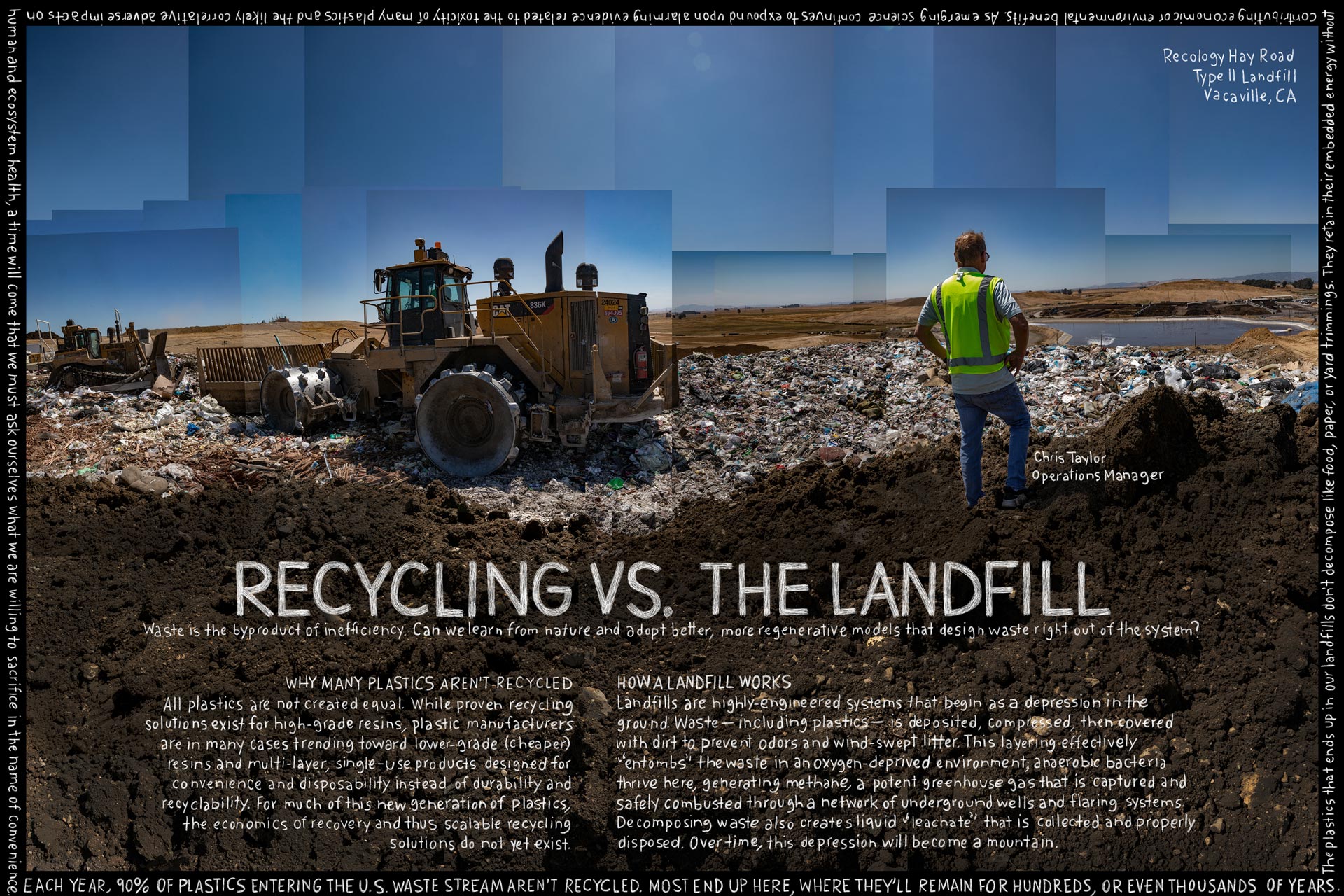
    Introduction:

    In our rapidly advancing digital age, the proliferation of electronic devices has brought about significant challenges in waste management. E-waste, or electrical waste, encompasses discarded electronic appliances such as computers, mobile phones, televisions, and other gadgets. The growing volume of e-waste has become a critical issue, necessitating effective electronics waste recycling to mitigate environmental impact and health hazards.At JR Recycling Solution Ltd, we are committed to addressing this growing problem through innovative electronics waste recycling practices. Our mission is to lead the way in waste management e-waste solutions, highlighting the importance of e-waste recycling for a sustainable future.

    The Scope of E-Waste

    E-waste is one of the fastest-growing waste streams globally. According to recent statistics, the world generated approximately 53.6 million metric tons of e-waste in 2019, with projections indicating a rise to 74 million metric tons by 2030. This exponential growth is driven by increased consumer demand, shorter life cycles of electronic devices, and rapid technological advancements.

    Importance of E-Waste Recycling

    The importance of e-waste recycling cannot be overstated. E-waste contains hazardous materials such as lead, mercury, and cadmium, which can cause significant environmental damage if not managed properly. Additionally, these toxic substances pose serious health risks, including respiratory issues and neurological damage. Effective electronics waste recycling is essential to mitigate these dangers, ensuring that harmful materials are safely processed and valuable resources are recovered.

    In our rapidly advancing technological world, electronic devices are becoming indispensable in everyday life. From smartphones and laptops to household appliances and medical equipment, the proliferation of electronic devices has led to a parallel surge in electronic waste, or e-waste. E-waste recycling is not just a responsible practice but an essential one, with far-reaching implications for the environment, public health, and the economy.

     Environmental Protection

    One of the most significant reasons for recycling e-waste is its environmental impact. Electronic devices often contain hazardous materials such as lead, mercury, cadmium, and brominated flame retardants. When improperly disposed of, these toxic substances can leach into the soil and groundwater, causing severe environmental contamination. E-waste recycling helps mitigate this risk by ensuring that hazardous materials are safely extracted and disposed of, preventing soil and water pollution.

    Moreover, recycling e-waste reduces the need for raw material extraction, conserving natural resources. Many electronic devices contain valuable metals such as gold, silver, and copper. By recovering these materials through recycling, we can decrease the environmental degradation associated with mining and reduce greenhouse gas emissions from manufacturing processes.

     Public Health Benefits

    The improper handling and disposal of e-waste pose serious health risks. Exposure to the toxic components in e-waste can lead to severe health issues, including respiratory problems, neurological damage, and various cancers. This is particularly concerning in developing countries where informal e-waste recycling operations often involve unsafe practices, such as open-air burning and acid baths, to recover valuable materials.

    By establishing formal e-waste recycling programs with strict safety protocols, we can protect workers and communities from these hazardous exposures. Proper recycling processes ensure that harmful substances are managed in ways that minimize health risks, contributing to a healthier population.

     Economic Advantages

    E-waste recycling also offers significant economic benefits. Recovering valuable metals and components from discarded electronics can reduce the costs associated with manufacturing new products. For instance, extracting metals from recycled electronics is often less expensive and less environmentally damaging than mining virgin materials. This not only lowers production costs but also stabilizes supply chains for critical materials.

    Furthermore, the e-waste recycling industry creates job opportunities. As the volume of e-waste continues to grow, so does the demand for skilled workers in recycling facilities. This includes roles in collection, transportation, sorting, and processing of electronic waste. Investing in e-waste recycling infrastructure can stimulate economic growth by creating a new sector dedicated to sustainable practices.

     Legal and Ethical Responsibility

    Many countries have recognized the importance of e-waste recycling and have implemented regulations mandating the proper disposal and recycling of electronic waste. Compliance with these laws is not only a legal obligation but also an ethical one. Manufacturers and consumers alike have a responsibility to ensure that their electronic devices are disposed of in a way that does not harm the environment or public health.

    Corporate responsibility initiatives often include e-waste recycling programs as part of their sustainability goals. By participating in these programs, companies can enhance their reputation, meet regulatory requirements, and contribute to global environmental conservation efforts.

     Environmental and Health Impacts

    The improper disposal of e-waste poses severe environmental and health risks. E-waste contains hazardous substances like lead, mercury, cadmium, and brominated flame retardants. When these toxic materials leach into the soil and groundwater, they can cause significant environmental damage. Furthermore, exposure to these substances can lead to serious health issues, including respiratory problems, skin disorders, and neurological damage.

    Our Approach to Waste Management E-Waste

    At JR Recycling Solution Ltd, we adopt a comprehensive approach to e-waste management, focusing on sustainability and efficiency. Our services encompass the entire lifecycle of electronic products, from collection and sorting to recycling and disposal. Here’s how we manage the process:

    1. Collection and Sorting: We provide convenient collection services for households and businesses, ensuring that e-waste is gathered efficiently. Our sorting process separates different types of e-waste, facilitating more effective recycling.

    2. Advanced Recycling Techniques: Utilizing state-of-the-art recycling technologies, we recover valuable materials such as gold, silver, copper, and rare earth elements from discarded electronics. These materials can then be reused in the manufacturing of new products, reducing the need for virgin resource extraction.

    3. Safe Disposal of Hazardous Materials: We adhere to strict environmental standards to safely dispose of hazardous substances found in e-waste. Our processes prevent these toxins from contaminating the environment, protecting both ecosystems and human health.

    4. Consumer Education and Awareness: We believe that informed consumers are key to effective e-waste management. Through educational campaigns and community outreach, we encourage responsible disposal of electronic devices and promote the benefits of recycling.

     Effective Waste Management E-Waste Practices

    Effective waste management strategies are essential for addressing the e-waste challenge. Several approaches can be implemented to enhance the efficiency of electronics waste recycling:

    1. Extended Producer Responsibility (EPR): EPR policies hold manufacturers accountable for the entire lifecycle of their products, including end-of-life disposal. By incorporating recycling costs into the product price, producers are incentivized to design more sustainable and recyclable electronics.

    2. Consumer Awareness and Participation: Educating consumers about the importance of e-waste recycling and providing convenient recycling options can significantly increase participation rates. Collection drives, drop-off points, and take-back programs are effective ways to encourage consumers to dispose of their e-waste responsibly.

    3. Regulatory Frameworks: Governments play a vital role in regulating e-waste management. Implementing stringent regulations and standards for e-waste disposal and recycling ensures that these activities are conducted in an environmentally sound manner. Moreover, enforcing penalties for non-compliance can deter illegal dumping and encourage proper recycling practices.

    4. Technological Innovations: Advancements in recycling technologies can enhance the efficiency and effectiveness of e-waste recycling processes. Innovative techniques such as hydrometallurgical and pyrometallurgical methods, as well as automated sorting systems, can improve material recovery rates and reduce environmental impacts.

    The Role of Stakeholders in E-Waste Management

    Effective e-waste management requires collaboration among various stakeholders, including manufacturers, consumers, recyclers, and regulators. At JR Recycling Solution Ltd, we work closely with all stakeholders to create a sustainable e-waste ecosystem:

    • Manufacturers: We partner with manufacturers to develop eco-friendly product designs and recycling programs that facilitate easier end-of-life processing.
    • Consumers: By offering easy access to recycling services and educating the public on the importance of e-waste recycling, we empower consumers to make environmentally responsible choices.
    • Regulators: We comply with all relevant regulations and advocate for stronger e-waste management policies to ensure a greener future.

     Conclusion

    JR Recycling Solution Ltd. stands at the forefront of e-waste management, delivering innovative, sustainable, and effective solutions to tackle the growing challenge of electronic waste. Through our comprehensive e-waste management system, we prioritize environmental responsibility, ensuring the safe and efficient recycling of electronic products. Our approach not only mitigates the harmful impact of e-waste on the environment but also recovers valuable materials, contributing to the circular economy. By fostering partnerships with businesses, governments, and communities, we are committed to raising awareness and promoting practices that support a cleaner, greener future. JR Recycling Solution Ltd. is dedicated to continuous improvement and innovation in e-waste management, reaffirming our role as a leader in sustainable recycling practices. Together, we can make a significant difference in preserving our planet for future generations.
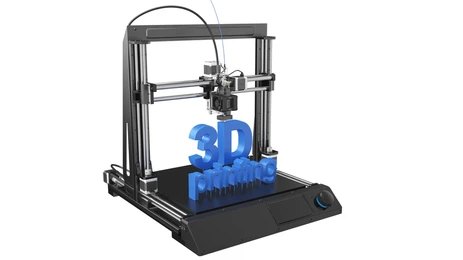
    Introduction:

    In our rapidly advancing digital age, the proliferation of electronic devices has brought about significant challenges in waste management. E-waste, or electrical waste, encompasses discarded electronic appliances such as computers, mobile phones, televisions, and other gadgets. The growing volume of e-waste has become a critical issue, necessitating effective electronics waste recycling to mitigate environmental impact and health hazards.At JR Recycling Solution Ltd, we are committed to addressing this growing problem through innovative electronics waste recycling practices. Our mission is to lead the way in waste management e-waste solutions, highlighting the importance of e-waste recycling for a sustainable future.

    The Scope of E-Waste

    E-waste is one of the fastest-growing waste streams globally. According to recent statistics, the world generated approximately 53.6 million metric tons of e-waste in 2019, with projections indicating a rise to 74 million metric tons by 2030. This exponential growth is driven by increased consumer demand, shorter life cycles of electronic devices, and rapid technological advancements.

    Importance of E-Waste Recycling

    The importance of e-waste recycling cannot be overstated. E-waste contains hazardous materials such as lead, mercury, and cadmium, which can cause significant environmental damage if not managed properly. Additionally, these toxic substances pose serious health risks, including respiratory issues and neurological damage. Effective electronics waste recycling is essential to mitigate these dangers, ensuring that harmful materials are safely processed and valuable resources are recovered.

    In our rapidly advancing technological world, electronic devices are becoming indispensable in everyday life. From smartphones and laptops to household appliances and medical equipment, the proliferation of electronic devices has led to a parallel surge in electronic waste, or e-waste. E-waste recycling is not just a responsible practice but an essential one, with far-reaching implications for the environment, public health, and the economy.

     Environmental Protection

    One of the most significant reasons for recycling e-waste is its environmental impact. Electronic devices often contain hazardous materials such as lead, mercury, cadmium, and brominated flame retardants. When improperly disposed of, these toxic substances can leach into the soil and groundwater, causing severe environmental contamination. E-waste recycling helps mitigate this risk by ensuring that hazardous materials are safely extracted and disposed of, preventing soil and water pollution.

    Moreover, recycling e-waste reduces the need for raw material extraction, conserving natural resources. Many electronic devices contain valuable metals such as gold, silver, and copper. By recovering these materials through recycling, we can decrease the environmental degradation associated with mining and reduce greenhouse gas emissions from manufacturing processes.

     Public Health Benefits

    The improper handling and disposal of e-waste pose serious health risks. Exposure to the toxic components in e-waste can lead to severe health issues, including respiratory problems, neurological damage, and various cancers. This is particularly concerning in developing countries where informal e-waste recycling operations often involve unsafe practices, such as open-air burning and acid baths, to recover valuable materials.

    By establishing formal e-waste recycling programs with strict safety protocols, we can protect workers and communities from these hazardous exposures. Proper recycling processes ensure that harmful substances are managed in ways that minimize health risks, contributing to a healthier population.

     Economic Advantages

    E-waste recycling also offers significant economic benefits. Recovering valuable metals and components from discarded electronics can reduce the costs associated with manufacturing new products. For instance, extracting metals from recycled electronics is often less expensive and less environmentally damaging than mining virgin materials. This not only lowers production costs but also stabilizes supply chains for critical materials.

    Furthermore, the e-waste recycling industry creates job opportunities. As the volume of e-waste continues to grow, so does the demand for skilled workers in recycling facilities. This includes roles in collection, transportation, sorting, and processing of electronic waste. Investing in e-waste recycling infrastructure can stimulate economic growth by creating a new sector dedicated to sustainable practices.

     Legal and Ethical Responsibility

    Many countries have recognized the importance of e-waste recycling and have implemented regulations mandating the proper disposal and recycling of electronic waste. Compliance with these laws is not only a legal obligation but also an ethical one. Manufacturers and consumers alike have a responsibility to ensure that their electronic devices are disposed of in a way that does not harm the environment or public health.

    Corporate responsibility initiatives often include e-waste recycling programs as part of their sustainability goals. By participating in these programs, companies can enhance their reputation, meet regulatory requirements, and contribute to global environmental conservation efforts.

     Environmental and Health Impacts

    The improper disposal of e-waste poses severe environmental and health risks. E-waste contains hazardous substances like lead, mercury, cadmium, and brominated flame retardants. When these toxic materials leach into the soil and groundwater, they can cause significant environmental damage. Furthermore, exposure to these substances can lead to serious health issues, including respiratory problems, skin disorders, and neurological damage.

    Our Approach to Waste Management E-Waste

    At JR Recycling Solution Ltd, we adopt a comprehensive approach to e-waste management, focusing on sustainability and efficiency. Our services encompass the entire lifecycle of electronic products, from collection and sorting to recycling and disposal. Here’s how we manage the process:

    1. Collection and Sorting: We provide convenient collection services for households and businesses, ensuring that e-waste is gathered efficiently. Our sorting process separates different types of e-waste, facilitating more effective recycling.

    2. Advanced Recycling Techniques: Utilizing state-of-the-art recycling technologies, we recover valuable materials such as gold, silver, copper, and rare earth elements from discarded electronics. These materials can then be reused in the manufacturing of new products, reducing the need for virgin resource extraction.

    3. Safe Disposal of Hazardous Materials: We adhere to strict environmental standards to safely dispose of hazardous substances found in e-waste. Our processes prevent these toxins from contaminating the environment, protecting both ecosystems and human health.

    4. Consumer Education and Awareness: We believe that informed consumers are key to effective e-waste management. Through educational campaigns and community outreach, we encourage responsible disposal of electronic devices and promote the benefits of recycling.

     Effective Waste Management E-Waste Practices

    Effective waste management strategies are essential for addressing the e-waste challenge. Several approaches can be implemented to enhance the efficiency of electronics waste recycling:

    1. Extended Producer Responsibility (EPR): EPR policies hold manufacturers accountable for the entire lifecycle of their products, including end-of-life disposal. By incorporating recycling costs into the product price, producers are incentivized to design more sustainable and recyclable electronics.

    2. Consumer Awareness and Participation: Educating consumers about the importance of e-waste recycling and providing convenient recycling options can significantly increase participation rates. Collection drives, drop-off points, and take-back programs are effective ways to encourage consumers to dispose of their e-waste responsibly.

    3. Regulatory Frameworks: Governments play a vital role in regulating e-waste management. Implementing stringent regulations and standards for e-waste disposal and recycling ensures that these activities are conducted in an environmentally sound manner. Moreover, enforcing penalties for non-compliance can deter illegal dumping and encourage proper recycling practices.

    4. Technological Innovations: Advancements in recycling technologies can enhance the efficiency and effectiveness of e-waste recycling processes. Innovative techniques such as hydrometallurgical and pyrometallurgical methods, as well as automated sorting systems, can improve material recovery rates and reduce environmental impacts.

    The Role of Stakeholders in E-Waste Management

    Effective e-waste management requires collaboration among various stakeholders, including manufacturers, consumers, recyclers, and regulators. At JR Recycling Solution Ltd, we work closely with all stakeholders to create a sustainable e-waste ecosystem:

    • Manufacturers: We partner with manufacturers to develop eco-friendly product designs and recycling programs that facilitate easier end-of-life processing.
    • Consumers: By offering easy access to recycling services and educating the public on the importance of e-waste recycling, we empower consumers to make environmentally responsible choices.
    • Regulators: We comply with all relevant regulations and advocate for stronger e-waste management policies to ensure a greener future.

     Conclusion

    JR Recycling Solution Ltd. stands at the forefront of e-waste management, delivering innovative, sustainable, and effective solutions to tackle the growing challenge of electronic waste. Through our comprehensive e-waste management system, we prioritize environmental responsibility, ensuring the safe and efficient recycling of electronic products. Our approach not only mitigates the harmful impact of e-waste on the environment but also recovers valuable materials, contributing to the circular economy. By fostering partnerships with businesses, governments, and communities, we are committed to raising awareness and promoting practices that support a cleaner, greener future. JR Recycling Solution Ltd. is dedicated to continuous improvement and innovation in e-waste management, reaffirming our role as a leader in sustainable recycling practices. Together, we can make a significant difference in preserving our planet for future generations.
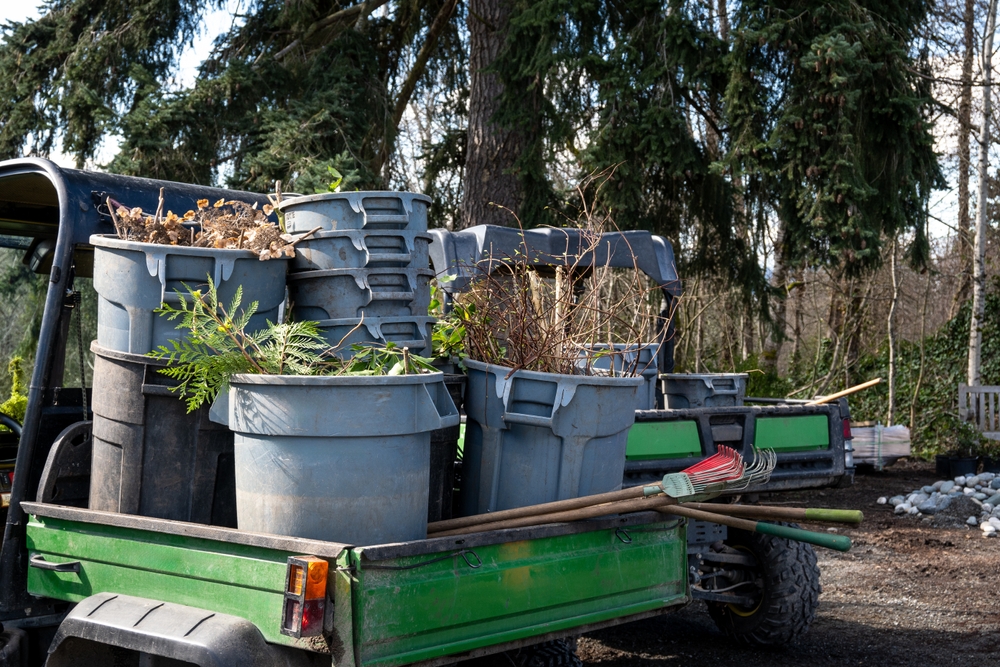
  • 5 Ways to Reduce Electronic Waste in Your Business

    5 Ways to Reduce Electronic Waste in Your Business

    Introduction

    In today’s fast-paced technological world, businesses constantly upgrade their electronic equipment to stay ahead of the curve. However, this rapid advancement comes with a significant downside: electronic waste, or e-waste. E-waste poses a serious threat to the environment, as it often contains hazardous materials that can contaminate soil and water. For businesses looking to adopt more sustainable practices, managing e-waste effectively is crucial. JR Recycling Solutions Ltd. offers five practical strategies to help your business reduce electronic waste and contribute to a healthier planet.

    In the digital age, businesses rely heavily on electronic devices to streamline operations, enhance productivity, and stay connected with clients and partners. However, this increased dependence on technology has also led to a surge in electronic waste, or e-waste, presenting environmental challenges. The responsible disposal and reduction of e-waste have become critical for businesses aiming to adopt sustainable practices. In this blog post, we’ll explore practical strategies for businesses to minimise their electronic footprint.

    Adopt a Circular Economy Approach:

    • Businesses can shift from a linear economy (take, make, dispose) to a circular economy by designing products with durability, repairability, and recyclability in mind. Encourage suppliers to provide products that are easily upgradeable or have modular components, extending the lifespan of devices and reducing the frequency of replacements.

    Implement E-Waste Recycling Programs:

    • Establishing e-waste recycling programs within the workplace is a proactive step toward reducing environmental impact. By signing up for the RecycleSmart service, businesses collaborate with certified e-waste recycling companies to ensure proper disposal and recycling of electronic devices. Employees can be educated on the importance of recycling and provided with convenient collection points for old electronics.

     1. Implement a Robust E-Waste Management Policy

    A well-structured e-waste management policy is the foundation for reducing electronic waste in any business. This policy should outline the processes for disposing of obsolete electronics responsibly. Key components of an effective e-waste management policy include:

    • Inventory Management: Keep an updated inventory of all electronic devices within the organization. This helps in tracking the lifecycle of each device and planning for its disposal or upgrade.
    • Disposal Procedures: Define clear procedures for the disposal of e-waste. Partner with certified e-waste recycling companies like JR Recycling Solutions Ltd. to ensure that electronic waste is disposed of safely and in compliance with environmental regulations.
    • Employee Training: Educate employees about the importance of e-waste management and how they can contribute. Regular training sessions can help ensure that everyone is aware of the proper disposal methods and the company’s commitment to sustainability.

    By implementing a comprehensive e-waste management policy, businesses can significantly reduce their electronic waste footprint and ensure that e-waste is handled responsibly.

     2. Extend the Lifespan of Electronic Devices

    One of the most effective ways to reduce electronic waste is to extend the lifespan of your electronic devices. Here are some strategies to achieve this:

    Regular Maintenance: Schedule regular maintenance for all electronic equipment. This can help identify and fix issues early, preventing more significant problems that could lead to premature disposal.

    Upgrades and Repairs: Instead of replacing devices at the first sign of trouble, consider upgrading or repairing them. Many devices can be given a new lease on life with simple upgrades, such as increasing memory or replacing a hard drive.

    Proper Handling: Train employees on the proper handling and care of electronic devices. Simple practices, such as using surge protectors, keeping devices clean, and avoiding overcharging, can significantly extend the lifespan of electronics.

    By focusing on extending the lifespan of electronic devices, businesses can reduce the frequency of replacements and thus minimize e-waste.

     3. Encourage a Culture of Reuse and Refurbishment

    Promoting a culture of reuse and refurbishment within your business can have a substantial impact on reducing e-waste. Here’s how to foster this culture:

    Internal Reuse: When upgrading equipment, consider redistributing older, still functional devices to other departments or employees who may not require the latest technology. This practice maximizes the use of each device before it is finally disposed of.

    Refurbishment Programs: Establish a refurbishment program within your organization. Refurbished devices can be used as backup equipment or provided to employees as an alternative to new devices. 

    Donation to Charities: Donate used but functional electronics to charities or non-profit organizations. Many organizations can benefit from slightly older technology that is still in good working condition. This not only helps reduce e-waste but also supports the community.

    Encouraging reuse and refurbishment helps ensure that electronic devices are used to their full potential before they are discarded, significantly reducing e-waste.

    4. Opt for Sustainable Procurement Practices

    Sustainable procurement involves making purchasing decisions that consider the environmental impact of products. By adopting sustainable procurement practices, businesses can reduce their contribution to e-waste. Here are some tips:

    Choose Eco-Friendly Products: When purchasing new electronic devices, opt for products that are designed with sustainability in mind. Look for devices that have energy-efficient features, are made from recyclable materials, and have a longer lifespan.

    Buy Refurbished Electronics: Consider purchasing refurbished electronics instead of brand new ones. Refurbished devices often come with warranties and can perform just as well as new devices, while also being a more sustainable choice.

    Supplier Partnerships: Partner with suppliers who prioritize sustainability and offer take-back programs for old electronics. These programs ensure that devices are properly recycled or repurposed at the end of their life cycle.

    By prioritizing sustainability in procurement decisions, businesses can reduce their environmental impact and promote a circular economy.

    5. Utilize E-Waste Recycling Services

    Recycling is a critical component of managing e-waste responsibly. Utilizing professional e-waste recycling services ensures that electronic waste is handled in an environmentally friendly manner. Here’s how to leverage these services effectively:

    Certified Recyclers: Partner with certified e-waste recyclers like JR Recycling Solutions Ltd. Certified recyclers adhere to strict environmental standards and ensure that e-waste is processed safely and sustainably.

    Data Security: Ensure that the recycler provides data destruction services. Data security is a major concern when disposing of electronic devices, and certified recyclers can guarantee that all data is securely erased before recycling.

    Regular Collection: Establish a regular e-waste collection schedule. This prevents the accumulation of obsolete electronics and ensures timely recycling.

    Using professional e-waste recycling services not only helps reduce electronic waste but also ensures compliance with environmental regulations and protecting sensitive data.

    Invest in the future:

    • When upgrading or purchasing new electronic devices, consider investing in energy-efficient and environmentally friendly options. Green technology not only minimises the environmental impact but can also result in long-term cost savings through reduced energy consumption.
    • By understanding the monetary implications of actions on the environment, you can be empowered to make choices that align with a sustainable future. 
    • Watch Comsol’s insightful video to understand your business’s environmental footprint. It’s an excellent resource on minimizing e-waste and reducing the impact on the planet.

    Conclusion

    Reducing electronic waste is not only an environmental responsibility but also a smart business practice. By implementing a robust e-waste management policy, extending the lifespan of electronic devices, promoting a culture of reuse and refurbishment, adopting sustainable procurement practices, and utilizing professional e-waste recycling services, businesses can significantly reduce their electronic waste footprint.

    At JR Recycling Solutions Ltd, we are committed to helping businesses manage their electronic waste responsibly. Our comprehensive e-waste recycling services ensure that your obsolete electronics are disposed of in an environmentally friendly manner, safeguarding the planet for future generations. Together, we can make a positive impact on the environment and create a more sustainable future for all.

  • Smart E-Waste Solutions: Innovating for a Sustainable Future

    Smart E-Waste Solutions: Innovating for a Sustainable Future

    E-waste management is a critical component of sustainable development and environmental protection. It involves the safe disposal and reuse of electronic products, such as computers, cell phones, TVs, printers, and other digital devices that are no longer in use. Unfortunately, as our reliance on technology continues to grow exponentially with each passing year, so does the amount of e-waste produced globally. 

    This article will provide an overview of what e-waste is, why it’s essential to manage it effectively, common types of e-waste found today, and the different approaches and challenges associated with managing this growing problem.

    What is E-Waste Management?

    E-waste management refers to properly disposing and managing electronic waste, including old or discarded electronic gadgets such as phones, computers, and televisions. The process involves the collection, transportation, recycling, refurbishing, and disposal of electronic waste in an environmentally-friendly manner. 

    The goal of e-waste management is to reduce the negative impact of electronic waste on the environment and human health by minimising pollution, conserving natural resources and energy, and promoting sustainability. Proper e-waste management also ensures the recovery of valuable materials from electronic waste, such as copper, silver, and gold, to create new products.

    Sources of e-waste

    E-waste, or electronic waste, originates from various sources. These sources encompass a wide range of electronic devices and equipment that are no longer in use or have reached the end of their lifecycle. Here are some common sources of e-waste:

    Consumer Electronics:

    •    Mobile Phones and Accessories: Old smartphones, chargers, and earphones.
    •    Computers and Peripherals: Desktops, laptops, keyboards, mice, printers, and scanners.
    •   Televisions and Monitors:** CRT, LCD, LED, and plasma screens.
    •    Audio and Video Devices:** DVD players, MP3 players, radios, and stereo systems.
    •  Home Appliances:** Microwaves, refrigerators, washing machines, and air conditioners.

     Office and Business Equipment:

    •    Office Computers and Laptops: Used by businesses and organisations.
    •    Networking Equipment:** Routers, modems, and switches.
    •    Telecommunication Devices:** Old PBX systems, fax machines, and landline phones.
    •    Printers and Photocopiers:** Large office printers, copiers, and multifunction devices.

    Industrial and Medical Equipment:

    •    Medical Devices: X-ray machines, MRI machines, and other diagnostic equipment.
    •    Industrial Machines: Machinery with electronic components used in manufacturing and production.
    •    Laboratory Equipment: Scientific instruments and electronic testing devices.

    Batteries and Power Supplies:

    •    Rechargeable Batteries: Used in various devices such as laptops, mobile phones, and cameras.
    •    Power Supplies and Adapters: Chargers and power cords.

    Lighting Equipment:

    •    LED and CFL Bulbs: Energy-saving bulbs and other types of electronic lighting.

    Toys and Leisure Equipment:

    •    Electronic Toys: Battery-operated toys, remote-controlled cars, and video game consoles.
    •    Sports and Fitness Devices: Electronic fitness trackers, smartwatches, and exercise equipment.

    Obsolete and Legacy Systems:

    •    Old Technologies: Typewriters, film cameras, and outdated computing systems.
    •    Unused Devices : Gadgets that have been replaced by newer models or technologies. 
    •    Smart Home Devices: Smart thermostats, doorbells, and home security systems.
    •    Wearables: Smartwatches, fitness bands, and health monitors.

    Proper disposal and recycling of e-waste are crucial to mitigate its environmental impact and recover valuable materials. Many countries have established e-waste recycling programs and regulations to address this growing issue.

     Approaches to E-Waste Management

    There are several approaches to e-waste management. Ensuring that any approach taken is sustainable, cost-effective, and minimises the environmental impact is essential. Here are some examples of approaches to e-waste management:

    • Reduction of e-waste production by encouraging people to buy fewer electronics and to use their devices for longer periods before replacing them
    • Reuse and refurbishment of old electronics to extend the life of the devices and reduce the need for new products to be made from raw materials
    • Recycling of e-waste to break down old electronics into their component parts so they can be reused in new products or disposed of safely without harming the environment
    • Proper disposal of e-waste through designated drop-off centres or adherence to local regulations for environmental protection
    • Donating used electronics to non-profit organisations that provide low-cost or free technology to underserved communities
    • Implementing extended producer responsibility (EPR) programs that require manufacturers to take back and recycle their products, incentivizing them to design devices that are easier to recycle or repair
    • Adopting circular economy principles that promote the reuse and recycling of materials to prevent them from becoming waste 

    The Challenges of Managing E-Waste

    The world is becoming increasingly digital, and with that comes an increase in the amount of electronic waste (e-waste). Managing e-waste poses several challenges, some of which include the following:

    Rapid Technological Advancements

    The rapid pace of technological advancements means that electronic devices become obsolete quickly. This has resulted in an increase in the amount of e-waste generated, which makes it difficult to keep up with proper disposal and recycling.

    Hazardous Materials

    Electronic devices can contain hazardous materials such as mercury, lead, brominated flame retardants, and cadmium. These materials can harm human health and the environment if not appropriately handled during disposal and recycling.

    Lack of Proper Disposal Infrastructure

    In many countries, there is a lack of proper infrastructure to manage e-waste. This means that much of the generated e-waste is in landfills or illegally exported to developing countries with lower environmental standards.

    Informal Recycling Sector

    In some countries, informal recycling sectors have emerged to process e-waste. However, these sectors are often unregulated and use crude and unsafe methods that can result in environmental and health risks for workers and the local communities.

    Data Security and Privacy

    Electronic devices often contain sensitive data such as personal information, financial data, and intellectual property. Therefore, improper disposal of these devices can lead to data breaches and identity theft.

    High Cost of Recycling

    Recycling electronic devices can be expensive due to the high cost of separating and processing the materials used in their construction.

    Addressing these challenges requires a coordinated effort from governments, businesses, and individuals to prioritize the proper disposal and recycling of electronic devices while minimizing their environmental and health impacts. 

    What is an E-Waste Management Checklist?

    An E-Waste Management Checklist is a set of guidelines that can help organizations properly dispose of their electronic waste. It includes questions about an electronics recycler’s background and certifications, what items should be recycled, how to track things through the recycling process, and more.

    Organizations should consider using an E-Waste Management Checklist to ensure they follow proper procedures for disposing of their e-waste. This checklist will guide them in answering some basic questions about an electronics recycler and can also help them check what items should be recycled, how to track items through the recycling process, and more. 

    Additionally, organizations should ensure the provider they choose is certified by one of several certification bodies assessing e-waste management providers and their facilities. 

    What To Include in an E-waste Management Checklist?

    An e-waste management checklist ensures that electronic waste is handled and disposed of properly. Here are some items that may be included in an e-waste management checklist:

    •  Identify and classify the types of electronic devices that are being discarded, including the quantity and weight of each type.
    •  Determine if electronic devices are hazardous waste, such as batteries, CRT monitors, or fluorescent lamps.
    • Develop a plan for managing the e-waste, including proper storage, transportation, and disposal procedures.
    •  Identify certified e-waste recyclers or disposal facilities in the area and verify that they have the necessary permits and certifications.
    •  Ensure that sensitive data stored on electronic devices is properly erased or destroyed before disposal.
    • Train staff on proper e-waste handling procedures and designate a person or team responsible for managing e-waste.
    • Regularly review and update the e-waste management plan to ensure compliance with regulations and best practices.
    •  Keep detailed records of e-waste disposal and recycling activities, including receipts and documentation from certified recyclers or disposal facilities.
    •  Implement measures to reduce the amount of e-waste generated, such as upgrading and repairing electronic devices instead of replacing them.

    Conclusion

    In conclusion, JR Recycling Solution Ltd has demonstrated a comprehensive and sustainable approach to e-waste management. By implementing advanced recycling technologies, adhering to stringent environmental regulations, and fostering community awareness, the company has set a high standard in the industry. Their commitment to reducing electronic waste’s environmental impact is evident in their efficient processing methods, which ensure the safe recovery of valuable materials and the proper disposal of hazardous substances.

    JR Recycling Solution Ltd not only contributes to the circular economy by repurposing electronic components but also plays a crucial role in minimizing the ecological footprint of modern technology. Their efforts in education and collaboration with stakeholders underscore the importance of responsible e-waste management. Moving forward, continuous innovation and adherence to best practices will be key in maintaining their leadership in this vital sector. Through these ongoing efforts, JR Recycling Solution Ltd reaffirms its dedication to a cleaner, more sustainable future for all.

  • R2 Newsletter: April 2024 eSummit taking shape; Announcing speakers at E-Waste World; Final Internal Audit Module now available;

    R2 Newsletter: April 2024 eSummit taking shape; Announcing speakers at E-Waste World; Final Internal Audit Module now available;

    R2 NEWSLETTER: APRIL 2024

    You’ve been hearing us talk a lot about the new Electronics Sustainability Summit and its debut in Austin, Texas, this October, but we’re excited to finally show you some of what we’ve been working on and what will make this the one event this year you won’t want to miss! We’re certainly excited to reveal our new logo, and our new eSummit website [2] is poised to launch May 1st. In it you’ll find lots more about the event including, the following: a first look at a daily agenda for the  event, more of what to expect and why to attend, information on sponsorships and exhibit opportunities, info for attendees, a submission form for suggesting topics, and all the necessary event and hotel logistics. Oh, and eSummit registration [3] opens May 1st as well! Follow our eSummit LinkedIn [4] and Facebook [5] channels and sign up for our mailing list to stay on top of all things eSummit, and look for the release our speakers and their topics in the coming months.

    DON’T MISS THESE SPEAKERS AT THE E-WASTE WORLD CIRCULAR 

    ELECTRONICS TRACK  [7]

    The Annual E-Waste World Conference & Expo in Frankfurt, Germany, is just over the horizon, and the SERI team is very excited to once again be curating two full days of content for the Circular Electronics portion of the conference! For those who didn’t spend time in the Circular Electronics program last year, this content is very different from how you may have thought of E-Waste World in the past. Our goal is to inspire attendees to rethink their relationships with electronics,exploring eliminating e-waste not just as an end-of-life discussion, but through a whole-lifecycle lens from product design through returns,repair, reuse, and finally, recycling, as well as how all these functions are interrelated.The lineup of speakers for the Circular Electronics track is shaping up to be truly special, with perspectives from a diverse group of experts from well-known organizations, including:

    • HMD Global – Petri Hayrynen

    • TCO Development – Martin Eichenseder

    • iFixit – Kyle Wiens

    • Logitech – [8]Sinéad  McCabe  [8]

    • HP – Jennifer Foxworthy

    • Seagate – Hugo Bergmann

    This is just the beginning of the incredible group of participants in the Circular Electronics program at this year’s E-Waste World Conference & Expo. Stay tuned as we release more details on speakers,panels, and showcases in the coming weeks leading up to the June 26-27 conference. Learn more about the conference & speakers, as well as registration details below.

    THE FINAL INTERNAL AUDIT MODULE IS NOW AVAILABLE

    Internal audits are essential to achieving and maintaining R2 certification for several reasons. They’re opportunities for a facility to conduct planned examinations of their documented processes,review all associated operations, and ensure those processes and operations align with the R2 Standard. Whether your internal audit is conducted by consultants, your own team, or a combination of both, our video series has been created to help ensure your internal audits areboth practical and beneficial.The latest and final release in the Building An Internal Audit Programseries, Part 4, Conducting Your R2 Internal Audit, has been added to the R2 Knowledge Base.As a reminder, the four parts to the series are:

    • Building An Internal Audit Program Part 1 – Overview [12] Internal audits are a critical part of the R2 certification process. The overview video is designed to help facilities build an internal audit program and conduct a robust internal audit that will maximize the effectiveness of internal audits and ensure useful results.

    • Building An Internal Audit Program Part 2 – Legal Compliance  [13] Learn how to conduct internal audits that properly assess legal Compliance.

    • Building An Internal Audit Program Part 3 – Data Security and Sanitization   [14]

    • Gain insights into conducting thorough internal audits focused on protecting and sanitizing sensitive customer information.Building An Internal Audit Program Part 4 – Conducting Your R2 Internal Audit  [15]

    Learn how to conduct a comprehensive internal audit of conformance with all the R2 Core Requirements and any applicable Process Requirements included in the scope of your facility’s operations. Once you’ve completed your organization’s internal audits, you’ll need to implement effective corrective actions. As a companion module to the Building An Internal Audit Program series, we’ve also released the R2 Corrective Action [16] video to help guide you through this process.Explore all these helpful videos and more, now in the R2 Knowledge Base[17].
    TRAINING SERIES [11]

    R2 TIP: NON-R2 DSV QUALIFICATION GOES BEYOND EH&S CERTIFICATES

    Under Appendix A(8)(b), R2 Facilities must verify that non-R2 downstream vendors (DSVs) have documented systems in place to safeguard their workers, protect the environment, and ensure   legal compliance. However,if a DSV presents a valid Environmental, Health and Safety (EH&S)Management Systems certificate, this document alone doesn’t guarantee they meet the minimum qualifications necessary to receive R2-controlled shipments.The R2 Facility will still need to verify that the DSV meets the applicable requirements in Core 3 and Core 4, which ensure the facilityis adhering to the best EH&S and legal practices specific to this industry. Be sure that your due diligence process checks for all the EH&S requirements specified in Appendix A(8)(b).

    THE POWER OF THE R2 KNOWLEDGE BASE

    The R2 Knowledge Base [17] is filled with videos, implementation articles, podcasts, and more helpful resources, all built to support the R2 community through the R2 certification process.

    RECENTLY ADDED TO THE KNOWLEDGE BASE

    •   R2 CORRECTIVE ACTION MODULE [16] – This module is designed to help R2-certified facilities implement effective corrective actions to help R2 facilities implement an effective corrective action process.

    • BUILDING AN INTERNAL AUDIT PROGRAM – PART 4 [11] – The latest and final release in the Building Your Internal Audit series.

    •  BROKER SPECIFIC TRANSACTION SHEET [18]- Designed to provide the auditor with a working document that allows them to triangulate and correlate information related to the brokered shipments, to demonstrateconformance to the requirements for R2v3,Appendix F.

    • AUDITOR GUIDE TO BROKER SPECIFIC TRANSACTION SHEET [19]- The Broker-Specific Transaction Sheet is part of a pilot program to improve the outcomes of auditing Brokers for the 2024 year.

    •  STEPS TO VALIDATING QMS / EMS / SMS CERTIFICATES [20]- To help auditors navigate the certificate validation process, SERI has issued a Certification Validation Guidance Document.

    HELP OUR FRIENDS AT REVERSE LOGISTICS ASSOCIATION! 

    TAKE PART IN THEIR RETURNS INDEX SURVEY. Contribute to RLA’s Returns Index Survey and benefit the industry!Are the volumes and/or costs of your returns going up, down, orremaining the same? Please take a couple of minutes to take Reverse Logistics Association’s latest quarterly returns survey. RLA will send survey participants a copy of the results as a thank you.TAKE THE SURVEY [21]  [22]

    AVAILABLE R2v3 TRAINING CLASSES

    NEW TO R2: INTRO TO R2 WEBINAR

    If you want to learn more about R2, join us on our Intro to R2 Webinars.They are held 3-4 times per month and are offered to accommodate time zones on all continents.

     INTRO TO R2 SIGN UP  [23]

    R2 AUDITOR TRAINING CLASSES

    Looking for in-depth, online, and interactive training on R2v3? These classes are open to auditors, consultants, and facilities. We have a range of class schedules to accommodate different time zones, including London in June and Mumbai in July. Space is limited, so sign up for the class today!

    June Auditor Course – June 24-27, 12:30 p.m. – 5 p.m. GMT (London) [24]

    July Auditor Course – July 22-25, 7 p.m. – 11:30 p.m. IST (Mumbai) [25]

    EVENTS:

    CHAMPIONING ELECTRONICS SUSTAINABILITY AROUND THE WORLD

    Each month, we let you know where we’re going and what conversations we’re having for two reasons. First, we hope you’ll catch up with us if you plan to be in the same places. But evenmore importantly, we want everyone to know how and where we are sharing our message, talking about electronics sustainability for a global circular economy and, in many cases, how R2 fits as a part of the puzzle. We see educating all the decision-makers to make better choicesas a big part of the journey to electronics Sustainability.     

    In April, Chief Executive Officer Corey Dehmey participated in the launch of R2 Certification through JASANZ in Australia and New Zealand at IEC / JASANZ International Conference in Brisbane, Australia. Chief of Global Standards Mike Easterbrook met with various industrystakeholders at ISRI 2024 in Las Vegas. Senior Advisor Rick Goss participated in a panel at WCEF in Brussels, Belgium, where he championed the efforts made by our ESG TAC.

    Where we’re headed next:

    •   CIRCULARITY, Chicago, IL, May 22-24 [26] – Chief Provocateur Jeff Seibert will lead a panel discussion to help corporate sustainability teams better understand how they can make a positive impact with electronics in their organizations, as well as a lunchtime roundtable discussion. The SERI team will also promote electronics sustainability with a booth.

    •  RLA EMEA SUMMIT 2024, Amsterdam, Netherlands, June 18-20 [27] – SERI’s Chief Operating Officer Amanda LaGrange will be sharing SERI’s experience on an ITAD panel with HP and Foxconn.

    • E-WASTE WORLD CONFERENCE & EXPO, Frankfurt, Germany, June 26-27 [28]– SERI is pleased to lead the Circular Electronics program for a second year and promote a whole-lifecycle approach to sustainability and dealing with e-waste. SERI will also exhibit at the conference, promoting R2 Certification.

      HOW CAN WE HELP YOU?

    Let us know what questions you have or what resources you would findvaluable. The SERI Team is here to help!

     CONTACT US

    The R2 Update newsletter is a publication of SERI, a 501(c)3 non-profit organization that works to create a world where electronic products are reused and recycled in a way that promotesresource preservation, the well-being of the natural environment, and the health and safety of workers and communities.

  • R2 Newsletter: March 2024 – SERI leads circular track at E-Waste World; Appendix G timeline; SERI seeks input on e-plastic research

    R2 Newsletter: March 2024 – SERI leads circular track at E-Waste World; Appendix G timeline; SERI seeks input on e-plastic research


     R2 NEWSLETTER: MARCH 2024

    We’re thrilled to announce that building off the success of lastyear’s event, SERI is once again a content partner with E-Waste World this summer in Frankfurt, Germany, curating a full two days of content
    in the Circular Electronics content track! Our goal is to help attendees rethink their relationships with electronics by presenting electronics sustainability through a whole lifecycle lens.

    If you haven’t been to this event before, it’s three co-located conferences in one, combining E-Waste World with the Battery Recycling and Metal Recycling Conferences and Expos. Within E-Waste World are two tracks, E-Waste & WEEE Recycling and our track, Circular Electronics. Whereas the E-Waste & WEEE Recycling track focuses specifically on end-of-life, SERI is again building the Circular Electronics track with a holistic view of what it takes to make electronics sustainable, considering everything from design and materials choices through use, reuse, and then end-of-life.

    “Especially in Europe, there’s a tremendous culture and strong infrastructure for all types of recycling, electronics included. But making electronics sustainable and circular requires shifting our decisions, starting at the very beginning of the electronics lifecycle and all the way through end-of-life. It has to be more than just a materials recovery conversation.”

      Corey Dehmey, SERI CEO

    Our goal with the Circular Electronics track is to bring in speakers and attendees who may not have attended the conference in the past, including manufacturers, designers, reverse logistics professionals,
    refurbishers, ITAD providers, IT Resellers, Repair organizations, and corporate sustainability leaders, among other stakeholders that have a role to play in making electronics sustainable and building a circular
    economy.

    “Making electronics sustainable and building a circular economy requires all stakeholders thinking a little differently,” said Jeff Seibert, SERI’s Chief Provocateur. He continues, “In our roles and responsibilities, it’s easy to think of the decisions we make in a vacuum. But really, they are all interconnected and interdependent. For example, how do materials and design choices impact repairability and recyclability further down the line? What are the impacts of product passports and right to repair legislation on how long products stay in use? What role can IT resellers play in a circular economy, and how do our recycling choices impact the materials streams for new products? And what role does ESG reporting play in the entire process? It’s all related, and we need to think that way.

    SERI’s CEO Corey Dehmey continues to serve on the Conference Advisory Board and sees this track as a powerful opportunity to shift thinking. “Especially in Europe, there’s a tremendous culture and strong
    infrastructure for all types of recycling, electronics included. But making electronics sustainable and circular requires shifting our decisions starting at the very beginning of the electronics lifecycle and all the way through end-of-life. It has to be more than just a materials recovery conversation,” said Dehmey.

    Toward the end of April, we will share a full conference agenda and begin highlighting individual sessions and speakers. Until then, the conference website [2] is a good way to get a sense of what this conference has to offer, and see the ad below for a registration discount code.

    We hope to see you in Frankfurt in June!

    PRELIMINARY AGENDA             

    LOOKING AHEAD: APPENDIX G

    Now that the update to R2v3 with Appendix G has been published with the addition of PV Modules (commonly known as Solar Panels), we know many are wondering about the timeline for certification. We hope the graphic above will provide some answers, but really, there’s a lot happening behind the scenes to create guidance, do translations, and train CBs and auditors, all before facilities can begin certifying.

    Though there are many variables that impact the exact dates, we anticipate CBs will be ready to begin certifying PV facilities to Appendix G in summer 2024. Facilities that are already R2 Certified will
    have until January 31, 2027 to add Appendix G if they receive PV
    Modules.

    Look in future editions of this newsletter and on our LinkedIn channels [5] where we will continue to provide updates in the coming months. [6]

    Responding to an increasingly complex market landscape impacted by changes to the Basel Convention, SERI commissioned research into the challenges and opportunities emerging in the e-plastics market. As a next step, to make the report more robust and inspiring, SERI is seeking to supplement the report with reactions, additional insight, feedback, and other input from industry stakeholders. Our goal is to gather
    comments that help inform global approaches to address the challenges presented. Neither SERI nor R2 ushered in these regulatory changes, but we want to help inform approaches that the whole value chain can pursue to help the electronics recycling industry navigate the challenges.

    SERI is accepting inputs until April 30, 2024, and then will compile constructive responses anonymously into an appendix to the final report,which will be published in the SERI Knowledge Base.

    DOWNLOAD THE REPORT AND PROVIDE INPUT HERE [6]

    R2 TIP: PRODUCT SAFETY IN REUSED ELECTRONICS

    Functional products that are tested, potentially repaired, and resold are great for making technology affordable. However, there are many safety risks that must be managed in the process, and R2 Certified
    facilities are responsible for ensuring that functional products sold for reuse are inspected for safe use. 

    Equipment can be damaged in collection and shipping, especially when people consider them e-waste and don’t take care to protectthem. Upcycling equipment from e-waste collections is a risky proposition, so all devices being tested should also be physically inspected for damage that could make them unsafe. 

    Additionally, just like your auto, electronics can be recalled too. Having a process to identify recalls and applying that to the products in your stream is another aspect of managing product safety. Another growing threat is the safety of counterfeit parts. Do those knock-off AC adapters contain circuit boards to prevent overcharging like the real thing? Appendix C requires the incorporation of product safety plans to your R2 Reuse Plan. You can learn more in the R2 Knowledge Base.

    THE POWER OF THE R2 KNOWLEDGE BASE

    The R2 Knowledge Base [8] is filled with videos, implementation articles, podcasts, and more helpful resources, all built to support the R2 community through the R2 certification process.

    RECENTLY ADDED TO THE KNOWLEDGE BASE

    •  PERIODIC EVALUATION FOR RISK OF EXPOSURE TO HAZARDOUS SUBSTANCES[9]
    • SE [6]RI SEEKS INPUT ON E-PLASTICS MARKET RESEARCH [6]

    COMING IN APRIL INTERNAL AUDIT MODULE:

    CONDUCTING YOUR R2 INTERNAL AUDIT

    As the next addition to the Internal Audit series, SERI is producing an online training module to help facilities conduct their R2 internal audits more effectively. The training, which will be online and
    available to everybody, will be published in the R2 Knowledge Base in April.

    AVAILABLE R2v3 TRAINING CLASSES

    NEW TO R2: INTRO TO R2 WEBINAR

    If you want to learn more about R2, join us on our Intro to R2 Webinars. They are held 3-4 times pemonth and are offered to accommodate time zones on all continents.

     INTRO TO R2 SIGN UP  [11]

    R2 AUDITOR TRAINING CLASSES

    Looking for in-depth, online, and interactive training on R2v3? These classes are open to auditors, consultants, and facilities. We have a range of class schedules to accommodate different time zones, includingSydney, Australia, in May, London in June, and Mumbai, India in July.Space is limited, so sign up for the class today!

    • May Auditor Course – May 28-31, 7 a.m. – 11 a.m. AEDT (Sydney,Australia) [12]
    • June Auditor Course – June 24-27, 12:30 p.m. – 5 p.m. GMT (London)[13]
    • July Auditor Course – July 22-25, 7 p.m. – 11:30 p.m. IST (Mumbai,India) [14]

    EVENTS:

    CHAMPIONING ELECTRONICS SUSTAINABILITY AROUND THE WORLD

    Each month, we let you know where we’re going and what conversations we’re having for two reasons. First, we hope you’ll catch up with us if you plan to be in the same places. But even more importantly, we want everyone to know how and where we are sharingour message, talking about electronics sustainability for a global circular economy and, in many cases, how R2 fits as a part of the puzzle. We see educating all the decision-makers to make better choice  as a big part of the journey to electronics sustainability.   

    In March, Chief of Global Standards Mike Easterbrook educated the PVIndustry about the new opportunity to spec R2v3 Certification for PV Module facilities at the NREL PV Circularity Workshop.    

    Where we’re headed next:

    •  IECQ 2024 ANNUAL MEETING, Brisbane, Australia, April 15-18 [16] –CEO Corey Dehmey will be participating in the launch of R2 Certification through JASANZ in Australia and New Zealand and the opportunity to accelerate the transition to a circular economy for electronics.
    •  ISRI 2024, Las Vegas, NV, April 15-18 [17] – The SERI team will be in Las Vegas discussing sustainability, the addition of PV modules to the R2 Standard, and the new SERI ESG Standard.
    • WCEF, Brussels, Belgium, April 15-18 – [18] The SERI team willparticipate in a panel organized byWBSCD and the Circular Electronics
      Partnership titled “Measuring Circularity across the Electronics ValueChain,” where we will champion the efforts made by our ESG TAC to develop consistent and verifiable metrics for reporting the positive impact that electronics reuse and recycling is making on sustainability
      and social good.
    • CIRCULARITY, Chicago, IL, May 22-24 [19] – Chief Provocateur Jeff Seibert will lead a panel discussion to help sustainability folks better understand how they can make a positive impact with electronics, and the SERI team will engage at a booth.
    • MOBILE DISRUPT CONFERENCE, Las Vegas, NV June 18-19 [20] –  Mike will be promoting R2, networking, and helping businesses better understand how to make the shift to Sustainable Mobile.
    •  E-WASTE WORLD CONFERENCE & EXPO, Frankfurt, Germany, June 26-27 [2]– SERI is pleased to announce our role as a content partner for the second year in a row, curating the Circular Electronics track of theconference and promoting a whole lifecycle approach. SERI will also exhibit at the conference.

  • R2 Newsletter: February 2024 – Electronics Sustainability Summit

    R2 Newsletter: February 2024 – Electronics Sustainability Summit

    R2 NEWSLETTER: FEBRUARY 2024

    In January, SERI announced the launch of a new conference called the Electronics Sustainability Summit, to be held October 22-24, 2024, at the Hyatt Regency in Austin, Texas. This was made possible after
    acquiring the E-Reuse Conference. While we intend to retain the things that made the E-Reuse Conference so special, the Electronics Sustainability Summit, or eSummit for short, will also expand the
    networking, programming, and attendees to engage all stakeholders in the electronics lifecycle.

    We’ve received some positive early response, but we also know some are wondering what this event will be like. Well, we are focused on expanding beyond the incredible achievements of the E-Reuse Conference,and we believe the name, Electronics Sustainability Summit, says a lot about where we’re headed.

    ELECTRONICS

    Electronics are a unifying force offering countless benefits to health, education, communication, entertainment, and much more. These technologies are integral to our daily lives, facilitating advancements and conveniences both at home and at work. Whether you are a manufacturer, designer or retailer, repair shop, refurbisher, service provider, PRO, recycler, policy maker, or sustainability, IT, or procurement pro, electronics will be the common thread that unites all participants of the eSummit,   regardless of business role or position in the value chain.

    SUSTAINABILITY

    While we all enjoy the benefits of technology, we must also be mindful of the environmental and social impacts associated with the electronics lifecycle. Addressing these challenges and making sustainable decisions is crucial to ensuring that our reliance on electronic devices contributes positively to society and the planet.

    The eSummit embodies a mission to forge a sustainable future for electronics. This involves bringing together stakeholders from across the value chain with a focus on advancing commitments and solutions
    toward sustainability in the electronics industry. This includes rethinking our approach to all stages of the lifecycle such as reducing electronic waste, extending the use of electronics, increasing recycling, and enhancing the design of more sustainable products. The eSummit is a platform for all industry stakeholders to unite in creating a more sustainable and responsible electronics ecosystem.

    SUMMIT

    And finally, the eSummit seeks to inspire change among thought leaders,decision-makers, and influencers through a comprehensive agenda encompassing learning, sharing, networking, and collaboration. While the E-Reuse Conference was recognized as the leading event for professionals in repair, refurbishment, and reuse within the electronics industry, the eSummit is expanding its reach. By inviting OEMs, IT asset managers,corporate sustainability experts, e-waste regulators, producer repsonsibility organizations, the recycling community and more, the eSummit fosters a broad dialogue and networking on collaborative
    opportunities. These range from returns and warranty repairs to trade-ins, data centers, telecom services, mobile technologies, recycling initiatives and beyond. The inclusion of all electronics stakeholders enriches the dialogue, making the eSummit a pivotal event for advancing electronics sustainability.

    BE A PART OF THE ELECTRONICS SUSTAINABILITY SUMMIT

    With registration set to open in April, we’re excited to announce a special pre-sale event for Exhibitors and Sponsors. SERI is offering limited pre-sale pricing to celebrate the launch of this new event,providing you with an opportunity to secure the best deals now.

     INTERESTED IN SPONSORSHIP OPPORTUNITIES

    ADDING SOLAR PANELS TO R2v3 DEMOSTRATES THE ADAPTABILITY OF THE
    STANDARD’S DESIGN

    Now that Appendix G-Photovoltaic Modules has been added to R2, we thought we’d take a moment to reflect on the process of developing the solar panel standard language and integrating it into the R2 Standard. We do so in a newly-published case study in the link below. The process we used follows ANSI Essential Requirements, which govern how we develop standards. Through this well-defined process, SERI relied on a balanced group of stakeholders to arrive at impactful yet achievable requirements
    for handling PV modules.

    We’ll do the same with our next big standard-development project: creating the ESG Reporting Standard for Electronics. By utilizing the knowledge of stakeholders from various segments of the industry – informed by public comments – we will produce a credible ESG reporting standard for the electronics value chain.

    MORE GROWTH IN 2024

    In Pennsylvania, there is a funny little tradition of a groundhog named Punxsutawney Phil that tells us when to expect the beginning of spring.Phil predicted an early start this year, which has us thinking about
    spring growth. Flowers are peeking out of the ground, buds are starting to show on the trees, and within SERI, there’s a whole lot of growth in these first few months of 2024 that we want to share with you.

    First, while R2 remains at the heart and soul of our organization, SERI has been hard at work developing many new ways to support our mission.The new ESG Technical Advisory Committee (ESG TAC [5]) will have its first in-person meeting this March. We’ll also talk more about our plans for the inaugural eSummit, and launch our new SERI Champions Program, recognizing fellow Champions of ElectronicsSustainability
    within the enterprise stakeholder group. R2U’s pilot program will go live this spring, and as a tease, we’re working behind the scenes on our ReThink Electronics program designed to bring consumers into electronics sustainability. Plus, we’re working in India [6], Australia, and New Zealand to support national electronics sustainability initiatives.

    To accomplish all this great work, we’re also excited to announce some fabulous new additions to our SERI team! Please help us welcome Amanda LaGrange, our new COO; Jared Paben, R2 Writer; Isabel Benitez Rivera, Certifications Coordinator; Billy Dolan, Marketing Writer; Gina Bang,Business Assistant; and the newest staff hire, Julia Roth, Graphics Designer. This larger team means we can do even more to support R2 as well as the larger SERI mission. And let’s hope Phil is right about an early spring!

    MEET THE NEW TEAM MEMBERS 

    R2 TIP: STORAGE TIME LIMIT FOR HARVESTING COMPONENTS FOR FUTURE REPAIRS

    R2 requires the reuse of electronics before recycling (Core 2), which sometimes means reusing the components instead of the entire device.

    While R2 encourages the harvesting of parts to repair other devices, it does not allow for creating an electronics junkyard with the hope of one day scavenging for that part you need. R2 allows you to store untested or non-working equipment for up to one year. If you want to hold onto components for repair, then you must harvest and evaluate them for reuse and inventory each so you can manage the component inventory for repairing devices in the future (Core 5).

     THE POWER OF THE R2 KNOWLEDGE BASE

    The R2 Knowledge Base [9] is filled with videos, implementation articles, podcasts, and more helpful resources, all built to support the R2 community through the R2 certification process.

    RECENTLY ADDED TO THE KNOWLEDGE BASE

    With the addition of Photovoltaic Modules (PV Modules) to the R2 Standard and R2 Equipment Categorization (REC) now complete, we’ve developed videos to help better understand the requirements.

     LEVEL 1 – INTENT OF APPENDIX G [10]

     LEVEL 2 – FUNDAMENTALS OF APPENDIX G [11]

    Storage time limit for harvesting components for future repairs: [8] If an R2 facility holds onto whole, non-functioning, or untested electronic equipment in order to harvest components for future repairs, can the R2 facility keep this whole equipment for more than one year?

    AVAILABLE R2v3 TRAINING CLASSES

    NEW TO R2: INTRO TO R2 WEBINAR

    If you want to learn more about R2, join us on our Intro to R2 Webinars. They are held 3-4 times per month and are offered to accommodate time zones on all continent

    INTRO TO R2 SIGN UP  [12]

    R2 AUDITOR TRAINING CLASSES

    Looking for in-depth, online, and interactive training on R2v3? These classes are open to auditors, consultants, and facilities. We have arange of class schedules to accommodate different time zones, including Sydney, Australia, in May. Space is limited, so sign up for the class today!

     R2 AUDITOR SIGN UP  [13]

    EVENTS:

    CHAMPIONING ELECTRONICS SUSTAINABILITY AROUND THE WORLD

    Each month, we let you know where we’re going and what conversations we’re having for two reasons. First, we hope you’ll catch up with us if you plan to be in the same places. But even more importantly, we want everyone to know how and where we are sharing our message, talking about electronics sustainability for a global circular economy and, in many cases, how R2 fits as a part of the puzzle. We see educating all the decision-makers to make better choice as a big part of the journey to electronics sustainability.

    In February, Chief Provocateur Jeff Seibert joined a panel discussion at the RLA Annual Conference & Expo in Las Vegas, analyzing the best ways to balance security and sustainability with data storage. Chief ofGlobal Standards Mike Easterbrook provided insight on the new R2v3 Appendix G for Photovoltaic Modules and gave an update on the process of adding Appendix G to the R2 Standard during a webinar for EnergyBin Insights.

    Where we’re headed next:

    •  NREL PV Circularity Workshop, Denver, CO, March 3-6 [14] – Mike will participate on a panel about standards in the PV industry, talking about how the new R2v3 Appendix G will fit into the landscape.
    • ISRI 2024, Las Vegas, NV, APRIL 15-18 [15] – The SERI team will be in Las Vegas discussing sustainability, the addition of PV modules to the R2 Standard, and the new SERI ESG Standard.
    • IAITAM ACE, Las Vegas, NV, May 7-9 [16] – The SERI team will be networking with IT Asset Management professionals and discussing the benefits of R2.
    •  CIRCULARITY, Chicago, IL, May 22-24 [17] – SERI will have a booth to promote R2 and Sustainable ITAD within the sustainability community.

     HOW CAN WE HELP YOU?

    Let us know what questions you have or what resources you would find valuable. The SERI Team is here to help!

     CONTACT US

    The R2 Update newsletter is a publication of SERI, a 501(c)3 non-profit organization that works to create a world where electronic products are reused and recycled in a way that promotes resource preservation, the well-being of the natural environment, and the health and safety of workers and communities.

  • R2 Newsletter: January 2024

    R2 Newsletter: January 2024

    THE ELECTRONICS SUSTAINABILITY SUMMIT POWERED BY SERI

    This month we wanted to start with some big and exciting news – SERI is thrilled to announce it has acquired the E-Reuse Conference and will rebrand it as the Electronics Sustainability Summit for an October 2024 launch. Our intent is to build upon what has become a keystone event for our industry and expand it even further to bring in more voices, more thinking, and more collaboration, all around the topic of electronics sustainability for the entire electronics value chain.

    Speaking about the opportunity, said SERI CEO Corey Dehmey, “For years we’ve been strong supporters of the E-Reuse Conference and have enjoyed watching Sarah Kim grow and evolve the conference to become the premier event for the electronics reuse community. We envision the Electronics Sustainability Summit as taking the best of ERC and expanding it to include an even wider audience, bringing together all aspects of the full electronics lifecycle, from design to repair to reuse and recycling. The Summit will create a space for all the various stakeholders who are critical to making electronics sustainable to
    collaboratively engage, within one event. We are very excited for this opportunity.”

    Sarah Kim, who has been the driving force of the E-Reuse Conference,will remain an integral part of planning and executing the Summit to realize this vision.Said Kim, “For the past few years, I have felt that the ERC was ready to take the next big step in its evolution, and SERI is the right organization to help the conference become an even bigger, more impactful and inclusive event for our industry. We have a shared vision for the Summit, and I cannot wait to see it come to life this October.”

    The first Electronics Sustainability Summit will be held October 22-24 in Austin Texas. You can find more information on the conference and take the content survey, here. Join the conference mailing list to stay updated on the latest news and information as it is released.

    SUSTAINABLE ELECTRONICS INDIA

    January has been a busy month for SERI in India as we’ve been working to expand our local team, exhibited at the MRAI International Materials Recycling Conference January 24-25 in Kolkata, and launched ourSustainable Electronics India project and website India.SustainableElectronics.org

    The new website is meant to be a central hub for the latest news,articles, resources, and events around E-Waste and electronics sustainability for India. We look forward to continuing to broaden our support of R2 in India, as well as the new national E-Waste regulations.

    PV MODULES APPROVED FOR INCLUSION IN R2

    After three years of intensive and scrutinized work to carefully craft the requirements and language for Appendix G, the draft revisions to the R2 Equipment Categorization (REC), and new definitions in the R2v3 Standard, the SERI Board of Directors has voted to approve the addition of photovoltaic modules (PV Modules also more commonly known as solar panels) to the R2 Standard, and ANSI (a standards development oversight body) has approved its inclusion. These are the final big steps of what has been a long, deliberate, and collaborative process to add PV to R2.

    What this means is that we now have a clear runway to leverage the power of over 1,100 R2 Certified facilities in 40+ countries around the world as a network to dramatically increase the capacity for the safe reuse and the environmentally sound management of solar panels.

    “I’m proud of the collaborative and thorough process we undertook to first understand if this was a good fit for R2 and then to explore all the intricacies of this materials stream to determine what would be best
    practices for handling used PV modules.”  – Mike Easterbrook, SERI Chief of Global Standards

    Said Mike Easterbrook, SERI’s Chief of Global Standards, “I’m proud of the collaborative and thorough process we undertook to first understand if this was a good fit for R2 and then to explore all the
    intricacies of this materials stream to determine what would be best practices for handling used PV modules.”

    “I also want to thank the R2 TAC, the PV experts’ group, those who provided feedback during the public comments period, and all the other individuals who contributed their time and knowledge to the creation of
    Appendix G.”

    As far as next steps, SERI will now work to publish the updated Standard and REC, along with the translations; create implementation support documents and training; as well as incorporate Appendix G into the R2 Certification program. We expect facilities will be able to start certifying to Appendix G in the second half of 2024. Only those R2 Facilities that accept PV modules will have to certify to Appendix G,
    and they will have until January 31st, 2027 to be audited.

    And as part of our commitment to transparency, we are releasing the second round of anonymized public comments, as well as responses and actions taken by the R2 TAC. See the link below!

    RESPONSE TO PUBLIC COMMENTS [6]  [7] ESG STANDARDS UPDATE:

    SERI ANNOUNCES THE PROJECT TEAM

    As the work on the new SERI ESG Reporting Standard for Electronics begins, we wanted to introduce the team that SERI has assembled to lead the effort.

    Under the direction of SERI’s Chief of Global Standards Mike Easterbrook, Emily Farrant will lead the development of the Standard by the new ESG TAC (Technical Advisory Committee). Supporting Mike and
    Emily are longtime R2 facilitator Jody Erickson, as well as former SERI Board Chair Rick Goss as a Senior Advisor. Bloom ESG Consulting will also contribute their ESG expertise as technical advisors.

    Look for upcoming announcements of our first appointments of volunteer ESG TAC members.

    R2 TIP: YOUR FM MANAGEMENT PLAN NEEDS TO REFLECT YOUR UNIQUE OPERATIONS

    Remember, in Core 8 for the development of an FM Management Plan, the R2Facility should be able to demonstrate what is necessary to process each type of electronic equipment both onsite and throughout the recycling chain. This means that the R2 Facility needs to start at the electronic equipment level.  For instance, a laptop is received at the R2 Facility and evaluated for reuse, if reusable it is directed to reuse processing onsite in accordance with Appendix C –Test and Repair and sold as functional equipment. If it is not capable of reuse or fails testing, it is dismantled onsite to the component level such as plastic, metal,circuit board, battery, hard drive, LCD screen, etc. and components are sent downstream in accordance with Appendix A.

    The components containing FMs and FM’s themselves–circuit boards, batteries, and cold cathode fluorescent lights from LCD screens (mercury) may all be sent to different downstream vendors. The FM
    Management Plan should show the processing capabilities of all respective downstream vendors for different types of FMs.

    ON E-PLASTICS

    Earlier this month, SERI sent a notice to all R2 Certified Facilities clarifying their responsibility on the topic of e-plastics and legal compliance. A copy of that can be found in the link below.

    AVAILABLE R2v3 TRAINING CLASSES

    NEW TO R2: INTRO TO R2 WEBINAR

    If you want to learn more about R2, join us on our Intro to R2 Webinars. They are held 3-4 times per month and are offered to accommodate time zones on all continents.

    INTRO TO R2 SIGN UP  [11]

    R2 AUDITOR TRAINING CLASSES

    Looking for in-depth, online, and interactive training on R2v3? These classes are open to auditors, consultants, and facilities. Space is limited so sign up for the class today!

    R2 AUDITOR SIGN UP  [12]

    EVENTS:

    CHAMPIONING ELECTRONICS SUSTAINABILITY AROUND THE WORLD

    Each month, we let you know where we’re going and what conversations we’re having for two reasons. First, we simply hope you’ll catch up with us if you are planning to be in the same places. But even more importantly, we want everyone to know how and where we are sharing our message, talking about electronics sustainability for a global circular economy and, in many cases, how R2 fits as a part of the puzzle. We see educating all the decision-makers to make better choices as a big part of the journey to electronics sustainability.

      In January, R2 Guru Roger Greive participated on a panel discussing R2 Certification at the virtual disposITion24. Chief Executive OfficerCorey Dehmey was in Salzburg, Austria at ierc2024 sharing SERI programs,including the ESG reporting standard and R2U. The SERI team also exhibited and helped promote the value of R2 Certification and the role that R2 can play in helping meet new national e-waste regulations in India at MRAI’s International Material Recycling Conference in Kolkata.

    Where we’re headed next:

    •  RLA Annual Conference & Expo, Las Vegas, NV, February 6-8 – [13] Corey will be on a media panel analyzing the best ways to balance security and sustainability with data storage, and we will have an R2 booth in Vegas as well. We’re happy to talk electronics sustainability, R2, ESG, the new Electronics Sustainability or anything else on your mind. 
    •  EnergyBin Insights, Virtual, February 20 – [14] Chief of Global Standards Mike Easterbrook will provide valuable insight on the new R2v3 Appendix G for Photovoltaic Modules and give an update on the process of adding Appendix G to the R2 Standard.
    •  Recommerce, Delhi, India, February 27-28 – [15] The SERI team will be engaging with organizations in India about the importance of R2.Certification and how R2 can support e-waste regulations.
    •  NREL PV Circularity Workshop, Denver, CO, March 3-6 – [16]Mike will participate on a panel about standards in the PV industry, talking about how the new R2v3 Appendix G will fit into the landscape.

      HOW CAN WE HELP YOU?

    Let us know what questions you have or what resources you would find valuable. The SERI Team is here to help!

    CONTACT US

    The R2 Update newsletter is a publication of SERI, a 501(c)3 non-profit organization that works to create a world where electronic products are reused and recycled in a way that promotes resource preservation, the well-being of the natural environment, and the health and safety of workers and communities.

  • R2 Newsletter: December 2023

    R2 Newsletter: December 2023

    FEATURE STORY

    CHAMPIONING ELECTRONICS SUSTAINABILITY

    At this time of year, I like to reflect on the past 12 months, thinking about our learnings and our accomplishments. One of my biggest takeawaysis that our team at SERI is extremely ambitious and deeply passionate about our mission of achieving electronics sustainability. This is evident in all the hard work and energy we poured into a wide range of programs, projects, and conferences throughout 2023. And while we accomplished a lot, we are far from done. In fact, going into the new year, we are expanding the team and welcoming new ambitious members to allow us to do even more. I am grateful for our small but mighty group that works hard to maximize our resources to create the biggest impact possible, and I am looking forward to seeing what we can accomplish as a larger group in 2024.

    “Building toward a circular economy, which inherently removes waste at a systems level, is the only way we can turn the tide on an unsustainable path of electronics to create a bright future with technology and a
    planet to live for generations to come.” – Corey Dehmey

    Speaking of accomplishments, for SERI, the biggest success of 2023 was finishing the transition from R2:2013 to R2v3 in June [3]. As R2 continues to be widely adopted in 41 countries around the world, we sawgrowth exceed the 1,000 certified facilities mark and now stands at 1,100 [4]. R2 continues to be how customers know their data isprotected, that electronics are reused to further digital inclusion, and
    at the end of life, that they are responsibly recycled in an environmentally sound manner. Global demand for sustainable electronics reuse and recycling facilities continues to grow, and SERI added new accreditation bodies in India and Australia in 2023 in response. While the R2 Certification program remains strong, additional programs are needed for SERI to fulfill its mission, and we are excited about what new initiatives like R2U, ReThink, the Champions Program, and an ESG Reporting Standard will bring in 2024. SERI continues to grow, butit’s knowing where we’ve come from that helps us keep perspective on where we need to head next. This is especially true because as the world tackles the e-waste challenge, we recognize we are all at different points in the journey, and much can be learned from past experiences.

    SERI BOARD CHANGES

    SERI is pleased to announce changes to its Board of Directors, effective January 1, 2024. Mike Watson will take over from Rick Goss as the Board Chair, and Brandon Bray will assume the position of Vice Chair from Venky Murthy.

    A very heartfelt thank you to both Rick and Venky for their leadership. Venky will continue to serve on the SERI Board and as the Board liaison to the new ESG Technical Advisory Committee.

    After many years of volunteer service on the SERI Board of Directors and countless hours of support, Rick Goss will be retiring from the SERI Board. “Rick has been an avid supporter and strong leader steering
    SERI’s growth to fulfill our mission, and I am grateful for the years of support that Rick has given to SERI. We wish Rick all the best in his new endeavors,” said SERI’s Executive Director, Corey Dehmey.

    Mike Watson is a veteran of the IT industry in many different roles, starting with Dell and finishing his second career at Global Resale.Brandon was an integral part of developing the R2v3 Standard on the R2
    TAC while at the U.S. EPA. SERI welcomes Mike and Brandon in their new roles and looks forward to working with the SERI Board in 2024 to grow our impact on electronics sustainability around the world.

    SERI BOARD OF DIRECTORS 

    THE R2v3 CERTIFICATION MARK

    As we head into 2024, you may be looking to upgrade marketing materials like websites, trade show booths, or other collateral. Before you do,please make sure you are using the marks in the right applications.The R2v3 Certification Mark is to be used only by facilities actively certified to the R2 Standard to show that the facility is certified. Thecurrent Certification Mark has “R2v3” inside the chasing arrows and “Certified” beneath. You can only get this mark from your Certification Body, and any non-certified entity is excluded from using it. In fact, since SERI isn’t R2 Certified, we cannot use this mark ourselves.

    The other R2 trademarks (R2 and R2v3) can be used to describe the R2 Standard, not the certification – for example, a Certification Body should not use the Certified Mark on a tradeshow booth since they are
    not R2 Certified. Instead, they need to use either the R2 or R2v3 trademarks when referencing the R2 Standard.

    To make this easier, including logo and mark guidelines, we’ve created quick-start guides that you can find in our R2 Resource Center.

    VISIT THE R2 RESOURCE CENTER [6]

    DOWNLOAD THE QUICK-START GUIDE  [7]

    A HELPFUL R2v3 REMINDER

    FROM THE R2 DIRECTOR

    IMPORT / EXPORT REQUIREMENTS

    Remember, all exports made by an R2 Certified facility must be documented to include the applicable legal requirements for electronic equipment, components, and materials. Materials include non-FMs such as metals and plastics. If your facility exports metals or plastics, be sure your legal compliance plan and legal compliance audit include the legality of these exports, too. See Core 4(c)(1).

    THE POWER OF THE R2 KNOWLEDGE BASE                

    The R2 Knowledge Base is filled with videos, implementation articles, podcasts, and more helpful resources, all built to support the R2 community through the R2 certification process.If you haven’t spent time in the KB in a while, take a look and see what’s new.

     WHAT’S NEW [9]

    AVAILABLE R2v3 TRAINING CLASSES

    NEW TO R2: INTRO TO R2 WEBINAR

    If you want to learn more about R2, join us on our Intro to R2 Webinars.They are held 3-4 times per month and are offered to accommodate time zones on all continents.

     INTRO TO R2 SIGN UP  [10]

    R2 AUDITOR TRAINING CLASSES

    Looking for in-depth, online, and interactive training on R2v3? These classes are open to auditors, consultants, and facilities. Space is limited so sign up for the class today!

    R2 AUDITOR SIGN UP  [11]

    EVENTS:

    CHAMPIONING ELECTRONICS SUSTAINABILITY AROUND THE WORLD

    We are ready to hit the 2024 conference schedule running in January! As we gear up to travel to destinations far and wide, sometimes presenting, sometimes exhibiting, and constantly engaging, we look forward to challenging and being challenged again in the coming year! We publish our schedule here for a couple of reasons. First, we simply hope you’ll catch up with us if you are planning to be in the same places.But even more importantly, we want everyone to know how and where we are sharing our message, talking about electronics sustainability for a global circular economy and, in many cases, how R2 fits as a part of the puzzle. We see educating all the decision-makers to make better choices
    as a big part of the journey to electronics sustainability, wherever it may take us.

    Where we’re headed to start 2024:

    •  disposITion24, Virtual, January 16-18 [12] – [12] R2 Guru Roger Greive will be part of a panel discussing ITAD Certification Steps and Costs.
    •  ierc, Salzburg, Austria, January 17-19 [13] – Executive Director Corey Dehmey will be sharing all the new programs SERI is developing for electronics sustainability, including the development of an ESG reporting standard and R2U, vocational training focused on education and skill building.
    • MRAI, Kolkata, India, January 23-25 [14] – Stop by the SERI exhibit and better understand the importance and value of R2 Certification and the role that R2 can play in helping meet new national e-waste regulations.
    •  RLA Annual Conference & Expo, Las Vegas, NV, February 6-8 [15] – [15] Corey will be on a media panel analyzing the best ways to balance security and sustainability with data storage, and we will have an R2 booth in Vegas as well. We’re happy to talk electronics sustainability, R2, ESG, or anything else on your mind. 

      HOW CAN WE HELP YOU?

    Let us know what questions you have or what resources you would find valuable. The SERI Team is here to help!

    CONTACT US

    The R2 Update newsletter is a publication of SERI, a 501(c)3 non-profit organization that works to create a world where electronic products are reused and recycled in a way that promotes resource preservation, the well-being of the natural environment, and the health and safety of workers and communities.

  • R2 Facility Newsletter: March 2023

    R2 Facility Newsletter: March 2023

    FEATURE STORY:

    The R2 Technical Advisory Committee (R2 TAC) that drafted R2v3 understood the benefits of separating the R2 Standard into two parts;Core Requirements, which all R2 Facilities need to conform to, and
    Process Requirements or the Appendices, which are only applicable to an R2 Facility if that facilitconducts specific processes. For example,those R2 Facilities that do not perform logical data sanitization do not
    need to certify to Appendix B for Logical Sanitization. However, while this example is fairly straightforward, there are some instances where the applicability of a Process Requirement is not always as clear. In an
    attempt to clarify the applicability of Process Requirements, SERI published two guidance documents to the R2 Knowledge Base in January 2022 (R2v3 Appendix Determination Tool and R2v3 Appendix ApplicabilityGuidance).

    Since publishing those documents, the feedback SERI has received is that there is existing confusion surrounding when Appendix E applies. After a thorough review of the January 2022 guidance, SERI has determined that while accurately aligned with the R2v3 Standard, the language in those two guidance documents did not create the desired clarity, and in fact,may have created additional confusion. The use of the terms“non-destructive de-manufacturing” and “destructive dismantling”was meant to differentiate when R2 Facilities gently de-manufacture electronics to harvest components for reuse (de-manufacturing). When notintended for reuse, dismantling components to separate materials quickly for various recycling streams without regard to preserving their integrity is generally employed in a more destructive manner. Thus, the central premise of the applicability of Appendix E is whether processes are intended for component reuse or for materials recovery, Core6(d)(5).

    With the R2 hierarchy of responsible management strategies that prioritizes reuse, R2v3 promotes a circular approach for used electronics. To this end, R2v3 does not prohibit the harvesting of components for reuse, and in fact, allows it without requiring Appendix E or even Appendix C. Furthermore, with R2v3’s strong emphasis on data security, the R2 Standard also allows the harvesting of components for data sanitization in Core 6(d)(2) without requiring Appendix E.

    To highlight the priority of reuse and data security in R2v3, the SERI team, along with input from the R2 TAC, has created new guidance to clarify the applicability of Appendix E, and added it to the R2 Knowledge Base. You can find the new Clarification on Appendix E [2] and Appendix E Applicability Flowchart Guidance [3] in the R2 Knowledge Base. Additionally, SERI has revised the two existing guidance documents that were originally published in January 2022 in order to provide additional clarifications, R2v3 Appendix Determination Tool [4] and R2v3 Appendix Applicability Guidance [5]. SERI will work with Certification Bodies (CBs) and Auditors to understand this guidance through established channels such as scheduled bi-monthly calls, Auditor Newsletters, and training videos.

    A HELPFUL R2v3 REMINDER

    FROM THE R2 DIRECTOR:

    As facilities complete the final stages of the transition to R2v3 and are looking for guidance, we want to remind everyone that the R2 Knowledge Base [6], contains lots of valuable content.And, we’ve created a helpful video [7] to walk you through all of it’s features. Visit the R2 Knowledge Base [6] Overview Video [8]

    TRANSITION TO R2V3: RESOLVING YOUR NCs

    As we come down the home stretch of the transition to R2v3, we know there are many facilities going through the transition audit process. As is true during any transition to a new version of a standard, receiving nonconformities (NCs), while admittedly not ideal for the facility, is common.

    As a reminder, open NCs will delay getting your R2v3 Certificate, so we know you’ll want to resolve your NCs as quickly as possible.

    SERI wants to be as helpful as possible through the transition and beyond. While we can’t intervene in the process between an R2 Facility and Certification Body (CB), we’re here to be a resource.

    We’ve heard from many people that the R2 Knowledge Base [6] has been a helpful addition for R2v3, and we continue to add new resources to make it even more valuable. If you haven’t used it before, or if it’sbeen a while, check out the R2 Knowledge Base today. There are lots of articles, videos, Q&A’s, and other guidance that will help you understand the requirements so you can correct your NCs as quickly as
    possible so you can receive your R2v3 Certificate in a timelier manner.

    AVAILABLE R2v3 TRAINING CLASSES NEW TO R2: INTRO TO R2 WEBINAR

    If you want to learn more about R2, join us on our Intro to R2 Webinars. They are held 3-4 times per month and are offered to accommodate time zones on all continents.

    INTRO TO R2 SIGN UP  [9]

    R2 AUDITOR TRAINING CLASSES

    Looking for in-depth, online, and interactive training on R2v3? These classes are open to auditors, consultants, and facilities. Sign up for the class today!

    R2 AUDITOR SIGN UP  [10]

    NC TREND ANALYSIS: SORTING, CATEGORIZATION, AND PROCESSING

    To help facilities navigate the transition to R2v3, we’re highlighting a few NCs that we are identifying through our CBs. One such trend is facilities receiving NCs for not adequately meeting the requirements of
    Core Requirement 6: Sorting, Categorization, and Processing.

    Specifically, CBs are issuing NCs for:

    Core Requirement 6(a)(2) – Include the applicable categories from the R2 Equipment Categorization (REC) or maintain a documented correlation of existing categories in use to those defined in the REC, to demonstrate the levels of functionality, data sanitization status, and physical condition of the items…

    Core Requirement 6(e)(2)(A) – Identify and disclose the appropriate REC, or equivalent correlated internal categories, for Functioning Product,Data Sanitization Status, and either the Cosmetic Condition or provide
    other detailed description of the cosmetic conditions of the equipment or components to the buyer…

    Understanding these requirements

    First, it’s important to understand that the REC is not intended to be a market-facing grading scale. Rather, it is designed to help navigate the process flow of equipment internally and between facilities to ensure processing remains consistent with the R2 Standard’s requirements for the condition of the equipment. The REC creates a common language for each person to understand the condition of equipment, components, and materials both internally and through the entire downstream chain. Not only does this requirement lead to better outcomes but it also creates an opportunity for equipment, components, and materials to move through the downstream chain without requiring reprocessing at each step along the way.

    Facilities are not required to adopt the REC verbatim if they have their own categorization system. However, the R2 Standard does require any facility using their own categorization to map those categories to those in the REC.

    With regard to the second R2 Standard requirement, only facilities certified to Appendix C can sell functioning products. When selling functional equipment and components, the R2 facility must disclose the
    conditions for (1) Functioning Product, (2) Data Sanitization Status, and (3) either the Cosmetic Condition or a detailed description of the cosmetic conditions of the equipment or components to the buyer in line
    with the REC.

    For more information on these requirements, check out these search results from the R2 KnowledgeBase [11] and Podcast #19, Most Common Nonconformances in R2v3 Audits. [12]

    RECENTLY ADDED TO THE R2 KNOWLEDGE BASE:

    The R2 Knowledge Base is filled with videos, implementation articles, podcasts, and more helpful resources, all built to support your facility through the R2 certification proces

    CHECK OUT ALL TOPICS IN THE R2 KNOWLEDGE BASE  IN-PERSON TAC MEETING SCHEDULED FOR APRIL 11th-12th IN DENVER

    The R2 Technical Advisory Committee (TAC) will hold an in-person meeting on April 11-12, 2023, in Denver, Colorado.  The R2 TAC will discuss recommendations for adding a new Appendix G to incorporate Photovoltaic Modules (also known as Solar Panels) in the R2 Standard.

    The meeting will be held from Noon to 7 p.m. MST Tuesday and from 7 a.m. to Noon Wednesday.

    Interested parties are invited to observe the meeting and comment during open commentary periods. The R2 TAC is the multi-stakeholder group that develops and updates the R2 Standard and can be comprised of up to 45 volunteer members (representing entities covered by the standard, their customers, and regulatory/public interest/other stakeholders). The R2 TAC works to bring consensus during the standard development process, and the smaller sub-group of a balanced Consensus Body votes on issues, like Appendix G. If you are interested in attending the in-person meeting, please let us know here [13] and we will provide more information as it is finalized.

    ASK THE R2 GURU PODCAST

    In the recently added Podcast #19, “Most Common Nonconformances in R2v3 Audits, Roger takes  listeners through the SERI Assurance Program. Checkit out today! [14] Grab a cup of coffee, settle in, and.. [15] LISTEN TODAY [12]

    EVENTS:

    CHAMPIONING ELECTRONICS SUSTAINABILITY AROUND THE WORLD

    SERI’s mission is to create a world where electronic products are reused and recycled in a way that results in resource preservation, the well-being of the environment, and the health and safety of workers and communities. To accomplish our mission, we look for opportunities to engage with various stakeholders on electronics sustainability and thevalue of R2 Certification and working with R2 Certified partners.

    This past month, Corey Dehmey attended the Remade Circular Economy TechSummit and Conference in Washington D.C. and Roger Greive presented onthe topic of Sustainable ITAD at ITAM Review Wisdom NA23 in St.Petersburg, FL.

    Here’s we’re headed next:

    • ISRI 2023, Nashville TN, April [16] – R2 Director, Mike Easterbrook will participate on the panel “The Growing Data Security and Destruction Movement” on April 18th and Roger will moderate the panel
    • “Reuse and Recycling in a Changing World of IoT” on April 20th.
    • IAITAM Ace, Nashville TN, May [17] – Roger will be moderating a panel, and SERI will have a booth to promote R2v3 for Sustainable ITAD.
    • Going Green CARE Innovation Conference, Vienna, Austria, May [18] – Corey and Macy Toal will each be presenting, and SERI will exhibit to promote R2 in Europe.

      HOW CAN WE HELP YOU?

    Let us know what questions you have or what resources you would find valuable. The SERI Team is here to help!

     CONTACT US

    The R2 Update newsletter is a publication of SERI, a 501(c)3 non-profit organization that works to create a world where electronic products are reused and recycled in a way that promotes resource preservation; the well-being of the natural environment; and the health and safety of workers and communities.

  • Zendesk vs Intercom: Which One Is Right for You?

    Zendesk vs Intercom A Detailed Comparison

    zendesk and intercom

    One of Zendesk’s standout features that we need to shine a spotlight on is its extensive marketplace of third-party integrations and extensions. Imagine having the power to connect your helpdesk solution with a wide range of tools and applications that your team already uses. Whether it’s syncing data with your CRM, enhancing communication via messaging platforms, or automating tasks with productivity apps, Zendesk makes it possible. Intercom is a customer support platform known for its effective messaging and automation, enhancing in-context support within products, apps, or websites.

    HubSpot adds AI-powered tools to its Service and Content Hubs – VentureBeat

    HubSpot adds AI-powered tools to its Service and Content Hubs.

    Posted: Wed, 24 Apr 2024 07:00:00 GMT [source]

    While in Intercom, advanced chatbots, a modern and well-developed chat widget, email marketing services, product demonstrations, and in-app messaging all contribute to a better customer experience. Intercom’s solution aims to streamline high-volume ticket influx and provide personalized, conversational support. It also includes extensive integrations with over 350 CRM, email, ticketing, and reporting tools. The platform is recognized for its ability to resolve a significant portion of common questions automatically, ensuring faster response times. What sets Zendesk apart is its user-friendly interface, customizable workflows, and scalability.

    Does Intercom have ticketing?

    Intercom focuses on real-time customer messaging, while Zendesk provides a comprehensive suite for ticketing, knowledge base, and self-service support. In this article, we comprehensively do a comparison of Zendesk vs Intercom, examining their key features, benefits, and industry use cases. By exploring their distinct offerings, we aim to assist businesses in making informed decisions when selecting a customer service platform. The cheapest plan for small businesses – Essential – costs $39 monthly per seat. But that’s not it, if you want to resolve customer common questions with the help of the vendor’s new tool – Fin bot, you will have to pay $0.99 per resolution per month. Zendesk’s user face is quite intuitive and easy to use, allowing customers to quickly find what they are looking for.

    Zendesk AI is the intelligence layer that infuses CX intelligence into every step of the customer journey. In addition to being pre-trained on billions of real support interactions, our AI powers bots, agent and admin assist, and intelligent workflows that lead to 83 percent lower administrative costs. Customers have also noted that they can implement Zendesk AI five times faster than other solutions. As a result, customers can implement the help desk software quickly—without the need for developers—and see a faster return on investment.

    It’s virtually impossible to predict what you’ll pay for Intercom at the end of the day. They charge for customer service representative seats and people reached, don’t reveal their prices, and offer tons of custom add-ons at additional cost. You can create articles, share them internally, group them for users, and assign them as responses for bots—all pretty standard fare. Intercom can even integrate with Zendesk and other sources to import past help center content. I just found Zendesk’s help center to be slightly better integrated into their workflows and more customizable. Triggers should prove especially useful for agents, allowing them to do things like automate notifications for actions like ticket assignments, ticket closing/reopening, or new ticket creation.

    Let’s explore how Zendesk and Intercom stack up in terms of basic functionalities required by a helpdesk software. Gain valuable insights with Intercom’s analytics and reporting capabilities. Track key metrics, measure campaign success, and optimize customer engagement strategies. Intercom isn’t as great with sales, but it allows for better communication. With Intercom, you can keep track of your customers and what they do on your website in real time. Like Zendesk, Intercom allows you to chat with online visitors and assist with their issues.

    With its user-friendly interface and advanced functionalities, Intercom offers a comprehensive suite of tools designed to effectively communicate and engage with customers. Unlike Intercom, Zendesk is scalable, intuitively designed for CX, and offers a low total cost of ownership. Zendesk, unlike Intercom, is a more affordable and predictable customer service platform. You can always count on it if you need a reliable customer support platform to process tickets, support users, and get advanced reporting.

    Both Zendesk and Intercom offer robust solutions, but the choice ultimately depends on specific business needs. Understanding the unique attributes of Zendesk and Intercom is crucial in this comparison. Zendesk is renowned for its comprehensive range of functionalities, including advanced email ticketing, live chat, phone support, and a vast knowledge base.

    Zendesk, on the other hand, has revamped its security since its security breach in 2016. With Zendesk, you can anticipate customer questions, allowing for shorter reply periods. With its CRM, you have the ability to place your clients in your sales funnels and follow through with them until conversion. However, the Intercom app store is far more intuitive and is much easier to navigate. It not only shows you all of the apps you can use, but it also divides these into topics and categories.

    Intercom also has a mobile app available for both Android and iOS, which makes it easy to stay connected with customers even when away from the computer. The app includes features like automated messages and conversation routing — so businesses can manage customer conversations more efficiently. Designed for all kinds of businesses, from small startups to giant enterprises, it’s the secret weapon that keeps customers happy.

    Intercom’s user interface is also quite straightforward and easy to understand; it includes a range of features such as live chat, messaging campaigns, and automation workflows. Additionally, the platform allows for customizations such as customized user flows and onboarding experiences. Intercom is a customer relationship management (CRM) software company that provides a suite of tools for managing customer interactions.

    This website is using a security service to protect itself from online attacks. There are several actions that could trigger this block including submitting a certain word or phrase, a SQL command or malformed data. We hope this list has provided you with a better grasp of each platform and its features. Remember that there is no one-size-fits-all solution, and the optimal platform for you will be determined by your individual demands. On the other hand, it’s nearly impossible to foresee how much Intercom will cost at the end of the day. They charge for agent seats and connections, don’t disclose their prices, and package add-ons at a premium.

    Founded as a business messenger, it now extends to enabling support, engagement, and conversion. Intercom also offers scalability within its pricing plans, enabling businesses to upgrade to higher tiers as their support needs grow. With its integrated suite of applications, Intercom provides a comprehensive solution that caters to businesses seeking a unified ecosystem to manage customer interactions. This scalability ensures businesses can align their support infrastructure with their evolving requirements, ensuring a seamless customer experience. Intercom is the go-to solution for businesses seeking to elevate customer support and sales processes.

    • Intercom also offers a 14-day free trial, after which customers can upgrade to a paid plan or use the basic free plan.
    • Using this, agents can chat across teams within a ticket via email, Slack, or Zendesk’s ticketing system.
    • The platform also lacks transparency in displaying reviews, install counts, and purpose-built customer service integrations.
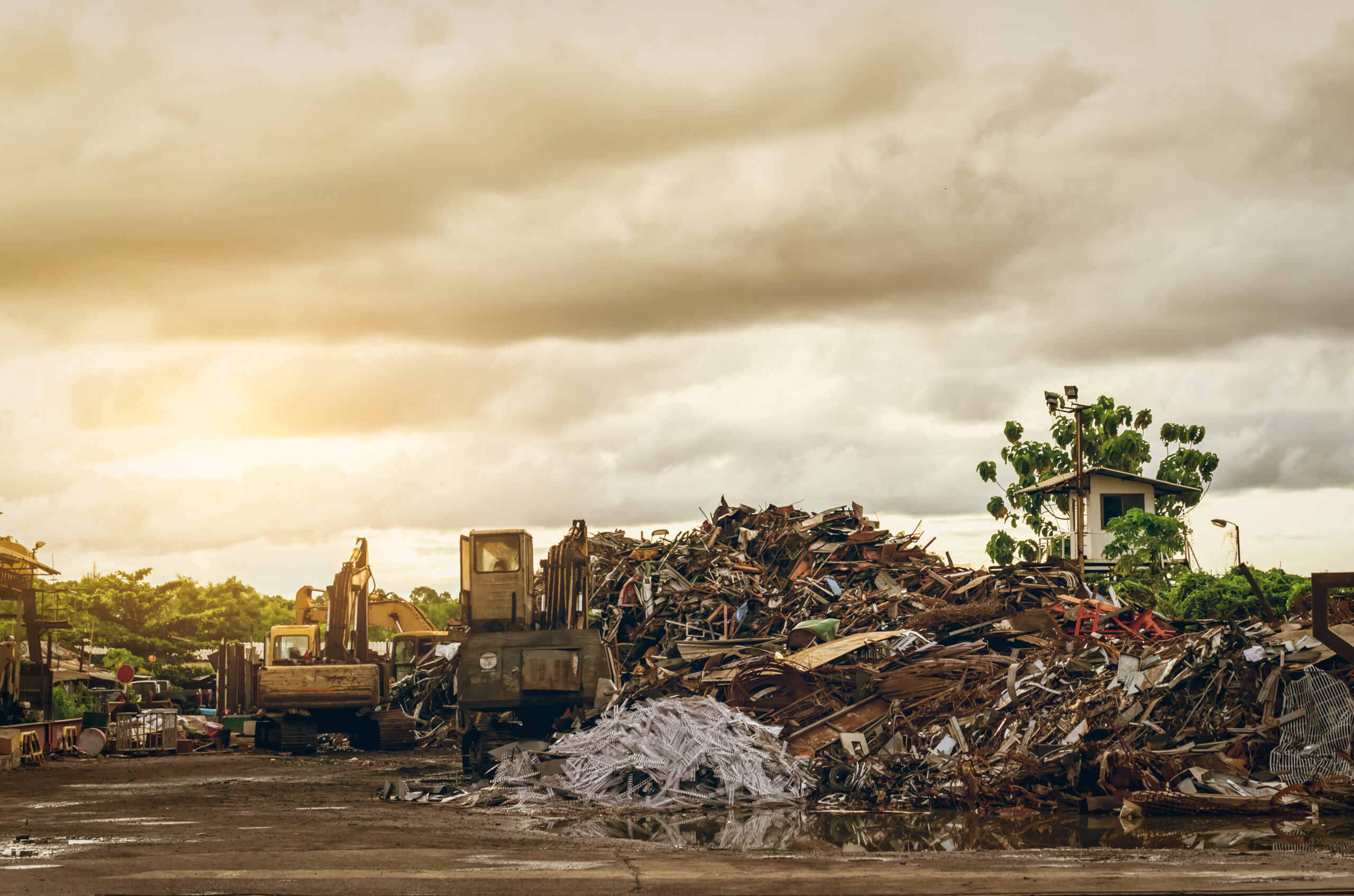
    It’s divided into about 20 topics with dozens of articles each, so navigating through it can be complicated. Both Zendesk and Intercom have their own “app stores” where users can find all of the integrations for each platform. Then, you can begin filling in details such as your account’s name and icon and your agents’ profiles and security features. Zendesk has over 150,000 customer accounts from 160 countries and territories. They have offices all around the world including countries such as Mexico City, Tokyo, New York, Paris, Singapore, São Paulo, London, and Dublin. Intercom also does not offer a free trial period for users to examine the software prior to joining up for their services.

    How to Master Proactive Customer Service

    One of the things that sets Zendesk apart from other customer service software providers is its focus on design. The company’s products are built with an emphasis on simplicity and usability. This has helped to make Zendesk one of the most popular customer service software platforms on the market. If you are looking for a comprehensive customer support solution with a wide range of features, Zendesk is a good option. If money is limited for your business, a help desk that can be a Zendesk alternative or an Intercom alternative is ThriveDesk.

    You can create dozens of articles in a simple, intuitive WYSIWYG text editor, divide them by categories and sections, and customize with your custom themes. If you create a new chat with the team, land on a page with no widget, and go back to the browser for some reason, your chat will go puff. All customer questions, be it via phone, chat, email, social media, or any other channel, are landing in one dashboard, where your agents can solve them quickly and efficiently. It guarantees continuous omnichannel support that meets customer expectations. You can even improve efficiency and transparency by setting up task sequences, defining sales triggers, and strategizing with advanced forecasting and reporting tools.
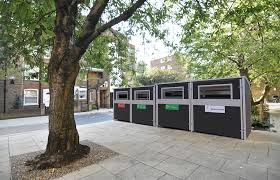
    Zendesk is designed with the agent in mind, delivering a modern, intuitive experience. The customizable Zendesk Agent Workspace enables reps to work within a single browser tab with one-click navigation across any channel. Intercom, on the other hand, can be a complicated system, creating a steep learning curve for new users. What can be really inconvenient about Zendesk is how their tools integrate with each other when you need to use them simultaneously. Just like Zendesk, Intercom also offers its Operator bot, which will automatically suggest relevant articles to clients right in a chat widget.

    So when it comes to chatting features, the choice is not really Intercom vs Zendesk. The latter offers a chat widget that is simple, outdated, and limited in customization options, while the former puts all of its resources into its messenger. The Zendesk chat tool has most of the necessary features like shortcuts (saved responses), automated triggers, and live chat analytics.

    It features the Intercom Messenger, which works with existing support tools for self-serve or live support. They have a dedicated help section that provides instructions on how to set up and effectively use Intercom. Two leading contenders in the customer service platform space, Zendesk and Intercom, have transformed businesses’ customer engagement by offering powerful software solutions that enhance support systems. To select the ideal fit for your business, it is crucial to compare these industry giants and assess which aligns best with your specific requirements. Intercom also uses AI and features a chatbot called Fin, but negative reviews note basic reporting and a lack of customization.

    So yeah, all the features talk actually brings us to the most sacred question — the question of pricing. You’d probably want to know how much it costs to get each of the platforms for your business, so let’s talk money now. Zendesk also has an Answer Bot, which instantly takes your knowledge base game to the next level. It can automatically suggest relevant articles for agents during business hours to share with clients, reducing your support agents’ workload. Intercom has more customization features for features like bots, themes, triggers, and funnels.

    However, you’ll likely end up paying more for Zendesk, and in-app messenger and other advanced customer communication tools will not be included. Zendesk chat allows you to talk with your visitors in real time through a small chat bar at the bottom of your site. When visitors click on it, they’ll be directed to one of your customer service teammates. If you want both customer support and CRM, you can choose between paying $79 or $125 per month per user, depending on how many advanced features you require. Simplicity is an important consideration when selecting the best customer service software.

    Zendesk offers more advanced automation capabilities than Intercom, which may be a deciding factor for businesses that require complex workflows. The company’s products include a ticketing system, live chat software, knowledge base software, and a customer satisfaction survey tool. Zendesk also offers a number of integrations with third-party applications. With a multi-channel ticketing system, Zendesk Support helps you and your team to know exactly who you’re talking to and keep track of tickets throughout all channels without losing context. The setup is designed to seamlessly connect your customer support team with customers across all platforms.
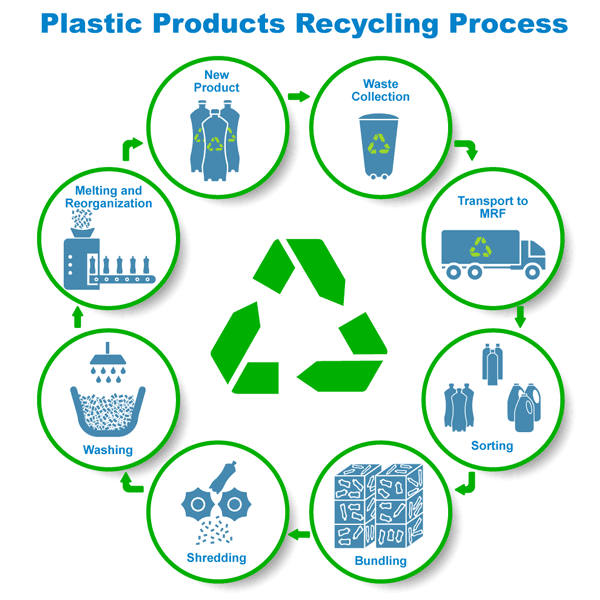
    Which means it’s rather a customer relationship management platform than anything else. But it’s designed so well that you really enjoy staying in their inbox and communicating with clients. Their chat widget looks and works great, and they invest a lot of effort to make it a modern, convenient customer communication tool.

    On the other hand, Intercom, starting at a lower price point, could be more attractive for very small teams or individual users. However, additional costs for advanced features can quickly increase the total expense. Intercom stands out for its modern and user-friendly messenger functionality, which includes advanced features with a focus on automation and real-time insights. Its AI Chatbot, Fin, is particularly noted for handling complex queries efficiently. Intercom is an all-in-one solution, and compared to Zendesk, Intercom has a less intuitive design and can be complicated for new users to learn.

    Well, I must admit, the tool is gradually transforming from a platform for communicating with users to a tool that helps you automate every aspect of your routine. Leave your email below and a member of our team will personally get in touch to show you how Fullview can help you solve support tickets in half the time. Discover customer and product issues with instant replays, in-app cobrowsing, and console logs. This is not a huge difference; however, it does indicate that customers are generally more satisfied with Intercom’s offerings than Zendesk’s.

    Services

    We conducted a little study of our own and found that all Intercom users share different amounts of money they pay for the plans, which can reach over $1000/mo. The price levels can even be much higher if we’re talking of a larger company. You can publish your self-service resources, divide them by categories, and integrate them with your messenger to accelerate the whole chat experience. For standard reporting like response times, leads generated by source, bot performance, messages sent, and email deliverability, you’ll easily find all the metrics you need. Beyond that, you can create custom reports that combine all of the stats listed above (and many more) and present them as counts, columns, lines, or tables. In terms of G2 ratings, Zendesk and Intercom are both well-rated platforms.

    Broken down into custom, resolution, and task bots, these can go a long way in taking repetitive tasks off agents’ plates. Overall, I actually liked Zendesk’s user experience better than Intercom’s in terms of its messaging dashboard. Intercom has a dark mode that I think many people will appreciate, and I wouldn’t say it’s lacking in any way. But I like that Zendesk just feels slightly cleaner, has easy online/away toggling, more visual customer journey notes, and a handy widget for exploring the knowledge base on the fly. Intercom, on the other hand, was built for business messaging, so communication is one of their strong suits.

    Users report feeling as though the interface is outdated and cluttered and complain about how long it takes to set up new features and customize existing ones. After signing up and creating your account, you can start filling in your information, such as your company name and branding and your agents’ profiles and information. The setup can be so complex that there are tutorials by third parties to teach new users how to do it right. That being said the customer support for both Zendesk and Intercom is lacking. Zendesk is primarily a ticketing system, and its ticketing capability is overwhelming in the best conceivable manner.

    The company was founded in 2011 and is headquartered in San Francisco, California. Intercom’s products are used by over 25,000 customers, from small tech startups to large enterprises. In addition to Intercom vs Zendesk, alternative helpdesk solutions are available in the market.

    Messagely also provides you with a shared inbox so anyone from your team can follow up with your users, regardless of who the user was in contact with first. You can also follow up with customers after they have left the chat and qualify them based on your answers. Chat agents also get a comprehensive look at their entire customer’s journey, so they will have a better idea of what your customers need, without needing to ask many questions. Since Intercom is so intuitive, the time you’ll need to spend training new users on how to interact with the platform is greatly reduced. Although Zendesk isn’t hard to use, it’s not a perfectly smooth experience either.
    Customer experience will be no exception, and AI models that are purpose-built for CX lead to better results at scale. Intercom live chat is modern, smooth, and has many advanced features that other chat tools don’t. It’s highly customizable, too, so you can adjust it according to your website or product’s style.

    Zendesk vs Intercom: customer support

    ThriveDesk is a feature-rich helpdesk solution that offers a comprehensive set of tools to manage customer support effectively. Messagely’s chatbots are powerful tools for qualifying and converting leads while your team is otherwise occupied or away. With chatbots, you can generate leads to hand over to your sales team and solve common customer queries without the need of a customer service representative behind a keyboard. On the other hand, Zendesk’s customer support includes a knowledge base that’s very intuitive and easy to navigate. It divides all articles into a few main topics so you can quickly find the one you’re looking for. It also includes a list of common questions you can browse through at the bottom of the knowledge base home page so you can find answers to common issues.

    With industry-leading AI that infuses intelligence into every interaction, robust integrations, and exceptional data security and compliance, it’s no wonder why Zendesk is a trusted leader in CX. Zendesk is built to grow alongside your business, resulting in less downtime, better cost savings, and the stability needed to provide exceptional customer support. Many customers start using Zendesk as small or mid-sized businesses (SMBs) and continue to use our software as they scale their operations, hire more staff, and serve more customers. Our robust, no-code integrations enable you to adapt our software to new and growing use cases. Compared to Zendesk, Intercom offers few integrations, which may hinder its scalability.

    Ultimately, it’s important to consider what features each platform offers before making a decision, as well as their pricing options and customer support policies. Since both are such well-established market leader companies, you can rest assured that whichever one you choose will offer a quality customer service solution. Intercom is better for smaller companies that are looking for a simple and capable customer service platform. Instead, using it and setting it up is very easy, and very advanced chatbots and predictive tools are included to boost your customer service. Zendesk is a great option for large companies or companies that are looking for a very strong sales and customer service platform.

    zendesk and intercom

    Zendesk has a rating of 4.3 out of 5 stars, based on over 5,600 reviews. Intercom has a rating of 4.5 out of 5 stars, based on over 2700 reviews. While both Zendesk and Intercom are great and robust platforms, none of them are able to provide you with the same value Messagely gives you at such an  affordable price.

    At the same time, Zendesk looks slightly outdated and can’t offer some features. It’s known for its unified agent workspace which combines different communication methods like email, https://chat.openai.com/ social media messaging, live chat, and SMS, all in one place. This makes it easier for support teams to handle customer interactions without switching between different systems.

    Is it as simple as knowing whether you want software strictly for customer support (like Zendesk) or for some blend of customer relationship management and sales support (like Intercom)? Intercom’s chatbot feels a little more robust than Zendesk’s (though it’s worth noting that some features are only available at the Engage and Convert tiers). You can set office hours, live chat with logged-in users via their user profiles, and set up a chatbot. Customization is more nuanced than Zendesk’s, but it’s still really straightforward to implement. You can opt for code via JavaScript or Rails or even integrate directly with the likes of Google Tag Manager, WordPress, or Shopify.

    Zendesk

    It caters to a wide range of industries, particularly excelling in e-commerce, SaaS, technology, and telecommunications. It is favored by customer support, helpdesk, IT service management, and contact center teams. Intercom offers reporting and analytics tools with limited capabilities for custom reporting, user behavior metrics, and advanced visualization. It also lacks advanced features like collaboration reporting, custom metrics, metric correlation, and drill-in attribution.

    Plus, Zendesk’s integration with various channels ensures customers can always find a convenient way to reach out. Zendesk and Intercom offer help desk management solutions to their users. Zendesk is renowned for its comprehensive toolset that aids in automating customer service workflows and fine-tuning chatbot interactions. Its strengths are prominently seen in multi-channel support, with effective email, social media, and live chat integrations, coupled with a robust internal knowledge base for agent support. Intercom, while differing from Zendesk, offers specialized features aimed at enhancing customer relationships.
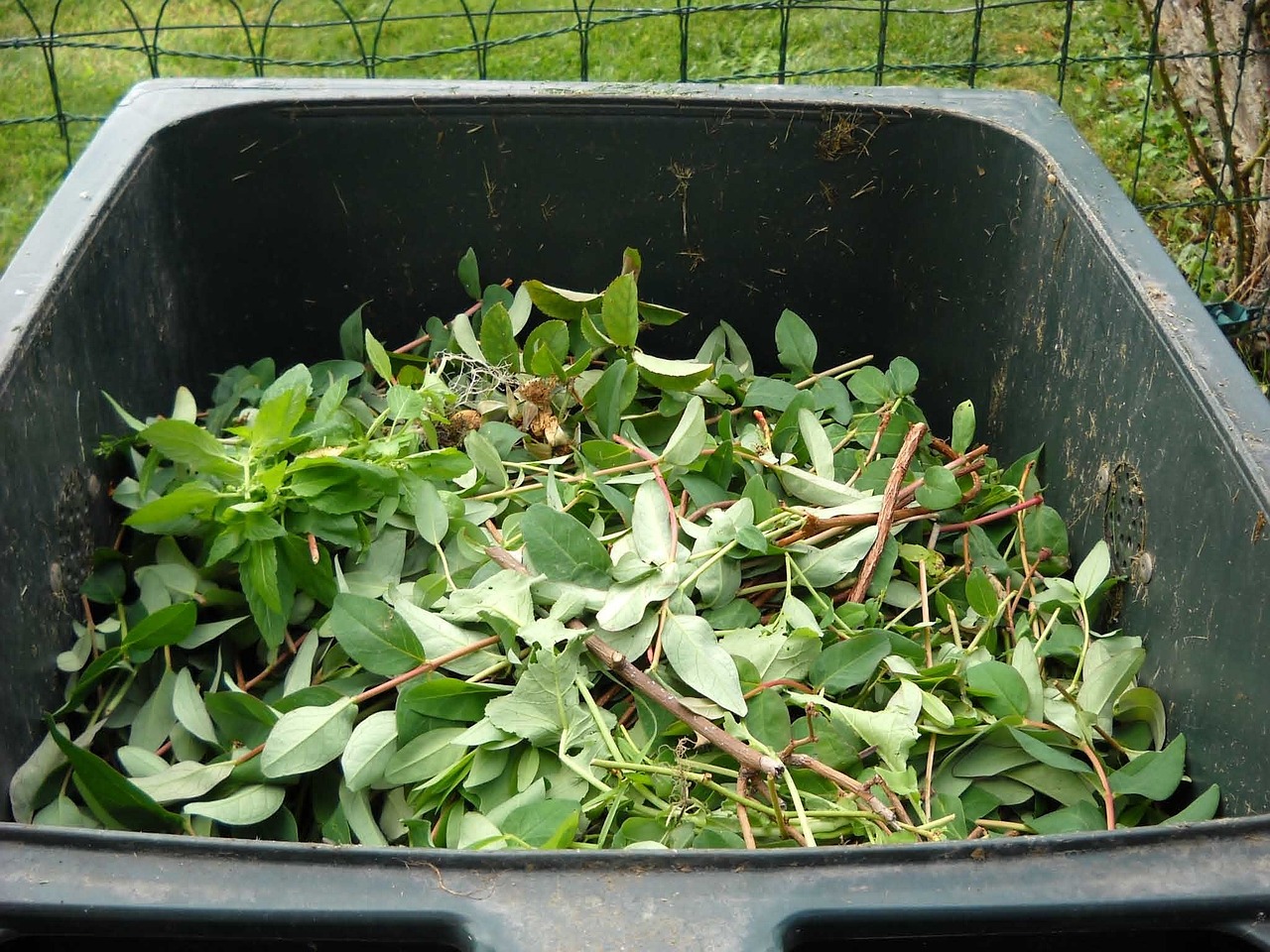
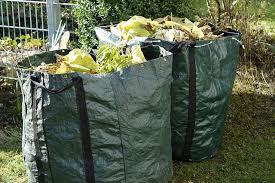
    They offer straightforward pricing plans designed to meet the diverse needs of businesses, with only 2 options to choose from; it makes it easier for business owners to make a decision regarding pricing. Choose the plan that suits your support requirements and budget, whether you’re a small team or a growing enterprise. Whether your customers prefer to communicate via phone, chat, email, social media, or any other channel, Zendesk unifies all of your customer interactions into one platform. The software helps you to keep track of all support requests, quickly respond to questions, and track the effectiveness of your customer service reps.
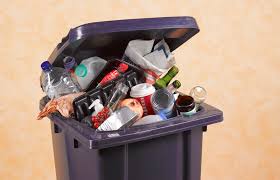
    zendesk and intercom

    Both zendesk and intercom offer customer service software with AI capabilities—however, they are not created equal. With Zendesk, you get next-level AI-powered support software that’s intuitively designed, scalable, and cost-effective. Compare Zendesk vs. Intercom and future-proof your business with reliable, easy-to-use software. Intercom has a wider range of uses out of the box than Zendesk, though by adding Zendesk Sell, you could more than make up for it. Both options are well designed, easy to use, and share some pretty key functionality like behavioral triggers and omnichannel-ality (omnichannel-centricity?). But with perks like more advanced chatbots, automation, and lead management capabilities, Intercom could have an edge for many users.

    The strength of Zendesk’s UI lies in its structured and comprehensive environment, adept at managing numerous customer interactions and integrating various channels seamlessly. However, compared to the more contemporary designs like Intercom’s, Zendesk’s UI may appear outdated, particularly in aspects such as chat widget and customization options. This could impact user experience and efficiency for new users grappling with its complexity​​​​​​.

    While both offer a wide number of integration options, Zendesk wins the top spot in this category. Zendesk is designed to fit your business needs whether you’re a fast-growing startup or a well-established company. They have a 2-day SLA, no phone support, and the times I have had to work with them they have been incredibly difficult to work with. Very rarely do they understand the issue (mostly with Explore) that I am trying to communicate to them.

    On the other hand, Intercom’s AI-powered chatbots and messaging are designed to enhance your marketing and sales efforts, giving you an edge in the competitive market. Experience the comprehensive power of Intercom for effective customer communication, automation, support tools, integrations, and analytics. Streamline support processes with Intercom’s ticketing system and knowledge base.

    Intercom is a customer messaging platform that enables businesses to engage with customers through personalized and real-time communication. On the contrary, Intercom is far less predictable when it comes to pricing and can cost hundreds/thousands of dollars per month. But this solution is great because it’s an all-in-one tool with a modern live chat widget, allowing you to easily improve your customer experiences.

    You can foun additiona information about ai customer service and artificial intelligence and NLP. The optimized agent interface ensures rapid responses for maximum efficiency, all while keeping your website running smoothly. Before you make your choice, check out Messagely’s features and compare them to discover which platform is best for you. With this kind of organization, you will not only find your favorite apps but also discover new ones to meet your needs. With all accounted for, it seems that Zendesk still has a number of user interface issues. Finally, you’ll have to choose your reporting preferences including details about what you’ll be tracking and how often you want to be reported of changes. By the end of the article, you’ll not only know all of the main differences between Zendesk and Intercom, but you’ll know which is the right tool for you.

    When comparing the user interfaces (UI) of Chat PG, both platforms exhibit distinct characteristics and strengths catering to different user preferences and needs. Lastly, Intercom offers an academy that offers concise courses to help users make the most out of their Intercom experience. Intercom primarily focuses on messaging but offers limited channel breadth compared to Zendesk, requiring paid add-ons for critical channels like WhatsApp. In this paragraph, let’s explain some common issues that users usually ask about when choosing between Zendesk and Intercom platforms. Say what you will, but Intercom’s design and overall user experience leave all its competitors far behind.

    It can team up with tools like Salesforce and Slack, so everything runs smoothly. Messagely pulls together all of the information about the customer contacting you and gives your representatives information on each interaction they’ve had with them, all within a streamlined platform. This way, your clients will never have to repeat themselves or get frustrated because their new representative doesn’t know their background. You don’t have to pay per contact on your database, and you there are many free features you can use.

    zendesk and intercom

    Although the Intercom chat window claims that their team responds within a few hours, user reviews have stated that they had to wait for a few days. Intercom is the clear victor in terms of user experience, leaving all of its competitors in the dust. All plans come with a 7-day free trial, and no credit card is required to sign up for the trial. While Zendesk features are plenty, someone using it for the first time can find it overwhelming. Intercom has a community forum where users can engage with each other and gain insights from their experiences. With only the Enterprise tier offering round-the-clock email, phone, and chat help, Zendesk support is sharply separated by tiers.

    Their template triggers are fairly limited with only seven options, but they do enable users to create new custom triggers, which can be a game-changer for agents with more complex workflows. When it comes to which company is the better fit for your business, there’s no clear answer. It really depends on what features you need and what type of customer service strategy you plan to implement.

    It offers more support features and includes more advanced analytics and reports. Intercom generally receives positive feedback for its customer support, with users appreciating the comprehensive features and team-oriented tools. However, there are occasional criticisms regarding the effectiveness of its AI chatbot and some interface navigation challenges. The overall sentiment from users indicates a satisfactory level of support, although opinions vary.

    zendesk and intercom

    Intercom is more for improving sales cycle and customer relationships, while Zendesk has everything a customer support representative can dream about, but it does lack wide email functionality. On the other hand, it provides call center functionalities, unlike Intercom. Zendesk is billed more as a customer support and ticketing solution, while Intercom includes more native CRM functionality. Intercom isn’t quite as strong as Zendesk in comparison to some of Zendesk’s customer support strengths, but it has more features for sales and lead nurturing.

    For basic chat and messaging, Intercom charges a flat fee of $39 per month for its basic plan with one user and $99 per month for its team plan with up to 5 users. If you want automated options, Intercom starts at either $499 or $999 per month for up to ten users, depending on the level of automation you’re looking for. NovoChat, on the other hand, is great for businesses that primarily engage with their clients through messaging apps. The program is simple to use and includes all of the necessary capabilities for providing good customer service. This exploration aims to provide a detailed comparison, aiding businesses in making an informed decision that aligns with their customer service goals.

  • The Recycling Process of Electronic Waste

    The Recycling Process of Electronic Waste

    Electronic waste, or e-waste, is becoming an increasingly pressing issue in our planet’s sustainable future. It is made up of materials such as metals, plastics, and glass, coming from electronic products and components that have been discarded. Recycling electronics can help reduce the amount of waste that ends up in landfills and give the materials a valuable second chance.

    All the e-waste must be recycled to build a better and safe world. The recycling process benefits not only the world but also everyone involved in it, starting from those who are the ones generating the e-waste to those who are recycling them. The process is very organized and secure. It can be explained in simple steps, which will help people understand the importance of their own role, purpose, and impact on recycling e-waste. Now, let’s talk about the steps.

    E-waste collection from vendors

    First and foremost, local collectors, environmental agencies, or e-waste management companies like JR Enterprise are contacted by vendors about selling e-waste. Then the collectors set a meeting, followed by that; they go to the meeting place to collect e-waste.

    Dismantle and Segregation

    Next step is the Dismantle and Segregation process. The step requires breaking down e-waste into its component parts. The process is managed by skilled manual workers using various tools, including saws, drills, screwdrivers, and grinders. The components are then carefully segregated into their respective categories. The components include larger pieces of metal and plastic, integrated chips, cathode ray tubes, capacitors, and more. Segregation is necessary as it allows each part to be further processed in specialized facilities for individual materials. This not only reduces the amount of pollution released but also improves the quality of recycled materials.

    Bringing them to Recycling Center

    After the dismantling and segregation, the dismantled components are transported to a recycling center under professional supervision.

    Separating Different Electronic Parts from the Device

    The primarily dismantled scraps are examined and classified based on the materials they contain. Following classification, the e-waste scraps are processed and separated into more basic components and material categories. The separated components are further broken down into base materials for refinement by the recycling center. The process may involve discarding materials that have no use, extracting reusable materials, breaking down hazardous materials for safe disposal, and smelting metals. Whatever the method, all e-waste scraps are treated safely and environmentally friendly.

    Reuse Batteries and Cartridges From the Collected Waste

    In this step, the e-waste must be sorted and separated into different categories, such as batteries and cartridges. Then, the batteries and cartridges must be tested to ensure they are still in working condition. If they are, they can be reused. The method can involve wiping them down, cleaning any dirt or dust from them, and recharging them. Finally, the batteries and cartridges are tested one last time. And if they pass the f test, they are labeled as ‘refurbished’ and ready for reuse.

    Fed the Remaining Components Into the Crusher

    After the sorting process, the e-waste components are sorted into groups such as metals, plastics, and glass. The metals are removed from the equation and sent for recycling. The remaining components are loaded into a crusher hopper and transported on a conveyor belt. The crusher then reduces the components into small pieces of uniform size and shape, which are then ready for melting and processing into new products.

    Exporting Printed Circuit Board via Secure Transit

    The process of exporting a printed circuit board (PCB) via safe transit starts by packaging the board in anti-static material, such as a plastic bag. The board is then secured inside a heavy-duty cardboard box, with extra packing peanuts and bubble wrap to provide shock protection and cushioning. The box is then sealed and labeled, and checked for accuracy. The PCB is then sent to a courier service which will deliver it to the recipient in a timely and secure manner.

    Sorting and Recycling the Shredded Metallic Items

    The shredded metal is sorted into different types, like steel, aluminum, copper, and brass. And then finally, these materials are recycled and used to manufacture new products. This process of sorting and recycling metal from e-waste helps save energy, reduce pollution and create new products instead of filling up landfills.

    In a country like Bangladesh, a professional recycling service provider is very rare to find. But then, there is JR Recycling Solutions Ltd, which has a sister concern JR Enterprise, specializing in any e-waste recycling solution. They started their journey in 2011 and were highly concerned about all the environmental and personal safety precautions. As a result, they have achieved the Local Certifications & No Objection Certifications (NOC) from the concerned authority for safety measures and precautions. Also, they are ISO/IEC: 27001:2013 & ISO: 14001:2015 certified. Therefore, they can provide all the processes we have discussed above professionally and carefully. Their goal is to reduce the environmental and health risks associated with the improper disposal of electronics and ensure that valuable materials are reused, creating economic and environmental benefits. With their aid, you and your business can manage and benefit from any e-waste and contribute to making the world safe and green again.

  • Prospects & Challenges of Waste PCB Recycling Process

    Prospects & Challenges of Waste PCB Recycling Process

    Printed circuit boards (PCBs) are an essential part of electronic systems and are commonly utilized in consumer electronics, medical devices, and military applications. With recent innovations, more cost-effective and higher-quality electronic devices are available, leading to quicker obsolescence of products and the concern of how to safely discard the increasing amount of discarded PCBs and the hazardous materials they contain. Not only is it important to find environmentally-friendly strategies for managing electronic waste, but also to efficiently reclaim precious and irreplaceable resources.
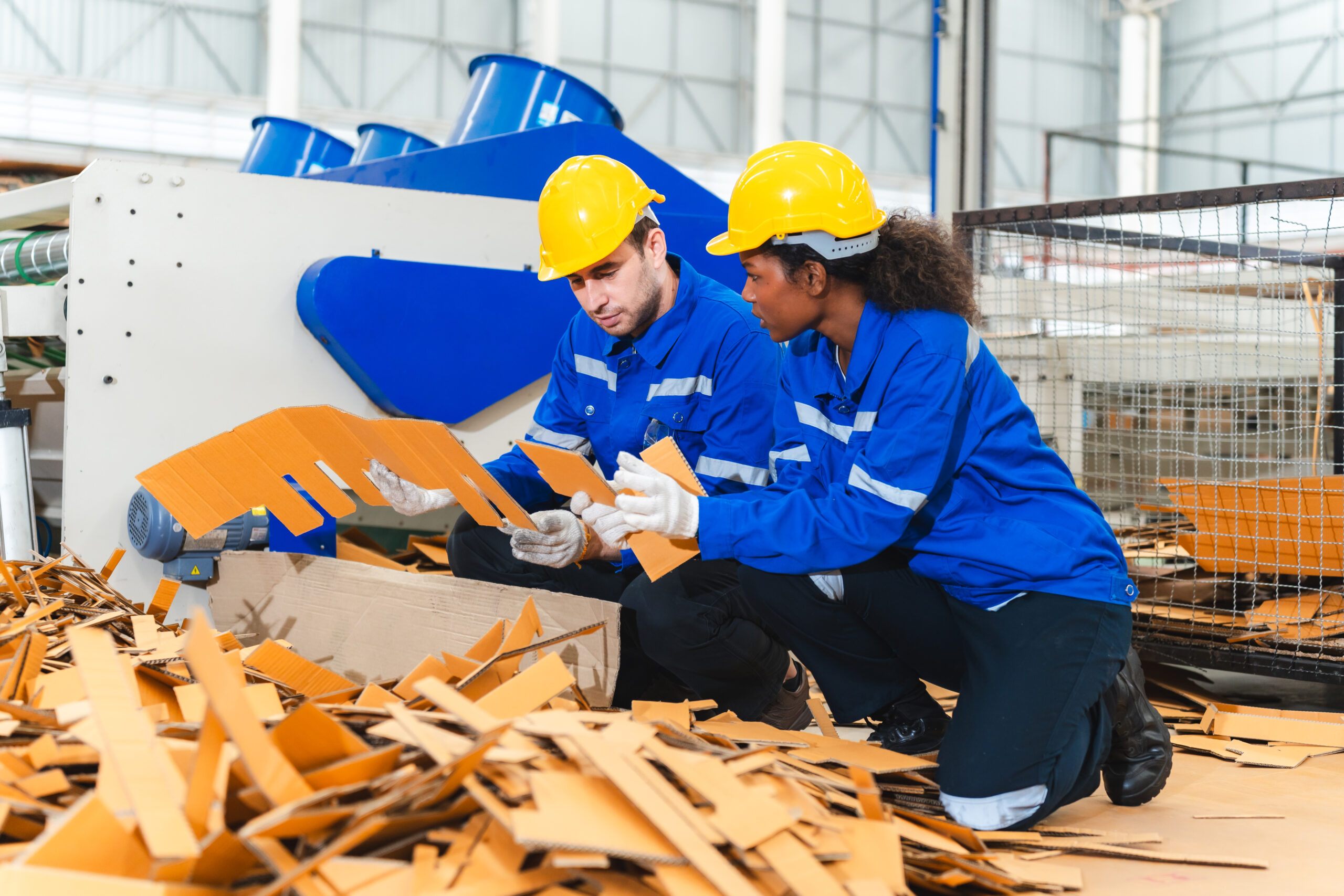
    PCBs (printed circuit boards) are composed of valuable metals, base metals, and dangerous chemicals with the potential to cause permanent harm to the environment and human health. For example, the lead present in PCBs accumulates in the environment, adversely affecting organisms, animals, humans, and plants. Re-utilizing and recovering products that have been produced from PCBs can help to preserve finite natural resources and safeguard the environment.

    Prospects

    Waste printed circuit boards (PCB) recycling has become an important area of recycling due to the prevalence of e-waste. As technology advances, more and more electronics are being discarded and as a result, PCB waste is also increasing. However, PCB recycling offers a viable solution to reduce the number of hazardous materials in the environment.

    The prospects of the Waste PCB recycling process are highly promising. The recycling process is designed to extract valuable metals and components from PCB components for reuse. By recovering these metals, the process helps to cut down on the waste generated from electronic products and keeps those materials out of landfills. The main steps of the process involve mechanical disassembly, manual separation, classification, chemical treatment, and disposal of hazardous materials. During the mechanical disassembly process, components such as capacitors, resistors, and other small components are separated from the PCB and sorted for reuse. After those components have been removed, the PCB itself is subjected to a chemical and mechanical process that separates the plastic, metal, and ceramic materials, leading to the manual separation of various components.

    Classification is usually performed manually or computer-aided. Manual classification involves sorting the components according to their shape, size, and other characteristics. Computer-aided classification, on the other hand, involves sorting components based on certain predefined criteria. After this process, the components are sent to a chemical treatment plant where they are treated with chemical agents to remove any hazardous materials present.

    The disposal of hazardous materials is the final step of the PCB recycling process. This involves disposing of the materials in an ecologically friendly manner, such as in a landfill, or incinerating them for energy recovery.

    The advantages of PCB recycling are numerous. Firstly, PCB recycling prevents pollution by reducing the number of hazardous materials being put into the environment. Secondly, it reduces waste by making use of existing components in a more efficient manner. Thirdly, it creates employment opportunities, as there is a growing demand for specialists in the field.

    As the demand for environmental sustainability increases, the prospects of waste PCB recycling are very positive. It offers a solution to reduce the number of hazardous materials in the environment and it provides several economic and employment opportunities. Moreover, there is an increasing demand for PCB recycling services, leading to more and more businesses setting up. All these factors suggest that the waste PCB recycling industry has a promising future.

    Challenges

    The proper recycling of waste printed circuit boards (PCBs) can help to mitigate the environmental and health concerns posed by their improper disposal. While recycling PCBs presents several unique challenges, it also has tremendous potential to reduce the impacts of improper disposal. By understanding the complexities of the recycling process and implementing effective solutions, the process can be made more efficient and environmentally beneficial.

    The complexity of PCB recycling stems from the fact that they contain several different elements, including glass fibers, metals, and plastic. This mixture means that each board must be carefully sorted and disassembled so that its individual components can be recycled. Furthermore, managing the hazardous materials contained in the circuit boards can be an additional challenge, as traditional recycling processes may not be suitable for these hazardous components.

    Despite the complexities of PCB recycling, there are numerous advantages to be gained from properly disposing of electronics. Firstly, recycling PCBs can prevent waste from contributing to the growing issue of electronic waste, which contributes to pollution and the destruction of natural ecosystems. Additionally, proper recycling of PCBs can produce valuable metals, such as copper and gold, that can be used in the production of new electronics. This is beneficial from both an economic and an environmental standpoint, as it allows these materials to be effectively reused while avoiding the production of new materials.

    As waste PCB is an alarming threat to the environment, PCB recycling has become a mandatory task regarding e-waste management. Luckily many organizations and companies are coming forward to solve this issue. In our country, JR Enterprise is among those companies who are prominent in recycling e-waste including waste PCB recycling in their services. They follow all the necessary steps to properly recycle waste PCB professionally and securely. They began operations in 2011 and have been taking environmental and personal safety very seriously, which is why they have obtained the necessary Local Certifications & No Objection Certifications (NOC) from the concerned authorities, as well as gained ISO/IEC: 27001:2013 & ISO: 14001:2015 certifications for safety measures and precautions.
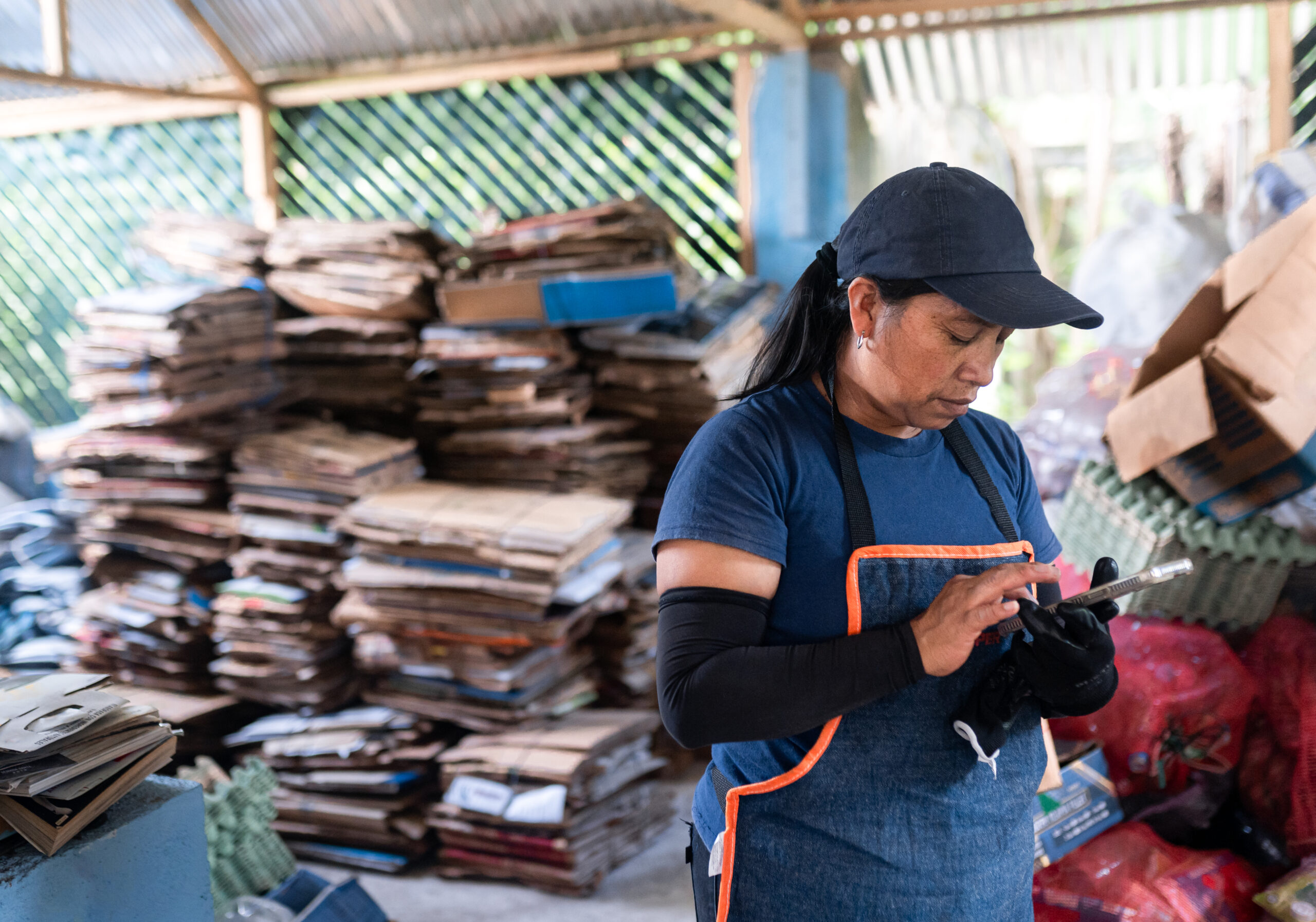
  • What Electronics Contain The Most Gold? Recovery Of Noble Metals From Electronics

    What Electronics Contain The Most Gold? Recovery Of Noble Metals From Electronics

    To the present day, one of the most valuable and expensive noble metals in the world is gold. The value of gold never decreased, rather it is increasing day by day. This metal can be collected during the recycling process and be utilized in the manufacture of appliances and electrical gadgets.

    Noble metals used in electronics are recycled and utilized in a variety of ways. Gold can be extracted from CPUs, gold-plated objects, and even clothing irons. However, the extraction process of gold is rather rigorous and dangerous for health.

    Why is Gold Used in Electronics?

    For many years, gold has been crucial to the electronics industry. Unlike other highly conductive metals like copper and silver, it does not corrode or tarnish. Additionally, it is a flexible, malleable substance that is easily pulled out into thin wires. Due to its unique physical characteristics, gold is the best material for a variety of electrical applications.
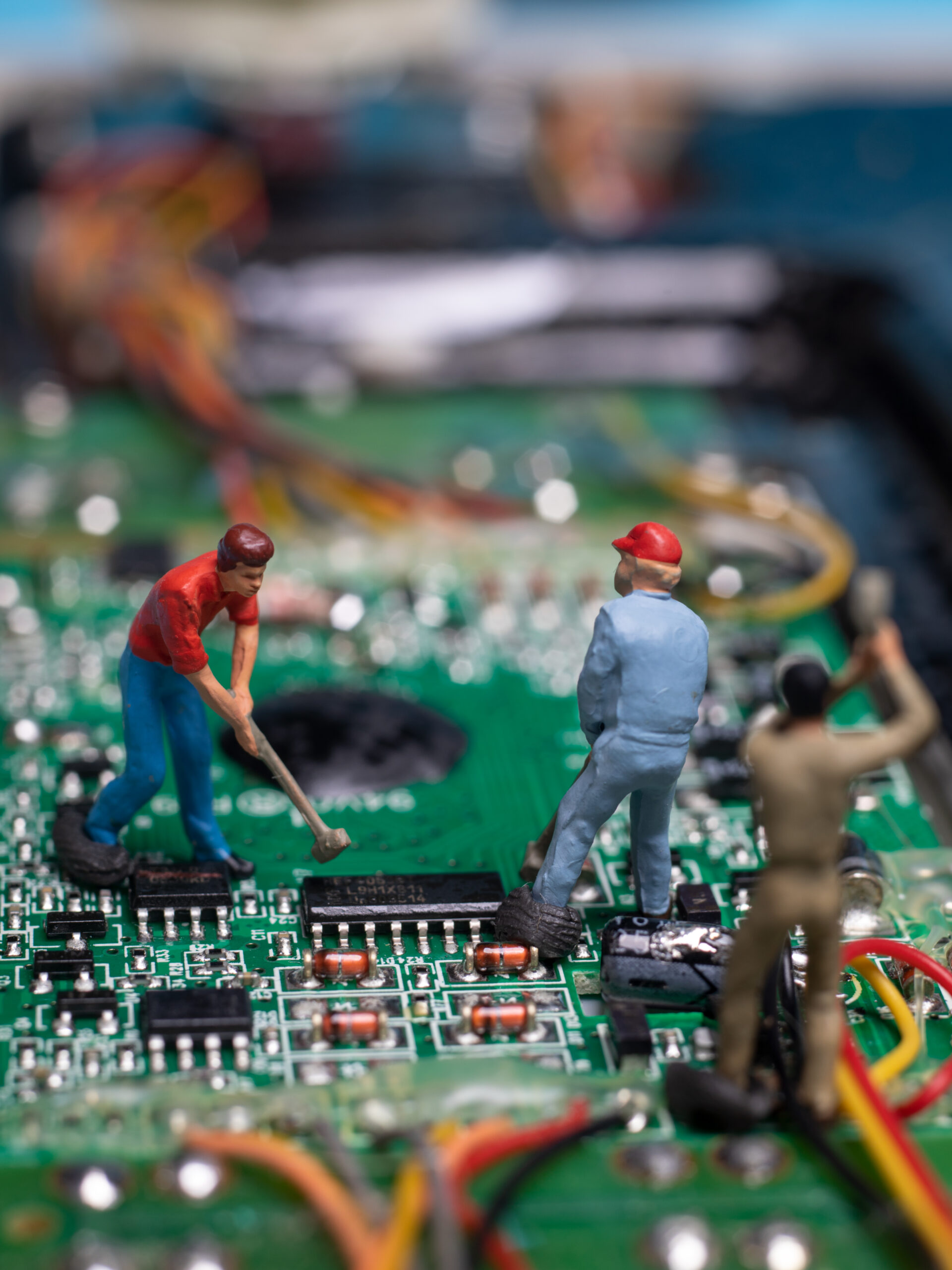
    How is Gold Used in Electronics?

    Gold is mostly employed in electronics in the form of sputter targets, gold bonding wire, and electroplating chemicals. The quantity used in hybrid inks and solders are smaller. Electroplating connectors and contacts with gold is the main application for metal in electronics. Within semiconductor packages, gold bonding wires are the next step because gold provides high electrical conductivity and corrosion resistance required for excellent performance. Other applications include hybrid circuits, solderable components, coatings for printed circuit boards, gold-based solders, metal layers for conductor tracks, and contact pads on semiconductors.
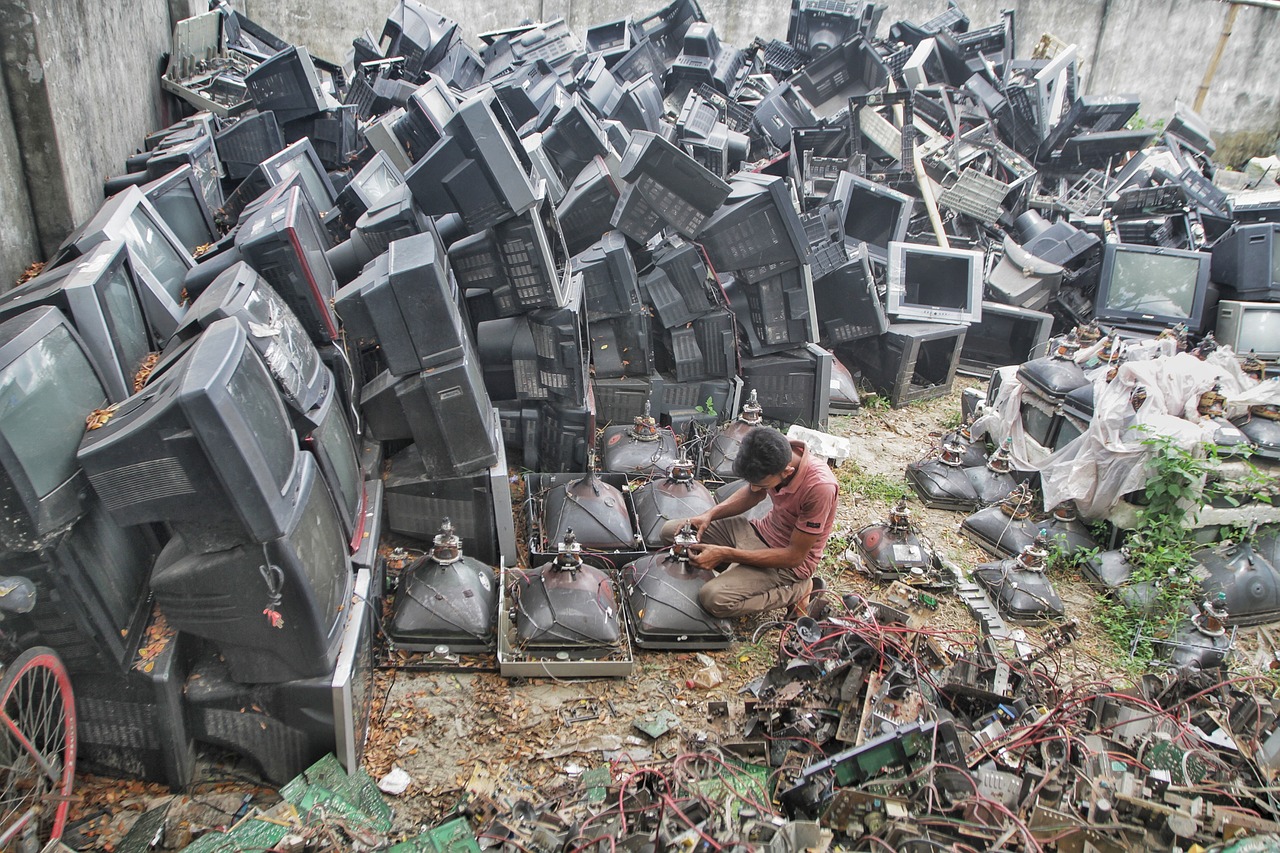
    What is Gold Solder and How is It Used in Electronics?

    Silicon chips that generate a lot of heat, such as those found in power amplifiers, must dissipate this heat to avoid damage. A reliable thermally conductive channel is often required for any device that generates more than 5 watts in order to dissipate the heat and prevent overheating. This is accomplished by employing a solder alloy to attach the chip to the package. The two main options are gold alloys and tin/lead solders. Eutectic tin/lead is ductile and makes strong connections, but it should not be used if the component leads are bonded with regular solder to a PCB or other components. Use of high-lead content with high-melting point solders can result in porous, void-filled connections, which can cause strains and hotspots in the joint.

    Is Gold Still Used in Electronics?

    Yes, gold is still used in electronics mainly in the form of electroplating chemicals, gold bonding wire, and sputter targets. Smaller quantities are used in hybrid inks and solders. The largest use of gold in electronics is as an electroplated coating on connectors and contacts.

    What Electronics Contain the Most Gold?

    Among all home devices, computers and televisions typically contain the most gold. Gold is also found in the circuit boards of earlier generations of cameras, radios, and media players. Traces of gold can be found in other electronics like game consoles, tablets, and phones. The highest gold-containing electronics are listed here, along with some tips for recovering gold for scrap.

    Desktop Computer 

    It’s not difficult to determine whether a large number of outdated desktop or laptop computers you have on hand contain gold. Open them up, peer inside, and you will find many electrical components that have gold. It sounds simple enough: just take out some of the shiny components, ship them to authorized gold refiners, and wait to get paid.

    1. The largest circuit board in both laptops and desktops, the motherboard, is the part where the most gold can be found. Their edges have gold contacts. Additionally, motherboard surfaces also have tiny coatings of gold on them.
    2. Many computers have been fitted with these tiny circuit boards, which are roughly the size of a packet of sauce, to make room for the RAM. They typically have a few pins that are gold-plated and a tiny bit of gold on their surfaces.
    3. The huge square microchip-like components that are plugged into motherboards are called central processors. If you have enough of these laying around, they can be worth a good amount of money because they contain hundreds of gold-plated pins all around them.

    Cameras

    Many camera technologies, including auto-focusing, automatic exposure settings, motorized film progressing and looping, constructed flashes and sensors, and many others, were included in the last generations of film cameras. On the circuit boards of each of those components, there were trace amounts of gold and silver. A certified precious metals refinery is able to recycle the gold and silver found in these vintage film cameras. However, even the biggest digital cameras are most likely to only have a few dollars’ worth of recyclable precious metals.

    Flat TV

    Given that many devices are now either sealed with gold or have them dipped in it, you might be wondering about how much gold is there in a flat-screen TV. Only about 20 cents’ worth of usable gold can be found in a flat-screen TV. Some sets include up to 60 cents’ worth of noble metals, therefore recovering gold is only financially feasible for those who want to establish a large-scale firm to do it. Scraping machines are efficiently used in industrial operations to recover tons of scrap per hour. Though computers have distinct circuit boards, flat-screen TVs and computer monitors do share some features.

    Ending Thoughts

    Gold is a very precious metal with immense value and versatility for use. Even now, many electronic devices still use gold in its processors. Each of those parts carry gold to a certain amount. However, unless someone wants to build a full-fledged firm to do it, it is a lot of effort for the value of money one can get from scrapping gold from electronics.