Category: Data Destruction

  • Where to Throw Away Old Electronics in Bangladesh

    Where to Throw Away Old Electronics in Bangladesh

    Introduction

    In today’s digital age, electronic devices have become an integral part of our lives. From smartphones to laptops, televisions to refrigerators, we rely heavily on electronic gadgets for our daily tasks. However, with the rapid advancement of technology, these devices often become obsolete quickly, leading to an increasing amount of electronic waste, or e-waste. Proper disposal of e-waste is crucial to protect the environment and human health from the harmful substances found in these products. In Bangladesh, JR Recycling Solution Ltd. is committed to providing responsible and efficient e-waste management solutions. This article will guide you through the process of safely disposing of old electronics in Bangladesh, highlighting the importance of e-waste recycling and the role of JR Recycling Solution Ltd.

    Understanding E-Waste

    What is E-Waste?

    E-waste refers to discarded electronic devices and components that are no longer in use or have reached the end of their life cycle. This includes items such as old mobile phones, computers, printers, televisions, batteries, and other electronic gadgets. E-waste contains valuable materials like gold, silver, copper, and rare earth elements, as well as hazardous substances such as lead, mercury, cadmium, and brominated flame retardants.

    The Environmental and Health Impact of E-Waste

    Improper disposal of e-waste poses significant risks to the environment and human health. When e-waste is dumped in landfills or incinerated, toxic chemicals can leach into the soil and water, contaminating natural resources and affecting ecosystems. Exposure to hazardous substances from e-waste can lead to serious health issues, including respiratory problems, skin disorders, neurological damage, and even cancer. Therefore, it is essential to adopt sustainable e-waste management practices to minimize these risks.

    E-Waste Management in Bangladesh

    The Current Scenario

    Bangladesh is witnessing a rapid increase in electronic waste due to the growing consumption of electronic devices. According to a report by the Bangladesh Telecommunication Regulatory Commission (BTRC), the country generated approximately 400,000 tons of e-waste in 2020, and this figure is expected to rise significantly in the coming years. Unfortunately, a large portion of this e-waste is managed through informal channels, where unregulated dismantling and recycling practices are common. These informal methods not only harm the environment but also expose workers to hazardous conditions.

    Government Initiatives

    Recognizing the importance of proper e-waste management, the Government of Bangladesh has taken several steps to address the issue. The Department of Environment (DoE) has formulated guidelines and regulations to promote safe e-waste disposal and recycling practices. Additionally, awareness campaigns and educational programs are being conducted to inform the public about the dangers of improper e-waste disposal and the benefits of recycling.

    JR Recycling Solution Ltd.: Leading the Way in E-Waste Management

    About JR Recycling Solution Ltd.

    JR Recycling Solution Ltd. is a pioneering company in the field of e-waste management in Bangladesh. Established with the vision of creating a sustainable environment, JR Recycling Solution Ltd. offers comprehensive solutions for the collection, recycling, and disposal of electronic waste. The company follows international standards and best practices to ensure safe and environmentally friendly e-waste management.

    Services Offered

    JR Recycling Solution Ltd. provides a range of services to facilitate the proper disposal and recycling of e-waste:

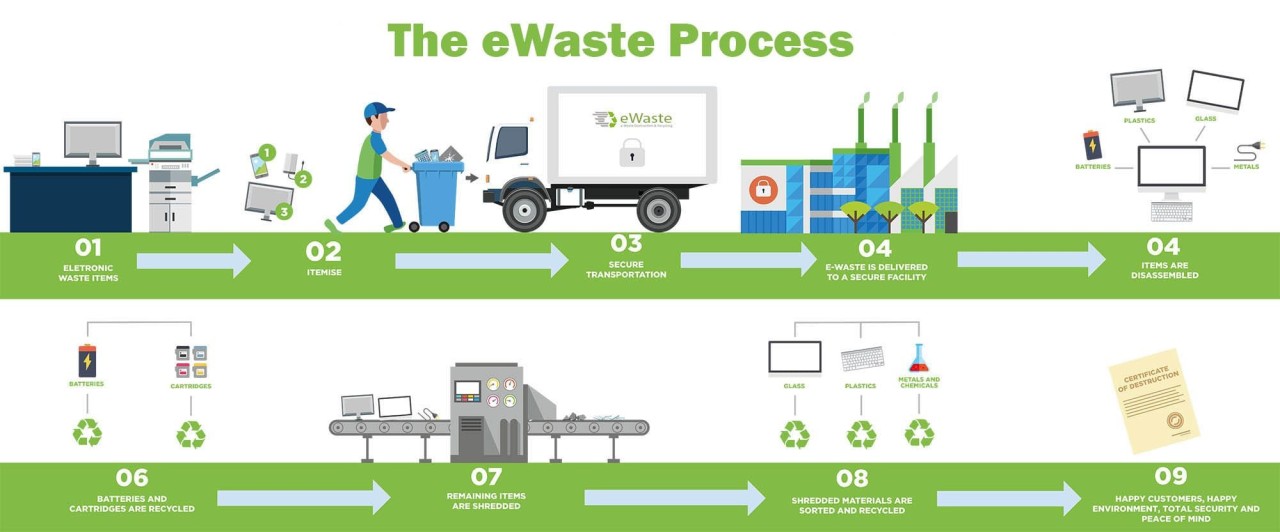
    1. Collection Services: The company offers convenient collection services for individuals and businesses. You can schedule a pickup for your old electronics, and JR Recycling Solution Ltd. will ensure they are transported safely to their recycling facility.
    2. Recycling and Dismantling: At their state-of-the-art recycling facility, JR Recycling Solution Ltd. employs advanced techniques to dismantle and recycle electronic devices. Valuable materials are extracted for reuse, while hazardous substances are treated and disposed of safely.
    3. Data Destruction: For businesses and individuals concerned about data security, JR Recycling Solution Ltd. provides secure data destruction services. This ensures that all sensitive information is completely erased from electronic devices before recycling.
    4. Public Awareness Campaigns: JR Recycling Solution Ltd. actively engages in public awareness campaigns to educate the community about the importance of e-waste recycling. Through workshops, seminars, and social media initiatives, they aim to promote responsible e-waste disposal practices.

    How to Dispose of Old Electronics with JR Recycling Solution Ltd.

    Step-by-Step Guide

    1. Identify Your E-Waste: Make a list of the electronic items you want to dispose of. This could include old smartphones, laptops, chargers, batteries, and other gadgets.
    2. Schedule a Pickup: Contact JR Recycling Solution Ltd. to schedule a pickup. You can do this through their website, by phone, or via email. Provide details about the items you wish to dispose of and your preferred pickup time.
    3. Prepare Your E-Waste: Before the scheduled pickup, ensure that all personal data is removed from your devices. For data security, consider using data destruction software or resetting your devices to factory settings.
    4. Collection: JR Recycling Solution Ltd. will send a team to collect your e-waste. They will transport the items to their recycling facility for processing.
    5. Recycling Process: At the facility, the e-waste is carefully dismantled. Valuable materials are recovered for reuse, while hazardous substances are treated to prevent environmental contamination.
    6. Receive a Certificate: After the recycling process is complete, JR Recycling Solution Ltd. will provide you with a certificate of recycling. This document confirms that your e-waste has been disposed of responsibly.

    The Importance of Recycling E-Waste

    Environmental Benefits

    Recycling e-waste has numerous environmental benefits. By recovering valuable materials from old electronics, we reduce the need for mining and extraction of raw materials, which often leads to habitat destruction and pollution. Additionally, recycling helps conserve energy and reduces greenhouse gas emissions associated with the production of new electronic devices. By choosing to recycle your e-waste with JR Recycling Solution Ltd., you contribute to a greener and more sustainable planet.

    Economic Benefits

    E-waste recycling also has significant economic advantages. The extraction of precious metals and other valuable materials from e-waste can create economic opportunities and generate revenue. Additionally, recycling promotes the growth of the recycling industry, creating jobs and supporting local economies. By supporting companies like JR Recycling Solution Ltd., you help foster economic development and sustainability in Bangladesh.

    Health Benefits

    Proper e-waste disposal and recycling help protect human health by preventing exposure to hazardous substances. When electronic devices are dismantled and recycled in controlled environments, workers are less likely to come into contact with toxic chemicals. This reduces the risk of health problems and ensures a safer working environment. By choosing responsible e-waste management, you contribute to the well-being of workers and communities.

    Tips for Reducing E-Waste

    Extend the Life of Your Electronics

    One of the most effective ways to reduce e-waste is to extend the life of your electronic devices. Here are some tips to help you do that:

    • Regular Maintenance: Keep your devices clean and perform regular maintenance to ensure they function properly.
    • Software Updates: Install software updates to keep your devices running smoothly and securely.
    • Repair Instead of Replace: If your device is damaged, consider repairing it instead of replacing it. Many electronic devices can be easily repaired, extending their lifespan.
    • Use Protective Cases: Use protective cases and screen protectors to prevent damage to your devices.

    Donate or Sell Working Electronics

    If your electronic devices are still in working condition, consider donating or selling them. Many organizations accept donations of used electronics, which can be refurbished and given to those in need. Additionally, you can sell your old devices online or through local classifieds, giving them a second life and reducing e-waste.

    Choose Eco-Friendly Electronics

    When purchasing new electronic devices, opt for eco-friendly options. Look for products that are energy-efficient, made from sustainable materials, and have a longer lifespan. Additionally, consider buying from companies that have strong environmental and recycling policies.

    Conclusion

    Proper disposal of old electronics is crucial for protecting the environment and human health. In Bangladesh, JR Recycling Solution Ltd. is leading the way in responsible e-waste management. By following the steps outlined in this guide, you can ensure that your e-waste is disposed of safely and sustainably. Remember, recycling e-waste not only conserves valuable resources but also promotes economic development and protects human health. Make the responsible choice today and contribute to a greener future with JR Recycling Solution Ltd.
  • Can I Recycle Mobile in Bangladesh?

    Can I Recycle Mobile in Bangladesh?

    Introduction

    In today’s fast-paced world, electronic devices like mobile phones and laptops have become indispensable. However, the rapid advancement of technology leads to frequent upgrades, resulting in a growing pile of outdated electronic devices. This accumulation of electronic waste, or e-waste, poses significant environmental and health hazards. Proper disposal and recycling of these devices are crucial. In Bangladesh, e-waste management is becoming increasingly important, and companies like JR Recycling Solution Ltd. are spearheading efforts to provide sustainable solutions. This article explores the feasibility and importance of recycling mobile phones and laptops in Bangladesh, offering a comprehensive guide to the process and highlighting the role of JR Recycling Solution Ltd. in promoting responsible e-waste management.

    What Constitutes E-Waste?

    E-waste includes discarded electronic devices and components that are no longer functional or have reached the end of their usable life. This category encompasses mobile phones, laptops, tablets, chargers, batteries, and other electronic accessories. E-waste contains valuable materials such as gold, silver, and copper, as well as hazardous substances like lead, mercury, and cadmium, which can pose significant environmental and health risks if not managed properly.

    Environmental and Health Implications of E-Waste

    Improper disposal of e-waste can lead to severe environmental degradation and health issues. Toxic chemicals from e-waste can leach into the soil and water, contaminating natural resources and harming ecosystems. Exposure to these hazardous substances can result in respiratory problems, skin disorders, neurological damage, and even cancer. Therefore, it is crucial to adopt sustainable e-waste management practices to minimize these risks and protect both the environment and human health.

    The E-Waste Scenario in Bangladesh

    Current State of E-Waste Management

    Bangladesh is experiencing a surge in electronic waste due to the increasing use of electronic devices. According to a report by the Bangladesh Telecommunication Regulatory Commission (BTRC), the country generated approximately 400,000 tons of e-waste in 2020, a figure expected to rise significantly in the coming years. Unfortunately, much of this e-waste is processed through informal channels, where unregulated dismantling and recycling practices prevail. These informal methods not only harm the environment but also expose workers to dangerous conditions.

    Government Initiatives and Regulations

    Recognizing the urgency of proper e-waste management, the Government of Bangladesh has implemented several measures to address the issue. The Department of Environment (DoE) has established guidelines and regulations to promote safe e-waste disposal and recycling practices. Additionally, awareness campaigns and educational programs are conducted to inform the public about the dangers of improper e-waste disposal and the benefits of recycling.

    JR Recycling Solution Ltd.: A Pioneer in E-Waste Management

    About JR Recycling Solution Ltd.

    JR Recycling Solution Ltd. is a leading company in the field of e-waste management in Bangladesh. With a vision of creating a sustainable environment, JR Recycling Solution Ltd. offers comprehensive solutions for the collection, recycling, and disposal of electronic waste. The company adheres to international standards and best practices to ensure safe and environmentally friendly e-waste management.

    Services Offered by JR Recycling Solution Ltd.

    Collection Services

    JR Recycling Solution Ltd. provides convenient collection services for individuals and businesses. You can schedule a pickup for your old electronics, and the company will ensure that they are transported safely to their recycling facility.

    Recycling and Dismantling

    At their state-of-the-art recycling facility, JR Recycling Solution Ltd. employs advanced techniques to dismantle and recycle electronic devices. Valuable materials are extracted for reuse, while hazardous substances are treated and disposed of safely.

    Data Destruction

    For businesses and individuals concerned about data security, JR Recycling Solution Ltd. offers secure data destruction services. This ensures that all sensitive information is completely erased from electronic devices before recycling.

    Public Awareness Campaigns

    JR Recycling Solution Ltd. actively engages in public awareness campaigns to educate the community about the importance of e-waste recycling. Through workshops, seminars, and social media initiatives, they aim to promote responsible e-waste disposal practices.

    The Process of Recycling Mobile Phones and Laptops

    Step-by-Step Guide to Recycling with JR Recycling Solution Ltd.

    Identify Your E-Waste

    Make a list of the electronic items you want to dispose of, including old mobile phones, laptops, chargers, and batteries.

    Schedule a Pickup

    Contact JR Recycling Solution Ltd. to schedule a pickup. You can do this through their website, by phone, or via email. Provide details about the items you wish to dispose of and your preferred pickup time.

    Prepare Your E-Waste

    Before the scheduled pickup, ensure that all personal data is removed from your devices. For data security, consider using data destruction software or resetting your devices to factory settings.

    Collection

    JR Recycling Solution Ltd. will send a team to collect your e-waste. They will transport the items to their recycling facility for processing.

    Recycling Process

    At the facility, the e-waste is carefully dismantled. Valuable materials are recovered for reuse, while hazardous substances are treated to prevent environmental contamination.

    Receive a Certificate

    After the recycling process is complete, JR Recycling Solution Ltd. will provide you with a certificate of recycling. This document confirms that your e-waste has been disposed of responsibly.

    The Benefits of Recycling E-Waste

    Environmental Benefits

    Recycling e-waste has numerous environmental benefits. By recovering valuable materials from old electronics, we reduce the need for mining and extraction of raw materials, which often leads to habitat destruction and pollution. Additionally, recycling helps conserve energy and reduces greenhouse gas emissions associated with the production of new electronic devices. By choosing to recycle your e-waste with JR Recycling Solution Ltd., you contribute to a greener and more sustainable planet.

    Economic Benefits

    E-waste recycling also has significant economic advantages. The extraction of precious metals and other valuable materials from e-waste can create economic opportunities and generate revenue. Additionally, recycling promotes the growth of the recycling industry, creating jobs and supporting local economies. By supporting companies like JR Recycling Solution Ltd., you help foster economic development and sustainability in Bangladesh.

    Health Benefits

    Proper e-waste disposal and recycling help protect human health by preventing exposure to hazardous substances. When electronic devices are dismantled and recycled in controlled environments, workers are less likely to come into contact with toxic chemicals. This reduces the risk of health problems and ensures a safer working environment. By choosing responsible e-waste management, you contribute to the well-being of workers and communities.

    Challenges and Solutions in E-Waste Recycling in Bangladesh

    Challenges

    Lack of Awareness

    One of the primary challenges in e-waste recycling in Bangladesh is the lack of awareness among the public about the importance of proper e-waste disposal and recycling. Many people are unaware of the environmental and health hazards associated with e-waste and do not know how to dispose of their old electronics responsibly.

    Informal Recycling Sector

    The informal recycling sector dominates the e-waste management landscape in Bangladesh. Informal recyclers often use unsafe and environmentally harmful methods to dismantle and extract materials from electronic devices. This not only damages the environment but also exposes workers to hazardous substances.

    Insufficient Infrastructure

    The existing infrastructure for e-waste management in Bangladesh is inadequate to handle the growing volume of e-waste. There is a need for more recycling facilities, collection centers, and proper disposal mechanisms to manage e-waste effectively.

    Solutions

    Increasing Public Awareness

    To address the lack of awareness, it is essential to conduct extensive public education campaigns about the importance of e-waste recycling. Schools, universities, and community organizations can play a vital role in spreading awareness and educating people about responsible e-waste disposal practices.

    Formalizing the Recycling Sector

    The government and private sector should work together to formalize the recycling sector by providing training and resources to informal recyclers. This will help improve the safety and efficiency of e-waste management practices and reduce environmental and health risks.

    Enhancing Infrastructure

    Investing in the development of e-waste management infrastructure is crucial to handle the increasing volume of e-waste. Establishing more recycling facilities, collection centers, and safe disposal mechanisms will ensure that e-waste is managed effectively and sustainably.

    Tips for Reducing E-Waste

    Extend the Life of Your Electronics

    One of the most effective ways to reduce e-waste is to extend the life of your electronic devices. Here are some tips to help you do that:

    Regular Maintenance

    Keep your devices clean and perform regular maintenance to ensure they function properly.

    Software Updates

    Install software updates to keep your devices running smoothly and securely.

    Repair Instead of Replace

    If your device is damaged, consider repairing it instead of replacing it. Many electronic devices can be easily repaired, extending their lifespan.

    Use Protective Cases

    Use protective cases and screen protectors to prevent damage to your devices.

    Donate or Sell Working Electronics

    If your electronic devices are still in working condition, consider donating or selling them. Many organizations accept donations of used electronics, which can be refurbished and given to those in need. Additionally, you can sell your old devices online or through local classifieds, giving them a second life and reducing e-waste.

    Choose Eco-Friendly Electronics

    When purchasing new electronic devices, opt for eco-friendly options. Look for products that are energy-efficient, made from sustainable materials, and have a longer lifespan. Additionally, consider buying from companies that have strong environmental and recycling policies.

    How to Ensure Data Security Before Recycling

    Importance of Data Security

    Before recycling your mobile phones and laptops, it is essential to ensure that all personal data is securely erased. This prevents unauthorized access to sensitive information and protects your privacy.

    Steps to Secure Data Erasure

    Backup Your Data

    Before erasing data, make sure to back up important files and information to an external storage device or cloud service.

    Use Data Destruction Software

    There are several software programs available that can securely erase data from your devices. These programs overwrite existing data, making it unrecoverable.

    Factory Reset

    Perform a factory reset on your devices to erase all personal data. This is a simple and effective way to ensure data security.

    Physical Destruction

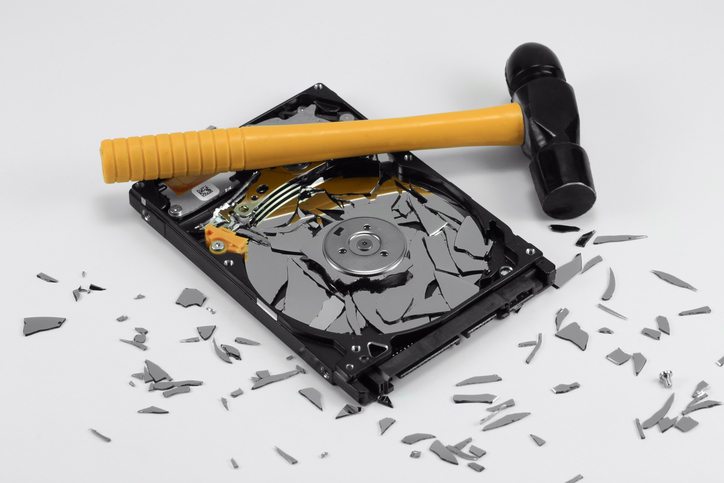
    For highly sensitive data, consider physically destroying the storage media, such as hard drives or memory cards, to prevent data recovery.

    The Role of JR Recycling Solution Ltd. in Promoting Responsible E-Waste Management

    Commitment to Sustainability

    JR Recycling Solution Ltd. is committed to promoting sustainable e-waste management practices in Bangladesh. By providing comprehensive recycling services and raising public awareness, the company plays a crucial role in addressing the e-waste challenge.

    Community Engagement

    JR Recycling Solution Ltd. actively engages with the community through workshops, seminars, and social media campaigns. These initiatives aim to educate people about the importance of e-waste recycling and encourage responsible disposal practices.

    Collaboration with Government and Industry

    JR Recycling Solution Ltd. collaborates with government agencies and industry partners to develop and implement effective e-waste management strategies. This collaborative approach helps to create a robust and sustainable e-waste management infrastructure in Bangladesh.

    Conclusion

    Recycling mobile phones and laptops in Bangladesh is not only feasible but also essential for protecting the environment and human health. Companies like JR Recycling Solution Ltd. are leading the way in responsible e-waste management by providing comprehensive solutions for the collection, recycling, and disposal of electronic waste. By following the steps outlined in this guide, you can ensure that your e-waste is disposed of safely and sustainably. Remember, recycling e-waste not only conserves valuable resources but also promotes economic development and protects human health. By choosing to recycle your e-waste with JR Recycling Solution Ltd., you contribute to a greener, healthier, and more sustainable future for Bangladesh.

  • JR Recycling Solution Ltd Data Destruction Process

    JR Recycling Solution Ltd Data Destruction Process

    JR Recycling Solution Ltd is dedicated to providing secure and environmentally responsible data destruction services. Our comprehensive data destruction process ensures that all sensitive information is irretrievably destroyed, safeguarding our clients’ privacy and complying with regulatory standards. Below, we outline our meticulous data destruction process, designed to deliver maximum security and peace of mind.

    What is Data Destruction?

    Data destruction is the process of destroying data stored on tapes, hard disks, and other forms of electronic media so that it’s completely unreadable and can’t be accessed or used for unauthorized purposes. When data is deleted, it is no longer readily accessible by the operating system, the application that created it, or any other software tool. However, deleting a file isn’t enough; data destruction software must be used to overwrite the available space and block random data until it’s considered irretrievable.

    The Importance of Data Destruction

    In an age where data breaches and privacy concerns are at the forefront, securely destroying data has become paramount. Whether you are a business owner or an individual, understanding the importance of properly disposing of sensitive information is crucial.

    • Protect Against Identity Theft and Fraud: Securely destroying data helps protect you from the risk of identity theft and fraud. Personal information such as social security numbers, bank account details, or medical records can be a goldmine for cybercriminals if it falls into the wrong hands. By ensuring this data is securely destroyed, you eliminate the possibility of it being accessed and misused.
    • Comply with Privacy Regulations: Complying with privacy regulations is another significant reason to prioritize data destruction. Many countries have implemented strict regulations, such as the General Data Protection Regulation (GDPR) in the European Union, which require organizations to safeguard personal data and dispose of it properly. Non-compliance with these regulations can lead to substantial fines and damage to your reputation.
    • Maintain Customer Trust: Securely disposing of data is crucial for maintaining the trust of your customers and clients. When individuals entrust you with their personal information, they expect it to be handled responsibly. By taking the necessary steps to securely destroy data, you demonstrate your commitment to protecting their privacy and earning their trust.

    The importance of data destruction cannot be overstated. It protects against identity theft and fraud, ensures compliance with privacy regulations, and maintains the trust of those who provide you with their personal information. Make data destruction a priority to safeguard sensitive information and uphold your reputation.

    Common Misconceptions about Data Destruction

    When it comes to data destruction, several common misconceptions can lead individuals and businesses down the wrong path. It’s important to debunk these misconceptions to ensure that data is safely and securely destroyed.

    • Deleting Files or Formatting a Hard Drive is Enough: Simply deleting files or formatting a hard drive is not enough to completely erase data. Deleting files only removes the pointers to the data, making it invisible to the operating system. The actual data remains on the storage device and can be recovered with the right tools and techniques.
    • Physical Destruction is the Only Foolproof Method: Another misconception is that the physical destruction of a storage device is the only foolproof method of data destruction. While physically destroying a device can render it inoperable, it is not always necessary and can be costly and environmentally unfriendly. There are more efficient and environmentally friendly methods of data destruction that involve securely overwriting the data on the device.
    • Data Encryption Alone Ensures Security: Some people believe that data encryption alone is enough to ensure data security. While encryption is crucial for protecting data while it is being stored or transmitted, it does not guarantee that the data cannot be recovered once the encryption keys are obtained. Proper data destruction is still necessary to prevent unauthorized access to sensitive information.

    Understanding the Risks of Improper Data Disposal

    Proper data disposal is a critical aspect of safeguarding your sensitive information. Failing to understand the risks associated with improper data disposal can have severe consequences for individuals and businesses alike.

    • Data Breaches: One of the primary risks of improper data disposal is data breaches. When data is not securely destroyed, it can fall into the wrong hands and be used maliciously. This can lead to identity theft, financial fraud, and other cybercrimes. Hackers and cybercriminals are constantly on the lookout for discarded devices or storage media that may contain valuable data.
    • Non-Compliance with Data Protection Regulations: Another risk is non-compliance with data protection regulations. Many countries and industries have regulations in place that require organizations to properly dispose of sensitive data. Failure to comply with these regulations can result in hefty fines and legal consequences.

    Legal and Regulatory Requirements for Data Destruction

    When it comes to data destruction, it’s not just about wiping your files and calling it a day. There are legal and regulatory requirements that must be considered to ensure compliance and avoid any potential legal repercussions. Different industries and regions may have specific laws and regulations regarding data protection and destruction. For example, the GDPR in the European Union has strict guidelines on how personal data should be handled and destroyed. Other countries, such as the United States, have various federal and state regulations that govern data destruction practices.

    It’s important to familiarize yourself with the specific legal and regulatory requirements that apply to your business. This may involve consulting with legal experts or data protection professionals who can guide you through the process. Some common legal and regulatory requirements for data destruction include:

    • Consent and Notification: Ensure that you have obtained proper consent from individuals before collecting and storing their data. Additionally, you may be required to notify individuals about the data destruction process and inform them of their rights.
    • Data Retention Periods: Certain industries or jurisdictions may require you to retain data for a specific period. However, once the retention period expires, it is essential to securely and permanently destroy the data.
    • Secure Destruction Methods: Legal and regulatory requirements may specify the methods and standards for data destruction. This can include physical destruction (such as shredding or incinerating physical media) or digital destruction (such as overwriting data or degaussing magnetic storage devices).
    • Documentation and Audit Trails: It’s important to maintain detailed records of your data destruction activities. This documentation can serve as evidence of compliance in case of an audit or legal inquiry.

    Non-compliance with data destruction regulations can result in severe consequences, including financial penalties, legal liabilities, and damage to your reputation. By understanding and adhering to the legal and regulatory requirements, you can ensure that your data destruction practices are both safe and secure.

    Different Types of Data Destruction

    It’s important to note that simply deleting data doesn’t destroy it. Deletion is an abstract concept that marks the storage spaces used by the data as free rather than used. Those freed storage spaces can then be used by other applications and data at some point. Until then, however, the actual data in those storage spaces remains intact and can be recovered, posing a potential security risk for the business. Data destruction means deliberately rendering the data inaccessible and unrecoverable.

    There are two broad data destruction methods:

    • Logical Data Destruction: This typically involves overwriting the data on the disk itself. Once data is deleted, another software tool overwrites the data content that remains present in those storage spaces. There are often several overwrite cycles to ensure that the underlying data is unrecoverable. The disk itself remains in perfect working condition and can continue normal service.
    • Physical Data Destruction: This generally involves imposing physical mechanisms to erase magnetic data or even destroy the storage device entirely. Data can be destroyed through degaussing, which destroys data on magnetic storage tapes and disk drives by changing the magnetic field. One caveat with this method is that the person who wishes to destroy data needs to know the exact strength of degaussing needed for each tape type and drive. Degaussing is widely discouraged as a data destruction method. Degaussing works to erase the entire device, making it effective for repurposing gear. However, degaussing is ineffective with solid-state drive devices because there’s no magnetic media to erase. Storage media can also be physically destroyed by using a mechanical device called a shredder to physically mangle tape, optical media, and hard disk drives. Destroying media can be a reasonable precaution for stringently regulated or highly guarded data.

    Our Data Destruction Process

    Step 1: Collection of Data-bearing Devices

    • Inventory and Tracking: We start by inventorying all data-bearing devices to be destroyed. Each item is logged into our tracking system, ensuring accountability and traceability throughout the process.
    • Secure Transport: Devices are securely transported from the client’s location to our data destruction facility. We use tamper-proof containers and GPS-tracked vehicles to guarantee the safety and integrity of the devices during transit.

    Step 2: Secure Storage

    • Controlled Environment: Upon arrival at our facility, devices are stored in a secure, access-controlled area. Our storage facilities are monitored 24/7 with advanced security systems to prevent unauthorized access.
    • Chain of Custody: We maintain a strict chain of custody protocol, documenting every movement and handling of the devices to ensure complete security and traceability.

    Step 3: Data Destruction Methods

    • Hard Drive Shredding: Physical destruction of hard drives by shredding them into tiny fragments, making data recovery impossible.
    • Degaussing: This process involves exposing magnetic storage devices to a powerful magnetic field, erasing all data stored on them.
    • Software-Based Data Wiping: For devices that will be repurposed or resold, we use certified data wiping software that meets industry standards for complete data erasure.

    Step 4: Verification and Certification

    • Verification: We verify the effectiveness of the data destruction process using specialized tools and techniques. Random samples are tested to ensure no data can be recovered.
    • Certification: After the destruction process is complete, we provide a certificate of data destruction. This certificate includes details of the devices destroyed, the methods used, and the date of destruction, ensuring compliance with regulatory requirements.

    Step 5: Environmentally Responsible Disposal

    • Recycling: All materials resulting from the destruction process are recycled in an environmentally responsible manner. We adhere to all local and international environmental regulations, minimizing our ecological footprint.
    • E-Waste Management: Components that cannot be recycled are disposed of following strict e-waste management protocols to prevent environmental contamination.

    Best Practices for Data Destruction

    There’s no single formula to ensure proper data destruction. Every business is different and faces varied data sets and regulatory obligations. The most effective approach to data destruction is to craft practices that meet the unique needs and vulnerabilities of the specific organization, but such practices often include considerations such as:

    • Understand the Data: The first step in data lifecycle management is understanding the types and importance of the varied data types being stored by the business. Proper data classification techniques, coupled with well-considered storage tiering and data inventory tools, can help to track all data across the enterprise, ensure each data type is stored on a suitable tier for any point in its lifecycle, and alert administrators for proper destruction when the data’s lifecycle has expired. One of the worst vulnerabilities for any organization is orphaned data, which is stored and used but isn’t properly tracked and managed.
    • Understand the Regulations: A business can be subject to numerous data protection and data privacy regulations depending on where it operates. It’s important to recognize the regulations that pertain to the business and then craft data lifecycle and destruction practices that meet all those underlying obligations. For example, some regulations might impose longer data retention requirements on certain data types, while other regulations might not.
    • Implement Proper DLM: It’s almost impossible for a single technology leader, or even an IT team, to manually track the lifecycle for every data element across an enterprise. The business must rely on suitable DLM software tools to inventory and manage all data, handle its proper storage, such as changing storage tiers over time, and ultimately schedule obsolete data for proper destruction.
    • Select Destruction Methodologies: Understand what proper data destruction looks like. This might involve advanced data erasure or overwriting software tools, as well as the physical destruction of actual storage media. It’s possible that different data types could require different destruction methodologies, so implement sound practices for each type. For example, if magnetic disks must be destroyed, sound practice might include placing such media inside locked storage while awaiting the scheduled arrival of a mobile data shredding service.
    • Include Third Parties: Data protection, including data destruction, must extend to any third parties that access or possess the organization’s data. Any contracts or agreements with third-party data processing or storage partners should absolutely include terms that define and enforce proper destruction of any business data in that partner’s possession.
    • Consider Contingencies: Take the time to consider potential data storage and access contingencies and unexpected ways that data destruction could come into play. For example, if a storage subsystem is subject to a support contract and an outside technician must access the storage subsystem either remotely or in person, does data need to be migrated to other storage and destroyed from the afflicted subsystem before it can be serviced by an outside party? Similarly, if the storage subsystem is to be retired or repurposed, how should data destruction be handled for that subsystem to preserve data security and regulatory obligations?
    • Ensure Accountability: Regulatory compliance can require written validation or human confirmation that any data subject to destruction has been destroyed, whether through logical destruction or physical destruction. Policies should include confirmation of data destruction by individuals responsible for managing that data. This could be as simple as a short form that details the data destroyed, who authorized the destruction, the method(s) used, and the date accomplished. Such confirmations are typically part of the organization’s overall data protection or DLM process.

    Data Destruction Policies and Standards

    There are numerous standards currently available to provide data destruction guidance. Some of the most important standards include:

    • ISO/IEC 27001: This broad, internationally accepted standard from the International Organization for Standardization (ISO) includes a systematic approach for managing and destroying sensitive information.
    • NIST 800-88: The National Institute for Standards and Technology (NIST) 800-88 standard is perhaps the most widely used data destruction standard in the U.S. and covers disposal, cleaning, purging, and destruction of various data media.

    There are also numerous standards that focus on logical data destruction using overwriting tools, including:

    • U.S. Air Force System Security Instruction 5020 (AFSSI-5020)
    • U.S. Army Regulation 25-2 (AR 25-2)
    • German Federal Office for Information Security (BSI-GS)
    • Communications Security Establishment Canada IT Security Guidance 06 (CSEC ITSG-06)
    • Russian State Technical Commission (GOST R-50739-95)
    • British HMG Infosec Standard 5 (HMG IS5)
    • Institute of Electrical and Electronics Engineers 2883 (IEEE 2883)
    • U.S. Navy Staff Office Publication 5239 Module 26 (NAVSO P-5239-26)
    • National Computer Security Center Technical Guidance 025 (NCSC-TG-025)

    Most businesses aren’t required to observe any specific data destruction standard as part of their own data destruction policy and practice. However, adopting or referencing an established data destruction standard can help the business craft a well-considered policy and can potentially help it defend against any data destruction errors or oversights when a broadly accepted data destruction standard is followed properly.

    Conclusion

    JR Recycling Solution Ltd’s data destruction process is designed to provide the highest level of security and reliability. From secure collection and storage to verified destruction and environmentally responsible disposal, we ensure that your sensitive data is handled with the utmost care and professionalism. Trust JR Recycling Solution Ltd for all your data destruction needs, and rest assured that your information is in safe hands.JR Recycling Solution Ltd’s data destruction process offers a comprehensive, secure, and environmentally responsible solution for disposing of your sensitive data. By leveraging our expertise and advanced methods, you can rest assured that your information is protected from unauthorized access and that you are compliant with all relevant regulations. Trust JR Recycling Solution Ltd for all your data destruction needs, and experience the confidence that comes with knowing your data is truly secure.