In today’s digital age, electronic devices have become an integral part of our lives. From smartphones to laptops, televisions to refrigerators, we rely heavily on electronic gadgets for our daily tasks. However, with the rapid advancement of technology, these devices often become obsolete quickly, leading to an increasing amount of electronic waste, or e-waste. Proper disposal of e-waste is crucial to protect the environment and human health from the harmful substances found in these products. In Bangladesh, JR Recycling Solution Ltd. is committed to providing responsible and efficient e-waste management solutions. This article will guide you through the process of safely disposing of old electronics in Bangladesh, highlighting the importance of e-waste recycling and the role of JR Recycling Solution Ltd.
Understanding E-Waste
What is E-Waste?
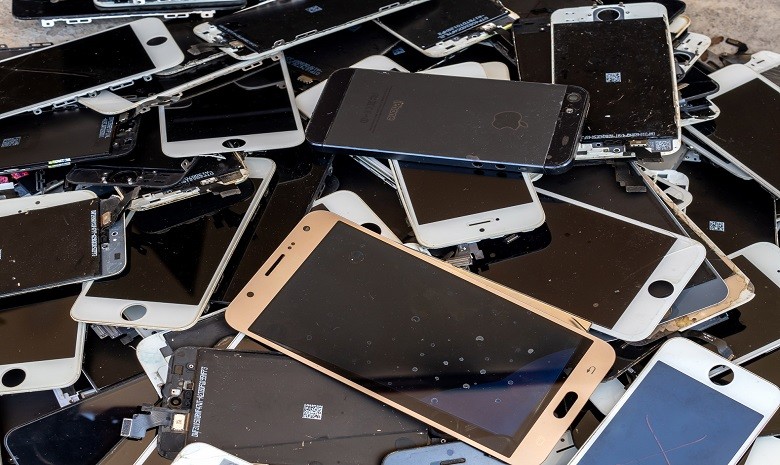
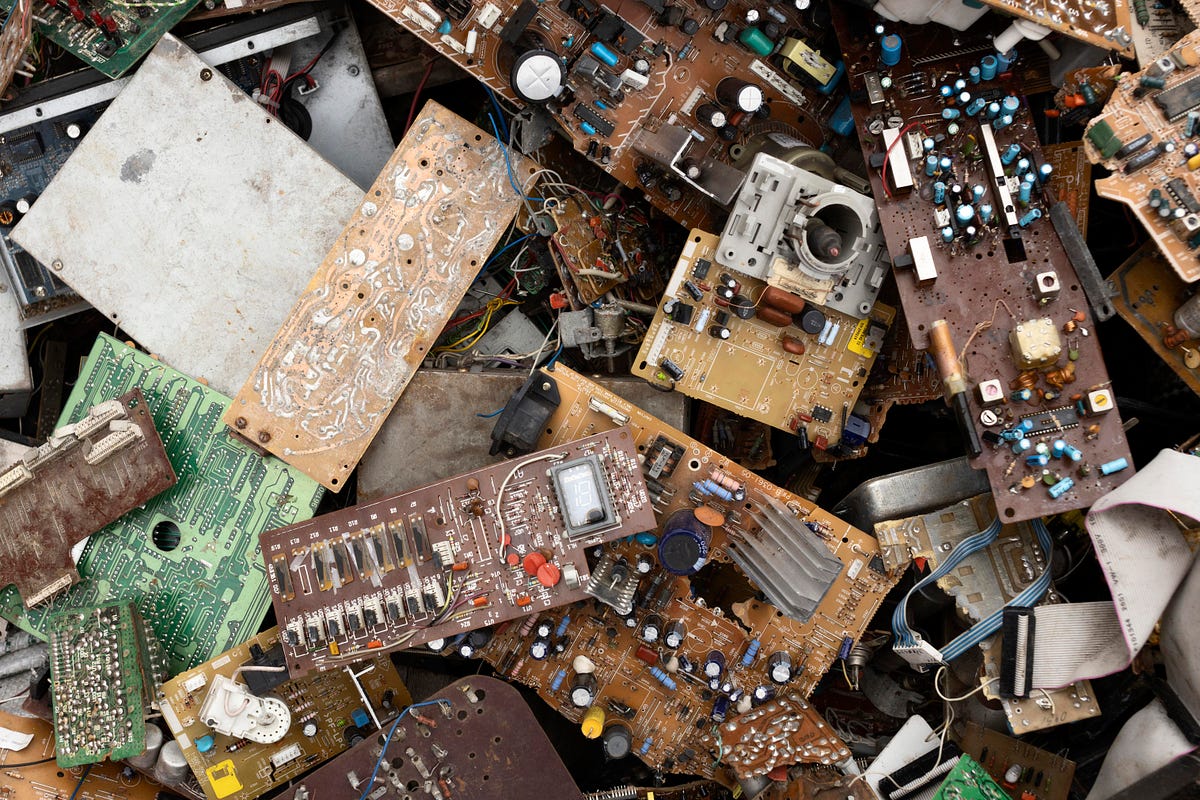
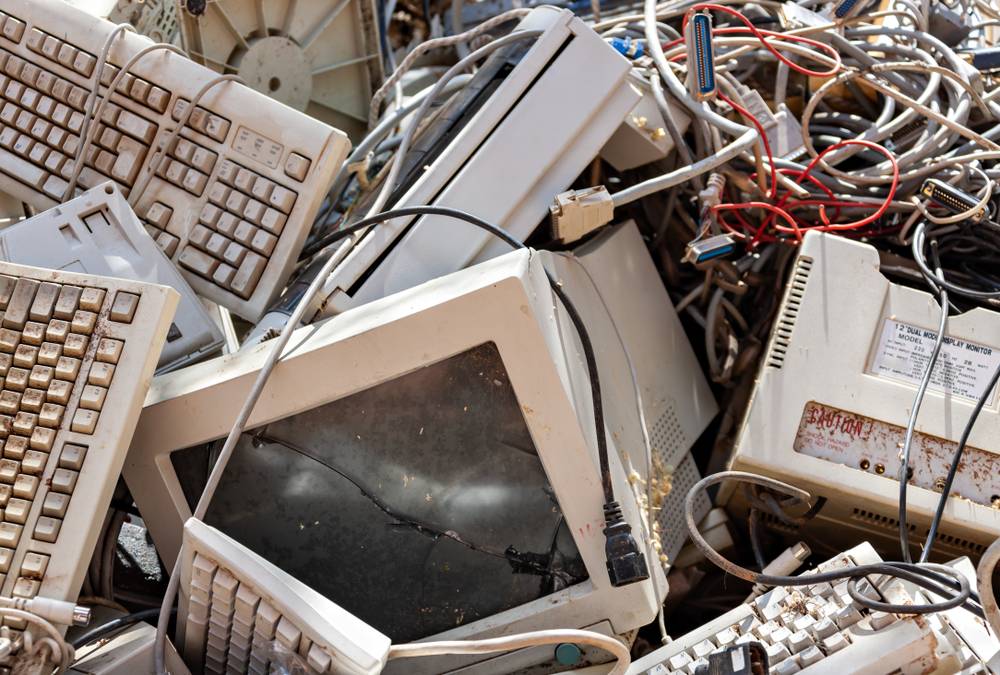
E-waste refers to discarded electronic devices and components that are no longer in use or have reached the end of their life cycle. This includes items such as old mobile phones, computers, printers, televisions, batteries, and other electronic gadgets. E-waste contains valuable materials like gold, silver, copper, and rare earth elements, as well as hazardous substances such as lead, mercury, cadmium, and brominated flame retardants.
The Environmental and Health Impact of E-Waste
Improper disposal of e-waste poses significant risks to the environment and human health. When e-waste is dumped in landfills or incinerated, toxic chemicals can leach into the soil and water, contaminating natural resources and affecting ecosystems. Exposure to hazardous substances from e-waste can lead to serious health issues, including respiratory problems, skin disorders, neurological damage, and even cancer. Therefore, it is essential to adopt sustainable e-waste management practices to minimize these risks.
E-Waste Management in Bangladesh
The Current Scenario
Bangladesh is witnessing a rapid increase in electronic waste due to the growing consumption of electronic devices. According to a report by the Bangladesh Telecommunication Regulatory Commission (BTRC), the country generated approximately 400,000 tons of e-waste in 2020, and this figure is expected to rise significantly in the coming years. Unfortunately, a large portion of this e-waste is managed through informal channels, where unregulated dismantling and recycling practices are common. These informal methods not only harm the environment but also expose workers to hazardous conditions.
Government Initiatives
Recognizing the importance of proper e-waste management, the Government of Bangladesh has taken several steps to address the issue. The Department of Environment (DoE) has formulated guidelines and regulations to promote safe e-waste disposal and recycling practices. Additionally, awareness campaigns and educational programs are being conducted to inform the public about the dangers of improper e-waste disposal and the benefits of recycling.
JR Recycling Solution Ltd.: Leading the Way in E-Waste Management
About JR Recycling Solution Ltd.
JR Recycling Solution Ltd. is a pioneering company in the field of e-waste management in Bangladesh. Established with the vision of creating a sustainable environment, JR Recycling Solution Ltd. offers comprehensive solutions for the collection, recycling, and disposal of electronic waste. The company follows international standards and best practices to ensure safe and environmentally friendly e-waste management.
Services Offered
JR Recycling Solution Ltd. provides a range of services to facilitate the proper disposal and recycling of e-waste:
Collection Services: The company offers convenient collection services for individuals and businesses. You can schedule a pickup for your old electronics, and JR Recycling Solution Ltd. will ensure they are transported safely to their recycling facility.
Recycling and Dismantling: At their state-of-the-art recycling facility, JR Recycling Solution Ltd. employs advanced techniques to dismantle and recycle electronic devices. Valuable materials are extracted for reuse, while hazardous substances are treated and disposed of safely.
Data Destruction: For businesses and individuals concerned about data security, JR Recycling Solution Ltd. provides secure data destruction services. This ensures that all sensitive information is completely erased from electronic devices before recycling.
Public Awareness Campaigns: JR Recycling Solution Ltd. actively engages in public awareness campaigns to educate the community about the importance of e-waste recycling. Through workshops, seminars, and social media initiatives, they aim to promote responsible e-waste disposal practices.
How to Dispose of Old Electronics with JR Recycling Solution Ltd.
Step-by-Step Guide
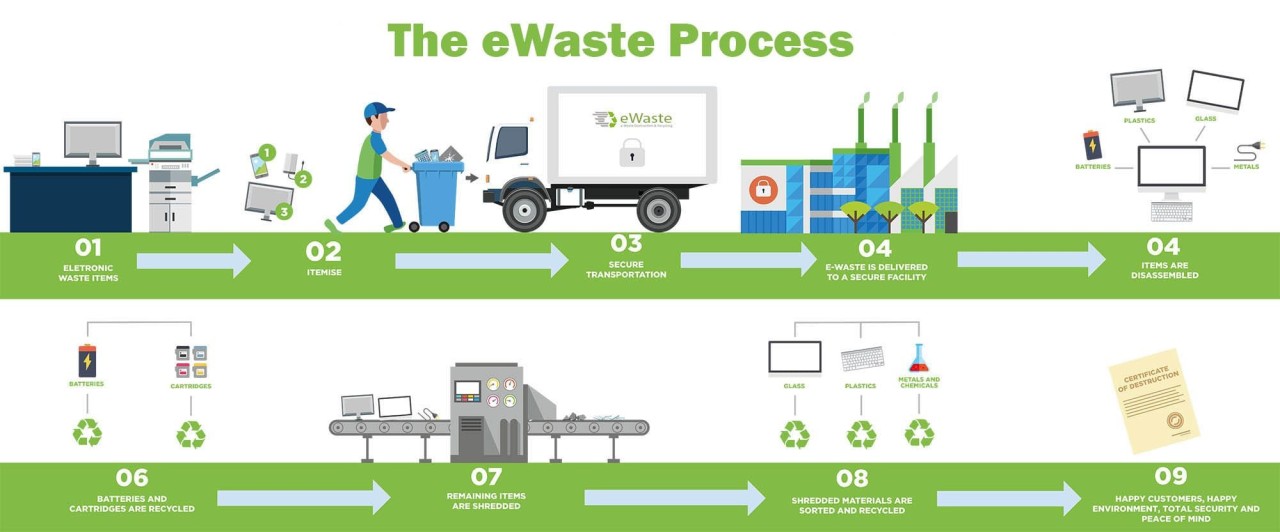
Identify Your E-Waste: Make a list of the electronic items you want to dispose of. This could include old smartphones, laptops, chargers, batteries, and other gadgets.
Schedule a Pickup: Contact JR Recycling Solution Ltd. to schedule a pickup. You can do this through their website, by phone, or via email. Provide details about the items you wish to dispose of and your preferred pickup time.
Prepare Your E-Waste: Before the scheduled pickup, ensure that all personal data is removed from your devices. For data security, consider using data destruction software or resetting your devices to factory settings.
Collection: JR Recycling Solution Ltd. will send a team to collect your e-waste. They will transport the items to their recycling facility for processing.
Recycling Process: At the facility, the e-waste is carefully dismantled. Valuable materials are recovered for reuse, while hazardous substances are treated to prevent environmental contamination.
Receive a Certificate: After the recycling process is complete, JR Recycling Solution Ltd. will provide you with a certificate of recycling. This document confirms that your e-waste has been disposed of responsibly.
The Importance of Recycling E-Waste
Environmental Benefits
Recycling e-waste has numerous environmental benefits. By recovering valuable materials from old electronics, we reduce the need for mining and extraction of raw materials, which often leads to habitat destruction and pollution. Additionally, recycling helps conserve energy and reduces greenhouse gas emissions associated with the production of new electronic devices. By choosing to recycle your e-waste with JR Recycling Solution Ltd., you contribute to a greener and more sustainable planet.
Economic Benefits
E-waste recycling also has significant economic advantages. The extraction of precious metals and other valuable materials from e-waste can create economic opportunities and generate revenue. Additionally, recycling promotes the growth of the recycling industry, creating jobs and supporting local economies. By supporting companies like JR Recycling Solution Ltd., you help foster economic development and sustainability in Bangladesh.
Health Benefits
Proper e-waste disposal and recycling help protect human health by preventing exposure to hazardous substances. When electronic devices are dismantled and recycled in controlled environments, workers are less likely to come into contact with toxic chemicals. This reduces the risk of health problems and ensures a safer working environment. By choosing responsible e-waste management, you contribute to the well-being of workers and communities.
Tips for Reducing E-Waste
Extend the Life of Your Electronics
One of the most effective ways to reduce e-waste is to extend the life of your electronic devices. Here are some tips to help you do that:
Regular Maintenance: Keep your devices clean and perform regular maintenance to ensure they function properly.
Software Updates: Install software updates to keep your devices running smoothly and securely.
Repair Instead of Replace: If your device is damaged, consider repairing it instead of replacing it. Many electronic devices can be easily repaired, extending their lifespan.
Use Protective Cases: Use protective cases and screen protectors to prevent damage to your devices.
Donate or Sell Working Electronics
If your electronic devices are still in working condition, consider donating or selling them. Many organizations accept donations of used electronics, which can be refurbished and given to those in need. Additionally, you can sell your old devices online or through local classifieds, giving them a second life and reducing e-waste.
Choose Eco-Friendly Electronics
When purchasing new electronic devices, opt for eco-friendly options. Look for products that are energy-efficient, made from sustainable materials, and have a longer lifespan. Additionally, consider buying from companies that have strong environmental and recycling policies.
Conclusion
Proper disposal of old electronics is crucial for protecting the environment and human health. In Bangladesh, JR Recycling Solution Ltd. is leading the way in responsible e-waste management. By following the steps outlined in this guide, you can ensure that your e-waste is disposed of safely and sustainably. Remember, recycling e-waste not only conserves valuable resources but also promotes economic development and protects human health. Make the responsible choice today and contribute to a greener future with JR Recycling Solution Ltd.
In today’s fast-paced world, electronic devices like mobile phones and laptops have become indispensable. However, the rapid advancement of technology leads to frequent upgrades, resulting in a growing pile of outdated electronic devices. This accumulation of electronic waste, or e-waste, poses significant environmental and health hazards. Proper disposal and recycling of these devices are crucial. In Bangladesh, e-waste management is becoming increasingly important, and companies like JR Recycling Solution Ltd. are spearheading efforts to provide sustainable solutions. This article explores the feasibility and importance of recycling mobile phones and laptops in Bangladesh, offering a comprehensive guide to the process and highlighting the role of JR Recycling Solution Ltd. in promoting responsible e-waste management.
What Constitutes E-Waste?
E-waste includes discarded electronic devices and components that are no longer functional or have reached the end of their usable life. This category encompasses mobile phones, laptops, tablets, chargers, batteries, and other electronic accessories. E-waste contains valuable materials such as gold, silver, and copper, as well as hazardous substances like lead, mercury, and cadmium, which can pose significant environmental and health risks if not managed properly.
Environmental and Health Implications of E-Waste
Improper disposal of e-waste can lead to severe environmental degradation and health issues. Toxic chemicals from e-waste can leach into the soil and water, contaminating natural resources and harming ecosystems. Exposure to these hazardous substances can result in respiratory problems, skin disorders, neurological damage, and even cancer. Therefore, it is crucial to adopt sustainable e-waste management practices to minimize these risks and protect both the environment and human health.
The E-Waste Scenario in Bangladesh
Current State of E-Waste Management
Bangladesh is experiencing a surge in electronic waste due to the increasing use of electronic devices. According to a report by the Bangladesh Telecommunication Regulatory Commission (BTRC), the country generated approximately 400,000 tons of e-waste in 2020, a figure expected to rise significantly in the coming years. Unfortunately, much of this e-waste is processed through informal channels, where unregulated dismantling and recycling practices prevail. These informal methods not only harm the environment but also expose workers to dangerous conditions.
Government Initiatives and Regulations
Recognizing the urgency of proper e-waste management, the Government of Bangladesh has implemented several measures to address the issue. The Department of Environment (DoE) has established guidelines and regulations to promote safe e-waste disposal and recycling practices. Additionally, awareness campaigns and educational programs are conducted to inform the public about the dangers of improper e-waste disposal and the benefits of recycling.
JR Recycling Solution Ltd.: A Pioneer in E-Waste Management
About JR Recycling Solution Ltd.
JR Recycling Solution Ltd. is a leading company in the field of e-waste management in Bangladesh. With a vision of creating a sustainable environment, JR Recycling Solution Ltd. offers comprehensive solutions for the collection, recycling, and disposal of electronic waste. The company adheres to international standards and best practices to ensure safe and environmentally friendly e-waste management.
Services Offered by JR Recycling Solution Ltd.
Collection Services
JR Recycling Solution Ltd. provides convenient collection services for individuals and businesses. You can schedule a pickup for your old electronics, and the company will ensure that they are transported safely to their recycling facility.
Recycling and Dismantling
At their state-of-the-art recycling facility, JR Recycling Solution Ltd. employs advanced techniques to dismantle and recycle electronic devices. Valuable materials are extracted for reuse, while hazardous substances are treated and disposed of safely.
Data Destruction
For businesses and individuals concerned about data security, JR Recycling Solution Ltd. offers secure data destruction services. This ensures that all sensitive information is completely erased from electronic devices before recycling.
Public Awareness Campaigns
JR Recycling Solution Ltd. actively engages in public awareness campaigns to educate the community about the importance of e-waste recycling. Through workshops, seminars, and social media initiatives, they aim to promote responsible e-waste disposal practices.
The Process of Recycling Mobile Phones and Laptops
Step-by-Step Guide to Recycling with JR Recycling Solution Ltd.
Identify Your E-Waste
Make a list of the electronic items you want to dispose of, including old mobile phones, laptops, chargers, and batteries.
Schedule a Pickup
Contact JR Recycling Solution Ltd. to schedule a pickup. You can do this through their website, by phone, or via email. Provide details about the items you wish to dispose of and your preferred pickup time.
Prepare Your E-Waste
Before the scheduled pickup, ensure that all personal data is removed from your devices. For data security, consider using data destruction software or resetting your devices to factory settings.
Collection
JR Recycling Solution Ltd. will send a team to collect your e-waste. They will transport the items to their recycling facility for processing.
Recycling Process
At the facility, the e-waste is carefully dismantled. Valuable materials are recovered for reuse, while hazardous substances are treated to prevent environmental contamination.
Receive a Certificate
After the recycling process is complete, JR Recycling Solution Ltd. will provide you with a certificate of recycling. This document confirms that your e-waste has been disposed of responsibly.
The Benefits of Recycling E-Waste
Environmental Benefits
Recycling e-waste has numerous environmental benefits. By recovering valuable materials from old electronics, we reduce the need for mining and extraction of raw materials, which often leads to habitat destruction and pollution. Additionally, recycling helps conserve energy and reduces greenhouse gas emissions associated with the production of new electronic devices. By choosing to recycle your e-waste with JR Recycling Solution Ltd., you contribute to a greener and more sustainable planet.
Economic Benefits
E-waste recycling also has significant economic advantages. The extraction of precious metals and other valuable materials from e-waste can create economic opportunities and generate revenue. Additionally, recycling promotes the growth of the recycling industry, creating jobs and supporting local economies. By supporting companies like JR Recycling Solution Ltd., you help foster economic development and sustainability in Bangladesh.
Health Benefits
Proper e-waste disposal and recycling help protect human health by preventing exposure to hazardous substances. When electronic devices are dismantled and recycled in controlled environments, workers are less likely to come into contact with toxic chemicals. This reduces the risk of health problems and ensures a safer working environment. By choosing responsible e-waste management, you contribute to the well-being of workers and communities.
Challenges and Solutions in E-Waste Recycling in Bangladesh
Challenges
Lack of Awareness
One of the primary challenges in e-waste recycling in Bangladesh is the lack of awareness among the public about the importance of proper e-waste disposal and recycling. Many people are unaware of the environmental and health hazards associated with e-waste and do not know how to dispose of their old electronics responsibly.
Informal Recycling Sector
The informal recycling sector dominates the e-waste management landscape in Bangladesh. Informal recyclers often use unsafe and environmentally harmful methods to dismantle and extract materials from electronic devices. This not only damages the environment but also exposes workers to hazardous substances.
Insufficient Infrastructure
The existing infrastructure for e-waste management in Bangladesh is inadequate to handle the growing volume of e-waste. There is a need for more recycling facilities, collection centers, and proper disposal mechanisms to manage e-waste effectively.
Solutions
Increasing Public Awareness
To address the lack of awareness, it is essential to conduct extensive public education campaigns about the importance of e-waste recycling. Schools, universities, and community organizations can play a vital role in spreading awareness and educating people about responsible e-waste disposal practices.
Formalizing the Recycling Sector
The government and private sector should work together to formalize the recycling sector by providing training and resources to informal recyclers. This will help improve the safety and efficiency of e-waste management practices and reduce environmental and health risks.
Enhancing Infrastructure
Investing in the development of e-waste management infrastructure is crucial to handle the increasing volume of e-waste. Establishing more recycling facilities, collection centers, and safe disposal mechanisms will ensure that e-waste is managed effectively and sustainably.
Tips for Reducing E-Waste
Extend the Life of Your Electronics
One of the most effective ways to reduce e-waste is to extend the life of your electronic devices. Here are some tips to help you do that:
Regular Maintenance
Keep your devices clean and perform regular maintenance to ensure they function properly.
Software Updates
Install software updates to keep your devices running smoothly and securely.
Repair Instead of Replace
If your device is damaged, consider repairing it instead of replacing it. Many electronic devices can be easily repaired, extending their lifespan.
Use Protective Cases
Use protective cases and screen protectors to prevent damage to your devices.
Donate or Sell Working Electronics
If your electronic devices are still in working condition, consider donating or selling them. Many organizations accept donations of used electronics, which can be refurbished and given to those in need. Additionally, you can sell your old devices online or through local classifieds, giving them a second life and reducing e-waste.
Choose Eco-Friendly Electronics
When purchasing new electronic devices, opt for eco-friendly options. Look for products that are energy-efficient, made from sustainable materials, and have a longer lifespan. Additionally, consider buying from companies that have strong environmental and recycling policies.
How to Ensure Data Security Before Recycling
Importance of Data Security
Before recycling your mobile phones and laptops, it is essential to ensure that all personal data is securely erased. This prevents unauthorized access to sensitive information and protects your privacy.
Steps to Secure Data Erasure
Backup Your Data
Before erasing data, make sure to back up important files and information to an external storage device or cloud service.
Use Data Destruction Software
There are several software programs available that can securely erase data from your devices. These programs overwrite existing data, making it unrecoverable.
Factory Reset
Perform a factory reset on your devices to erase all personal data. This is a simple and effective way to ensure data security.
Physical Destruction
For highly sensitive data, consider physically destroying the storage media, such as hard drives or memory cards, to prevent data recovery.
The Role of JR Recycling Solution Ltd. in Promoting Responsible E-Waste Management
Commitment to Sustainability
JR Recycling Solution Ltd. is committed to promoting sustainable e-waste management practices in Bangladesh. By providing comprehensive recycling services and raising public awareness, the company plays a crucial role in addressing the e-waste challenge.
Community Engagement
JR Recycling Solution Ltd. actively engages with the community through workshops, seminars, and social media campaigns. These initiatives aim to educate people about the importance of e-waste recycling and encourage responsible disposal practices.
Collaboration with Government and Industry
JR Recycling Solution Ltd. collaborates with government agencies and industry partners to develop and implement effective e-waste management strategies. This collaborative approach helps to create a robust and sustainable e-waste management infrastructure in Bangladesh.
Conclusion
Recycling mobile phones and laptops in Bangladesh is not only feasible but also essential for protecting the environment and human health. Companies like JR Recycling Solution Ltd. are leading the way in responsible e-waste management by providing comprehensive solutions for the collection, recycling, and disposal of electronic waste. By following the steps outlined in this guide, you can ensure that your e-waste is disposed of safely and sustainably. Remember, recycling e-waste not only conserves valuable resources but also promotes economic development and protects human health. By choosing to recycle your e-waste with JR Recycling Solution Ltd., you contribute to a greener, healthier, and more sustainable future for Bangladesh.
In today’s fast-paced technological landscape, the rapid turnover of electronic devices has resulted in a significant increase in electronic waste, or e-waste. Proper disposal and recycling of this waste are critical to minimizing its environmental impact and recovering valuable materials. JR Recycling Solutions Ltd. is at the forefront of responsible e-waste recycling, committed to sustainable practices that protect the environment and support the circular economy. This comprehensive guide explores the company’s initiatives, processes, and contributions to responsible e-waste recycling.
Understanding E-Waste: Definition and Scope
What is E-Waste?
Electronic waste, or e-waste, refers to any discarded electronic device or component that has reached the end of its useful life. This includes a wide range of devices, from smartphones and laptops to refrigerators and televisions. E-waste contains valuable materials such as metals (gold, silver, copper), plastics, glass, and hazardous substances like lead, mercury, and cadmium.
Scope and Growth of E-Waste
The proliferation of electronic devices and rapid technological advancements have contributed to the exponential growth of e-waste globally. According to recent studies, approximately 53.6 million metric tons of e-waste was generated worldwide in 2019, with projections indicating continued growth in the coming years. Managing this growing volume of e-waste responsibly is essential to prevent environmental pollution and resource depletion.
The Significance of E-Waste Recycling
Environmental Protection
E-waste contains hazardous substances such as lead, mercury, and cadmium, which can harm the environment if not properly managed. These toxic materials can leach into soil and water, causing pollution and health risks to communities. JR Recycling Solutions Ltd. ensures that e-waste is handled safely, preventing these contaminants from entering ecosystems.
Resource Conservation
Electronic devices are rich in precious metals like gold, silver, and copper. Recycling these materials reduces the need for mining, conserves natural resources, and lowers energy consumption. JR Recycling Solutions Ltd. focuses on efficient recovery of these valuable resources, contributing to resource conservation.
Economic Benefits
The e-waste recycling industry generates significant economic benefits, including job creation and economic growth. By investing in advanced recycling technologies and processes, JR Recycling Solutions Ltd. provides employment opportunities and supports the local economy.
Social and Health Implications
E-waste recycling is not only an environmental issue but also a social and health concern. Informal recycling practices, often prevalent in developing countries, expose workers and local communities to hazardous materials during the manual dismantling and processing of e-waste. Improving e-waste recycling practices globally is essential to protect the health and well-being of individuals involved in recycling operations and nearby communities.
Challenges in E-Waste Recycling
Volume and Complexity
The diverse range of electronic products and their complex composition pose challenges for recycling. Different devices require specific methods for disassembly and material recovery. JR Recycling Solutions Ltd. has developed specialized techniques to manage this complexity efficiently.
Informal Recycling Sector
In many regions, e-waste is handled by informal sectors lacking proper safety measures, leading to environmental pollution and health hazards. JR Recycling Solutions Ltd. partners with local governments and organizations to promote formal recycling practices, ensuring safe and sustainable operations.
Consumer Awareness
A significant challenge in e-waste recycling is the lack of consumer awareness about proper disposal methods. Many people are unaware of the environmental impact of e-waste and how to recycle their old electronics responsibly. JR Recycling Solutions Ltd. runs educational campaigns to inform the public about the importance of e-waste recycling.
Regulatory Framework
Inconsistent regulations across different countries complicate the management of e-waste. Effective legislation is essential to ensure standardized recycling practices. JR Recycling Solutions Ltd. advocates for stringent regulations and compliance to ensure responsible recycling.
JR Recycling Solutions Ltd.: Commitment to Responsible E-Waste Recycling
Consumer Education and Awareness
JR Recycling Solutions Ltd. recognizes the importance of educating consumers about e-waste recycling. The company conducts awareness campaigns, workshops, and seminars to inform the public about the environmental impact of e-waste and the proper methods for disposal. By partnering with schools, community centers, and businesses, JR Recycling Solutions Ltd. ensures widespread dissemination of information.
Product Design and Manufacturing
JR Recycling Solutions Ltd. collaborates with manufacturers to promote the design of products that are easier to recycle. This includes reducing the use of hazardous materials, designing for disassembly, and labeling components for recycling. By influencing product design, the company helps ensure that electronic devices can be recycled more efficiently at the end of their lifecycle.
Collection and Logistics
Efficient collection systems are crucial for effective e-waste recycling. JR Recycling Solutions Ltd. has established a comprehensive network of collection points, including drop-off locations, take-back programs, and curbside collection services. This extensive network ensures that consumers have convenient access to e-waste disposal options, increasing the rate of recycling.
Advanced Recycling Facilities
JR Recycling Solutions Ltd. invests in state-of-the-art recycling facilities equipped with the latest technology. These facilities are designed to handle the complex processes involved in e-waste recycling, from disassembly to material recovery. The company employs advanced techniques such as automated sorting, chemical extraction, and mechanical processing to maximize the recovery of valuable materials.
Regulatory Compliance and Certification
JR Recycling Solutions Ltd. adheres to stringent environmental and safety standards. The company is certified by relevant regulatory bodies and follows best practices in e-waste recycling. By maintaining high standards of operation, JR Recycling Solutions Ltd. ensures that its processes are environmentally responsible and safe for workers.
Extended Producer Responsibility (EPR)
Extended Producer Responsibility (EPR) is a policy approach that holds manufacturers accountable for the entire lifecycle of their products, including end-of-life disposal. JR Recycling Solutions Ltd. supports and promotes EPR policies, working closely with manufacturers to implement take-back programs and ensure the responsible recycling of electronic products.
Case Studies and Success Stories
Community Engagement Programs
JR Recycling Solutions Ltd. has launched several community engagement programs aimed at increasing awareness and participation in e-waste recycling. For instance, the company collaborated with local schools to organize e-waste collection drives, educating students and parents about the importance of recycling electronics. These initiatives have significantly increased e-waste collection rates in participating communities.
Corporate Partnerships
JR Recycling Solutions Ltd. partners with various corporations to manage their e-waste responsibly. By providing customized recycling solutions, the company helps businesses reduce their environmental footprint and comply with regulatory requirements. These partnerships have resulted in the successful recycling of large volumes of e-waste, contributing to resource conservation and environmental protection.
Technological Innovations
JR Recycling Solutions Ltd. is at the forefront of technological innovation in e-waste recycling. The company has developed proprietary technologies for the efficient extraction of valuable materials from electronic waste. These innovations not only improve recycling efficiency but also reduce the environmental impact of the recycling process.
The Role of Stakeholders in E-Waste Recycling
Manufacturers
Manufacturers play a crucial role in the e-waste recycling ecosystem. By designing products that are easier to recycle and participating in take-back programs, manufacturers can significantly contribute to responsible e-waste management. JR Recycling Solutions Ltd. collaborates with manufacturers to promote sustainable product design and end-of-life management.
Consumers
Consumers are key stakeholders in the e-waste recycling process. By responsibly disposing of their electronic devices and supporting companies with sustainable practices, consumers can help reduce the environmental impact of e-waste. JR Recycling Solutions Ltd. empowers consumers with the knowledge and resources to make environmentally responsible choices.
Governments
Governments play a vital role in regulating and promoting e-waste recycling. Effective legislation, enforcement of regulations, and support for recycling infrastructure are essential for successful e-waste management. JR Recycling Solutions Ltd. advocates for robust regulatory frameworks and collaborates with governments to implement effective e-waste recycling policies.
Recyclers
Recycling facilities are the backbone of the e-waste recycling industry. By adhering to best practices and maintaining high environmental and safety standards, recyclers can ensure that e-waste is processed responsibly. JR Recycling Solutions Ltd. sets an example for the industry by maintaining state-of-the-art facilities and following stringent operational protocols.
Non-Governmental Organizations (NGOs)
NGOs play a critical role in advocating for responsible e-waste recycling, conducting awareness campaigns, and supporting informal sector workers. JR Recycling Solutions Ltd. partners with NGOs to promote sustainable practices and improve the conditions of workers in the e-waste recycling industry.
Future Trends in E-Waste Recycling
Technological Advancements
Advances in recycling technology, such as robotics and artificial intelligence, have the potential to significantly improve the efficiency and accuracy of e-waste processing. JR Recycling Solutions Ltd. is committed to investing in and adopting these technologies to enhance its recycling capabilities.
Circular Economy
The concept of a circular economy, where products are designed for longevity, reuse, and recycling, is gaining traction. JR Recycling Solutions Ltd. supports the transition to a circular economy by promoting sustainable product design and efficient material recovery.
Global Collaboration
International cooperation is essential to address the global e-waste challenge. Sharing best practices, technology, and knowledge can lead to more effective e-waste management strategies. JR Recycling Solutions Ltd. actively participates in global forums and collaborates with international organizations to promote responsible e-waste recycling.
Policy Development
Extended Producer Responsibility (EPR) policies are becoming more prevalent worldwide. These policies hold manufacturers accountable for the lifecycle of their products, encouraging sustainable design and end-of-life management. JR Recycling Solutions Ltd. advocates for the adoption of EPR policies and works with policymakers to develop effective regulations.
Jr Recycling: Leaders in Responsible E-Waste Recycling
Commitment to Sustainability
Jr Recycling is a leader in responsible e-waste recycling, committed to environmental stewardship and sustainability. They operate state-of-the-art recycling facilities equipped with advanced technologies for processing e-waste safely and efficiently. By recovering valuable materials from e-waste, Jr Recycling reduces environmental impact and supports resource conservation efforts.
Data Security Assurance
Jr Recycling prioritizes data security and privacy in e-waste recycling processes. They offer certified data destruction services to ensure that all sensitive information stored on electronic devices is securely erased or destroyed. Compliance with industry standards and best practices guarantees that data remains protected throughout the recycling process.
Community Engagement and Education
Jr Recycling engages with communities through educational initiatives and outreach programs on responsible e-waste recycling practices. They raise awareness about the environmental and social impacts of e-waste, promote sustainable recycling practices, and empower individuals and businesses to make informed decisions. By fostering a culture of responsibility and sustainability, Jr Recycling contributes to positive environmental outcomes and encourages widespread adoption of responsible e-waste recycling practices.
Conclusion
JR Recycling Solutions Ltd. is dedicated to responsible e-waste recycling, combining advanced technology, consumer education, and regulatory compliance to manage electronic waste sustainably. The company’s comprehensive approach ensures that valuable resources are recovered, environmental impact is minimized, and economic benefits are realized. By fostering collaboration among stakeholders and embracing innovative practices, JR Recycling Solutions Ltd. is leading the way toward a sustainable future in e-waste management.
Through continuous improvement and commitment to best practices, JR Recycling Solutions Ltd. aims to set new standards in the industry, contributing to a cleaner, greener, and more sustainable world. Whether you are a consumer, manufacturer, or policymaker, JR Recycling Solutions Ltd. invites you to join the effort in promoting responsible e-waste recycling and protecting our planet for future generations.
Ever wondered where your old mobile phones, laptops, or that first-ever TV you bought disappear to after you toss them? Well, in Bangladesh, they don’t just vanish into thin air—they’re part of a growing mountain of electronic waste, or e-waste. It’s like our favorite gadgets have their own afterlife, and spoiler alert, it’s not pretty! From Dhaka’s bustling streets to remote villages, e-waste is piling up faster than we can say “upgrade.” With landfills turning into electronic jungles, the big question is: How do we recycle all this tech trash before it comes back to haunt us? Let’s unpack the story of e-waste recycling in Bangladesh and see how we can clean up the mess we’ve made.
E-Waste Recycling in Bangladesh
E-waste recycling in Bangladesh refers to the process of collecting, processing, and reusing discarded electronic devices to recover valuable materials and reduce environmental hazards. Bangladesh generates approximately 300,000 tons of e-waste annually, with only about 5% being properly recycled.
Key facts about e-waste recycling in Bangladesh:
• Annual e-waste generation: 300,000 tons
• Properly recycled: 5%
• Projected e-waste by 2030: Over 1 million tons
• Major sources: Cities like Dhaka and Chittagong
• Key players: Small Scrap Dealers (SCDs), Large Scrap Dealers (LCDs), and formal recycling companies
E-Waste Generation in Bangladesh
Let’s talk about a big question: How much electronic waste, or e-waste, does Bangladesh create each year? Hold onto your hats, because the numbers are eye-opening! According to the Environment and Social Development Organization (ESDO), Bangladesh produces about 300,000 tons of e-waste every year. That’s like having 30,000 elephants worth of old gadgets piling up!
So, where is all this e-waste coming from? It’s no secret! Cities like Dhaka and Chittagong are growing fast, and with that growth comes a love for new technology. Think of these cities as busy beehives buzzing with activity. New phones and gadgets are flying off the shelves, while old ones are tossed aside like last year’s toys. In Dhaka alone, there are over 20 million mobile phone users. Just imagine how quickly those old devices are piling up!
But it’s not just phones adding to the mess. Old computers and other electronic devices from homes contribute to the problem too. The Ministry of Environment and Forestry (MoEF) warns that as technology continues to grow, e-waste in Bangladesh could reach over 1 million tons by 2030. That’s a mountain of old electronics!
The problem isn’t just about the amount of e-waste; it’s also about what’s in it. Many of these discarded devices contain harmful materials like lead, mercury, and cadmium. These toxic metals don’t just disappear when you throw your old computer away; they stick around and can harm our health and the environment. It’s like finding out that some chocolates in a box are filled with yucky surprises!
So, what does this mean for Bangladesh? It means we need to work together to solve this problem before it gets worse. Just like a pot of water boiling on the stove, if we don’t take action soon, we’ll have a big mess to clean up! With more people and more technology, it’s time to get serious about recycling and managing our e-waste.
Here’s a table summarizing the key information about e-waste in Bangladesh based on the provided details:
Topic
Details
Annual E-Waste Generation
300,000 tons per year
Comparison
Equivalent to 30,000 elephants of old gadgets
Key Sources of E-Waste
Cities like Dhaka and Chittagong; rapid growth in technology usage
Mobile Phone Users in Dhaka
Over 20 million
E-Waste Projection by 2030
Over 1 million tons according to the Ministry of Environment and Forestry (MoEF)
Types of E-Waste
Mobile phones, computers, and other electronic devices
Harmful Materials in E-Waste
Lead, mercury, cadmium (toxic metals)
Environmental and Health Risks
Toxic materials can persist and cause harm to both health and the environment
What to do ?
Urgent need for recycling and better e-waste management to avoid a worsening problem
Health and Environmental Risks
The way e-waste is currently recycled poses serious risks. Many workers, including children, are exposed to harmful substances without knowing the dangers. The Environment and Social Development Organization (ESDO) found that over 83% of child workers handling e-waste are exposed to toxic chemicals.
Improper disposal leads to significant environmental issues:
Soil Pollution: Harmful metals can seep into the ground, affecting crops.
Water Contamination: Toxic substances can enter rivers and lakes, harming wildlife and drinking water.
To tackle the e-waste problem, Bangladesh needs a balanced approach that combines informal practices with formal recycling methods. By improving regulations, raising awareness about safe disposal, and investing in better technologies, the country can reduce e-waste while creating jobs for local communities.
E-Waste Management in Bangladesh
When it comes to managing e-waste in Bangladesh, it’s a bit like trying to catch water in your hands—some of it slips through the cracks. Right now, the country’s e-waste management system is a mashup of both formal and informal sectors, with the informal side holding most of the cards. The backbone of this informal network? Our trusty Small Scrap Dealers (SCDs) and Large Scrap Dealers (LCDs). These folks are the unsung heroes, or maybe anti-heroes, of e-waste management—they’re out there collecting, sorting, and dismantling all sorts of discarded electronics.
Picture this: an SCD on the streets of Dhaka with a pile of old phones, wires, and computer parts. He’s not just tossing them aside. Nope, he’s meticulously pulling them apart, hunting for anything valuable—metals, plastics, you name it. He’s like a modern-day treasure hunter, but without the pirate hat. And let’s not forget the Purchasing Agents (PAs) who swoop in, buying these parts to sell to bigger recycling companies or even across borders. The whole process runs like a well-oiled (but slightly hazardous) machine.
But here’s the rub: while these informal recyclers keep the wheels turning, it’s not exactly a safe or clean operation. The lack of protective equipment, poor working conditions, and harmful chemicals make this a risky business. They may recover useful materials, but at what cost? Think of it like cooking a meal without knowing the recipe—you might end up with something edible, but you’ve also made a huge mess in the kitchen.
On the other side of the fence, we have the formal e-waste management sector, which, let’s be honest, is still finding its feet. There are a few companies trying to create a safer, more regulated way of dealing with e-waste, but they’re small fish in a big pond. The informal sector simply has a larger reach and offers quicker, more flexible solutions for people looking to get rid of their old electronics. Plus, the formal sector just doesn’t have enough infrastructure to handle the sheer volume of e-waste. It’s like bringing a bicycle to a car race—good effort, but not quite enough.
The challenges are obvious: a lack of awareness, limited access to proper recycling facilities, and the dangerous recycling methods used in the informal sector. Right now, e-waste management in Bangladesh is like trying to juggle too many balls at once. Until we can integrate these informal collectors into a safer, more formal system, we’ll be stuck playing catch-up with the growing mountain of discarded electronics. It’s high time we take e-waste management as seriously as we take buying the latest smartphone—because one way or another, all that tech has to go somewhere!
E-Waste Recycling Practices in Bangladesh
Recycling e-waste in Bangladesh is a bit of a mixed bag. You’ve got the informal sector—small scrap dealers working on street corners—and the formal sector—companies with more organized recycling methods. The informal guys, like your local scrap dealer, play a huge role in gathering e-waste. They collect old electronics from homes, offices, and markets, pulling apart phones, computers, and gadgets to find anything valuable. It’s kind of like a treasure hunt, but without a map!
But here’s the catch: their methods aren’t always safe. Imagine taking apart a smartphone with no gloves or tools, breathing in toxic fumes. Yeah, not great, right? These dealers may recycle valuable parts, but they often dump harmful waste into the environment, creating long-term health and pollution problems. It’s like sweeping dirt under the rug—you don’t see it right away, but eventually, it makes a mess.
On the other side, you’ve got companies like JR Recycling Solutions Ltd., Yousuf Enterprise, and M/S. Zaman Enterprise trying to do things the right way. They use more advanced, safer methods to recycle e-waste. For example, JR Recycling Solutions focuses on recovering valuable metals and reducing hazardous waste. It’s like the green technology version of a superhero—trying to save the environment, one gadget at a time!
However, the formal sector is still small compared to the informal one. Most people don’t even know these companies exist, or they prefer to go to the informal dealers because it’s quicker and cheaper. It’s like going to a fast-food joint instead of a fancy restaurant—it might not be the best for you, but it’s convenient.
So, while Bangladesh is making strides in e-waste recycling, it’s clear we still have a long way to go. If we can get more people on board with the safer, greener methods used by companies like JR Recycling Solutions, we’ll be on the right track. Until then, we need to work on cleaning up the mess before it piles up too high!
E-Waste Recycling Companies in Bangladesh
When it comes to tackling e-waste in Bangladesh, JR Recycling Solutions Ltd. and Yousuf Enterprise are two companies making a real impact.
JR Recycling Solutions Ltd. is at the forefront of safe and sustainable recycling in the country. They specialize in recovering valuable metals and ensuring that harmful materials are disposed of properly. JR Recycling focuses on using green technology to reduce the toxic footprint of e-waste, making them a key player in Bangladesh’s shift toward more environmentally friendly practices.
On the local side, Yousuf Enterprise has been a big name in scrap collection and recycling. They’ve built strong networks for gathering e-waste from all over the country and have a reputation for keeping the wheels turning in Bangladesh’s informal recycling sector. Yousuf Enterprise may not have the high-tech processes of JR Recycling, but their reach and influence in resource recovery are undeniable.
Together, these two companies are paving the way for a cleaner, more responsible future in e-waste recycling in Bangladesh.
E-Waste Policy in Bangladesh
Bangladesh is starting to take e-waste seriously, and the Hazardous Waste (e-waste) Management Rules, 2021 is a step in the right direction. This policy, created by the Bangladesh Government and the Ministry of Environment and Forestry (MoEF), sets guidelines on how to manage and recycle e-waste safely. The goal is to reduce the environmental and health risks caused by toxic materials found in old electronics, like lead, mercury, and cadmium.
The rules focus on several key areas: ensuring proper collection, safe disposal, and encouraging resource recovery. Businesses are now required to take responsibility for the e-waste they generate. However, enforcement is still a challenge. The formal recycling sector is small, and most e-waste still ends up in the informal sector, where workers lack the proper tools and training to handle hazardous waste safely.
While the policy sounds good on paper, there are gaps in implementation. For example, public awareness is low, and many people don’t know how or where to recycle their old electronics. Plus, the infrastructure needed to support the policy, like collection centers and regulated recycling facilities, is still lacking. It’s like building a road but forgetting to put up traffic signs—there’s a clear path, but no one knows how to use it.
For Bangladesh to truly tackle the e-waste problem, stronger enforcement and more investment in sustainable recycling systems are needed. Otherwise, the rules will remain more of a suggestion than a solution.
How Much E-Waste is Currently Recycled in Bangladesh?
When we talk about e-waste recycling in Bangladesh, the numbers might make you scratch your head. According to the Ministry of Environment and Forestry (MoEF), only about 5% of e-waste is actually recycled properly. That’s like trying to fill a bucket with a hole in the bottom—most of what we have just slips away!
To put it into perspective, let’s compare that to other countries. For example, in the European Union, the recycling rate is around 35% to 50%. That means they’re doing a much better job of recycling old gadgets. It’s like they’re racing ahead while we’re still trying to tie our shoelaces!
So, what happens to the other 95% of e-waste? Well, much of it ends up in landfills or is managed by informal recyclers who don’t always use safe methods. Many old devices are thrown away or stored in homes, just waiting for a day that may never come. It’s kind of like keeping a pair of shoes you never wear—they just take up space!
Companies like JR Recycling Solutions ltd are trying to help improve these numbers by setting up better collection and sorting systems for e-waste. They aim to make recycling easier and safer for everyone. But we have a long way to go! Until we can boost that recycling rate, we’ll be left with a mountain of old electronics piling up like unwashed laundry.
In short, if Bangladesh wants to tackle the e-waste issue, we need to step up our game and make recycling a top priority. After all, a cleaner and safer environment benefits us all!
Uses of Recycled E-Waste
Have you ever wondered what happens to your old phone or broken computer when you recycle them? Well, let’s dive into the world of recycled e-waste and see what magic happens!
When companies like JR Recycling Solutions Ltd. and TES-AMM get their hands on e-waste, they work like detectives on a treasure hunt. They carefully pull apart old electronics to recover valuable materials, especially precious metals like gold, silver, and copper. You know those shiny parts that make gadgets work? They’re worth a pretty penny!
For instance, did you know that a single smartphone can contain enough gold to make you feel like a pirate with buried treasure? It’s true! When these metals are recovered and recycled, they can be used to create new products. This means that the next time you buy a gadget, some of its parts could actually come from recycled e-waste. It’s like giving new life to old tech!
Now, let’s talk about the economic benefits. Recycling e-waste helps create jobs in the recycling industry, which can boost the local economy. Plus, using recycled materials is often cheaper than mining new ones. It’s like finding money in your jacket pocket—you’re saving cash without even trying!
And here’s the cherry on top: recycling e-waste is also good for our planet. It reduces the amount of toxic waste in landfills and cuts down on the need for mining, which can harm the environment. By choosing to recycle, we’re all taking steps to protect Mother Earth. It’s a win-win!
Economic Benefits of E-Waste Recycling
Let’s talk money! E-waste recycling is not just good for the environment; it also has some serious cash benefits for Bangladesh. Imagine a pot of gold at the end of the recycling rainbow! 🌈
First off, recycling e-waste creates Business & job opportunities. In the informal sector, Small Scrap Dealers (SCDs) and Large Scrap Dealers (LCDs) are busy collecting old electronics. These folks are like the backbone of recycling. They gather e-waste from offices, home and markets, and in doing so, they provide jobs for many people. Think of them as the superheroes of the scrap world, turning trash into treasure while supporting their families!
Now, when more people work in recycling, it helps the economy grow. Imagine a snowball rolling down a hill—once it starts, it keeps getting bigger and bigger. The more jobs created, the more people can buy things, which boosts businesses. It’s like a ripple effect that spreads across the community. A healthy recycling industry can help local shops thrive and create even more job opportunities.
And let’s not forget about landfill waste reduction! When we recycle e-waste, we keep a lot of junk out of landfills. Fewer landfills mean less pollution and a cleaner environment. It’s like cleaning out your closet; when you get rid of old clothes, you make space for new ones! Plus, it’s much cheaper to recycle e-waste than to manage growing landfills.
So, recycling isn’t just about saving the planet—it’s also about filling our pockets and creating a vibrant economy. When we recycle e-waste, we’re investing in our future, one old phone at a time. Let’s keep that recycling train rolling and watch our economy thrive! 🚂💰
Environmental Impact of E-Waste Recycling
Recycling e-waste is like giving our planet a big, warm hug. When we recycle old gadgets, we’re not just cleaning up our homes; we’re also helping to protect the environment. Let’s dive into the positive impact of recycling e-waste and see how it can make Mother Earth smile! 🌍💚
First off, e-waste is full of toxic materials. Things like lead and mercury can seep into the ground and poison our soil and water. Yikes! But when we recycle, we keep these hazardous materials out of landfills. Organizations like the Environment and Social Development Organization (ESDO) work hard to manage this toxic waste safely. Think of them as the environmental superheroes, swooping in to save the day!
Recycling e-waste also helps reduce greenhouse gas emissions. When we throw electronics in the trash, they often end up in landfills, where they break down and release harmful gases into the air. It’s like having a leaky faucet—over time, it adds up! But when we recycle, we give those materials a new life instead of letting them rot away. This helps keep the air cleaner and healthier for everyone.
Another big win is that recycling promotes environmental sustainability. It’s all about using our resources wisely. By recovering metals and plastics from old electronics, we’re saving energy and reducing the need to mine new materials. This means less destruction of forests and habitats. It’s like reusing your favorite T-shirt instead of buying a new one—you’re being smart and kind to the planet!
In short, the environmental impact of e-waste recycling is huge. It helps manage toxic waste, cuts down on harmful gases, and protects our precious environment. With the support of organizations like the Bangladesh Government and ESDO, we can create eco-friendly recycling practices that keep our planet healthy for generations to come. So, the next time you upgrade your tech, remember: recycling isn’t just good for you; it’s a gift to Mother Earth! 🌱✨
Challenges in E-Waste Recycling in Bangladesh
While e-waste recycling is a great idea, it’s not all sunshine and rainbows in Bangladesh. There are some key challenges that make this process trickier than trying to untangle a pair of earbuds! Let’s dig into these obstacles and see what’s holding us back.
First up, there’s a lack of awareness among the public. Many people don’t realize how harmful e-waste can be if thrown away carelessly. It’s like telling someone not to eat expired food, but they don’t know what “expired” really means. Without understanding the dangers, folks might just toss their old phones in the trash instead of recycling them. We need to spread the word and help everyone understand that recycling is the way to go!
Next, we have the issue of inadequate infrastructure. Think of it like trying to build a house without enough tools; it’s tough! Right now, the systems for collecting and processing e-waste are lacking. We need more recycling centers and better collection methods. Many Small Scrap Dealers (SCDs) and Purchasing Agents (PAs) are doing their best, but they need more support to get the job done right.
Then there’s the challenge of insufficient regulations. While the Bangladesh Government has made some rules, they aren’t always enforced. It’s like having a speed limit sign on the road, but nobody’s watching to make sure people follow it. This means that many in the informal sector don’t follow safe practices, putting workers at risk. Without proper safety measures, they are exposed to toxic materials, which is a big health concern.
we need to talk about the informal sector. While it plays a role in e-waste recycling, it can also create serious health and safety risks. Many informal recyclers don’t have the training or equipment needed to handle hazardous materials safely. It’s like sending someone to a swimming pool without teaching them how to swim; it can end in disaster!
Importance of Consumer Awareness in E-Waste Recycling In Bangladesh
When it comes to e-waste recycling, consumers play a huge role—like the star player on a basketball team! 🏀 If we want to tackle the e-waste problem in Bangladesh, we need everyone on board, from the biggest businesses to regular folks like you and me. Let’s explore why consumer awareness is so important.
First off, most people don’t know how to properly dispose of old electronics. It’s like having a puzzle but missing the picture on the box; you’re left guessing! Educating consumers about e-waste disposal helps them understand that tossing old gadgets in the trash isn’t the best idea. Instead, we can encourage them to recycle and ensure that hazardous materials are handled safely. It’s like teaching someone how to cook—they need to know the right recipe for success!
The Environment and Social Development Organization (ESDO) and the Bangladesh Government are already working on some great initiatives to boost awareness. Imagine campaigns that show people the benefits of recycling e-waste, like reducing pollution and saving resources. They could even include fun challenges, like a “recycle your old phone” contest, with prizes for participants. Who wouldn’t want to join in when there’s a chance to win something cool? 🎉
Another important point is data destruction. Many people worry about personal information being stolen when they dispose of old electronics. By educating consumers on how to safely wipe data from their devices before recycling, we can ease their concerns. It’s like putting a lock on your diary—keeping your secrets safe!
We can also create incentives for recycling. Imagine if people could get a discount on new electronics for bringing in their old devices. It’s like a loyalty program, but for the environment! This could encourage more people to participate in recycling and show that their efforts really matter.
In summary, the importance of consumer awareness in e-waste recycling cannot be overstated. By educating ourselves and others about proper disposal methods, we can create a cleaner and healthier planet. Let’s spread the word and make recycling a part of our daily lives! After all, every little effort counts, and together, we can make a big difference!
Technological Advancements in E-Waste Recycling In Bangladesh
When it comes to recycling e-waste, modern technology is like a superhero swooping in to save the day! 🦸♂️ Let’s explore some cool and innovative methods that are changing the game in e-waste recycling. With the help of companies like JR Recycling Solutions ltd,Yousuf Enterprise ,TES-AMM and SGS Bangladesh Limited, we’re seeing some amazing advancements that make recycling smarter and safer.
First up, let’s talk about automated sorting systems. Imagine a robot that can sort through mountains of old electronics faster than a kid can gobble down a slice of pizza! 🍕 These high-tech machines use sensors and cameras to identify different types of materials. They can quickly separate metals, plastics, and hazardous waste. This means we can recycle more efficiently and reduce the chances of people getting hurt while handling e-waste. It’s like having a smart friend who helps you organize your messy room!
Next, we have safe disposal techniques for hazardous materials. Handling things like lead and mercury can be dangerous, but new methods make it much safer. For example, some companies use special containers that prevent spills and leaks when dealing with toxic substances. It’s like putting on gloves before handling a hot dish—safety first! This way, workers don’t have to worry about harmful effects, and our environment stays cleaner.
Now, let’s shine a light on precious metal extraction. Many old electronics contain valuable metals like gold and silver. Some innovative methods involve using eco-friendly chemicals to recover these metals without causing harm to the environment. It’s like panning for gold in a river but using a high-tech approach! By recovering these materials, we can create new products and reduce the need to mine for more. It’s a win-win for both the economy and the planet! 🌍💰
In summary, technological innovations in e-waste recycling are making a big difference. From automated sorting systems to safe disposal techniques and precious metal recovery, these advancements are helping us recycle smarter and safer. As we embrace these green technologies and sustainable practices, we’re not just cleaning up our environment; we’re also building a brighter future for everyone. So, let’s give a round of applause to the tech that’s helping our planet!
Future of E-Waste Recycling in Bangladesh
The future of e-waste recycling in Bangladesh looks bright—like a freshly polished apple on a teacher’s desk! 🍏 With some positive changes on the horizon, let’s take a closer look at what’s coming up for this important industry.
First, there’s a huge potential for growth. As more people buy new gadgets, the amount of e-waste keeps piling up. It’s like having a big snowball rolling down a hill—it’s only going to get bigger! If we can harness this growth, we can create more jobs and opportunities in recycling. Imagine a future where everyone understands how to recycle their old electronics, just like tossing a soda can in the recycling bin.
Next, we’re expecting improvements in policy. The Bangladesh Government is already working to tighten regulations and ensure safer recycling practices. Think of it like tightening the lid on a jar of pickles; it keeps everything inside secure! By putting better rules in place, we can protect workers, reduce pollution, and create a more organized recycling system. This will help ensure that everyone is on the same page when it comes to e-waste disposal.
Now, let’s talk about increased investment in recycling infrastructure. This is where companies like JR Recycling Solutions ltd,TES-AMM come into play. With more money and resources going into recycling facilities, we can improve technology and processes. It’s like upgrading from a bicycle to a shiny new car! With better equipment, we can recycle more materials efficiently and safely.
Moreover, international collaborations and partnerships can help us learn from other countries that are already rocking their recycling programs. When countries work together, they can share ideas and strategies for sustainable solutions. It’s like a potluck dinner, where everyone brings their best dish to the table! By teaming up, we can make the e-waste recycling industry even stronger.
In summary, the future of e-waste recycling in Bangladesh is filled with promise. With growth potential, better policies, increased investments, and international partnerships, we’re setting the stage for a cleaner and more sustainable world. So let’s roll up our sleeves and get ready to make a difference! Together, we can turn our e-waste challenges into opportunities. 🌟♻️
Conclusion:
We discussed the bright future ahead for e-waste recycling in Bangladesh. With more investments, better policies, and international partnerships, we have the chance to build a stronger recycling system. It’s like planting a seed and watching it grow into a big, sturdy tree!
In conclusion, proper e-waste management isn’t just about cleaning up our electronics; it’s about creating a sustainable future for everyone. By working together, we can make sure that our environment stays healthy and our economy grows. So let’s keep pushing for sustainable solutions and make e-waste recycling in Bangladesh a success story worth telling! 🌱✨