Category: e-waste management

  • বাংলাদেশে ই-বর্জ্য ব্যবস্থাপনায় সবচেয়ে অভিজ্ঞ ও নির্ভরযোগ্য প্রতিষ্ঠান

    বাংলাদেশে ই-বর্জ্য ব্যবস্থাপনায় সবচেয়ে অভিজ্ঞ ও নির্ভরযোগ্য প্রতিষ্ঠান

    দেশে বছরে ৩০ লাখ টন ই-বর্জ্য

    বাংলাদেশ প্রযুক্তি খাতে উল্লেখযোগ্য অগ্রগতি অর্জন করছে। সরকারি এবং বেসরকারি প্রতিষ্ঠানগুলো ‘স্মার্ট বাংলাদেশ’ প্রতিষ্ঠার লক্ষ্যে কাজ করছে। তবে, এই উন্নয়নের সঙ্গে সঙ্গেই ইলেকট্রনিক পণ্যের বর্জ্য (ই-বর্জ্য) বৃদ্ধি পাচ্ছে। এর একটি বড় অংশই আসছে মোবাইল ফোন থেকে।

    ই-বর্জ্যের ব্যাপারে এখনো যথেষ্ট গুরুত্ব দেওয়া হচ্ছে না। ব্যবহারের পর ই-বর্জ্য যেখানে-সেখানে ফেলে দেওয়া হচ্ছে, যা পরিবেশের জন্য অত্যন্ত ক্ষতিকর। অনেকেই এর ক্ষতিকারক দিক সম্পর্কে জানেন না এবং এ বিষয়ে সচেতনতার অভাব রয়েছে। ই-বর্জ্য নিয়ে সচেতনতা বৃদ্ধি করা জরুরি। পুনঃপ্রক্রিয়ার (রিসাইক্লিং) মাধ্যমে এই ই-বর্জ্যগুলোকে নতুনভাবে ব্যবহার করা যেতে পারে।এভাবে ই-বর্জ্য ব্যবস্থাপনায় সচেতনতা বৃদ্ধি এবং পুনঃপ্রক্রিয়ার মাধ্যমে পরিবেশের সুরক্ষা নিশ্চিত করা সম্ভব।

    স্মার্টফোন থেকে সবচেয়ে বেশি ই-বর্জ্য তৈরি হয়

    স্মার্টফোন থেকে সবচেয়ে বেশি ই-বর্জ্য তৈরি হয়। এই ই-বর্জ্য যদি সঠিকভাবে রিসাইক্লিং করা যায়, তবে আমরা আর্থিকভাবে লাভবান হতে পারি। তবে এর ঝুঁকি সম্পর্কে আমাদের সচেতন হতে হবে, কারণ ই-বর্জ্য ব্যবহারের ফলে মানুষের শারীরিক স্বাস্থ্যের উপর বিরূপ প্রভাব পড়তে পারে।

    ই-বর্জ্য সঠিকভাবে পরিচালিত না হলে, এতে থাকা ক্ষতিকারক রাসায়নিক পদার্থগুলি মাটি এবং পানির মধ্যে প্রবেশ করে পরিবেশ দূষিত করতে পারে। এর ফলে মানবদেহে ত্বকের সমস্যা, শ্বাসকষ্ট, কিডনি ও লিভারের ক্ষতি সহ নানা ধরণের শারীরিক সমস্যা দেখা দিতে পারে।

    তাই, ই-বর্জ্য ব্যবস্থাপনা এবং রিসাইক্লিং নিয়ে সচেতনতা বৃদ্ধি করা অত্যন্ত জরুরি। সরকার এবং বেসরকারি প্রতিষ্ঠানগুলোর সমন্বিত প্রচেষ্টার মাধ্যমে ই-বর্জ্যের সঠিক ব্যবস্থাপনা নিশ্চিত করা সম্ভব। আমাদের উচিত ই-বর্জ্য কমিয়ে আনার জন্য পুনর্ব্যবহারযোগ্য পণ্য ব্যবহারে উৎসাহিত হওয়া এবং ই-বর্জ্য ফেলার আগে পুনঃপ্রক্রিয়ার (রিসাইক্লিং) জন্য যথাযথ স্থানে জমা দেওয়া।

    এছাড়াও, শিক্ষা প্রতিষ্ঠানগুলোতে ই-বর্জ্য সম্পর্কে সচেতনতা কর্মসূচি এবং প্রশিক্ষণের ব্যবস্থা করা উচিত, যাতে ভবিষ্যৎ প্রজন্ম ই-বর্জ্য ব্যবস্থাপনা সম্পর্কে সঠিক জ্ঞান অর্জন করতে পারে।

    বাংলাদেশে ই-বর্জ্য রিসাইক্লিং: ঝুঁকি থেকে অর্থনৈতিক সুবিধা

    বাংলাদেশে প্রযুক্তির ব্যবহারের সাথে সাথে ই-বর্জ্যের পরিমাণও দ্রুত বৃদ্ধি পাচ্ছে। স্মার্টফোন, ল্যাপটপ, ট্যাবলেট, এবং অন্যান্য ইলেকট্রনিক ডিভাইসের ব্যবহারের পর যখন এগুলো অপ্রয়োজনীয় হয়ে পড়ে, তখন এগুলোই ই-বর্জ্যতে পরিণত হয়। ই-বর্জ্য সঠিকভাবে পরিচালিত না হলে এতে থাকা ক্ষতিকারক রাসায়নিক পদার্থ পরিবেশ দূষণ ঘটাতে পারে, যা মানুষের স্বাস্থ্যের জন্য ঝুঁকিপূর্ণ। তবে, সঠিকভাবে রিসাইক্লিং করে এই ই-বর্জ্য থেকে আর্থিকভাবে লাভবান হওয়ার সুযোগ রয়েছে।

    ই-বর্জ্য ব্যবস্থাপনার গুরুত্ব

    ই-বর্জ্যের সঠিক ব্যবস্থাপনা এবং রিসাইক্লিংয়ের মাধ্যমে পরিবেশকে সুরক্ষিত রাখার পাশাপাশি অর্থনৈতিক সুবিধা অর্জন করা যায়। নিচে কিছু গুরুত্বপূর্ণ দিক তুলে ধরা হলো:

    • স্বাস্থ্য সুরক্ষা: ই-বর্জ্যে থাকা ক্ষতিকারক রাসায়নিক পদার্থ যেমন সীসা, পারদ, এবং ক্যাডমিয়াম মানুষের স্বাস্থ্যের জন্য মারাত্মক ঝুঁকি সৃষ্টি করতে পারে। সঠিকভাবে রিসাইক্লিং করলে এই ঝুঁকি থেকে মুক্তি পাওয়া যায়।
    • পরিবেশ রক্ষা: ই-বর্জ্য যদি সঠিকভাবে পরিচালিত না হয়, তবে তা মাটি ও পানির মাধ্যমে পরিবেশে দূষণ সৃষ্টি করতে পারে। ই-বর্জ্য রিসাইক্লিং প্রক্রিয়ার মাধ্যমে পরিবেশ দূষণ রোধ করা সম্ভব।
    • অর্থনৈতিক সুবিধা: পুরানো ইলেকট্রনিক ডিভাইস থেকে মূল্যবান ধাতু এবং উপাদান সংগ্রহ করে পুনঃব্যবহার করা যায়, যা অর্থনৈতিকভাবে লাভজনক।

    ই-বর্জ্য রিসাইক্লিংয়ের সুযোগ

    বাংলাদেশে ই-বর্জ্য রিসাইক্লিং প্রতিষ্ঠানগুলোর মাধ্যমে এই বর্জ্যগুলোকে পুনঃপ্রক্রিয়ার (রিসাইক্লিং) মাধ্যমে নতুন পণ্য তৈরিতে ব্যবহার করা যায়। উদাহরণস্বরূপ:

    • টেলিভিশনের স্ক্রিন থেকে গ্লাস এবং অন্যান্য উপাদান পুনঃব্যবহার করা।
    • পুরানো কম্পিউটারের অংশবিশেষ থেকে মূল্যবান ধাতু সংগ্রহ করা এবং পুনরায় ব্যবহার করা।
    • মোবাইল ফোনের ব্যাটারি থেকে লিথিয়াম এবং অন্যান্য মূল্যবান ধাতু সংগ্রহ করা।

    বাংলাদেশের ই-বর্জ্য ব্যবস্থাপনায় নেতৃত্ব দিচ্ছে JR Recycling Solutions Ltd

    বাংলাদেশে প্রযুক্তির ব্যবহার এবং ইলেকট্রনিক ডিভাইসের সংখ্যা দিন দিন বৃদ্ধি পাচ্ছে। এই বৃদ্ধির ফলে পুরানো ইলেকট্রনিক্স ডিভাইসগুলো অনেক সময় ই-বর্জ্যে পরিণত হচ্ছে, যা সঠিকভাবে পরিচালনা করা না হলে পরিবেশের জন্য মারাত্মক ক্ষতিকর হতে পারে। এই সমস্যার সমাধানে এগিয়ে এসেছে JR Recycling Solutions Ltd, যারা ই-বর্জ্য ব্যবস্থাপনা এবং রিসাইক্লিং প্রক্রিয়ায় অগ্রণী ভূমিকা পালন করছে।JR Recycling Solutions Ltd একটি প্রতিষ্ঠান যা পুরানো ইলেকট্রনিক্স ডিভাইসগুলো সংগ্রহ করে এবং সেগুলোকে রিসাইক্লিং করে নতুন উপযোগী পণ্য তৈরি করে। তারা অত্যাধুনিক প্রযুক্তি ব্যবহার করে ই-বর্জ্যকে নিরাপদ এবং পরিবেশবান্ধব উপায়ে রিসাইক্লিং করে থাকে। তাদের প্রধান লক্ষ্য হলো ই-বর্জ্যের ক্ষতিকারক প্রভাব কমিয়ে এনে পরিবেশকে সুরক্ষিত রাখা এবং অর্থনৈতিকভাবে লাভবান হওয়া।

    JR Recycling Solutions Ltd তাদের কার্যক্রমের মাধ্যমে ই-বর্জ্য ব্যবস্থাপনায় দেশের অন্যতম সেরা প্রতিষ্ঠান হিসেবে প্রতিষ্ঠিত হয়েছে। তারা বিভিন্ন বড় প্রতিষ্ঠান এবং সরকারি সংস্থার সাথে কাজ করে আসছে। যেমন, বাংলাদেশ আর্মি, র‍্যাপিড অ্যাকশন ব্যাটালিয়ন (র‍্যাব), বাংলাদেশ পুলিশ, জাতীয় নিরাপত্তা গোয়েন্দা সংস্থা, বাংলাদেশ ব্যাংক, সিভিল এভিয়েশন অথরিটি অফ বাংলাদেশ, বাংলাদেশ বিমান, ইউনিসেফ, এবং মোবাইল অপারেটর যেমন রবি, গ্রামীণফোন, বাংলালিংক, ZTE, ভিভো, সিম্ফনি, স্যামসাং, টেকনো মোবাইল, sembcorp, লিংক থ্রি টেকনোলজি, হুয়াওয়ে, সনি এরিকসন, DHL সহ আরও অনেক দেশি-বিদেশি প্রতিষ্ঠানের সাথে কাজ করে আসছে।

    তাদের উন্নত প্রযুক্তি এবং প্রশিক্ষিত কর্মী বাহিনী নিশ্চিত করে যে, ই-বর্জ্য পুনঃপ্রক্রিয়ার মাধ্যমে মূল্যবান উপকরণ সংগ্রহ করা হয় এবং পরিবেশের ক্ষতি কমিয়ে আনা হয়। JR Recycling Solutions Ltd-এর সেবা গ্রহণ করার মাধ্যমে প্রতিষ্ঠানগুলো তাদের ই-বর্জ্য ব্যবস্থাপনা সমস্যার সমাধান পেতে পারে এবং একটি সুরক্ষিত ও সবুজ ভবিষ্যত গড়তে সহায়তা করতে পারে।ই-বর্জ্য ব্যবস্থাপনায় তাদের প্রচেষ্টার ফলে বাংলাদেশের পরিবেশের সুরক্ষা এবং অর্থনৈতিক উন্নয়নে উল্লেখযোগ্য অবদান রাখছে JR Recycling Solutions Ltd। তাদের এই উদ্যোগ এবং প্রচেষ্টা দেশের জনগণকে ই-বর্জ্যের ঝুঁকি সম্পর্কে সচেতন করতে এবং সঠিক ব্যবস্থাপনার গুরুত্ব তুলে ধরতে সহায়ক হবে।

    JR Recycling Solutions Ltd দেশের উন্নয়ন ও পরিবেশ সংরক্ষণের লক্ষ্যে নিরলসভাবে কাজ করছে

    প্রতিষ্ঠানটি তাদের দক্ষতা এবং অভিজ্ঞতার ভিত্তিতে দেশের সবচেয়ে নির্ভরযোগ্য ই-বর্জ্য ব্যবস্থাপনা প্রতিষ্ঠানে পরিণত হয়েছে। ই-বর্জ্য রিসাইক্লিং প্রক্রিয়ার মাধ্যমে JR Recycling Solutions Ltd পরিবেশ সংরক্ষণে উল্লেখযোগ্য ভূমিকা পালন করছে। তারা ই-বর্জ্যের ক্ষতিকারক প্রভাব কমিয়ে এনে এই বর্জ্যকে পুনঃপ্রক্রিয়া করে মূল্যবান সম্পদে পরিণত করছে, যা দেশের অর্থনৈতিক উন্নয়নে অবদান রাখছে।এই প্রতিষ্ঠানের প্রধান লক্ষ্য হলো ই-বর্জ্য ব্যবস্থাপনা সম্পর্কে জনসচেতনতা বৃদ্ধি করা। বিভিন্ন প্রচারণা এবং শিক্ষা প্রতিষ্ঠানে প্রশিক্ষণ প্রদানের মাধ্যমে তারা জনগণকে ই-বর্জ্য সম্পর্কে সচেতন করছে। ই-বর্জ্য পুনঃপ্রক্রিয়ার মাধ্যমে পরিবেশ রক্ষা এবং অর্থনৈতিক লাভবান হওয়ার সুযোগ তুলে ধরছে।আন্তর্জাতিক মানের রিসাইক্লিং প্রক্রিয়ার মাধ্যমে JR Recycling Solutions Ltd ই-বর্জ্যকে পরিবেশ বান্ধব উপায়ে পুনঃপ্রক্রিয়া করে থাকে। এর ফলে, ই-বর্জ্য থেকে সৃষ্ট ঝুঁকি কমে যায় এবং মূল্যবান ধাতু ও উপকরণ পুনরায় ব্যবহার করা সম্ভব হয়।

    তাদের এই উদ্যোগ শুধু পরিবেশ রক্ষা নয়, বরং অর্থনৈতিকভাবে লাভবান হওয়ার সম্ভাবনাও সৃষ্টি করেছে। ই-বর্জ্যের সঠিক ব্যবস্থাপনা ও পুনঃপ্রক্রিয়ার মাধ্যমে JR Recycling Solutions Ltd বাংলাদেশকে একটি সুস্থ, সুন্দর এবং সুরক্ষিত পরিবেশ উপহার দেওয়ার চেষ্টা করছে।JR Recycling Solutions Ltd এর প্রযুক্তি এবং ব্যবস্থাপনার উদ্দেশ্য হলো বাংলাদেশে ই-বর্জ্য ব্যবহার বাড়ানো এবং এটি একটি পরিস্থিতিতে মানবিক বিভাগের অনুভূতি সহায়তা করা। JR Recycling Solutions Ltd এর প্রক্রিয়া এবং সার্টিফিকেট গুলি তাদের অধিকারিতা এবং দায়িত্ব দেখানোর জন্য তাদের একটি গুরুত্বপূর্ণ ভূমিকা পালন করে যা বাংলাদেশের অর্থনীতির উন্নতি ও পরিবেশের সুরক্ষায় গভীর প্রতিশ্রুতি দেয়।

    ভবিষ্যতে, তারা আরও উন্নত প্রযুক্তি ও পদ্ধতির মাধ্যমে ই-বর্জ্য ব্যবস্থাপনায় নতুন দিগন্ত উন্মোচন করতে চায়। তাদের এই প্রচেষ্টা ই-বর্জ্যকে একটি হুমকি থেকে অর্থনৈতিক সম্পদে পরিণত করার মাধ্যমে বাংলাদেশকে আরও এগিয়ে নিয়ে যাবে।

  • E-Waste Collection Service in Bangladesh

    E-Waste Collection Service in Bangladesh

    Introduction

    As technology advances at a rapid pace, the lifespan of electronic devices continues to shorten, leading to an increasing accumulation of electronic waste, or e-waste. E-waste includes a variety of discarded electronic devices such as computers, televisions, mobile phones, and household appliances. Managing this waste effectively is critical due to its potential environmental hazards and valuable resource content. JR Recycling Solution Ltd is at the forefront of addressing this challenge in Bangladesh, offering comprehensive e-waste collection services.

    The E-Waste Challenge in Bangladesh

    Bangladesh, like many developing countries, is experiencing a surge in electronic waste due to rapid urbanization, increased consumer electronics usage, and limited e-waste management infrastructure. The improper disposal of e-waste poses significant environmental and health risks. Toxic substances such as lead, mercury, and cadmium can leach into the soil and water, causing severe pollution and health hazards.

    The Role of JR Recycling Solution Ltd

    JR Recycling Solution Ltd is dedicated to mitigating the e-waste problem in Bangladesh by providing an efficient and eco-friendly e-waste collection service. Our mission is to promote sustainable development through responsible e-waste management practices, ensuring the protection of the environment and human health while recovering valuable resources.

    Services Offered

    1. E-Waste Collection
      JR Recycling Solution Ltd offers a hassle-free e-waste collection service for households, businesses, and institutions across Bangladesh. We provide convenient collection points and scheduled pickups to ensure that disposing of e-waste is easy and accessible for everyone.
    2. Data Security
      We understand the importance of data security. All collected electronic devices undergo a secure data destruction process to ensure that sensitive information is completely erased before recycling or disposal. Our methods comply with international standards for data destruction.
    3. Recycling and Resource Recovery
      Once collected, e-waste is transported to our state-of-the-art recycling facility. Here, the waste is sorted, dismantled, and processed to recover valuable materials such as metals, plastics, and glass. Our advanced recycling techniques maximize resource recovery while minimizing environmental impact.
    4. Hazardous Waste Management
      E-waste contains hazardous substances that require special handling and disposal. JR Recycling Solution Ltd ensures that these materials are safely managed, preventing contamination of the environment and reducing health risks to the community.
    5. Awareness and Education
      Raising awareness about the importance of e-waste recycling is a key component of our service. We conduct educational programs and workshops to inform the public about the environmental and health impacts of e-waste and the benefits of proper disposal and recycling.

    Benefits of Our E-Waste Collection Service

    1. Environmental Protection
      Proper e-waste management reduces pollution and conserves natural resources. By recycling electronic devices, we prevent hazardous substances from contaminating the environment and reduce the need for raw material extraction.
    2. Health and Safety
      Safe handling and disposal of e-waste protect the community from exposure to toxic substances. Our services ensure that hazardous materials are managed responsibly, reducing health risks associated with improper e-waste disposal.
    3. Economic Value
      E-waste contains valuable materials that can be recovered and reused. By recycling e-waste, we contribute to the circular economy, creating economic value from discarded electronic devices and reducing the demand for new raw materials.
    4. Regulatory Compliance
      JR Recycling Solution Ltd adheres to national and international regulations for e-waste management. Our services help businesses and institutions comply with legal requirements for e-waste disposal, avoiding potential fines and legal issues.

    The E-Waste Collection Process

    1. Collection Points and Pickups
      We establish convenient collection points across major cities and rural areas in Bangladesh. For bulk e-waste, we offer scheduled pickups from homes, offices, and industrial sites, ensuring a seamless collection process.
    2. Transportation
      Collected e-waste is transported to our recycling facility using environmentally friendly methods. Our logistics team ensures that the transportation process is efficient and minimizes carbon emissions.
    3. Sorting and Dismantling
      At our recycling facility, e-waste is sorted into different categories such as metals, plastics, and hazardous materials. The devices are then dismantled to separate components for further processing.
    4. Recycling and Recovery
      Separated materials undergo specialized recycling processes. Metals are extracted and purified, plastics are processed for reuse, and hazardous substances are safely disposed of or neutralized. Our goal is to maximize resource recovery while minimizing environmental impact.
    5. Data Destruction
      All electronic devices containing data are subjected to secure data destruction processes. This includes physical destruction of storage media and data wiping techniques to ensure complete data privacy.

    Corporate Social Responsibility

    JR Recycling Solution Ltd is committed to corporate social responsibility (CSR). We actively engage in community development projects and environmental conservation initiatives. Our CSR activities include:

    1. Community Outreach
      We collaborate with local communities to promote e-waste recycling and educate residents about the benefits of proper e-waste management. Our outreach programs aim to create a culture of responsible e-waste disposal.
    2. Environmental Projects
      JR Recycling Solution Ltd participates in tree planting campaigns, clean-up drives, and other environmental projects to contribute to the preservation of Bangladesh’s natural beauty. Our goal is to create a sustainable environment for future generations.
    3. Partnerships and Collaborations
      We partner with government agencies, non-governmental organizations (NGOs), and other stakeholders to enhance our e-waste management efforts. These collaborations help us reach a wider audience and create a greater impact.

    Future Vision

    JR Recycling Solution Ltd envisions a future where e-waste is no longer a burden but a valuable resource. We aim to expand our services across the entire country, ensuring that every household and business has access to responsible e-waste disposal options. Our future plans include:

    1. Technological Advancements
      Investing in advanced recycling technologies to improve efficiency and resource recovery rates. We are committed to staying at the forefront of e-waste recycling innovations.
    2. Expanded Collection Network
      Increasing the number of collection points and expanding our reach to rural areas to ensure that e-waste recycling is accessible to all.
    3. Policy Advocacy
      Working with policymakers to strengthen e-waste regulations and promote sustainable e-waste management practices. We advocate for policies that encourage recycling and responsible disposal of electronic devices.
    4. Research and Development
      Conducting research to find new and innovative ways to recycle e-waste and recover valuable materials. Our R&D efforts focus on reducing environmental impact and enhancing the sustainability of our operations.

    Conclusion

    JR Recycling Solution Ltd is dedicated to addressing the e-waste challenge in Bangladesh through comprehensive and responsible e-waste collection services. Our commitment to environmental protection, health and safety, and economic value drives our efforts to create a sustainable future. By partnering with us, you contribute to a cleaner, healthier, and more sustainable Bangladesh. Join us in our mission to transform e-waste from a problem into an opportunity for a better tomorrow.

  • Recycling Old Computers in Bangladesh

    Recycling Old Computers in Bangladesh

    Introduction

    In today’s rapidly advancing technological landscape, electronic devices are quickly becoming obsolete. Computers, in particular, often have a short lifespan, leading to a growing issue of electronic waste (e-waste). Bangladesh, with its expanding tech industry, faces significant environmental challenges due to the improper disposal of old computers. JR Recycling Solution Ltd., a leading name in the recycling sector, is addressing this pressing issue. This article highlights the importance of recycling old computers in Bangladesh and showcases the innovative efforts of JR Recycling Solution Ltd. in managing e-waste effectively.

    The E-Waste Problem in Bangladesh

    The Growing Tide of E-Waste

    E-waste is one of the fastest-growing waste streams globally. In Bangladesh, the problem is exacerbated by the rapid increase in technology adoption and the lack of adequate e-waste management infrastructure. According to a study by the Bangladesh Department of Environment, the country generates approximately 400,000 tons of e-waste annually. A significant portion of this waste comprises old computers, which contain hazardous materials such as lead, mercury, and cadmium.

    Environmental and Health Impacts

    Improper disposal of e-waste leads to severe environmental and health issues. When old computers are dumped in landfills or incinerated, toxic substances can leach into the soil and water, contaminating natural resources and posing risks to human health. Informal recycling practices, which are prevalent in Bangladesh, often involve manual disassembly and open burning, exposing workers and nearby communities to harmful chemicals.

    Legislative and Regulatory Framework

    Bangladesh has recognized the need to address the e-waste problem and has taken steps to establish a regulatory framework. The Hazardous Waste and Ship Breaking Waste Management Rules, 2011, and the E-Waste Management Rules, 2021, are pivotal in this regard. These regulations aim to ensure safe and environmentally sound management of e-waste, promoting recycling and reuse while minimizing the adverse effects on human health and the environment.

    JR Recycling Solution Ltd.: A Pioneer in E-Waste Management

    Company Overview

    JR Recycling Solution Ltd. is a leading player in the e-waste management sector in Bangladesh. Founded with a mission to provide sustainable solutions for e-waste, the company has established itself as a key contributor to the country’s recycling industry. JR Recycling Solution Ltd. offers comprehensive services, including the collection, transportation, dismantling, and recycling of old computers and other electronic devices.

    Vision and Mission

    The vision of JR Recycling Solution Ltd. is to create a cleaner and healthier environment by reducing the harmful impacts of e-waste. The company’s mission is to implement efficient and sustainable recycling processes, raise awareness about e-waste issues, and promote the adoption of responsible disposal practices among individuals and organizations.

    Core Values

    The core values of JR Recycling Solution Ltd. include environmental stewardship, innovation, integrity, and community engagement. These values guide the company’s operations and drive its commitment to excellence in e-waste management.

    The Recycling Process at JR Recycling Solution Ltd.

    Collection and Transportation

    The recycling process begins with the collection of old computers from various sources, including households, businesses, and institutions. JR Recycling Solution Ltd. has established a network of collection points and collaborates with local authorities and organizations to facilitate the efficient gathering of e-waste. The collected items are then transported to the company’s recycling facility using specialized vehicles designed to handle electronic waste safely.

    Dismantling and Sorting

    At the recycling facility, the old computers undergo a meticulous dismantling process. Trained technicians carefully disassemble the devices, separating the components based on material type. This step is crucial for maximizing the recovery of valuable materials and minimizing the environmental impact. The sorted components include metals, plastics, glass, and electronic circuits.

    Material Recovery and Recycling

    Once the components are sorted, they are processed to recover valuable materials. Metals such as copper, aluminum, and gold are extracted and refined for reuse in the manufacturing of new products. Plastics are cleaned and processed into granules, which can be used to produce a variety of plastic items. Glass from screens and monitors is crushed and repurposed for various applications. Electronic circuits undergo specialized treatment to extract precious metals and other valuable elements.

    Safe Disposal of Hazardous Materials

    JR Recycling Solution Ltd. ensures that hazardous materials, such as lead and mercury, are handled with utmost care. These substances are isolated and treated using state-of-the-art techniques to prevent environmental contamination. The company adheres to international standards and best practices for the safe disposal of hazardous e-waste components.

    Impact and Achievements of JR Recycling Solution Ltd.

    Environmental Benefits

    The efforts of JR Recycling Solution Ltd. have yielded significant environmental benefits. By recycling old computers, the company has reduced the volume of e-waste in landfills, thereby mitigating soil and water pollution. The recovery of valuable materials also conserves natural resources and reduces the need for raw material extraction, which has a positive impact on biodiversity and ecosystems.

    Economic Contributions

    JR Recycling Solution Ltd. has made notable economic contributions by creating job opportunities and stimulating the recycling industry in Bangladesh. The company employs skilled workers for various stages of the recycling process, providing livelihoods for many individuals. Additionally, the materials recovered from e-waste are reintroduced into the economy, supporting local manufacturing and reducing import dependency.

    Social and Community Engagement

    The company actively engages with communities to raise awareness about the importance of e-waste recycling. JR Recycling Solution Ltd. conducts educational programs, workshops, and campaigns to inform the public about the environmental and health risks associated with improper e-waste disposal. These initiatives encourage responsible behavior and foster a culture of sustainability.

    Recognition and Awards

    JR Recycling Solution Ltd. has received recognition for its exemplary work in e-waste management. The company has been awarded several accolades for its contributions to environmental protection and sustainable development. These honors underscore the company’s commitment to excellence and its leadership in the recycling sector.

    Challenges and Future Directions

    Challenges Faced

    Despite its successes, JR Recycling Solution Ltd. faces several challenges in its operations. One of the primary challenges is the informal recycling sector, which competes with formal recyclers and often engages in unsafe and environmentally harmful practices. Additionally, the lack of public awareness and participation in e-waste recycling poses a significant hurdle. The company also navigates regulatory and logistical complexities in managing e-waste efficiently.

    Future Directions

    Looking ahead, JR Recycling Solution Ltd. aims to expand its operations and enhance its capacity to manage the growing volume of e-waste in Bangladesh. The company plans to invest in advanced recycling technologies and infrastructure to improve the efficiency and effectiveness of its processes. Furthermore, JR Recycling Solution Ltd. intends to strengthen partnerships with government agencies, businesses, and international organizations to drive systemic change in e-waste management.

    Innovation and Research

    Innovation is at the core of JR Recycling Solution Ltd.’s strategy for the future. The company is committed to conducting research and development to discover new and improved methods for recycling electronic waste. By staying at the forefront of technological advancements, JR Recycling Solution Ltd. aims to continuously enhance its capabilities and set new benchmarks in the industry.

    Advocacy and Policy Influence

    JR Recycling Solution Ltd. is dedicated to advocating for stronger policies and regulations to support e-waste recycling. The company actively participates in policy discussions and collaborates with stakeholders to influence the development of a robust legislative framework. By championing the cause of e-waste management, JR Recycling Solution Ltd. seeks to create a conducive environment for sustainable recycling practices.

    Conclusion

    The issue of e-waste, particularly old computers, is a pressing challenge in Bangladesh. JR Recycling Solution Ltd. has emerged as a key player in addressing this problem through its comprehensive recycling solutions. The company’s commitment to environmental stewardship, innovation, and community engagement has set it apart as a leader in the e-waste management sector. By recycling old computers, JR Recycling Solution Ltd. is not only mitigating the environmental and health impacts of e-waste but also contributing to the economic and social well-being of Bangladesh. As the company continues to innovate and expand its operations, it holds the promise of a cleaner, healthier, and more sustainable future for the nation.

  • Electronic Waste Disposal in Dhaka

    Electronic Waste Disposal in Dhaka

    Introduction

    In an era dominated by technological advancement, the rapid proliferation of electronic devices has given rise to a significant environmental challenge: electronic waste, or e-waste. Dhaka, the bustling capital of Bangladesh, faces a mounting e-waste crisis as the city’s population continues to grow and its digital footprint expands. Addressing this issue requires innovative solutions and concerted efforts from various stakeholders. JR Recycling Solution Ltd is at the forefront of this battle, offering comprehensive e-waste disposal services to mitigate the environmental impact and promote sustainable practices.

    Understanding the E-Waste Problem in Dhaka

    Dhaka, with its population of over 21 million, generates a substantial amount of e-waste annually. As the urban center of Bangladesh, it is home to countless businesses, institutions, and households that continuously upgrade their electronic devices, contributing to the e-waste stream. According to a 2020 report by the Bangladesh Department of Environment, the country generates approximately 2.81 million metric tons of e-waste annually, with Dhaka accounting for a significant portion of this figure .

    E-waste comprises a variety of discarded electronic items, including smartphones, computers, televisions, refrigerators, and other household appliances. These devices contain hazardous materials such as lead, mercury, cadmium, and brominated flame retardants, which pose severe environmental and health risks if not properly managed. The improper disposal of e-waste in Dhaka, such as open dumping or informal recycling, exacerbates these risks, leading to soil and water contamination and exposing waste handlers to toxic substances.

    The Role of JR Recycling Solution Ltd

    JR Recycling Solution Ltd is a pioneering company dedicated to addressing the e-waste crisis in Dhaka through innovative recycling and disposal solutions. The company’s mission is to provide safe, efficient, and environmentally friendly e-waste management services that align with global standards and contribute to a cleaner and healthier environment in Bangladesh.

    Comprehensive E-Waste Management Services

    1. Collection and Transportation: JR Recycling Solution Ltd has established a robust collection network to ensure the efficient gathering of e-waste from various sources across Dhaka. The company collaborates with businesses, institutions, and residential communities to facilitate the convenient disposal of electronic devices. Specialized vehicles equipped for safe e-waste transportation are used to minimize the risk of environmental contamination during transit.
    2. Sorting and Segregation: Once collected, the e-waste is transported to JR Recycling Solution Ltd’s state-of-the-art processing facility. Here, the waste undergoes thorough sorting and segregation to separate hazardous components from recyclable materials. This step is crucial in ensuring that harmful substances are properly managed and valuable materials are recovered for reuse.
    3. Recycling and Recovery: JR Recycling Solution Ltd employs advanced recycling technologies to extract valuable metals and materials from e-waste. Precious metals such as gold, silver, and copper are recovered through sophisticated processes, reducing the need for virgin material extraction and conserving natural resources. The company also focuses on recycling plastics and other non-metallic components, contributing to a circular economy.
    4. Safe Disposal of Hazardous Materials: Hazardous substances identified during the sorting process are handled with utmost care and disposed of in compliance with environmental regulations. JR Recycling Solution Ltd works closely with authorized hazardous waste treatment facilities to ensure that toxic materials are neutralized and disposed of safely, preventing environmental pollution.
    5. Data Security: Recognizing the importance of data security, especially for businesses and institutions, JR Recycling Solution Ltd offers secure data destruction services. This ensures that sensitive information stored on electronic devices is permanently erased before recycling, protecting clients from data breaches and identity theft.

    Promoting Awareness and Education

    In addition to its technical operations, JR Recycling Solution Ltd is committed to raising awareness about the importance of proper e-waste disposal and recycling. The company conducts educational campaigns and workshops to inform the public, businesses, and policymakers about the environmental and health impacts of e-waste. By fostering a culture of responsible e-waste management, JR Recycling Solution Ltd aims to drive behavioral change and encourage more people to participate in sustainable practices.

    The Impact of E-Waste Management on Dhaka

    Effective e-waste management by companies like JR Recycling Solution Ltd has far-reaching benefits for Dhaka and its residents. These benefits include:

    1. Environmental Protection: Proper e-waste disposal prevents the release of hazardous substances into the environment, reducing soil and water pollution. This protects ecosystems and minimizes the risk of health issues associated with exposure to toxic chemicals.
    2. Resource Conservation: By recovering valuable materials from e-waste, JR Recycling Solution Ltd helps conserve natural resources and reduces the need for environmentally damaging mining activities. This contributes to sustainable resource management and supports the principles of a circular economy.
    3. Economic Opportunities: The e-waste recycling industry creates job opportunities and stimulates economic growth. From collection and transportation to processing and recycling, various stages of e-waste management provide employment for skilled and unskilled workers alike.
    4. Health and Safety: Safe disposal of e-waste minimizes the health risks faced by informal waste handlers who often work without protective equipment. By formalizing e-waste management practices, JR Recycling Solution Ltd ensures that workers operate in safe conditions and are not exposed to hazardous substances.

    Bangladesh’s E-Waste Management Landscape

    The government of Bangladesh has recognized the urgency of addressing the e-waste problem and has taken steps to regulate e-waste management. The draft E-Waste Management Rules, developed by the Department of Environment, aims to establish a legal framework for the collection, storage, transportation, and recycling of e-waste . These rules emphasize the responsibility of manufacturers, importers, and consumers in managing e-waste and encourage the development of formal recycling infrastructure.

    JR Recycling Solution Ltd actively collaborates with government agencies, industry associations, and international organizations to support the implementation of these regulations and promote best practices in e-waste management. By aligning its operations with national policies, the company contributes to the broader goal of sustainable development in Bangladesh.

    Future Directions and Innovations

    As e-waste generation continues to grow, JR Recycling Solution Ltd is committed to staying at the forefront of technological advancements and industry best practices. The company plans to expand its processing capacity and enhance its recycling technologies to improve efficiency and material recovery rates. Additionally, JR Recycling Solution Ltd aims to explore innovative solutions such as:

    1. Urban Mining: Urban mining involves extracting valuable metals and materials from electronic waste and other urban sources. By refining urban mining techniques, JR Recycling Solution Ltd can recover even more resources from e-waste, reducing the reliance on traditional mining and its associated environmental impacts.
    2. Circular Economy Models: Embracing circular economy principles, JR Recycling Solution Ltd seeks to create closed-loop systems where electronic devices are designed for easy disassembly and recycling. This approach promotes product longevity, reduces waste, and maximizes resource efficiency.
    3. Public-Private Partnerships: Collaborating with government bodies, private enterprises, and non-governmental organizations, JR Recycling Solution Ltd aims to build a comprehensive e-waste management ecosystem. These partnerships can facilitate knowledge sharing, resource pooling, and coordinated efforts to tackle the e-waste challenge.
    4. Research and Development: Investing in research and development is crucial for staying ahead of the curve in e-waste management. JR Recycling Solution Ltd is dedicated to exploring new recycling technologies, improving existing processes, and finding innovative ways to address emerging e-waste streams.

    Conclusion

    The e-waste crisis in Dhaka is a pressing environmental challenge that demands immediate and effective solutions. JR Recycling Solution Ltd is leading the way in addressing this issue through its comprehensive e-waste management services. By combining advanced recycling technologies, safe disposal practices, and public awareness initiatives, the company is making significant strides in mitigating the environmental impact of e-waste in Dhaka.

    As Bangladesh continues to develop and embrace digital transformation, the role of responsible e-waste management becomes increasingly important. JR Recycling Solution Ltd’s efforts contribute not only to a cleaner and healthier environment but also to the sustainable growth and prosperity of Dhaka. By fostering a culture of recycling and sustainability, we can ensure that future generations inherit a planet that is not burdened by the electronic waste of today.


    References

    Draft E-Waste Management Rules. (2021). Department of Environment, Government of Bangladesh.

    Bangladesh Department of Environment. (2020). “Annual Report on E-Waste Generation and Management in Bangladesh.”

    Alam, M. Z., et al. (2020). “E-Waste in Bangladesh: Current Trends and Future Perspectives.” Journal of Environmental Management.

  • E-Waste in Bangladesh: A Growing Crisis and the Path to Sustainable Management

    E-Waste in Bangladesh: A Growing Crisis and the Path to Sustainable Management

    The world is more connected and digital than ever. While this brings countless benefits, it also creates a significant problem—e-waste. This issue is especially relevant in Bangladesh, where e-waste is growing at an alarming rate.

    Bangladesh is rapidly urbanizing, with the demand for electronics surging in both households and industries. As a result, e-waste in Bangladesh has become an urgent environmental and health issue. But how do we manage this growing challenge? Let’s take a deep dive into the e-waste problem in Bangladesh, why it’s so dangerous, and how we can move toward a more sustainable solution.

    What Is E-Waste?

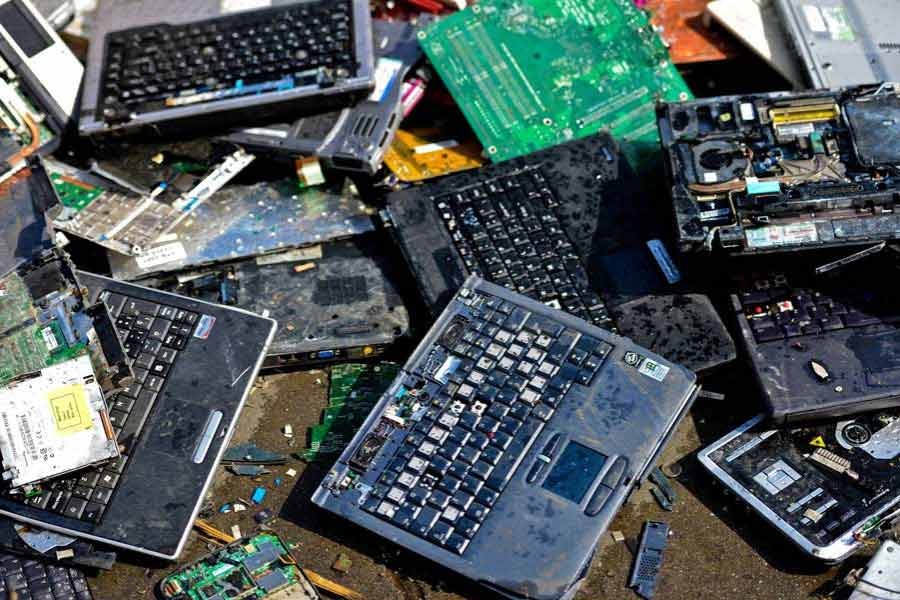
    E-waste refers to discarded electronic devices that are no longer usable. This includes everything from mobile phones and laptops to large appliances like refrigerators and air conditioners. These devices often contain harmful substances like lead, mercury, and cadmium, which can leach into the environment if not disposed of properly.

    The most common sources of e-waste include:

    • Computers and mobile phones
    • Televisions
    • Refrigerators and air conditioners
    • Printed circuit boards

    Bangladesh, like many developing countries, is experiencing rapid growth in electronic waste due to the widespread use of digital technologies and rising incomes. The challenge is how to manage this growing pile of discarded electronics safely and efficiently.

    The Scale of the E-Waste Problem in Bangladesh

    How Much E-Waste Is Produced in Bangladesh?

    Bangladesh is currently generating thousands of tons of e-waste each year. According to a report by the Department of Environment, around 400,000 tons of e-waste were produced in 2020, and this number is expected to grow as more people have access to electronic devices.

    This e-waste includes discarded mobile phones, laptops, tablets, and large appliances. The demand for these items is increasing, which means the amount of e-waste generated will continue to rise in the coming years.

    Why Is E-Waste Dangerous?

    E-waste is more than just an inconvenience. It poses serious risks to both the environment and human health. Here’s why:

    1. Toxic Chemicals

    E-waste contains hazardous substances like lead, mercury, and cadmium. When disposed of improperly, these toxic materials can contaminate soil and water. They can harm the ecosystem and enter the food chain, affecting not only wildlife but humans as well.

    2. Air Pollution

    Improper disposal of e-waste, such as burning it in open air, releases toxic fumes into the atmosphere. These fumes contain dioxins and furans, both of which are harmful to human health and contribute to air pollution.

    3. Impact on Workers’ Health

    In Bangladesh, a significant portion of e-waste recycling is done in the informal sector, where workers handle toxic substances without any protective gear. This leads to severe health problems, including respiratory issues, skin diseases, and in extreme cases, cancer. The risks to e-waste workers are enormous.

    Current E-Waste Management in Bangladesh

    How Is E-Waste Currently Handled?

    In Bangladesh, most e-waste is either sent to landfills or recycled through the informal sector. Informal recyclers dismantle electronic devices by hand, often without proper tools or protective equipment. This practice exposes workers to harmful chemicals and releases toxins into the environment.

    The informal recycling sector is a significant player in the e-waste economy, but it comes with numerous downsides. Without proper safety measures, informal recycling is dangerous both for workers and the environment.

    The government of Bangladesh has recognized this problem and has introduced the E-Waste Management Rules 2021. These rules aim to regulate e-waste collection and recycling, encouraging formal, environmentally friendly methods of disposal. However, implementation remains a challenge.

    Government Regulations: E-Waste Management Rules 2021

    The E-Waste Management Rules 2021 are a step in the right direction. This legislation introduces guidelines for the safe disposal, collection, and recycling of e-waste. It also requires manufacturers to take responsibility for the disposal of their products after they are no longer usable.

    The law is aimed at reducing the environmental impact of e-waste and ensuring that recyclers follow proper safety measures. The hope is that these rules will help move the country away from informal recycling practices and toward a more sustainable e-waste management system.

    The Role of the Informal Sector in E-Waste Recycling

    How the Informal Sector Operates

    The informal recycling sector is a crucial part of Bangladesh’s economy. Workers in this sector collect discarded electronics from households and industries, often breaking them apart manually to extract valuable materials like copper, aluminum, and gold. These materials are then sold to scrap dealers for a profit.

    While this practice helps recover valuable resources, it is highly inefficient and dangerous. Workers are exposed to toxic chemicals without any protective gear, leading to severe health risks. Moreover, the process often releases harmful substances into the environment, contributing to air and soil pollution.

    How Can We Transition to Formal Recycling?

    A shift from the informal to the formal recycling sector is essential for the safe management of e-waste in Bangladesh. Formal recycling facilities use advanced technologies to dismantle and recycle electronic devices. These facilities are safer for workers and more efficient at recovering valuable materials.

    Steps Toward Formal Recycling

    1. Education and Awareness Campaigns: The government needs to launch awareness campaigns to educate people about the dangers of improper e-waste disposal. This will encourage individuals and companies to use formal recycling services.
    2. Incentives for Recycling: The government can offer tax breaks or other incentives to businesses that set up formal e-waste recycling facilities.
    3. Enforcement of Laws: Strict enforcement of the E-Waste Management Rules 2021 is necessary to ensure that informal recycling practices are phased out.
    4. Public-Private Partnerships: By partnering with private companies, the government can set up a network of e-waste collection centers across the country, making it easier for people to dispose of their electronic waste responsibly.

    E-Waste and the Circular Economy

    One promising solution to the e-waste problem is adopting a circular economy model. In a circular economy, products are designed to last longer, be reused, and eventually recycled at the end of their life cycle. This reduces the need for new raw materials and minimizes waste.

    How the Circular Economy Can Help

    By transitioning to a circular economy, Bangladesh can reduce the amount of e-waste generated while also recovering valuable materials. Electronics manufacturers can design products that are easier to repair and recycle, ensuring that fewer devices end up in landfills.

    Global Best Practices for E-Waste Management

    Several countries have successfully implemented e-waste management policies that Bangladesh can learn from.

    1. Japan

    Japan has one of the most advanced e-waste recycling systems in the world. The country requires manufacturers to take back their products once they are no longer useful, encouraging the reuse and recycling of valuable materials.

    2. The European Union

    The European Union’s WEEE Directive (Waste Electrical and Electronic Equipment) sets strict guidelines for the collection, recycling, and disposal of e-waste. Under this directive, manufacturers are responsible for the entire lifecycle of their products, from production to disposal.

    3. China

    China has introduced a nationwide e-waste collection system, providing designated drop-off points where individuals can safely dispose of their electronic waste.

    How to Recycle E-Waste in Bangladesh: A Step-by-Step Guide

    If you’re wondering how to properly dispose of your electronic waste in Bangladesh, here’s a simple guide:

    Step 1: Find an Authorized Recycler

    Search for a formal recycling facility or a collection point authorized by the Department of Environment. These centers ensure safe handling and recycling of e-waste.

    Step 2: Separate Your Electronics

    Before recycling, separate your electronics by type (e.g., mobile phones, laptops, large appliances). This will help recyclers process your e-waste more efficiently.

    Step 3: Wipe Personal Data

    Before discarding any electronic device, make sure to delete all personal data. You can do this by performing a factory reset or using data-erasing software.

    Step 4: Drop Off at the Collection Center

    Take your separated e-waste to the designated e-waste collection point. Ensure that the recycler follows proper disposal practices in compliance with the E-Waste Management Rules 2021.

    Challenges and the Road Ahead

    Despite the efforts to manage e-waste in Bangladesh, several challenges remain:

    • Lack of infrastructure: There are not enough formal recycling centers to handle the growing volume of e-waste.
    • Public awareness: Many people are unaware of the dangers posed by e-waste or the proper disposal methods.
    • Enforcement of laws: While the E-Waste Management Rules 2021 are a step in the right direction, enforcement remains weak.

    However, by investing in infrastructure, raising public awareness, and enforcing existing regulations, Bangladesh can make significant progress toward sustainable e-waste management.

    Conclusion: The Future of E-Waste in Bangladesh

    E-waste in Bangladesh is a pressing issue, but it’s not an unsolvable one. With the right mix of government regulation, private sector investment, and public awareness, we can move towards a more sustainable future.

    The transition to a circular economy, combined with stricter enforcement of the E-Waste Management Rules 2021, will go a long way toward reducing the environmental and health risks associated with electronic waste.

    By recycling and properly disposing of our electronics, we can help create a cleaner, safer, and more sustainable Bangladesh.

    FAQs: Common Questions About E-Waste in Bangladesh

    1. What is the biggest source of e-waste in Bangladesh?
    The biggest sources are mobile phones, computers, and large appliances like refrigerators.

    2. Why is e-waste dangerous?
    E-waste contains hazardous materials like lead and mercury, which can harm human health and the environment.

    3. How can I safely dispose of e-waste?
    Take your e-waste to an authorized recycling facility or drop-off point in compliance with the E-Waste Management Rules 2021.

    4. What are the government’s efforts to tackle e-waste?
    The E-Waste Management Rules 2021 provide guidelines for the safe disposal, collection, and recycling of e-waste.

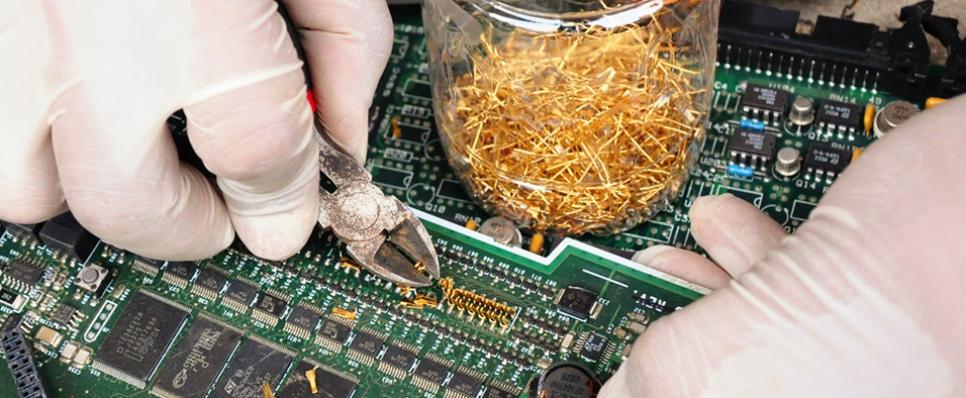
  • Electronics with Most Gold: Recovering Precious Metals from E-Waste

    Electronics with Most Gold: Recovering Precious Metals from E-Waste

    In today’s fast-paced technological world, the turnover of electronic devices is faster than ever. Every year, millions of smartphones, computers, and other electronic devices become obsolete, contributing to a growing e-waste crisis. However, hidden within these discarded gadgets is a treasure trove of precious metals, particularly gold. At JR Recycling Solution Ltd, we are at the forefront of e-waste recycling, ensuring that these valuable resources are recovered and reused.

    The Value of Gold in Electronics

    Gold is a highly efficient conductor of electricity and is resistant to tarnish and corrosion, making it an ideal material for use in electronics. Its excellent conductivity ensures that signals are transmitted efficiently, which is crucial in high-performance electronics. This is why you’ll find gold in various electronic components such as connectors, switch contacts, and relay contacts.

    Electronics Containing the Most Gold

    1. Mobile Phones
      • Mobile phones are one of the richest sources of gold in e-waste. The small size and ubiquitous presence of these devices mean that they collectively contain a significant amount of gold. From the circuit boards to the connectors, mobile phones are a goldmine in the world of e-waste recycling.
    2. Computers and Laptops
      • Both desktop and laptop computers contain substantial amounts of gold. The central processing units (CPUs), motherboard, RAM chips, and other internal components are laced with gold to enhance performance. Older models, especially, tend to contain more gold compared to newer models, as manufacturing processes have become more efficient in using lesser quantities of gold.
    3. Televisions and Monitors
      • While modern flat-screen TVs and monitors use less gold than older models, they still contain valuable amounts in their circuit boards and connectors. Older cathode-ray tube (CRT) televisions and monitors are particularly rich in gold.
    4. Printers and Scanners
      • These devices often contain gold-plated connectors and contacts within their circuit boards and other components. Although they might not seem as obvious a source as mobile phones or computers, they can still contribute significantly when recycled in large quantities.
    5. Game Consoles
      • Popular gaming consoles, both old and new, contain gold in their circuit boards and connectors. As these devices are often upgraded by users seeking the latest technology, they add to the potential e-waste that can be recycled for gold.

    Gold is used in electronics for several key reasons due to its unique properties. Here are the primary reasons why gold is favored in the electronics industry:

    1. Excellent Conductivity:
      • Electrical Conductivity: Gold has excellent electrical conductivity, which ensures efficient transmission of electrical signals.
      • Thermal Conductivity: Gold also has high thermal conductivity, which helps in dissipating heat generated in electronic devices.
    2. Corrosion Resistance:
      • Oxidation Resistance: Gold does not oxidize or tarnish, unlike other metals. This resistance to corrosion ensures long-term reliability and performance of electronic components.
    3. Ductility and Malleability:
      • Easily Workable: Gold is highly ductile and malleable, making it easy to draw into wires and form into thin coatings without breaking.
    4. Durability:
      • Wear Resistance: Gold is resistant to wear and tear, which is crucial for components that undergo frequent mechanical contact, such as connectors and switches.
    5. Stable and Non-reactive:
      • Chemical Inertness: Gold is chemically inert and non-reactive with most substances, making it ideal for use in environments where components may be exposed to various chemicals.
    6. Signal Integrity:
      • Low Contact Resistance: Gold-plated contacts have low electrical resistance, which helps maintain signal integrity by reducing signal loss and distortion.

    Common Uses in Electronics

    • Connectors and Contacts: Gold is often used to plate connectors and contacts in electronic devices, ensuring a reliable connection and signal transmission.
    • Bonding Wire: Thin gold wires are used to connect semiconductor devices to their packages.
    • Printed Circuit Boards (PCBs): Gold is used in the plating of PCB edges and pads to enhance connectivity and durability.
    • High-Precision Instruments: Gold’s reliability makes it ideal for use in high-precision and critical applications, such as medical devices and aerospace technology.

    Gold’s unique combination of electrical and thermal conductivity, corrosion resistance, ductility, durability, and chemical inertness makes it an invaluable material in the electronics industry. Despite its high cost, the benefits it provides in terms of performance and reliability justify its use in many high-end and critical electronic applications.

    The Process of Recovering Gold from E-Waste

    At JR Recycling Solution Ltd, we employ state-of-the-art techniques to recover gold and other precious metals from e-waste. Here’s a brief overview of our process:

    1. Collection and Sorting
      • We collect e-waste from various sources, including individuals, businesses, and municipal waste streams. The e-waste is then sorted based on the type of device and components, as different devices require different recycling processes.
    2. Dismantling
      • The sorted e-waste is dismantled to separate the components that contain gold. This step involves manual and mechanical processes to ensure efficient separation.
    3. Shredding and Grinding
      • The separated components are then shredded and ground into smaller pieces to facilitate the extraction of metals. This process increases the surface area for the subsequent chemical treatments.
    4. Chemical Extraction
      • Using environmentally friendly chemical processes, we extract gold from the shredded material. This involves dissolving the metals and then precipitating the gold out of the solution. Our processes ensure maximum recovery while minimizing environmental impact.
    5. Refinement
      • The extracted gold is refined to remove any impurities, producing high-purity gold that can be reused in various industries, including electronics manufacturing, jewelry making, and investment.

    The Environmental and Economic Benefits

    Recovering gold from e-waste offers substantial environmental and economic benefits:

    • Reduces Mining Impact: Gold mining is environmentally destructive and energy-intensive. By recycling gold from e-waste, we reduce the need for new mining activities, conserving natural resources and reducing environmental degradation.
    • Economic Value: Recovering gold from e-waste can be economically lucrative. With the rising prices of gold, the value extracted from recycling can support the growth of the recycling industry and create jobs.
    • Waste Reduction: Effective e-waste recycling reduces the amount of waste that ends up in landfills, mitigating the associated environmental hazards and conserving space.

    Join Us in Making a Difference

    At JR Recycling Solution Ltd, we are committed to making a positive impact on the environment through efficient e-waste recycling. By recovering precious metals like gold from discarded electronics, we not only contribute to a circular economy but also help in reducing the ecological footprint of electronic waste. Join us in our mission to turn e-waste into a valuable resource. Together, we can make a difference.

    For more information on our services and how you can participate in e-waste recycling, please visit our website or contact us directly. Let’s work together for a greener future!

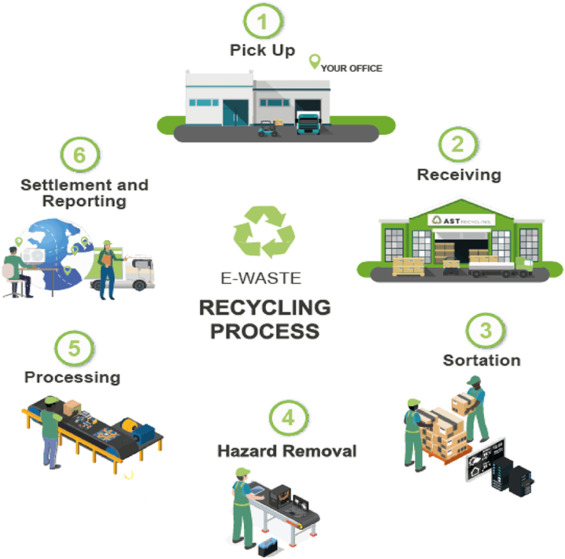
  • Comprehensive E-Waste Recycling Process

    Comprehensive E-Waste Recycling Process

    Introduction

    The digital age has revolutionized the way we live, work, and communicate, but it has also brought about an unprecedented surge in electronic waste (e-waste). As technology evolves at a rapid pace, older devices become obsolete, leading to an accumulation of discarded electronics. This presents both an environmental challenge and an opportunity for sustainable practices. JR Recycling Solution Ltd stands at the forefront of addressing this issue through a comprehensive e-waste recycling process. This article delves into the intricacies of their process, highlighting its significance, stages, and benefits.

    The Importance of E-Waste Recycling

    Electronic waste encompasses a wide range of discarded electronic devices, from smartphones and computers to household appliances and industrial equipment. The improper disposal of e-waste poses significant risks to the environment and human health due to the presence of hazardous materials such as lead, mercury, and cadmium. E-waste recycling mitigates these risks by:

    1. Reducing Landfill Usage: Diverting e-waste from landfills prevents the leaching of toxic substances into soil and groundwater.
    2. Conserving Resources: Recycling recovers valuable materials like gold, silver, copper, and rare earth metals, reducing the need for new resource extraction.
    3. Energy Conservation: The recycling process consumes less energy compared to the production of new electronics from raw materials.
    4. Minimizing Carbon Footprint: Recycling reduces greenhouse gas emissions associated withmanufacturing and disposal.

    JR Recycling Solution Ltd: Overview

    JR Recycling Solution Ltd is a pioneer in the field of e-waste management. With a mission to promote environmental sustainability and resource conservation, the company has developed a state-of-the-art e-waste recycling process. Their approach is holistic, encompassing collection, transportation, dismantling, material recovery, and proper disposal of non-recyclable components.

     Collection and Transportation

    The first step in JR Recycling Solution Ltd’s process is the efficient collection and transportation of e-waste. The company employs a multi-faceted approach to gather e-waste from various sources:

    1. Residential Collection Programs: Collaborating with local municipalities to set up convenient drop-off points and scheduled pick-ups.
    2. Corporate Partnerships: Partnering with businesses to manage their e-waste through dedicated collection bins and regular pick-up services.
    3. Community Drives: Organizing e-waste collection events to raise awareness and encourage public participation.

    To ensure the safe and secure transportation of collected e-waste, JR Recycling Solution Ltd uses specialized vehicles equipped with GPS tracking and climate control features, minimizing the risk of damage and ensuring regulatory compliance.

    Dismantling and Sorting

    Once the e-waste reaches the recycling facility, it undergoes a meticulous dismantling and sorting process. This stage is critical for separating reusable components from non-recyclable materials. The steps involved include:

    1. Manual Dismantling: Skilled technicians manually disassemble devices, separating components such as circuit boards, batteries, and plastics.
    2. Automated Sorting: Advanced machinery sorts materials based on their type and composition, streamlining the recycling process.
    3. Hazardous Material Handling: Special care is taken to safely remove and store hazardous substances, preventing contamination and ensuring worker safety.

    Material Recovery

    The heart of JR Recycling Solution Ltd’s process lies in material recovery. This stage involves extracting valuable materials from the e-waste for reuse in manufacturing. Key techniques used include:

    1. Mechanical Processing: Shredding e-waste into smaller pieces to facilitate the separation of different materials.
    2. Magnetic Separation: Using magnets to extract ferrous metals from the shredded waste.
    3. Eddy Current Separation: Employing eddy currents to separate non-ferrous metals like aluminum and copper.
    4. Hydrometallurgical and Pyrometallurgical Processes: Chemical treatments to recover precious metals such as gold, silver, and palladium.

    Refining and Purification

    After initial recovery, the extracted materials undergo refining and purification to achieve the required purity levels for reuse. This stage includes:

    1. Electrolytic Refining: Using electrolysis to purify metals, ensuring high-quality material output.
    2. Chemical Treatments: Applying various chemicals to remove impurities and enhance material quality.

    The refined materials are then sold to manufacturers, contributing to the production of new electronic devices and reducing the demand for virgin resources.

     Proper Disposal of Non-Recyclable Components

    Despite the efficiency of the recycling process, some e-waste components cannot be recycled. JR Recycling Solution Ltd ensures the proper disposal of these materials through environmentally friendly methods, such as:

    1. Safe Landfilling: Using engineered landfills with protective liners to prevent leachate leakage.
    2. Incineration with Energy Recovery: Incinerating non-recyclable materials in controlled environments to generate energy, reducing overall waste volume.

    Compliance and Certification

    JR Recycling Solution Ltd adheres to stringent regulatory standards and holds multiple certifications, ensuring their processes are environmentally sound and ethically managed. Key certifications include:

    1. ISO 14001: Environmental management system certification.
    2. R2 (Responsible Recycling) Certification: Recognizing responsible recycling practices.
    3. e-Stewards Certification: Ensuring adherence to high standards for e-waste recycling and data security.

     Data Security and Privacy

    E-waste often contains sensitive data that must be securely erased to prevent data breaches. JR Recycling Solution Ltd employs advanced data destruction techniques, such as:

    1. Data Wiping: Using software to overwrite data multiple times, making it unrecoverable.
    2. Physical Destruction: Shredding or degaussing hard drives and other storage devices to ensure complete data destruction.

    Environmental and Social Impact

    JR Recycling Solution Ltd’s comprehensive e-waste recycling process not only benefits the environment but also has a positive social impact. By creating green jobs and promoting environmental awareness, the company contributes to sustainable development. Key impacts include:

    1. Job Creation: Providing employment opportunities in the recycling sector.
    2. Community Engagement: Educating the public about the importance of e-waste recycling through workshops and campaigns.
    3. Corporate Social Responsibility: Partnering with organizations to support environmental initiatives and community development projects.

     Future Innovations

    To stay ahead in the rapidly evolving field of e-waste recycling, JR Recycling Solution Ltd continuously invests in research and development. Future innovations include:

    1. Advanced Robotics: Developing robotic systems for more efficient dismantling and sorting.
    2. Artificial Intelligence: Using AI to optimize material recovery processes.
    3. Circular Economy Initiatives: Collaborating with manufacturers to design products with recycling in mind, promoting a circular economy.

    Conclusion

    JR Recycling Solution Ltd’s comprehensive e-waste recycling process is a testament to their commitment to environmental sustainability and resource conservation. By meticulously managing every stage, from collection to disposal, the company ensures that e-waste is handled responsibly and efficiently. Their efforts not only mitigate the environmental impact of e-waste but also contribute to a sustainable future by conserving resources, reducing energy consumption, and fostering community engagement. As technology continues to advance, JR Recycling Solution Ltd remains dedicated to pioneering innovative solutions for a greener tomorrow.

  • Effective E-Waste Management with JR Recycling Solution Ltd

    Effective E-Waste Management with JR Recycling Solution Ltd

    Introduction:

    In our rapidly advancing digital age, the proliferation of electronic devices has brought about significant challenges in waste management. E-waste, or electrical waste, encompasses discarded electronic appliances such as computers, mobile phones, televisions, and other gadgets. The growing volume of e-waste has become a critical issue, necessitating effective electronics waste recycling to mitigate environmental impact and health hazards.At JR Recycling Solution Ltd, we are committed to addressing this growing problem through innovative electronics waste recycling practices. Our mission is to lead the way in waste management e-waste solutions, highlighting the importance of e-waste recycling for a sustainable future.

    The Scope of E-Waste
    E-waste is one of the fastest-growing waste streams globally. According to recent statistics, the world generated approximately 53.6 million metric tons of e-waste in 2019, with projections indicating a rise to 74 million metric tons by 2030. This exponential growth is driven by increased consumer demand, shorter life cycles of electronic devices, and rapid technological advancements.

    Importance of E-Waste Recycling

    The importance of e-waste recycling cannot be overstated. E-waste contains hazardous materials such as lead, mercury, and cadmium, which can cause significant environmental damage if not managed properly. Additionally, these toxic substances pose serious health risks, including respiratory issues and neurological damage. Effective electronics waste recycling is essential to mitigate these dangers, ensuring that harmful materials are safely processed and valuable resources are recovered.

    In our rapidly advancing technological world, electronic devices are becoming indispensable in everyday life. From smartphones and laptops to household appliances and medical equipment, the proliferation of electronic devices has led to a parallel surge in electronic waste, or e-waste. E-waste recycling is not just a responsible practice but an essential one, with far-reaching implications for the environment, public health, and the economy.

    Environmental Protection

    One of the most significant reasons for recycling e-waste is its environmental impact. Electronic devices often contain hazardous materials such as lead, mercury, cadmium, and brominated flame retardants. When improperly disposed of, these toxic substances can leach into the soil and groundwater, causing severe environmental contamination. E-waste recycling helps mitigate this risk by ensuring that hazardous materials are safely extracted and disposed of, preventing soil and water pollution.

    Moreover, recycling e-waste reduces the need for raw material extraction, conserving natural resources. Many electronic devices contain valuable metals such as gold, silver, and copper. By recovering these materials through recycling, we can decrease the environmental degradation associated with mining and reduce greenhouse gas emissions from manufacturing processes.

    Public Health Benefits

    The improper handling and disposal of e-waste pose serious health risks. Exposure to the toxic components in e-waste can lead to severe health issues, including respiratory problems, neurological damage, and various cancers. This is particularly concerning in developing countries where informal e-waste recycling operations often involve unsafe practices, such as open-air burning and acid baths, to recover valuable materials.

    By establishing formal e-waste recycling programs with strict safety protocols, we can protect workers and communities from these hazardous exposures. Proper recycling processes ensure that harmful substances are managed in ways that minimize health risks, contributing to a healthier population.

    Economic Advantages

    E-waste recycling also offers significant economic benefits. Recovering valuable metals and components from discarded electronics can reduce the costs associated with manufacturing new products. For instance, extracting metals from recycled electronics is often less expensive and less environmentally damaging than mining virgin materials. This not only lowers production costs but also stabilizes supply chains for critical materials.

    Furthermore, the e-waste recycling industry creates job opportunities. As the volume of e-waste continues to grow, so does the demand for skilled workers in recycling facilities. This includes roles in collection, transportation, sorting, and processing of electronic waste. Investing in e-waste recycling infrastructure can stimulate economic growth by creating a new sector dedicated to sustainable practices.

    Legal and Ethical Responsibility

    Many countries have recognized the importance of e-waste recycling and have implemented regulations mandating the proper disposal and recycling of electronic waste. Compliance with these laws is not only a legal obligation but also an ethical one. Manufacturers and consumers alike have a responsibility to ensure that their electronic devices are disposed of in a way that does not harm the environment or public health.

    Corporate responsibility initiatives often include e-waste recycling programs as part of their sustainability goals. By participating in these programs, companies can enhance their reputation, meet regulatory requirements, and contribute to global environmental conservation efforts.

    Environmental and Health Impacts

    The improper disposal of e-waste poses severe environmental and health risks. E-waste contains hazardous substances like lead, mercury, cadmium, and brominated flame retardants. When these toxic materials leach into the soil and groundwater, they can cause significant environmental damage. Furthermore, exposure to these substances can lead to serious health issues, including respiratory problems, skin disorders, and neurological damage.
    Our Approach to Waste Management E-Waste

    At JR Recycling Solution Ltd, we adopt a comprehensive approach to e-waste management, focusing on sustainability and efficiency. Our services encompass the entire lifecycle of electronic products, from collection and sorting to recycling and disposal. Here’s how we manage the process:

    1. Collection and Sorting: We provide convenient collection services for households and businesses, ensuring that e-waste is gathered efficiently. Our sorting process separates different types of e-waste, facilitating more effective recycling.
    2. Advanced Recycling Techniques: Utilizing state-of-the-art recycling technologies, we recover valuable materials such as gold, silver, copper, and rare earth elements from discarded electronics. These materials can then be reused in the manufacturing of new products, reducing the need for virgin resource extraction.
    3. Safe Disposal of Hazardous Materials: We adhere to strict environmental standards to safely dispose of hazardous substances found in e-waste. Our processes prevent these toxins from contaminating the environment, protecting both ecosystems and human health.
    4. Consumer Education and Awareness: We believe that informed consumers are key to effective e-waste management. Through educational campaigns and community outreach, we encourage responsible disposal of electronic devices and promote the benefits of recycling. Effective Waste Management E-Waste Practices

    Effective waste management strategies are essential for addressing the e-waste challenge. Several approaches can be implemented to enhance the efficiency of electronics waste recycling:

    1. Extended Producer Responsibility (EPR): EPR policies hold manufacturers accountable for the entire lifecycle of their products, including end-of-life disposal. By incorporating recycling costs into the product price, producers are incentivized to design more sustainable and recyclable electronics.
    2. Consumer Awareness and Participation: Educating consumers about the importance of e-waste recycling and providing convenient recycling options can significantly increase participation rates. Collection drives, drop-off points, and take-back programs are effective ways to encourage consumers to dispose of their e-waste responsibly.
    3. Regulatory Frameworks: Governments play a vital role in regulating e-waste management. Implementing stringent regulations and standards for e-waste disposal and recycling ensures that these activities are conducted in an environmentally sound manner. Moreover, enforcing penalties for non-compliance can deter illegal dumping and encourage proper recycling practices.
    4. Technological Innovations: Advancements in recycling technologies can enhance the efficiency and effectiveness of e-waste recycling processes. Innovative techniques such as hydrometallurgical and pyrometallurgical methods, as well as automated sorting systems, can improve material recovery rates and reduce environmental impacts.
      The Role of Stakeholders in E-Waste Management

    Effective e-waste management requires collaboration among various stakeholders, including manufacturers, consumers, recyclers, and regulators. At JR Recycling Solution Ltd, we work closely with all stakeholders to create a sustainable e-waste ecosystem:

    Manufacturers: We partner with manufacturers to develop eco-friendly product designs and recycling programs that facilitate easier end-of-life processing.
    Consumers: By offering easy access to recycling services and educating the public on the importance of e-waste recycling, we empower consumers to make environmentally responsible choices.
    Regulators: We comply with all relevant regulations and advocate for stronger e-waste management policies to ensure a greener future.
    Conclusion
    JR Recycling Solution Ltd. stands at the forefront of e-waste management, delivering innovative, sustainable, and effective solutions to tackle the growing challenge of electronic waste. Through our comprehensive e-waste management system, we prioritize environmental responsibility, ensuring the safe and efficient recycling of electronic products. Our approach not only mitigates the harmful impact of e-waste on the environment but also recovers valuable materials, contributing to the circular economy. By fostering partnerships with businesses, governments, and communities, we are committed to raising awareness and promoting practices that support a cleaner, greener future. JR Recycling Solution Ltd. is dedicated to continuous improvement and innovation in e-waste management, reaffirming our role as a leader in sustainable recycling practices. Together, we can make a significant difference in preserving our planet for future generations.
    Introduction:

    In our rapidly advancing digital age, the proliferation of electronic devices has brought about significant challenges in waste management. E-waste, or electrical waste, encompasses discarded electronic appliances such as computers, mobile phones, televisions, and other gadgets. The growing volume of e-waste has become a critical issue, necessitating effective electronics waste recycling to mitigate environmental impact and health hazards.At JR Recycling Solution Ltd, we are committed to addressing this growing problem through innovative electronics waste recycling practices. Our mission is to lead the way in waste management e-waste solutions, highlighting the importance of e-waste recycling for a sustainable future.

    The Scope of E-Waste

    E-waste is one of the fastest-growing waste streams globally. According to recent statistics, the world generated approximately 53.6 million metric tons of e-waste in 2019, with projections indicating a rise to 74 million metric tons by 2030. This exponential growth is driven by increased consumer demand, shorter life cycles of electronic devices, and rapid technological advancements.

    Importance of E-Waste Recycling

    The importance of e-waste recycling cannot be overstated. E-waste contains hazardous materials such as lead, mercury, and cadmium, which can cause significant environmental damage if not managed properly. Additionally, these toxic substances pose serious health risks, including respiratory issues and neurological damage. Effective electronics waste recycling is essential to mitigate these dangers, ensuring that harmful materials are safely processed and valuable resources are recovered.

    In our rapidly advancing technological world, electronic devices are becoming indispensable in everyday life. From smartphones and laptops to household appliances and medical equipment, the proliferation of electronic devices has led to a parallel surge in electronic waste, or e-waste. E-waste recycling is not just a responsible practice but an essential one, with far-reaching implications for the environment, public health, and the economy.

     Environmental Protection

    One of the most significant reasons for recycling e-waste is its environmental impact. Electronic devices often contain hazardous materials such as lead, mercury, cadmium, and brominated flame retardants. When improperly disposed of, these toxic substances can leach into the soil and groundwater, causing severe environmental contamination. E-waste recycling helps mitigate this risk by ensuring that hazardous materials are safely extracted and disposed of, preventing soil and water pollution.

    Moreover, recycling e-waste reduces the need for raw material extraction, conserving natural resources. Many electronic devices contain valuable metals such as gold, silver, and copper. By recovering these materials through recycling, we can decrease the environmental degradation associated with mining and reduce greenhouse gas emissions from manufacturing processes.

     Public Health Benefits

    The improper handling and disposal of e-waste pose serious health risks. Exposure to the toxic components in e-waste can lead to severe health issues, including respiratory problems, neurological damage, and various cancers. This is particularly concerning in developing countries where informal e-waste recycling operations often involve unsafe practices, such as open-air burning and acid baths, to recover valuable materials.

    By establishing formal e-waste recycling programs with strict safety protocols, we can protect workers and communities from these hazardous exposures. Proper recycling processes ensure that harmful substances are managed in ways that minimize health risks, contributing to a healthier population.

     Economic Advantages

    E-waste recycling also offers significant economic benefits. Recovering valuable metals and components from discarded electronics can reduce the costs associated with manufacturing new products. For instance, extracting metals from recycled electronics is often less expensive and less environmentally damaging than mining virgin materials. This not only lowers production costs but also stabilizes supply chains for critical materials.

    Furthermore, the e-waste recycling industry creates job opportunities. As the volume of e-waste continues to grow, so does the demand for skilled workers in recycling facilities. This includes roles in collection, transportation, sorting, and processing of electronic waste. Investing in e-waste recycling infrastructure can stimulate economic growth by creating a new sector dedicated to sustainable practices.

     Legal and Ethical Responsibility

    Many countries have recognized the importance of e-waste recycling and have implemented regulations mandating the proper disposal and recycling of electronic waste. Compliance with these laws is not only a legal obligation but also an ethical one. Manufacturers and consumers alike have a responsibility to ensure that their electronic devices are disposed of in a way that does not harm the environment or public health.

    Corporate responsibility initiatives often include e-waste recycling programs as part of their sustainability goals. By participating in these programs, companies can enhance their reputation, meet regulatory requirements, and contribute to global environmental conservation efforts.

     Environmental and Health Impacts

    The improper disposal of e-waste poses severe environmental and health risks. E-waste contains hazardous substances like lead, mercury, cadmium, and brominated flame retardants. When these toxic materials leach into the soil and groundwater, they can cause significant environmental damage. Furthermore, exposure to these substances can lead to serious health issues, including respiratory problems, skin disorders, and neurological damage.

    Our Approach to Waste Management E-Waste

    At JR Recycling Solution Ltd, we adopt a comprehensive approach to e-waste management, focusing on sustainability and efficiency. Our services encompass the entire lifecycle of electronic products, from collection and sorting to recycling and disposal. Here’s how we manage the process:

    1. Collection and Sorting: We provide convenient collection services for households and businesses, ensuring that e-waste is gathered efficiently. Our sorting process separates different types of e-waste, facilitating more effective recycling.

    2. Advanced Recycling Techniques: Utilizing state-of-the-art recycling technologies, we recover valuable materials such as gold, silver, copper, and rare earth elements from discarded electronics. These materials can then be reused in the manufacturing of new products, reducing the need for virgin resource extraction.

    3. Safe Disposal of Hazardous Materials: We adhere to strict environmental standards to safely dispose of hazardous substances found in e-waste. Our processes prevent these toxins from contaminating the environment, protecting both ecosystems and human health.

    4. Consumer Education and Awareness: We believe that informed consumers are key to effective e-waste management. Through educational campaigns and community outreach, we encourage responsible disposal of electronic devices and promote the benefits of recycling.

     Effective Waste Management E-Waste Practices

    Effective waste management strategies are essential for addressing the e-waste challenge. Several approaches can be implemented to enhance the efficiency of electronics waste recycling:

    1. Extended Producer Responsibility (EPR): EPR policies hold manufacturers accountable for the entire lifecycle of their products, including end-of-life disposal. By incorporating recycling costs into the product price, producers are incentivized to design more sustainable and recyclable electronics.

    2. Consumer Awareness and Participation: Educating consumers about the importance of e-waste recycling and providing convenient recycling options can significantly increase participation rates. Collection drives, drop-off points, and take-back programs are effective ways to encourage consumers to dispose of their e-waste responsibly.

    3. Regulatory Frameworks: Governments play a vital role in regulating e-waste management. Implementing stringent regulations and standards for e-waste disposal and recycling ensures that these activities are conducted in an environmentally sound manner. Moreover, enforcing penalties for non-compliance can deter illegal dumping and encourage proper recycling practices.

    4. Technological Innovations: Advancements in recycling technologies can enhance the efficiency and effectiveness of e-waste recycling processes. Innovative techniques such as hydrometallurgical and pyrometallurgical methods, as well as automated sorting systems, can improve material recovery rates and reduce environmental impacts.

    The Role of Stakeholders in E-Waste Management

    Effective e-waste management requires collaboration among various stakeholders, including manufacturers, consumers, recyclers, and regulators. At JR Recycling Solution Ltd, we work closely with all stakeholders to create a sustainable e-waste ecosystem:

    • Manufacturers: We partner with manufacturers to develop eco-friendly product designs and recycling programs that facilitate easier end-of-life processing.
    • Consumers: By offering easy access to recycling services and educating the public on the importance of e-waste recycling, we empower consumers to make environmentally responsible choices.
    • Regulators: We comply with all relevant regulations and advocate for stronger e-waste management policies to ensure a greener future.

     Conclusion

    JR Recycling Solution Ltd. stands at the forefront of e-waste management, delivering innovative, sustainable, and effective solutions to tackle the growing challenge of electronic waste. Through our comprehensive e-waste management system, we prioritize environmental responsibility, ensuring the safe and efficient recycling of electronic products. Our approach not only mitigates the harmful impact of e-waste on the environment but also recovers valuable materials, contributing to the circular economy. By fostering partnerships with businesses, governments, and communities, we are committed to raising awareness and promoting practices that support a cleaner, greener future. JR Recycling Solution Ltd. is dedicated to continuous improvement and innovation in e-waste management, reaffirming our role as a leader in sustainable recycling practices. Together, we can make a significant difference in preserving our planet for future generations.
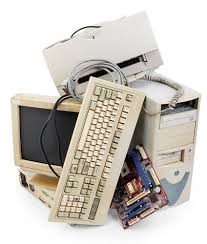
    Introduction:

    In our rapidly advancing digital age, the proliferation of electronic devices has brought about significant challenges in waste management. E-waste, or electrical waste, encompasses discarded electronic appliances such as computers, mobile phones, televisions, and other gadgets. The growing volume of e-waste has become a critical issue, necessitating effective electronics waste recycling to mitigate environmental impact and health hazards.At JR Recycling Solution Ltd, we are committed to addressing this growing problem through innovative electronics waste recycling practices. Our mission is to lead the way in waste management e-waste solutions, highlighting the importance of e-waste recycling for a sustainable future.

    The Scope of E-Waste

    E-waste is one of the fastest-growing waste streams globally. According to recent statistics, the world generated approximately 53.6 million metric tons of e-waste in 2019, with projections indicating a rise to 74 million metric tons by 2030. This exponential growth is driven by increased consumer demand, shorter life cycles of electronic devices, and rapid technological advancements.

    Importance of E-Waste Recycling

    The importance of e-waste recycling cannot be overstated. E-waste contains hazardous materials such as lead, mercury, and cadmium, which can cause significant environmental damage if not managed properly. Additionally, these toxic substances pose serious health risks, including respiratory issues and neurological damage. Effective electronics waste recycling is essential to mitigate these dangers, ensuring that harmful materials are safely processed and valuable resources are recovered.

    In our rapidly advancing technological world, electronic devices are becoming indispensable in everyday life. From smartphones and laptops to household appliances and medical equipment, the proliferation of electronic devices has led to a parallel surge in electronic waste, or e-waste. E-waste recycling is not just a responsible practice but an essential one, with far-reaching implications for the environment, public health, and the economy.

     Environmental Protection

    One of the most significant reasons for recycling e-waste is its environmental impact. Electronic devices often contain hazardous materials such as lead, mercury, cadmium, and brominated flame retardants. When improperly disposed of, these toxic substances can leach into the soil and groundwater, causing severe environmental contamination. E-waste recycling helps mitigate this risk by ensuring that hazardous materials are safely extracted and disposed of, preventing soil and water pollution.

    Moreover, recycling e-waste reduces the need for raw material extraction, conserving natural resources. Many electronic devices contain valuable metals such as gold, silver, and copper. By recovering these materials through recycling, we can decrease the environmental degradation associated with mining and reduce greenhouse gas emissions from manufacturing processes.

     Public Health Benefits

    The improper handling and disposal of e-waste pose serious health risks. Exposure to the toxic components in e-waste can lead to severe health issues, including respiratory problems, neurological damage, and various cancers. This is particularly concerning in developing countries where informal e-waste recycling operations often involve unsafe practices, such as open-air burning and acid baths, to recover valuable materials.

    By establishing formal e-waste recycling programs with strict safety protocols, we can protect workers and communities from these hazardous exposures. Proper recycling processes ensure that harmful substances are managed in ways that minimize health risks, contributing to a healthier population.

     Economic Advantages

    E-waste recycling also offers significant economic benefits. Recovering valuable metals and components from discarded electronics can reduce the costs associated with manufacturing new products. For instance, extracting metals from recycled electronics is often less expensive and less environmentally damaging than mining virgin materials. This not only lowers production costs but also stabilizes supply chains for critical materials.

    Furthermore, the e-waste recycling industry creates job opportunities. As the volume of e-waste continues to grow, so does the demand for skilled workers in recycling facilities. This includes roles in collection, transportation, sorting, and processing of electronic waste. Investing in e-waste recycling infrastructure can stimulate economic growth by creating a new sector dedicated to sustainable practices.

     Legal and Ethical Responsibility

    Many countries have recognized the importance of e-waste recycling and have implemented regulations mandating the proper disposal and recycling of electronic waste. Compliance with these laws is not only a legal obligation but also an ethical one. Manufacturers and consumers alike have a responsibility to ensure that their electronic devices are disposed of in a way that does not harm the environment or public health.

    Corporate responsibility initiatives often include e-waste recycling programs as part of their sustainability goals. By participating in these programs, companies can enhance their reputation, meet regulatory requirements, and contribute to global environmental conservation efforts.

     Environmental and Health Impacts

    The improper disposal of e-waste poses severe environmental and health risks. E-waste contains hazardous substances like lead, mercury, cadmium, and brominated flame retardants. When these toxic materials leach into the soil and groundwater, they can cause significant environmental damage. Furthermore, exposure to these substances can lead to serious health issues, including respiratory problems, skin disorders, and neurological damage.

    Our Approach to Waste Management E-Waste

    At JR Recycling Solution Ltd, we adopt a comprehensive approach to e-waste management, focusing on sustainability and efficiency. Our services encompass the entire lifecycle of electronic products, from collection and sorting to recycling and disposal. Here’s how we manage the process:

    1. Collection and Sorting: We provide convenient collection services for households and businesses, ensuring that e-waste is gathered efficiently. Our sorting process separates different types of e-waste, facilitating more effective recycling.

    2. Advanced Recycling Techniques: Utilizing state-of-the-art recycling technologies, we recover valuable materials such as gold, silver, copper, and rare earth elements from discarded electronics. These materials can then be reused in the manufacturing of new products, reducing the need for virgin resource extraction.

    3. Safe Disposal of Hazardous Materials: We adhere to strict environmental standards to safely dispose of hazardous substances found in e-waste. Our processes prevent these toxins from contaminating the environment, protecting both ecosystems and human health.

    4. Consumer Education and Awareness: We believe that informed consumers are key to effective e-waste management. Through educational campaigns and community outreach, we encourage responsible disposal of electronic devices and promote the benefits of recycling.

     Effective Waste Management E-Waste Practices

    Effective waste management strategies are essential for addressing the e-waste challenge. Several approaches can be implemented to enhance the efficiency of electronics waste recycling:

    1. Extended Producer Responsibility (EPR): EPR policies hold manufacturers accountable for the entire lifecycle of their products, including end-of-life disposal. By incorporating recycling costs into the product price, producers are incentivized to design more sustainable and recyclable electronics.

    2. Consumer Awareness and Participation: Educating consumers about the importance of e-waste recycling and providing convenient recycling options can significantly increase participation rates. Collection drives, drop-off points, and take-back programs are effective ways to encourage consumers to dispose of their e-waste responsibly.

    3. Regulatory Frameworks: Governments play a vital role in regulating e-waste management. Implementing stringent regulations and standards for e-waste disposal and recycling ensures that these activities are conducted in an environmentally sound manner. Moreover, enforcing penalties for non-compliance can deter illegal dumping and encourage proper recycling practices.

    4. Technological Innovations: Advancements in recycling technologies can enhance the efficiency and effectiveness of e-waste recycling processes. Innovative techniques such as hydrometallurgical and pyrometallurgical methods, as well as automated sorting systems, can improve material recovery rates and reduce environmental impacts.

    The Role of Stakeholders in E-Waste Management

    Effective e-waste management requires collaboration among various stakeholders, including manufacturers, consumers, recyclers, and regulators. At JR Recycling Solution Ltd, we work closely with all stakeholders to create a sustainable e-waste ecosystem:

    • Manufacturers: We partner with manufacturers to develop eco-friendly product designs and recycling programs that facilitate easier end-of-life processing.
    • Consumers: By offering easy access to recycling services and educating the public on the importance of e-waste recycling, we empower consumers to make environmentally responsible choices.
    • Regulators: We comply with all relevant regulations and advocate for stronger e-waste management policies to ensure a greener future.

     Conclusion

    JR Recycling Solution Ltd. stands at the forefront of e-waste management, delivering innovative, sustainable, and effective solutions to tackle the growing challenge of electronic waste. Through our comprehensive e-waste management system, we prioritize environmental responsibility, ensuring the safe and efficient recycling of electronic products. Our approach not only mitigates the harmful impact of e-waste on the environment but also recovers valuable materials, contributing to the circular economy. By fostering partnerships with businesses, governments, and communities, we are committed to raising awareness and promoting practices that support a cleaner, greener future. JR Recycling Solution Ltd. is dedicated to continuous improvement and innovation in e-waste management, reaffirming our role as a leader in sustainable recycling practices. Together, we can make a significant difference in preserving our planet for future generations.
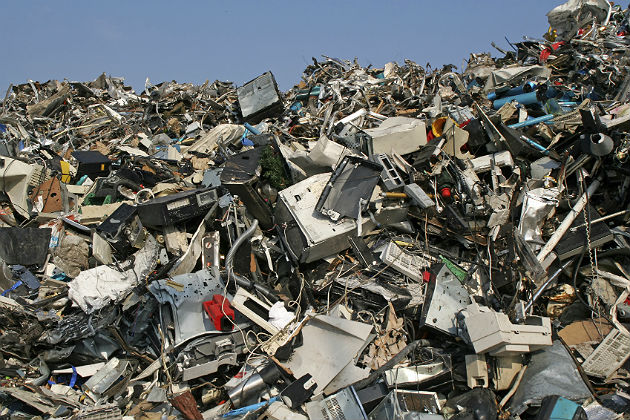
  • 5 Ways to Reduce Electronic Waste in Your Business

    5 Ways to Reduce Electronic Waste in Your Business

    Introduction

    In today’s fast-paced technological world, businesses constantly upgrade their electronic equipment to stay ahead of the curve. However, this rapid advancement comes with a significant downside: electronic waste, or e-waste. E-waste poses a serious threat to the environment, as it often contains hazardous materials that can contaminate soil and water. For businesses looking to adopt more sustainable practices, managing e-waste effectively is crucial. JR Recycling Solutions Ltd. offers five practical strategies to help your business reduce electronic waste and contribute to a healthier planet.

    In the digital age, businesses rely heavily on electronic devices to streamline operations, enhance productivity, and stay connected with clients and partners. However, this increased dependence on technology has also led to a surge in electronic waste, or e-waste, presenting environmental challenges. The responsible disposal and reduction of e-waste have become critical for businesses aiming to adopt sustainable practices. In this blog post, we’ll explore practical strategies for businesses to minimise their electronic footprint.

    Adopt a Circular Economy Approach:

    • Businesses can shift from a linear economy (take, make, dispose) to a circular economy by designing products with durability, repairability, and recyclability in mind. Encourage suppliers to provide products that are easily upgradeable or have modular components, extending the lifespan of devices and reducing the frequency of replacements.

    Implement E-Waste Recycling Programs:

    • Establishing e-waste recycling programs within the workplace is a proactive step toward reducing environmental impact. By signing up for the RecycleSmart service, businesses collaborate with certified e-waste recycling companies to ensure proper disposal and recycling of electronic devices. Employees can be educated on the importance of recycling and provided with convenient collection points for old electronics.

     1. Implement a Robust E-Waste Management Policy

    A well-structured e-waste management policy is the foundation for reducing electronic waste in any business. This policy should outline the processes for disposing of obsolete electronics responsibly. Key components of an effective e-waste management policy include:

    • Inventory Management: Keep an updated inventory of all electronic devices within the organization. This helps in tracking the lifecycle of each device and planning for its disposal or upgrade.
    • Disposal Procedures: Define clear procedures for the disposal of e-waste. Partner with certified e-waste recycling companies like JR Recycling Solutions Ltd. to ensure that electronic waste is disposed of safely and in compliance with environmental regulations.
    • Employee Training: Educate employees about the importance of e-waste management and how they can contribute. Regular training sessions can help ensure that everyone is aware of the proper disposal methods and the company’s commitment to sustainability.

    By implementing a comprehensive e-waste management policy, businesses can significantly reduce their electronic waste footprint and ensure that e-waste is handled responsibly.

     2. Extend the Lifespan of Electronic Devices

    One of the most effective ways to reduce electronic waste is to extend the lifespan of your electronic devices. Here are some strategies to achieve this:

    Regular Maintenance: Schedule regular maintenance for all electronic equipment. This can help identify and fix issues early, preventing more significant problems that could lead to premature disposal.

    Upgrades and Repairs: Instead of replacing devices at the first sign of trouble, consider upgrading or repairing them. Many devices can be given a new lease on life with simple upgrades, such as increasing memory or replacing a hard drive.

    Proper Handling: Train employees on the proper handling and care of electronic devices. Simple practices, such as using surge protectors, keeping devices clean, and avoiding overcharging, can significantly extend the lifespan of electronics.

    By focusing on extending the lifespan of electronic devices, businesses can reduce the frequency of replacements and thus minimize e-waste.

     3. Encourage a Culture of Reuse and Refurbishment

    Promoting a culture of reuse and refurbishment within your business can have a substantial impact on reducing e-waste. Here’s how to foster this culture:

    Internal Reuse: When upgrading equipment, consider redistributing older, still functional devices to other departments or employees who may not require the latest technology. This practice maximizes the use of each device before it is finally disposed of.

    Refurbishment Programs: Establish a refurbishment program within your organization. Refurbished devices can be used as backup equipment or provided to employees as an alternative to new devices. 

    Donation to Charities: Donate used but functional electronics to charities or non-profit organizations. Many organizations can benefit from slightly older technology that is still in good working condition. This not only helps reduce e-waste but also supports the community.

    Encouraging reuse and refurbishment helps ensure that electronic devices are used to their full potential before they are discarded, significantly reducing e-waste.

    4. Opt for Sustainable Procurement Practices

    Sustainable procurement involves making purchasing decisions that consider the environmental impact of products. By adopting sustainable procurement practices, businesses can reduce their contribution to e-waste. Here are some tips:

    Choose Eco-Friendly Products: When purchasing new electronic devices, opt for products that are designed with sustainability in mind. Look for devices that have energy-efficient features, are made from recyclable materials, and have a longer lifespan.

    Buy Refurbished Electronics: Consider purchasing refurbished electronics instead of brand new ones. Refurbished devices often come with warranties and can perform just as well as new devices, while also being a more sustainable choice.

    Supplier Partnerships: Partner with suppliers who prioritize sustainability and offer take-back programs for old electronics. These programs ensure that devices are properly recycled or repurposed at the end of their life cycle.

    By prioritizing sustainability in procurement decisions, businesses can reduce their environmental impact and promote a circular economy.

    5. Utilize E-Waste Recycling Services

    Recycling is a critical component of managing e-waste responsibly. Utilizing professional e-waste recycling services ensures that electronic waste is handled in an environmentally friendly manner. Here’s how to leverage these services effectively:

    Certified Recyclers: Partner with certified e-waste recyclers like JR Recycling Solutions Ltd. Certified recyclers adhere to strict environmental standards and ensure that e-waste is processed safely and sustainably.

    Data Security: Ensure that the recycler provides data destruction services. Data security is a major concern when disposing of electronic devices, and certified recyclers can guarantee that all data is securely erased before recycling.

    Regular Collection: Establish a regular e-waste collection schedule. This prevents the accumulation of obsolete electronics and ensures timely recycling.

    Using professional e-waste recycling services not only helps reduce electronic waste but also ensures compliance with environmental regulations and protecting sensitive data.

    Invest in the future:

    • When upgrading or purchasing new electronic devices, consider investing in energy-efficient and environmentally friendly options. Green technology not only minimises the environmental impact but can also result in long-term cost savings through reduced energy consumption.
    • By understanding the monetary implications of actions on the environment, you can be empowered to make choices that align with a sustainable future. 
    • Watch Comsol’s insightful video to understand your business’s environmental footprint. It’s an excellent resource on minimizing e-waste and reducing the impact on the planet.

    Conclusion

    Reducing electronic waste is not only an environmental responsibility but also a smart business practice. By implementing a robust e-waste management policy, extending the lifespan of electronic devices, promoting a culture of reuse and refurbishment, adopting sustainable procurement practices, and utilizing professional e-waste recycling services, businesses can significantly reduce their electronic waste footprint.

    At JR Recycling Solutions Ltd, we are committed to helping businesses manage their electronic waste responsibly. Our comprehensive e-waste recycling services ensure that your obsolete electronics are disposed of in an environmentally friendly manner, safeguarding the planet for future generations. Together, we can make a positive impact on the environment and create a more sustainable future for all.
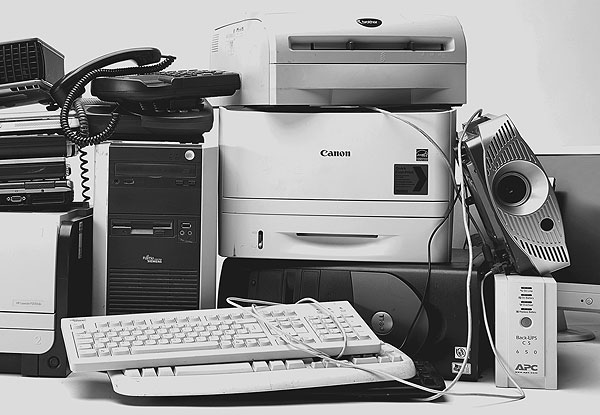
  • Smart E-Waste Solutions: Innovating for a Sustainable Future

    Smart E-Waste Solutions: Innovating for a Sustainable Future

    E-waste management is a critical component of sustainable development and environmental protection. It involves the safe disposal and reuse of electronic products, such as computers, cell phones, TVs, printers, and other digital devices that are no longer in use. Unfortunately, as our reliance on technology continues to grow exponentially with each passing year, so does the amount of e-waste produced globally. 

    This article will provide an overview of what e-waste is, why it’s essential to manage it effectively, common types of e-waste found today, and the different approaches and challenges associated with managing this growing problem.

    What is E-Waste Management?

    E-waste management refers to properly disposing and managing electronic waste, including old or discarded electronic gadgets such as phones, computers, and televisions. The process involves the collection, transportation, recycling, refurbishing, and disposal of electronic waste in an environmentally-friendly manner. 

    The goal of e-waste management is to reduce the negative impact of electronic waste on the environment and human health by minimising pollution, conserving natural resources and energy, and promoting sustainability. Proper e-waste management also ensures the recovery of valuable materials from electronic waste, such as copper, silver, and gold, to create new products.

    Sources of e-waste

    E-waste, or electronic waste, originates from various sources. These sources encompass a wide range of electronic devices and equipment that are no longer in use or have reached the end of their lifecycle. Here are some common sources of e-waste:

    Consumer Electronics:

    •    Mobile Phones and Accessories: Old smartphones, chargers, and earphones.
    •    Computers and Peripherals: Desktops, laptops, keyboards, mice, printers, and scanners.
    •   Televisions and Monitors:** CRT, LCD, LED, and plasma screens.
    •    Audio and Video Devices:** DVD players, MP3 players, radios, and stereo systems.
    •  Home Appliances:** Microwaves, refrigerators, washing machines, and air conditioners.

     Office and Business Equipment:

    •    Office Computers and Laptops: Used by businesses and organisations.
    •    Networking Equipment:** Routers, modems, and switches.
    •    Telecommunication Devices:** Old PBX systems, fax machines, and landline phones.
    •    Printers and Photocopiers:** Large office printers, copiers, and multifunction devices.

    Industrial and Medical Equipment:

    •    Medical Devices: X-ray machines, MRI machines, and other diagnostic equipment.
    •    Industrial Machines: Machinery with electronic components used in manufacturing and production.
    •    Laboratory Equipment: Scientific instruments and electronic testing devices.

    Batteries and Power Supplies:

    •    Rechargeable Batteries: Used in various devices such as laptops, mobile phones, and cameras.
    •    Power Supplies and Adapters: Chargers and power cords.

    Lighting Equipment:

    •    LED and CFL Bulbs: Energy-saving bulbs and other types of electronic lighting.

    Toys and Leisure Equipment:

    •    Electronic Toys: Battery-operated toys, remote-controlled cars, and video game consoles.
    •    Sports and Fitness Devices: Electronic fitness trackers, smartwatches, and exercise equipment.

    Obsolete and Legacy Systems:

    •    Old Technologies: Typewriters, film cameras, and outdated computing systems.
    •    Unused Devices : Gadgets that have been replaced by newer models or technologies. 
    •    Smart Home Devices: Smart thermostats, doorbells, and home security systems.
    •    Wearables: Smartwatches, fitness bands, and health monitors.

    Proper disposal and recycling of e-waste are crucial to mitigate its environmental impact and recover valuable materials. Many countries have established e-waste recycling programs and regulations to address this growing issue.

     Approaches to E-Waste Management

    There are several approaches to e-waste management. Ensuring that any approach taken is sustainable, cost-effective, and minimises the environmental impact is essential. Here are some examples of approaches to e-waste management:

    • Reduction of e-waste production by encouraging people to buy fewer electronics and to use their devices for longer periods before replacing them
    • Reuse and refurbishment of old electronics to extend the life of the devices and reduce the need for new products to be made from raw materials
    • Recycling of e-waste to break down old electronics into their component parts so they can be reused in new products or disposed of safely without harming the environment
    • Proper disposal of e-waste through designated drop-off centres or adherence to local regulations for environmental protection
    • Donating used electronics to non-profit organisations that provide low-cost or free technology to underserved communities
    • Implementing extended producer responsibility (EPR) programs that require manufacturers to take back and recycle their products, incentivizing them to design devices that are easier to recycle or repair
    • Adopting circular economy principles that promote the reuse and recycling of materials to prevent them from becoming waste 

    The Challenges of Managing E-Waste

    The world is becoming increasingly digital, and with that comes an increase in the amount of electronic waste (e-waste). Managing e-waste poses several challenges, some of which include the following:

    Rapid Technological Advancements

    The rapid pace of technological advancements means that electronic devices become obsolete quickly. This has resulted in an increase in the amount of e-waste generated, which makes it difficult to keep up with proper disposal and recycling.

    Hazardous Materials

    Electronic devices can contain hazardous materials such as mercury, lead, brominated flame retardants, and cadmium. These materials can harm human health and the environment if not appropriately handled during disposal and recycling.

    Lack of Proper Disposal Infrastructure

    In many countries, there is a lack of proper infrastructure to manage e-waste. This means that much of the generated e-waste is in landfills or illegally exported to developing countries with lower environmental standards.

    Informal Recycling Sector

    In some countries, informal recycling sectors have emerged to process e-waste. However, these sectors are often unregulated and use crude and unsafe methods that can result in environmental and health risks for workers and the local communities.

    Data Security and Privacy

    Electronic devices often contain sensitive data such as personal information, financial data, and intellectual property. Therefore, improper disposal of these devices can lead to data breaches and identity theft.

    High Cost of Recycling

    Recycling electronic devices can be expensive due to the high cost of separating and processing the materials used in their construction.

    Addressing these challenges requires a coordinated effort from governments, businesses, and individuals to prioritize the proper disposal and recycling of electronic devices while minimizing their environmental and health impacts. 

    What is an E-Waste Management Checklist?

    An E-Waste Management Checklist is a set of guidelines that can help organizations properly dispose of their electronic waste. It includes questions about an electronics recycler’s background and certifications, what items should be recycled, how to track things through the recycling process, and more.

    Organizations should consider using an E-Waste Management Checklist to ensure they follow proper procedures for disposing of their e-waste. This checklist will guide them in answering some basic questions about an electronics recycler and can also help them check what items should be recycled, how to track items through the recycling process, and more. 

    Additionally, organizations should ensure the provider they choose is certified by one of several certification bodies assessing e-waste management providers and their facilities. 

    What To Include in an E-waste Management Checklist?

    An e-waste management checklist ensures that electronic waste is handled and disposed of properly. Here are some items that may be included in an e-waste management checklist:

    •  Identify and classify the types of electronic devices that are being discarded, including the quantity and weight of each type.
    •  Determine if electronic devices are hazardous waste, such as batteries, CRT monitors, or fluorescent lamps.
    • Develop a plan for managing the e-waste, including proper storage, transportation, and disposal procedures.
    •  Identify certified e-waste recyclers or disposal facilities in the area and verify that they have the necessary permits and certifications.
    •  Ensure that sensitive data stored on electronic devices is properly erased or destroyed before disposal.
    • Train staff on proper e-waste handling procedures and designate a person or team responsible for managing e-waste.
    • Regularly review and update the e-waste management plan to ensure compliance with regulations and best practices.
    •  Keep detailed records of e-waste disposal and recycling activities, including receipts and documentation from certified recyclers or disposal facilities.
    •  Implement measures to reduce the amount of e-waste generated, such as upgrading and repairing electronic devices instead of replacing them.

    Conclusion

    In conclusion, JR Recycling Solution Ltd has demonstrated a comprehensive and sustainable approach to e-waste management. By implementing advanced recycling technologies, adhering to stringent environmental regulations, and fostering community awareness, the company has set a high standard in the industry. Their commitment to reducing electronic waste’s environmental impact is evident in their efficient processing methods, which ensure the safe recovery of valuable materials and the proper disposal of hazardous substances.

    JR Recycling Solution Ltd not only contributes to the circular economy by repurposing electronic components but also plays a crucial role in minimizing the ecological footprint of modern technology. Their efforts in education and collaboration with stakeholders underscore the importance of responsible e-waste management. Moving forward, continuous innovation and adherence to best practices will be key in maintaining their leadership in this vital sector. Through these ongoing efforts, JR Recycling Solution Ltd reaffirms its dedication to a cleaner, more sustainable future for all.