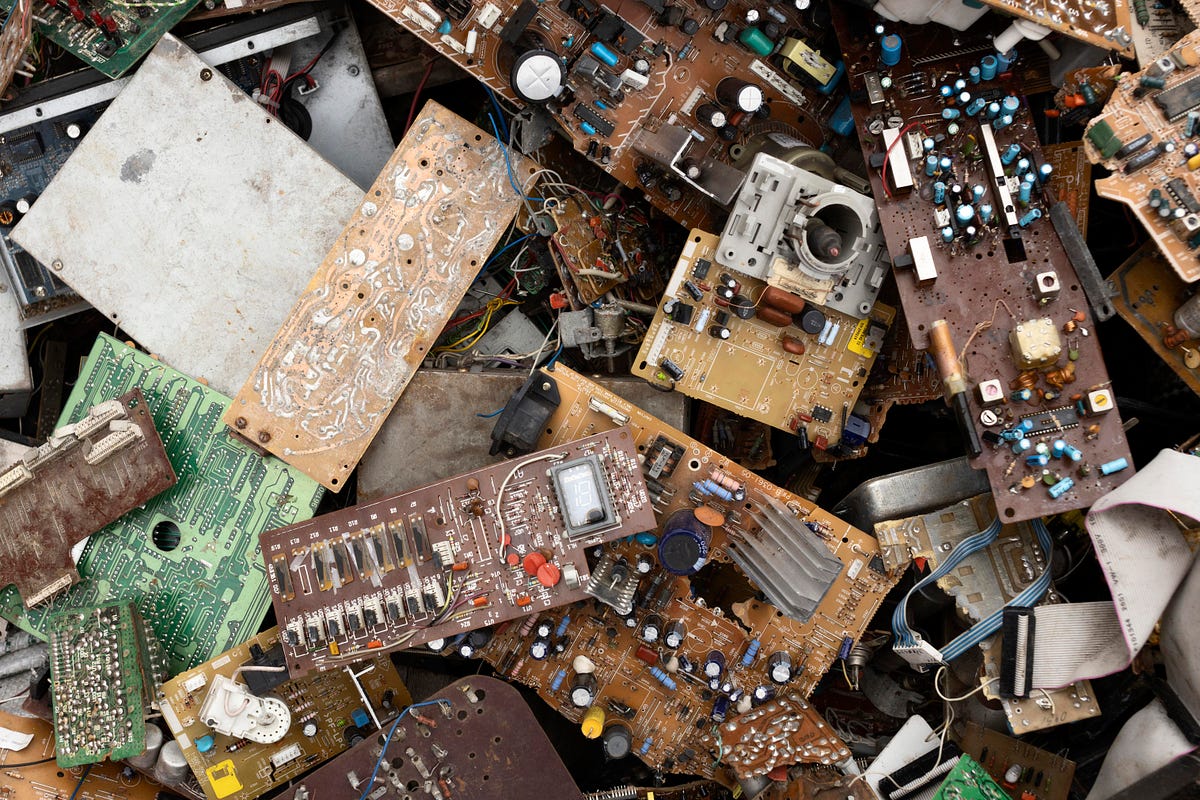
Tag: e waste

  • Responsible E-Waste Recycling

    Responsible E-Waste Recycling

    In today’s fast-paced technological landscape, the rapid turnover of electronic devices has resulted in a significant increase in electronic waste, or e-waste. Proper disposal and recycling of this waste are critical to minimizing its environmental impact and recovering valuable materials. JR Recycling Solutions Ltd. is at the forefront of responsible e-waste recycling, committed to sustainable practices that protect the environment and support the circular economy. This comprehensive guide explores the company’s initiatives, processes, and contributions to responsible e-waste recycling.

    Understanding E-Waste: Definition and Scope

    What is E-Waste?

    Electronic waste, or e-waste, refers to any discarded electronic device or component that has reached the end of its useful life. This includes a wide range of devices, from smartphones and laptops to refrigerators and televisions. E-waste contains valuable materials such as metals (gold, silver, copper), plastics, glass, and hazardous substances like lead, mercury, and cadmium.

    Scope and Growth of E-Waste

    The proliferation of electronic devices and rapid technological advancements have contributed to the exponential growth of e-waste globally. According to recent studies, approximately 53.6 million metric tons of e-waste was generated worldwide in 2019, with projections indicating continued growth in the coming years. Managing this growing volume of e-waste responsibly is essential to prevent environmental pollution and resource depletion.

    The Significance of E-Waste Recycling

    Environmental Protection

    E-waste contains hazardous substances such as lead, mercury, and cadmium, which can harm the environment if not properly managed. These toxic materials can leach into soil and water, causing pollution and health risks to communities. JR Recycling Solutions Ltd. ensures that e-waste is handled safely, preventing these contaminants from entering ecosystems.

    Resource Conservation

    Electronic devices are rich in precious metals like gold, silver, and copper. Recycling these materials reduces the need for mining, conserves natural resources, and lowers energy consumption. JR Recycling Solutions Ltd. focuses on efficient recovery of these valuable resources, contributing to resource conservation.

    Economic Benefits

    The e-waste recycling industry generates significant economic benefits, including job creation and economic growth. By investing in advanced recycling technologies and processes, JR Recycling Solutions Ltd. provides employment opportunities and supports the local economy.

    Social and Health Implications

    E-waste recycling is not only an environmental issue but also a social and health concern. Informal recycling practices, often prevalent in developing countries, expose workers and local communities to hazardous materials during the manual dismantling and processing of e-waste. Improving e-waste recycling practices globally is essential to protect the health and well-being of individuals involved in recycling operations and nearby communities.

    Challenges in E-Waste Recycling

    Volume and Complexity

    The diverse range of electronic products and their complex composition pose challenges for recycling. Different devices require specific methods for disassembly and material recovery. JR Recycling Solutions Ltd. has developed specialized techniques to manage this complexity efficiently.

    Informal Recycling Sector

    In many regions, e-waste is handled by informal sectors lacking proper safety measures, leading to environmental pollution and health hazards. JR Recycling Solutions Ltd. partners with local governments and organizations to promote formal recycling practices, ensuring safe and sustainable operations.

    Consumer Awareness

    A significant challenge in e-waste recycling is the lack of consumer awareness about proper disposal methods. Many people are unaware of the environmental impact of e-waste and how to recycle their old electronics responsibly. JR Recycling Solutions Ltd. runs educational campaigns to inform the public about the importance of e-waste recycling.

    Regulatory Framework

    Inconsistent regulations across different countries complicate the management of e-waste. Effective legislation is essential to ensure standardized recycling practices. JR Recycling Solutions Ltd. advocates for stringent regulations and compliance to ensure responsible recycling.

    JR Recycling Solutions Ltd.: Commitment to Responsible E-Waste Recycling

    Consumer Education and Awareness

    JR Recycling Solutions Ltd. recognizes the importance of educating consumers about e-waste recycling. The company conducts awareness campaigns, workshops, and seminars to inform the public about the environmental impact of e-waste and the proper methods for disposal. By partnering with schools, community centers, and businesses, JR Recycling Solutions Ltd. ensures widespread dissemination of information.

    Product Design and Manufacturing

    JR Recycling Solutions Ltd. collaborates with manufacturers to promote the design of products that are easier to recycle. This includes reducing the use of hazardous materials, designing for disassembly, and labeling components for recycling. By influencing product design, the company helps ensure that electronic devices can be recycled more efficiently at the end of their lifecycle.

    Collection and Logistics

    Efficient collection systems are crucial for effective e-waste recycling. JR Recycling Solutions Ltd. has established a comprehensive network of collection points, including drop-off locations, take-back programs, and curbside collection services. This extensive network ensures that consumers have convenient access to e-waste disposal options, increasing the rate of recycling.

    Advanced Recycling Facilities

    JR Recycling Solutions Ltd. invests in state-of-the-art recycling facilities equipped with the latest technology. These facilities are designed to handle the complex processes involved in e-waste recycling, from disassembly to material recovery. The company employs advanced techniques such as automated sorting, chemical extraction, and mechanical processing to maximize the recovery of valuable materials.

    Regulatory Compliance and Certification

    JR Recycling Solutions Ltd. adheres to stringent environmental and safety standards. The company is certified by relevant regulatory bodies and follows best practices in e-waste recycling. By maintaining high standards of operation, JR Recycling Solutions Ltd. ensures that its processes are environmentally responsible and safe for workers.

    Extended Producer Responsibility (EPR)

    Extended Producer Responsibility (EPR) is a policy approach that holds manufacturers accountable for the entire lifecycle of their products, including end-of-life disposal. JR Recycling Solutions Ltd. supports and promotes EPR policies, working closely with manufacturers to implement take-back programs and ensure the responsible recycling of electronic products.

    Case Studies and Success Stories

    Community Engagement Programs

    JR Recycling Solutions Ltd. has launched several community engagement programs aimed at increasing awareness and participation in e-waste recycling. For instance, the company collaborated with local schools to organize e-waste collection drives, educating students and parents about the importance of recycling electronics. These initiatives have significantly increased e-waste collection rates in participating communities.

    Corporate Partnerships

    JR Recycling Solutions Ltd. partners with various corporations to manage their e-waste responsibly. By providing customized recycling solutions, the company helps businesses reduce their environmental footprint and comply with regulatory requirements. These partnerships have resulted in the successful recycling of large volumes of e-waste, contributing to resource conservation and environmental protection.

    Technological Innovations

    JR Recycling Solutions Ltd. is at the forefront of technological innovation in e-waste recycling. The company has developed proprietary technologies for the efficient extraction of valuable materials from electronic waste. These innovations not only improve recycling efficiency but also reduce the environmental impact of the recycling process.

    The Role of Stakeholders in E-Waste Recycling

    Manufacturers

    Manufacturers play a crucial role in the e-waste recycling ecosystem. By designing products that are easier to recycle and participating in take-back programs, manufacturers can significantly contribute to responsible e-waste management. JR Recycling Solutions Ltd. collaborates with manufacturers to promote sustainable product design and end-of-life management.

    Consumers

    Consumers are key stakeholders in the e-waste recycling process. By responsibly disposing of their electronic devices and supporting companies with sustainable practices, consumers can help reduce the environmental impact of e-waste. JR Recycling Solutions Ltd. empowers consumers with the knowledge and resources to make environmentally responsible choices.

    Governments

    Governments play a vital role in regulating and promoting e-waste recycling. Effective legislation, enforcement of regulations, and support for recycling infrastructure are essential for successful e-waste management. JR Recycling Solutions Ltd. advocates for robust regulatory frameworks and collaborates with governments to implement effective e-waste recycling policies.

    Recyclers

    Recycling facilities are the backbone of the e-waste recycling industry. By adhering to best practices and maintaining high environmental and safety standards, recyclers can ensure that e-waste is processed responsibly. JR Recycling Solutions Ltd. sets an example for the industry by maintaining state-of-the-art facilities and following stringent operational protocols.

    Non-Governmental Organizations (NGOs)

    NGOs play a critical role in advocating for responsible e-waste recycling, conducting awareness campaigns, and supporting informal sector workers. JR Recycling Solutions Ltd. partners with NGOs to promote sustainable practices and improve the conditions of workers in the e-waste recycling industry.

    Future Trends in E-Waste Recycling

    Technological Advancements

    Advances in recycling technology, such as robotics and artificial intelligence, have the potential to significantly improve the efficiency and accuracy of e-waste processing. JR Recycling Solutions Ltd. is committed to investing in and adopting these technologies to enhance its recycling capabilities.

    Circular Economy

    The concept of a circular economy, where products are designed for longevity, reuse, and recycling, is gaining traction. JR Recycling Solutions Ltd. supports the transition to a circular economy by promoting sustainable product design and efficient material recovery.

    Global Collaboration

    International cooperation is essential to address the global e-waste challenge. Sharing best practices, technology, and knowledge can lead to more effective e-waste management strategies. JR Recycling Solutions Ltd. actively participates in global forums and collaborates with international organizations to promote responsible e-waste recycling.

    Policy Development

    Extended Producer Responsibility (EPR) policies are becoming more prevalent worldwide. These policies hold manufacturers accountable for the lifecycle of their products, encouraging sustainable design and end-of-life management. JR Recycling Solutions Ltd. advocates for the adoption of EPR policies and works with policymakers to develop effective regulations.

    Jr Recycling: Leaders in Responsible E-Waste Recycling

    Commitment to Sustainability

    Jr Recycling is a leader in responsible e-waste recycling, committed to environmental stewardship and sustainability. They operate state-of-the-art recycling facilities equipped with advanced technologies for processing e-waste safely and efficiently. By recovering valuable materials from e-waste, Jr Recycling reduces environmental impact and supports resource conservation efforts.

    Data Security Assurance

    Jr Recycling prioritizes data security and privacy in e-waste recycling processes. They offer certified data destruction services to ensure that all sensitive information stored on electronic devices is securely erased or destroyed. Compliance with industry standards and best practices guarantees that data remains protected throughout the recycling process.

    Community Engagement and Education

    Jr Recycling engages with communities through educational initiatives and outreach programs on responsible e-waste recycling practices. They raise awareness about the environmental and social impacts of e-waste, promote sustainable recycling practices, and empower individuals and businesses to make informed decisions. By fostering a culture of responsibility and sustainability, Jr Recycling contributes to positive environmental outcomes and encourages widespread adoption of responsible e-waste recycling practices.

    Conclusion

    JR Recycling Solutions Ltd. is dedicated to responsible e-waste recycling, combining advanced technology, consumer education, and regulatory compliance to manage electronic waste sustainably. The company’s comprehensive approach ensures that valuable resources are recovered, environmental impact is minimized, and economic benefits are realized. By fostering collaboration among stakeholders and embracing innovative practices, JR Recycling Solutions Ltd. is leading the way toward a sustainable future in e-waste management.

    Through continuous improvement and commitment to best practices, JR Recycling Solutions Ltd. aims to set new standards in the industry, contributing to a cleaner, greener, and more sustainable world. Whether you are a consumer, manufacturer, or policymaker, JR Recycling Solutions Ltd. invites you to join the effort in promoting responsible e-waste recycling and protecting our planet for future generations.
  • Electronic Waste Disposal in Dhaka

    Electronic Waste Disposal in Dhaka

    Introduction

    In an era dominated by technological advancement, the rapid proliferation of electronic devices has given rise to a significant environmental challenge: electronic waste, or e-waste. Dhaka, the bustling capital of Bangladesh, faces a mounting e-waste crisis as the city’s population continues to grow and its digital footprint expands. Addressing this issue requires innovative solutions and concerted efforts from various stakeholders. JR Recycling Solution Ltd is at the forefront of this battle, offering comprehensive e-waste disposal services to mitigate the environmental impact and promote sustainable practices.

    Understanding the E-Waste Problem in Dhaka

    Dhaka, with its population of over 21 million, generates a substantial amount of e-waste annually. As the urban center of Bangladesh, it is home to countless businesses, institutions, and households that continuously upgrade their electronic devices, contributing to the e-waste stream. According to a 2020 report by the Bangladesh Department of Environment, the country generates approximately 2.81 million metric tons of e-waste annually, with Dhaka accounting for a significant portion of this figure .

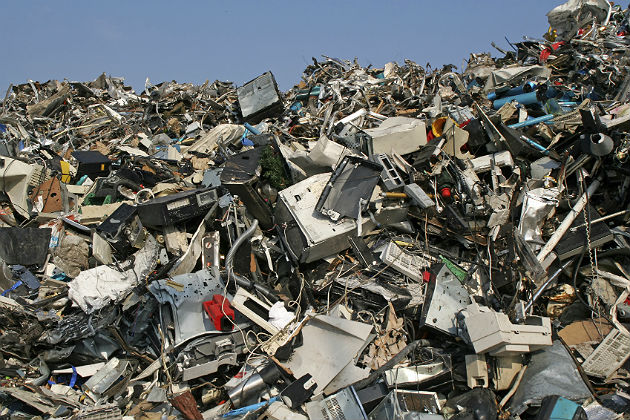
    E-waste comprises a variety of discarded electronic items, including smartphones, computers, televisions, refrigerators, and other household appliances. These devices contain hazardous materials such as lead, mercury, cadmium, and brominated flame retardants, which pose severe environmental and health risks if not properly managed. The improper disposal of e-waste in Dhaka, such as open dumping or informal recycling, exacerbates these risks, leading to soil and water contamination and exposing waste handlers to toxic substances.

    The Role of JR Recycling Solution Ltd

    JR Recycling Solution Ltd is a pioneering company dedicated to addressing the e-waste crisis in Dhaka through innovative recycling and disposal solutions. The company’s mission is to provide safe, efficient, and environmentally friendly e-waste management services that align with global standards and contribute to a cleaner and healthier environment in Bangladesh.

    Comprehensive E-Waste Management Services

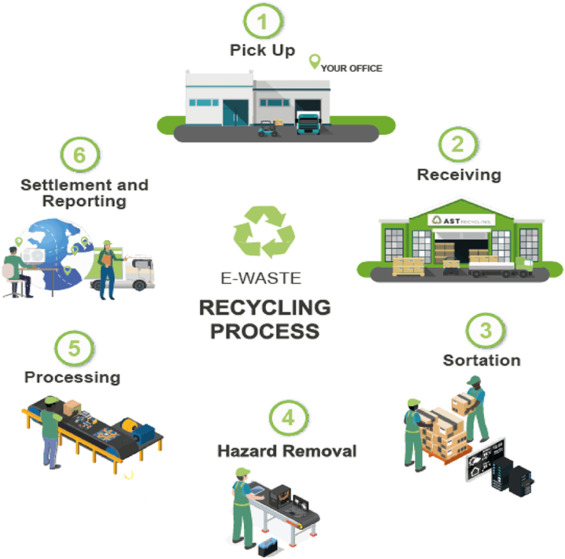
    1. Collection and Transportation: JR Recycling Solution Ltd has established a robust collection network to ensure the efficient gathering of e-waste from various sources across Dhaka. The company collaborates with businesses, institutions, and residential communities to facilitate the convenient disposal of electronic devices. Specialized vehicles equipped for safe e-waste transportation are used to minimize the risk of environmental contamination during transit.
    2. Sorting and Segregation: Once collected, the e-waste is transported to JR Recycling Solution Ltd’s state-of-the-art processing facility. Here, the waste undergoes thorough sorting and segregation to separate hazardous components from recyclable materials. This step is crucial in ensuring that harmful substances are properly managed and valuable materials are recovered for reuse.
    3. Recycling and Recovery: JR Recycling Solution Ltd employs advanced recycling technologies to extract valuable metals and materials from e-waste. Precious metals such as gold, silver, and copper are recovered through sophisticated processes, reducing the need for virgin material extraction and conserving natural resources. The company also focuses on recycling plastics and other non-metallic components, contributing to a circular economy.
    4. Safe Disposal of Hazardous Materials: Hazardous substances identified during the sorting process are handled with utmost care and disposed of in compliance with environmental regulations. JR Recycling Solution Ltd works closely with authorized hazardous waste treatment facilities to ensure that toxic materials are neutralized and disposed of safely, preventing environmental pollution.
    5. Data Security: Recognizing the importance of data security, especially for businesses and institutions, JR Recycling Solution Ltd offers secure data destruction services. This ensures that sensitive information stored on electronic devices is permanently erased before recycling, protecting clients from data breaches and identity theft.

    Promoting Awareness and Education

    In addition to its technical operations, JR Recycling Solution Ltd is committed to raising awareness about the importance of proper e-waste disposal and recycling. The company conducts educational campaigns and workshops to inform the public, businesses, and policymakers about the environmental and health impacts of e-waste. By fostering a culture of responsible e-waste management, JR Recycling Solution Ltd aims to drive behavioral change and encourage more people to participate in sustainable practices.

    The Impact of E-Waste Management on Dhaka

    Effective e-waste management by companies like JR Recycling Solution Ltd has far-reaching benefits for Dhaka and its residents. These benefits include:

    1. Environmental Protection: Proper e-waste disposal prevents the release of hazardous substances into the environment, reducing soil and water pollution. This protects ecosystems and minimizes the risk of health issues associated with exposure to toxic chemicals.
    2. Resource Conservation: By recovering valuable materials from e-waste, JR Recycling Solution Ltd helps conserve natural resources and reduces the need for environmentally damaging mining activities. This contributes to sustainable resource management and supports the principles of a circular economy.
    3. Economic Opportunities: The e-waste recycling industry creates job opportunities and stimulates economic growth. From collection and transportation to processing and recycling, various stages of e-waste management provide employment for skilled and unskilled workers alike.
    4. Health and Safety: Safe disposal of e-waste minimizes the health risks faced by informal waste handlers who often work without protective equipment. By formalizing e-waste management practices, JR Recycling Solution Ltd ensures that workers operate in safe conditions and are not exposed to hazardous substances.

    Bangladesh’s E-Waste Management Landscape

    The government of Bangladesh has recognized the urgency of addressing the e-waste problem and has taken steps to regulate e-waste management. The draft E-Waste Management Rules, developed by the Department of Environment, aims to establish a legal framework for the collection, storage, transportation, and recycling of e-waste . These rules emphasize the responsibility of manufacturers, importers, and consumers in managing e-waste and encourage the development of formal recycling infrastructure.

    JR Recycling Solution Ltd actively collaborates with government agencies, industry associations, and international organizations to support the implementation of these regulations and promote best practices in e-waste management. By aligning its operations with national policies, the company contributes to the broader goal of sustainable development in Bangladesh.

    Future Directions and Innovations

    As e-waste generation continues to grow, JR Recycling Solution Ltd is committed to staying at the forefront of technological advancements and industry best practices. The company plans to expand its processing capacity and enhance its recycling technologies to improve efficiency and material recovery rates. Additionally, JR Recycling Solution Ltd aims to explore innovative solutions such as:

    1. Urban Mining: Urban mining involves extracting valuable metals and materials from electronic waste and other urban sources. By refining urban mining techniques, JR Recycling Solution Ltd can recover even more resources from e-waste, reducing the reliance on traditional mining and its associated environmental impacts.
    2. Circular Economy Models: Embracing circular economy principles, JR Recycling Solution Ltd seeks to create closed-loop systems where electronic devices are designed for easy disassembly and recycling. This approach promotes product longevity, reduces waste, and maximizes resource efficiency.
    3. Public-Private Partnerships: Collaborating with government bodies, private enterprises, and non-governmental organizations, JR Recycling Solution Ltd aims to build a comprehensive e-waste management ecosystem. These partnerships can facilitate knowledge sharing, resource pooling, and coordinated efforts to tackle the e-waste challenge.
    4. Research and Development: Investing in research and development is crucial for staying ahead of the curve in e-waste management. JR Recycling Solution Ltd is dedicated to exploring new recycling technologies, improving existing processes, and finding innovative ways to address emerging e-waste streams.

    Conclusion

    The e-waste crisis in Dhaka is a pressing environmental challenge that demands immediate and effective solutions. JR Recycling Solution Ltd is leading the way in addressing this issue through its comprehensive e-waste management services. By combining advanced recycling technologies, safe disposal practices, and public awareness initiatives, the company is making significant strides in mitigating the environmental impact of e-waste in Dhaka.

    As Bangladesh continues to develop and embrace digital transformation, the role of responsible e-waste management becomes increasingly important. JR Recycling Solution Ltd’s efforts contribute not only to a cleaner and healthier environment but also to the sustainable growth and prosperity of Dhaka. By fostering a culture of recycling and sustainability, we can ensure that future generations inherit a planet that is not burdened by the electronic waste of today.


    References

    Draft E-Waste Management Rules. (2021). Department of Environment, Government of Bangladesh.

    Bangladesh Department of Environment. (2020). “Annual Report on E-Waste Generation and Management in Bangladesh.”

    Alam, M. Z., et al. (2020). “E-Waste in Bangladesh: Current Trends and Future Perspectives.” Journal of Environmental Management.

  • E-Waste in Bangladesh: A Growing Crisis and the Path to Sustainable Management

    E-Waste in Bangladesh: A Growing Crisis and the Path to Sustainable Management

    The world is more connected and digital than ever. While this brings countless benefits, it also creates a significant problem—e-waste. This issue is especially relevant in Bangladesh, where e-waste is growing at an alarming rate.

    Bangladesh is rapidly urbanizing, with the demand for electronics surging in both households and industries. As a result, e-waste in Bangladesh has become an urgent environmental and health issue. But how do we manage this growing challenge? Let’s take a deep dive into the e-waste problem in Bangladesh, why it’s so dangerous, and how we can move toward a more sustainable solution.

    What Is E-Waste?

    E-waste refers to discarded electronic devices that are no longer usable. This includes everything from mobile phones and laptops to large appliances like refrigerators and air conditioners. These devices often contain harmful substances like lead, mercury, and cadmium, which can leach into the environment if not disposed of properly.

    The most common sources of e-waste include:

    • Computers and mobile phones
    • Televisions
    • Refrigerators and air conditioners
    • Printed circuit boards

    Bangladesh, like many developing countries, is experiencing rapid growth in electronic waste due to the widespread use of digital technologies and rising incomes. The challenge is how to manage this growing pile of discarded electronics safely and efficiently.

    The Scale of the E-Waste Problem in Bangladesh

    How Much E-Waste Is Produced in Bangladesh?

    Bangladesh is currently generating thousands of tons of e-waste each year. According to a report by the Department of Environment, around 400,000 tons of e-waste were produced in 2020, and this number is expected to grow as more people have access to electronic devices.

    This e-waste includes discarded mobile phones, laptops, tablets, and large appliances. The demand for these items is increasing, which means the amount of e-waste generated will continue to rise in the coming years.

    Why Is E-Waste Dangerous?

    E-waste is more than just an inconvenience. It poses serious risks to both the environment and human health. Here’s why:

    1. Toxic Chemicals

    E-waste contains hazardous substances like lead, mercury, and cadmium. When disposed of improperly, these toxic materials can contaminate soil and water. They can harm the ecosystem and enter the food chain, affecting not only wildlife but humans as well.

    2. Air Pollution

    Improper disposal of e-waste, such as burning it in open air, releases toxic fumes into the atmosphere. These fumes contain dioxins and furans, both of which are harmful to human health and contribute to air pollution.

    3. Impact on Workers’ Health

    In Bangladesh, a significant portion of e-waste recycling is done in the informal sector, where workers handle toxic substances without any protective gear. This leads to severe health problems, including respiratory issues, skin diseases, and in extreme cases, cancer. The risks to e-waste workers are enormous.

    Current E-Waste Management in Bangladesh

    How Is E-Waste Currently Handled?

    In Bangladesh, most e-waste is either sent to landfills or recycled through the informal sector. Informal recyclers dismantle electronic devices by hand, often without proper tools or protective equipment. This practice exposes workers to harmful chemicals and releases toxins into the environment.

    The informal recycling sector is a significant player in the e-waste economy, but it comes with numerous downsides. Without proper safety measures, informal recycling is dangerous both for workers and the environment.

    The government of Bangladesh has recognized this problem and has introduced the E-Waste Management Rules 2021. These rules aim to regulate e-waste collection and recycling, encouraging formal, environmentally friendly methods of disposal. However, implementation remains a challenge.

    Government Regulations: E-Waste Management Rules 2021

    The E-Waste Management Rules 2021 are a step in the right direction. This legislation introduces guidelines for the safe disposal, collection, and recycling of e-waste. It also requires manufacturers to take responsibility for the disposal of their products after they are no longer usable.

    The law is aimed at reducing the environmental impact of e-waste and ensuring that recyclers follow proper safety measures. The hope is that these rules will help move the country away from informal recycling practices and toward a more sustainable e-waste management system.

    The Role of the Informal Sector in E-Waste Recycling

    How the Informal Sector Operates

    The informal recycling sector is a crucial part of Bangladesh’s economy. Workers in this sector collect discarded electronics from households and industries, often breaking them apart manually to extract valuable materials like copper, aluminum, and gold. These materials are then sold to scrap dealers for a profit.

    While this practice helps recover valuable resources, it is highly inefficient and dangerous. Workers are exposed to toxic chemicals without any protective gear, leading to severe health risks. Moreover, the process often releases harmful substances into the environment, contributing to air and soil pollution.

    How Can We Transition to Formal Recycling?

    A shift from the informal to the formal recycling sector is essential for the safe management of e-waste in Bangladesh. Formal recycling facilities use advanced technologies to dismantle and recycle electronic devices. These facilities are safer for workers and more efficient at recovering valuable materials.

    Steps Toward Formal Recycling

    1. Education and Awareness Campaigns: The government needs to launch awareness campaigns to educate people about the dangers of improper e-waste disposal. This will encourage individuals and companies to use formal recycling services.
    2. Incentives for Recycling: The government can offer tax breaks or other incentives to businesses that set up formal e-waste recycling facilities.
    3. Enforcement of Laws: Strict enforcement of the E-Waste Management Rules 2021 is necessary to ensure that informal recycling practices are phased out.
    4. Public-Private Partnerships: By partnering with private companies, the government can set up a network of e-waste collection centers across the country, making it easier for people to dispose of their electronic waste responsibly.

    E-Waste and the Circular Economy

    One promising solution to the e-waste problem is adopting a circular economy model. In a circular economy, products are designed to last longer, be reused, and eventually recycled at the end of their life cycle. This reduces the need for new raw materials and minimizes waste.

    How the Circular Economy Can Help

    By transitioning to a circular economy, Bangladesh can reduce the amount of e-waste generated while also recovering valuable materials. Electronics manufacturers can design products that are easier to repair and recycle, ensuring that fewer devices end up in landfills.

    Global Best Practices for E-Waste Management

    Several countries have successfully implemented e-waste management policies that Bangladesh can learn from.

    1. Japan

    Japan has one of the most advanced e-waste recycling systems in the world. The country requires manufacturers to take back their products once they are no longer useful, encouraging the reuse and recycling of valuable materials.

    2. The European Union

    The European Union’s WEEE Directive (Waste Electrical and Electronic Equipment) sets strict guidelines for the collection, recycling, and disposal of e-waste. Under this directive, manufacturers are responsible for the entire lifecycle of their products, from production to disposal.

    3. China

    China has introduced a nationwide e-waste collection system, providing designated drop-off points where individuals can safely dispose of their electronic waste.

    How to Recycle E-Waste in Bangladesh: A Step-by-Step Guide

    If you’re wondering how to properly dispose of your electronic waste in Bangladesh, here’s a simple guide:

    Step 1: Find an Authorized Recycler

    Search for a formal recycling facility or a collection point authorized by the Department of Environment. These centers ensure safe handling and recycling of e-waste.

    Step 2: Separate Your Electronics

    Before recycling, separate your electronics by type (e.g., mobile phones, laptops, large appliances). This will help recyclers process your e-waste more efficiently.

    Step 3: Wipe Personal Data

    Before discarding any electronic device, make sure to delete all personal data. You can do this by performing a factory reset or using data-erasing software.

    Step 4: Drop Off at the Collection Center

    Take your separated e-waste to the designated e-waste collection point. Ensure that the recycler follows proper disposal practices in compliance with the E-Waste Management Rules 2021.

    Challenges and the Road Ahead

    Despite the efforts to manage e-waste in Bangladesh, several challenges remain:

    • Lack of infrastructure: There are not enough formal recycling centers to handle the growing volume of e-waste.
    • Public awareness: Many people are unaware of the dangers posed by e-waste or the proper disposal methods.
    • Enforcement of laws: While the E-Waste Management Rules 2021 are a step in the right direction, enforcement remains weak.

    However, by investing in infrastructure, raising public awareness, and enforcing existing regulations, Bangladesh can make significant progress toward sustainable e-waste management.

    Conclusion: The Future of E-Waste in Bangladesh

    E-waste in Bangladesh is a pressing issue, but it’s not an unsolvable one. With the right mix of government regulation, private sector investment, and public awareness, we can move towards a more sustainable future.

    The transition to a circular economy, combined with stricter enforcement of the E-Waste Management Rules 2021, will go a long way toward reducing the environmental and health risks associated with electronic waste.

    By recycling and properly disposing of our electronics, we can help create a cleaner, safer, and more sustainable Bangladesh.

    FAQs: Common Questions About E-Waste in Bangladesh

    1. What is the biggest source of e-waste in Bangladesh?
    The biggest sources are mobile phones, computers, and large appliances like refrigerators.

    2. Why is e-waste dangerous?
    E-waste contains hazardous materials like lead and mercury, which can harm human health and the environment.

    3. How can I safely dispose of e-waste?
    Take your e-waste to an authorized recycling facility or drop-off point in compliance with the E-Waste Management Rules 2021.

    4. What are the government’s efforts to tackle e-waste?
    The E-Waste Management Rules 2021 provide guidelines for the safe disposal, collection, and recycling of e-waste.